A Mother struggles to deal with the unknown condition of her incarcerated son during the worst pandemic in over 100 years.
Social & External
The people behind it
Documents the race riot of 1921 and the destruction of the African-American community of Greenwood in Tulsa, Oklahoma. With testimony by eyewitnesses and background accounts by historians.
The role of African American soldiers during the World War II Allied invasion of Normandy.
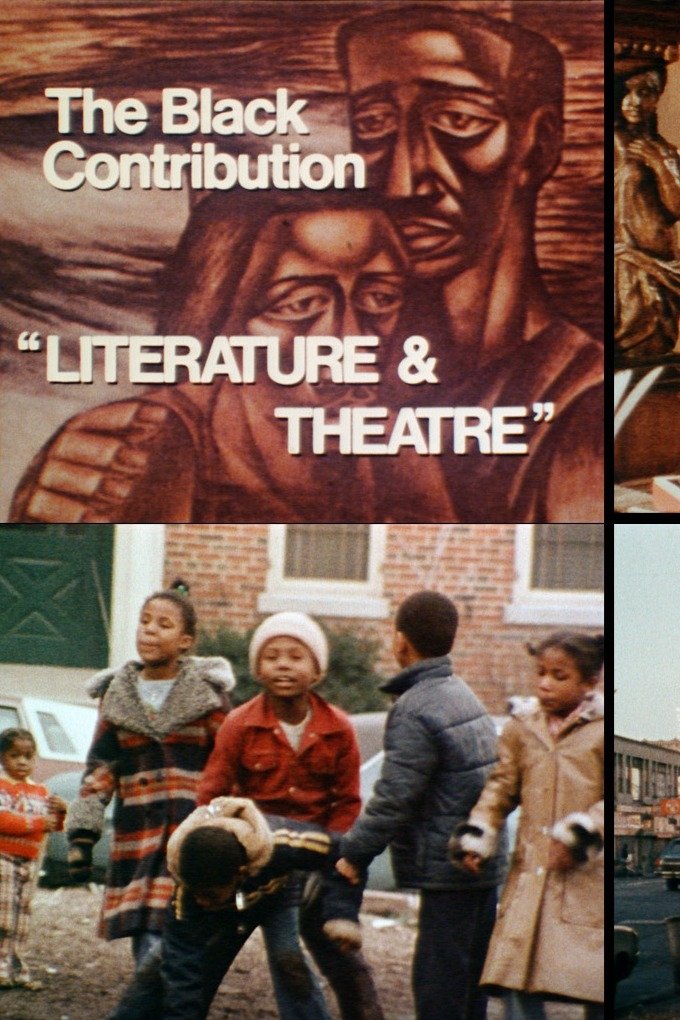
The Black Contribution – Literature and Theater 1978 is a rare documentary highlighting the voices and cultural impact of African American writers and performers during the civil rights era. Introduced by NAACP leader Benjamin Hooks and narrated by Roscoe Lee Brown, the film weaves together dramatic readings, theatrical excerpts, and candid urban street footage. Margaret Walker’s poem For My People is performed alongside scenes of daily Black life in New York City — children playing, families on stoops, open fire hydrants, and the realities of poverty in 1970s neighborhoods. James Baldwin appears in interview footage, while signs for his play The Amen Corner and stage excerpts from Lorraine Hansberry’s A Raisin in the Sun underscore the powerful presence of Black voices in American theater. With rare shots of Harlem life, literature, and performance, this film documents the enduring contributions of African American artists to U.S. culture and history.
Since August 2024, in Martinique, a popular protest movement against the high cost of living has been reemerging under the leadership of the RPPRAC (Rassemblement Pour La Protection Des Peuples Et Des Ressources Afro-Caribéens – Gathering for the Protection of Afro-Caribbean Peoples and Resources). On the island, food prices are on average 54% higher than in mainland France.* Through various cultural figures, the people of Martinique are expressing their anger and seeking concrete solutions. *Source: Kiprix, Price comparison between supermarkets in the French overseas territories and mainland France.
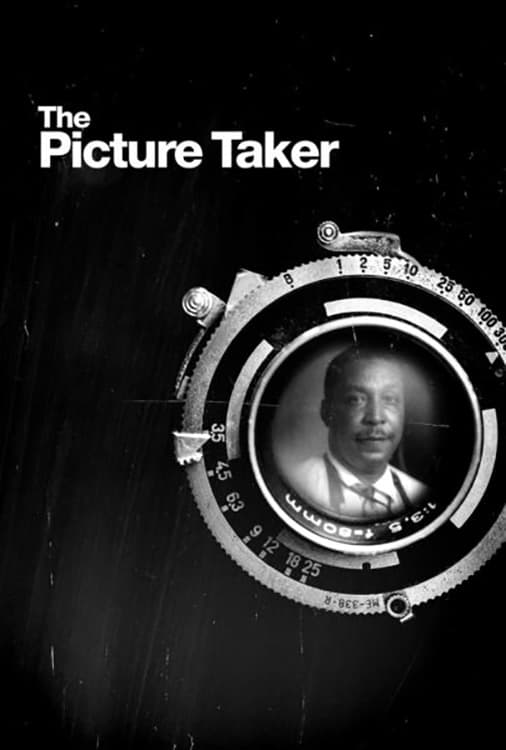
From his Memphis studio, Ernest Withers’ nearly 2 million images were a treasured record of Black history but his legacy was complicated by decades of secret FBI service revealed only after his death. Was he a friend of the civil rights community, or enemy—or both?
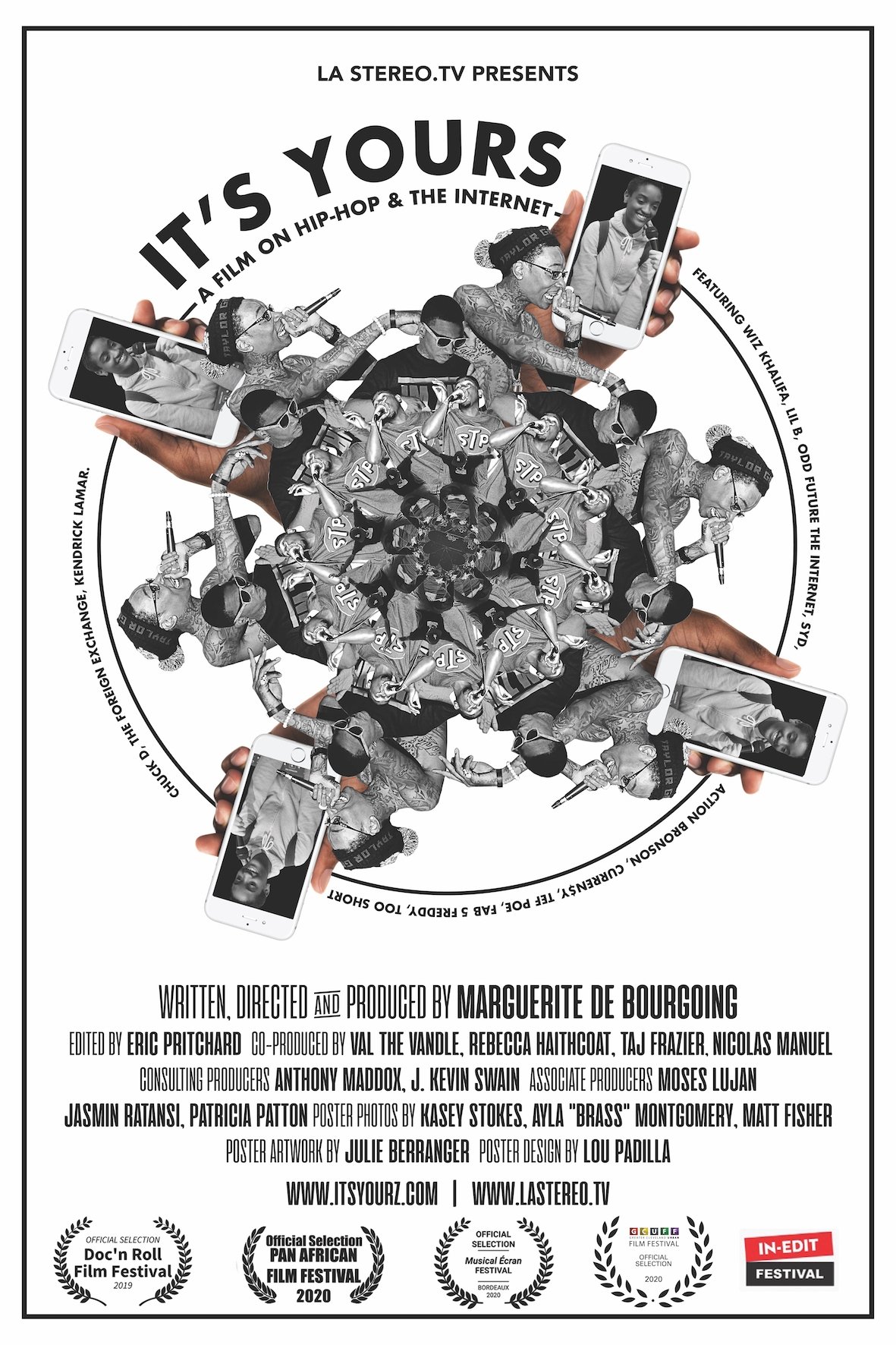
By the dawn of the 21st century, hip-hop sales had reached an all-time high, but one thing has remained the same. The doors were still locked, and the music industry held the keys. Young artists began to self-market on the Internet, ultimately helping to collapse the music industry as we knew it. It’s Yours explores how it became possible to become a rap star through a Twitter account, YouTube site or Myspace page. It tells this story through the unique perspectives of numerous artists, producers, record industry insiders, and music and cultural critics.
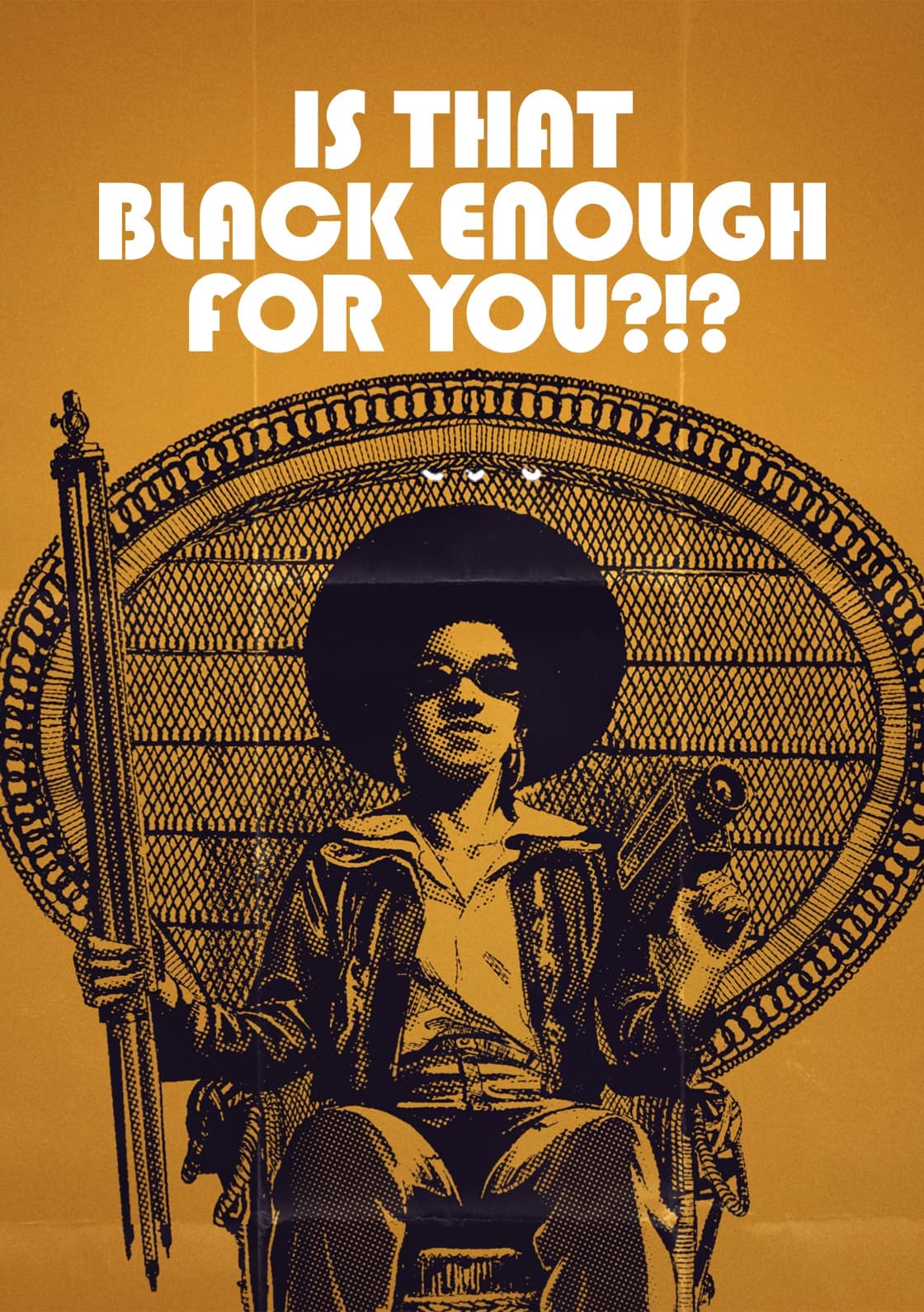
A look at the Black revolution in 1970s cinema, from genre films to social realism, from the making of new superstars to the craft of rising auteurs.
Traces the life of Booker T. Washington, ex-slave, author, educator, and political leader, focusing on his stewardship of Tuskegee Institute in Alabama. Uses historic photographs, re-created vignettes, and interviews with contemporaries such as W.E.B. DuBois to present Washington's complex personality and his influence on southern life after the Civil War. Also examines his controversial policies of Black economic self-reliance and political accommodation
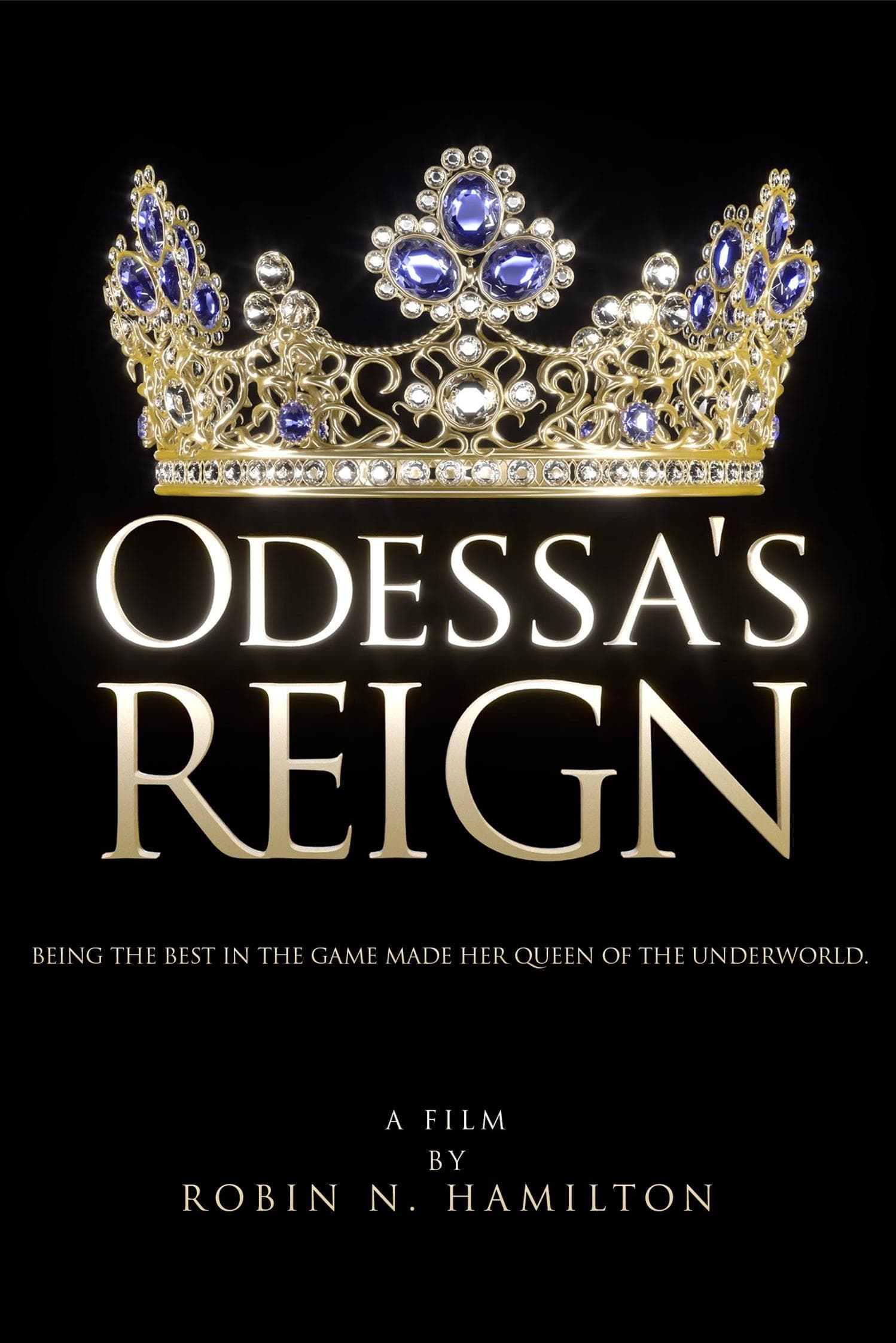
Black women had extremely limited options during Jim Crow. Odessa’s story explores how an African American woman born in a time with limited options leveraged her incredible mind and quick wit to become wealthier than she ever should have been able to This film takes a look at choices that were made, a wild ride Odessa had as an underworld queen, and consequences from her choices Odessa Madre’s life was a mix of resilience and bookend by the vicissitudes of luck, a contrast of economic success within
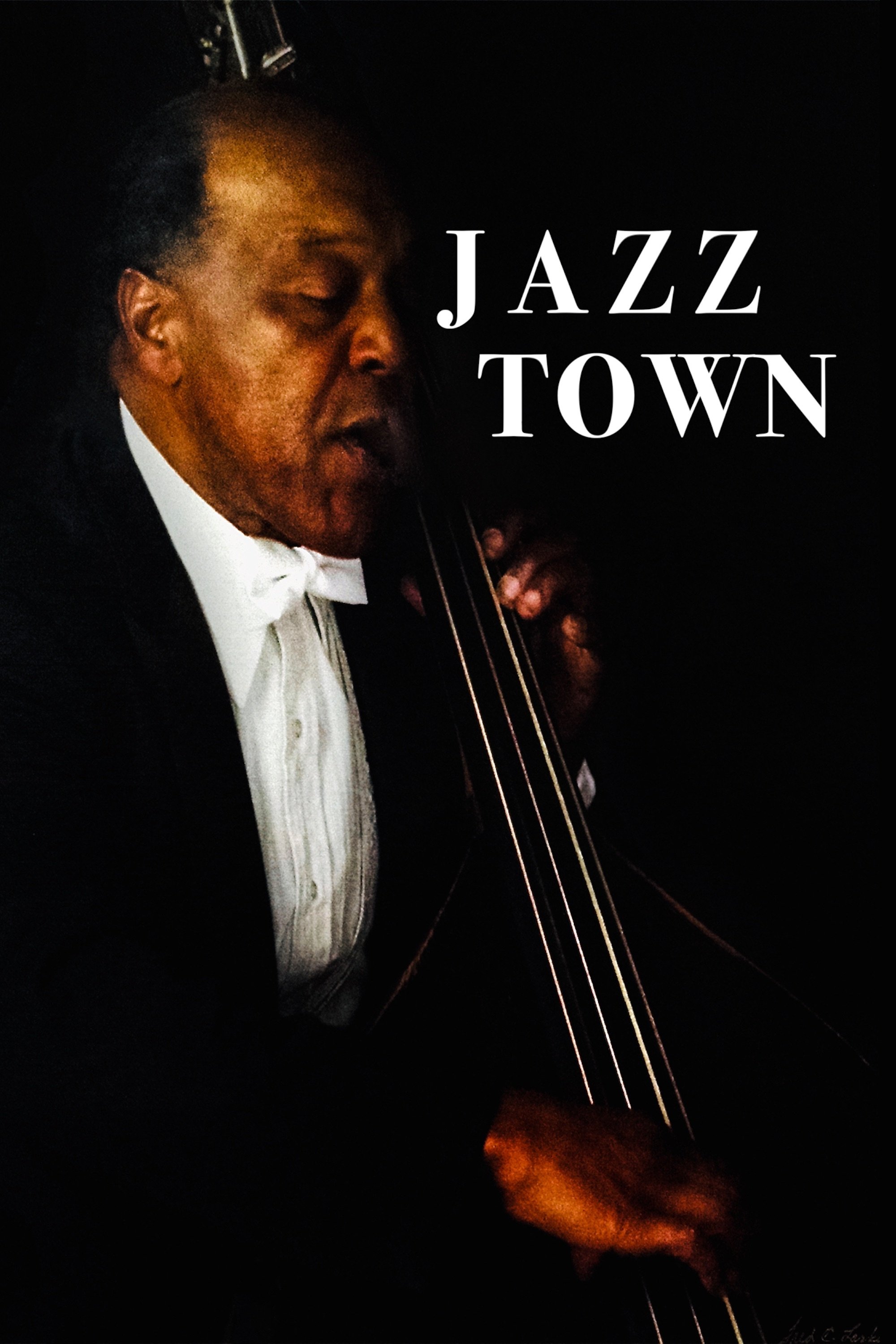
Denver’s iconic and Grammy Award-winning musicians reveal the secrets of their success and longevity in the music business while warning the young lions to whom they pass the torch to stay relevant in a marketplace both treacherous and brutal. The majestic Rocky Mountains tower over a bustling metropolis filled with steamy and romantic nightclubs where jazz flourishes on stage. JazzTown features never seen before live concert footage on historic stages that have now crumbled due to economic stresses of the Covid Pandemic. ~ Dianne Reeves, 5-time Grammy Award winner for Best Jazz Vocalist ~ US Senator John Hickenlooper (former jazz club owner) ~ Ron Miles (Colorado Music Hall of Fame, Joshua Redman, Bill Frisell, Ginger Baker) ~ Charlie Hunter (Snarky Puppy, Christian McBride, Stanton Moore) ~ Art Lande (Mark Isham, Gary Peacock) ~ Ayo Awosika (Session Singer on Soundtracks to: Wakanda Forever, Nope, Dune, The Lion King ... tours with Miley Cyrus,) and many more.
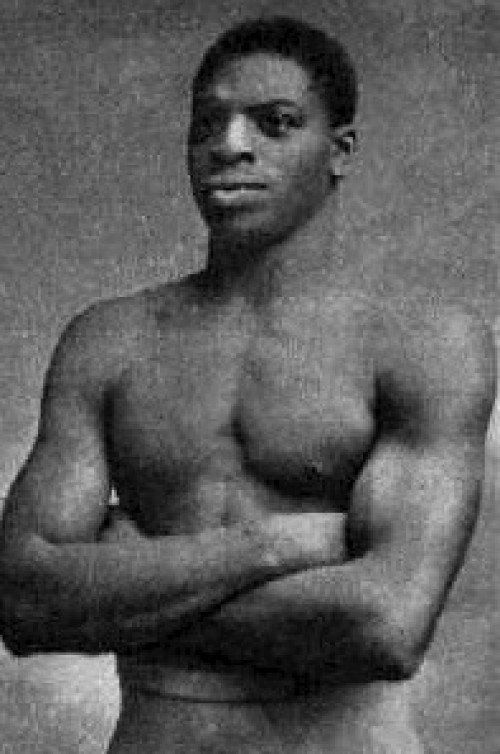
Using newly uncovered historical documents, this documentary short pieces together the most complete and accurate account of the life of Viro Small ever told. Nicknamed "Black Sam of Vermont" for his ties to the Green Mountain State, Small was a pro wrestling pioneer who reached the height of his notoriety in 1880's New York City.
Produced in 2004, Inspired by the book, Glory In A Snapshot A Photographic Look at Bedford-Stuyvesant, Bedford-Stuyvesant Beautiful is a video that gives you an insight into life in this historic community.
This documentary speaks to local activist groups in the music industry and culture scene to find out why people are driven to fight back and speak out on subjects they’re passionate about. With an aim of inspiring the next generation, each activist gives their advice on how you can put a cause you are passionate about in the local scene into action. Hope Lynes spoke to Phil Douglas from LGBTQIA+ organisation Curious Arts; grassroots promoter Hana Harrison from Art Mouse; Tracks' Sarah Wilson, who campaigns for better female representation in the music scene with her project Noisy Daughters; Chantal Herbert from feminist Black and queer-led organisation Sister Shack; and disability activist and musician Ruth Lyon. It’s hoped that this intimate and personal documentary will explore the starting points to beginning your own activism.
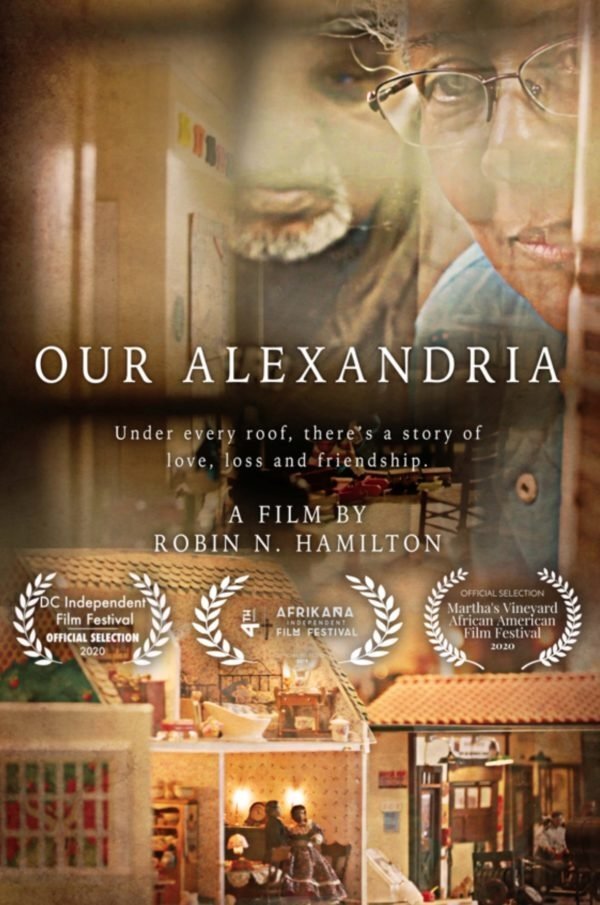
Two artists from Alexandria, Virginia, revisit the town’s segregated past and tell the story of family, friendship, loss, and love through historical dollhouses.
A short film entitled "A Letter To Claudette Colvin", written and directed by Victoria Wilson bringing awareness to Colvin's involvement in the Montgomery Bus Boycott which ignited due to her refusal on March 2, 1955.
When the Civil War ended in 1865, more than four million slaves were set free. Over 70 years later, the memories of some 2,000 slave-era survivors were transcribed and preserved by the Library of Congress. These first-person anecdotes, ranging from the brutal to the bittersweet, have been brought to vivid life in this unique HBO documentary special, featuring the on-camera voices of over a dozen top African-American actors.
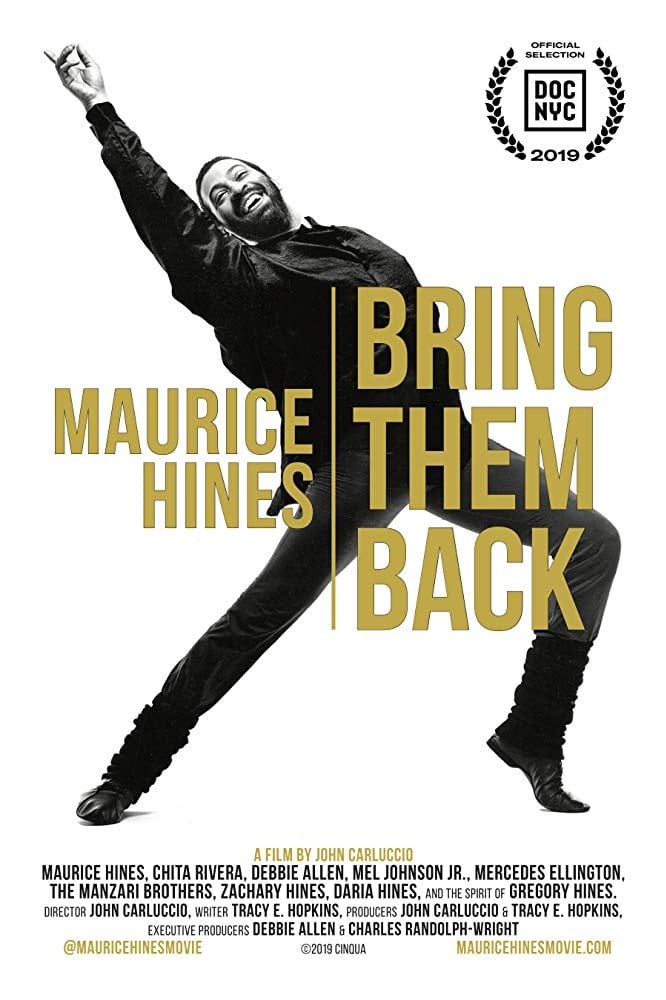
Maurice Hines -- actor, director, singer, and choreographer -- navigates the complications of show business while grieving the loss of his more famous, often estranged younger brother, tap dance legend Gregory Hines.
The story of how Everett Leroy Jones became Amiri Baraka, from his childhood to the mid '60s, is told through interviews recorded in the late '90s.
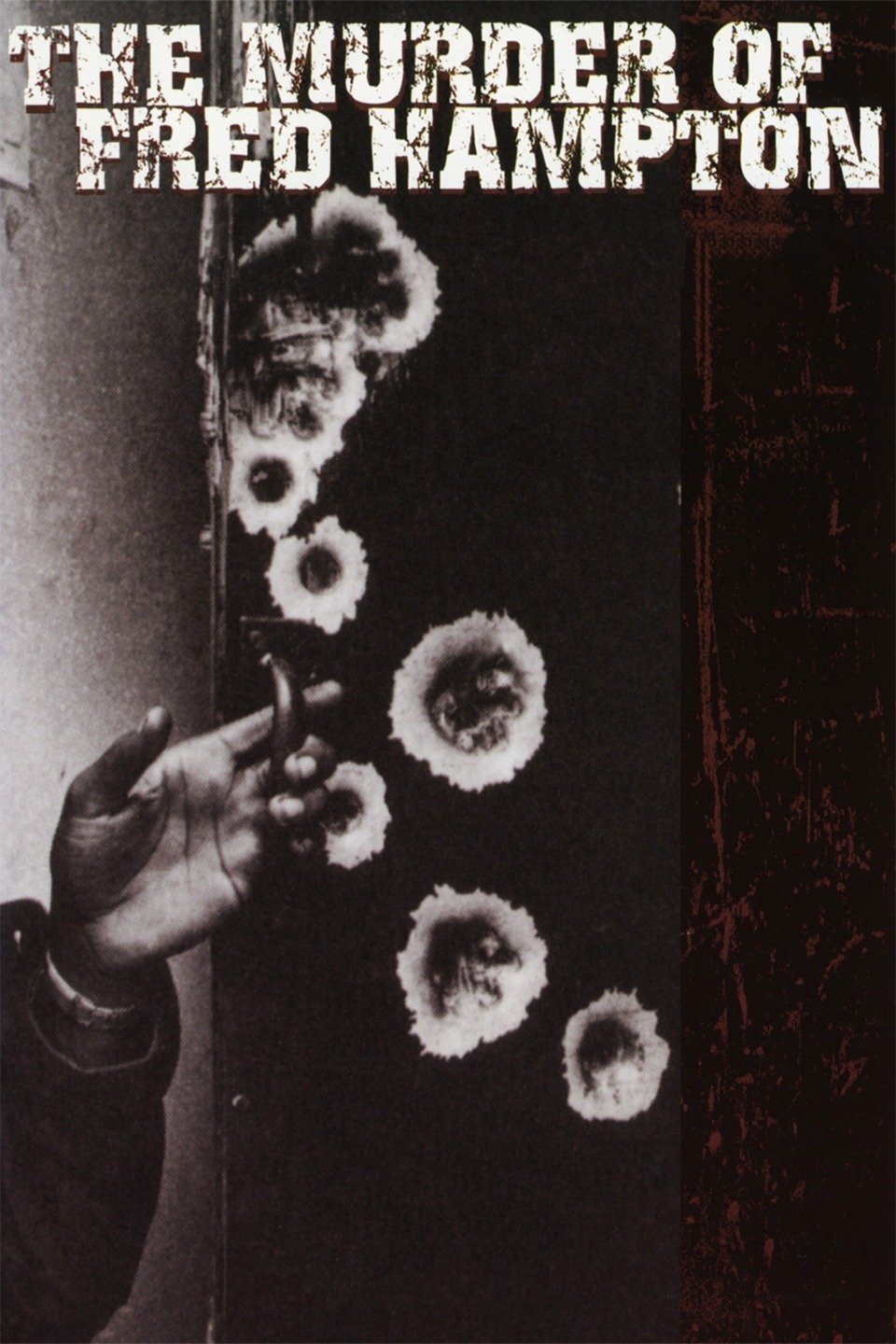
Fred Hampton was the leader of the Illinois Chapter of the Black Panther Party. This film depicts his brutal murder by the Chicago police and its subsequent investigation, but also documents his activities in organizing the Chapter, his public speeches, and the programs he founded for children during the last eighteen months of his life.
Documentary film on events that happened on August 28th in African-American history, shown at the Smithsonian African-American History Museum.
In an intimate and joyful story of love in the face of loss, celebrated poets Andrea Gibson and Megan Falley find strength—and unexpected hilarity—in what might be their final year together.
This revealing documentary honors the legendary Sidney Poitier—iconic actor, filmmaker, and civil rights activist. Featuring interviews with Denzel Washington, Spike Lee, Halle Berry, and more.
A string of threatening emails escalates into a revenge plot involving a newly married US marshal and his ex-girlfriend.
Director Michael Apted revisits the same group of British-born adults after a 7 year wait. The subjects are interviewed as to the changes that have occurred in their lives during the last seven years.
An inside look at one of the most anticipated movie sequels ever with James Cameron and cast.
Unravel the case of Utah therapist Jodi Hildebrandt, whose child abuse arrest with parenting YouTuber Ruby Franke exposed a twisted tale of manipulation.
Those who knew iconic funnyman John Candy best share his story, in their own words, through never-before-seen archival footage, imagery, and interviews.
Ranjit, a farmer in India, takes on the fight of his life when he demands justice for his 13-year-old daughter, the victim of a brutal gang rape. His decision to support his daughter is virtually unheard of, and his journey unprecedented.
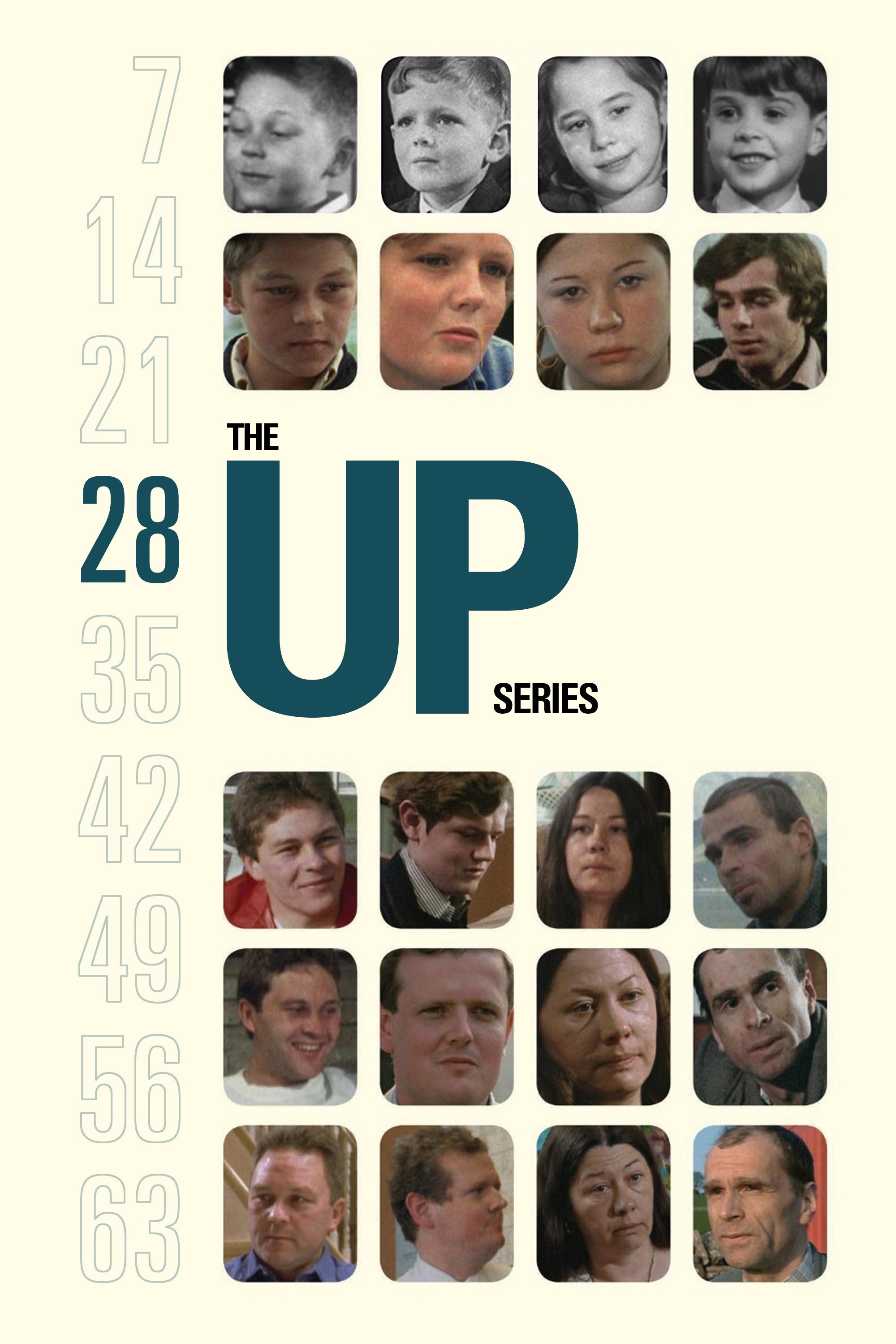
Just two years away from turning 30, participants in Michael Apted's documentary series are facing serious questions of identity and purpose, wondering whether they've found their place in the world.
Over 35 years after Bob Lazar's revelations, this documentary exposes secrets of a facility the government still denies. Featuring Lazar's testimony, recreations, and new evidence, it reopens a case that continues to spark global curiosity
After another 7 year wait, director Michael Apted revisits the same group of British-born children from Seven Up! and 7 Plus Seven. The subjects are interviewed as to the changes that have occurred in their lives during the last seven years.
Al Pacino's deeply-felt rumination on Shakespeare's significance and relevance to the modern world through interviews and an in-depth analysis of "Richard III."
Through deeply personal interviews with her siblings and an examination of the photographs, letters, and belongings left behind, Mariska assembles a new portrait of her mother Jayne Mansfield, an extraordinary and complex woman.
Examines the evolution of the Black Power Movement in US society from 1967 to 1975. It features footage of the movement shot by Swedish journalists in the United States during that period and includes the appearances of Angela Davis, Bobby Seale, Huey P. Newton, Eldridge Cleaver, and other activists, artists, and leaders central to the movement.
Join the likes of Jeremy Renner, Hailee Steinfeld, Florence Pugh, and Vincent D’Onofrio as they reveal how Marvel Studios’ “Hawkeye” was conceived and created. Witness firsthand what it took to pull off the show’s pulse-pounding action set pieces, and discover how iconic characters from the pages of Marvel Comics such as Kate Bishop were adapted and brought to life for the six-episode series.
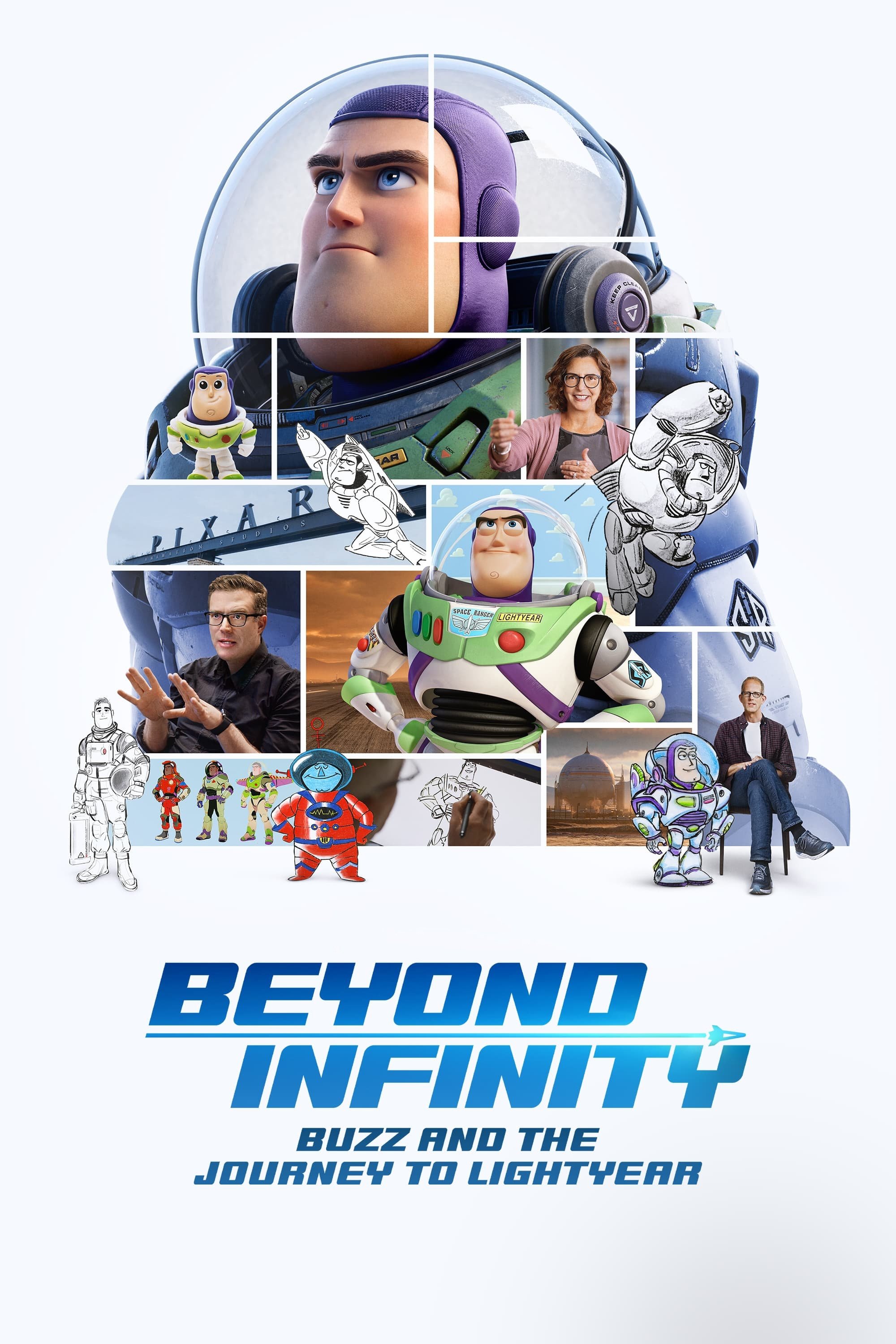
Explore the evolution of Buzz Lightyear from toy to human in the making of Pixar’s Lightyear. Dive into the origin and cultural impact of everyone’s favorite Space Ranger, the art of designing a new “human Buzz,” and the challenges faced by the Lightyear crew along the way.
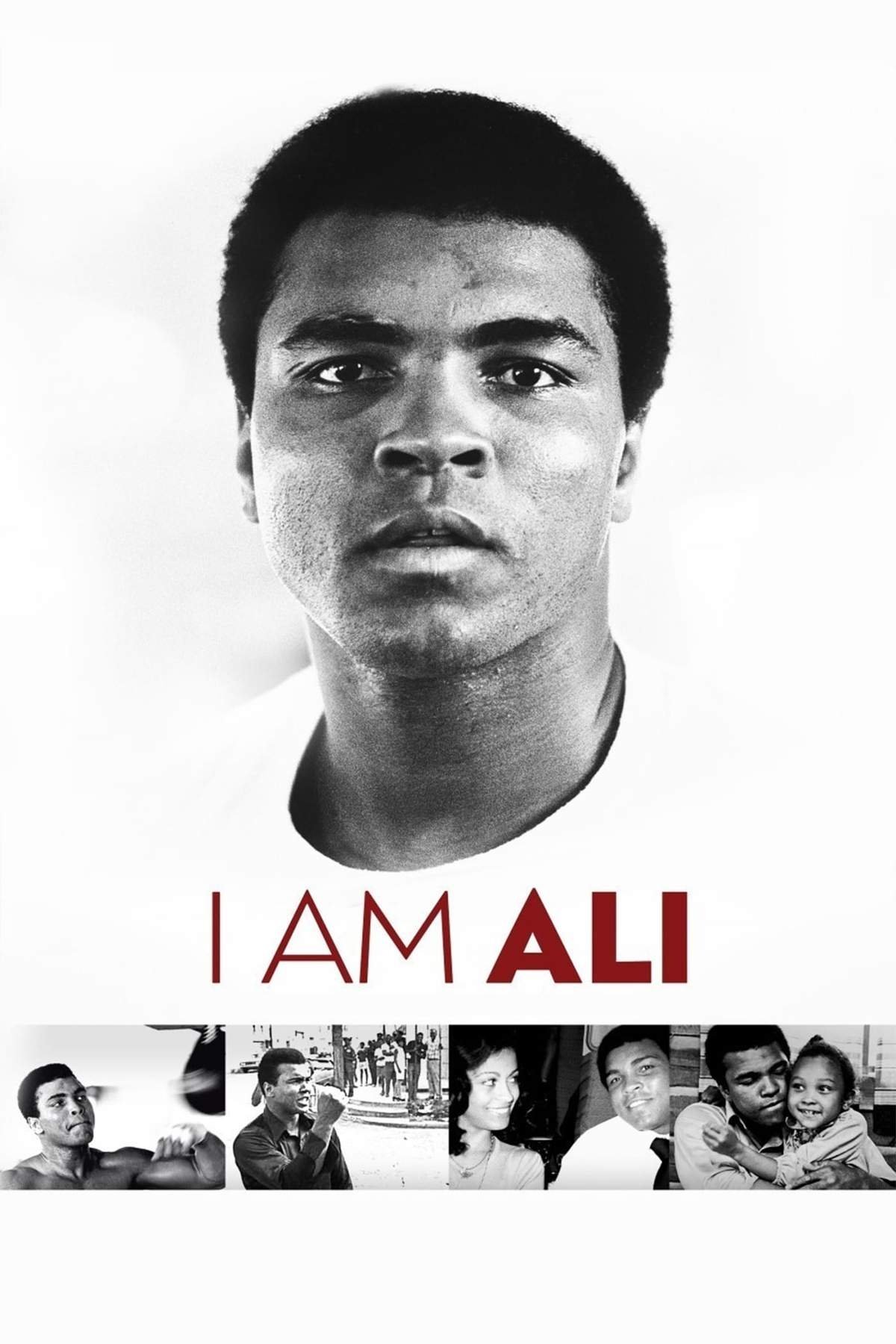
Unprecedented access to Muhammad Ali's personal archive of "audio journals" as well as interviews and testimonials from his inner circle of family and friends are used to tell the legend's life story.
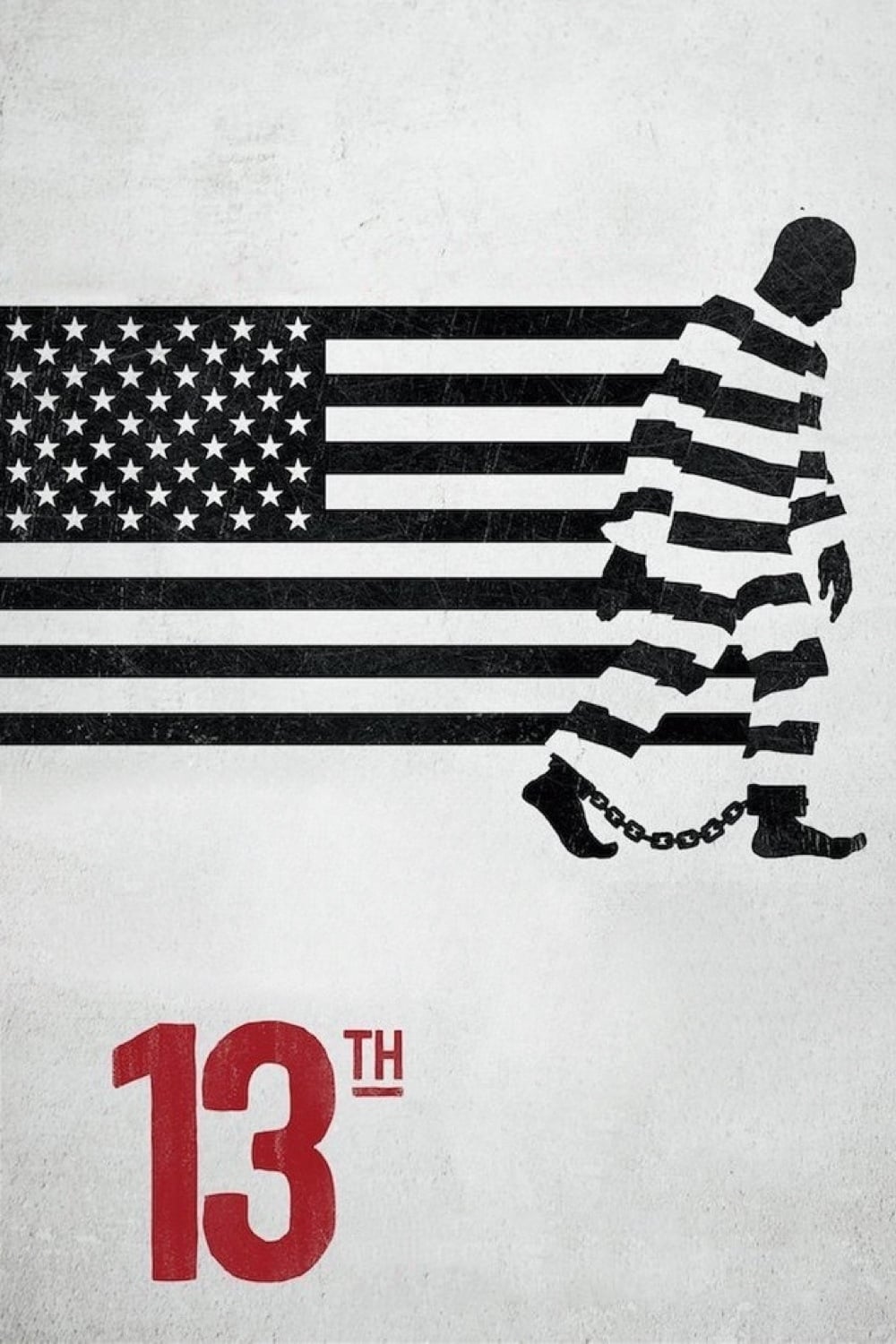
An in-depth look at the prison system in the United States and how it reveals the nation's history of racial inequality.
Musician and performance artist Laurie Anderson reflects on the deaths of her husband Lou Reed, her mother and her beloved dog.