Social & External
The people behind it
Anne Sinclair
Narrator (voice)
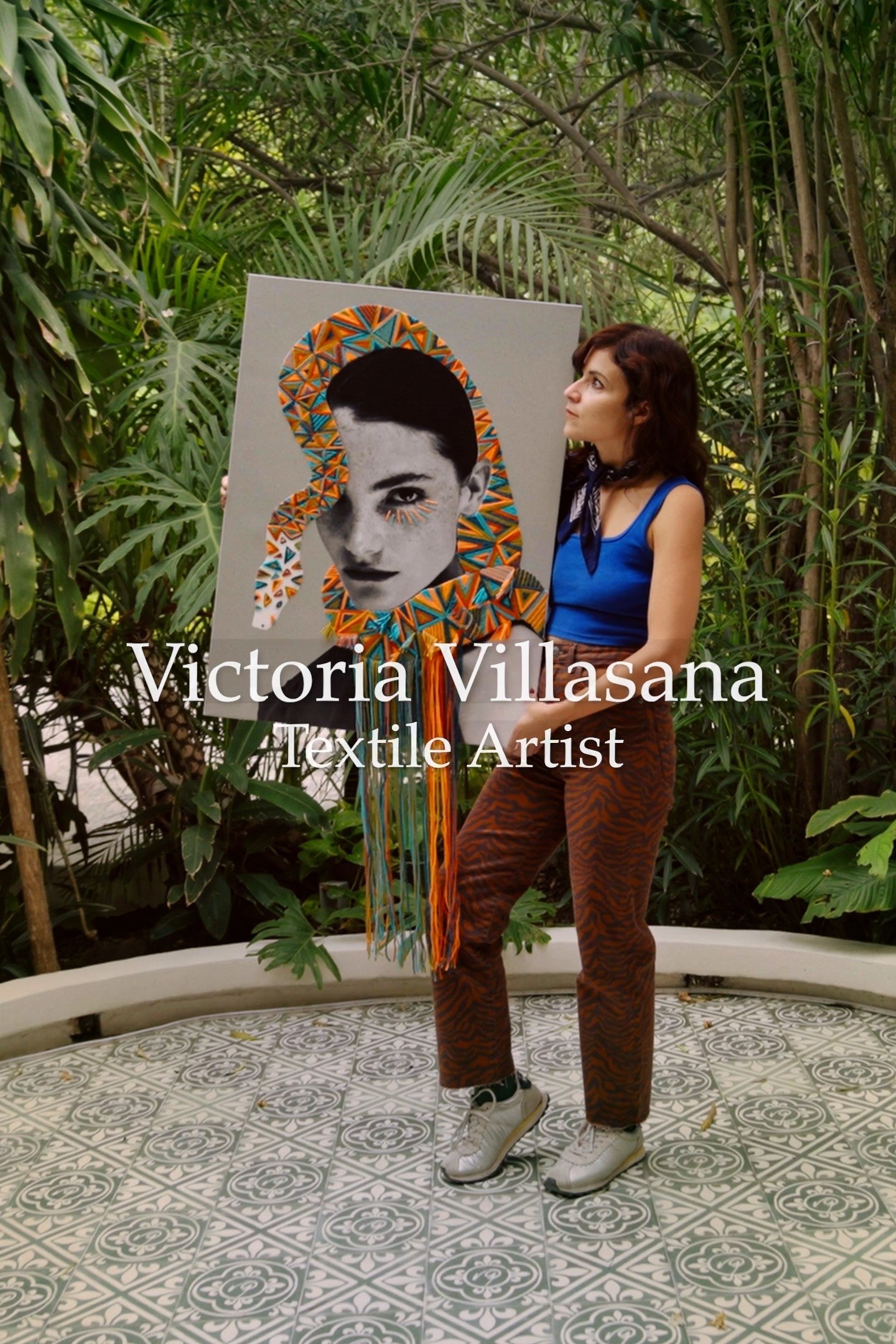
This short documentary explores the creative process of Mexican textile artist Victoria Villasana. Her work is vibrant and emotional, with each piece telling a story through the blending of thread and monochrome photos. Victoria’s careful selection of colors, geometric shapes, and forms brings her vision to life. We delve into her sources of inspiration, the power of working with her hands, and her unique approach to art.
During the 15th century reign of France's King Louis XI, a young Scottish man is sent by his English Lord to woo a French lady on his behalf. The plan goes awry when the young man falls in love with her. Based on the classic novel by Sir Walter Scott.
Maurizio is a young university student living in Zürich, with a passion for diseases. Unlike many others, he can see an inherent beauty in them. Afterall, what difference can exist between a flower and an infection, if they are both a gift of nature?
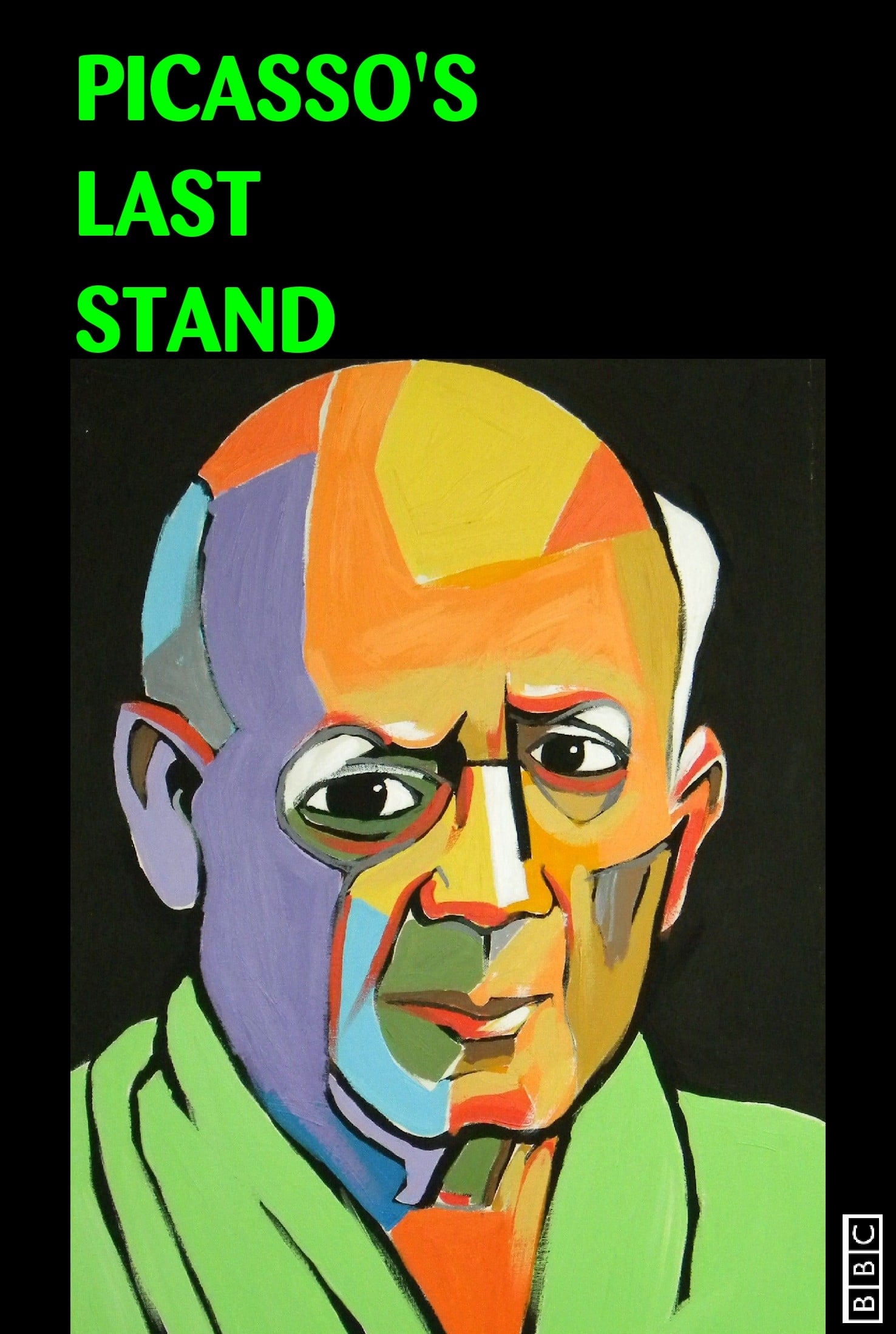
Biographer Sir John Richardson and Picasso’s granddaughter, Diana Widmaier Picasso, are the star witnesses in a documentary that reassesses the artist’s output in the years before his death in 1973. The story is of a creative spirit finding new impetus in response to both death’s approach and the censure of contemporaries and critics. Those who were members of Picasso’s private inner circle – gossip about his lifestyle also helped to fire him back up – put the later work forward as some of his frankest, wittiest and most profound.
In the early 20th century, Lazar -a taciturn woodsman- asks the disenchanted portraitist Arkadi to immortalize his child. The execution of this portrait will unsettle both men while revealing their inner fears and change their outlook on life.
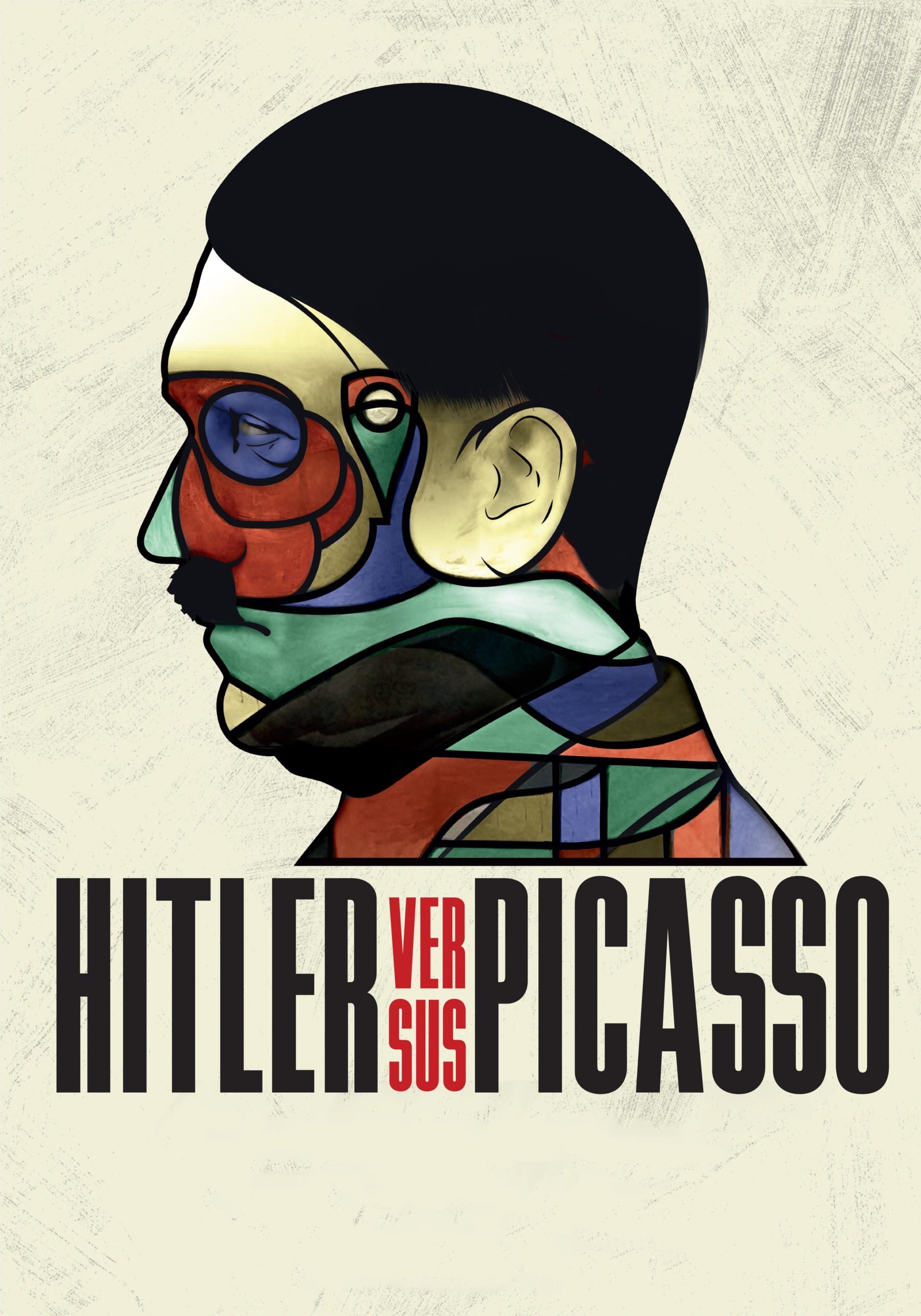
In 1937 the Nazi regime held two exhibitions in Munich: one to stigmatize “Degenerate Art” (which they systematically looted and destroyed) and one, personally curated by Hitler, to glorify “Classic Art”. This immersive new documentary reveals the Nazi’s complicated relationship with classical and modern art, displaying an incredible number of masterpieces by Botticelli, Klee, Matisse, Monet, Chagall, Renoir and Gauguin amongst others, intertwined with human stories from the most infamous period of the twentieth century. A state-of-the-art detective story exploring the Nazis’ obsession with creative expression, Hitler versus Picasso combines history, art and human drama for an unforgettable cinema experience.
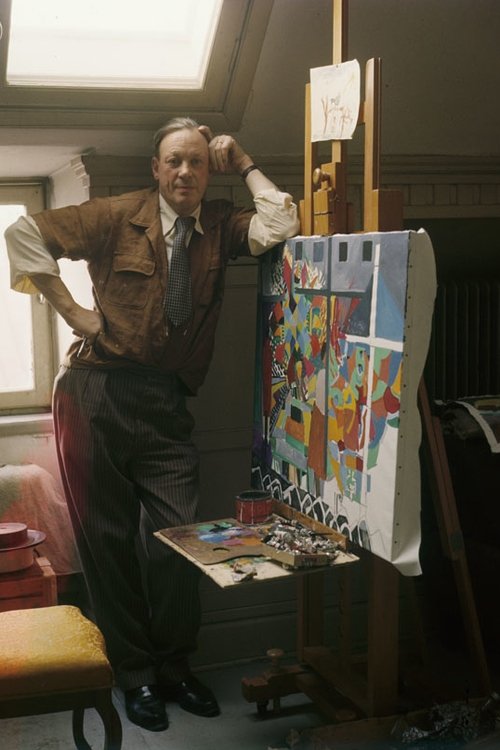
About Swedish artist, painter, sculptor and set designer Sven "X-et" Erixson, presented with Lars Johan Werle's music and accompanied by readings from various literature and poetry.
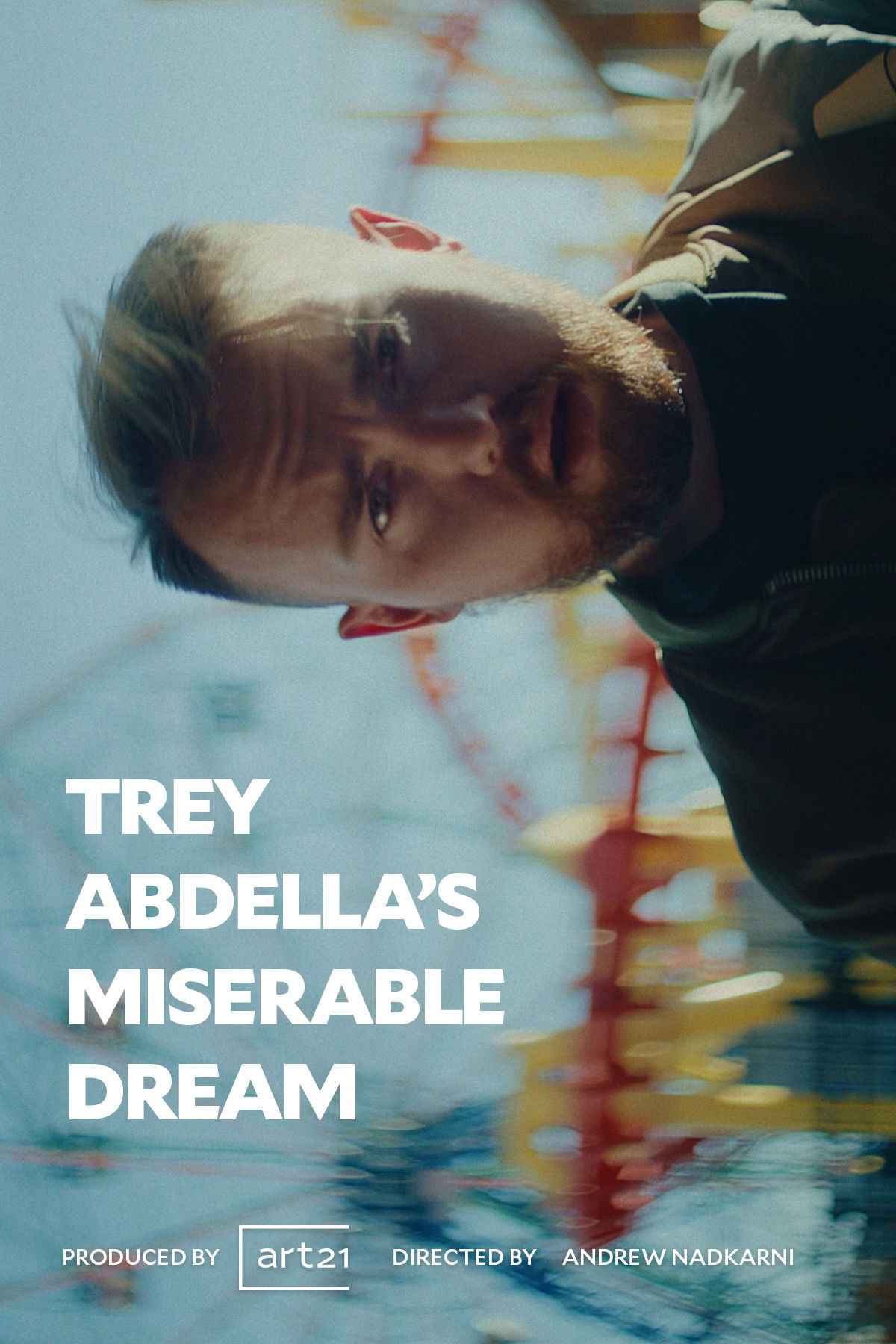
This short documentary follows artist Trey Abdella as he smashes cherub angels and assembles a new body of work inspired by the idea of a “blessing in disguise.” Reflecting on his childhood in West Virginia and the repulsive allure of theme parks and Americana, Trey invites us into the memories that drive an artistic practice fusing painting, sculpture, and assemblage into bold, inventive, and deeply personal works.
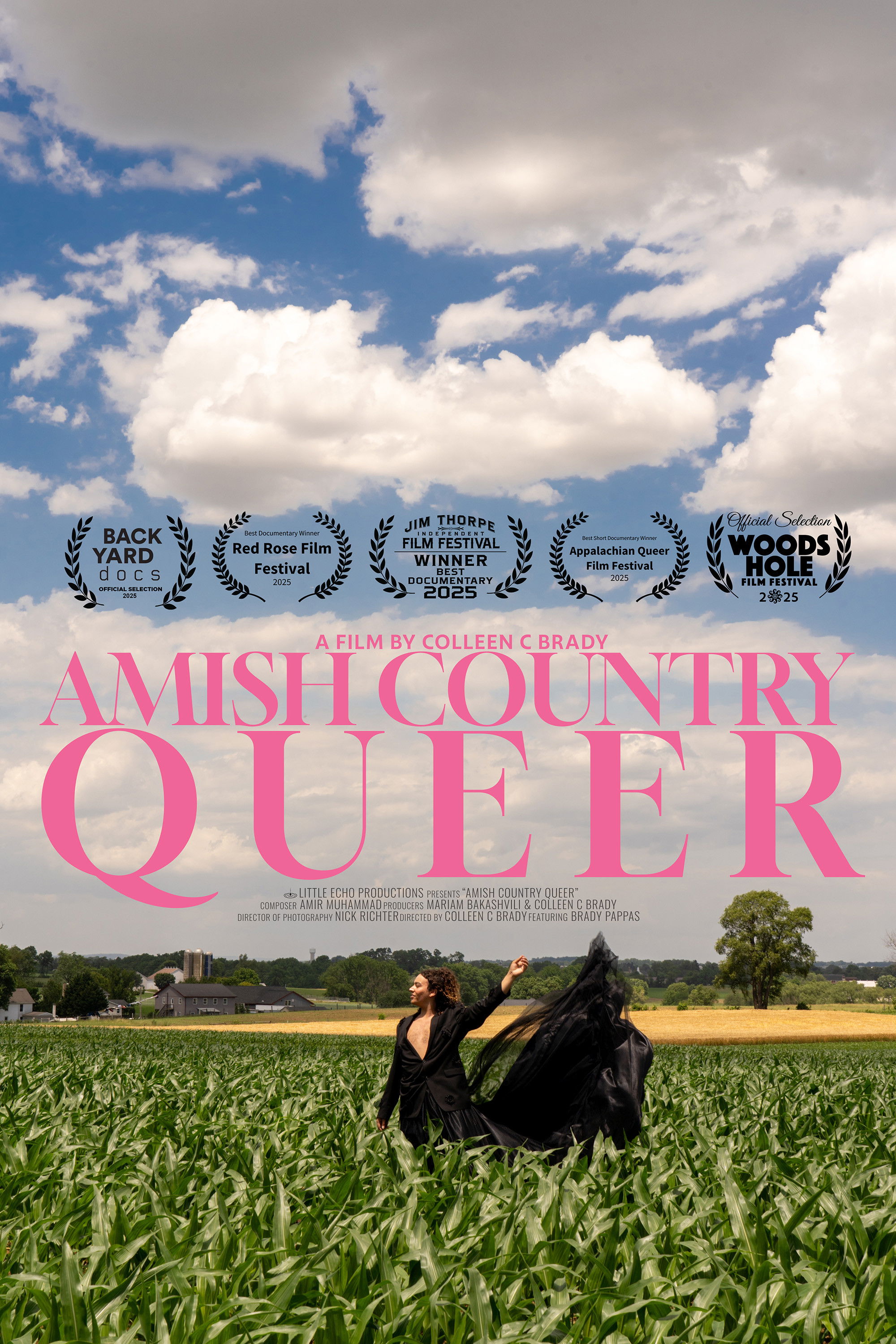
A queer photographer documents nightlife, drag culture, and chosen family in Lancaster, Pennsylvania, revealing a thriving LGBTQ+ community and challenging assumptions about where queer joy can exist in small-town America. Winning 'Best Documentary' awards from Jim Thorpe Independent Film Festival, Red Rose Film Festival, and Appalachian Queer Film Festival, the short film serves as a proof-of-concept that's currently in the works.
Whatever Comes Next is a documentary about the curious and dynamic life of Annemarie Mahler-Ettinger. The film portrays the painter and scholar, Annemarie Mahler. Born in Vienna in 1926, Mahler fled by herself as a twelve-year child to the United States and has since 1955 has lived in Bloomington, IN, and in the summers in Woods Hole, MA. The documentary portrays the artist's outer and inner lives, which bridge two centuries and two continents.
Penthesilea, the first of six films made by Laura Mulvey and Peter Wollen, traverses thousands of years to look at the image of the Amazonian woman in myth. It asks, among other questions, is the Amazonian woman a rare strong female image or is she a figure derived from male phantasy? The film explores the complexities of such questions, but does not seek any concrete answers.
The conflict over forestry operations on Lyell Island in 1985 was a major milestone in the history of the re-emergence of the Haida Nation. It was a turning point for the Haida and management of their natural resources.
Each year, every French citizen has a one in 1,300 chance of receiving a summons to jury service from the Ministry of Justice. Ten former jurors recall being selected, hearing evidence, deliberating, and reaching a verdict: an examination of our society’s civil duty to pass judgement on the most serious cases.
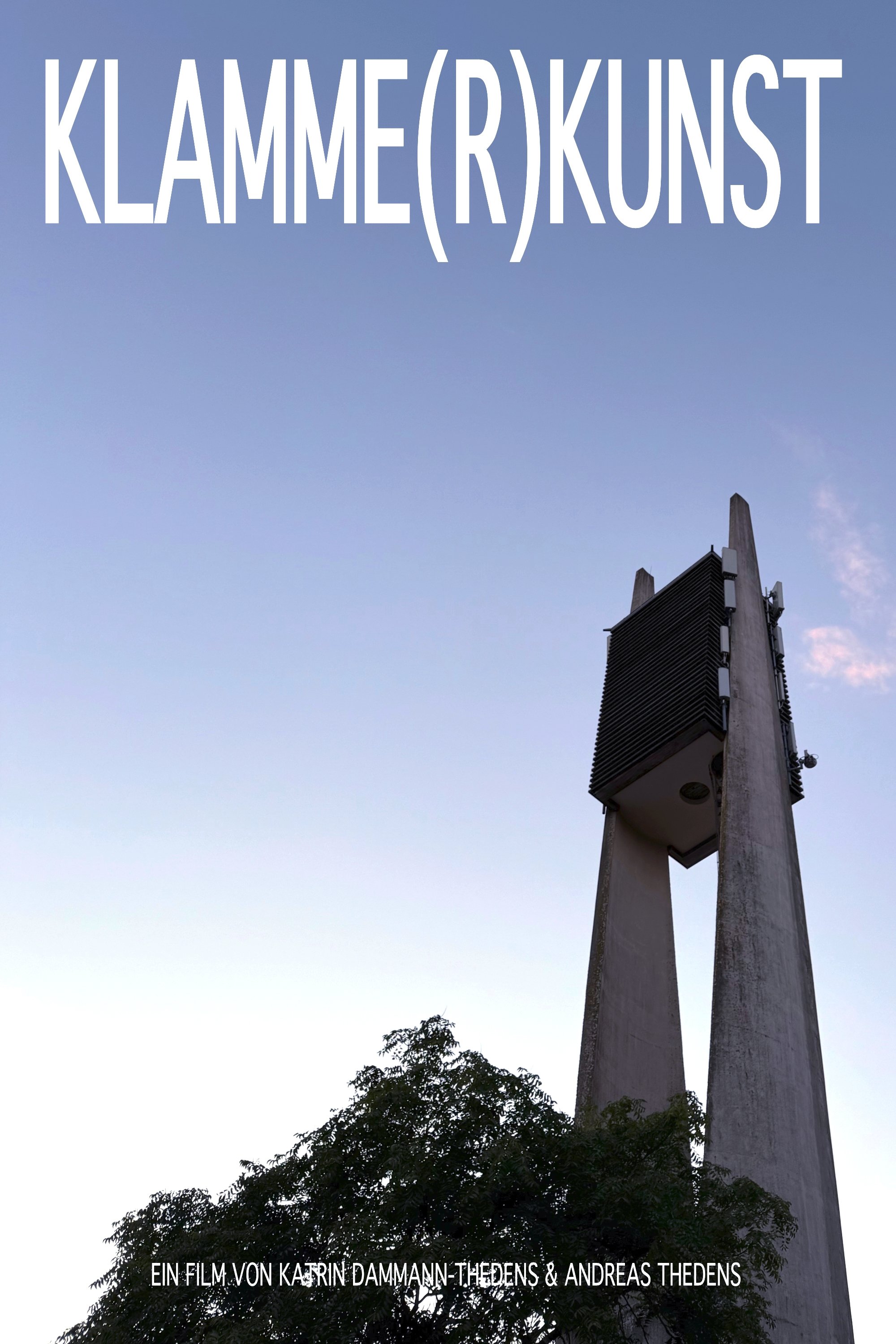
A scientific treatise on the 'Wäscheklammer' - the artistic landmark of the Kreideberg district in Lüneburg.
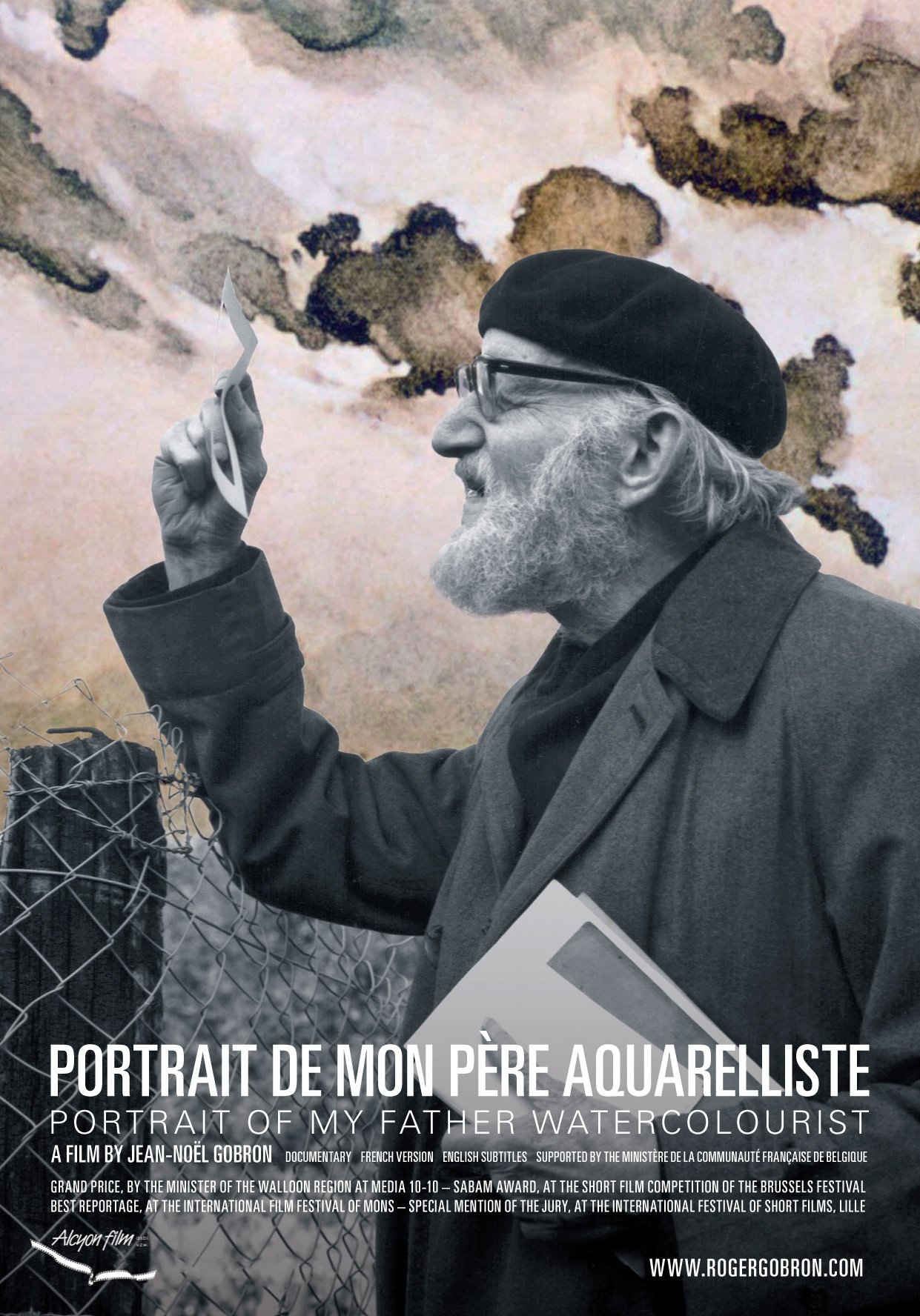
The father through the eye of the son, the painter through the eye of the filmmaker. Started at random 10 years ago, the picture rewrites in a very subjective way the life of Roger Gobron - born in 1899 in Brussels - who, through his pictorial research, succeeded in giving watercolors a new dimension. "In Belgium, artists are evaluated according to the price of their paintings", A tribute to this simple and generous man who searched and painted watercolors his whole life.
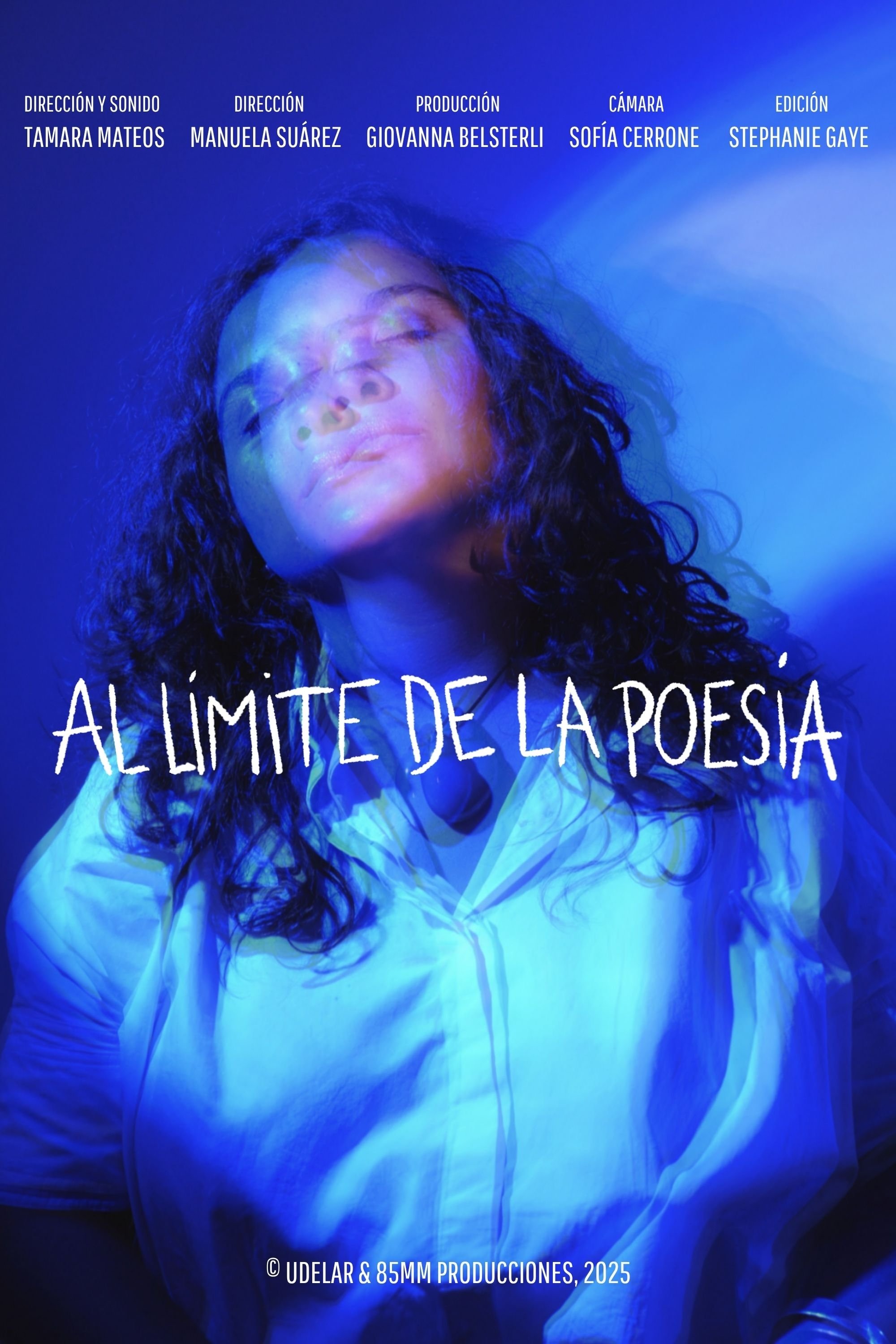
Valentina seeks refuge from the incessant waves of her mind in the pages of her upcoming poetry book Lapislazuli, trying to keep her life from slipping away like sand through her fingers. With words from her poem Citrino, we journey through a range of emotions and feel the ups and downs of her Borderline Personality Disorder.
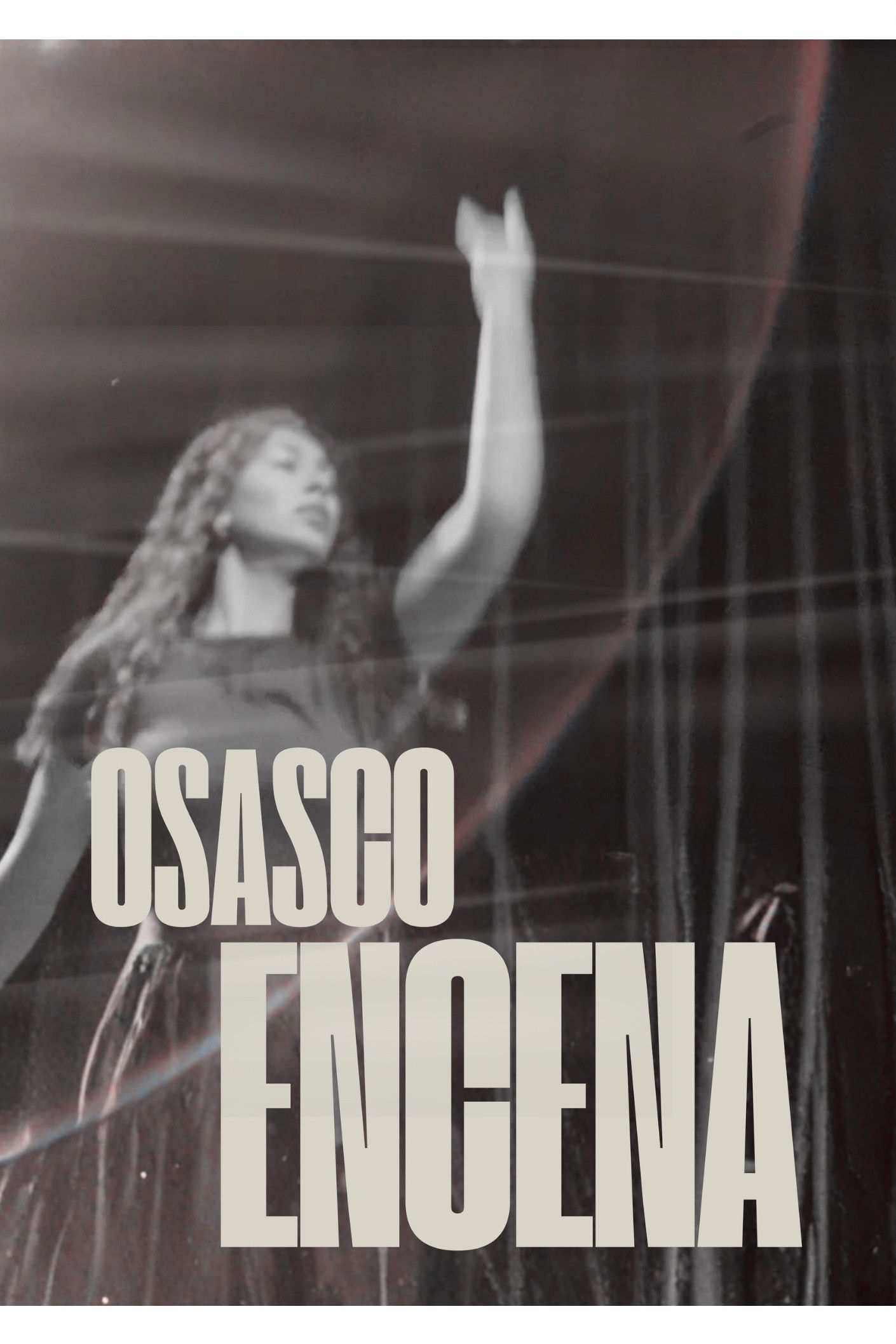
"Osasco Encena" is a pocket documentary that offers a new perspective on the Glória Giglio Municipal Theater.
June, 1940. France collapses and signs the armistice. In the midst of the chaos, one man refuses to give up. Alone against the odds, this unknown general flees to London to save what remains of freedom.
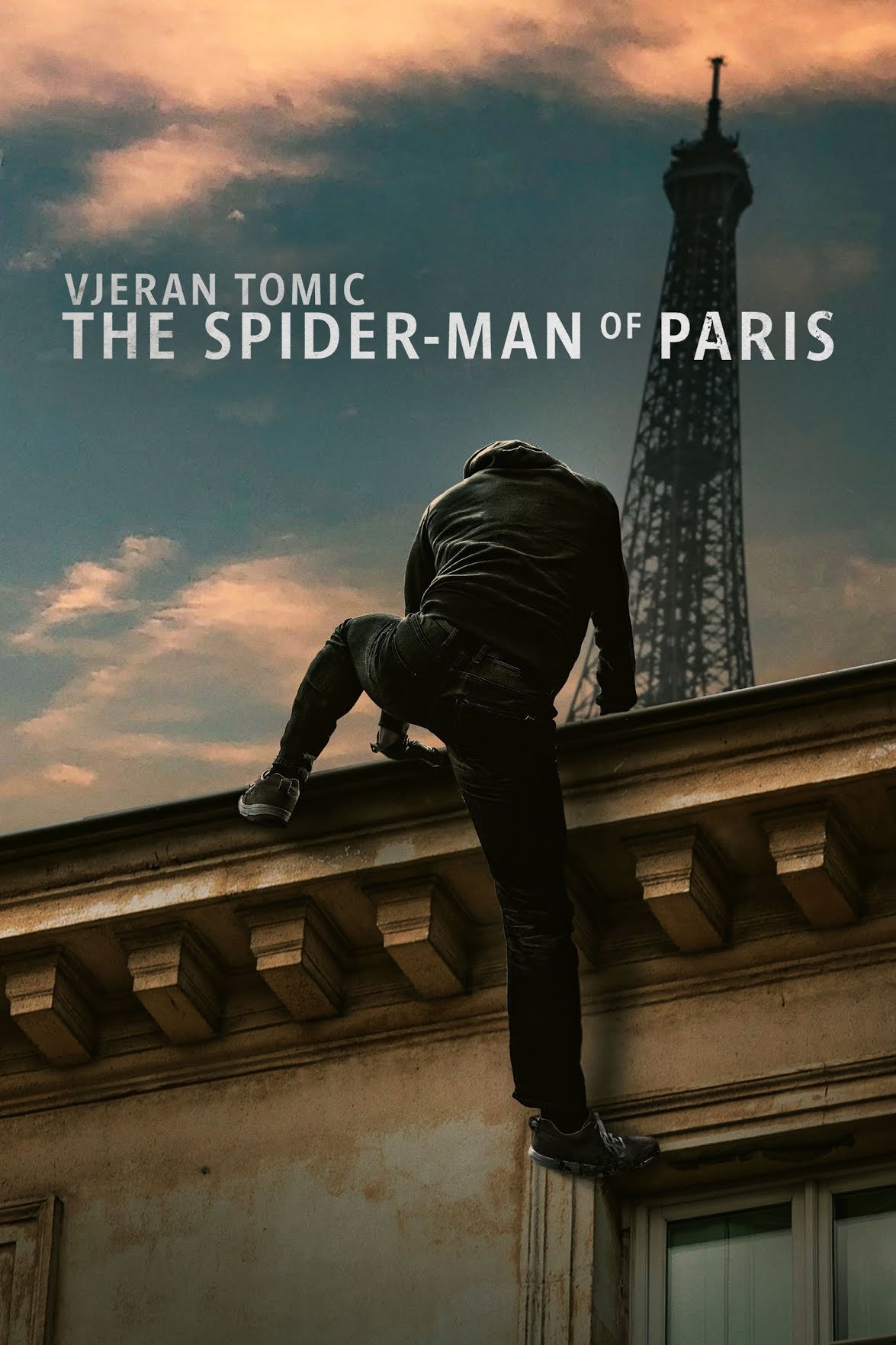
In his own words, the burglar behind the 2010 robbery of the Paris Museum of Modern Art tells how he pulled off the biggest art heist in French history.
Master filmmaker Alexander Sokurov (Russian Ark) transforms a portrait of the world-renowned museum into a magisterial, centuries-spanning reflection on the relation between art, culture and power.
Director Claude Lanzmann spent 11 years on this sprawling documentary about the Holocaust, conducting his own interviews and refusing to use a single frame of archival footage. Dividing Holocaust witnesses into three categories – survivors, bystanders, and perpetrators – Lanzmann presents testimonies from survivors of the Chelmno concentration camp, an Auschwitz escapee, and witnesses of the Warsaw Ghetto Uprising, as well as a chilling report of gas chambers from an SS officer at Treblinka.
Filmmaker Alain Resnais documents the atrocities behind the walls of Hitler's concentration camps.
Banksy is a graffiti artist with a global reputation whose work can be seen on walls from post-hurricane New Orleans to the separation barrier on the Palestinian West Bank. Fiercely guarding his anonymity to avoid prosecution, Banksy has so far resisted all attempts to be captured on film. Exit Through the Gift Shop tells the incredible true story of how an eccentric French shop keeper turned documentary maker attempted to locate and befriend Banksy, only to have the artist turn the camera back on its owner.
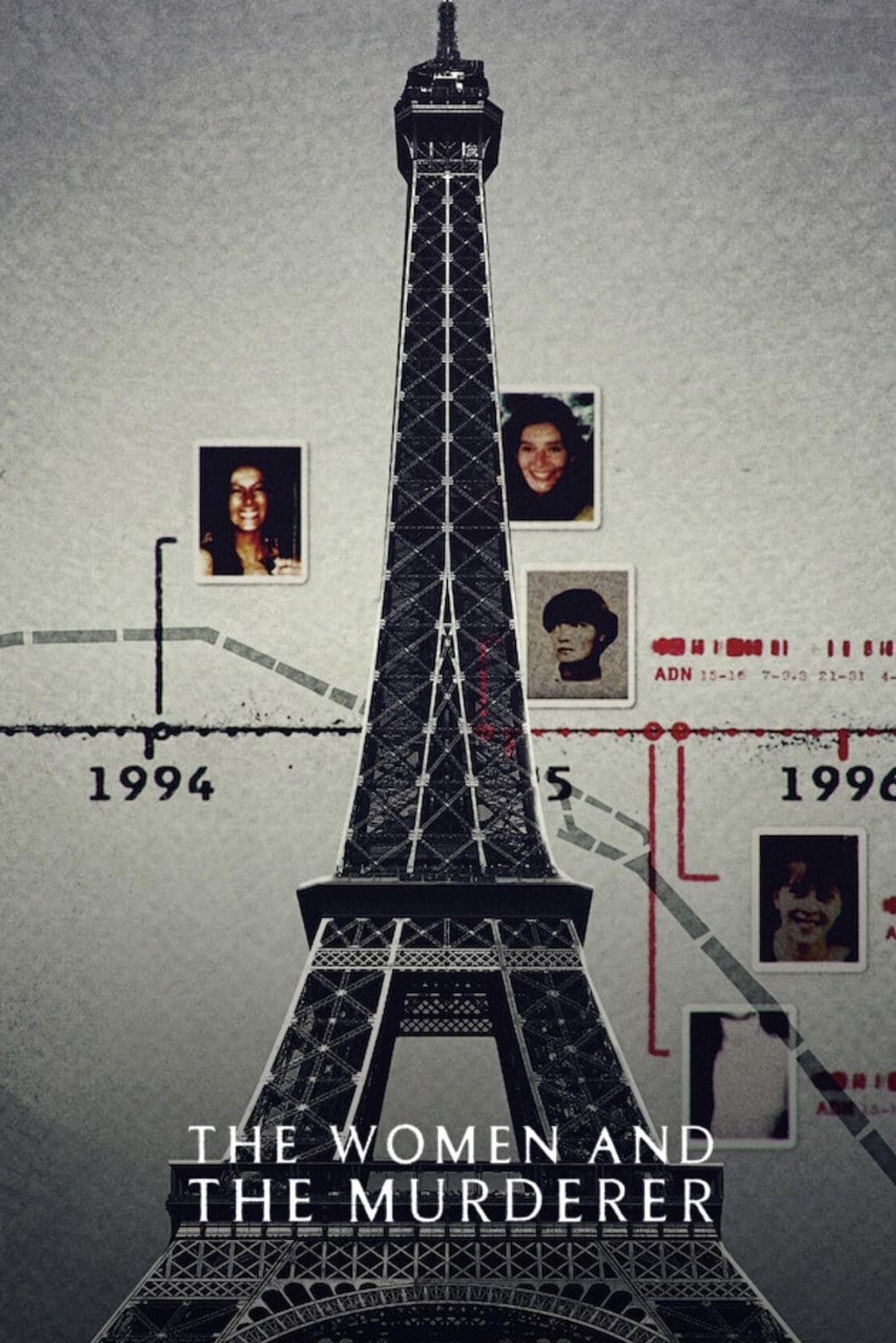
This documentary traces the capture of serial killer Guy Georges through the tireless work of two women: a police chief and a victim's mother.
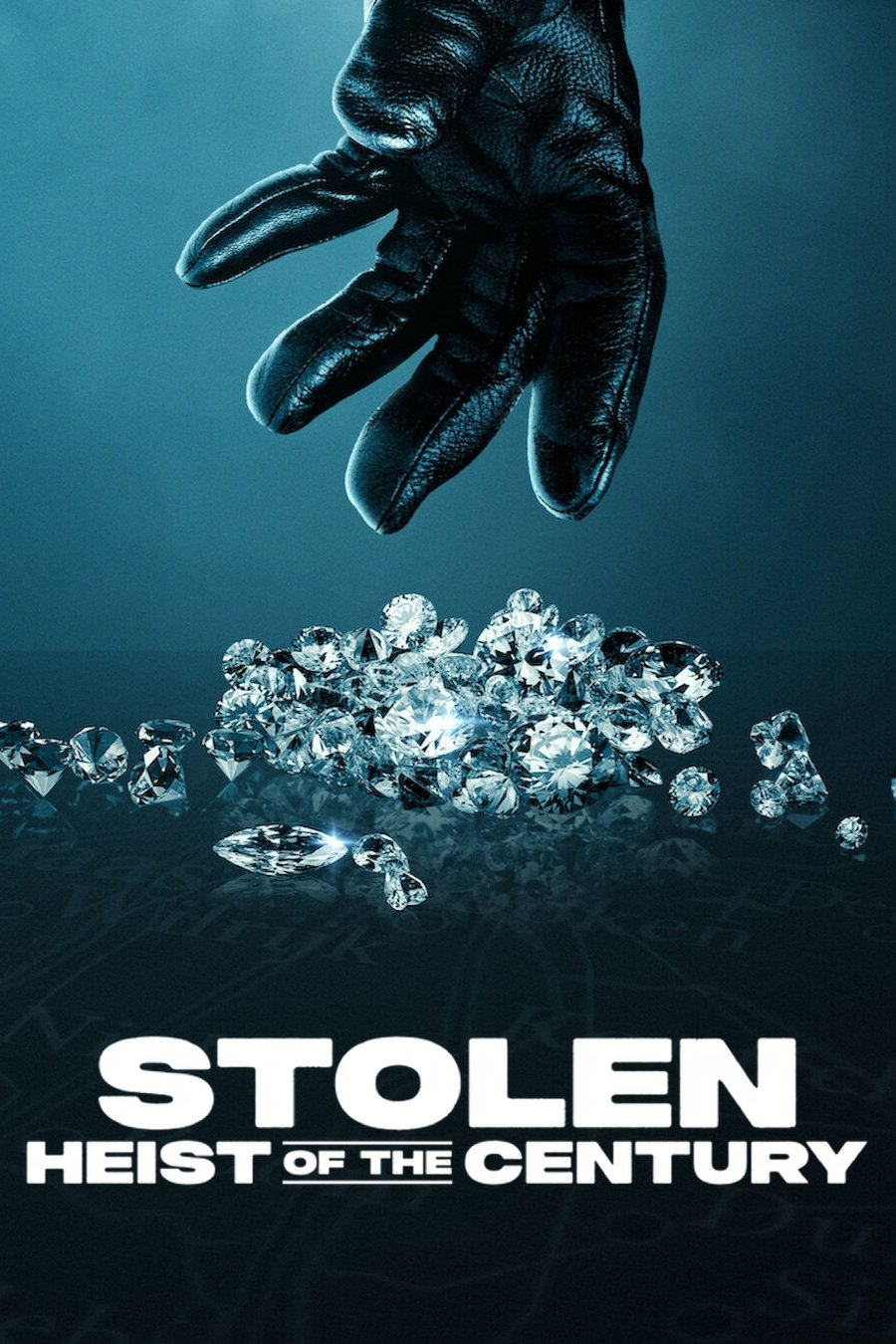
Antwerp, 2003. A gang of thieves rob the impenetrable Diamond Center. Who was behind one of the world's biggest heists - and how did they pull it off?
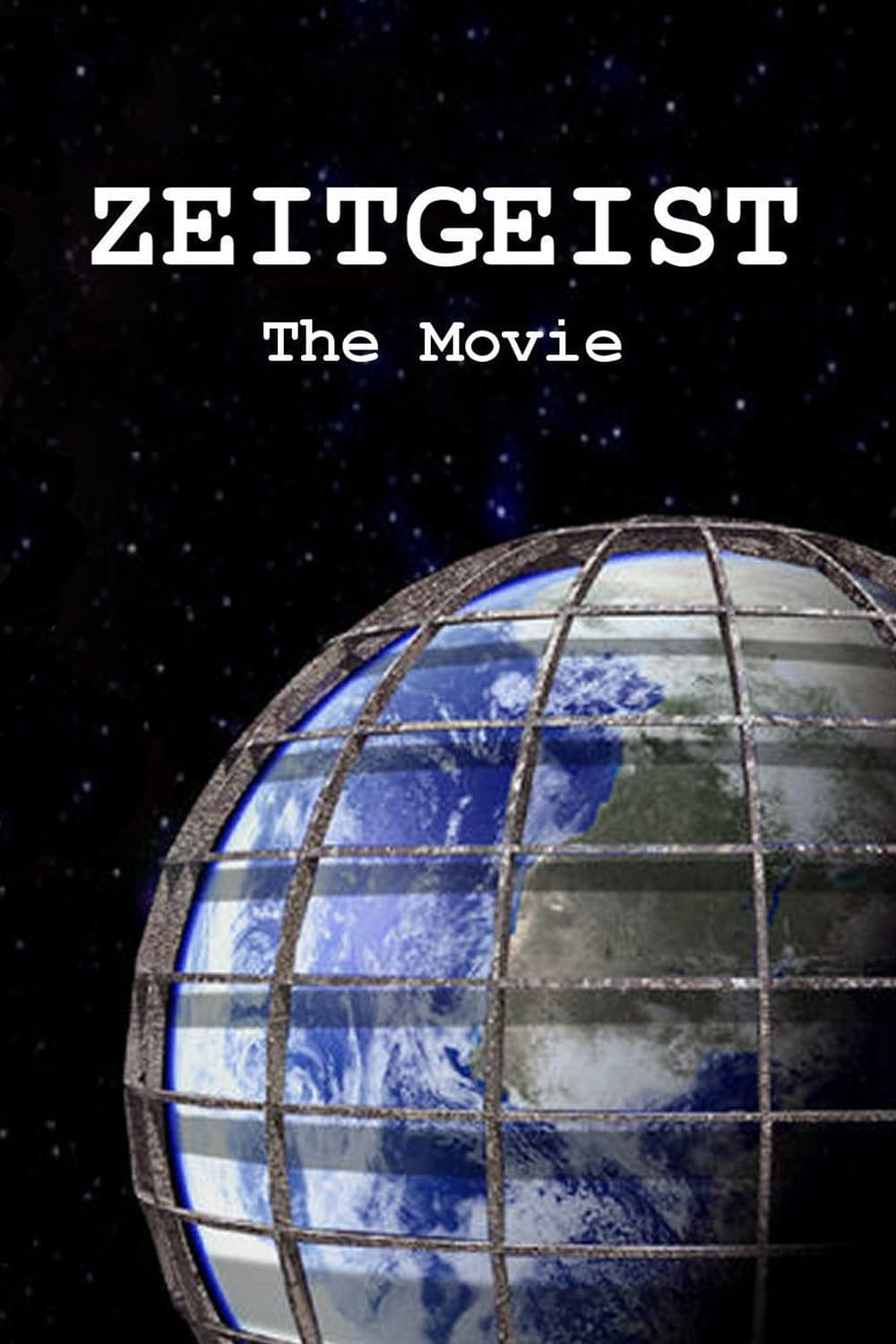
A documentary examining possible historical and modern conspiracies surrounding Christianity, the 9/11 terrorist attacks, and the Federal Reserve bank.
Alexander McQueen's rags-to-riches story is a modern-day fairy tale, laced with the gothic. Mirroring the savage beauty, boldness and vivacity of his design, this documentary is an intimate revelation of McQueen's own world, both tortured and inspired, which celebrates a radical and mesmerizing genius of profound influence.
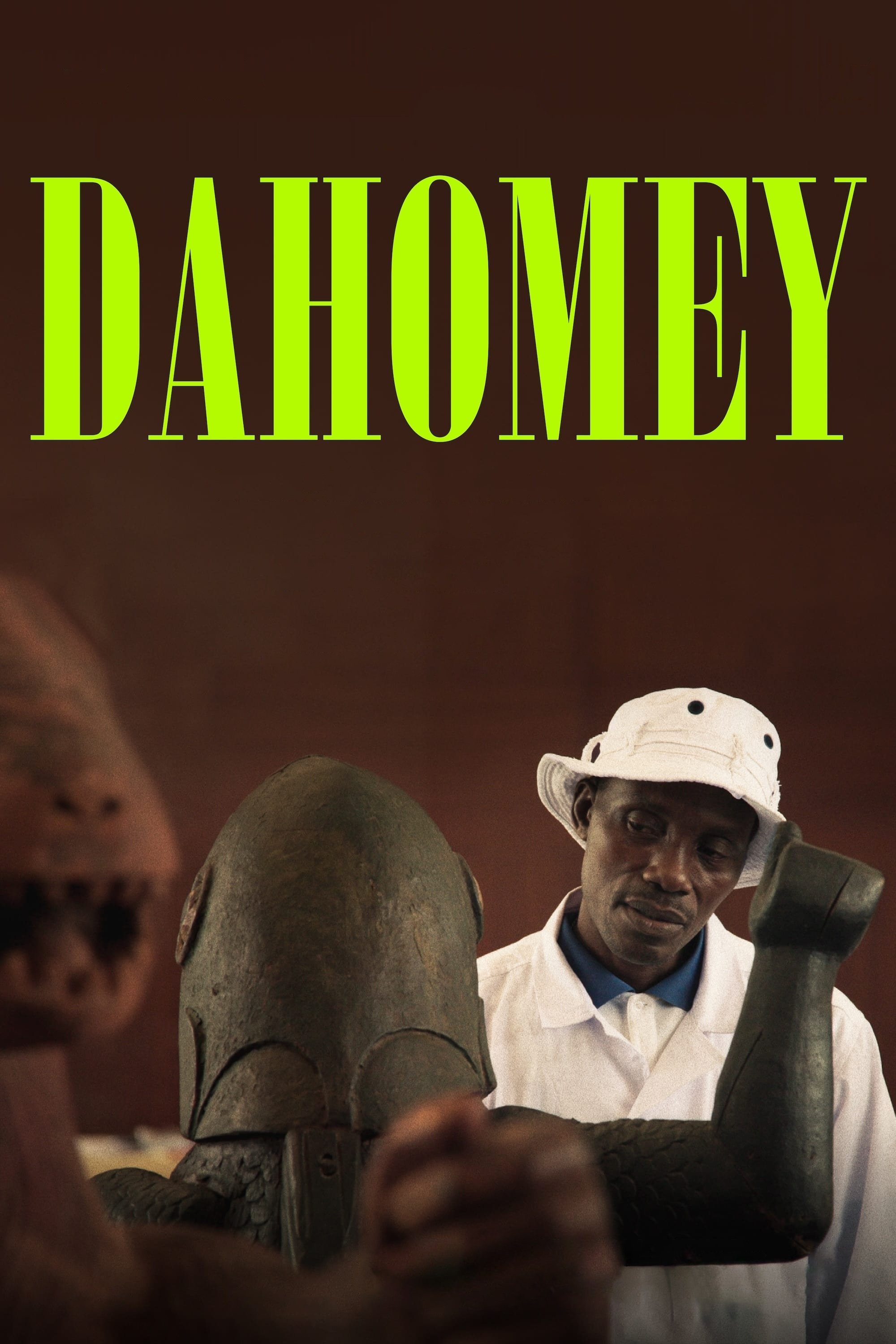
Thousands of royal artifacts of Dahomey, a West African kingdom, were taken by French colonists in the 19th century for collection and display in Paris. Centuries later, a fraction returned to their home in modern-day Benin. This dramatized documentary follows the journey of 26 of the treasures as told by cultural art historians, embattled university students, and one of the repatriated statues himself.
The epic life story of Alice Guy-Blaché (1873–1968), a French screenwriter, director and producer, true pioneer of cinema, the first person who made a narrative fiction film; author of hundreds of movies, but banished from history books. Ignored and forgotten. At last remembered.
London, England, 2008. Some of the most distinguished experts on the work of Italian artist Leonardo da Vinci (1452-1519) gather at the National Gallery to examine a painting known as Salvator Mundi; an event that turns out to be the first act of one of the most fascinating stories in the history of art.
Through deeply personal interviews with her siblings and an examination of the photographs, letters, and belongings left behind, Mariska assembles a new portrait of her mother Jayne Mansfield, an extraordinary and complex woman.
From a prolific career in film and television, Anton Yelchin left an indelible legacy as an actor. Through his journals and other writings, his photography, the original music he wrote, and interviews with his family, friends, and colleagues, this film looks not just at Anton's impressive career, but at a broader portrait of the man.
An intimate portrait of the small shops and shopkeepers of the Rue Daguerre in Paris, a picturesque street that has been the filmmaker’s home for more than 50 years.
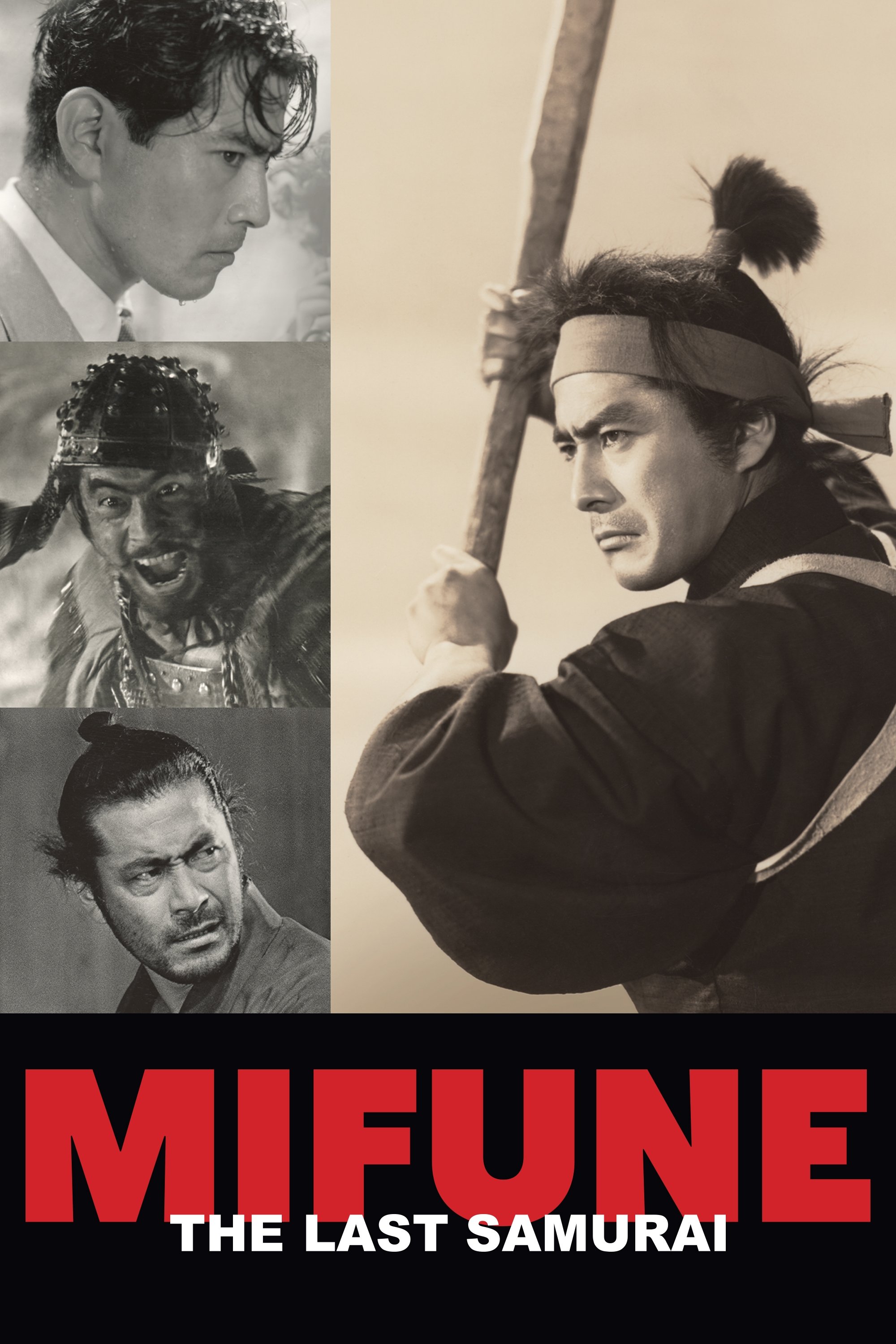
An account of the life and work of legendary Japanese actor Toshirō Mifune (1920-97), the most prominent actor of the Golden Age of Japanese cinema.
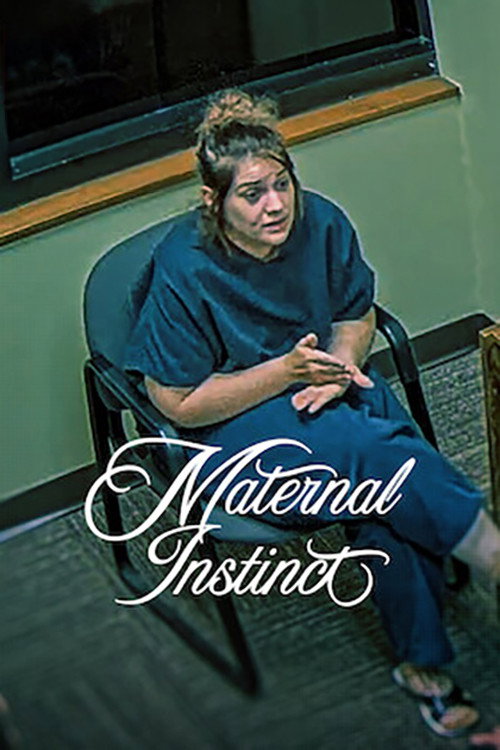
Police pull over a woman who claims she just gave birth. But the baby — and the blood — aren't hers. Twisted lies unravel in this true-crime documentary.
In an intimate and joyful story of love in the face of loss, celebrated poets Andrea Gibson and Megan Falley find strength—and unexpected hilarity—in what might be their final year together.
A subjective documentary that explores various theories about hidden meanings in Stanley Kubrick's classic film The Shining. Five very different points of view are illuminated through voice over, film clips, animation and dramatic reenactments.
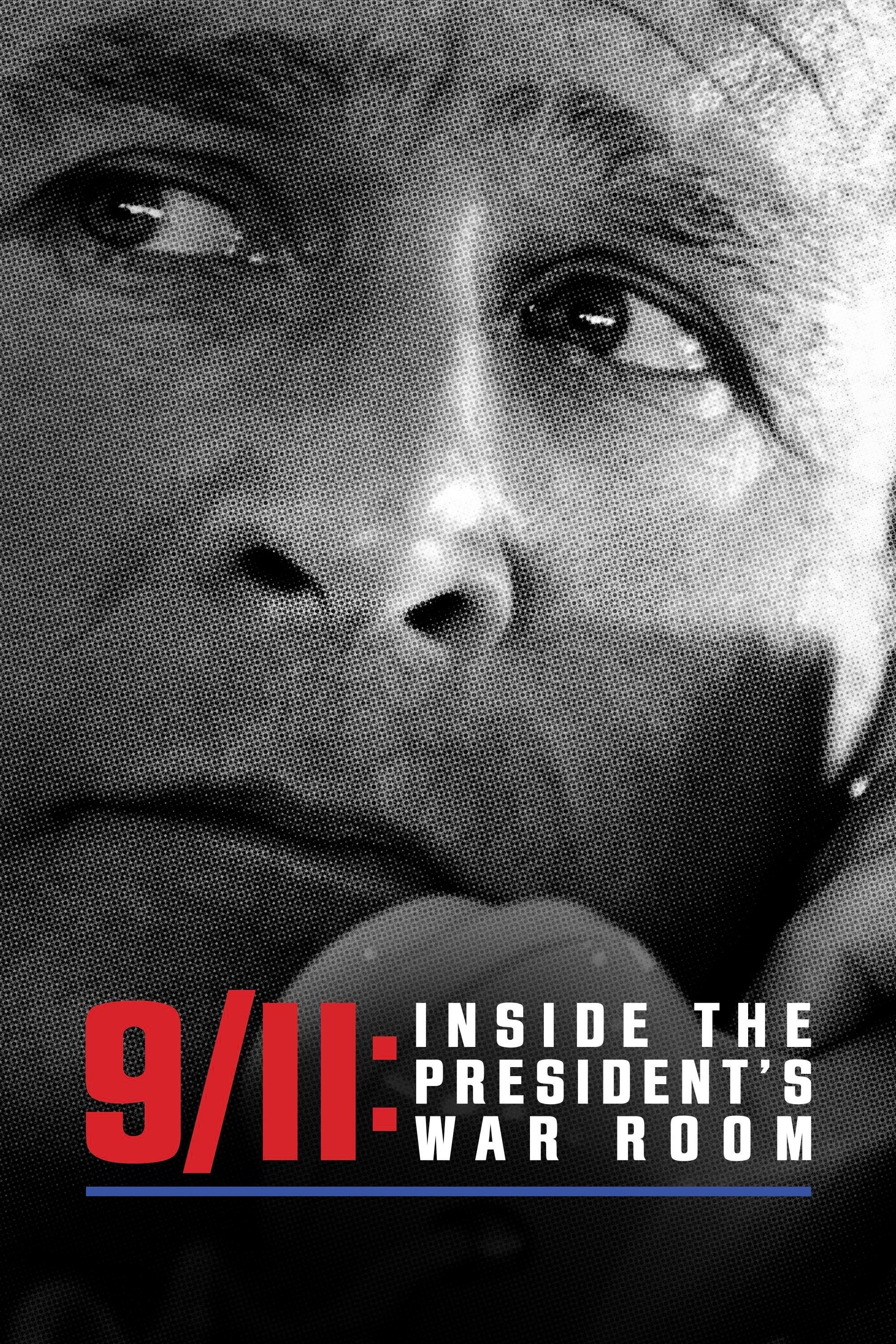
Experience the events of September 11, 2001 through the eyes of President Bush and his closest advisors as they personally detail the crucial hours and key decisions from that historic day.