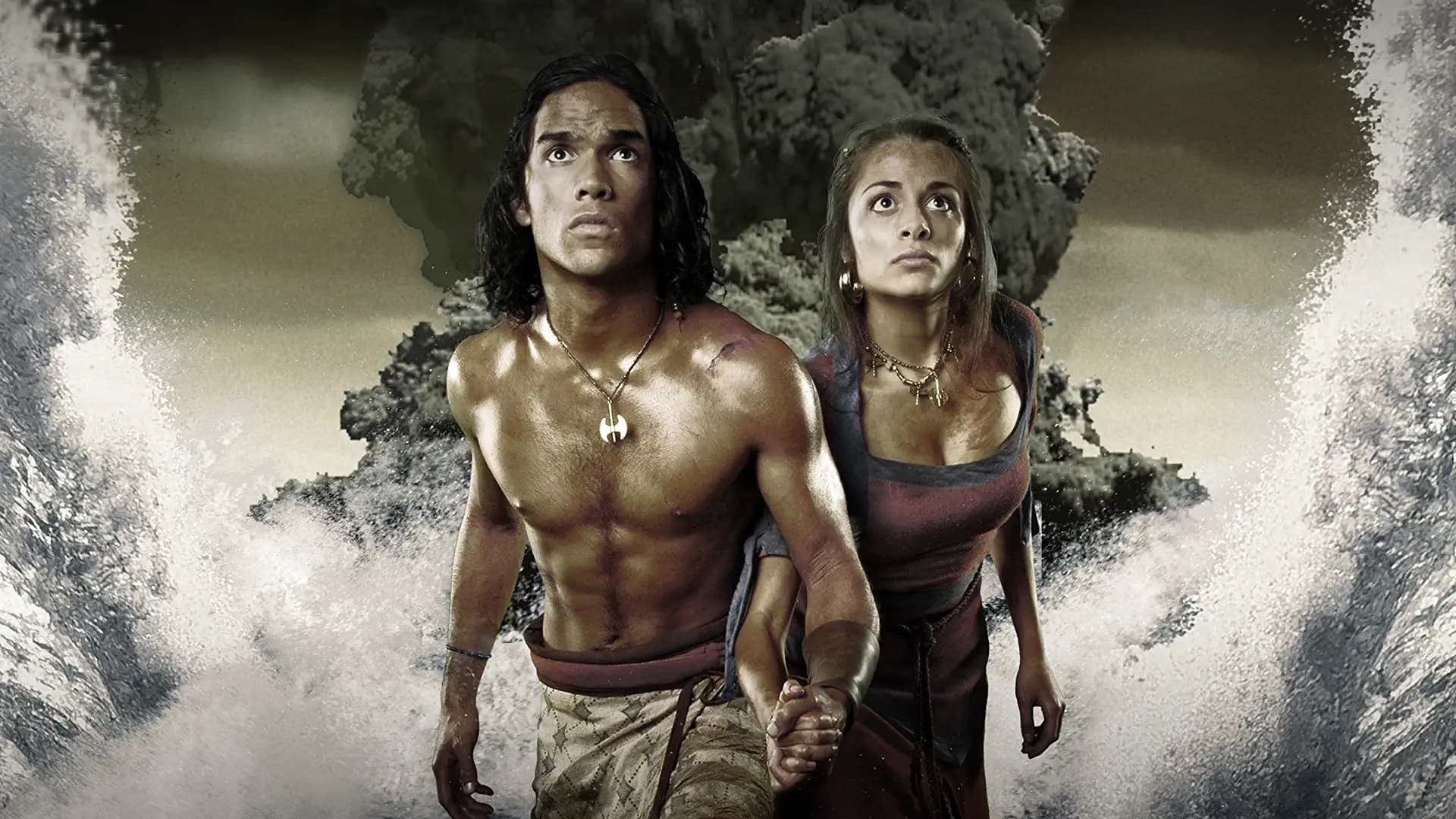
Tells the story of the greatest natural disaster of the ancient world, an event that experts believe inspired the legend of Atlantis.
Social & External
The people behind it
Stephanie Leonidas
Pinaruti
Reece Ritchie
Yishharu
Langley Kirkwood
Rusa
Isadora Verwey
Bansabira
Natalie Becker
Ariad
Tony Caprari
Yidini
Tom Conti
Narrator
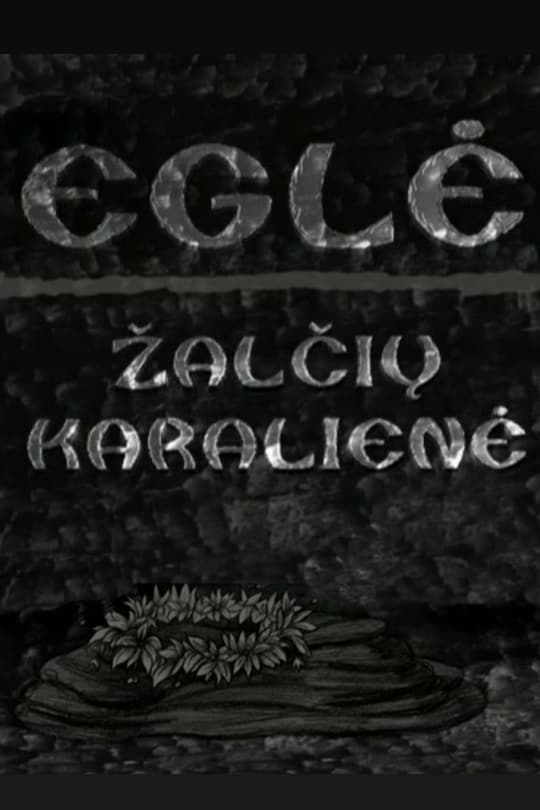
Animation without dialogue, set with excerpts from Lithuanian folk songs, which tells a traditional Lithuanian tale in black and white images. After bathing with her two sisters, Egle goes to get dressed and discovers a snake in her clothes. Not caring about her promise, she agrees to marry the snake in exchange for the return of the clothes.
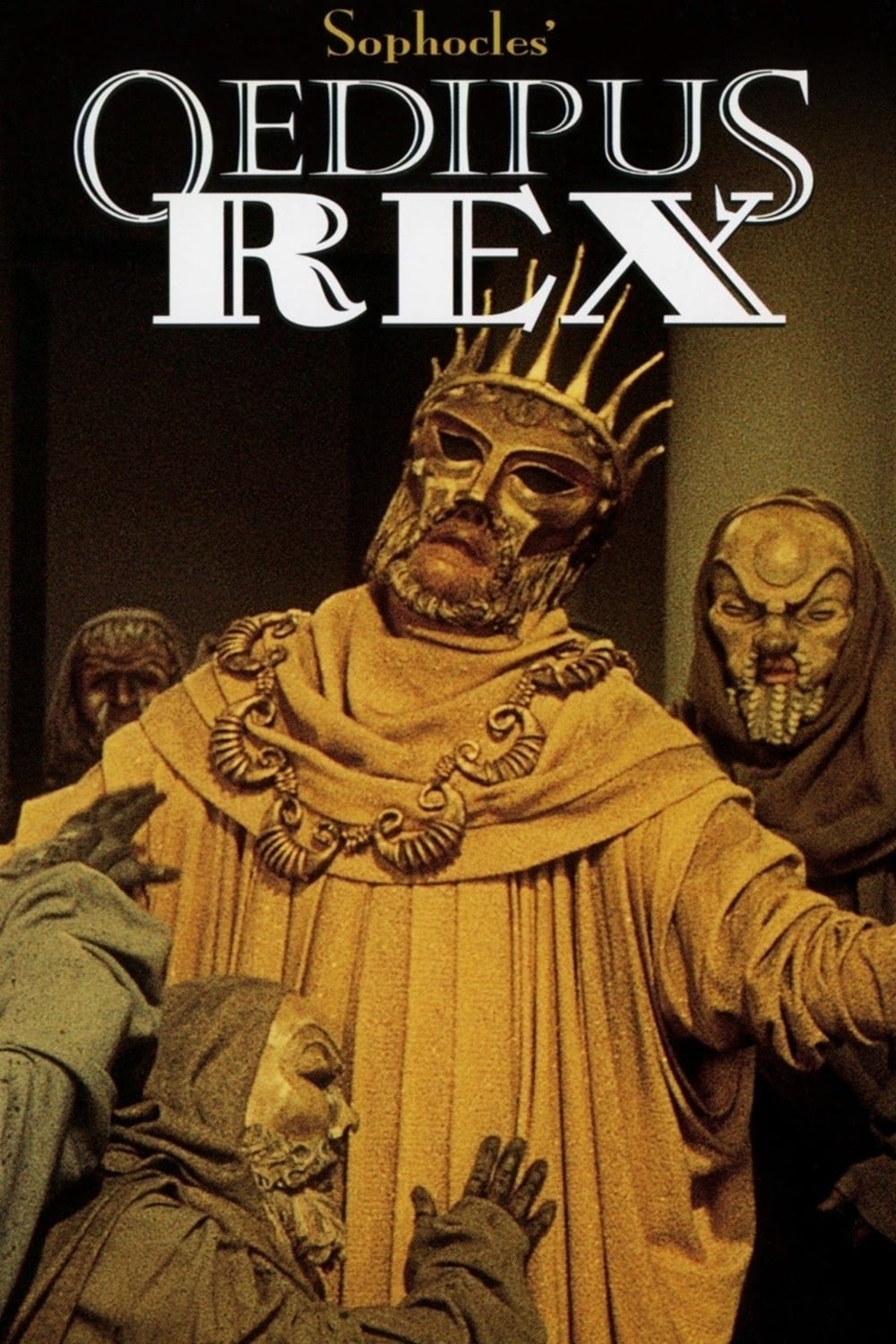
The story of Oedipus' gradual discovery of his primal crime, killing his father and marrying his mother, filmed by the famed British theatrical director Sir Tyrone Guthrie. This elegant version of Sophocles' play adds a brilliant stroke: the actors wear masks just as the Greeks did in the playwright's day.
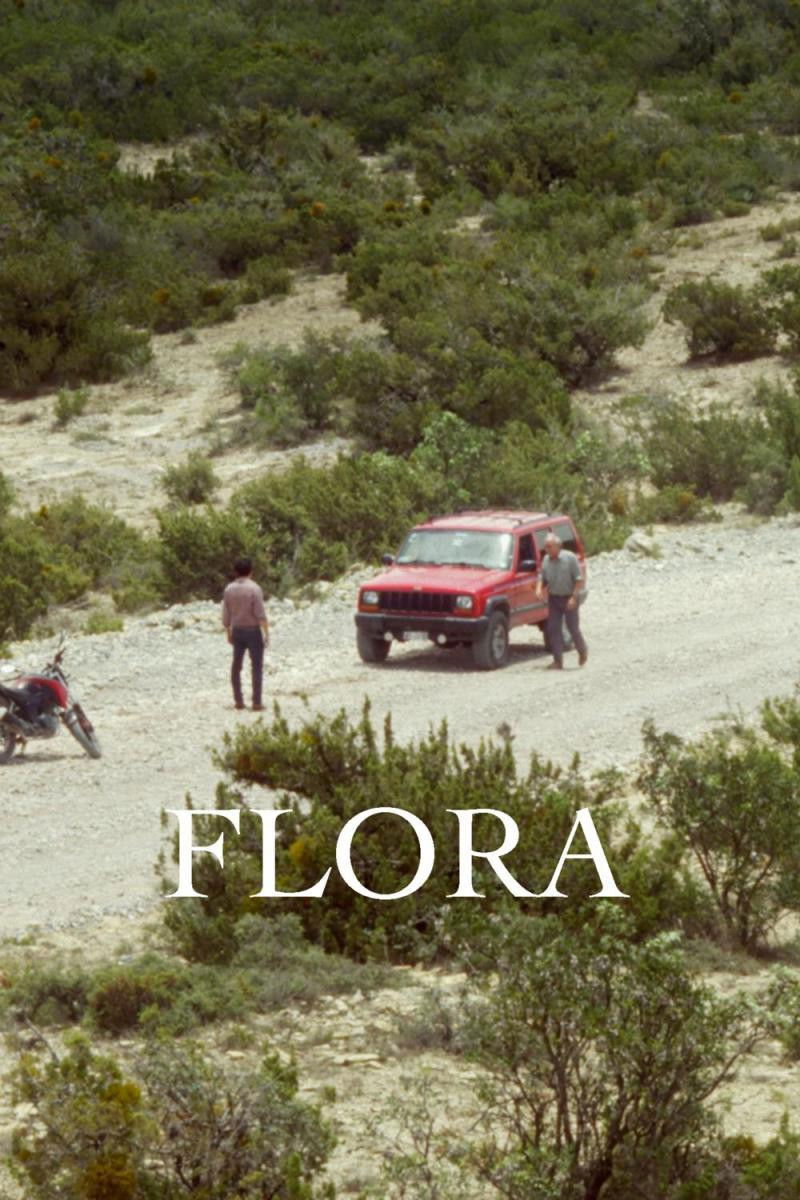
A metacinematic reflection on the nature of representation and the ongoing drug war in Mexico, Nicolás Pereda’s Flora revisits locations and scenes from the mainstream 2010 narco-comedy El Infierno, exploring the paradoxes of depicting narco-trafficking on film—its tendency both to romanticize and to obscure. To screen is both to project and to conceal.
Gdańsk, Poland, September 1980. Lech Wałęsa and other Lenin shipyard workers found Solidarność (Solidarity), the first independent trade union behind the Iron Curtain. The long and hard battle to bring down communist dictatorship has begun.
In a follow-up to his 2021 short, SUMMER, Liam once again spends the duration of a summer filming, editing, and releasing a single shot every day. Things have changed or have they?
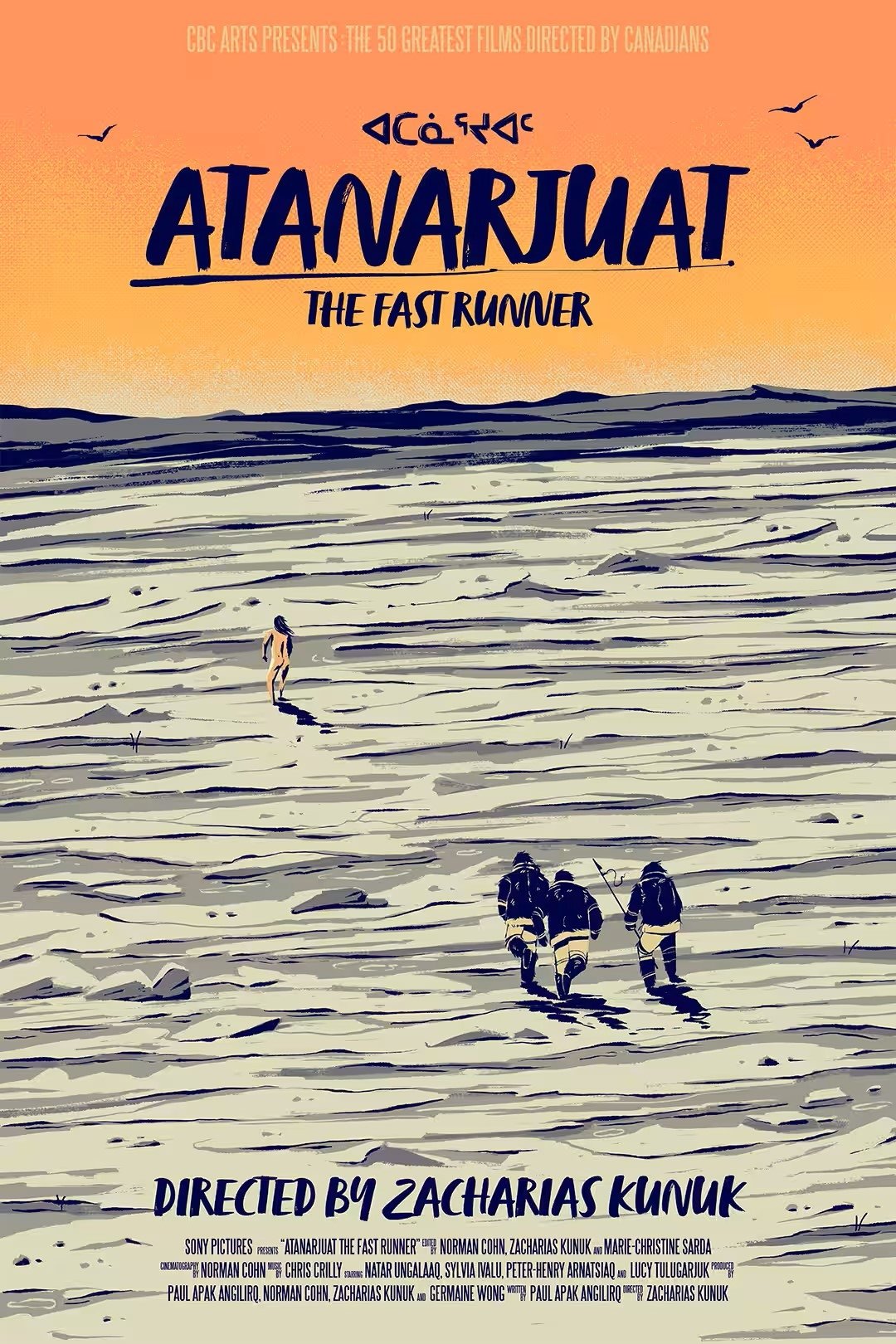
Based on a local legend and set in an unknown era, it deals with universal themes of love, possessiveness, family, jealousy and power. Beautifully shot, and acted by Inuit people, it portrays a time when people fought duels by taking turns to punch each other until one was unconscious, made love on the way to the caribou hunt, ate walrus meat and lit their igloos with seal-oil lamps.
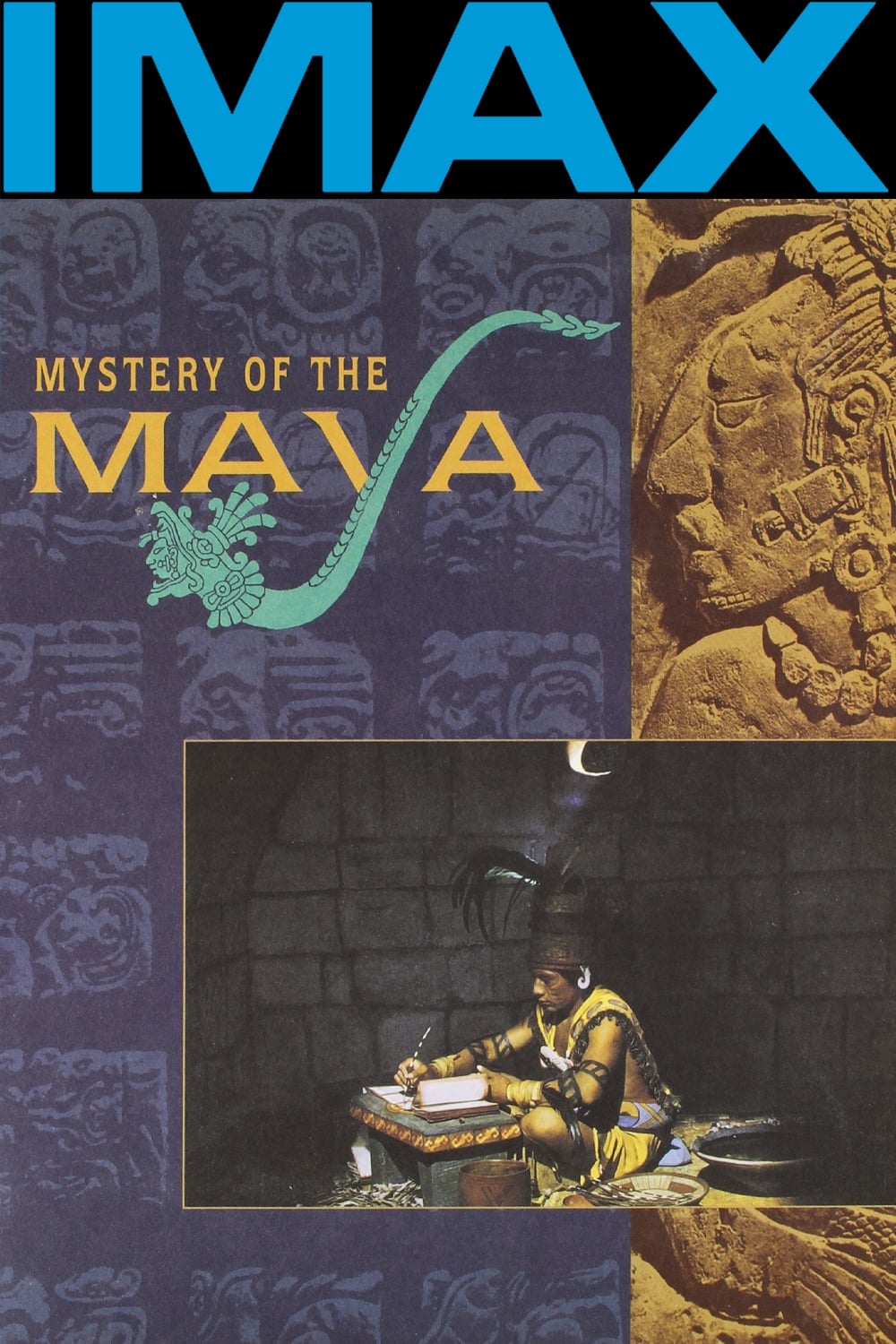
Filmed in IMAX, a young Mayan boy who lives close to the ruins becomes acquainted with an archaeologist (Guerra) and asks her to tell him about his ancestors. The crew travelled to over 15 locations in Mexico and Guatemala, including Tulum and Chichén Itzá.
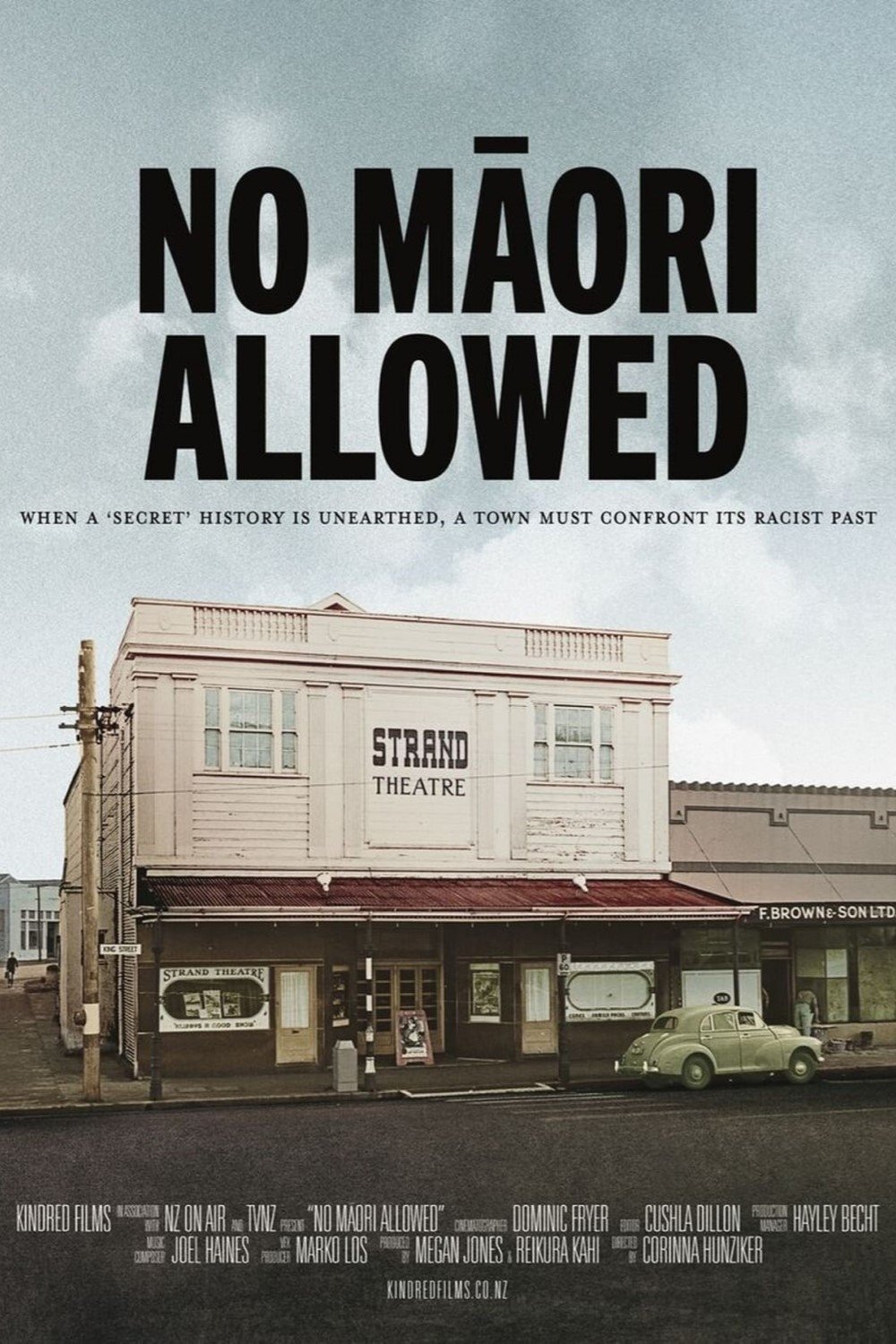
When an academic unearths a forgotten history, residents of the small township of Pukekohe, including kaumātua who have never told their personal stories before, confront its deep and dark racist past.
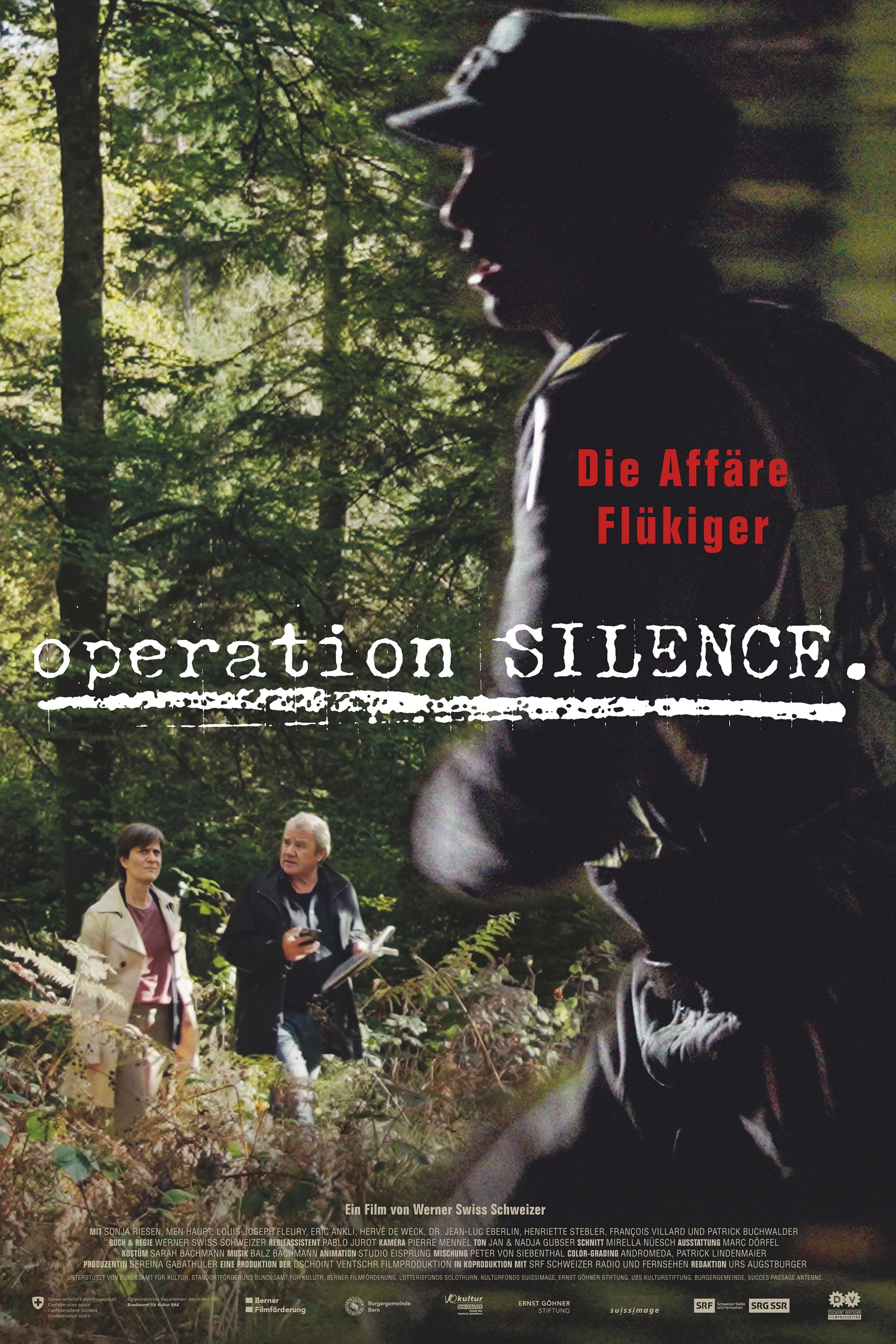
Autumn 1977: the Bernese officer trainee Flükiger is found dead. Who is to blame for his death? The RAF or the Béliers, was it an accident or intentional? The director goes in search of clues and tries to shed light on the mysterious events surrounding the vote to form the Canton Jura.
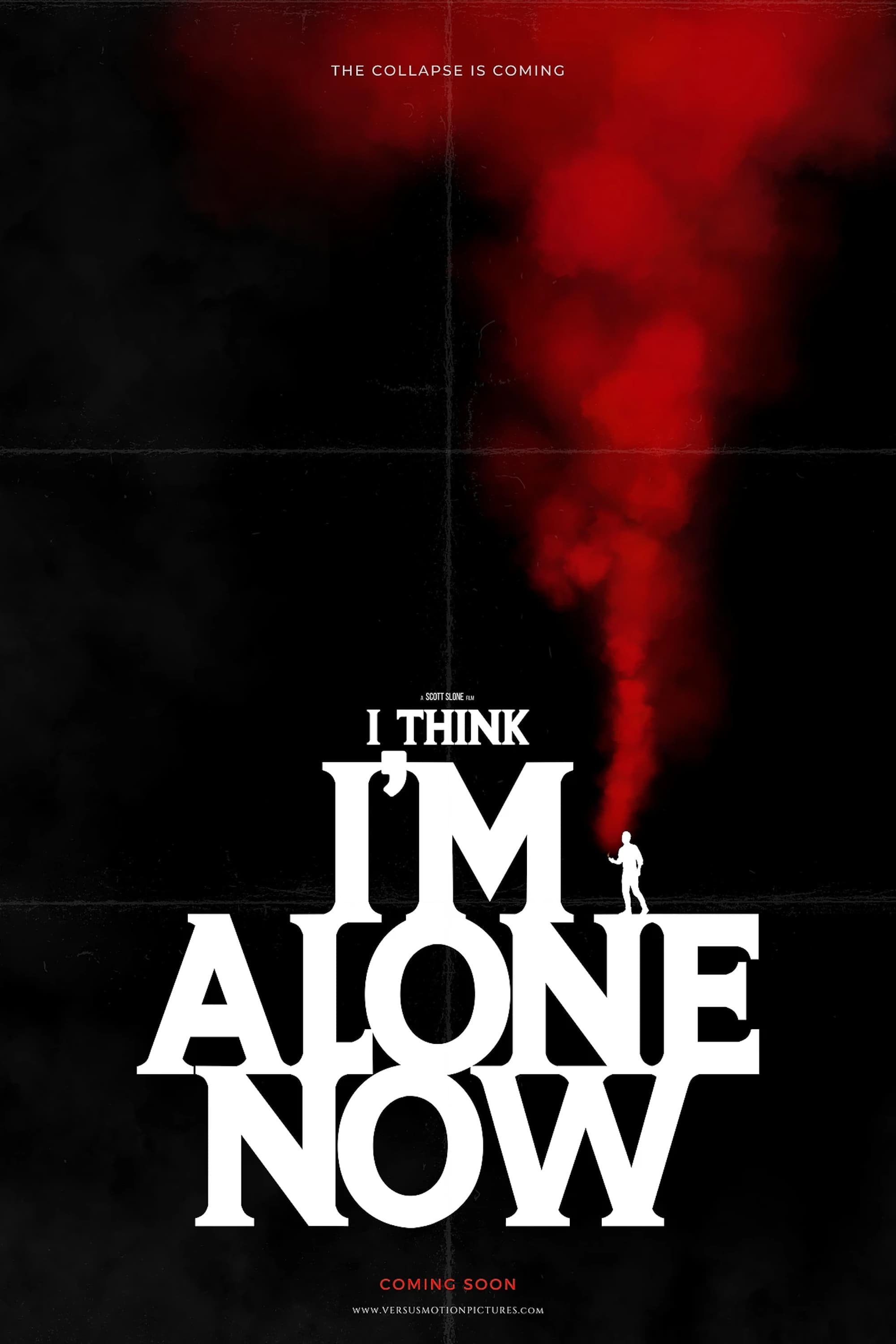
A man seeks refuge in a secluded cabin nestled deep within the woods, hoping to evade the chaos of a cataclysmic societal collapse brought upon by the emergence of Artificial Intelligence.
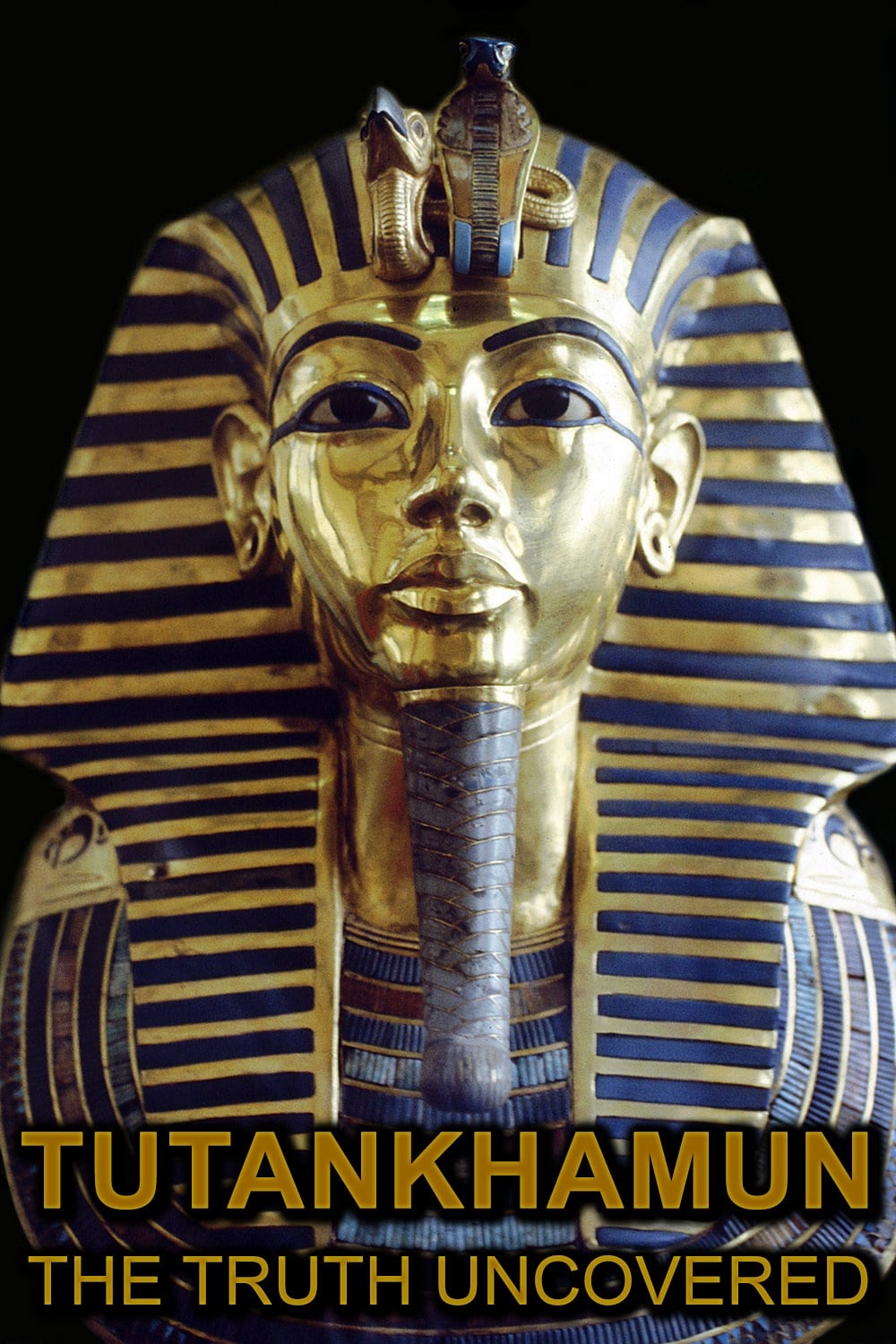
What killed King Tutankhamun? Ever since his spectacular tomb was discovered, the boy king has been the most famous pharaoh of all ancient Egypt. But his mysterious death, at just 19 years old, has never been explained. In this BBC One special, presenter Dallas Campbell reveals new scientific research and carries out unique experiments to get to the truth. For the first time, a virtual autopsy of Tut's mummified body reveals astonishing secrets about the pharaoh. Using CT scan data, the programme creates the first ever full size, scientifically accurate image of the real Tutankhamun. Brand new DNA analysis uncovers a shocking secret about Tut's family background, and the genetic trail of clues leads to a radical and revolutionary new theory to explain Tut's sudden and unexpected death. This is an epic detective story that uncovers the extraordinary truth of the boy behind the golden mask.
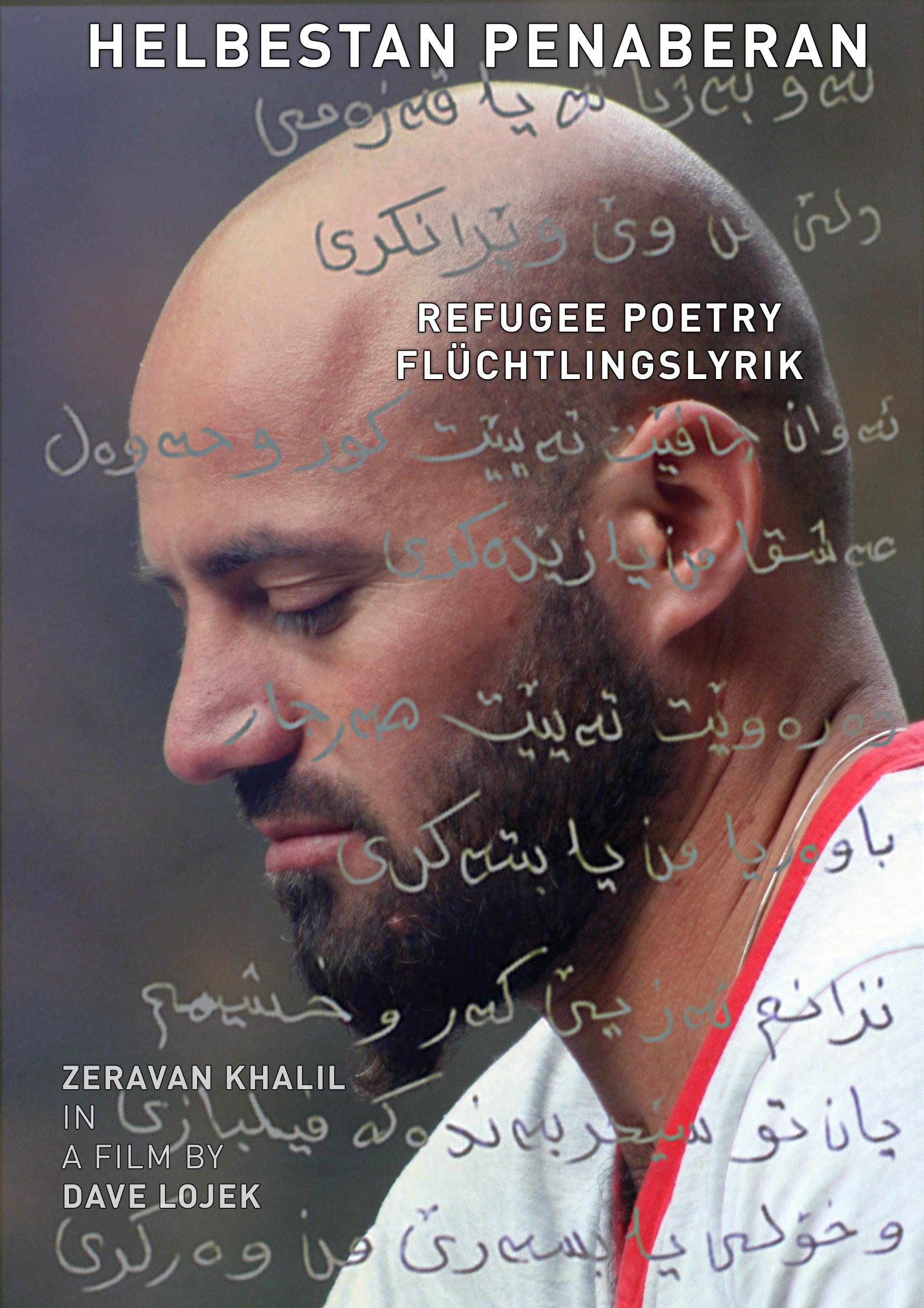
The Kurdish Iraqi poet and actor Zeravan Khalil travels with his dog through an Alpine gorge after fleeing from IS war and genocide. As he remembers the abomination, he writes a poem with the title “You drive me mad” in Kurmanji Kurdish. In his home country, Yazidic Kurds are forbidden to work in his profession. Then he eats his apple and wanders through Europe’s middle with more hope.
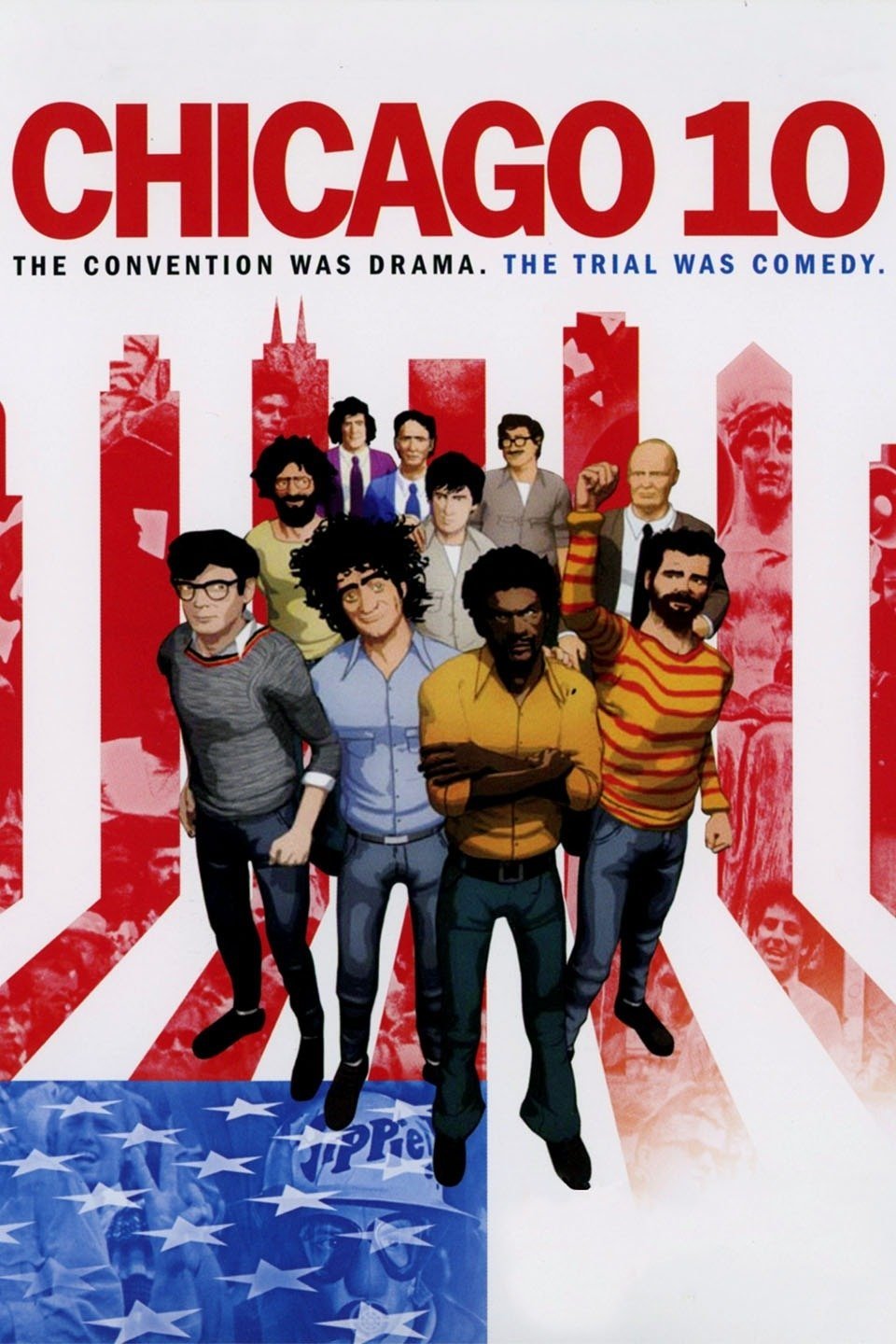
Archival footage, animation and music are used to look back at the eight anti-war protesters who were put on trial following the 1968 Democratic National Convention.
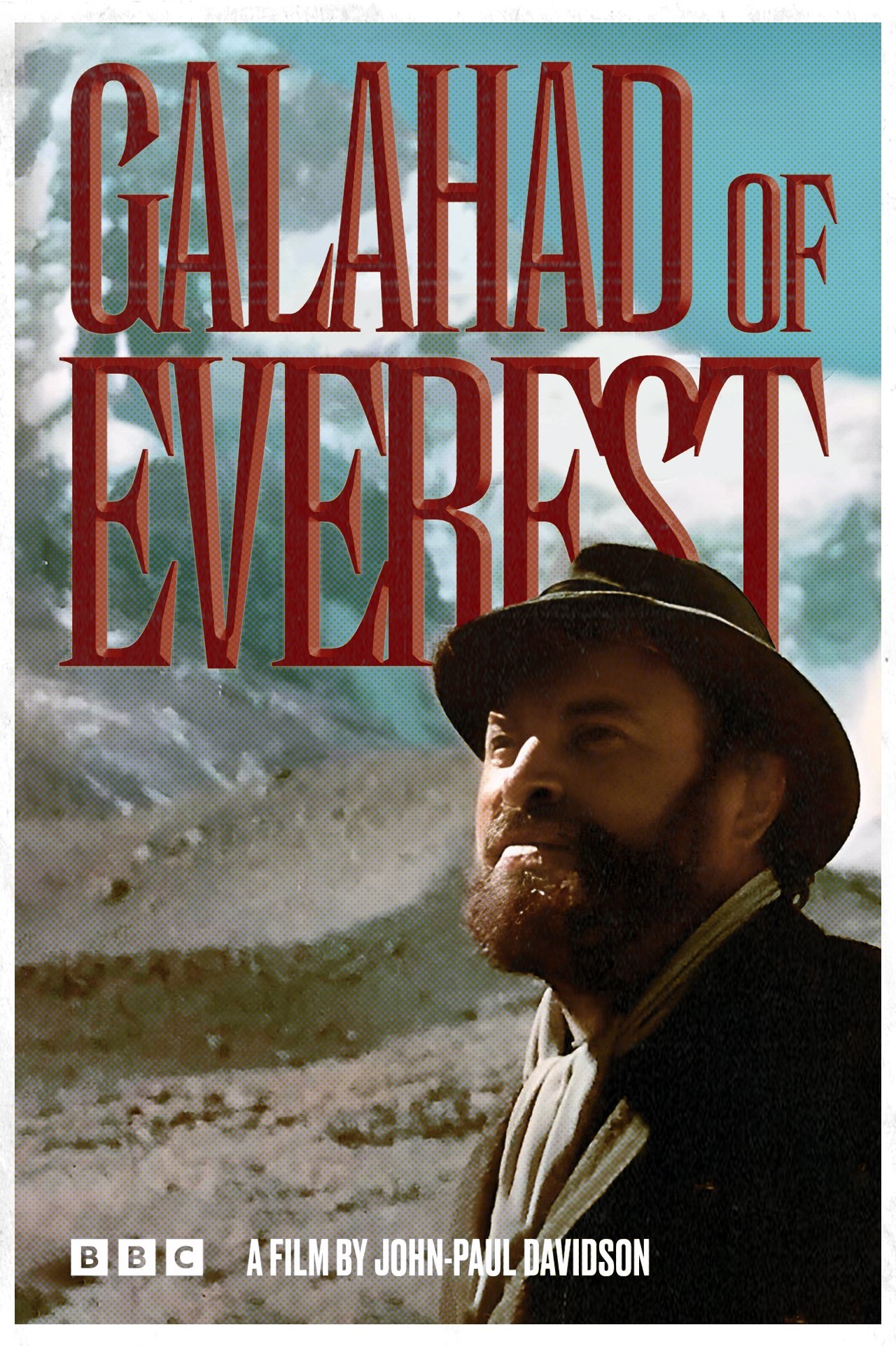
Brian Blessed plays George Mallory in this intrepid recreation of his ill fated 1924 climb to Everest. Meeting Sir Chris Bonington, Rheinhold Messnerhe learns of the pitfalls that await him before setting off for his epic struggle with the mountain. Against all odds he reaches 26000 feet on the North face of Everest, and is a changed man
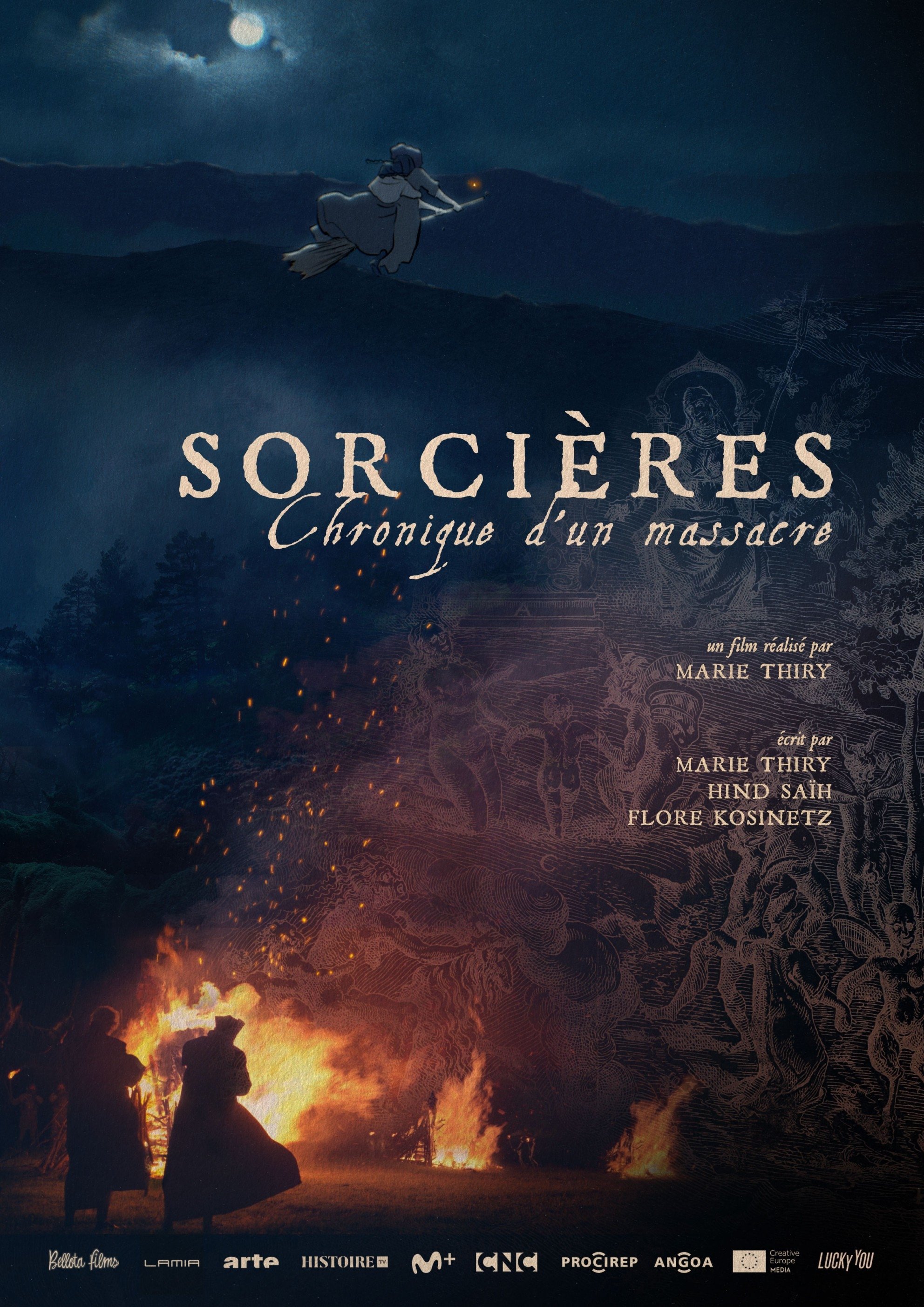
In 1609, Henry IV sent Inquisition judge Pierre de Lancre to the French Basque Country to investigate witchcraft. In the trials, 80 people were sentenced to death at the stake. Between the 15th and 17th centuries, a total of between 40,000 and 60,000 people fell victim to such waves of persecution in Europe. How can this phenomenon be explained?
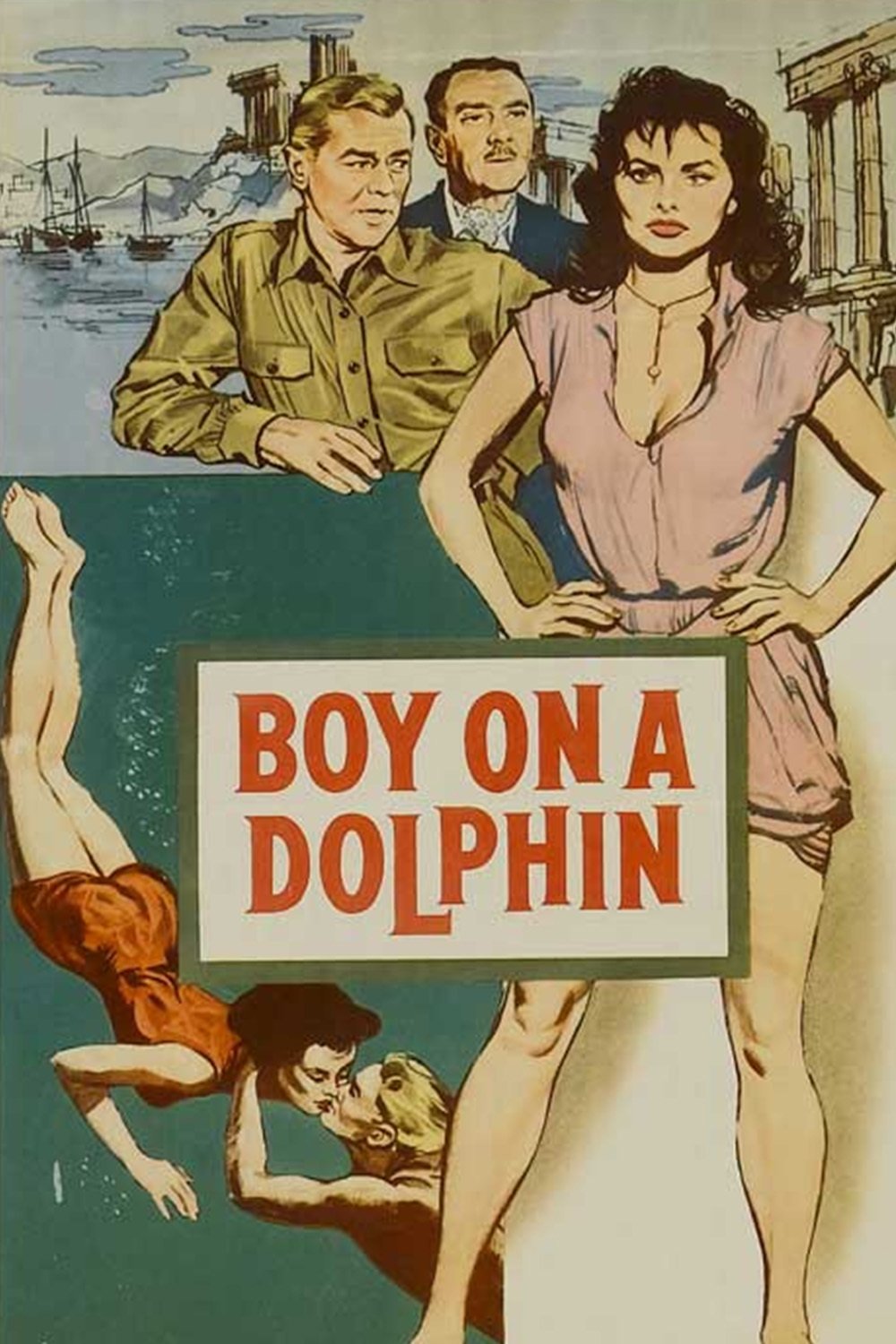
Phaedra is a poor sponge diver on the lovely Greek isle of Hydra. While diving, she discovers an ancient brass and gold statue of a boy riding a dolphin, which is said to have the magical power to grant wishes. Her shiftless boyfriend wants to sell it to an unscrupulous art collector, but Phaedra wants to give it to anthropologist Jim Calder, who would return it to the Greek government.
An Editor recounts the diaries of a failed film production as they attempt to construct a new narrative from the remaining footage.
A group of historians and archaeologists prepare a Tudor feast as it would have been over 400 years ago, including the use of period clothes, recipes from the era, food sourced from the land and the absence of modern conveniences.
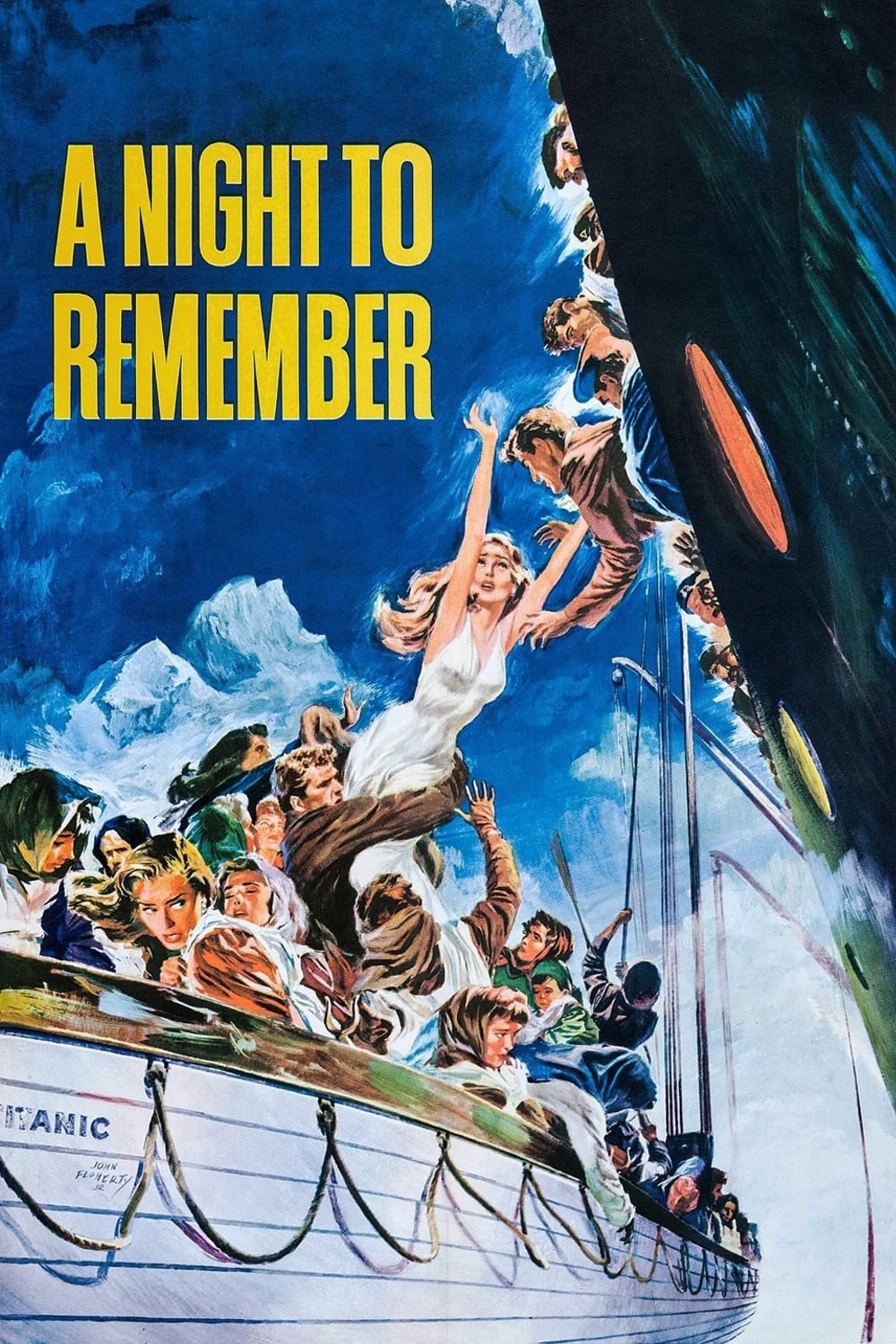
The sinking of the Titanic is presented in a highly realistic fashion in this tense British drama. The disaster is portrayed largely from the perspective of the ocean liner's second officer, Charles Lightoller. Despite numerous warnings about ice, the ship sails on, with Capt. Edward John Smith keeping it going at a steady clip. When the doomed vessel finally hits an iceberg, the crew and passengers discover that they lack enough lifeboats, and tragedy follows.
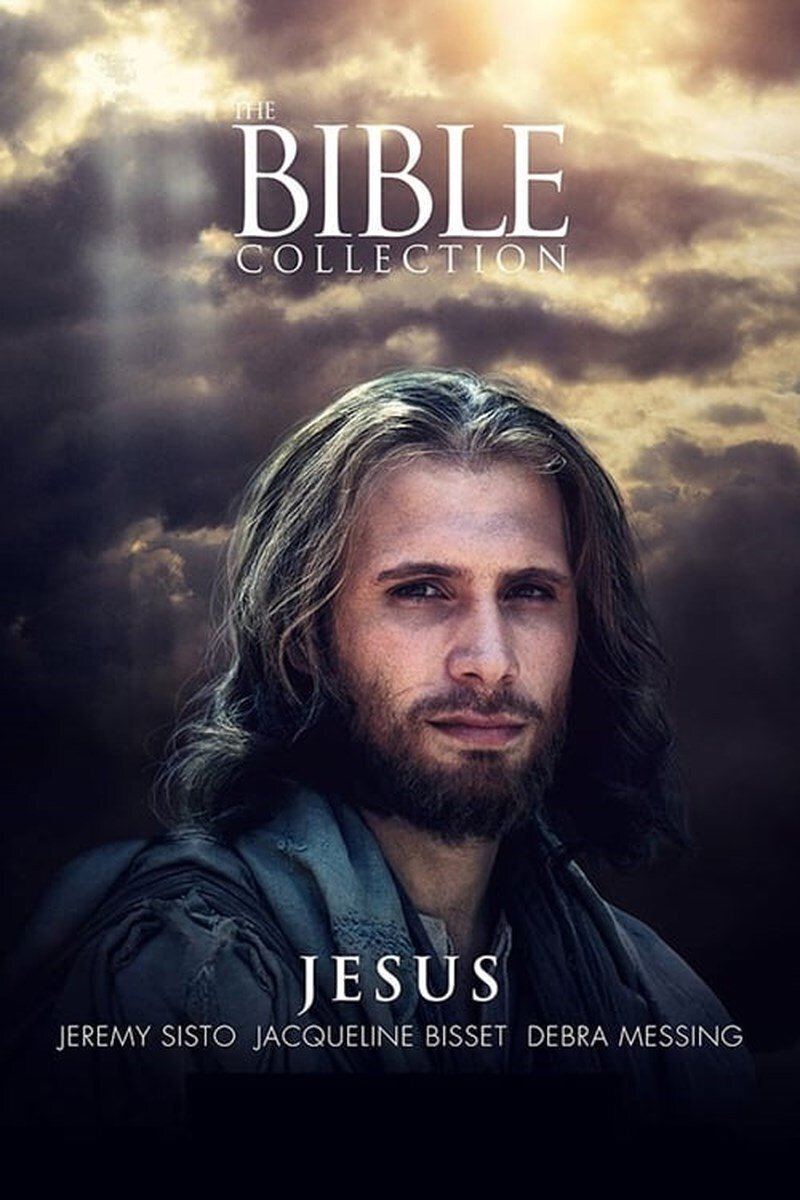
Jesus, a carpenter living a simple life, discovers his destiny as the biblical Messiah.
In the year 180 A.D. Germanic tribes are about to invade the Roman empire from the north. In the midst of this crisis ailing emperor Marcus Aurelius has to make a decision about his successor between his son Commodus, who is obsessed by power, and the loyal general Gaius Livius.
Drunk and disillusioned Roman, Marcellus Gallio, wins Jesus' robe in a dice game after the crucifixion. Marcellus has never been a man of faith like his slave, Demetrius, but when Demetrius escapes with the robe, Marcellus experiences disturbing visions and feels guilty for his actions. Convinced that destroying the robe will cure him, Marcellus sets out to find Demetrius — and discovers his Christian faith along the way.
In ancient Judea, a Jewish aristocrat opposing Roman occupation of his homeland reunites with his childhood friend, now a Roman commander — setting in motion a saga of betrayal, adventure, tragedy, revenge, and faith.
Fletcher Christian successfully leads a revolt against the ruthless Captain Bligh on the HMS Bounty. However, Bligh returns one year later, hell bent on revenge.
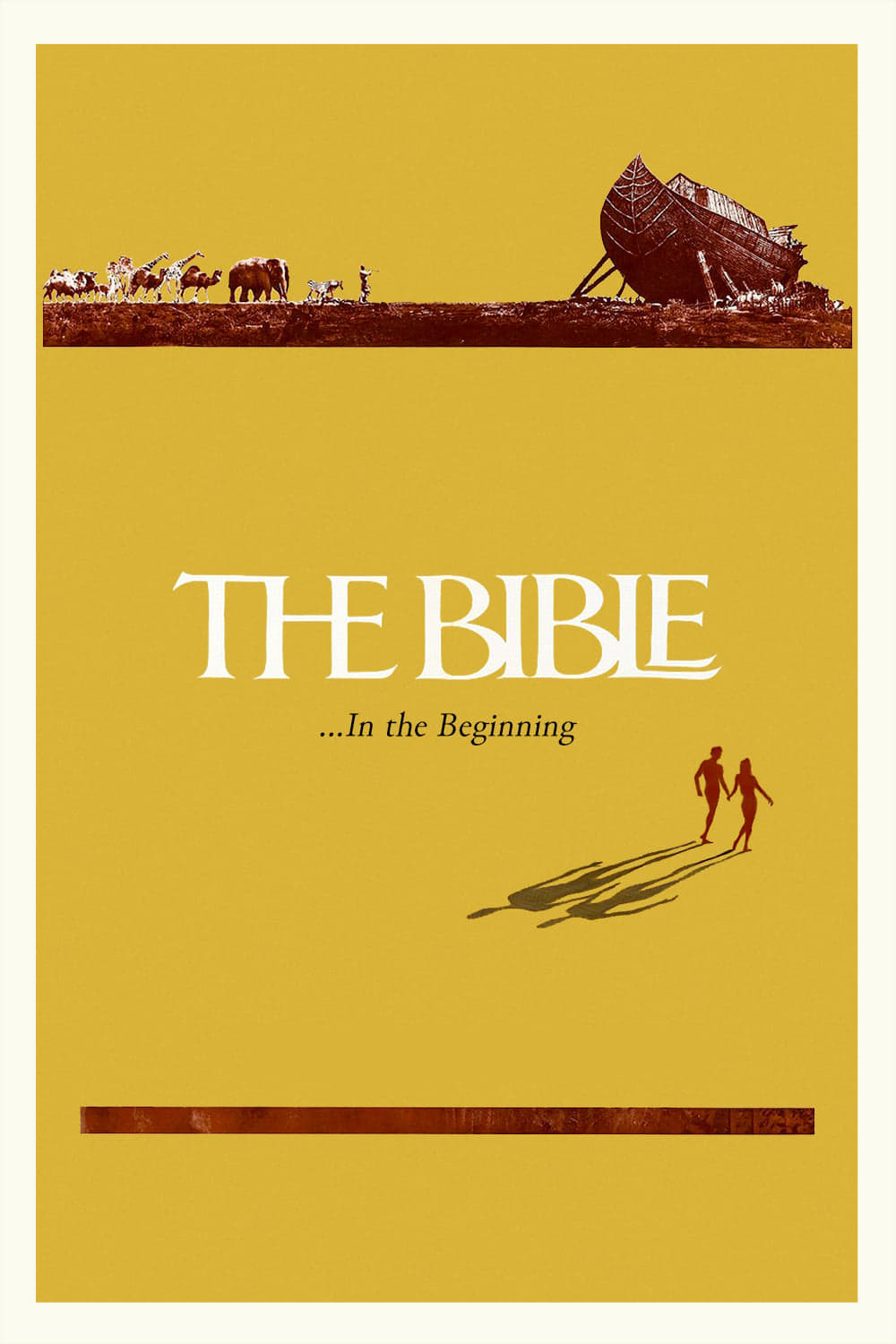
Covering only the first 22 chapters of the Book of Genesis, vignettes include: Adam and Eve frolicking in the Garden of Eden until their indulgence in the forbidden fruit sees them driven out; Cain murdering his brother Abel; Noah building an ark to preserve the animals of the world from the coming flood; and Abraham making a covenant with God.
Shipwrecked fugitives try to escape a brutal sea captain who's losing his mind.
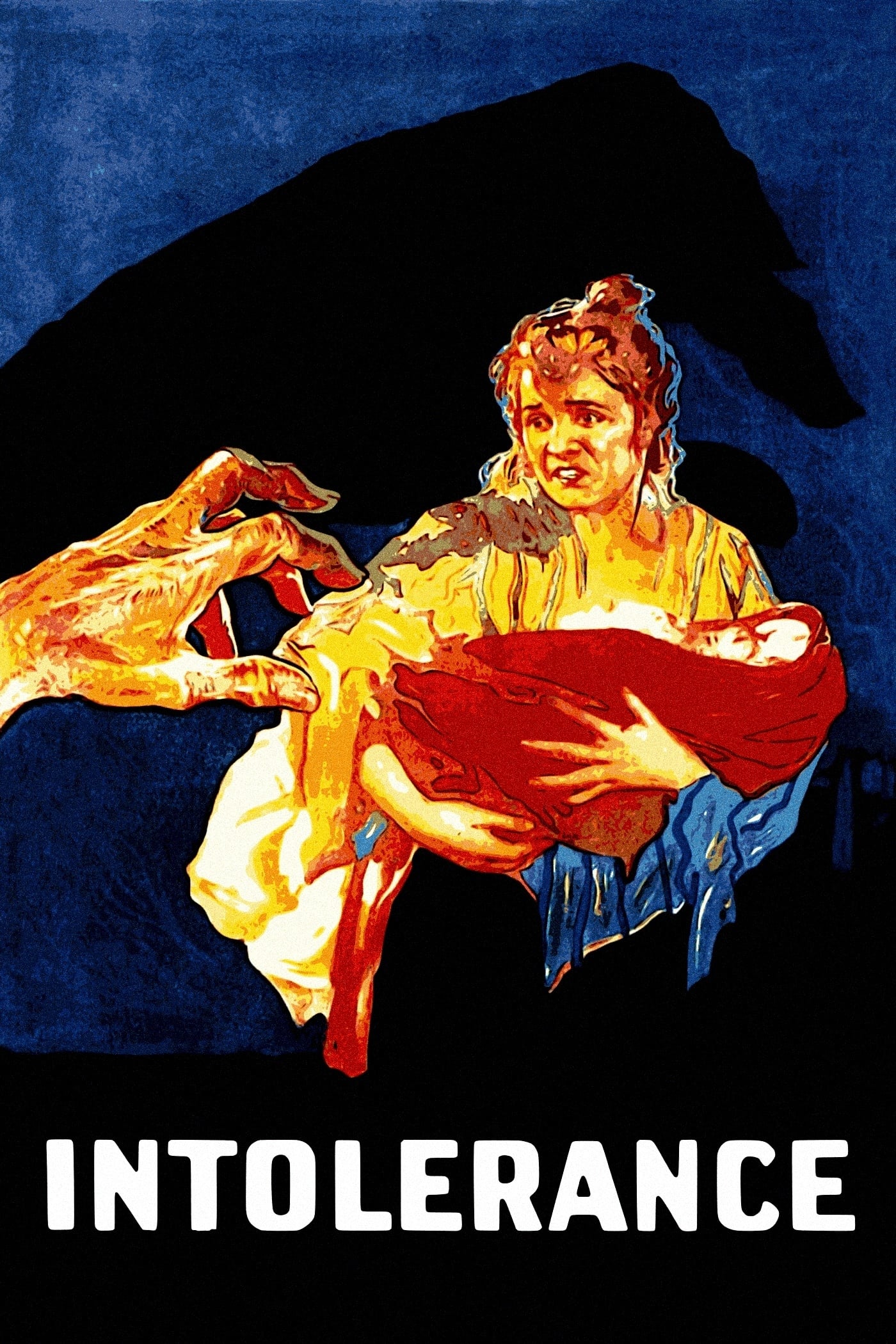
The story of a poor young woman, separated by prejudice from her husband and baby, is interwoven with tales of intolerance from throughout history.
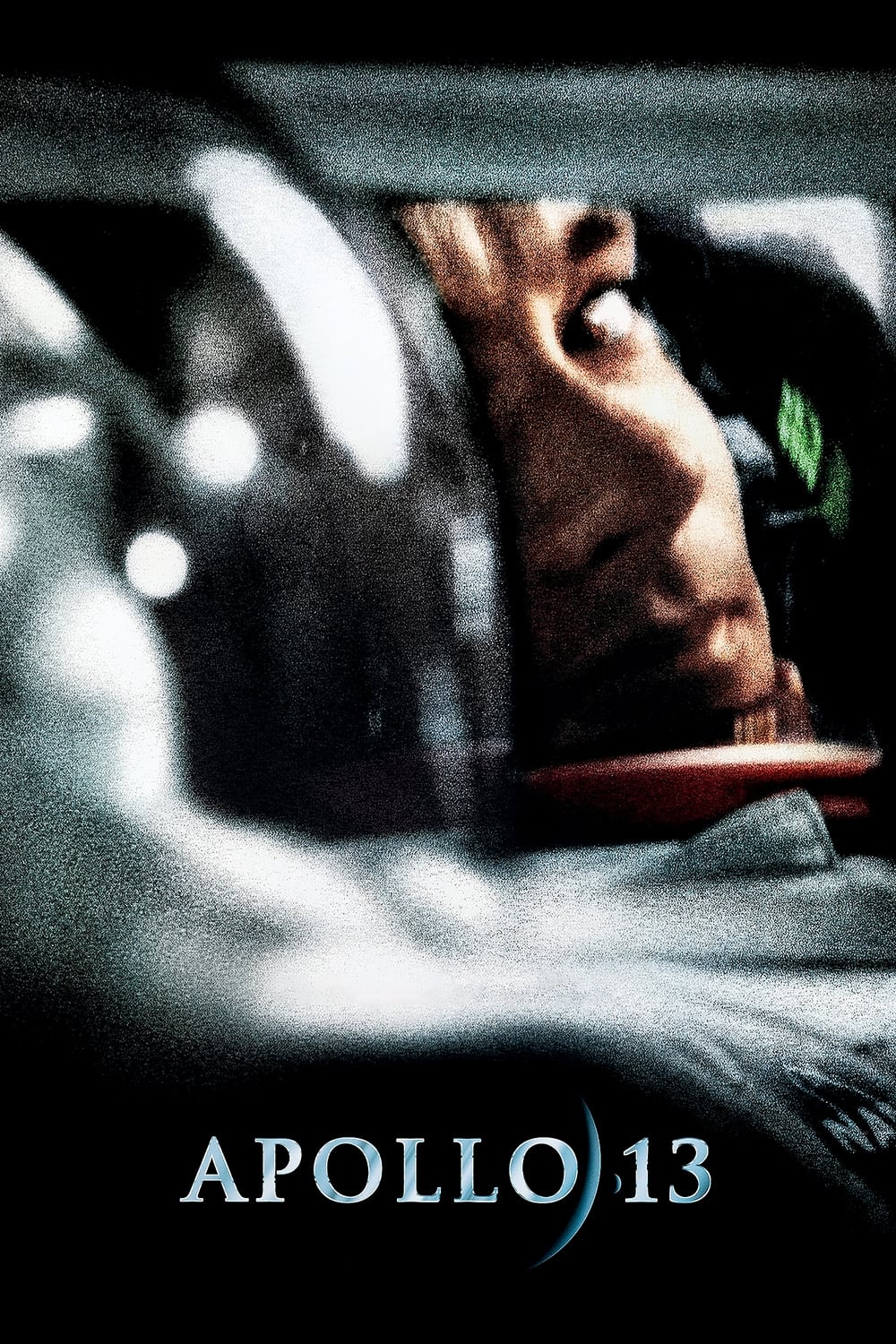
The true story of technical troubles that scuttle the Apollo 13 lunar mission in 1970, risking the lives of astronaut Jim Lovell and his crew, with the failed journey turning into a thrilling saga of heroism. Drifting more than 200,000 miles from Earth, the astronauts work furiously with the ground crew to avert tragedy.
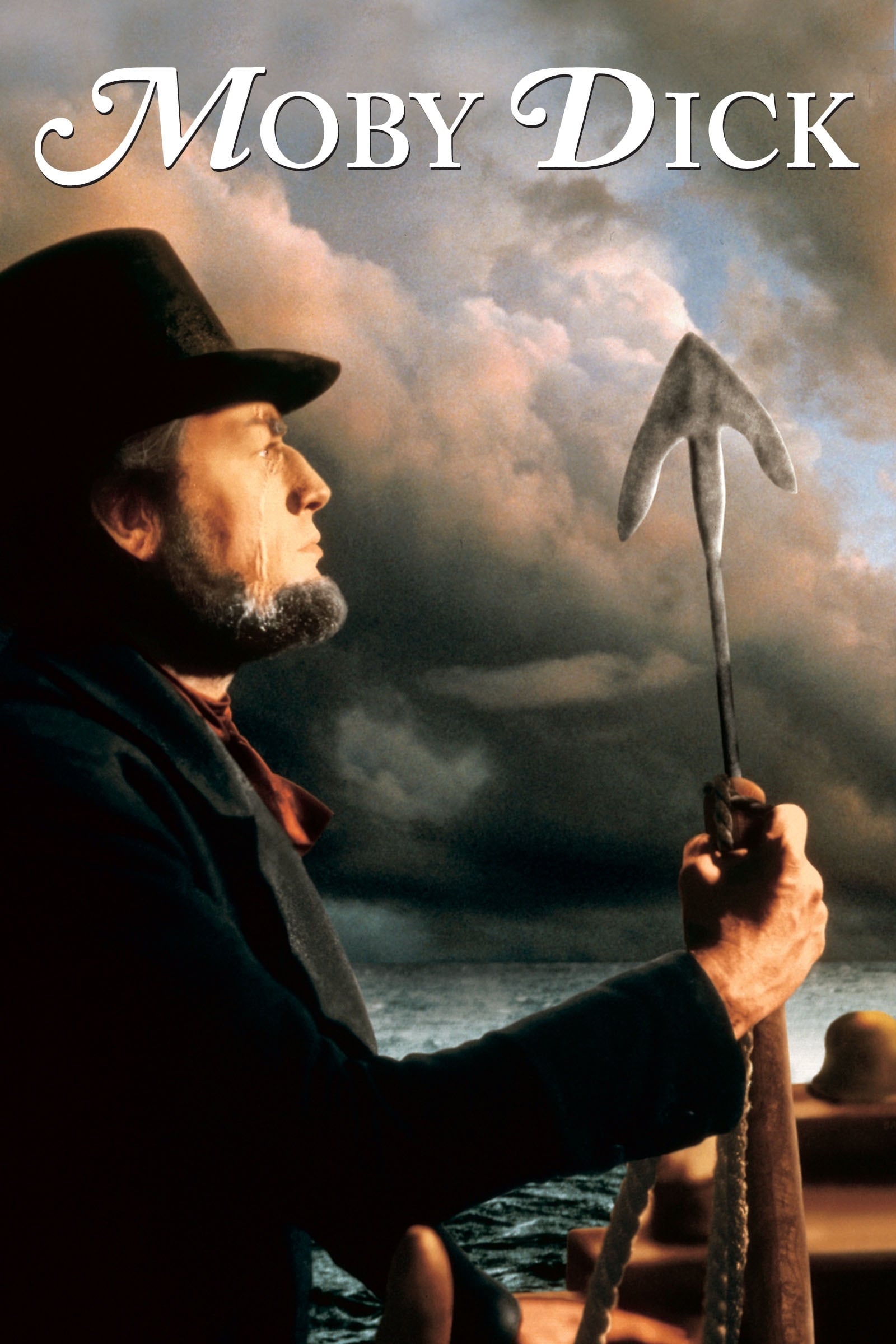
In 1841, young Ishmael signs up for service aboard the Pequod, a whaler sailing out of New Bedford. The ship is under the command of Captain Ahab, a strict disciplinarian who exhorts his men to find Moby Dick, the great white whale. Ahab lost his leg to that creature and is desperate for revenge. As the crew soon learns, he will stop at nothing to gain satisfaction.
A WWII veteran escapes his care home in Northern Ireland and embarks on an arduous but inspirational journey to France to attend the 75th anniversary of the D-Day landings, finding the courage to face the ghosts of his past.
When the tenacious young sailor Jessica Watson sets out to be the youngest person to sail solo, nonstop and unassisted around the world, many expect her to fail. With the support of her sailing coach and mentor Ben Bryant and her parents, Jessica is determined to accomplish what was thought to be impossible, navigating some of the world’s most challenging stretches of ocean over the course of 210 days.
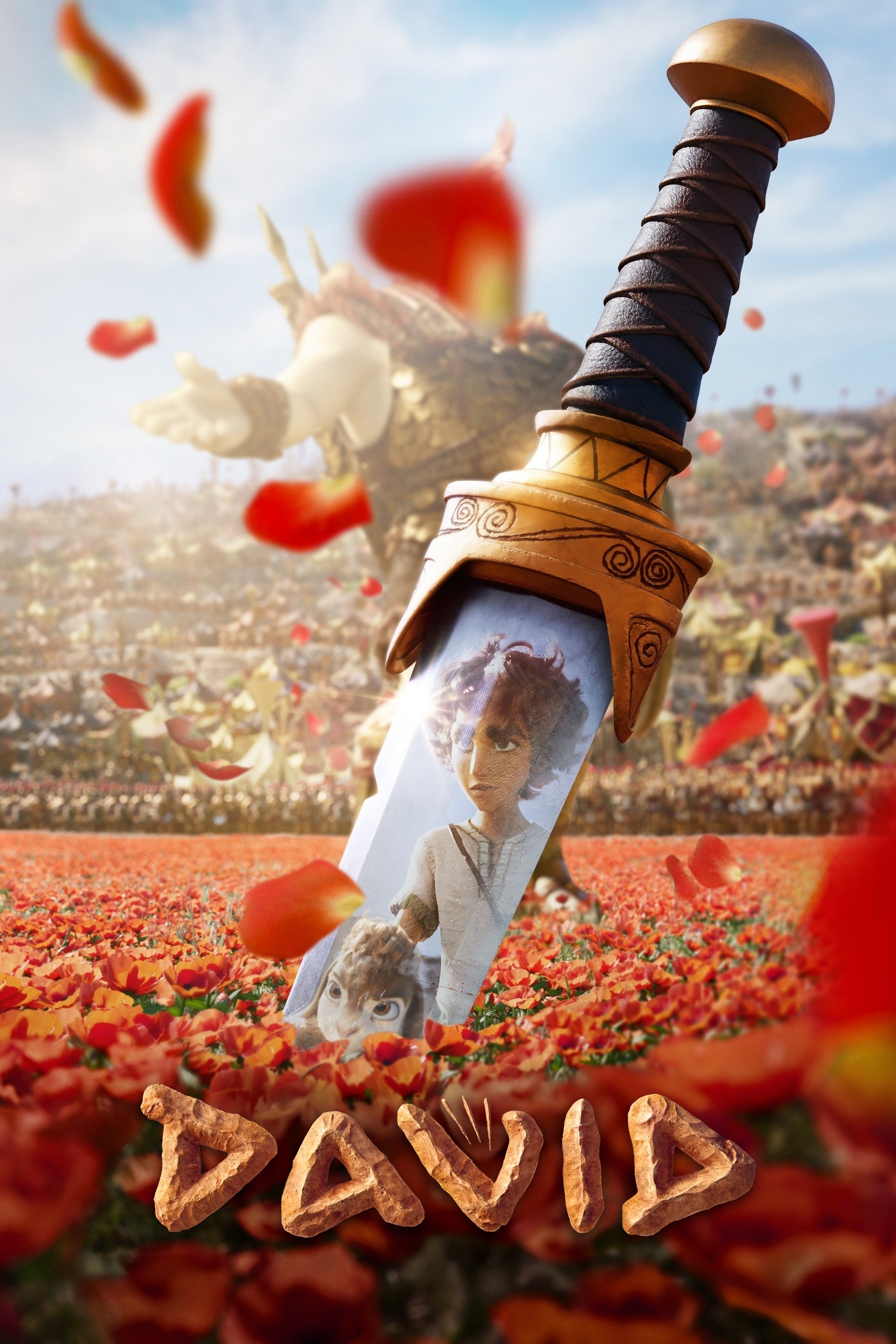
From the songs of his mother’s heart to the whispers of a faithful God, David’s story begins in quiet devotion. When the giant Goliath rises to terrorize a nation, a young shepherd armed with only a sling, a few stones, and unshakable faith steps forward. Pursued by power and driven by purpose, his journey tests the limits of loyalty, love, and courage—culminating in a battle not just for a crown, but for the soul of a kingdom.
A departing professor gathers his closest colleagues for an intimate farewell, but the night takes an unexpected turn when he shares a stunning secret about his past. As the conversation unfolds, skepticism and curiosity collide, challenging everything they thought they knew about history, science, and belief.
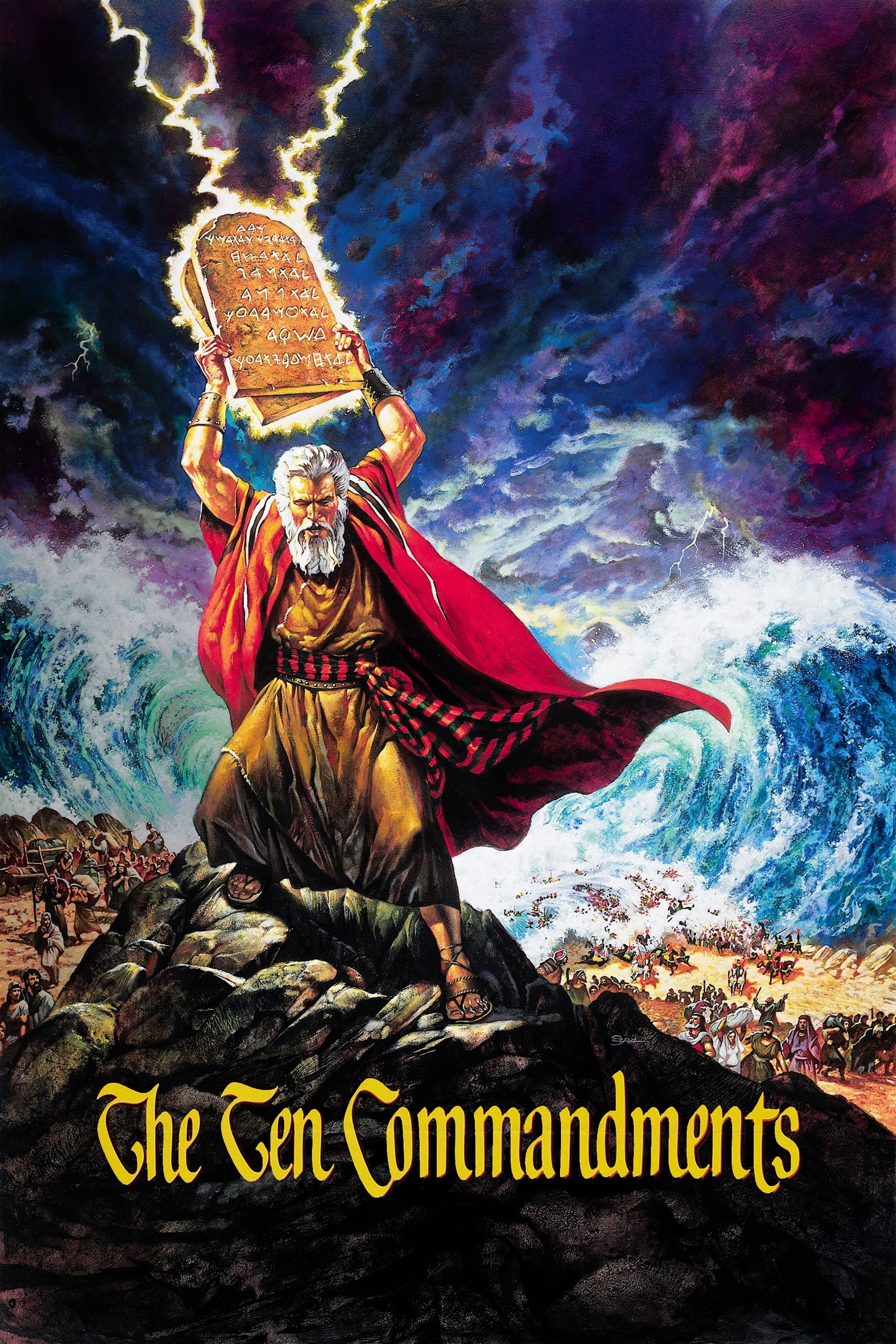
Escaping death, a Hebrew infant is raised in a royal household to become a prince. Upon discovery of his true heritage, Moses embarks on a personal quest to reclaim his destiny as the leader and liberator of the Hebrew people.
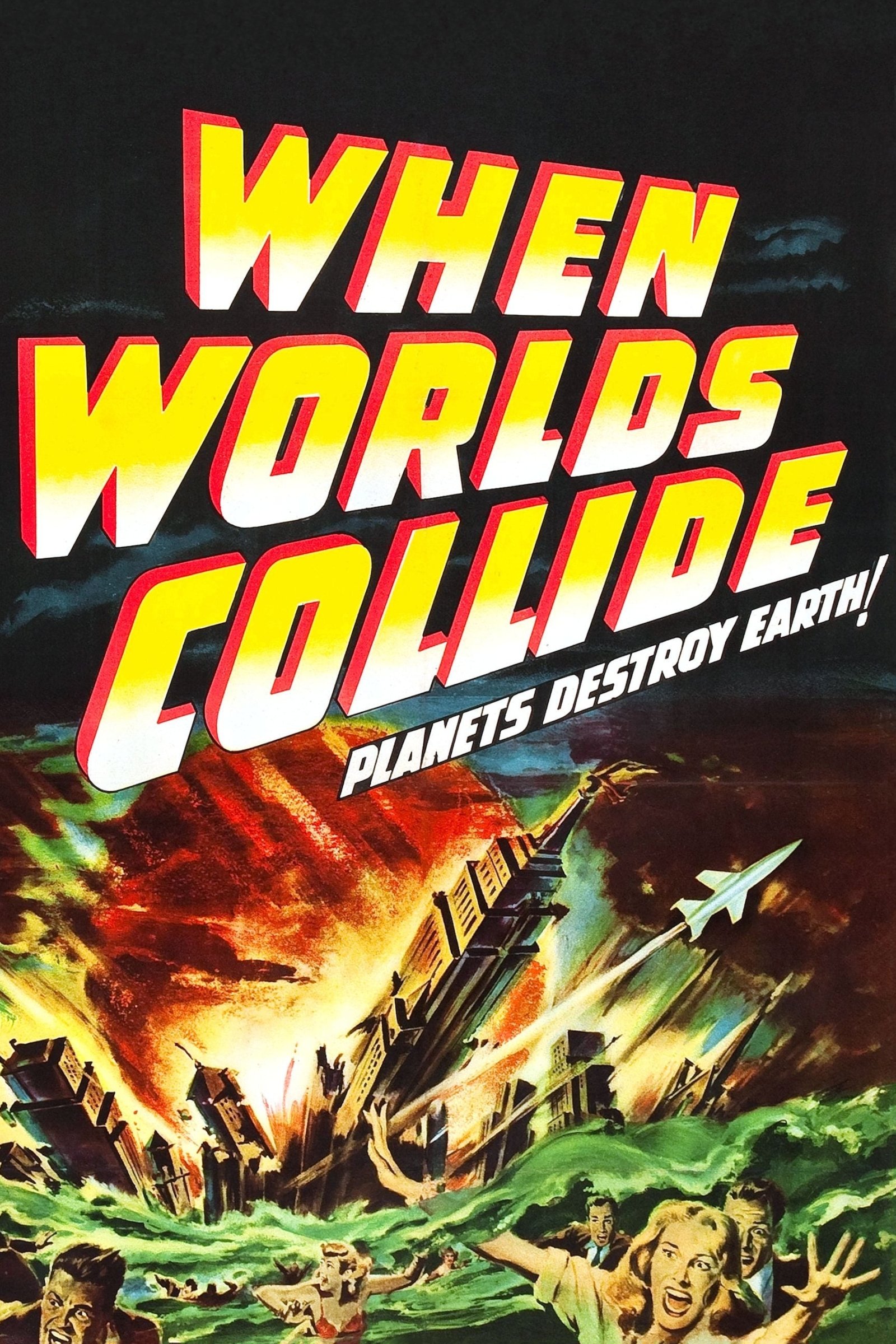
When a group of astronomers calculate a star is on a course to slam into Earth, a few days before, it's accompanying planet will first pass close enough to the Earth to cause havoc on land and sea. They set about building a rocket so a few selected individuals can escape to the planet.
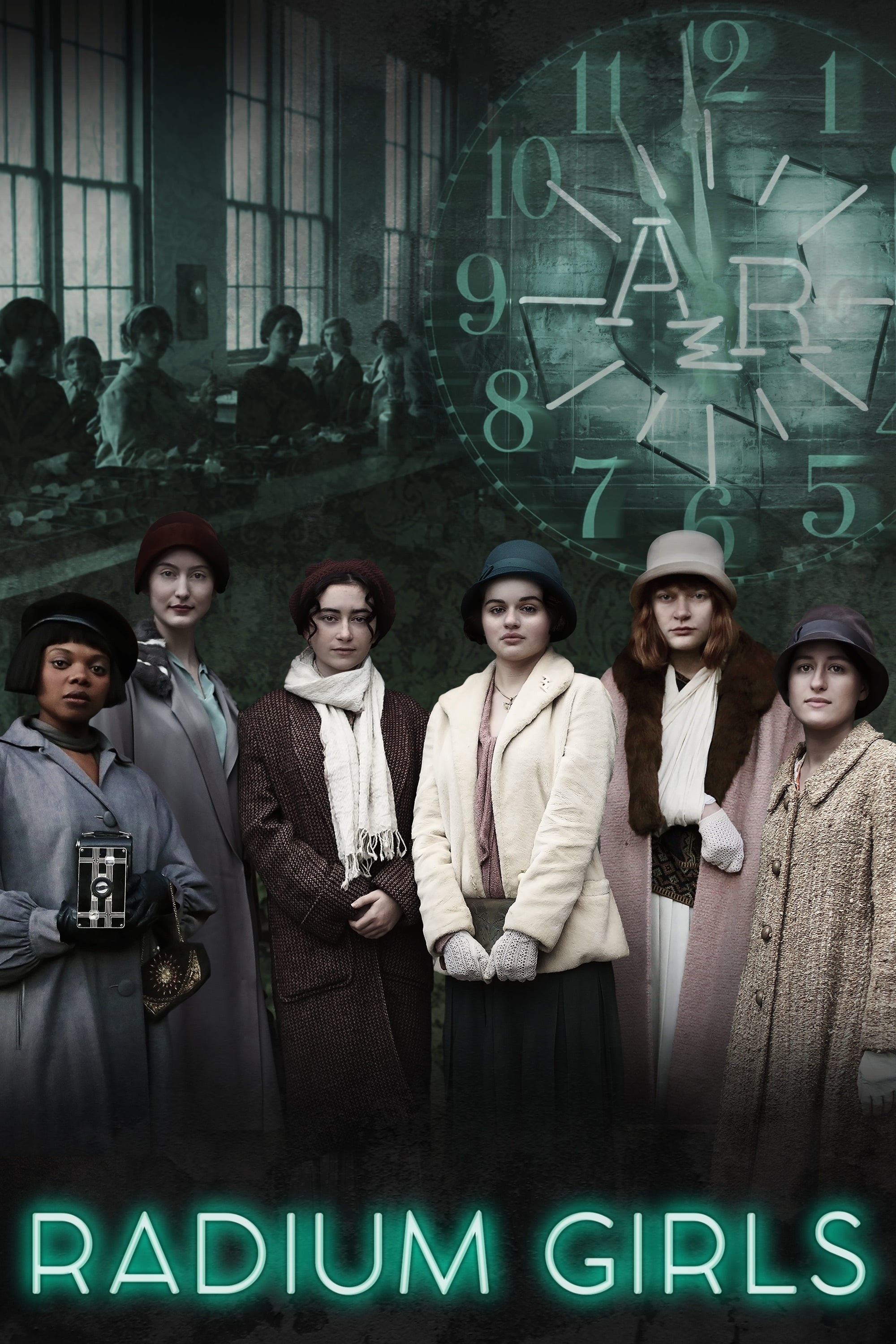
Young women toiling in a factory are exposed to hazardous material which takes a disastrous toll on their health.
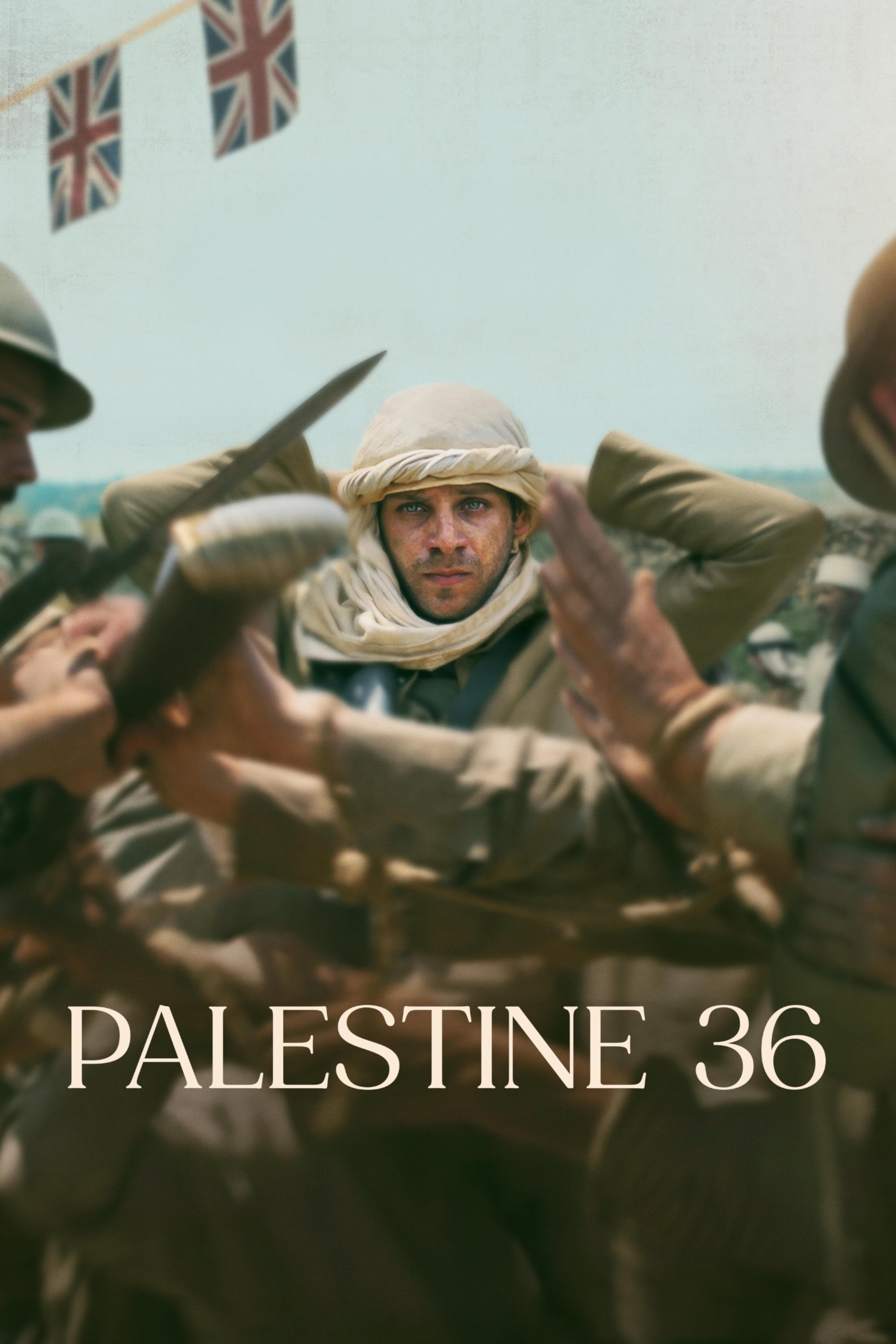
Year 1936. As villages across Palestine rise against British colonial rule, Yusuf drifts between his rural home and the restless energy of Jerusalem, longing for a future beyond the growing unrest. But history is relentless. With rising numbers of Jewish immigrants escaping antisemitism in Europe and some arriving with nefarious Zionist-colonial ambitions, and the Palestinian population uniting in the largest and longest uprising against Britain’s 30-year dominion, all sides spiral towards inevitable collision in a decisive moment for the British Empire and the future of the entire region.
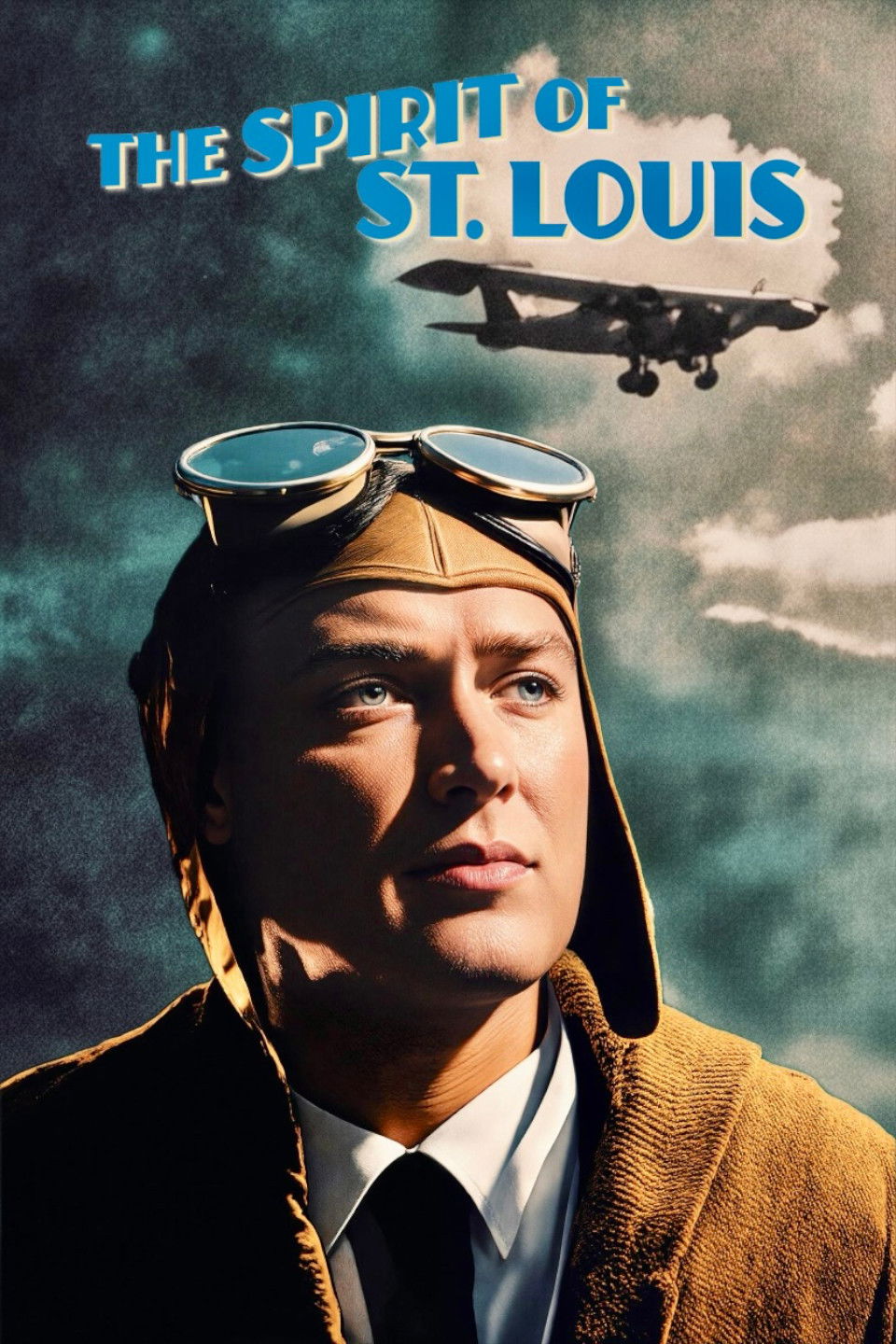
In 1927, Charles Lindbergh struggles to finance and design an airplane that will make his New York to Paris flight the first solo transatlantic crossing.