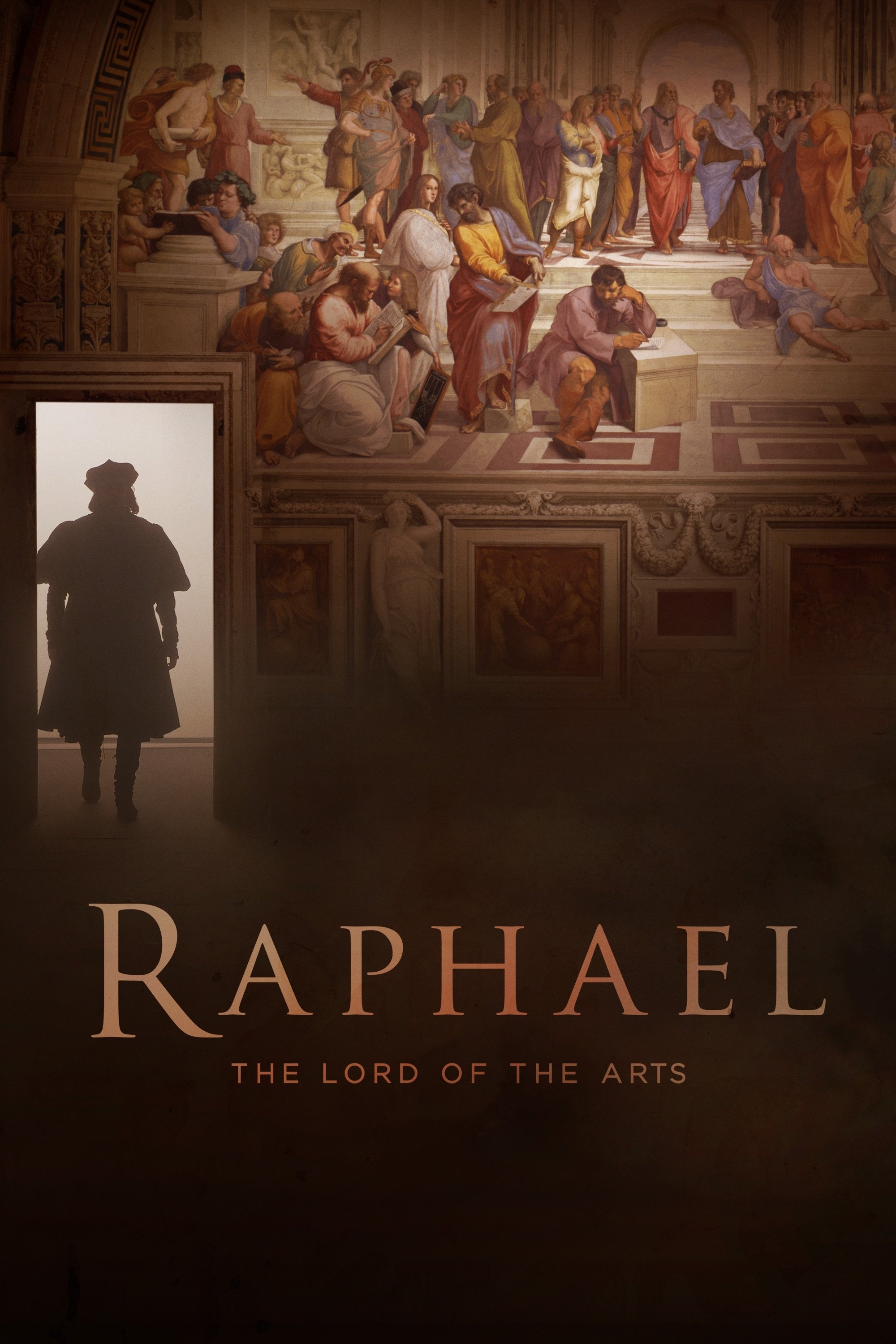
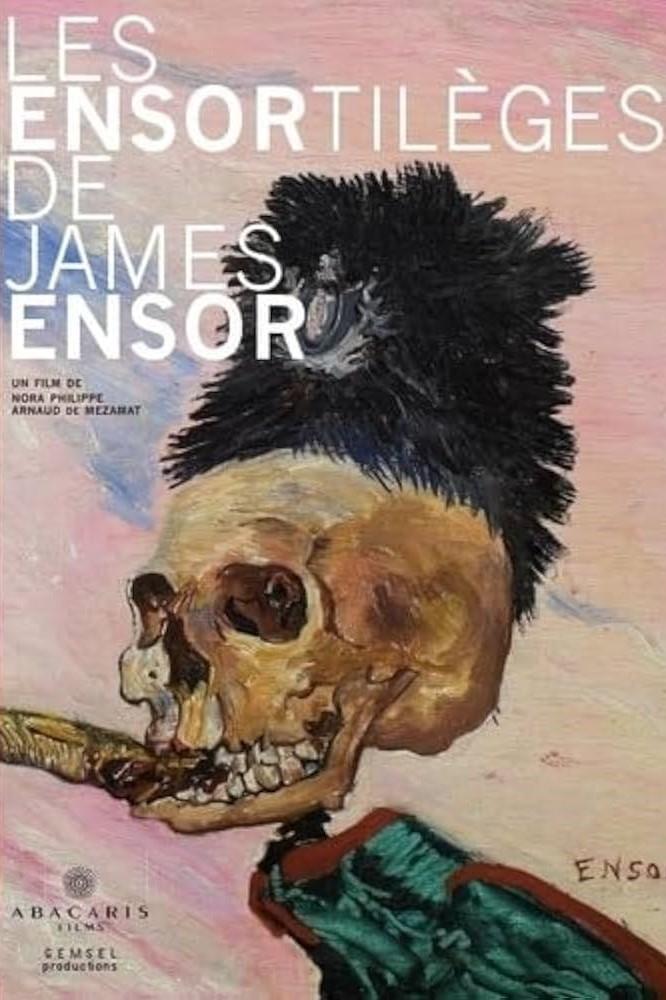
Documentary film about Gothic painting and its representatives.
Social & External
The film approaches the work of the Greek artist Nikos Koniaris. The particular way in which the painter depicts human suffering is presented through a film - a hybrid of real recording and directed material. The grief, the sick body, is reflected in self portraits, portraits of dying strangers and paintings of dead models. The paintings, apart from his work, also express a different version of himself. All together contribute to the depiction of man as a "garment of pain".
Mixing archival footage with interviews, this film celebrates one of Los Angeles's most influential painters and Chicano art activists from the 1970s.
Bob Ross brought joy to millions as the world's most famous art instructor. But a battle for his business empire cast a shadow over his happy trees.
This feature documentary portrays one of the most important museums in the world, the Kunsthistorisches Museum Wien. It presents a unique look behind the scenes of this fascinating institution and encounters a number of charismatic protagonists and their working fields unfolding the museum’s special world – as an art institution as well a vehicle for state representation.
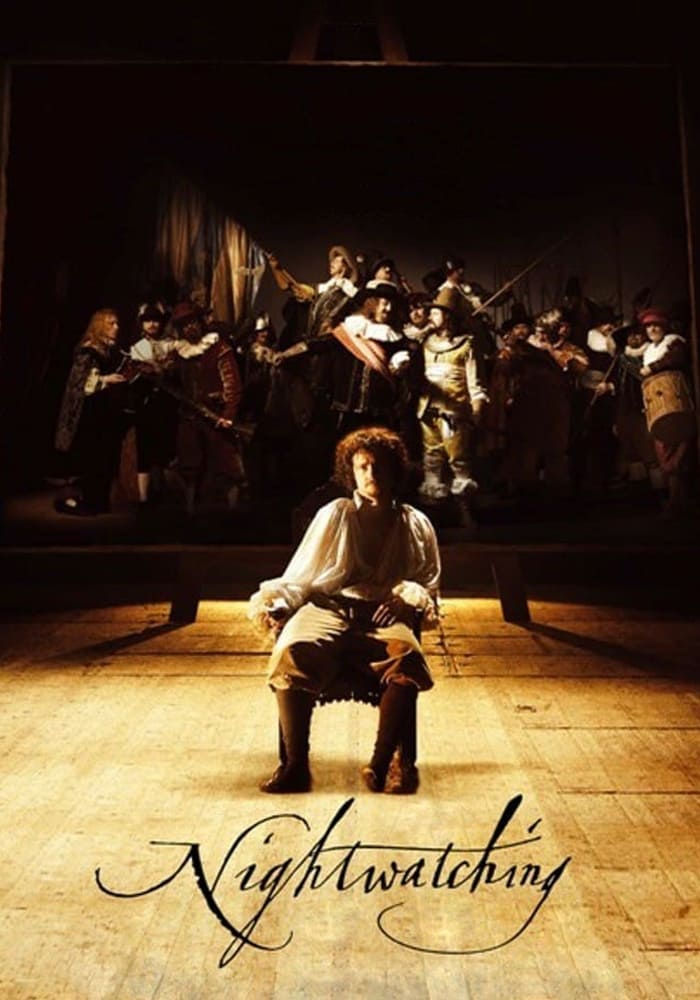
An extravagant, exotic and moving look at Rembrandt's romantic and professional life, and the controversy he created by the identification of a murderer in the painting The Night Watch.
In rocky Newfoundland, renowned French artist Jean Claude Roy gathers his paints and sets off to face the day. Whether it be freezing snow, violent wind, or pouring rain, he commits vibrant colors to canvas and conquers the day by weaving crooked beauty out of difficulties.
Chuck Close, an astounding portrait of one of the world's leading contemporary painters, was one of two parting gifts (her second is a film on Louise Bourgeois) from Marion Cajori, a filmmaker who died recently, and before her time. With editing completed by filmmaker Ken Kobland, Chuck Close lives the life and work of a man who has reinvented portraiture. Close photographs his subjects, blows up the image to gigantic proportions, divides it into a detailed grid and then uses a complex set of colors and patterning to reconstruct each face.
Celebrating Billy Connolly's 75th birthday and 50 years in the business, three Scottish artists - John Byrne, Jack Vettriano and Rachel MacLean - each create a new portrait of the Big Yin. As he sits with each artist, Billy talks about his remarkable life and career which has taken him from musician and pioneering stand-up to Hollywood star and national treasure.
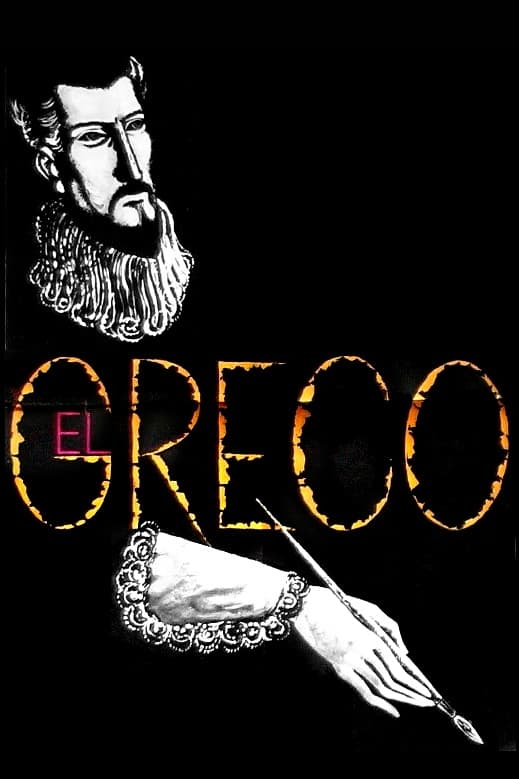
Greek painter Domenikos Theotokopoulos (Mel Ferrer) woos a beauty (Rosanna Schiaffino) and faces the Inquisition in 16th-century Spain.
A documentary about surrealist artist Salvador Dali, narrated by Orson Welles.
In 14th-century England, knight Edward Carnifex marries his devoted love Eleanor after murdering her father — only to betray her for a wealthier bride. And it is only a matter of time before Eleanor will be forced to take a bloody revenge...
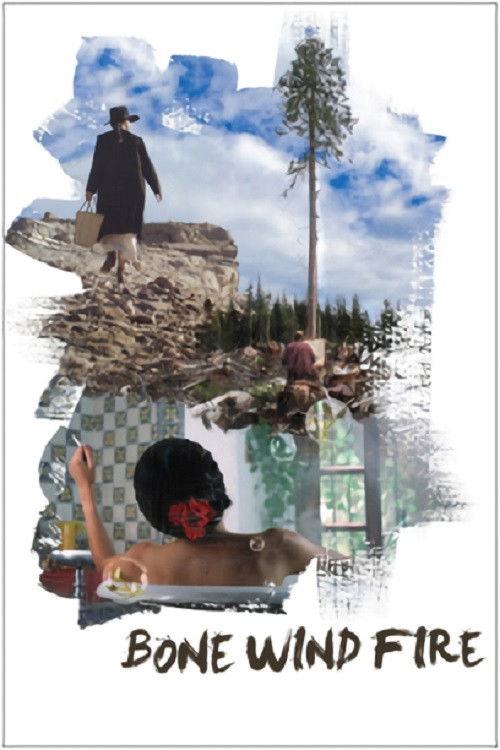
Cinema and painting establish a fluid dialogue and begins with introspection in the themes and forms of the plastic work of a woman tormented by the elongated specters, originating from her obsessions and nightmares.
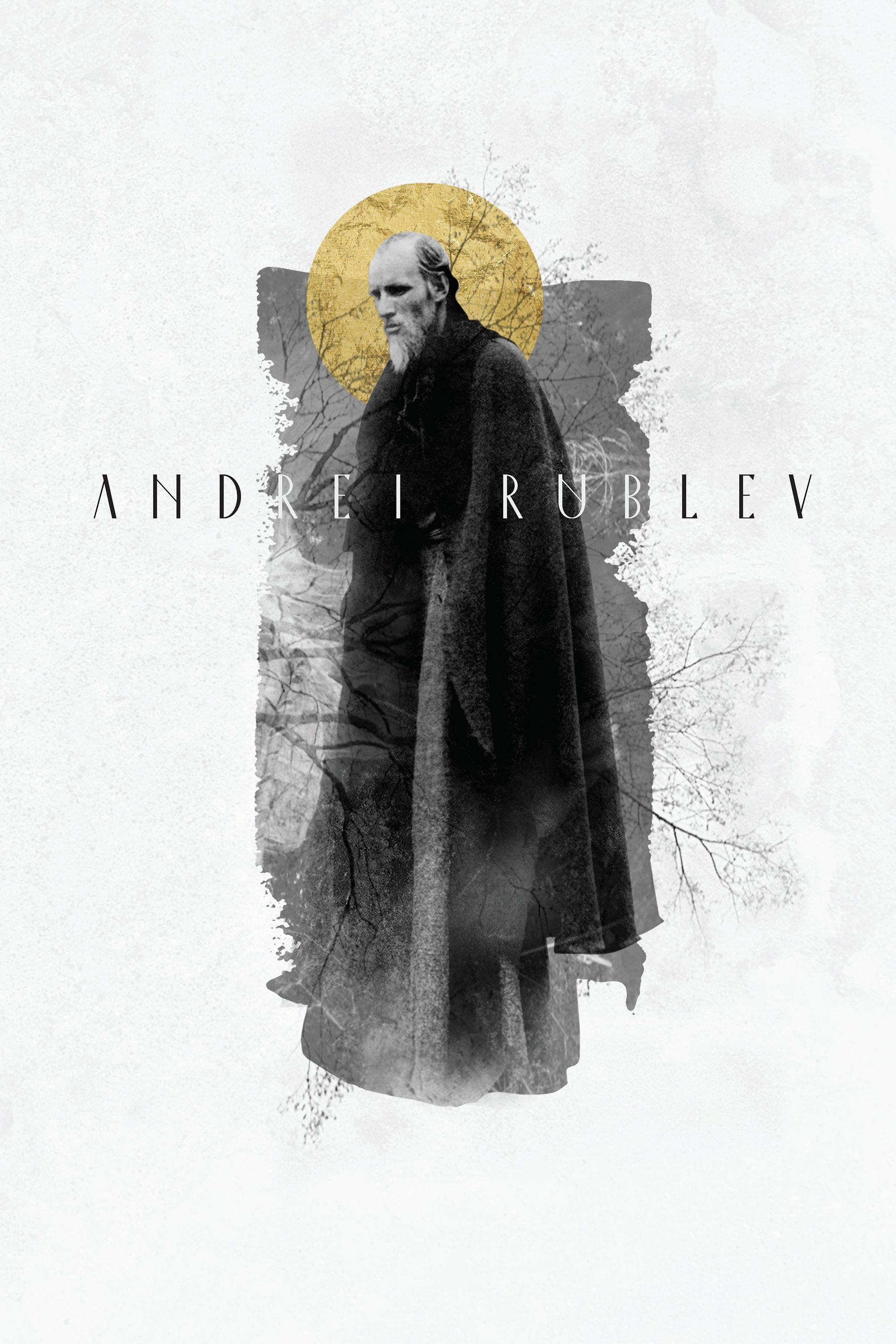
An expansive Russian drama, this film focuses on the life of revered religious icon painter Andrei Rublev. Drifting from place to place in a tumultuous era, the peace-seeking monk eventually gains a reputation for his art. But after Rublev witnesses a brutal battle and unintentionally becomes involved, he takes a vow of silence and spends time away from his work. As he begins to ease his troubled soul, he takes steps towards becoming a painter once again.
Dedicated to the portrait work of Paul Cézanne, the exhibition opens in Paris before traveling to London and Washington. One cannot appreciate 20th century art without understanding the significance and genius of Paul Cézanne. Filmed at the National Portrait Gallery in London, with additional interviews from experts and curators from MoMA in New York, National Gallery of Art in Washington DC, and Musée d’Orsay in Paris, and correspondence from the artist himself, the film takes audiences to the places Cézanne lived and worked and sheds light on an artist who is perhaps one of the least known and yet most important of all the Impressionists.
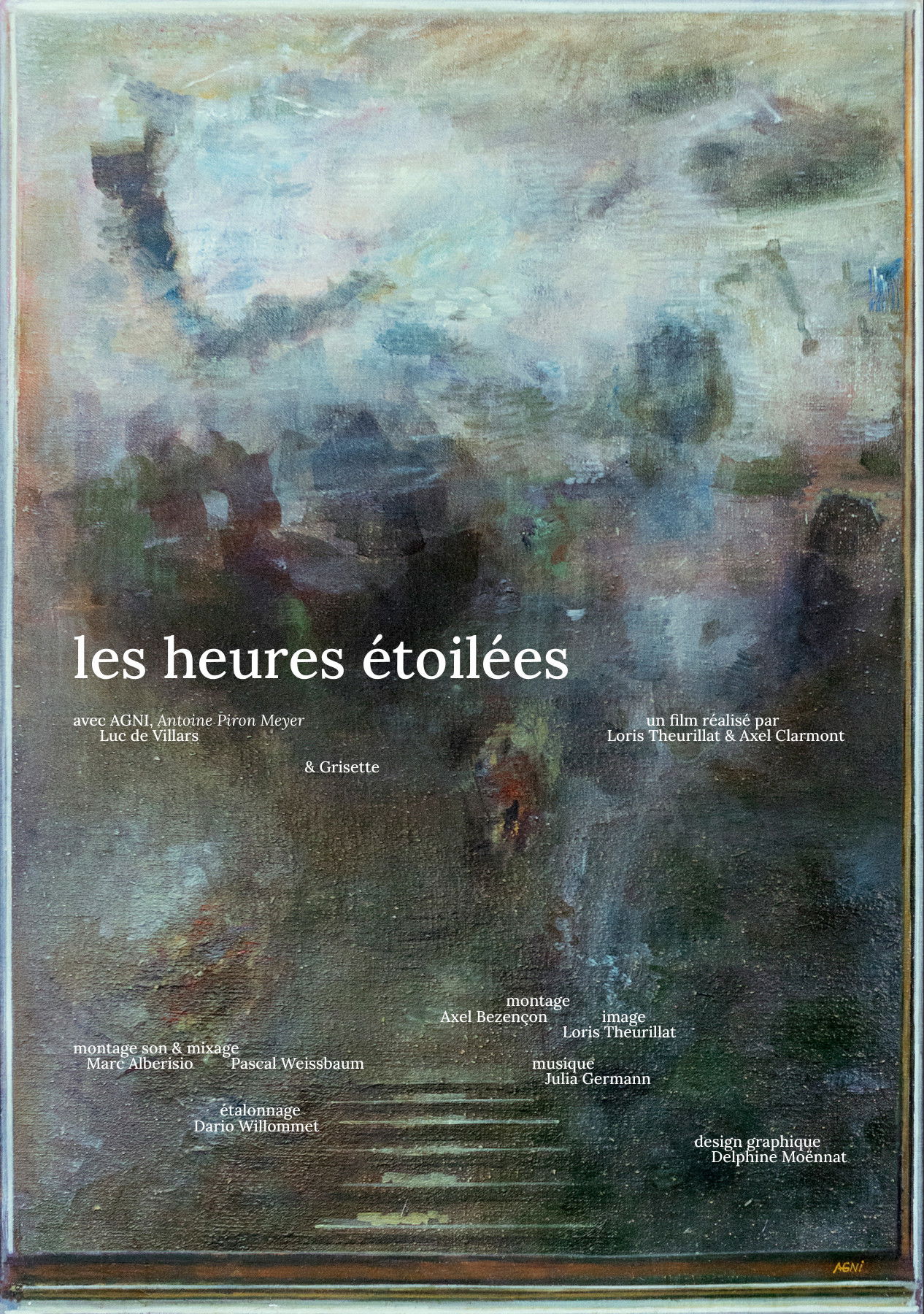
X-ray images were invented in 1895, the same year in which the Lumière brothers presented their respective invention in what today is considered to be the first cinema screening. Thus, both cinema and radiography fall within the scopic regime inaugurated by modernity. The use of X-rays on two sculptures from the Bilbao Fine Arts Museum generates images that reveal certain elements of them that would otherwise be invisible to our eyes. These images, despite being generally created for technical or scientific purposes, seem to produce a certain form of 'photogénie': they lend the radiographed objects a new appearance that lies somewhere between the material and the ethereal, endowing them with a vaporous and spectral quality. It is not by chance that physics and phantasmagoria share the term 'spectrum' in their vocabulary.
An authentic first person view into the lives of full-time touring bands and the daily struggles they encounter on the road.