The first part of the documentary about the work of the Czech painter Mikoláš Alš called "The Song of Life", which focuses on the part of his work that draws its themes from life in the village.
Social & External

As her 80th birthday is approaching, Vera Klement, an oil painter in Chicago, adamantly starts yet another new figure painting: a portrait of an artist under oppression, an homage to Russian composer, Dmitri Shostakovitch.
Tara Byte is a documentary short that explores the art and performance of the eclectic Soren Liu (He/They) while illuminating the interplay between art and identity, showcasing the dynamic intersection where Liu's creativity and self-expression converge.
Seemayer Studios presents a new documentary about the American Hotel in downtown Los Angeles and the Arts District that surrounds it. Since 1979, the American Hotel has been the beating heart of a rich community of artists who began moving into the deserted factory buildings between Alameda and the Los Angeles River.
A portrait of the day-to-day operations of the National Gallery of London, that reveals the role of the employees and the experiences of the Gallery's visitors. The film portrays the role of the curators and conservators; the education, scientific, and conservation departments; and the audience of all kinds of people who come to experience it.

Poème Électronique is an 8-minute piece of electronic music by composer Edgard Varèse, written for the Philips Pavilion at the 1958 Brussels World’s Fair. The Philips corporation commissioned Le Corbusier to design the pavilion, which was intended as a showcase of their engineering progress. The pavilion was shaped like a stomach, with a narrow entrance and exit on either side of a large central space. As the audience entered and exited the pavilion, the electronic composition Concret PH by Iannis Xenakis (who also acted as Le Corbusier's architectural assistant for the pavilion's design) was heard. Poème électronique was synchronized to a film of black and white photographs selected by Le Corbusier which touched on vague themes of human existence.
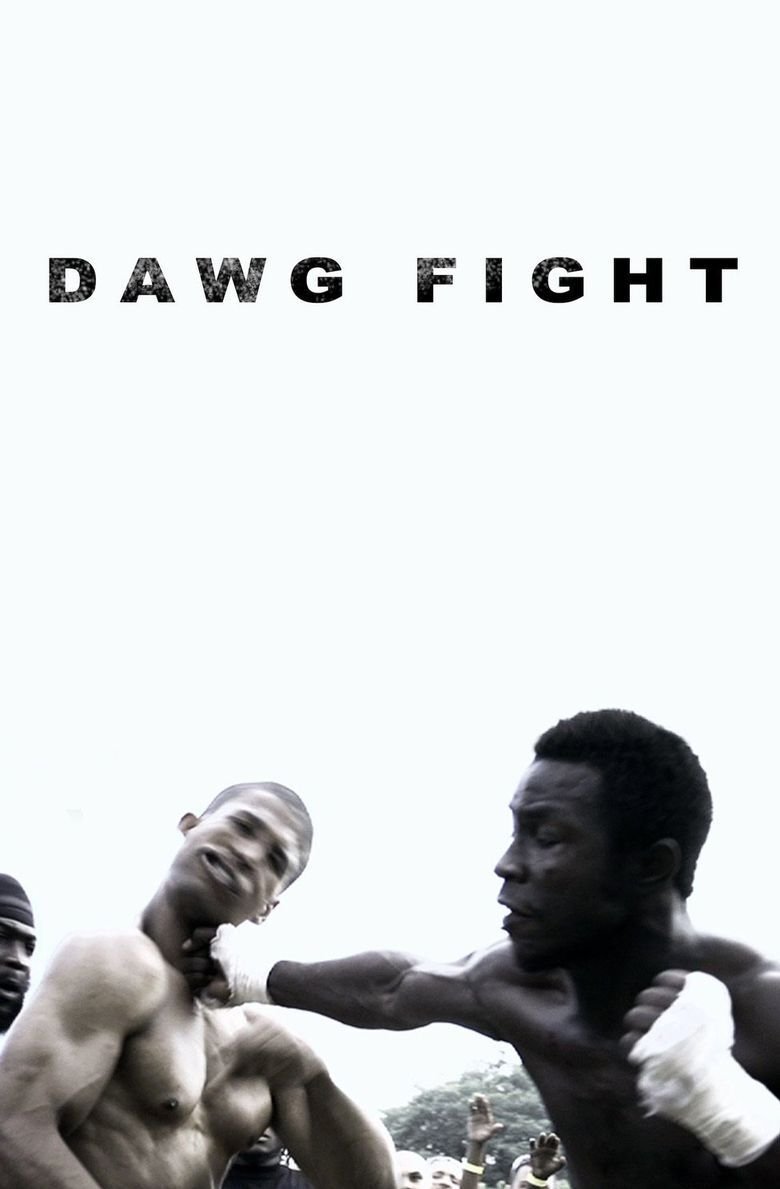
This film explains what James Ensor (1860-1949) meant for the development of art and makes palpable where he got his inspiration from.
Through interviews and guerilla footage of graffiti writers in action on five continents, the documentary tells the story of graffiti from its origins in prehistoric cave paintings thru its notorious explosion in New York City during the 70’s and 80’s, then follows the flames as they paint the globe.
The Kabul National Museum, once known as the "face of Afghanistan," was destroyed in 1993. We filmed the most important cultural treasures of the still-intact museum in 1988: ancient Greco-Roman art and antiquitied of Hellenistic civilization, as well as Buddhist sculpture that was said to have mythology--the art of Gandhara, Bamiyan, and Shotorak among them. After the fall of the Democratic Republic of Afghanistan in 1992, some seventy percent of the contents of the museum was destroyed, stolen, or smuggled overseas to Japan and other countries. The movement to return these items is also touched upon. The footage in this video represents that only film documentation of the Kabul Museum ever made.
A documentary edited from ORLAN's seventh surgery in the The Reincarnation of Sainte-ORLAN series which aired live, vis satellite from New York in 1993.
From award-winning director Phil Grabsky comes this fresh new look at arguably the world’s favourite artist – through his own words. Using letters and other private writings I, Claude Monet reveals new insight into the man who not only painted the picture that gave birth to impressionism but who was perhaps the most influential and successful painter of the 19th and early 20th centuries. Despite this, and perhaps because of it, Monet’s life is a gripping tale about a man who, behind his sun-dazzled canvases, suffered from feelings of depression, loneliness, even suicide. Then, as his art developed and his love of gardening led to the glories of his garden at Giverney, his humour, insight and love of life is revealed. Shot on location in Paris, London, Normandy and Venice I, Claude Monet is a cinematic immersion into some of the most loved and iconic scenes in Western Art.
A short documentary about Dave Kloc's weekly poster-making process for The Meltdown with Jonah and Kumail. Filmed during the week of June 24th, 2015.
Narrated by Uncle Jack Charles and seen through the eyes of Indigenous prisoners at Victoria’s Fulham Correctional Centre, this documentary explores how art and culture can empower Australia's First Nations people to transcend their unjust cycles of imprisonment.
In 1969, Christo and Jeanne-Claude wrapped 2.5 kilometers of coast and cliffs up to 26 metres along the coast of Little Bay, in Southeast Sydney, Australia.
Ed Ruscha made his very first art in his native Oklahoma, but soon became attracted to Los Angeles . Curator Margit Rowell has examined his extensive body of work and created a brilliant exhibition of his seldom seen drawings. Rowell visits Ruscha in his studio, looking at new paintings with the artist, discussing his progress over the decades and asking him to comment on the many milestones in his large retrospective exhibition at MoCA in Los Angeles.
Discover the extraordinary life and art of John Craxton in this captivating documentary feature. From early success with Lucian Freud to his vibrant years in Greece and Crete, Craxton’s bold, colorful paintings mirrored his passionate personal life and relationships with icons like Lee Miller and Margot Fonteyn. This film unveils how his artistic genius and unconventional lifestyle cemented his legacy as one of the most celebrated English artists of the 20th century.
Gray Matters explores the long, fascinating life and complicated career of architect and designer Eileen Gray, whose uncompromising vision defined and defied the practice of modernism in decoration, design and architecture. Making a reputation with her traditional lacquer work in the first decade of the 20th century, she became a critically acclaimed and sought after designer and decorator in the next before reinventing herself as an architect, a field in which she laboured largely in obscurity. Apart from the accolades that greeted her first building –persistently and perversely credited to her mentor–her pioneering work was done quietly, privately and to her own specifications. But she lived long enough (98) to be re-discovered and acclaimed. Today, with her work commanding extraordinary prices and attention, her legacy, like its creator, remains elusive, contested and compelling.
200 years after its opening and a century after acquiring its first Van Gogh works, the National Gallery is hosting the UK’s biggest ever Van Gogh exhibition. Van Gogh is not only one of the most beloved artists of all time, but perhaps the most misunderstood. This film is a chance to reexamine and better understand this iconic artist. Focusing on his unique creative process, Van Gogh: Poets & Lovers explores the artist’s years in the south of France, where he revolutionised his style. Van Gogh became consumed with a passion for storytelling in his art, turning the world around him into vibrant, idealised spaces and symbolic characters.
Admirers of Lawren Harris, founding member of the iconic Group of Seven, discuss his paintings and his place in the pantheon of Canadian artists.
A short documentary on how people view art and its value in today's society.
Provides a biography of John James Audubon, including his youth, his struggles to resolve repeated business failures with an intense interest in wildlife painting, his decision to dedicate his life to his art and his eventual triumph in the publication of his work The Birds Of America.
Artists in LA discover the work of forgotten Polish sculptor Stanislav Szukalski, a mad genius whose true story unfolds chapter by astounding chapter.
A compilation of over 30 years of private home movie footage shot by Lithuanian-American avant-garde director Jonas Mekas, assembled by Mekas "purely by chance", without concern for chronological order.
The most comprehensive retrospective of the '80s action film genre ever made.
Filmmakers discuss the legacy of Alfred Hitchcock and the book “Hitchcock/Truffaut” (“Le cinéma selon Hitchcock”), written by François Truffaut and published in 1966.
A documentary about the making of season five of the acclaimed AMC series Breaking Bad.
An account of the life and work of legendary Japanese actor Toshirō Mifune (1920-97), the most prominent actor of the Golden Age of Japanese cinema.
Al Pacino's deeply-felt rumination on Shakespeare's significance and relevance to the modern world through interviews and an in-depth analysis of "Richard III."
Cameramen and women discuss the craft and art of cinematography and of the "DP" (the director of photography), illustrating their points with clips from 100 films, from Birth of a Nation to Do the Right Thing. Themes: the DP tells people where to look; changes in movies (the arrival of sound, color, and wide screens) required creative responses from DPs; and, these artisans constantly invent new equipment and try new things, with wonderful results. The narration takes us through the identifiable studio styles of the 30s, the emergence of noir, the New York look, and the impact of Europeans. Citizen Kane, The Conformist, and Gordon Willis get special attention.
As his life comes to its end, famous Hollywood director Orson Welles puts it all on the line at the chance for renewed success with the film The Other Side of the Wind.
Those who knew iconic funnyman John Candy best share his story, in their own words, through never-before-seen archival footage, imagery, and interviews.
A gripping tale of intrigue and mystery in the art world, this film traces the history of a collection of Post-Impressionist paintings - worth billions - which became the subject of a power struggle after the death of its owner. Dr. Albert Barnes.
A visual montage portrait of our contemporary world dominated by globalized technology and violence.
The story of the gold-plated statuette that became the film industry's most coveted prize, AND THE OSCAR GOES TO... traces the history of the Academy itself, which began in 1927 when Louis B. Mayer, then head of MGM, led other prominent members of the industry in forming this professional honorary organization. Two years later the Academy began bestowing awards, which were nicknamed "Oscar," and quickly came to represent the pinnacle of cinematic achievement.
A documentary on the making of the three Godfather films, with interviews and recollections from the film makers and cast. This feature also includes the original screen tests of some of the actors for "The Godfather" film, and some candid moments on the set of "The Godfather: Part III."
The life story of ‘Zen Anarchist’ filmmaker John Milius, one of the most influential storytellers of his generation.
The life and career of an actor, artist, and icon. His own journey through his own camera.
In 1997, Louis Theroux made a documentary about the world of male porn performers in Los Angeles. 15 years later, he returns to find a business struggling with the deluge of free porn on the internet. Louis revisits some of the original programme's contributors as well as meeting the latest crop of porn performers dreaming of porn stardom.
A poetic journey into the visual world of the legendary filmmaker and actor Orson Welles (1915-85) that reveals a new portrait of a unique genius, both of his life and of his monumental work: through his own eyes, drawn by his own hand, painted with his own brush.
Documentary of the making of the sequel to the popular Schwarzenegger film, The Terminator.