Social & External
Commentary (voice)
A flamboyant restaurateur, a good ol' boy and a political ingénue, walk into a small town political contest and compete head to head to head, for the non-paid mayoral seat of the Tomato Republic. What happens next is anyones guess. The only thing that could slow this race down is a freight train. Let the takeover begin. - Written by Whitney Graham Carter
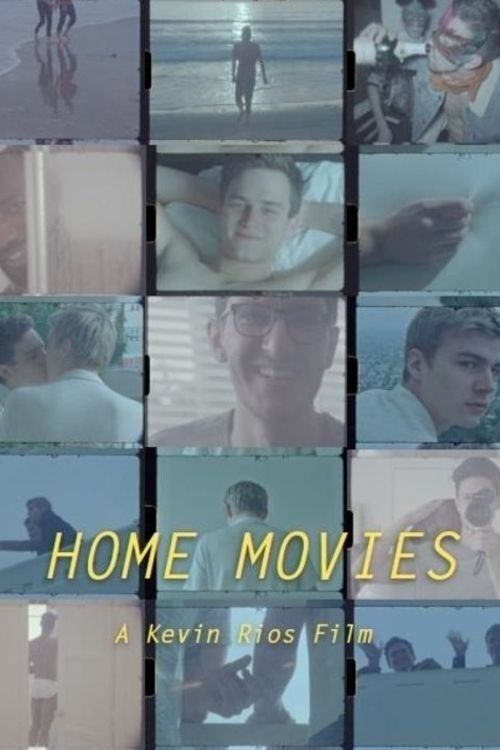
In this home movie collection of gay men, memory serves as an act of hope, power, and above all, resilience.
The early struggles of the working class are placed under a microscope in Plutocracy III: Class War, the latest chapter in an exceptionally well produced series which explores the origins of America's growing economic divide.
Every American who has listened to the radio knows Guthrie's "This Land Is Your Land." The music of the folk singer/songwriter has been recorded by everyone from the Mormon Tabernacle Choir to U2. Originally blowing out of the Dust Bowl in Depression-era America, he blended vernacular, rural music and populism to give voice to millions of downtrodden citizens. Guthrie's music was politically leftist, uniquely patriotic and always inspirational.
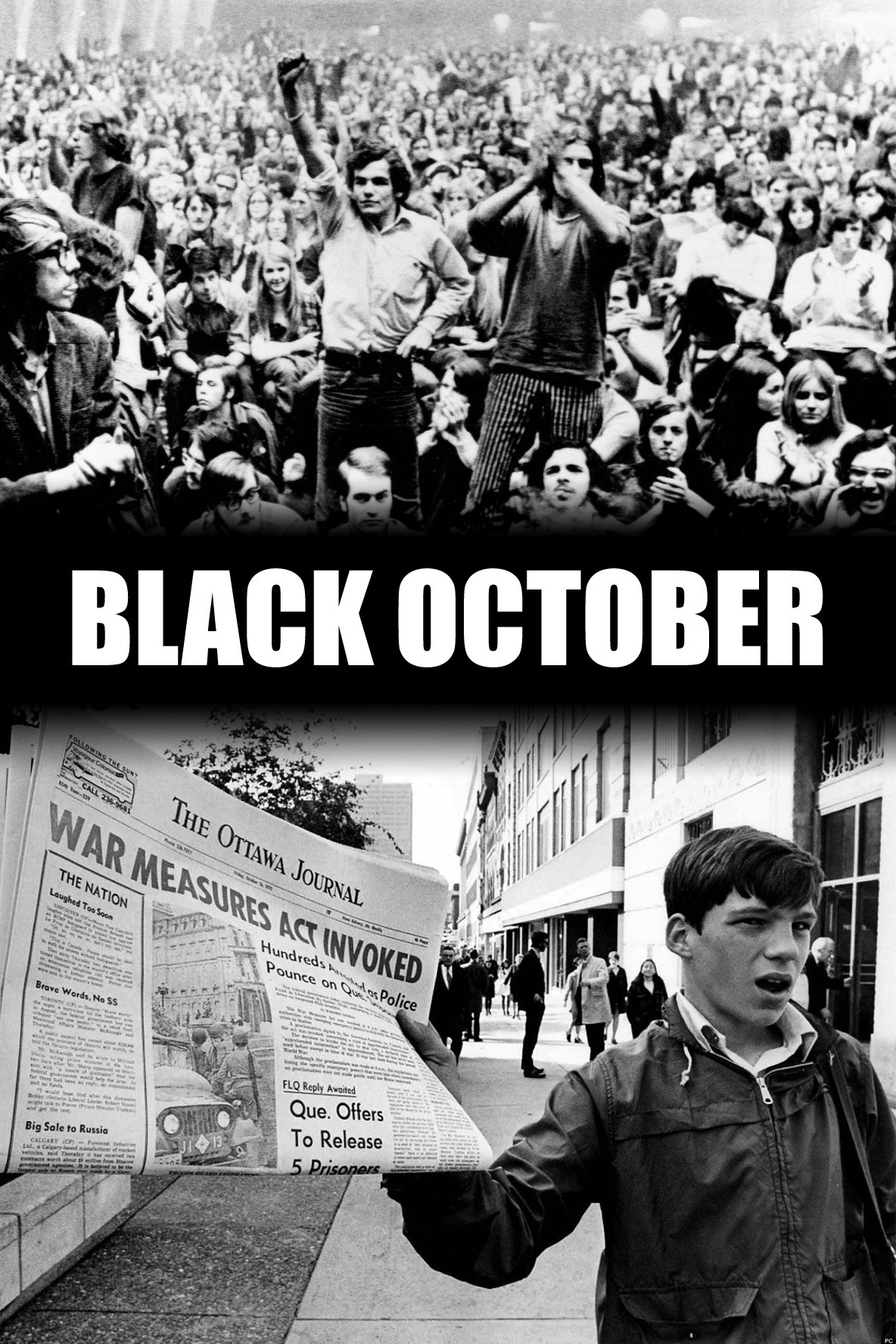
A documentary recounting the kidnappings of British Trade Commissioner James Cross and Quebec Vice-Premier & Minister of Labour Pierre Laporte by the FLQ on October 5, 1970 in Quebec.
Focuses on sexual equality in the Black community.
During the Crimean War between Britain and Russia in the 1850s, a British cavalry division, led by the overbearing Lord Cardigan, engages in an infamously reckless strategic debacle against a Russian artillery battery.
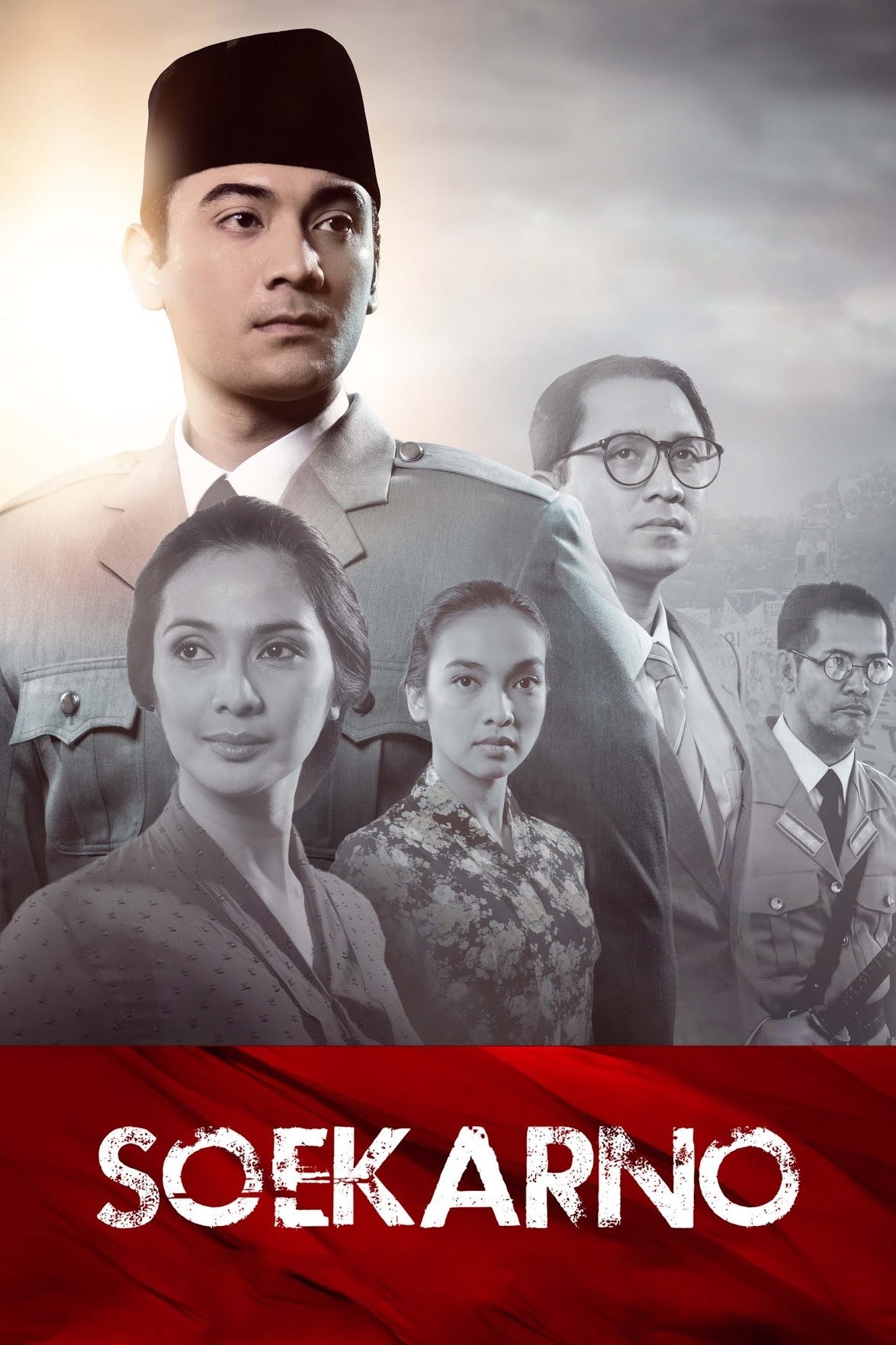
This biographical drama about Indonesia's first president recounts his nationalist crusade to seize independence from Dutch colonial rule.
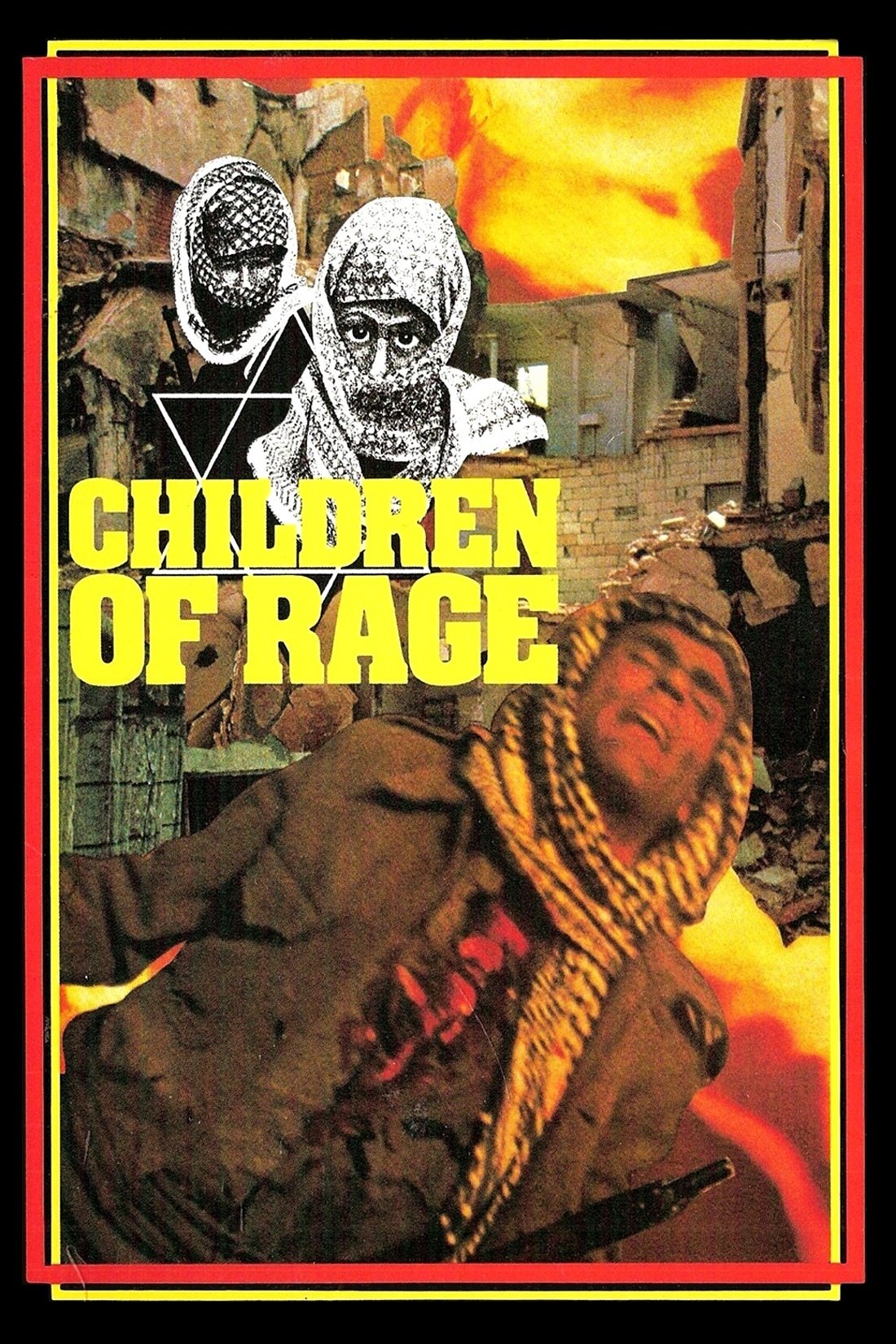
The viscous conflict between Israel and the Palestinians is now a generation old. For many of the children of the region, the terrorist war has been going on for their entire lifetimes, killing their family and friends, and overshadowing their lives. They are the Children of Rage
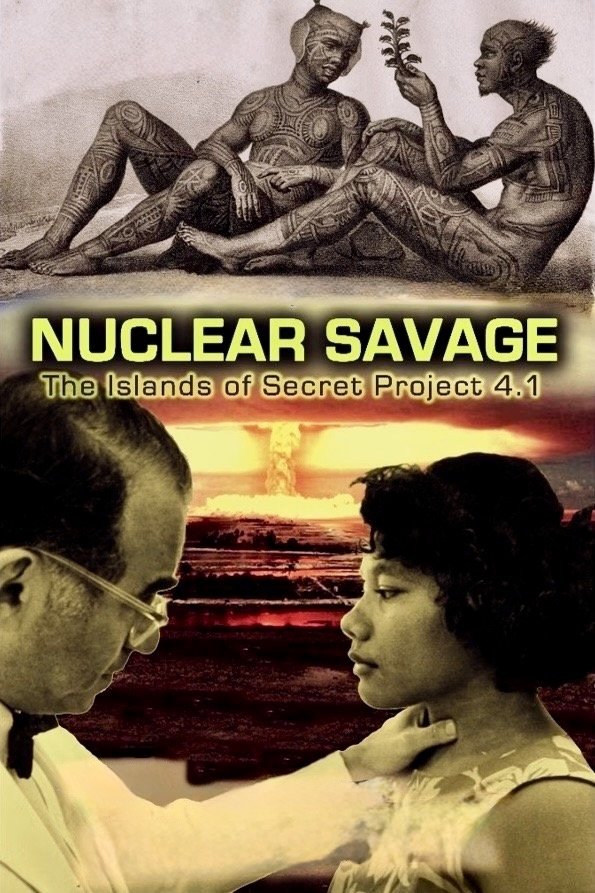
A shocking political exposé, and an intimate ethnographic portrait of Pacific Islanders struggling for survival, dignity, and justice after decades of top-secret human radiation experiments conducted on them by the U.S. government.
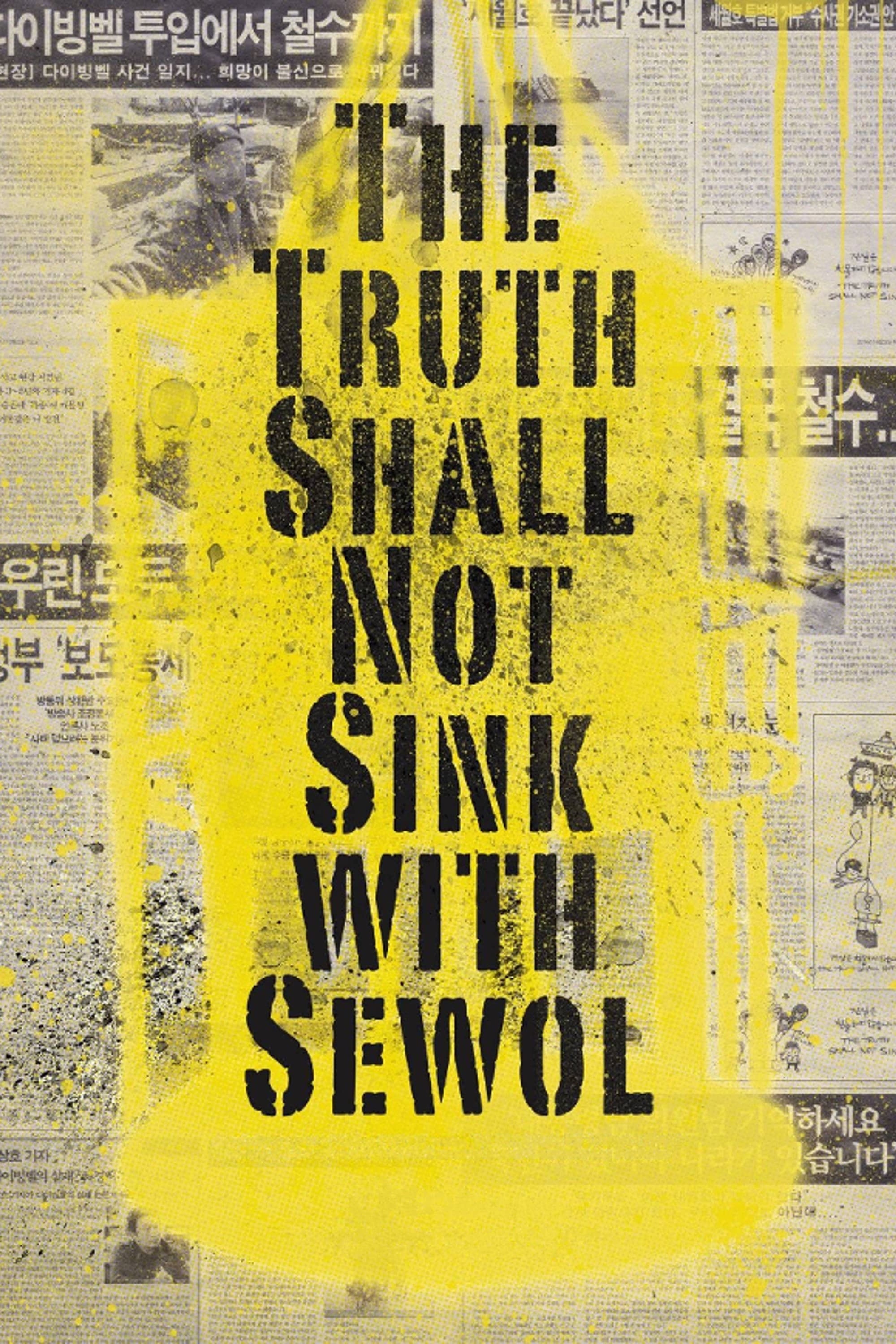
A documentary on the South Korean ferry disaster that claimed the lives of more than 300 passengers in April, 2014.
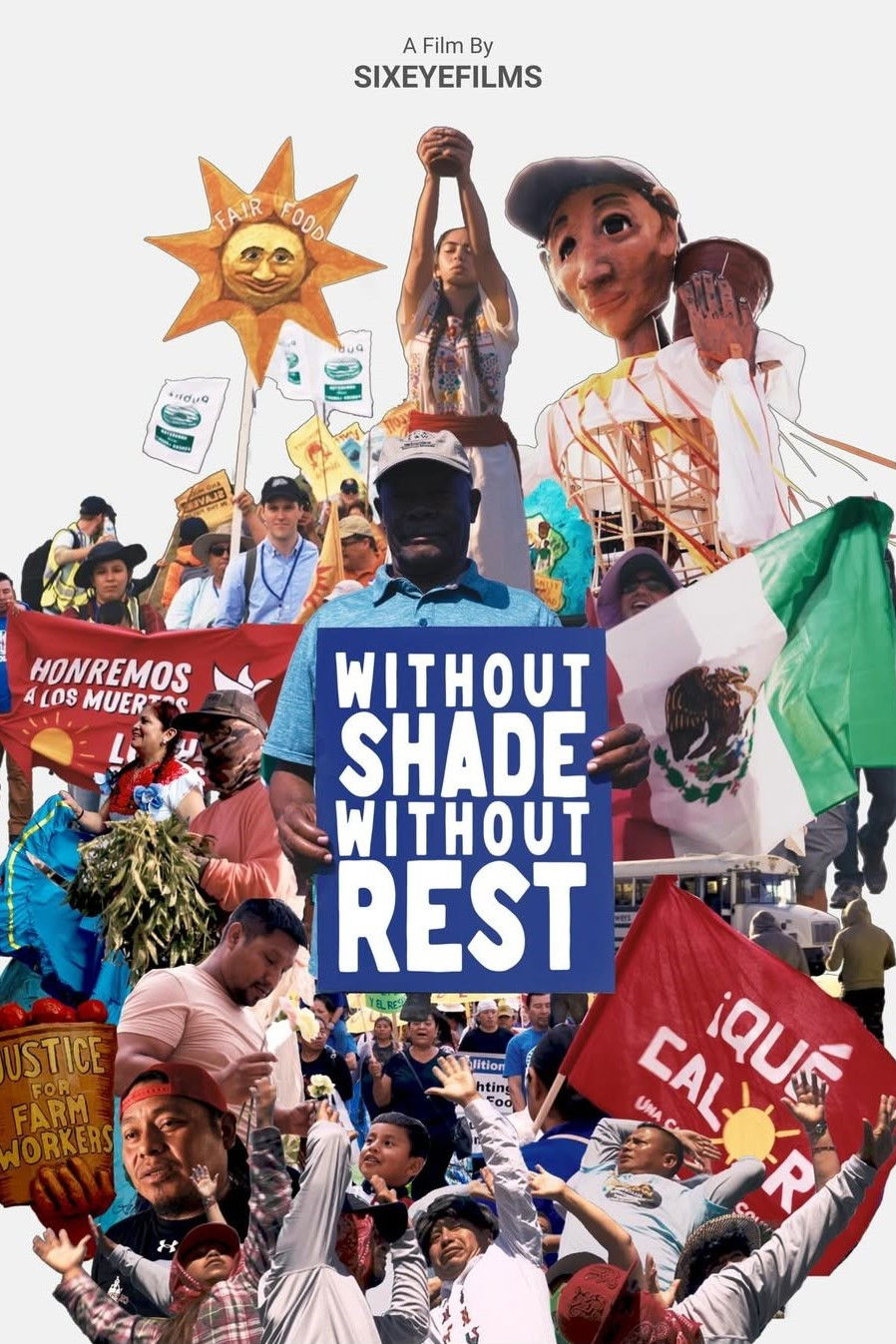
In the wake of the hottest year on record, the Coalition of Immokalee Workers (CIW) and WeCount! are pursuing different strategies to secure heat protections for Florida's outdoor laborers. As lawmakers move to block new regulations, the groups are coming together through CIW's Worker-driven Social Responsibility model (WSR) to expand enforceable protections across the state's fields and nurseries.
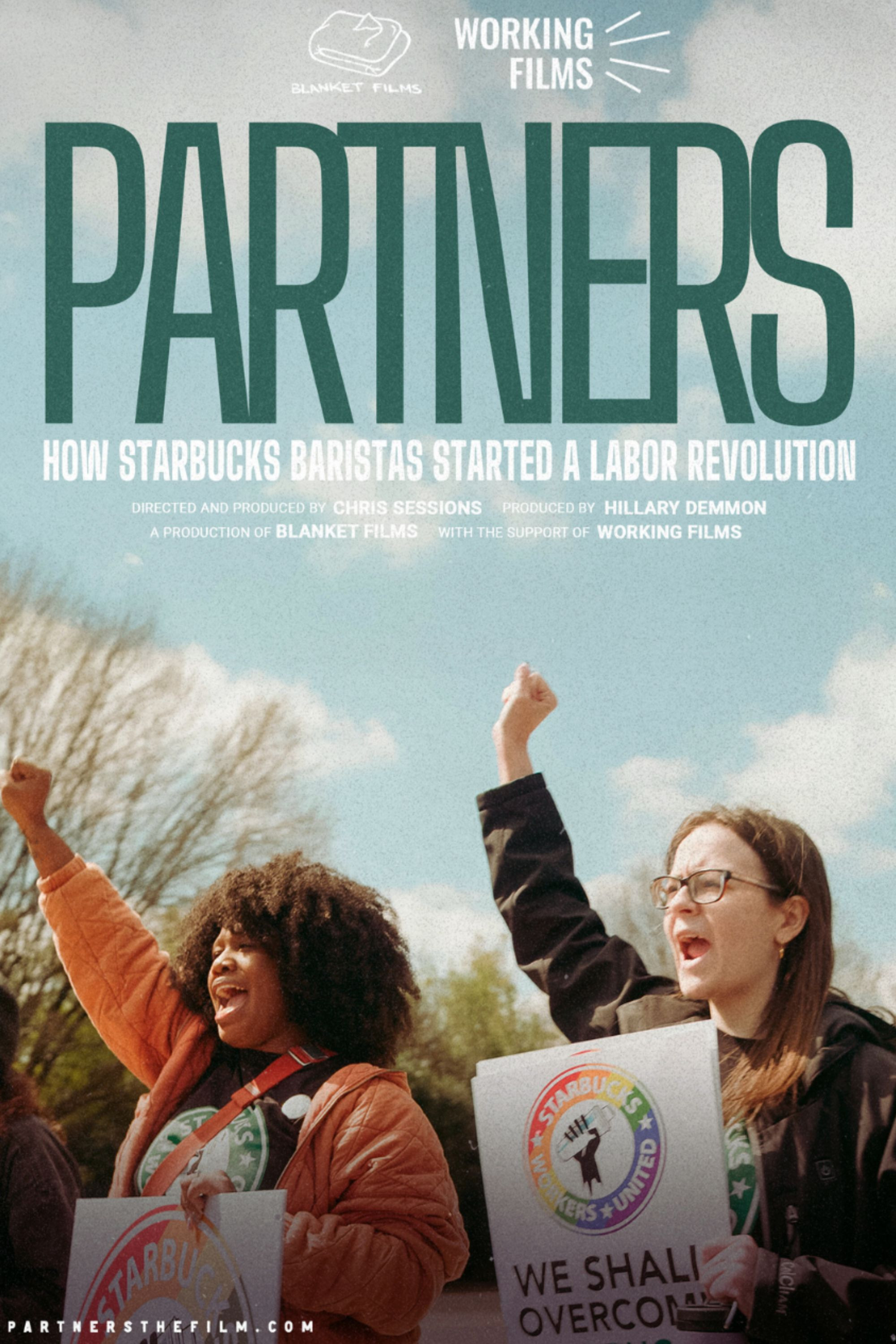
When a group of baristas in Buffalo, New York announce their intention to start a labor union, Starbucks responds with an elaborate, illegal anti-union attack. Featuring on-the-ground footage from workers and organisers, Partners takes us to the front lines of the historic union campaign that catalysed America’s Gen Z labour revival.
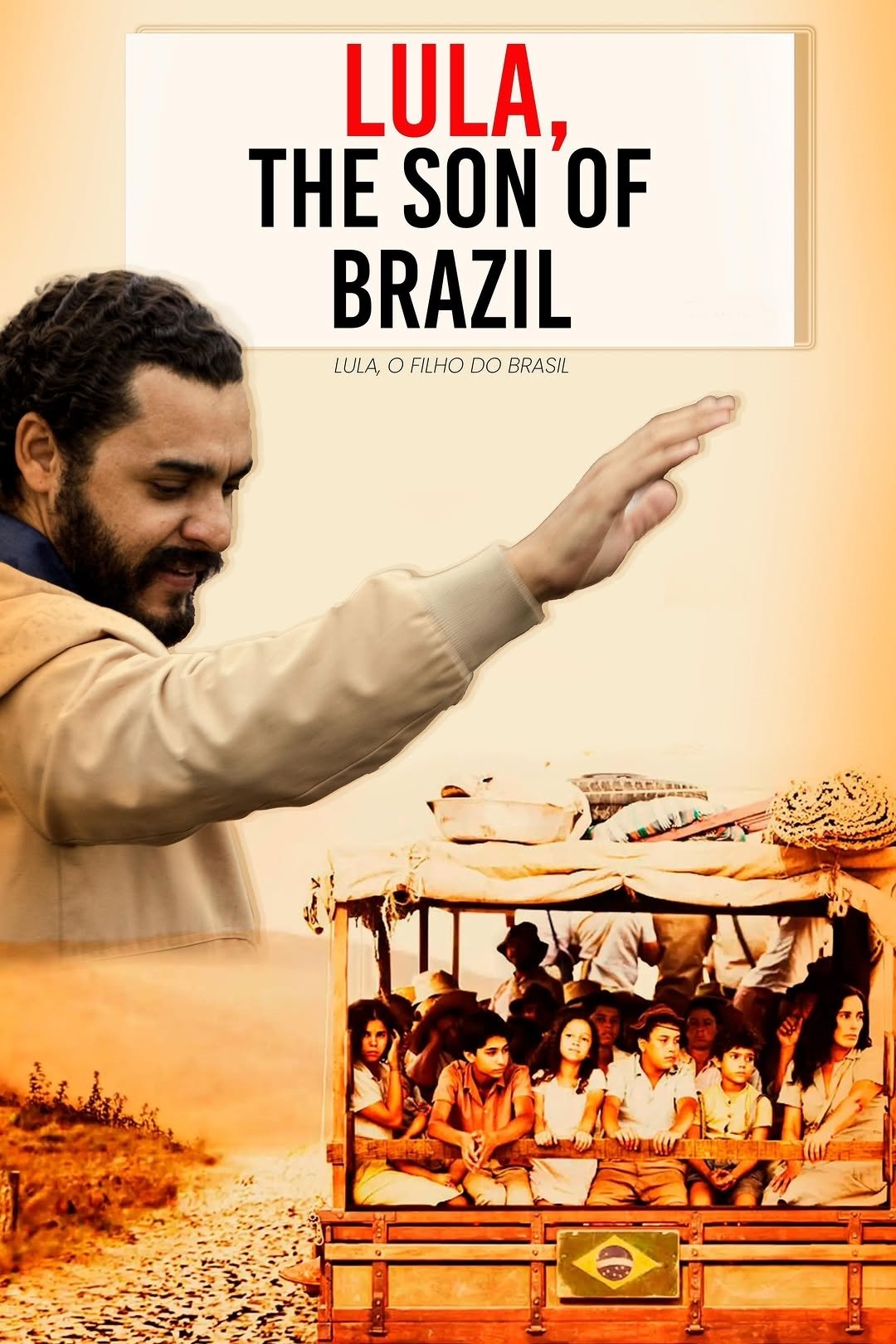
The true story of a working class boy who moves to the nation's financial capital at a young age and becomes one the most influential politicians in Brazilian history.
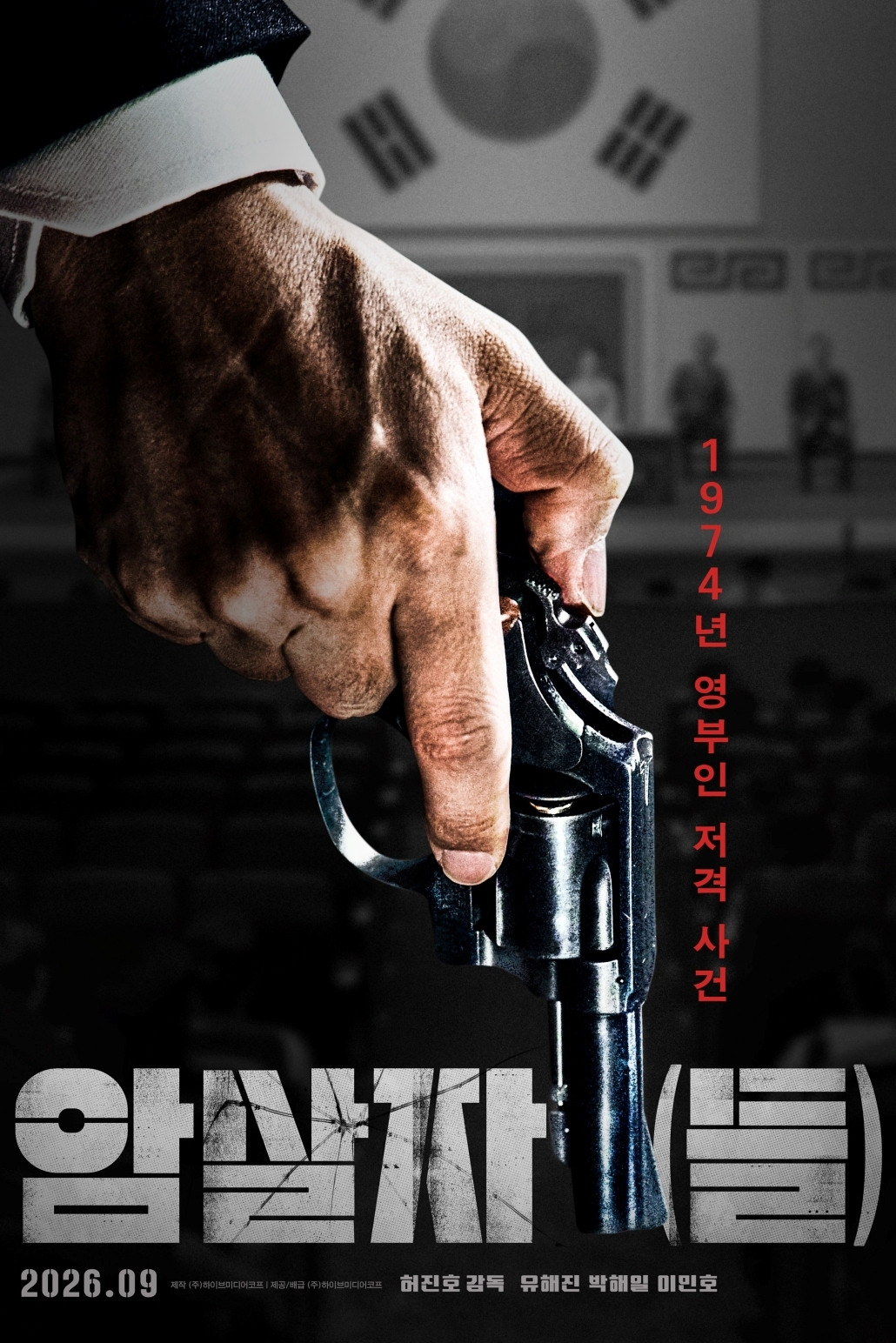
On August 15, 1974, an attempt was made on the life of Korean president Park Chung-hee — one of the most consequential days in the country’s history.
The history of cinematic sound, told by legendary sound designers and visionary filmmakers.
“The Soviet Story” is a story of an Allied power, which helped the Nazis to fight Jews and which slaughtered its own people on an industrial scale. Assisted by the West, this power triumphed on May 9th, 1945. Its crimes were made taboo, and the complete story of Europe’s most murderous regime has never been told. Until now...
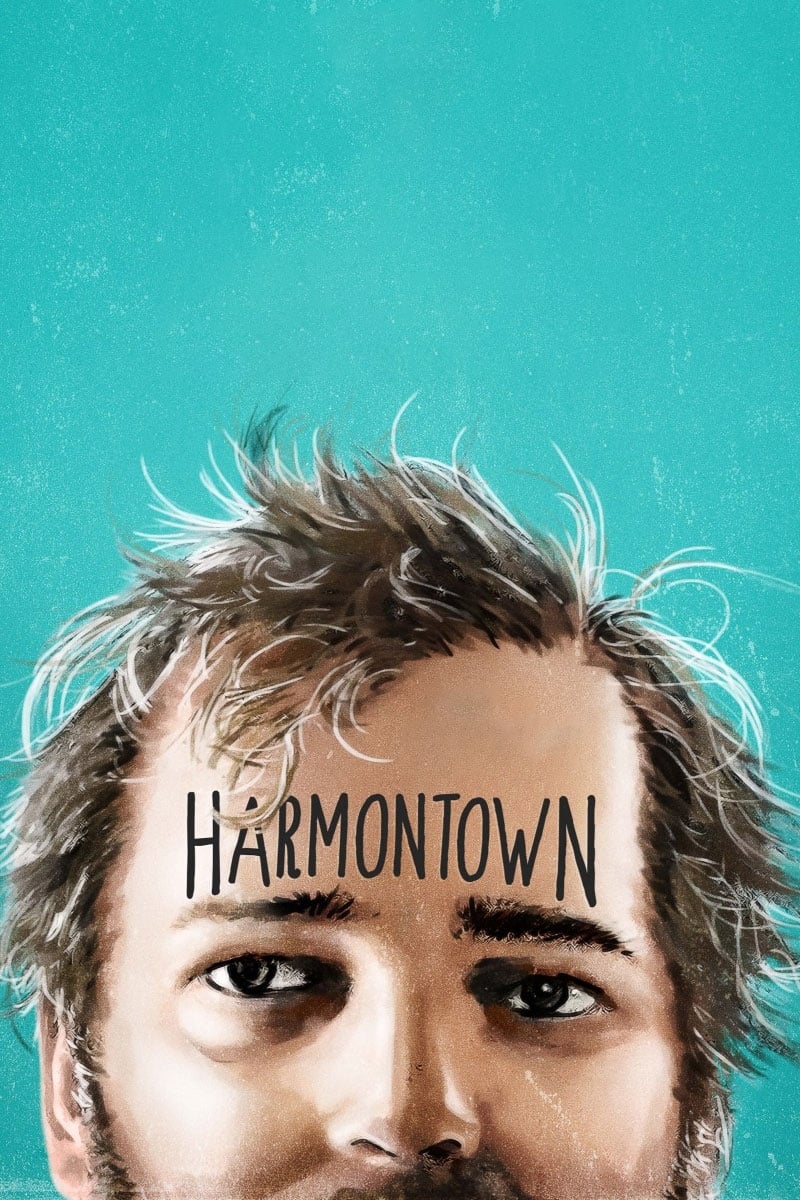
A comedic, brutally honest documentary following self-destructive TV writer Dan Harmon as he takes his live podcast on a national tour.
SEDUCED AND ABANDONED combines acting legend Alec Baldwin with director James Toback as they lead us on a troublesome and often hilarious journey of raising financing for their next feature film. Moving from director to financier to star actor, the two players provide us with a unique look behind the curtain at the world's biggest and most glamourous film festival, shining a light on the bitter-sweet relationship filmmakers have with Cannes and the film business. Featuring insights from directors Martin Scorsese, 'Bernando Bertolucci' and Roman Polanski; actors Ryan Gosling and Jessica Chastain and a host of film distribution luminaries.
Documentary about the art of film editing. Clips are shown from many groundbreaking films with innovative editing styles.
Ten of Muhammad Ali's former rivals pay tribute to the three-time world heavyweight champion.
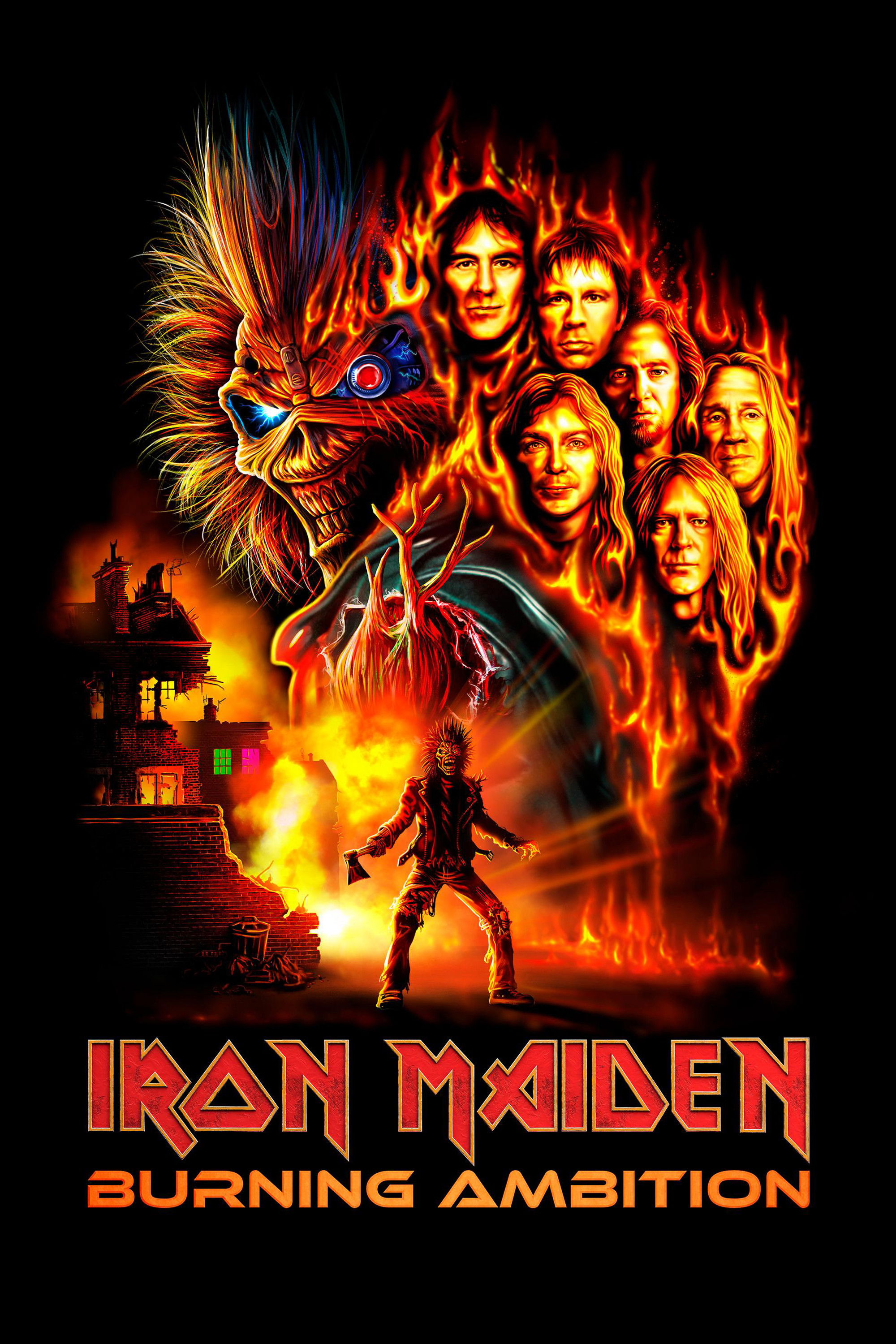
With unprecedented access to the official archives and intimate recollections from the band, both current and past, Iron Maiden: Burning Ambition invites fans to experience one of the most iconic journeys in music history. Spanning five decades, this electrifying documentary charts the band’s rise from the pubs of East London to the world’s biggest stadiums. Featuring exclusive interviews with band members and contributors such as Javier Bardem, Lars Ulrich and Chuck D, as well as all-new animated sequences of the band's legendary mascot, Eddie, the film offers a rare and intimate look at Iron Maiden’s uncompromising vision and unwavering connection with their truly global army of fans.
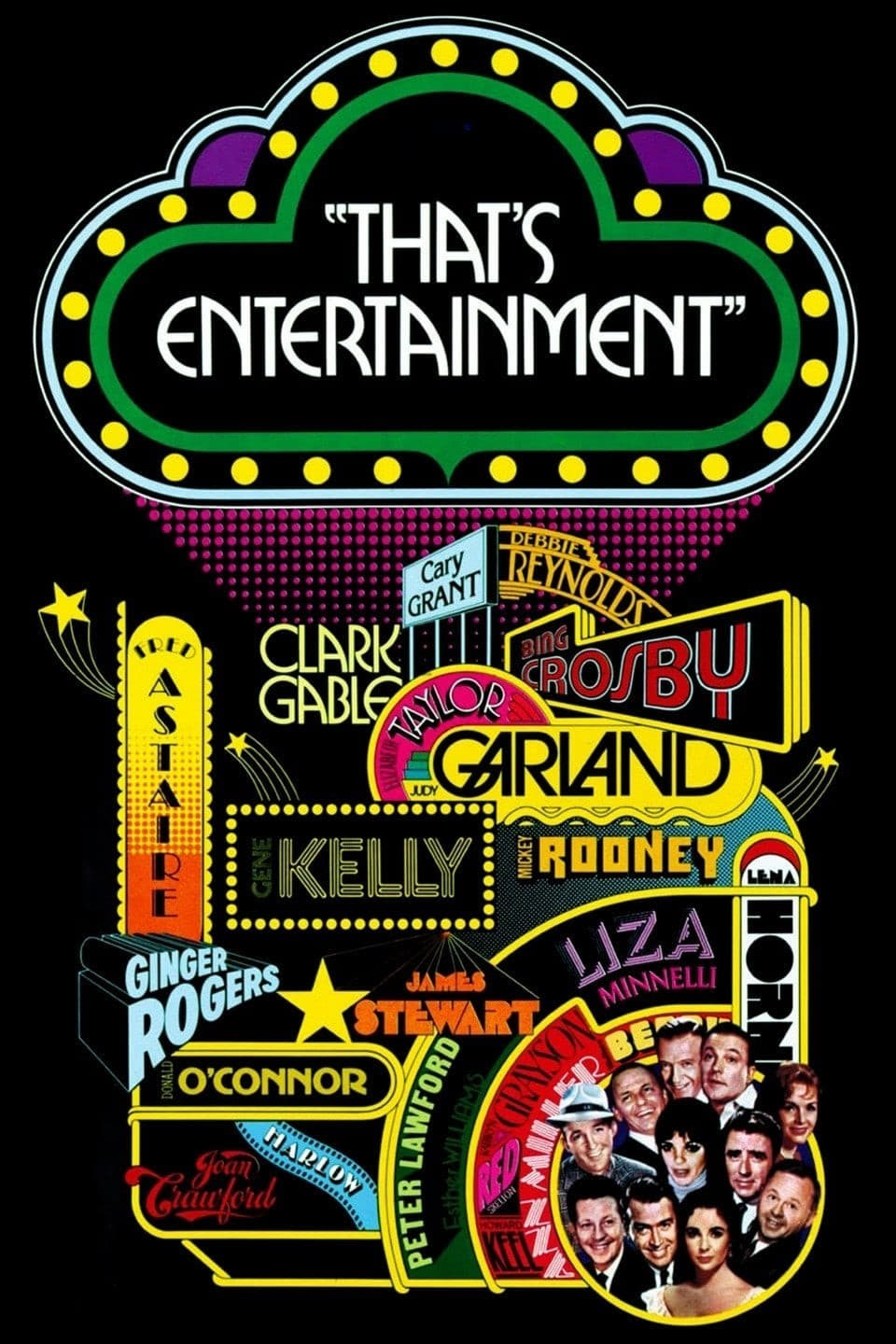
Various MGM stars from yesterday present their favorite musical moments from the studio's 50 year history.
From its distinctive neighborhoods to its architectural homes, Los Angeles has been the backdrop to countless movies. In this dazzling work, Andersen takes viewers on a whirlwind tour through the metropolis' real and cinematic history, investigating the myriad stories and legends that have come to define it, and meticulously, judiciously revealing the real city that lives beneath.
JB Smoove and Martin Starr host a celebration of 20 years of "Spider-Man" movies, from the Sam Raimi trilogy to Marc Webb's movies and the trio from Jon Watts.
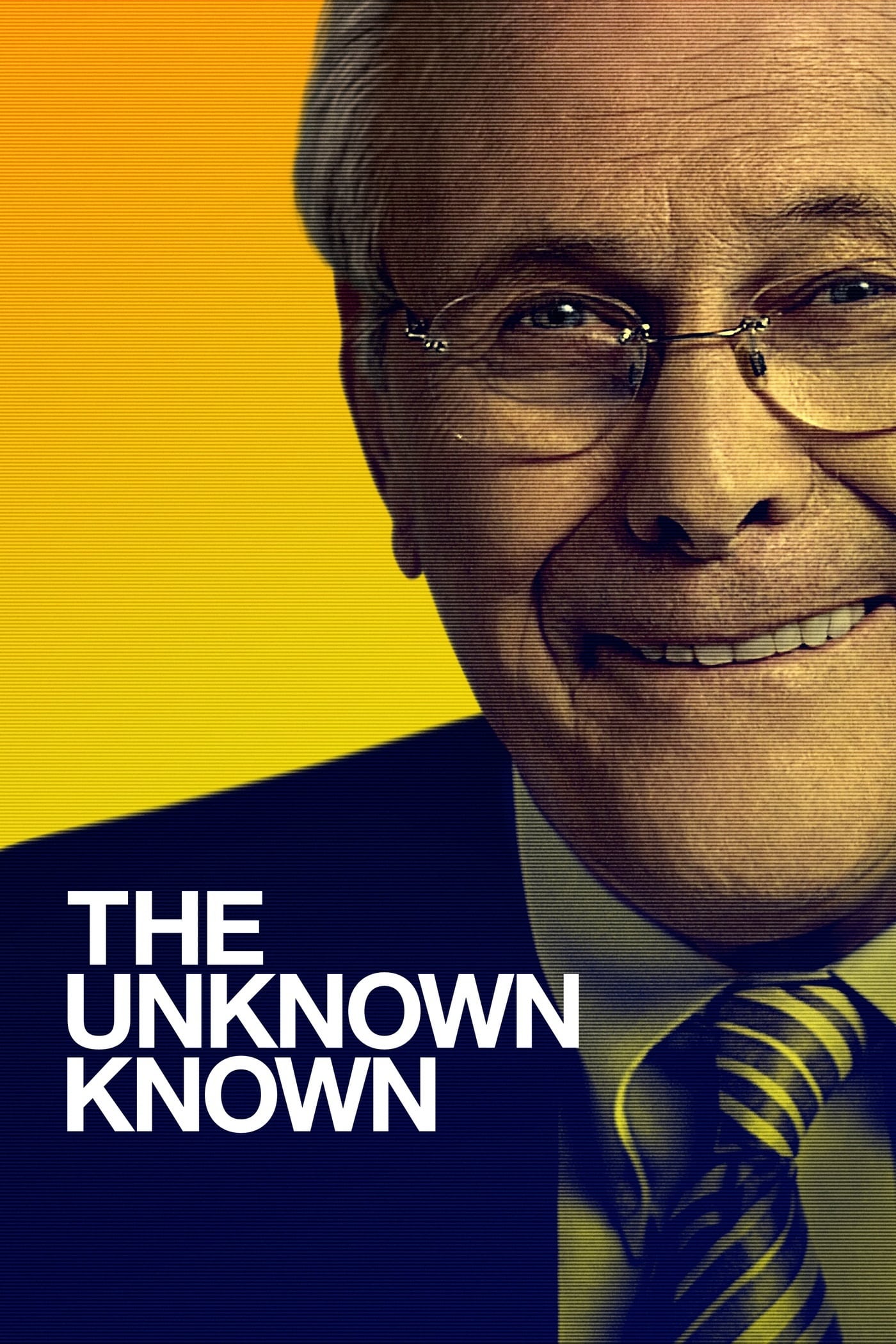
Former United States Secretary of Defense, Donald Rumsfeld, discusses his career in Washington D.C. from his days as a congressman in the early 1960s to planning the invasion of Iraq in 2003.
A documentary about the life and films of director John Ford.
In the Realms of the Unreal is a documentary about the reclusive Chicago-based artist Henry Darger. Henry Darger was so reclusive that when he died his neighbors were surprised to find a 15,145-page manuscript along with hundreds of paintings depicting The Story of the Vivian Girls, in What is Known as the Realms of the Unreal, of the Glodeco-Angelinnian War Storm, Cased by the Child Slave Rebellion.
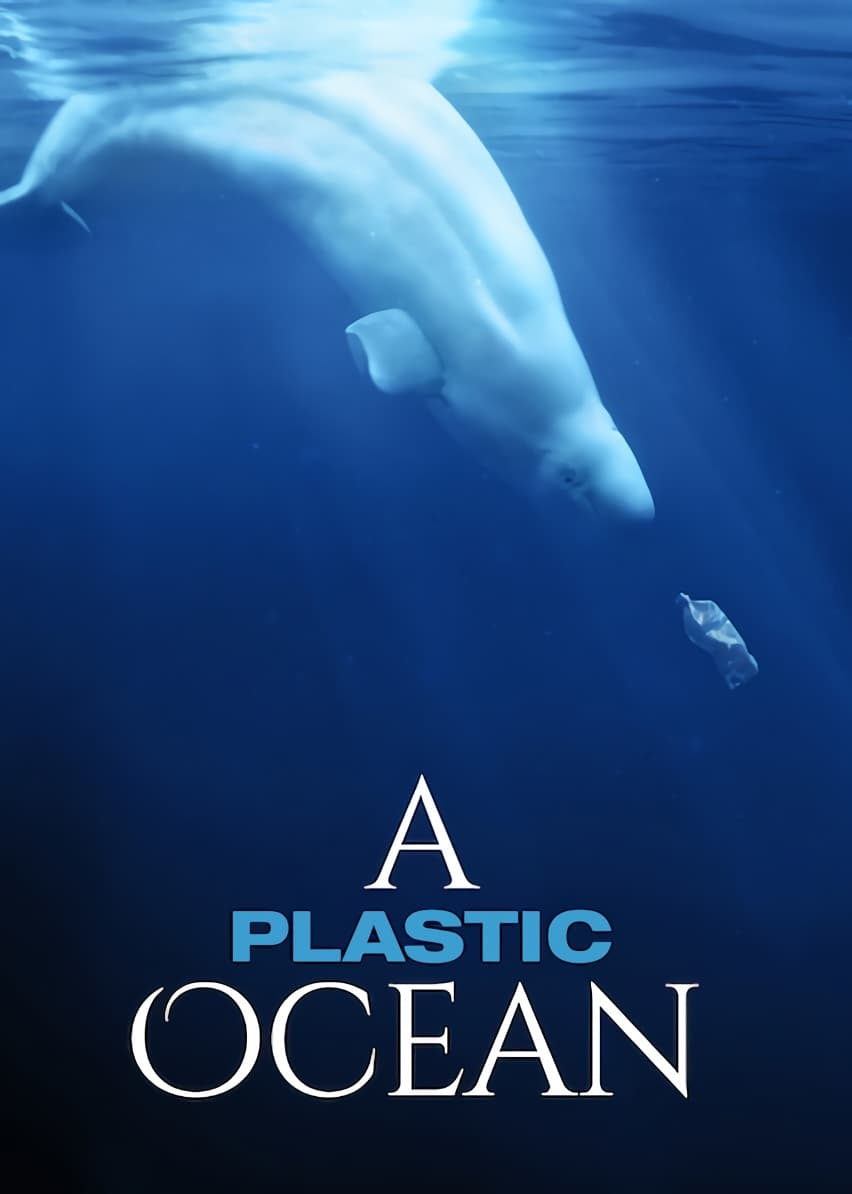
A documentary focused on plastic pollution in the world's oceans.
Those who knew iconic funnyman John Candy best share his story, in their own words, through never-before-seen archival footage, imagery, and interviews.
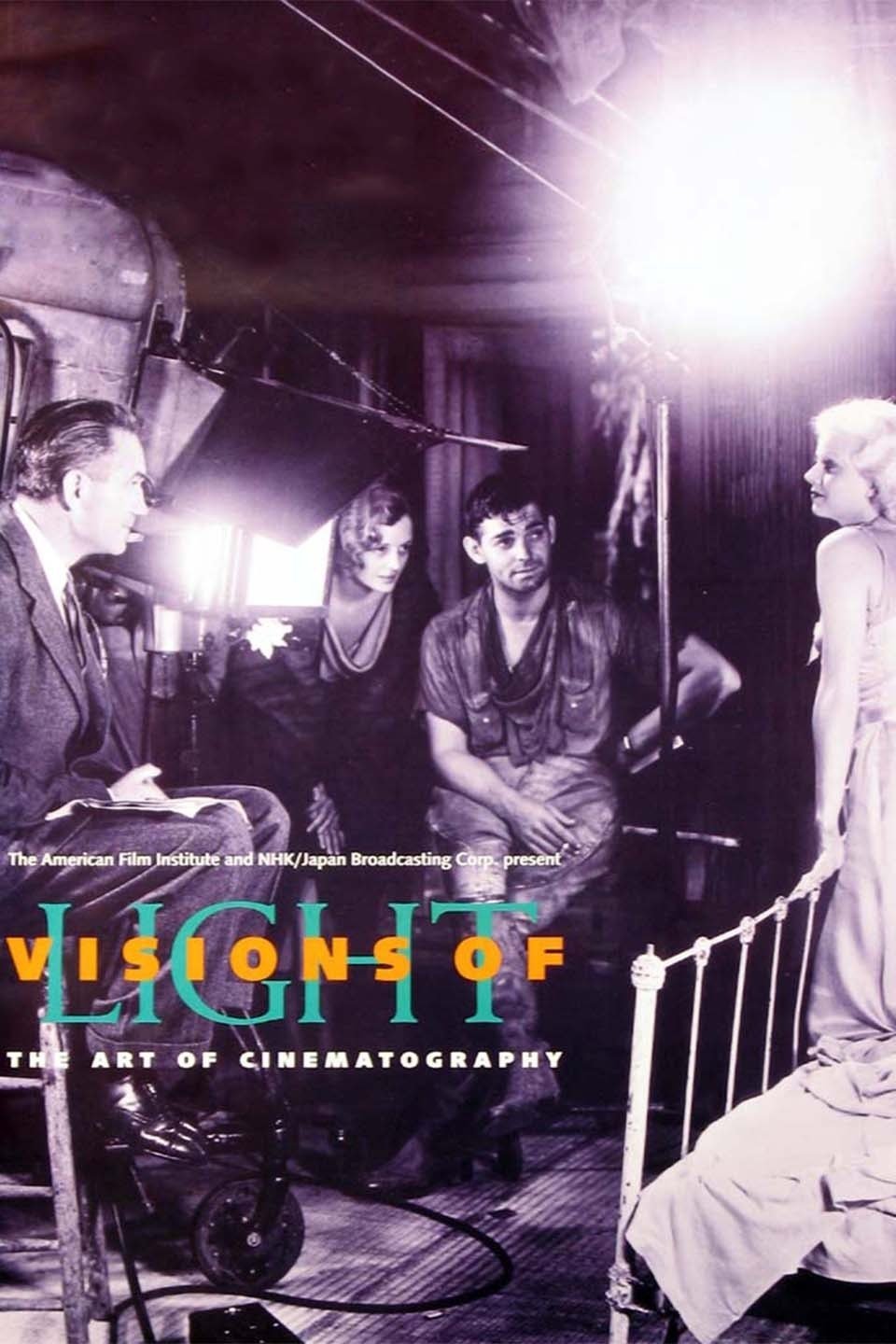
Cameramen and women discuss the craft and art of cinematography and of the "DP" (the director of photography), illustrating their points with clips from 100 films, from Birth of a Nation to Do the Right Thing. Themes: the DP tells people where to look; changes in movies (the arrival of sound, color, and wide screens) required creative responses from DPs; and, these artisans constantly invent new equipment and try new things, with wonderful results. The narration takes us through the identifiable studio styles of the 30s, the emergence of noir, the New York look, and the impact of Europeans. Citizen Kane, The Conformist, and Gordon Willis get special attention.
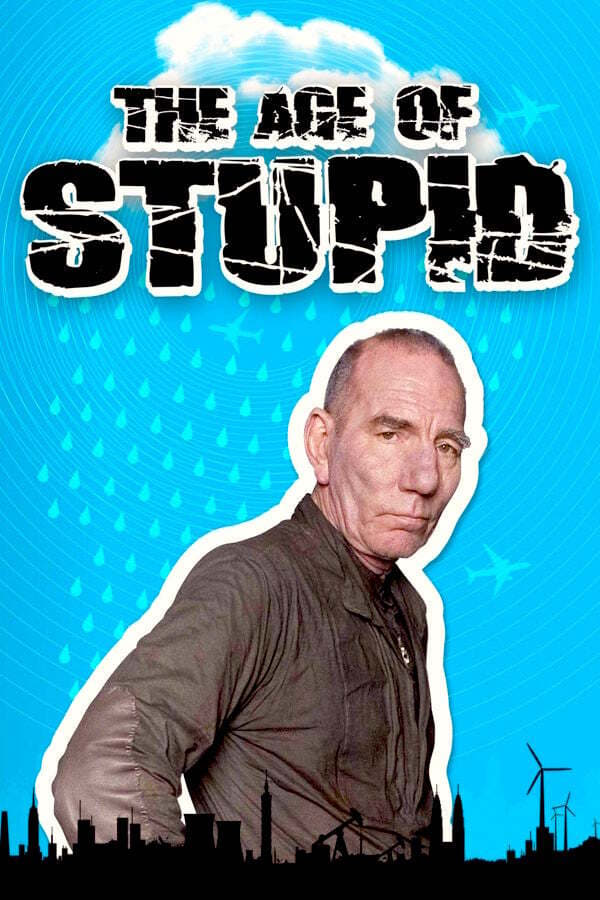
Pete Postlethwaite stars as a man living alone in the devastated future world of 2055, looking at old footage from 2008 and asking: why didn’t we stop climate change when we had the chance?
Filmed over 14 months with unprecedented access into the inner circle of the man and the sport, this is the first official and fully authorised film of one of the most celebrated figures in football. For the first time ever, the world gets vividly candid and un-paralleled, behind-closed-doors access to the footballer, father, family-man and friend in this moving & fascinating documentary. Through in-depth conversations, state of the art football footage and never before seen archival footage, the film gives an astonishing insight into the sporting and personal life of triple Ballon D'Or winner Cristiano Ronaldo at the peak of his career. From the makers of ‘Senna’ and ‘Amy’, Ronaldo takes audiences on an intimate and revealing journey of what it’s like to live as an iconic athlete in the eye of the storm.
When Allied forces liberated the Nazi concentration camps in 1944-45, their terrible discoveries were recorded by army and newsreel cameramen, revealing for the first time the full horror of what had happened. Making use of British, Soviet and American footage, the Ministry of Information’s Sidney Bernstein (later founder of Granada Television) aimed to create a documentary that would provide lasting, undeniable evidence of the Nazis’ unspeakable crimes. He commissioned a wealth of British talent, including editor Stewart McAllister, writer and future cabinet minister Richard Crossman – and, as treatment advisor, his friend Alfred Hitchcock. Yet, despite initial support from the British and US Governments, the film was shelved, and only now, 70 years on, has it been restored and completed by Imperial War Museums under its original title "German Concentration Camps Factual Survey".
The life and career of an actor, artist, and icon. His own journey through his own camera.