Social & External
The people behind it
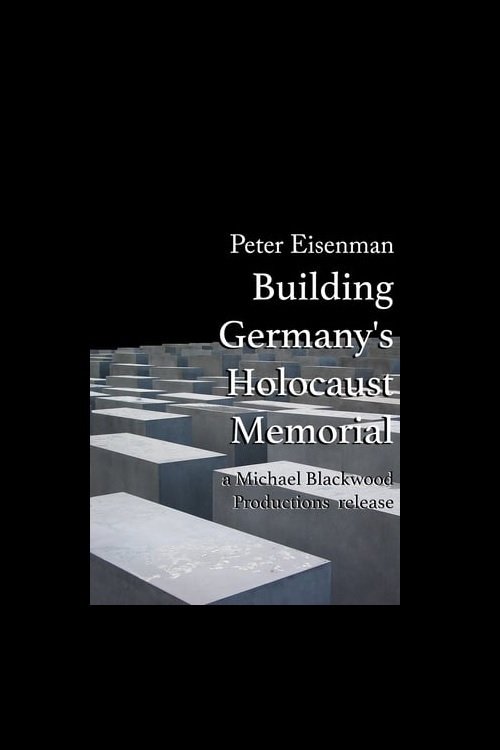
This documentary explores the creation of the Holocaust Memorial in Berlin as designed by architect Peter Eisenman. Reaction of the German public to the completed memorial is also shown.
Part of a travelogue series, this films visits to Derry, the Giant’s Causeway, Carrick-a-Rede, Mount Stewart and Belfast.
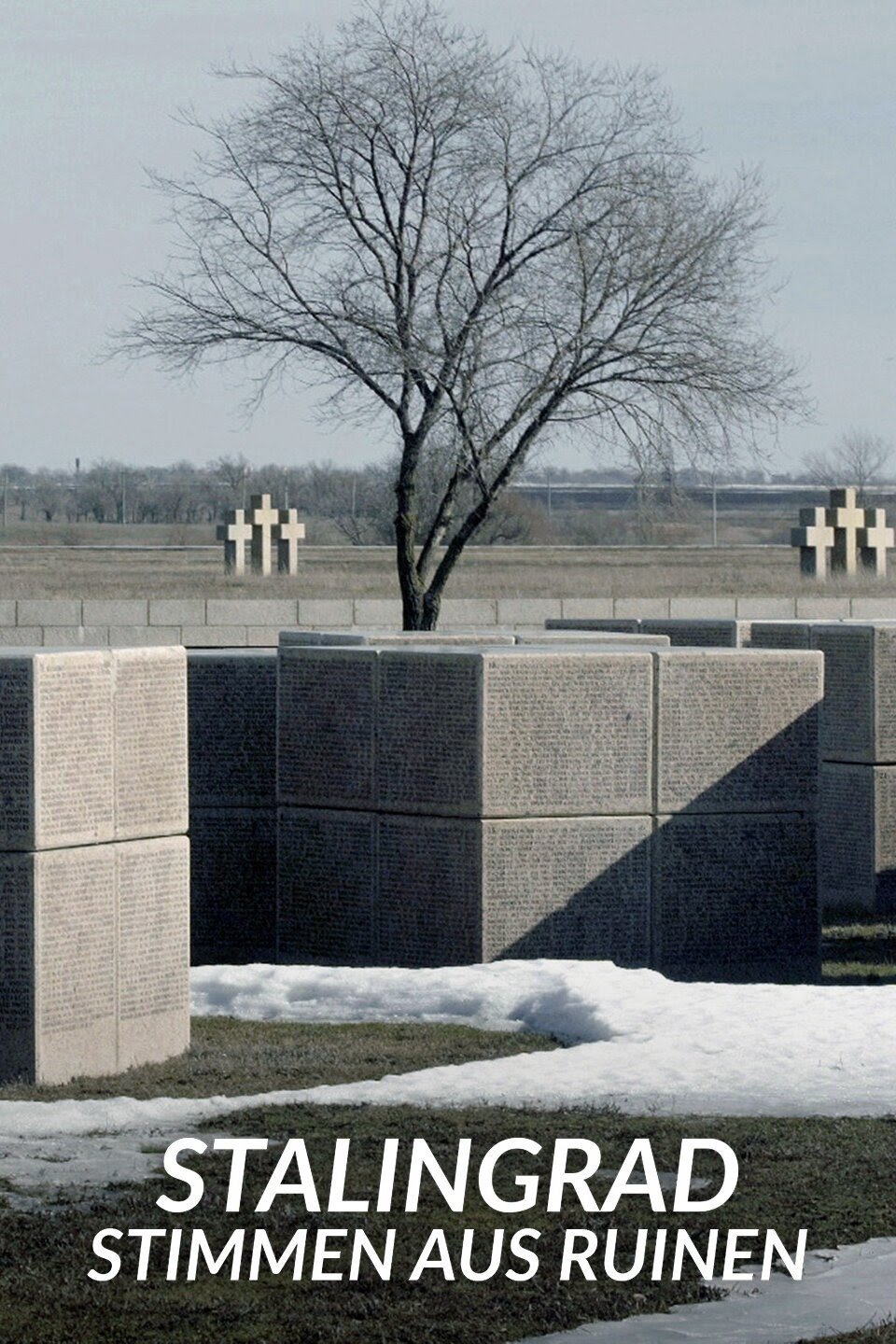
Featuring excerpts from diaries and letters written by local residents and soldiers from both sides, the documentary tells the story of the Battle of Stalingrad through the voices of those who lived it.
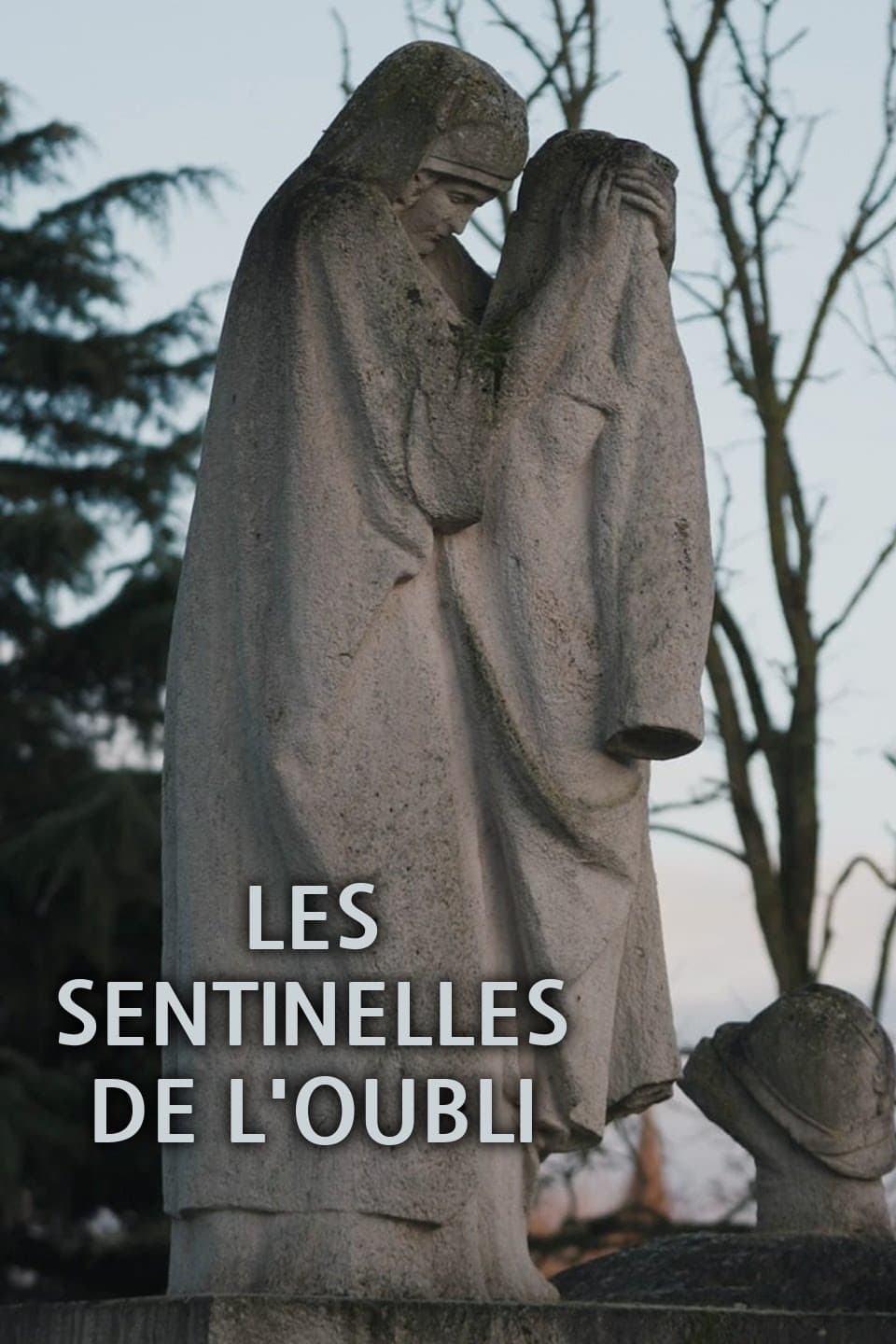
The war memorials of 1914-1918 have become so familiar that we no longer see them. They've become an invisible museum, blending into the landscape of France. Then, one fine day, a sculpture catches our eye. Another History appears, perhaps the most gigantic artistic project since the cathedrals...
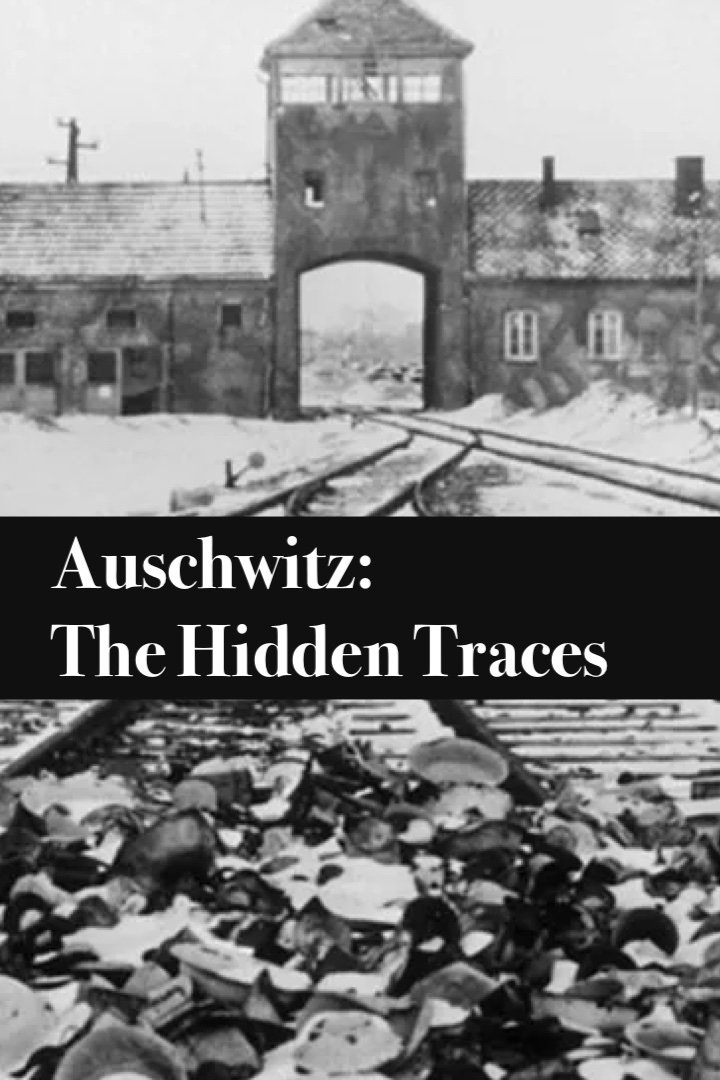
Examines documents and traces of the atrocities that took place at the Auschwitz concentration camp. Years after the end of the war, expert analysis of the remnants of these documents has helped shed light on the stories of prisoners.
Documentary about Canada's war veterans and the meaning of Remembrance Day. Voiceover narration accompanies battle footage from the First and Second World Wars, intercut with scenes of present-day war veterans and their families in at Remembrance Day ceremonies at the National War Memorial in Ottawa. Also discussed are the raising of funds for veterans by the sale of pins in the form of poppies. Veterans and their families are shown making poppies and Remembrance Day wreaths.
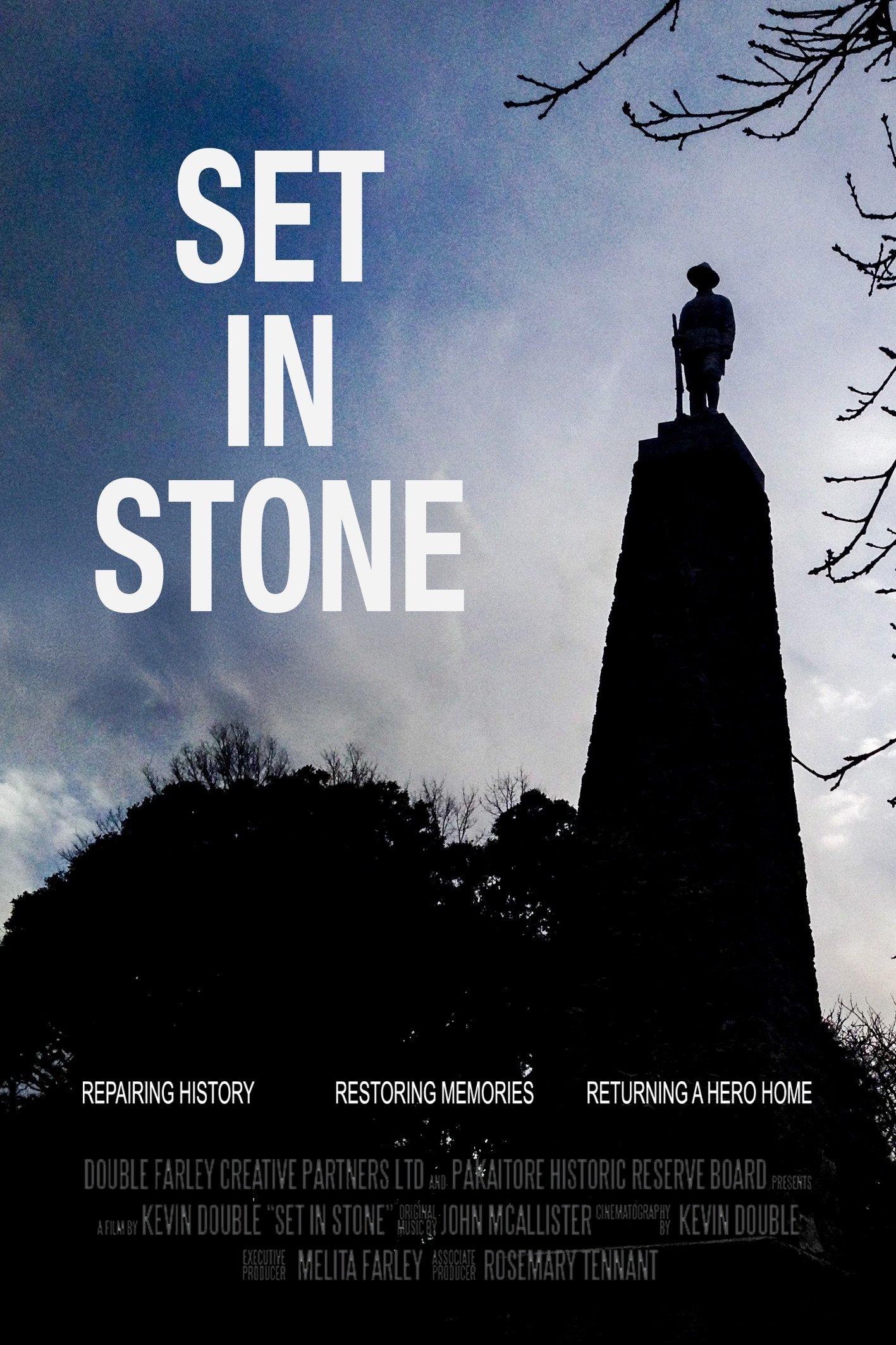
The race to save the world's only dedicated Māori World War One Memorial from collapse reveals an unknown soldier's heroic story to the community he was once part of.
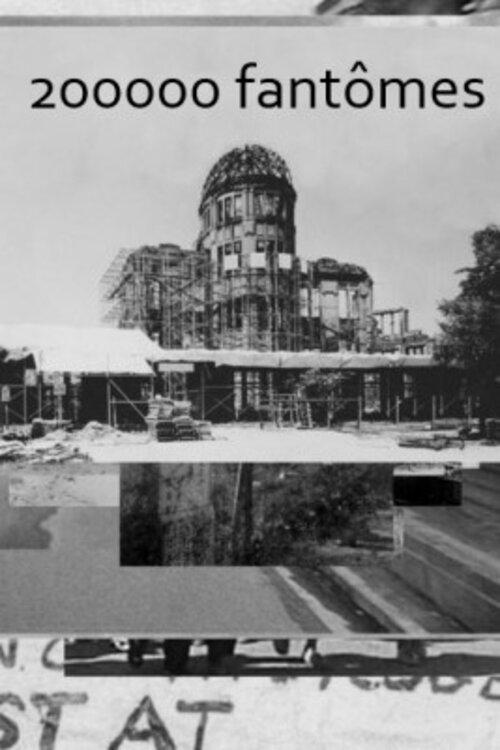
In 1914, the Czech architect Jan Letzel designed in the Japanese city of Hiroshima Center for the World Expo, which has turned into ruins after the atomic bombing in August 1945. “Atomic Dome” – all that remains of the destroyed palace of the exhibition – has become part of the Hiroshima memorial. In 2007, French sculptor, painter and film director Jean-Gabriel Périot assembled this cinematic collage from hundreds of multi-format, color and black and white photographs of different years’ of “Genbaku Dome”.
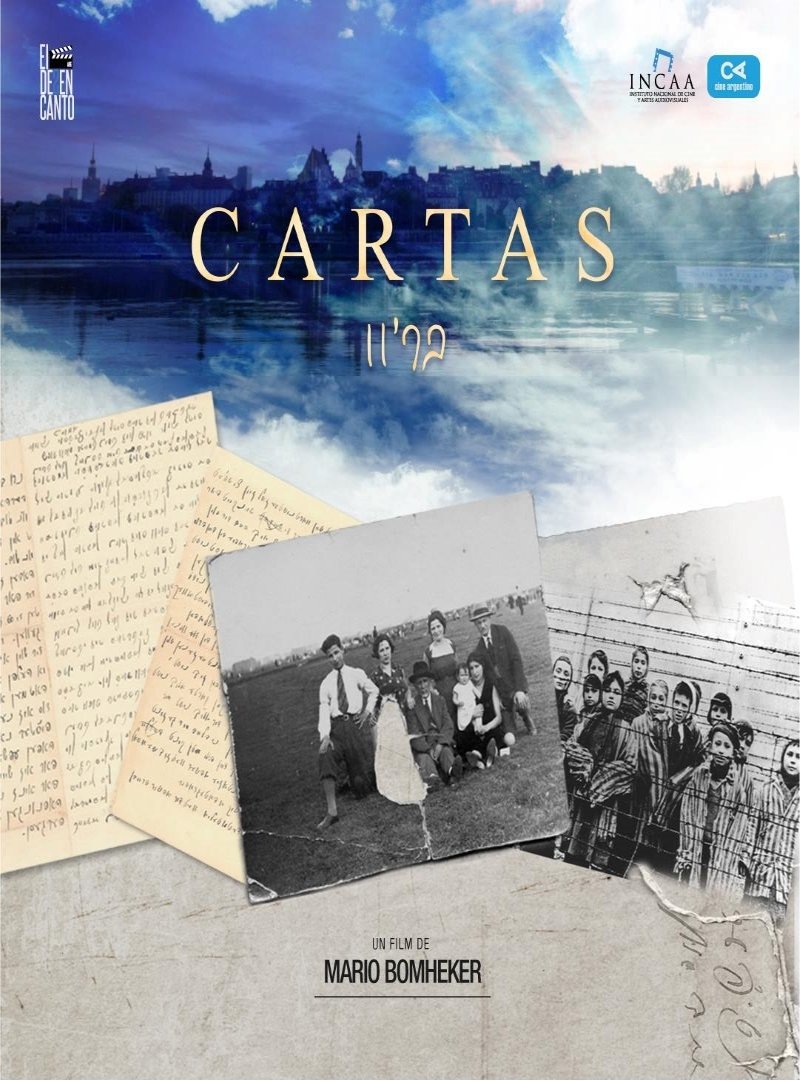
After his father's death, Mario finds some letters written in Yiddish. They are letters his father received from relatives in Warsaw. Mario decides to search for these people his father never mentioned.
The unveiling and dedication ceremony of the Calgary Soldiers' Memorial.
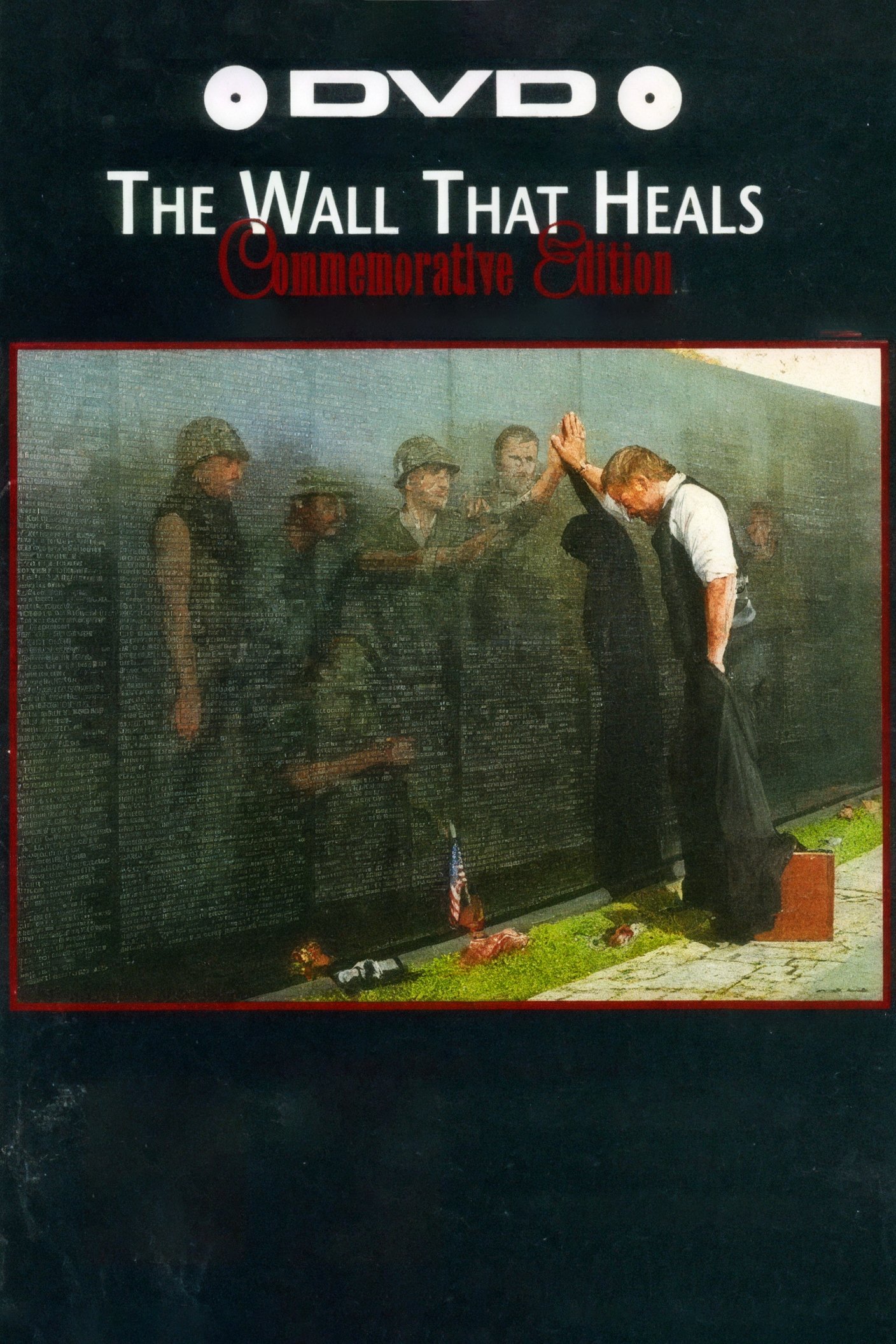
Hosted by Louis Gossett, Jr., this film examines the struggle it took to create the Vientnam Veterans Memorial in Washington, D.C. Released upon the Memorial's fifteenth anniversary, it includes interviews with veterans, senators, businessmen, and supporters.
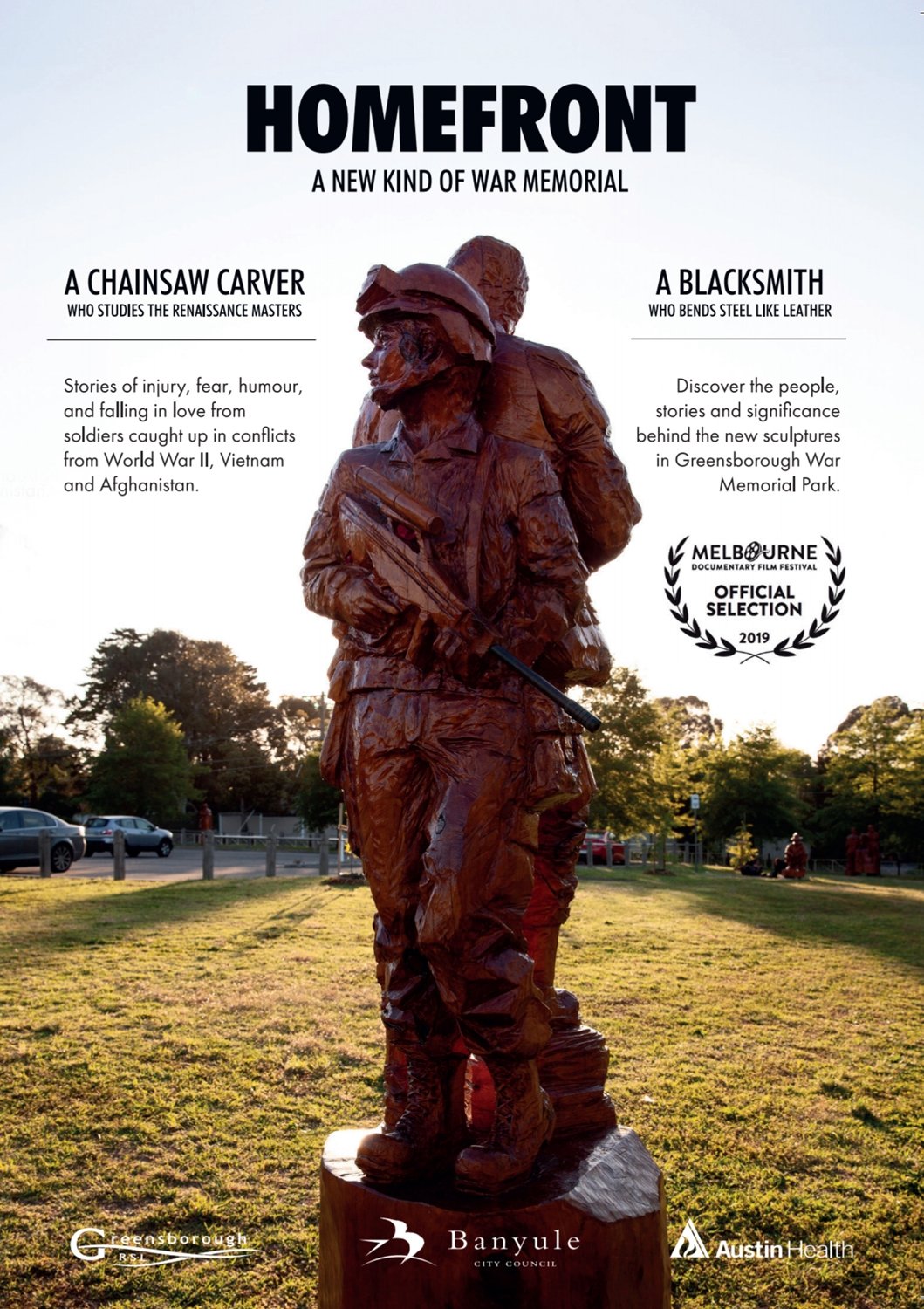
Stories of injury, fear, humour and falling in love from soldiers caught up in conflicts from World War II, Vietnam and Afghanistan. Discover the people behind the new sculptures in Greensborough War Memorial Park.
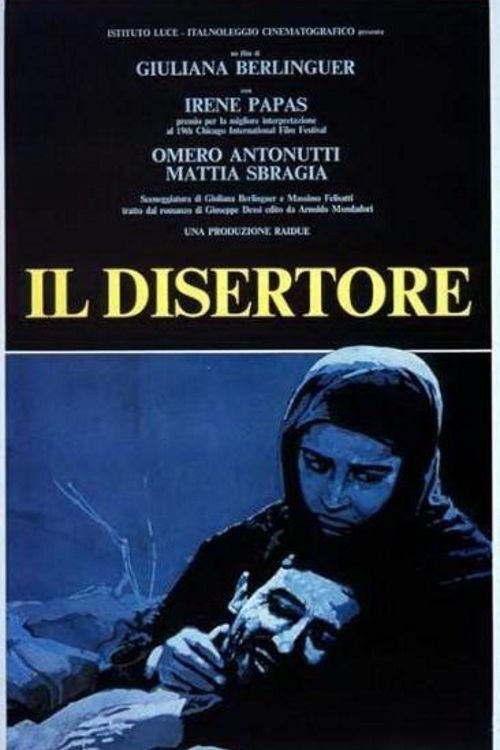
In this tragic story that has an unrealized potential to tug at the emotions, a woman in mourning for her two sons lost in World War I is the only one in her village determined to financially support a war memorial. The village poor have too little money, and the richer are tight-fisted. She has given a whole 15 years of savings -- yet the good priest, for whom she works as a maid, is not enthusiastic about her action because he is worried that the memorial will not remind the villagers of past horrors and suffering but disguise the human cost of war in rhetoric. As the memorial's advocates begin to sustain the day, flashbacks show how the woman's youngest son shot his captain, deserted the army, and came to die of fever while in his mother's care. The priest helped her as much as possible, yet he feels compelled to tell the authorities that her son was a deserter.
It's 1982, and Argentina and Great Britain are at war over a tiny patch of land known as the Falkland Islands. Told from the rarely explored Argentinean viewpoint, this is the story of the Falklands War through the eyes of eight former soldiers and sailors who fought to defend their country's claim to the inhospitable islands, facing off against a massive British force sent to retake them.
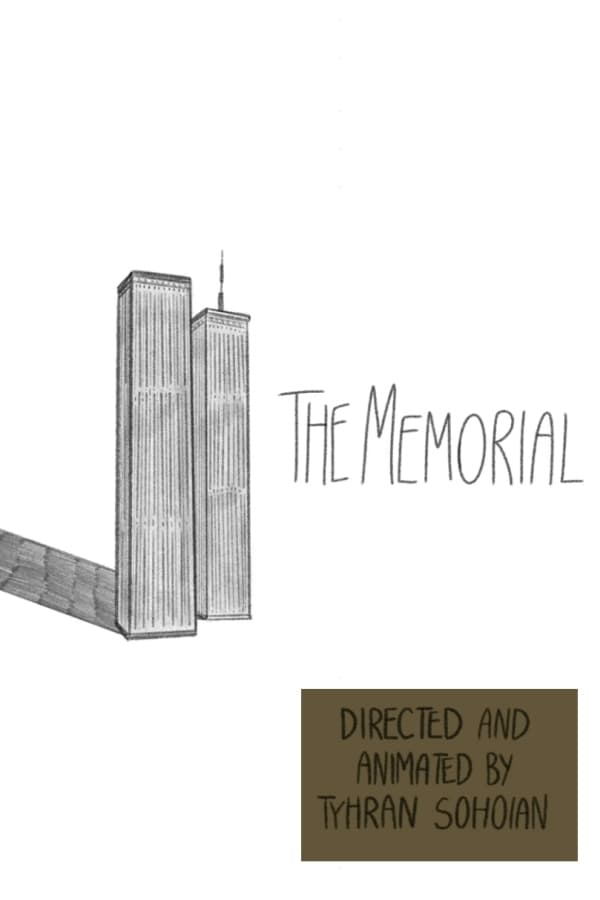
Images of the 911 attack on the Twin Towers act as a reminder for a character in recalling his lost relationship with a man he loved in this animated ode to building memorials - both physical and emotional - to those we have lost.
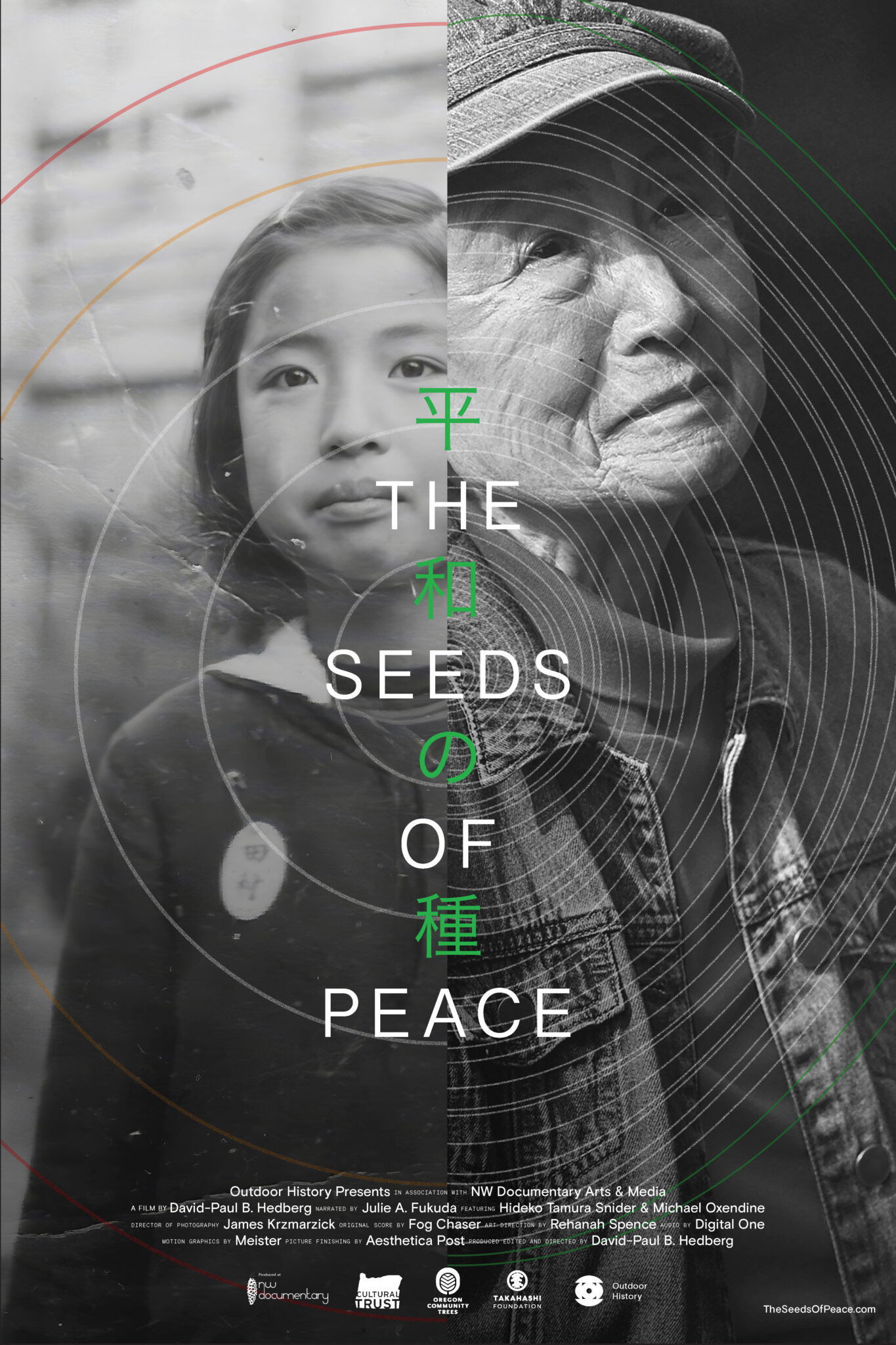
The Seeds of Peace traces the work of Hideko Tamura Snider, who survived the atomic bombing of Hiroshima as a child. Decades later, she continues to spread the message of peace by collecting seeds from trees that survived the blast and spreading them across the Pacific Northwest. This is a film about remembrance, reconciliation, and hope. It examines how the trauma of history can be transformed into a force that unites people and builds bridges for future generations.
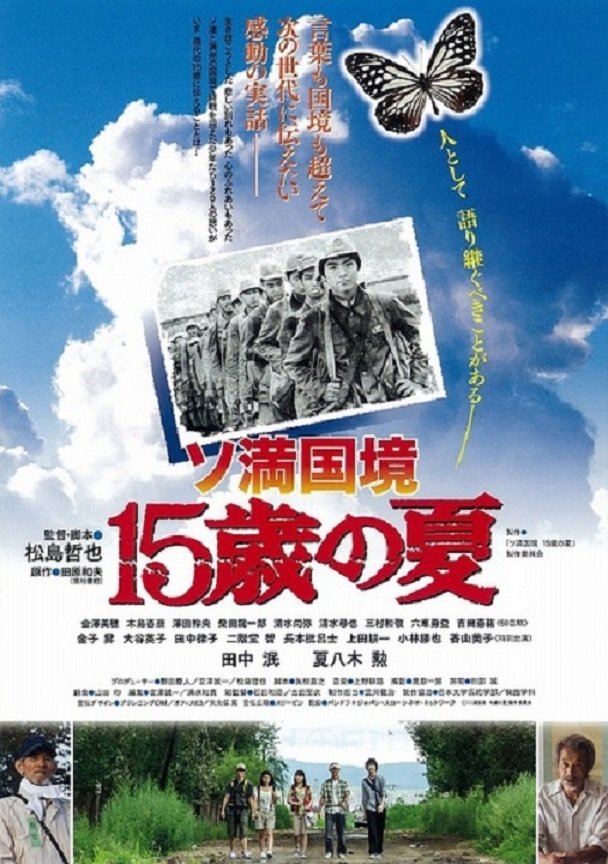
Keisuke, 15-year-old junior-high school boy, has been forced to live as refugees with his family in temporary housing apart from a hometown as a result of the Great East Japan Earthquake.In 2012, he belongs to a broadcasting club of his junior-high, to which he has to be admitted for the earthquake. He spends time with some fellows of a club. But all equipment to make their works of it has been washed away by the tsunami. He decides to give up his filmmaking in this summer, which will be the last time of his junior-high days to make a work.But one day a man who lives in a small village in Heilongjiang, China donates the equipment for filmmaking to Keisuke's school. Also Keisuke, his fellows and his teacher have been invited by him to shoot a film in China. And they are travelling to shoot around the boundless Chinese land.
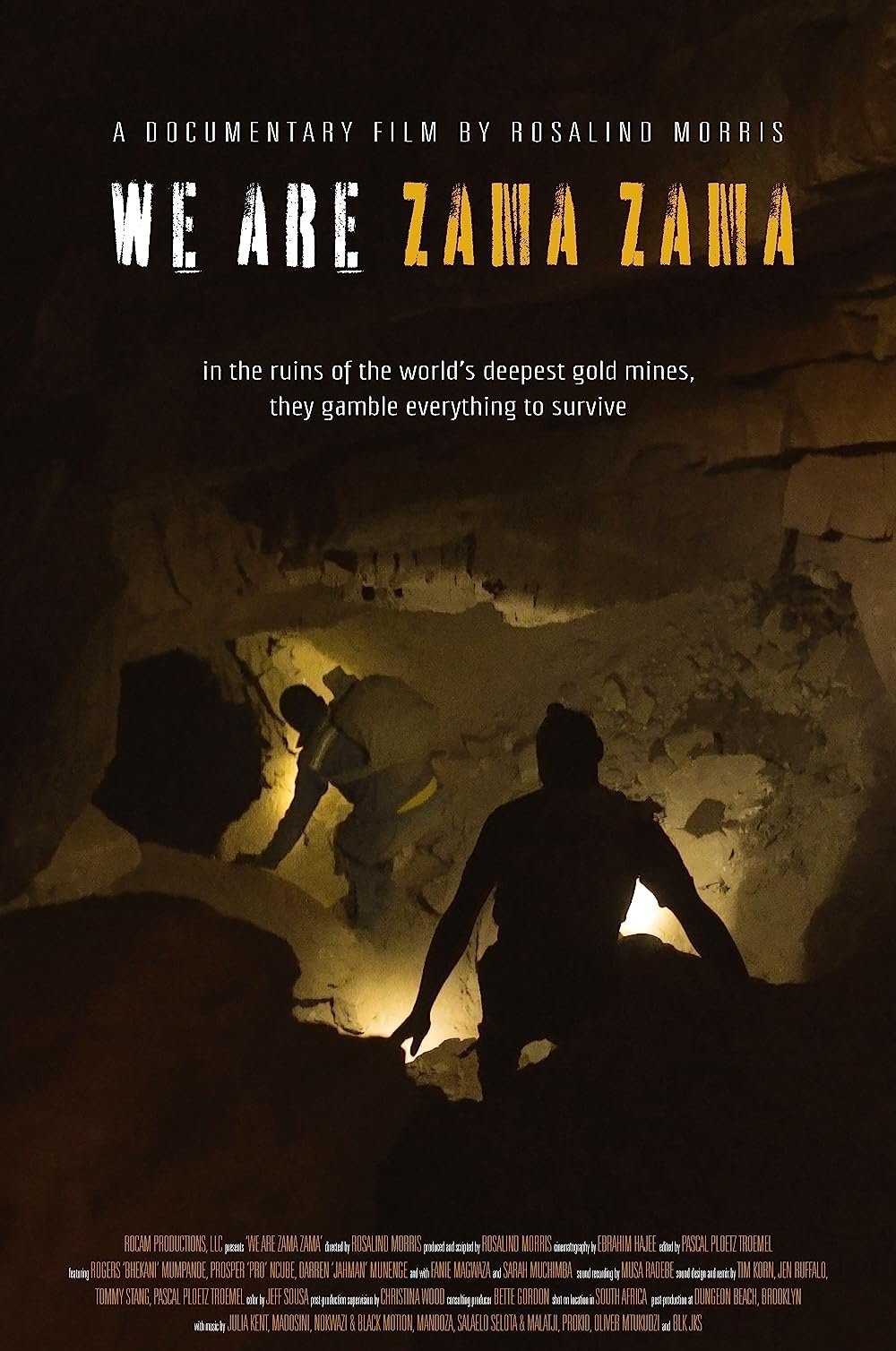
In South Africa’s abandoned mines, men scrabble for gold, using hand hammers and bicycle head-lamps, often remaining underground for days, often without food. Their survival is dependent on their hands – and luck. They are gamblers, or Zama Zama, who hope to scrounge a living from exhausted veins despite crumbling mineshafts and criminal overlords because at home in Zimbabwe they have nothing, there is nothing. The video footage is shot by miners with GoPros and in spite of harrowing conditions, we see uplifting camaraderie, caring collaboration and inspiring good cheer, as we are taken into their subterranean lives, guided by director-producer-anthropologist Rosalind Morris. Above ground, they smile. Gangsters prey on them, and the women cough from the glass-like dust of the rocks they crush by hand. But still they smile. An extraordinary story of human endurance, not to be missed.
The history of cinematic sound, told by legendary sound designers and visionary filmmakers.
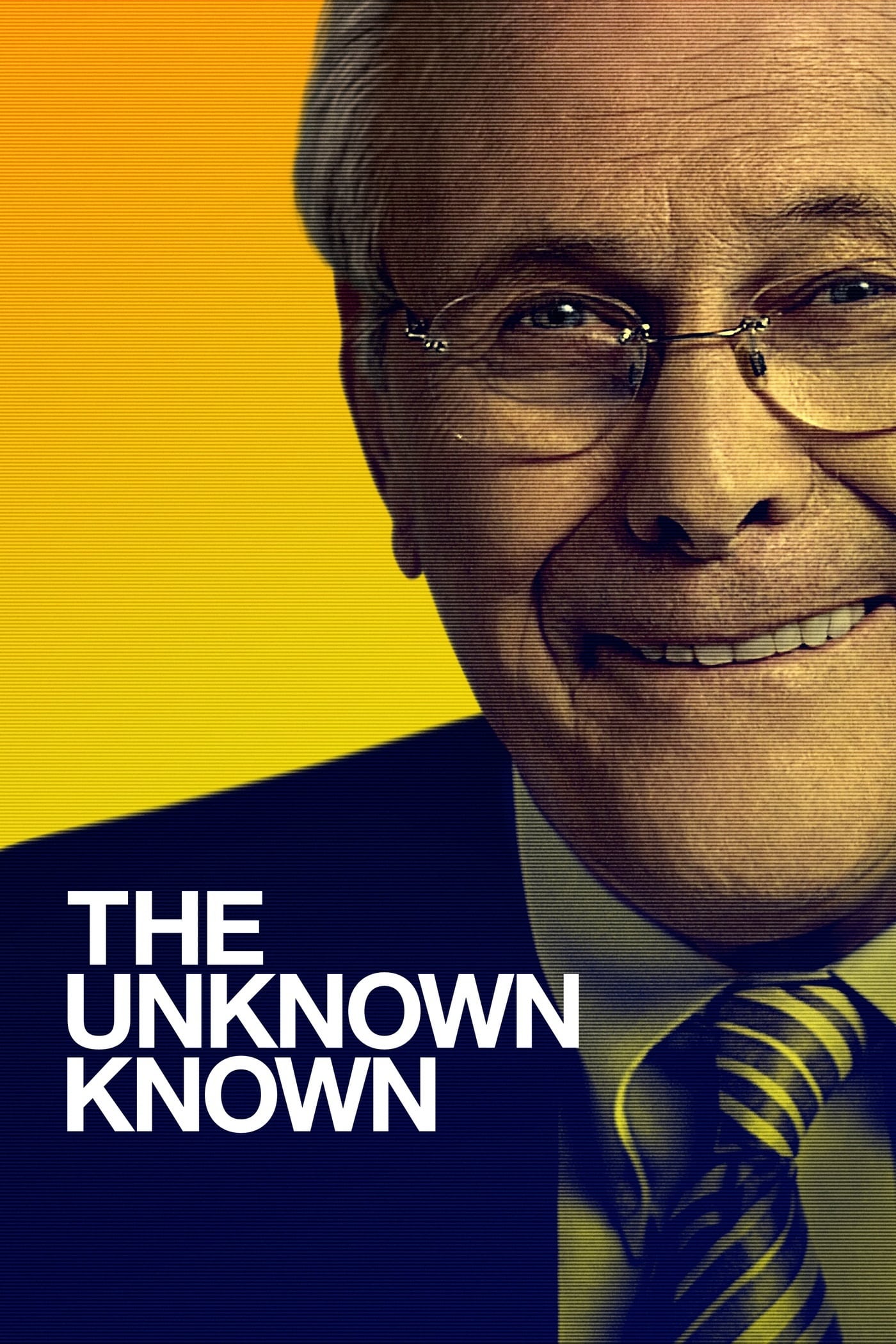
Former United States Secretary of Defense, Donald Rumsfeld, discusses his career in Washington D.C. from his days as a congressman in the early 1960s to planning the invasion of Iraq in 2003.
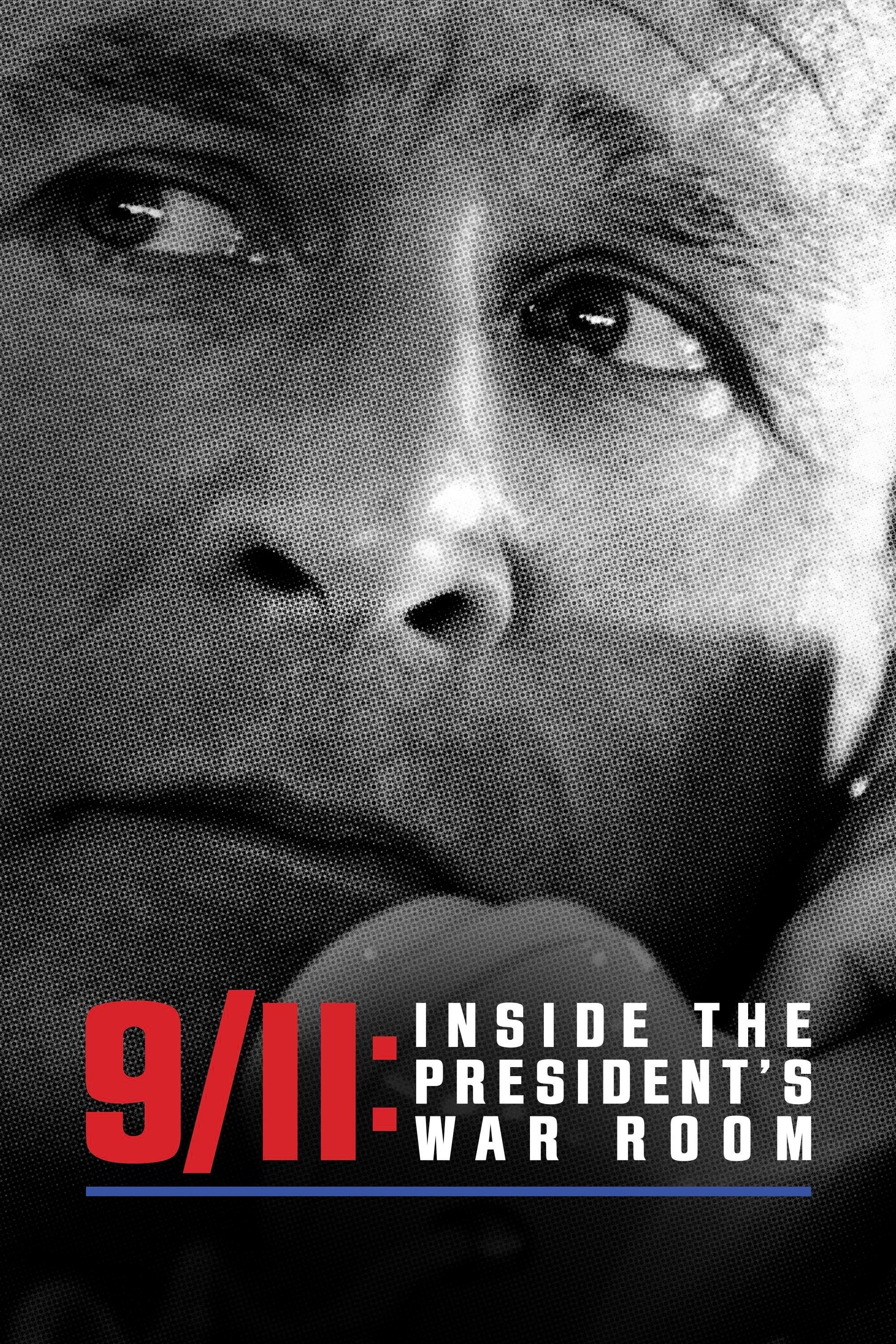
Experience the events of September 11, 2001 through the eyes of President Bush and his closest advisors as they personally detail the crucial hours and key decisions from that historic day.
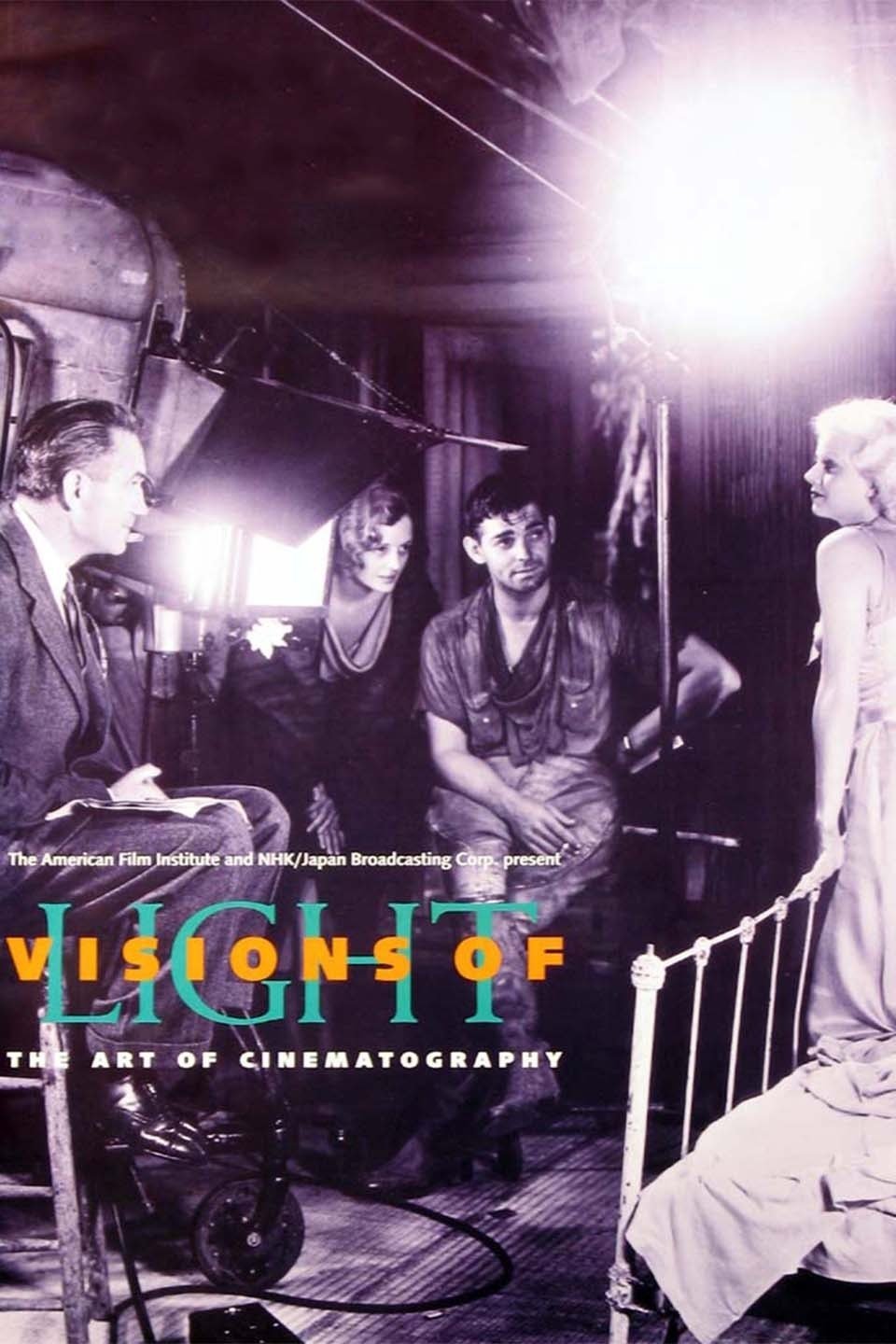
Cameramen and women discuss the craft and art of cinematography and of the "DP" (the director of photography), illustrating their points with clips from 100 films, from Birth of a Nation to Do the Right Thing. Themes: the DP tells people where to look; changes in movies (the arrival of sound, color, and wide screens) required creative responses from DPs; and, these artisans constantly invent new equipment and try new things, with wonderful results. The narration takes us through the identifiable studio styles of the 30s, the emergence of noir, the New York look, and the impact of Europeans. Citizen Kane, The Conformist, and Gordon Willis get special attention.
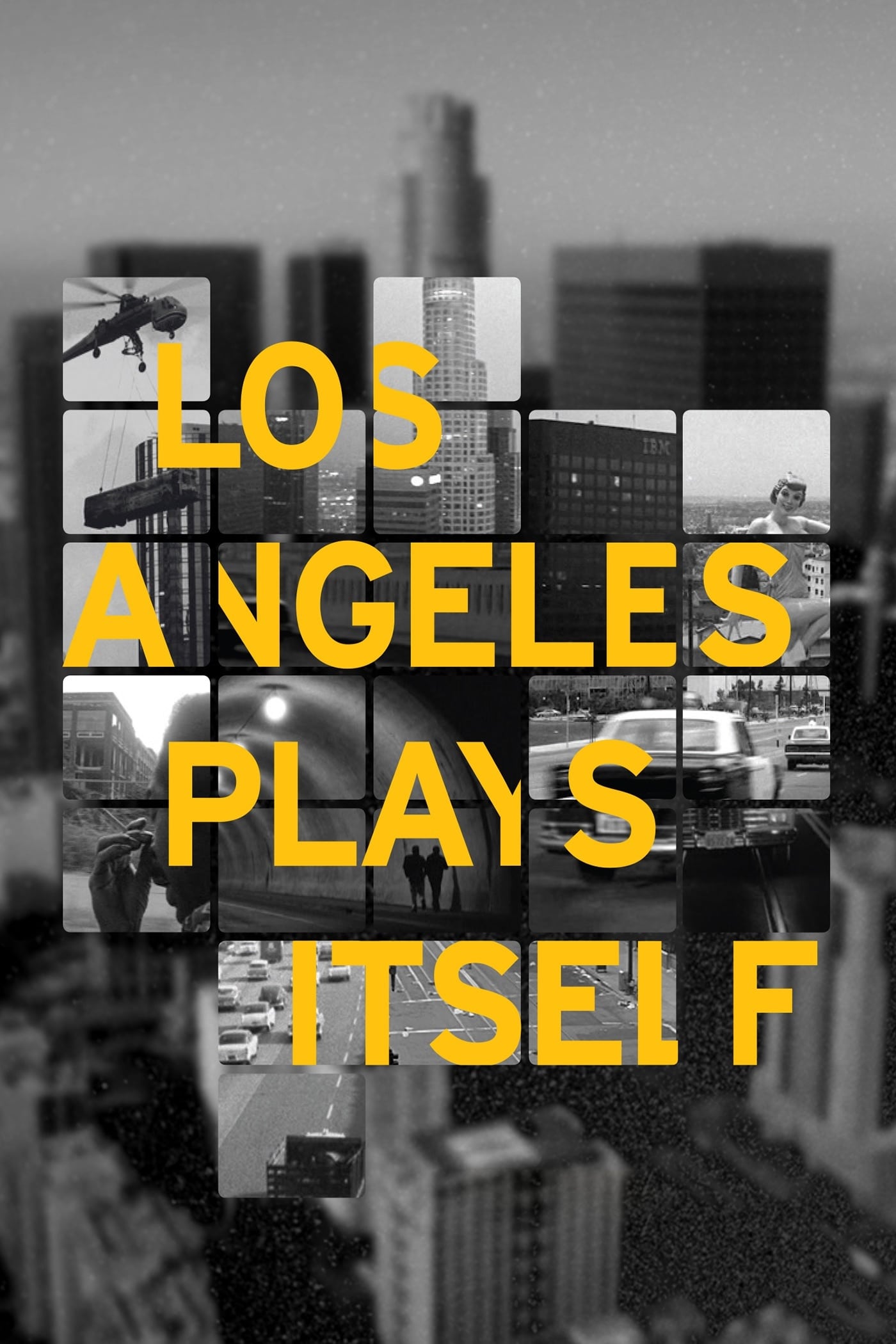
From its distinctive neighborhoods to its architectural homes, Los Angeles has been the backdrop to countless movies. In this dazzling work, Andersen takes viewers on a whirlwind tour through the metropolis' real and cinematic history, investigating the myriad stories and legends that have come to define it, and meticulously, judiciously revealing the real city that lives beneath.
“The Soviet Story” is a story of an Allied power, which helped the Nazis to fight Jews and which slaughtered its own people on an industrial scale. Assisted by the West, this power triumphed on May 9th, 1945. Its crimes were made taboo, and the complete story of Europe’s most murderous regime has never been told. Until now...
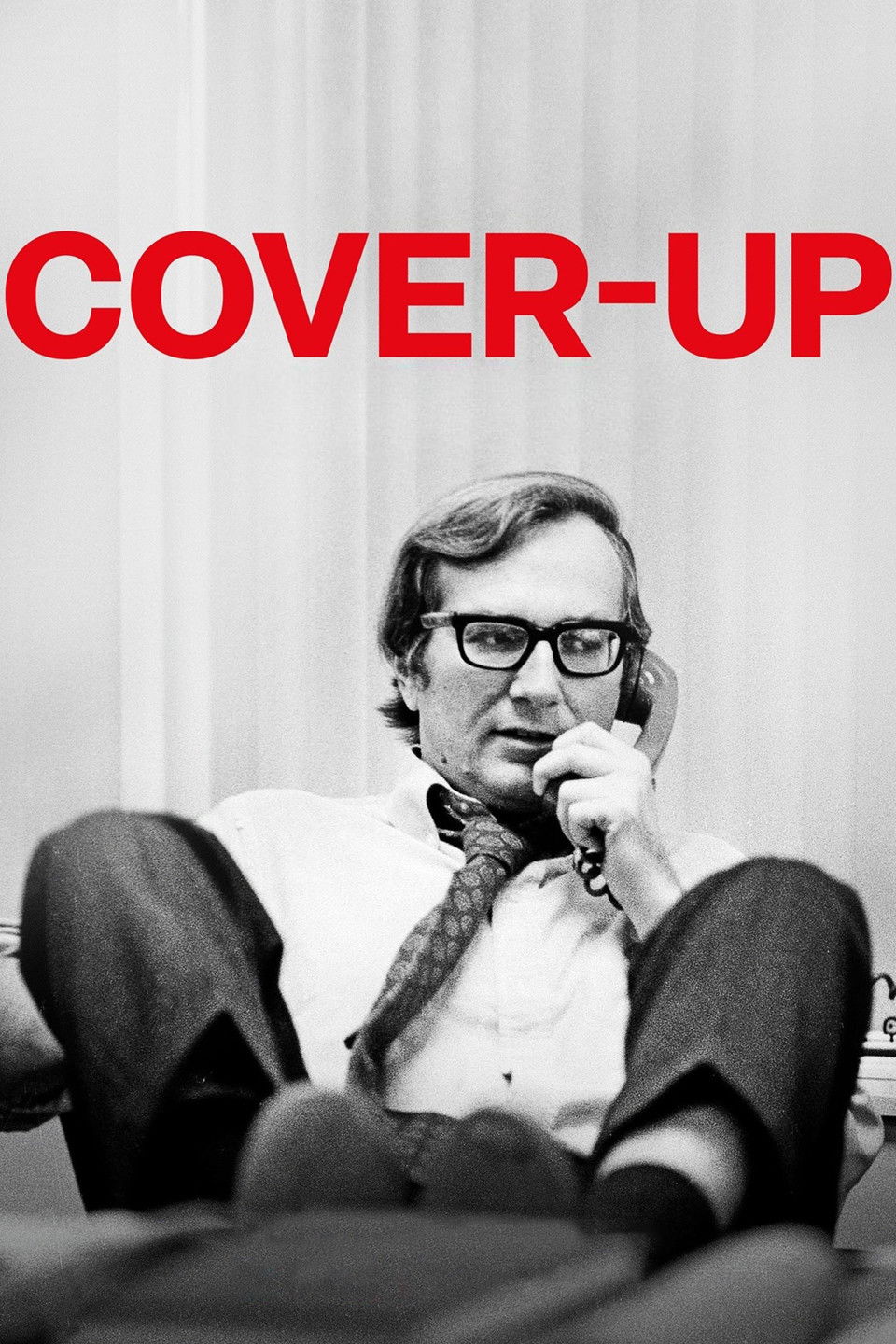
He's devoted his career to uncovering stories the powerful want buried. From My Lai to Abu Ghraib, dig into the life's work of journalist Seymour Hersh.
In an intimate and joyful story of love in the face of loss, celebrated poets Andrea Gibson and Megan Falley find strength—and unexpected hilarity—in what might be their final year together.
This revealing documentary honors the legendary Sidney Poitier—iconic actor, filmmaker, and civil rights activist. Featuring interviews with Denzel Washington, Spike Lee, Halle Berry, and more.
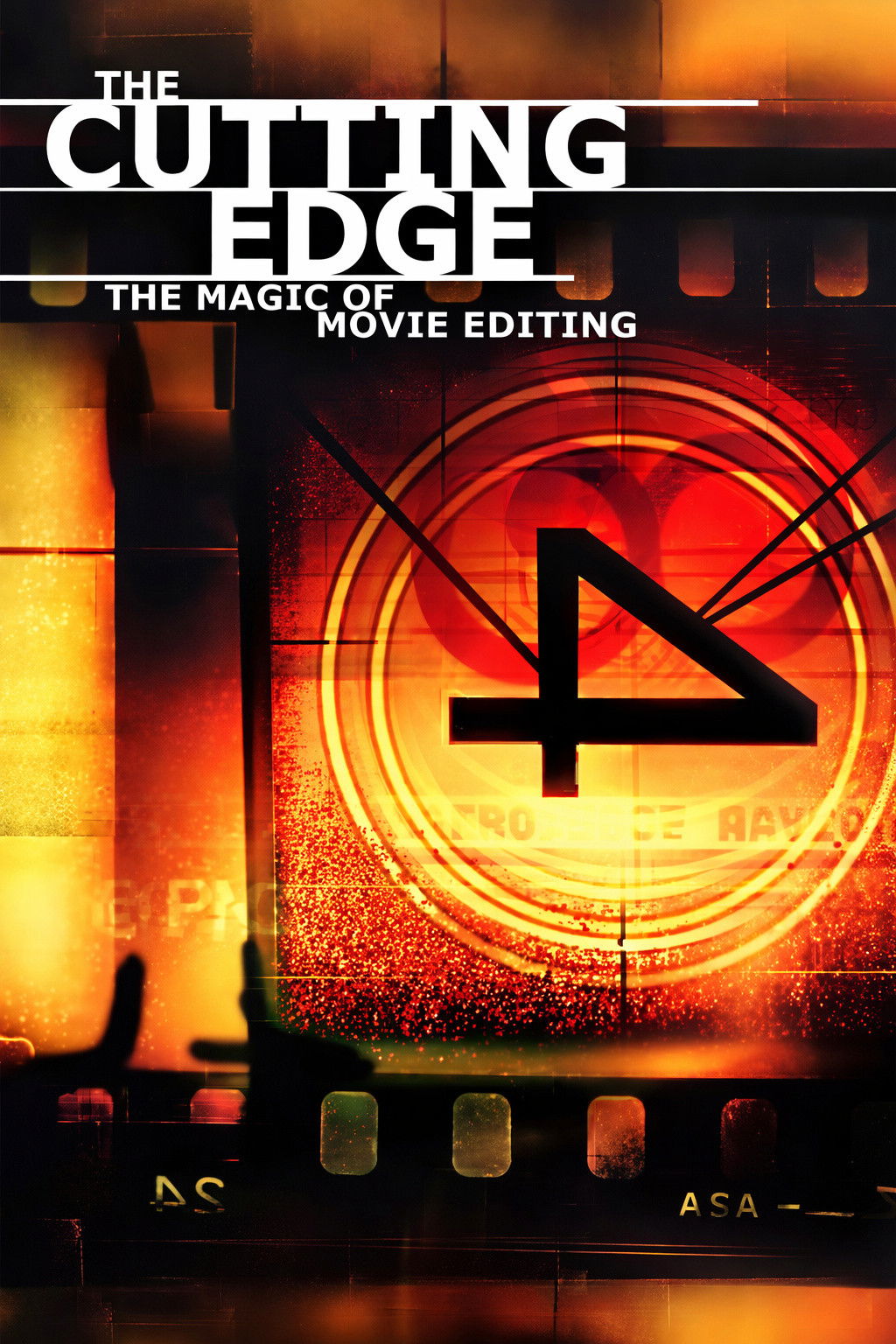
Documentary about the art of film editing. Clips are shown from many groundbreaking films with innovative editing styles.
Prelude to War was the first film of Frank Capra's Why We Fight propaganda film series, commissioned by the Pentagon and George C. Marshall. It was made to convince American troops of the necessity of combating the Axis Powers during World War II. This film examines the differences between democratic and fascist states.
Diaries, audiotapes, videotapes and testimonials from friends and colleagues offer insight into the life and career of Gilda Radner -- the beloved comic and actress who became an icon on Saturday Night Live.
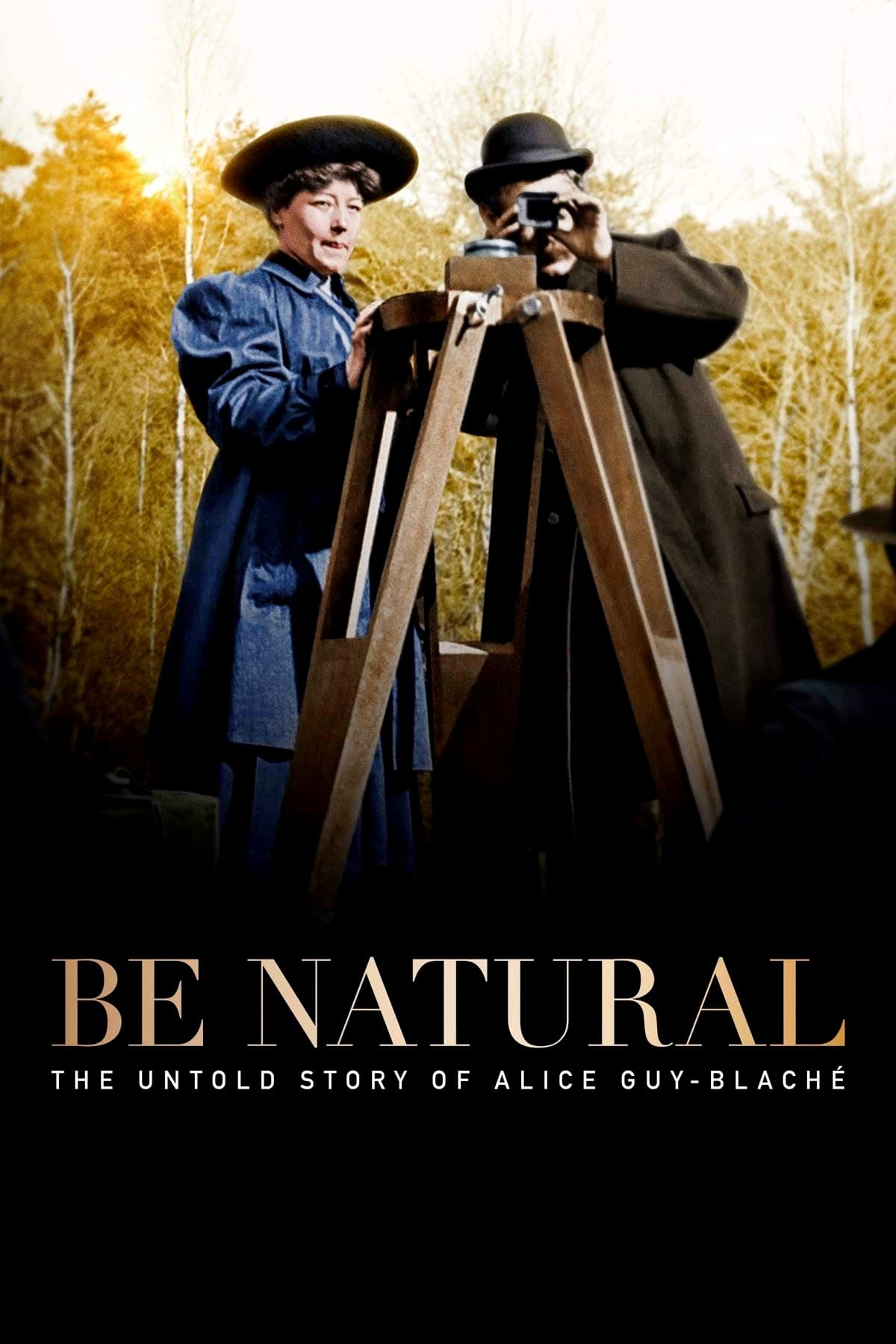
The epic life story of Alice Guy-Blaché (1873–1968), a French screenwriter, director and producer, true pioneer of cinema, the first person who made a narrative fiction film; author of hundreds of movies, but banished from history books. Ignored and forgotten. At last remembered.
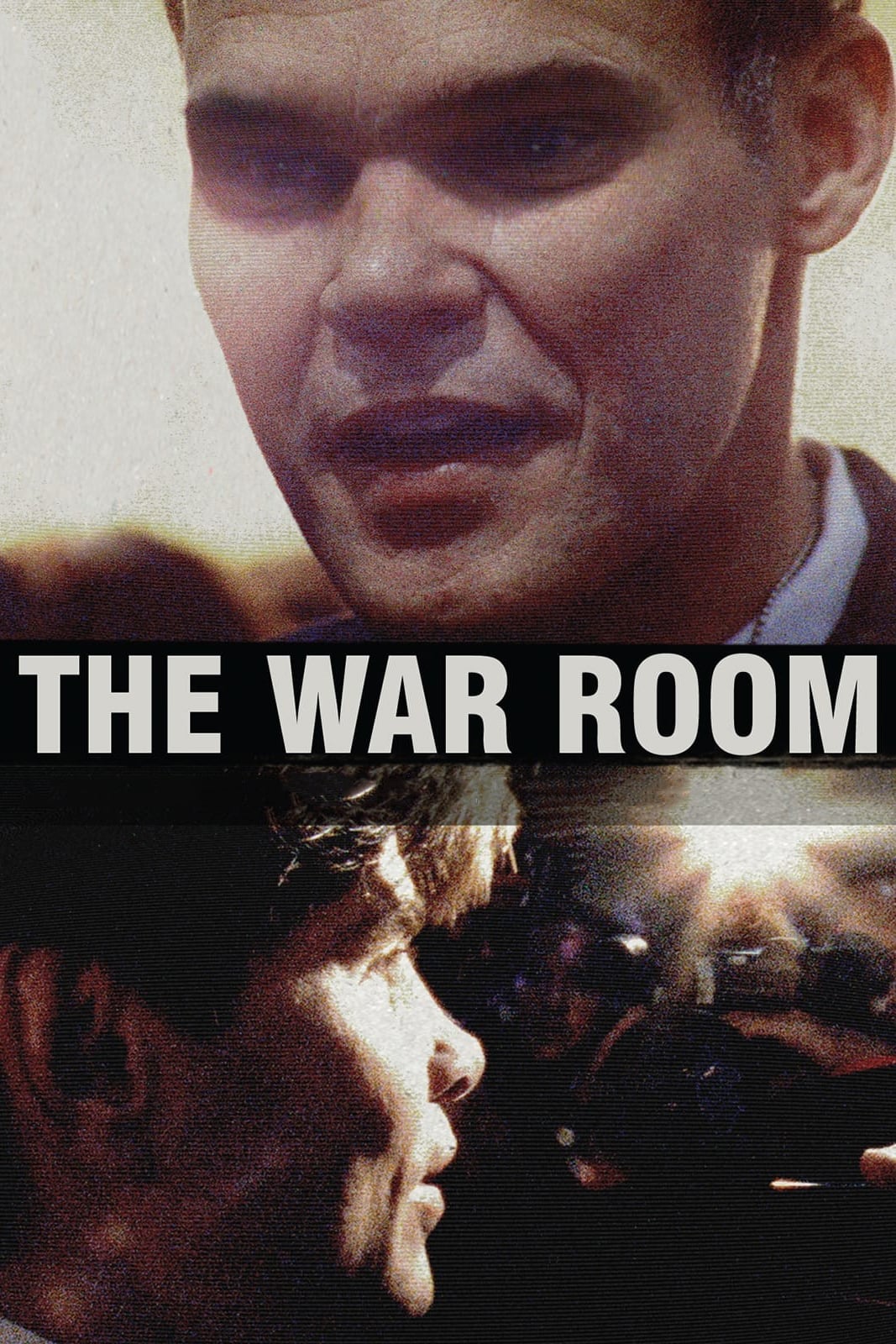
A behind-the-scenes documentary about the Clinton for President campaign, focusing on the adventures of spin doctors James Carville and George Stephanopoulos.
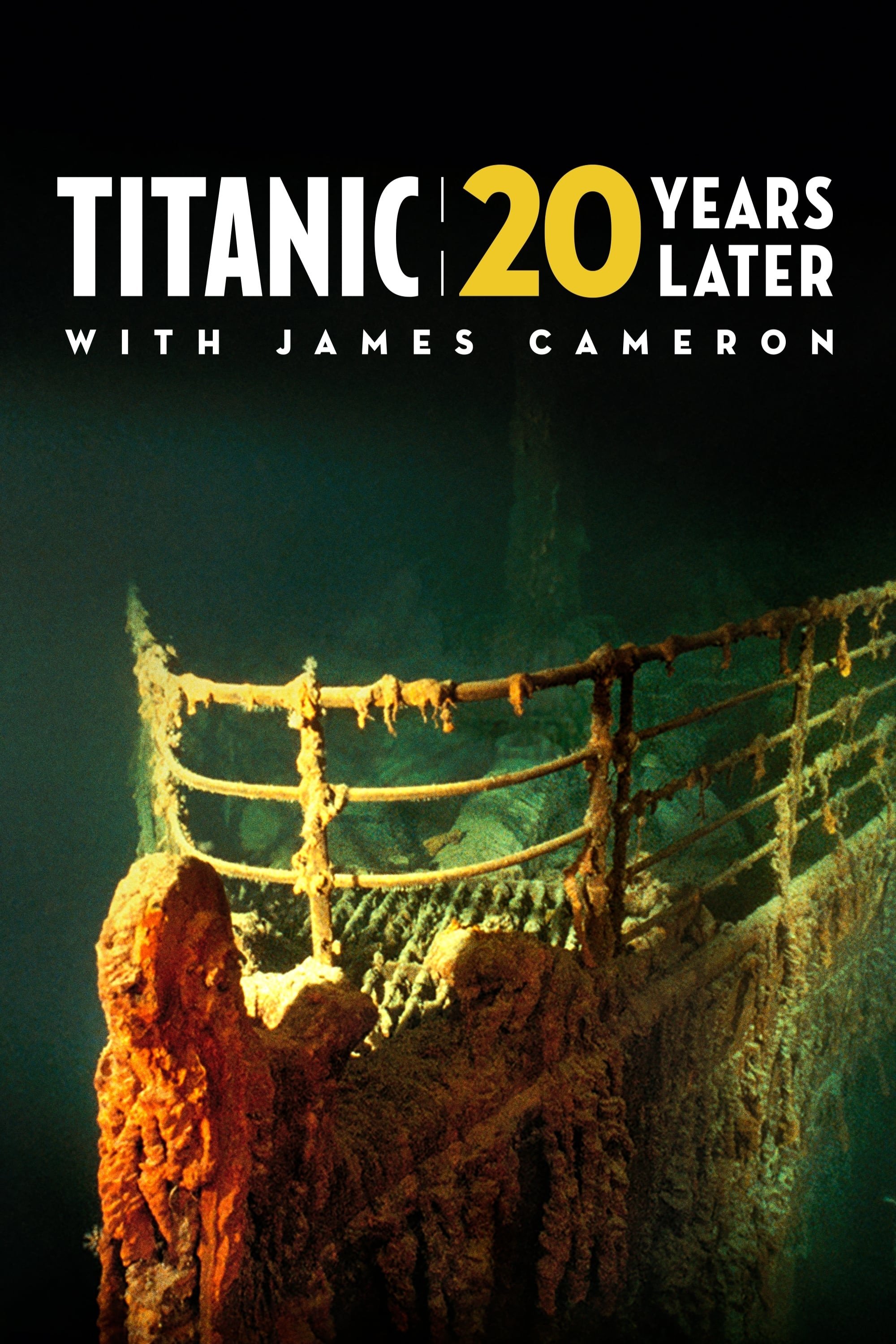
For the 20th anniversary of "Titanic," James Cameron reopens the file on the disaster.
A string of threatening emails escalates into a revenge plot involving a newly married US marshal and his ex-girlfriend.
A visual montage portrait of our contemporary world dominated by globalized technology and violence.
A documentary on the expletive's origin, why it offends some people so deeply, and what can be gained from its use.
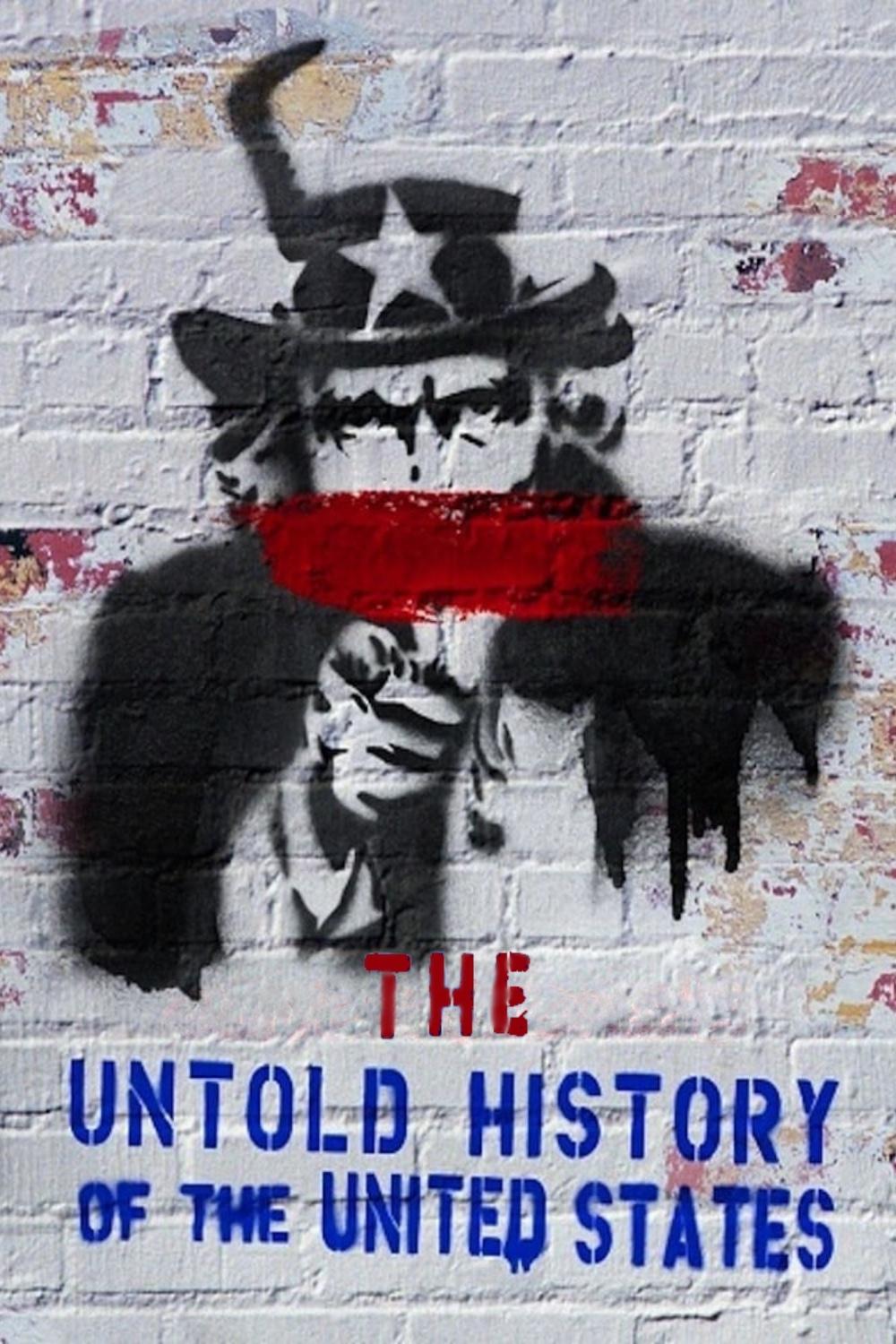
Oliver Stone charts the history of the United States from the Second World War to the present.
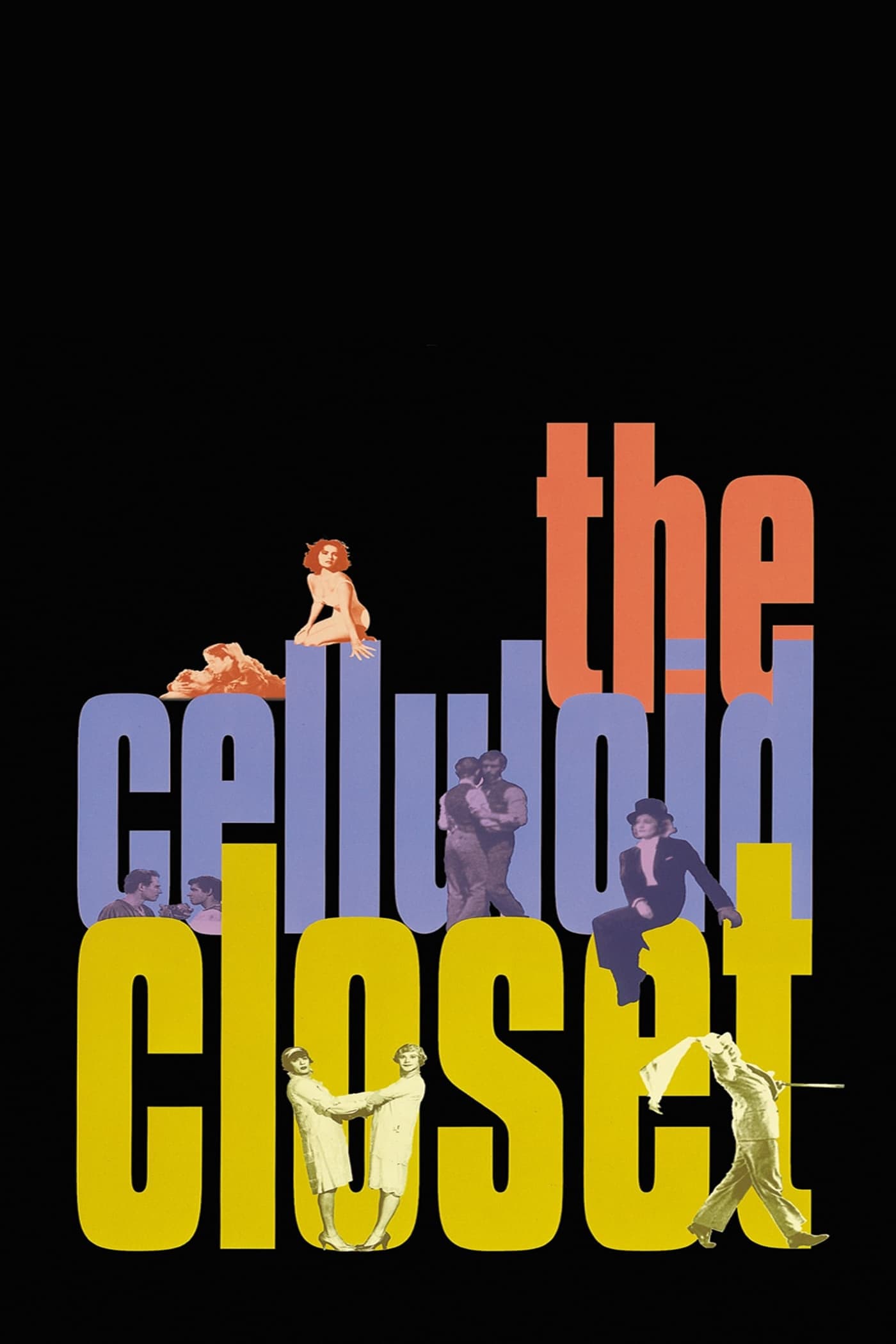
Exuberant, eye-opening movie that serves up a dazzling hundred-year history of the role of gay men and lesbians have had on the silver screen. Film contains fabulous footage from 120 films showing the changing face of cinema sexuality, from cruel stereotypes to covert love to the activist triumphs of the 1990s.