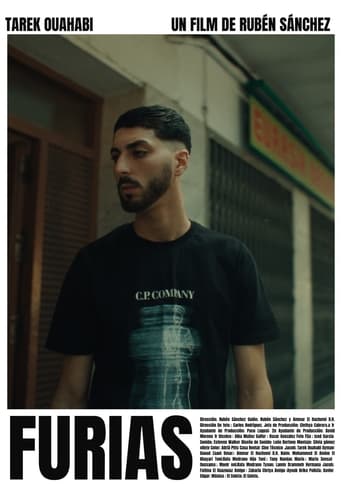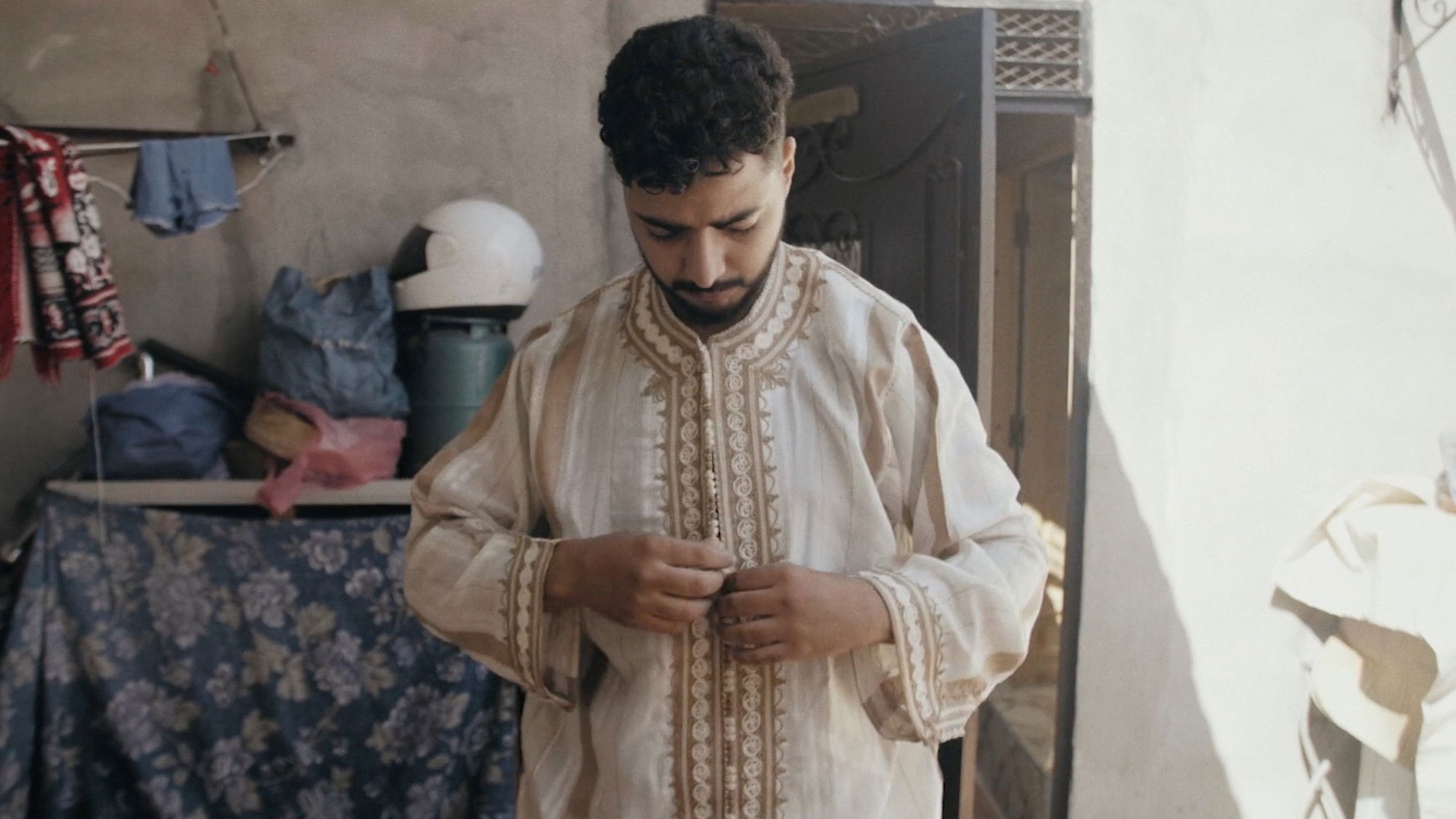
Samir longs for love and struggles to find prospects in a land of limited opportunities. He believes in a better future far away.
Social & External
ECHOES OF THE HEART IS THE FIRST SHORT FILM OF ECHOES TRILOGY THAT FOLLOWS SOUHAIL'S MUSIC PASSION IN PLAYING OUD IN A SMALL CITY.
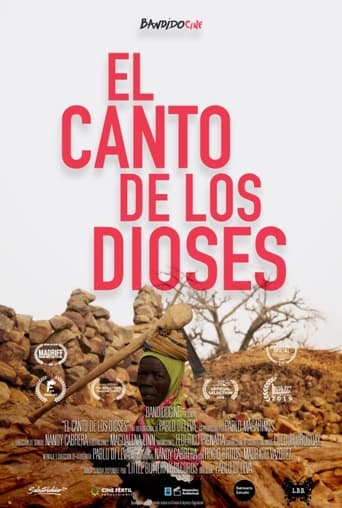
Road documentary that delves into the musical and religious expressions of sub-Saharan Africa. Through Mauritania and Mali, the film documents the lives of Dogon, griots, musicians and instrument makers who, through oral accounts, explain why music plays a fundamental role in the socio-religious organization of peoples. The film culminates its search with the recording of the performance of the traditional Dogon mask dance, in Begnematou, a small village lost in the desert.
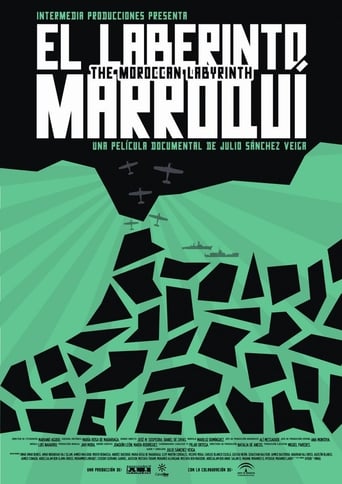
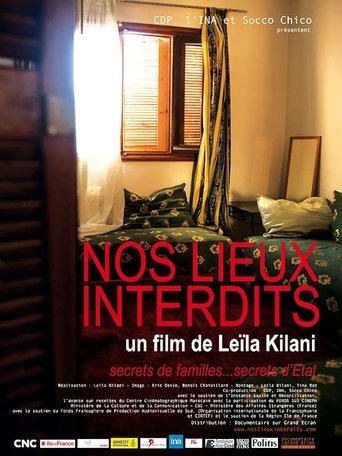
During the oppressive reign of Moroccan King Hassan II in the 70s and 80s (Years of Lead), many dissidents went missing. After the throning of a new king, a truth commission was formed in the 2000's. Families of the missing speak.
An exposed Cumbrian village by the sea surrounded by windmills, fields and factories provides a striking setting for this fairy tale of young love and the loss of childhood innocence. Over one year, the film follows the 9 year-old Laura Anne and her 11 year-old cousin, Steven as they move towards the end of their childhoods. The narrative is told in rhyme by the young female protagonist. As time passes and the seasons change, feelings and memories from all our childhoods are evoked and we wonder what time will make of Laura Anne and Steven.
An intimate portrait of Matthew Shepard, the gay young man murdered in one of the most notorious hate crimes in U.S. history. Framed through a personal lens, it's the story of loss, love, and courage in the face of unspeakable tragedy.
Twenty-third sovereign of the Alawite dynasty established in Morocco since the seventeenth century, Mohammed VI took over from his father Hassan II in 1999, and from the moment of his coronation, he positioned himself as a "king of the poor", close to the people. Naturally shy, he prefers to act rather than speak, defining a modern style of governance that has earned him great popularity from the start. Married to a young computer engineer, he asserted a policy of liberalization of morals and even made a critical review of the period of repression led by his father during the years of lead. However, he faces opposition from conservatives, which leads to the election of the Islamist PJD (Party of Justice and Development) as head of government, following the Arab Spring of 2011.
On the border, the line as principle of property and belonging reaches an extreme dimension where it physically defines the sphere of its relations. Those who transgress it reconstruct these imaginary lines on a daily basis, redefining the traditional geography and occupying the non-spaces where others live in a temporary form of existence. These others, the non-citizens, are phantasmtic, exchangeable parts of a flexible market. Made invisible, they are permanently controlled persons. Under the pretext of a greater civilian security, they are kept clear from the public spaces reserved for the citizens with rights and pushed into non-public spaces, which are run by state and military surveillance, multinational operations servicing a European market and non-governmental organisations.
An undercover documentary film produced and directed by British filmmaker Dominic Brown, about the struggle of the indigenous Sahrawi people of Western Sahara. The documentary covers the current human rights and political situation of the Sahrawi. There are several interviews recorded with human rights victims including an elderly lady who had been attacked in her home the previous day by Moroccan security forces. There is also a focus given to the alleged vested interests of countries in the region, particularly France. The film states that the French Government's close relationship with Morocco, their trade deals and their use of veto over the terms of the UN mission in Western Sahara are major factors.
A small village high up in the mountains of Ketama, Northern Morocco. The life of the people here has been shaped by the drug hashish for centuries. Hashish as daily work, hash as exchange currency, hashish as business, hashish as basis and philosophy of a social system, hashish as medium for dreams and hashish as reason for stagnation.
This video research is based on a trip to Morocco in July 2005, during which the director documented irregular migration transiting through Morocco, as well as their control. This geographical project focuses on the main migratory axes: Oujda, entry point for migrants in Morocco; Tangier, from where migrants can try to cross the strait or the fences of Ceuta; Rabat, organization space; and Laayoune, the closest point to the Canaries. The video questions the nature and meaning of these extraterritorial enclaves that structure the Moroccan territory.
On July 30, 2024, Mohamed VI celebrates the 25th anniversary of his reign in style. Who is this so-called secret monarch? How did he gradually impose his vision and projects?
When Lena and Ulli start the engine of their old Land Rover, Lady Terés, they have a plan: to drive from Hamburg to South Africa in six months. What they don't know yet is that they won't ever get there. Two totally different characters, jammed together in two square meters of space for almost two years, they experience what it really means to travel: leaving your comfort zone for good.
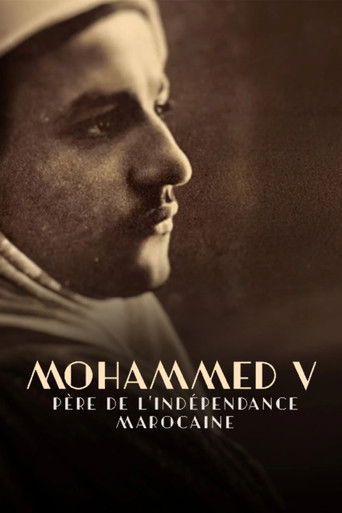
Two years ago, Mohammed VI succeeded his father, Hassan II, without any apparent difficulties. Is this succession really as smooth as it seems?
There are at least seven thousand children and adolescents wandering the streets of Morocco's economic capital. Sold by their parents, abused, beaten, or abandoned, they struggle to survive. Since 1995, the Bayti association has been fighting to reintegrate these sacrificed children and give them a second chance.
Made in the sunset years of Paul Bowles’ life, the film sees the eccentric author and composer reminisce on how he ended up in Morocco.
In the vast expanse of desert East of Atlas Mountains in Morocco, seasonal rain and snow once supported livestock, but now the drought seems to never end. Hardly a blade of grass can be seen, and families travel miles on foot to get water from a muddy hole in the ground. Yet the children willingly ride donkeys and bicycles or walk for miles across rocks to a "school of hope" built of clay. Following both the students and the teachers in the Oulad Boukais Tribe's community school for over three years, SCHOOL OF HOPE shows students Mohamed, Miloud, Fatima, and their classmates, responding with childish glee to the school's altruistic young teacher, Mohamed. Each child faces individual obstacles - supporting their aging parents; avoiding restrictions from relatives based on traditional gender roles - while their young teacher makes do in a house with no electricity or water.
Somewhere between documentary and fiction, this is an essay on questions of territory and human displacements made during an excursion from southern Spain to northern Morocco. Travelling on the Mediterranean rim, we hear immigrants tell their stories.
Dawn Of The Moroccan Fitness is an inspiring documentary by Abdelillah Habbat Idrissi. Through engaging interview formats, Idrissi imparts valuable lessons to Moroccan youth, showcasing that perseverance and finding the right path are timeless pursuits. A heartfelt thank you is extended to the individuals who shared their testimonies in the documentary. Their presence adds depth and authenticity to the narrative, creating a powerful connection with the audience. Additionally, gratitude is expressed to all those who contributed directly to the realization of this documentary. Their efforts and support played a crucial role in bringing "Dawn Of The Moroccan Fitness" to light, making it a meaningful and impactful exploration of life's journey.