Social & External
The people behind it
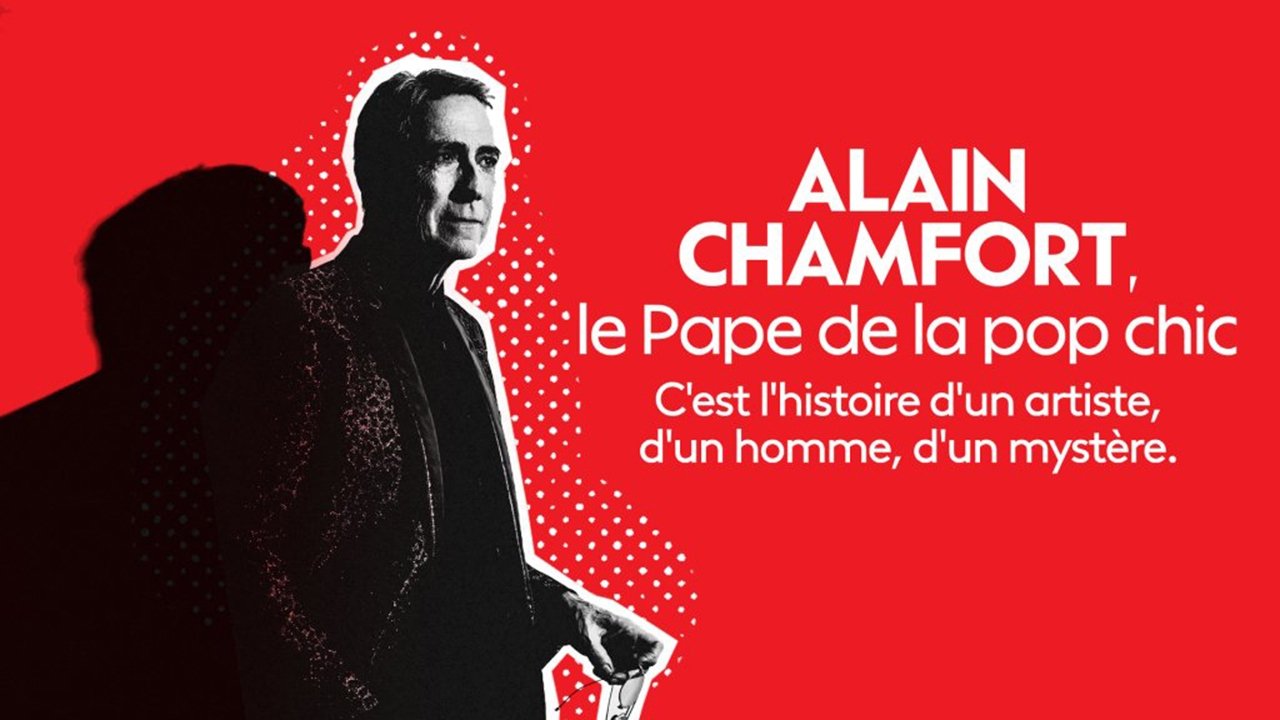
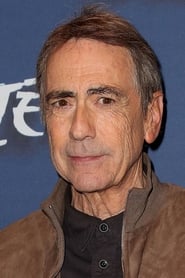
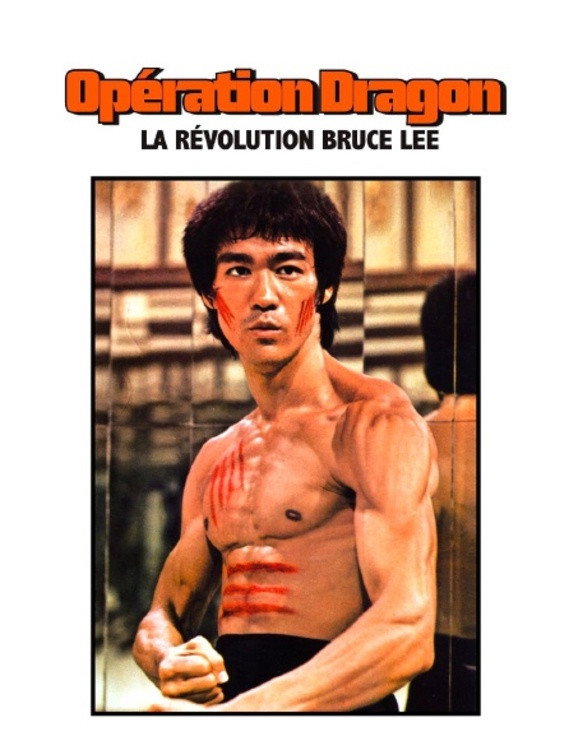
Alain Chamfort
self
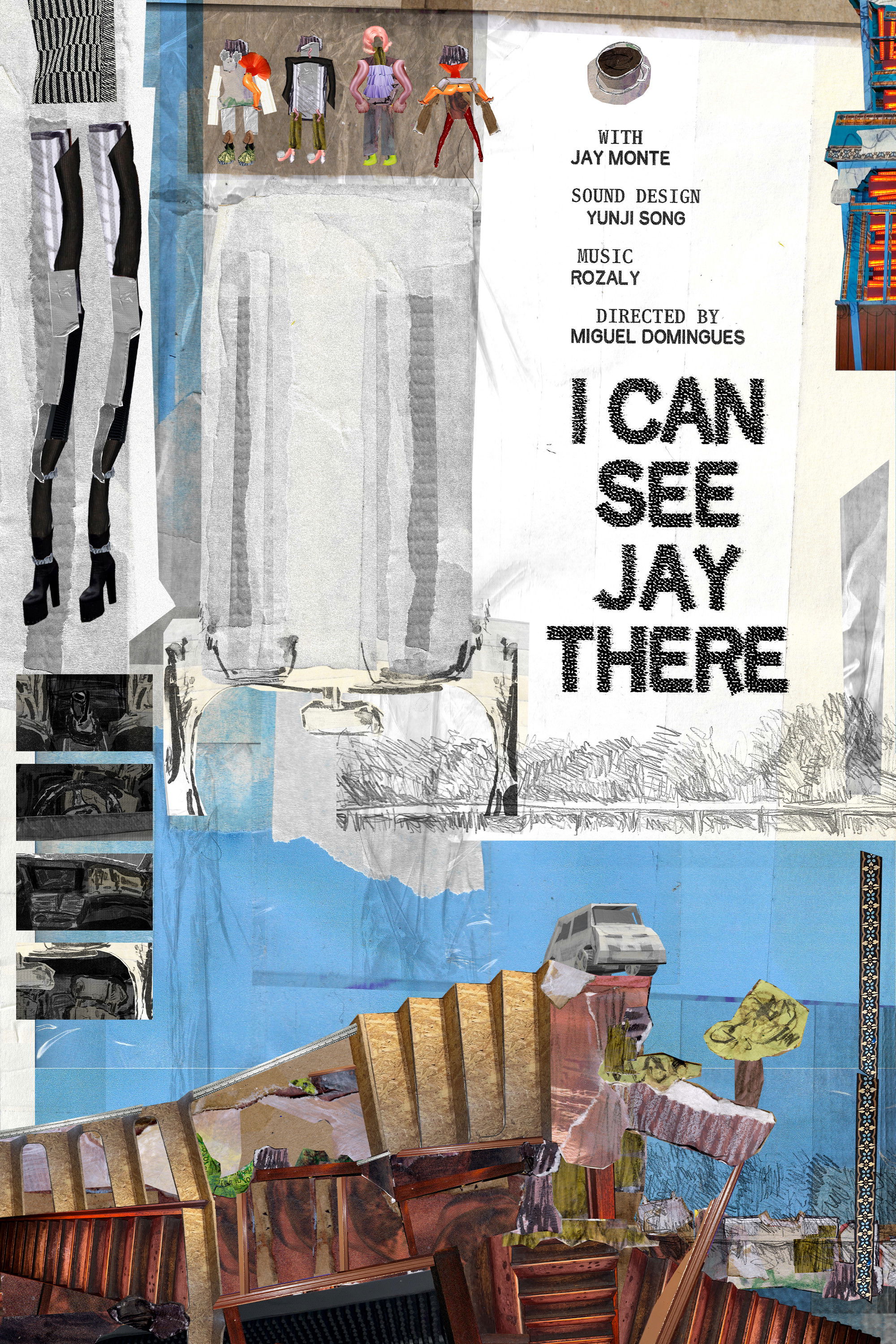
Jay worked as a security guard at the door of Kanaal40, a bar located in the heart of Amsterdam's Warmoesstraat. At the threshold of the club, Jay found a sense of security: a space to express themselves and explore who they want to be. Even after the bar closed its doors, the experience continued to shape their life in deeply personal ways.
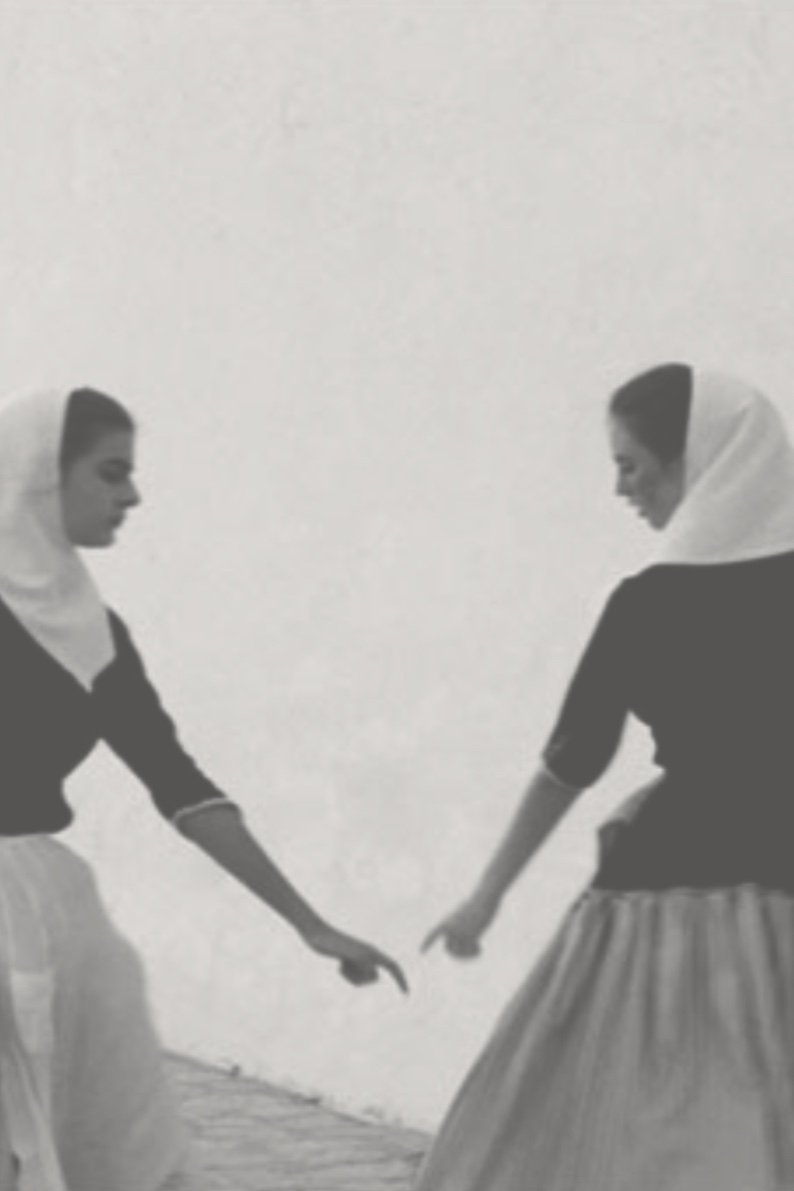
In 1962 Joris Ivens was invited to Chile for teaching and filmmaking. Together with students he made …A Valparaíso, one of his most poetic films. Contrasting the prestigious history of the seaport with the present the film sketches a portrait of the city, built on 42 hills, with its wealth and poverty, its daily life on the streets, the stairs, the rack railways and in the bars. Although the port has lost its importance, the rich past is still present in the impoverished city. The film echoes this ambiguous situation in its dialectical poetic style, interweaving the daily life reality (of 1963) with the history of the city and changing from black and white to colour, finally leaving us with hopeful perspective for the children who are playing on the stairs and hills of this beautiful town.
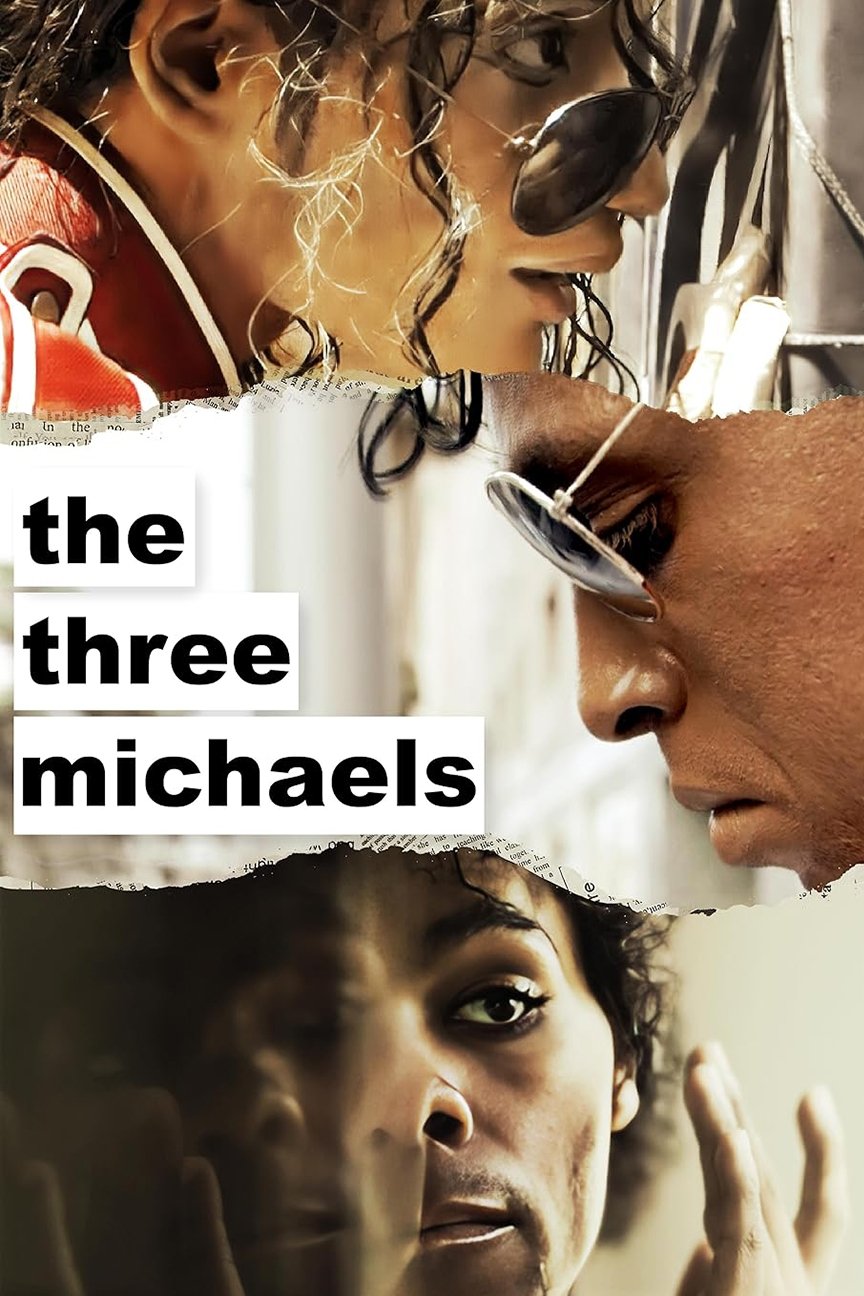
Desperate to become as rich and successful as their idol, a trio of Michael Jackson impersonators hustle their way into Hollywood agencies, are accosted by paparazzi, and cross paths with Grammy-winning musicians as the American dream seems tantalisingly close. But as they perform for dollar bills and sleep in their car, the reality of the ruthless entertainment industry they dream about hits home.
Footage from summer of 2018 that explores the passing of time regarding the little things in life.
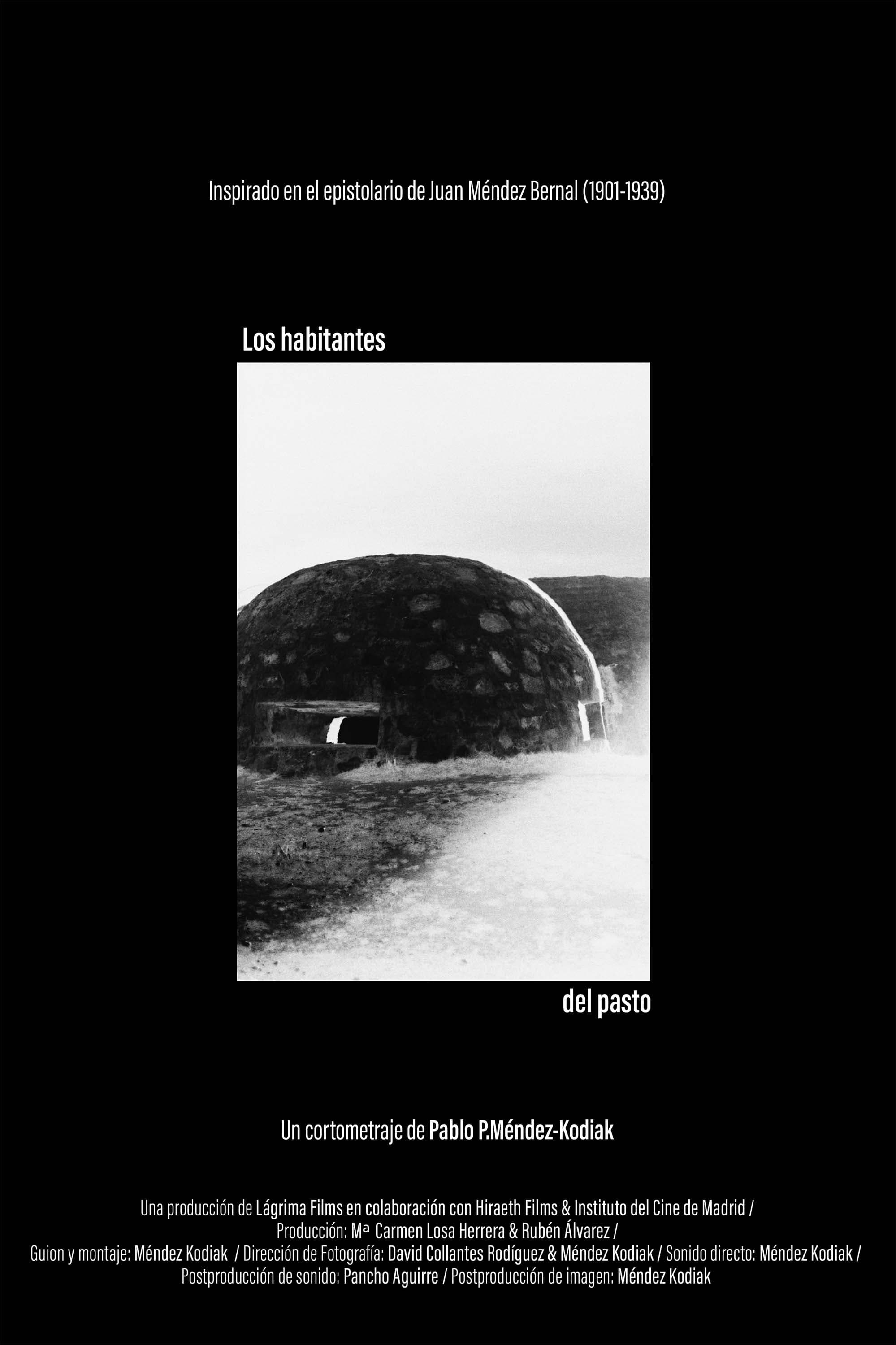
Juan Méndez Bernal leaves his house on the 9th of april of 1936 to fight in the imminent Spanish Civil War. 83 years later, his body is still one of the Grass Dwellers. The only thing that he leaves from those years on the front is a collection of 28 letters in his own writing.
The documentary relates how in the second half of the 20th century the agent Berthold Barluschke was first a henchman of the State Security Service of the GDR and then of the West German Federal Intelligence Service.
This film tells the story of Markus Anatol Weisse, who, astonishingly enough, became an artist, in spite of being only very partially sighted. Markus also builds strange machine-like beings and wishes that he himself were a biological robot, or cyborg.
The bombings recently carried out by the Revolutionary Breton Army (ARB) have drawn attention to the political and cultural history of the Breton movement. The writer Roparz Hemon is one of its emblematic figures. He was born in Brest in 1900, and died in Dublin in 1978 after thirty years of voluntary exile in Ireland following his trial for collaboration at the end of the war. He had indeed organised the first Breton-language radio programmes under German control. The work of this poet, novelist, and translator of Shakespeare and Cervantes is dominated by the theme of the dream.
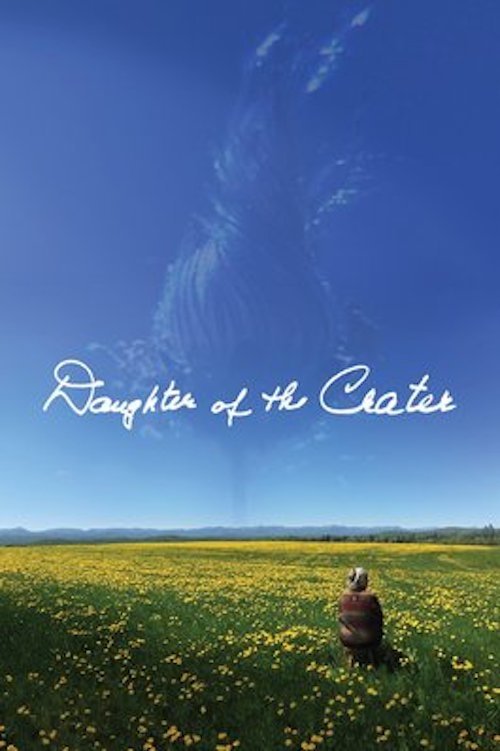
A woman with a deep love of the land, Yolande Simard Perrault sees her life as having been shaped by a planetary upheaval in Charlevoix, Quebec, millions of years ago. As enduring as the Canadian Shield, she’s a woman of strength and spirit, a child of the crater left by the meteor’s impact. This documentary portrays a determined woman who’s the reflection of a land created on an immense scale. She was the creative and life partner of filmmaker Pierre Perrault, who gave up everything to be by her side. The film charts the influence of her unquenchable dreams and her contribution to the building of a people’s collective memory. In a stream of images and words, Simard Perrault recounts the splendours of the landscape and the people who shaped it. Generous and boundless, she embarks on a quest for identity that nurtures and perpetuates the oeuvre of the man who breathed new life into Quebec cinema.
“Let them eat cake!” laughs a Marie-Antoinette from the dunes... Gaëlle loves to dress up. Under her wigs, Gaëlle plays with codes and the surprise her appearances provoke. Each of her wigs explores a part of her femininity, her self-confidence and her relationship with the gaze of others... Above all, all her wigs hide a secret.
Saud now lives in Paris, caring with devotion and tenderness for his two young children while closely following the drama in Gaza. “It's hard to be far away.” He speaks sadly of his situation as a Palestinian citizen of Israel. When he accompanies his daughter to school, they both stick up placards for the liberation of Palestine...
Kirill can never see his hometown again: he fled Russia when Ukraine was attacked. His friend, Daniel, makes the journey and “cans Moscow” for him. Kirill discovers his “reconfigured” apartment; his bicycle hanging on the wall watches over his remaining comrades. In snowy Moscow, the lights are shining for the holidays. Kirill looks at the images: engulfed passers-by, war posters: “This is not my city”.
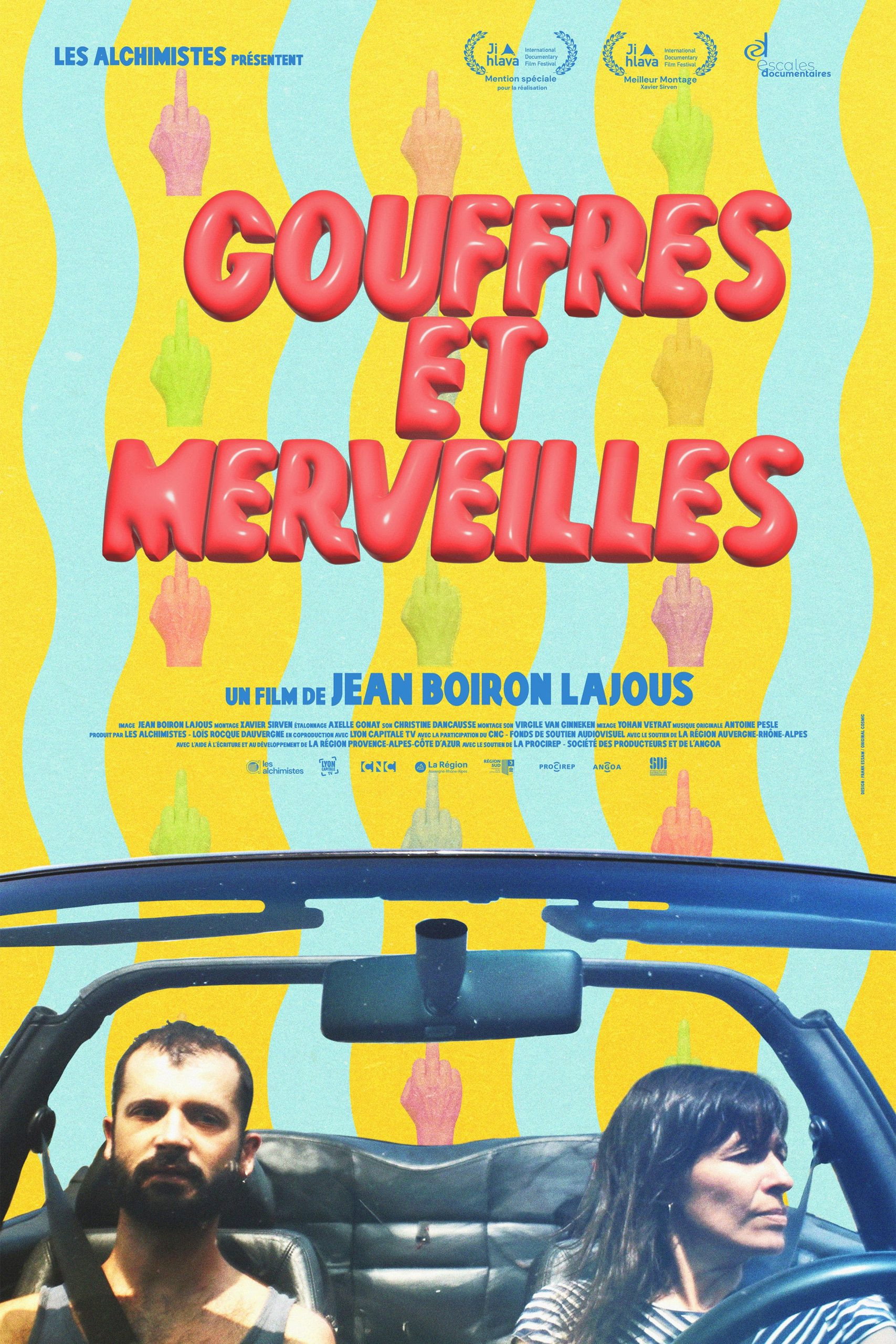
Christine’s father died when she was still a small child, and she remained in the care of her sadistic mother, who beat her and abused her psychologically. Christine is still convinced that her mother hid a farewell letter from her beloved father. Jean’s father committed suicide several years ago, and left behind a lengthy letter, but Jean never found the courage to read it. Together, Christine and Jean embark on a unique road trip across the French countryside to visit Christine’s mother, and try to confront the past.
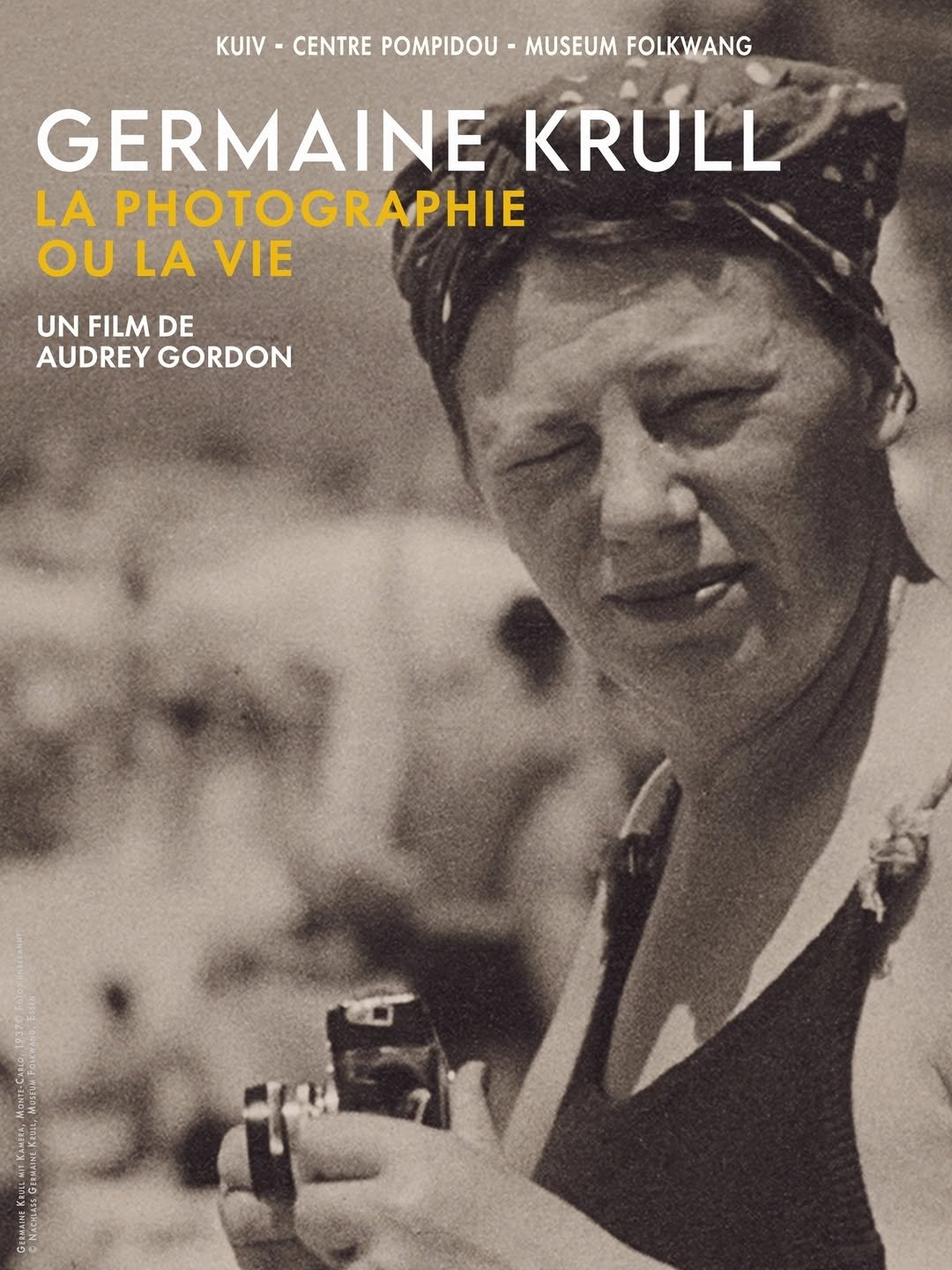
Alongside André Kertész and Man Ray, Germaine Krull invented the New Vision in photography, an innovative way of seeing and revealing the modern world. Recognized by the art world as one of the greatest photographers of the 20th century and a pioneer of photojournalism, Germaine Krull remains little known to the general public. Portrait of an artist, a great lover, and a free woman.
In an attempt to represent reality, the boundary between life and art blurs between fragmentary images of someone and the praxis of an essay film.
Jasmin is joy, living in the moment. A 15-year-old boy described as "non-verbal autistic." He communicates through his eyes. He makes sounds, says a word. He constantly sings the rhythm of a song whose lyrics only he knows. A bubble of sweetness and love.
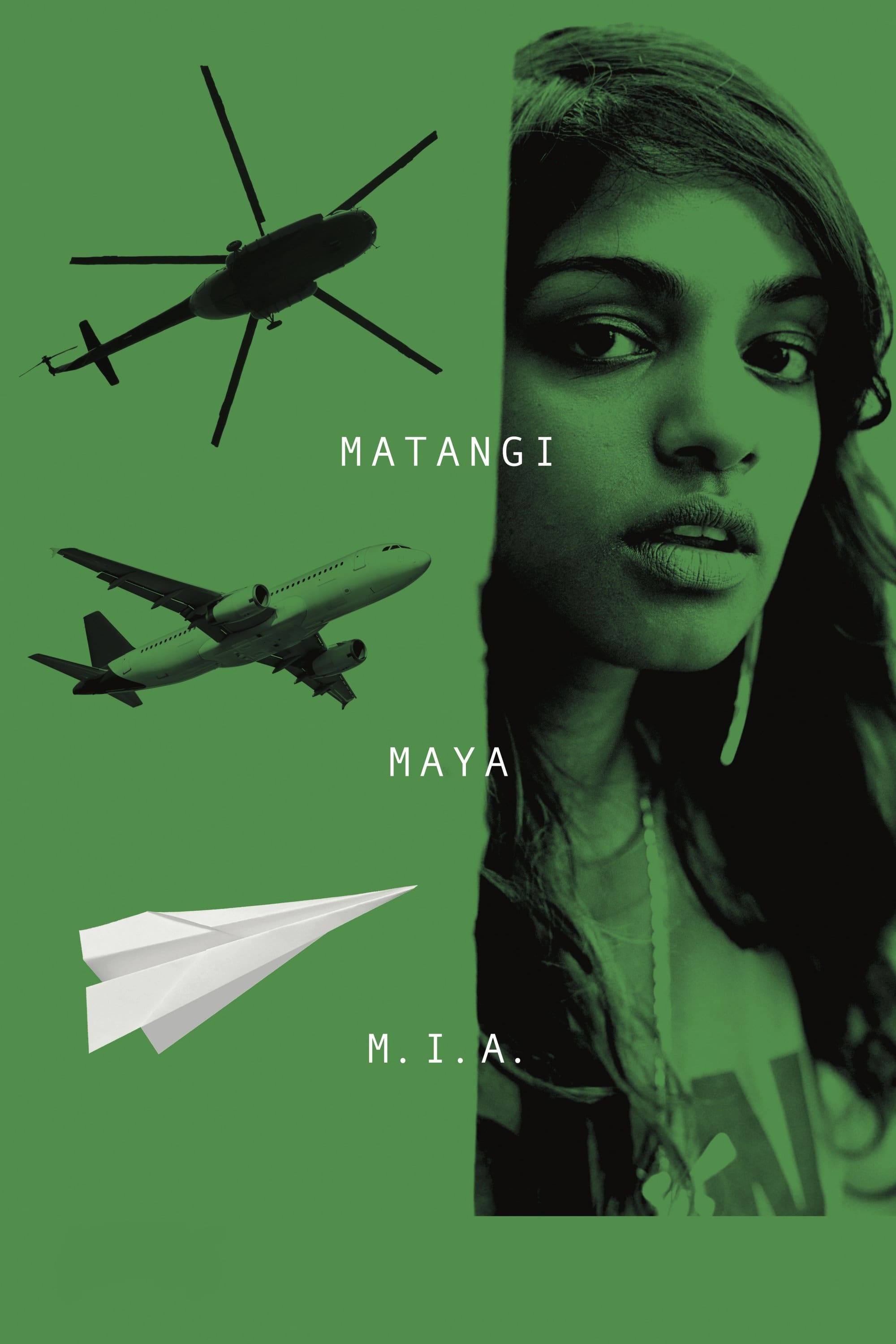
Drawn from a never before seen cache of personal footage spanning decades, this is an intimate portrait of the Sri Lankan artist and musician who continues to shatter conventions.
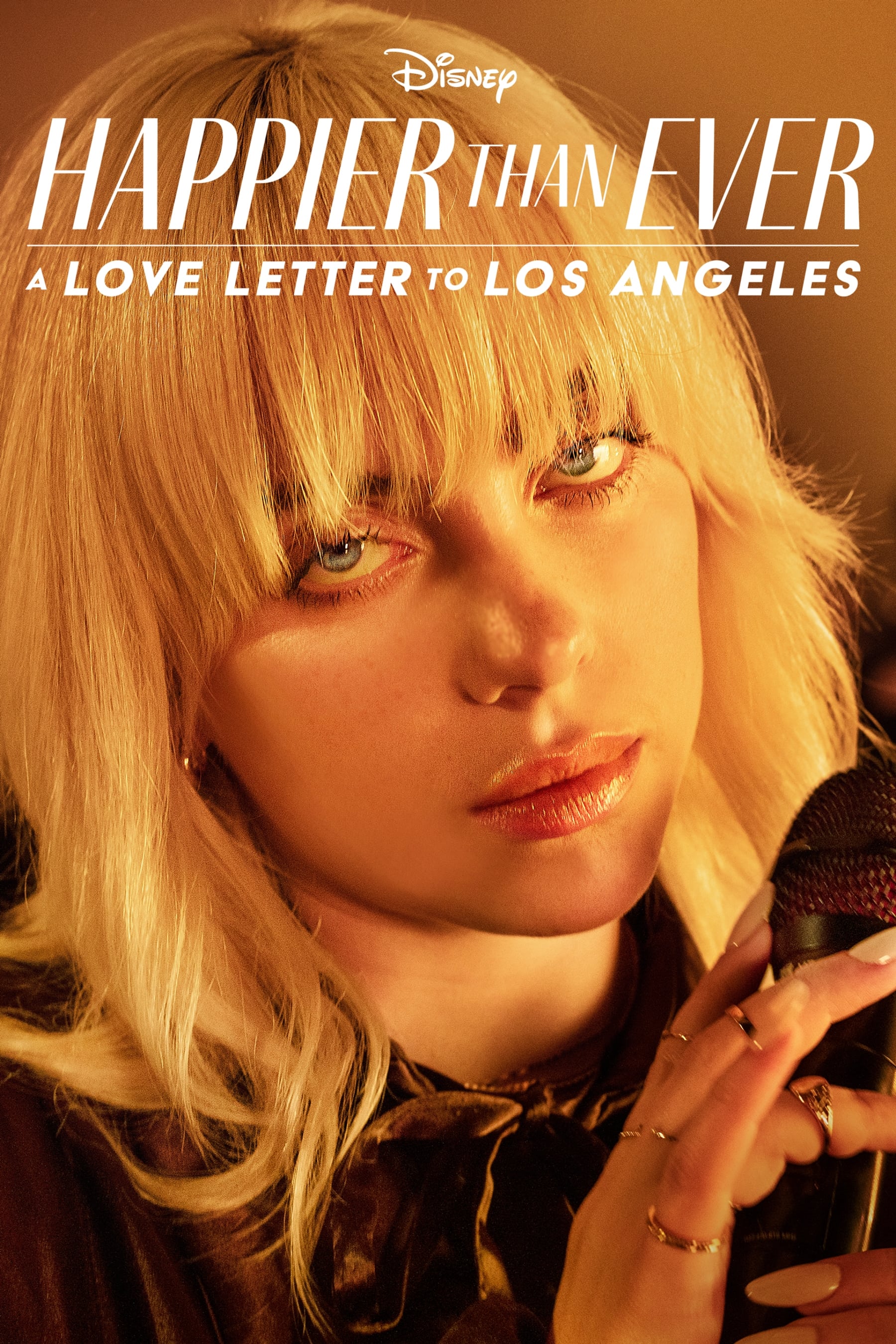
Fresh off the heels of her brand-new album, "Happier Than Ever," this cinematic concert experience features an intimate performance of every song in the album's sequential order – for the first and only time – from the stage of the legendary Hollywood Bowl.
In an intimate and joyful story of love in the face of loss, celebrated poets Andrea Gibson and Megan Falley find strength—and unexpected hilarity—in what might be their final year together.
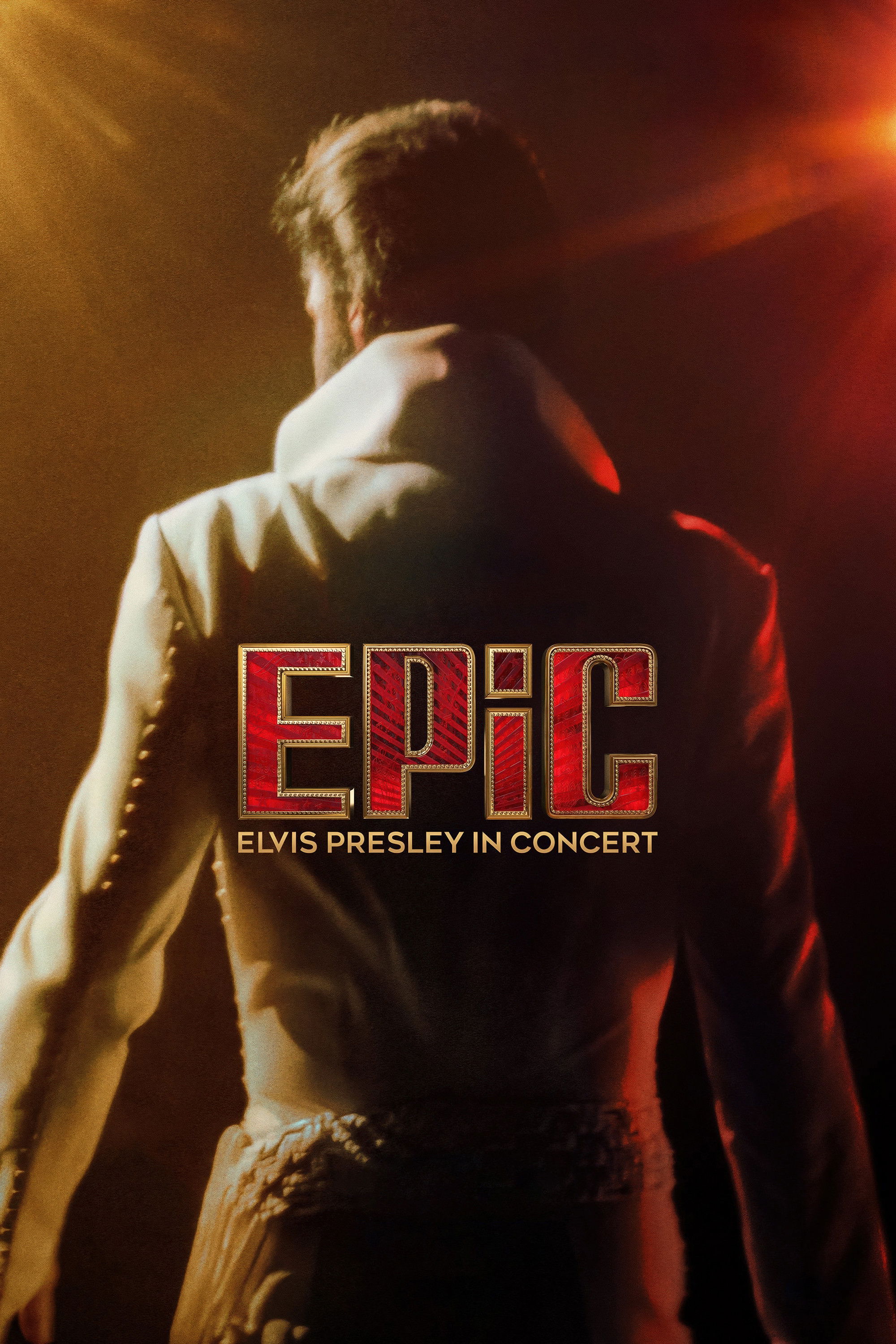
Long-lost footage from Elvis Presley's legendary Las Vegas residency in the 1970s woven together with rare 16mm footage from Elvis on Tour, and 8mm from the Graceland archive, plus recordings of Elvis telling "his side of the story" rediscovered during Baz Luhrmann's research for his 2022 film, Elvis.
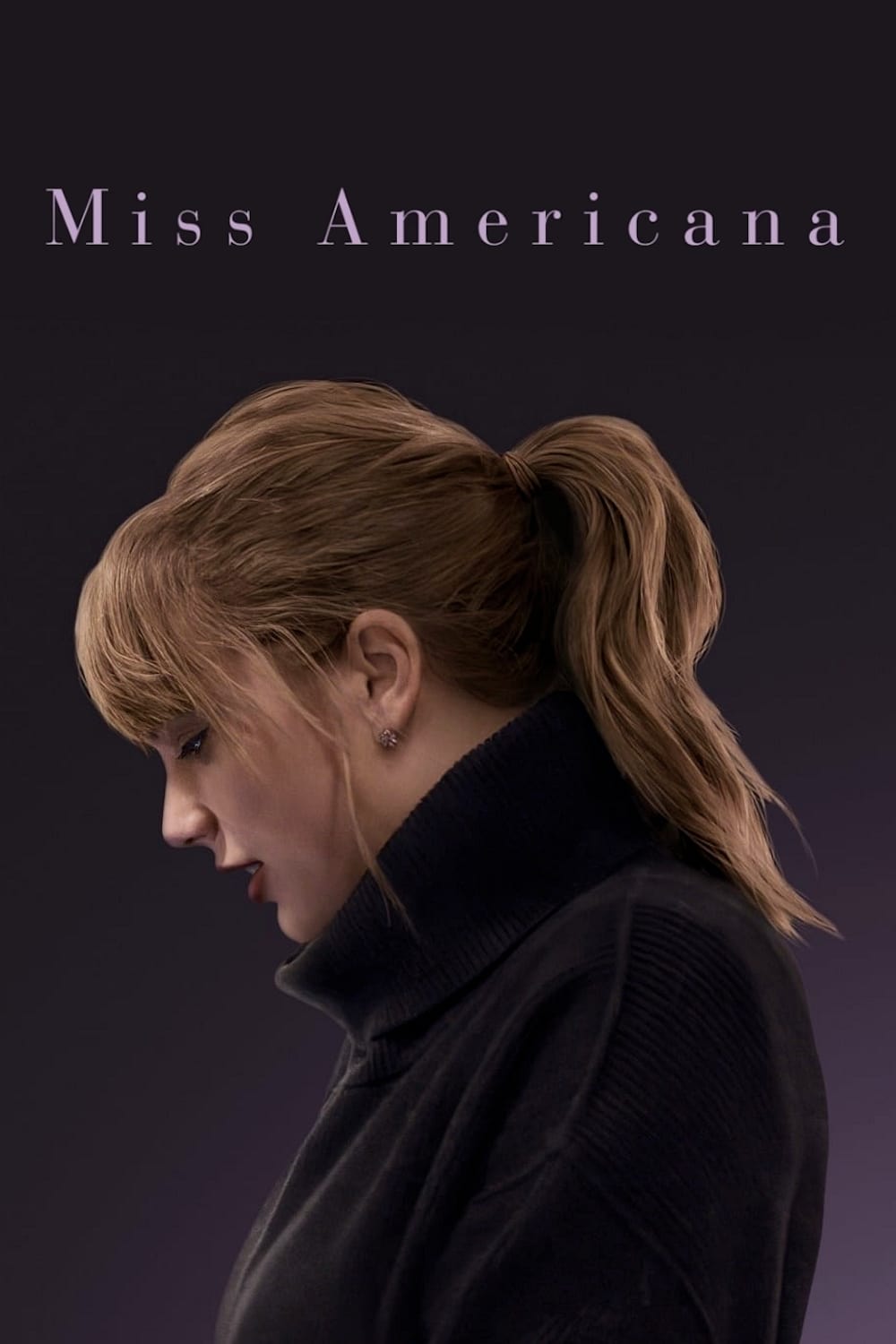
A raw and emotionally revealing look at one of the most iconic artists of our time during a transformational period in her life as she learns to embrace her role not only as a songwriter and performer, but as a woman harnessing the full power of her voice.
A portrait of singer-songwriter Shawn Mendes' life, chronicling the past few years of his rise and journey.
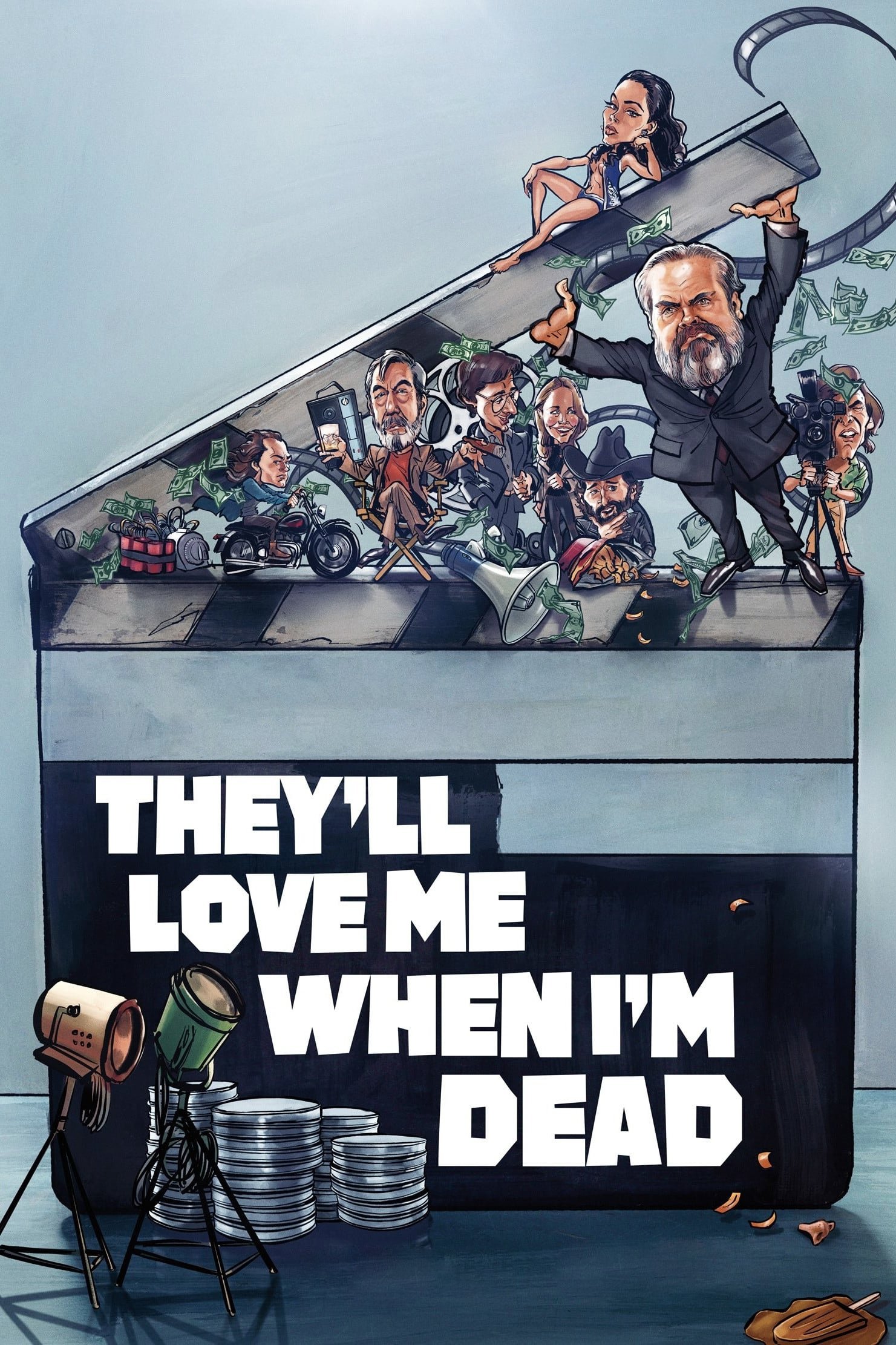
As his life comes to its end, famous Hollywood director Orson Welles puts it all on the line at the chance for renewed success with the film The Other Side of the Wind.
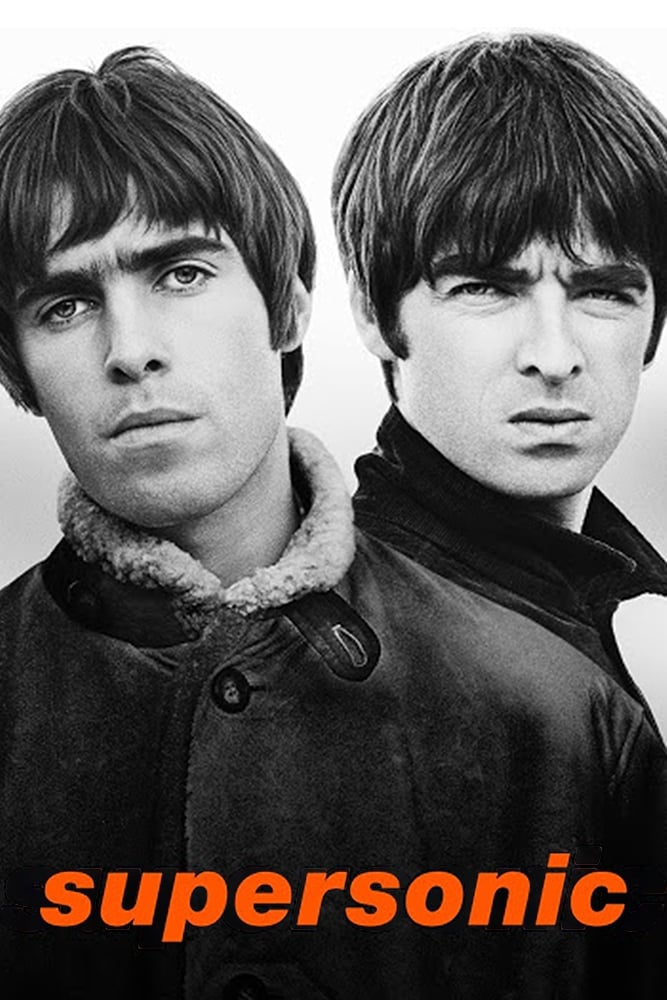
Supersonic charts the meteoric rise of Oasis from the council estates of Manchester to some of the biggest concerts of all time in just three short years. This palpable, raw and moving film shines a light on one of the most genre and generation-defining British bands that has ever existed and features candid new interviews with Noel and Liam Gallagher, their mother, and members of the band and road crew.
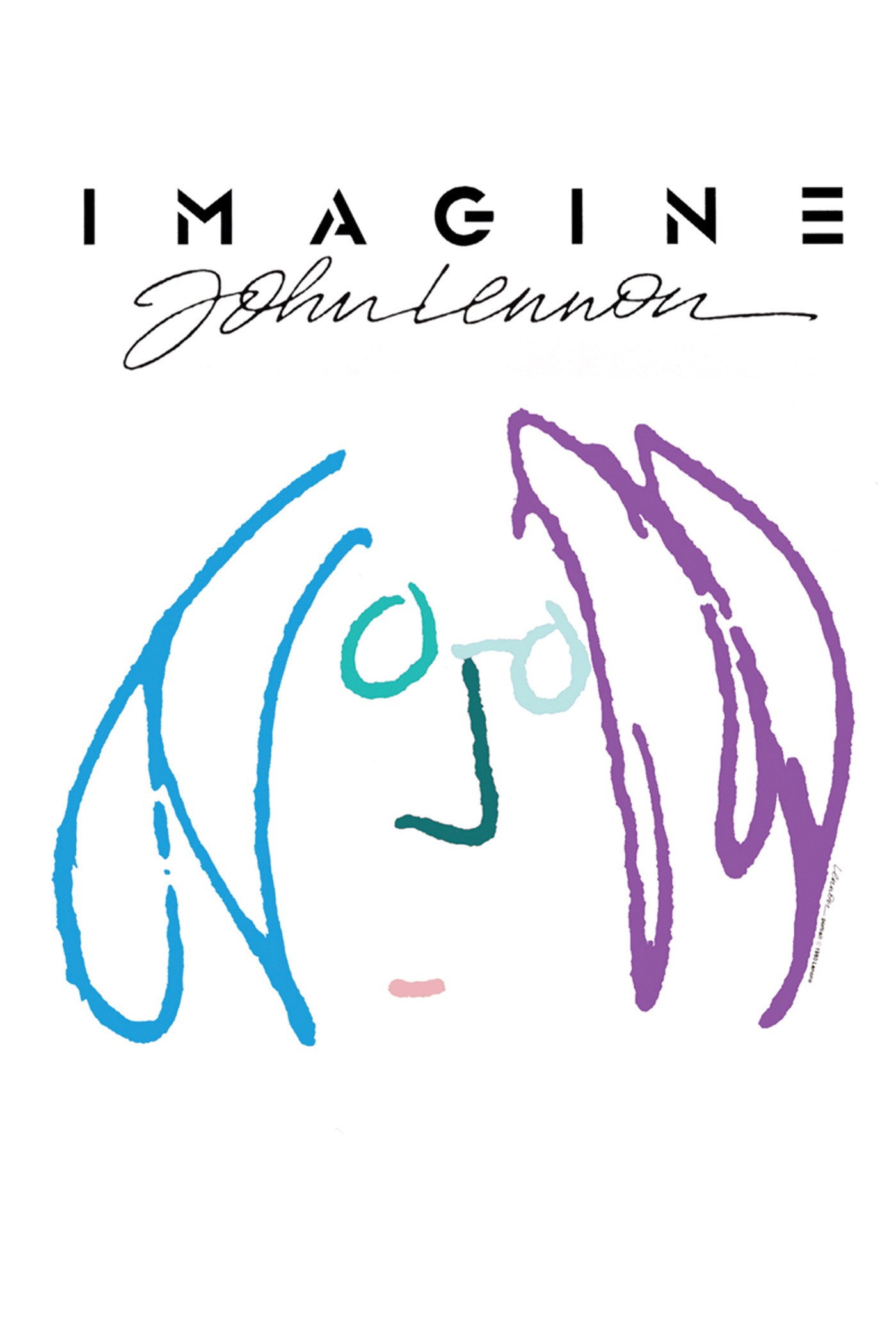
The biography of former Beatle, John Lennon—narrated by Lennon himself—with extensive material from Yoko Ono's personal collection, previously unseen footage from Lennon's private archives, and interviews with David Bowie, his first wife Cynthia, second wife Yoko Ono and sons Julian and Sean.
From a prolific career in film and television, Anton Yelchin left an indelible legacy as an actor. Through his journals and other writings, his photography, the original music he wrote, and interviews with his family, friends, and colleagues, this film looks not just at Anton's impressive career, but at a broader portrait of the man.
A primetime special with performances from the superstar including Adele’s first new material in six years plus her chart-topping hits. The special will also feature an exclusive interview with Adele by Oprah Winfrey from her rose garden, in Adele’s first televised wide-ranging conversation.
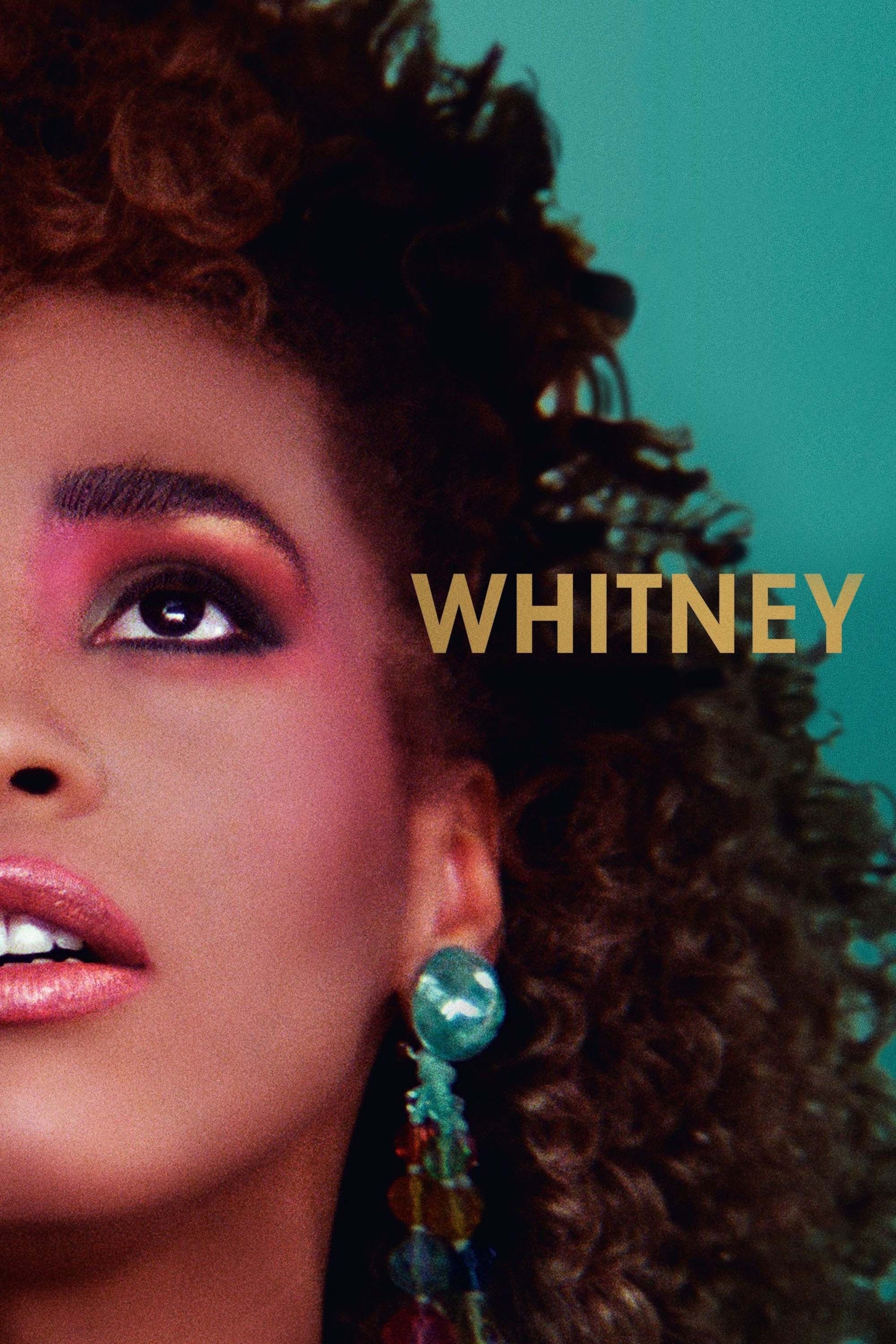
Examines the life and career of singer Whitney Houston. Features never-before-seen archival footage, exclusive recordings, rare performances and interviews with the people who knew her best.
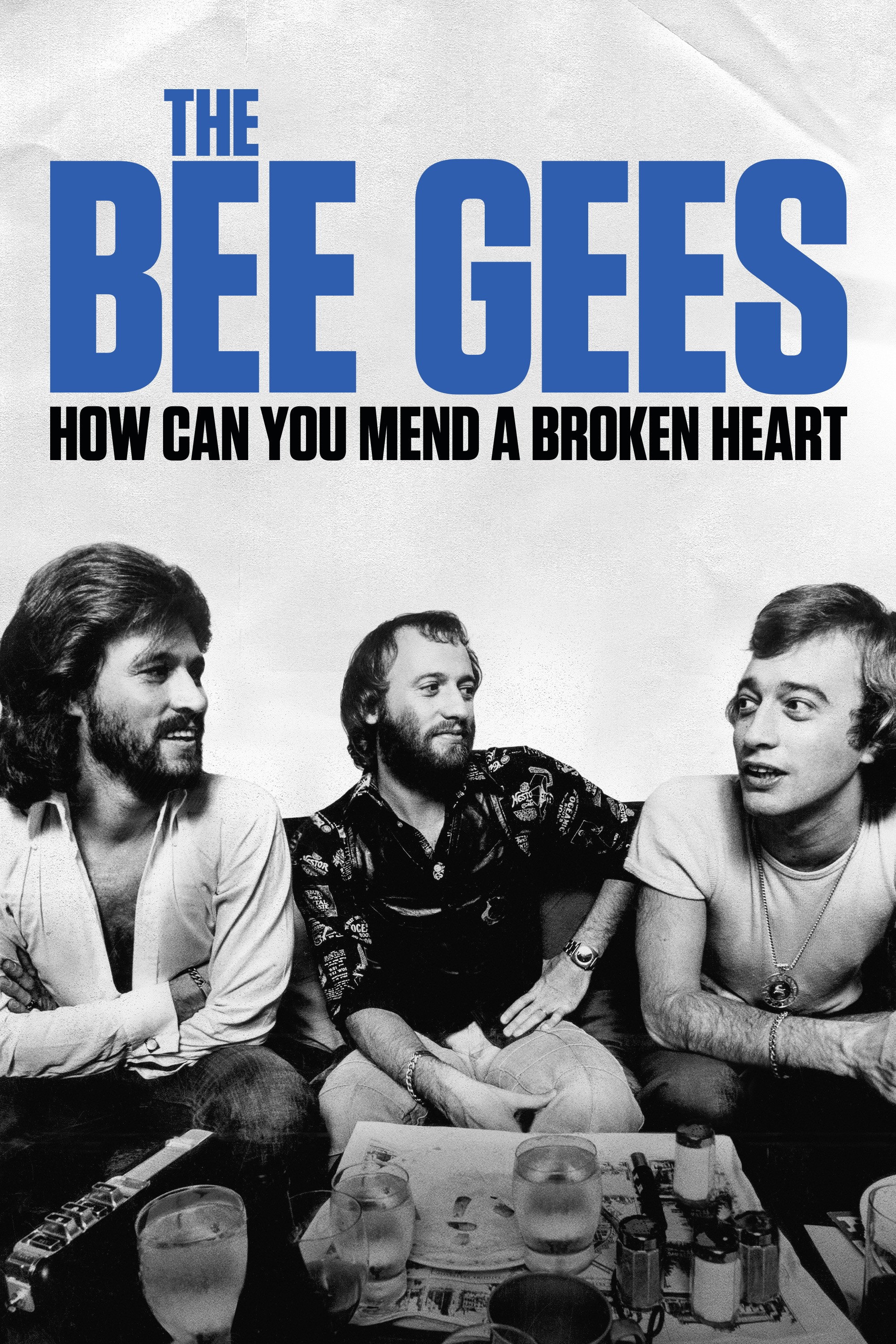
The story of the triumphs and hurdles of brothers Barry, Maurice, and Robin Gibb, otherwise known as the Bee Gees. The iconic trio, who found early fame in the 1960s, went on to write over 1,000 songs and have 20 No. 1 hits throughout their career, transcending more than five decades of changing tastes and styles.
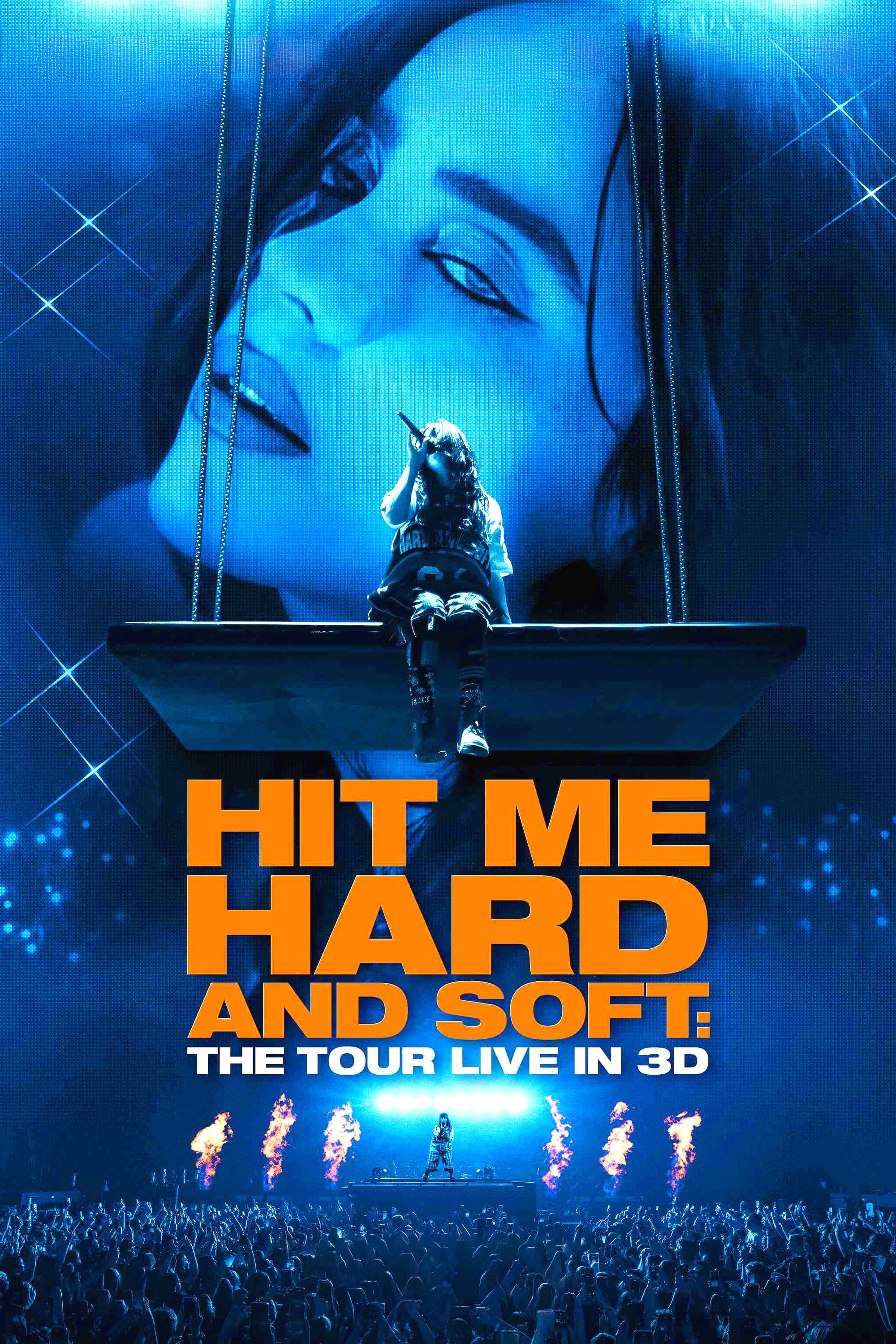
Captured during Billie Eilish's sold-out world tour, a concert experience from one of the most celebrated and successful artists of her generation, presented in immersive 3D.
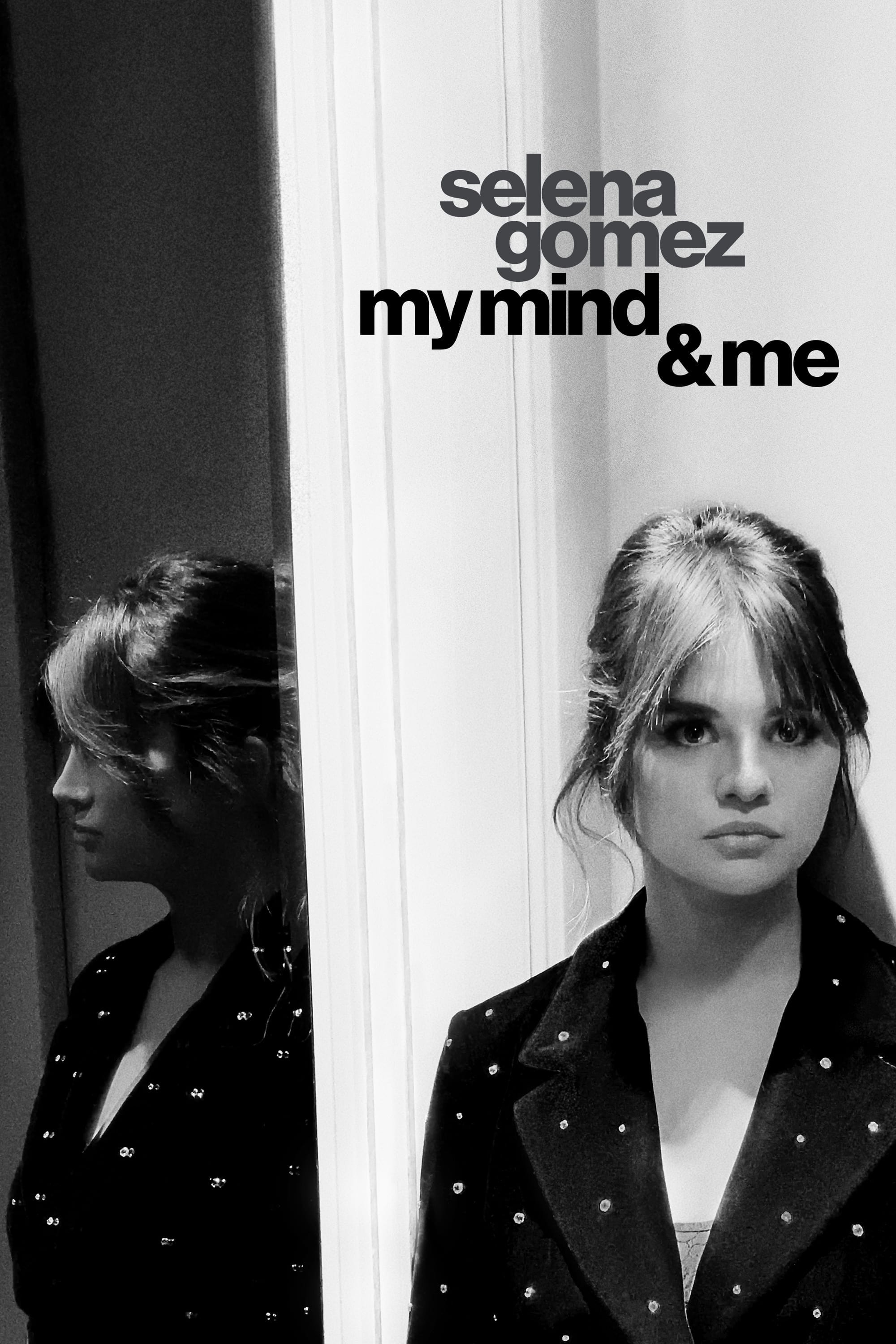
After years in the limelight, Selena Gomez achieves unimaginable stardom. But just as she reaches a new peak, an unexpected turn pulls her into darkness. This uniquely raw and intimate documentary spans her six-year journey into a new light.
A visual montage portrait of our contemporary world dominated by globalized technology and violence.
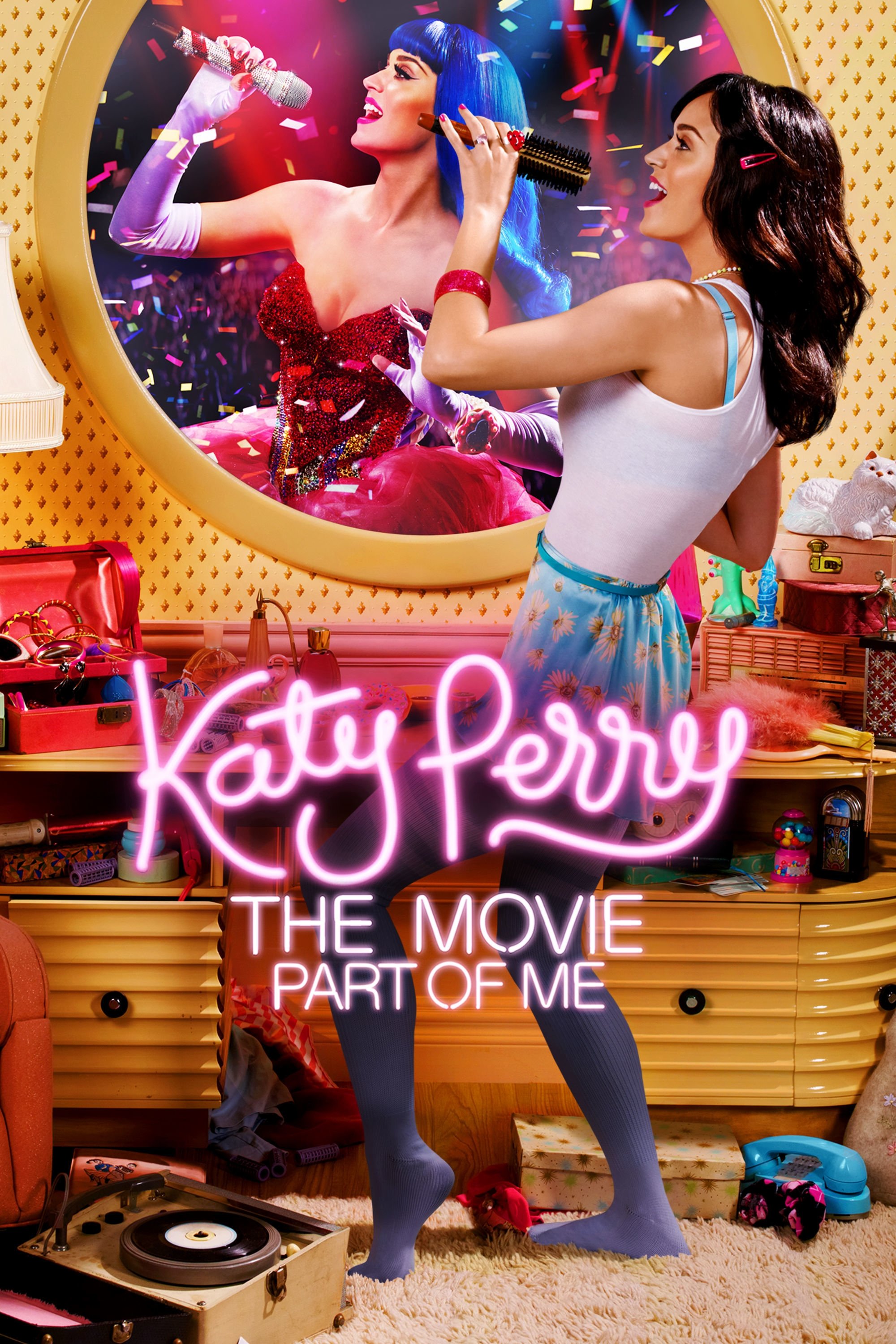
Giving fans unprecedented access to the real life of the music sensation, Katy Perry: Part of Me exposes the hard work, dedication and phenomenal talent of a girl who remained true to herself and her vision in order to achieve her dreams. Featuring rare behind-the-scenes interviews, personal moments between Katy and her friends, and all-access footage of rehearsals, choreography, Katy’s signature style and more, Katy Perry: Part of Me reveals the singer’s unwavering belief that if you can be yourself, then you can be anything.
A chronicle of Bob Dylan's strange evolution between 1961 and 1966 from folk singer to protest singer to "voice of a generation" to rock star.
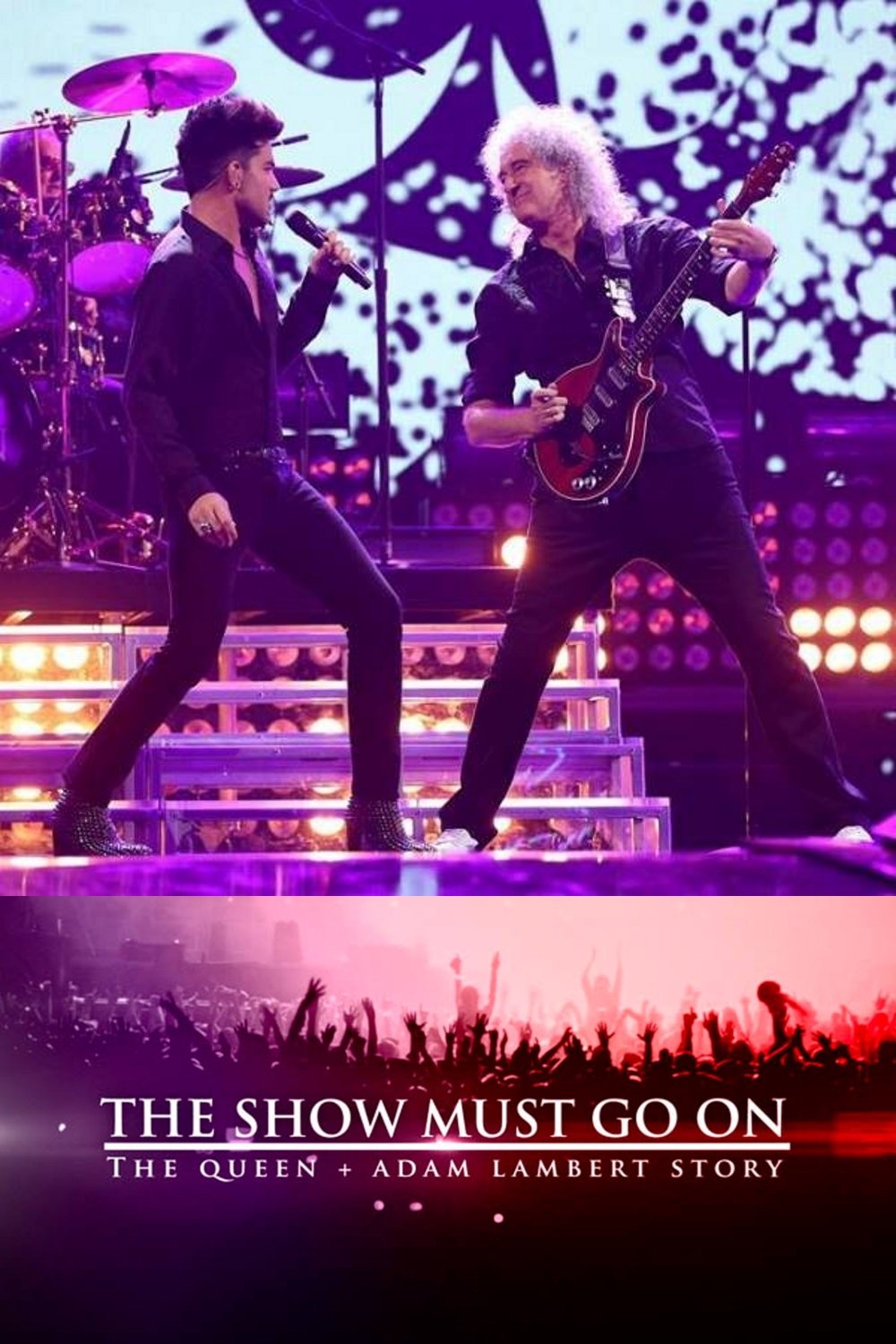
A documentary chronicling Queen and Lambert's incredible journey since they first shared the stage together on "American Idol" in 2009.
A cinematic odyssey featuring never-before-seen footage exploring David Bowie's creative and musical journey.