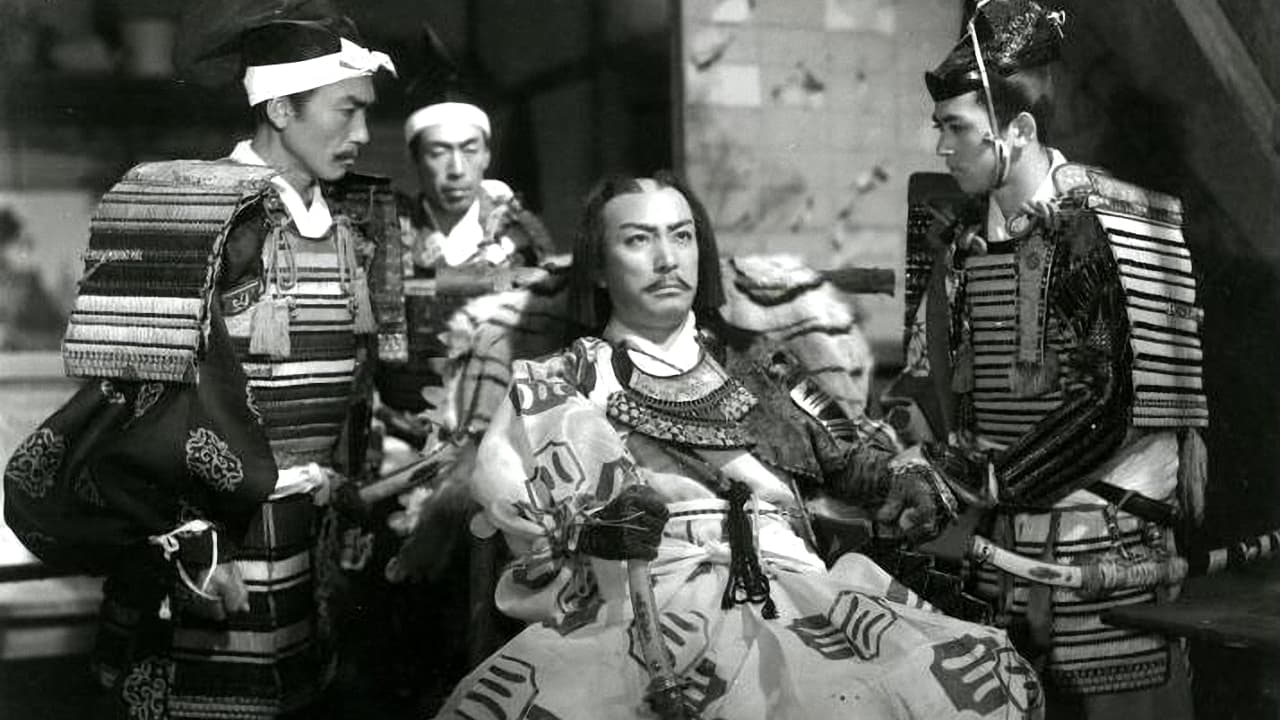
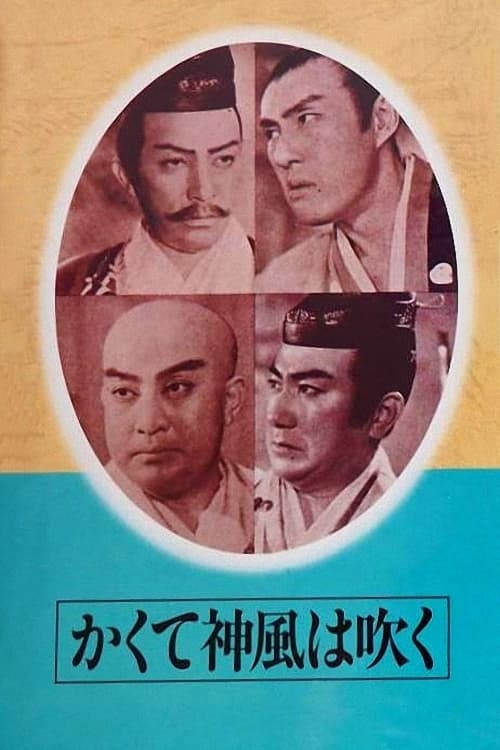
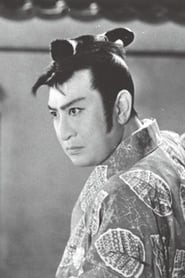
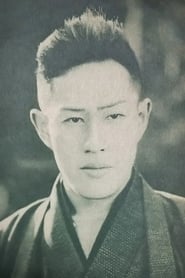
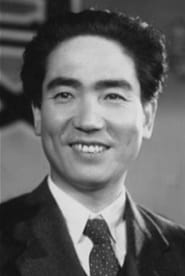
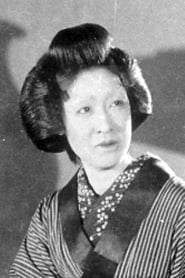
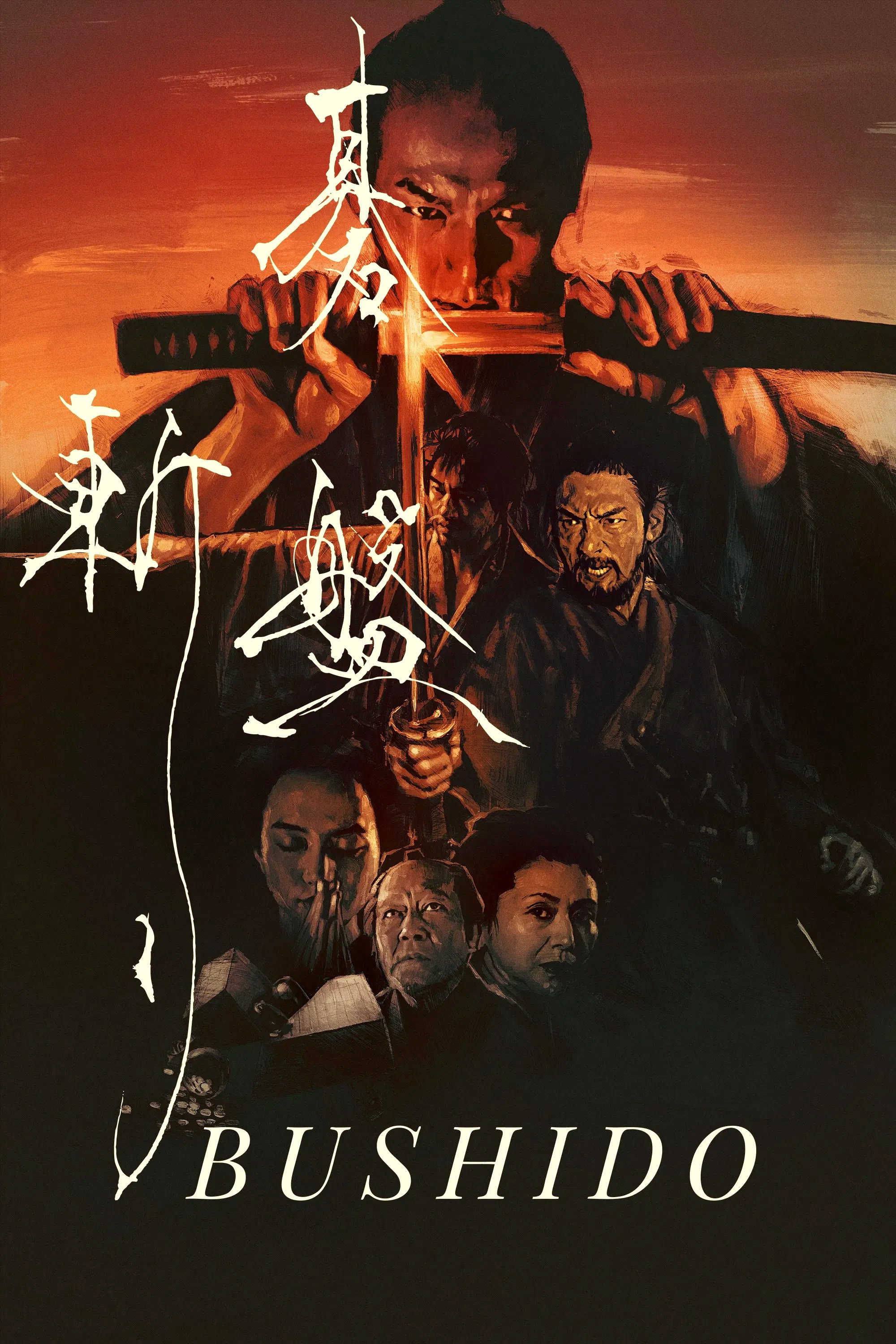
Set in the late thirteenth century, this film depicts the defense of southern Japan led by the Kono clan against the Mongol invasion in 1281.
Social & External
The people behind it
Tsumasaburō Bandō
Michiari Kôno
Chiezo Kataoka
Tokimune Hôjô
Utaemon Ichikawa
Kanjūrō Arashi
Ryūnosuke Tsukigata
Akihiko Katayama
Michitada Kôno
Shinobu Araki
Michitoki Kôno
Misako Tokiwa
Aki
Ryūzaburō Mitsuoka
Kensaku Hara
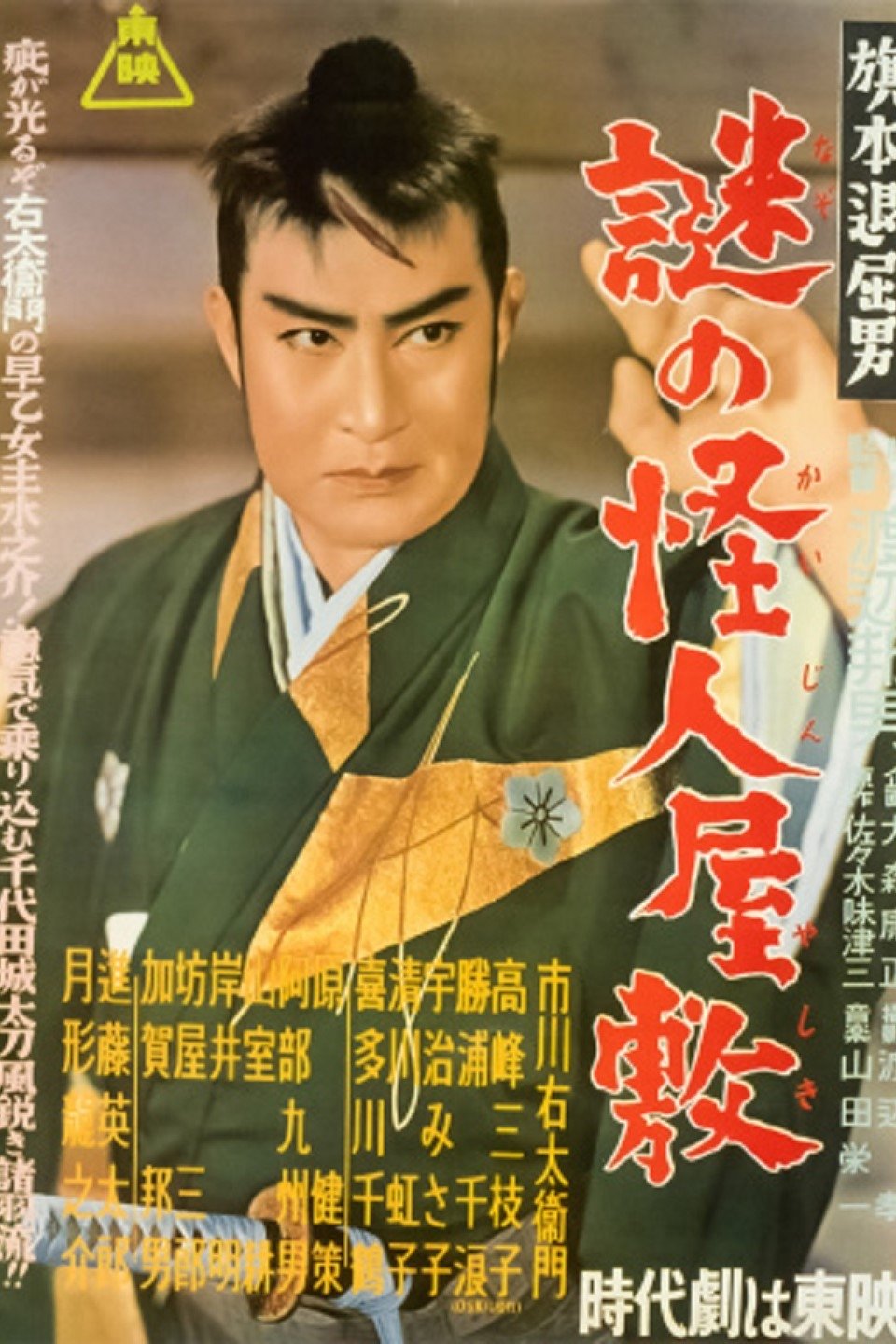
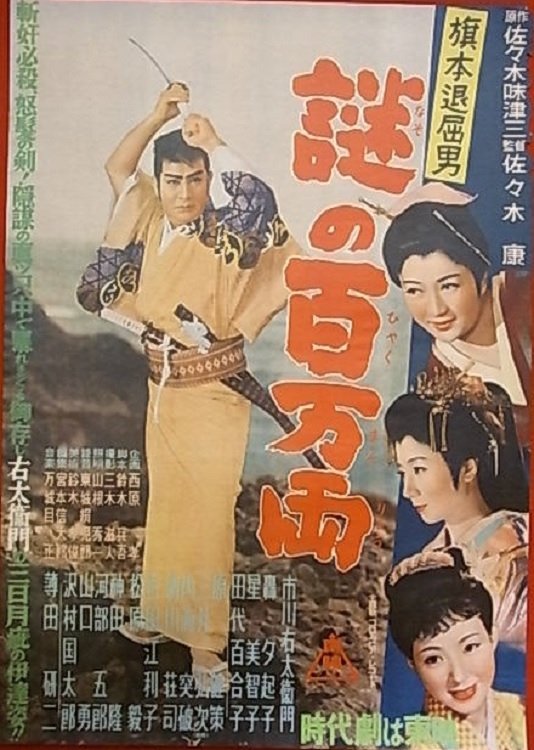
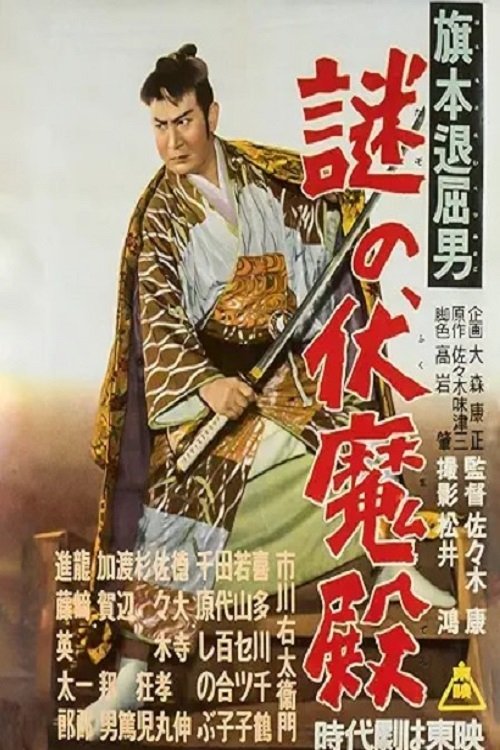
Bored Hatamoto film #17
Bored Hatamoto film #16.
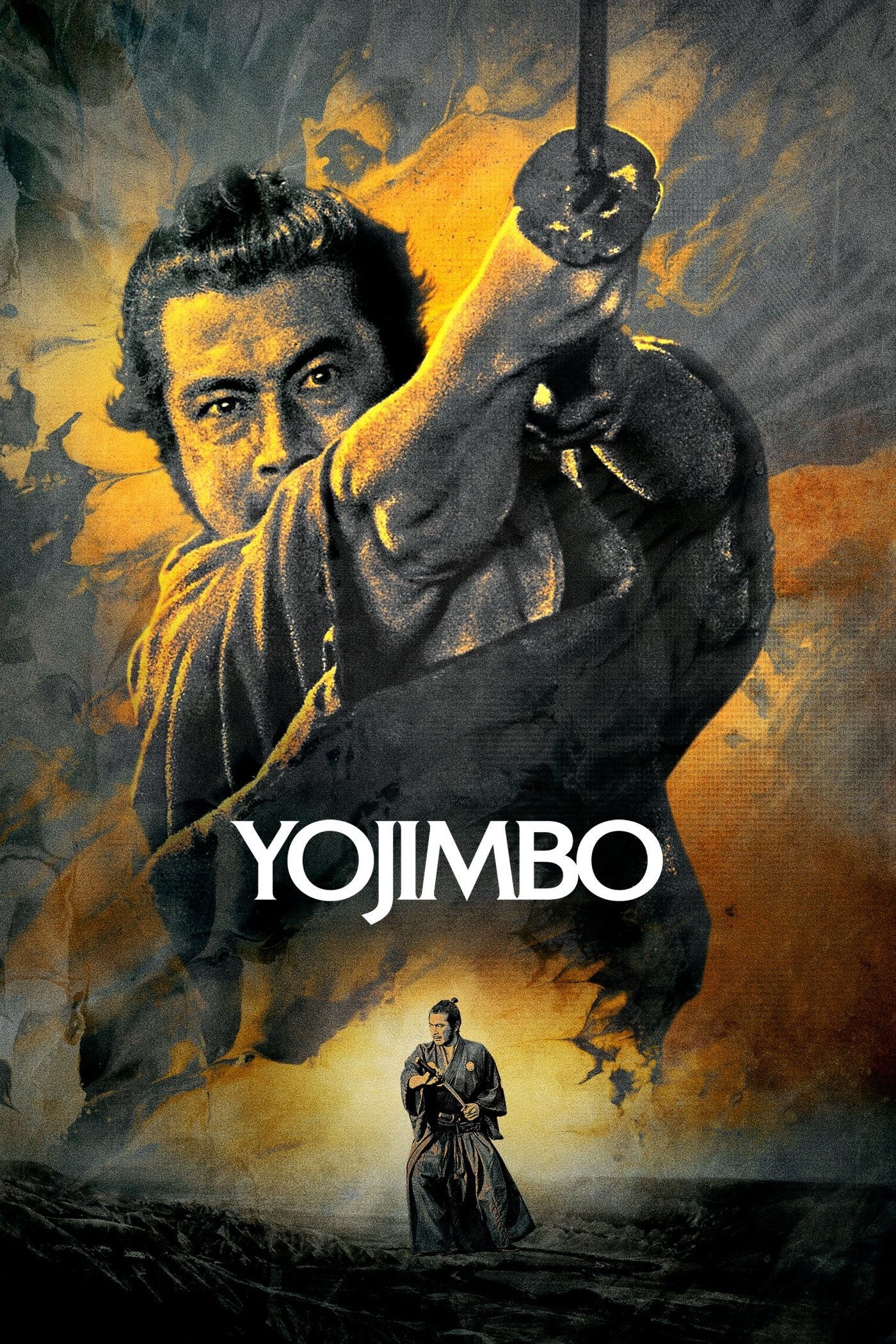
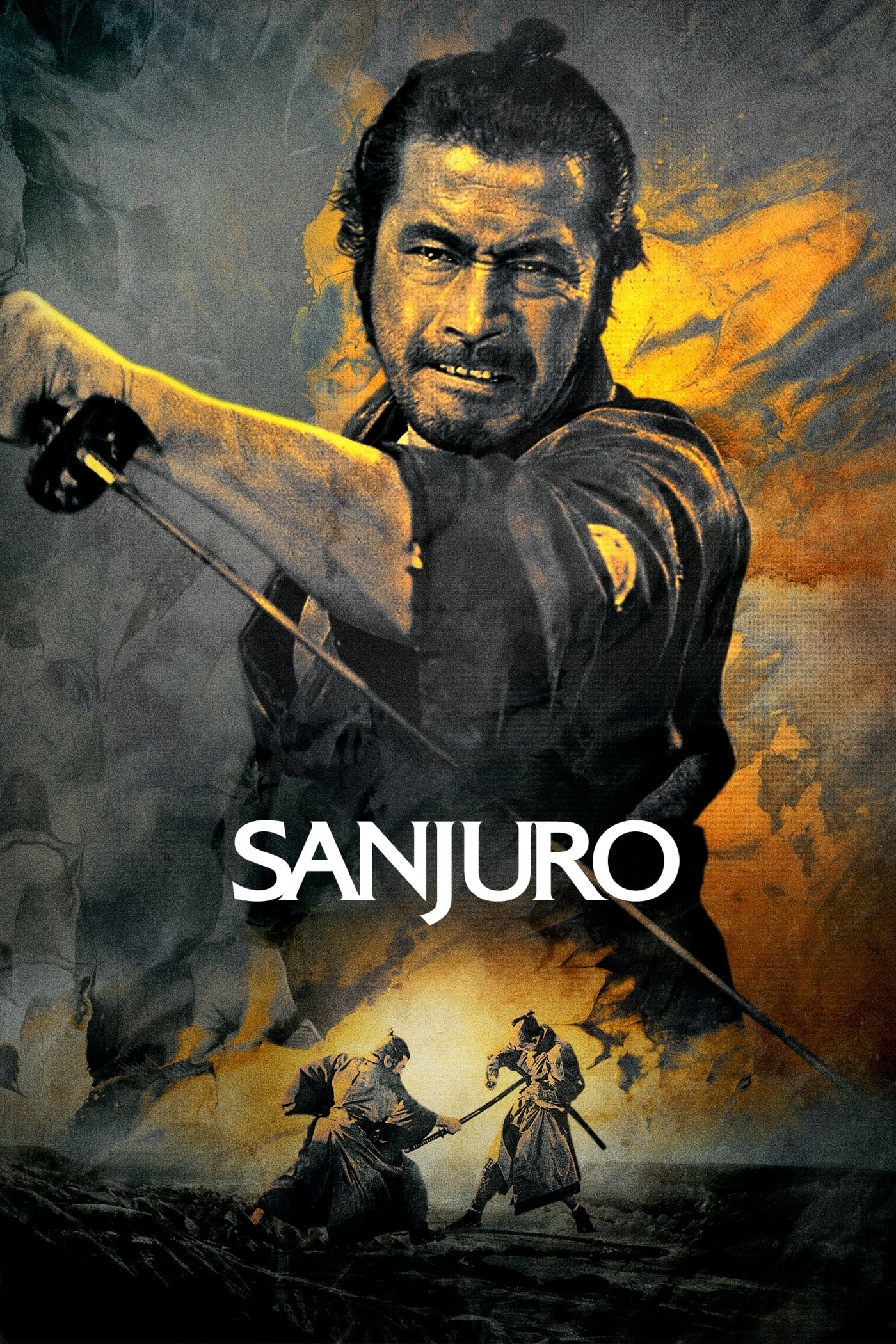
A nameless ronin, or samurai with no master, enters a small village in feudal Japan where two rival businessmen are struggling for control of the local gambling trade. Taking the name Sanjuro Kuwabatake, the ronin convinces both silk merchant Tazaemon and sake merchant Tokuemon to hire him as a personal bodyguard, then artfully sets in motion a full-scale gang war between the two ambitious and unscrupulous men.
In this companion piece and sequel to "Yojimbo," jaded samurai Sanjuro helps an idealistic group of young warriors weed out their clan's evil influences, and in the process turns their image of a proper samurai on its ear.
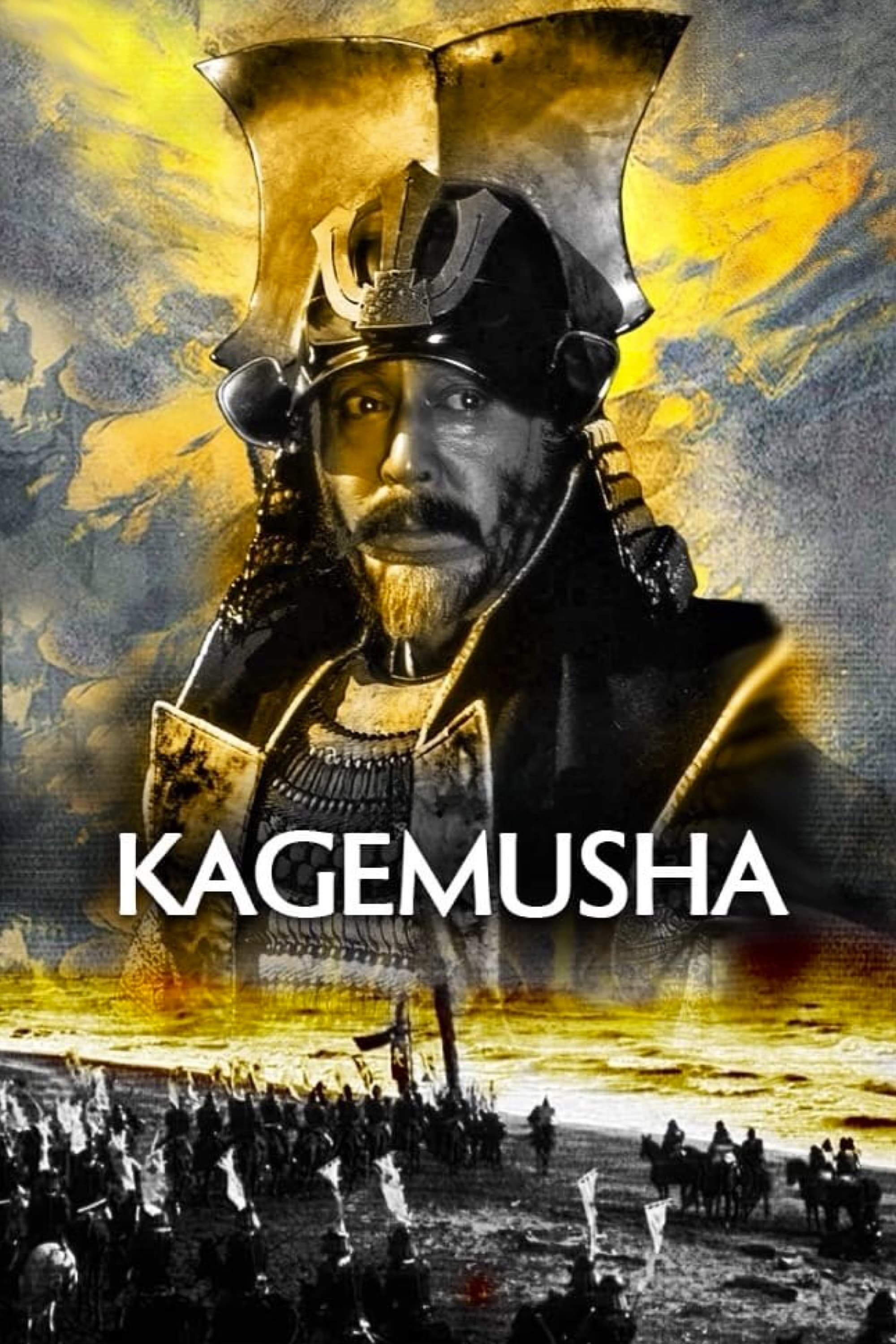
Akira Kurosawa's lauded feudal epic presents the tale of a petty thief who is recruited to impersonate Shingen, an aging warlord, in order to avoid attacks by competing clans. When Shingen dies, his generals reluctantly agree to have the impostor take over as the powerful ruler. He soon begins to appreciate life as Shingen, but his commitment to the role is tested when he must lead his troops into battle against the forces of a rival warlord.
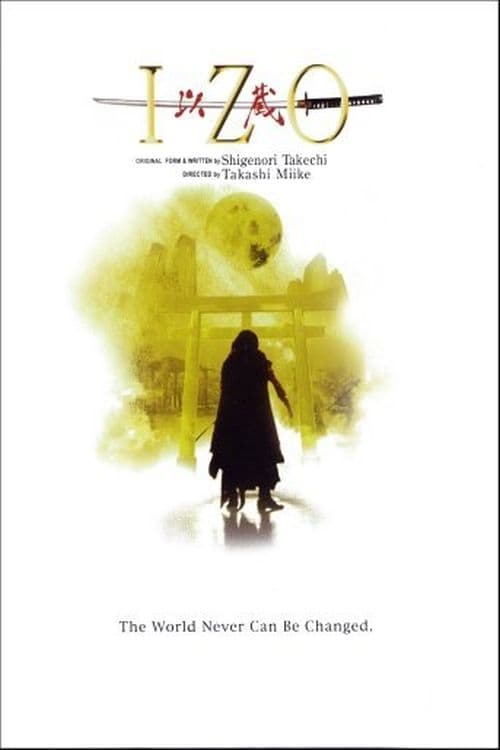
Izo is an assassin in the service of a Tosa lord and Imperial supporter. After killing dozens of the Shogun's men, Izo is captured and crucified. Instead of being extinguished, his rage propels him through the space-time continuum to present-day Tokyo. Here Izo transforms himself into a new, improved killing machine.
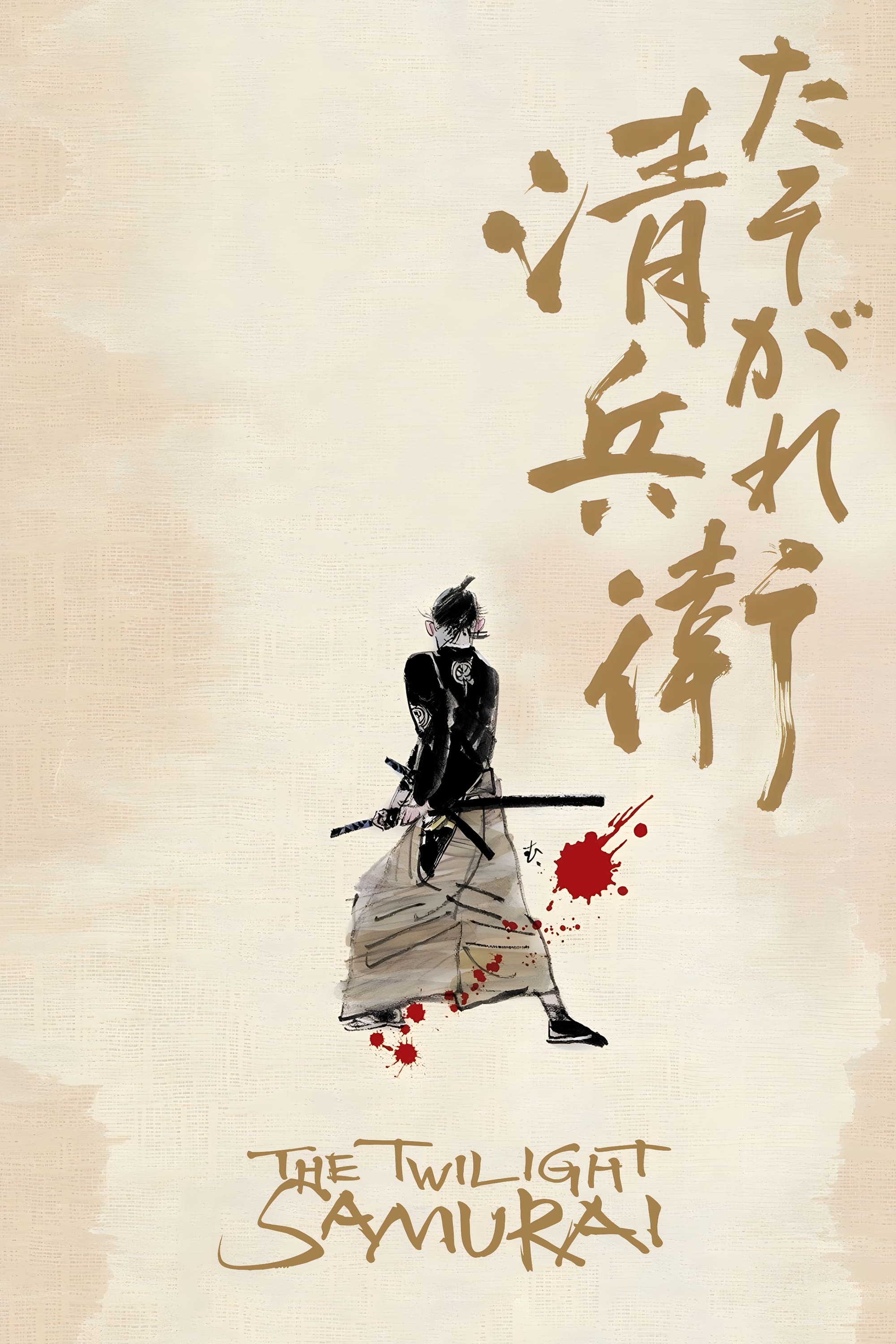
Seibei Iguchi leads a difficult life as a low ranking samurai at the turn of the nineteenth century. A widower with a meager income, Seibei struggles to take care of his two daughters and senile mother. New prospects seem to open up when the beautiful Tomoe, a childhood friend, comes back into he and his daughters' life, but as the Japanese feudal system unravels, Seibei is still bound by the code of honor of the samurai and by his own sense of social precedence. How can he find a way to do what is best for those he loves?
The rise of the famed gambler.
This historical film depicts the life of a man who was at the mercy of the waves during transition from the end of the Edo period to the Meiji Restoration, and therefore, shows audience the dynamic change from Edo to Meiji. Before the war, the director, Eisuke Takizawa, together with the writers, formed a scenario writer group "Narutaki-gumi and they shot many historical masterpieces.
Dives deep into the tragicomic world of the"towns-people" stand-ins working at Warp Station Edo, a popular shooting location for samurai dramas, through a piercing study of a 63-year-old extra. Utilizing mockumentary stylings, this ambitious film forms a compelling commentary on the aspirations that shape film production and the feelings that a simple, ho-hum life can evoke.
Young swordsman, Tsukigata Hanpeita, longs for the day when rival clans cease their struggles for power and put an end to meaningless feudal wars. When he is appointed to oversee the Choshu Clan, he takes it upon himself to work towards the peace that he has dreamed about. With his affectionate personality and compassion for life, Hanpeita’s popularity grows among the people, making him a threat to those thirsty for conflict and power. A betrayal by those closest to him leaves Hanpeita caught in a trap that could ultimately cost him his life.
The adventures of Aoi Shingo continue. Shingo is finally given permission to officially meet his father, the Shogun. However, his journey is disturbed by those who wish to claim his life. This is the third part of "THE 10 DUELS OF YOUNG SHINGO", following the first 2 parts (which were actually done as one movie). The tension mounts as young Shingo must face obstacles the like of which he had never before seen. And, can he avenge the death of his master? The man to whom he owes everything.
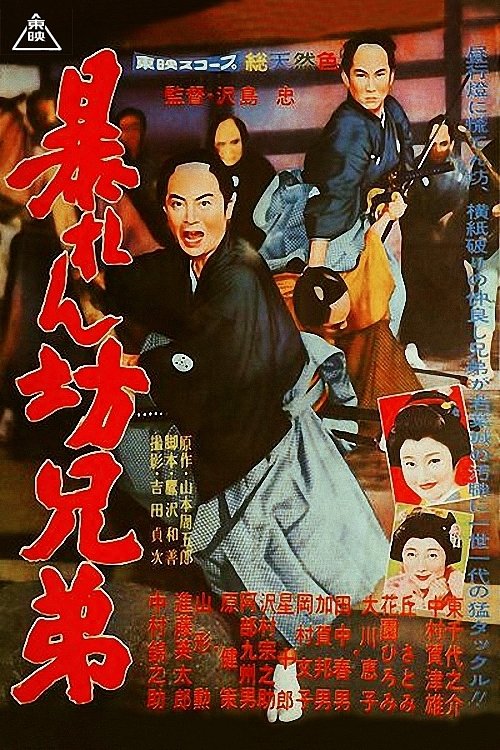
Taisuke is kind-hearted but overall lacks ambition. Taizo is smarter, but given to fits of emotion and impulsive violence. The samurai brothers fight against corruption in a castle.
Before he was a protector, Kenshin was a fearsome assassin known as Battosai. But when he meets gentle Tomoe Yukishiro, a beautiful young woman who carries a huge burden in her heart, his life will change forever.
In Kyoto, a samurai named Boredom Otoko, Saotome Mondonosuke , appears and helps a woman being chased by a spy named Genshichi. Unfortunately, the woman is shot and killed. Later, Genshichi explains that the woman was a member of a band of thieves, and because she was let go once, the police officer, Genjuro Mazaki, was demoted to a desk job. Consumed by guilt, Boredom Otoko...
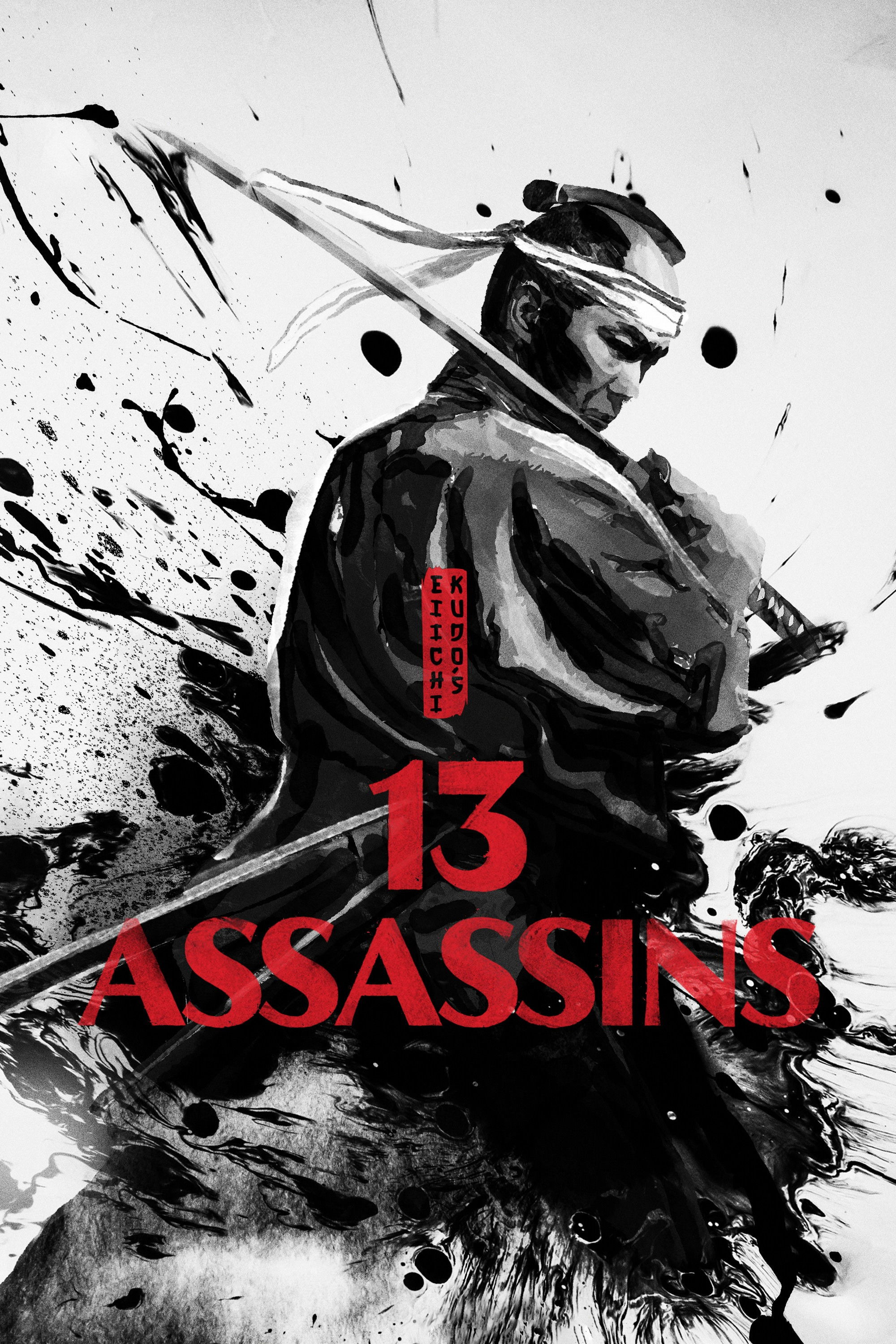
A sadistic Daimyo (feudal lord) rapes a woman and murders both her and her husband, but even when one of his own vassals commits suicide to bring attention to the crime, the matter is quickly hushed up. Not only will there be no punishment, but because the Daimyo is the Shogun's younger brother, he will soon be appointed to a high political position from which he could wreak even more havoc. Convinced that the fate of the Shogunate hangs in the balance, a plot is hatched to assassinate the Daimyo. The two most brilliant strategic minds of their generation find themselves pitted against each other; one is tasked to defend a man he despises, and has a small army at his disposal. The other is given a suicide mission, and has 12 brave men. They are the 13 Assassins.
Haunted by bad luck, two friends learn to trust in the world again and take their destiny into their own hands.
Once praised as "Yotsuya Masamune," the renowned swordsmith Kiyomaro was living in seclusion in the mountains with his apprentice Onimaro. However, Kiyomaro, who had begun to suffer from trembling hands due to alcohol and could no longer forge satisfactory swords, one day confided in Onimaro. Thirteen years ago, Kiyomaro had a secret relationship with a girl who served in the Ōoku (the shogun's harem), but after she caught the shogun’s attention, she took her own life. Her father, the leader of the Iga undercover agents (Isao Natsuyagi), blamed Kiyomaro for her death and sent assassins after him, forcing Kiyomaro to flee. Along the way, regretting that he had made many cheap swords just to earn some travel money, he asked Onimaro to find and discard these worthless blades. When an assassin suddenly appeared, Kiyomaro stopped Onimaro from pursuing him, but that night, Kiyomaro committed suicide.
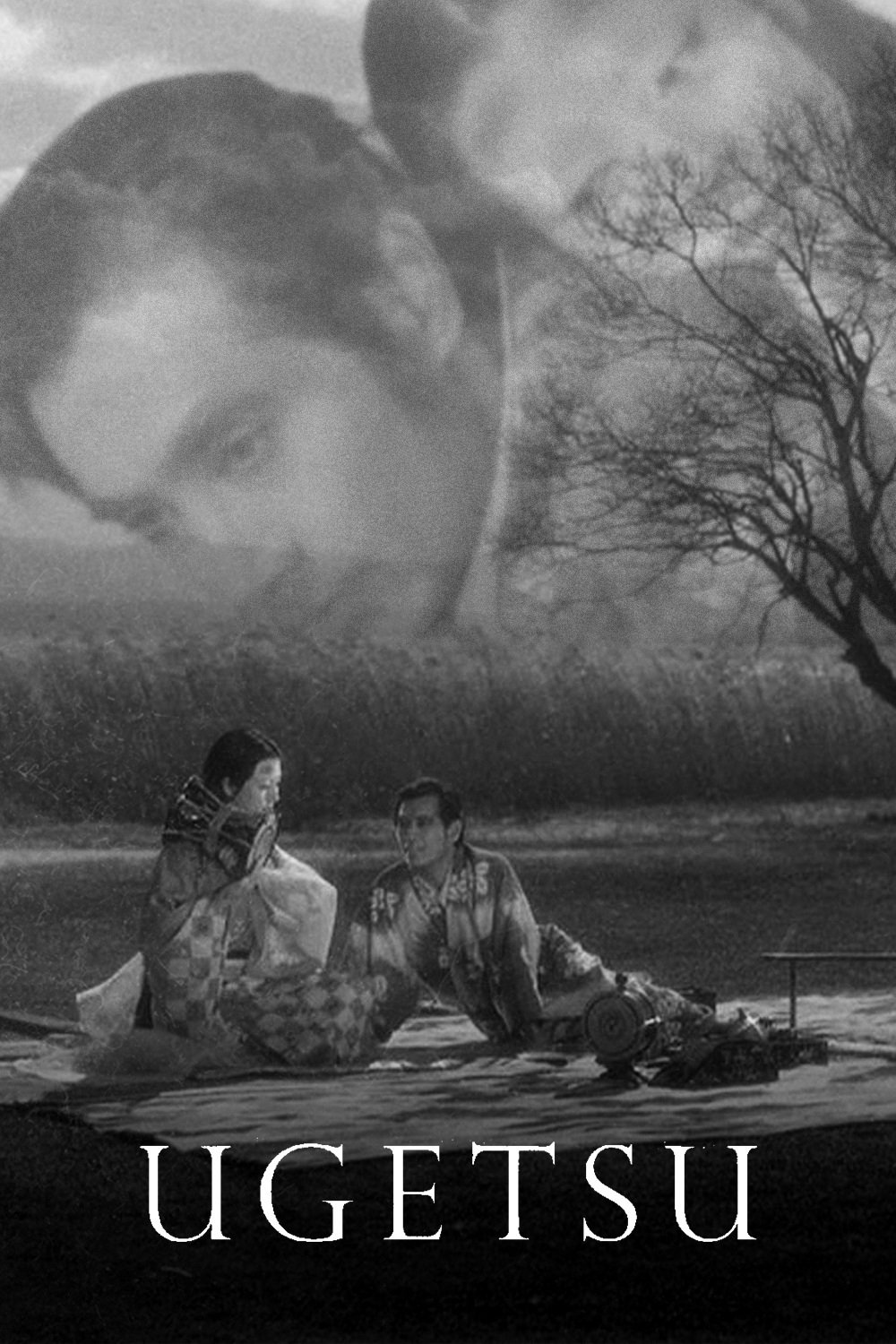
In 16th century Japan, peasants Genjuro and Tobei sell their earthenware pots to a group of soldiers in a nearby village, in defiance of a local sage's warning against seeking to profit from warfare. Genjuro's pursuit of both riches and the mysterious Lady Wakasa, as well as Tobei's desire to become a samurai, run the risk of destroying both themselves and their wives, Miyagi and Ohama.
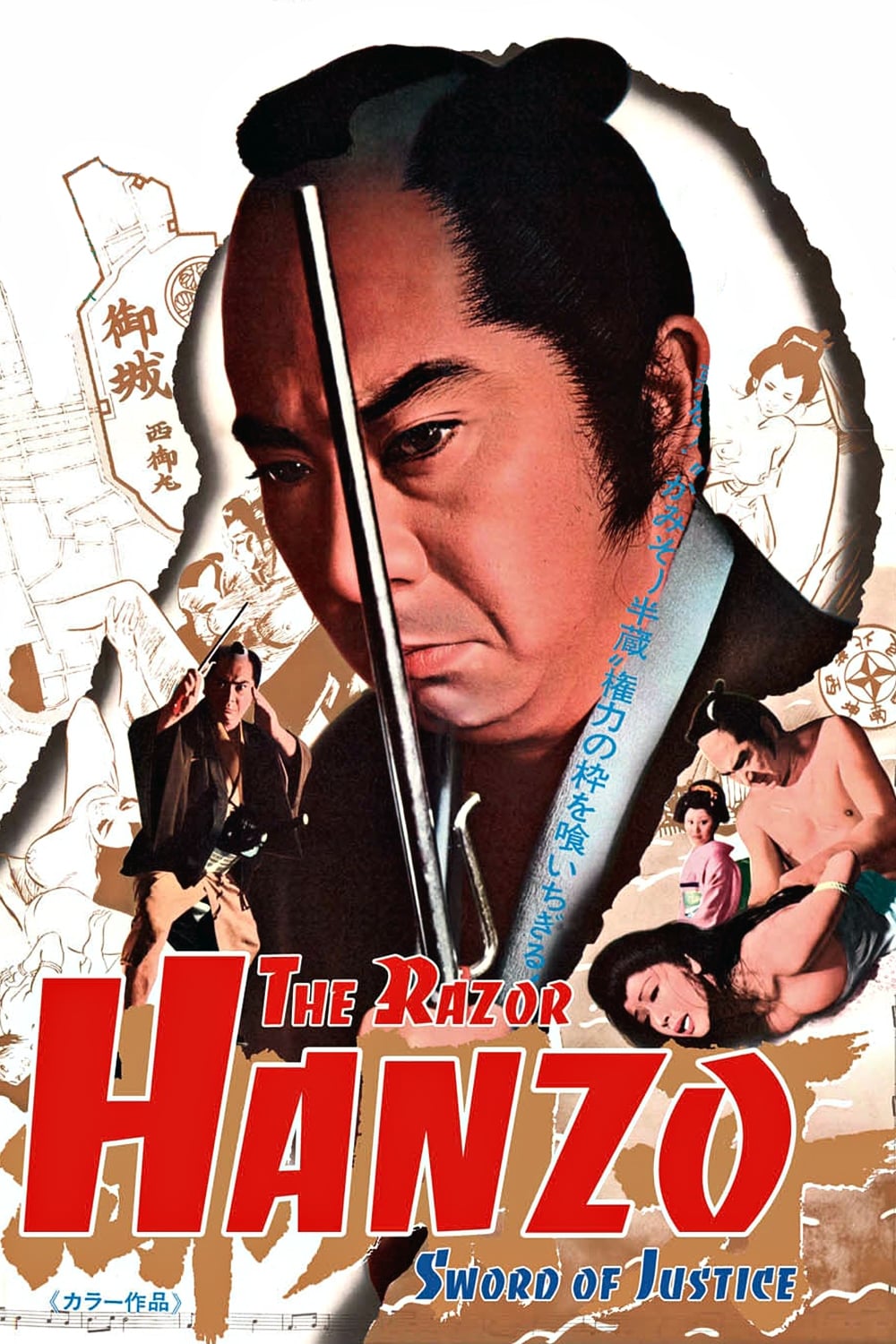
Fearless Edo-period police inspector Hanzo Itami, nicknamed The Razor, has developed his own unique way of extracting information for his inquiries. His first adventure sees him investigating his superior officer's mistress, whom he suspects of having ties with a reputed criminal on the loose.
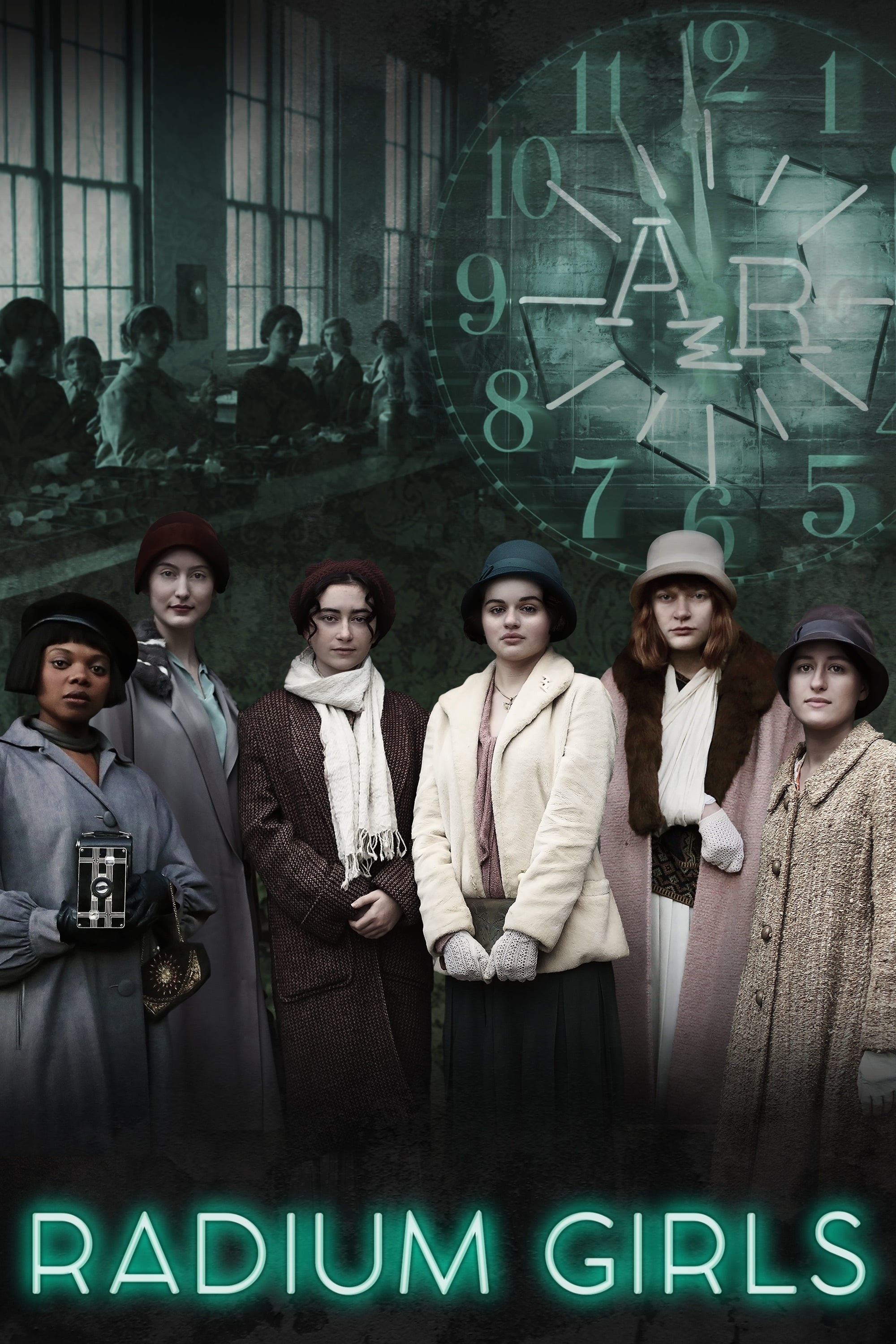
Young women toiling in a factory are exposed to hazardous material which takes a disastrous toll on their health.
At the tense 1938 Munich Conference, former friends who now work for opposing governments become reluctant spies racing to expose a Nazi secret.
Stephen Glass is a staff writer for the respected current events and policy magazine The New Republic and a freelance feature writer for publications such as Rolling Stone, Harper's and George. By the mid-90s, Glass' articles had turned him into one of the most sought-after young journalists in Washington, but a bizarre chain of events - chronicled in Buzz Bissinger's September 1998 Vanity Fair article - suddenly stopped his career in its tracks.
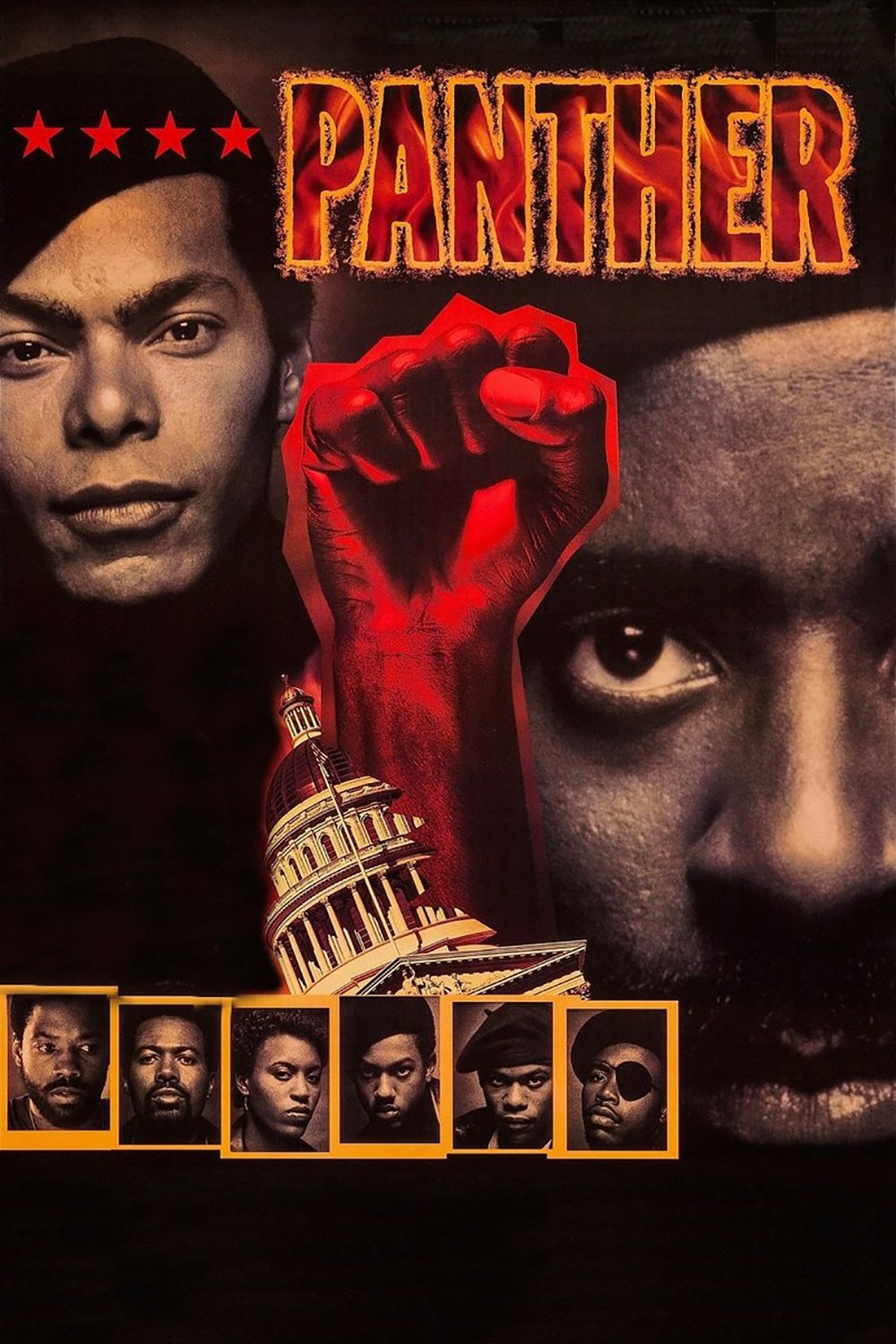
In this sprawling, fictionalized history of the Black Panthers, 1960s Oakland becomes a war zone as the Panthers battle for the right to exist.
After their lord is tricked into committing ritual suicide, forty-seven samurai warriors await the chance to avenge their master and reclaim their honor.
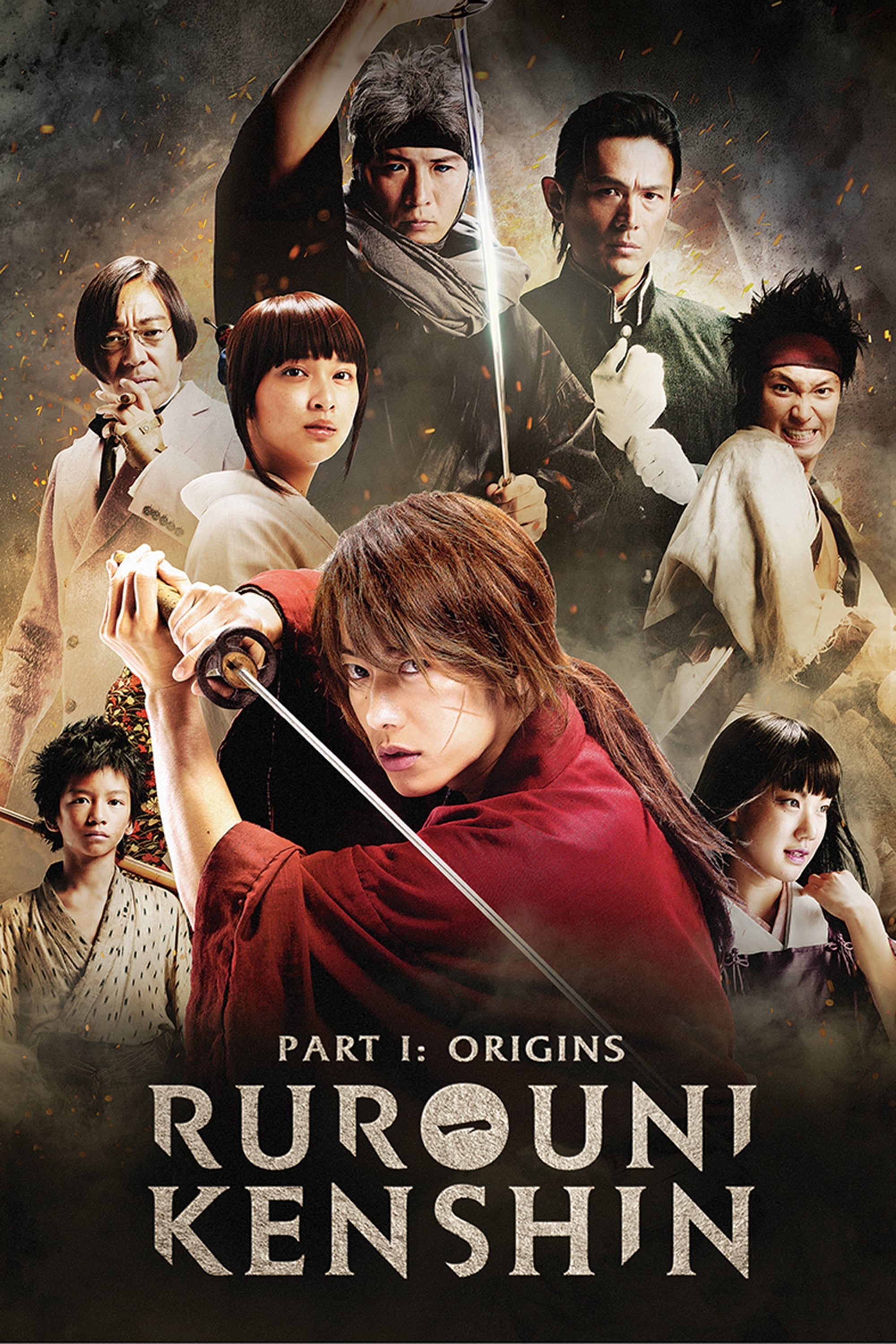
In 1868, after the Bakumatsu war ends, the ex-assassin Kenshin Himura traverses Japan with an inverted sword, to defend the needy without killing.
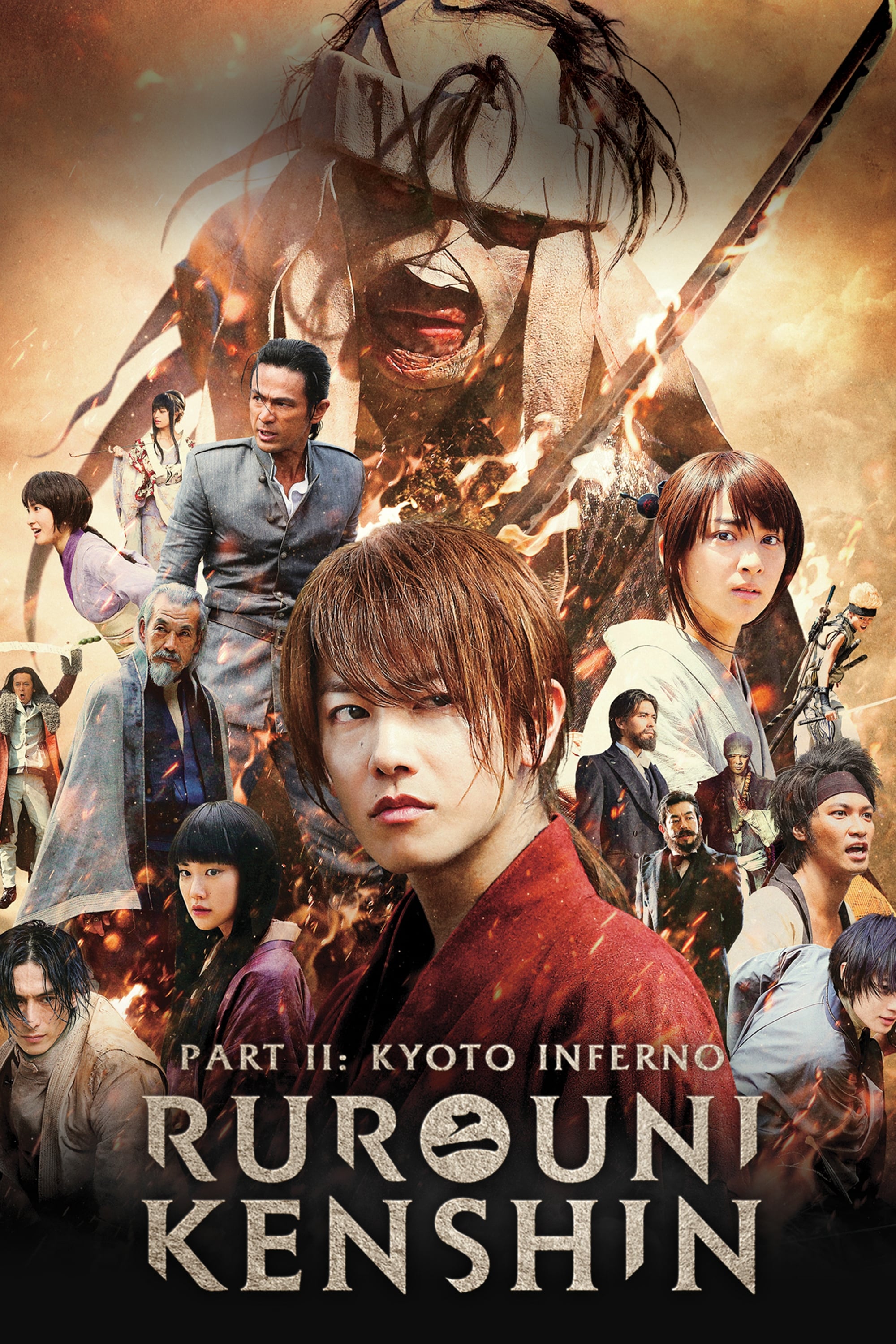
Kenshin has settled into his new life with Kaoru and his other friends when he is approached with a request from the Meiji government. Makoto Shishio, a former assassin like Kenshin, was betrayed, set on fire and left for dead. He survived, and is now in Kyoto, plotting with his gathered warriors to overthrow the new government. Against Kaoru's wishes, Kenshin reluctantly agrees to go to Kyoto and help keep his country from falling back into civil war.
The world-famous woodblock artist Hokusai (1760-1849), a widower in need of a steady income, lives with his daughter Oei in the house of his friend Bakin.
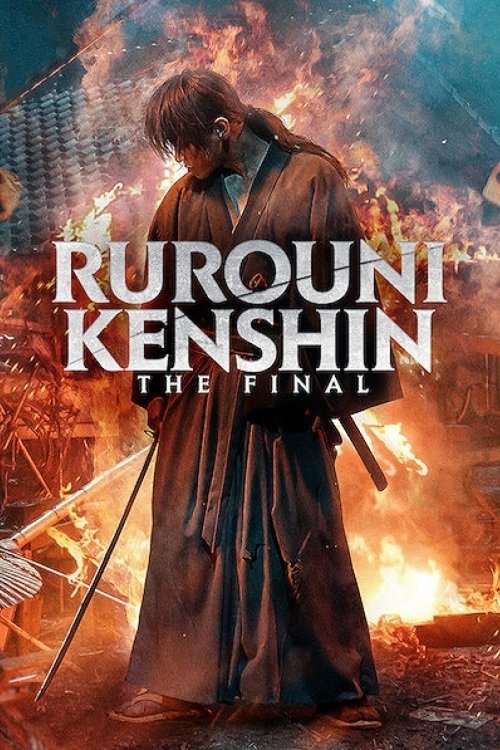
In 1879, Kenshin and his allies face their strongest enemy yet: his former brother-in-law Enishi Yukishiro and his minions, who've vowed their revenge.
At the turn of the 19th century, Pugilism was the sport of kings and a gifted young boxer fought his way to becoming champion of England.
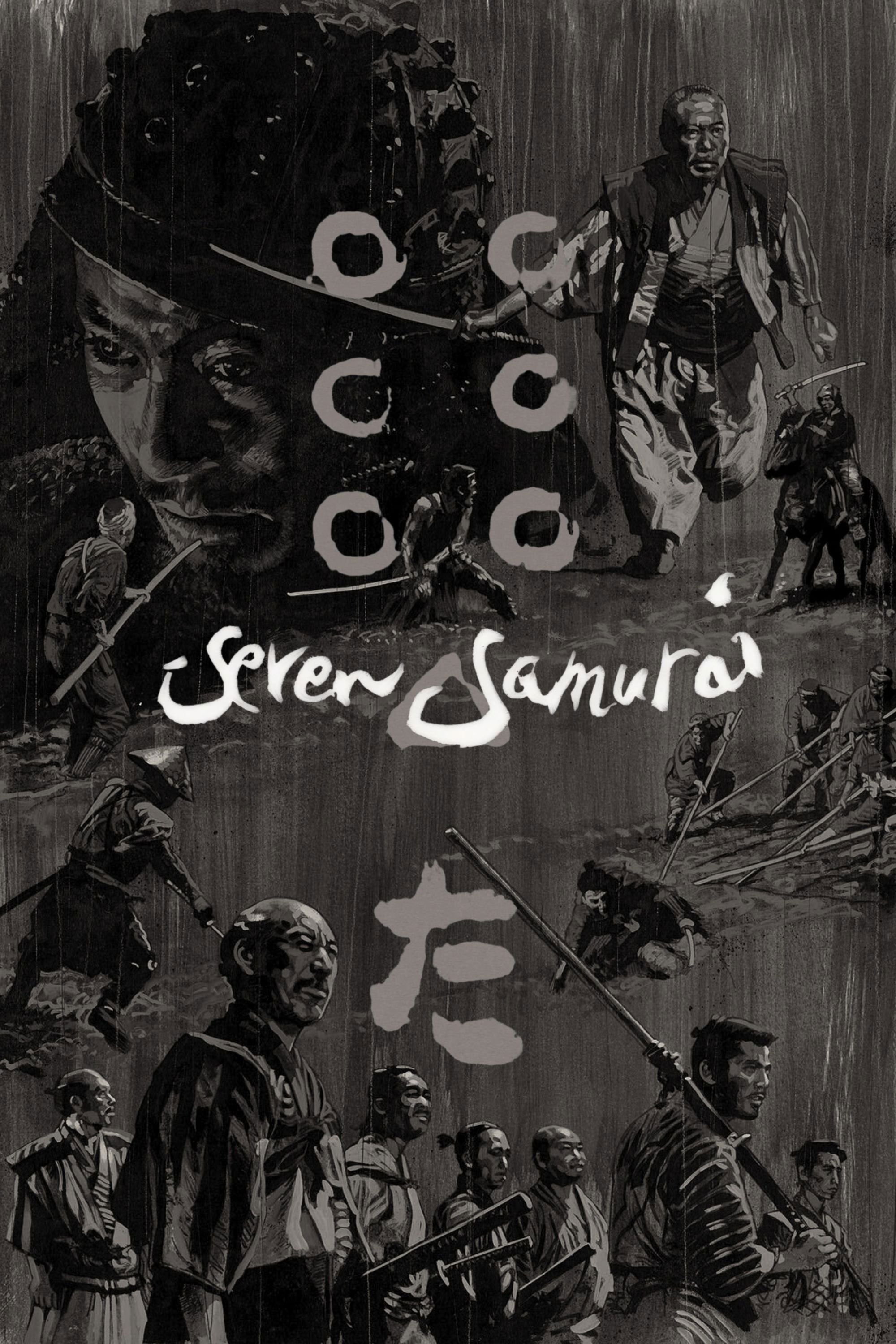
A samurai answers a village's request for protection after he falls on hard times. The town needs protection from bandits, so the samurai gathers six others to help him teach the people how to defend themselves, and the villagers provide the soldiers with food.
Taken into slavery after the fall of Jerusalem in 605 B.C., Daniel is forced to serve the most powerful king in the world, King Nebuchadnezzar. Faced with imminent death, Daniel proves himself a trusted Advisor and is placed among the king's wise men. Threatened by death at every turn Daniel never ceases to serve the king until he is forced to choose between serving the king or honoring God. With his life at stake, Daniel has nothing but his faith to stand between him and the lions' den.
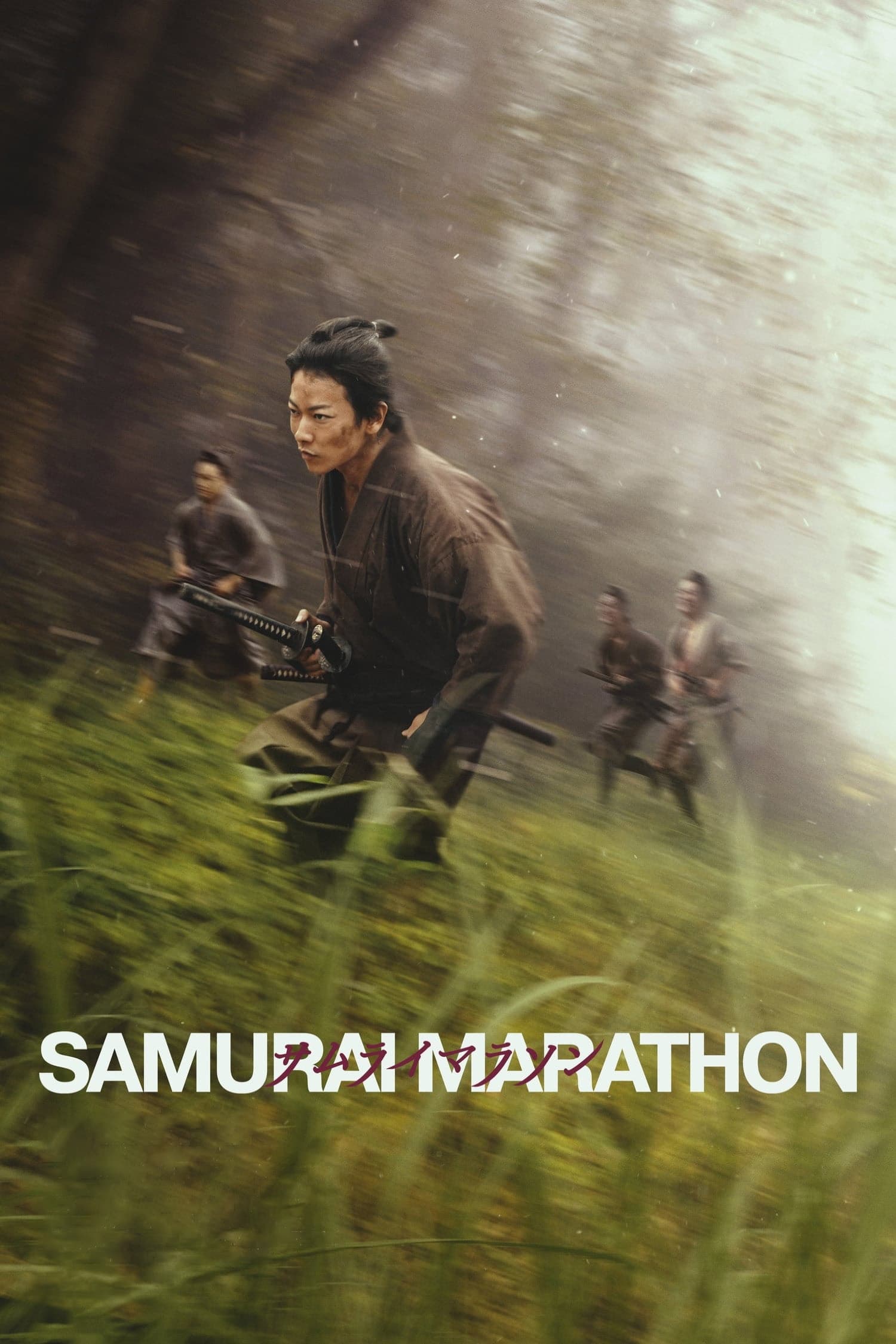
When feudal lord Itakura Katsuakira decides to prepare his samurai troops for the onslaught of modernization by having them compete in a marathon, his independent-minded daughter Yuki secretly joins the race.
The story of Vera Atkins, a crafty spy recruiter, and two of the first women she selects for Churchill's "secret army": Virginia Hall, a daring American undaunted by a disability and Noor Inayat Khan, a pacifist. These civilian women form an unlikely sisterhood while entangled in dangerous missions to turn the tide of the war.
A WWII veteran escapes his care home in Northern Ireland and embarks on an arduous but inspirational journey to France to attend the 75th anniversary of the D-Day landings, finding the courage to face the ghosts of his past.
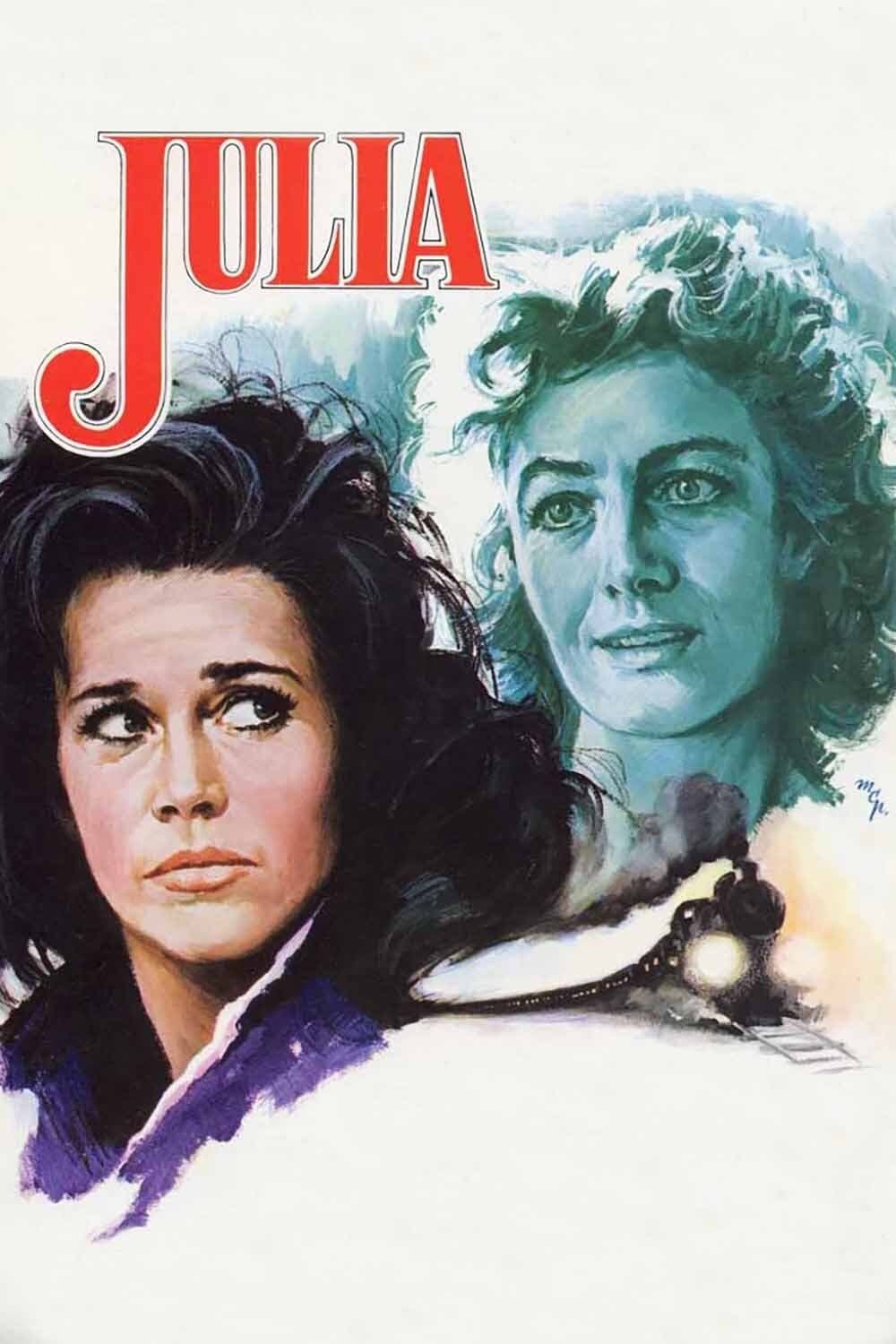
At the behest of an old and dear friend, playwright Lillian Hellman undertakes a dangerous mission to smuggle funds into Nazi Germany.
Kakunoshin, renowned for his skills with a sword and in the game of go, embodies the samurai code. Falsely accused of a theft, he is forced to become a lowly ronin. Years later, when a case of missing gold pulls him into a new web of intrigue, Kakunoshin uncovers the truth behind his downfall. With the real culprit exposed, the go board flips, and a hellstorm of righteous vengeance follows.
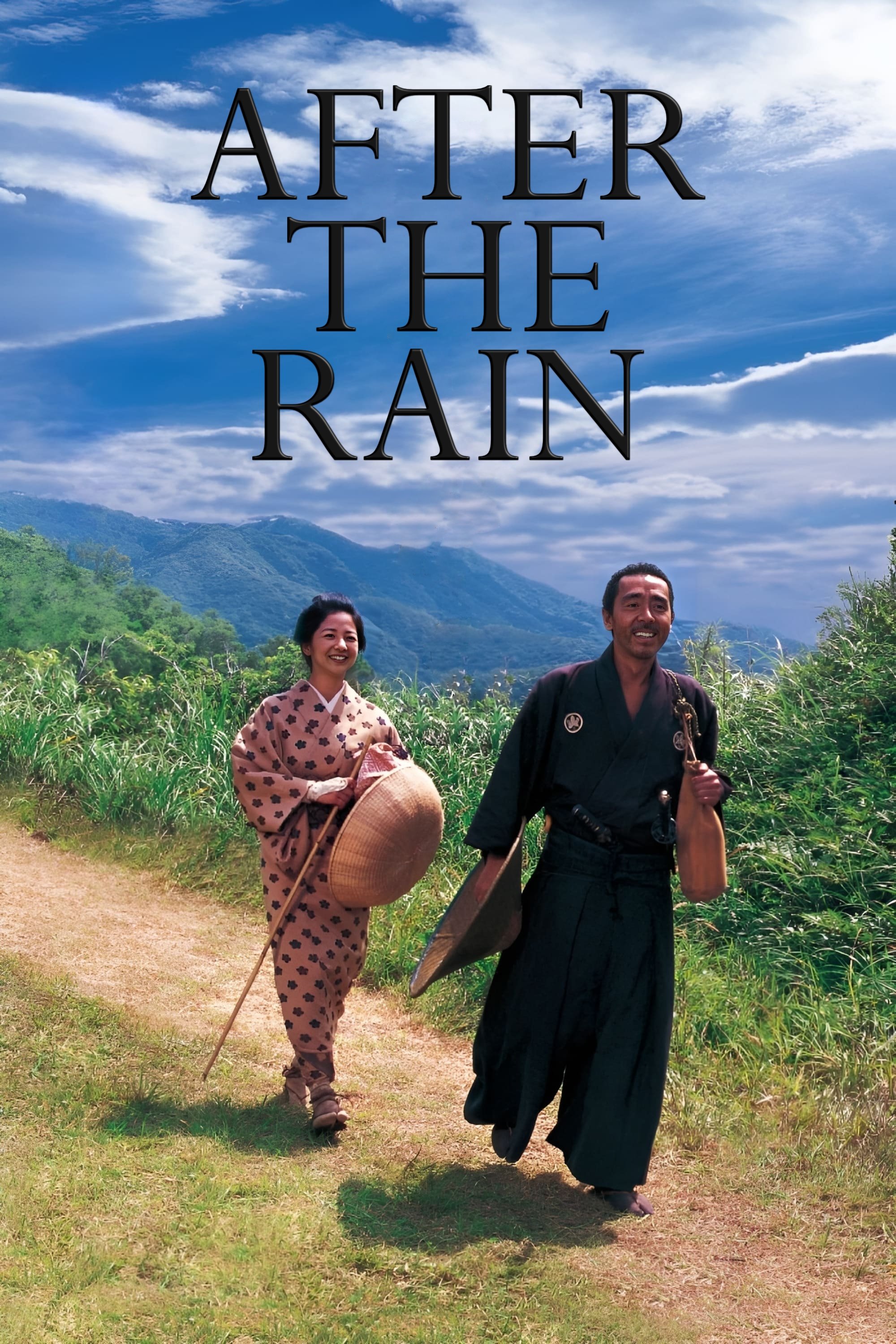
A group of travelers is stranded in a small country inn when the river floods during heavy rains. As the bad weather continues, tensions rise amongst the trapped travelers.
The warmhearted story of Polish immigrant and mathematician Stan Ulam, who moved to the U.S. in the 1930s. Stan deals with the difficult losses of family and friends all while helping to create the hydrogen bomb and the first computer.
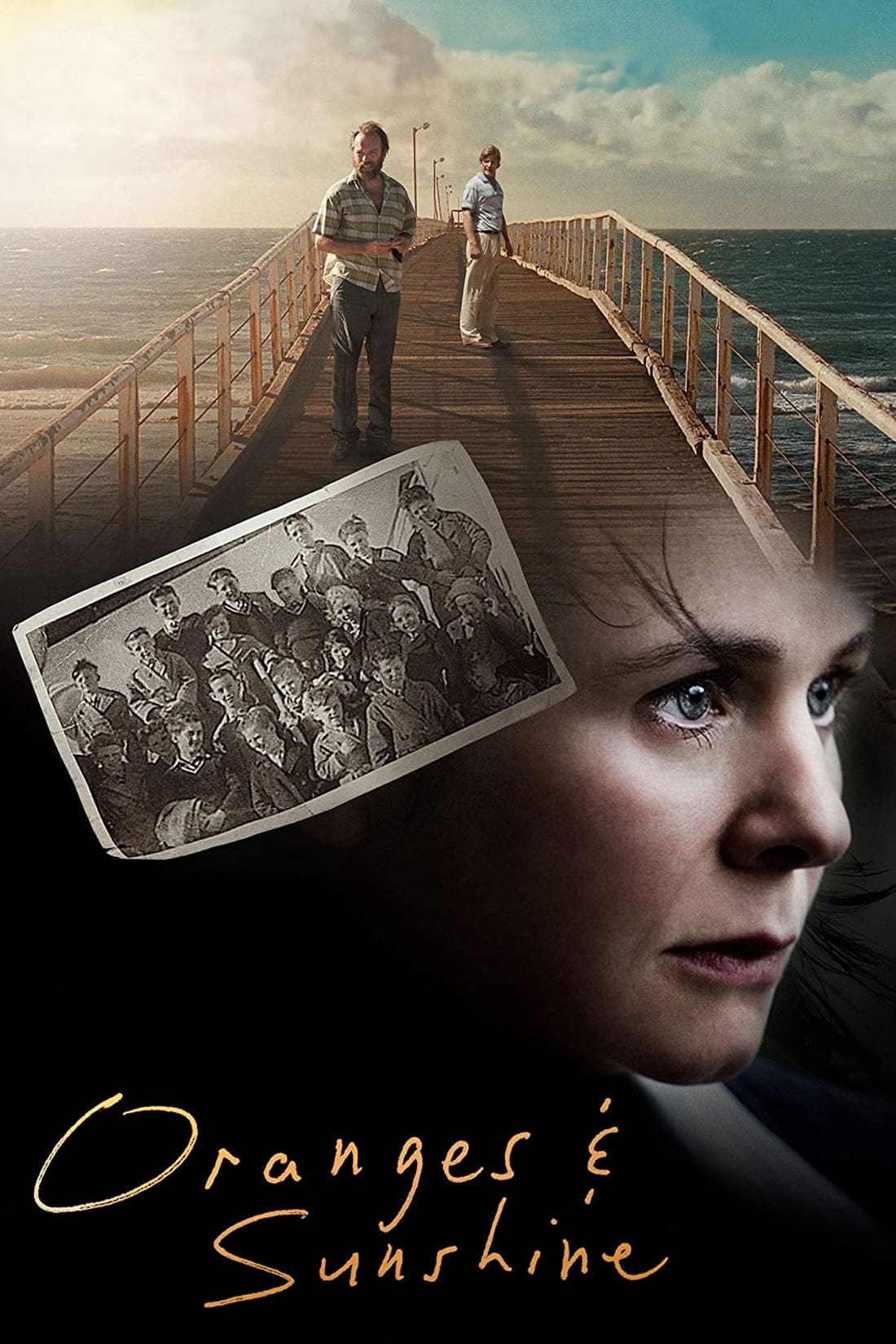
The story of Margaret Humphreys, a social worker from Nottingham, who uncovers one of the most significant social scandals in recent times – the forced migration of children from the United Kingdom to Australia and other Commonwealth countries. Almost singlehandedly, Margaret reunited thousands of families, brought authorities to account and worldwide attention to an extraordinary miscarriage of justice.