Social & External
Narrador (voz)
"Unearths, the books we do not inherit" delves into the family memory of Maria Julia Blanco, its director. The unearthing of his father's student library - recovered in 2018 - is the starting point. Julia guides us through the province of Santa Fe following her family's story. Historian and bibliophile by choice, Julia takes books, which do not know what has happened on the surface, as a starting point to excavate family memory. Little by little it becomes evident that, in the remains of the books, both family history and Argentine history can be reread.
Using home videos from fans from across the globe and never-before-seen drone footage obtained during the victory parade in Buenos Aires, on streets dyed white and sky blue. The film invites viewers to immerse themselves in the world's most football obsessed nation, Argentina, to relive the emotional rollercoaster that was the country’s 2022 World Cup victory in Qatar and the record breaking celebrations that followed.
Bernardo has turned 90 and is working to realize a dream: to make a film about art. He spends countless hours writing the script. He understands it's an arduous and complex task: What is art? When is there art? What is the purpose of art? Antonio, his friend, decides to collaborate, lending his knowledge and experience to the project. Marcelo meets Bernardo through Lucy, his partner of over 60 years, and finds him deep in his work, immersed in the uncertainties, frustrations, and joys inherent in any creative process. Watching him work, something of Bernardo's dream awakens in Marcelo a desire, another dream. He offers his help, while also asking to be able to capture Bernardo's daily work with his own eyes, thus creating his film. A dream that gradually shifts from the work Antonio sculpts on Bernardo's camera to Marcelo's gaze.
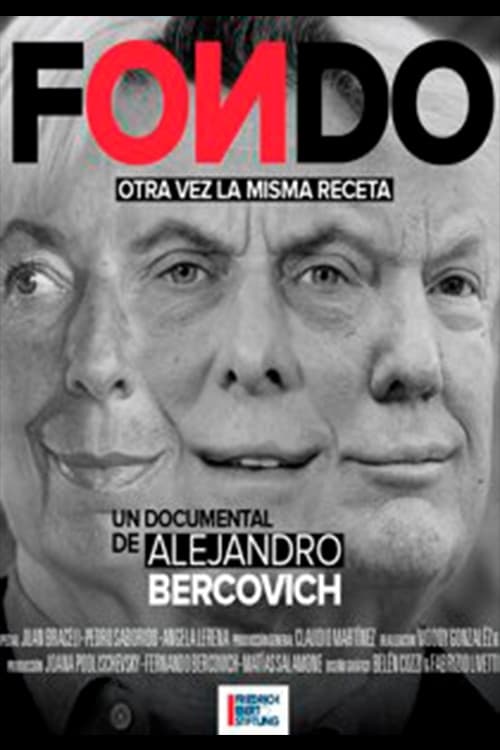
The history of how the International Monetary Fund has been operating in Argentina for years.
Poetic images emerge from everyday life, interweaving with narratives that recall traces of events from the last civic-ecclesiastical-military dictatorship in the city of La Plata.
Based on a discursive analysis of historical right-wing forces in Argentina and around the world, the objective is to situate the current Argentine government in the context of a resurgence of reactionary thinking, as well as to warn of the country's potential direction.
Remembering his old memories, he will leave a photograph in every place where he was happy.
Life-long business partners Santiago and Eugenio care for each other, and need each other. When Eugenio suddenly vanishes, Santiago and Eugenio’s wife, join forces to look for him. What they discover is not what they set out to find, and their shared journey becomes a surprising and lighthearted meditation on friendship, love, and loyalty.
Two con artists try to swindle a stamp collector by selling him a sheet of counterfeit rare stamps, the "nine queens".
Buenos Aires, Argentina, 1983. In the last and turbulent days of the military dictatorship, Alicia, a high school history teacher, begins to ask uncomfortable questions about the dark origins of Gaby, her adopted daughter.
El Tenso does not know how to face his ill-tempered wife, Tana, to tell her that he wants to separate. Carlos, a friend of Tenso, suggests him to invert the situation and cause Tana to leave him by hiring Cuervo Flores, an irresistible seducer, to try and charm his wife until she falls in love with him.
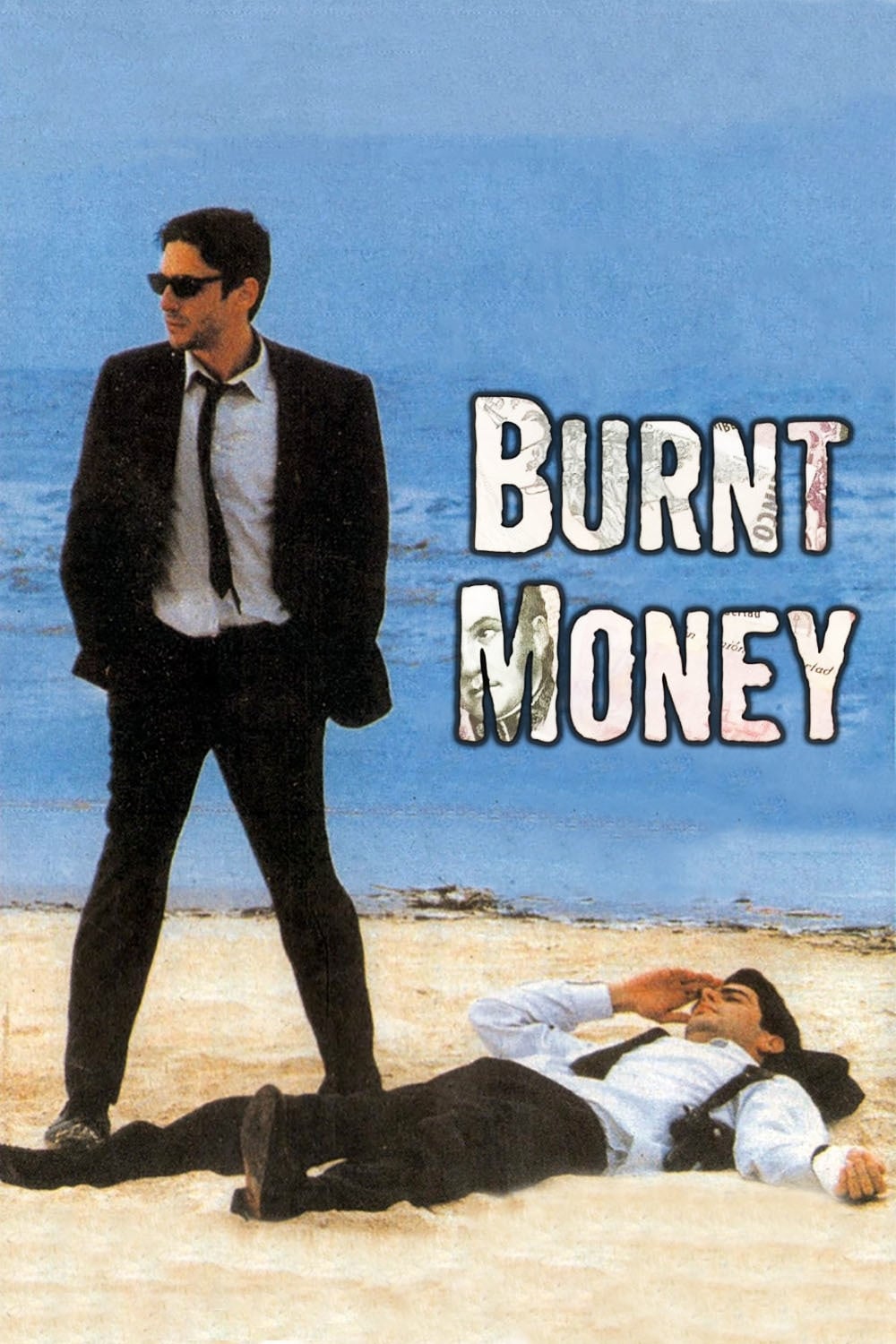
Set in Argentina in 1965, the story follows the tumultuous relationship between two men who became lovers and ultimately ruthless bank robbers in a notoriously famous footnote in the annals of crime history. After a large-scale hold-up that turns bloody, the two men must flee. It is not long before the police are surrounding the building they are in and they must confront their demons to survive.
Mariano, 16, inexplicably and without warning, shoots himself twice and improbably survives. Then, life goes on. His brother pursues a romance with a girl working at a fast-food joint, his mother takes off on a trip with a stranger, and Mariano recruits a woman to join his medieval wind ensemble.
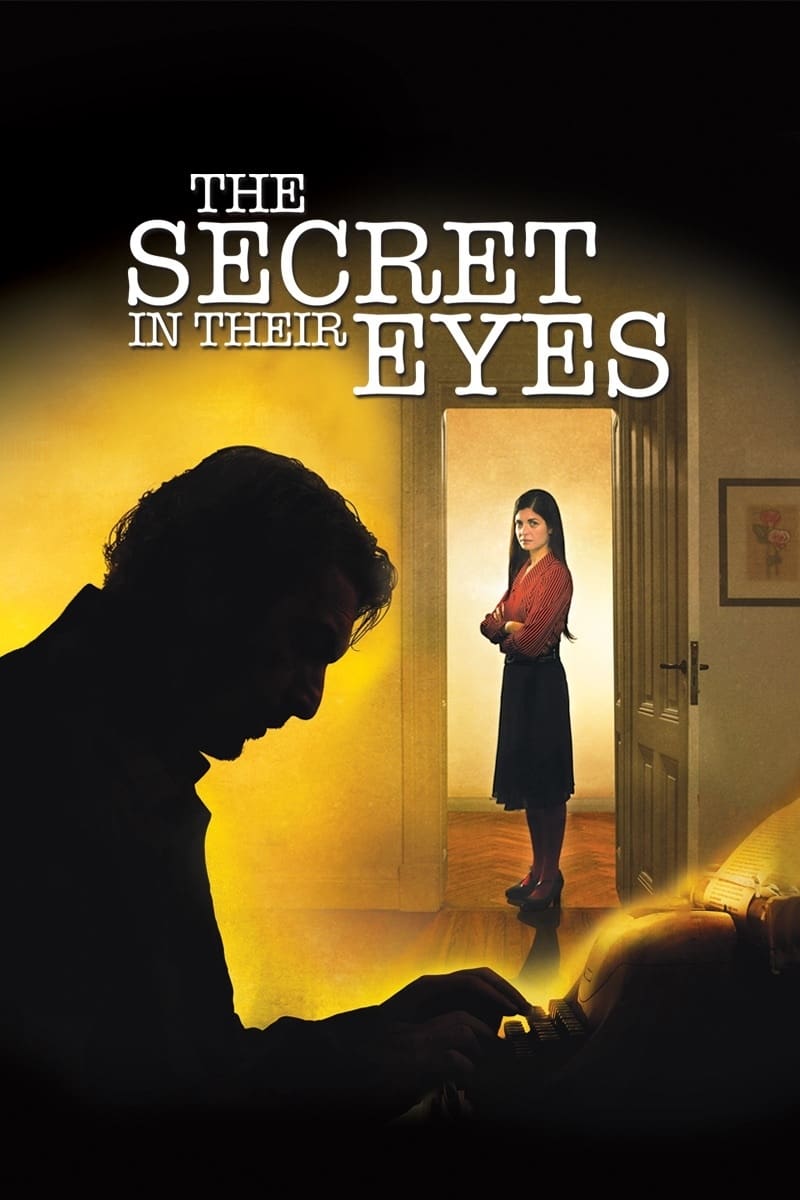
Hoping to put to rest years of unease concerning a past case, retired criminal investigator Benjamín begins writing a novel based on the unsolved mystery of a newlywed’s rape and murder. With the help of a former colleague, judge Irene, he attempts to make sense of the past.
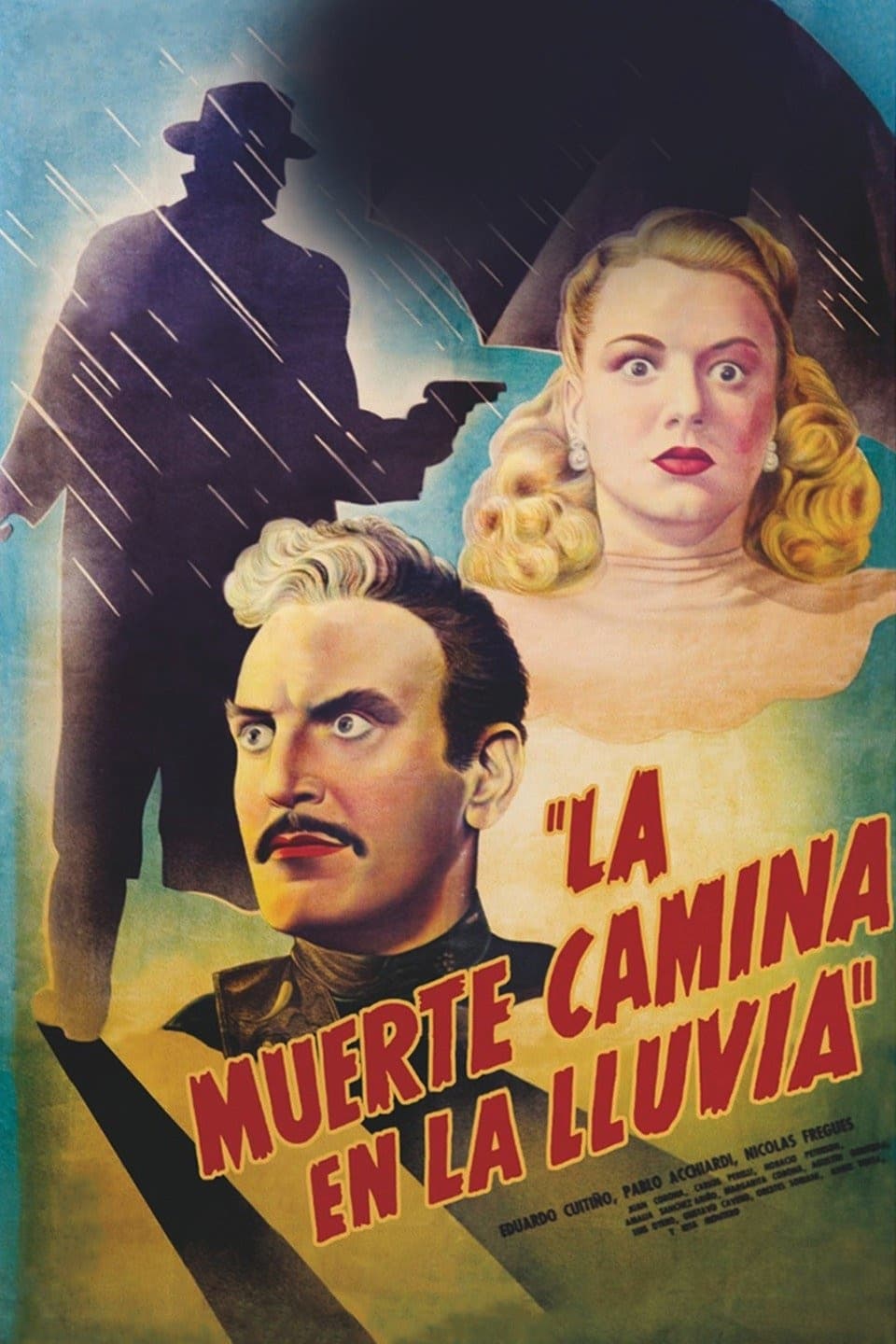
A murderer terrorizes the city of Buenos Aires by attacking on the streets on rainy days and always leaving a card with the name "S. López". A local boarding house full of eccentrics appears to house a possible suspect.
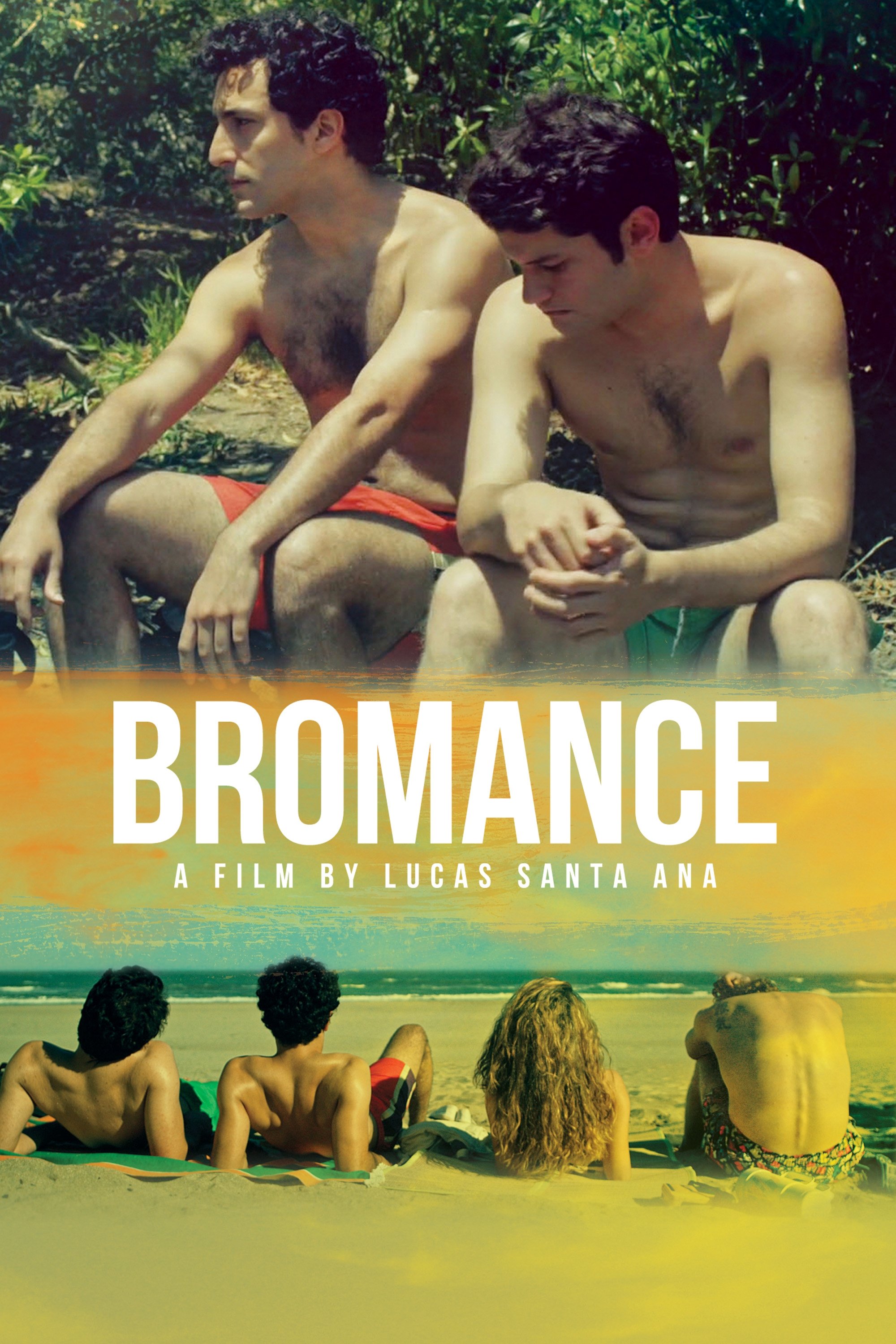
When three friends go on a camping trip in a remote part of Argentina, sexual tensions quickly bubble to the surface. Once in virtual seclusion by the beach, Juli, also camping at the site, quickly recognises that that the boys seem to have a closer relationship than what she would consider 'normal'. The line between friendship and love fade further for two of the boys in particular as their desire becomes too much to bear. When what started as a simple getaway quickly becomes tinged with sex, romance, and conflict, everyone is forced to confront who they really are for the very first time.
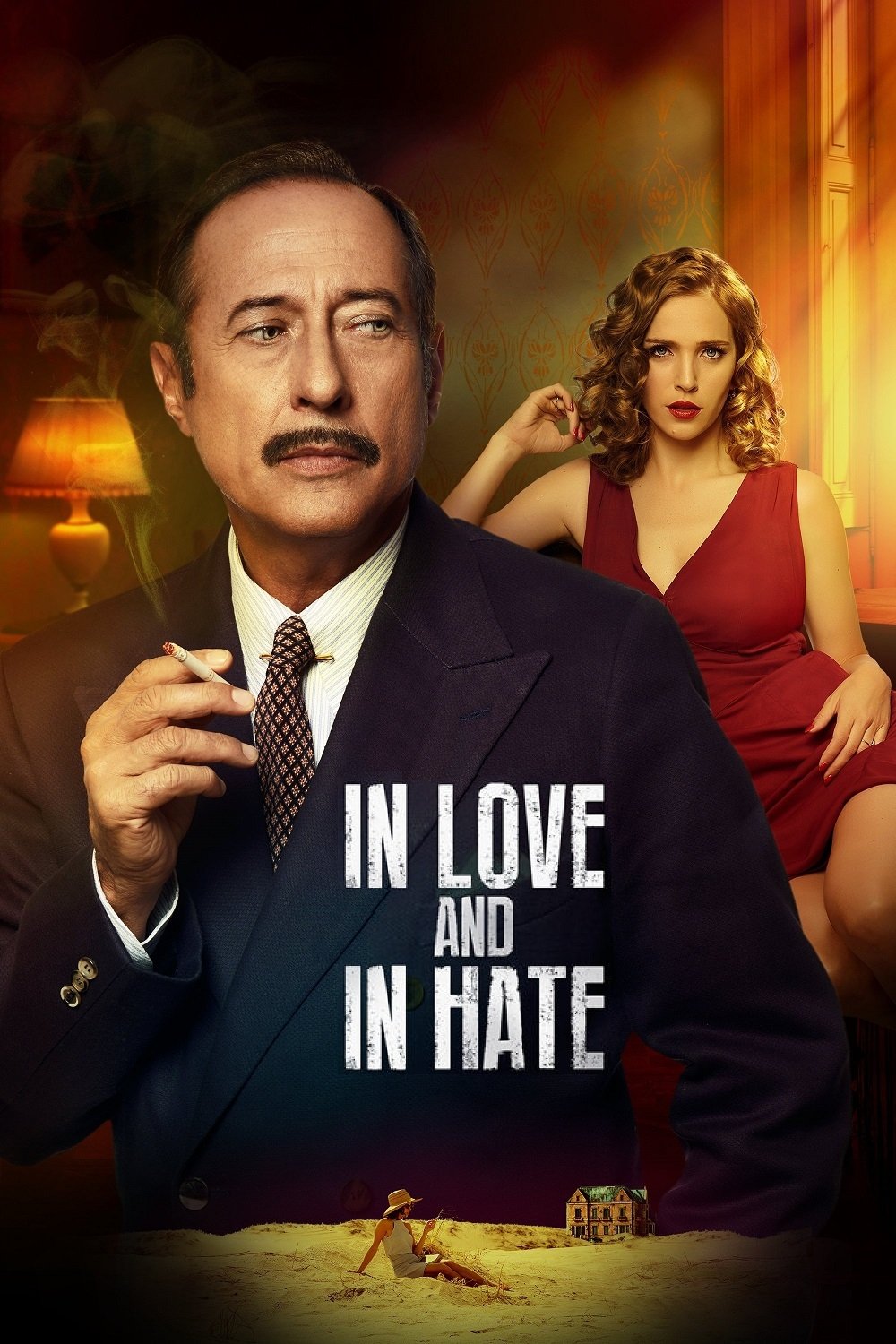
Enrique Hubermann, homeopathic physician, travels in flight from a love. By a joke of fate, in that distant place he meets the woman he wants to forget, a beautiful young woman like a demon who manipulates men and triggers dangerous passions.
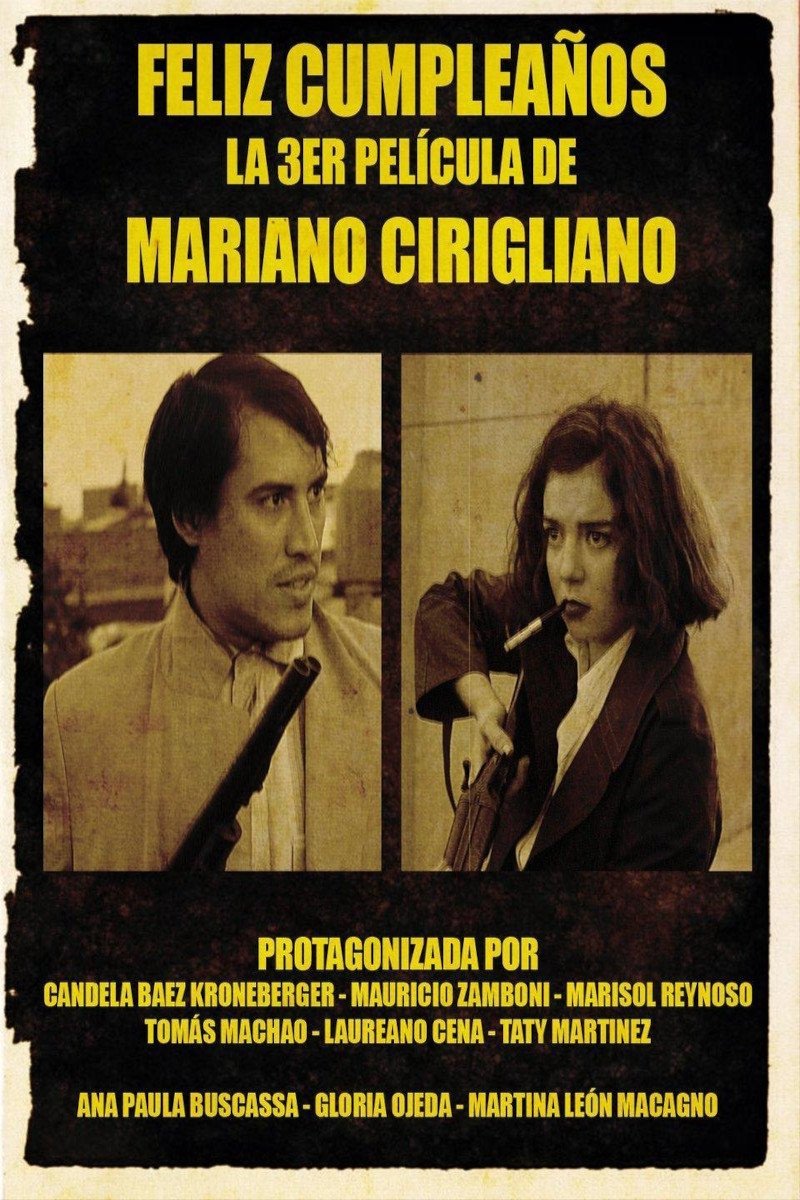
A humorist from the 1950's is celebrating his birthday, so a group of artists come together to celebrate this very special event. This birthday proves how toxic the artistic environment can be.
When El Mono dies, his three longtime friends try to recover from the loss and want to secure his little girl's future. But for Fernando, Mauricio and El Ruso this will not be easy. They decide to recover a big investment El Mono had made when he had bought a soccer player who was supposed to become a star.
Sosa is a lawyer who haunts hospital waiting rooms hoping to represent the victims of traffic accidents in insurance claims. When he falls in love with ambulance medic Luján, he tries to leave this dark business but the shady law firm that he works for won’t let him off that easily.
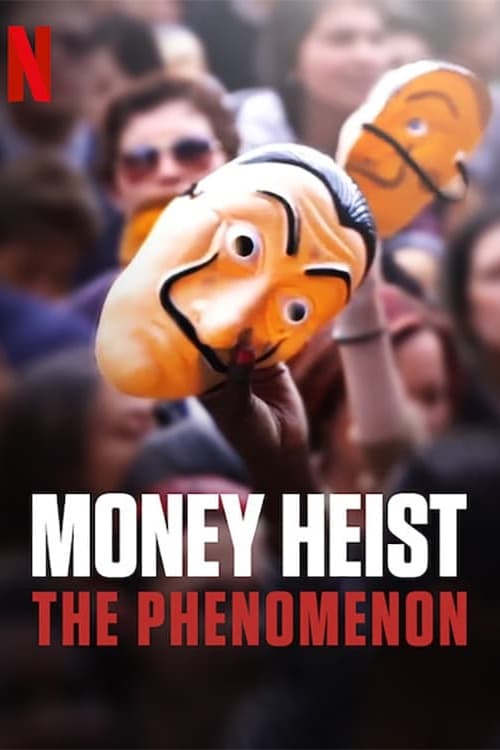
A documentary on why 'Money Heist' sparked a wave of enthusiasm around the world for a lovable group of thieves and their professor.
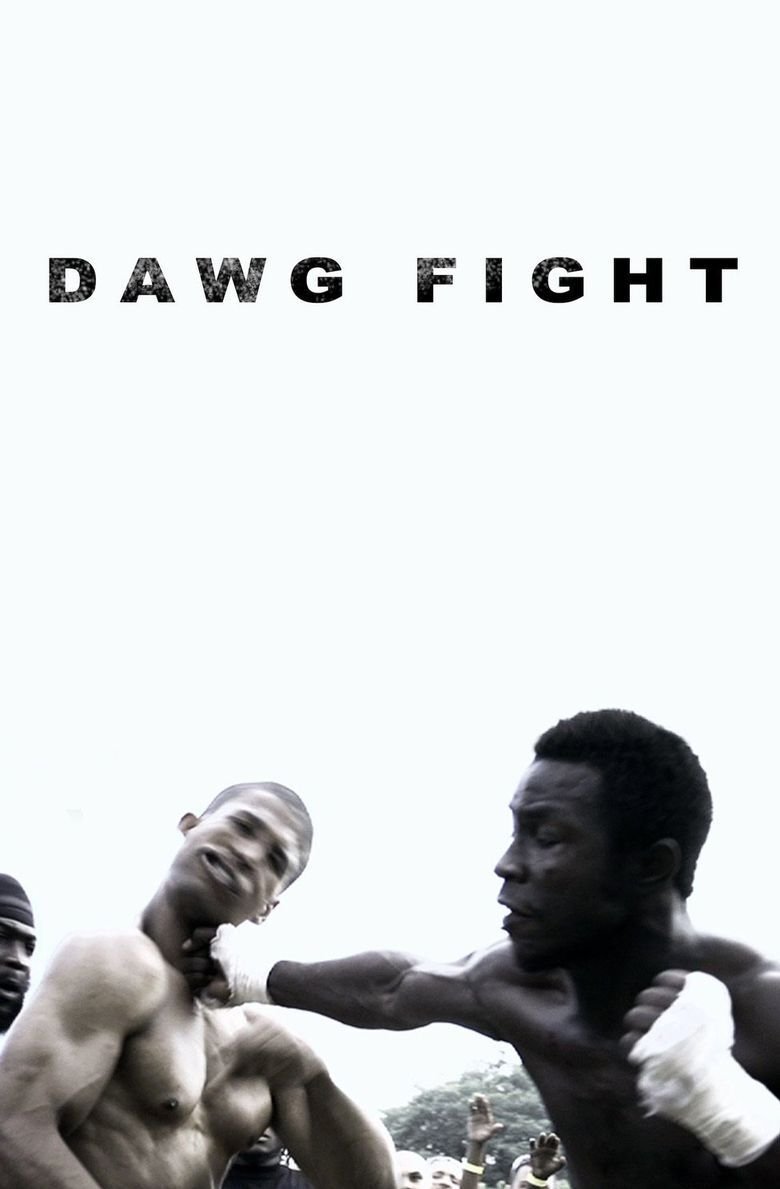
In a crime-plagued neighborhood near Miami, brutal, bare-knuckled backyard fights give young men a chance to earn money -- and self-respect.
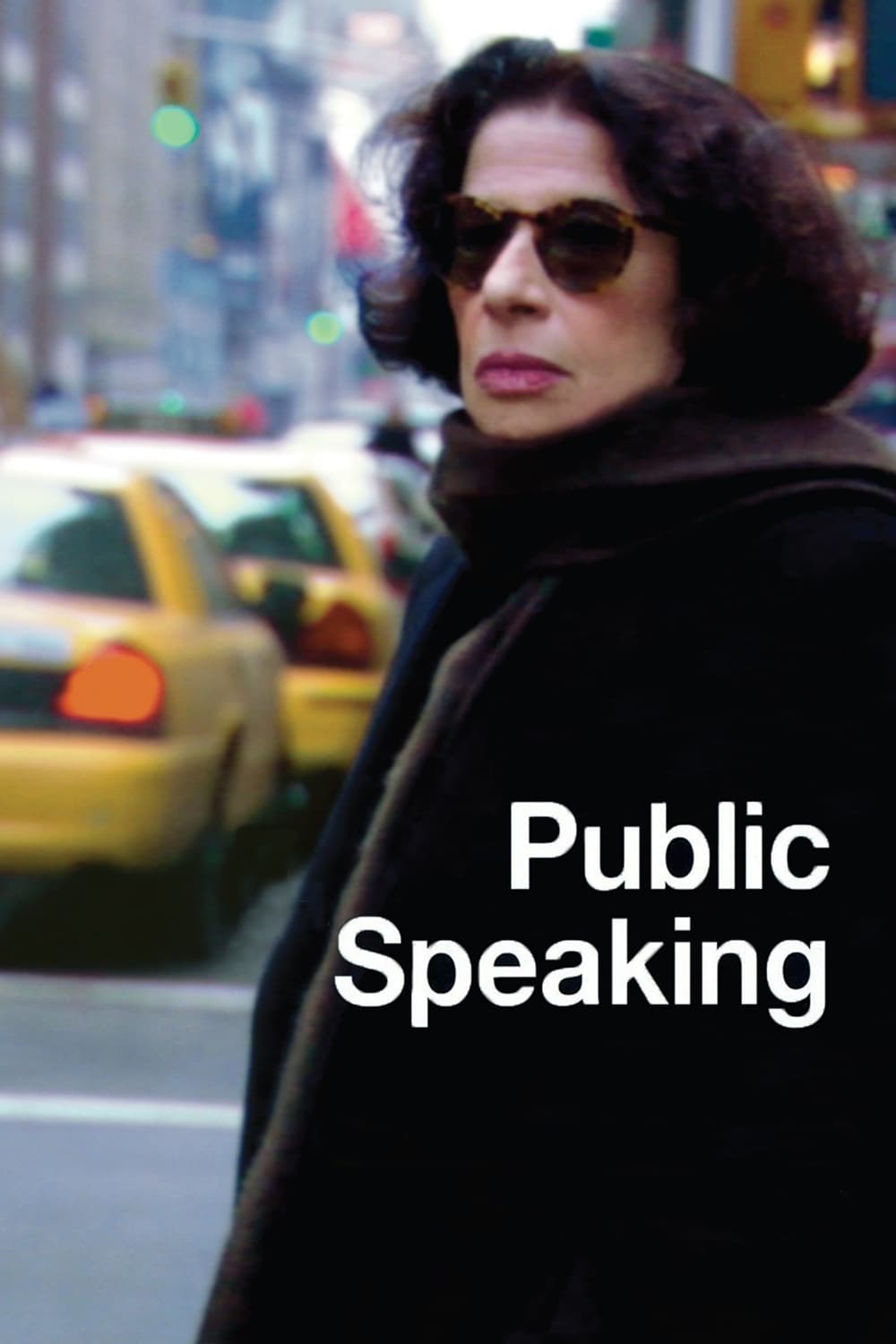
Martin Scorsese’s portrait of writer and social commentator Fran Lebowitz, celebrated for her sharp wit and observations on modern life. Filmed at New York’s Waverly Inn and intercut with archival footage and interviews, the documentary captures Lebowitz’s distinctive worldview through her spontaneous monologues and public appearances.
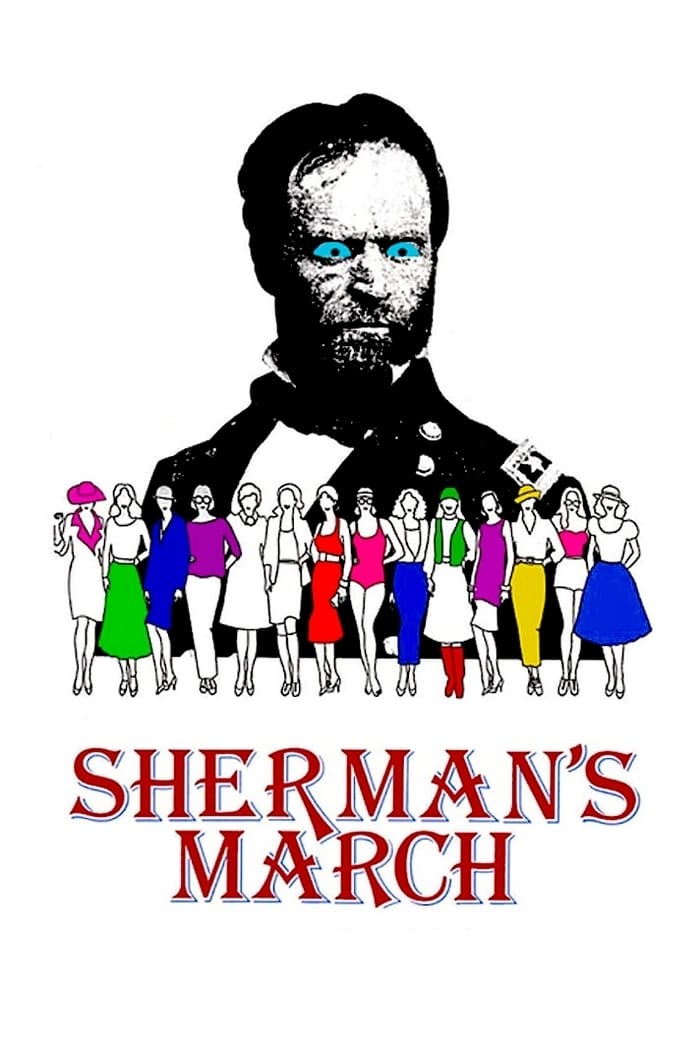
Documentarian Ross McElwee originally set out to make a travelogue of sorts tracing General William T. Sherman's infamous scorched-earth march through the Confederacy in the latter stages of the Civil War. Instead, haunted by a recent breakup with a girlfriend, McElwee ends up documenting his progress -- or lack thereof -- in starting a new relationship. His journey then becomes one of self-reflection and self-discovery rather than a historical/sociological exploration.
A night of drunken chaos rocks a quiet Dutch town in this shocking documentary about a teen's birthday invite that accidentally went viral on Facebook.
Behind-the-scenes documentary about how Lionel Messi succeeded in lifting the World Cup – the only trophy to have eluded him in an incredible career.
A documentary about the life and films of director John Ford.
JB Smoove and Martin Starr host a celebration of 20 years of "Spider-Man" movies, from the Sam Raimi trilogy to Marc Webb's movies and the trio from Jon Watts.
SEDUCED AND ABANDONED combines acting legend Alec Baldwin with director James Toback as they lead us on a troublesome and often hilarious journey of raising financing for their next feature film. Moving from director to financier to star actor, the two players provide us with a unique look behind the curtain at the world's biggest and most glamourous film festival, shining a light on the bitter-sweet relationship filmmakers have with Cannes and the film business. Featuring insights from directors Martin Scorsese, 'Bernando Bertolucci' and Roman Polanski; actors Ryan Gosling and Jessica Chastain and a host of film distribution luminaries.
A purely observational non-fiction film that takes viewers into the ethically murky world of end-of-life decision making in a public hospital.
After the high-profile killing of Damilola Taylor, Cornelius' family move out of London. But when they discover their new town is run by racists, Cornelius takes a drastic step to survive.
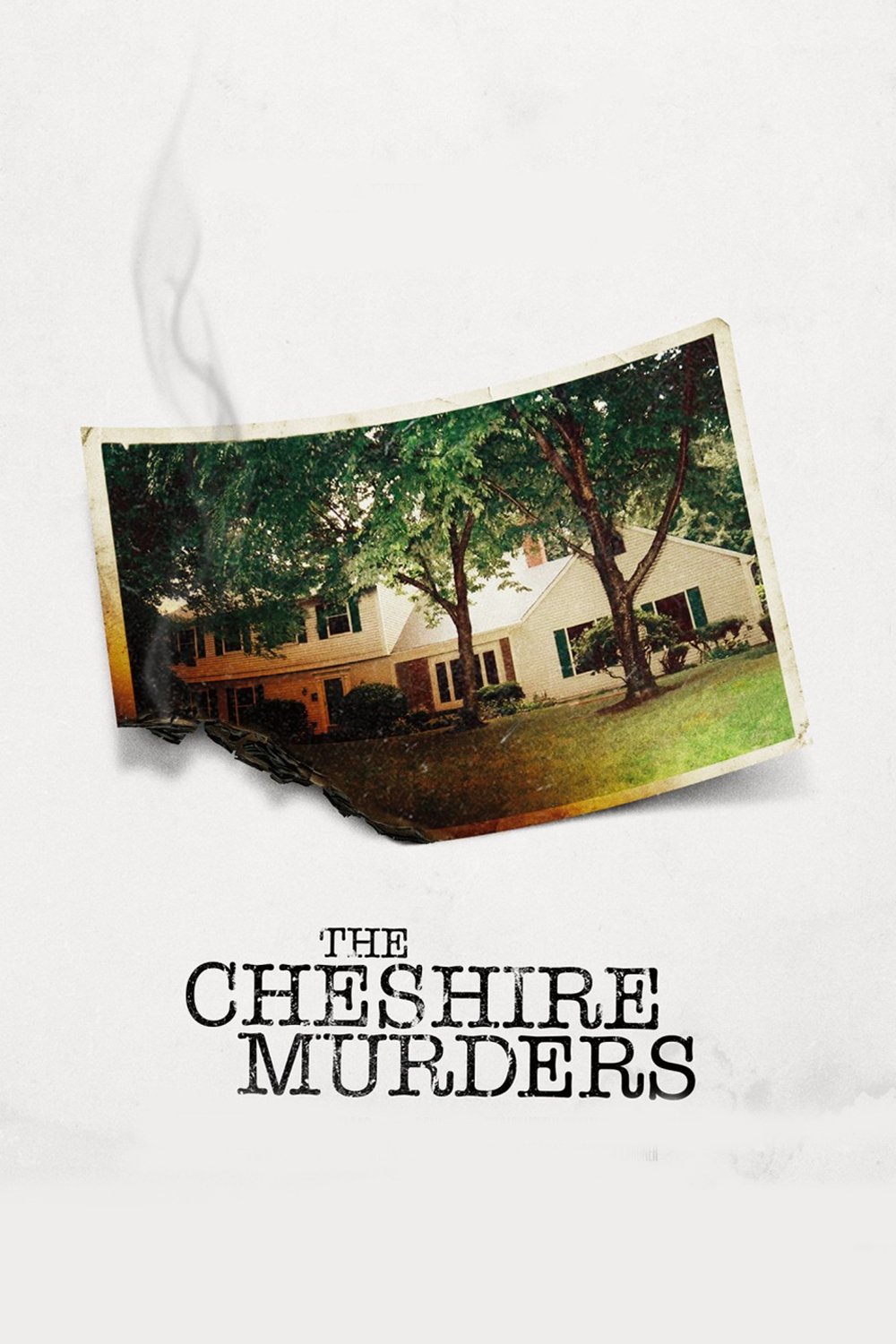
In the early-morning hours of July 23, 2007, in Cheshire, Conn., ex-convicts Steven Hayes and Joshua Komisarjevsky broke into the family home of William Petit, his wife, Jennifer, and their daughters, Michaela, 11, and Hayley, 17. Dr. Petit was beaten and tied to a pole in the basement. The three women were bound in their bedrooms while the men ransacked the house. The brutal ordeal continued throughout the morning, ending with rape, arson and a horrific triple homicide.
A detailing of the rise to prominence and global sporting superstardom of six supremely talented young Manchester United football players (David Beckham, Nicky Butt, Ryan Giggs, Paul Scholes, Phil and Gary Neville). The film covers the period 1992-1999, culminating in Manchester United's European Cup triumph.
Alexander McQueen's rags-to-riches story is a modern-day fairy tale, laced with the gothic. Mirroring the savage beauty, boldness and vivacity of his design, this documentary is an intimate revelation of McQueen's own world, both tortured and inspired, which celebrates a radical and mesmerizing genius of profound influence.
The film follows adventurer Jeff Johnson as he retraces the epic 1968 journey of his heroes Yvon Chouinard and Doug Tompkins to Patagonia.
This character-driven film considers the evolving sex trafficking landscape as seen by the main players: the exploited, the pimps, the johns that fuel the business, and the cops who fight to stop it.
This special explores the return of Obi-Wan Kenobi and Anakin Skywalker to the screen, as well as Ewan McGregor and Hayden Christensen to their classic roles. Director Deborah Chow leads the cast and crew as they create new heroes and villains that live alongside new incarnations of beloved Star Wars characters, and an epic story that dramatically bridges the saga films.
In the Realms of the Unreal is a documentary about the reclusive Chicago-based artist Henry Darger. Henry Darger was so reclusive that when he died his neighbors were surprised to find a 15,145-page manuscript along with hundreds of paintings depicting The Story of the Vivian Girls, in What is Known as the Realms of the Unreal, of the Glodeco-Angelinnian War Storm, Cased by the Child Slave Rebellion.
A look at the origins, history and conspiracies behind the "Majestic 12", a clandestine group of military and corporate figureheads charged with reverse-engineering extraterrestrial technology.
Featuring interviews with filmmakers and industry legends, discover the origins and evolution of The Joker, and learn why The Clown Prince of Crime is universally hailed as the greatest comic-book supervillain of all time.