Social & External
Host
Judge
Bad Influence! is an early to mid-1990s British factual television programme broadcast on CITV between 1992 and 1996, and was produced in Leeds by Yorkshire Television. It looked at video games and computer technology, and was described as a "kid’s Tomorrow's World". It was shown on Thursday afternoons and had a run of four series of between 13 and 15 shows, each of 20 minutes duration. For three of the four series, it had the highest ratings of any CITV programme at the time. Its working title was Deep Techies, a colloquial term derived from 'techies' basically meaning technology-obsessed individuals.
Could you pass off a complete stranger as your new best friend for one short weekend to win £10k, even if your 'friend' was actually a brilliant actor hell-bent on humiliating you?
Catchphrase is a British game show based on the short-lived U.S. game show of the same name. It originally aired on ITV in the United Kingdom between 12 January 1986 and 19 December 2002. It was presented by Northern Irish comedian Roy Walker from 1986–1999; followed by Nick Weir from 2000–2002, and Mark Curry in 2002. In the original series, two contestants, one male and one female would have to identify the familiar phrase represented by a piece of animation accompanied by background music. The show's mascot, a golden robot called "Mr. Chips", appears in many of the animations. In the revived version of the show, the same format remains, but there are three contestants. In August 2012, it was announced that Stephen Mulhern would host a revived version of the show beginning on 7 April 2013. On 21 August 2013, it was confirmed that Catchphrase has been re-commissioned for a second series, following the success of the first.
Shooting Stars is a British television comedy panel game broadcast on BBC Two as a pilot in 1993, then as 3 full series from 1995 to 1997, then on BBC Choice from January to December 2002 with 2 series before returning to BBC Two for another 3 series from 2008 until its cancellation in 2011. Created and hosted by double-act Vic Reeves and Bob Mortimer, it uses the panel show format but with the comedians' often slapstick, surreal and anarchic humour does not rely on rules in order to function, with the pair apparently ignoring existing rules or inventing new ones as and when the mood takes them.
Three personalities compete to win the title of best guest of the evening. Antoine Vézina is the judge responsible for awarding players points that will designate a winner. The competitors make fun of the codes behind conventional talk shows during interviews, and take part in various challenges.
Three celebrities and a wildcard candidate quiz their way through this show to win the ultimate prize: the show itself.
A game show based on the Carmen Sandiego computer game series created by Brøderbund Software.
Nail-biting children's game show combining mental and physical challenges and a big slice of luck
Hollywood Squares is an American panel game show, in which two contestants play tic-tac-toe to win cash and prizes. The "board" for the game is a 3 × 3 vertical stack of open-faced cubes, each occupied by a celebrity seated at a desk and facing the contestants. The stars are asked questions by the host, or "Square-Master", and the contestants judge the veracity of their answers in order to win the game. Although Hollywood Squares was a legitimate game show, the game largely acted as the background for the show's comedy in the form of joke answers, often given by the stars prior to their "real" answer. The show's writers usually supplied the jokes. In addition, the stars were given question subjects and plausible incorrect answers prior to the show. The show was scripted in this sense, but the gameplay was not. In any case, as host Peter Marshall, the best-known "Square-Master" and the man in whose honor the show's first announcer, Kenny Williams, actually "coined" the term, would explain at the beginning of the Secret Square game, the celebrities were briefed prior to show to help them with bluff answers, but they otherwise heard the actual questions for the first time as they were asked on air.
Remote Control is a TV game show that ran on MTV for five seasons from 1987 until 1990. It was MTV's first original non-musical program. New episodes were made for first-run syndication from 1989 until 1990 which were distributed by Viacom. Three contestants answered trivia questions on movies, music, and television, many of which were presented in skit format. The series was developed by producers Joe Davola and Michael Duggan, and directed by Dana Calderwood.
Two competitors have to ‘match’ their answers to fill-in-the-blank questions to those of the six celebrity panelists.
Name a person, and a category they fall under – while avoiding naming people from all previous categories.
The second version of the American television game show.
Two families compete against each other in a contest to name the most popular responses to a survey question posed to 100 people.
Lingo is a British game show hosted by Adil Ray where pairs of contestants compete to find words across a series of rounds. It is a reboot of the original show of the same name that aired in 1988.
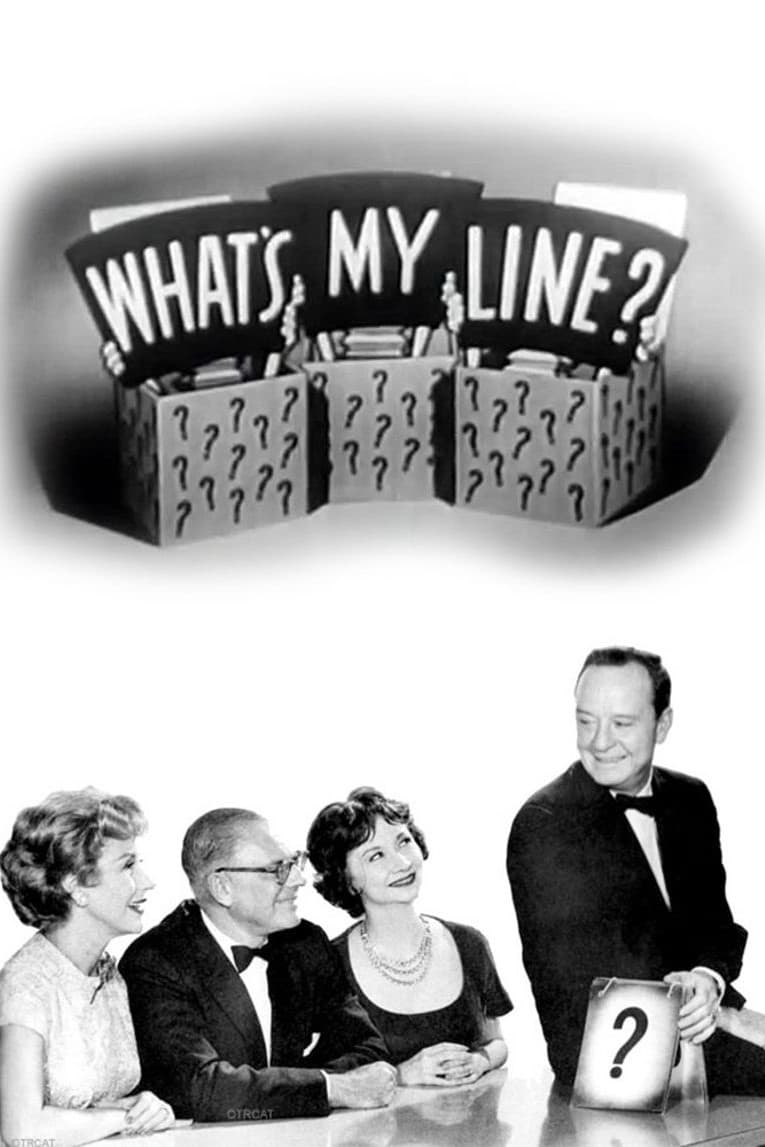
Four panelists must determine guests' occupations - and, in the case of famous guests, while blindfolded, their identity - by asking only "yes" or "no" questions.
In a Temple filled with lost treasures and protected by mysterious Mayan temple guards, six teams of two children compete to retrieve one of the historical artifacts in the Temple by performing physical stunts and answering questions based on history, mythology, and geography. After three elimination rounds, only one team remains, who then earns the right to go through the Temple to retrieve the artifact within three minutes and win a grand prize.
Footage from the popular game show, Takeshi's Castle has been re-edited, re-written and re-voiced into a hilarious, intentionally over-produced, modern "action/X-treme" sports show.
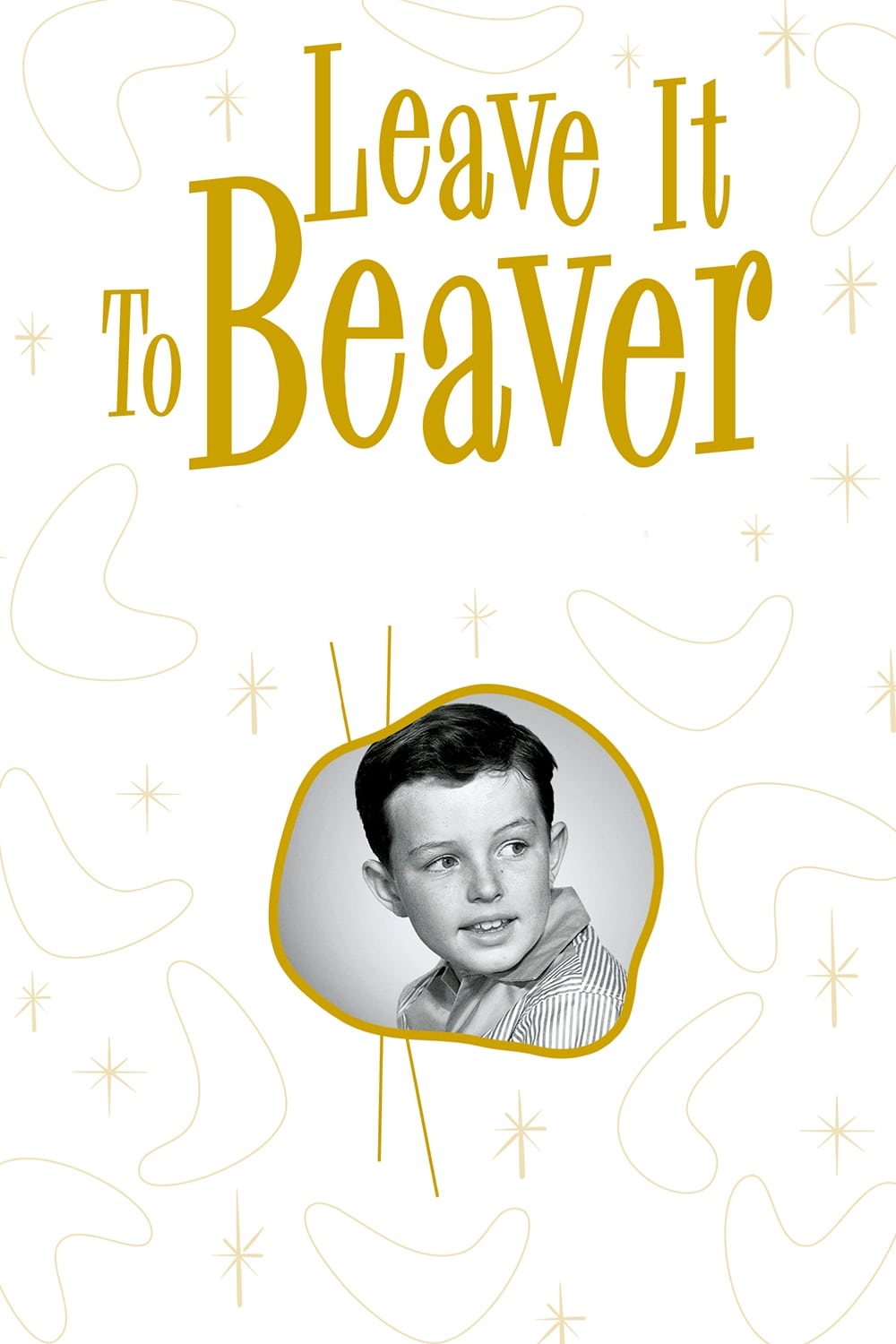
Leave It to Beaver is an American television situation comedy about an inquisitive and often naïve boy named Theodore "The Beaver" Cleaver and his adventures at home, in school, and around his suburban neighborhood. The show also starred Barbara Billingsley and Hugh Beaumont as Beaver's parents, June and Ward Cleaver, and Tony Dow as Beaver's brother Wally. The show has attained an iconic status in the US, with the Cleavers exemplifying the idealized suburban family of the mid-20th century.
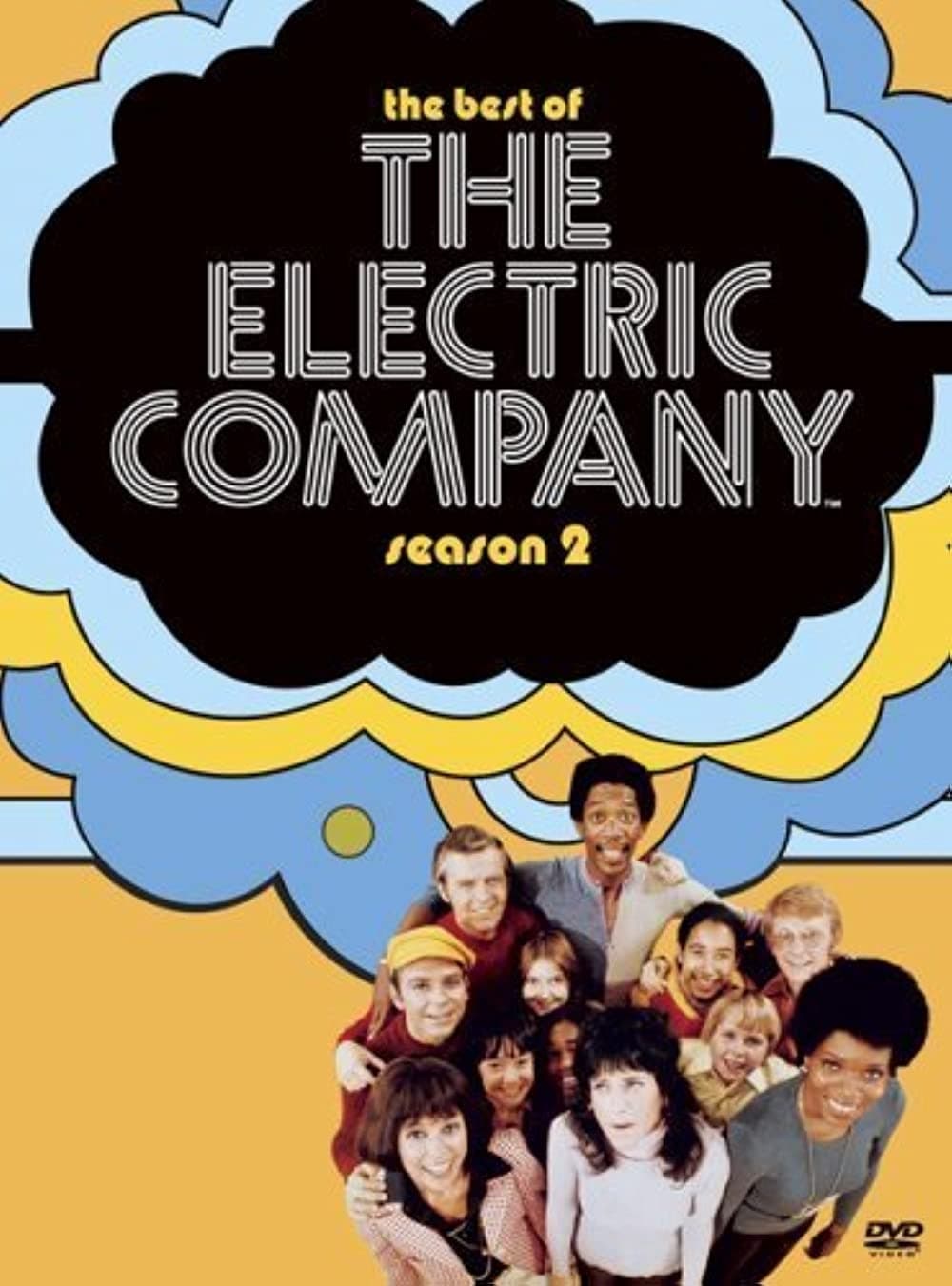
The Electric Company is an educational American children's television series that was produced by the Children's Television Workshop for PBS in the United States. PBS broadcast 780 episodes over the course of its six seasons from October 25, 1971 to April 15, 1977. After it ceased production that year, the program continued in reruns from 1977 to 1985, the result of a decision made in 1975 to produce two final seasons for perpetual use. CTW produced the show at Teletape Studios Second Stage in Manhattan, the first home of Sesame Street. The Electric Company employed sketch comedy and other devices to provide an entertaining program to help elementary school children develop their grammar and reading skills. It was intended for children who had graduated from CTW's flagship program, Sesame Street. Appropriately, the humor was more mature than what was seen there.
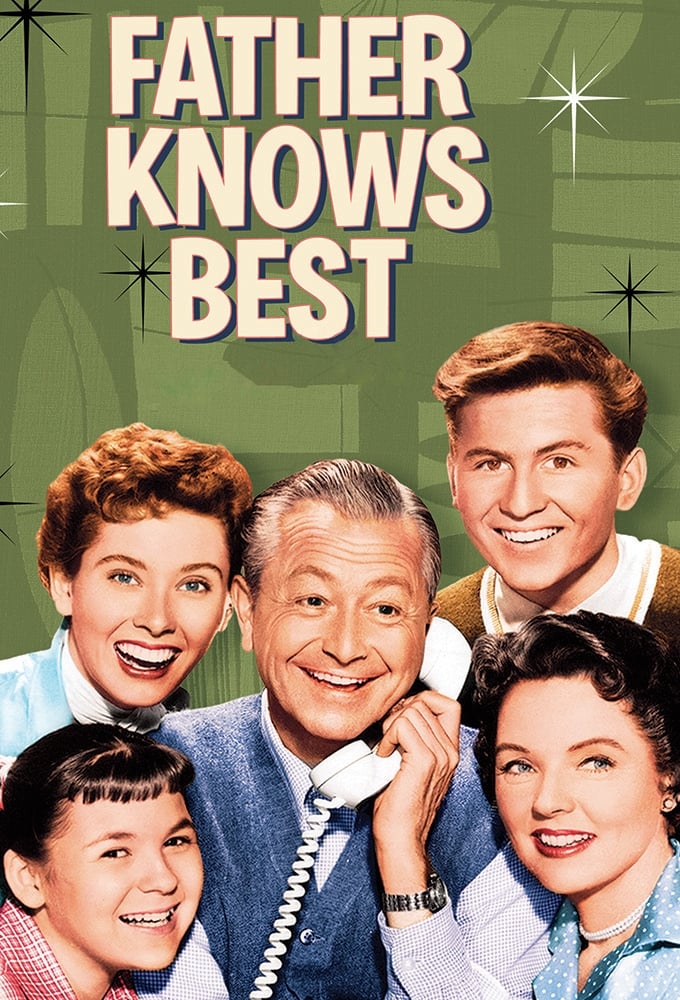
Family man Jim Anderson copes with the everyday problems among his wife Margaret and their three children as they experience day-to-day changes.
A gameshow hosted by Ant and Dec filled with stunts, sketches, and special guest appearances.
The Mighty B! is an American animated television series co-created by Amy Poehler, Cynthia True and Erik Wiese for Nickelodeon. The series centers on Bessie Higgenbottom, an ambitious Honeybee girl scout who believes she will become The Mighty B if she collects every Honeybee badge. Bessie lives in San Francisco with her single mother Hilary, brother Ben and dog Happy. Poehler provides the voice of Bessie, who is loosely based on a character Poehler played on the improvisational comedy troupes Second City and Upright Citizens Brigade.
Six friends grow and learn at Bayside High.
Harley is an engineering whiz who uses her inventions to navigate life as the middle child in a large family of seven kids.
The quirky adventures of Pepper Ann, a 12-year-old girl trying to get through life with her family and friends.
A family of raucous supervillains who recently ran afoul of the League of Villains and now must somehow beat a path to normalcy in a small Texas town.
The daily life of Arnold--a fourth-grader with a wild imagination, street smarts and a head shaped like a football.
Bennie Upshaw, the head of a Black working class family in Indianapolis, is a charming, well-intentioned mechanic and lifelong mess just trying his best to step up and care for his family and tolerate his sardonic sister-in-law, all without a blueprint for success.
This game show sees contestants solve word puzzles, similar to those used in Hangman, to win cash and prizes determined by spinning a giant carnival wheel.
Takeshi's Castle was a Japanese game show that aired between 1986 and 1990 on the Tokyo Broadcasting System. It featured the Japanese actor Takeshi Kitano as a count who owns a castle and sets up difficult challenges for players to get to him. Contestants throw themselves into daunting physical challenges as they attempt to storm Takeshi's Castle and win the grand prize of one million yen. The show has become a cult television hit around the world. A special live "revival" was broadcast on April 2, 2005, for TBS's 50th anniversary celebrations.
Set in Chicago, the show follows the kid-friendly misadventures of two high-school friends who are always scheming and dreaming. Kenan, who works at a grocery store, constantly devises crazy plans to strike it rich, while orange-soda-loving buddy Kel is always dragged along for the ride despite his track record for messing things up.
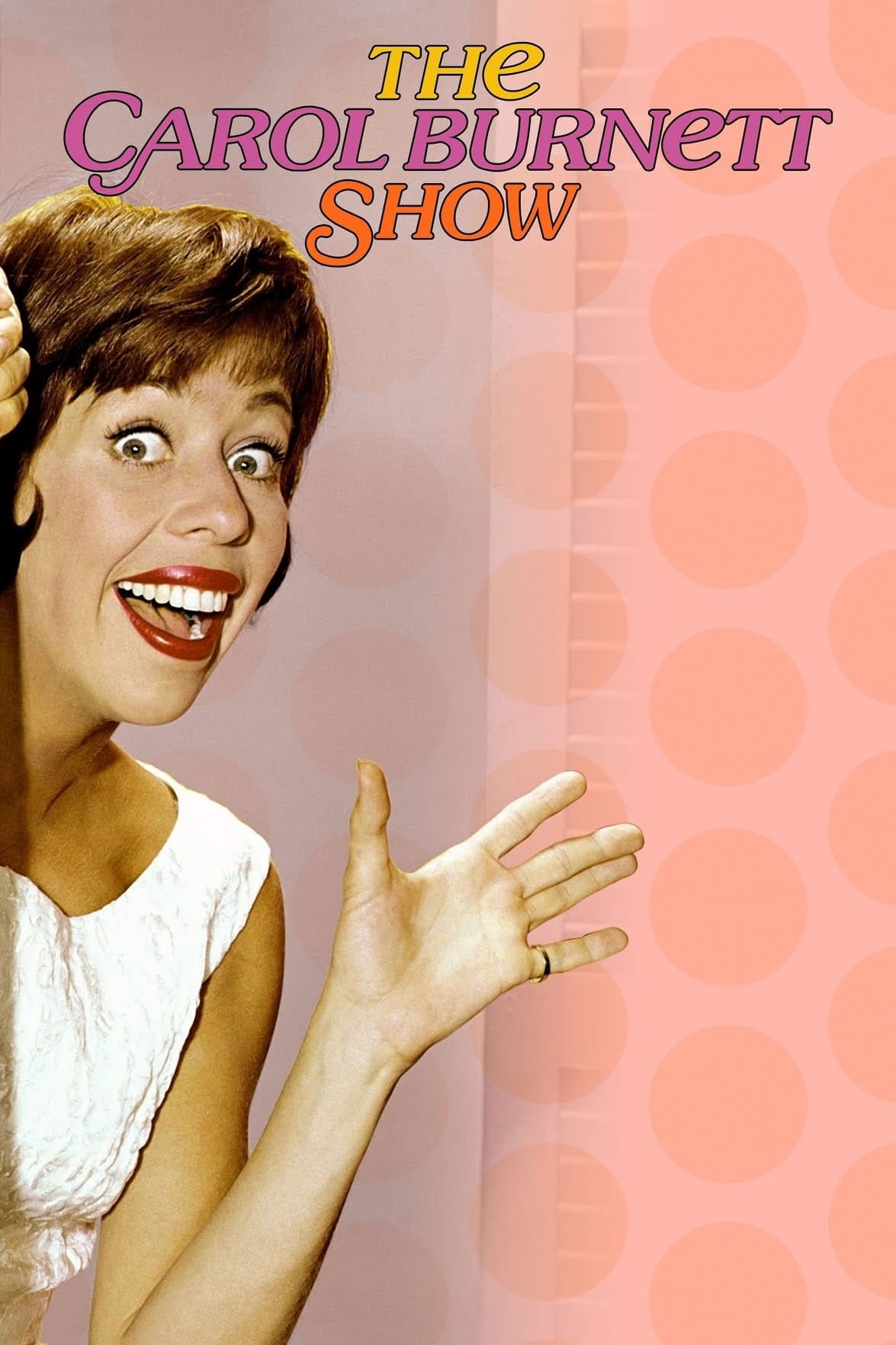
The Carol Burnett Show is an American variety/sketch comedy television show starring Carol Burnett, Harvey Korman, Vicki Lawrence, Lyle Waggoner, and Tim Conway. It originally ran on CBS from September 11, 1967, to March 29, 1978, for 278 episodes and originated from CBS Television City's Studio 33. The series won 25 prime time Emmy Awards, was ranked No. 16 on TV Guide's 50 Greatest TV Shows of All Time in 2002 and in 2007 was listed as one of Time magazine's "100 Best TV Shows of All Time."
Teens PJ and Teddy and tween brother Gabe are typical kids -- that is, until their mother has another baby. The arrival of their new sister completely upends the entire household. When their mother heads back to work after Charlie's birth, it's up to the kids and their dad to keep the home fires burning -- and to keep Charlie out of trouble as she learns to sit up, crawl, walk and run. Teddy, as the older sister, makes a personalized video diary for Charlie, in each episode adding a nugget of wisdom for her baby sibling.
Go behind the curtains as Kermit the Frog and his muppet friends struggle to put on a weekly variety show.