Social & External
When social upheaval sweeps Russia in the early 20th century, Czar Nicholas II resists change, sparking a revolution and ending a dynasty.
Colorized historical footage in ascending order of World War 1. Not only the relatively known Flanders and France battles, but also the generally unknown Italian-Austrian, German-Polish-Russian, Japanese-German, Ottoman Empire- Allied and African German Colonies, and other unknown or forgotten fronts and battles.
Communism spread to all of the continents of the word, lasting through four generations and over seven decades. Hundreds of millions of men and women were affected by this political system, one of the most unjust and bloodiest in history. Using newly discovered propaganda films and archival photos, these four episodes explore the mysteries of this totalitarian political machine that lured its share of important followers into the fold. Known as the red church, communism seduced its ardent followers like some earthly religion.
In March 1917, amidst World War I, a sealed train carries Russian revolutionaries, led by Lenin, from Germany to St. Petersburg. Along the journey, political tensions and personal dramas unfold, culminating in a historic arrival.
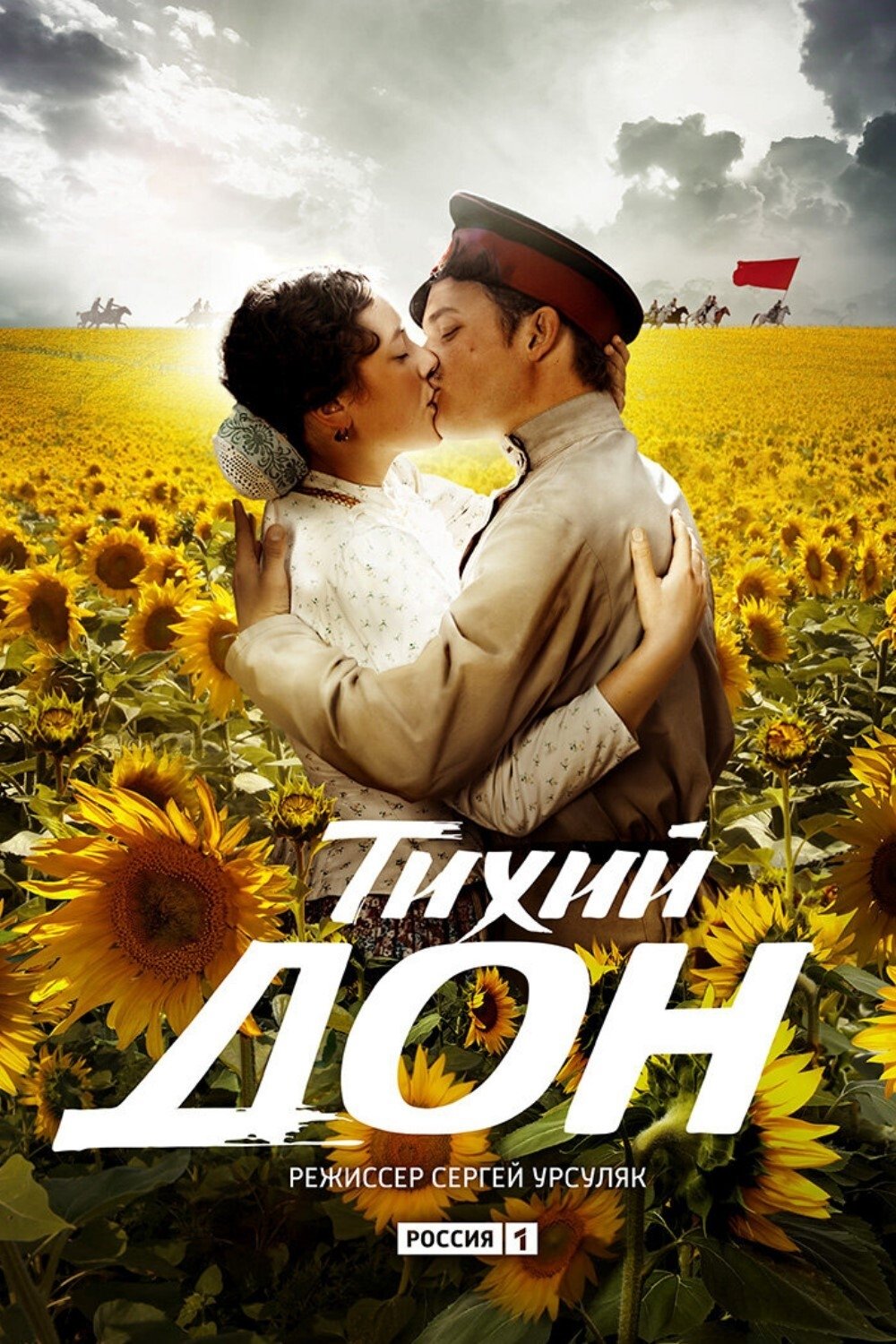
The action begins in 1912. The heroes of the painting - neighbors, villagers, Cossacks from the Tatarsky farm of the village of Vyoshenskaya - have lived on this land for centuries, they are connected by kinship, friendship, love, common labor and military service. But this durable and self-sufficient world with its unique way of life, habits and a special system of views and values is collapsing under the onslaught of bloody turmoil and revolution. Don is divided by hatred. The seemingly immutable age-old foundations of Don life - land, farm, family, military duty - are dissolving in the crucible of fratricidal war. The Melekhov, Korshunov, and Astakhov families are involved in the cycle of military and political events.
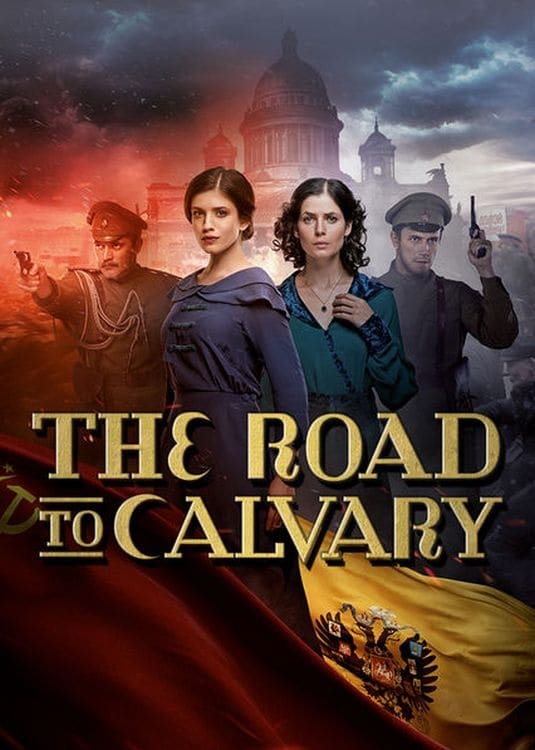
Swept up in political unrest during World War I, two sisters in St. Petersburg cope with turbulent romances as Russian history is made around them.
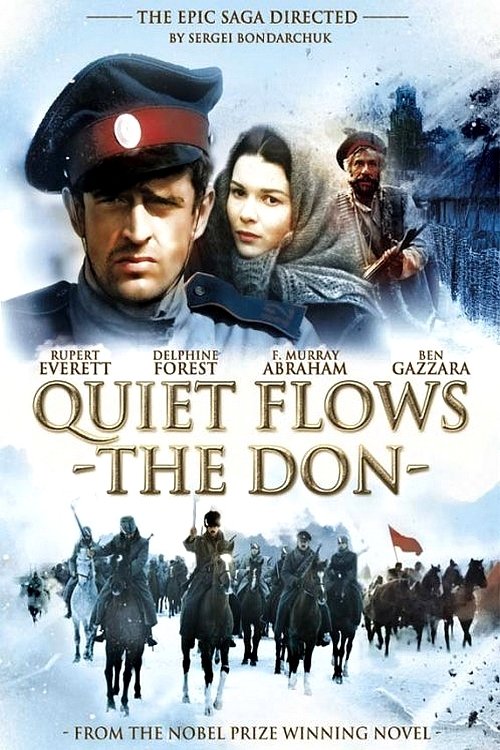
Against the backdrop of World War I and the Bolshevik Revolution, a young Cossack warrior navigates love, loyalty, and survival as his world transforms during the civil war that tears his homeland apart.
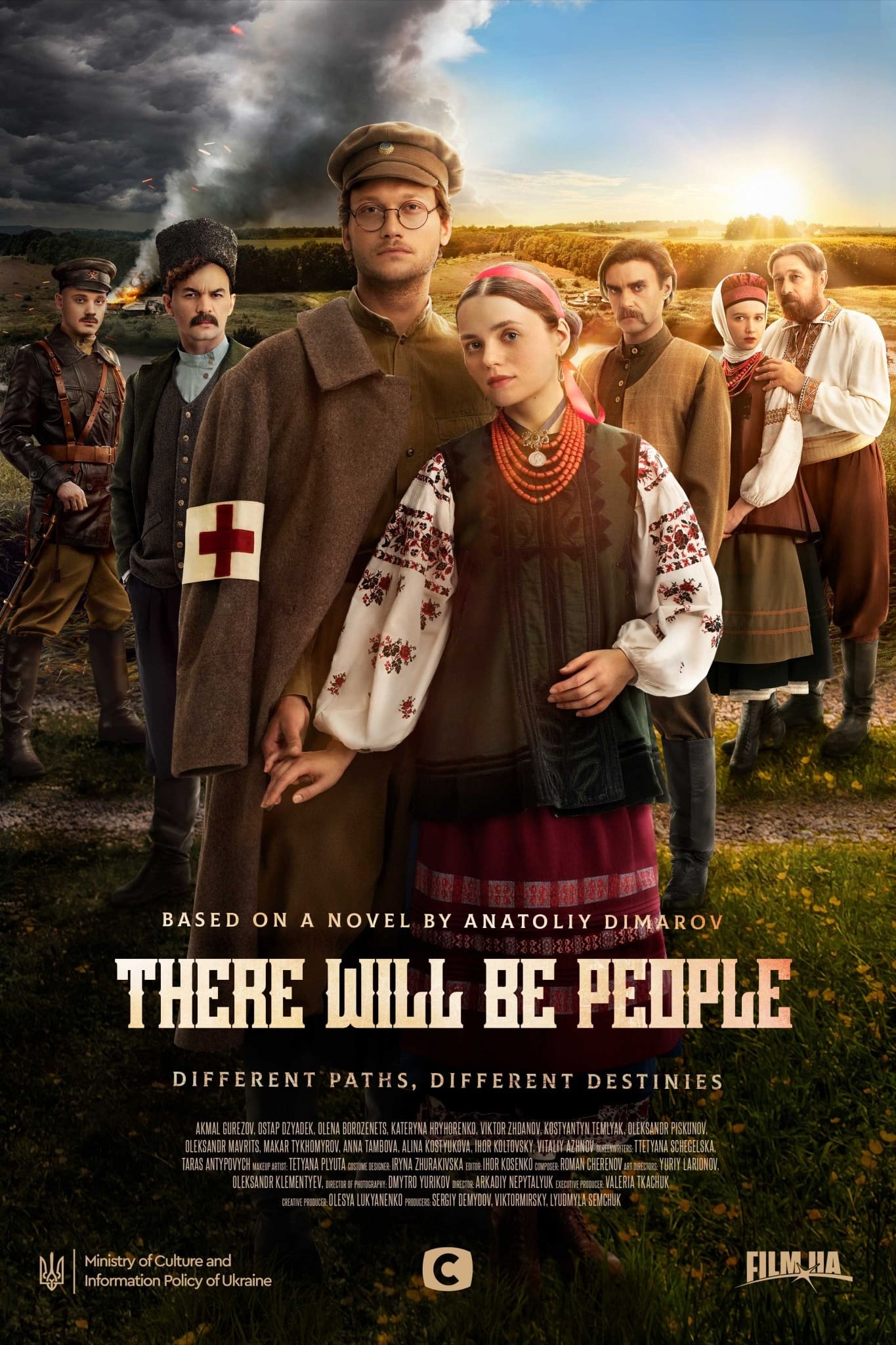
The series is built in the form of saga and depicts the turbulent periods of the beginning of the 20th century through the eyes of ordinary people: the First World War, the revolution, the emergence of Soviet regime. Each of the characters faced the changes in their own way through their concept of truth. However, all of them shared fundamental desire to live, love and find their own place in the new era.
Young and beautiful Lara is loved by three men: a revolutionary, a mogul, and a doctor. Their lives become intertwined with the drama of Russian revolution. Doctor Zhivago is still married when he meets Lara. Their love story is unfolding against the backdrop of revolution which affects the doctor's career, his family, and his love to Lara.
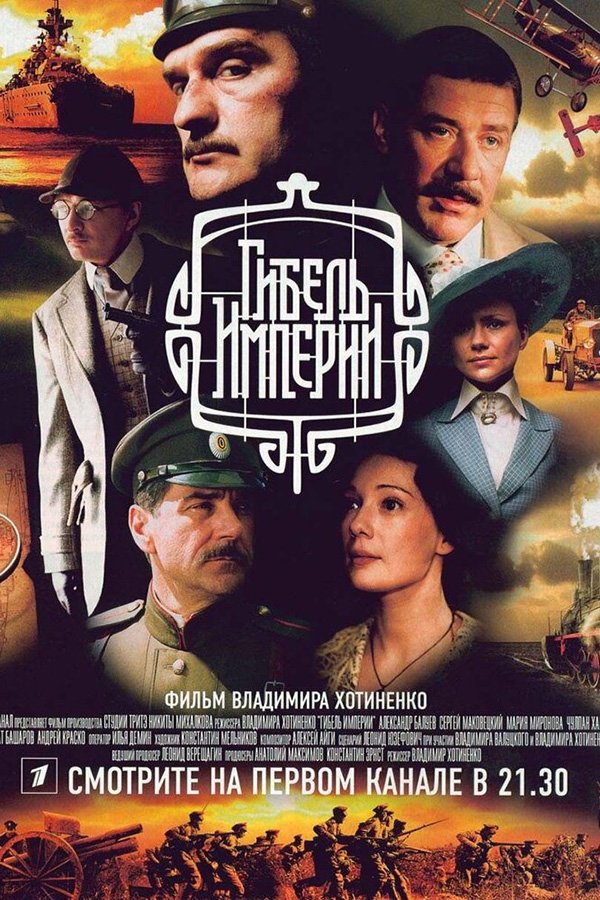
Russian Empire. The second decade of the twentieth century. As a result of the conflict between the Entente and the bloc of the Central Powers led by Germany, which erupted in August 1914, Russia is drawn into the First World War. A wave of unrest is rolling through the country. Revolutionary moods are increasing every day. Counterintelligence is trying with all its might to suppress the activity of German spies active in the territory of the country ...
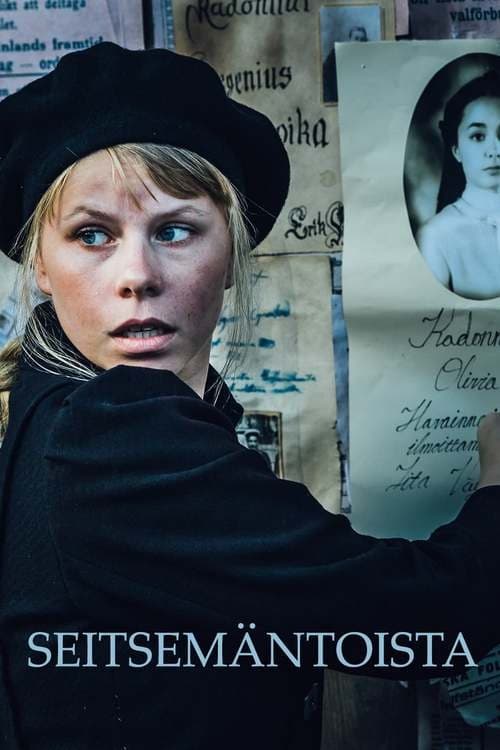
The year is 1917. Rumors of the Russian Revolution are spreading to Helsinki, disrupting the lives of both Prime Minister Oskari Tokoi and the bourgeois Nikolajeffie family. The family's 17-year-old daughter Olivia and the same-aged maid Iita, who works for the family, are best friends. They meet a young socialist boy, Juho, and become entangled in politics, which puts their friendship to the test. Olivia disappears, and Iita realizes that it is a matter of life and death. At the same time, Oskari Tokoi's government seeks to make Finland independent from Russian rule.
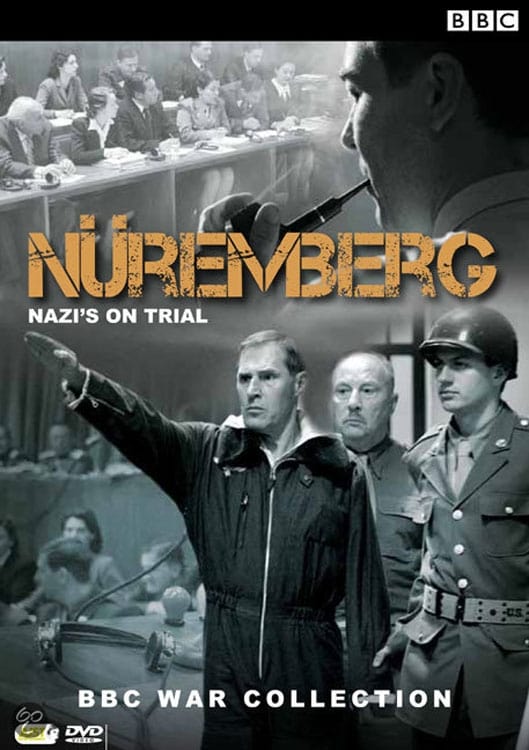
Nuremberg: Nazis on Trial, is a BBC documentary film series consisting of three one-hour films that re-enact the Nuremberg War Trials of Albert Speer, Hermann Göring and Rudolf Hess. They were broadcast on BBC Two in 2006 to coincide with the 60th anniversary of the trials.
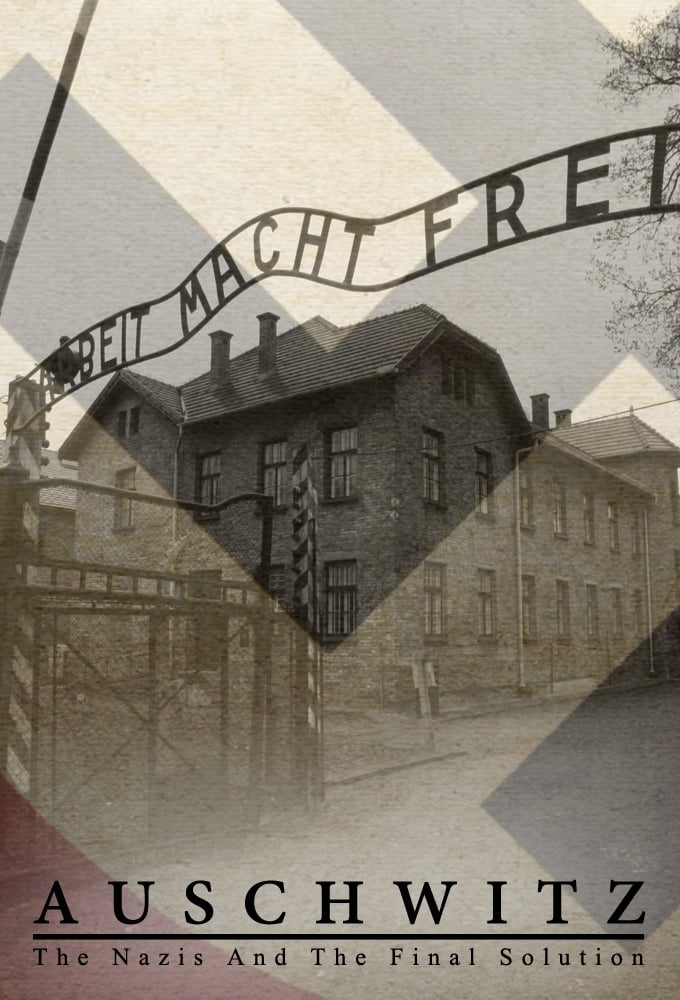
This documentary series tackles one of history's most horrifying subjects: the Holocaust and the infamous Auschwitz-Birkenau concentration camp.
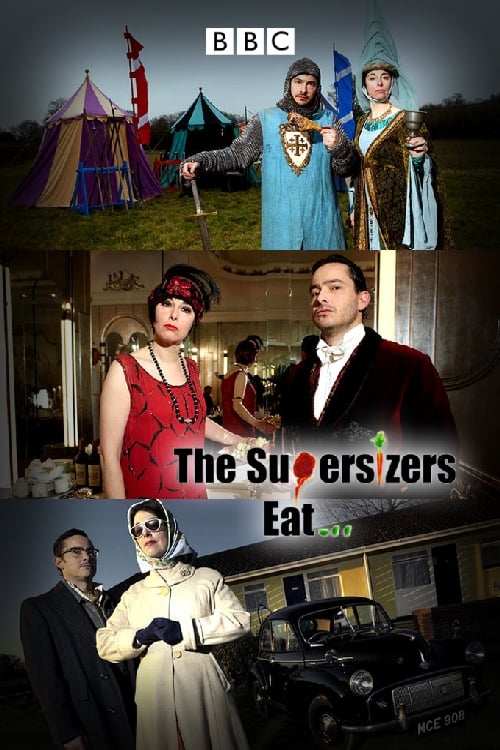
Restaurant critic Giles Coren and writer and comedian Sue Perkins experience the food culture of years gone by.
Justice Robert H. Jackson leads Allied prosecutors in trying 21 Germans for Nazi war crimes after World War II.
To live is to eat. For people around the world in precarious and dangerous circumstances, eating itself is dangerous, precarious, and essential.
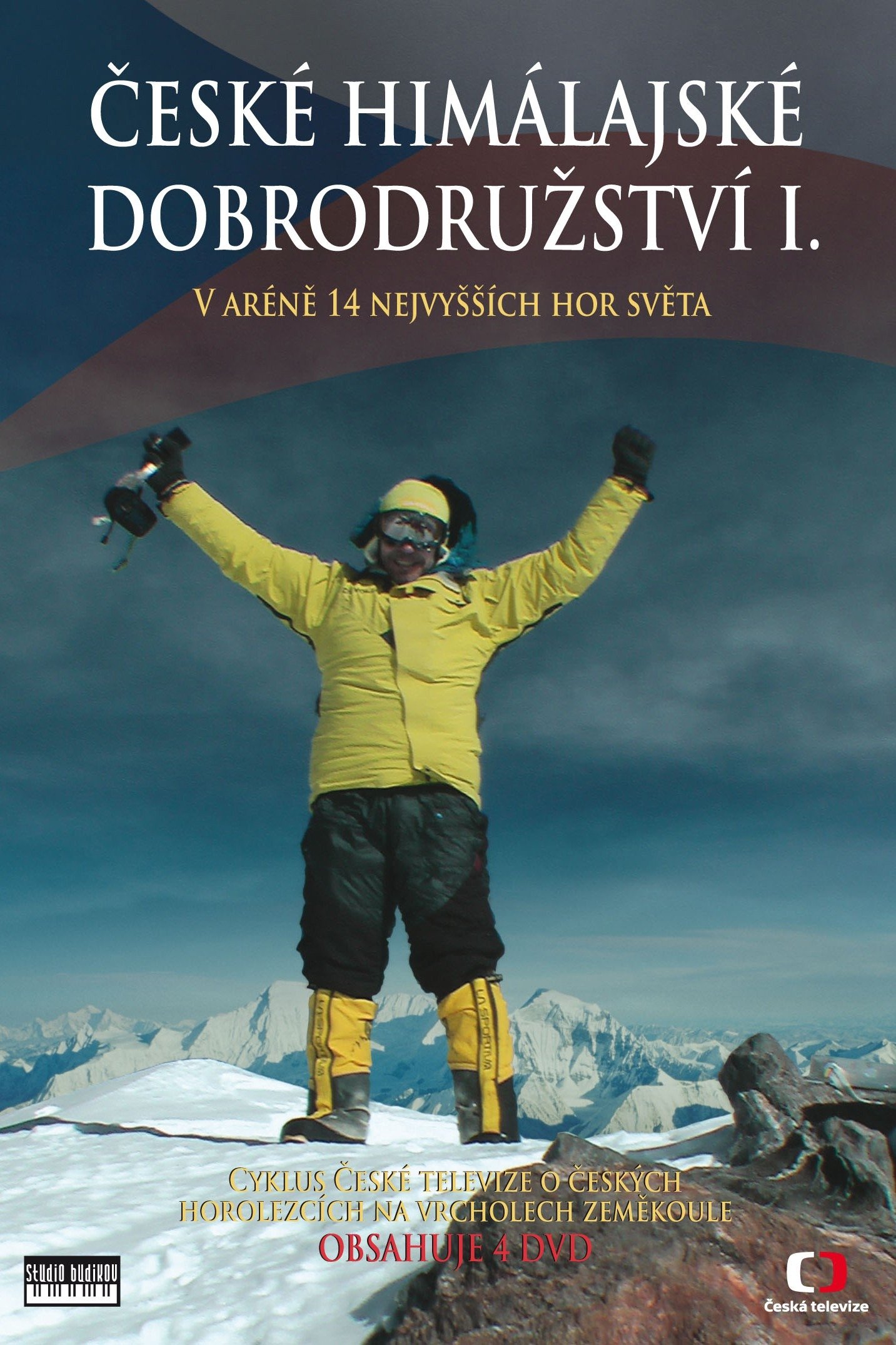
Documentary series dedicated to the history of the conquest of the 14 highest Himalayan peaks by Czech climbers.
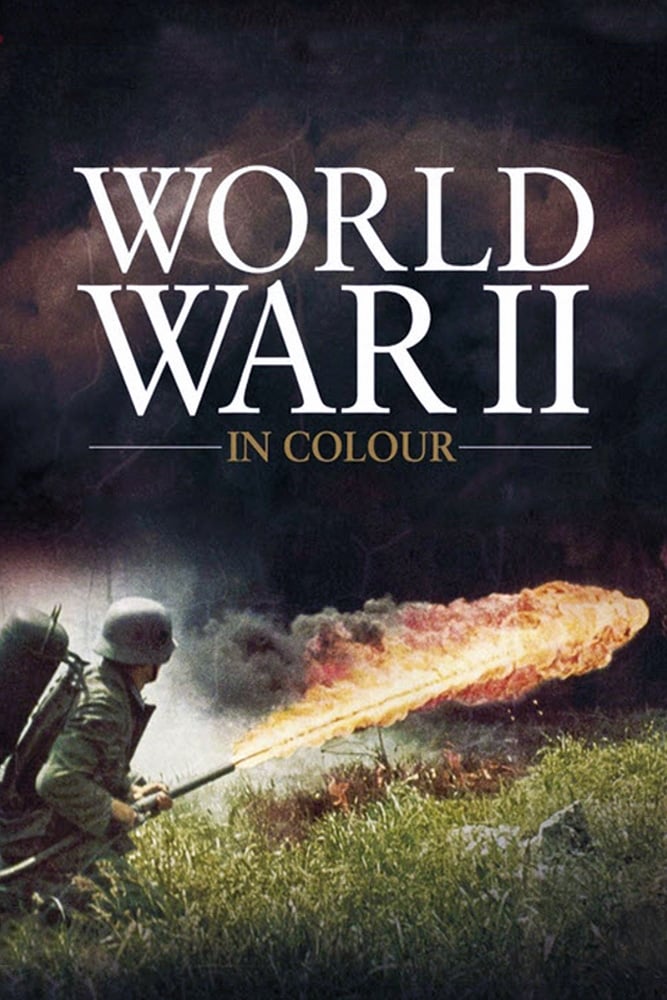
World War II In Colour is a 13-episode television documentary miniseries recounting the events of World War II narrated by Robert Powell. The show covers the Western Front, Eastern Front, and the Pacific War. It is on syndication in America on the Military Channel. This series is in full color, combining both original and colorized footage.
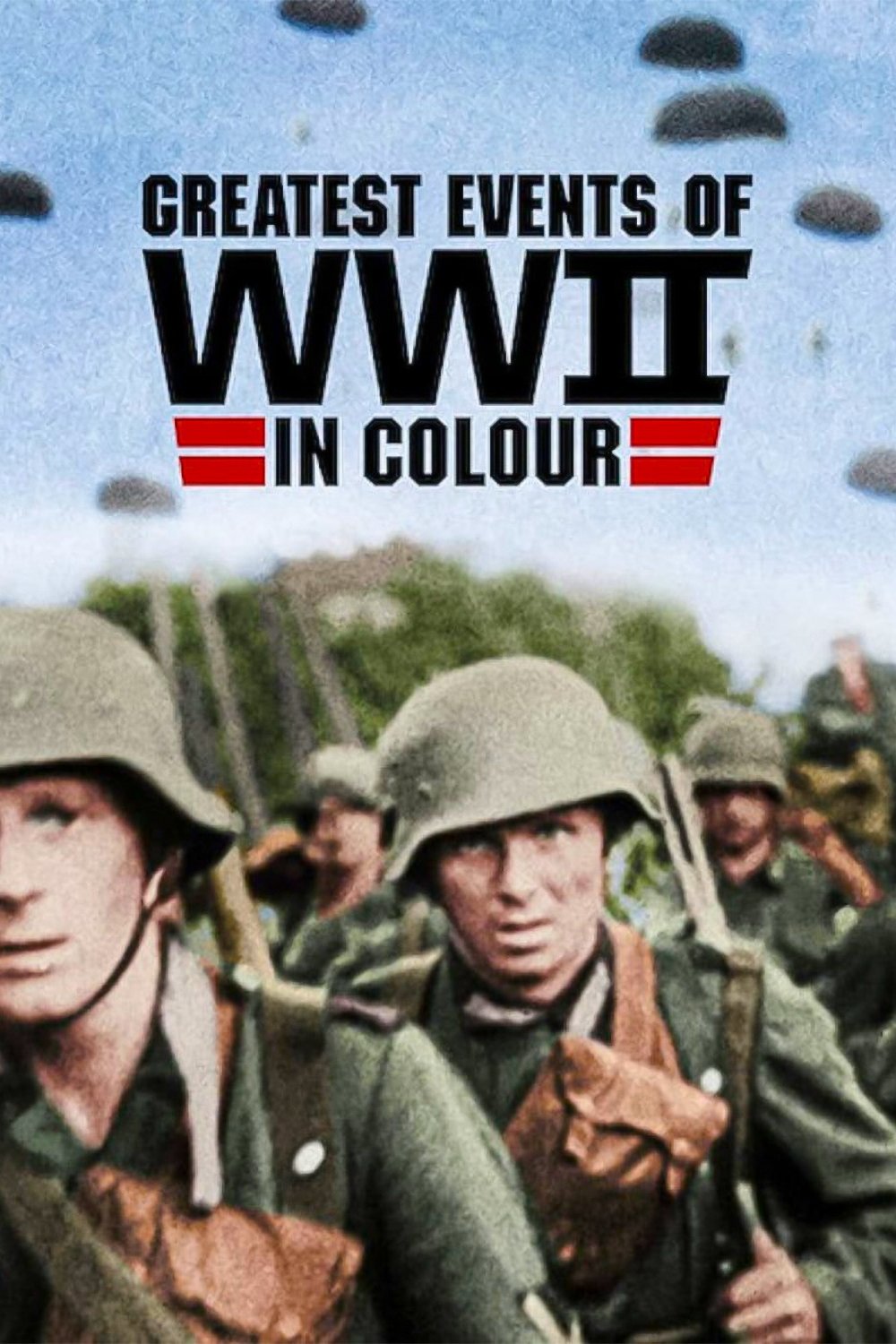
Using highly advanced colourisation techniques, critical moments from World War II, from Stalingrad to The Battle of Britain, are shown in a whole new light.
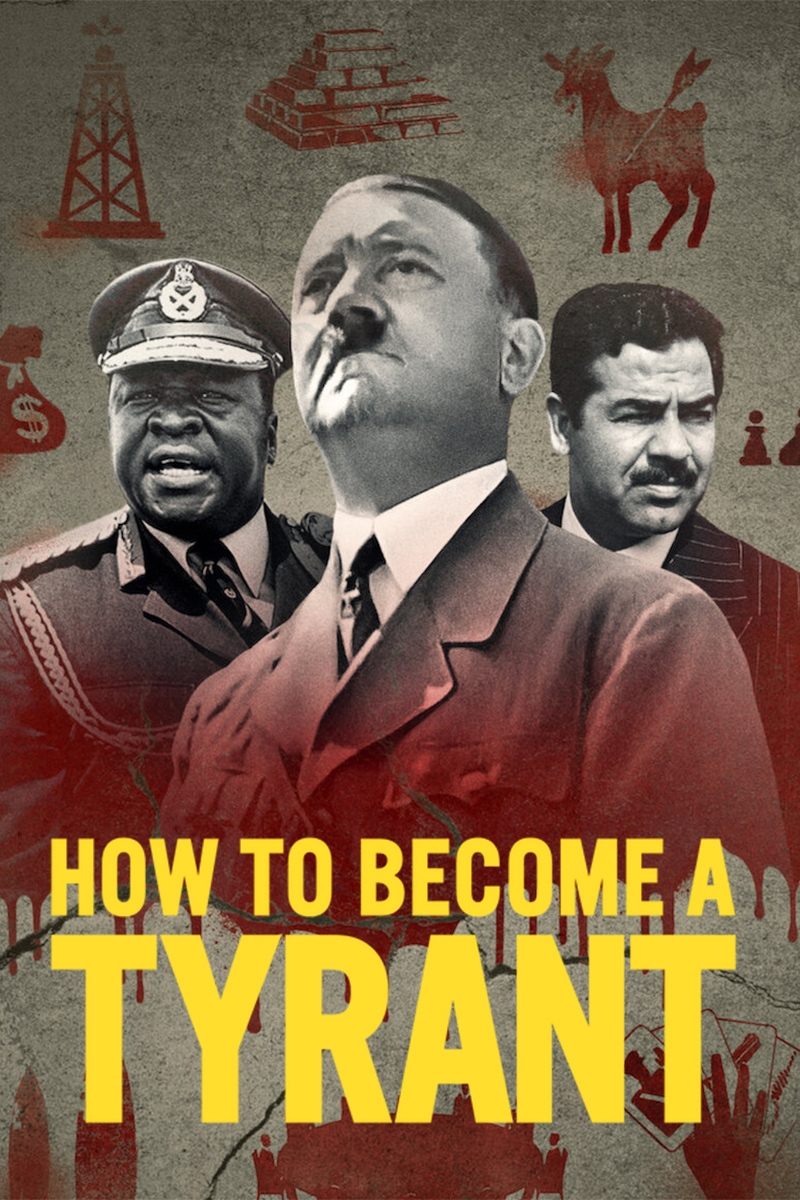
The documentary series explores different political figures throughout history.
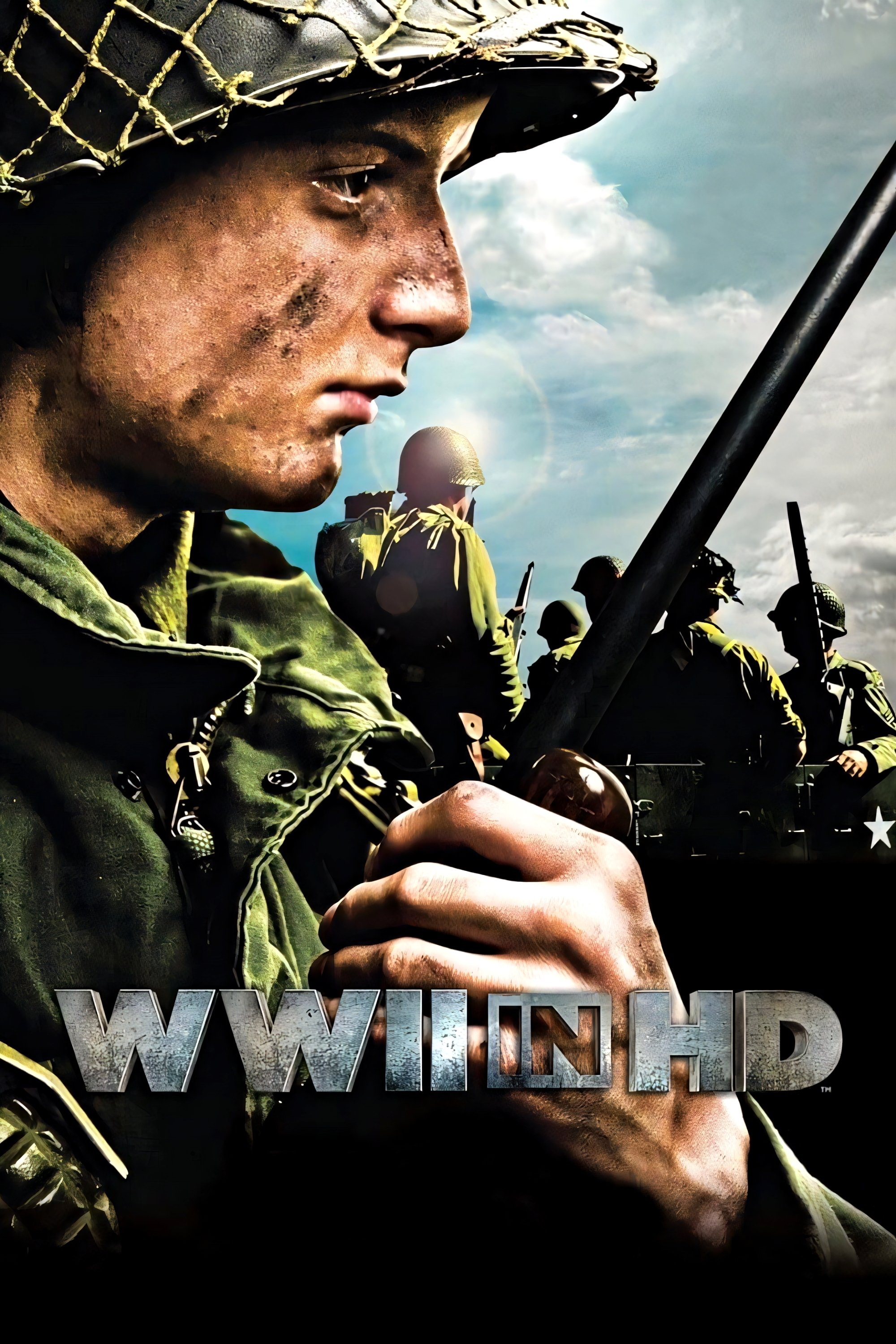
WWII in HD is a 10-part American documentary television miniseries that originally aired from November 15 to November 19, 2009 on the History Channel. The program focuses on the firsthand experiences of twelve American service members during World War II, including an Army nurse, a member of the Tuskegee Airmen, a second generation Japanese American and prisoner of war, and an Austrian Jewish immigrant. The twelve members recorded their time in both theaters and some had later interviews; found footage from the battlefield was paired with the stories of the twelve service members. The episodes premiered on five consecutive days, with two episodes per day. The series is narrated by Gary Sinise and was produced by Lou Reda Productions in Easton, Pennsylvania, United States.
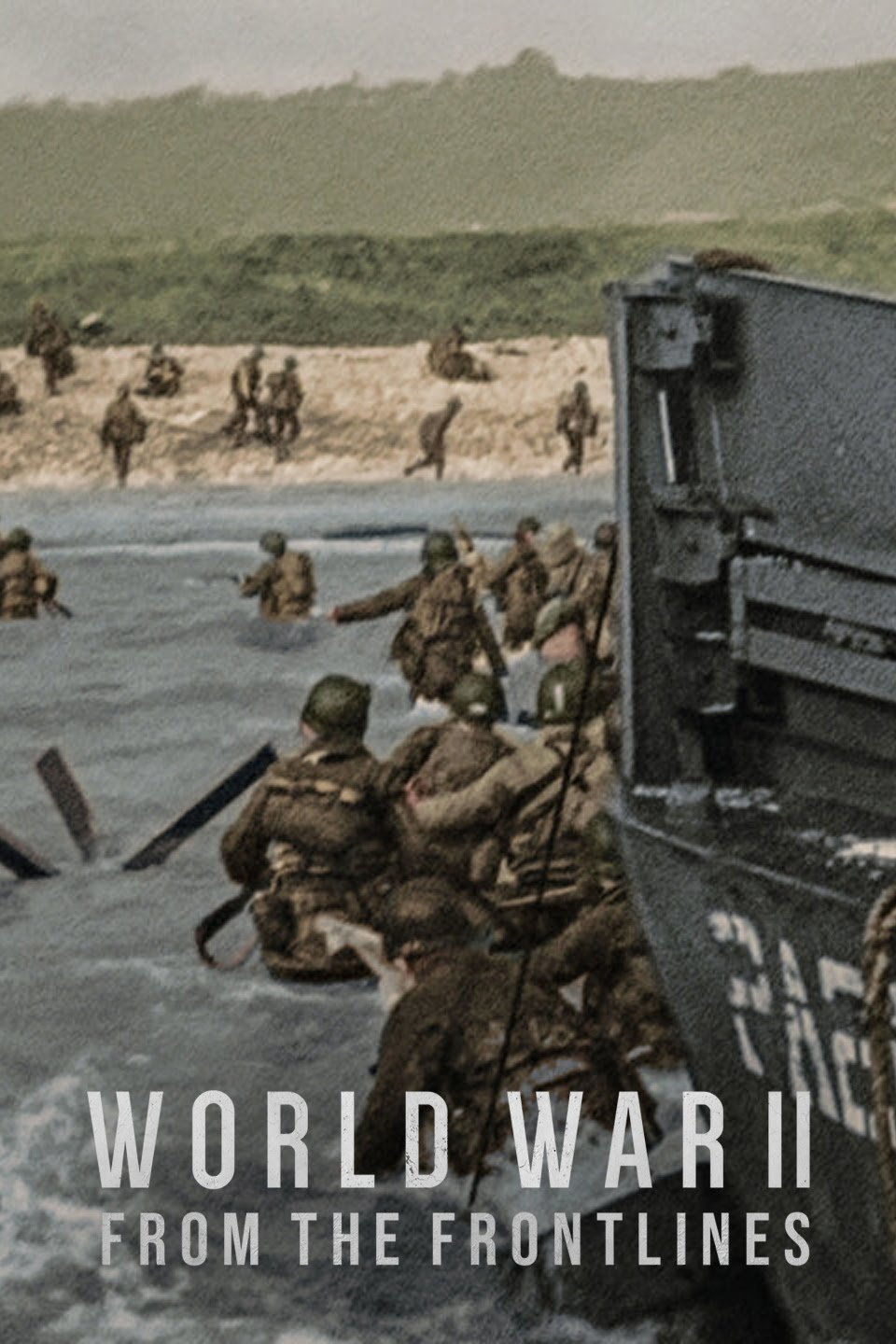
Through vividly enhanced archival footage and voices from all sides of the conflict, this docuseries brings WWII to life like never before.
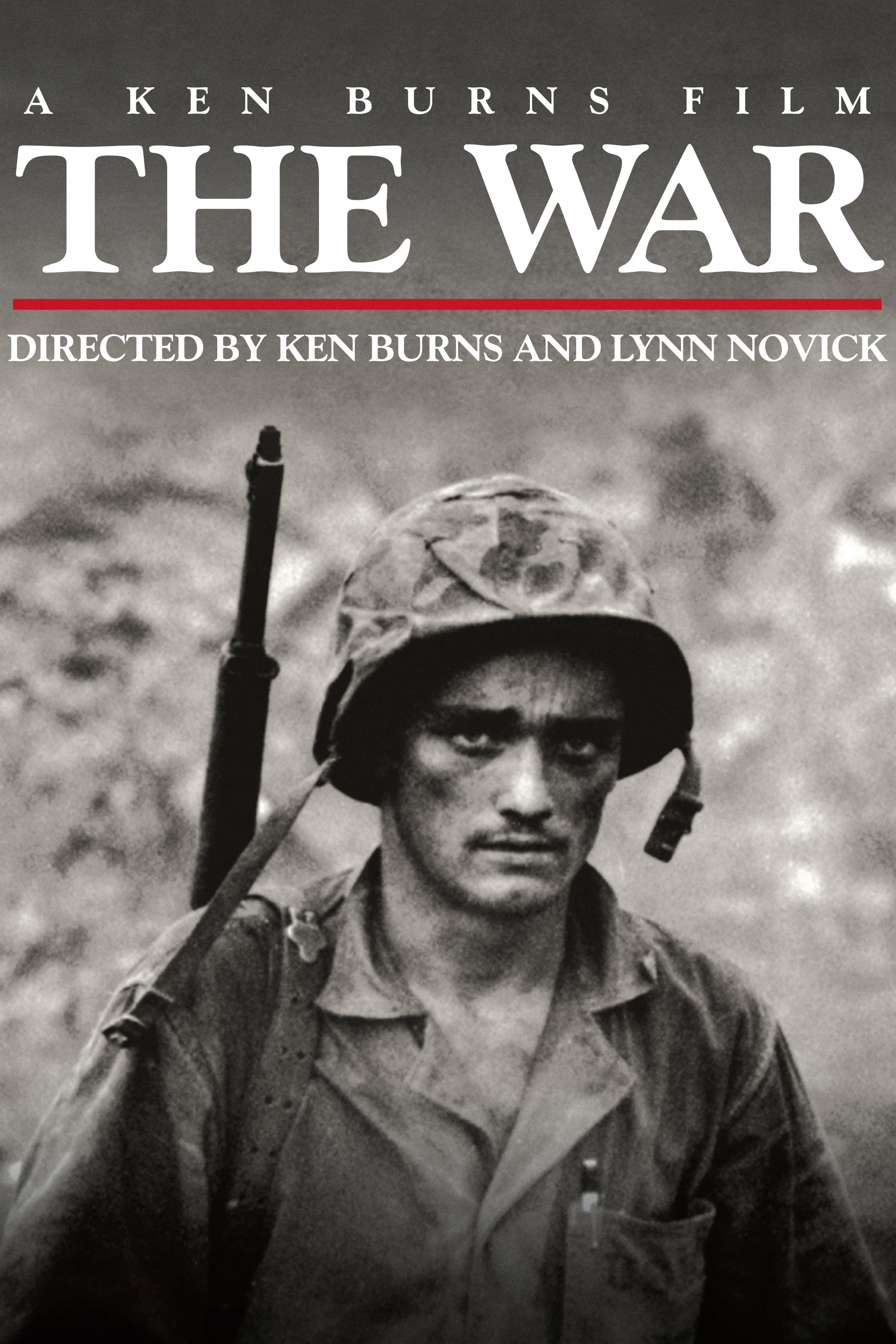
The story of the Second World War through the personal accounts of a handful of men and women from four American towns. The war touched the lives of every family on every street in every town in America and demonstrated that in extraordinary times, there are no ordinary lives.
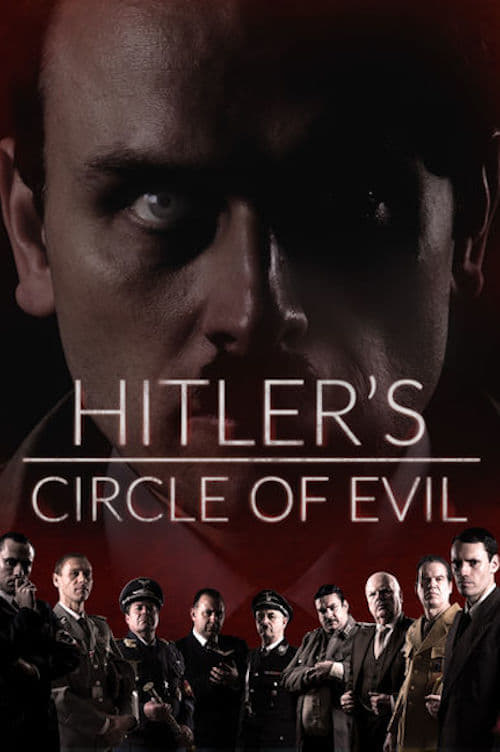
Surviving power struggles, betrayals and plots, Hitler's inner circle of Nazi leaders seizes control of Germany and designs its disastrous future.
A documentary on the American Civil War narrated by Ken Burns, covering the secession of the Confederacy to the assassination of Abraham Lincoln.
Oliver Stone's re-examination of under-reported events in American history.
A documentary series that gives a historical account of the events of World War II, from its roots in the 1920s to the aftermath and the lives it profoundly influenced.
An immersive 360-degree narrative telling the epic story of the Vietnam War as it has never before been told on film. Featuring testimony from nearly 80 witnesses, including many Americans who fought in the war and others who opposed it, as well as Vietnamese combatants and civilians from both the winning and losing sides.
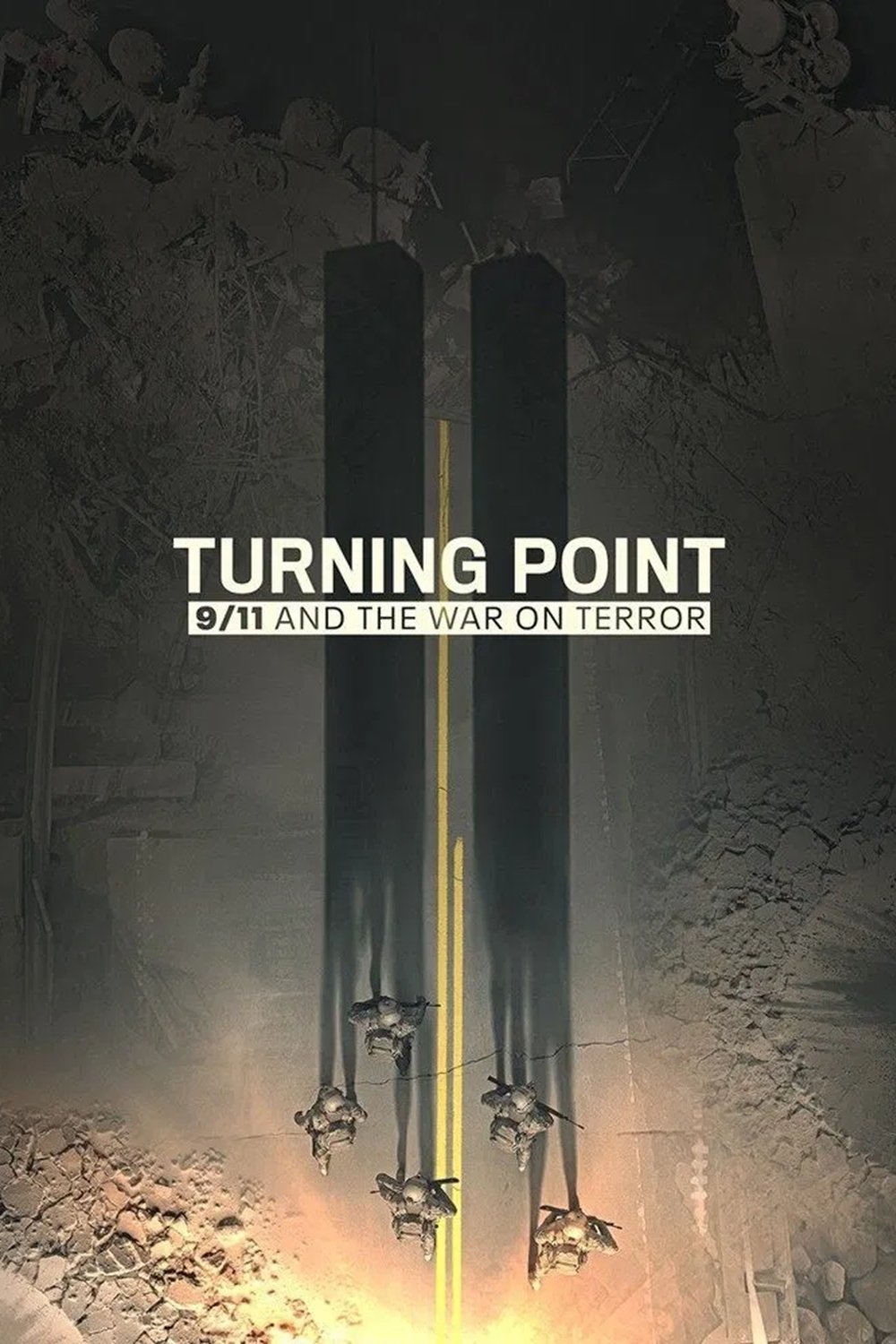
Modern history can be divided into two time frames: before 9/11 and after 9/11. This five-part docuseries is a cohesive chronicle of the September 11, 2001 attacks on the U.S., offering illuminating perspectives and personal stories of how the catastrophic events of that day changed the course of the nation.
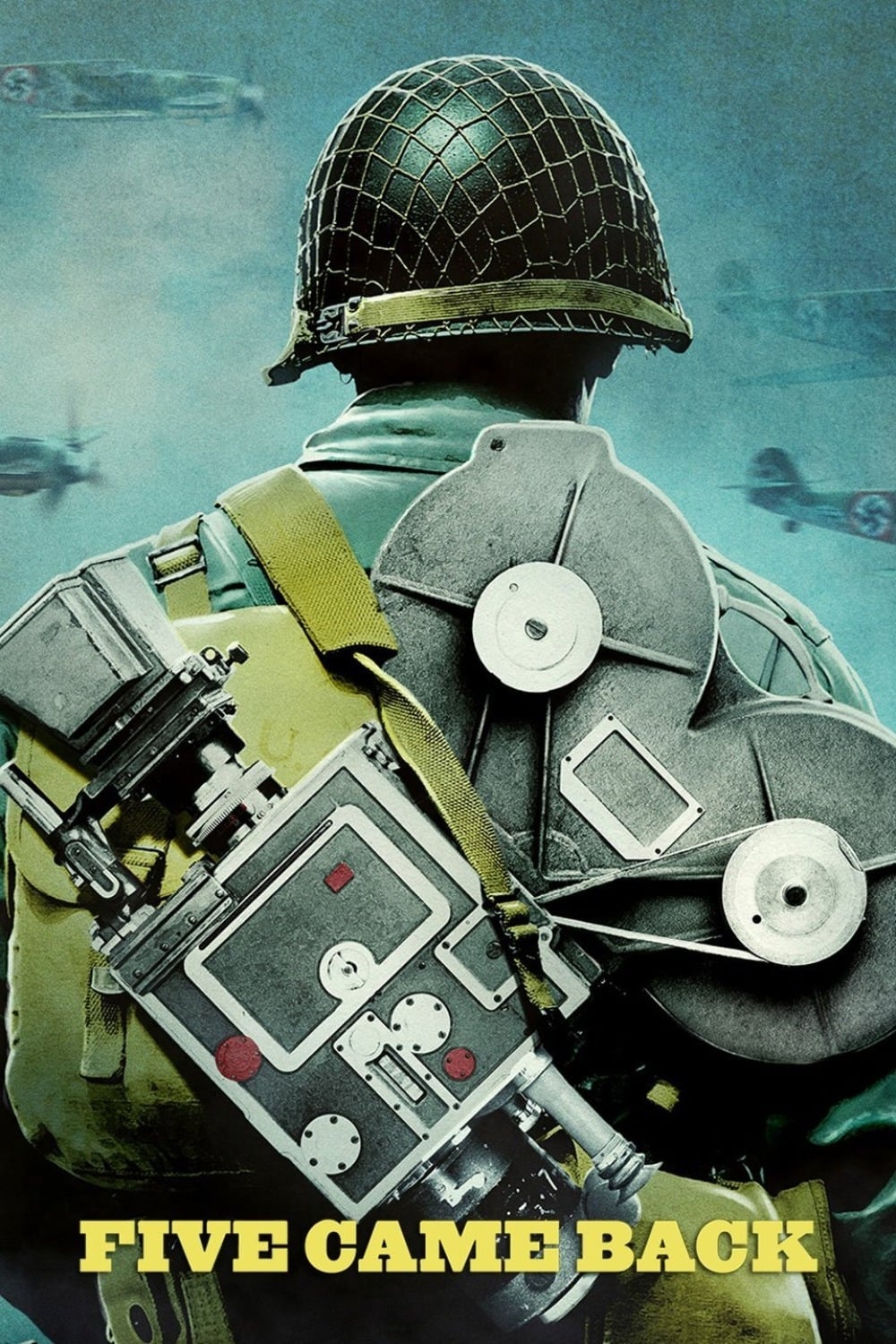
Five acclaimed contemporary directors tell the story of five legendary Hollywood filmmakers who enlisted in the armed forces to document World War II.
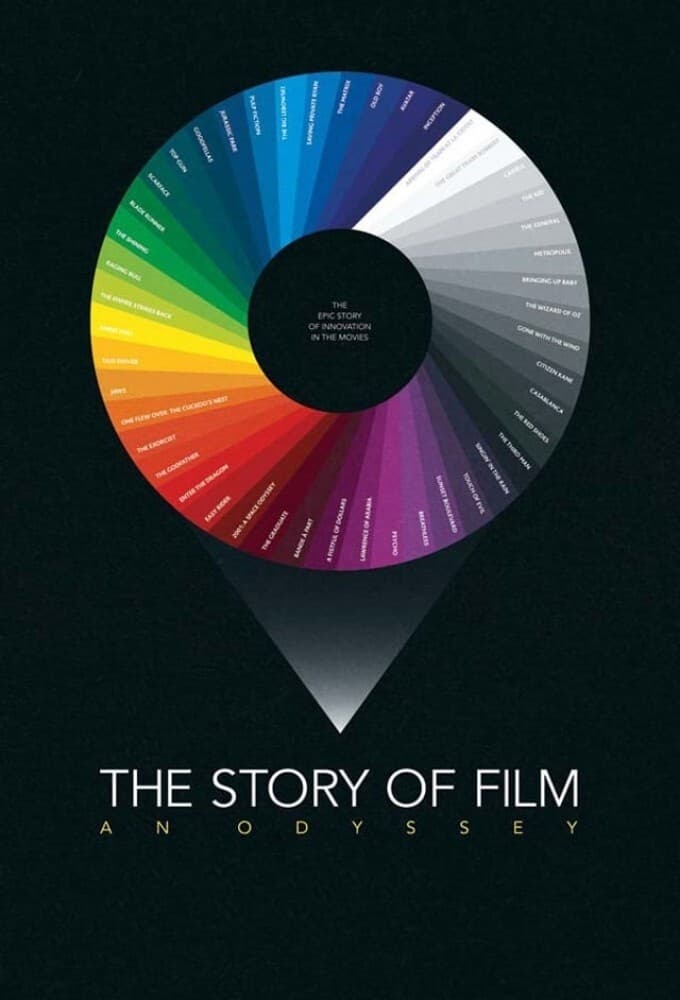
A worldwide guided tour of the greatest movies ever made and the story of international cinema through the history of cinematic innovation.
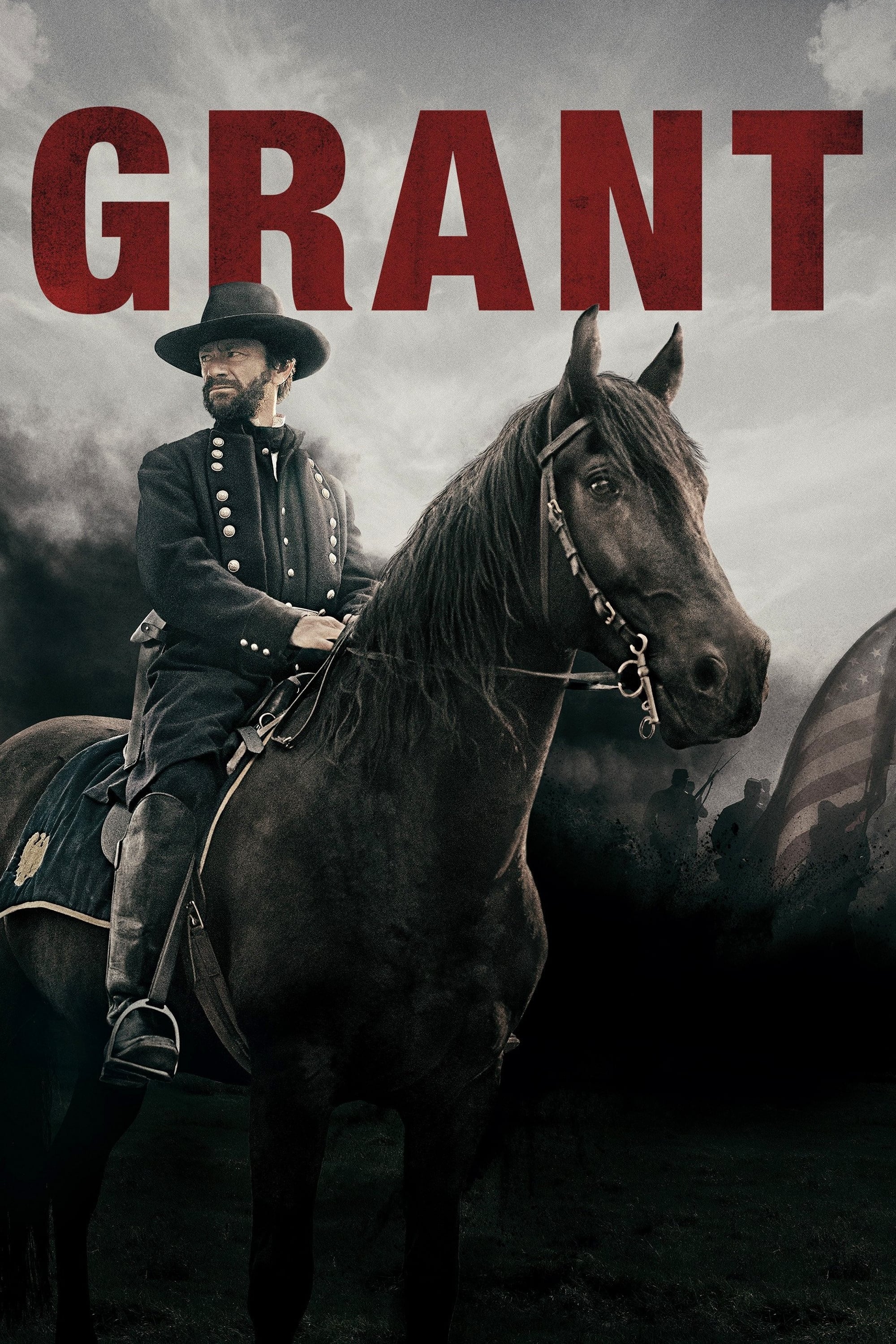
This documentary-series examines Grant's life story using his perspective and experiences to explore a turbulent time in history: the Civil War and Reconstruction.
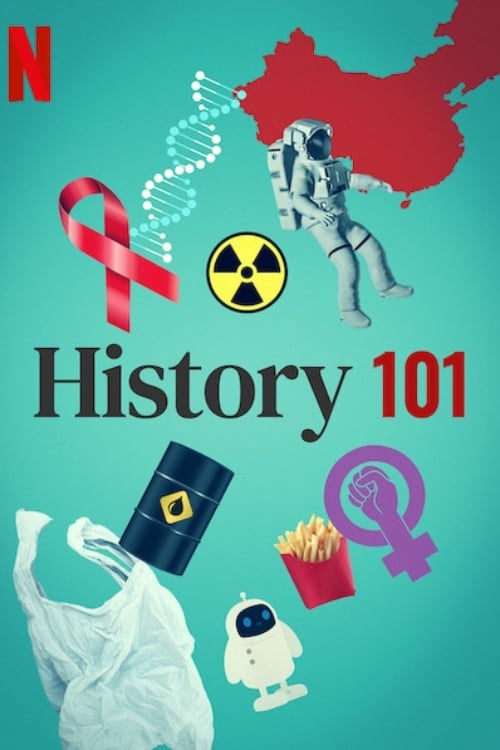
Infographics and archival footage deliver bite-size history lessons on scientific breakthroughs, social movements and world-changing discoveries.
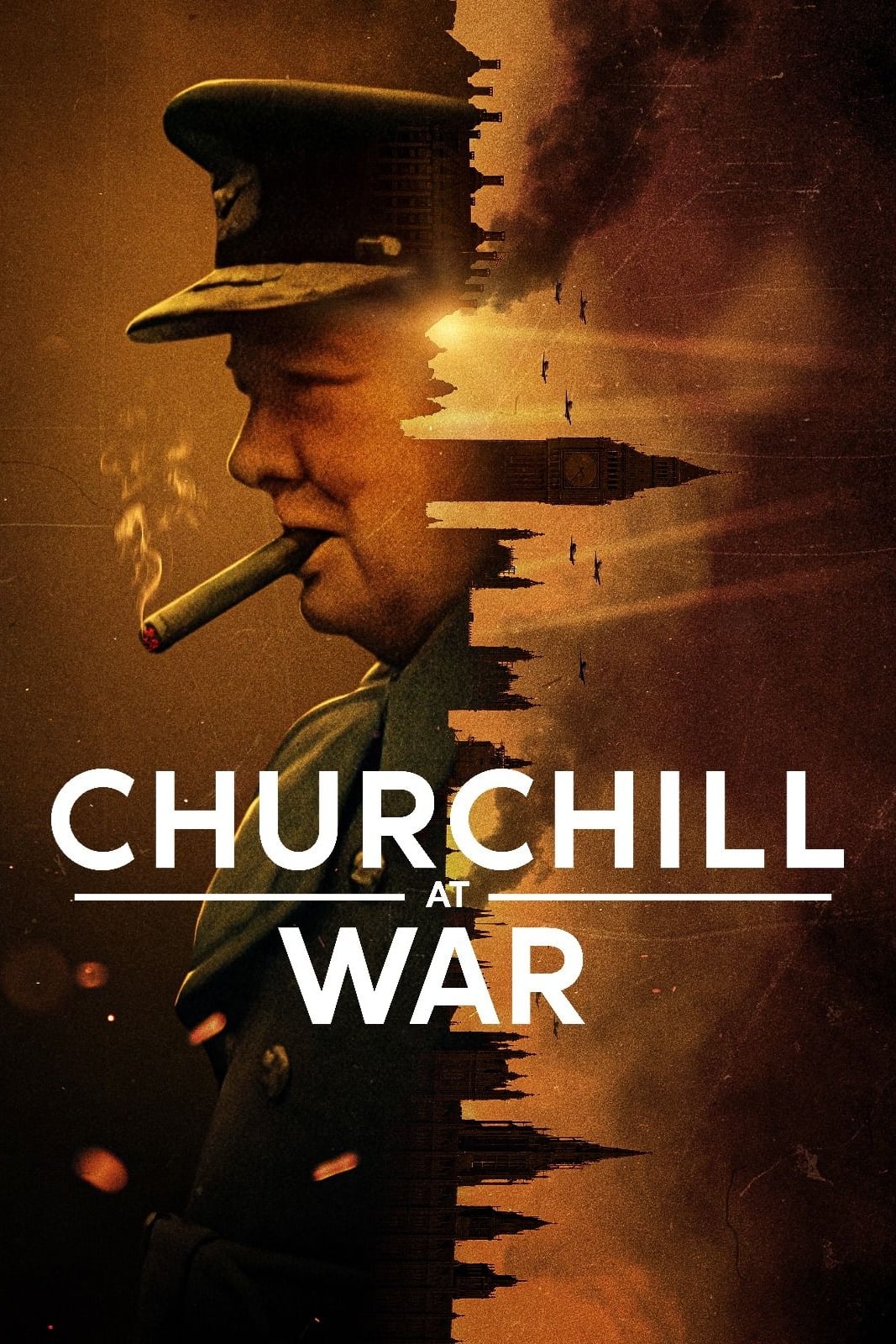
This captivating docuseries examines Winston Churchill's pivotal role in World War II and the formative events that made him an ideal leader for the era.
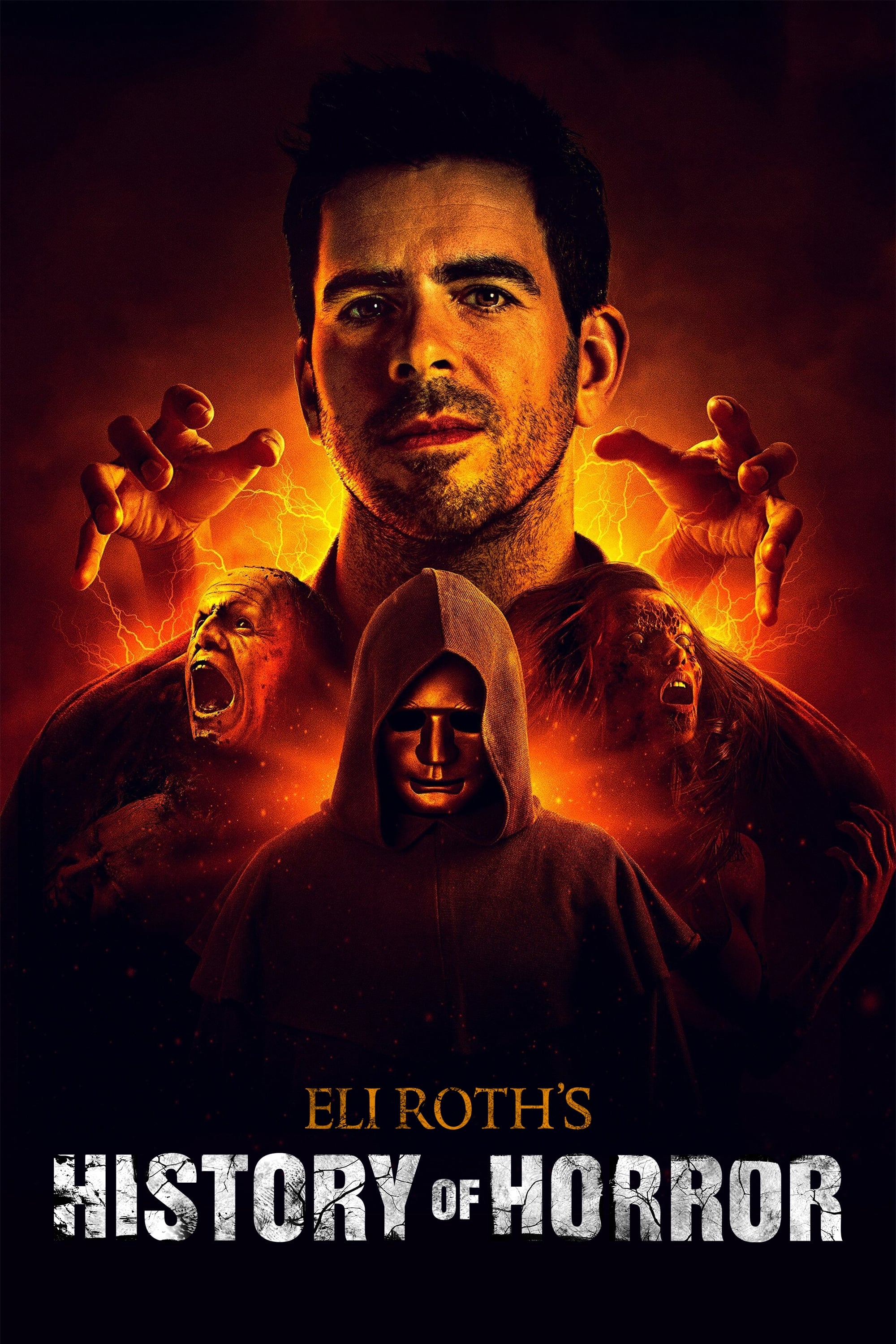
An in-depth look at the history and pop cultural significance of horror films.
Doctor Who Confidential is a documentary to complement the revival of the long-running British science fiction television series Doctor Who. Each episode was broadcast on BBC Three on Saturdays, immediately after the broadcast of the weekly television episode on BBC One. The running time of the first two series was 30 minutes, being extended to 45 minutes in the third. BBC Three also broadcast a cut-down edition of the programme, lasting 15 minutes, shown after the repeats on Sundays and Fridays and after the weekday evening repeats of earlier seasons.
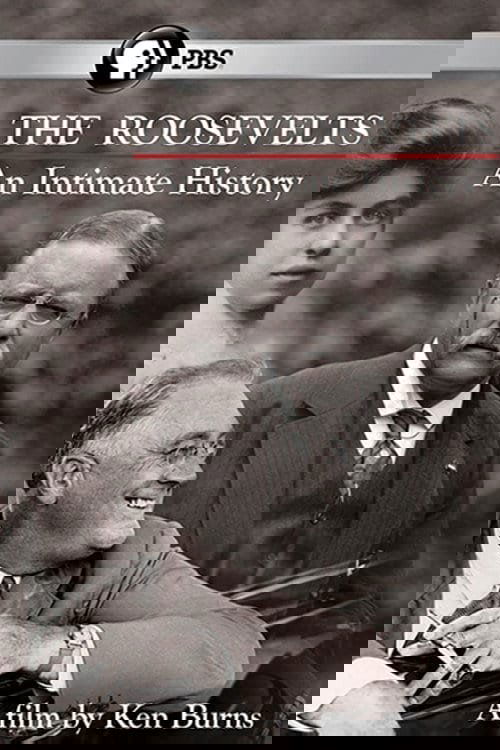
Chronicles the lives of Theodore, Franklin and Eleanor Roosevelt, three members of the most prominent and influential family in American politics. It is the first time in a major documentary television series that their individual stories have been interwoven into a single narrative. This seven-part, fourteen hour film follows the Roosevelts for more than a century, from Theodore’s birth in 1858 to Eleanor’s death in 1962.