Social & External
Jungle Warfare in the 20th century, from WW2, to Malaya and Indonesia, to Vietnam and Cuba.
Hitler had proclaimed that Nazi conquered Europe was an impenetrable fortress. On the 6th of June 1944, the Allies launched the largest combined land, air and sea operation ever. This invasion, designed to begin the liberation of Europe, would forever be known as D-Day. The years leading up to 1944 had seen total domination of Europe by Nazi Germany. Despite the entry of America into WWII, strategic bombing, the invasions of North Africa and Italy, Germany remained in control and was able to strength its coastal defenses, The Atlantic Wall, in preparation for the inevitable Allied invasion. Operation Overlord was the Allied plan to defeat those defenses and open a Western Front. The hard lessons learned at Anzio, Dieppe and Salerno were about to be brought into focus with the greatest invasion the world had ever seen. But how had the Allies come to this point? Who were the personalities and what compromises were made to forge this great alliance?
Using witness testimony, archive and archaeological evidence, this three-part series reveals the untold story of the preparations to defend World War Two Britain by the Home Guard.
Submarines today are highly complex machines crammed with technology and weapons. As impressive as their construction is, as terrifying is their destructive power. Hardly any other weapon triggers as many emotions as the submarine. It strikes from ambush and can use nuclear missiles to drag the whole world into the abyss. Submarines originated from a completely non-military idea, namely to be able to view the world under water. But the interest in the military use of submarines soon prevailed.
The KGB has influenced world events on numerous occasions before. Assassinations, coup d’états, theft of nuclear secrets and sexpionage are just standard trademarks for an organisation that still sends shivers down the spines of politicians and military figures the world over. It may have changed its name on various occasions, from Cheka to SPD to OGPU to NKVD to MGB to KGB to an array of different names after the collapse of the Soviet Union to FSB and SVR today, but it will forever be known, internally and externally, as the KGB.
The epic television history of the Second World War’s Eastern Front giving an unprecedented Russian perspective on the war’s most decisive and bloody theater.
The life story of Madalena das Dores Oliveira, the first woman to reach the rank of Brigade Chief of the PIDE (the Estado Novo secret police), who became known by the inhuman way in which she acted.
With the aid of rare archives, this film retraces the bloody history of the SS, some of whose members are still alive and have accepted to speak.
Dwight D. Eisenhower, John F. Kennedy, Lyndon B. Johnson, Richard Nixon, Gerald Ford, Jimmy Carter, Ronald Reagan and George H.W. Bush. This is the story of how their war experiences change them, how they emerge from conflict as leaders and how the crucible of war shapes the decisions they make when they reach the White House.
Journalist Charles Moore, who wrote Margaret Thatcher's authorised biography, explores her extremely close relationship with US President Ronald Reagan. These two leaders came together in the shadow of the Cold War and nuclear armageddon, and Charles meets the people who were in the room with them as they faced the great challenges of their age.
The Valiant Years was a documentary produced by ABC based on the memoirs of Winston Churchill, directed by Anthony Bushell and John Schlesinger, narrated by Gary Merrill and with extracts from the memoirs voiced by Richard Burton. It ran in the United States from 1960 to 1961, in 27 30-minute episodes and was broadcast in the UK by the BBC from February to August 1961. Its incidental music was written by Richard Rodgers, who won an Emmy for it in 1962. Scriptwriters included Victor Wolfson a dramatist and writer, Quentin Reynolds, William L. Shirer an American journalist, war correspondent and historian, and Richard Tregaskis. One of the program's London-based producers was actor Patrick Macnee, just prior to his being cast as secret agent John Steed in the long-running cult TV series The Avengers.,
It is a moment unlike any other in time. From coast to coast, Canada is united by the game we call our own. The outcome of this historic "Summit Series" is decided in the final minute of the final game. After playing the Soviets in the Forum, Maple Leaf Gardens, Winnipeg and Vancouver, Team Canada leaves for Moscow with only one victory on home ice. Behind the Iron Curtain, they lose the first of the remaining four at the Luzhniki Ice Palace. What follows, is the most dramatic hockey series ever played.
Who were the Yugoslav Partisans? A docuseries about the founding and evolution of the largest armed resistance in Europe during World War II.
A documentary series that gives a historical account of the events of World War II, from its roots in the 1920s to the aftermath and the lives it profoundly influenced.
The untold true story behind the Cold War race to put man into space.
Dateline: World War II 2016 TV-PG Documentary · War In this detailed series, learn about the rise of Hitler's new Germany, Japan's invasion of China, and the fall of the Axis powers in 1945. Directed by Edward Feuerherd
Using highly advanced colourisation techniques, critical moments from World War II, from Stalingrad to The Battle of Britain, are shown in a whole new light.
An in-depth look at the history and pop cultural significance of horror films.
World War II In Colour is a 13-episode television documentary miniseries recounting the events of World War II narrated by Robert Powell. The show covers the Western Front, Eastern Front, and the Pacific War. It is on syndication in America on the Military Channel. This series is in full color, combining both original and colorized footage.
Motoring programme featuring reviews of and reports about cars of all types.
A worldwide guided tour of the greatest movies ever made and the story of international cinema through the history of cinematic innovation.
With firsthand accounts and access to prominent figures around the world, this comprehensive docuseries explores the Cold War and its aftermath.
Hit rewind and explore the most iconic moments and influential people of The Nineties, the decade that gave us the Internet, DVDs, and other cultural and political milestones.
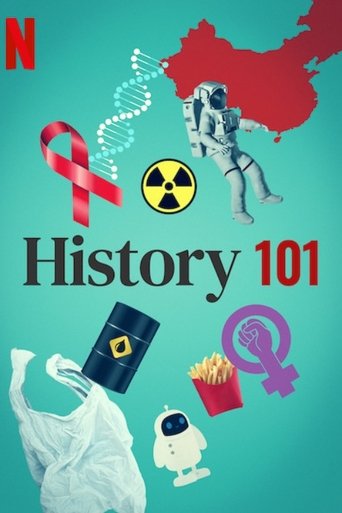
Infographics and archival footage deliver bite-size history lessons on scientific breakthroughs, social movements and world-changing discoveries.
A protection officer and an MI6 operative team up after a terrorist attack. They suspect a mole as they race to thwart a larger conspiracy threatening Paris.
The history of the sport of baseball in America, told through archival photos, film footage, and the words of those who contributed to the game in each era. Writers, historians, players, baseball personnel, and fans review key events and the significance of the game in America's history.
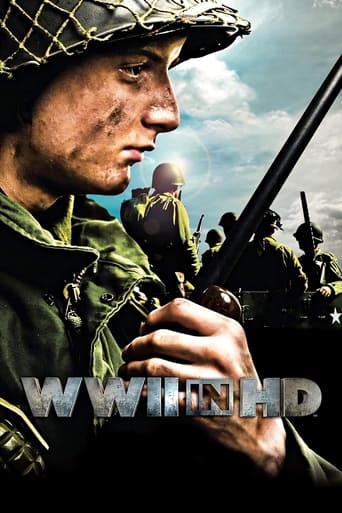
WWII in HD is a 10-part American documentary television miniseries that originally aired from November 15 to November 19, 2009 on the History Channel. The program focuses on the firsthand experiences of twelve American service members during World War II, including an Army nurse, a member of the Tuskegee Airmen, a second generation Japanese American and prisoner of war, and an Austrian Jewish immigrant. The twelve members recorded their time in both theaters and some had later interviews; found footage from the battlefield was paired with the stories of the twelve service members. The episodes premiered on five consecutive days, with two episodes per day. The series is narrated by Gary Sinise and was produced by Lou Reda Productions in Easton, Pennsylvania, United States.
Crime drama set in the 1960s about an old-school detective trying to come to terms with a time when the lines between the police and criminals have become blurred.
Have you ever wondered how the products you use every day are made? How It's Made leads you through the process of how everyday products, such as apple juice, skateboards, engines, contact lenses, and many more objects are manufactured.
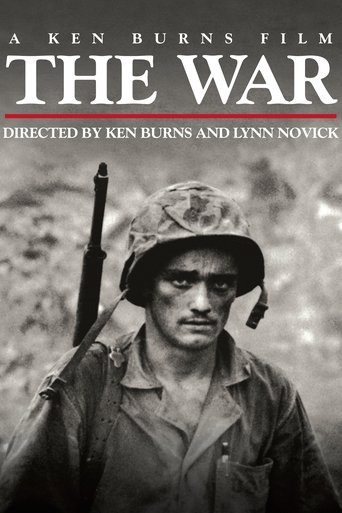
The story of the Second World War through the personal accounts of a handful of men and women from four American towns. The war touched the lives of every family on every street in every town in America and demonstrated that in extraordinary times, there are no ordinary lives.
Through vividly enhanced archival footage and voices from all sides of the conflict, this docuseries brings WWII to life like never before.
Mark Gatiss examines the history of the horror film, from classic Hollywood monsters to Hammer's glory days and beyond.
Maritime mysteries—old and new—come to life in this series, combining scientific data and digital re-creations to reveal shipwrecks, treasures, and sunken cities on the bottom of lakes, seas and oceans around the world.
A series of standalone documentaries powered by the unparalleled journalism and insight of The New York Times, bringing viewers close to the essential stories of our time.
Doctor Who Confidential is a documentary to complement the revival of the long-running British science fiction television series Doctor Who. Each episode was broadcast on BBC Three on Saturdays, immediately after the broadcast of the weekly television episode on BBC One. The running time of the first two series was 30 minutes, being extended to 45 minutes in the third. BBC Three also broadcast a cut-down edition of the programme, lasting 15 minutes, shown after the repeats on Sundays and Fridays and after the weekday evening repeats of earlier seasons.