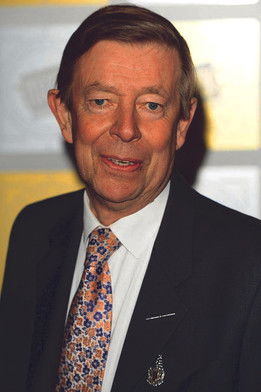
Going for Gold is a British television game show that originally aired on BBC One between 12 October 1987 and 9 July 1996. It has since been revived for Channel 5 from 13 October 2008 to 20 March 2009.
Social & External
Self - Host
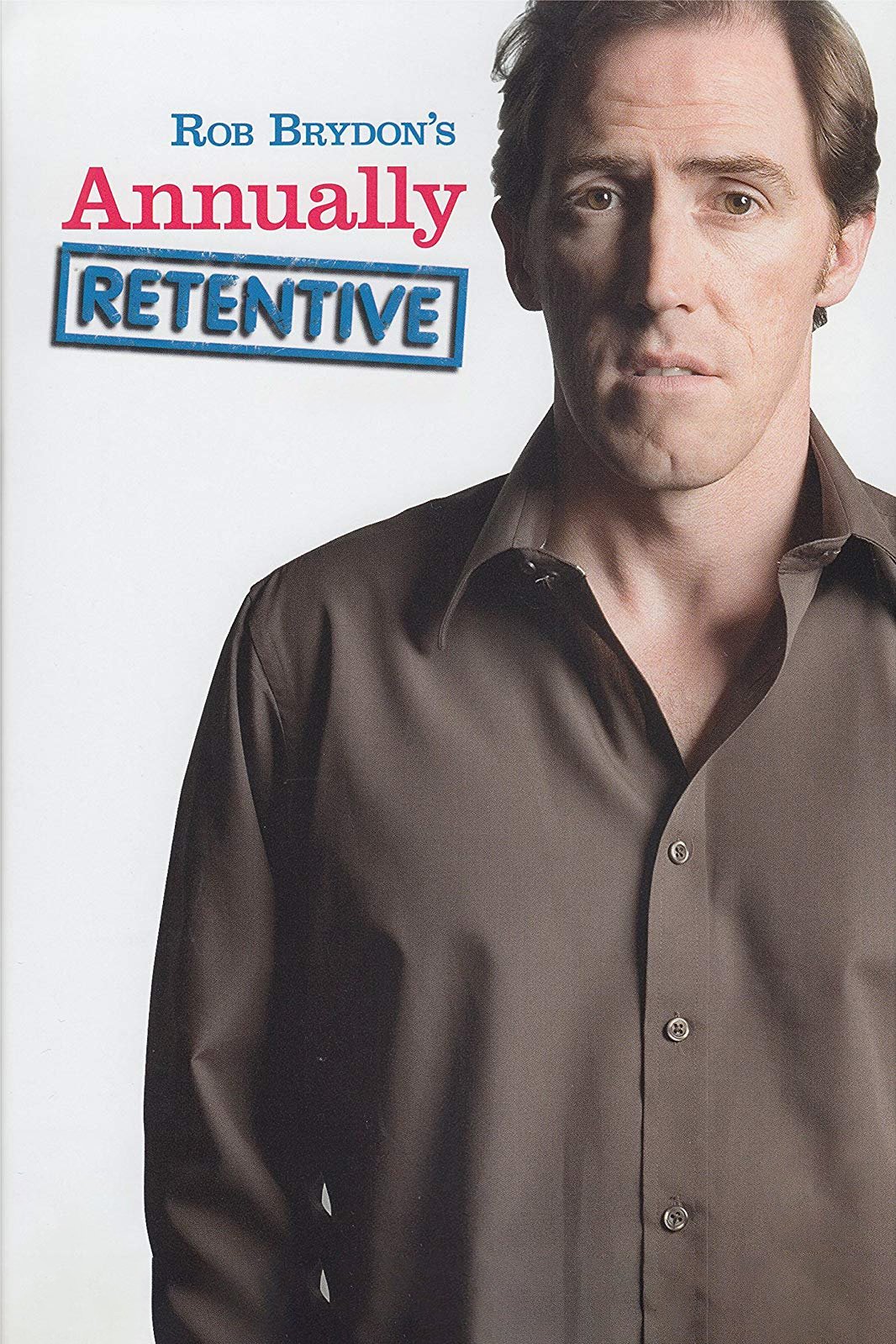
Comedy series in which Rob Brydon plays himself as the host of a low-rent panel show
You Bet! is a British game show based around the format of the German show Wetten, dass..? developed by Frank Elstner. You Bet! ran on ITV, mostly on Saturday nights but sometimes on Fridays, between 20 February 1988 and 12 April 1997, initially hosted by Bruce Forsyth from 1988 to 1990, then by Matthew Kelly from 1991 to 1995 and finally by Darren Day from 1996 to 1997. It was replaced the following year by Don't Try This At Home!, which emulated the challenges of You Bet!, but were considerably more risky and dangerous.
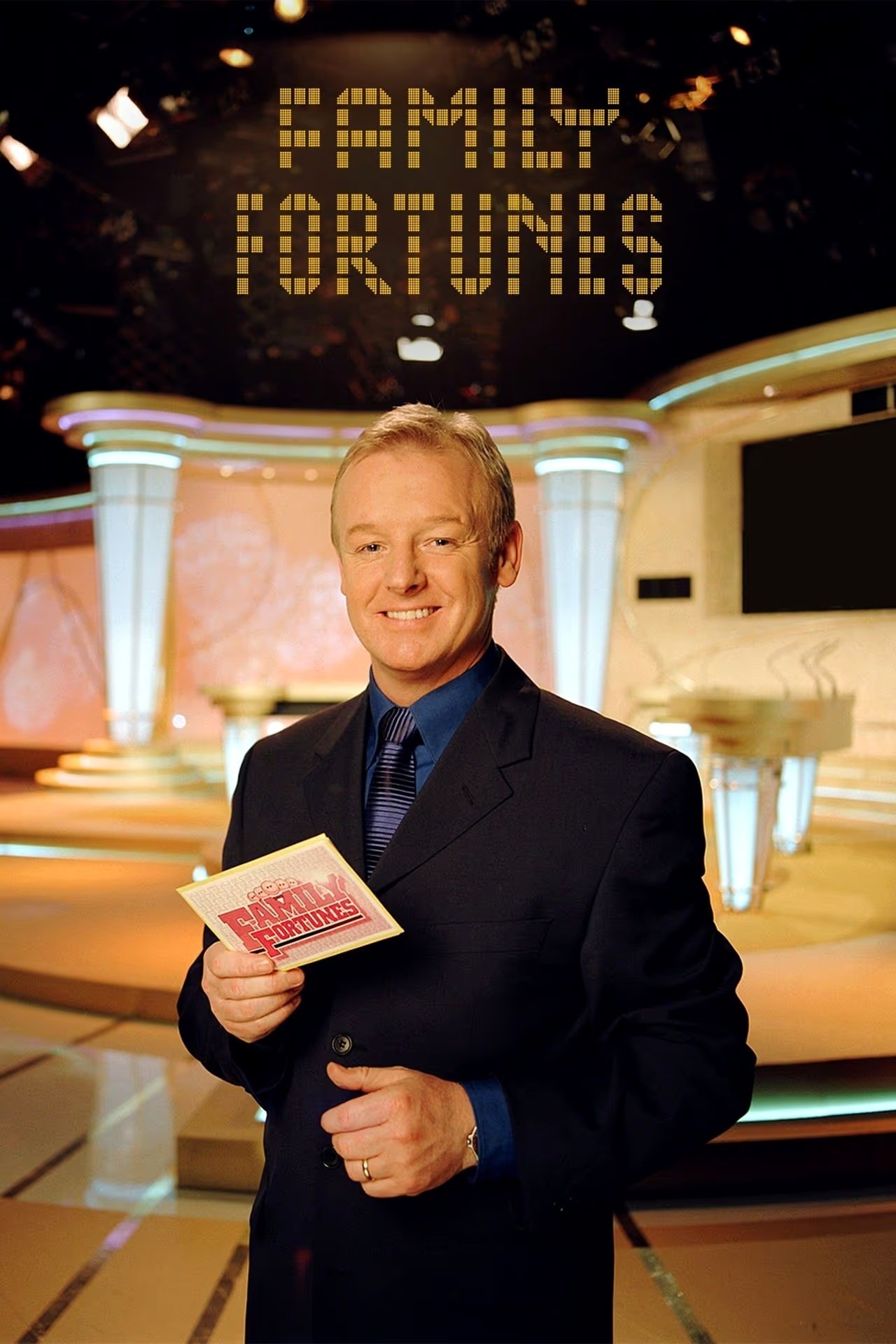
Two families go head to head as they try to name the post popular answer to survey-based questions posed to 100 people for a chance to win a jackpot prize.
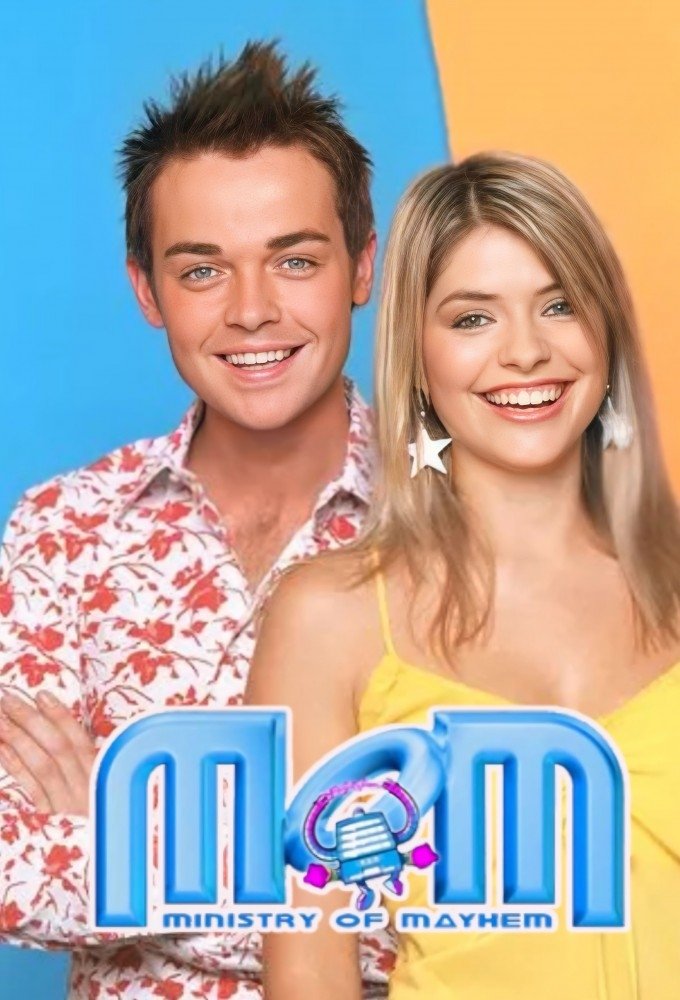
Holly & Stephen's Saturday Showdown is a CITV children's game show show which was broadcast on the ITV Network from January 2004 to July 2006.
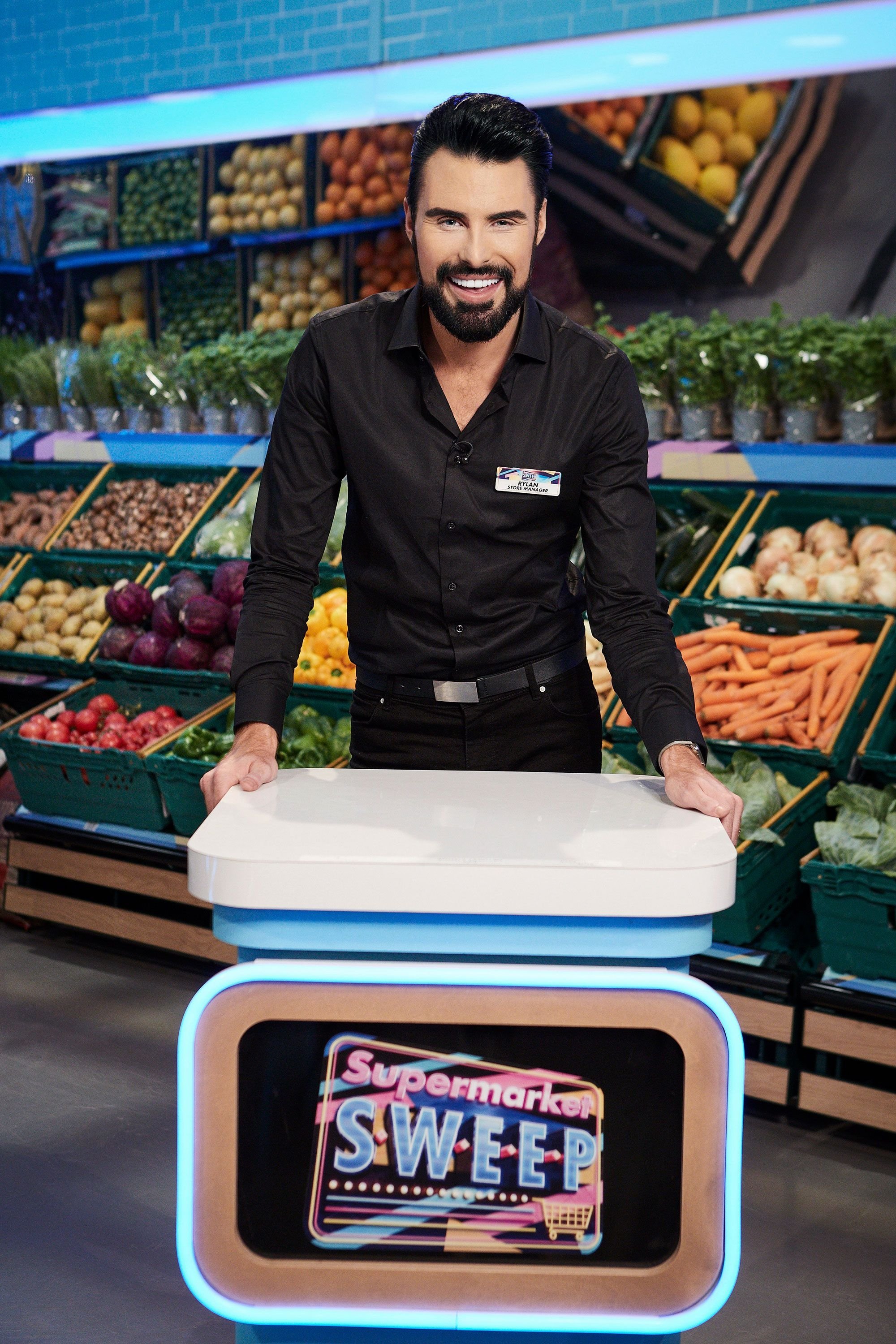
Three pairs of shoppers go wild in the aisles as they compete to win a 3,000-pound prize in this reboot of the iconic game show.
Ben Shephard hosts the quiz show in which three celebrities take on an extraordinary machine in the hope of winning 20,000 pounds for charity.
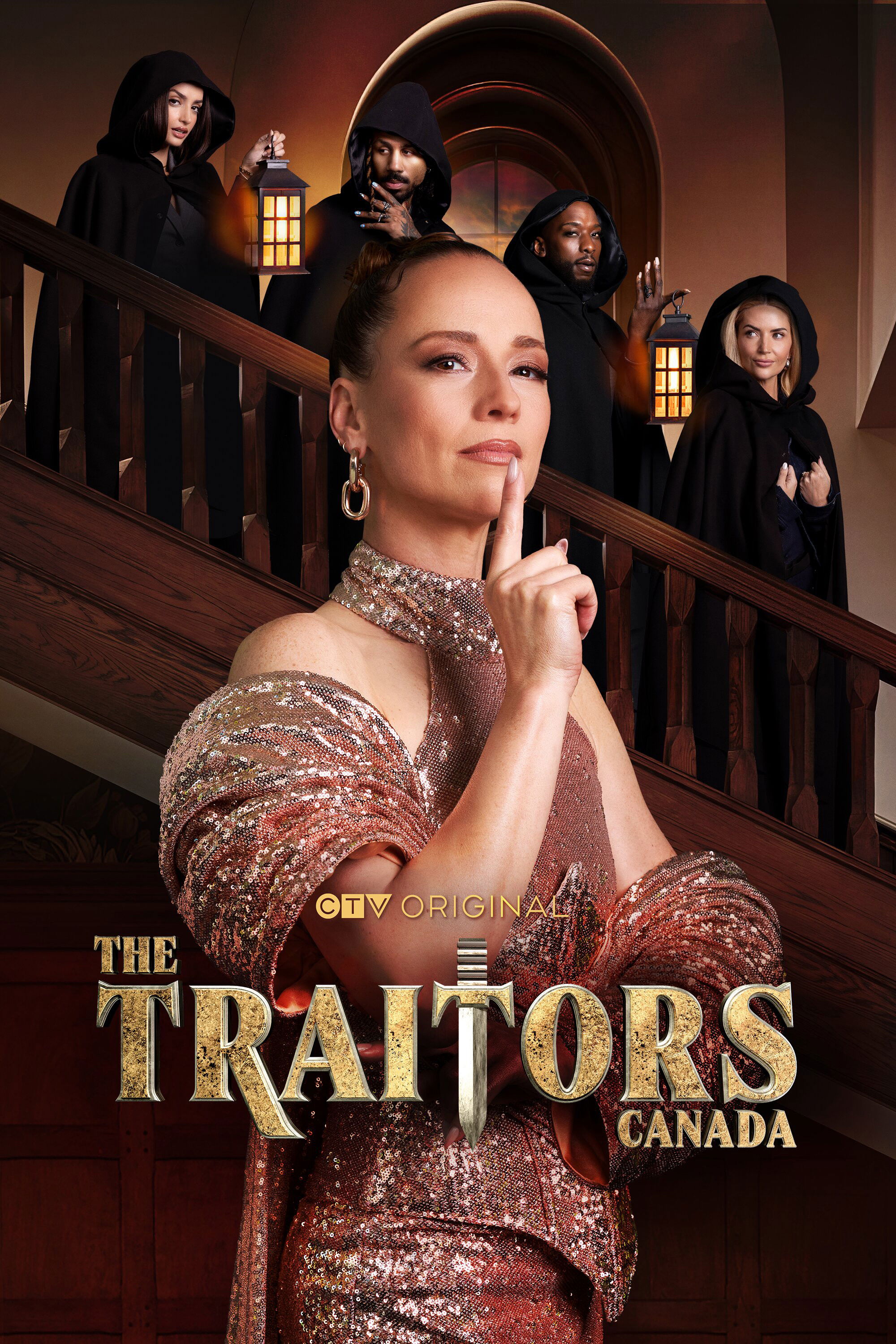
Follow a group of contestants – including some familiar faces – who live together as they complete a series of challenges with the goal of earning a cash prize. The catch? Some of the contestants are traitors who will attempt to deceive and manipulate their way to the prize instead of sharing it amongst the group. In this psychological adventure will the traitors be unmasked in time?
Claudia Winkleman hosts a general knowledge quiz show where teams must answer just one question correctly to win £100k. But that one question comes with 20 potential answers - and only one is correct.
Chain Letters was a British television game show produced by Tyne Tees. The show was filmed at their City Road studios in Newcastle Upon Tyne and first broadcast on ITV in the United Kingdom from 7 September 1987 to 6 July 1990, then again from 2 January 1995 to 25 April 1997. Three contestants competed to win money by changing letters in words to form new words. Its original host was the late Jeremy Beadle, followed by Andrew O'Connor, Allan Stewart, Ted Robbins, Vince Henderson and Dave Spikey.
Gladiators is a British television entertainment series, produced by LWT for ITV, and broadcast between 10 October 1992 and 1 January 2000. It is an adaptation of the American format American Gladiators. The success of the British series spawned further adaptations in Australia and Sweden. The series was revived in 2008, before again being cancelled in 2009. The series was originally presented by John Fashanu and Ulrika Jonsson, however, Fashanu was replaced by Jeremy Guscott in 1997. Guscott left the series in 1998, and subsequently, Fashanu returned for the final series in 1999. The series was refereed by John Anderson and the timekeepers over the show's run were Andrew Norgate, Derek Redmond and Eugene Gilkes. John Sachs was the show's commentator, and the series was accompanied by its own group of cheerleaders, known as G-Force. Despite being made by London Weekend Television, all episodes of Gladiators, International Gladiators, the second series of The Ashes and the first series of The Springbok Challenge were recorded at the National Indoor Arena in Birmingham. The first series of The Ashes and the second series of the The Springbok Challenge, however, were filmed on the sets of the Australian and South African versions of the shows respectively. The series also spawned a version for children, entitled Gladiators: Train 2 Win, which was broadcast on CITV between 1995 and 1998.
Noel Edmonds presents the hit game show in which any one of 22 players could win up to £250,000. There are 22 sealed boxes, but only one question: deal - or no deal?
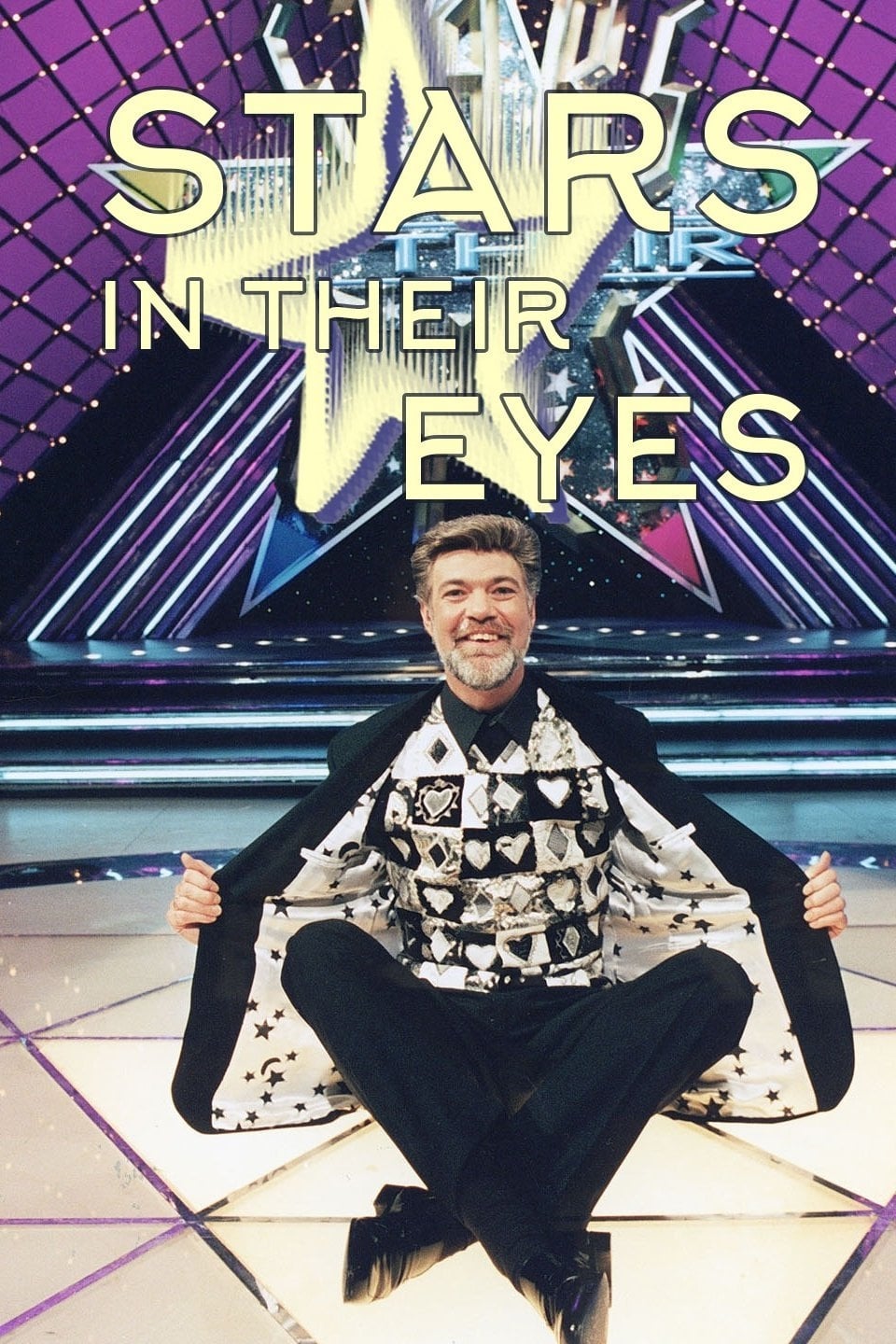
Stars in Their Eyes was a British television talent show that ran on Saturday nights from 21 July 1990 until 23 December 2006 in which contestants impersonate showbiz stars. It was produced by Granada for ITV, based on Joop van den Ende's Dutch format, Soundmixshow. It remains one of Britain's most successful shows attracting around 13 million viewers for the live grand final at the end of each series. It has one of the most memorable catchphrases in TV history: 'Tonight, I'm going to be...' and was named most popular entertainment show at the National Television Awards in 1996, 1998, 1999 and 2000. The most impersonated stars are Elvis Presley, Cliff Richard, Cher, George Michael, Celine Dion, Kylie Minogue and Madonna.
Whew! is an American game show that aired on CBS from April 23, 1979, until May 30, 1980. It was hosted by Tom Kennedy and announced by Rod Roddy. The game was created by Jay Wolpert. Production was initially credited to the Bud Austin Company, then later changed to Jay Wolpert Productions in association with Burt Sugarman Inc.
Do you know your Victoria Beckham from your Victoria Sponge? Alan Carr's stupendous shout-along quiz, where a picture's worth a thousand words – and thousands of pounds.
The Masked Singer NZ is a reality singing competition where 12 celebrities compete against each other in song. The contestants are masked head-to-toe in extravagant costumes, which completely conceal their identities. With the help of some clever clues along the way, New Zealanders and the celebrity guessing panel will have to try to work out which well known celebrity is hiding behind the mask!
Twenty One is an American game show which aired in the late 1950s. While it included the most popular contestant of the quiz show era, it became notorious for being a rigged quiz show which nearly caused the demise of the entire genre in the wake of United States Senate investigations. The 1994 movie Quiz Show is based on these events. A new version aired in 2000 with Maury Povich hosting, lasting about five months on NBC.
Don't Forget Your Toothbrush is a light entertainment show originally broadcast on Saturday nights in the United Kingdom in 1994, and has also been adapted in several other countries including Australia, Belgium, Finland, France, Germany, Denmark, Italy, Norway, Sweden, the United States, the Netherlands and Portugal. The format was distributed internationally by DRG.
You Should Be So Lucky! was a BBC children's television programme hosted by Colin Bennett in the character of Vince Purity. It was a game show, during which contestants played on a giant snakes and ladders board. Points were earned by their team partners through talent tasks.
American version of the tense gameshow where contestants tackle a series of multiple-choice questions to win large cash prizes.
The Chase isn’t just a quiz… it’s a race, where the players must ensure they stay one step ahead of ‘The Chaser’, a ruthless quiz genius determined to stop them winning at all costs.
Comedy quiz show full of quirky facts, in which contestants are rewarded more if their answers are 'quite interesting'.
I gathered 1,000 people to fight for $5,000,000, the LARGEST cash prize in TV history! We're also giving away a private island, Lamborghinis, and millions more in cash throughout the competition! Go watch to see the greatest show ever made!
A game show created in the United Kingdom, in which contestants attempt to answer general knowledge questions in an intimidating atmosphere in order to scoop the £1 million top prize. The original series was hosted by Chris Tarrant, and its modern-day revival is hosted by Jeremy Clarkson.
A gameshow hosted by Ant and Dec filled with stunts, sketches, and special guest appearances.
This game show sees contestants solve word puzzles, similar to those used in Hangman, to win cash and prizes determined by spinning a giant carnival wheel.
Two families compete against each other in a contest to name the most popular responses to a survey question posed to 100 people.
Four panelists must determine guests' occupations - and, in the case of famous guests, while blindfolded, their identity - by asking only "yes" or "no" questions.
Each week a group of four famous faces go toe to toe in testing their general knowledge skills in a variety of entertaining games.
In this reality competition show inspired by "Squid Game," 456 players put their skills to the ultimate test for a life-changing $4.56 million prize.
A weekly, topical panel show based around a huge series of opinion poll surveys carried out around Britain.
An un-scripted comedy show in which four guest performers improvise their way through a series of games, many of which rely on audience suggestions.
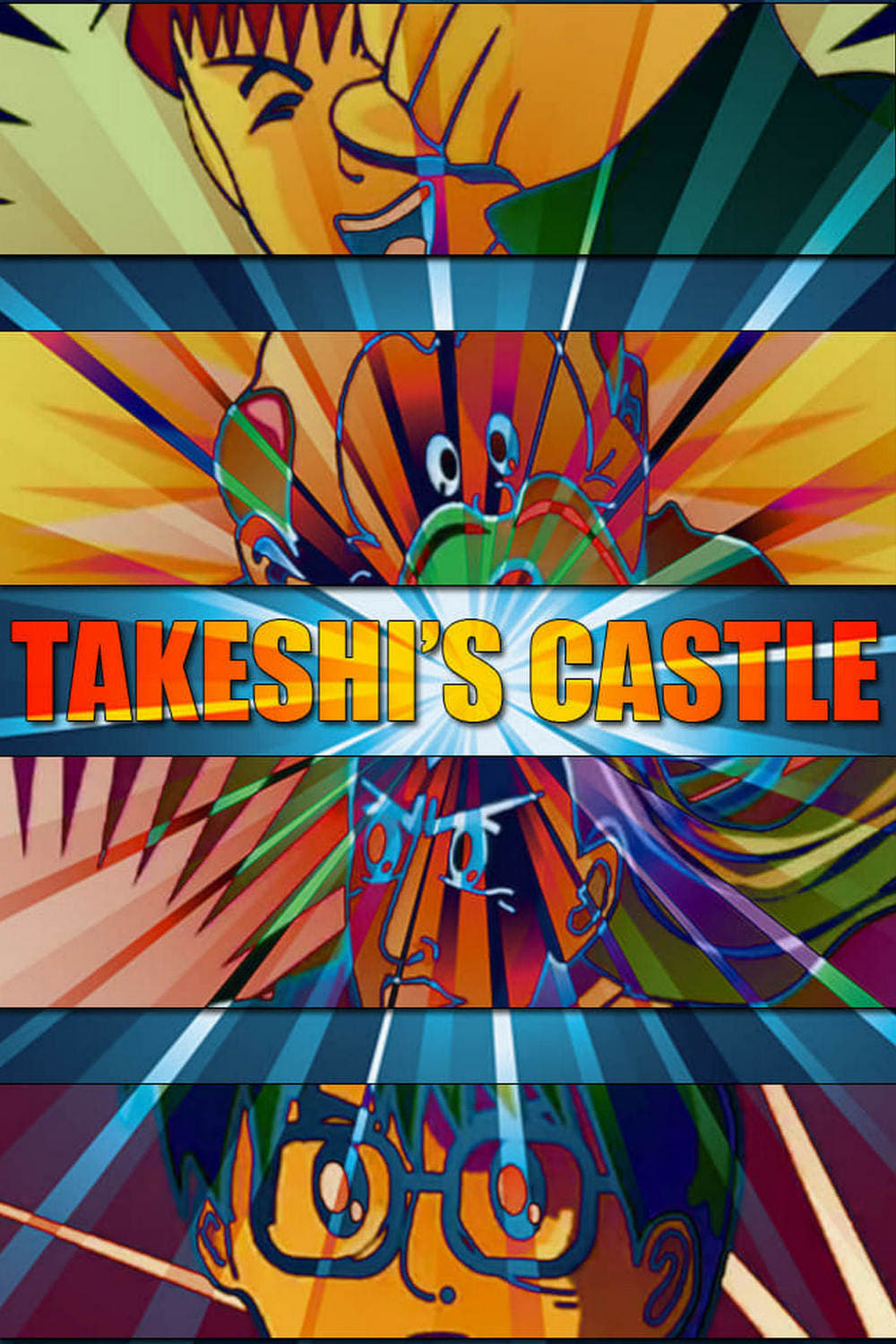
Takeshi's Castle was a Japanese game show that aired between 1986 and 1990 on the Tokyo Broadcasting System. It featured the Japanese actor Takeshi Kitano as a count who owns a castle and sets up difficult challenges for players to get to him. Contestants throw themselves into daunting physical challenges as they attempt to storm Takeshi's Castle and win the grand prize of one million yen. The show has become a cult television hit around the world. A special live "revival" was broadcast on April 2, 2005, for TBS's 50th anniversary celebrations.
Human cannonballs! Human pinballs! Crashes, smashes and mud splashes! Twenty-four thrill-seekers will compete in the world's largest extreme obstacle course designed to provide the most spills, face plants and wipeouts ever seen on television.
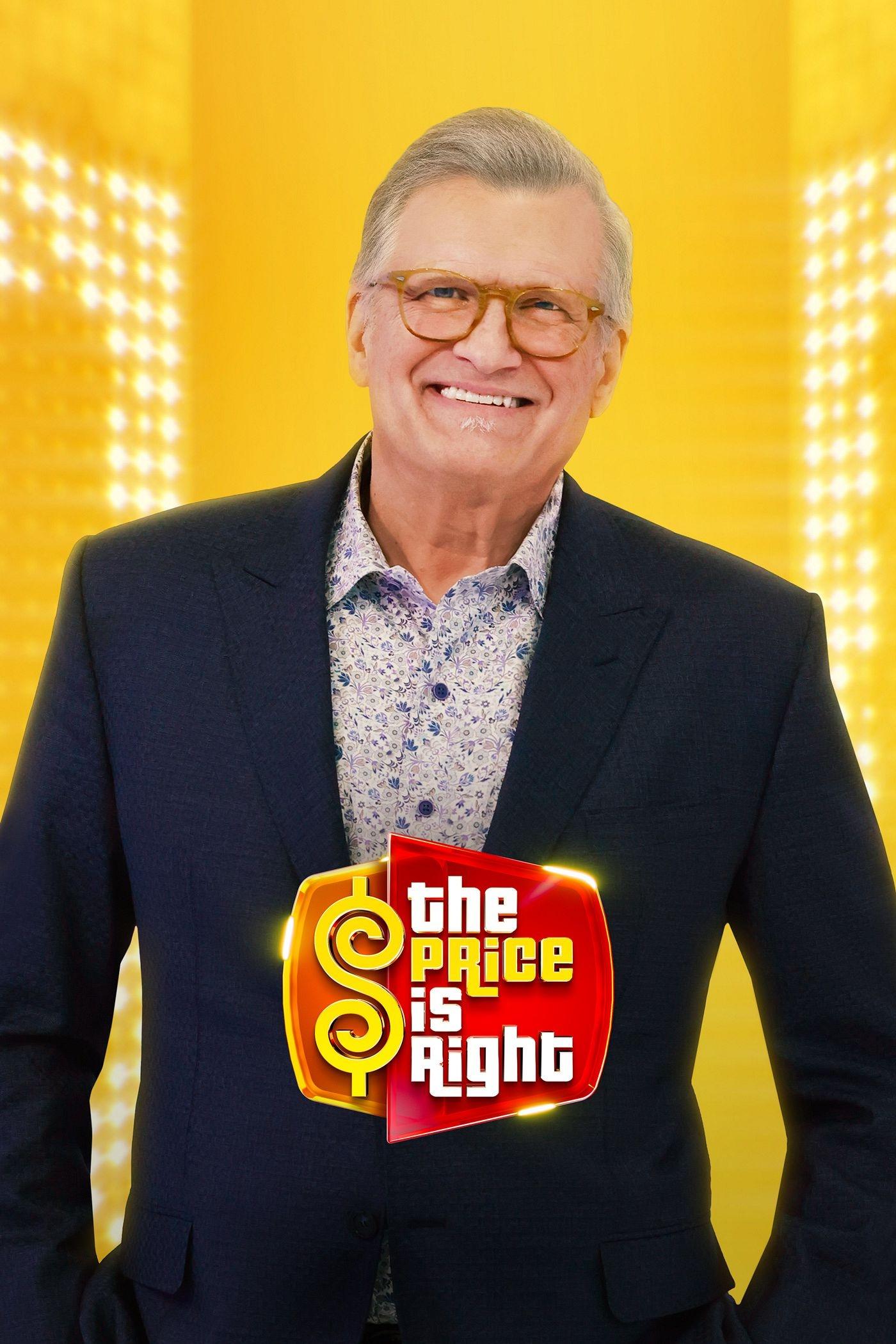
"Come on down!" The Price Is Right features a wide variety of games and contests with the same basic challenge: Guess the prices of everyday (or not-quite-everyday) retail items.
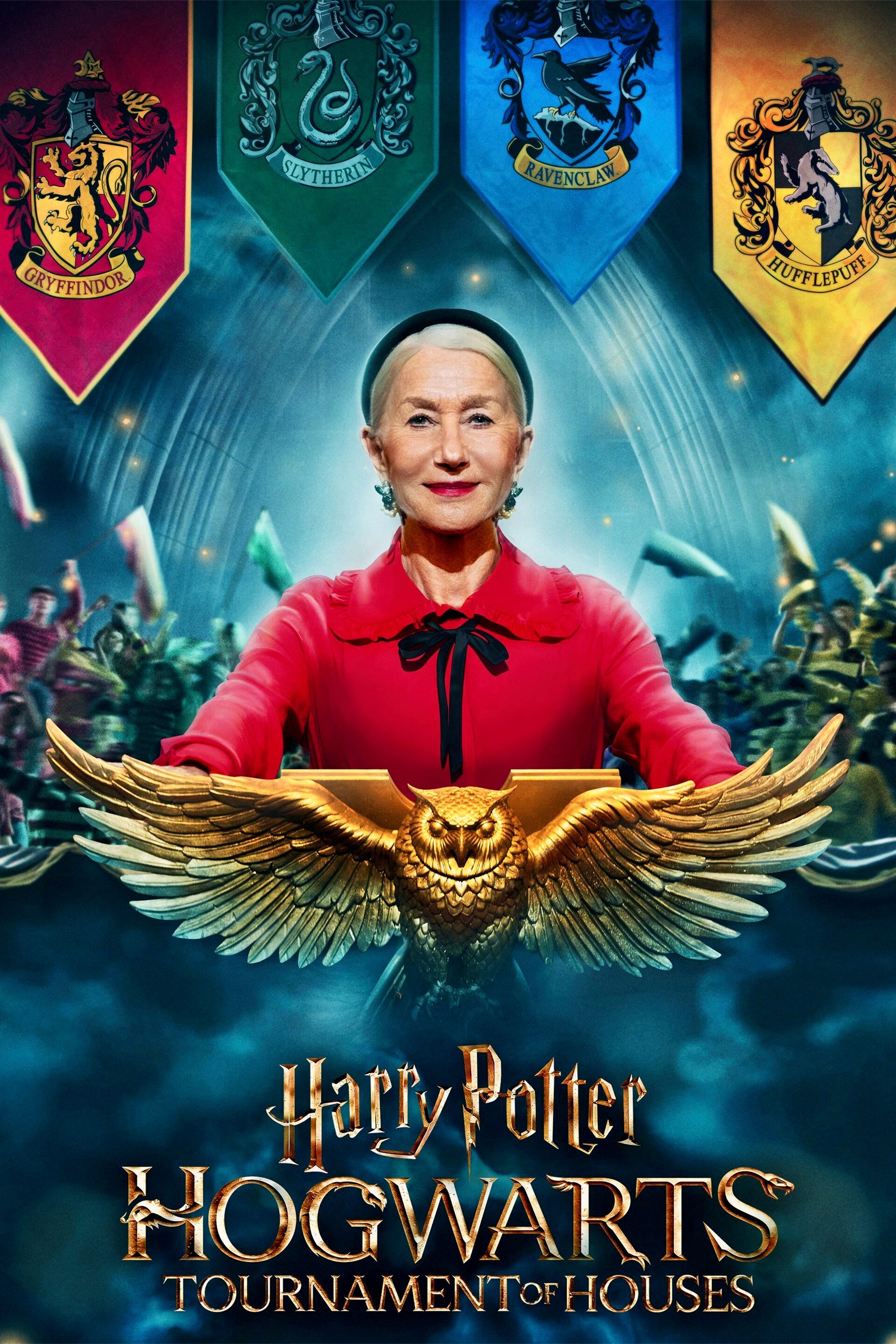
Wizarding World fans put their Harry Potter knowledge to the test for the ultimate honor to be named House Cup champion.
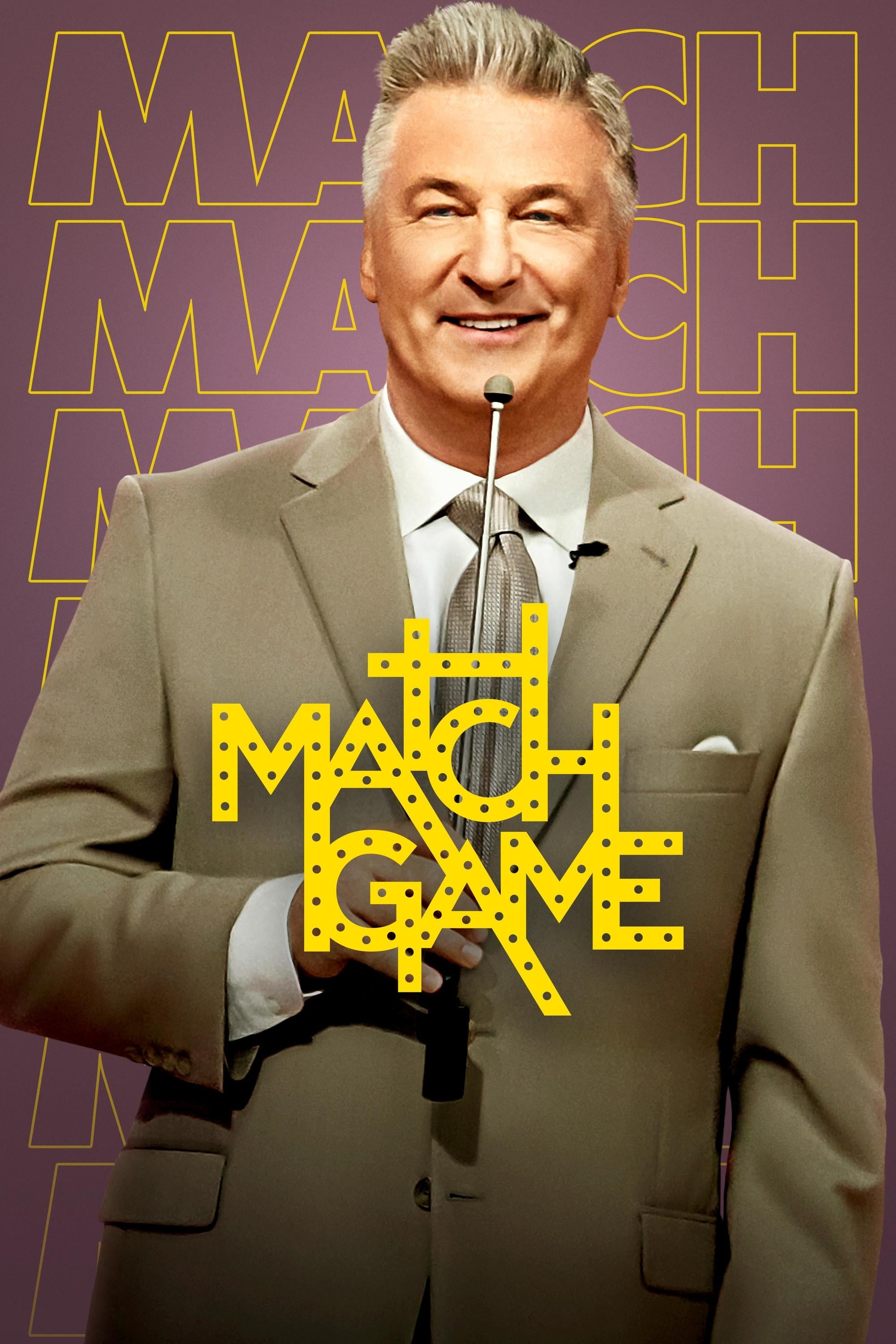
A modern reboot of the classic 70s game show that features two contestants attempting to match the answers of six celebrities in a game of fill-in-the-blank.
Two contestants are transported from their everyday lives into a once-in-a-lifetime night of fun and celebration as they play party games with some of their favorite celebrities and compete for the chance to win up to $25,000.
The story of Charles Ingram, a former British army major who caused a major scandal in the early 2000s after being caught cheating his way to winning £1 million on the game show Who Wants To Be A Millionaire? Ingram, his wife Diana and an accomplice, Tecwen Whittock, who was sitting in the audience, initially pulled off the on-screen heist before being caught and standing trial.