Social & External
Unknown Role
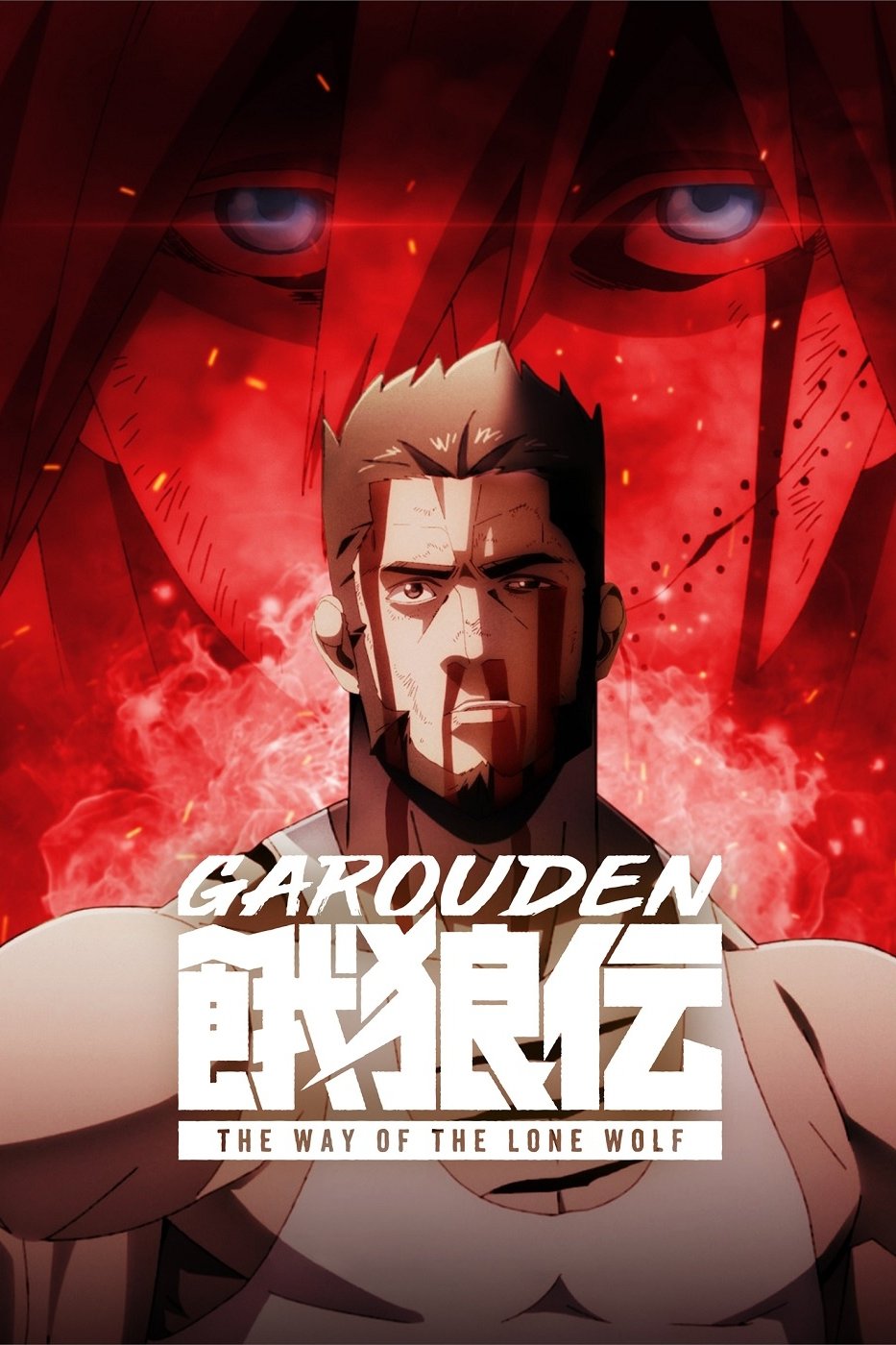
Based on Tezuka Osamu’s “Shinsengumi” series from 1963. 1863, Kyoto. At a small teahouse run by his father, Fukakusa Kyujuurou lived modestly yet earnestly day by day. However, one night, that peaceful everyday life changed dramatically. His father, who had been sheltering a pro-Shogunate samurai, ends up being killed by Shonai, a Choshu samurai. Shaken with rage, Kyoujurou dashed out of the shop to pursue Shonai and his comrades, but then a man appeared, seemingly understanding Kyoujurou’s intentions, and swiftly cut down one of the samurai. Identifying himself as the chief of the Shinsengumi, Isami Kondo offered words of condolence to Kyoujurou, expressing gratitude for his father’s bravery, before departing. Determined to seek revenge, Kyoujurou resolved to enlist in the Shinsengumi. Credit : DramaClub
Heiji is an undercover policeman in the city of Edo. He possesses a superior skill of throwing coins. When a criminal is caught, Heiji throws coins at the offender and reveals his true identity. Like “Abarenbo Shogun,” “Mito Komon” and “Toyama no Kinsan,” “Zenigata Heiji” is about an official working undercover to catch criminals. The hero was created by novelist Kodō Nomura in 1931.
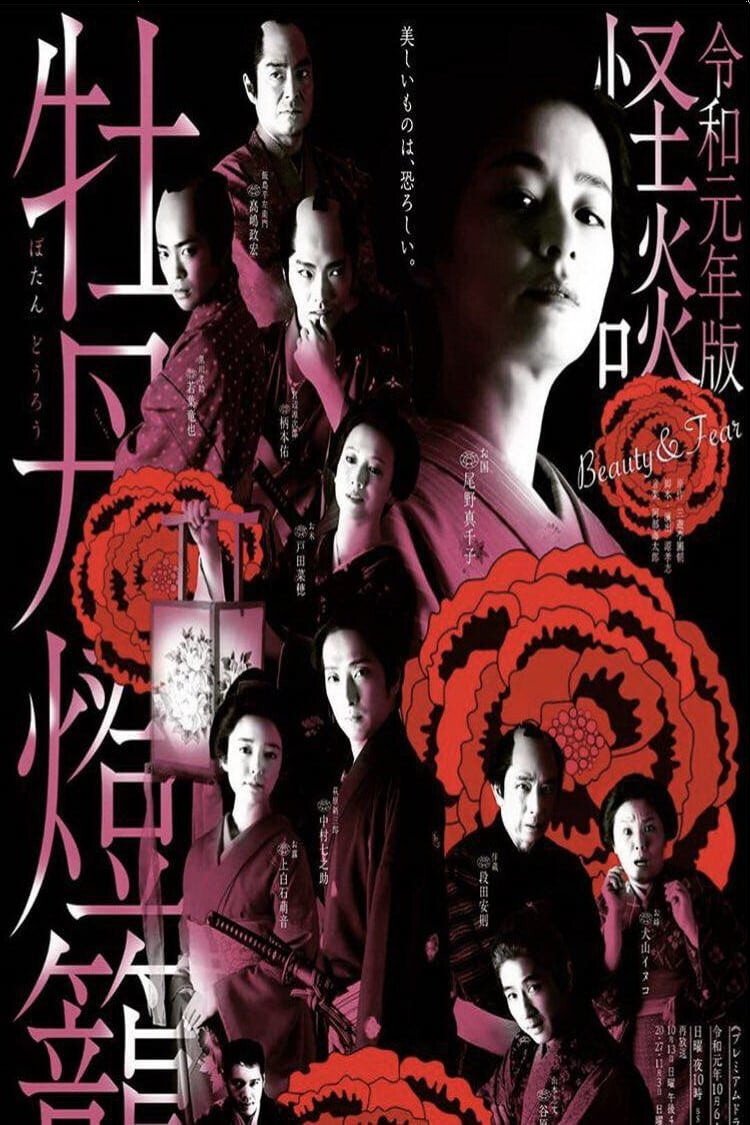
Osome is an ex-actress who lost her parents in a fire when she was 6-years old. She then is separated from her older brother, who goes missing. While she tries to investigate the fire that killed her parents, an officer, Yoshikawa reveals that her father used to be a shogunate spy. Osome decides to become a spy herself under Yoshikawa, to find the man who killed her parents and to seek out her lost brother.
Set in the eighteenth century, during the reign of the fifth Tokugawa shōgun Tokugawa Tsunayoshi. Akō-han is demolished by the Tokugawa shogunate. Hotta Hayato is a ronin who is living a desperate life because of his sad past. But one day he starts working for Chisaka Takafusa, the Chief retainer of the Uesugi clan. The Uesugi clan and Chisaka are wary of Ōishi Kuranosuke and Ako Roshi's movements, so Chisaka orders Hotta to observe Ōishi Kuranosuke.
Genjuro’s crime was assassination, his punishment was to survive a faked execution and lose his home, lose his identity, and emerge as Maboroshi Shinigami, the Phantom Assassin.
Mini-drama with a historical character having a smartphone.
In an alternative feudal Japan, a strange disease that only affects males caused a massive population reduction, leaving females to fill the vacant jobs, therefore changing the social structure. Now, 80 years after the initial outbreak with a 1:4 male:female ratio, Japan is a completely matriarchal society. Females hold all important political positions, and males are their consorts. Only the most powerful female—head of Tokugawa shogunate—may keep a harem of handsome and unproductive males, known as "Ōoku".
The main character, Hanbei Hinata, who plays Mizutani, is a direct hatamoto guardian who guards Edo Castle. While working honestly on that mission, he became disgusted by a colleague who only thought about his career advancement, and soon he abandoned all his desires and began to think about a retired life
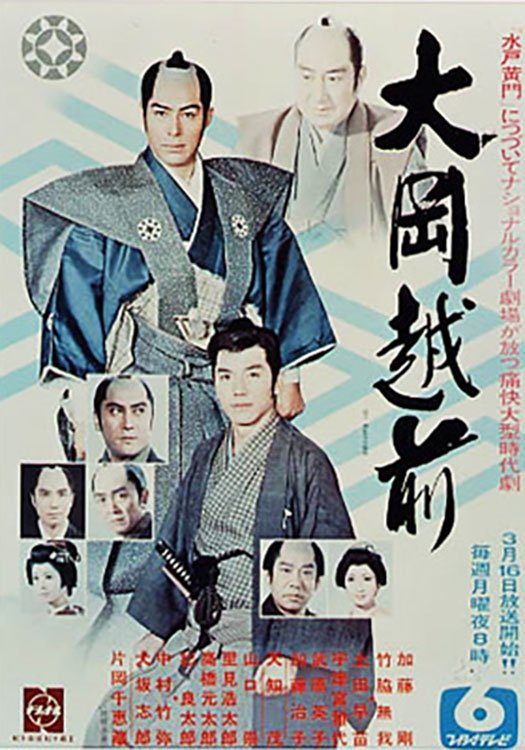
During the Tenpo period, the three samurai under the command of the Nanba magistrate were responsible for handling exceptional cases. However, their true identities as shadow assassins were hidden because they were secretly sent to eliminate villains who had escaped punishment by the law.
Based on Kazuo Koike's extensive manga (over 110 volumes), this Edo-period drama follows an unlikely pair of law enforcement officers. One is a serious, skilled investigator, while the other is a witty, unconventional problem-solver, creating a dynamic partnership. The series also features the charmingly unorthodox detective Suruyoshi in a notable period drama debut. A memorable and catchy soundtrack complements the engaging stories brought to life by a large and talented cast.
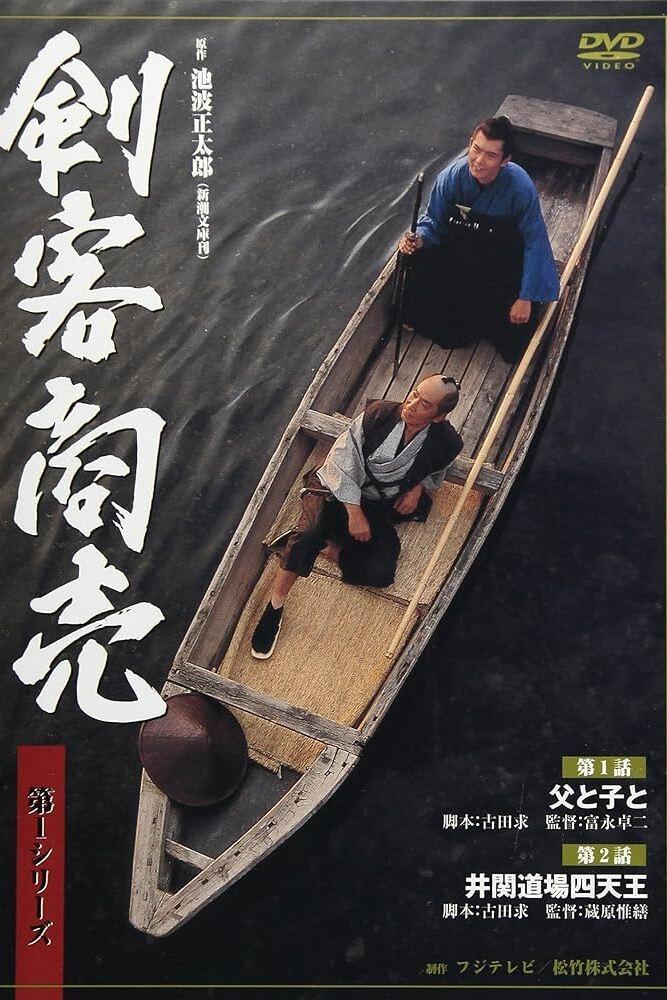
In Edo, a determined young swordsman, Chiba Shūsaku, joins a dojo to pursue his dream. He forges strong friendships with fellow students, including one who works for a magistrate. As Shūsaku trains under a respected master, he faces challenges both within the dojo and in the city, growing as a swordsman and navigating the vibrant Edo society.
The life of Katsu Kaishū and his father.
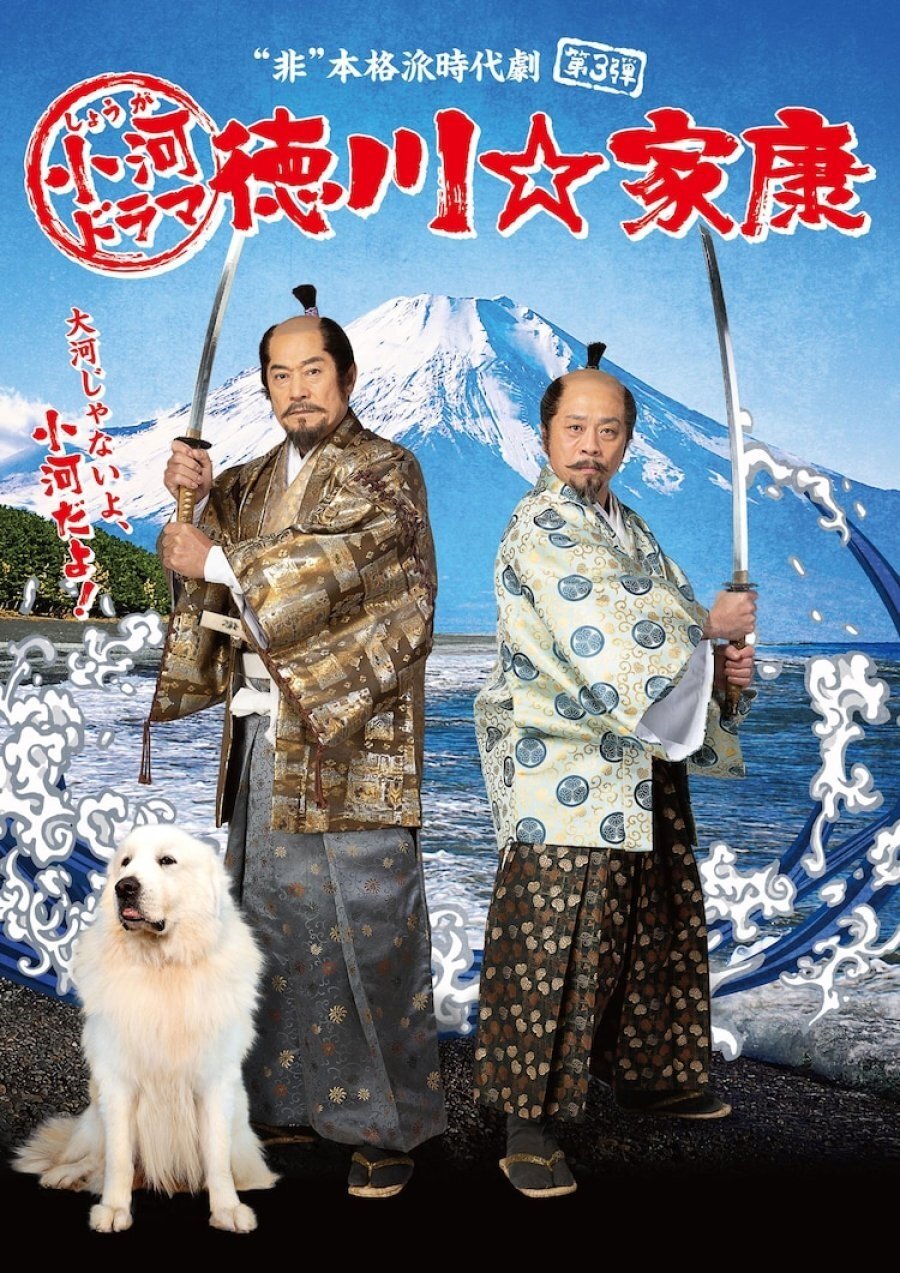
There was a very turbulent time in the warring period in the history, and Takeda Shingen is consider one of the great warlord among many other.
July 1590, Odawara. Toyotomi Hideyoshi's army had surrounded the Odawara Castle for over 3 months, hoping to conquer this last obstacle to his dream of the country's unification. Standing at the gate of the castle, a lone man facing the menacing guards shouted out: "Do not throw your lives away. Treasure living!". Not long after, the castle gates opened and the reigning lord surrendered. The name of that man is Kuroda Kanbee. An excellent military strategist, he worked hand-in-hand with Hideyoshi to unify the country.
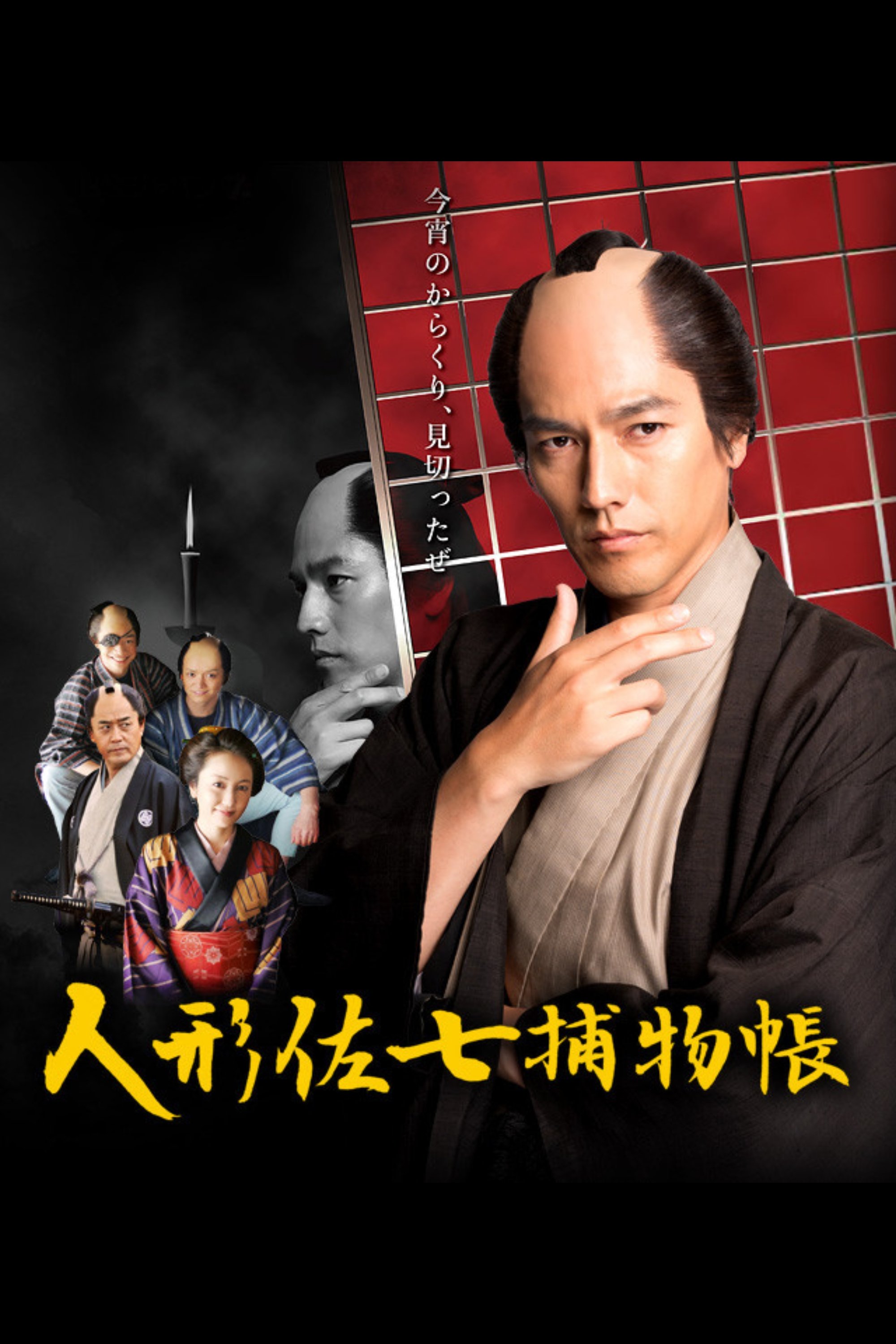
A mysterious humanistic period drama, setting in the Edo Period. As Okappiki, unofficial collaborators who played a marginal role in police functions, Moshichi (Takahashi Hideki) solves a number of mysterious incidents that occur in downtown Edo.

At the end of Edo period, Shoji Rui hands over her birthright to her relatives with the death of her father and begins running an inn "Kawasemi" in Ōkawabata. And she settles the matters in their daily lives with her lover Kamibayashi Tōgo, doshin (a sort of constable) Une Genzaburō, physician Amanō Sotarō, and O-Kichi.
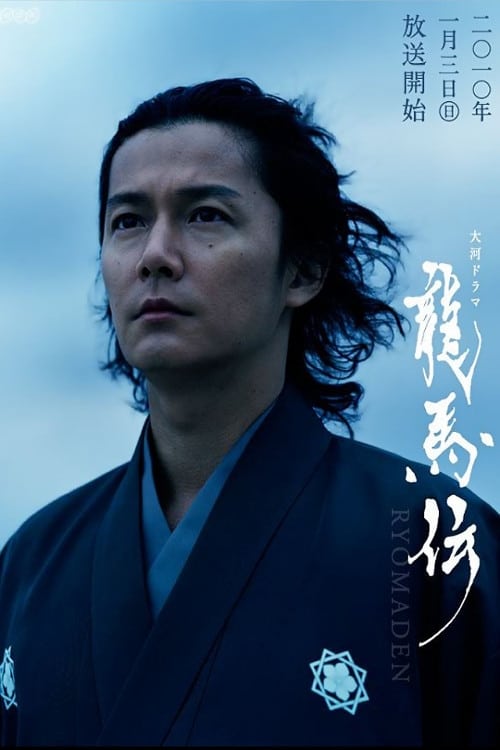
Ryōmaden is the 49th NHK Taiga drama. It was shown on NHK from January 3 to November 28, 2010 spanning 48 episodes. The story centers on the life of 19th-century Japanese historical figures Iwasaki Yatarō and Sakamoto Ryōma. It has been announced that the series will be aired in several other countries, for example Hong Kong, South Korea, Taiwan and Thailand.
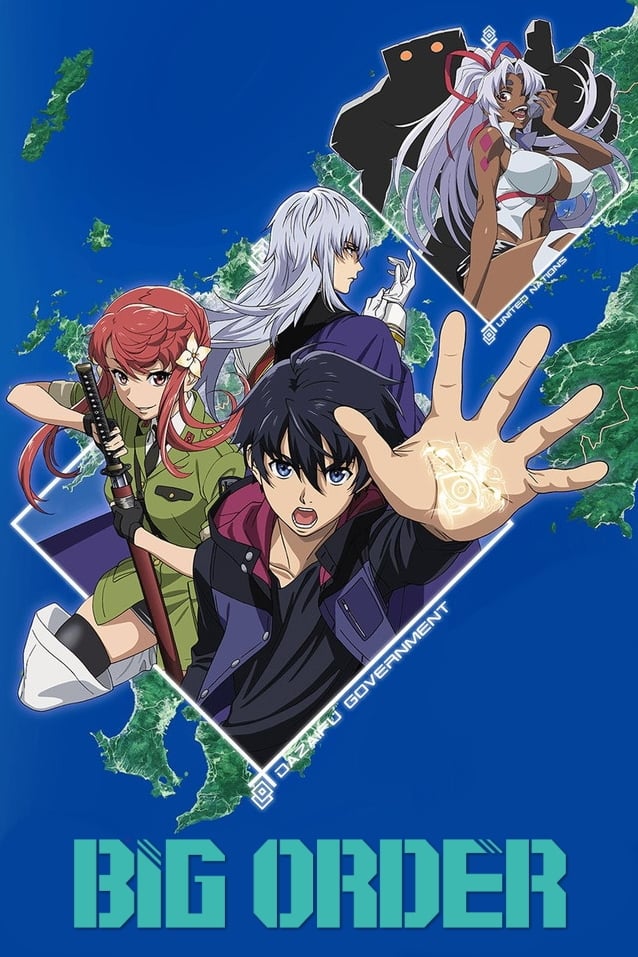
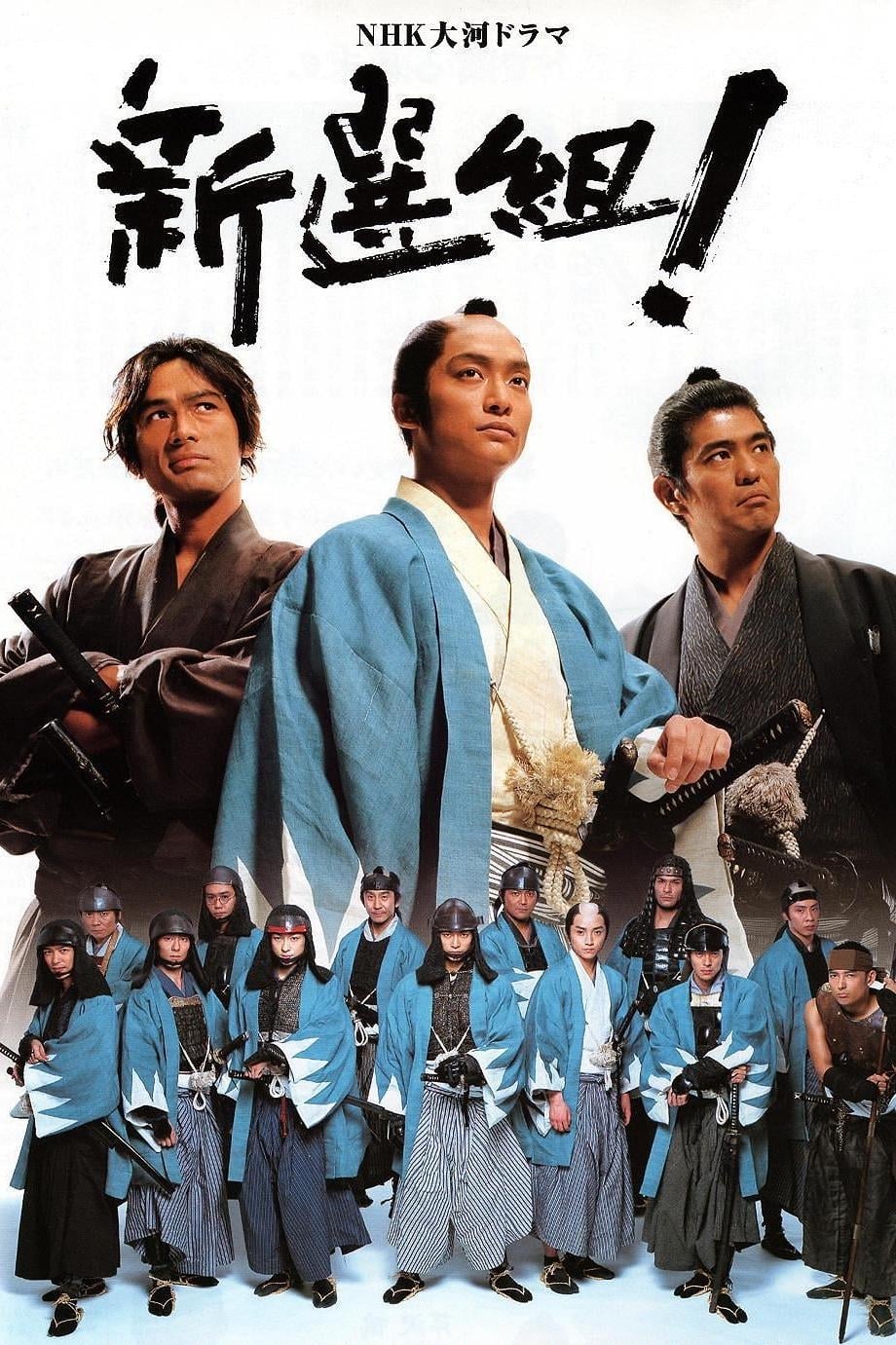
Shinsengumi! is a Taiga drama television series produced by Japanese broadcaster NHK. It was a popular drama about the Shinsengumi, a Japanese special police force from the Bakumatsu period.

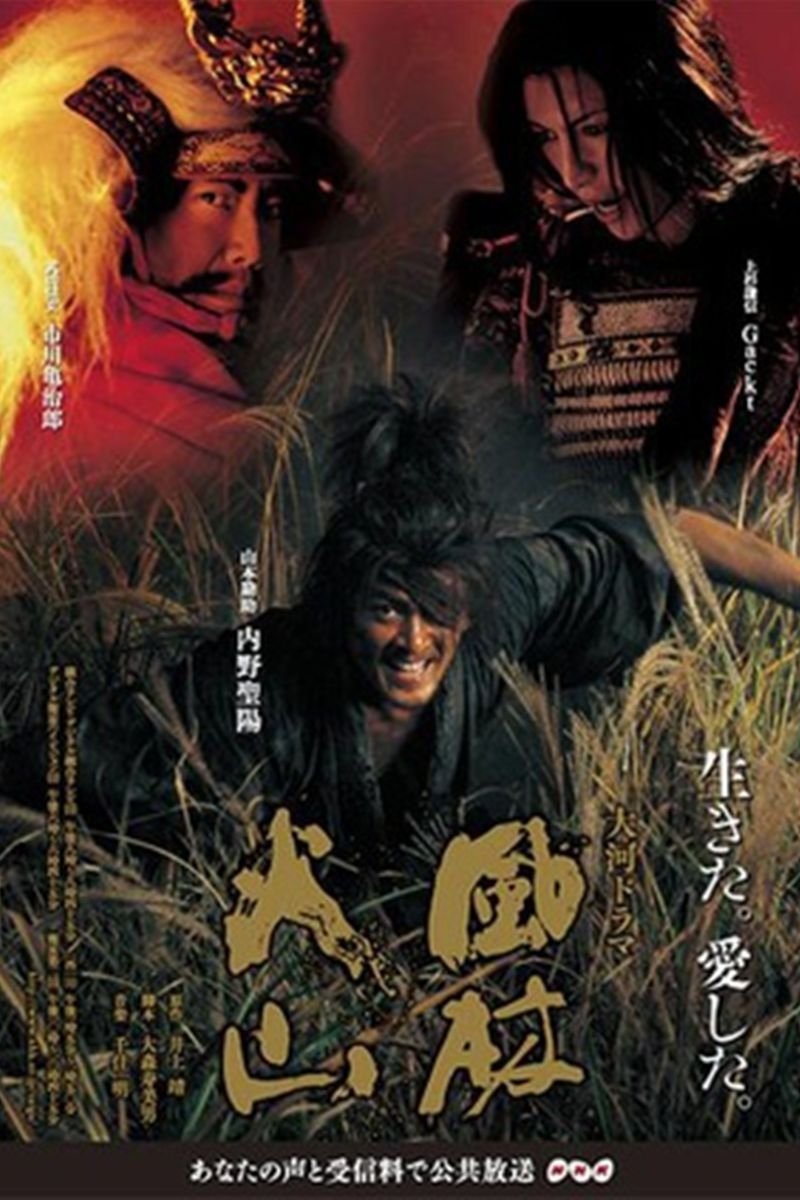
Fūrin Kazan was the 46th NHK Taiga drama beginning on January 7, 2007. It was aired throughout 2007. The four characters from left to right are wind, woods, fire, and mountain. The title is a reference to the war banner used by Takeda Shingen, which in turn was taken from Sun Tzu's The Art of War. It means "Swift as the Wind, Silent as a Forest, Fierce as Fire and Immovable as a Mountain."