Social & External
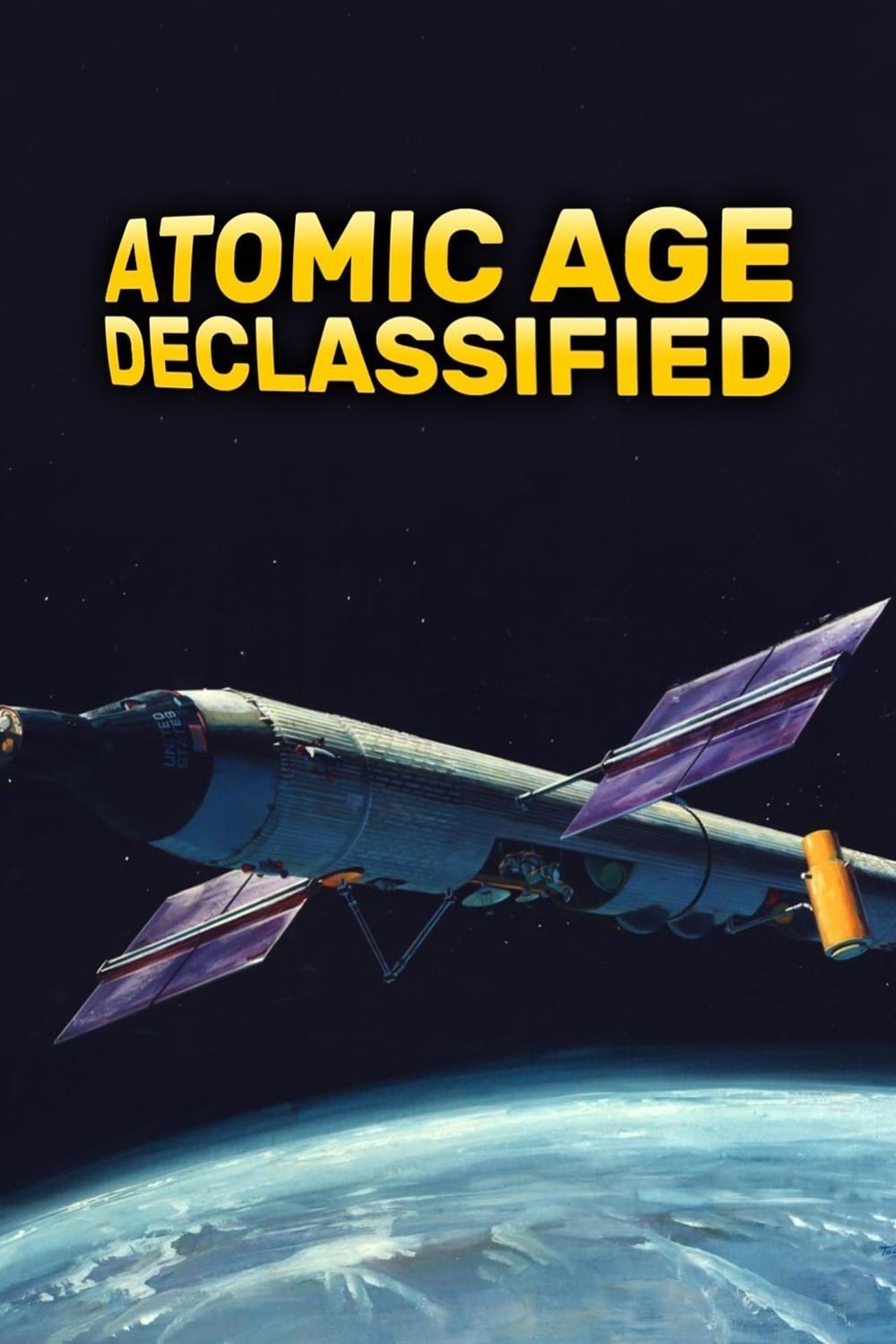
Taking viewers back to the Atomic Age of the mid-20th century by going on a mission to identify the endless possibilities of atoms as an energy source.
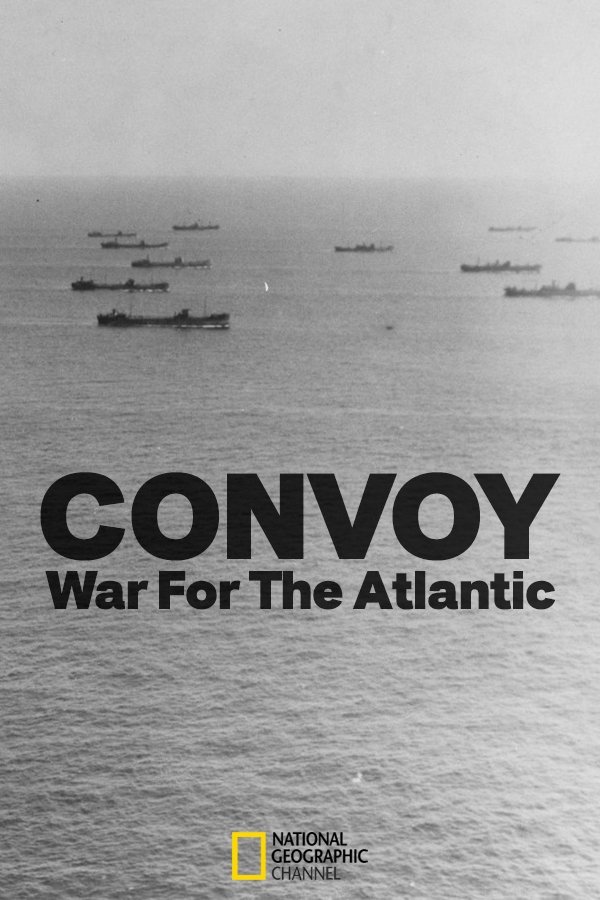
The story of the Convoys is a tale of compelling drama, full of bravery and tragedy. It takes us into the lives of hundreds of thousands of unheralded men whose incredible everyday courage, played out in the cruel seas and cold skies of the North Atlantic changed the course of the war.
The three part series explores the presidency, policies and long term impact of Ronald Reagan's two terms in office. The series includes notable members of Reagan's team as well as many who opposed his policies. Interview subjects include Walter Mondale, Condoleezza Rice, Sandra Day O'Connor, Andrew Young, Robert Reich, Bud McFarlane, George Shultz, Reza Aslan, Trita Parsi, Douglas Brinkley, Svetlana Savranskaya, Oscar Arias and others.
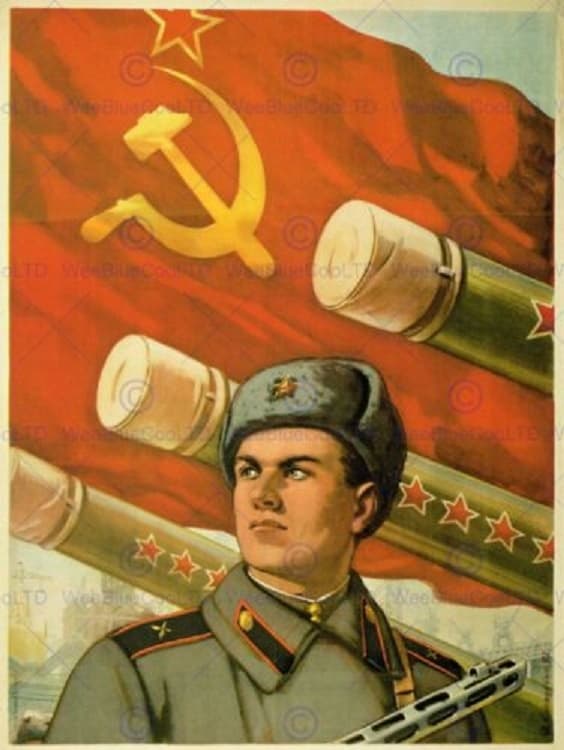
Communism spread to all of the continents of the word, lasting through four generations and over seven decades. Hundreds of millions of men and women were affected by this political system, one of the most unjust and bloodiest in history. Using newly discovered propaganda films and archival photos, these four episodes explore the mysteries of this totalitarian political machine that lured its share of important followers into the fold. Known as the red church, communism seduced its ardent followers like some earthly religion.
Montagu, Garbo, Fuchs, Penkovsky... they were the greatest spies of the twentieth century. Through analysis of declassified documents, archives, reconstructions, and interviews, “Spies of War” offers you a glimpse into the minds and methods of undercover operatives. Discover the tactics for transmitting top secret information. See how one man assumed 24 identities to simulate the existence of a spy ring. Witness how scientists provided the USSR with ultra-confidential plans for the atomic bomb.
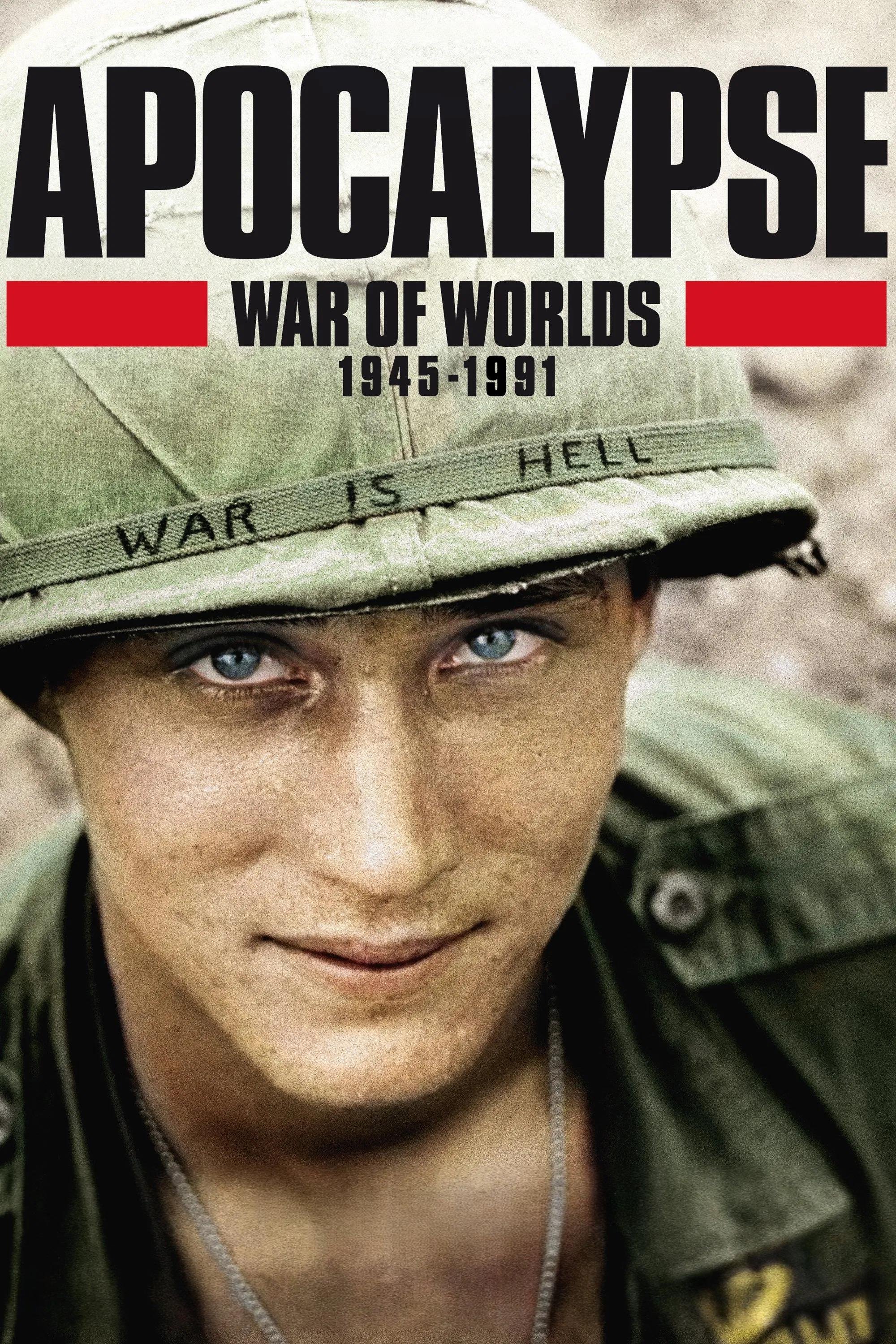
The story of this fantastic period of history between 1945 and 1991, which was defined by the confrontation of two worlds and two systems. The capitalist West, dominated by the ever-powerful United States, is pitted against the Communist East, the Soviet Empire.
Pandora's Box is a six-part 1992 BBC documentary television series which examines the consequences of political and technocratic rationalism. The episodes deal, in order, with communism in The Soviet Union, systems analysis and game theory during the Cold War, economy in the United Kingdom during the 1970s, the insecticide DDT, Kwame Nkrumah's leadership in Ghana during the 1950s and 1960s and the history of nuclear power.
How did the Soviet Union impose its communist ideology on the countries of Central and Eastern Europe after World War II? The story of how, from 1945 until the construction of the Berlin Wall in 1961, these countries were gradually subjected to the totalitarian Soviet yoke.
A chronicle of John F. Kennedy's life, including his youth, ascension into politics, presidency, and his lasting impact on history.
In the aftermath of the Second World War, relations between the former allied eastern and western powers deteriorated fast. Suddenly, the small island nation found itself in the midst of the ensuing “cold-war”, which it used to its full benefit to catapult into the modern world. A founding member of the NATO alliance, Iceland provided an important base for forward operations in protection of NATO’s northern flank and Scandinavia and the approaches to North America by U.S. and allied forces.
Mount Kologet, Goldsboro, Palomares, Thule… Four nuclear accidents, four stains on the history of the Cold War. Four names that are now forgotten. These events lay undiscovered for years having been classified as official secrets. Now published, the files show how the relentless standoff between the two superpowers spiraled out of control and led us to the brink of obliteration.
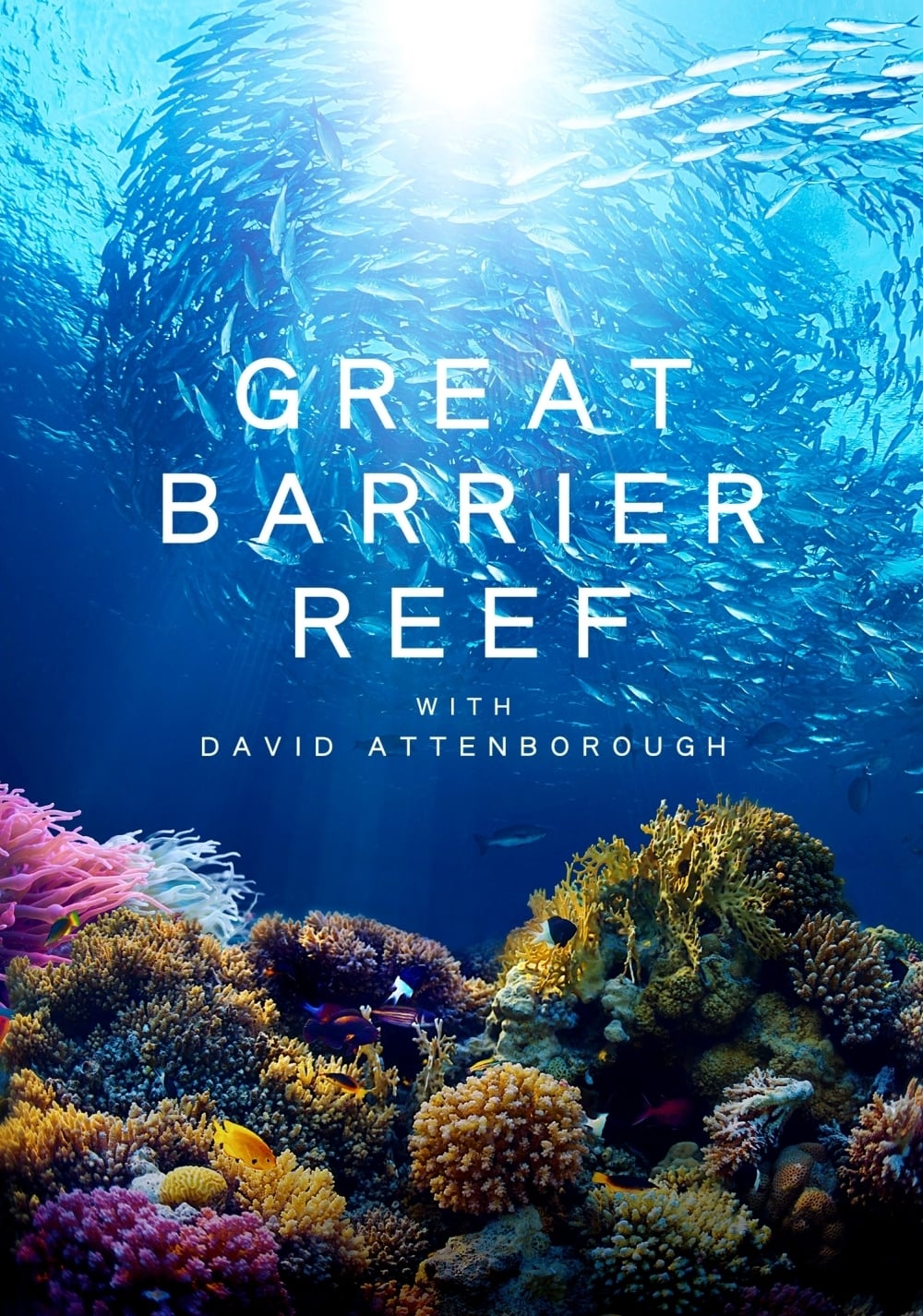
Following his visit to the Great Barrier Reef in 1957, naturalist and broadcaster David Attenborough returns and uses the latest filming techniques to unlock the secrets of the natural wonder.
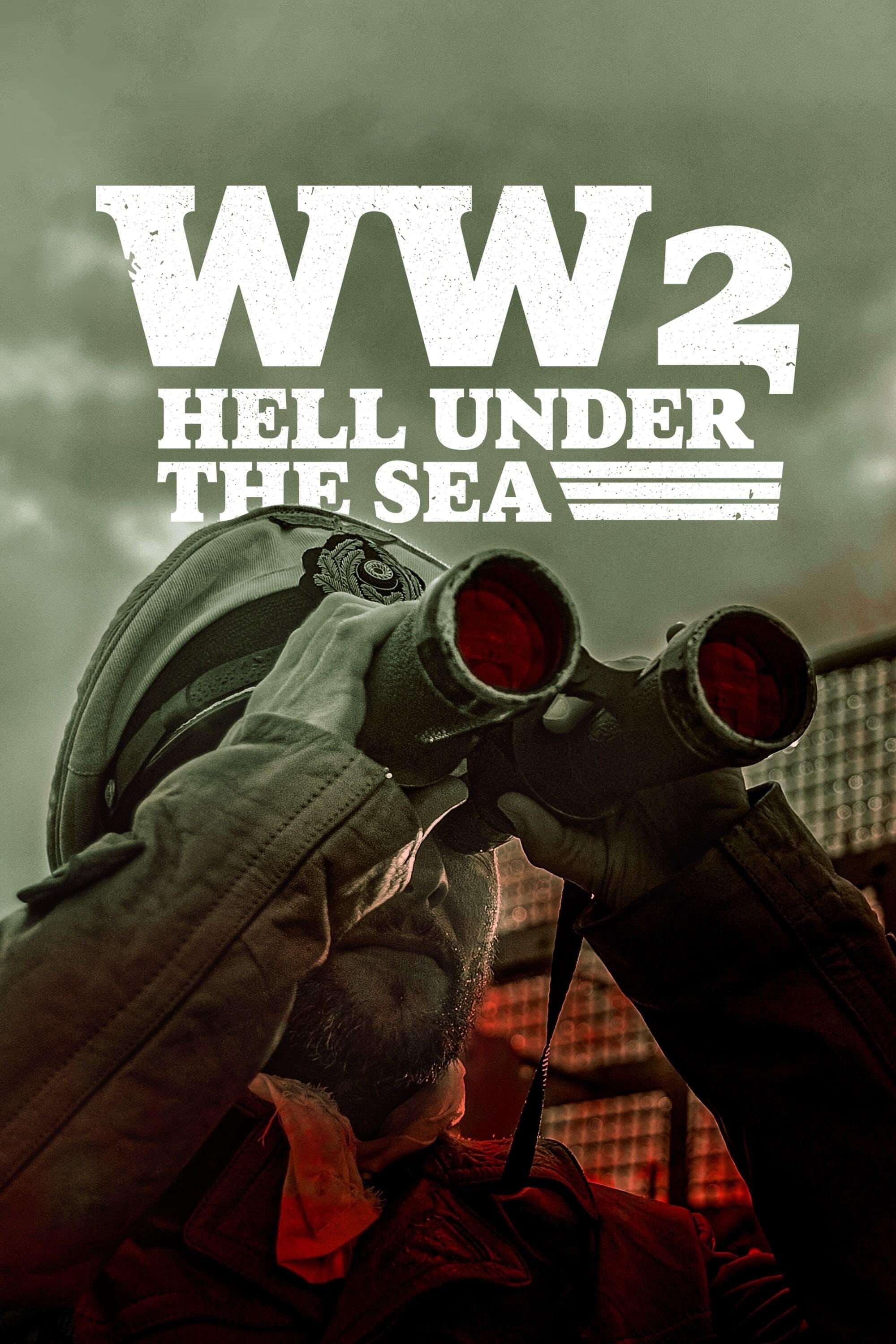
Hell Below is an event-based series charting the stealth game of sub sea warfare, tracking the dramatic narrative from contact to attack of the greatest submarine patrols of World War II. From the rise of the Wolfpack to the drive for victory in the Pacific, we profile the strategic masterminds and the rapid evolution of technology and tactics, as the threat of undersea warfare brings every sailor's worst nightmare to life. Expert analysis and stock footage are woven with narrative driven re-enactments filmed on authentic Second World War era submarines to place the characters at the heart of the action.
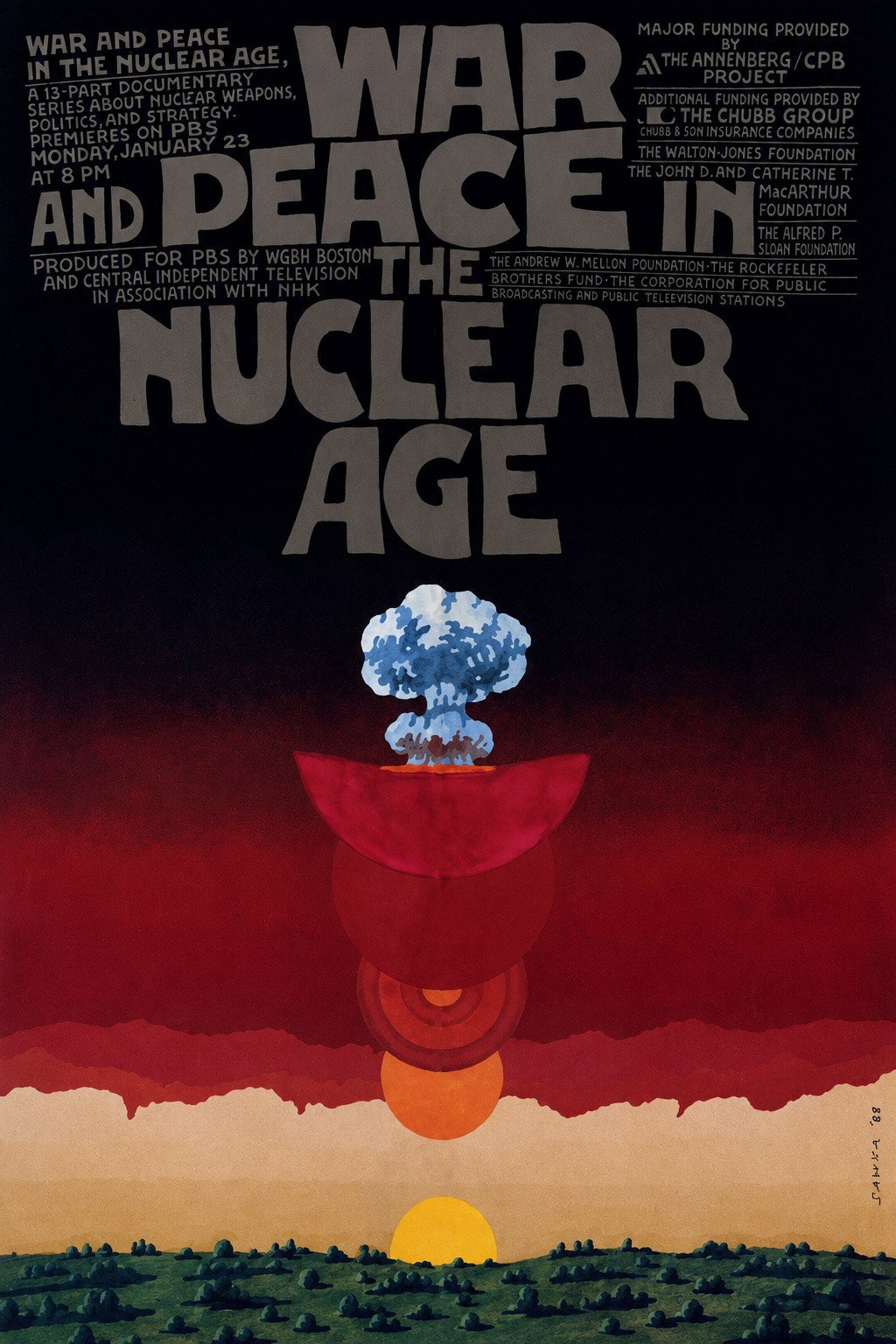
War and Peace in the Nuclear Age, first broadcast in 1989, is a thirteen-part PBS series on the origins and evolution of nuclear competition between the United States and the former Soviet Union. The series examined the rivalry for power and how it shaped the diplomacy, negotiation, ethical debates, and doctrine of deterrence that ran through the forty-year history of the nuclear age. This collection contains the full interviews and selected stock footage from the series.
The story of an empire: From its founding in 1922 to its dissolution in 1991, the Soviet Union was shaped by revolutionary idealism, but also by oppression and decay. The USSR evolved from Stalinist terror through the Thaw under Khrushchev to political processes such as glasnost and perestroika under Gorbachev. Finally, in 1991, it collapsed.
Secrets are divulged and stories of espionage, conspiracy, murder, sabotage and greed are uncovered.
A 24-part series which deals with the relations between the United States, the Soviet Union and their respective allies between the end of World War II to the collapse of the Soviet Union in 1991.
Don Wildman unearths relics from the world's greatest institutions to reveal secrets from the past. He examines each artifact to illuminate history's most incredible triumphs, sensational crimes and bizarre encounters.
With firsthand accounts and access to prominent figures around the world, this comprehensive docuseries explores the Cold War and its aftermath.
Maritime mysteries—old and new—come to life in this series, combining scientific data and digital re-creations to reveal shipwrecks, treasures, and sunken cities on the bottom of lakes, seas and oceans around the world.
Motoring programme featuring reviews of and reports about cars of all types.
An in-depth look at the history and pop cultural significance of horror films.
Infographics and archival footage deliver bite-size history lessons on scientific breakthroughs, social movements and world-changing discoveries.
Have you ever wondered how the products you use every day are made? How It's Made leads you through the process of how everyday products, such as apple juice, skateboards, engines, contact lenses, and many more objects are manufactured.
This compelling series investigates the motives and m.o. of female murderers. While males are often driven by anger, impulse and destruction, women usually have more complex, long-term reasons to kill.
American Masters is a PBS television series which produces biographies on enduring writers, musicians, visual and performing artists, dramatists, filmmakers, and others who have left an indelible impression on the cultural landscape of the United States.
Natural World is a nature documentary television series broadcast annually on BBC Two and regarded by the BBC as its flagship natural history brand. It is currently the longest-running series in its genre on British television, with more than 400 episodes broadcast since its inception in 1983. Natural World is produced by the BBC Natural History Unit in Bristol, but individual programmes can be in-house productions, collaborative productions with other broadcasters or films made and distributed by independent production companies and purchased by the BBC. Natural World programmes are often broadcast as PBS Nature episodes in the USA. Since 2008, most Natural World programmes have been shot and broadcast in high definition.
Doctor Who Confidential is a documentary to complement the revival of the long-running British science fiction television series Doctor Who. Each episode was broadcast on BBC Three on Saturdays, immediately after the broadcast of the weekly television episode on BBC One. The running time of the first two series was 30 minutes, being extended to 45 minutes in the third. BBC Three also broadcast a cut-down edition of the programme, lasting 15 minutes, shown after the repeats on Sundays and Fridays and after the weekday evening repeats of earlier seasons.
Consistently stunning documentaries transport viewers to far-flung locations ranging from the torrid African plains to the chilly splendours of icy Antarctica. The show's primary focus is on animals and ecosystems around the world. A comic book based on the show, meant to be used an as educational tool for kids, was briefly distributed to museums and schools at no cost in the mid-2000s.
Biography is a documentary television series. It was originally a half-hour filmed series produced for CBS by David Wolper from 1961 to 1964 and hosted by Mike Wallace. The A&E Network later re-ran it and has produced new episodes since 1987. The older version featured historical figures such as Helen Keller and Mark Twain, or long-dead entertainment figures such as Will Rogers or John Barrymore. The A&E series has placed the emphasis on such people as Marilyn Monroe, Elvis Presley, Plácido Domingo, Freddie Mercury, Jacqueline Kennedy Onassis, Eric Clapton, Pope John Paul II, Gene Tierney, Selena, Diego Rivera, Mao Zedong and Queen Elizabeth II, and fictional characters like The Phantom, Superman, Hamlet, Betty Boop, and Santa Claus. The program ended up profiling enough figures that in 1999, A&E spun it off into an entire network, The Biography Channel.
The history of the sport of baseball in America, told through archival photos, film footage, and the words of those who contributed to the game in each era. Writers, historians, players, baseball personnel, and fans review key events and the significance of the game in America's history.
30 for 30 is the title for a series of documentary films airing on ESPN, its sister networks, and online highlighting interesting people and events in sports history. This currently includes four "volumes" of 30 episodes each, a 13-episode series under the ESPN Films Presents title in 2011–2012, and a series of 30 for 30 Shorts shown through the ESPN.com website. The series has also expanded to include Soccer Stories, which aired in advance of the 2014 FIFA World Cup, and audio podcasts. This entry refers to the main Volumes of the series presented by ESPN
An insider's look at the engineering and scientific miracles behind the things that form the modern world.
Explore the surprising things we know (and don’t know) about why people are the way they are through expert interviews, rare footage from historical experiments, and brand-new, ground-breaking demonstrations of human nature at work.
Award-winning actor and nervous explorer Eugene Levy steps out of his comfort zone for a whirlwind tour of the world's most beautiful and intriguing destinations.
World War II In Colour is a 13-episode television documentary miniseries recounting the events of World War II narrated by Robert Powell. The show covers the Western Front, Eastern Front, and the Pacific War. It is on syndication in America on the Military Channel. This series is in full color, combining both original and colorized footage.
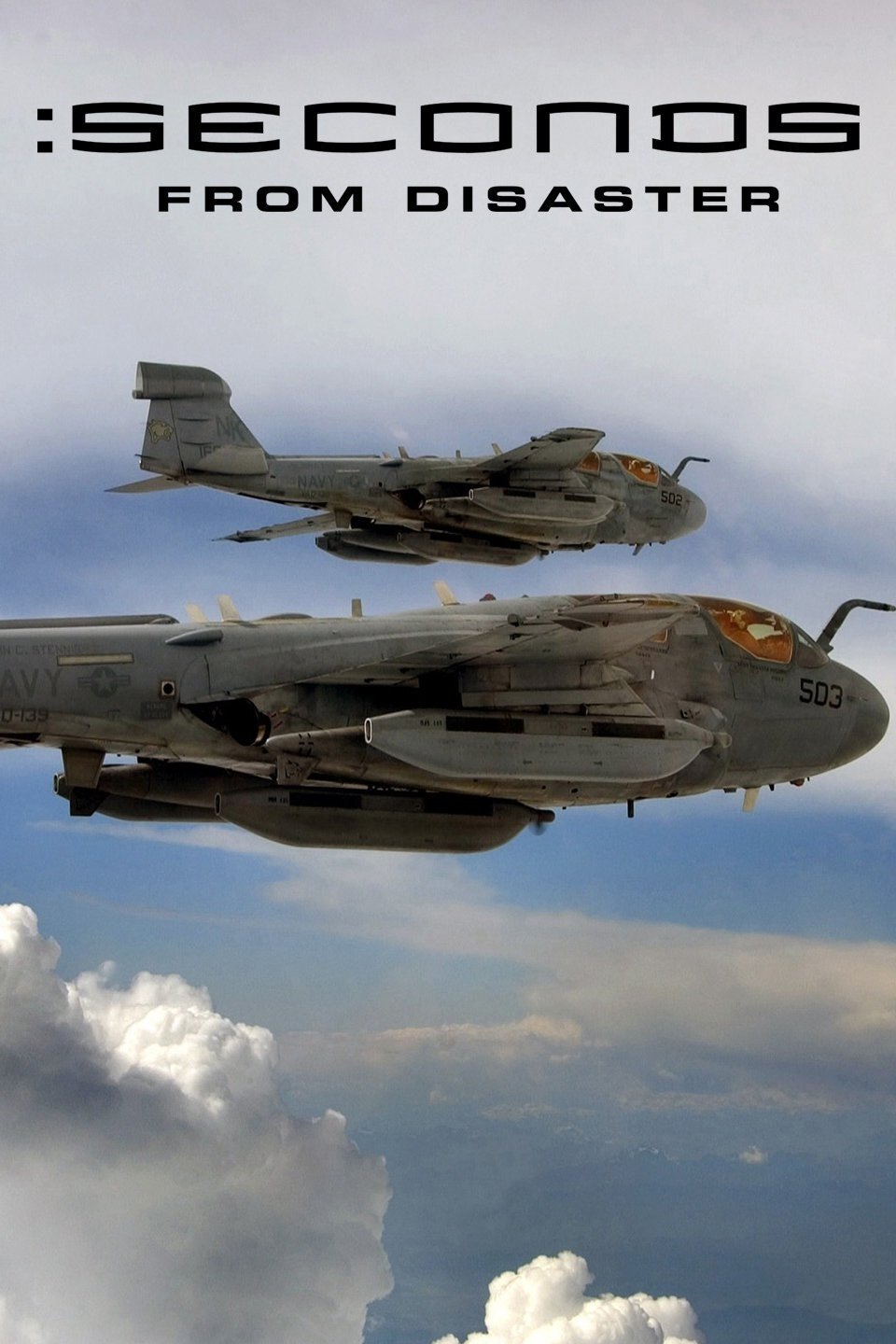
Seconds from Disaster is a US/UK-produced documentary television programme that investigates historically relevant man-made and natural disasters of the 20th century. Each episode aims to explain a single incidental by analyzing the causes and circumstances that ultimately effected the disaster. The program uses re-enactments, interviews, testimonies, and CGI to analyze the sequence of events second-by-second for the audience. Narrators for the show are Ashton Smith, Richard Vaughan and Peter Guinness.