Social & External
In each episode, geologist Dr. Iain Stewart explains the effects and importance of a specific force of nature, such as wind or volcanism. He also examines the various ways in which it shapes planet earth itself and influences life on it, often in conjunction with other natural forces, and sometimes with lifeforms, as in the 'apocalyptically' grave case of global warming.
This spectacular five-part series, presented by Tony Robinson, investigates the history of natural disasters, from the planet's beginnings to the present, putting a new perspective on our existence – that we are the product of catastrophe. Using the latest CGI effects and featuring scientific experts, the series reveals how the evolution of life on Earth has been shaped by lethal catastrophes that have caused mass extinctions, almost to the point of wiping out life altogether.
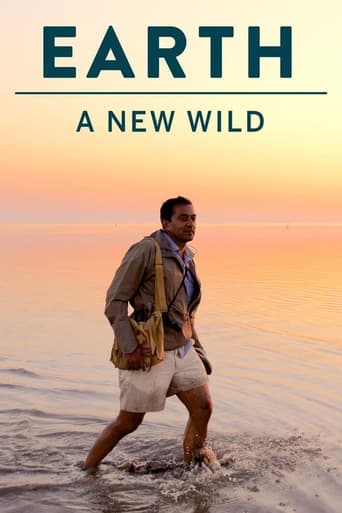
A fresh look at humankind’s relationship to the planet’s wildest places and most fascinating species. Using advanced filming techniques, this series will provide visuals as stunning as the best natural history programs. Distinguishing itself from nearly all other nature films, however, the series turns the cameras around, showing the world as it really is—with humans in the picture.
Biologist Liz Bonnin and geologist Martin Pepper set out on a global expedition to answer the most thought-provoking questions in earth science today. Throughout history, such geologic events as volcanic eruptions, tsunamis, tectonic plate motion, earthquakes, and asteroid impacts have continually reshaped Earth's surface, spreading chaos across the planet. By performing experiments, making observations in the field, and consulting expert scientists, the eight-part series works to uncover Earth's immeasurable capacity to create and destroy.
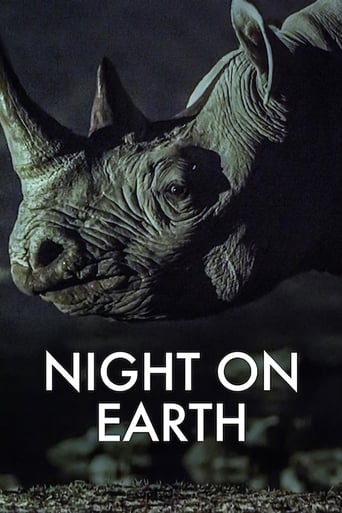
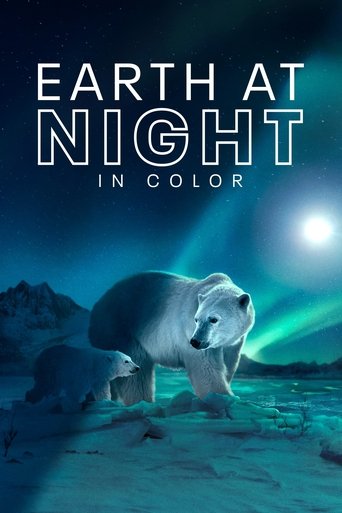
This nature series’ new technology lifts night’s veil to reveal the hidden lives of the world’s creatures, from lions on the hunt to bats on the wing.
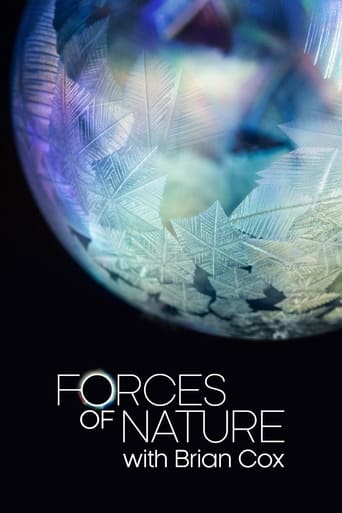
Professor Brian Cox goes on a grand tour of the planet to explain how the Earth's beauty is created by just a handful of forces.
David Attenborough presents a documentary series exploring how animals meet the challenges of surviving in the most iconic habitats on earth.
We live in a world ablaze with colour. Rainbows and rainforests, oceans and humanity, Earth is the most colourful place we know of. But the colours we see are far more complex and fascinating than they appear. In this series, Dr Helen Czerski uncovers what colour is, how it works, and how it has written the story of our planet - from the colours that transformed a dull ball of rock into a vivid jewel to the colours that life has used to survive and thrive. But the story doesn't end there - there are also the colours that we can't see, the ones that lie beyond the rainbow. Each one has a fascinating story to tell.
Series showing how new camera technology is revealing the inner workings of the Earth's most spectacular natural wonders.
Actor Zhang Linghe returns to his hometown in Jiangsu to explore the innovations and sustainable practices driving China’s transition toward a low-carbon future.
Exploring the natural extremes of the continents.
The story of life, from the first primitive cells to the plants and animals that now live around us.
A mind-bending, thrilling journey exploring the fragility and wonder of planet Earth, one of the most peculiar, unique places in the entire universe, brought to life by the only people to have left it behind – the world’s most well known and leading astronauts.
A scientific and historical mini-series looking at the relationship between human beings and the moon.
Geologist Dr Iain Stewart presents a series showing how the rocks beneath our feet have shaped the human history of the Mediterranean.
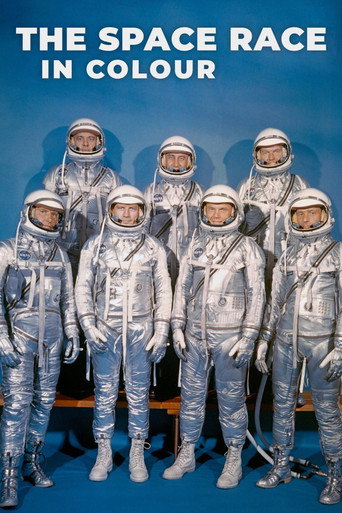
The 1950s and 1960s witnessed an unprecedented surge in space exploration, led by the USA and the USSR. This rivalry aka the ‘Space Race’ – climaxed with the greatest technological achievement in human history: the Apollo Moon Landings. The doc recaptures the drama of this competition for supremacy, which went on to define the nuclear age and explores the uneasy alliance between visionary rocket engineers and politicians’ desire for military supremacy. From the first satellite to the first man on the moon, and its impact on the Cold War, the doc shows how the race was about more than missiles: it was also a question of surveillance, espionage, and the possibilities for living in space.
Cameras in space tell stories of life on our planet from a brand new perspective, revealing new discoveries, incredible colours and patterns, and just how fast it is changing.
Millions of years ago, incredible forces ripped apart the Earth’s crust creating seven extraordinary continents. This documentary series reveals how each distinct continent has shaped the unique animal life found there.
Philippe Cousteau Jr., grandson of the legendary Jacques Cousteau, explores the most spectacular places - on the earth, inside the earth, and above the earth - in this riveting earth science series.
Motoring programme featuring reviews of and reports about cars of all types.
Infographics and archival footage deliver bite-size history lessons on scientific breakthroughs, social movements and world-changing discoveries.
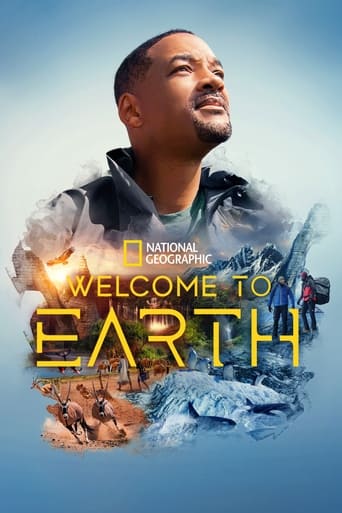
Will Smith whose curiosity and wonder is positively infectious—is guided by National Geographic Explorers traveling to different corners of the world to get up close and personal with the weirdest, most unusual, dangerous and thrilling spectacles of the planet.
Doctor Who Confidential is a documentary to complement the revival of the long-running British science fiction television series Doctor Who. Each episode was broadcast on BBC Three on Saturdays, immediately after the broadcast of the weekly television episode on BBC One. The running time of the first two series was 30 minutes, being extended to 45 minutes in the third. BBC Three also broadcast a cut-down edition of the programme, lasting 15 minutes, shown after the repeats on Sundays and Fridays and after the weekday evening repeats of earlier seasons.
Filmed across six continents, this docuseries uses cutting-edge camera technology to capture animals' nocturnal lives, revealing new behaviours filmed in full color like never before.
MegaStructures is a documentary television series appearing on the National Geographic Channel in the United States and the United Kingdom, Channel 5 in the United Kingdom, France 5 in France, and 7mate in Australia. Each episode is an educational look of varying depth into the construction, operation, and staffing of various structures or construction projects, but not ordinary construction products. Generally containing interviews with designers and project managers, it presents the problems of construction and the methodology or techniques used to overcome obstacles. In some cases this involved the development of new materials or products that are now in general use within the construction industry. MegaStructures focuses on constructions that are extreme; in the sense that they are the biggest, tallest, longest, or deepest in the world. Alternatively, a project may appear if it had an element of novelty or are a world first. This type of project is known as a Megaproject.
Don Wildman unearths relics from the world's greatest institutions to reveal secrets from the past. He examines each artifact to illuminate history's most incredible triumphs, sensational crimes and bizarre encounters.
An insider's look at the engineering and scientific miracles behind the things that form the modern world.
Horizon tells amazing science stories, unravels mysteries and reveals worlds you've never seen before.
This compelling series investigates the motives and m.o. of female murderers. While males are often driven by anger, impulse and destruction, women usually have more complex, long-term reasons to kill.
TV's most-watched history series brings to life the compelling stories from our past that inform our understanding of the world today.
The history of the sport of baseball in America, told through archival photos, film footage, and the words of those who contributed to the game in each era. Writers, historians, players, baseball personnel, and fans review key events and the significance of the game in America's history.
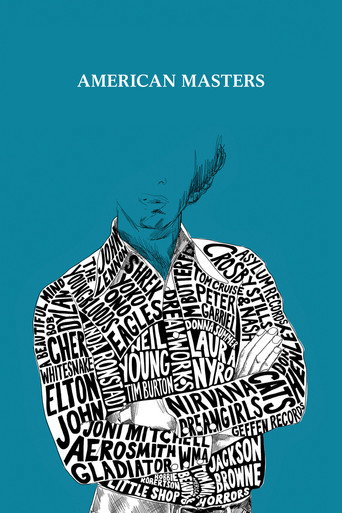
American Masters is a PBS television series which produces biographies on enduring writers, musicians, visual and performing artists, dramatists, filmmakers, and others who have left an indelible impression on the cultural landscape of the United States.
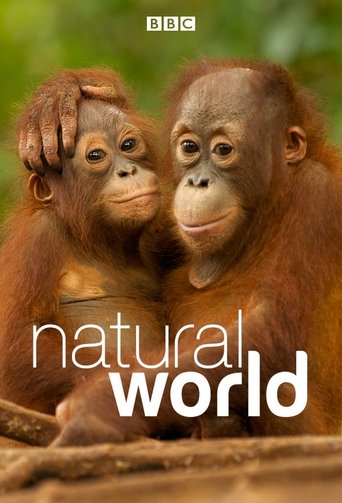
Natural World is a nature documentary television series broadcast annually on BBC Two and regarded by the BBC as its flagship natural history brand. It is currently the longest-running series in its genre on British television, with more than 400 episodes broadcast since its inception in 1983. Natural World is produced by the BBC Natural History Unit in Bristol, but individual programmes can be in-house productions, collaborative productions with other broadcasters or films made and distributed by independent production companies and purchased by the BBC. Natural World programmes are often broadcast as PBS Nature episodes in the USA. Since 2008, most Natural World programmes have been shot and broadcast in high definition.
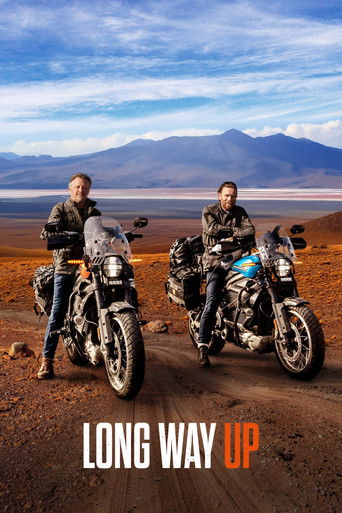
The epic motorcycle adventure continues in this third chapter of the Long Way series, as Ewan McGregor and Charley Boorman journey to glorious landscapes across South and Central America—on the backs of prototype electric Harley-Davidsons.
Documentary series tracing mankind's exploration of our solar system.
Award-winning actor and nervous explorer Eugene Levy steps out of his comfort zone for a whirlwind tour of the world's most beautiful and intriguing destinations.
An in-depth look at the history and pop cultural significance of horror films.
Explores the experiences of James Safechuck and Wade Robson, who were both befriended and sexually abused by singer Michael Jackson, and the complicated feelings that led them both to confront their experiences.
Biography is a documentary television series. It was originally a half-hour filmed series produced for CBS by David Wolper from 1961 to 1964 and hosted by Mike Wallace. The A&E Network later re-ran it and has produced new episodes since 1987. The older version featured historical figures such as Helen Keller and Mark Twain, or long-dead entertainment figures such as Will Rogers or John Barrymore. The A&E series has placed the emphasis on such people as Marilyn Monroe, Elvis Presley, Plácido Domingo, Freddie Mercury, Jacqueline Kennedy Onassis, Eric Clapton, Pope John Paul II, Gene Tierney, Selena, Diego Rivera, Mao Zedong and Queen Elizabeth II, and fictional characters like The Phantom, Superman, Hamlet, Betty Boop, and Santa Claus. The program ended up profiling enough figures that in 1999, A&E spun it off into an entire network, The Biography Channel.