Social & External
The people behind it
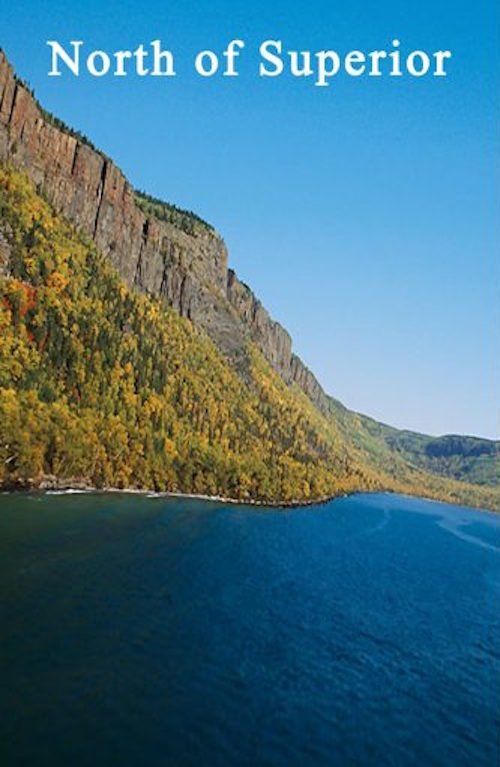
The second IMAX film made, commissioned by the Ontario Government, and produced by MultiScreen Corporation, later to become IMAX corporation. North of Superior is a Northern Ontario travelogue, and was the first short feature to be shown at the newly created Ontario government theme park, Ontario Place, in it's state of the art cinema, Cinesphere, the first permanent IMAX installation.
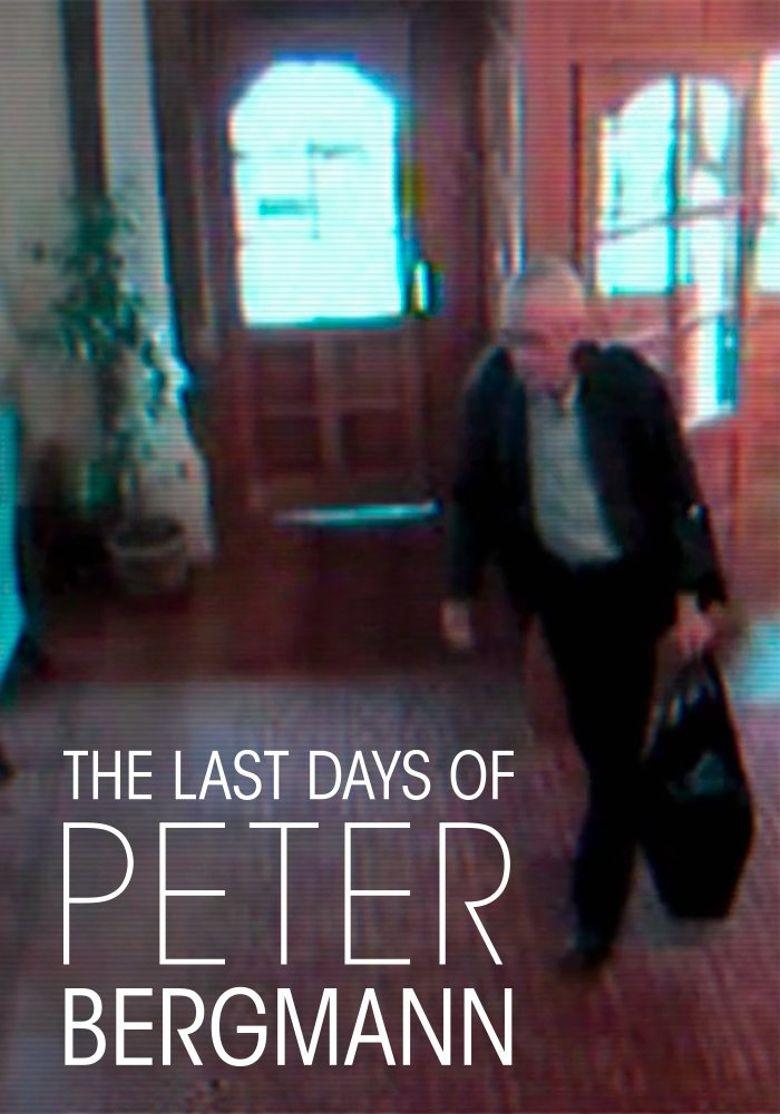
In the summer of 2009, a man calling himself Peter Bergmann and claiming to be from Austria arrived in Sligo Town. Over his final three days, Peter Bergmann would go to great lengths to ensure no one would ever discover who he was or where he came from.
One of America's most influential fiction writers, Nobel Prize winner William Faulkner set most of his novels in the imaginary Yoknapatawpha County, Miss., creating vivid characters and exploring the Southern past and race relations in works such as The Sound and the Fury, As I Lay Dying and Absalom, Absalom! Through period documents and other archival material, this program traces the life and writing of the quintessentially American author.
Concorde was an icon of the skies, but on 25 July 2000, Air France Flight 4590 left Paris for New York and caught fire during take-off before crashing to the ground just over a minute later, killing everyone on board. The tragedy brought an end to the dream of supersonic passenger flight. But what caused the disaster? Investigators, survivors’ loved ones and those who examined the wreckage recall the tragedy and describe how the evidence led to a shockingly simple conclusion about what went wrong.
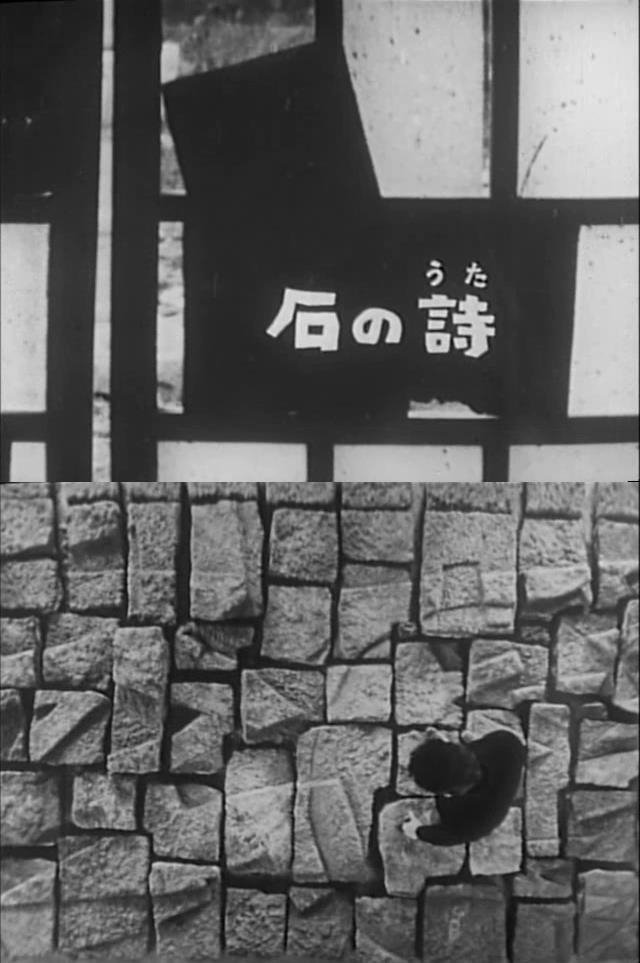
While extracting and polishing their blocks of stone, stonecutters used to say “the stone is coming to life". This paradox provided Matsumoto with the best metaphor for what making a film is all about. In his opinion, filmmakers work images in the same way that stonecutters work stones.
An insight into the watchmaking craft.
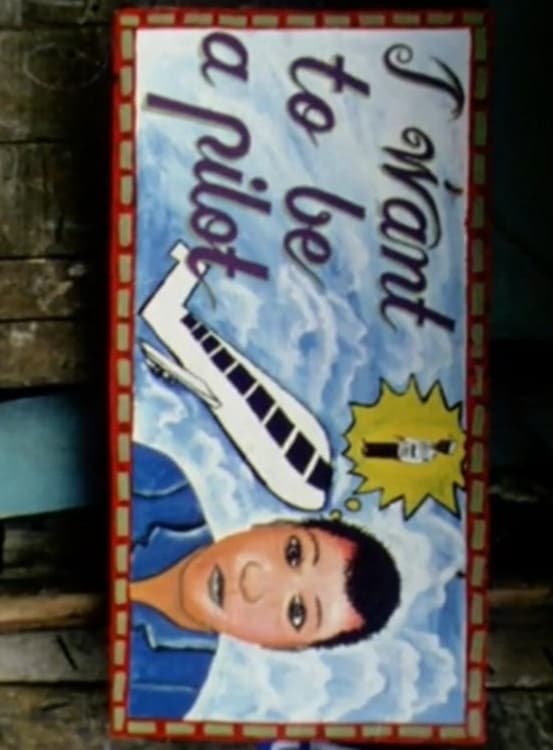
Omondi lives in the biggest slum in East Africa. Everyday he sees airplanes fly over him. He dreams of becoming an airline pilot and flying far away.
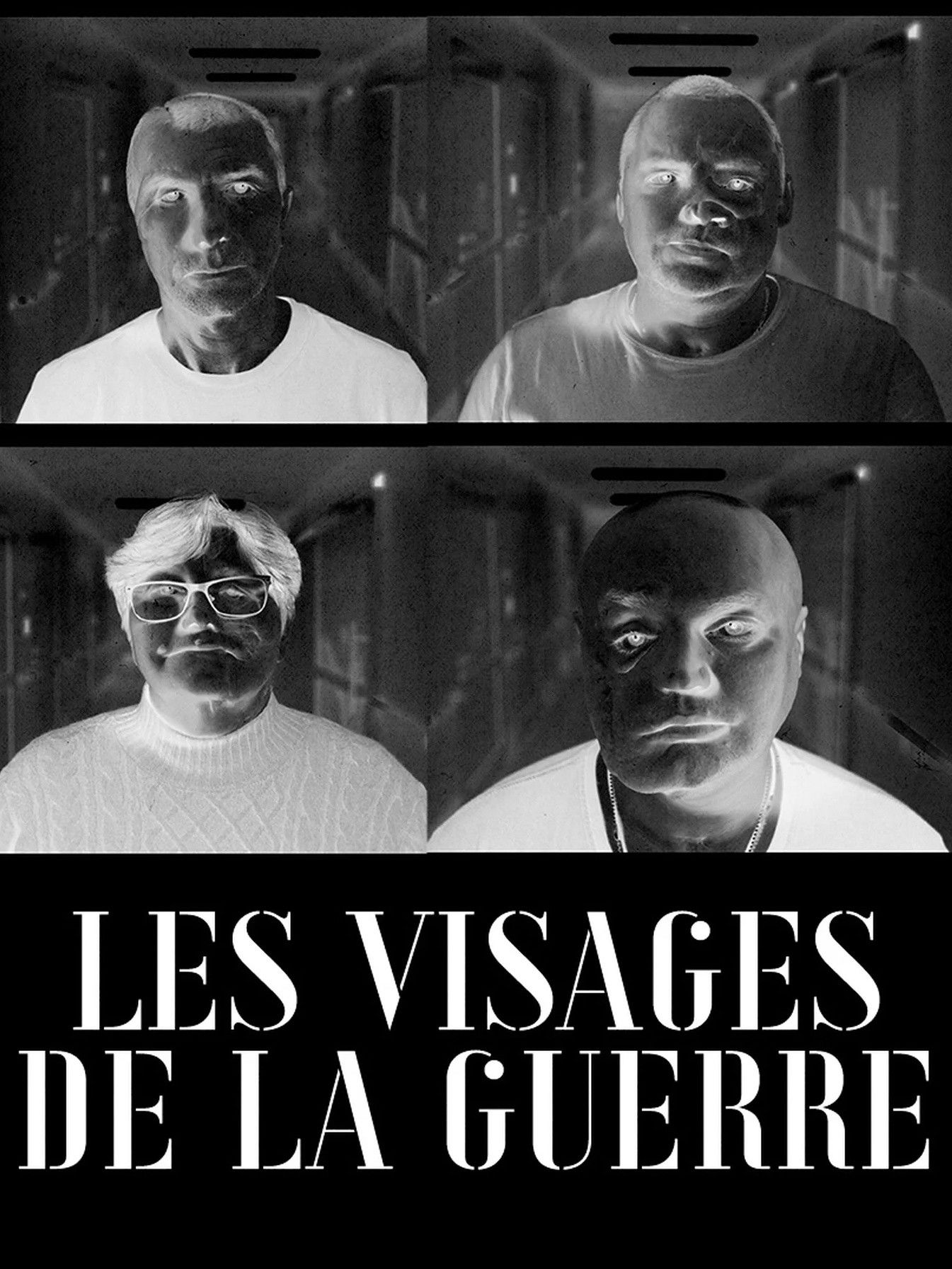
At the Vynnyky Medical Center, located in the suburbs of Lviv, Ukraine, the staff treats exclusively war casualties: amputees and those who have been disfigured. An internationally renowned surgeon, Chloé Bertolus is one of the leading specialists in facial reconstruction. Several times a year, she visits the wounded to repair tissue damaged by bullets and shrapnel from the Russian army.
Excavations in the Po Delta provide insights into Greek-Etruscan times.
In today's culture, the “Wild West” is perceived as a bygone era of adventure featuring cowboys and the like. However, the reality of the “Wild West” today is quite different. It can be found in the abandoned gold mining sites, the ghost towns of Nevada, Arizona, and California.
A portrait of an amateur theatre group in Kirchberg, Bavaria.
An insight into the restoration of ancient manuscripts at the Monte Oliveto monastery near Siena.
Norbert, the protagonist of the film, is a priest. But also a father and a criminal convicted of bank robbery. His future is uncertain, as is his family's.
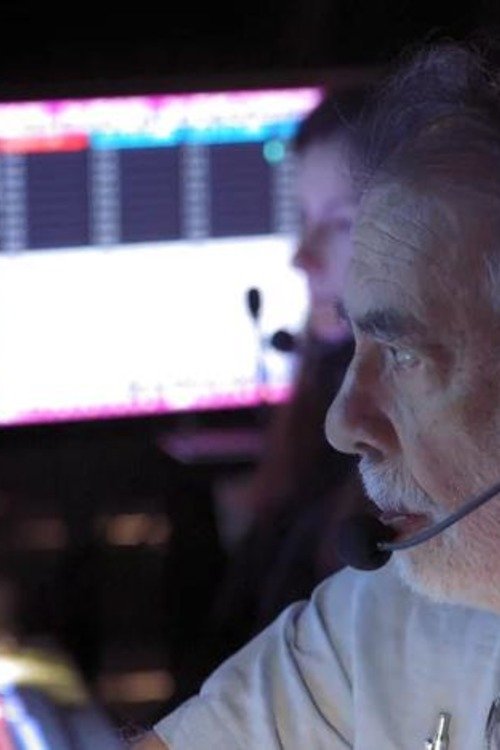
An insider's look into Francis Ford Coppola's latest Live Cinema project, Distant Vision.
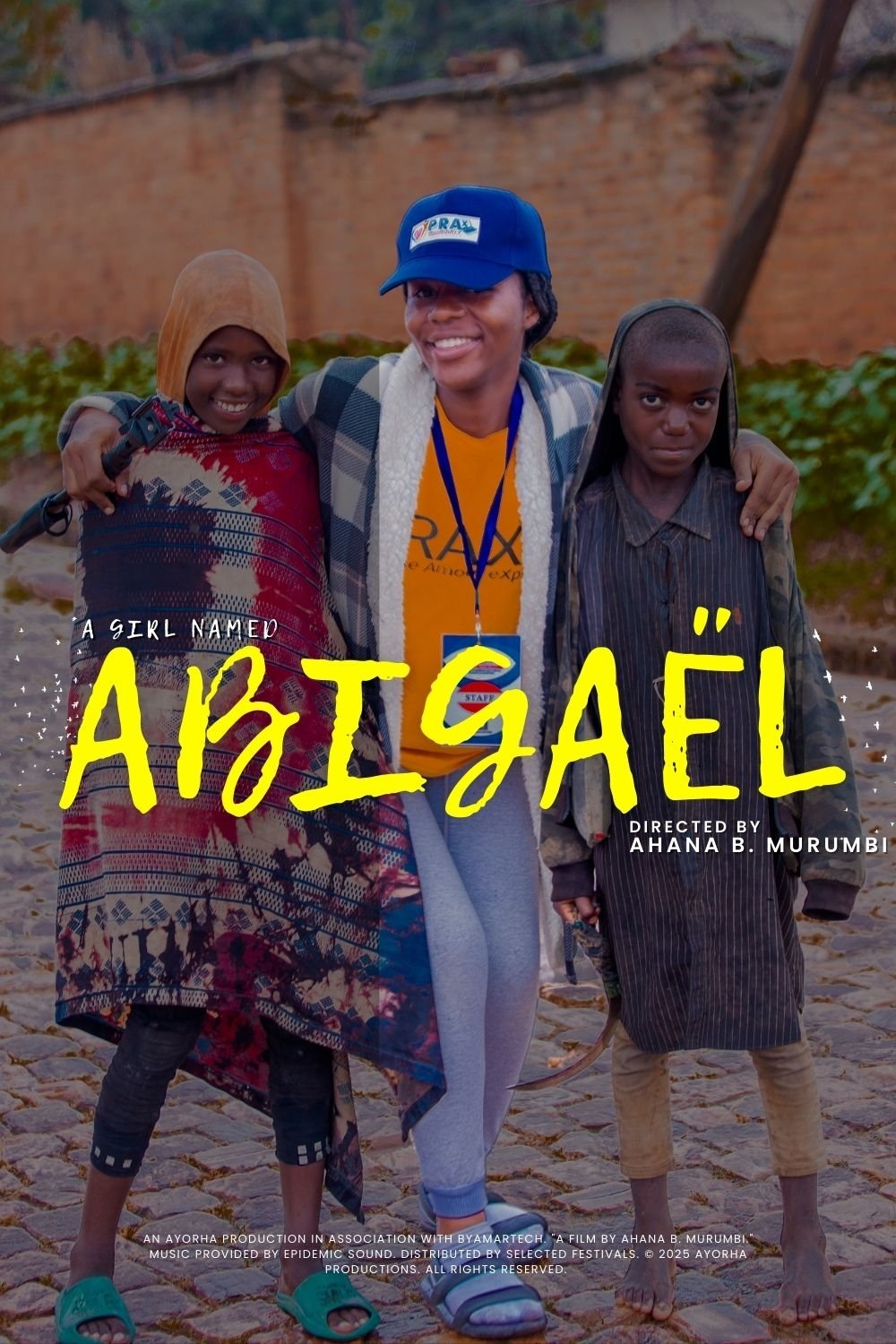
A young Congolese girl moves to a historical adversary, Burundi, where her efforts to pursue studies are shared with a relentless desire to give back to their marginalized community.
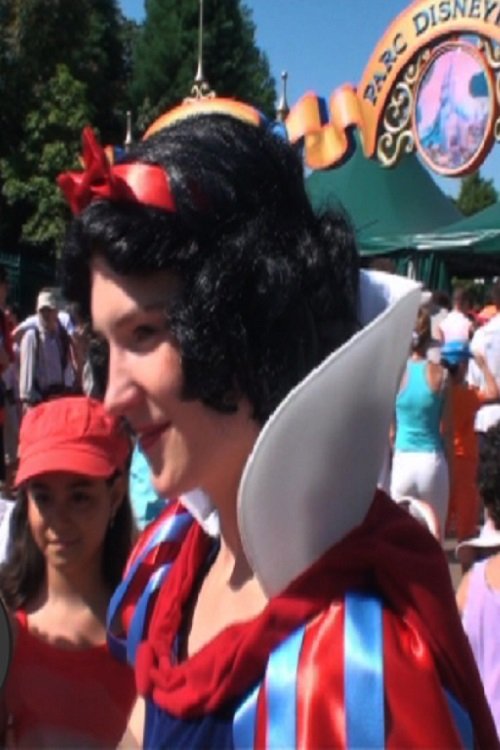
The absurd logic of the ‘real character’ and the extreme rules of Disneyland become apparent when a real fan of Snow White is banned from entering the theme park dressed as Snow White.
Daniel Craig candidly reflects on his 15 year adventure as James Bond. Including never-before-seen archival footage from Casino Royale to the upcoming 25th film No Time To Die, Craig shares his personal memories in conversation with 007 producers, Michael G Wilson and Barbara Broccoli.
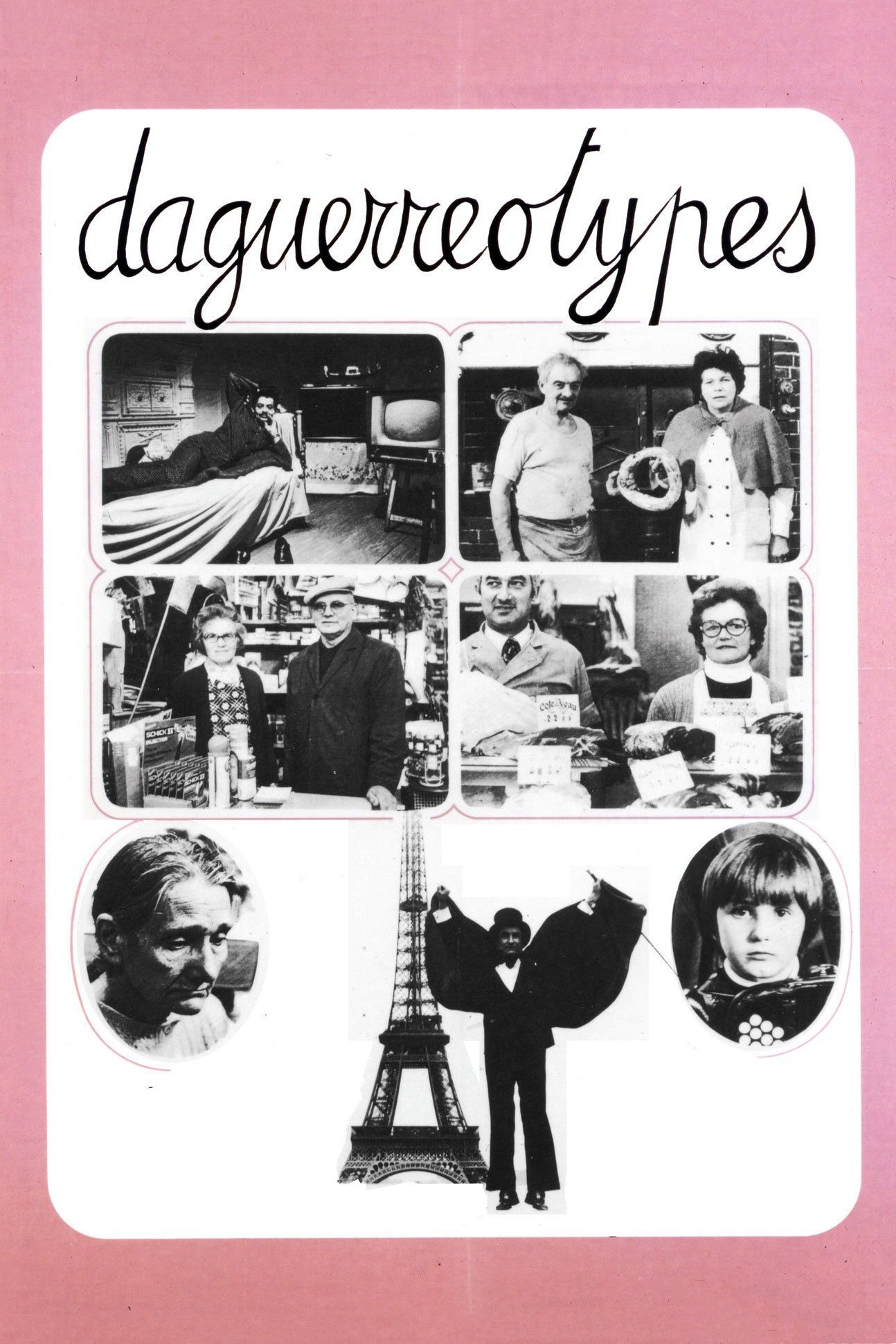
An intimate portrait of the small shops and shopkeepers of the Rue Daguerre in Paris, a picturesque street that has been the filmmaker’s home for more than 50 years.
A documentary about the life and films of director John Ford.
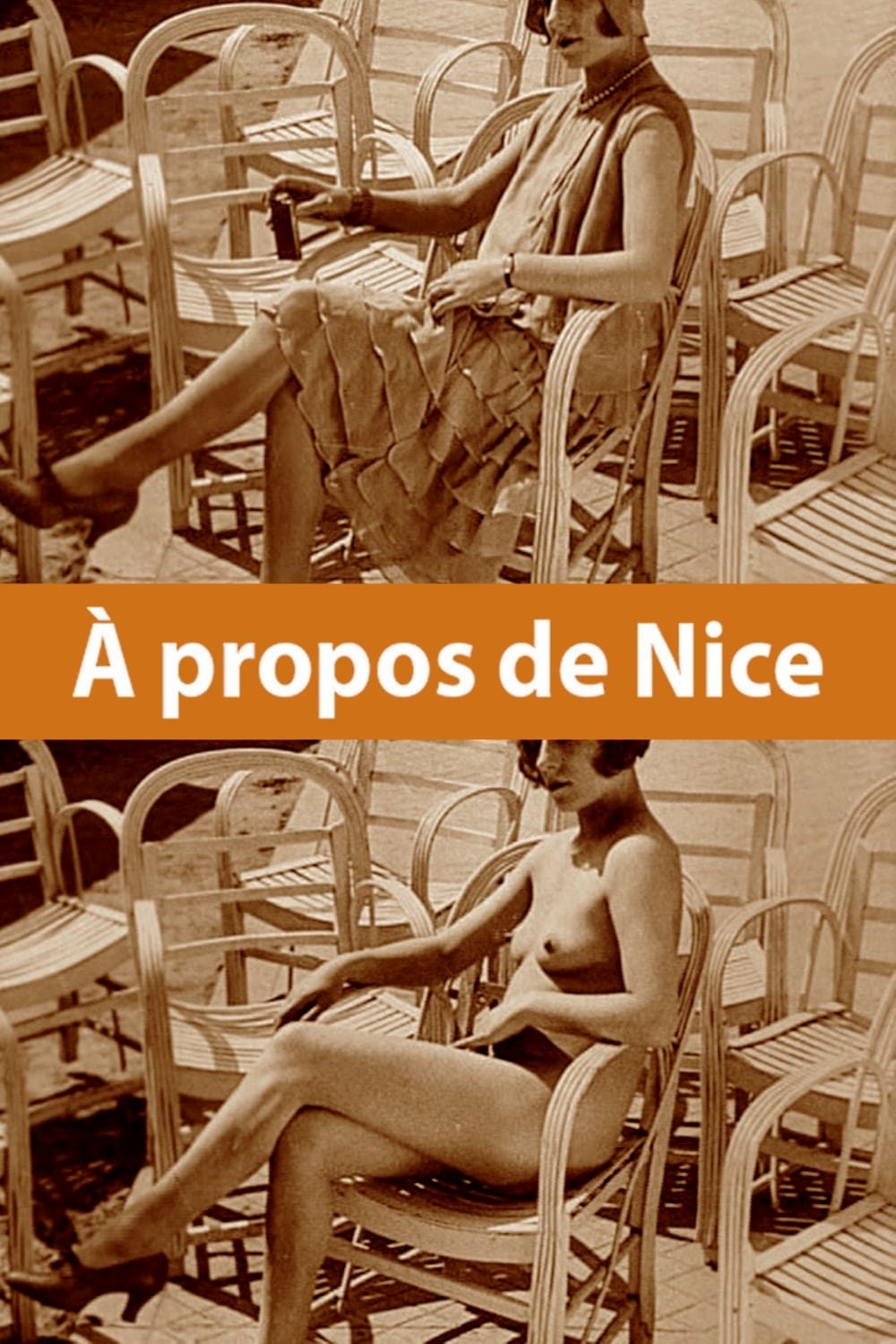
What starts off as a conventional travelogue turns into a satirical portrait of the town of Nice on the French Côte d'Azur, especially its wealthy inhabitants.
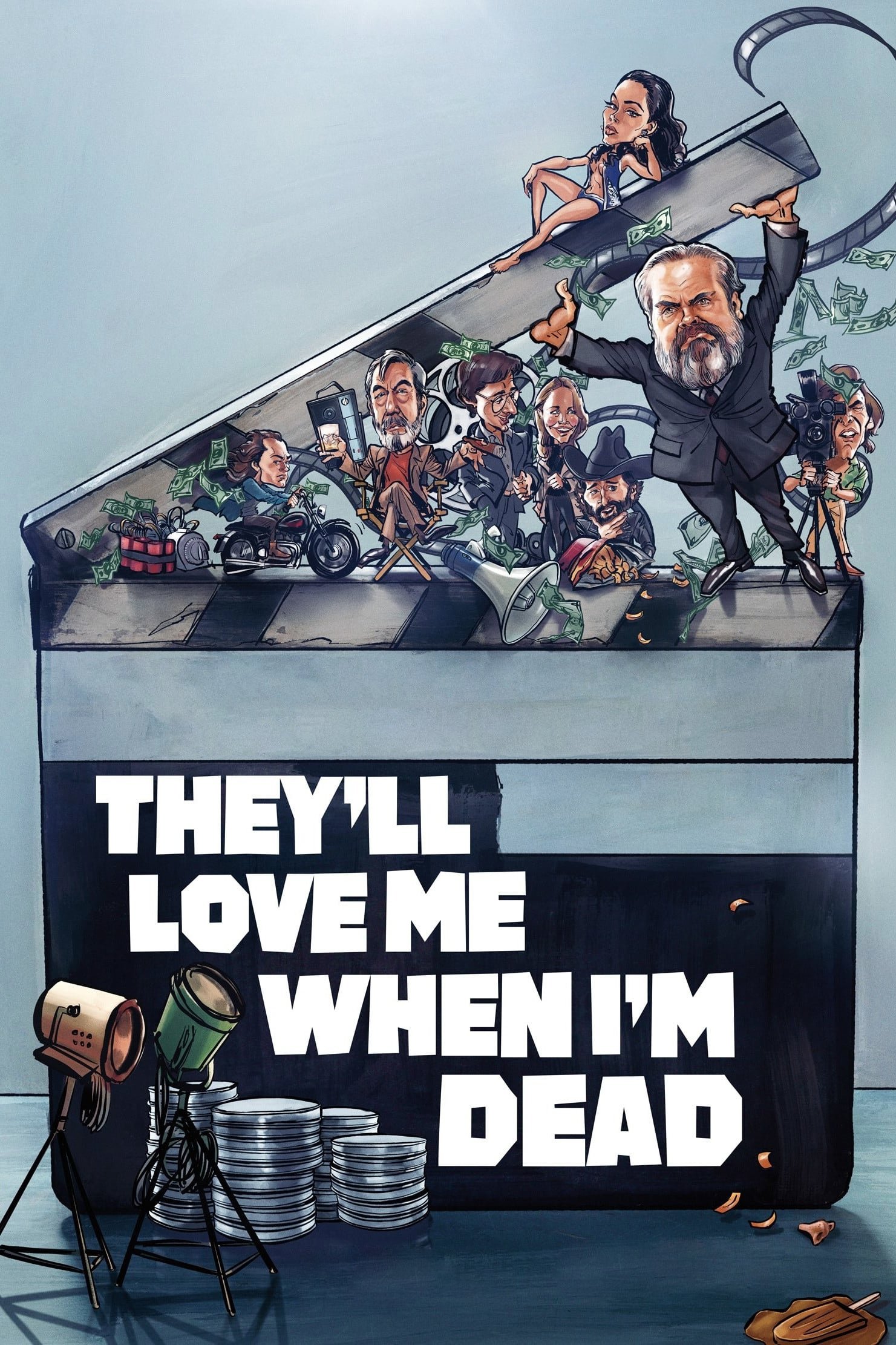
As his life comes to its end, famous Hollywood director Orson Welles puts it all on the line at the chance for renewed success with the film The Other Side of the Wind.
In an intimate and joyful story of love in the face of loss, celebrated poets Andrea Gibson and Megan Falley find strength—and unexpected hilarity—in what might be their final year together.
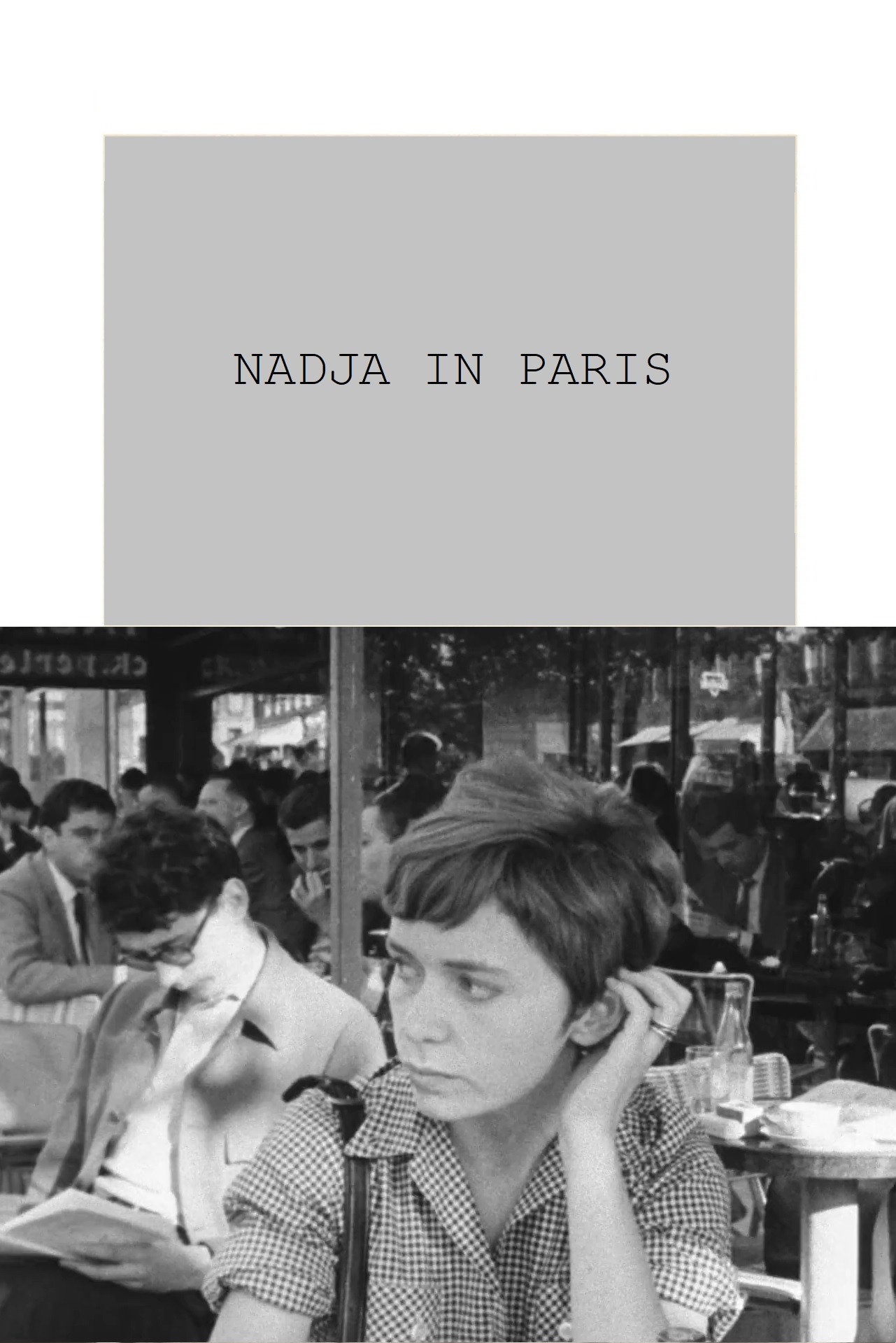
Nadja is a guest student, who stays at Cité Universitaire and visits the Sorbonne, while preparing a thesis on Proust; she also likes to stroll about Paris.
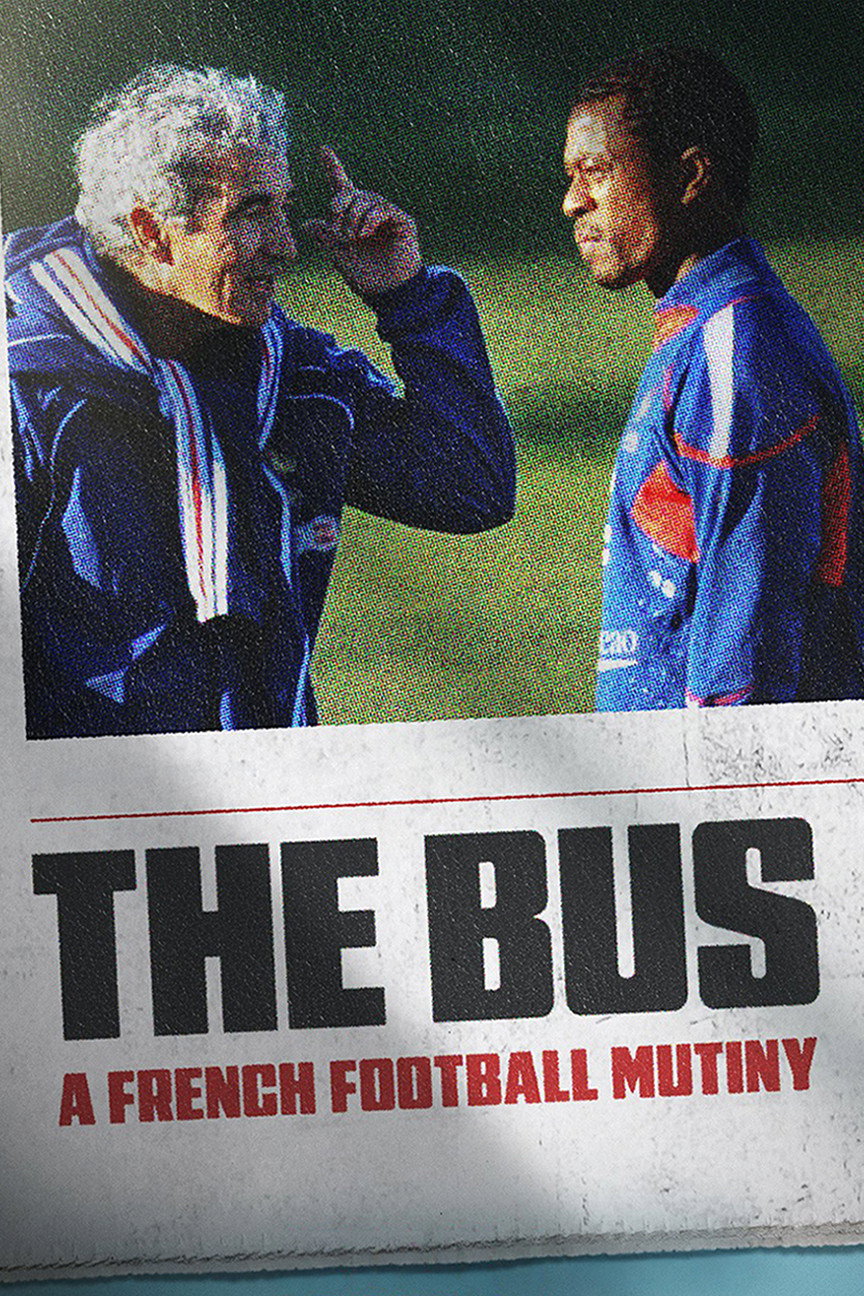
This documentary revisits the French football team's controversial 2010 World Cup and the bus strike that sparked global headlines and national outrage.
A feature length documentary about the all-women team at the helm of Pixar's original feature, Turning Red. With unprecedented behind-the-scenes access to Director Domee Shi and her core leadership crew, this story shines a light on the powerful professional and personal journeys that brought this incredibly comical, utterly relatable, and deeply heartfelt story to the screen.
A visual montage portrait of our contemporary world dominated by globalized technology and violence.
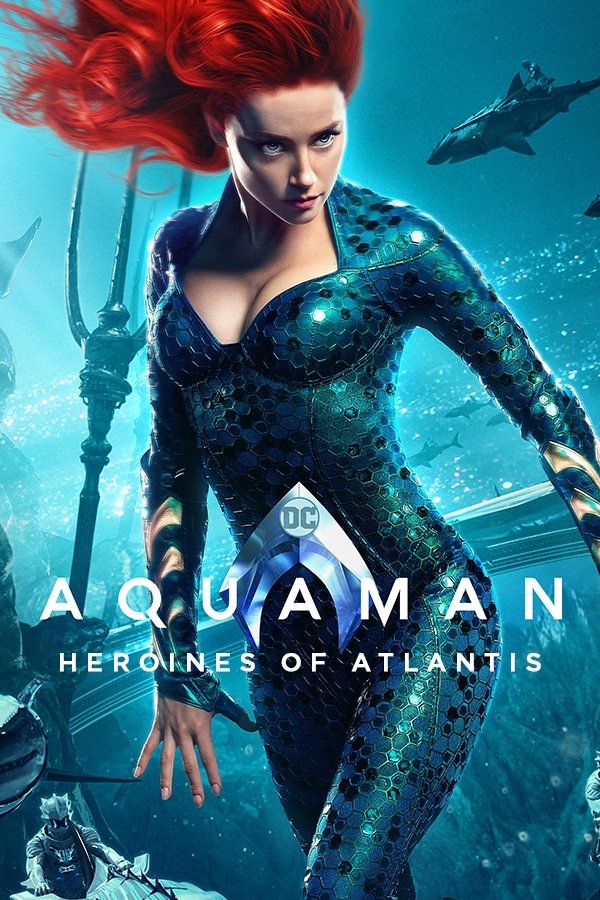
Amber Heard and Nicole Kidman discuss their characters Mera and Atlanna.
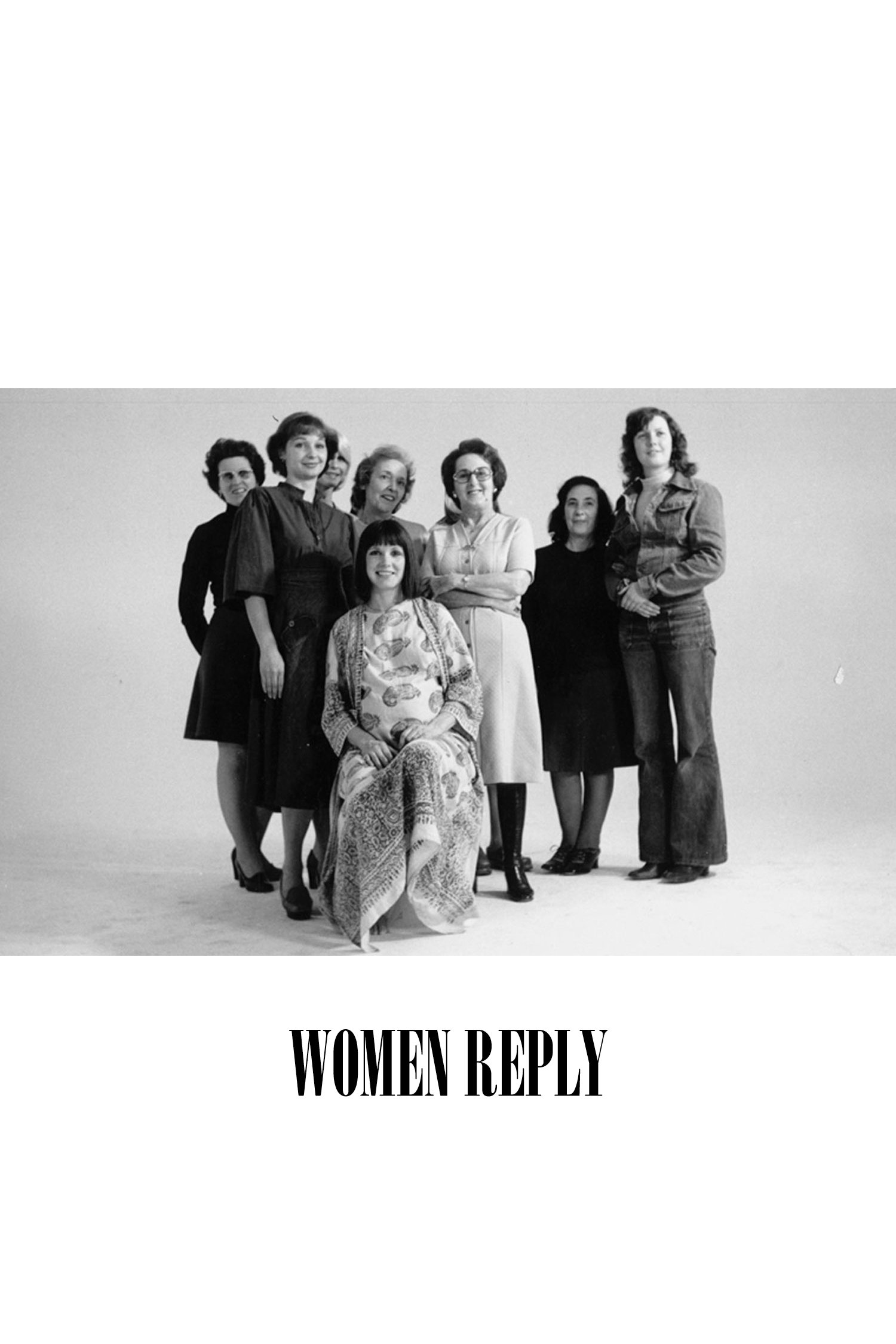
What does being a woman really mean? How do women live the status society reserves for them? A group of women, beautiful or not, young or not, gifted with motherly instinct or not, answer before Agnès Varda's camera.
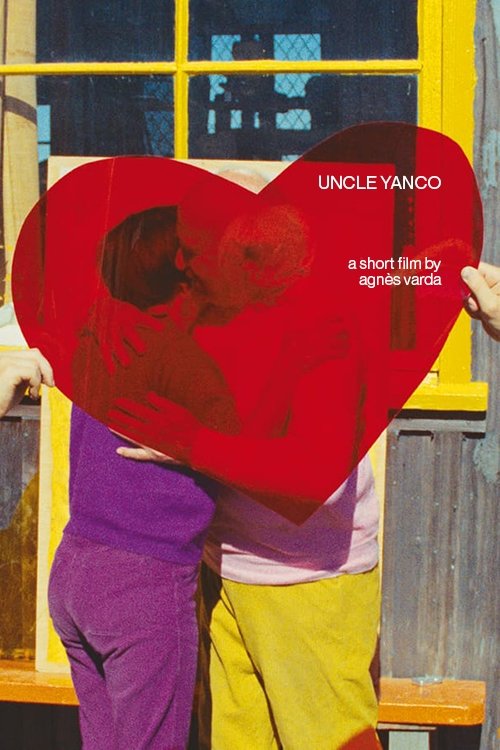
While in San Francisco for the promotion of her last film in October 1967, Agnès Varda, tipped by her friend Tom Luddy, gets to know a relative she had never heard of before, Jean Varda, nicknamed "Yanco". This hitherto unknown uncle lives on a boat in Sausalito, is a painter, has adopted a hippie lifestyle and loves life. The meeting is a very happy one.
From a prolific career in film and television, Anton Yelchin left an indelible legacy as an actor. Through his journals and other writings, his photography, the original music he wrote, and interviews with his family, friends, and colleagues, this film looks not just at Anton's impressive career, but at a broader portrait of the man.
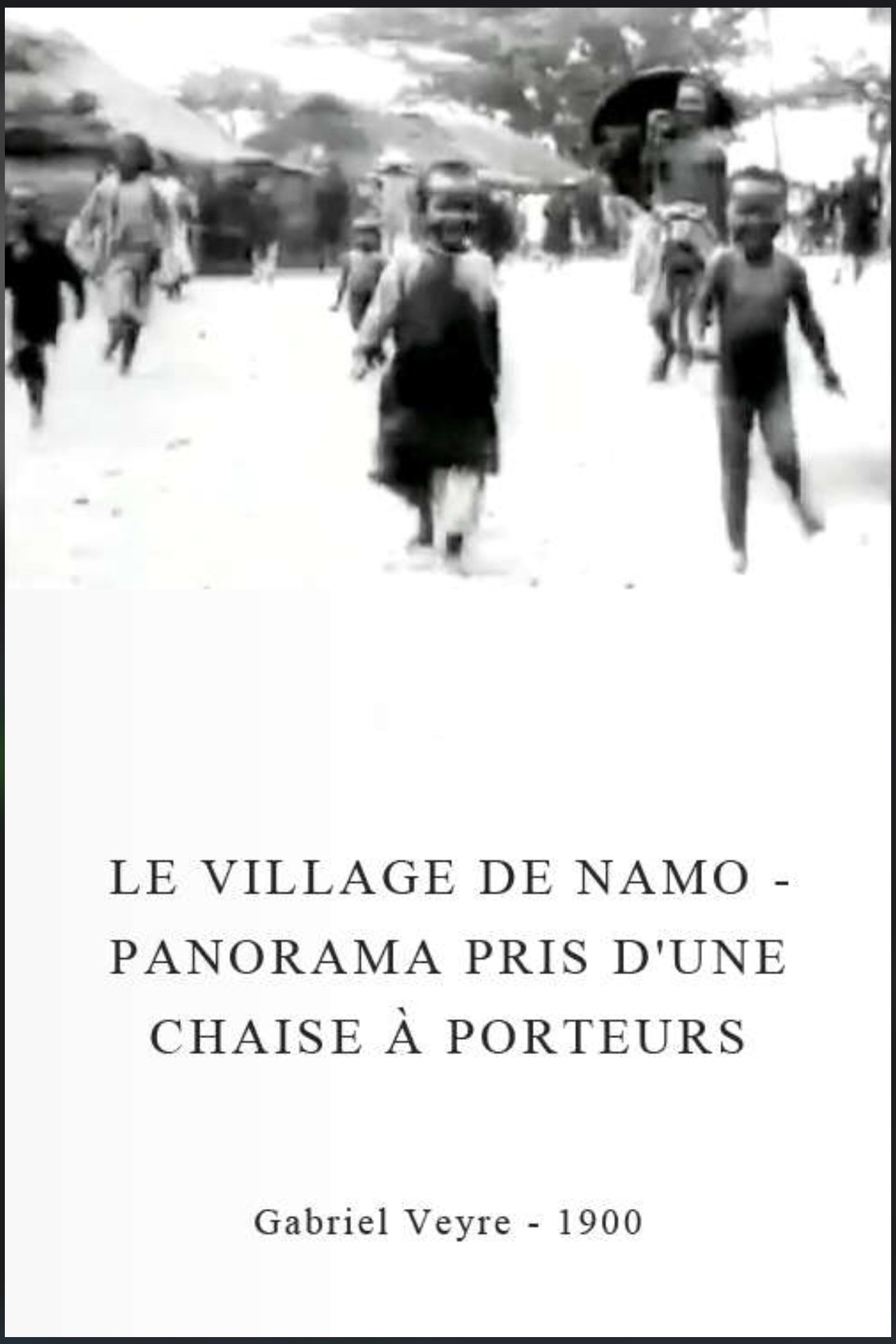
The film is a panorama shot-scene lasting just under a minute. The panorama film, as coined by Lumière, is a moving-camera shot--usually accomplished by placing the camera on a moving transport, such as a boat or train.
Through deeply personal interviews with her siblings and an examination of the photographs, letters, and belongings left behind, Mariska assembles a new portrait of her mother Jayne Mansfield, an extraordinary and complex woman.
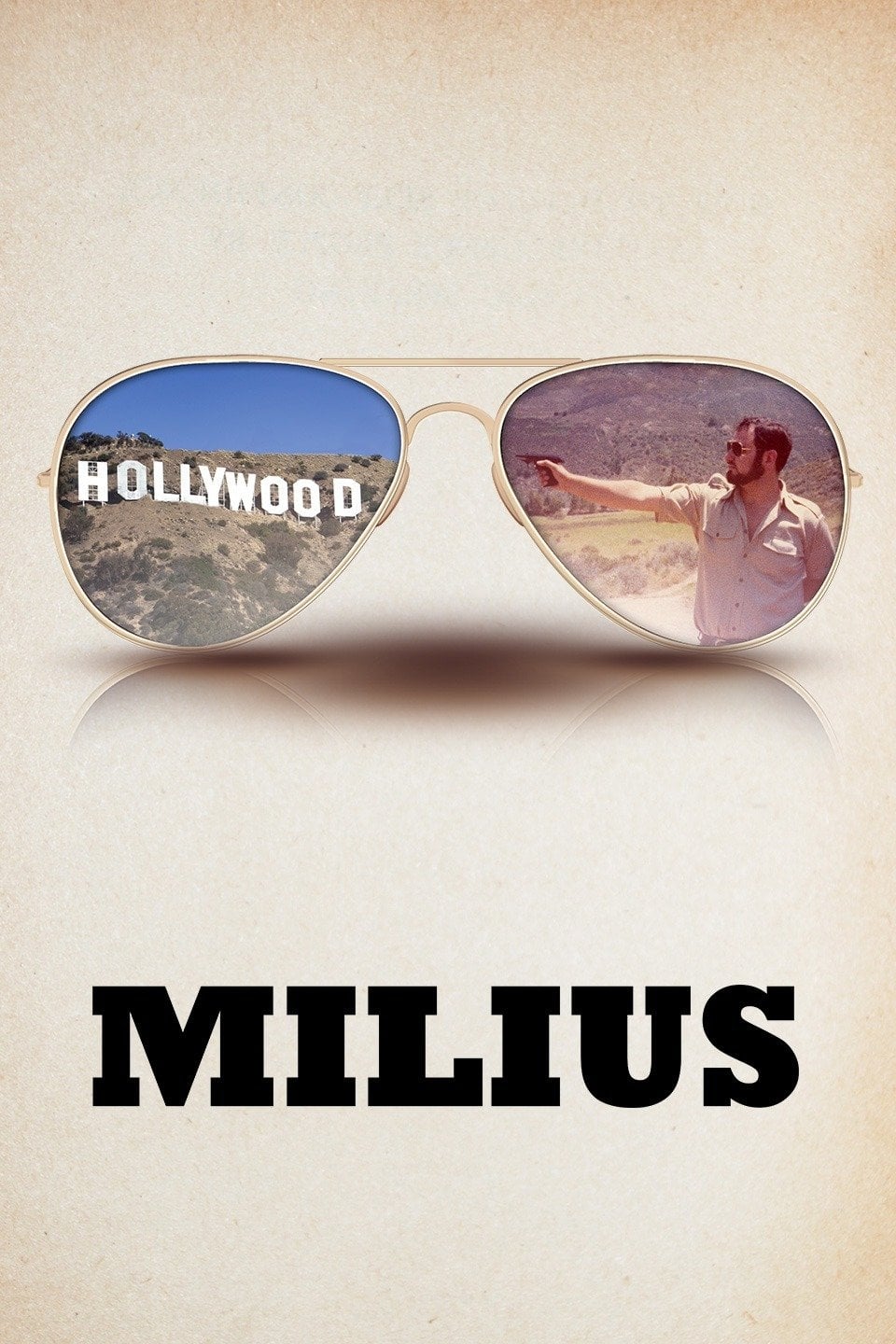
The life story of ‘Zen Anarchist’ filmmaker John Milius, one of the most influential storytellers of his generation.
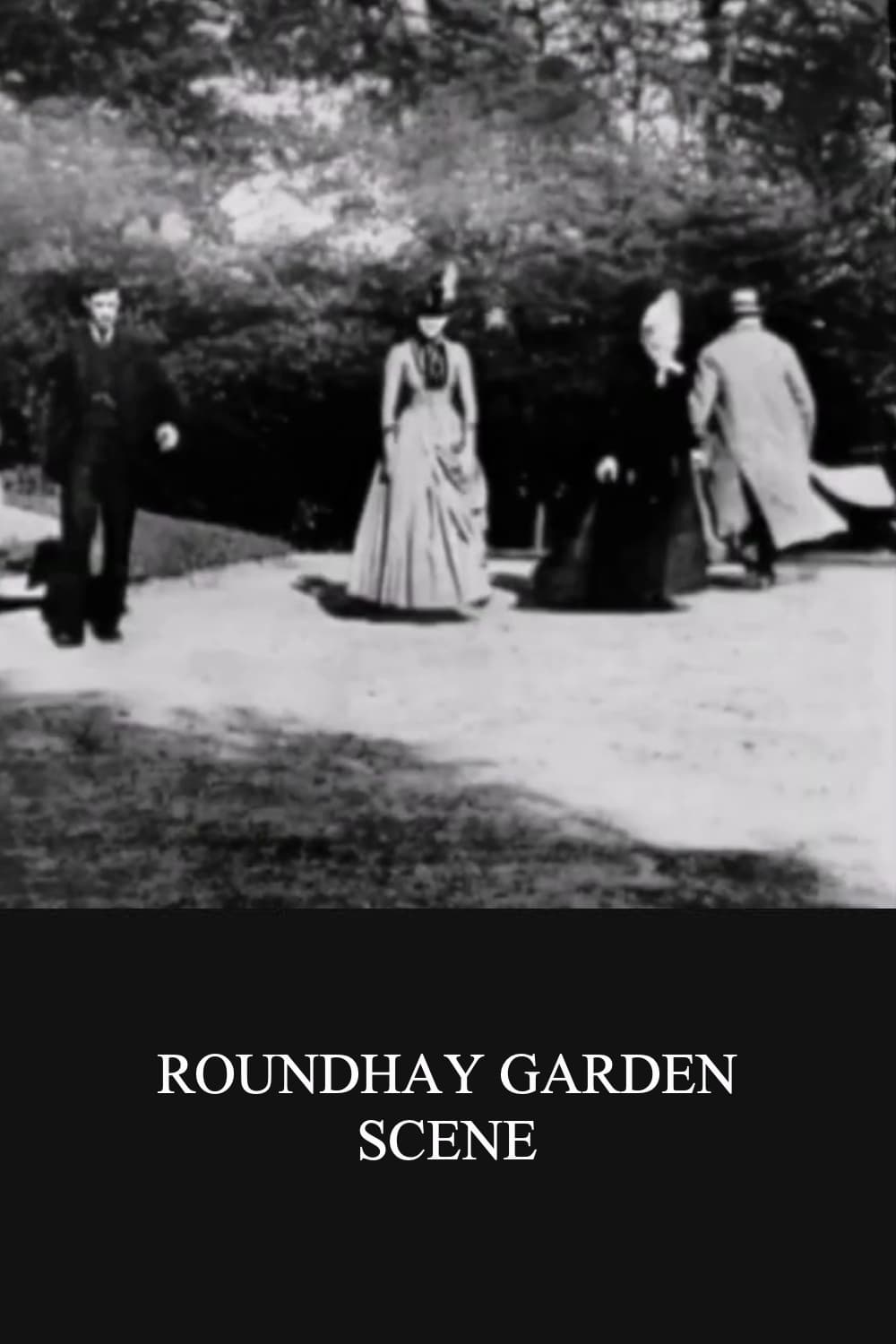
The earliest surviving motion-picture film, and believed to be one of the very first moving images ever created, was shot by Louis Aimé Augustin Le Prince using the LPCCP Type-1 MkII single-lens camera. It was taken on paper-based photographic film in the garden of Oakwood Grange, the Whitley family house in Roundhay, Leeds, West Riding of Yorkshire (UK), on 14 October 1888. The film shows Adolphe Le Prince (Le Prince’s son), Mrs. Sarah Whitley (Le Prince’s mother-in-law), Joseph Whitley, and Miss Harriet Hartley walking around in circles, laughing to themselves, and staying within the area framed by the camera. Roundhay Garden Scene is often associated with a recording speed of around 12 frames per second and runs for about 2 to 3 seconds.
Director Michael Apted revisits the same group of British-born adults after a 7 year wait. The subjects are interviewed as to the changes that have occurred in their lives during the last seven years.
Candid interviews of ordinary people on the meaning of happiness, an often amorphous and inarticulable notion that evokes more basic and fundamentally egalitarian ideals of self-betterment, prosperity, tolerance, economic opportunity, and freedom.