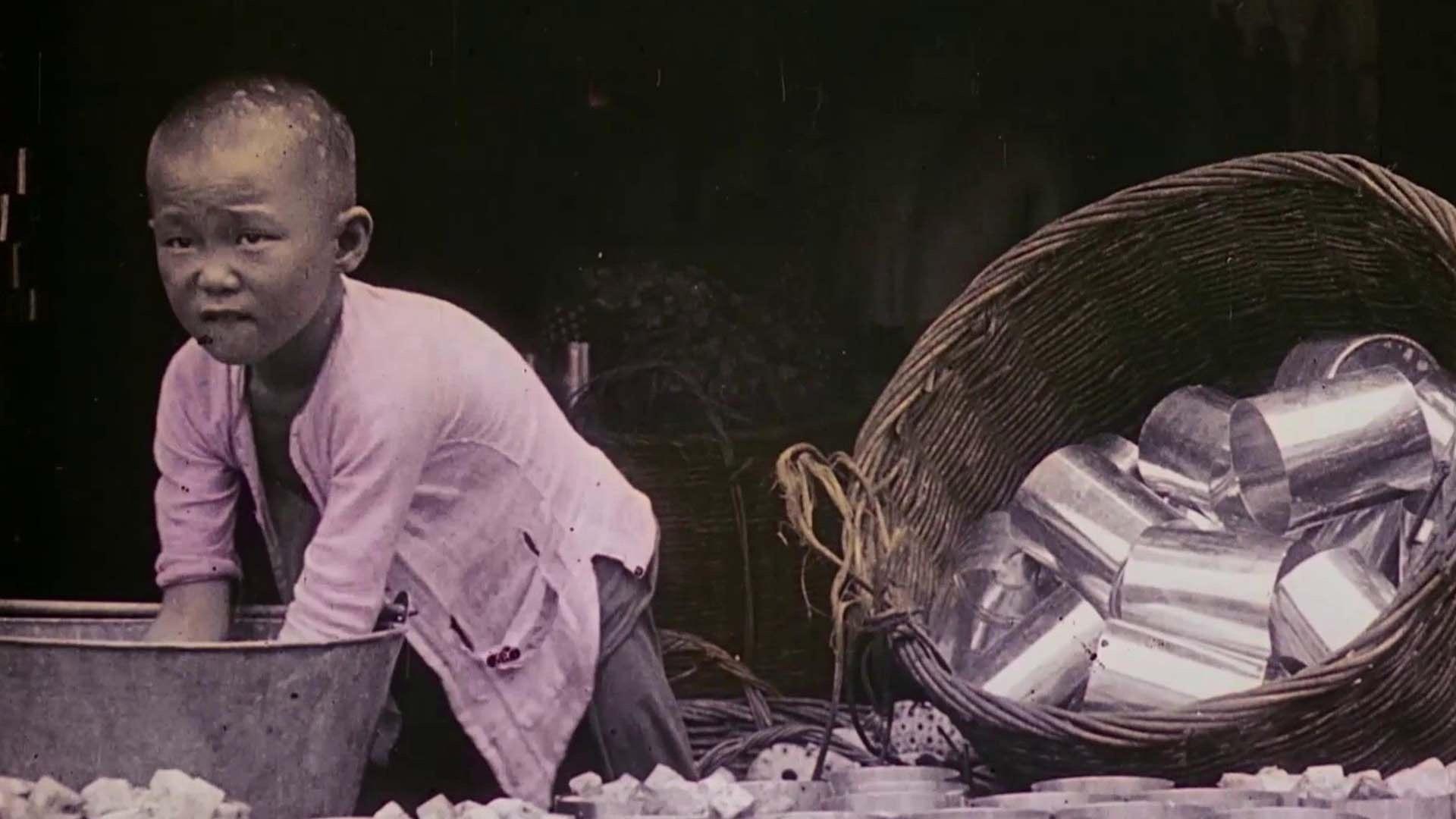

Rare archive footage reveals what Singapore was like dating back to 1900, showing coolies sharing lunch, rickshaw pullers, a grand Peranakan funeral, and more.
Social & External
During World War I, English officer Thomas Edward 'T.E.' Lawrence sets out to unite and lead the diverse, often warring, Arab tribes to fight the Turks.
Prague in the 1870s. Work in Smolík's sulphur factory is hard and dangerous to health. The poorly paid workers resemble torches because their clothes are soaked with poisonous phosphorus. Young Josef Rezler also works in the sulphur factory and uses his earnings to feed his mother and little sisters. He throws his perpetually drunken father out of the house. The older worker Brož forces Josef to learn to read and write. A cholera epidemic breaks out in Prague and Josef is the only one of his family to survive the disease...
In the early years of the 20th century, Mohandas K. Gandhi, a British-trained lawyer, forsakes all worldly possessions to take up the cause of Indian independence. Faced with armed resistance from the British government, Gandhi adopts a policy of 'passive resistance', endeavouring to win freedom for his people without resorting to bloodshed.
The story of Russian writer and Soviet dissident Aleksandr Solzhenitsyn (1918-2008) and his masterpiece, The Gulag Archipelago, published in Paris in 1973, which forever shook the very foundations of communist ideology.
Since the late 18th century American legal decision that the business corporation organizational model is legally a person, it has become a dominant economic, political and social force around the globe. This film takes an in-depth psychological examination of the organization model through various case studies. What the study illustrates is that in the its behaviour, this type of "person" typically acts like a dangerously destructive psychopath without conscience. Furthermore, we see the profound threat this psychopath has for our world and our future, but also how the people with courage, intelligence and determination can do to stop it.
The television dramatization of Pavel Országh Hviezdoslav's epic addresses the issue of the relations between nobles and squires towards the common people and presents the squires with a single alternative - either side with the people or perish.
Thanks to new excavations in Mauritius and Madagascar, as well as archival and museum research in France, Spain, England and Canada, a group of international scholars paint a new portrait of the world of piracy in the Indian Ocean.
In czarist Russia, a neurotic soldier and his distant cousin formulate a plot to assassinate Napoleon.
The love story of young Countess Natasha Rostova and Count Pierre Bezukhov is interwoven with the Great Patriotic War of 1812 against Napoleon's invading army.
In a time of war and disease, a young officer gallantly tries to help a young woman find her husband.
Two Australian sprinters face the brutal realities of war when they are sent to fight in the Gallipoli campaign in the Ottoman Empire during World War I.
Docimentary about the work of the Qway Brothers for their film Institute Benjamenta, or This Dream People Call Human Life
FRONTLINE and Forbidden Films investigate Pegasus, a powerful spyware sold to governments around the world by the Israeli company NSO Group.
A journey through Greece and Europe’s past and recent history: from the Second World War to the current crisis. It is a historical documentary, a look into many stories. «If Democracy can be destroyed in Greece, it can be destroyed throughout Europe» Paul Craig Roberts
Alfred Hitchcock is known as a giant of movie making, a facetious master of suspense, obsessed with blond heroines in peril, with the reputation of being tyrannical towards his actors. But who knows the real Hitchcock? During his last public appearance, "Hitch" paid tribute to the wife, mother, co-writer, editor and partner of a lifetime that was Alma Reville Hitchcock. The two Hitchcock were inseparable, engineering the unquestionable masterpieces together. Their genuine collaboration never stopped from the day they met until the end of their lives. It's in light of this fusional relationship that this film will revisit and shed fresh light on the legend.
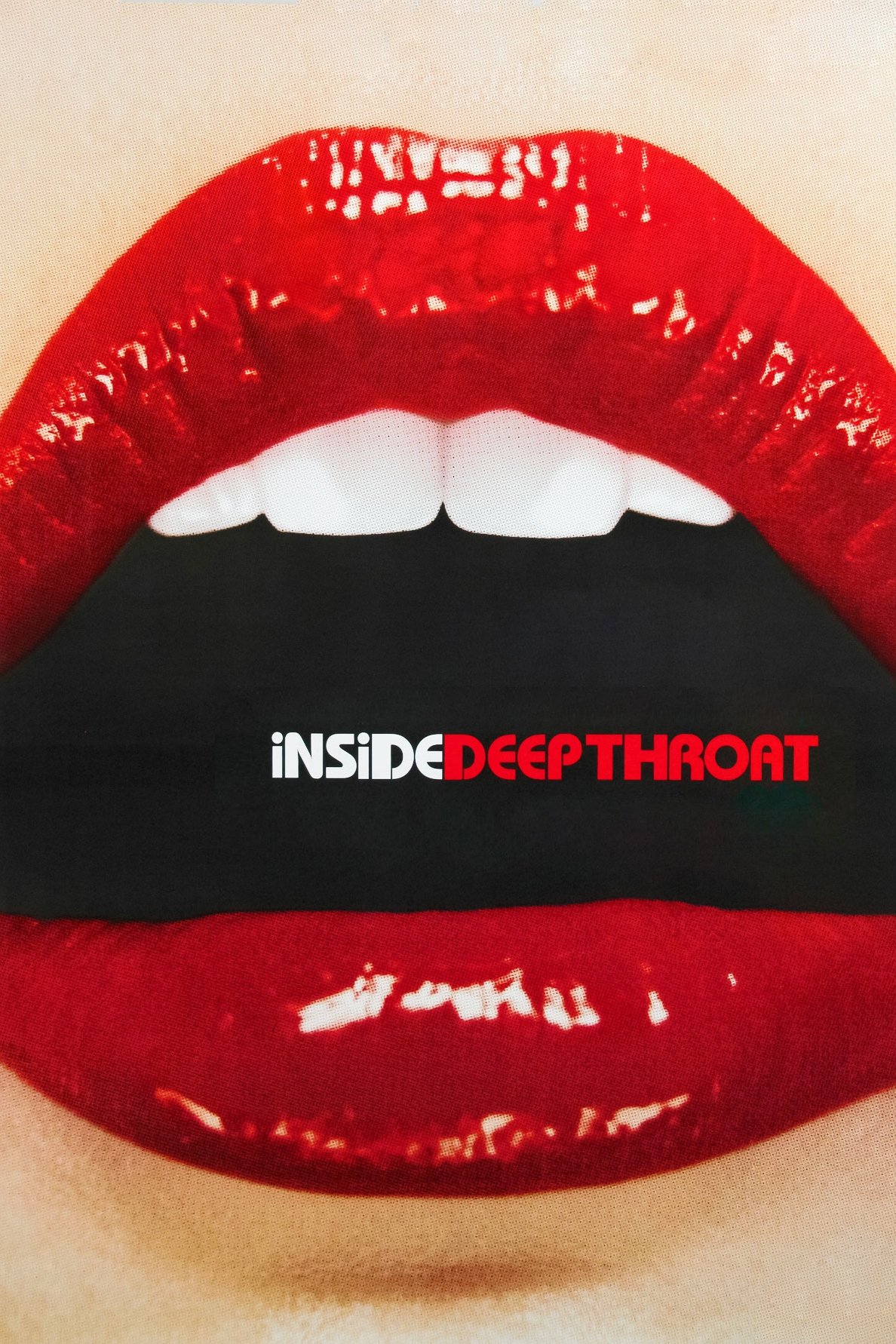
For a book project, photographer Timothy Greenfield-Sanders took photographs of 30 stars of adult movies, each pair of photographs in the same pose, clothed and nude. This film records the photo shoots and includes interviews with the performers and commentary from eight writers (and John Waters). The actors and writers discuss economics, nudity and exhibitionism, careers, and private lives.
On October 4, 2018, France celebrated the 60th anniversary of the Fifth Republic. It is a republic born in the throes of the Algerian War and one which—from the day it was founded by General de Gaulle until the presidency of a very Jupiterian Emmanuel Macron—has been assailed as a “Republican monarchy” by partisans of a more assertive parliamentarian state. By revisiting the struggle of those who dared oppose the new regime — only to suffer a crushing defeat on September 28, 1958, when they were barely able to garner 20% of the vote against the constitutional text — this film shines a powerful new light on the origins of the Fifth Republic and its consequences for the next 60 years. It is a constitutional debate that planted the seeds for a complete upheaval of the French political landscape, on the left in particular, and set the country in motion toward what would be called the Union of the Left.
Featuring exclusive access to their recent tour and their new album, this documentary reveals the fascinating world of Pet Shop Boys, Neil Tennant and Chris Lowe.
A woman narrates the thoughts of a world traveler, meditations on time and memory expressed in words and images from places as far-flung as Japan, Guinea-Bissau, Iceland, and San Francisco.
A day in the city of Berlin, which experienced an industrial boom in the 1920s, and still provides an insight into the living and working conditions at that time. Germany had just recovered a little from the worst consequences of the First World War, the great economic crisis was still a few years away and Hitler was not yet an issue at the time.
Filmmaker Alain Resnais documents the atrocities behind the walls of Hitler's concentration camps.
Working men and women leave through the main gate of the Lumière factory in Lyon, France. Filmed on 22 March 1895, it is often referred to as the first real motion picture ever made, although Louis Le Prince's 1888 Roundhay Garden Scene pre-dated it by seven years. Three separate versions of this film exist, which differ from one another in numerous ways. The first version features a carriage drawn by one horse, while in the second version the carriage is drawn by two horses, and there is no carriage at all in the third version. The clothing style is also different between the three versions, demonstrating the different seasons in which each was filmed. This film was made in the 35 mm format with an aspect ratio of 1.33:1, and at a speed of 16 frames per second. At that rate, the 17 meters of film length provided a duration of 46 seconds, holding a total of 800 frames.
A documentary about the closure of General Motors' plant at Flint, Michigan, which resulted in the loss of 30,000 jobs. Details the attempts of filmmaker Michael Moore to get an interview with GM CEO Roger Smith.
In 1992, teenager Sandi Tan shot Singapore's first indie road movie with her enigmatic American mentor Georges – who then vanished with all the footage. Twenty years later, the 16mm film is recovered, sending Tan, now a novelist in Los Angeles, on a personal odyssey in search of Georges' vanishing footprints.
Director Michael Apted revisits the same group of British-born adults after a 7 year wait. The subjects are interviewed as to the changes that have occurred in their lives during the last seven years.
An intimate portrait of the small shops and shopkeepers of the Rue Daguerre in Paris, a picturesque street that has been the filmmaker’s home for more than 50 years.
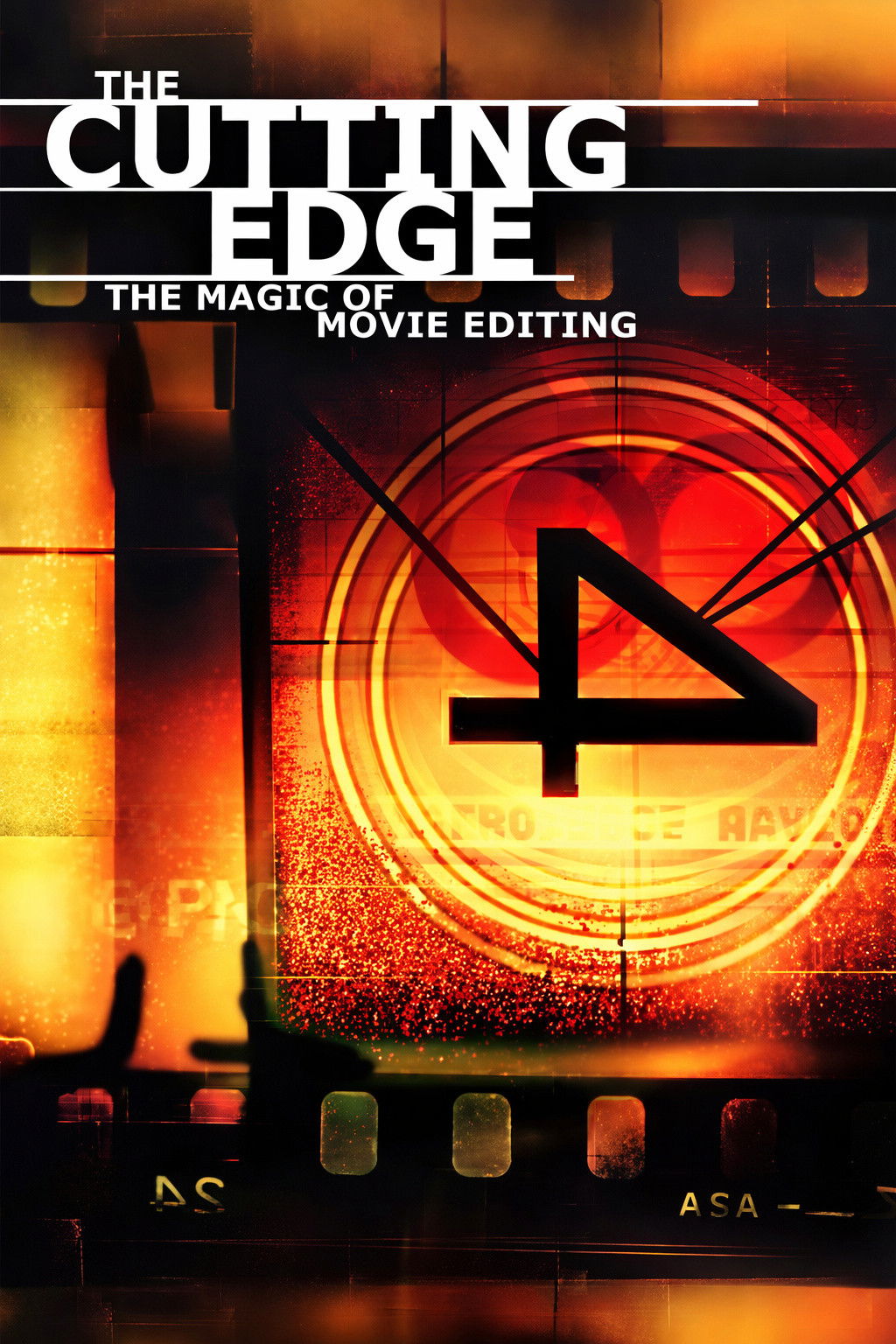
Documentary about the art of film editing. Clips are shown from many groundbreaking films with innovative editing styles.
The history of cinematic sound, told by legendary sound designers and visionary filmmakers.
Oliver Stone charts the history of the United States from the Second World War to the present.
A depiction of life in wartime Britain during the Second World War. Director Humphrey Jennings visits many aspects of civilian life and of the turmoil and privation caused by the war, all without narration.
Embark on an epic journey through time and faith with 'The Apocalypse of Saint John.' Join the Apostle John in a stunning visual narrative that unravels the visions of the End Times. Experience each vision like never before, with striking visual effects and epic scenes that immerse you in the apocalyptic narrative.
If you ever find yourself traveling down Interstate 49 through Missouri, try not to blink—you may miss Rich Hill, population 1,396. Rich Hill is easy to overlook, but its inhabitants are as woven into the fabric of America as those living in any small town in the country. This movie intimately chronicles the turbulent lives of three boys living in said Midwestern town and the fragile family bonds that sustain them.
When Singapore surrendered to the Japanese in 1942, the Allied POWs, mostly British but including a few Americans, were incarcerated in Changi prison. Among the American prisoners is Cpl. King, a wheeler-dealer who has managed to establish a pretty good life for himself in the camp. King soon forms a friendship with an upper-class British officer who is fascinated with King's enthusiastic approach to life.
In 1964, Henri-Georges Clouzot's production of L'Enfer came to a halt. Despite huge expectations, major studio backing and an unlimited budget, after three weeks the production collapsed. This documentary presents Inferno's incredible expressionistic original rushes, screen tests, and on-location footage, whilst also reconstructing Clouzot's original vision, and shedding light on the ill-fated endeavor through interviews, dramatizations of unfilmed scenes, and Clouzot's own notes.
In celebration of Asian Heritage Month, HBO presents a collection of perspectives from a diverse group of Asian Americans.
When Allied forces liberated the Nazi concentration camps in 1944-45, their terrible discoveries were recorded by army and newsreel cameramen, revealing for the first time the full horror of what had happened. Making use of British, Soviet and American footage, the Ministry of Information’s Sidney Bernstein (later founder of Granada Television) aimed to create a documentary that would provide lasting, undeniable evidence of the Nazis’ unspeakable crimes. He commissioned a wealth of British talent, including editor Stewart McAllister, writer and future cabinet minister Richard Crossman – and, as treatment advisor, his friend Alfred Hitchcock. Yet, despite initial support from the British and US Governments, the film was shelved, and only now, 70 years on, has it been restored and completed by Imperial War Museums under its original title "German Concentration Camps Factual Survey".
Filmmaking icon Agnès Varda, the award-winning director regarded by many as the grandmother of the French new wave, turns the camera on herself with this unique autobiographical documentary. Composed of film excerpts and elaborate dramatic re-creations, Varda's self-portrait recounts the highs and lows of her professional career, the many friendships that affected her life and her longtime marriage to cinematic giant Jacques Demy.
During the chaotic final weeks of the Vietnam War, the North Vietnamese Army closes in on Saigon as the panicked South Vietnamese people desperately attempt to escape. On the ground, American soldiers and diplomats confront a moral quandary: whether to obey White House orders to evacuate only U.S. citizens.