A history of the bridges of Paris, through modern views and historical engravings.
Social & External
The people behind it
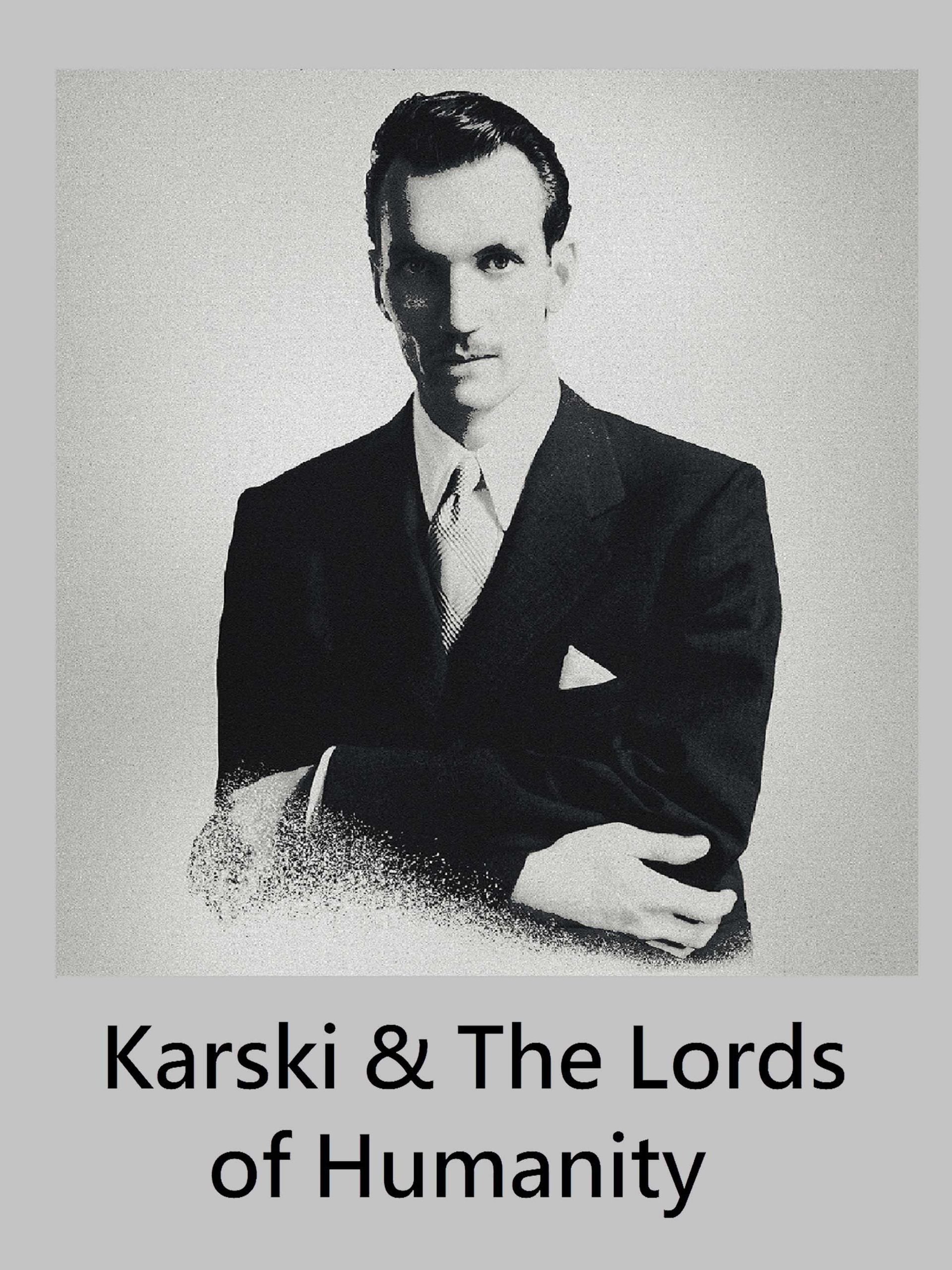
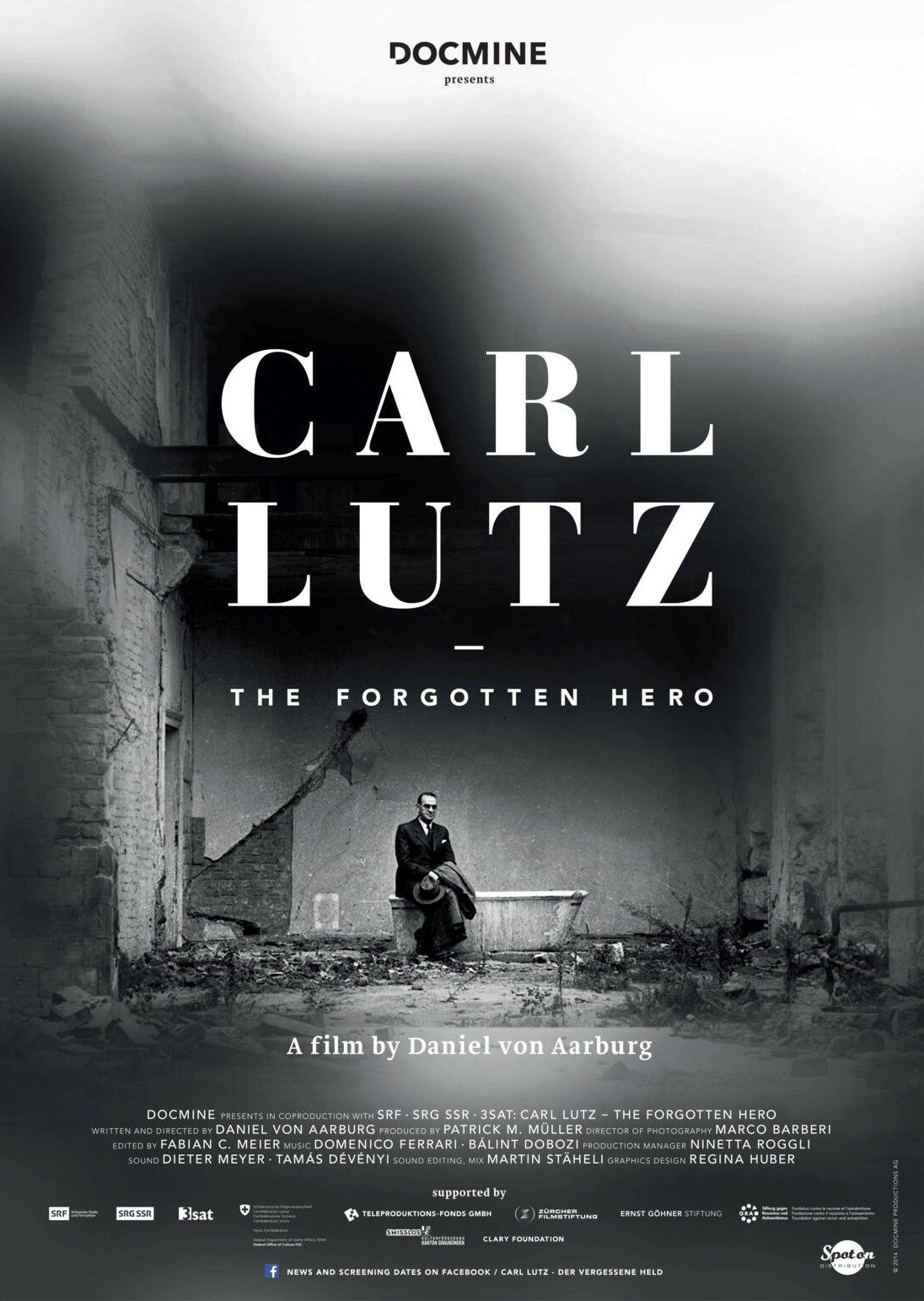
The film tells the story of a member of the Polish underground who acted as a courier during World War II and whose most prominent mission was to inform the Allied powers of Nazi crimes against the Jews of Europe in an effort to prevent the Holocaust.
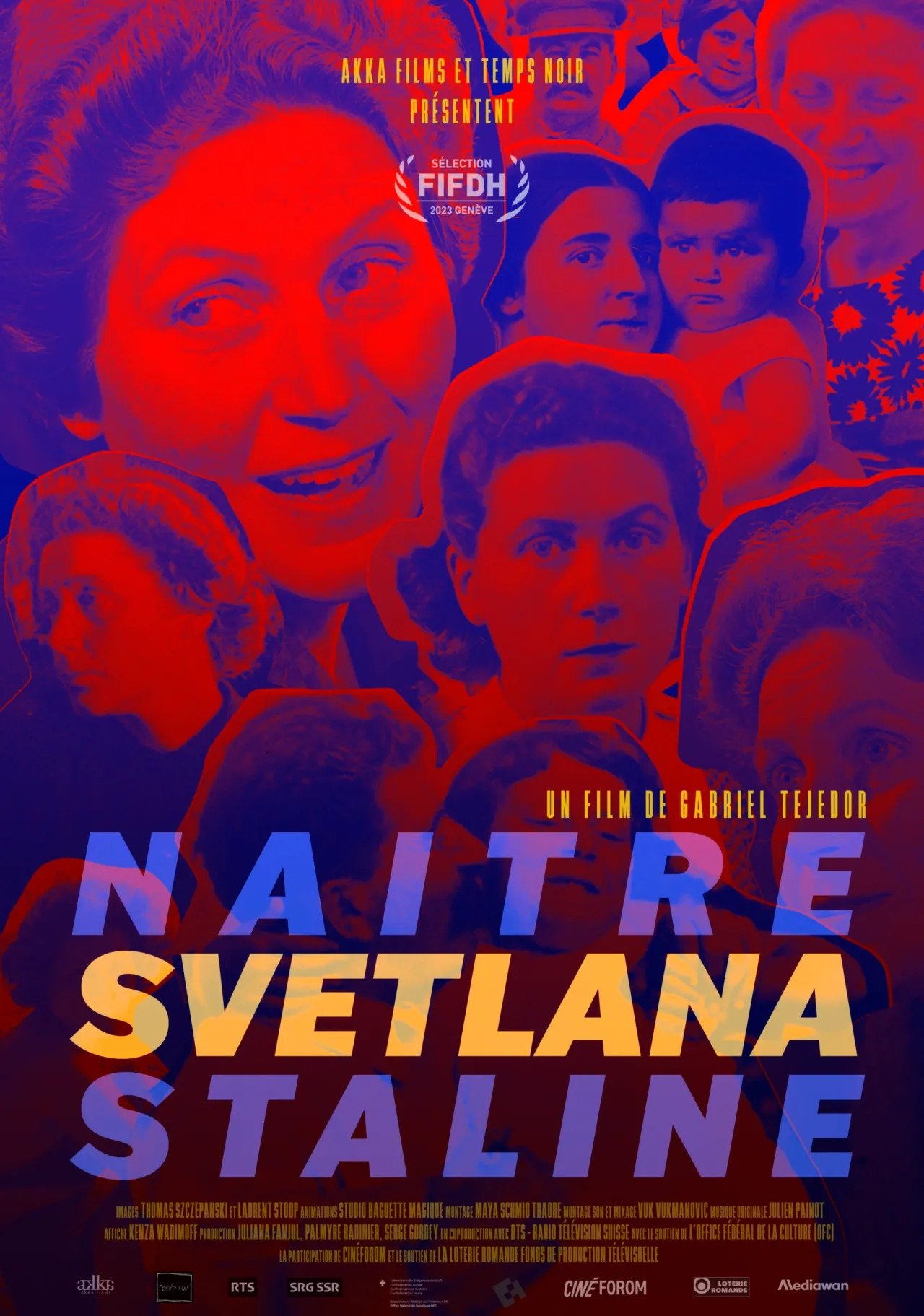
In 1967, in the middle of the Cold War, Joseph Stalin's only daughter goes to the American embassy in New Delhi and asks for asylum. Svetlana leaves behind her country and her two children. Hunted by the press, the KGB, and many admirers, the woman, nicknamed the Kremlin princess, will never cease to flee. From the summit of the Soviet empire to the solitude and poverty of her last years in a Wisconsin home, Gabriel Tejedor traces the destiny of a resolutely free woman, at the very heart of the century and its geopolitical challenges.
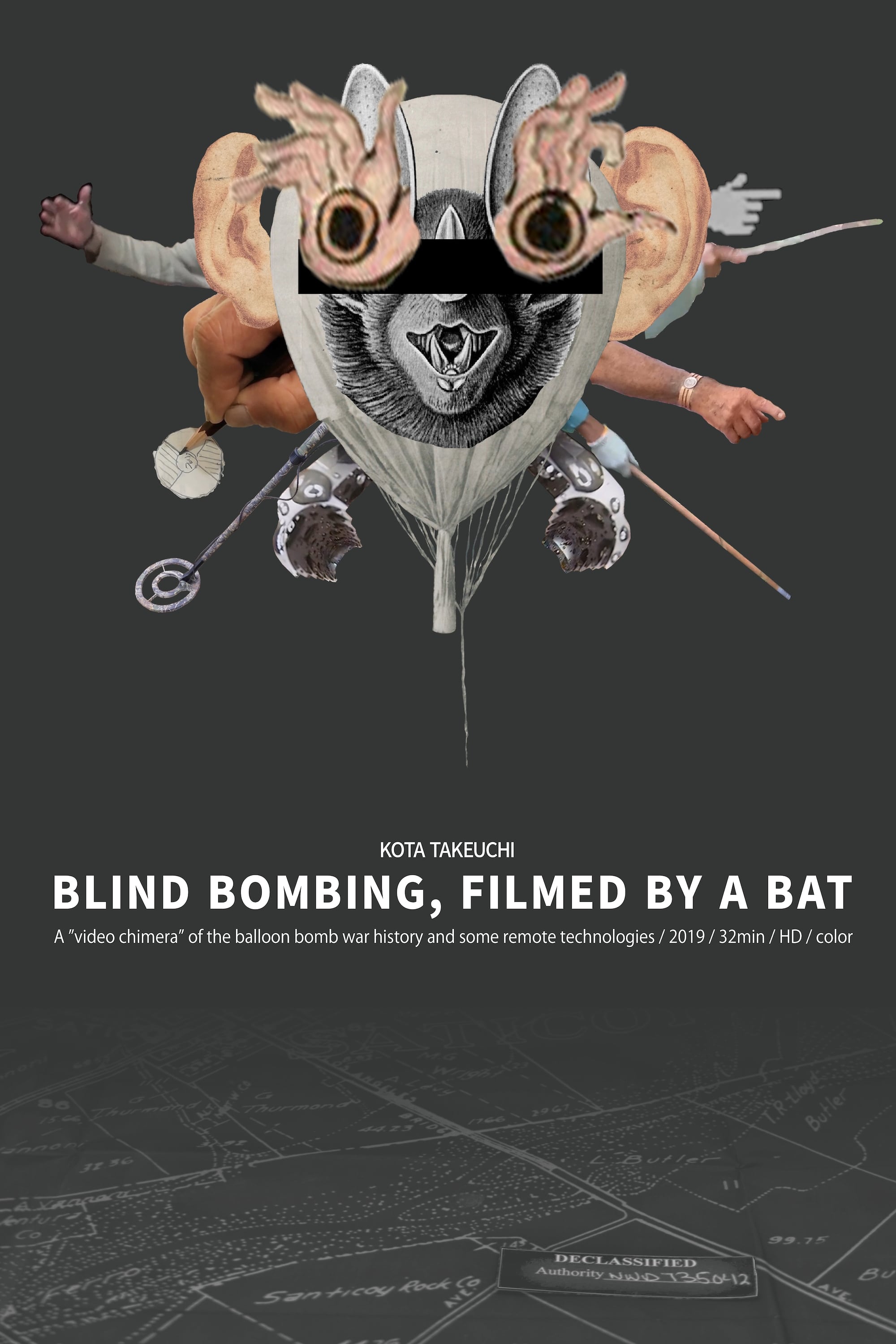
During WWII, the Japanese army developed experimental balloons able to cross the Pacific Ocean and reach the West Coast of North America in 3-6 days. Armed with explosives, they were given the code name fu-go, or fusen bakudan (“fire balloons,” or balloon bombs) in an attempt to instill a culture of fear like that caused by the far more deadly American firebombing of Japanese cities. The U.S. responded by enacting a censorship campaign, requesting newspapers avoid reports of fu-go landings or sightings. Living near the remains of a fu-go launch site in Fukushima Prefecture, Takeuchi mimics their flight take-off using a drone camera, and, traveling to North America, follows their arrival across the shoreline and rural landscapes, using a bat’s echolocation as narrative device to place fu-go and Fukushima as echos across history.
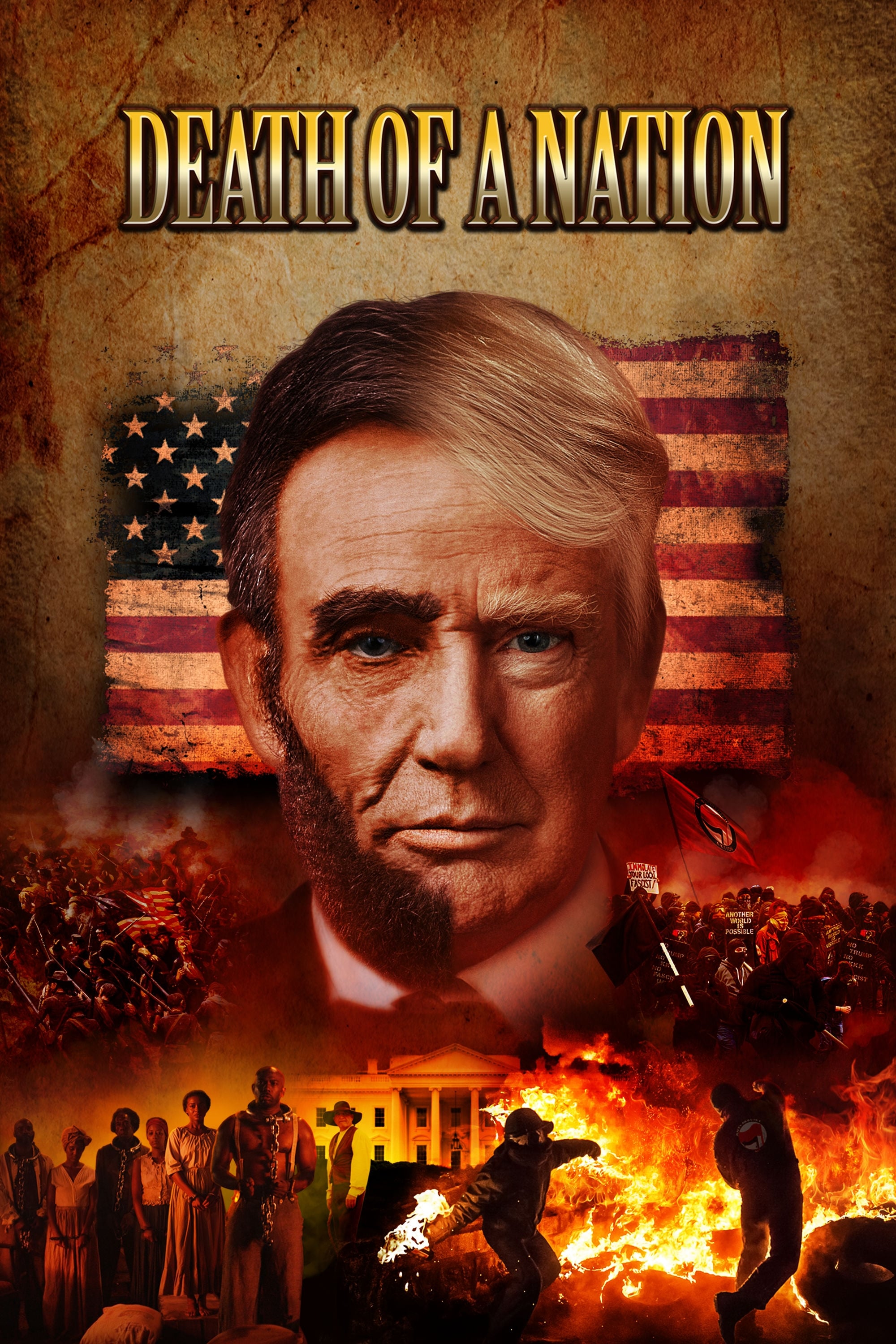
Parallels are drawn between Abraham Lincoln's presidency and the presidency of Donald Trump. Not since 1860 have the Democrats so fanatically refused to accept the result of a free election. That year, their target was Lincoln. They smeared him. They went to war to defeat him. In the end, they assassinated him.
HipHop as a language and an outlet for young people: The film follows the youngest class members of a dance academy on their way to becoming professional dancers. Many of the students come from the socially deprived areas of Paris. Accompanied by a pulsating, dancing camera that pulls the audience right into the action, the film negotiates themes such as origins, pains, dreams and hopes.
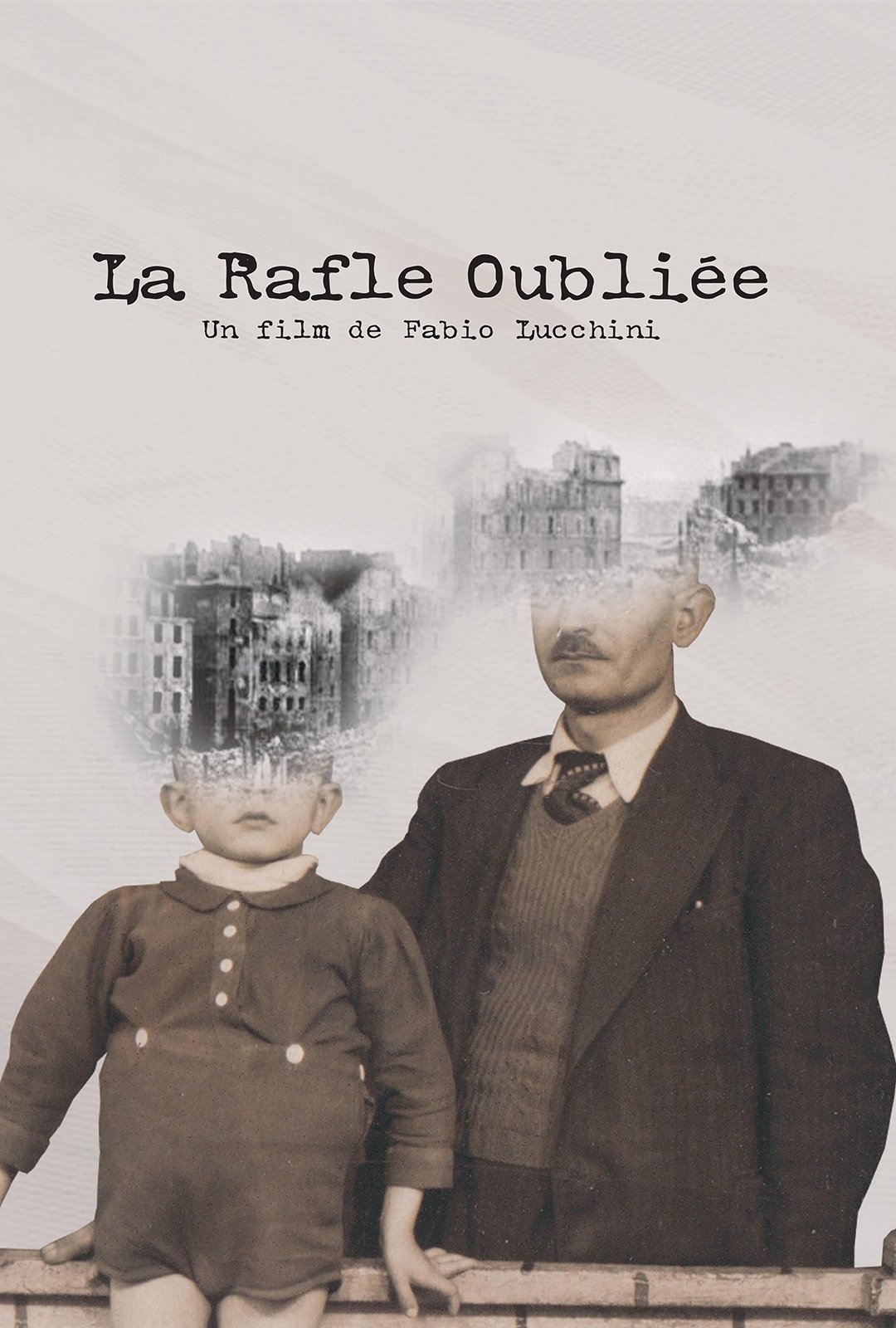
80 years ago, Marseille's Old Port was the scene of a tragic event that is still largely unknown today: the roundup and total destruction of the Saint-Jean district, on Hitler's own orders. "The Forgotten Round-up" draws on the memories of some of the last direct witnesses to the tragedy, and follows the investigation of Marseille lawyer Pascal Luongo, grandson of one of the victims.
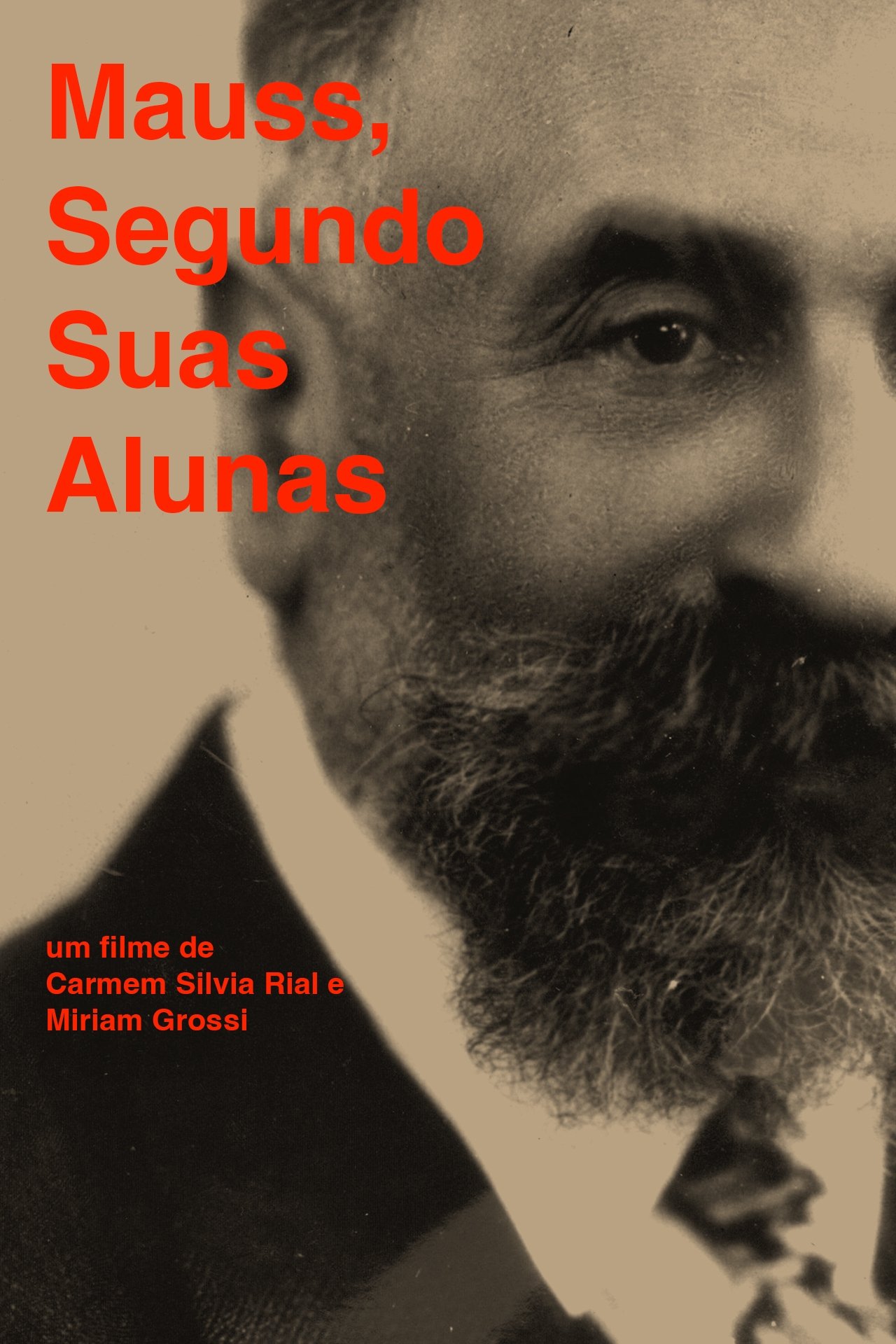
Biography of the ideas and teachings of Marcel Mauss, considered the founder of Anthropology who lived and wrote in the first half of the 20th century, in France. His work is discussed through the testimony of three students, carried out in Paris between 1997 and 1999. Denise Paulme died 4 months after the interview, Germaine Diertelen died 9 months later and Germaine Tillion, aged 95 in 2002, still works. The three were part of the first generation of French anthropologists, formed in the 1930s.
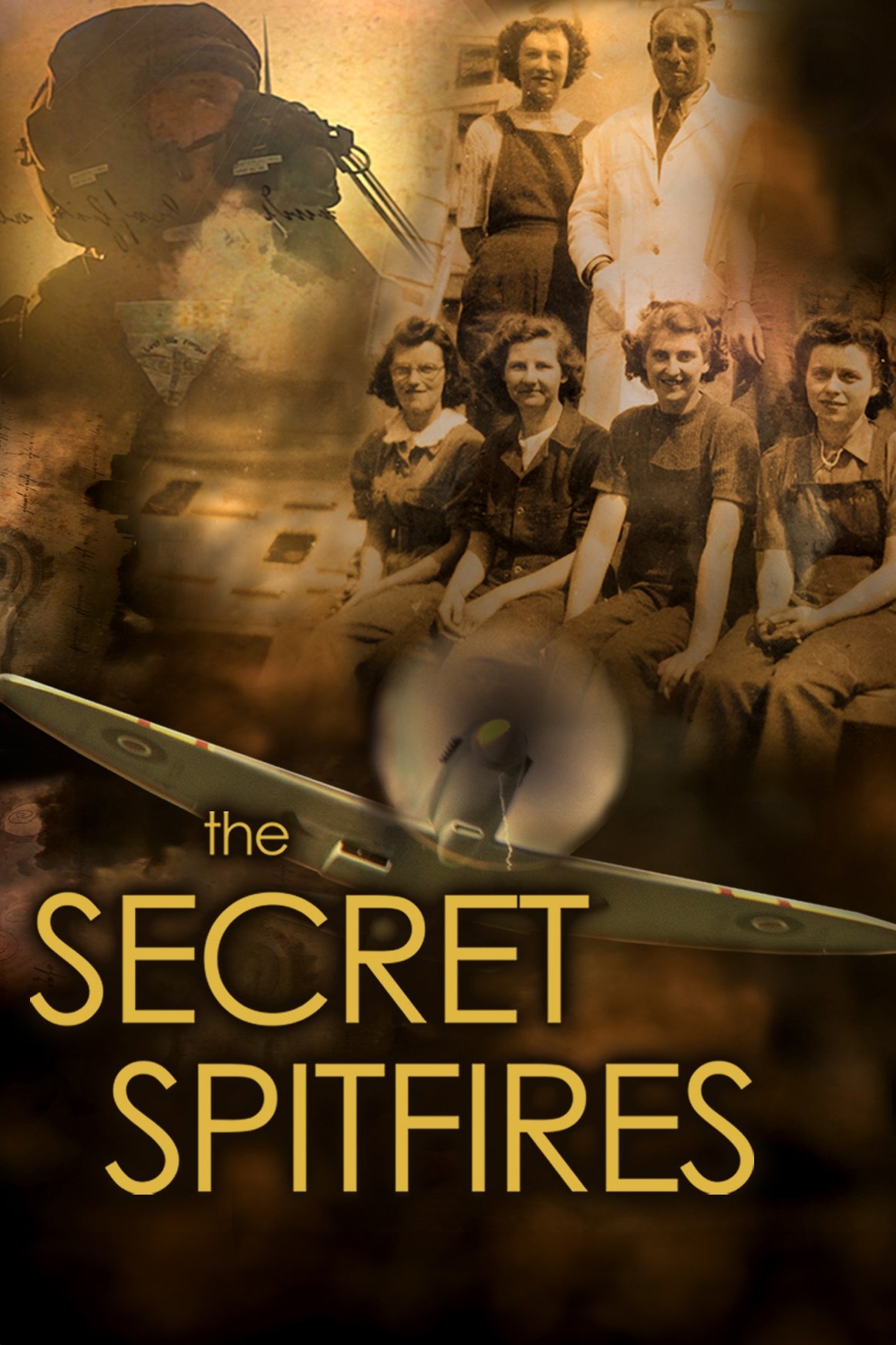
Spitfires were the nemesis of the Luftwaffe and the instrument which halted Hitler’s plans for invasion. After relentless bombing of the Spitfire factories in Southampton, the Germans were convinced they had halted the production of the Spitfires for good. But across the South of England, hidden in sheds, garages, back gardens, bedrooms, a bus depot, and even a hotel, a workforce of unskilled young girls, boys, women, elderly men, and a handful of engineers secretly built thousands of Spitfires to help win the war. Witnesses recount this never-before-told story of amazing achievement.
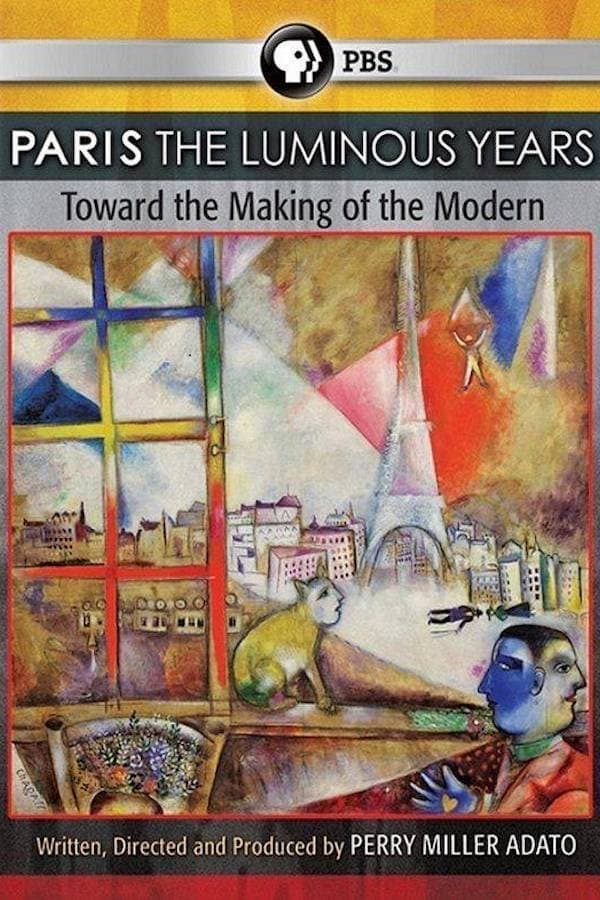
A storm of Modernism swept through the art worlds of the West in the early decades of the twentieth century, uprooting centuries of tradition. The epicenter of this storm was Paris, France. For an incandescent moment from 1905 to 1930, Paris was the magnetic center for radical innovation and experiment, and the Mecca for creative talents who would change the course of art throughout the Western world.
For nine months in 1930, seven Bretons, lobster fishermen, were "forgotten" on a volcanic island by their employers, Normans from Le Havre, heirs of the last French whalers. Four employees would die on the spot. Their descendants today revive the memory of this human tragedy which also struck 42 Madagascans. Starting from a sordid social conflict, the documentary shows that the “Forgotten Saint Paul” mark the end of an era of “colonization”, a term rarely used for the French Southern Territories, but nevertheless close to reality. This is the story of the Third World, as its discoverer, Yves de Kerguelen, named it.
The 'stolen' insider emails that informed Nicky Hager's best-selling account of National's 2005 election campaign return in Alister Barry's (Someone Else's Country) new film - just in time to caution us against campaigning politicians in 2008. Addressing each other like schoolboy Machiavellis, party leader Don Brash and his advisors spelled out how they'd copy the big boys in Australia and the US in order to win the votes of people who'd never support the kind of policies such men are widely presumed to represent. The dividing and conquering began at Orewa.
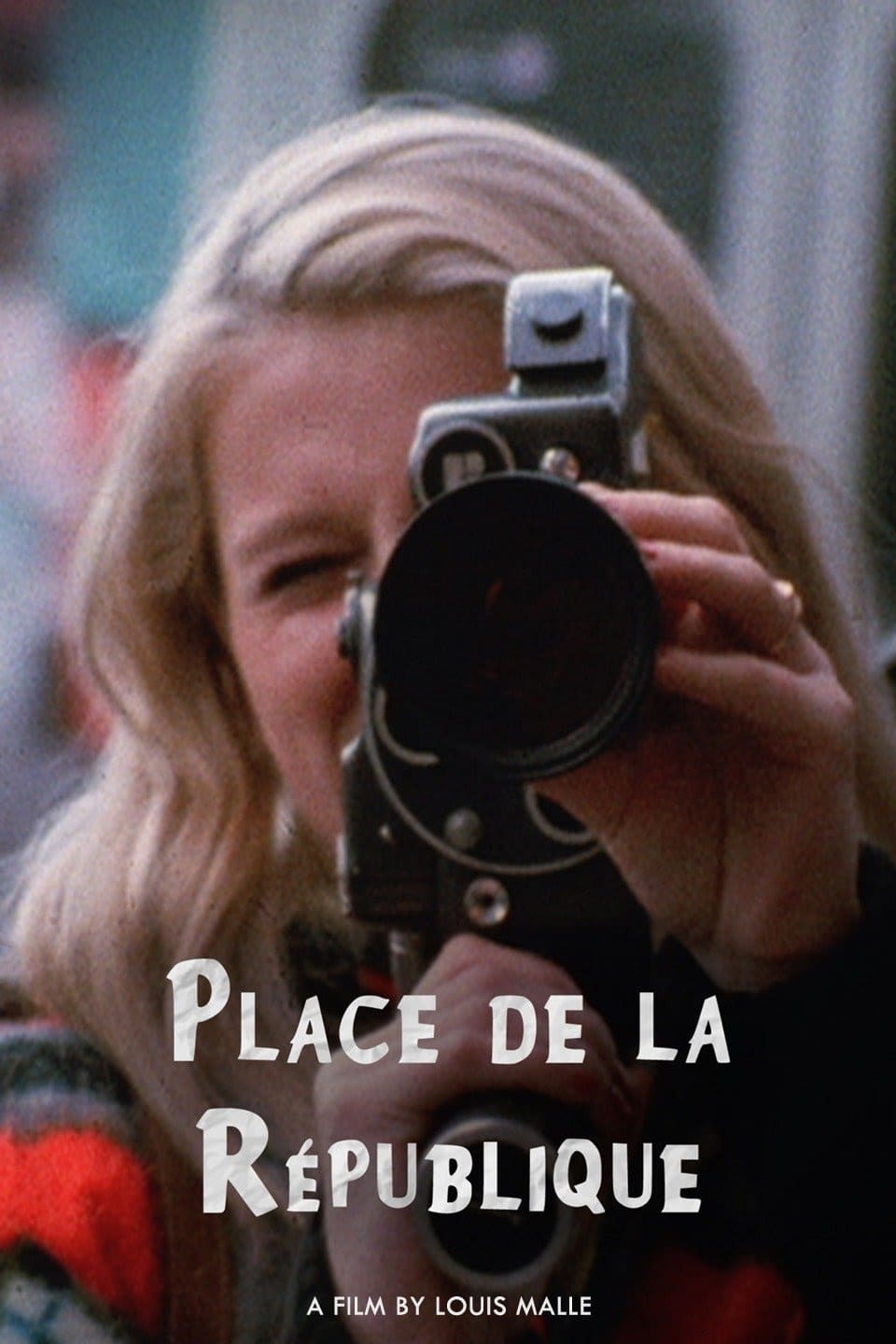
Louis Malle presents his entertaining snapshot of the comings and goings on one street corner in Paris.
In an intimate and joyful story of love in the face of loss, celebrated poets Andrea Gibson and Megan Falley find strength—and unexpected hilarity—in what might be their final year together.
An inside look at one of the most anticipated movie sequels ever with James Cameron and cast.
14-year-old Laura Dekker sets out on a two-year voyage in pursuit of her dream to become the youngest person ever to sail around the world alone.
The history of cinematic sound, told by legendary sound designers and visionary filmmakers.
Daniel Craig candidly reflects on his 15 year adventure as James Bond. Including never-before-seen archival footage from Casino Royale to the upcoming 25th film No Time To Die, Craig shares his personal memories in conversation with 007 producers, Michael G Wilson and Barbara Broccoli.
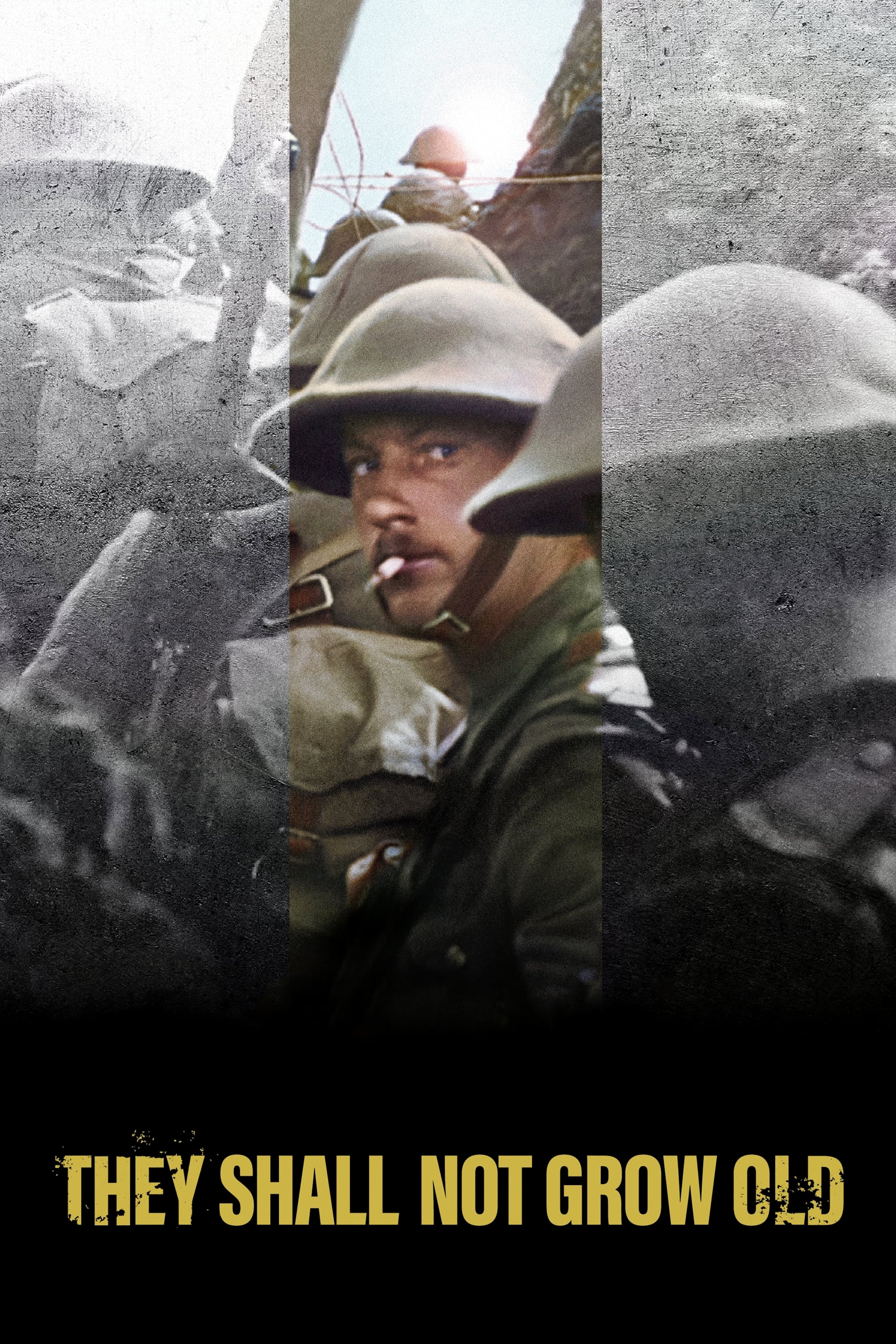
A documentary about World War I with never-before-seen footage to commemorate the centennial of Armistice Day, and the end of the war.
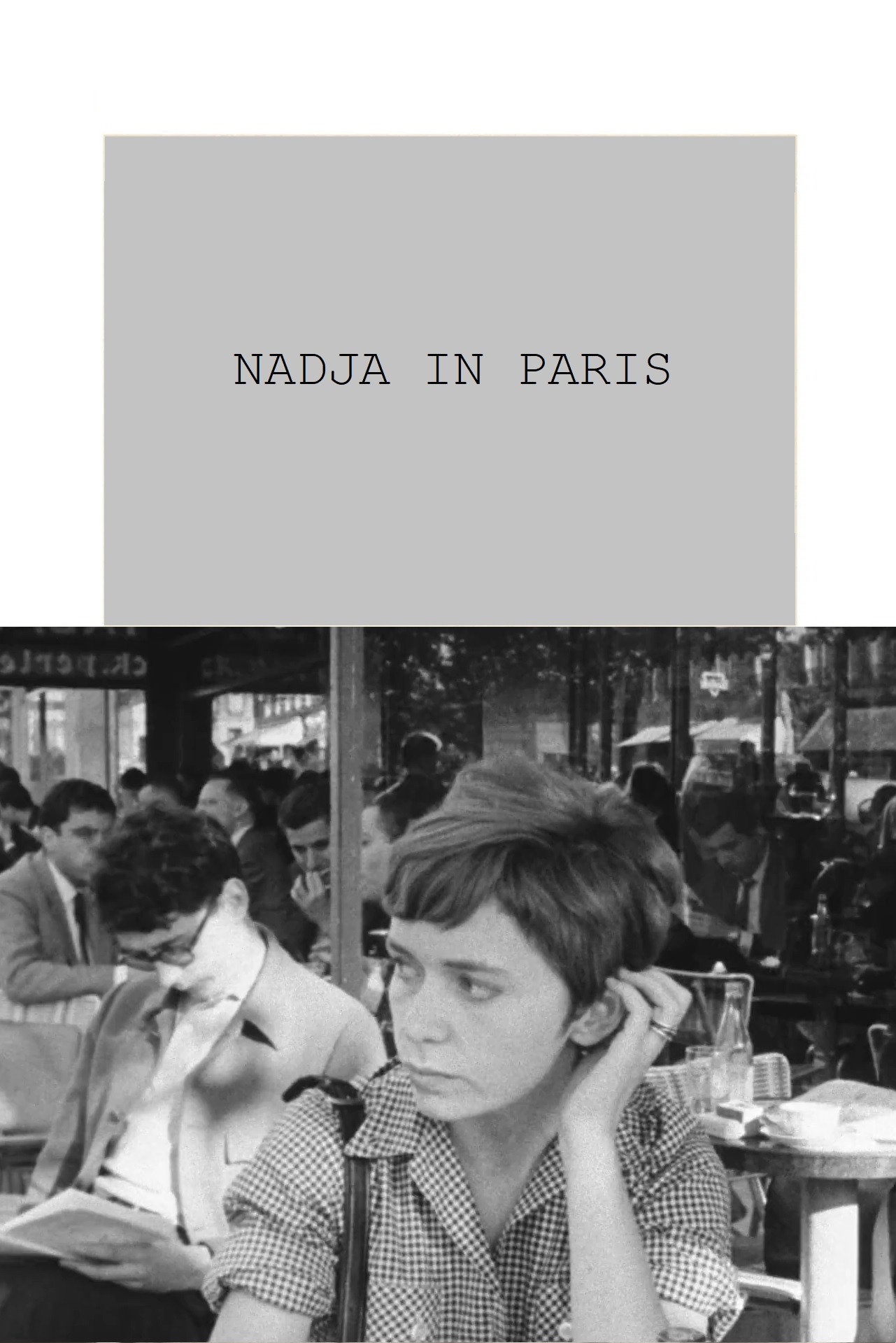
Nadja is a guest student, who stays at Cité Universitaire and visits the Sorbonne, while preparing a thesis on Proust; she also likes to stroll about Paris.
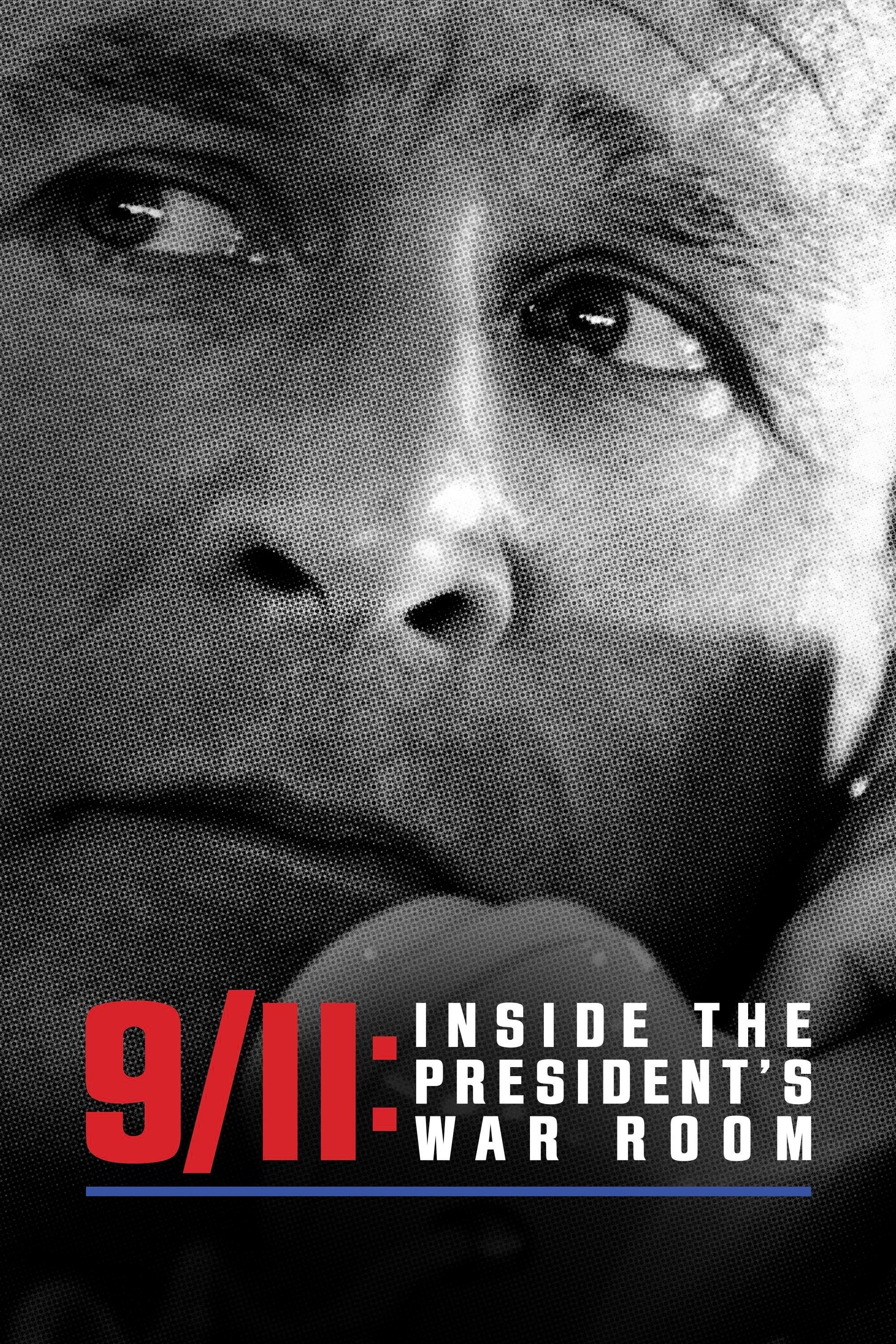
Experience the events of September 11, 2001 through the eyes of President Bush and his closest advisors as they personally detail the crucial hours and key decisions from that historic day.
The film follows adventurer Jeff Johnson as he retraces the epic 1968 journey of his heroes Yvon Chouinard and Doug Tompkins to Patagonia.
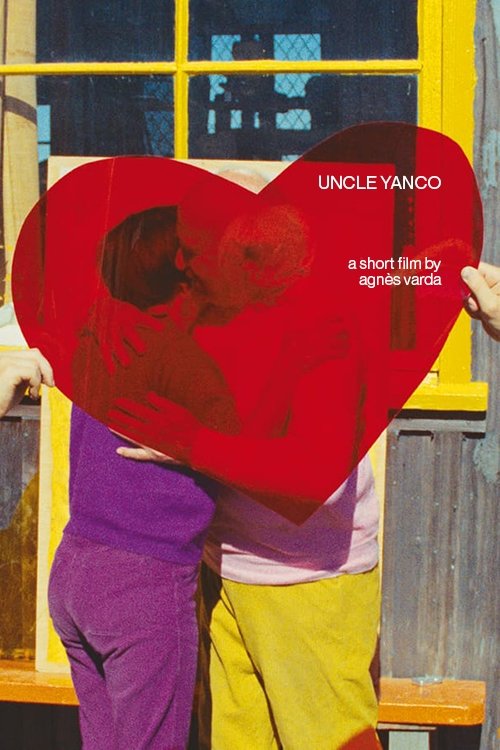
While in San Francisco for the promotion of her last film in October 1967, Agnès Varda, tipped by her friend Tom Luddy, gets to know a relative she had never heard of before, Jean Varda, nicknamed "Yanco". This hitherto unknown uncle lives on a boat in Sausalito, is a painter, has adopted a hippie lifestyle and loves life. The meeting is a very happy one.
“The Soviet Story” is a story of an Allied power, which helped the Nazis to fight Jews and which slaughtered its own people on an industrial scale. Assisted by the West, this power triumphed on May 9th, 1945. Its crimes were made taboo, and the complete story of Europe’s most murderous regime has never been told. Until now...
This revealing documentary honors the legendary Sidney Poitier—iconic actor, filmmaker, and civil rights activist. Featuring interviews with Denzel Washington, Spike Lee, Halle Berry, and more.
A doomed love triangle between intrepid French scientists Katia and Maurice Krafft, and their beloved volcanoes.
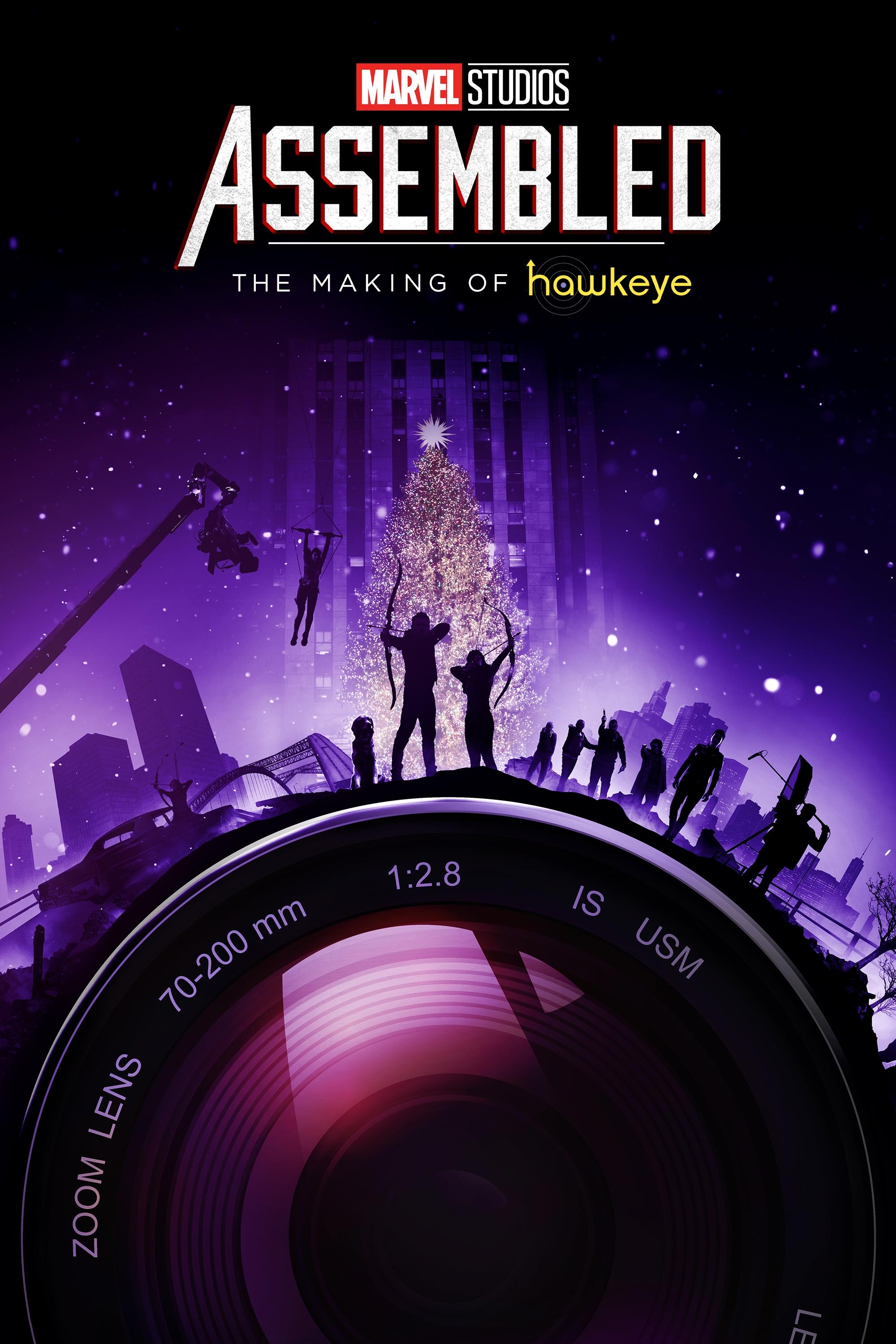
Join the likes of Jeremy Renner, Hailee Steinfeld, Florence Pugh, and Vincent D’Onofrio as they reveal how Marvel Studios’ “Hawkeye” was conceived and created. Witness firsthand what it took to pull off the show’s pulse-pounding action set pieces, and discover how iconic characters from the pages of Marvel Comics such as Kate Bishop were adapted and brought to life for the six-episode series.
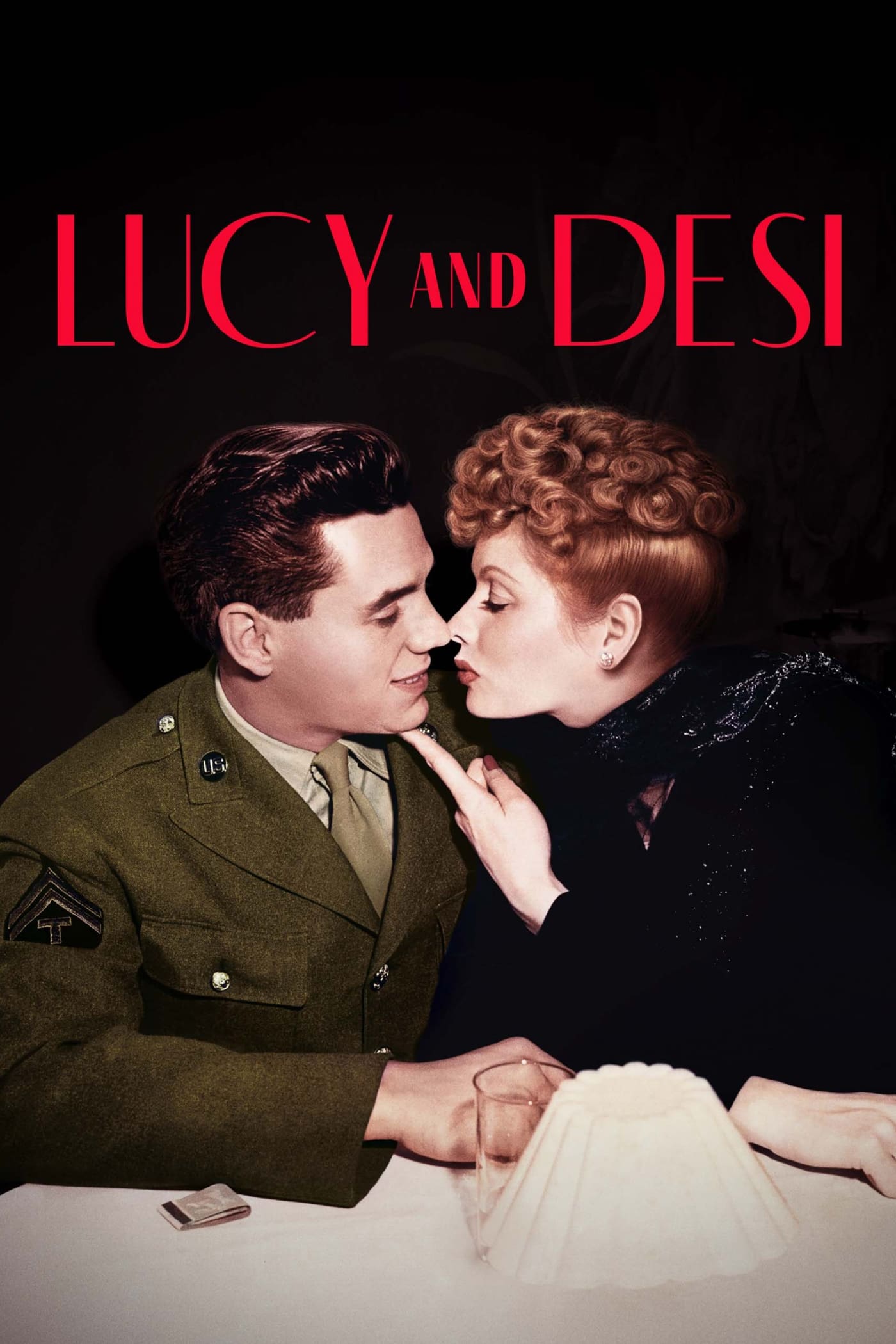
Explore the unlikely partnership and enduring legacy of one of the most prolific power couples in entertainment history. Lucille Ball and Desi Arnaz risked everything to be together.
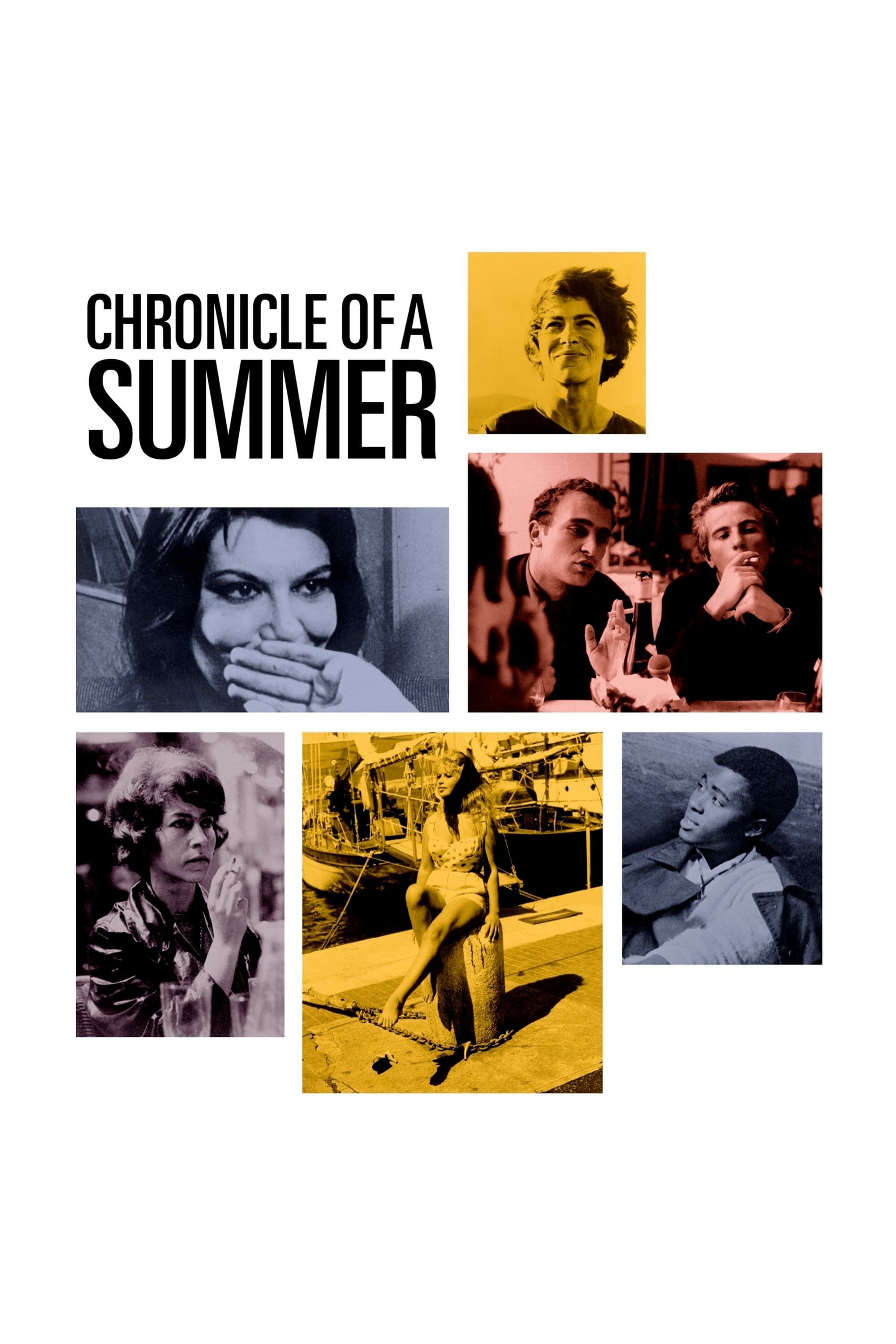
Paris, summer 1960. Anthropologist and filmmaker Jean Rouch and sociologist and film critic Edgar Morin wander through the crowded streets asking passersby how they cope with life's misfortunes.
Those who knew iconic funnyman John Candy best share his story, in their own words, through never-before-seen archival footage, imagery, and interviews.
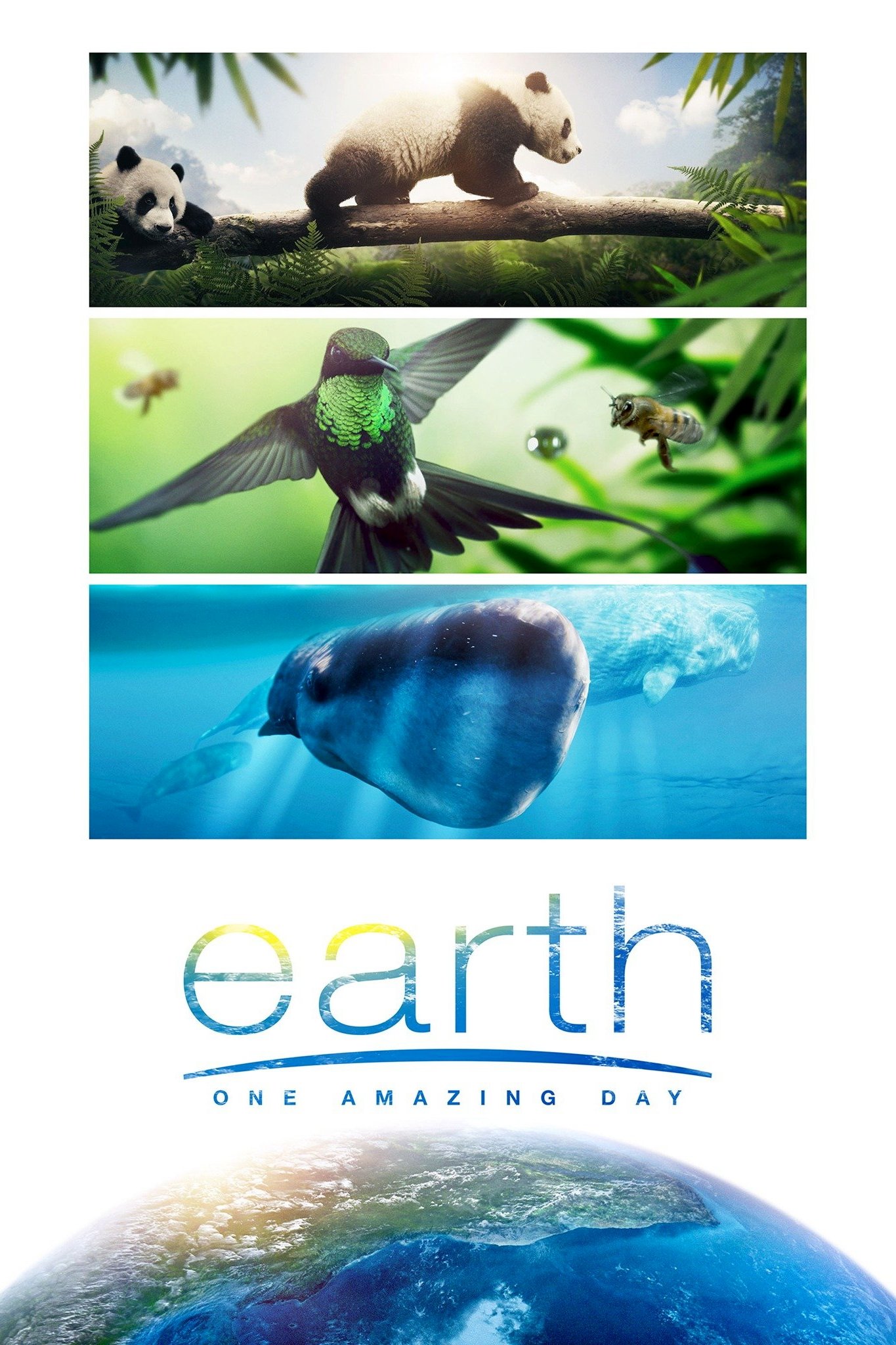
An astonishing journey revealing the awesome power of the natural world. Over the course of one single day, we track the sun from the highest mountains to the remotest islands to exotic jungles.
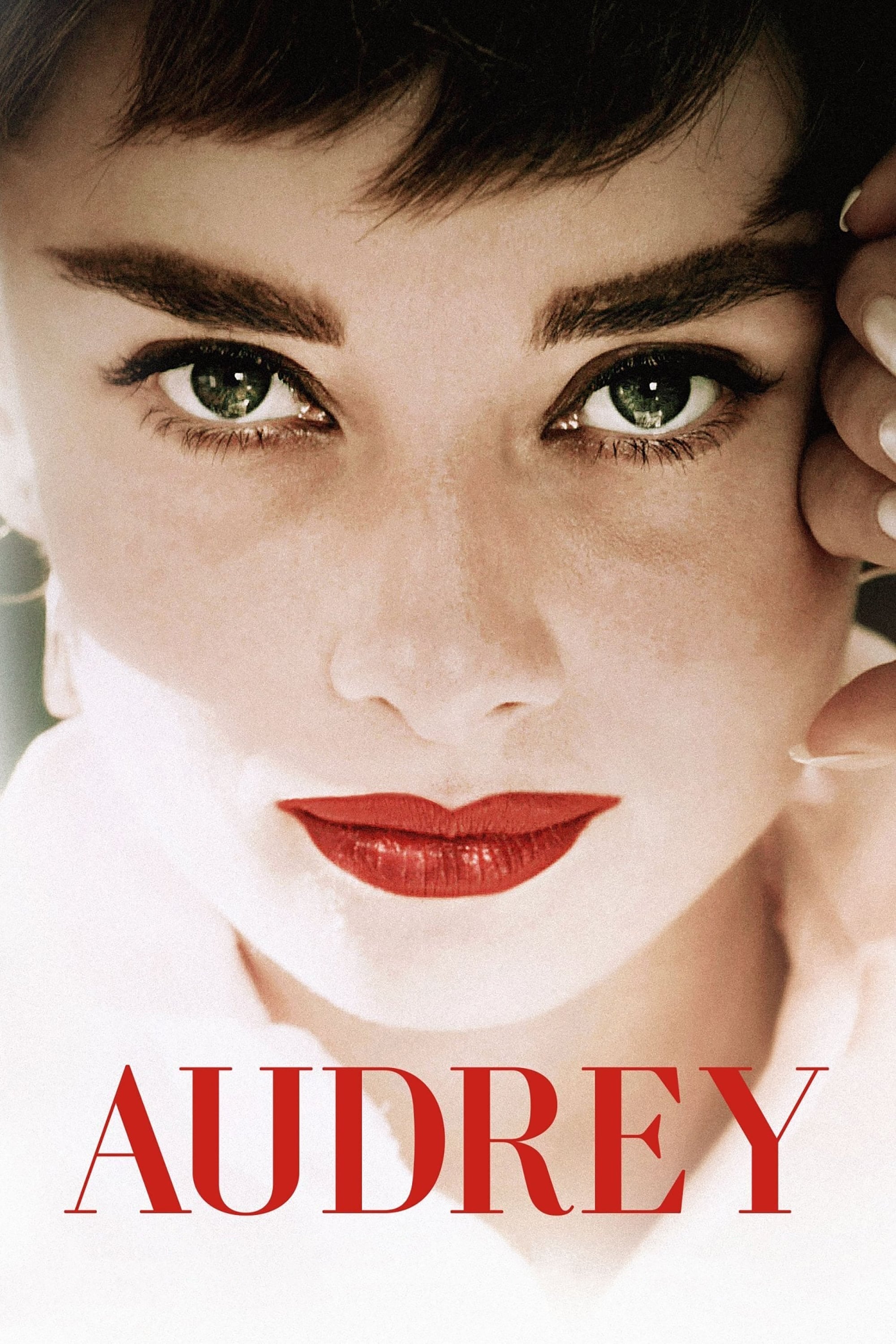
An unprecedented and intimate look at the life, work and enduring legacy of British actress Audrey Hepburn (1929-1993).
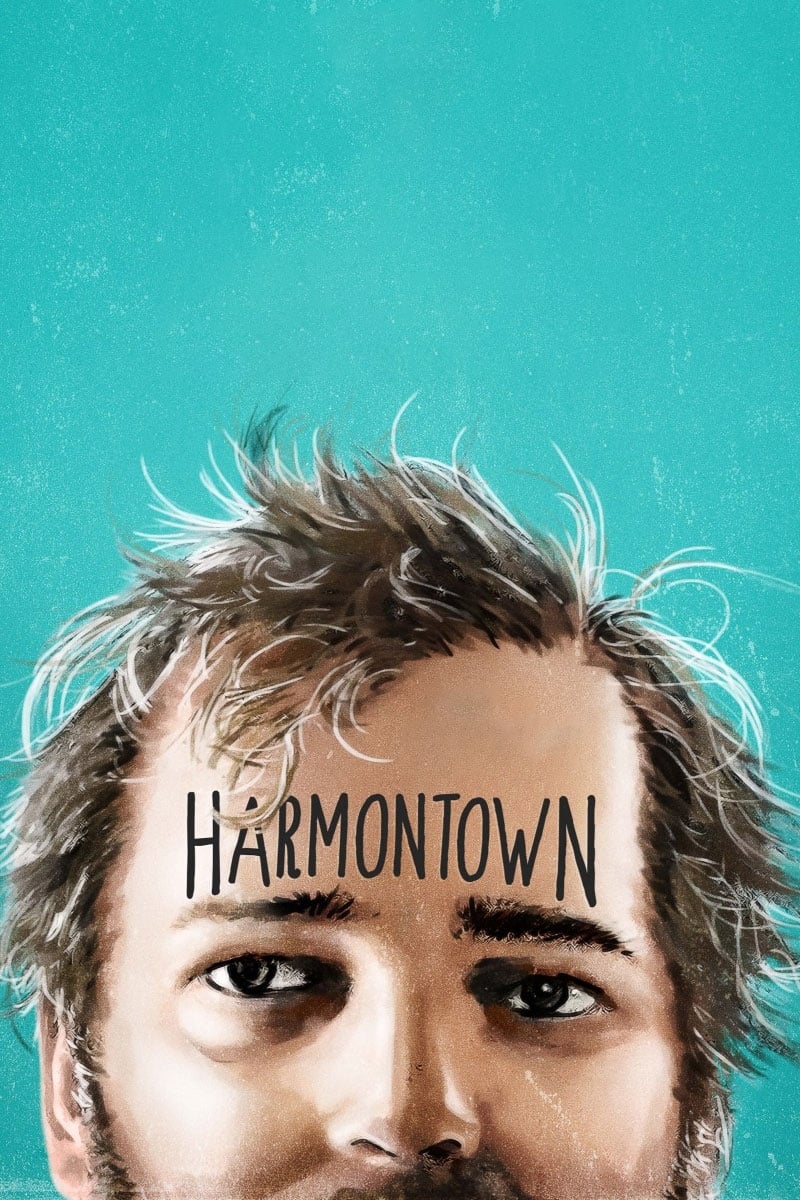
A comedic, brutally honest documentary following self-destructive TV writer Dan Harmon as he takes his live podcast on a national tour.