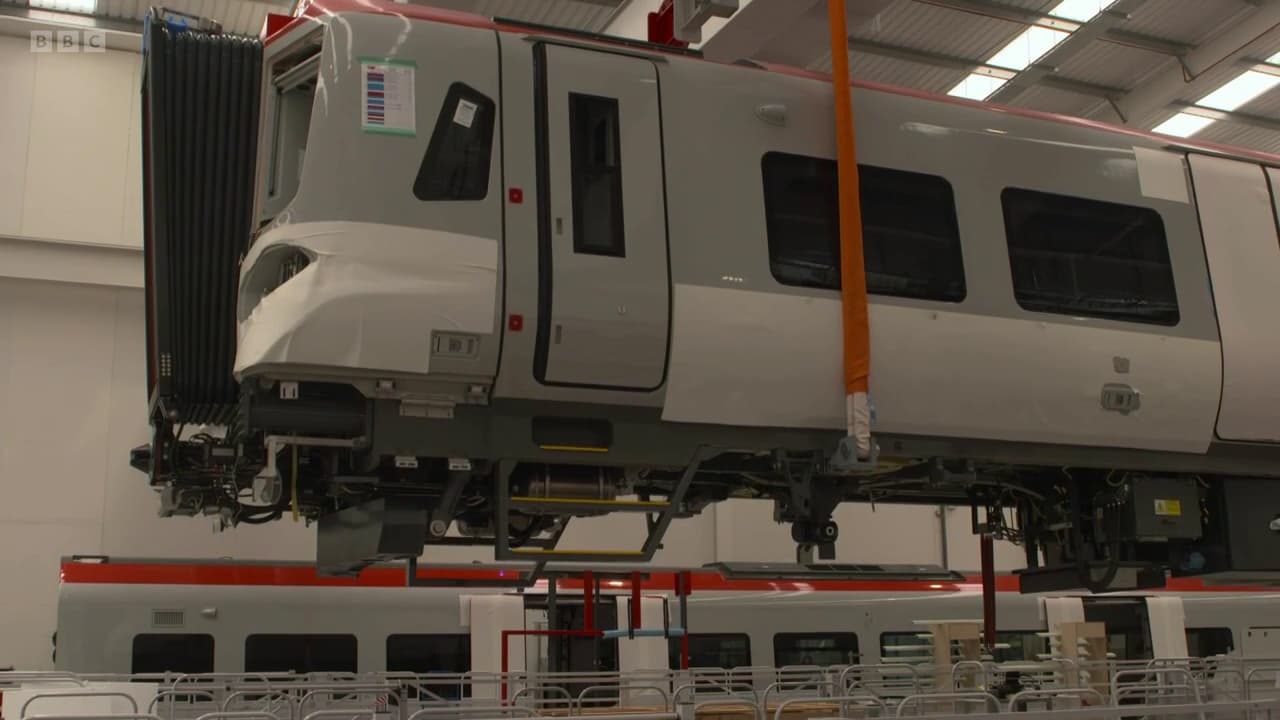
A multibillion-pound investment is underway to make our railways bigger, better and faster. Over three years, we go behind the scenes with Wales’s newest rail body as they try to make ambitious promises a reality.
Social & External
Self - Narrator (voice)
The world-famous Greyhound bus is almost as old as the Wild West. It is a symbol of North America, of progress, and of nostalgia. Reporter Studs Terkel travelled 2,000 miles across the United States by Greyhound. From Seattle to Chicago, he observes his fellow-passengers. He meets a number of travelers who appear to be very interesting people: a Native American boxer on his way to his birthplace in Montana, a bar owner who was a bank robber in a former 'career', a 99 year old woman who is still running a busy hotel, and, of course, a pedigree cowboy. The spectator of this film listens to their personal stories, watches the beautiful scenery, and is treated to famous feature film fragments in which the Greyhound bus plays a part. Seven states and two time zones later, he is back in his cinema seat.
Take a breathtaking train a ride through Nothern Quebec and Labrador on Canada’s first First Nations-owned railway. Come for the celebration of the power of independence, the crucial importance of aboriginal owned businesses and stay for the beauty of the northern landscape.
For the past ten years, Jürgen Henn has filmed over-height trucks crashing into the 11foot8 train bridge affectionately nicknamed the "Can Opener." In that time, millions have viewed the crashes online. Regional, national, and international news organizations have dined out on the story and the goofy crash reels. But why do motorists continue to crash despite the many warnings, sensors, and signs? And what is it about these crashes that holds our attention? In this piece, we look for the humanity in human error.
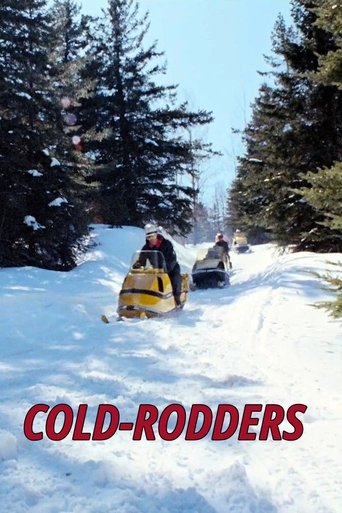
An amusing view of the machine that has taken the country by winter storm: the snowmobile, revving, raring, ready to go. What the motorboat was to the summer lake, this motorized sled now is to the snow-covered fields. This film shows it all--the pull of this sit-down sport, the eagerness of the trade to keep it booming, the daring rivalry of the racing crowd, and the bemused pleasure of the family outing.
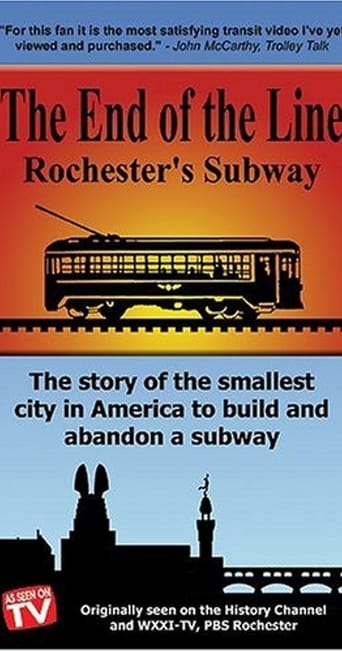
"The End of the Line - Rochester's Subway" tells the little-known story of the rail line that operated in a former section of the Erie Canal from 1927 until its abandonment in 1956. Produced in 1994 by filmmakers Fredrick Armstrong and James P. Harte, the forty-five minute documentary recounts the tale of an American city's bumpy ride through the Twentieth Century, from the perspective of a little engine that could, but didn't. The film has since been rereleased (2005) and now contains the main feature with special portions that were added as part of the rereleased version. These include a look at the only surviving subway car from the lines and a Phantom tun through the tunnels in their abandoned state, among others, for a total of 90 minutes of unique and well preserved historical information.
Documentary filmmakers offer a fascinating look at one of the most spectacular engineering feats of the 19th Century as the story of the Transcontinental Railroad comes to life in a film that's sure to appeal to historians and railroad enthusiasts alike. As legions of tireless workers toiled for six years to realize the vision of shady entrepreneurs and imaginative engineers, the remarkable railway dream slowly became a reality. But not everyone was so pleased with the remarkable achievement. Despite the devastating effect that the tremendous transportation breakthrough would have on the Native American population, the lasting impact of the Transcontinental Railroad on the politics and culture of a rapidly expanding country would forever mark it as an invaluable component of the American success story.
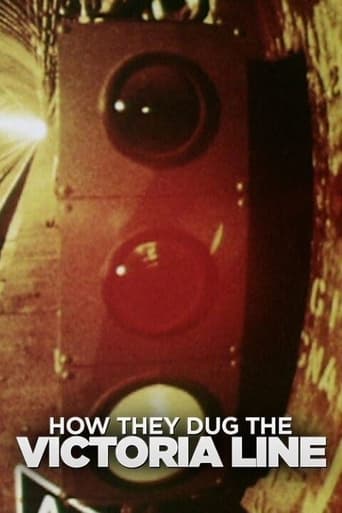
After the last train at night and before the first in the morning, 800 people are hard at work behind the scenes making London's Underground fit to travel on. Including brushing dust from ventilation ducts, ‘fluffers’ cleaning up rubbish, routine rail replacement and fixing a broken rail discovered at 3.30am.
A travelogue, this film provides a guided tour of pre-World War II Utah and of course does not pretend to cinematic greatness. Recommended viewing for those in search of introductory Utah history. Also valuable for persons seeking insight into the state as it would have looked during this time period. Especially informative for those desiring a window into the past for a view of how Utah was in the days of their pre-World War II progenitors living in the state. Those whose Utah ancestors were involved in mining, railroading, sugar beets, and other featured industries; featured towns, sights, recreational attractions, and industries may find this otherwise banal travelogue a quite valuable addition to their family history.
Production for the Seaboard Railroad company outlining their railroad activities in the 1940s and heading into the 1950s
A production of the association of American Railroads outlining the wonders of America's rail system.
A documentary on the railroads of America produced by the Association of American Railroads
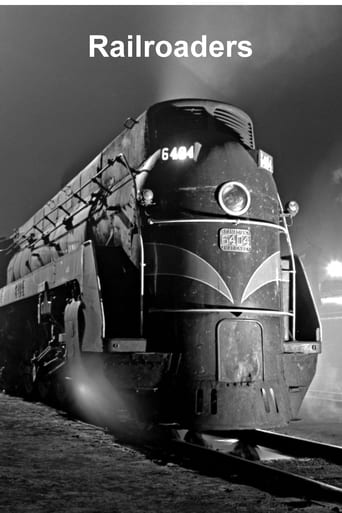
The story of the railroad man in his role in keeping the trains moving on the rails.
Trace the history of Hitler's armored private train, a 15-car mobile headquarters boasting state-of-the-art communications and anti-aircraft cannons.
A look at Britain's beloved canal network via a fact-filled cruise along the first superhighways of the Industrial Revolution. In the age before mechanisation, a frenzy of canal-building saw a new army of workers carve out the British landscape, digging out hundreds of miles of waterways using picks, shovels and muscle.
A solitary woman walks through the eerie night-time landscape of Dublin's Cork Street, a street once quiet and residential, now a four-laned artery for city traffic. Memories are narrated which no longer match the present-day surroundings.
On 24th March 1968 an Aer Lingus plane carrying 61 passengers and crew crashed into the sea just off the Tuskar Rock lighthouse off the Wexford coast. There were no survivors. Family and friends of those onboard tell their story of loss and the theories of what happened.
Karen Zaitchik jumps on and off moving boxcars, throws switches, pulls brakes and uncouples freights with ease and confidence. She's a railroader for CN and that's what this 21-year-old highly individualistic woman wants out of life for the moment. This colourful short film shows how Karen manages in the traditionally male world of the railroad.
Tim Landers, a prolific songwriter and founding member of the emo/pop-punk band TRANSIT, struggled. He fought battles, often privately, with substance misuse and his own mental health needs. "Don’t Forget To Leave" paints a poignant portrait of Landers, from his early success up until the posthumous release of Weathervane by his band Cold Collective. His story is chronicled through archival footage and interviews with members of A Loss For Words, The Story So Far, Frank Turner, Man Overboard, Transit and Cold Collective, family members and mental health professionals.