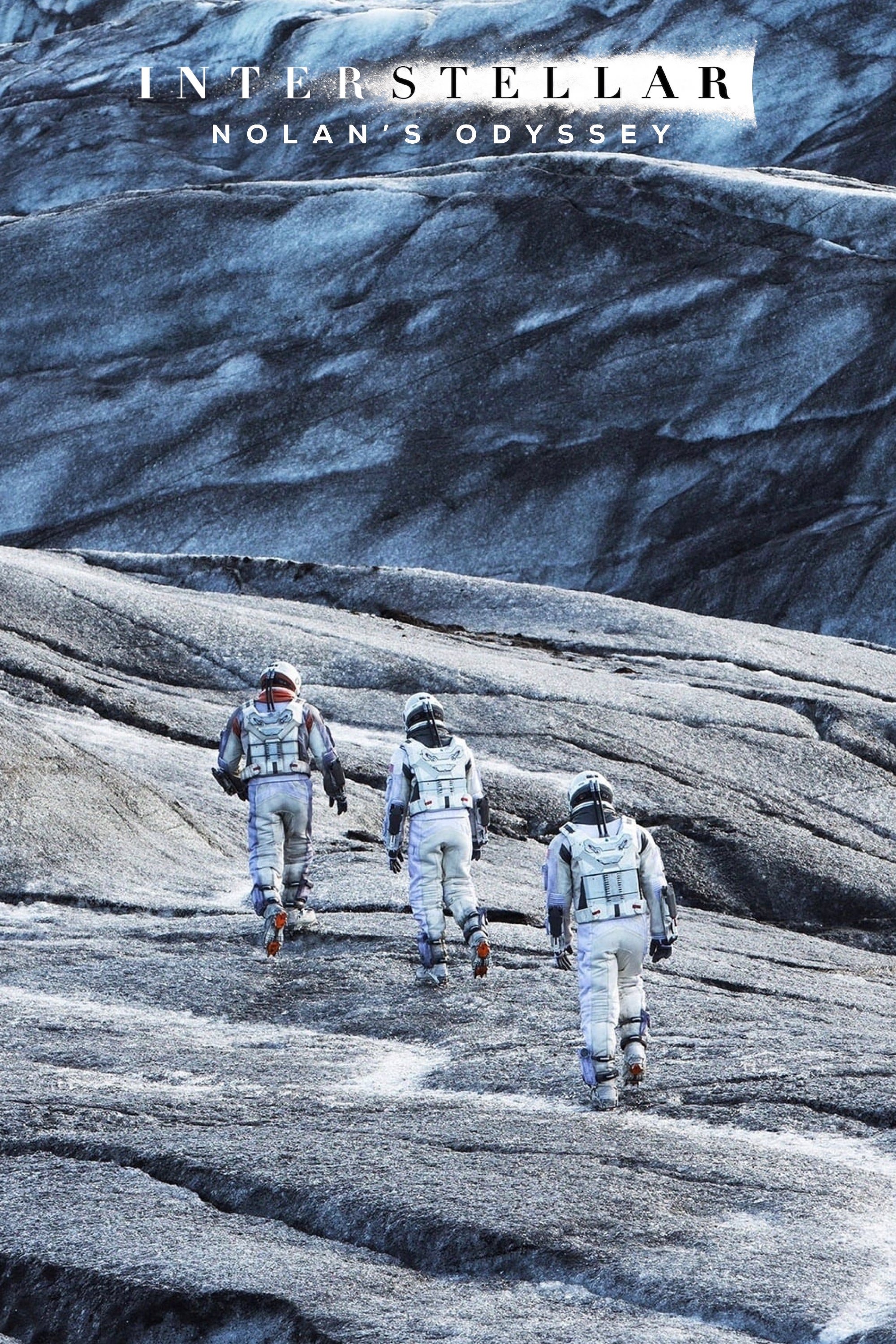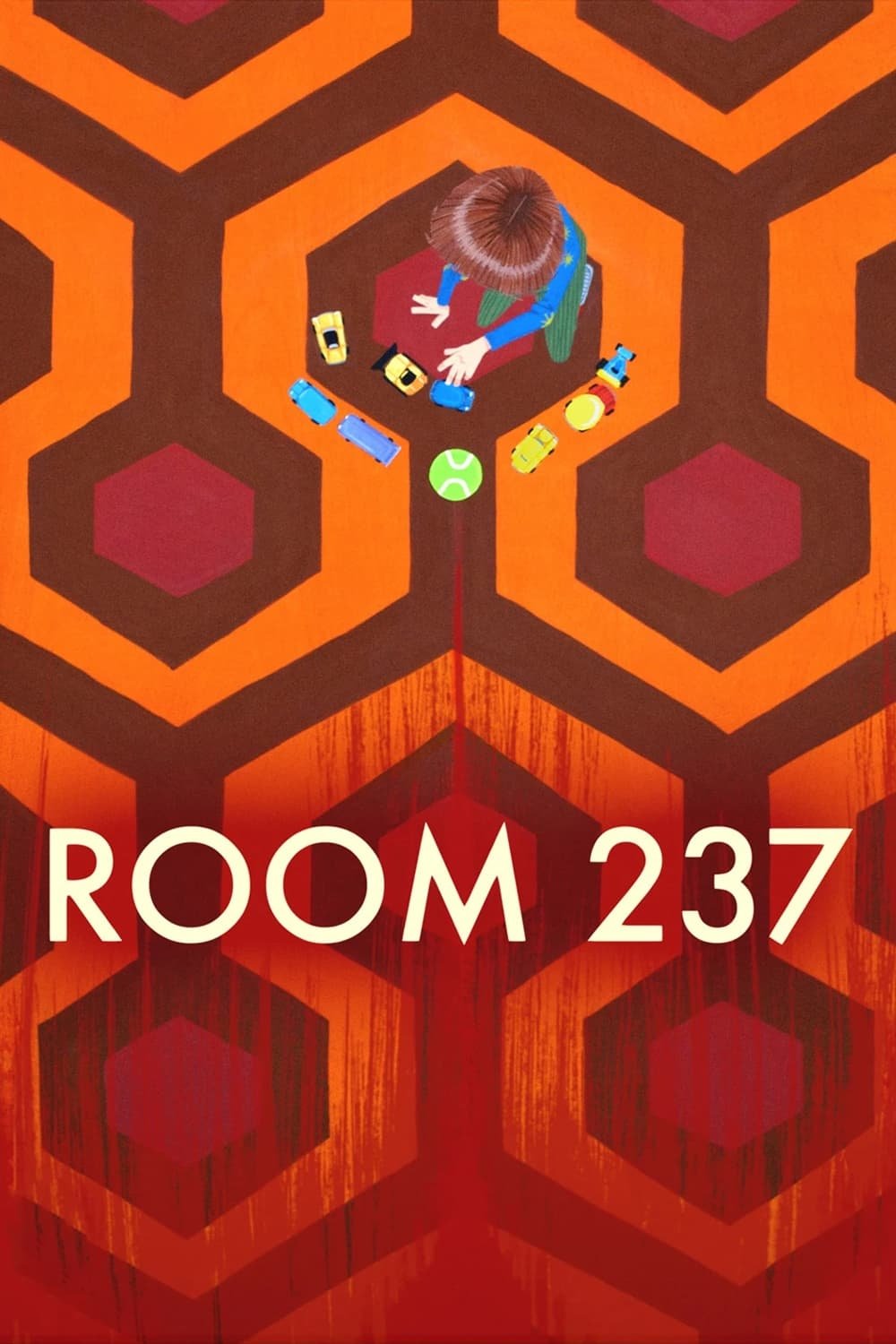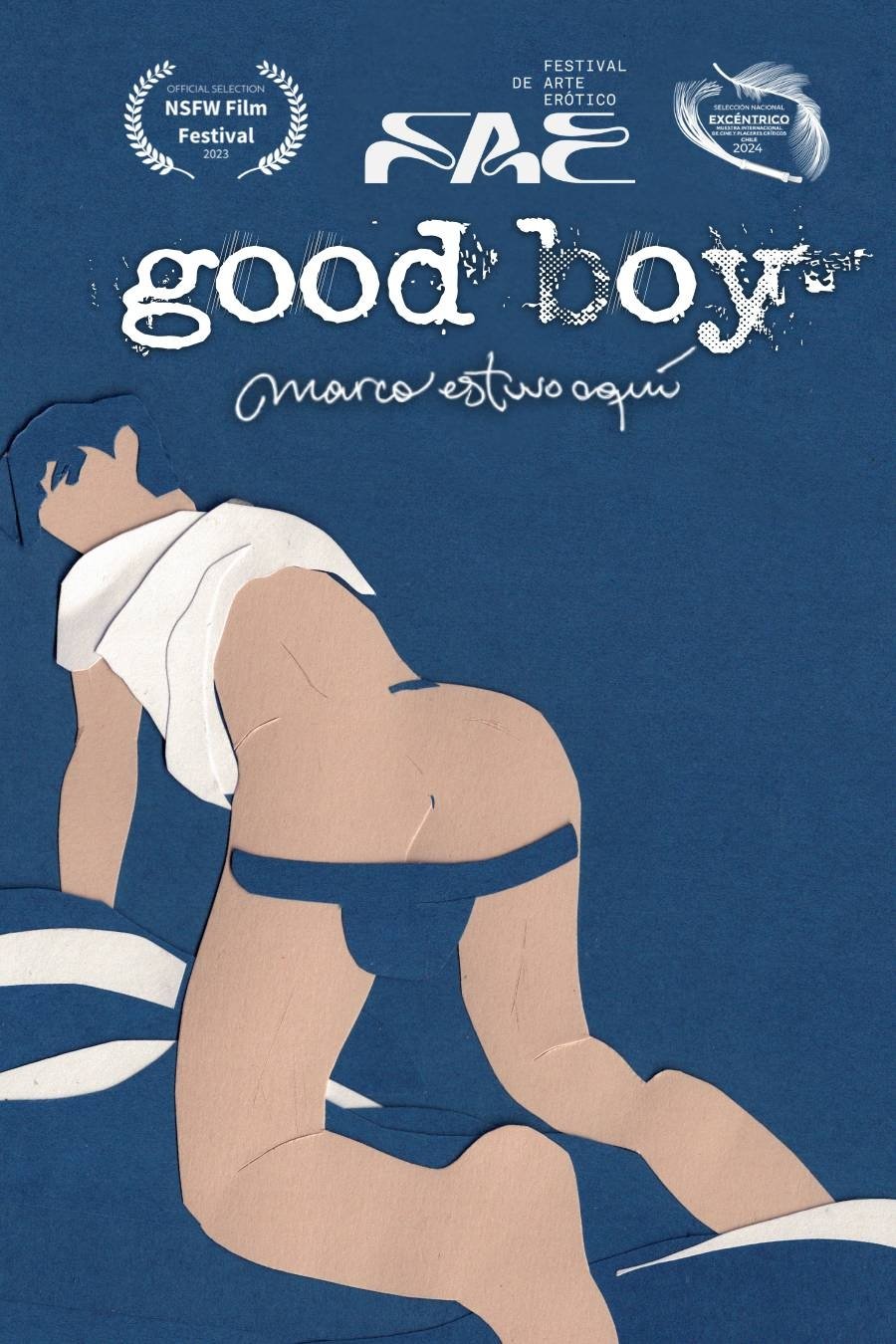
The author's erotic imagination is mixed between desire and magazine clippings, and the trade of collage becomes a ship that travels from outer space to the city itself.
Social & External

After concluding the now-legendary public access TV series, The Pain Factory, Michael Nine embarked on a new and more subversive public access endeavor: a collaboration with Scott Arford called Fuck TV. Whereas The Pain Factory predominantly revolved around experimental music performances, Fuck TV was a comprehensive and experiential audio-visual presentation. Aired to a passive and unsuspecting audience on San Francisco’s public access channel from 1997 to 1998, each episode of Fuck TV was dedicated to a specific topic, combining video collage and cut-up techniques set to a harsh electronic soundtrack. The resultant overload of processed imagery and visceral sound was unlike anything presented on television before or since. EPISODES: Yule Bible, Cults, Riots, Animals, Executions, Static, Media, Haterella (edited version), Self Annihilation Live, Electricity.
Set in Berlin and New York's Lower East Side, The Great Yiddish Love stars the self-exiled Marlene Dietrich and her Nazi-endorsed replacement, Zarah Leander. It is a melodrama of love, emigration, and betrayal reassembled from Hollywood, German Ufa and Yiddish films from the 1930s and 40s.
An intimate look into the life of composer Mikis Theodorakis from 1987 until 2017: comprising three decades, four continents, 100 locations and 600 hours of film material. The film interweaves personal moments with archive footage, documentary recordings and fictional pieces, all accompanied by Theodorakis’ music in jazz, classic, electro and rap versions.
Filmmaking icon Agnès Varda, the award-winning director regarded by many as the grandmother of the French new wave, turns the camera on herself with this unique autobiographical documentary. Composed of film excerpts and elaborate dramatic re-creations, Varda's self-portrait recounts the highs and lows of her professional career, the many friendships that affected her life and her longtime marriage to cinematic giant Jacques Demy.
For this behemoth, Bressane took his opera omnia and edited it in an order that first adheres to historical chronology but soon starts to move backwards and forward. The various pasts – the 60s, the 80s, the 2000s – comment on each other in a way that sheds light on Bressane’s themes and obsessions, which become increasingly apparent and finally, a whole idea of cinema reveals itself to the curious and patient viewer. Will Bressane, from now on, rework The Long Voyage of the Yellow Bus when he makes another film? Is this his latest beginning? Why not, for the eternally young master maverick seems to embark on a maiden voyage with each and every new film!
An experience of a camera swinging in different gestures facing the optical distortion of the Sun. The last appearance of the smudge.
X-ray images were invented in 1895, the same year in which the Lumière brothers presented their respective invention in what today is considered to be the first cinema screening. Thus, both cinema and radiography fall within the scopic regime inaugurated by modernity. The use of X-rays on two sculptures from the Bilbao Fine Arts Museum generates images that reveal certain elements of them that would otherwise be invisible to our eyes. These images, despite being generally created for technical or scientific purposes, seem to produce a certain form of 'photogénie': they lend the radiographed objects a new appearance that lies somewhere between the material and the ethereal, endowing them with a vaporous and spectral quality. It is not by chance that physics and phantasmagoria share the term 'spectrum' in their vocabulary.
"Den Pobedy" (Victory Day) is counted among the most important celebrations for many former Soviet Republics. It is held on May 9 and commemorates the victory of the USSR over Nazi Germany in the Great Patriotic War (1941-1945). This day pays homage to the war veterans and to the over 26 million Soviets who lost their lives fighting this war. Kalinichenko Vasily Porfirievich fought in the Red Army on the 3rd Ukrainian Front and on the 1st Belarusian Front. As a member of the 226th Infantry Regiment he entered Berlin on April 22, 1945. This documentary explores the war, his life and his family story.
A film essay that intertwines the director's gaze with that of her late mother. Beyond exploring mourning and absence as exclusively painful experiences, the film pays tribute to her mother through memories embodied by places and objects that evidence the traces of her existence. The filmmaker asks herself: What does she owe her mother for who she is and how she films? To what extent does her film belong to her?
Something takes us underground, where gods and monsters are active, amid the ruins of a world they move around with their innumerable hands. Inspired by Fritz Lang and Richard Wagner, Remains is a daydream.
An animated satire on the question of self-image for African American women living in a society where beautiful hair is viewed as hair that blows in the wind and lets you be free. Lively tunes and witty narration accompany a quick-paced inventory of relaxers, gels, and curlers. This short film has become essential for discussions of racism, African American cinema, and empowerment.
In 1968, art students Storm Thorgerson and Aubrey “Po” Powell made a trippy photo collage for their musician friends Syd, David and Roger. The resulting album and album cover, A Saucerful of Secrets, helped launch two careers: that of Pink Floyd, one of the 70s megabands, and of Hipgnosis, which, over the course of the next 25 years, designed a stream of iconic album covers.
The first "filmed portrait" of Pasolini was created by French television in July 1966 as part of the prestigious series Cinéastes de notre temps, directed by Janine Bazin and André S. Labarthe. Interviewed on the streets of the Roman suburbs and in his studio, Pasolini analyzes his dramatic relationship with Italian society and retraces the trajectory of his works up to Hawks and Sparrows.
Godard by Godard is an archival self-portrait of Jean-Luc Godard. It retraces the unique and unheard-of path, made up of sudden detours and dramatic returns, of a filmmaker who never looks back on his past, never makes the same film twice, and tirelessly pursues his research, in a truly inexhaustible diversity of inspiration. Through Godard’s words, his gaze and his work, the film tells the story of a life of cinema; that of a man who will always demand a lot of himself and his art, to the point of merging with it.
Women from the different Spanish regions dress in their traditional costumes to attend the triumphal parade celebrating the victory of Francisco Franco and the rebel side over the Second Republic in 1939; the deeds of past heroes are remembered; and a patriotic poem by Nicaraguan poet Rubén Darío is recited.
A cinematic time capsule with over 1,400 hours of submitted material from all regions of Switzerland gives unknown insights about the life of Swiss people in the politically and socially turbulent summer of 2019.
A camera crew travels through Thailand asking villagers to invent the next chapter of an ever-growing story.
Video Fanzine featuring: Half Japanese, Redd Kross with Sky Saxon as Purple Electricity, R Kern, Sonic Youth, White Flag, Psycho Daisies, Charlie Pickett, Nick Zedd, Morbid Opera More R&R, Film, Prose. Pencil numbering indicates there was a run of 600 tapes.
A girl haunted by traumatic events takes us on a mesmerising journey through 100 years of horror cinema to explore how filmmakers scare us – and why we let them.
A pulsing, kaleidoscope of images set to an energetic soundtrack. This is a world in motion, dominated by mechanical and repetitive images, with a few moments of solitude in a garden.