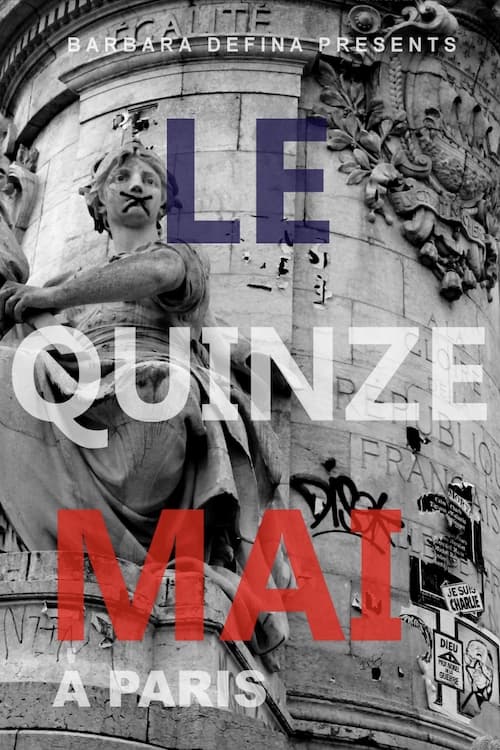
Shots of Paris on May 15, 2016 with a Parisian narrator telling us the story of May 15, 1848, when protesters finally pushed the establishment to let them have a popular vote to elect their ruler.
Social & External
The people behind it
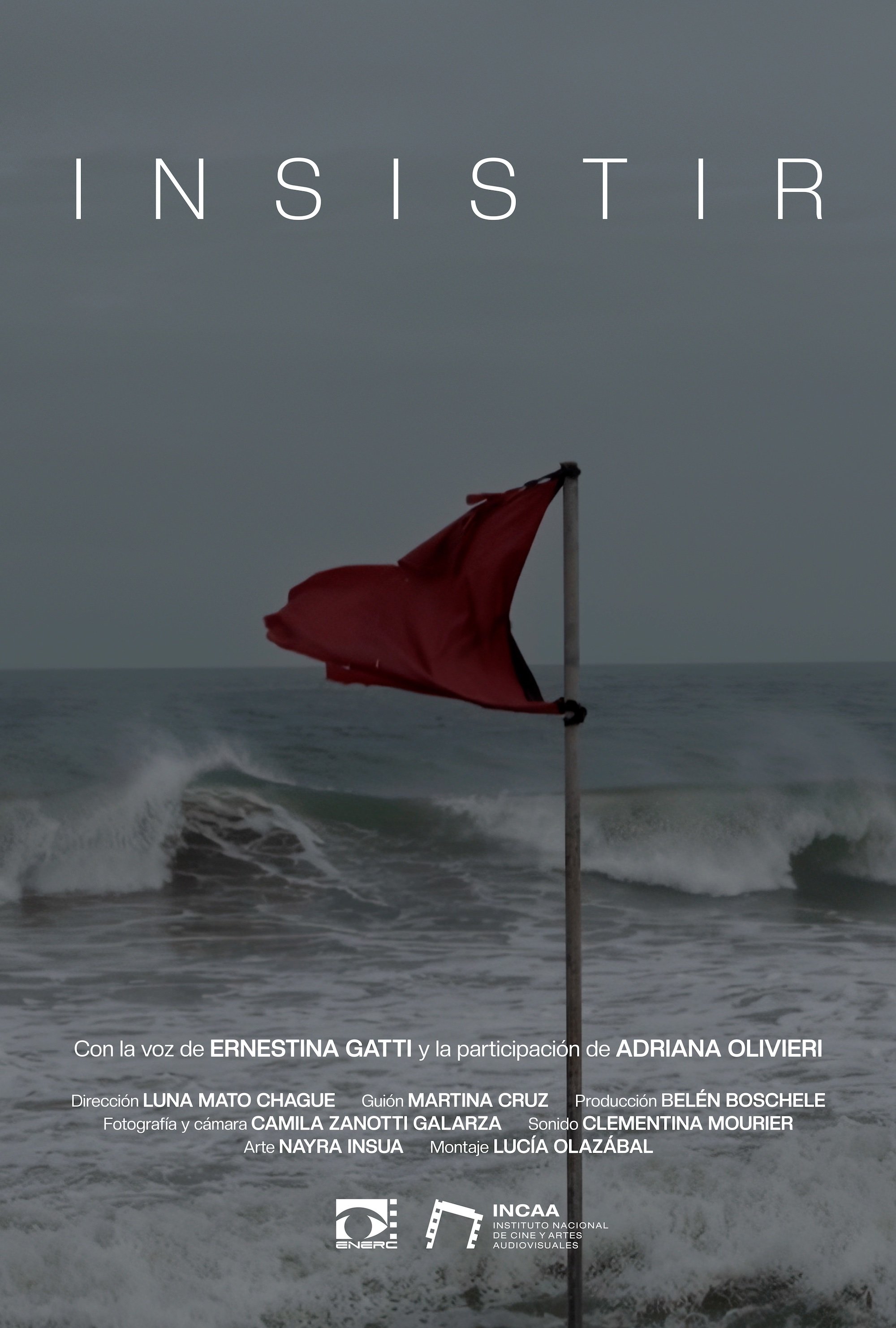
A documentary about the sea and memory. Its movement is its form. Its strength.
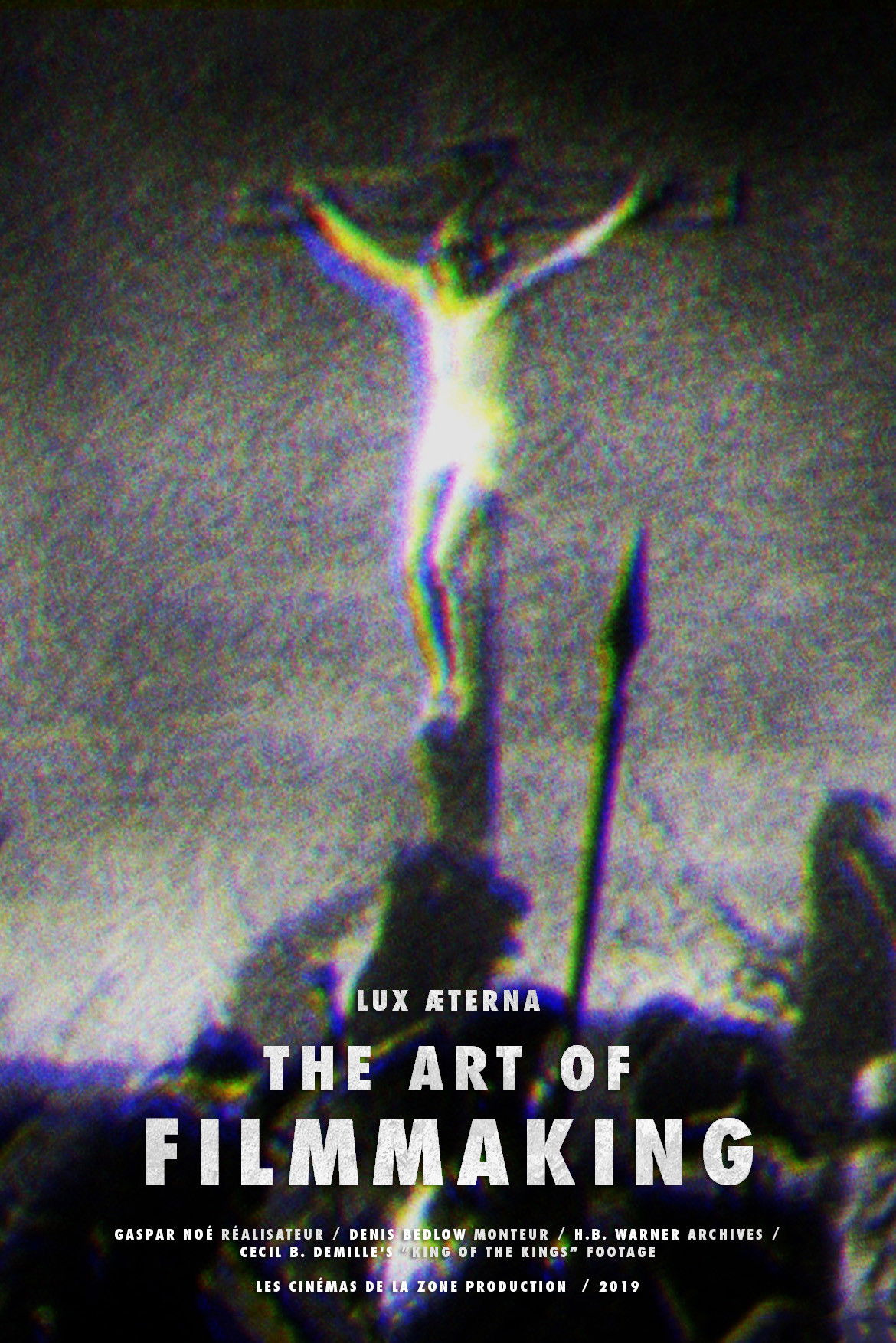
An experimental shortfilm in line with "Lux Æterna", showcasing the footage from Cecil B. DeMille's "King of the Kings". A voiceover pronunces word "Relax" in a hypnotic tone, which was Lux Æterna's working title. It was shown only once in Paris at L'Étrange Festival, at the opening of "Lux Æterna".
After concluding the now-legendary public access TV series, The Pain Factory, Michael Nine embarked on a new and more subversive public access endeavor: a collaboration with Scott Arford called Fuck TV. Whereas The Pain Factory predominantly revolved around experimental music performances, Fuck TV was a comprehensive and experiential audio-visual presentation. Aired to a passive and unsuspecting audience on San Francisco’s public access channel from 1997 to 1998, each episode of Fuck TV was dedicated to a specific topic, combining video collage and cut-up techniques set to a harsh electronic soundtrack. The resultant overload of processed imagery and visceral sound was unlike anything presented on television before or since. EPISODES: Yule Bible, Cults, Riots, Animals, Executions, Static, Media, Haterella (edited version), Self Annihilation Live, Electricity.
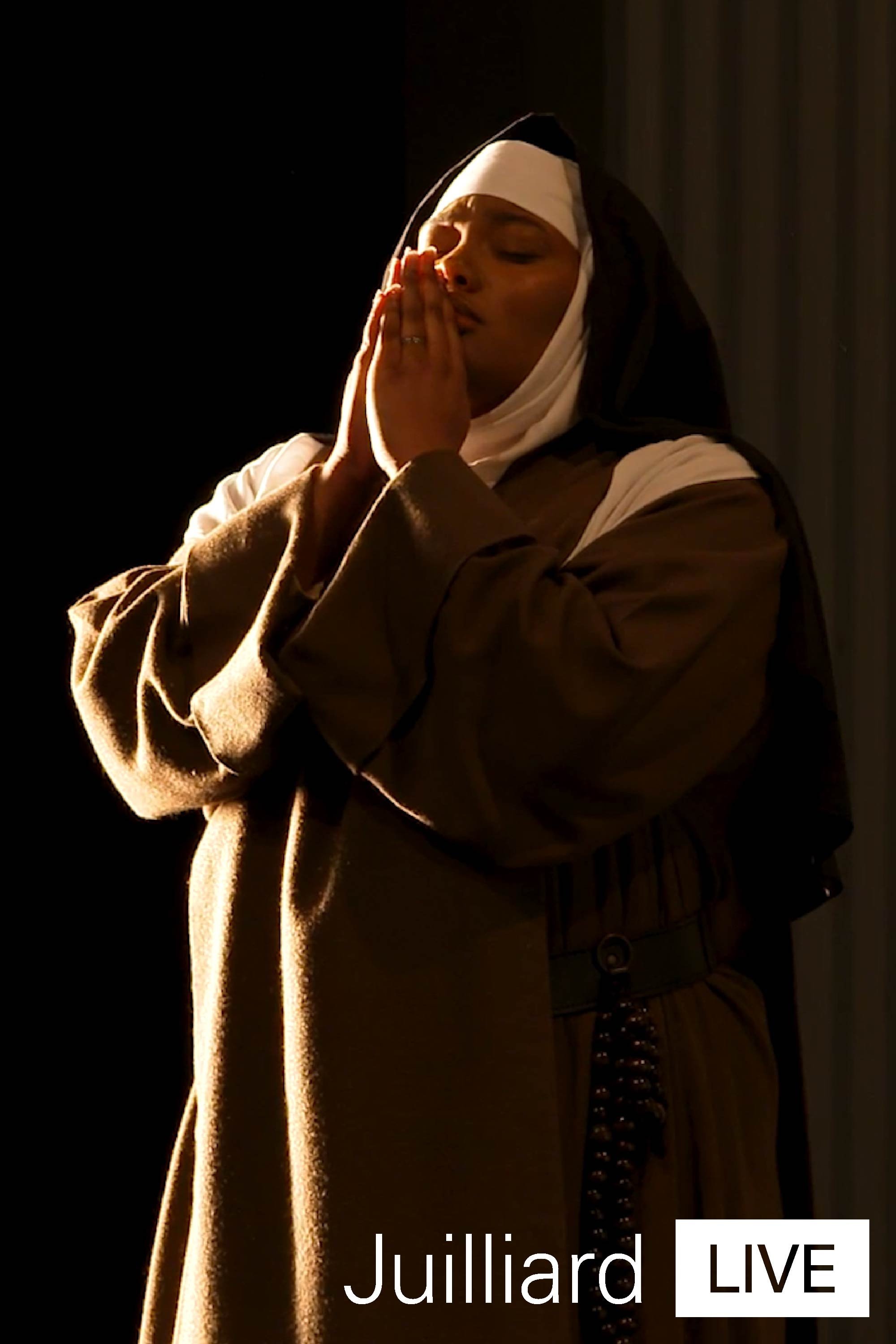
“In a world that often demands certainty, Dialogues des Carmélites invites us to sit with profound questions that have no easy answers: What makes a life worthy? How can we be truly prepared for our inevitable end? What does security mean when everything familiar is threatened? What sustains us when our institutions crumble? … Rather than imposing answers, the opera creates room for reflection on how faith manifests not as abstract doctrine, but as lived experience under extraordinary pressure.” — Louisa Muller, Director’s Note. Juilliard Opera directed by Louisa Muller. Matthew Aucoin conducts the Juilliard Orchestra. Performed and recorded on April 26, 2025 at the Peter Jay Sharp Theater. Dialogues des Carmélites, an opera by Francis Poulenc. Libretto adapted by the composer.
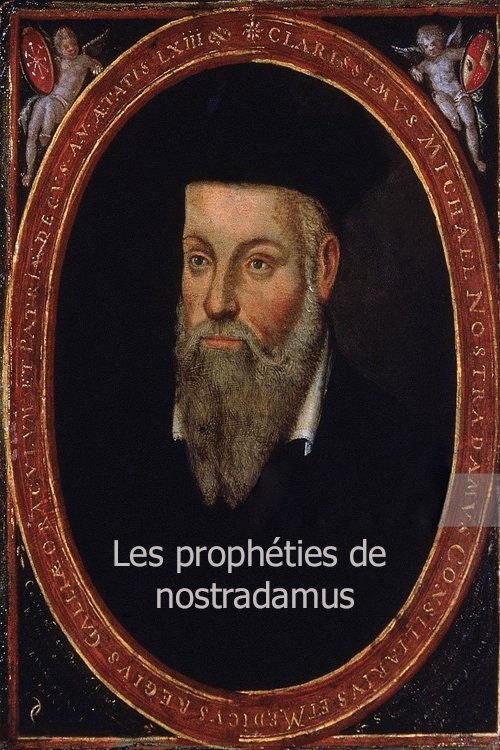
Debunking the mythology surrounding the 16th century French prophet, Nostradamus.
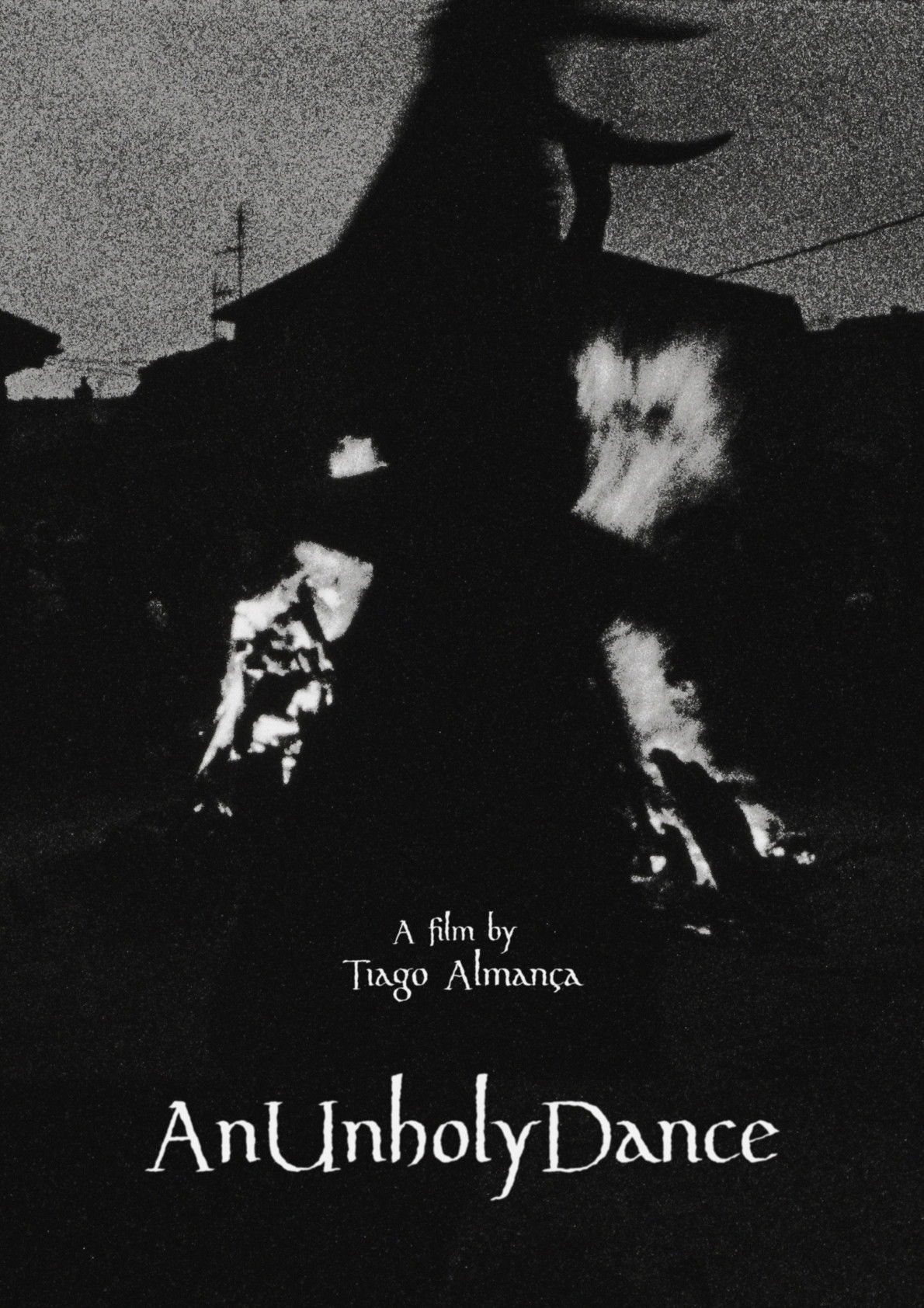
Every winter, a small town in Castilla-La Mancha called Luzón transforms into a little hell. Its inhabitants, dressed as devils, venture into the darkness and roam its streets with horns, bells, and smeared with soot. Una dança non sancta could have been just an anthropological documentary. Instead, it delves into the inferno with the town’s residents to participate in and immortalize this unholy ritual.
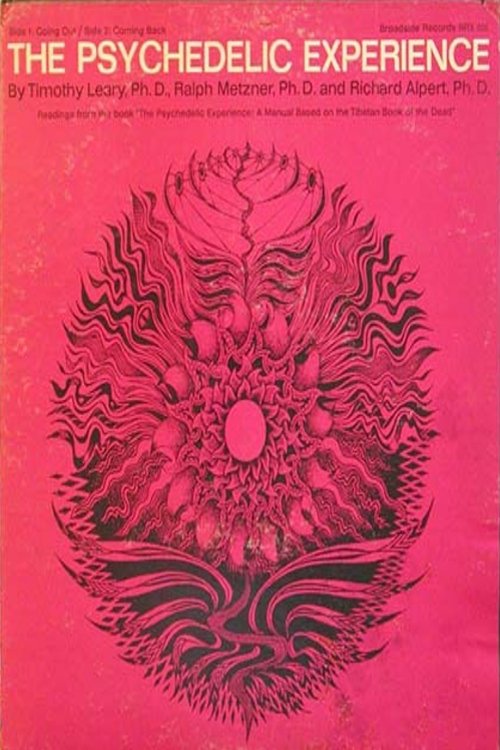
Experimental movie, where a man comes home and experiences LSD. His kaleidoscopic visions follow, with readings inspired by the Tibethan Book of the Dead.
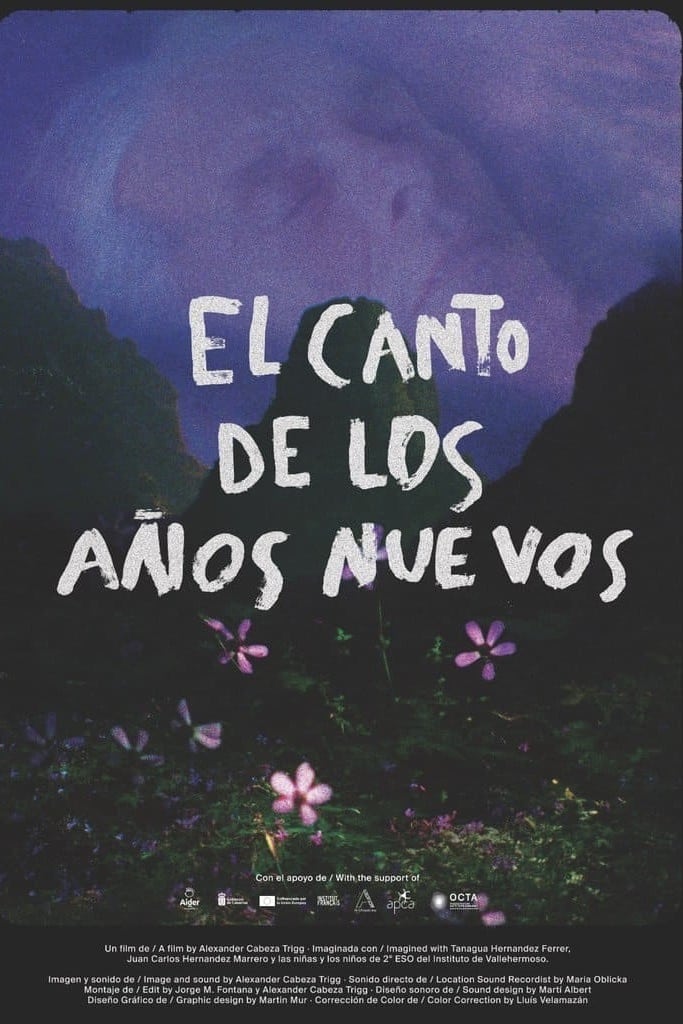
On the island of La Gomera, children imagine stories while they examine archeological remains. An ethno-fictional journey in which past and present coalesce, creating resonances between the volcanic landscape and Silbo, the whistled language of the island.
The story takes place in the year 1977 about the hero fleeing into the forest during the time when soldiers, police suppressed the communists. One day he meets the first villagers, everyone is afraid, but when the hero observes and analyzes that this villager is not disguised. A true villager Little knowledge due to loneliness of having to watch the spot alone, the hero tells the villagers to come back and forth. They are close to each other. It can be seen that only political ideology can divide us. One day the villagers suddenly didn't come as scheduled. The protagonist goes looking for the villagers. making the hero see bad things again
The amplitude of time recollected. A hasty communion with rapidly desiccating memory, a blend of film and digitalia in which the shapes of living things are made to resemble mere scratches and scrawlings on the face of the void.
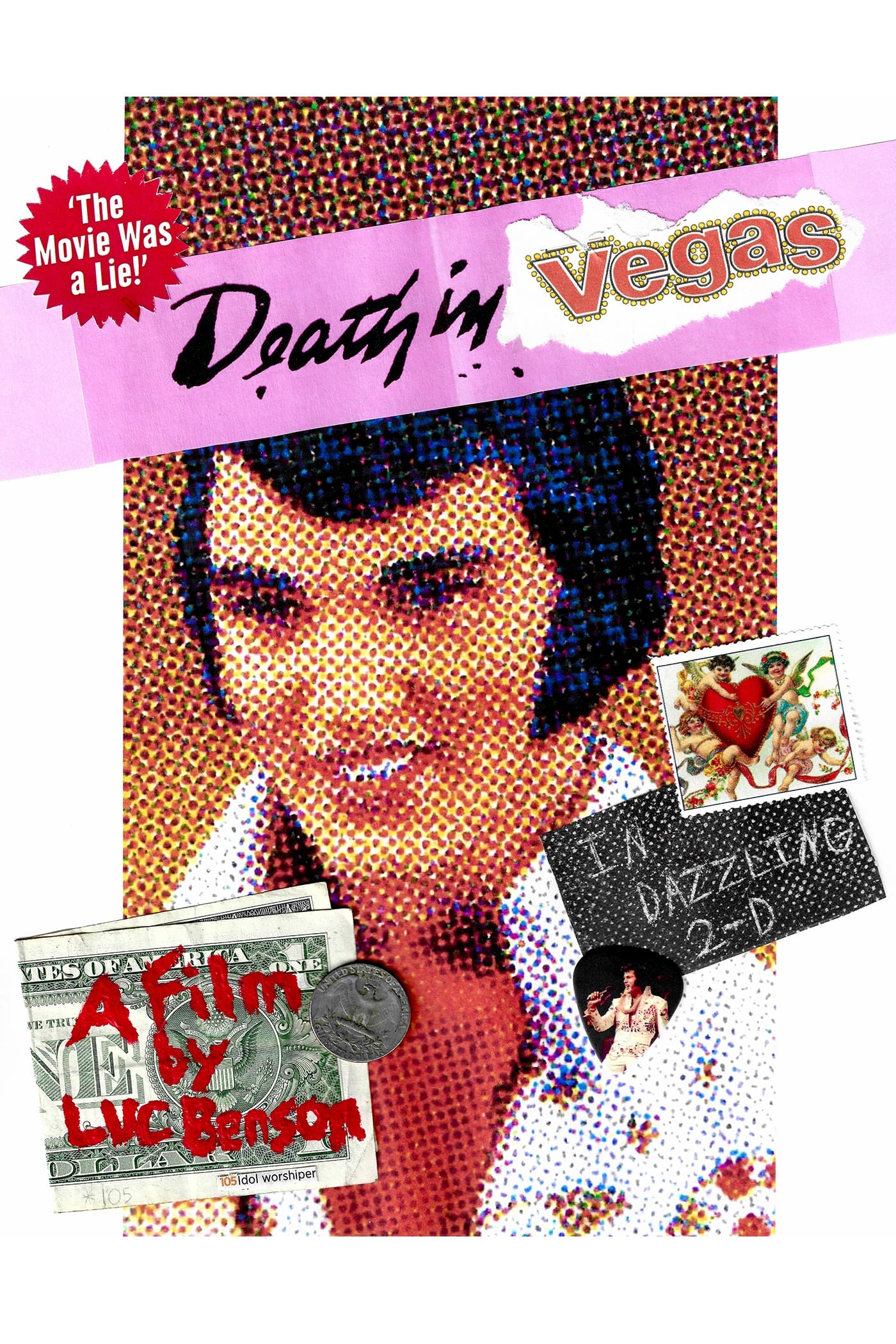
The life, death, and resurrection of Elvis Presley, as he is transformed from man into product. Composed primarily of an illustrated biography filmed with a microscope camera.
A personal experimental exploration of the book of Psalms in the Holy Bible
In a nightmarish world, dominated by the decline and degradation of Man , Christ resurrected wandering, across three different eras of human history.
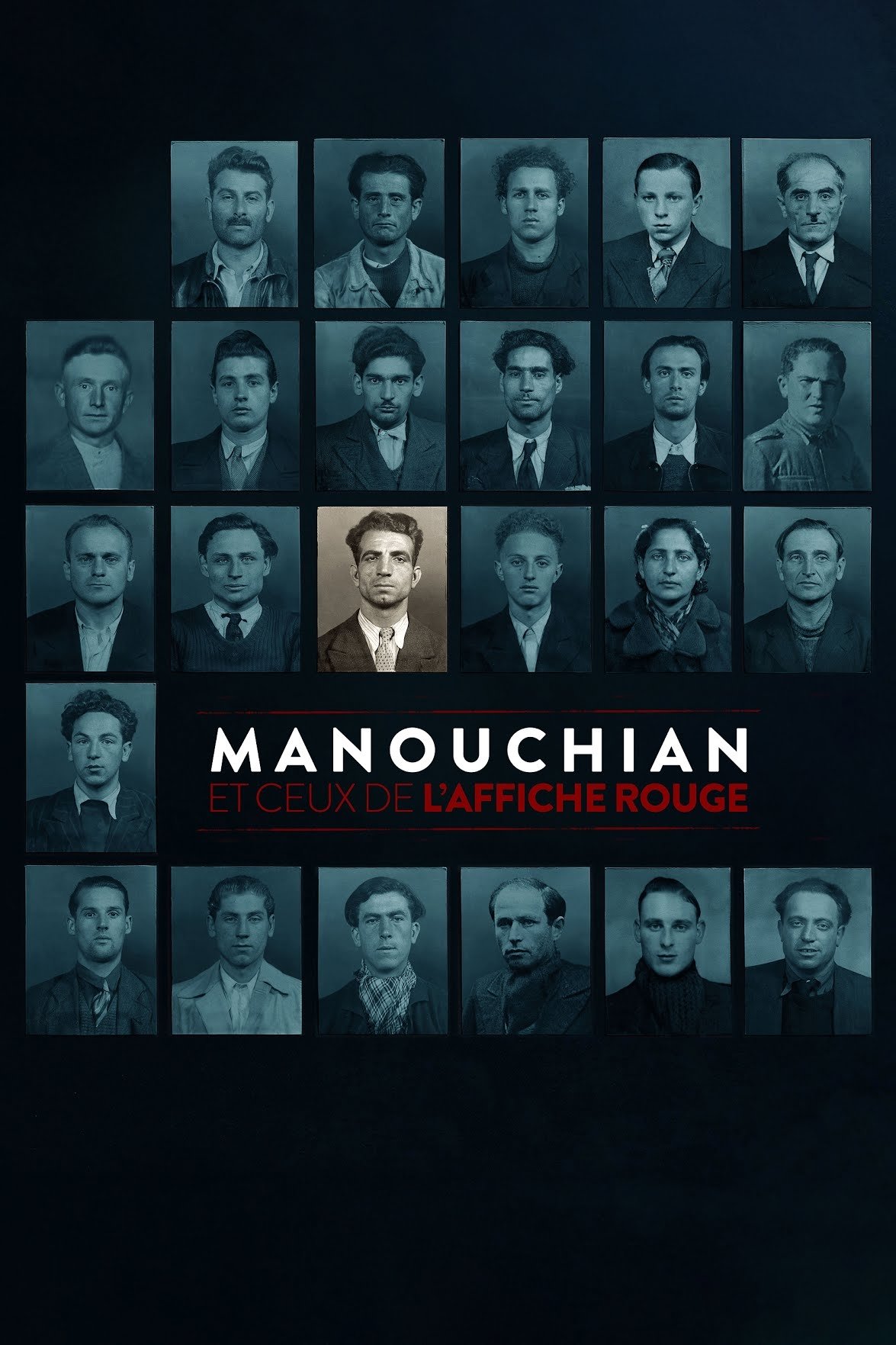
In February 1944, in a courtyard at Fresnes Prison, the Germans staged a spectacle to stigmatize a group of communist resistance fighters—all foreigners and mostly Jewish—who had been arrested a few weeks earlier. The propaganda aimed to discredit these fighters, portraying them as terrorists and criminals, even though they had managed to carry out numerous attacks against the occupiers in Paris. The red poster, plastered in thousands of copies across the country, would immortalize them in legend. They were subsequently executed at Mont-Valérien, near Paris. Missak Manouchian, the Armenian who led these fighters, now embodies this group in the collective memory as he is enshrined in the Panthéon, on behalf of all his comrades, 80 years after their execution.
An Experimental Film about Manchester's "Great Flood". In July 1872, Manchester's River Medlock overflowed its banks due to heavy and continuous rains, resulting in the "Great Flood." The flood severely damaged areas around the River Medlock, with parts of Ancoats and Hulme being particularly affected.
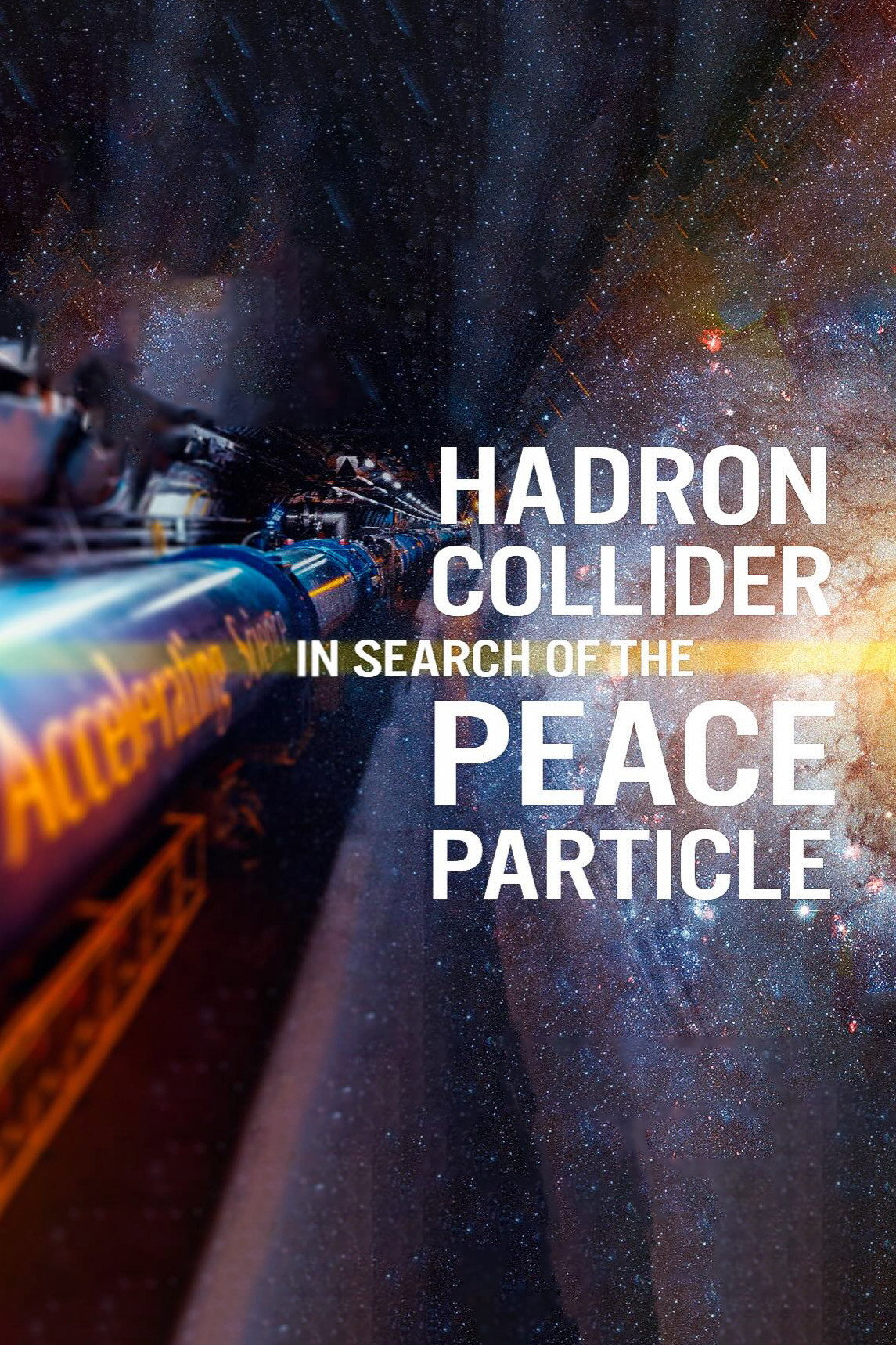
In the aftermath of Hiroshima, a group of scientists vowed never to turn knowledge into weapons again, and from that promise, CERN was born. Deep underground, researchers from nations in conflict have worked side by side for decades, driven by curiosity and shared wonder. For 70 years, CERN has stood as an act of hope, a place where collaboration transcends borders, even as the world above grows more divided. Blending poetry, music and rare archival footage of Oppenheimer with remarkable access to the Large Hadron Collider, the film explores how science, politics and culture collide.
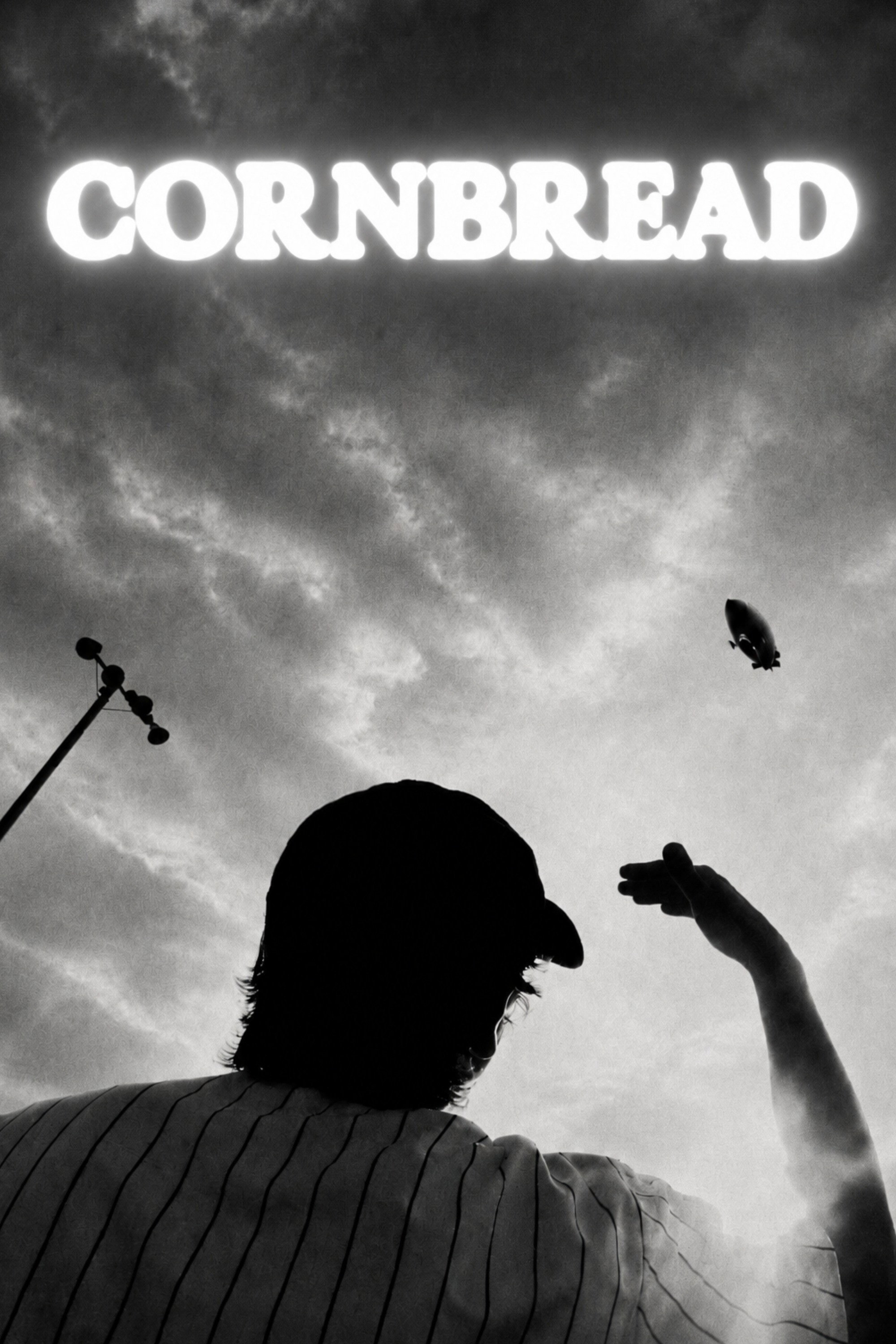
A minor league baseball player named Levi "Cornbread" Callahan has a strange encounter with a blimp.
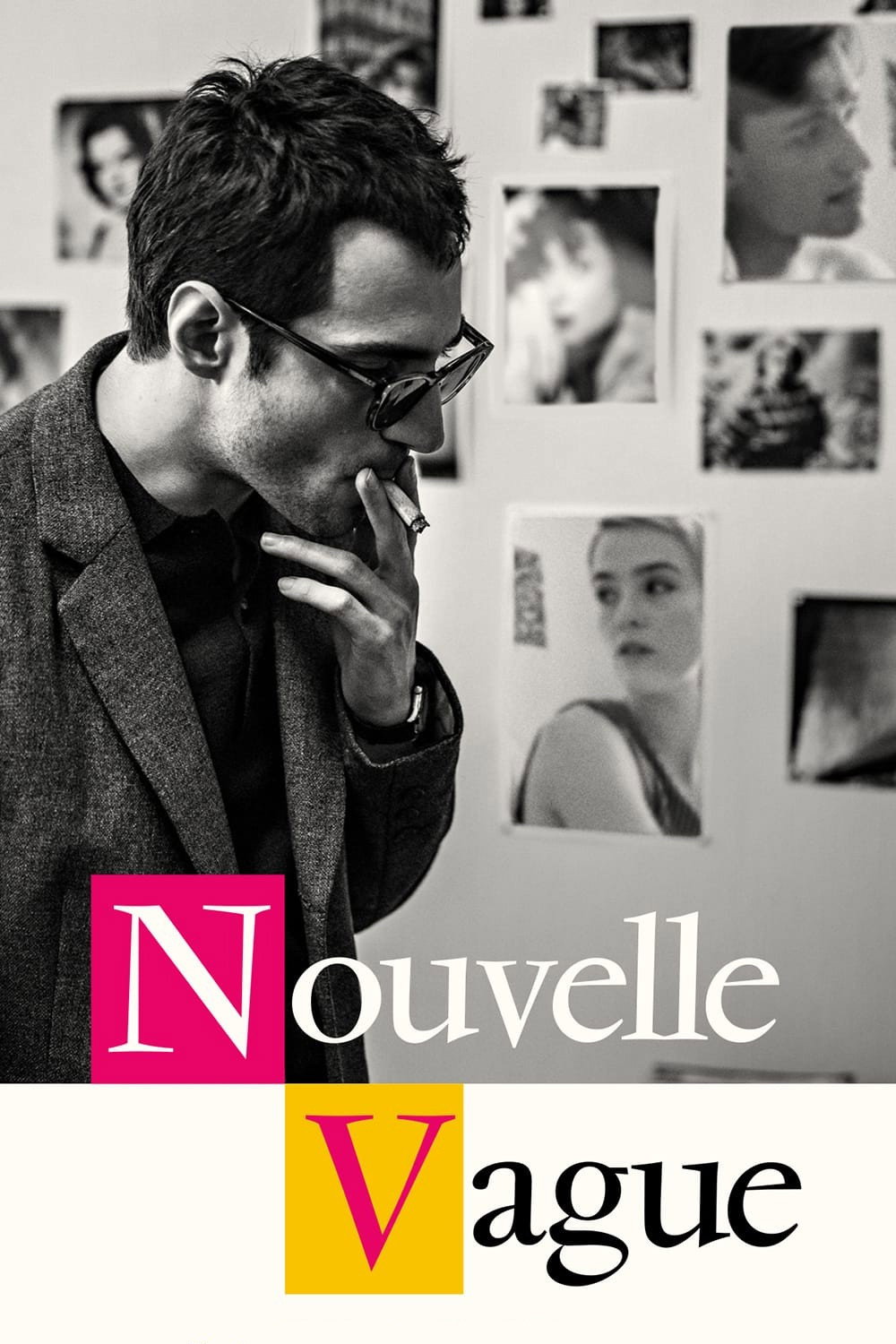
After writing for Cahiers du cinéma, young Godard decides making films is the best film criticism. He gets Beauregard to fund a low-budget feature, creating a treatment with Truffaut about a gangster couple.
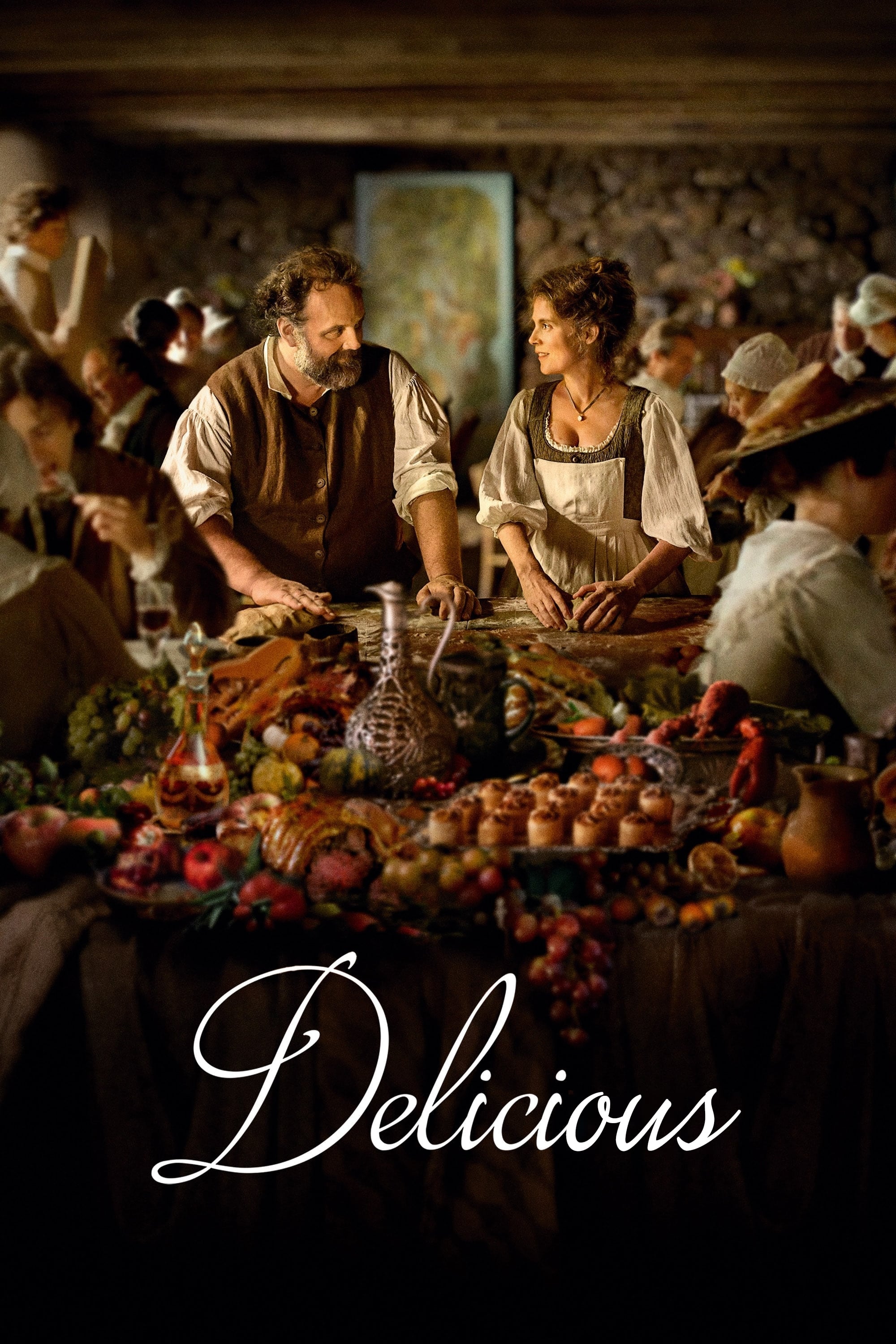
France, 1789 - just before the Revolution. When talented chef Manceron is dismissed from his prestigious position by the Duke of Chamfort, he loses the taste for cooking. But when he meets the mysterious Louise, together they decide to create the very first restaurant in France.
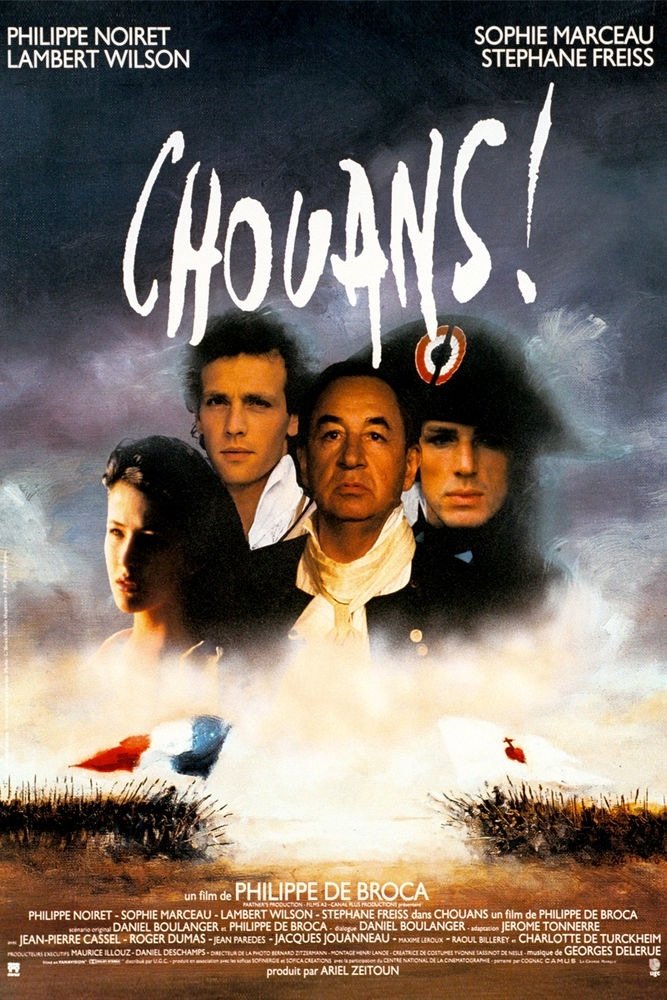
Directed by Philippe de Broca, the film recounts a bloody episode of the French Revolution. 1793, the Terror . In Vendée and in Bretagne, the chouans are revolting against the young Republic and fight for the monarchy restauration. The civil war divides also the family of the Count Savinien de Kerfadec, a liberal and generous noble and a flying machines inventor.
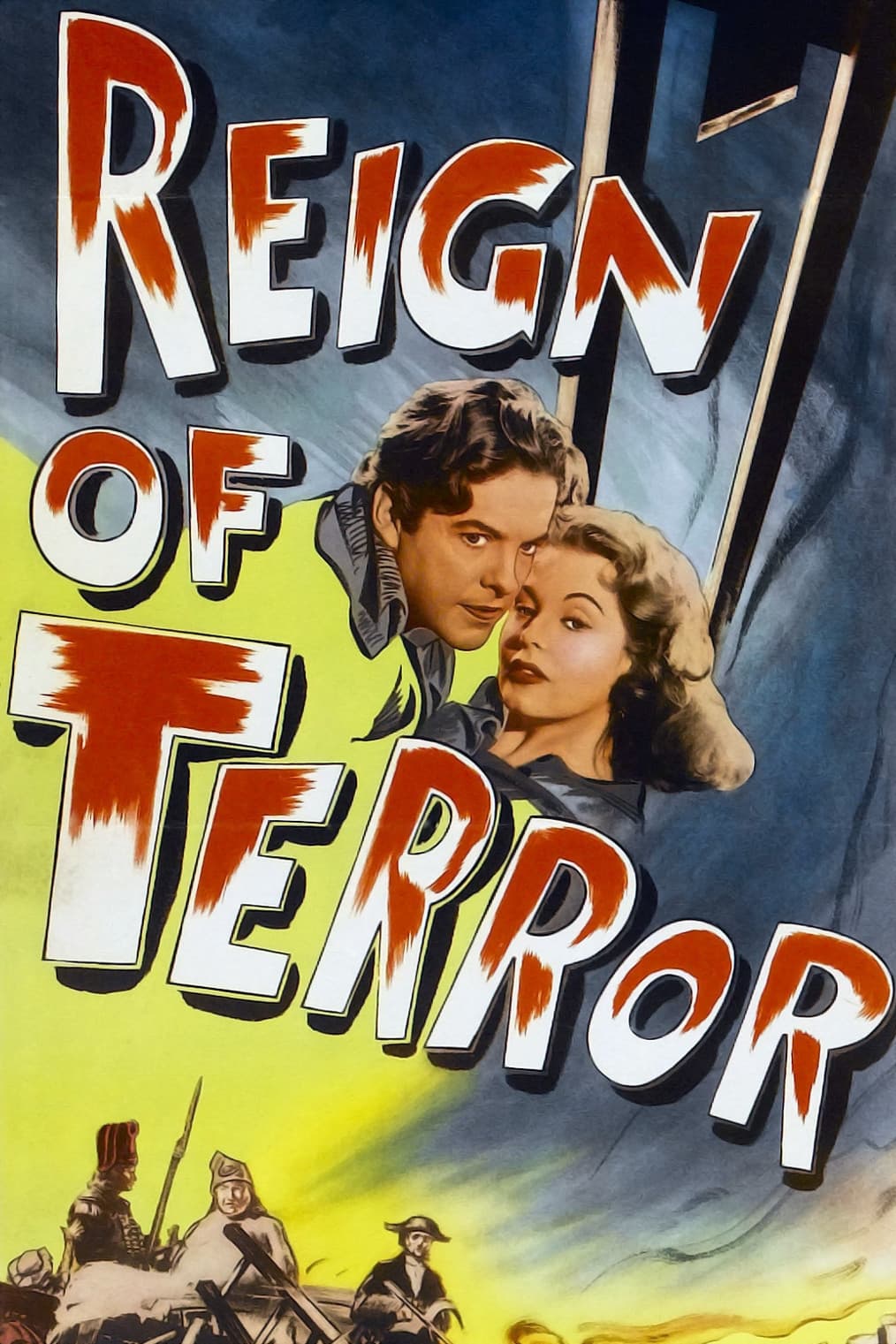
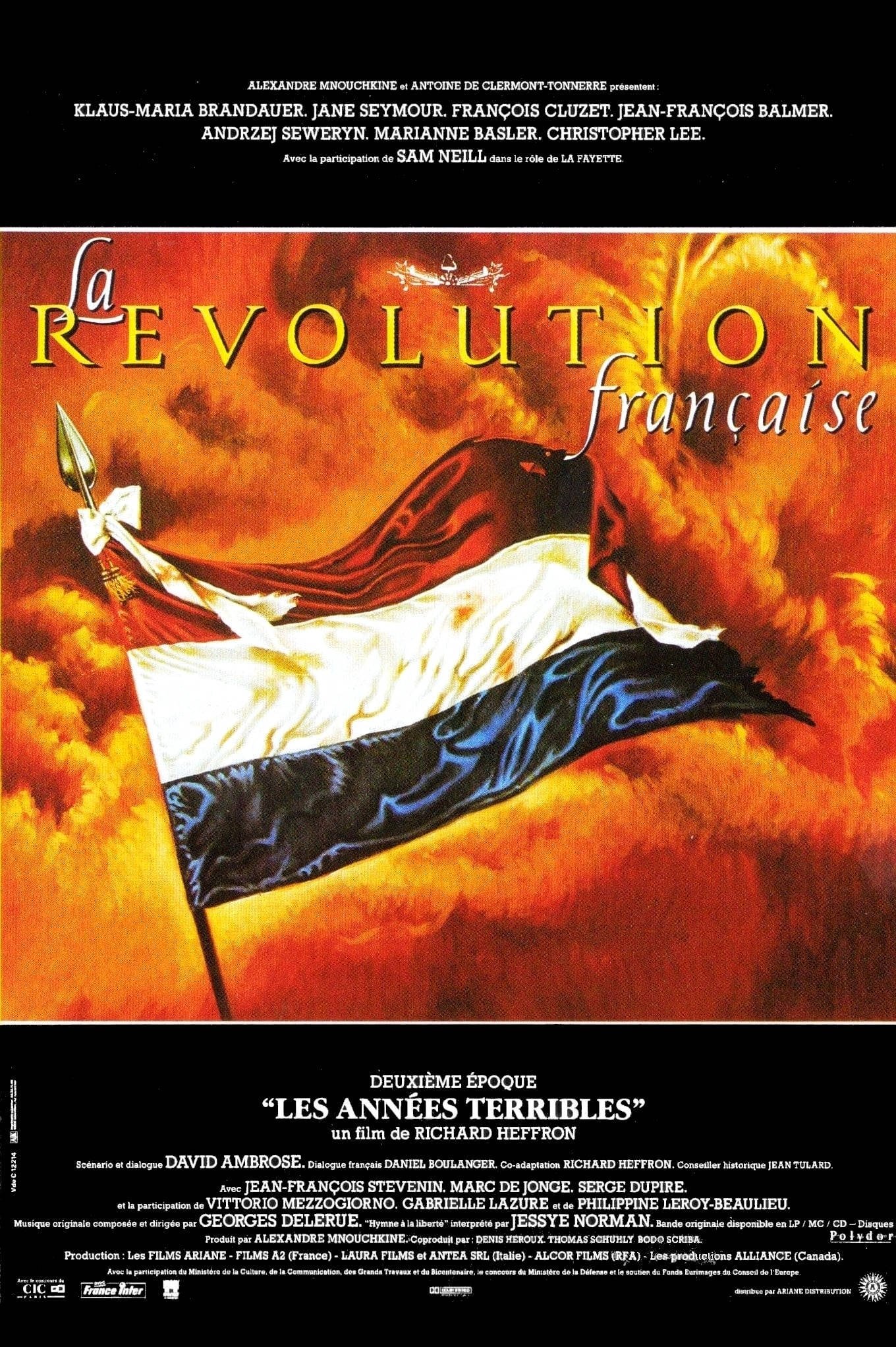
The French Revolution, 1794. The Marquis de Lafayette asks Charles D'Aubigny to infiltrate the Jacobin Party to overthrow Maximilian Robespierre, who, after gaining supreme power and establishing a reign of terror ruled by death, now intends to become the dictator of France.
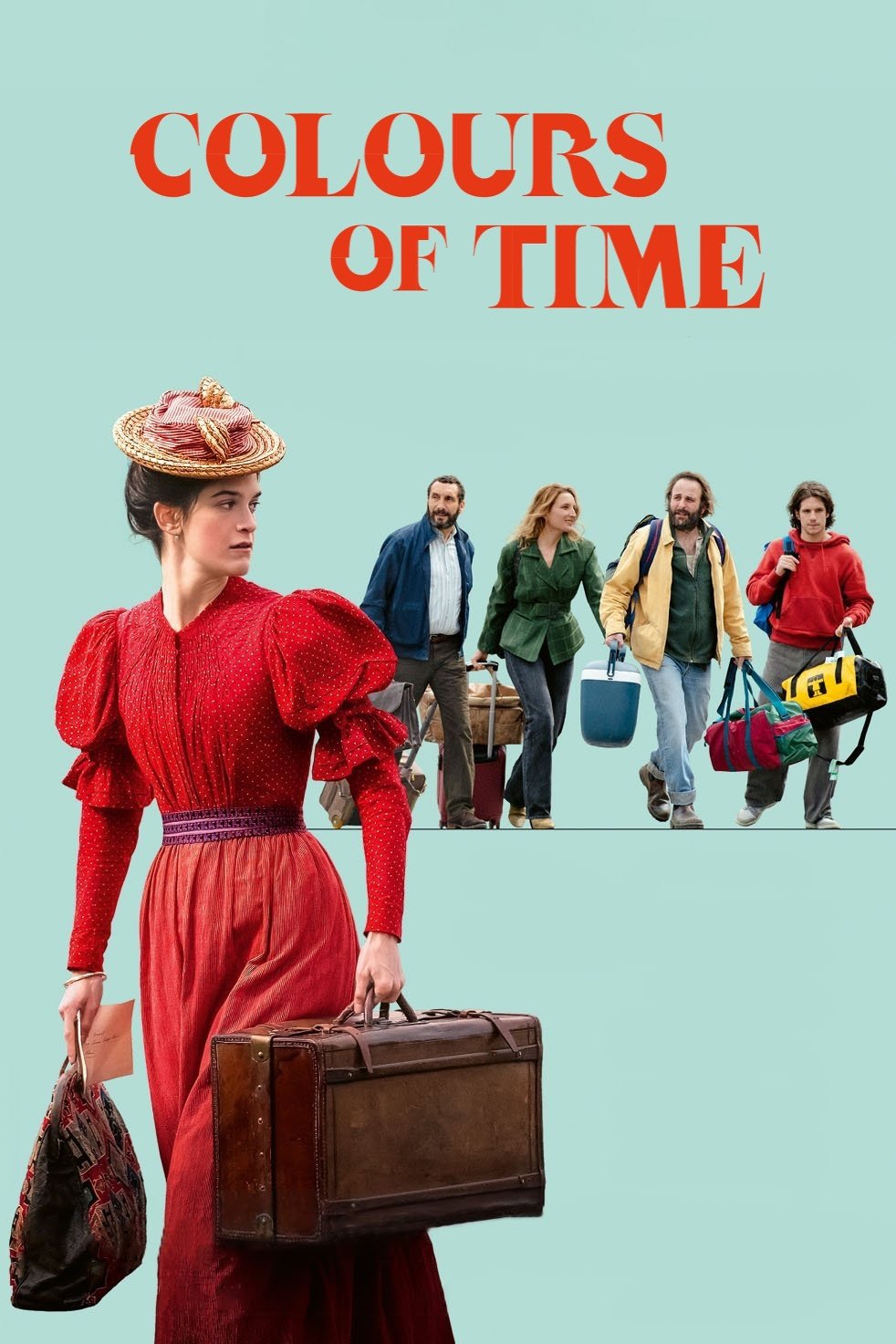
When four distant cousins inherit a 19th-century home in Normandy, they decide to visit and examine their family history. No one has lived there since the 1940s, and the cousins are intrigued by all of the items they find there, little things that help them to understand their ancestor, Adèle Vermillard. Jumping back and forth in time, they meet the mysterious Adèle, whose bohemian lifestyle, and her relationships with the leading artists of the time, changes their lives.
A biopic of Napoleon Bonaparte, tracing the Corsican's career from his schooldays (where a snowball fight is staged like a military campaign) to his flight from Corsica, through the French Revolution (where a real storm is intercut with a political storm) and the Terror, culminating in his triumphant invasion of Italy in 1797.
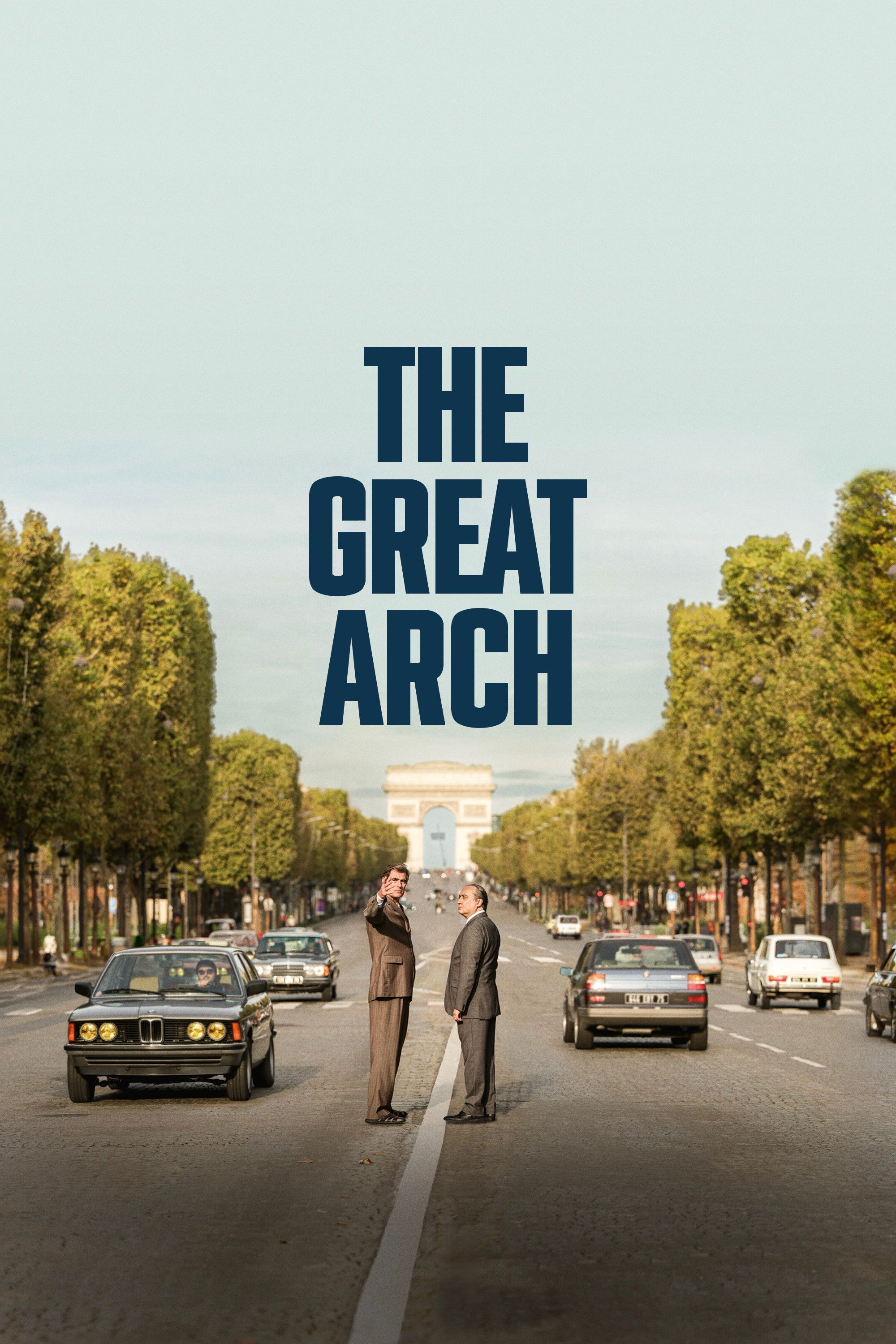
France, 1983. The biggest architectural competition in history is launched by the new socialist president, François Mitterrand. Coveted by all the biggest international architectural firms, the open-call competition is surprisingly won by an unknown: Johan Otto von Spreckelsen, an architecture teacher from Copenhagen. Until then, the fifty-year-old Dane had built only four buildings: his home, and three small chapels.
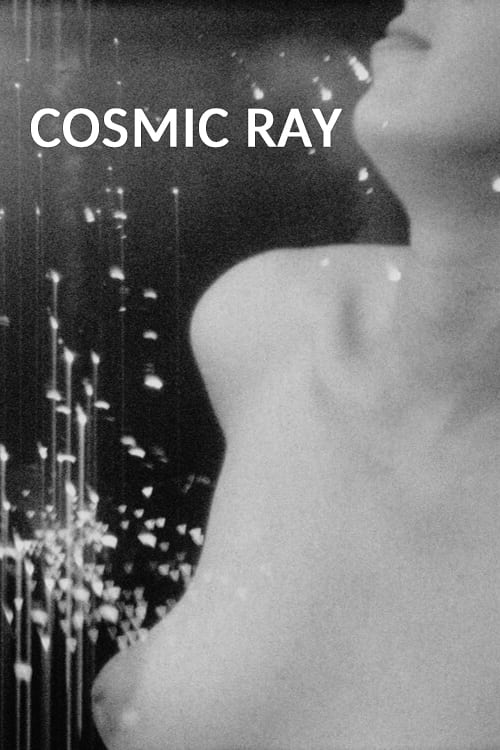
Experimental short uses Ray Charles' “What'd I Say” as accompaniment to constantly shifting collage of female nude, cartoons, and newsreels of atomic bomb explosions.
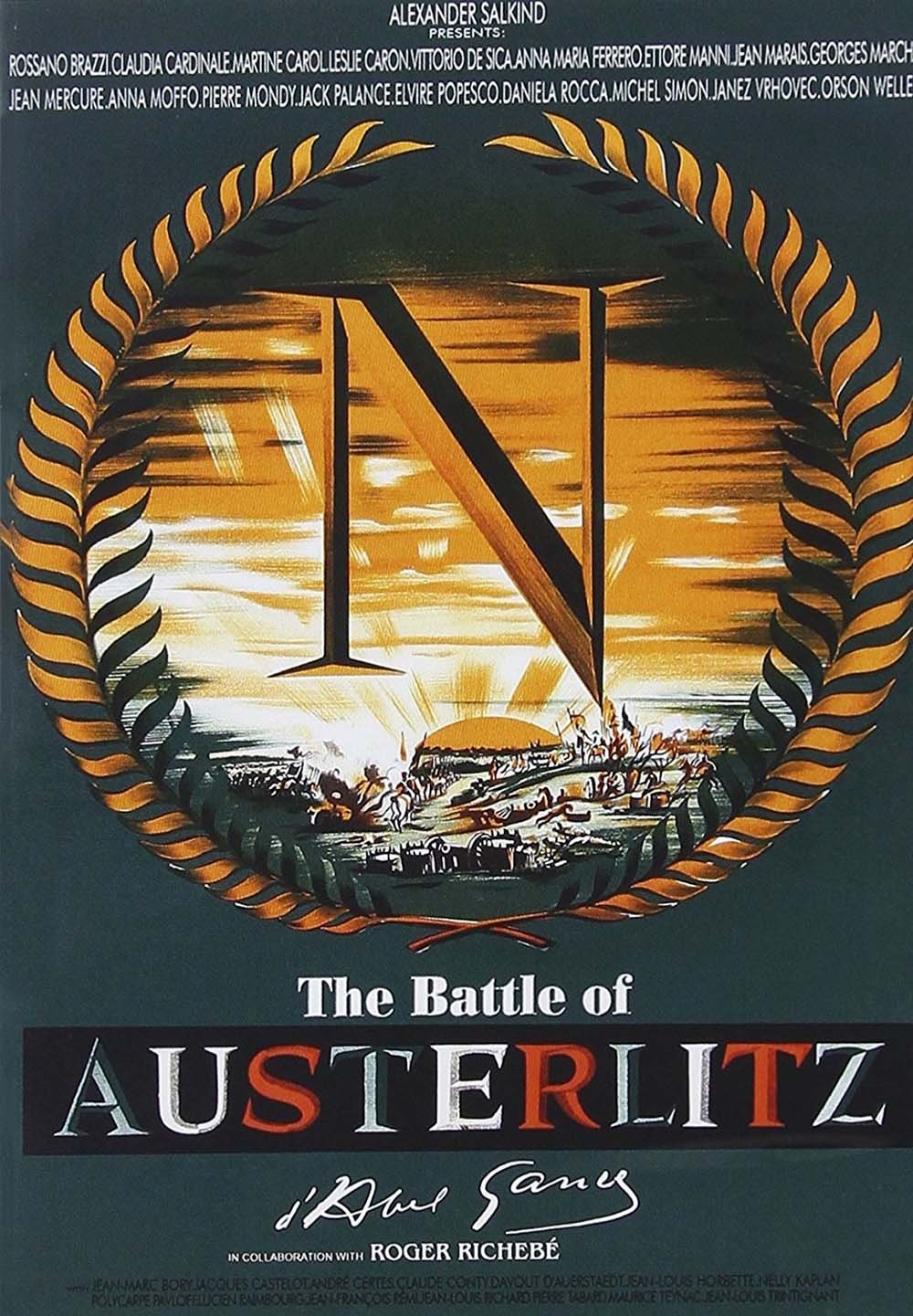
Napoleon Bonaparte crowns himself emperor and fights the English, Austrians and Russians in 1802.
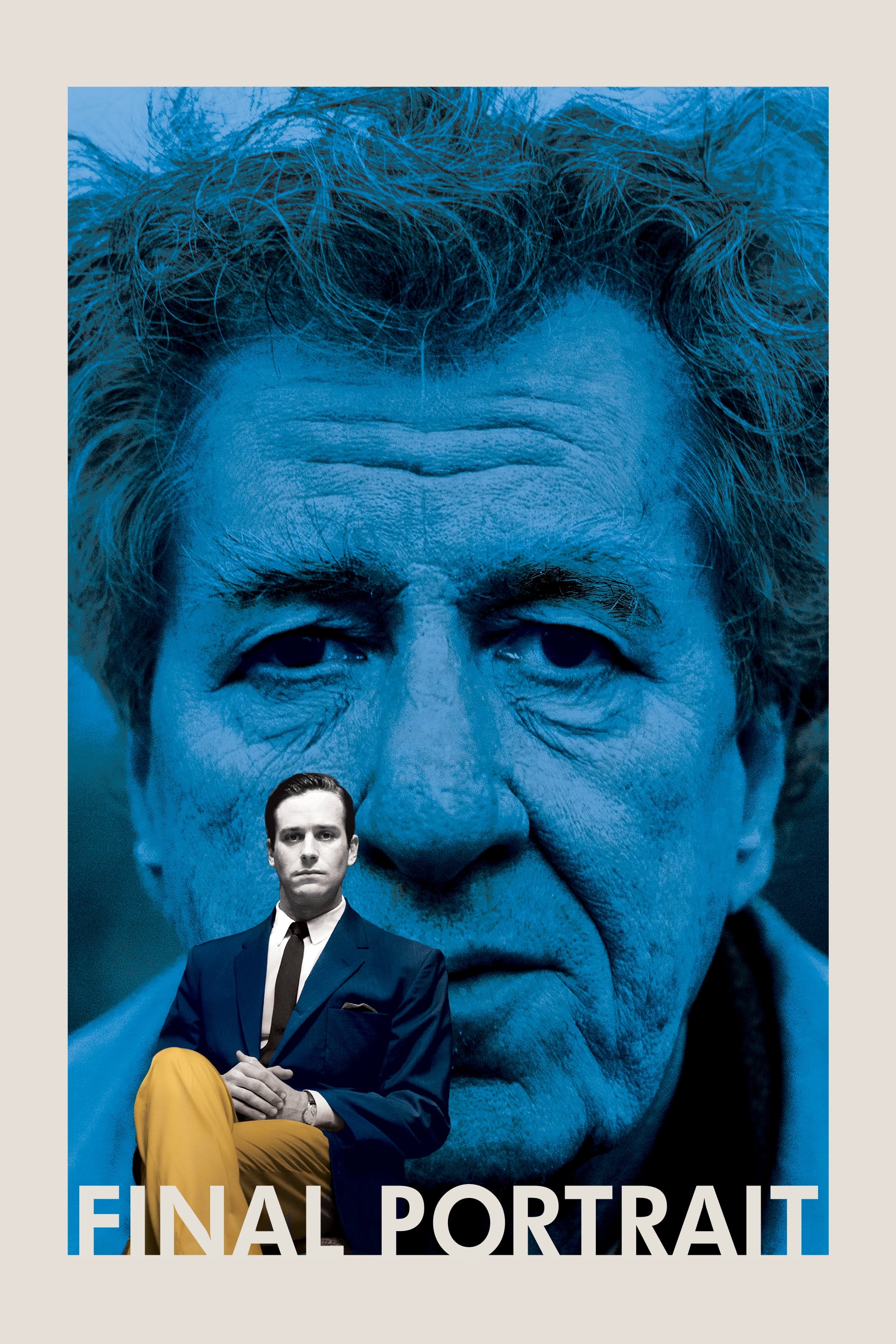
Paris, 1964. The Swiss sculptor and painter Alberto Giacometti, one of the most accomplished and respected artists of his generation, asks his friend, the American writer James Lord, to sit for a portrait, assuring him that it will take no longer than two or three hours, an afternoon at the most.
A history of the French Revolution beginning from the decision of the king to convene the Etats-Generaux in 1789 in order to deal with France's debt problem. Part one spans the event until August 10, 1792 (when the King Louis XVI lost all authority and was imprisoned). Part two carries the story through the end of the terror in 1794.
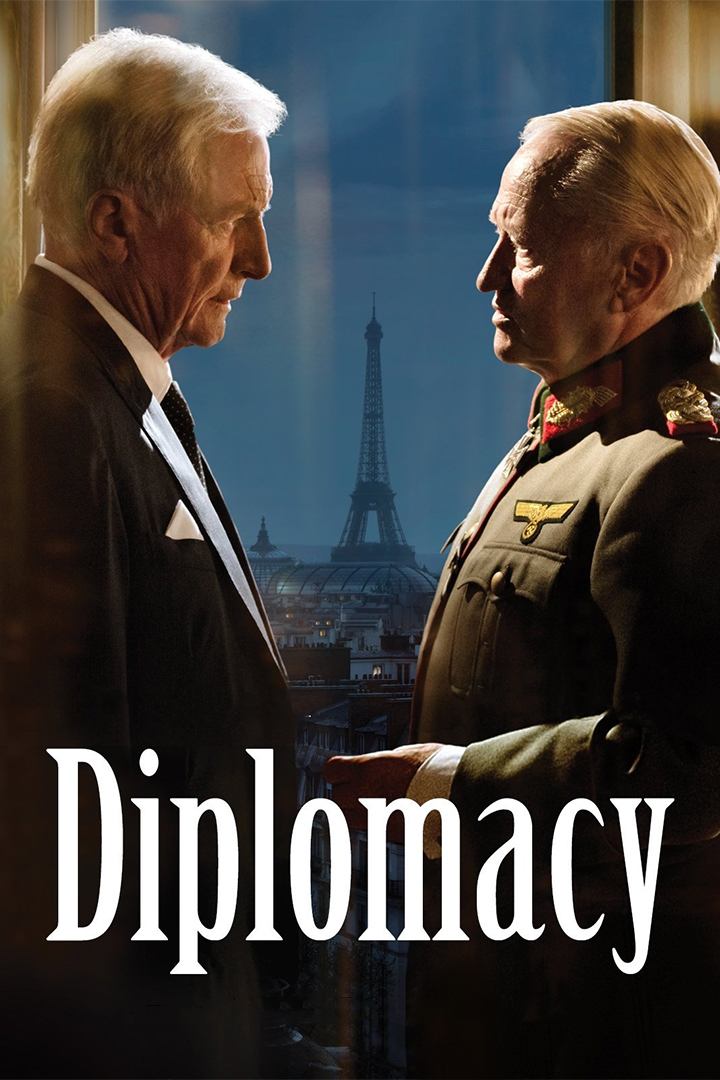
On the night of August 24, 1944, the fate of Paris rests with General von Choltitz, who plans to destroy the city on Hitler's orders. As the general prepares to detonate explosives throughout the capital, Swedish consul Raoul Nordling uses diplomacy in a desperate bid to convince him to defy the orders and save Paris.
A WWII veteran escapes his care home in Northern Ireland and embarks on an arduous but inspirational journey to France to attend the 75th anniversary of the D-Day landings, finding the courage to face the ghosts of his past.
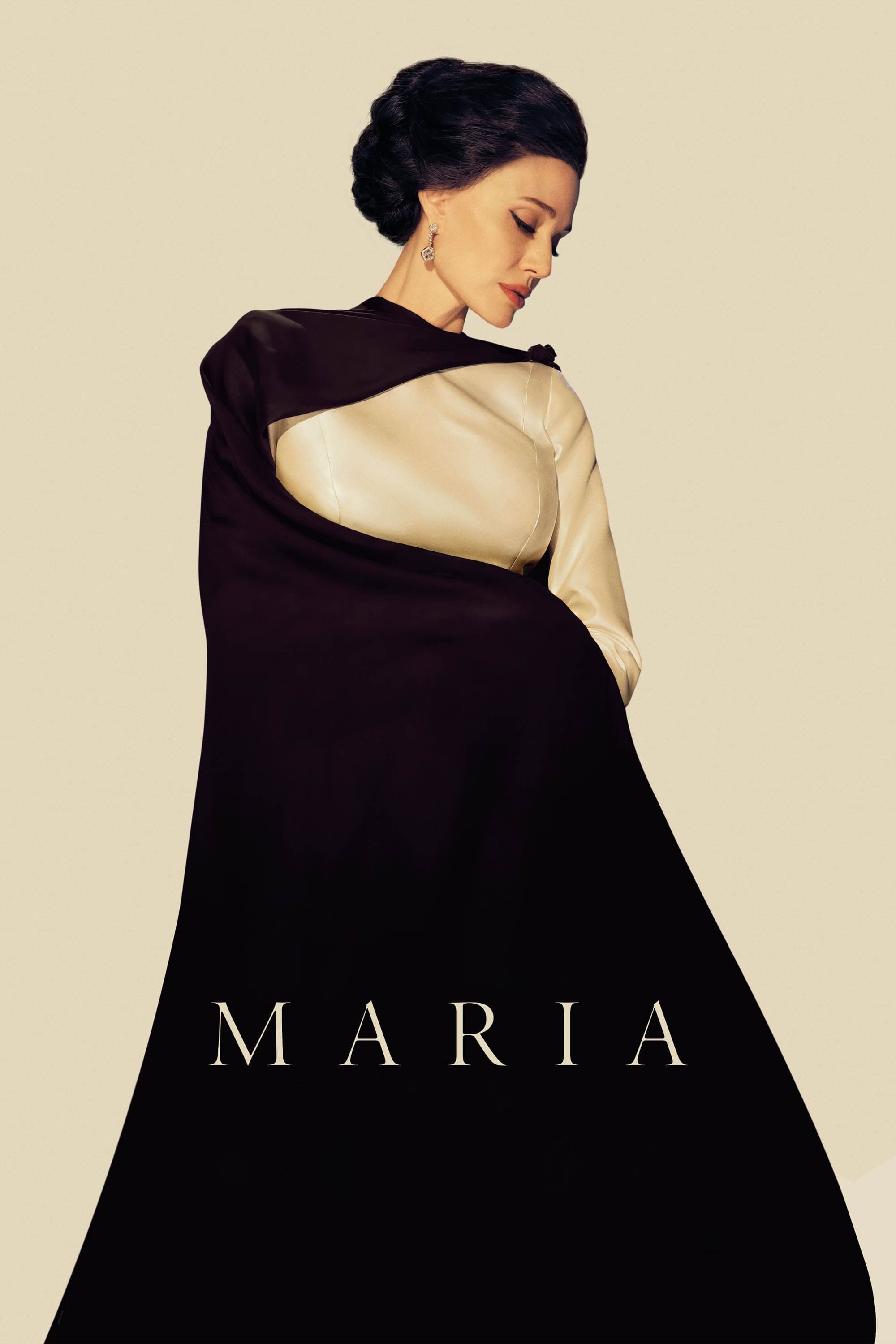
Maria Callas, the world's greatest opera singer, lives the last days of her life in 1970s Paris, as she confronts her identity and life.
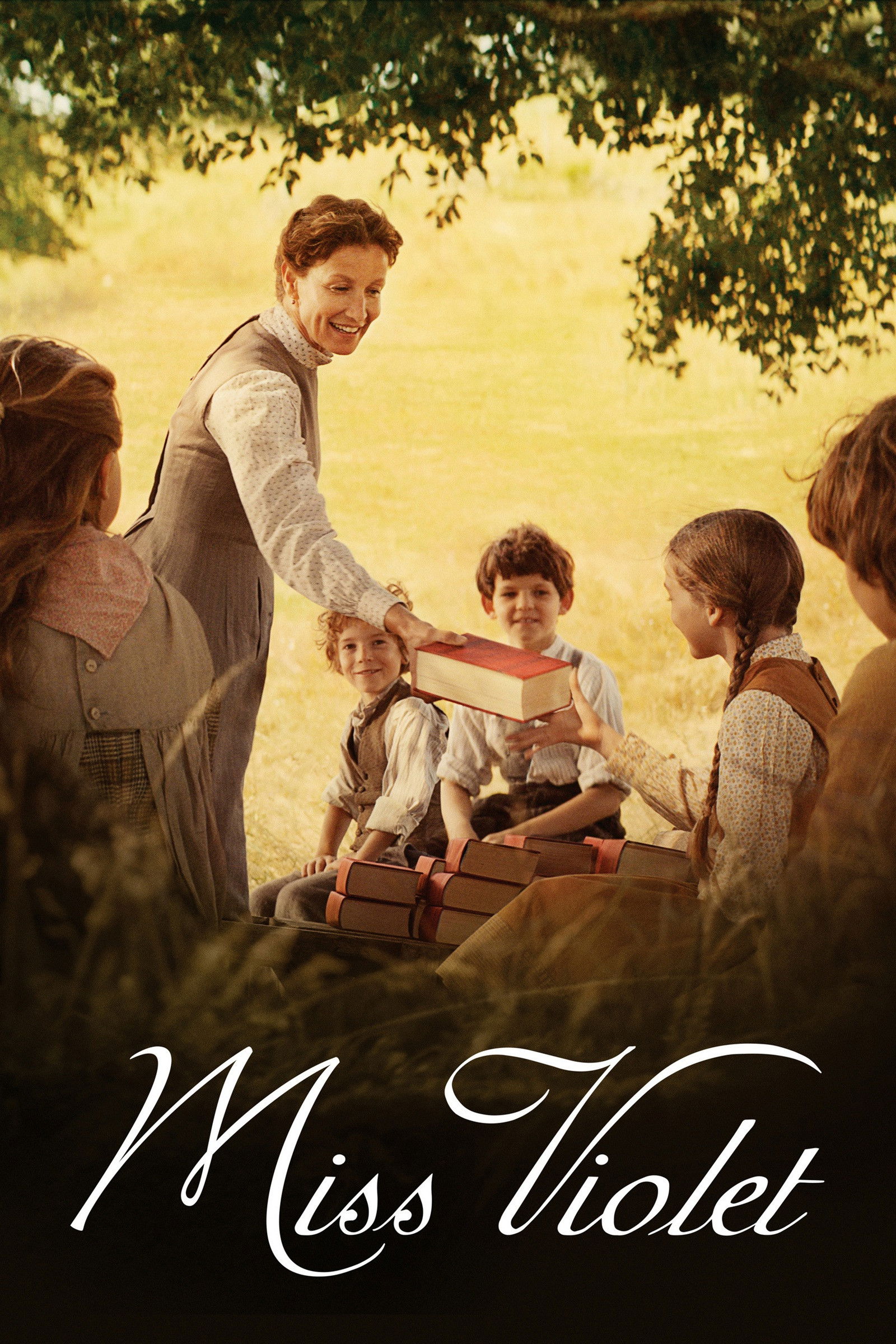
France. End of the 19th century. Louise Violet 40, a Parisian teacher, is sent on a mission to the French countryside. But in a place where the daily life is linked to the seasons, land and crops, she must first convince parents to send their kids to school. With the help of the mayor, she is gradually accepted by the parents and their children. But soon, her past catches up with her. Despite the obstacles she faces, Miss Violet will give her heart and soul to her belief that education is the key to freedom.
June, 1940. France collapses and signs the armistice. In the midst of the chaos, one man refuses to give up. Alone against the odds, this unknown general flees to London to save what remains of freedom.
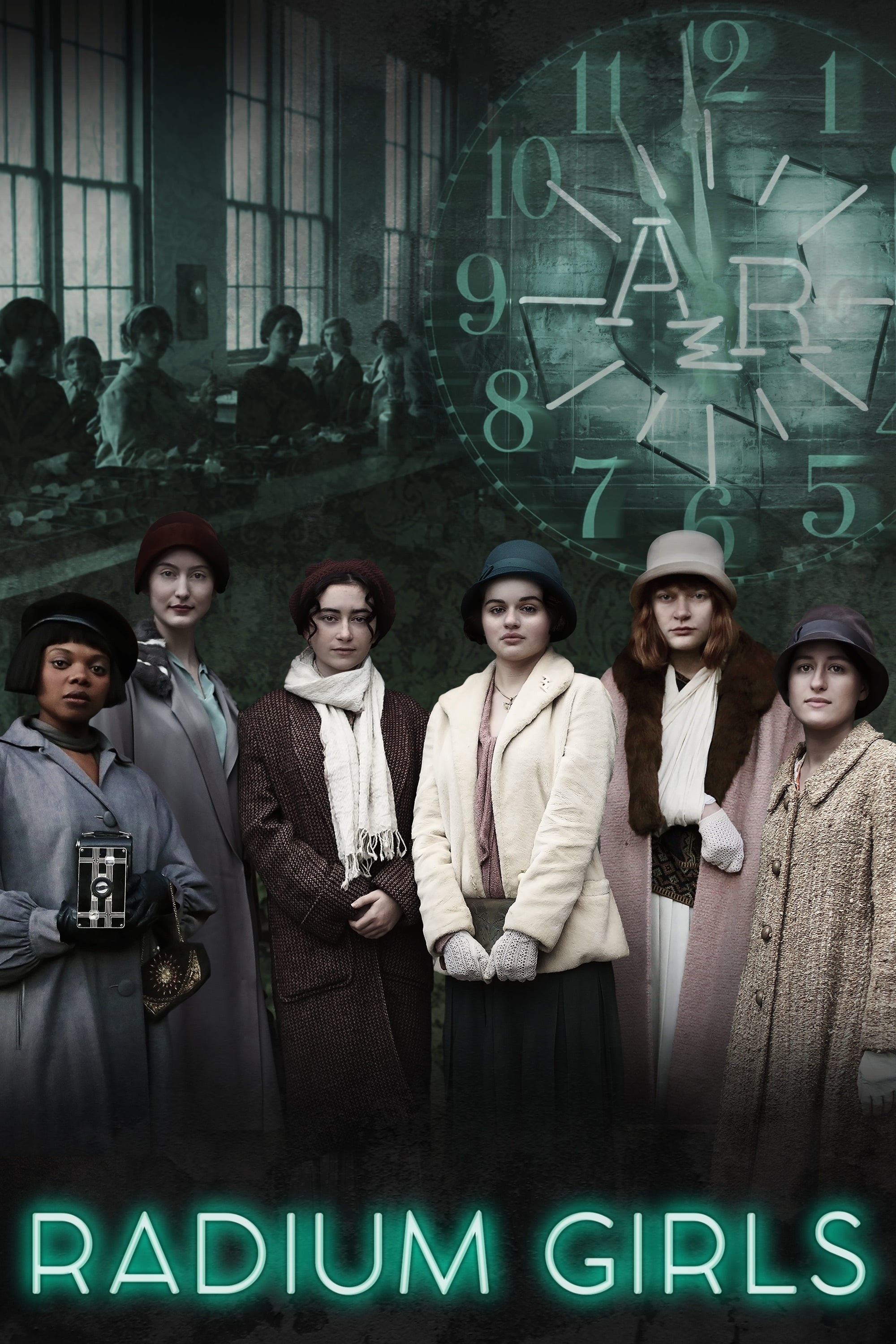
Young women toiling in a factory are exposed to hazardous material which takes a disastrous toll on their health.
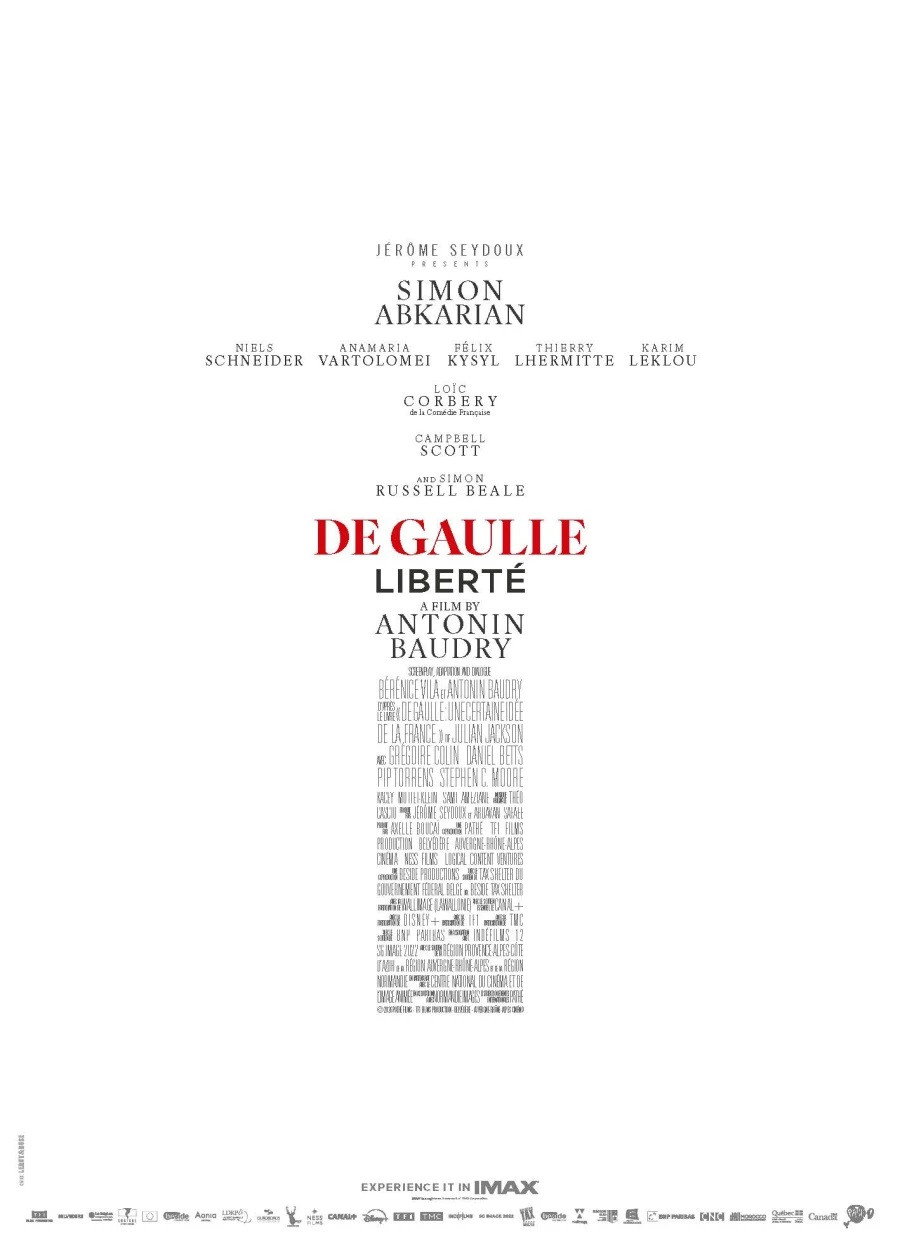
Part two of a two-part biopic following French army officer Charles De Gaulle's life and political commitment between 1940 and 1945, and trace his development towards a political career.
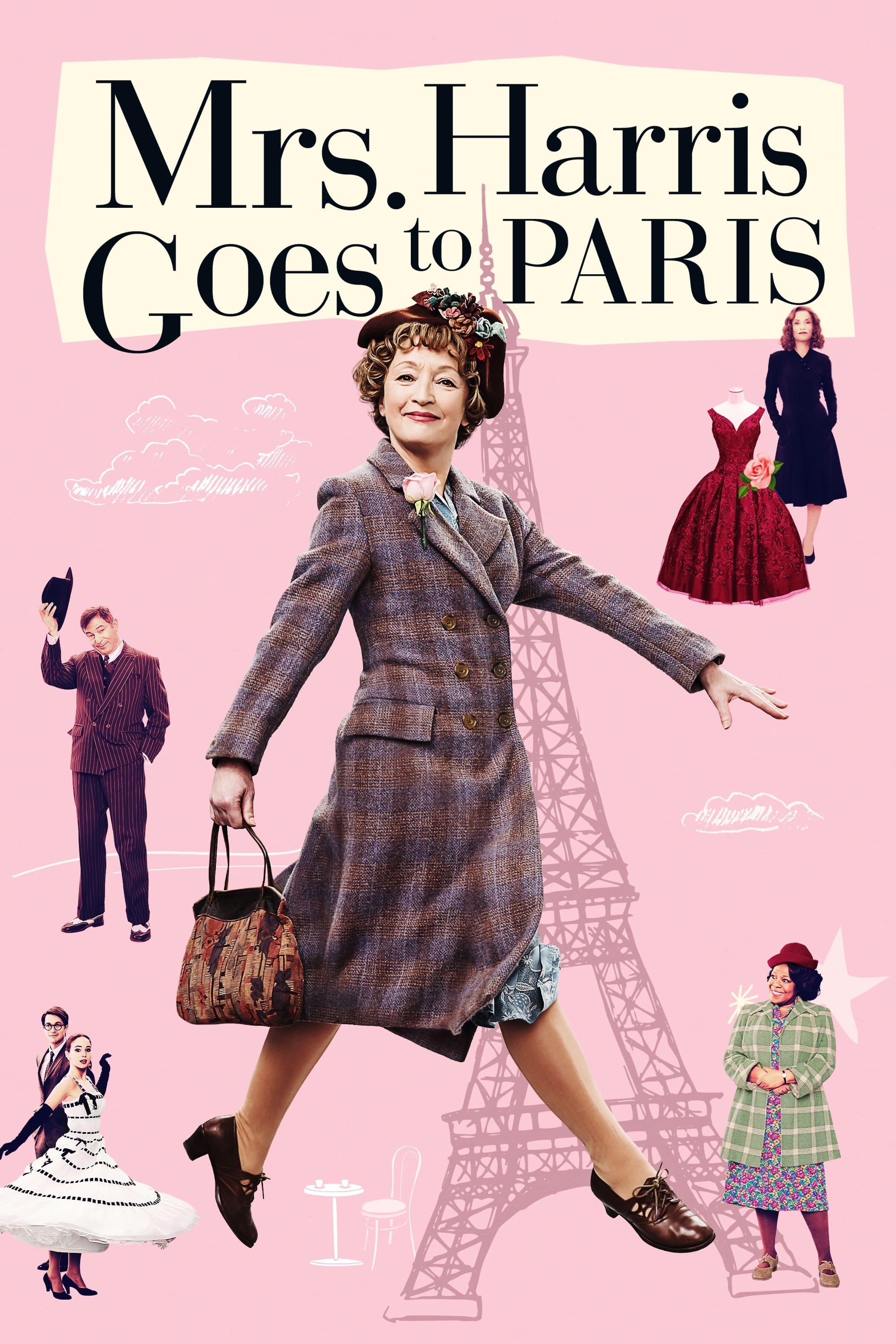
A 1950s London cleaning lady falls in love with an haute couture dress by Christian Dior and decides to gamble everything for the sake of this folly.
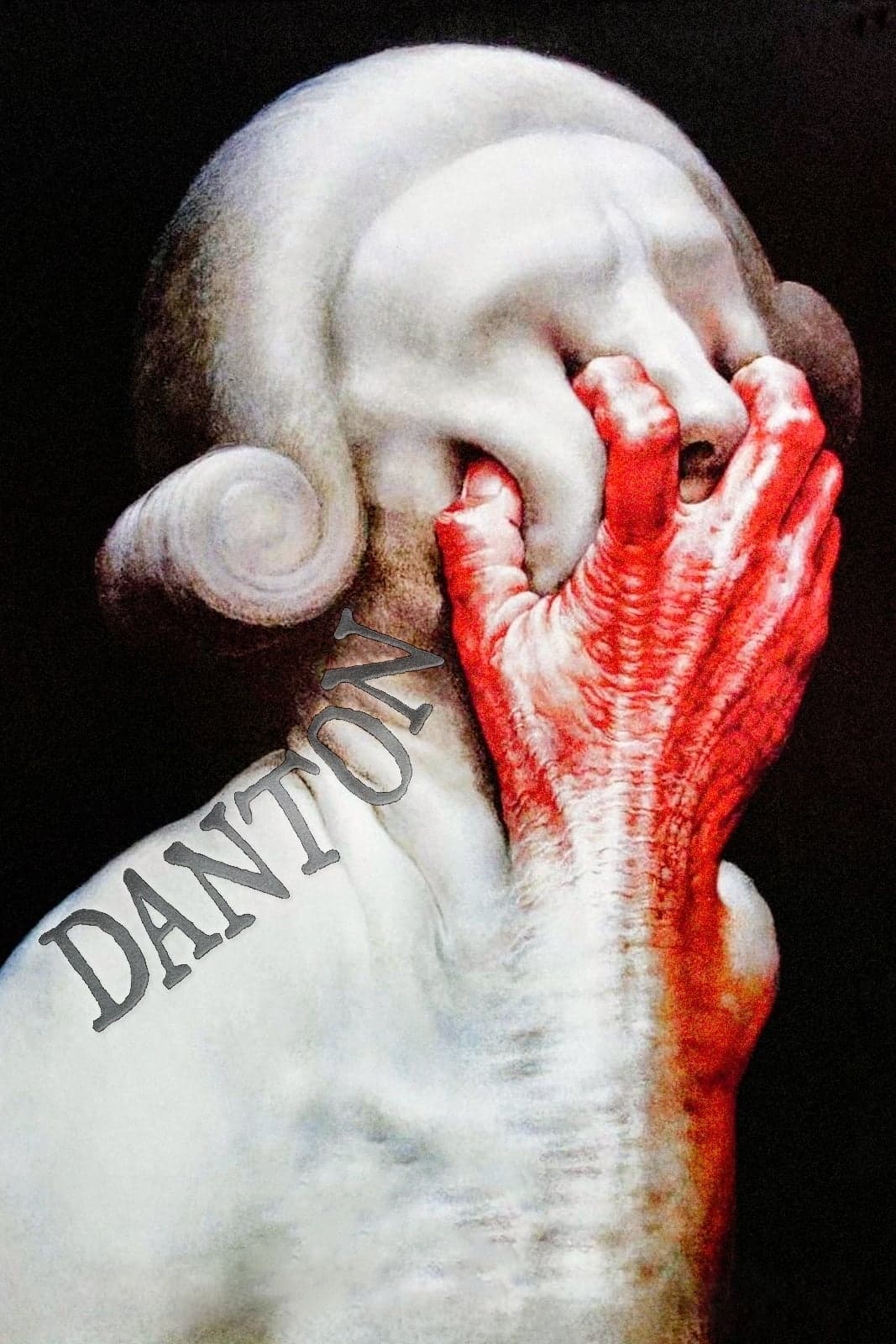
Danton and Robespierre were close friends and fought together in the French Revolution, but by 1793 Robespierre was France's ruler, determined to wipe out opposition with a series of mass executions that became known as the Reign of Terror. Danton, well known as a spokesman of the people, had been living in relative solitude in the French countryside, but he returned to Paris to challenge Robespierre's violent rule and call for the people to demand their rights. Robespierre, however, could not accept such a challenge, even from a friend and colleague, and he blocked out a plan for the capture and execution of Danton and his allies.