"Malvinas: La Historia De Una Farsa"
Documentary on the Falklands War of 1982
Social & External
Self
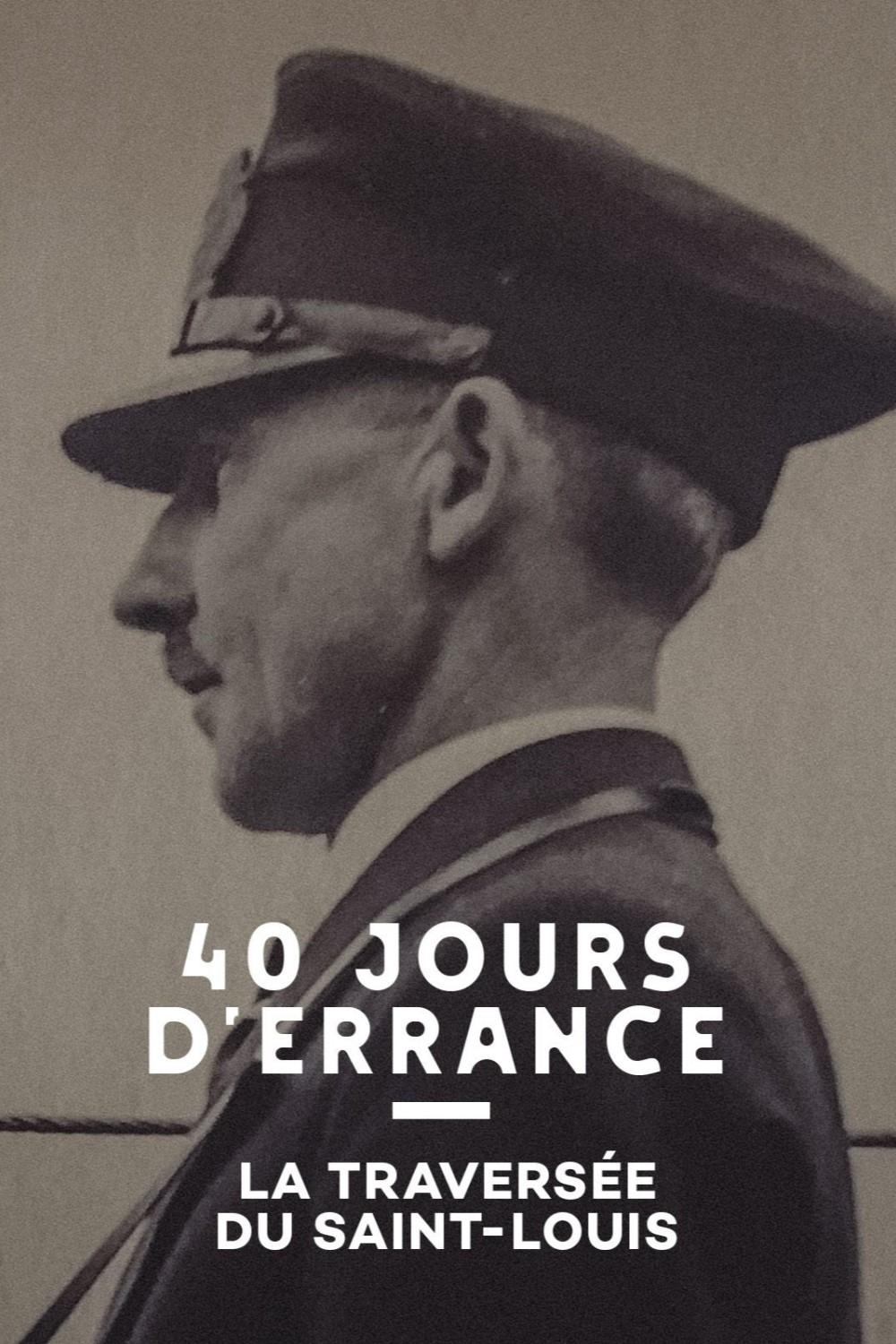
Between June 1940 and August 1944, Otto Abetz, German ambassador in Paris, and Fernand de Brinon, ambassador of the Vichy regime in Paris, met almost daily and developed official collaboration between the governments of Vichy and Nazi Germany.
This documentary posits that war and confrontation between superpowers spell doom for humanity. A film warning about all aspects of nuclear danger.
The Law of Silence, a final-year documentary by Moïra Chappedelaine-Vautier at Femis, examines the 1963 Amnesty Law and the consequences it had on studies of the Algerian War. It brings together interviews conducted in 2002 with Henri Alleg, editor of the daily newspaper Alger Républicain from 1951 to 1955, and Pierre Vidal-Naquet, historian and essayist. It also features incredible statements from General Massu and lawyers unraveling the various legal defenses of people like Jean-Marie Le Pen. Not only does Moïra have her father, René Vautier, speak, but she also includes footage he himself filmed forty years earlier. A very interesting report, which notably reminds us that the Amnesty is not a pardon but the erasure of the sentence and also of the crime itself.
Described by some military commanders as the deadliest urban combat since World War II, the battle to drive ISIS out of Mosul as the terror group held civilians captive there was brutal and grueling. Shot over the course of the entire nine-month fight, this vivid documentary follows the experiences of four young soldiers in a team of Iraqi Special Forces tasked with leading the battle.
To mark 30 years since the Falklands War, this documentary follows three men back to the islands. For veteran Simon Weston, the journey is an opportunity to experience some of the stunning wildlife on Sea Lion Island.
Zimbabwean landmine clearers Shame and Cosimas, as well as medic Previous have been traveling to the other side of the world for years to clear mines in the British Falkland Islands. In the subpolar cold, between sand dunes and penguins, they defuse and blow up the legacies of a forgotten war.
From empire to ashes-Japan's rise, war, and reckoning. A gripping journey through ambition, conflict, and the cost of a nation's destiny.
The end of World War II brings Europe a new political system, reshapes national and personal identities. Three women from Milan, Paris and Berlin report on the days of liberation in their diaries. Their personal stories expand the historical picture and make LIBERATION DIARIES a chronicle of female self-empowerment, resistance and resilience.

The SS chief Heinrich Himmler wanted to exchange Jews against so-called German Reich abroad, against arms sales or for cash - with the express approval of Hitler.
Archival footage, animation and music are used to look back at the eight anti-war protesters who were put on trial following the 1968 Democratic National Convention.
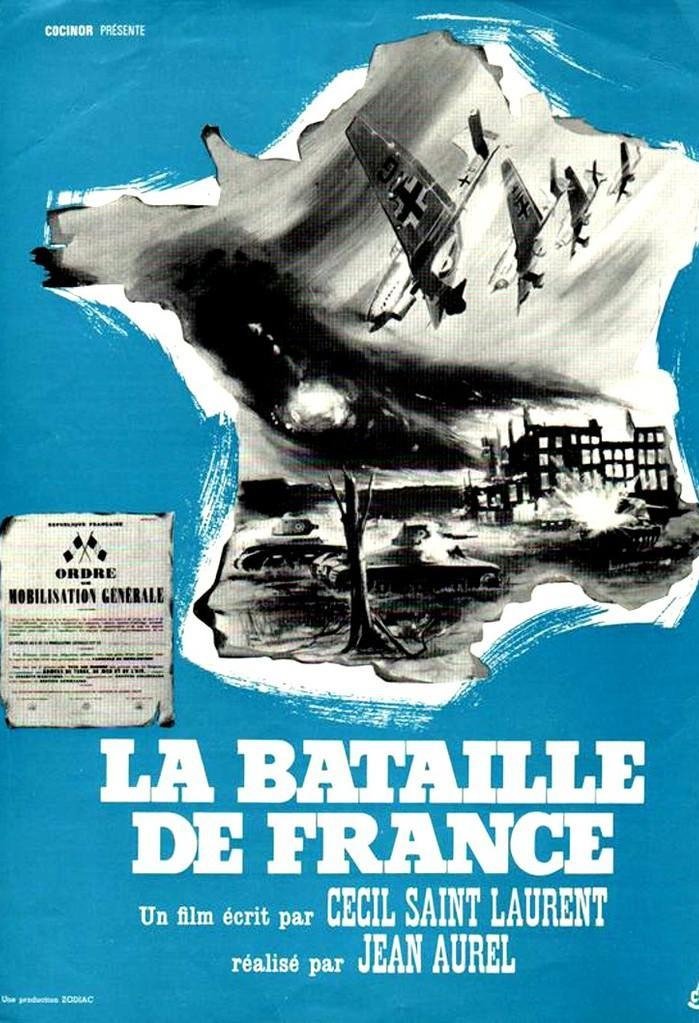
From May 10, 1940, France is living one of the worst tragedies of it history. In a few weeks, the country folds, and then collapsed in facing the attack of the Nazi Germany. On June 1940, each day is a tragedy. For the first time, thanks to historic revelations, and to numerous never seen before images and documents and reenacted situations of the time, this film recounts the incredible stories of those men and women trapped in the torment of this great chaos.
A montage of newscasts tracing the events of the "damned war" and the German invasion of 1940.
They are just 20 years old and are fighting against the Islamic State in the Syrian Kurdish regions. In a region of the world where women normally have to walk three steps behind men, the fact that they are under arms together with their brothers is of particular significance. Their colorful scarves and their courage have made them famous.
The documentary recounts the world's first nuclear attack and examines the alarming repercussions. Covering a three-week period from the Trinity test to the atomic bombing of Hiroshima, the program chronicles America's political gamble and the planning for the momentous event. Archival film, dramatizations, and special effects feature what occurred aboard the Enola Gay (the aircraft that dropped the bomb) and inside the exploding bomb.
An experimental documentary that explores Saudi Arabia's relationship with the U.S. and the role this has played in the war in Afghanistan.
A woman narrates the thoughts of a world traveler, meditations on time and memory expressed in words and images from places as far-flung as Japan, Guinea-Bissau, Iceland, and San Francisco.
Filmmaker Alain Resnais documents the atrocities behind the walls of Hitler's concentration camps.
This sports documentary tells the story of the Williams Formula 1 team founded by the legendary Sir Frank Williams
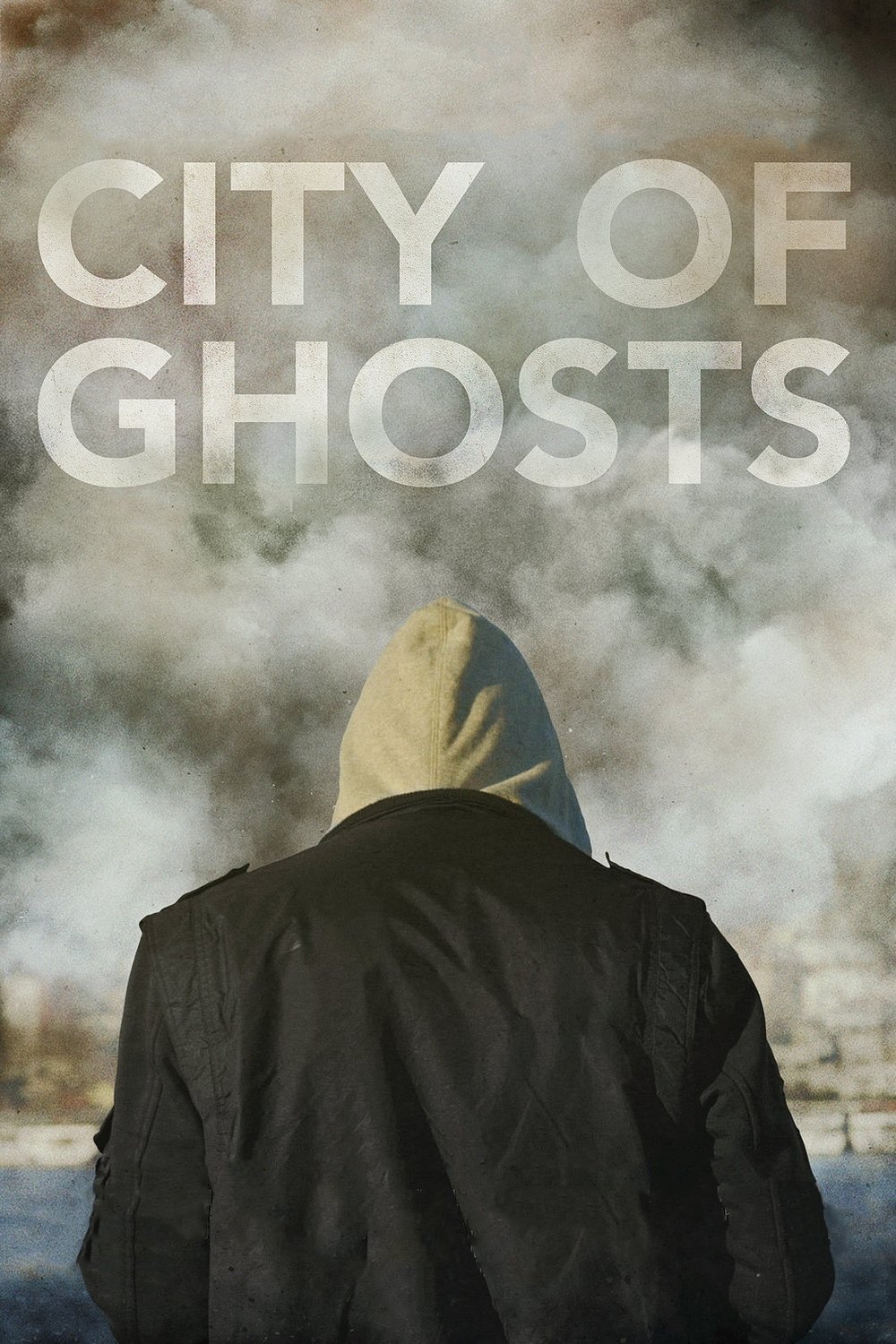
With unprecedented access, this documentary follows the extraordinary journey of “Raqqa is Being Slaughtered Silently”—a group of anonymous citizen journalists who banded together after their homeland was overtaken by ISIS—as they risk their lives to stand up against one of the greatest evils in the world today.
A depiction of life in wartime Britain during the Second World War. Director Humphrey Jennings visits many aspects of civilian life and of the turmoil and privation caused by the war, all without narration.
Amber Heard and Nicole Kidman discuss their characters Mera and Atlanna.
A documentary focused on plastic pollution in the world's oceans.
Romm pulls out all the stops in its selection of documentary material to draw the viewer not only into absolute horror about fascism and nazism in the 1920s–1940s Europe, but also to a firm conviction that nothing of the sort should be allowed to happen again anywhere in the world.
This documentary looks at the Danish resistance movement's execution of 400 informers during the Nazi occupation and the ensuing cover-up.
This documentary movie is about the battle of San Pietro, a small village in Italy. Over 1,100 US soldiers were killed while trying to take this location, that blocked the way for the Allied forces from the Germans. Preserved by the Academy Film Archive in 2005.
A visual montage portrait of our contemporary world dominated by globalized technology and violence.
Korengal picks up where Restrepo left off; the same men, the same valley, the same commanders, but a very different look at the experience of war.
A documentary on the life of John Lennon, with a focus on the time in his life when he transformed from a musician into an antiwar activist.
The making of Matrix Revolutions, The (2003) is briefly touched on here in this documentary. Interviews with various cast and crew members inform us how they were affected by the deaths of Gloria Foster and Aaliyah, and also delve into the making of the visual effects that takes up a lot of screen time. Written by Rhyl Donnelly
Behind the scenes look at fight choreography and action training.
A detailing of the rise to prominence and global sporting superstardom of six supremely talented young Manchester United football players (David Beckham, Nicky Butt, Ryan Giggs, Paul Scholes, Phil and Gary Neville). The film covers the period 1992-1999, culminating in Manchester United's European Cup triumph.
This documentary by Joe Berlinger and Bruce Sinofsky details the murder trial of Delbert Ward. Delbert was a member of a family of four elderly brothers, working as semi-literate farmers and living together in isolation from the rest of society until William's death.
From the heights of her modeling fame to her tragic death, this documentary reveals Anna Nicole Smith through the eyes of the people closest to her.
Prelude to War was the first film of Frank Capra's Why We Fight propaganda film series, commissioned by the Pentagon and George C. Marshall. It was made to convince American troops of the necessity of combating the Axis Powers during World War II. This film examines the differences between democratic and fascist states.
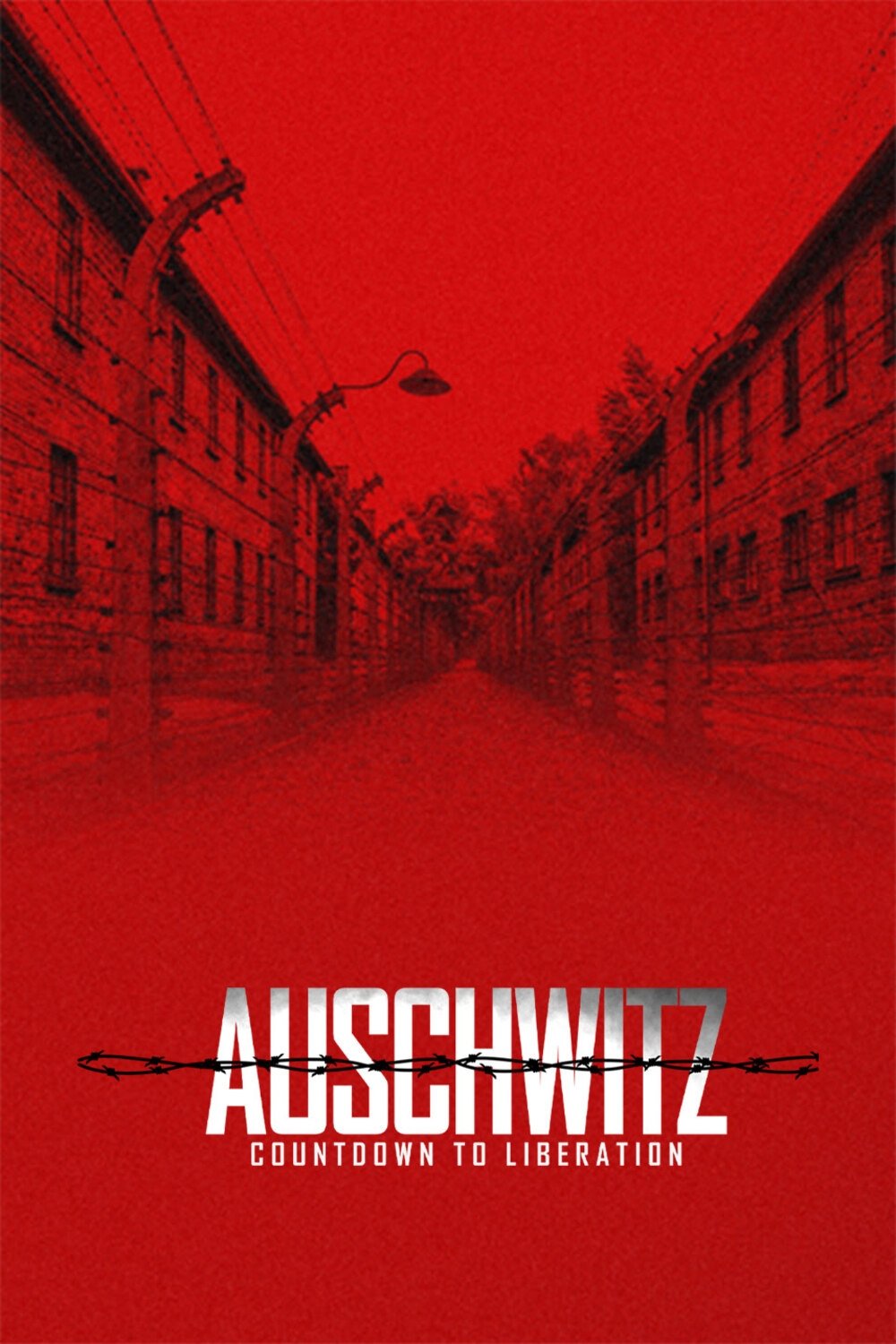
When Allied forces liberated the Nazi concentration camps in 1944-45, their terrible discoveries were recorded by army and newsreel cameramen, revealing for the first time the full horror of what had happened. Making use of British, Soviet and American footage, the Ministry of Information’s Sidney Bernstein (later founder of Granada Television) aimed to create a documentary that would provide lasting, undeniable evidence of the Nazis’ unspeakable crimes. He commissioned a wealth of British talent, including editor Stewart McAllister, writer and future cabinet minister Richard Crossman – and, as treatment advisor, his friend Alfred Hitchcock. Yet, despite initial support from the British and US Governments, the film was shelved, and only now, 70 years on, has it been restored and completed by Imperial War Museums under its original title "German Concentration Camps Factual Survey".