Social & External
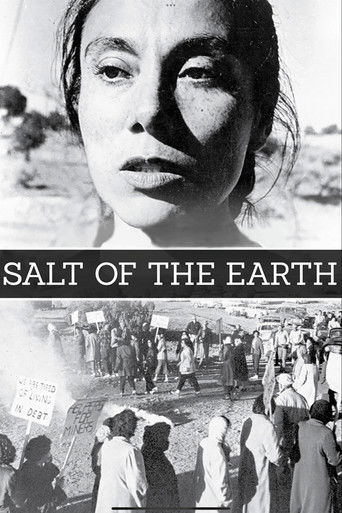
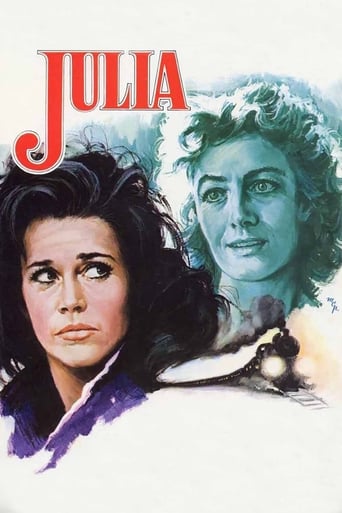
Chica em 1969
Chica em 1988
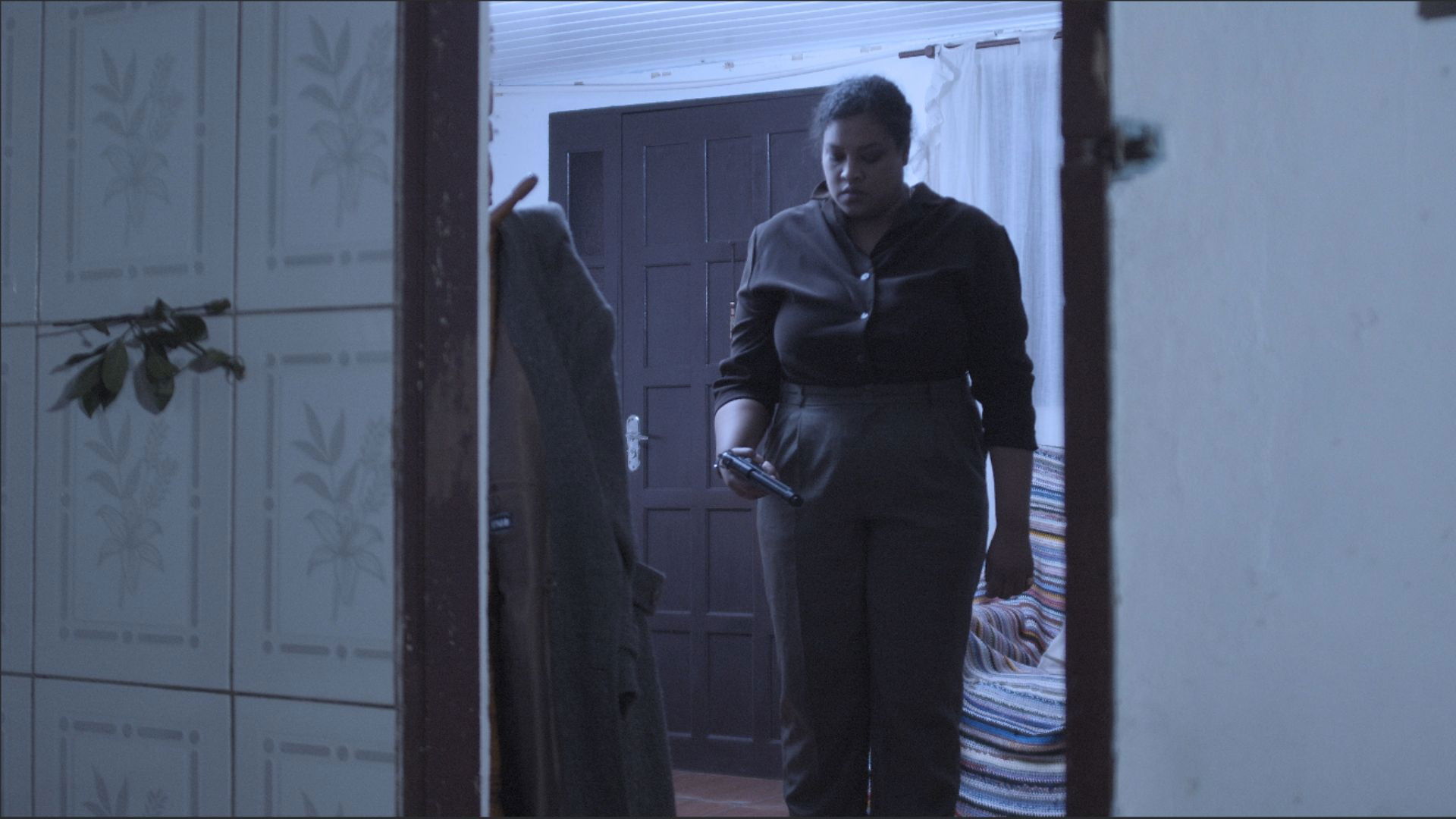
Silva
Anne
Irandhir AKA Carlos
Agente #01
Agente #02
One day, Renato and Adriano decide not to work. They walk through the streets of Capão, while a film crew steals some shots.
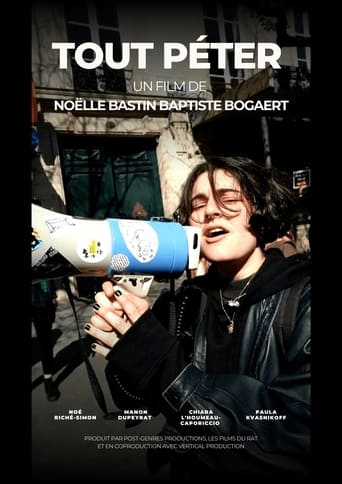
A small group of French students are studying Mao, trying to find out their position in the world and how to change the world to a Maoistic community using terrorism.
The epic tale of a class struggle in twentieth century Italy, as seen through the eyes of two childhood friends on opposing sides.
A video essay that seeks to represent, study and pay homage to the North American filmmaker Cecelia Condit, covering all of her film work and video installation, portraying her through devices of semiotics, aesthetics and cinematographic language.
Residents of a rundown boardinghouse in 19th-century Japan, including a mysterious old man and an aging actor, get drawn into a love triangle that turns violent. When amoral thief Sutekichi breaks off his affair with landlady Osugi to romance her younger sister, Okayo, Osugi extracts her revenge by revealing her infidelity to her jealous husband.
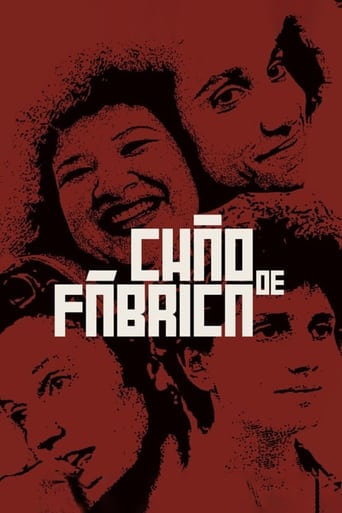
1979. Four female workers have lunch break inside the ladies' room, at a metallurgical factory. Between laughs and scuffles, each one has a secret of their own.
A wealthy, self-absorbed Rome socialite is racked by guilt over the death of her young son. As a way of dealing with her grief and finding meaning in her life, she decides to devote her time and money to the city’s poor and sick. Her newfound, single-minded activism leads to conflicts with her husband and questions about her sanity.
Argentina, 1976. Severina meets a mysterious girl in a cemetery. Together, they evade the danger of the green cars used by the military-civilian dictatorship to carry out kidnappings. Severina will discover a story that will change her life forever.
At the time of Tunisian independence, owners of large boats decide to sell, while many small fishermen soon find themselves without work. Their wives then decide to pool their gold rings to sell them and thus buy boats.
Young African-Brazilian Miguel drives across the country in search of a long-lost relative to find out about his ancestry. However, a deeper understanding emerges through his encounters along the way.
"No one loves anyone for more than two years" is an adaptation of Nelson Rodrigues' work about five couples that live in Brazil in the early 60's, who are seen by the society as conventional people, but whose intimate lives turn out to be morally questionable.
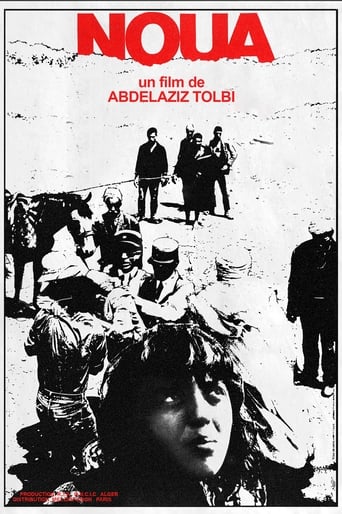
Maamar (Sid Ali Kouiret), a young fisherman working in a small port in western Algeria, is forced to sell his goods at a discount every day to Si Khelifa (Abdelhalim Rais), owner of many trucks and a cannery where the wives work fishermen. He has a strange encounter. As he returns from fishing, bassinet in hand, he witnesses a car accident. Indeed, a car hits a tree with a beautiful girl “Hayat” on board who has lost consciousness. Maamar pulls her out of the car and saves her. It is at this precise moment that he realizes the existence of another world. As if awakened from a long sleep, he realizes that this exploitation can no longer continue. He leaves his village and his wife Laâlia (Fatima Belhadj) on a whim for three years. He finds himself in the capital which he leaves to return to his village and carry out a saving action...
Soviet animation from Vladimir Tarasov.
Many socially-concerned priests in Catholic Latin America have at some time left their parish churches to go and work in the fields and factories of the poor. Such priests, usually adherents of "liberation theology," are called "worker-priests." This Chilean film tells the story of how one man became a "worker-priest" and won the trust of the poor.
In this remake the Bertolucci's 1900, Olmo Dalco and Alfredo Berlingheiri's complicated friendship and struggles with the constantly changing political scope are chronicled as well as the rise of fascism and the communist revolution.
The story of a lone father's relationship with his daughter, of the destructive power of alcohol, of a child's vulnerability, but also of love, betrayal and socialist politics in 1970s Sweden.