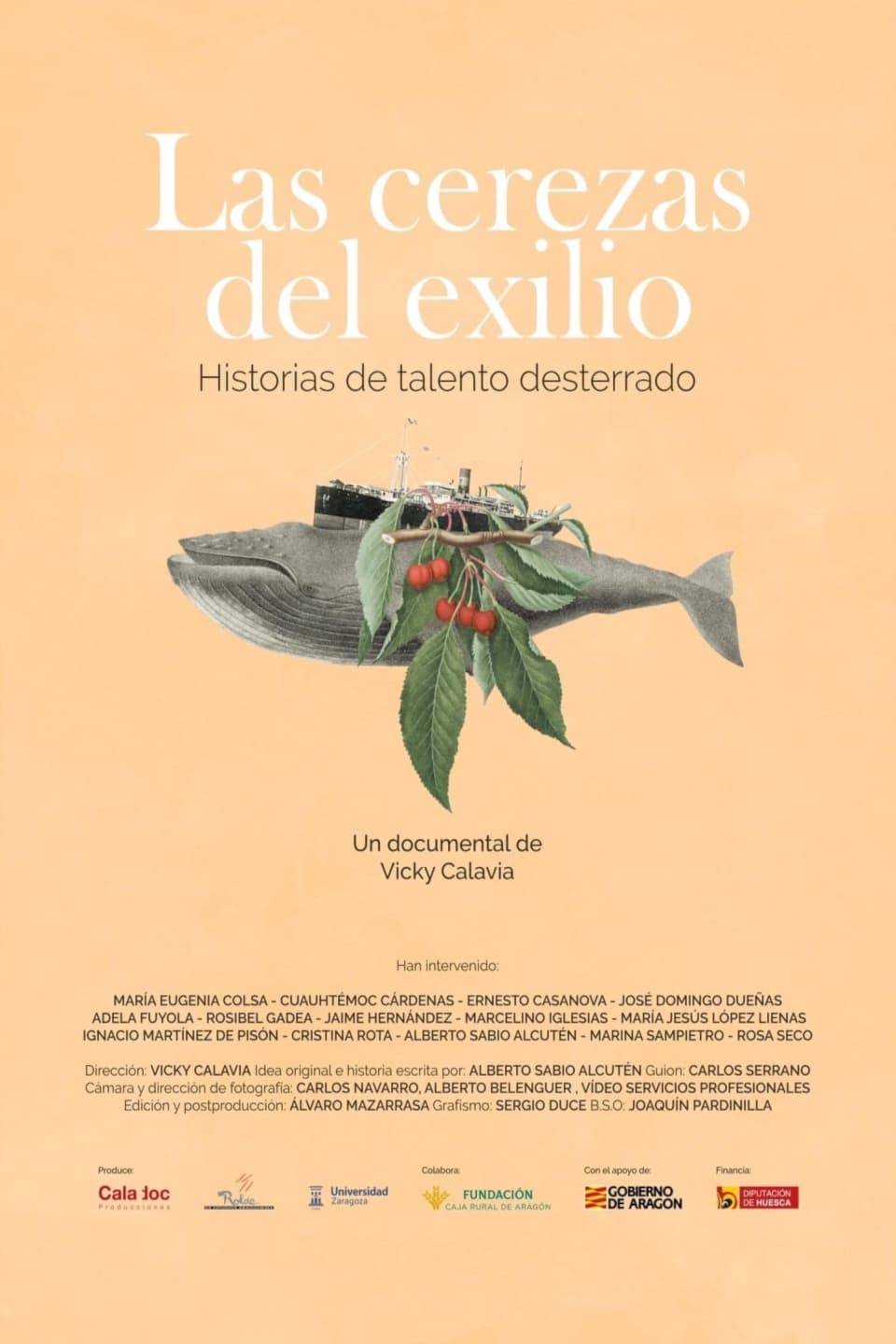
This film reveals testimonies, reflections and memories from the experience of many Aragonese who, after the Republican defeat in the civil war, had to cross the Atlantic in search of survival.
Social & External
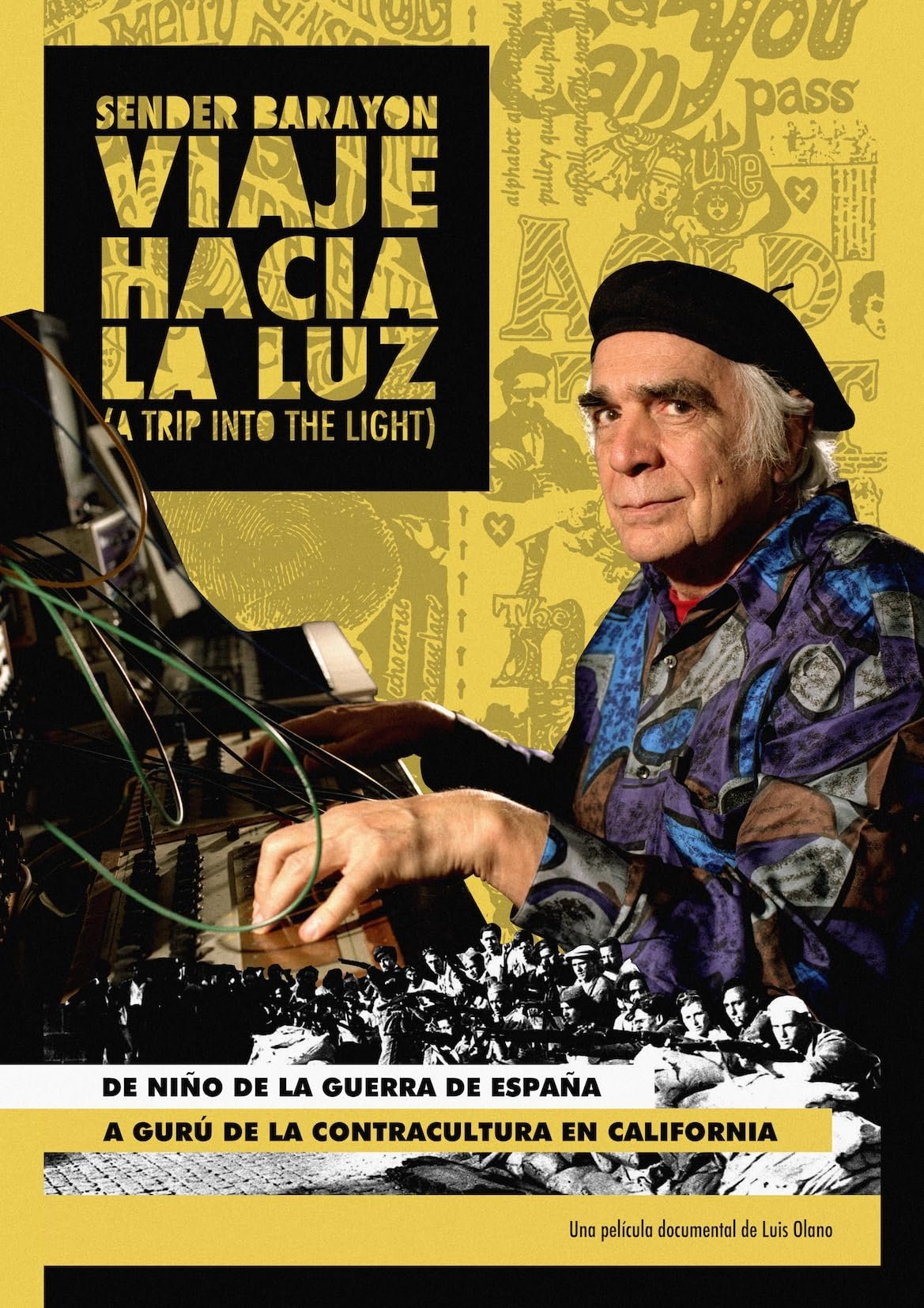
The story of the pioneering electronic composer Ramón Sender Barayón. From his escape from the Spanish Civil War to the California of psychedelia, hippies and counterculture.
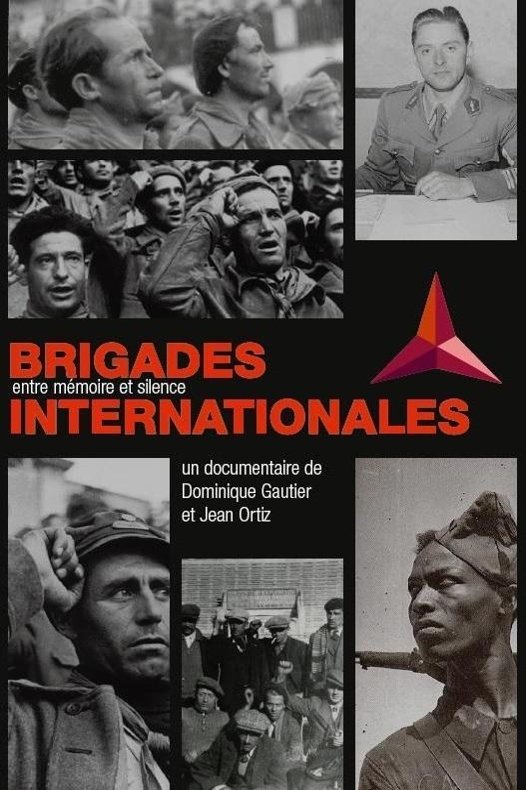
This documentary summarizes one of the most beautiful pages of contemporary history. Thousands of women and men, some "foreigners" wrote them: the page of anti-fascist solidarity with the Spanish Republic and its victorious Popular Front in February 1936 for some, and solidarity with the "revolution" for others; both causes for most of them.
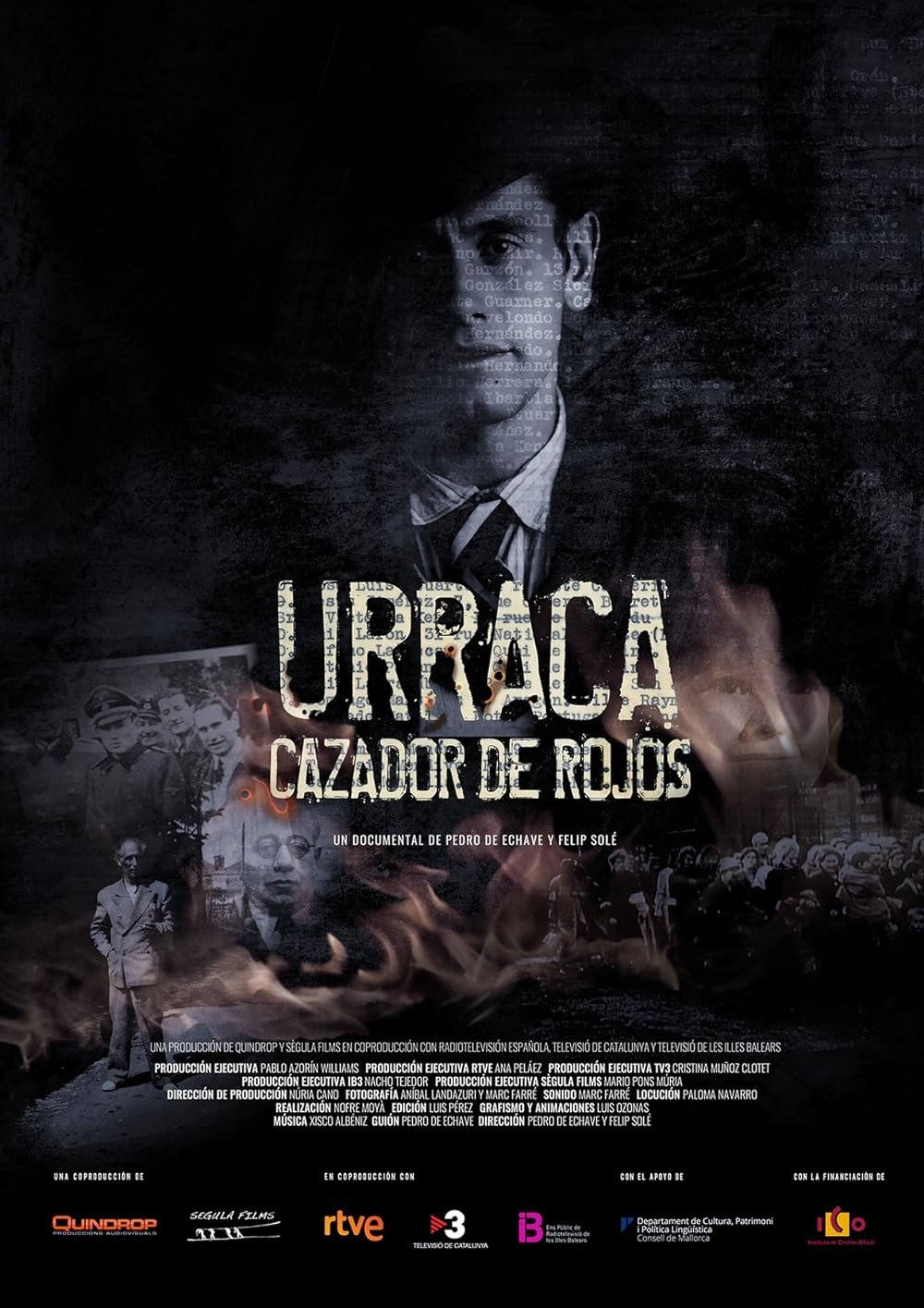
Pedro Urraca, Spanish policeman and Gestapo agent led the persecution of numerous Spanish Republican loyalists exiled in France during the Nazi occupation. The portrait of a sinister character through the testimony of his granddaughter.
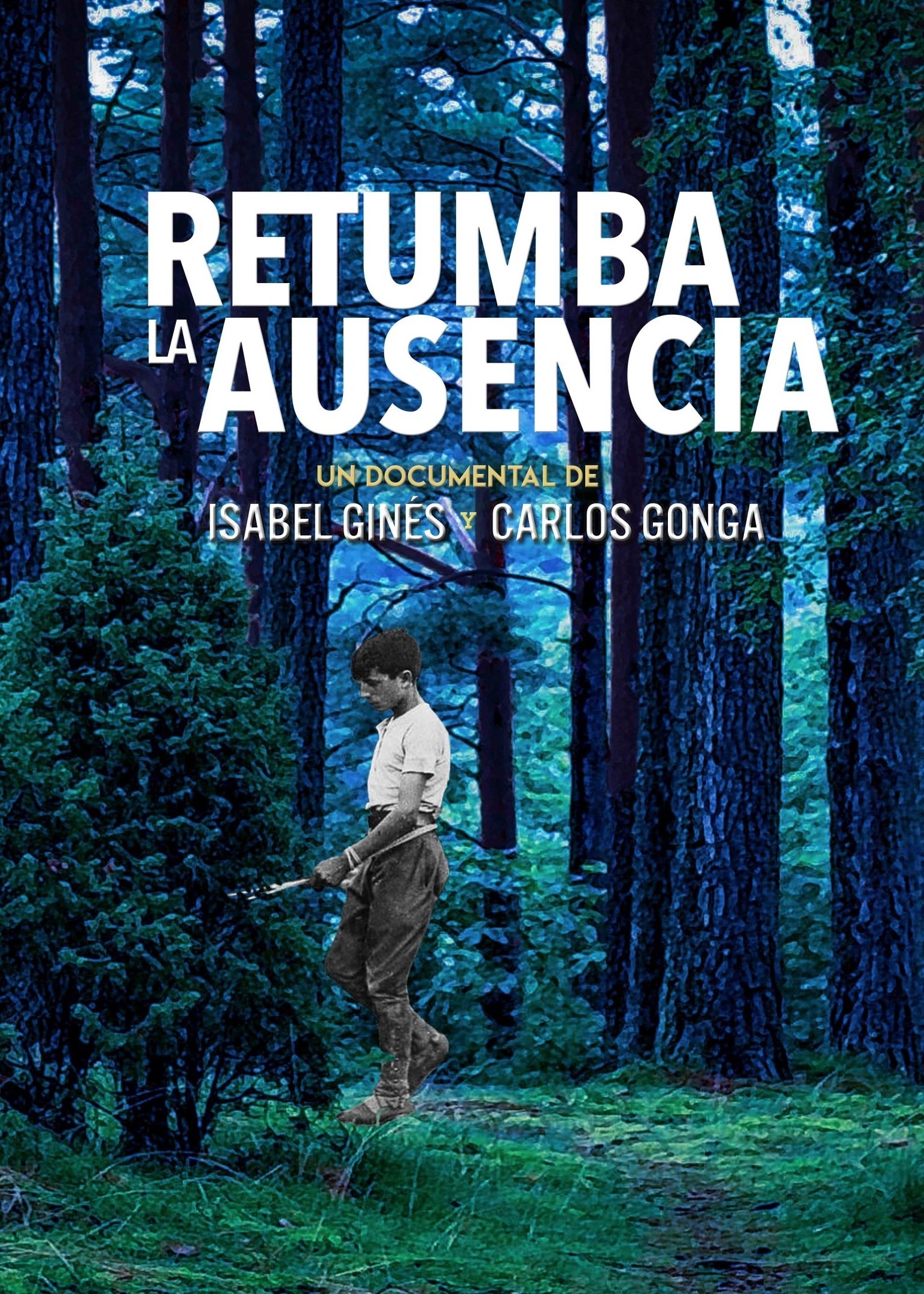
Documentary that recovers the memory of the neighbors who were victims of Franco's repression in the Tiétar Valley and the Sierra de San Vicente, in the province of Toledo, and surrounding towns. Many of them are listed as missing: they were made to disappear at dawn and their families never saw them again.
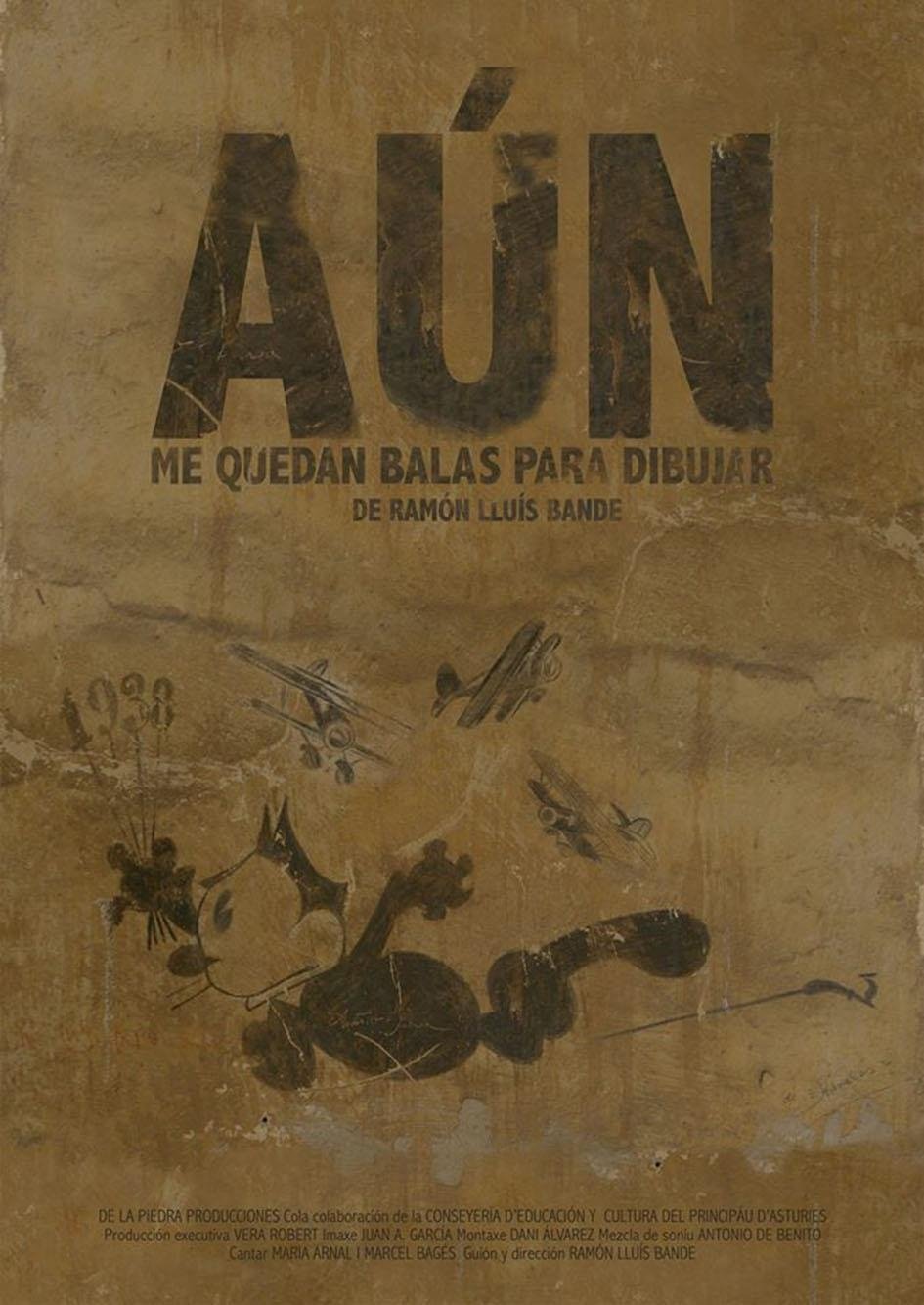
A new look at the Spanish Civil War, from the 'graffiti' drawn in the dungeons of Cangas del Narcea by political prisoners sentenced to death.
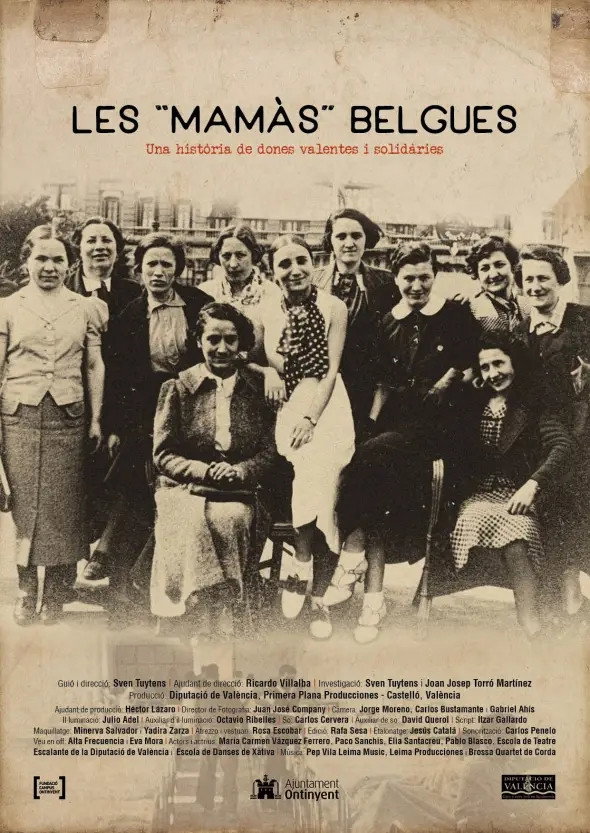
The documentary ‘Les mamàs Belgues’ directed by Sven Tuytens is the story of 21 young women from Belgium who volunteered in 1937 to work as nurses in a Valencian military hospital, looking after republican soldiers.
It tells the story of honorary consul Porfirio Smerdou, who saved the lives of 567 people in the Civil War.
Gijón was one of the most bombed cities on the northern front during the Spanish civil war. This documentary confronts, on the one hand, the images of a propaganda video made by the rebel side in 1937, with the images of abundant graphic material of the time, which show a very different reality of the city.
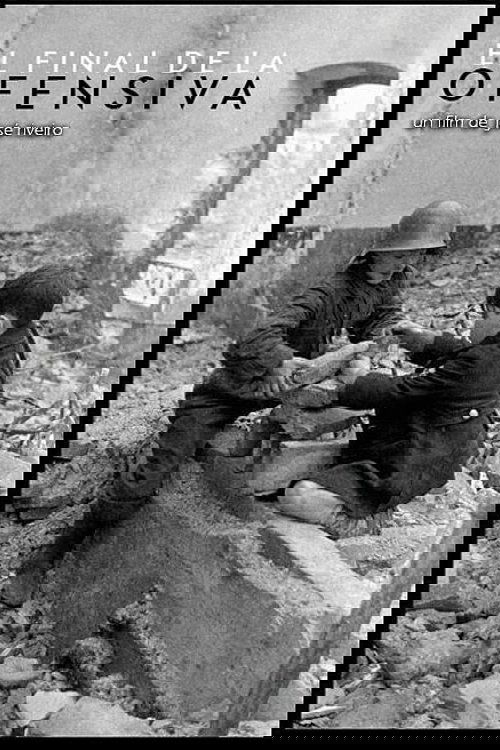
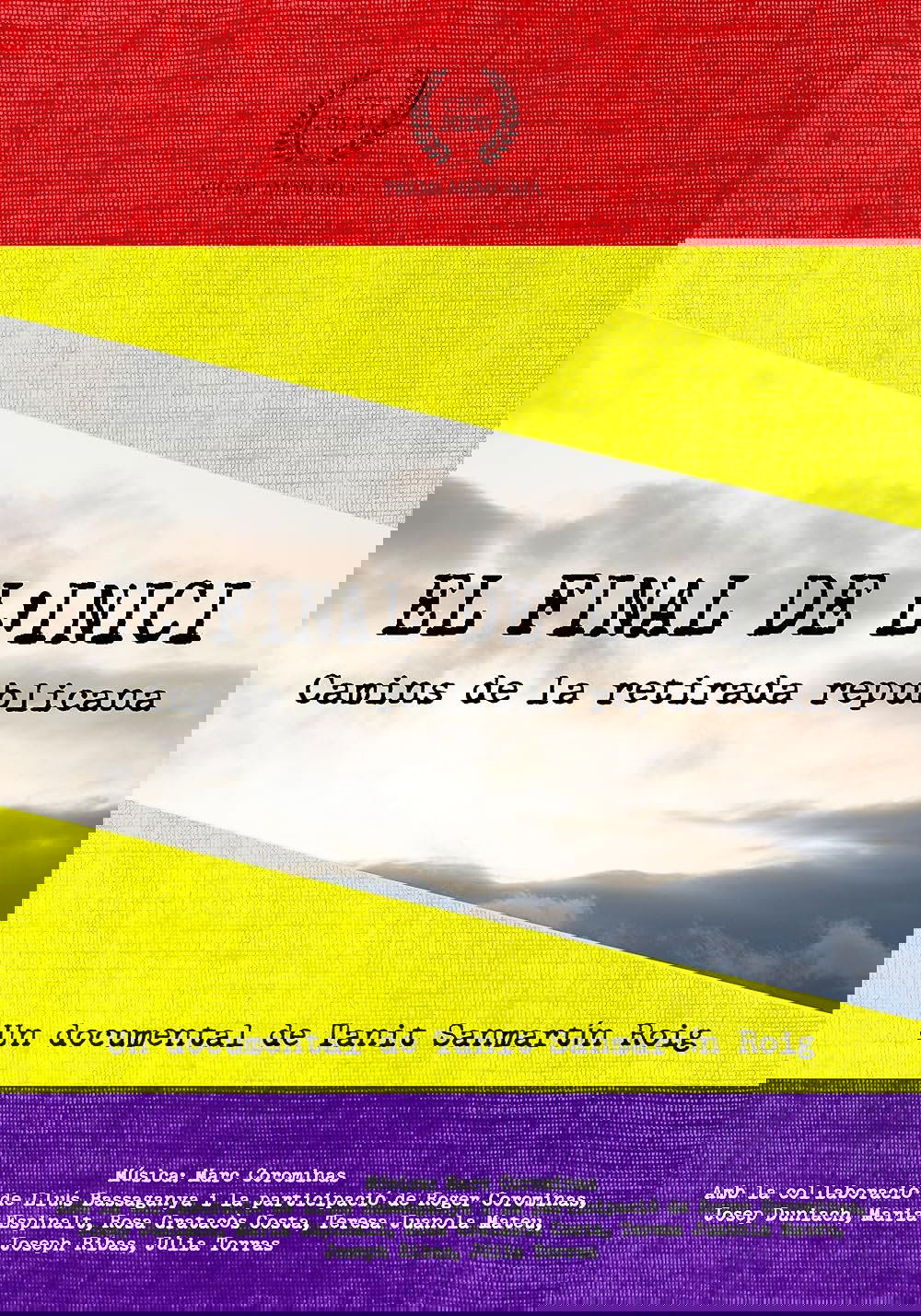
1939. Thousands of refugees were concentrated in the last republican sectors of Catalonia to cross into France. Through the Camprodon Valley, in the Pyrenean region of Ripollés, some 100,000 people crossed to the neighboring country: civilians, military, international brigades, including doctors and wounded. The war in Spain was ending, but soon another would begin. 100,000 people left their homes behind. Many would return, others would continue the fight.
After more than 75 years, Vicente Montejano tells us first-hand about his experience of more than 14 years in the Russian Gulag after the end of the Spanish Civil War.
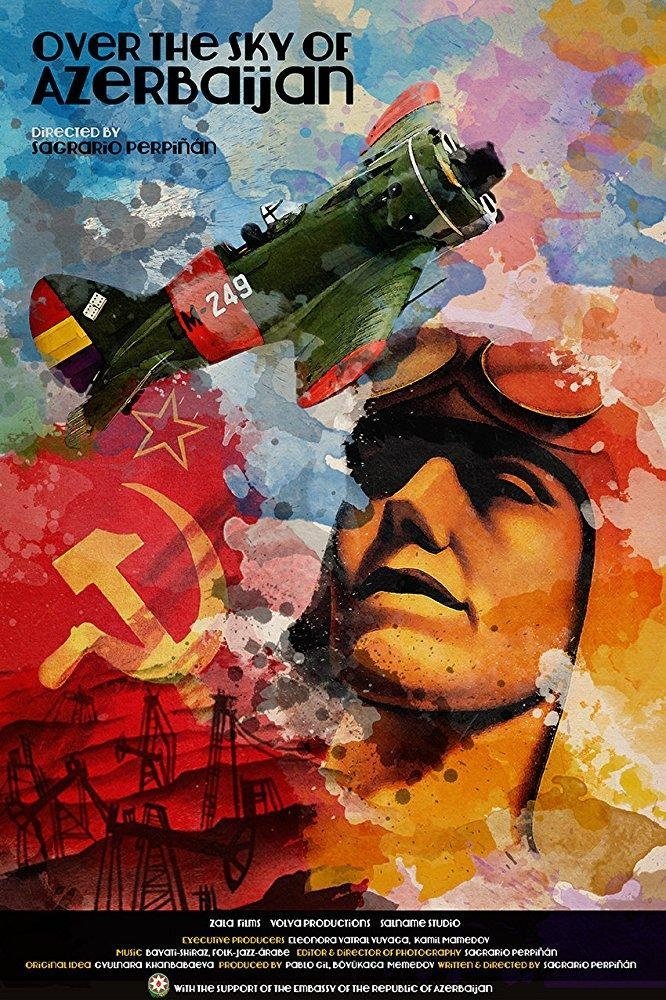
During the Spanish Civil War, more than 500 young Spanish pilots went through the Russian Aviation School in Kirovabad, former capital of the current Republic of Azerbaijan. Once the Spanish war was over, some of them remained in Soviet territory and continued their fight against Fascism on the side of the Russian army.
After the Civil War, between 20,000 and 30,000 Spaniards went into exile in Mexico. This was the country that welcomed the most exiles, after France.
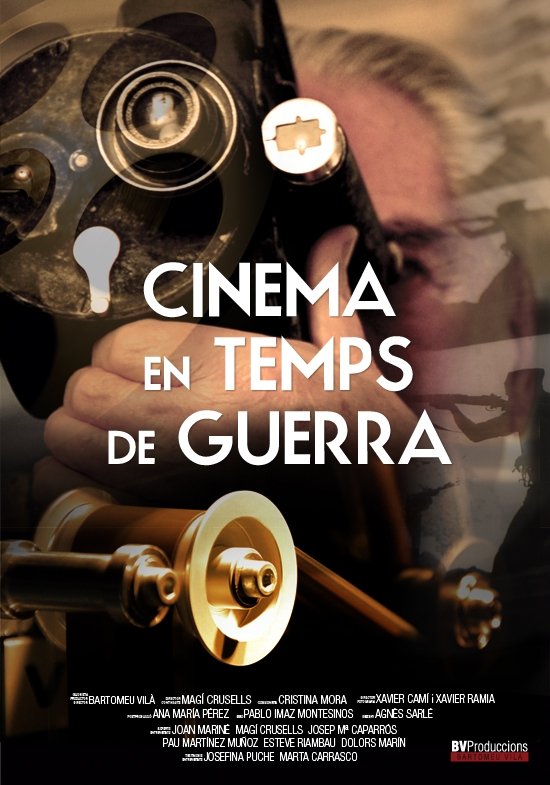
The documentary film by director Bartomeu Vilà relives the experiences of one of the last cinematographers of the Republic, Joan Mariné, exceptional witness to a moment in the history of Catalan cinema that, despite the economic precariousness, the lack of means and the difficult international circumstances, was characterized by its high production, never surpassed, and its innovation in forms and contents. Through the memories and experiences of Joan Mariné (Barcelona, 1920), the documentary takes a tour of the films he filmed during those years of contention, both with the Sindicat d'Espectacles de la CNT/FAI, and later with the production company of the Republican Generalitat, Laya Films.
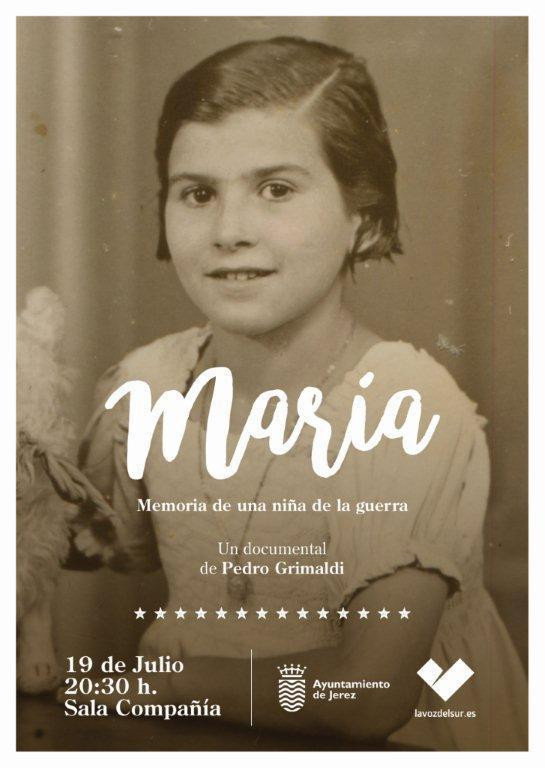
The film, directed by Pedro Grimaldi, with his mother as the protagonist, narrates the events unleashed in Jerez since the occupation of the military rebels on July 19, 1936. It is a tribute to the "wounded generation", the one who lost their childhood in the context of the war and the postwar period. Girls and boys who had to mature quickly. But, above all, it is a recognition of a generation of resilient, brave and fighting women who were doubly victims: by the violence of the war itself and by their status as women.
The adventurous life of Natacha Rambova (1897-1966), an American artist, born Winifred Kimball Shaughnessy, who reincarnated herself countless times: false Russian dancer, silent film actress, scenographer and costume designer, writer, spiritist, Egyptologist, indefatigable traveler, mysterious and curious; an amazing 20th century woman who created the myth of Rudolph Valentino.
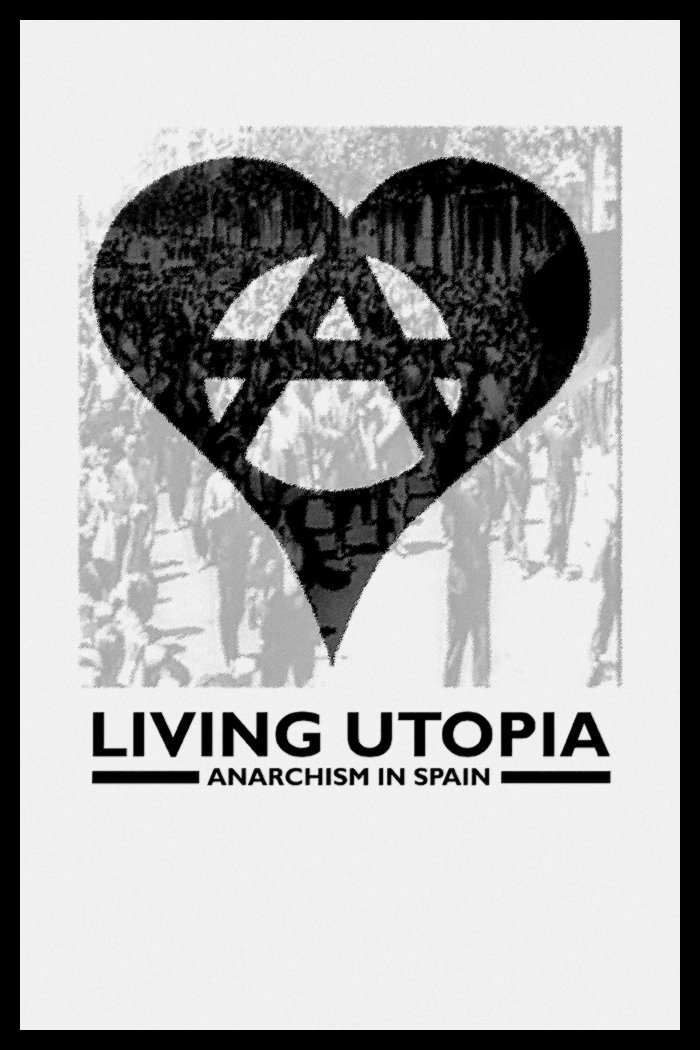
A retrospective look at the anarcho-syndicalist and anarcho-communist experience in Spain from 1930 until the end of the Civil War in 1939.
An account of the brief life of the writer Albert Camus (1913-1960), a Frenchman born in Algeria: his Spanish origin on the isle of Menorca, his childhood in Algiers, his literary career and his constant struggle against the pomposity of French bourgeois intellectuals, his communist commitment, his love for Spain and his opposition to the independence of Algeria, since it would cause the loss of his true home, his definitive estrangement.
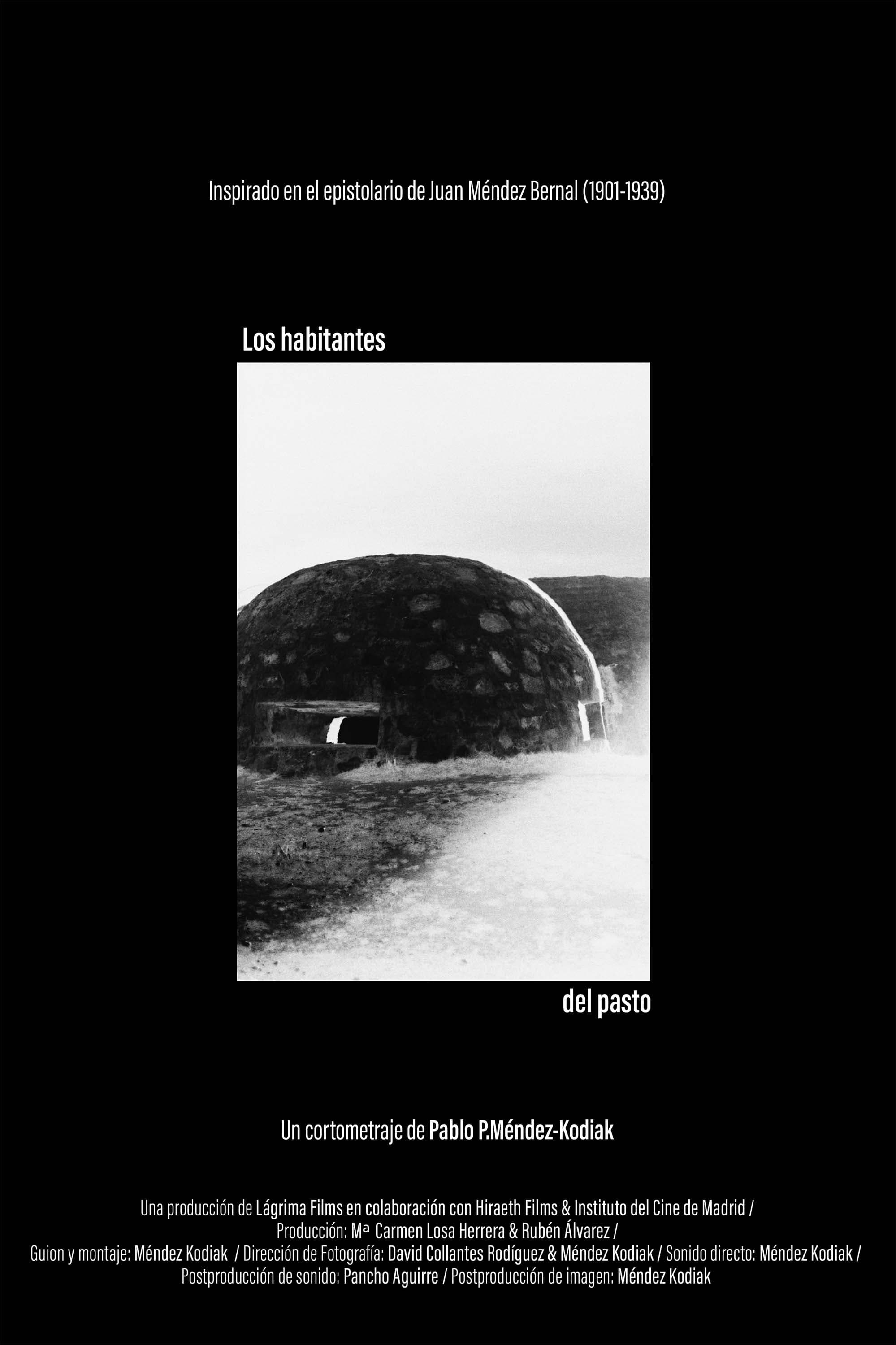
Juan Méndez Bernal leaves his house on the 9th of april of 1936 to fight in the imminent Spanish Civil War. 83 years later, his body is still one of the Grass Dwellers. The only thing that he leaves from those years on the front is a collection of 28 letters in his own writing.

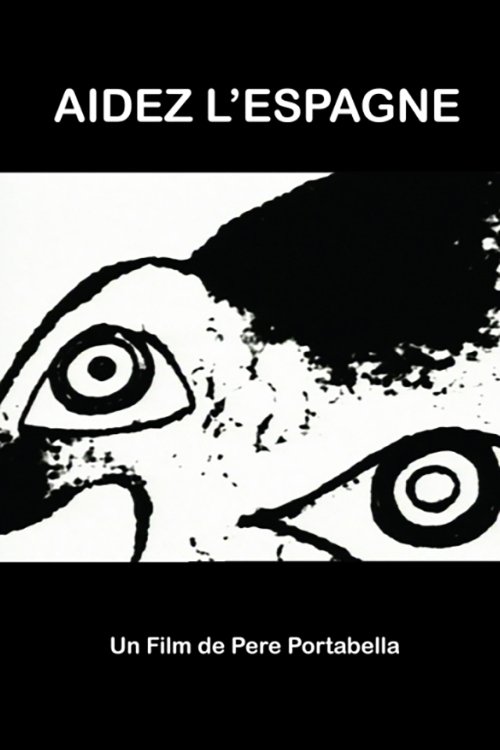
The Colegio de Arquitectos de Catalunya commissioned Pere Portabella to make this film for the Joan Miró retrospective exhibit in 1969. There were heated discussions on whether it would be prudent to screen the film during the exhibit. Portabella took the following stance: "either both films are screened or they don't screen any" and, finally, both Miro l'Altre and Aidez l'Espagne were shown. The film was made by combining newsreels and film material from the Spanish Civil War with prints by Miró from the series "Barcelona" (1939-1944). The film ends with the painter's "pochoir" known as Aidez l'Espagne.
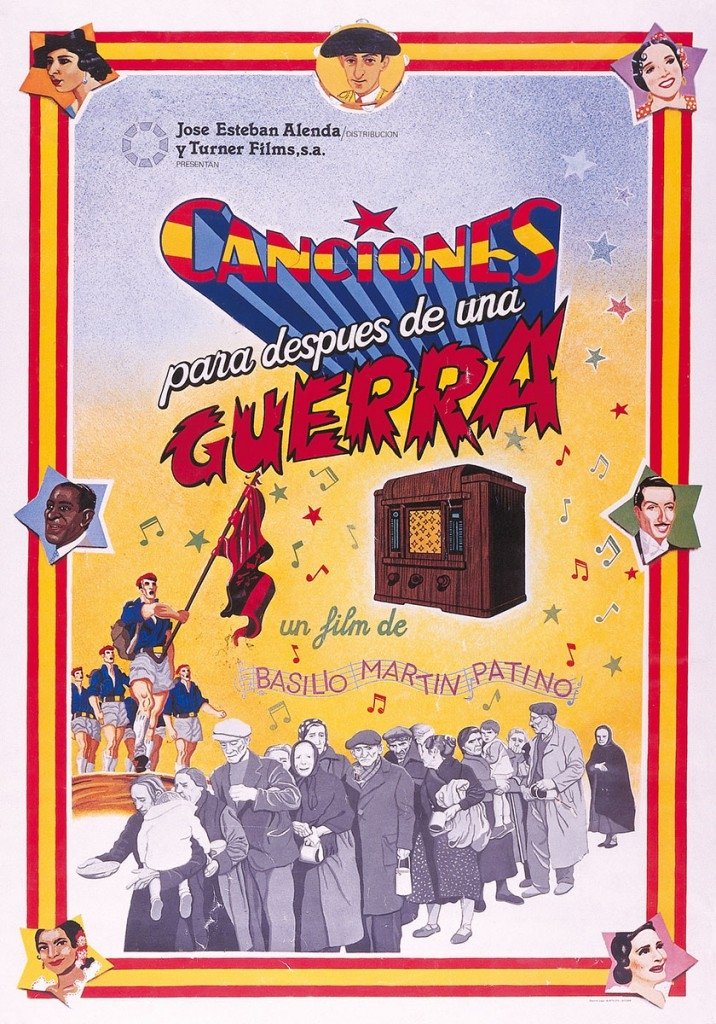
A particular reading of the hard years of famine, repression and censorship after the massacre of the Spanish Civil War (1936-39), through popular culture: songs, newspapers and magazines, movies and newsreels.
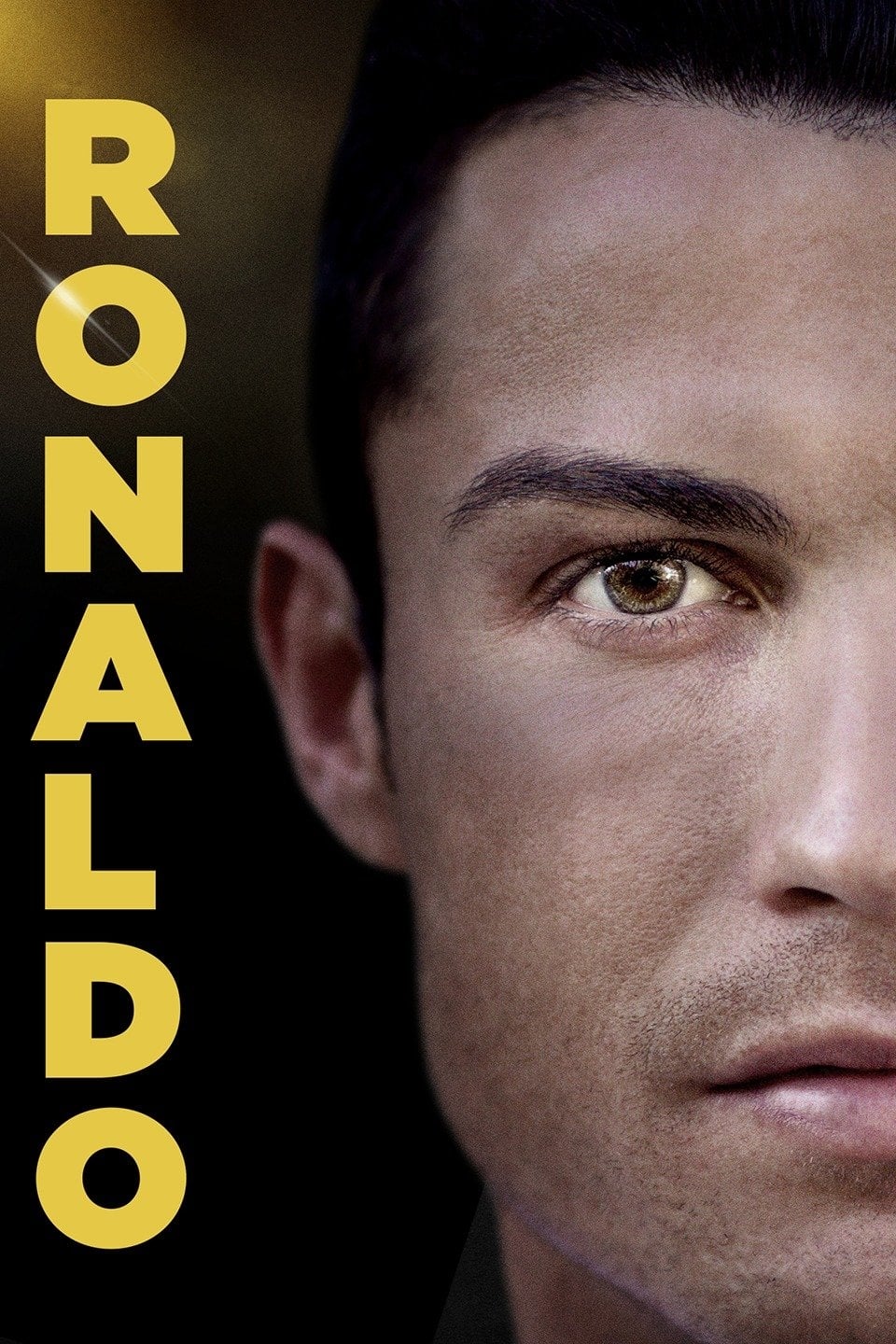
Filmed over 14 months with unprecedented access into the inner circle of the man and the sport, this is the first official and fully authorised film of one of the most celebrated figures in football. For the first time ever, the world gets vividly candid and un-paralleled, behind-closed-doors access to the footballer, father, family-man and friend in this moving & fascinating documentary. Through in-depth conversations, state of the art football footage and never before seen archival footage, the film gives an astonishing insight into the sporting and personal life of triple Ballon D'Or winner Cristiano Ronaldo at the peak of his career. From the makers of ‘Senna’ and ‘Amy’, Ronaldo takes audiences on an intimate and revealing journey of what it’s like to live as an iconic athlete in the eye of the storm.
The life and career of an actor, artist, and icon. His own journey through his own camera.
Daniel Craig candidly reflects on his 15 year adventure as James Bond. Including never-before-seen archival footage from Casino Royale to the upcoming 25th film No Time To Die, Craig shares his personal memories in conversation with 007 producers, Michael G Wilson and Barbara Broccoli.

Al Pacino's deeply-felt rumination on Shakespeare's significance and relevance to the modern world through interviews and an in-depth analysis of "Richard III."
An unprecedented and intimate look at the life, work and enduring legacy of British actress Audrey Hepburn (1929-1993).
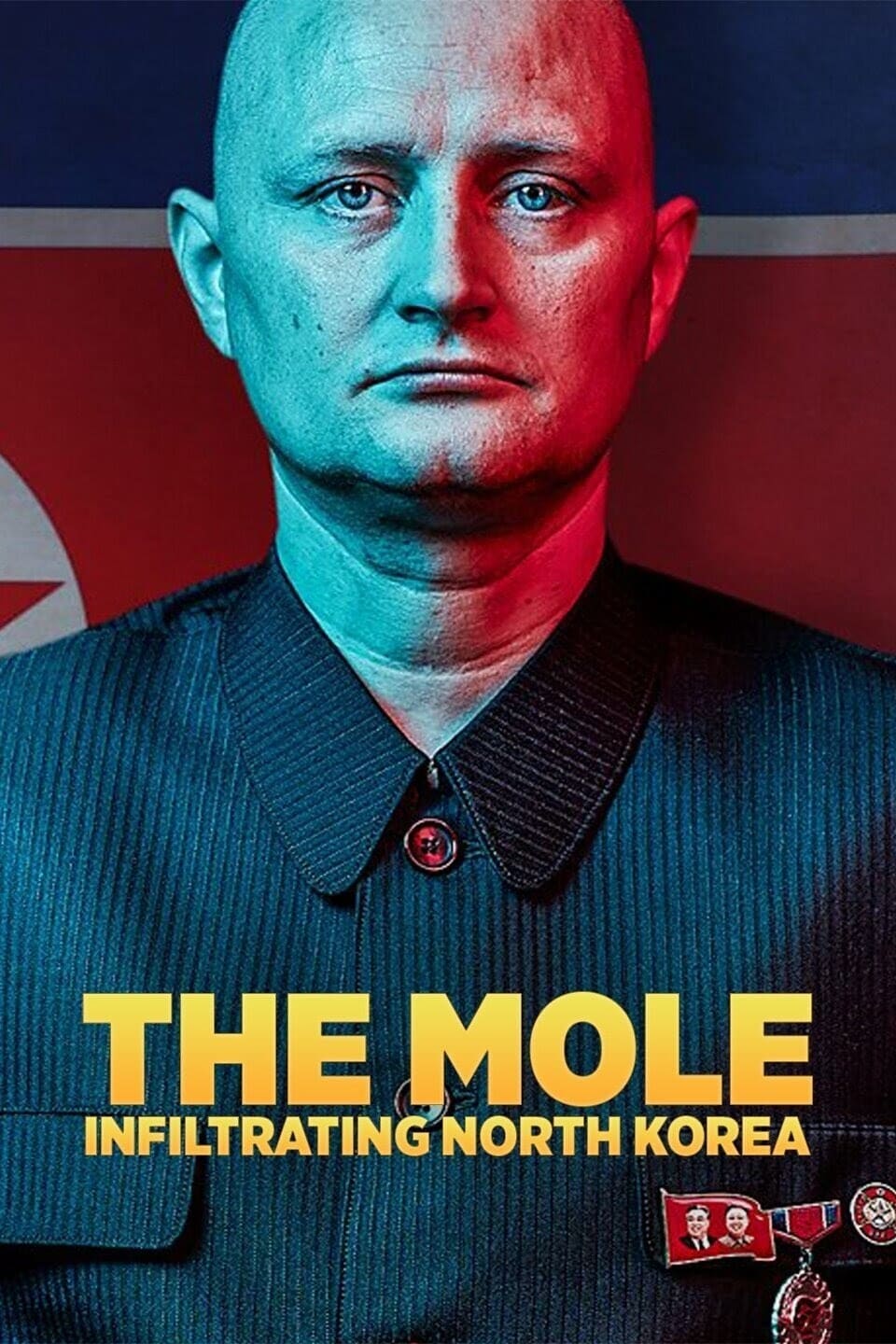
A real-life undercover thriller about two ordinary men who embark on an outrageously dangerous ten-year mission to penetrate the world's most secretive and brutal dictatorship: North Korea.
The life of Mr. Spock, as well as that of Leonard Nimoy, the actor who played him for almost fifty years, written and directed by his son: Adam.
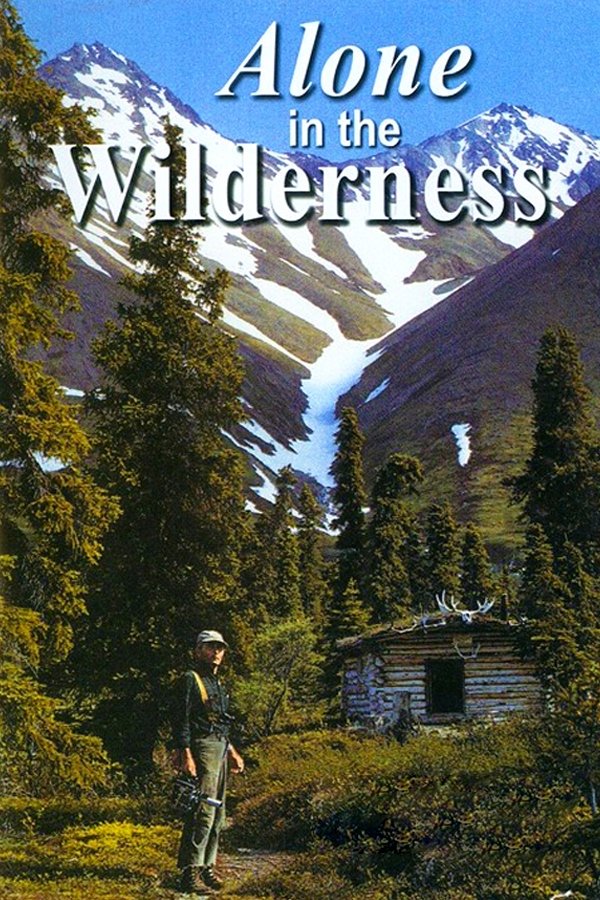
Dick Proenneke retired at age 50 in 1967 and decided to build his own cabin in the wilderness at the base of the Aleutian Peninsula, in what is now Lake Clark National Park. Using color footage he shot himself, Proenneke traces how he came to this remote area, selected a homestead site and built his log cabin completely by himself. The documentary covers his first year in-country, showing his day-to-day activities and the passing of the seasons as he sought to scratch out a living alone in the wilderness.
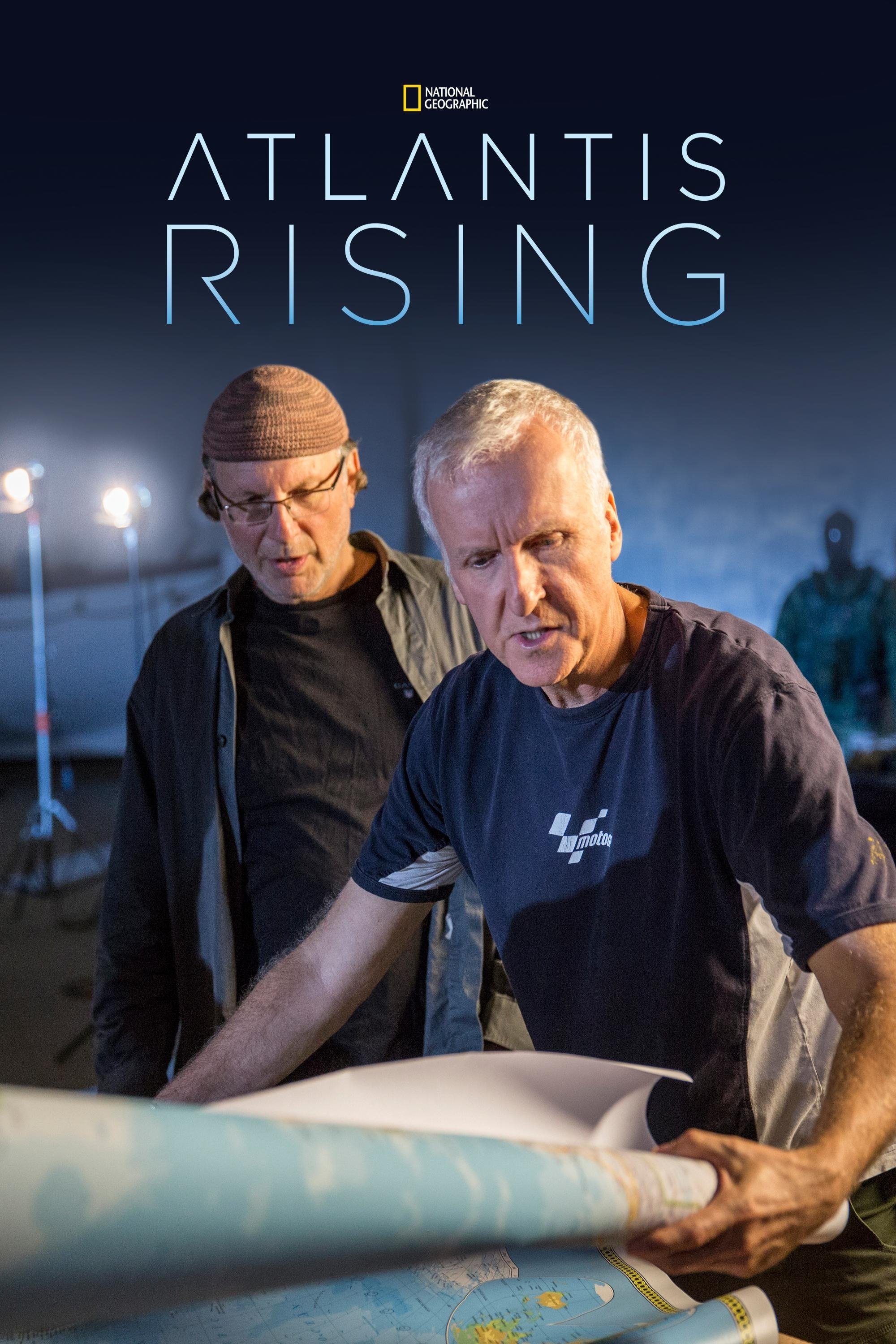
James Cameron and Simcha Jacobovici go on an adventure to find the lost city of Atlantis by using Greek philosopher Plato as a virtual treasure map.
JB Smoove and Martin Starr host a celebration of 20 years of "Spider-Man" movies, from the Sam Raimi trilogy to Marc Webb's movies and the trio from Jon Watts.
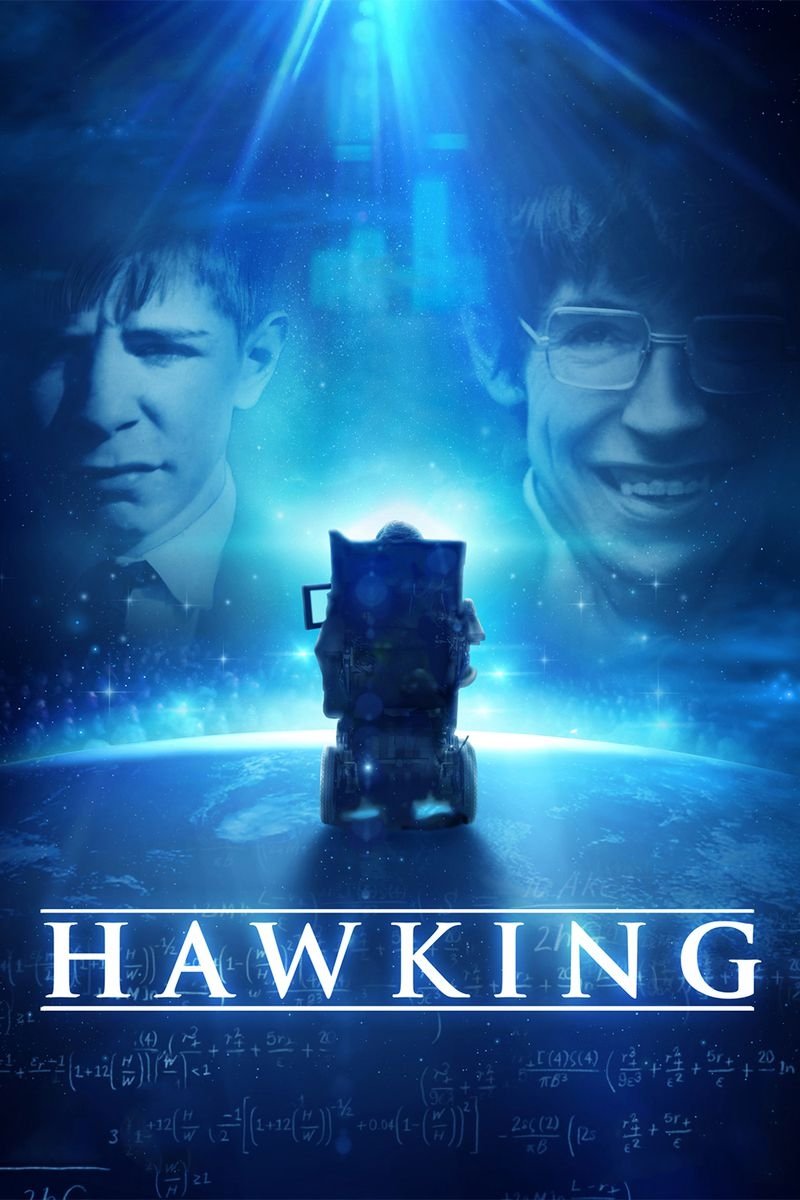
The extraordinary story of the planet’s most famous contemporary scientist, told in his own words and by those closest to him. Made with unique access to Hawking’s private life, this is an intimate and moving journey into Stephen's world, both past and present.
The making of Matrix Revolutions, The (2003) is briefly touched on here in this documentary. Interviews with various cast and crew members inform us how they were affected by the deaths of Gloria Foster and Aaliyah, and also delve into the making of the visual effects that takes up a lot of screen time. Written by Rhyl Donnelly
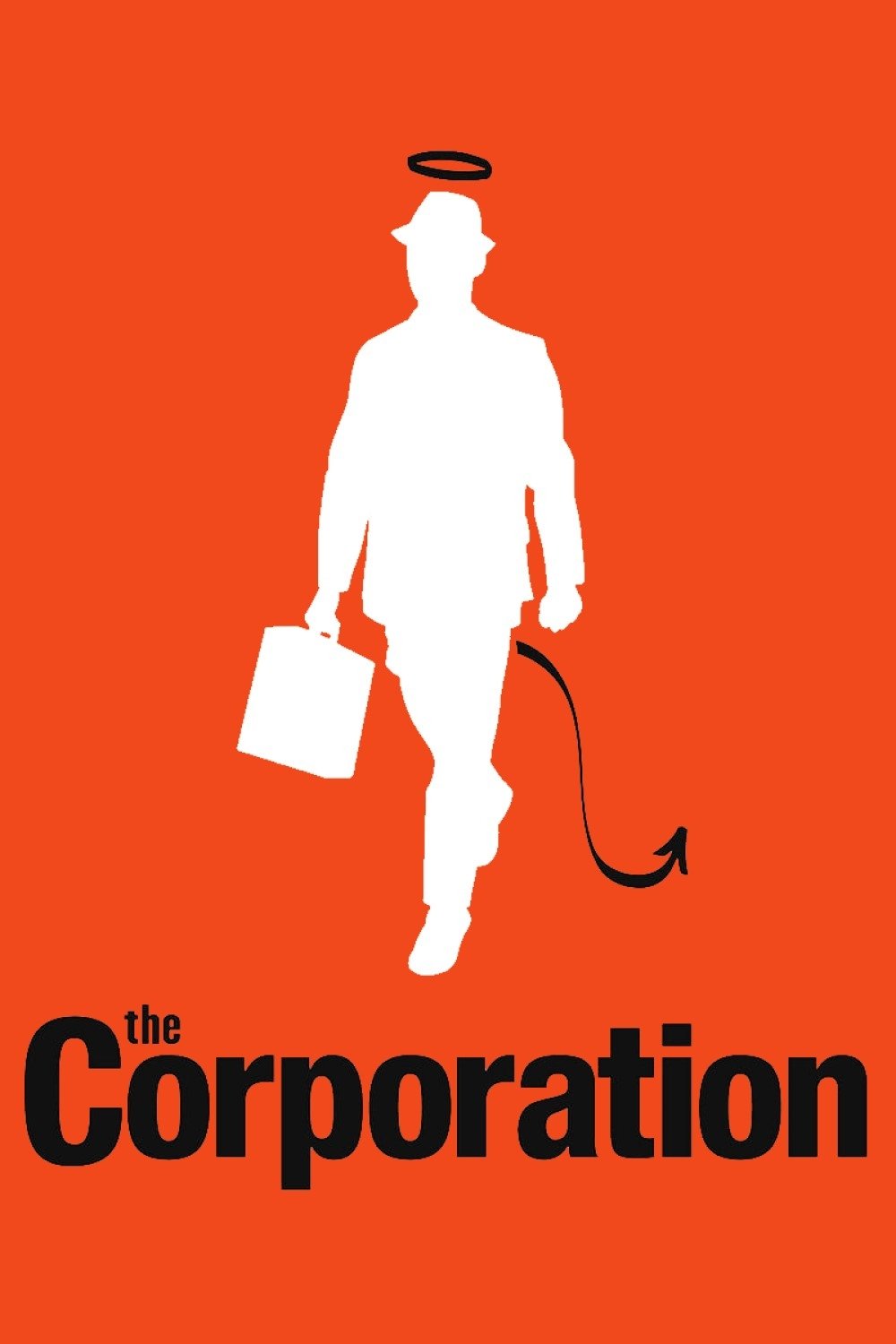
Since the late 18th century American legal decision that the business corporation organizational model is legally a person, it has become a dominant economic, political and social force around the globe. This film takes an in-depth psychological examination of the organization model through various case studies. What the study illustrates is that in the its behaviour, this type of "person" typically acts like a dangerously destructive psychopath without conscience. Furthermore, we see the profound threat this psychopath has for our world and our future, but also how the people with courage, intelligence and determination can do to stop it.
Filmmaker Lawrence Shapiro discusses voice-over acting with the talented people behind the characters.
A look at the origins, history and conspiracies behind the "Majestic 12", a clandestine group of military and corporate figureheads charged with reverse-engineering extraterrestrial technology.
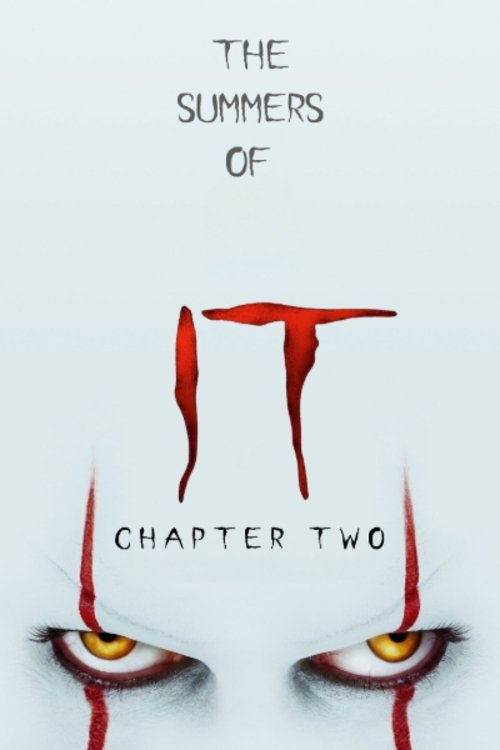
This documentary focuses on the actors and their journey over two summers to create the remake to the original IT, by Stephen King. The documentary originally released as bonus material, bundled with IT: Chapter Two.
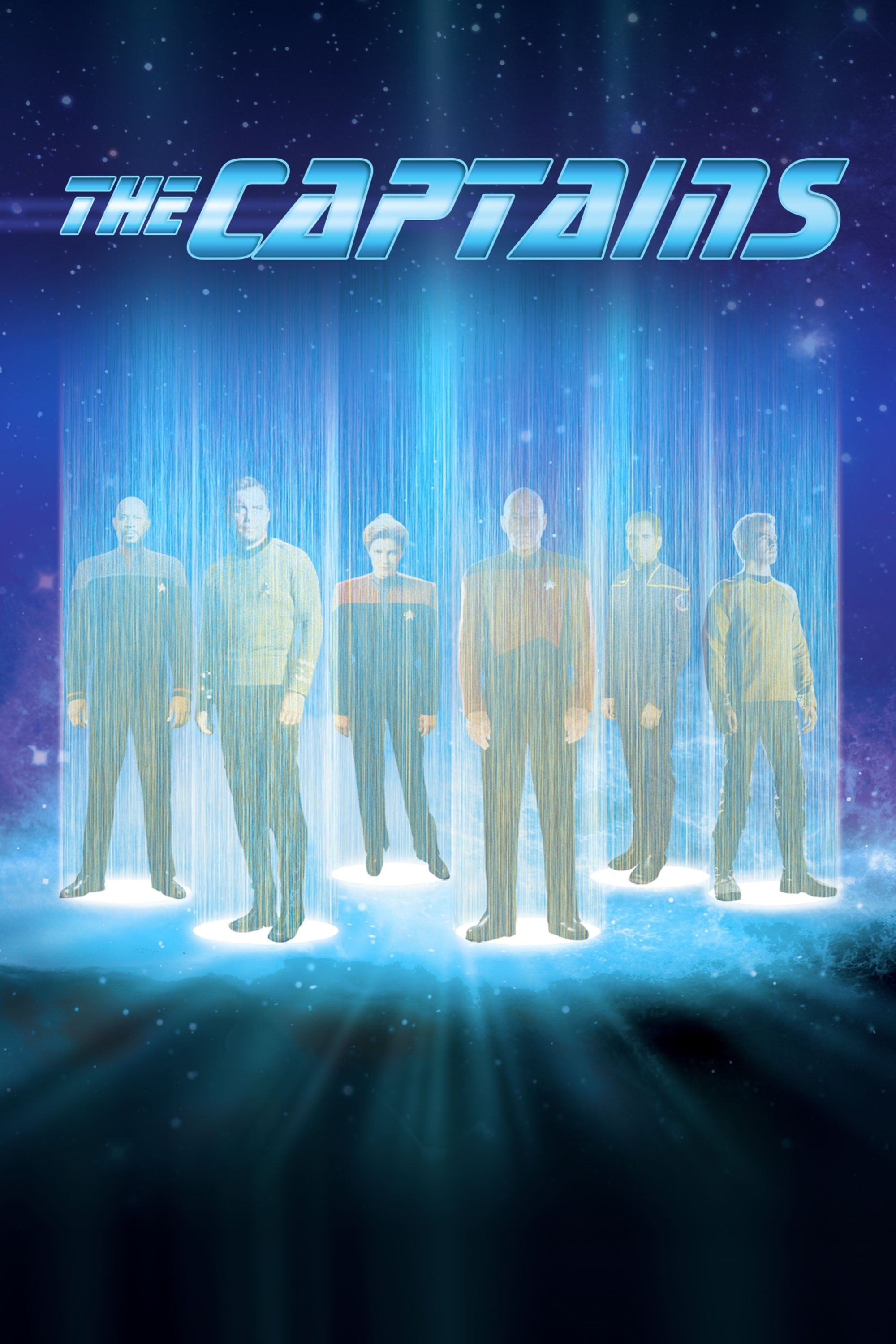
The Captains is a feature-length documentary film written and directed by William Shatner. The film follows Shatner as he interviews the other actors who have portrayed starship captains in the Star Trek franchise.
A visual montage portrait of our contemporary world dominated by globalized technology and violence.
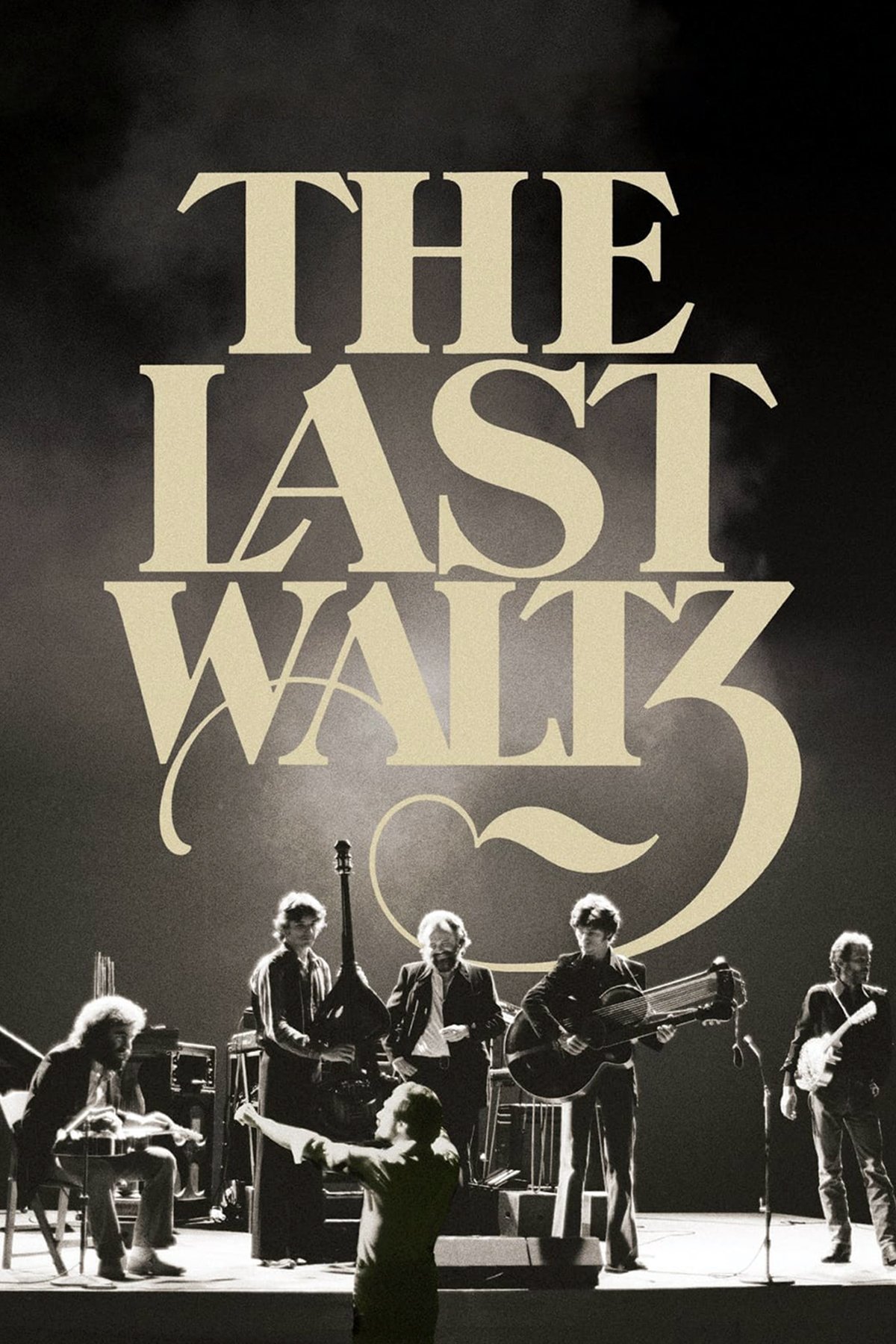
Martin Scorsese's documentary intertwines footage from The Band's incredible farewell tour with probing backstage interviews and featured performances by Eric Clapton, Bob Dylan, Joni Mitchell, Van Morrison, and other rock legends.
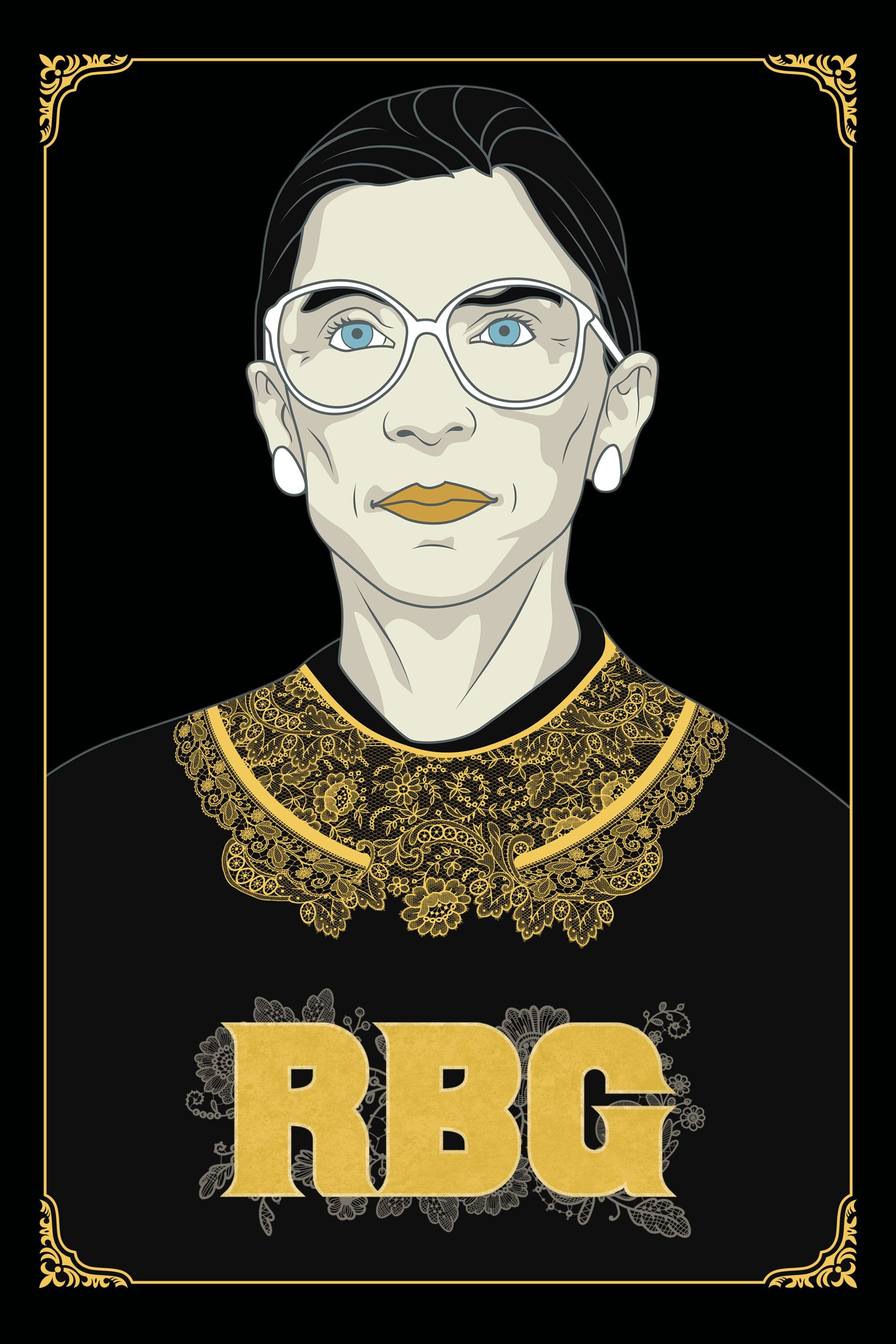
Justice Ruth Bader Ginsburg now 84, and still inspired by the lawyers who defended free speech during the Red Scare, Ginsburg refuses to relinquish her passionate duty, steadily fighting for equal rights for all citizens under the law. Through intimate interviews and unprecedented access to Ginsburg’s life outside the court, RBG tells the electric story of Ginsburg’s consuming love affairs with both the Constitution and her beloved husband Marty—and of a life’s work that led her to become an icon of justice in the highest court in the land.