Social & External
The people behind it
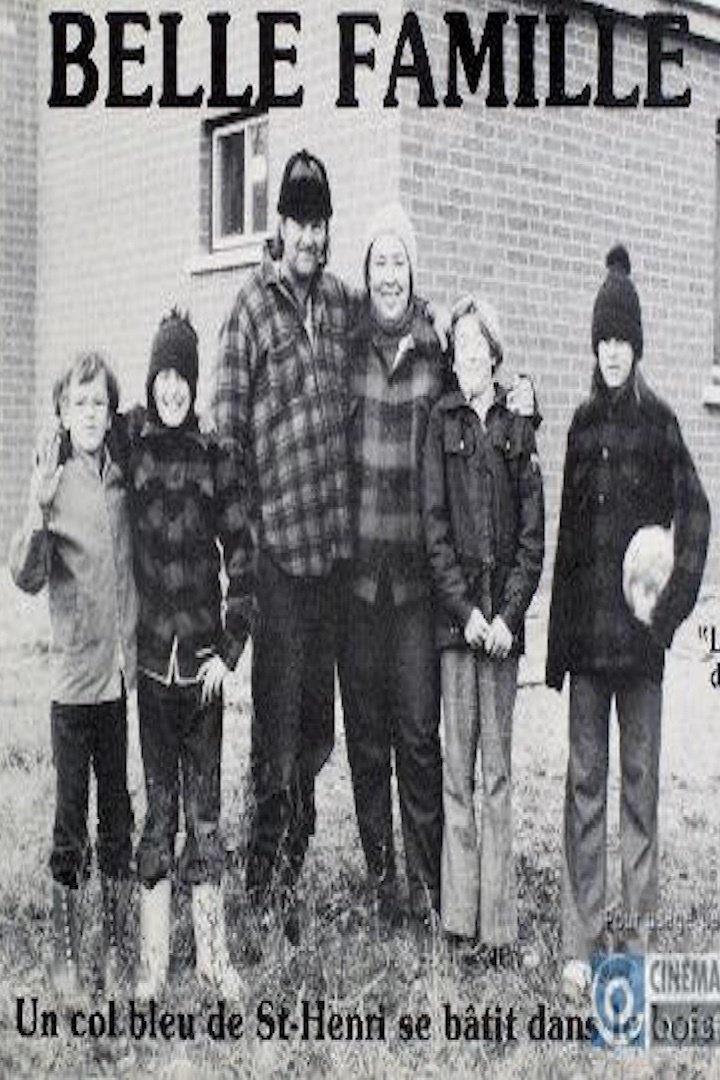
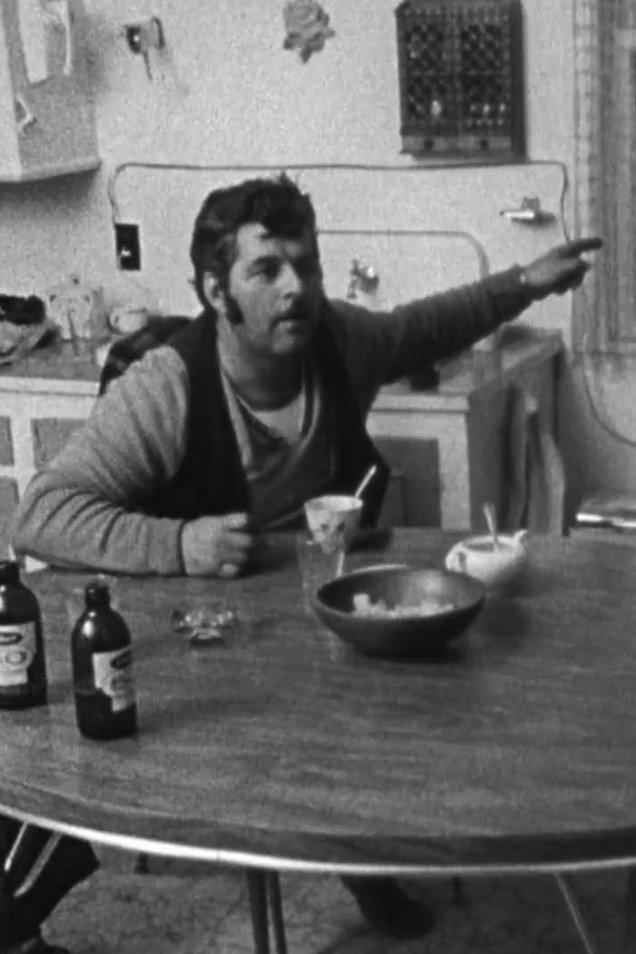
A working class family leaves St-Henri quarter in Montréal to build a new home in the countryside.
Feature-length documentary as part of Pierre Perrault's Abitibian Cycle. The filmmaker questions the past and present of Abitibi and draws up, face to face, the promises of colonization in the 1930s and the great disappointment caused by the closing of the land in the 1970s. There are witnesses to the heroic era, including the cultivator Hauris Lalancette, as well as extracts from films by Father Maurice Proulx (1934-1940).
A documentary about direct-cinema from its very beginnings (Nanook of the North) to the fake-direct-cinema of the Blair Witch Project. All the important direct-cinema filmmakers are portrayed and/or interviewed: Leacock, Wiseman, Maysles, Pennebaker, Reisz and others.
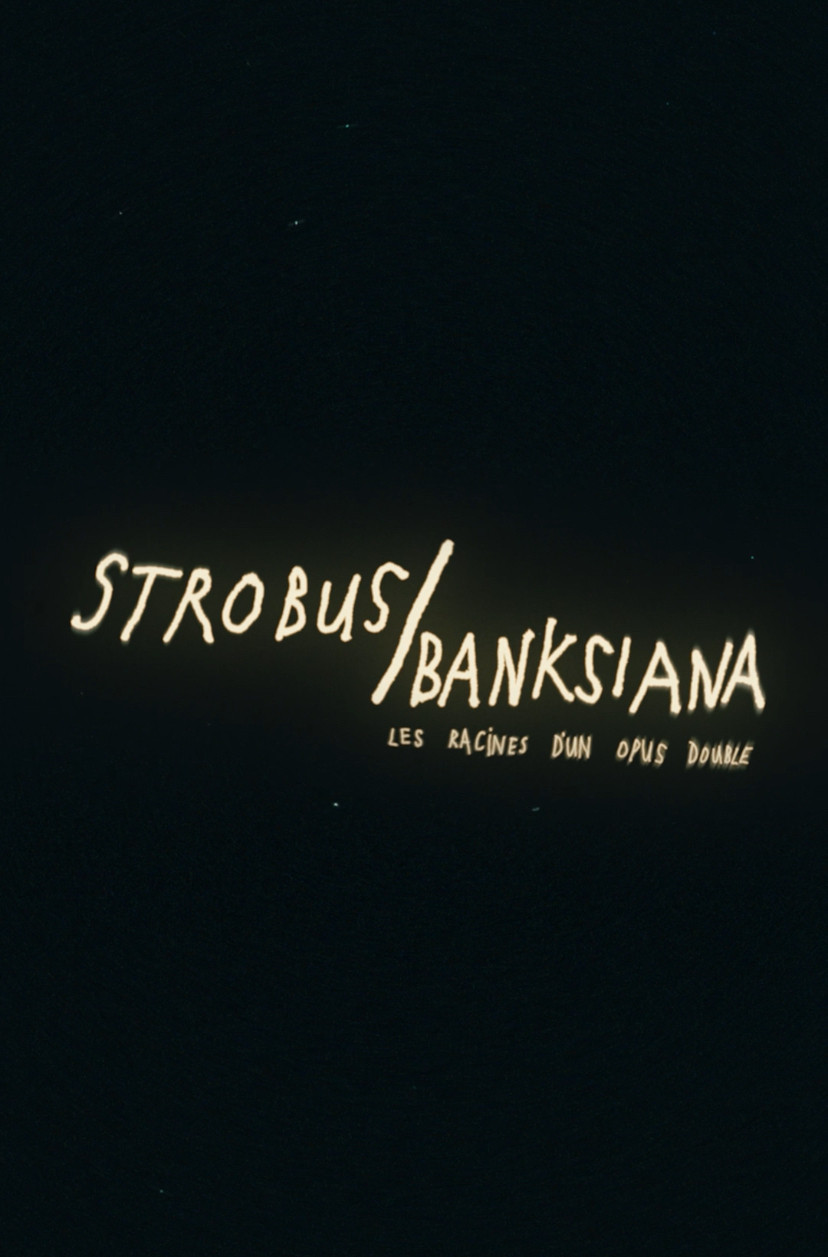
A first look at Strobus / Banksiana: a musical and visual work supported by two important protagonists of the Quebec forest: the white pine and the jack pine. Duu's second album, first double album : each half is distinguished by its sonic palette, its writing style, and the type of conifer that surrounds it. This short documentary offers an intimate glimpse into the creator's journey through the paths that led him to conceive this personal diptych, where he embraces his duality in this visceral desire to celebrate nature every day.
Images of love and freedom personified by a man who like to travel, a man who has made a profession of doing nothing and who constantly comes up against the structures of a society he rejects.
"Montréal under the snow and the cold winter. It is the period of the year when the garage owners strike it rich. The automobile at the service of man? This small opus would rather show the contrary. This is one in a series of eight films titled “Chronicle of Everyday Life,” a project that filmmaker Jacques Leduc took four years to realize, and whose goal was to revisit Direct Cinema at a moment when it was already heavily “contaminated” by mainstream TV." - Anthology Film Archives
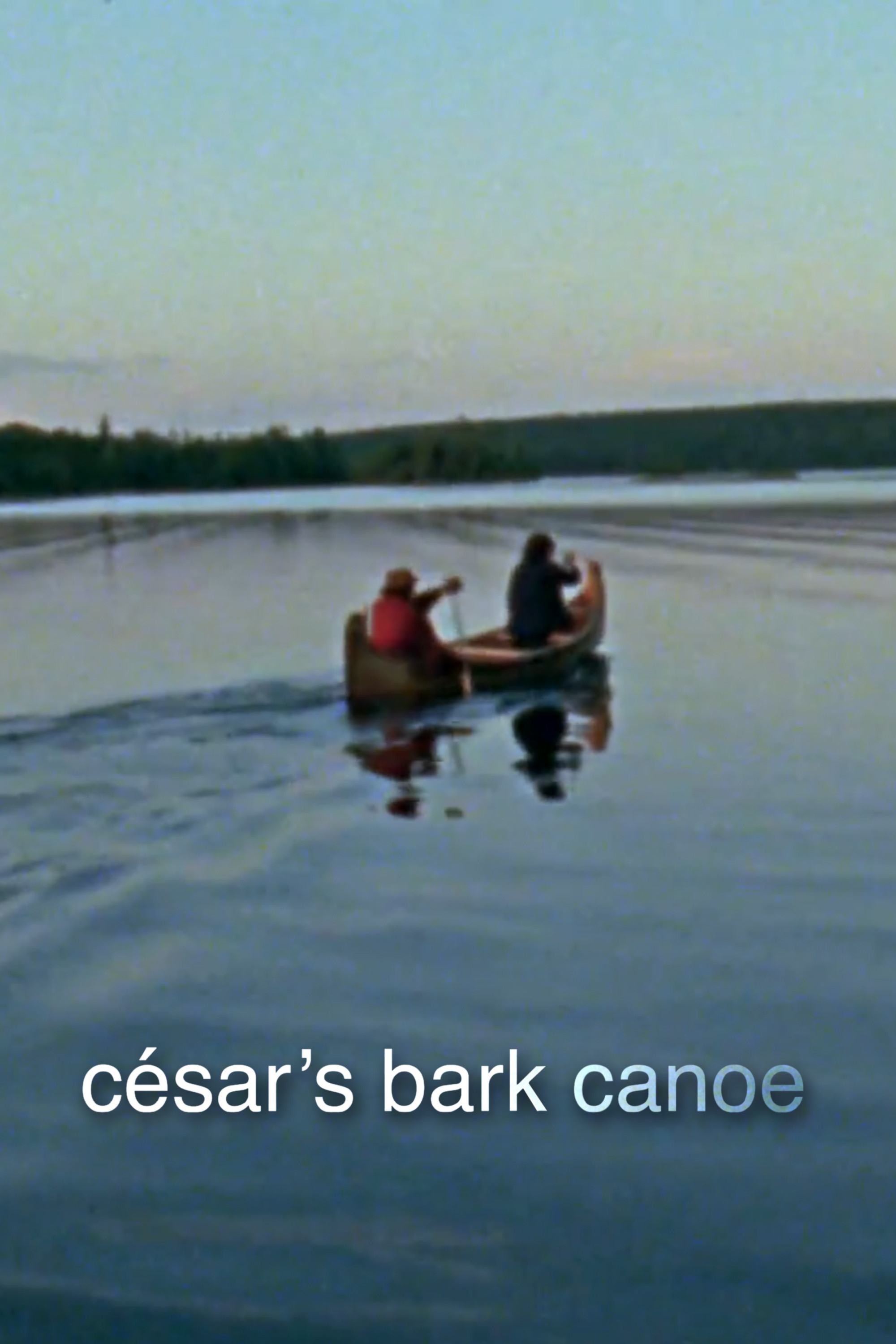
"This documentary depicts a canoe being built in the traditional manner. Cesar Newashish, a 67-year-old Attikamek of the Manawan Reserve North of Montréal, uses only birchbark, cedar splints, spruce roots, and gum. With a sure hand he works methodically to fashion a craft unsurpassed in function or beauty of design. Building a canoe solely from the materials that the forest provides may become a lost art, even among the Native Peoples whose traditional craft it is. The film is free of spoken commentary but text appears on the screen in Cree, French, and English." - Anthology Film Archives
"This feature documentary is considered to be the forerunner of the NFB's Challenge for Change Program. The film offers in inside look at 3 weeks in the life of the Bailey family. Trouble with the police, begging for stale bread, and the birth of another child are just some of the issues they face. Through it all, the father tries to explain his family's predicament. Although filmed in Montreal, the film offers an anatomy of poverty as it occurs throughout North America." - NFB
"This film is one of the first French Unit productions of the “Société Nouvelle/Challenge for Change” program. When an old area of Montréal is to be demolished to make way for a new low-income housing development, is there anything the residents can do to protect their own interests? The film documents such a situation in the Little Burgundy district of Montréal and shows how the residents organized themselves into a committee that successfully influenced the city’s housing policy." - Anthology Film Archives
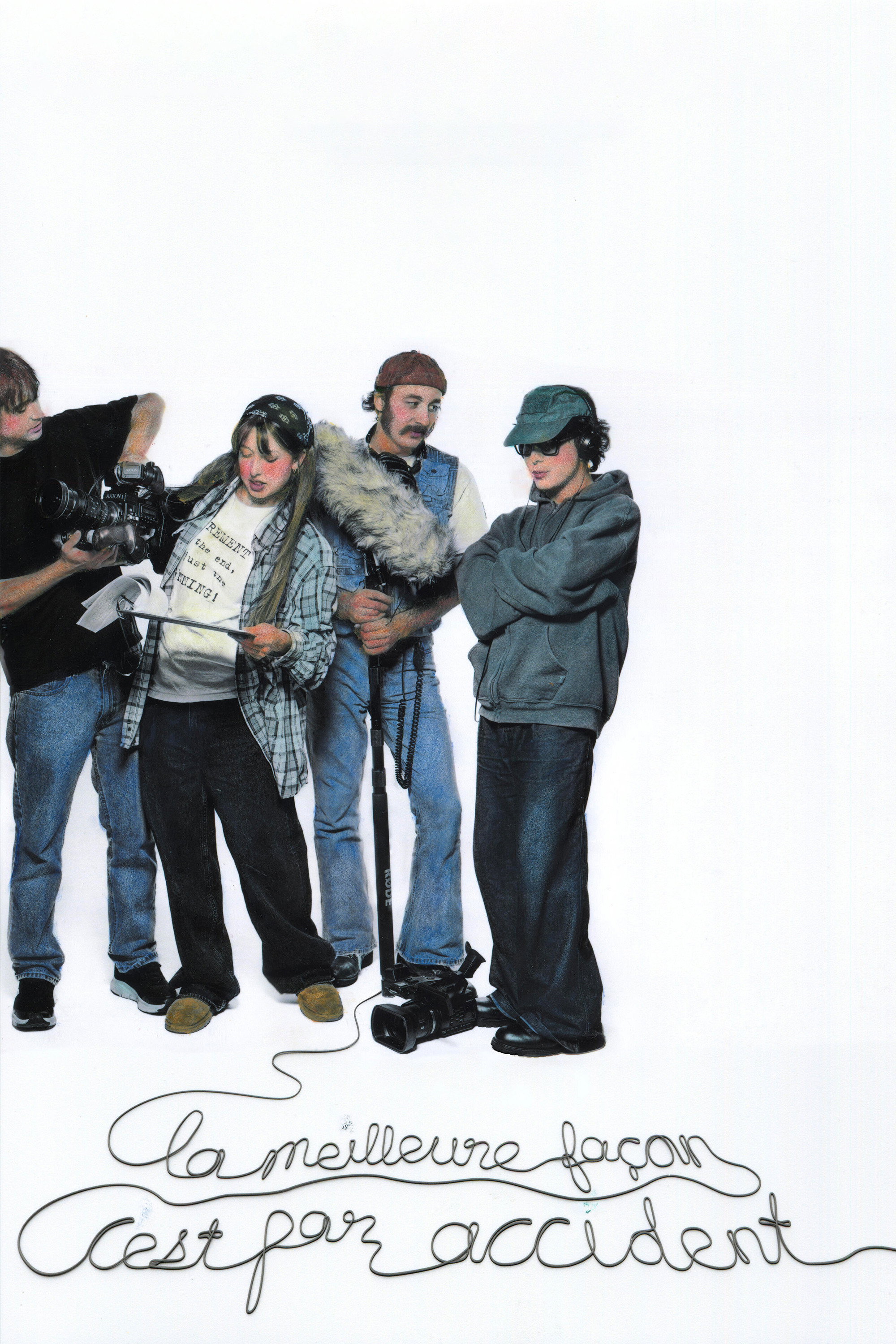
After the death of her adoptive father, a young filmmaker delves into his video archives only to realize that she never filmed him—except once, by accident. As the end of the world approaches, she now sets out to capture the extraordinary in the ordinary… which, too, is destined to disappear.
A 58 minute documentary about the life of João Bénard da Costa.
Thomas Grimm's first documentary about the East Berlin-based youth club "Friedrichsfelde Ost".
Thomas Grimm's second documentary about the East Berlin-based youth club "Friedrichsfelde Ost".
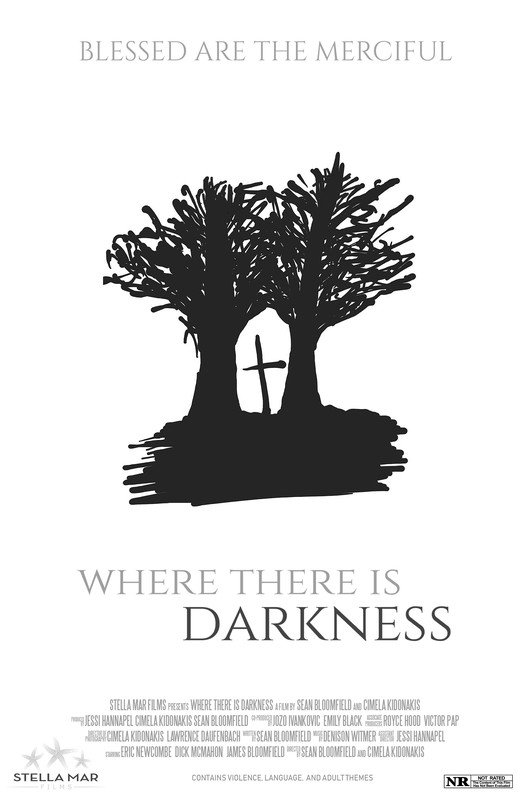
Having devoted his life to helping the less fortunate, Fr. Rene Robert was regarded as a "living saint" in the tight-knit community of St. Augustine, Florida. But when Fr. Rene began helping ex-convicts get their lives together after prison, the people closest to him worried that he was putting his life at risk—especially the local sheriff, David Shoar, one of Fr. Rene’s longtime friends. So, in April, 2016, when Fr. Rene failed to show up at a church service, Sheriff Shoar immediately put his best detectives on the case and local residents joined in searching for the beloved priest. It quickly became apparent, however, that Fr. Rene was not just missing—someone had taken him against his will. True crime documentary WHERE THERE IS DARKNESS follows the nationwide search for Fr. Rene, which resulted in a series of shocking revelations and the discovery of a 20-year-old letter in which Fr. Rene seemed to foretell his own fate.
Captain Kang is a story about a man who happened to live a dreamlike life and another man who lost his dream by an accident that changed the lives of both men forever. With two aging fishermen, KANG goes on fishing every day and night as if only the weight of a fishnet proved his existence in the world. KANG's teenage son Jong-Jae, a promising baseball talent is now living with his parents while unenthusiastically supporting his father's business. Having lost his dream, Jong-Jae feels that his life in a small harbor city is suffocating while KANG moans inwardly for the son, as he feels responsible for it. The two men's respect and affection toward each other is not spoken outweighed by the guilt and responsibility for each other. As the winter nears, hiring a sailor becomes hard and Jong-Jae is forced to be on his father's ship. In the middle of the sea, the father and the son realize that there is nobody else but each other to rely on.
Behind the scenes look at fight choreography and action training.
The film is about an expedition that is looking for the lost biblical cities of Sodom and Gomorrah. “Turning to the biblical story of the destruction of Sodom and Gomorrah, we wanted to establish whether these cities really were, and if so, where they were. After all, these cities are mentioned simultaneously in the Bible and the Koran. Nobody seems to doubt that they existed, but where they were, nobody can say for sure today, ”the author writes about the film.
Short documentary that looks at a number of elements like the initial pitch for the project and the 2nd Unit action sequences.
A look at the fight choreography being developed for the film.
Interpretation of the artist's work and life from fragments of his performances, installations and works. With diversified material, starting with the pyramid of the Louvre, it records the creative and affective universe of one of the greatest plastic artists of the contemporary world. Before being a documentary, it is an espionage carried out without fear of self-incrimination.
The film is based on interviews with 2,000 women from 50 countries, and covers the status of women all over the world. The topics covered include forced marriages, sexual assault, female genital mutilation, acid attacks, motherhood, sexuality, menstruation, education and the professional success of women.
Alexander McQueen's rags-to-riches story is a modern-day fairy tale, laced with the gothic. Mirroring the savage beauty, boldness and vivacity of his design, this documentary is an intimate revelation of McQueen's own world, both tortured and inspired, which celebrates a radical and mesmerizing genius of profound influence.
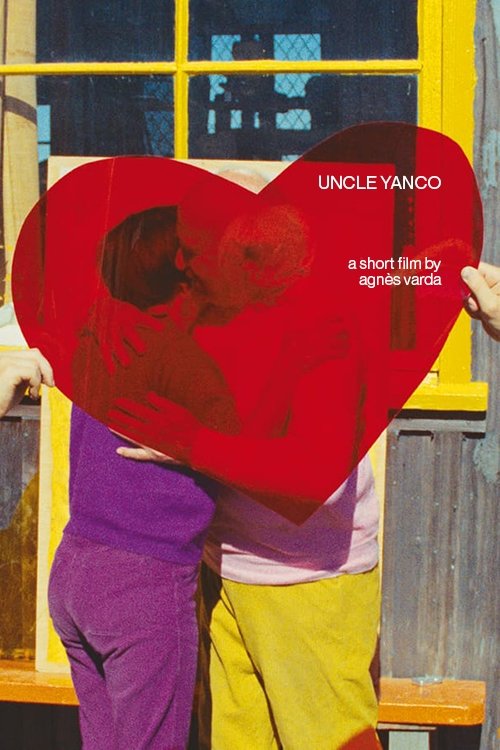
While in San Francisco for the promotion of her last film in October 1967, Agnès Varda, tipped by her friend Tom Luddy, gets to know a relative she had never heard of before, Jean Varda, nicknamed "Yanco". This hitherto unknown uncle lives on a boat in Sausalito, is a painter, has adopted a hippie lifestyle and loves life. The meeting is a very happy one.
A documentary about the life and films of director John Ford.
A string of threatening emails escalates into a revenge plot involving a newly married US marshal and his ex-girlfriend.
An inside look at one of the most anticipated movie sequels ever with James Cameron and cast.
In an intimate and joyful story of love in the face of loss, celebrated poets Andrea Gibson and Megan Falley find strength—and unexpected hilarity—in what might be their final year together.
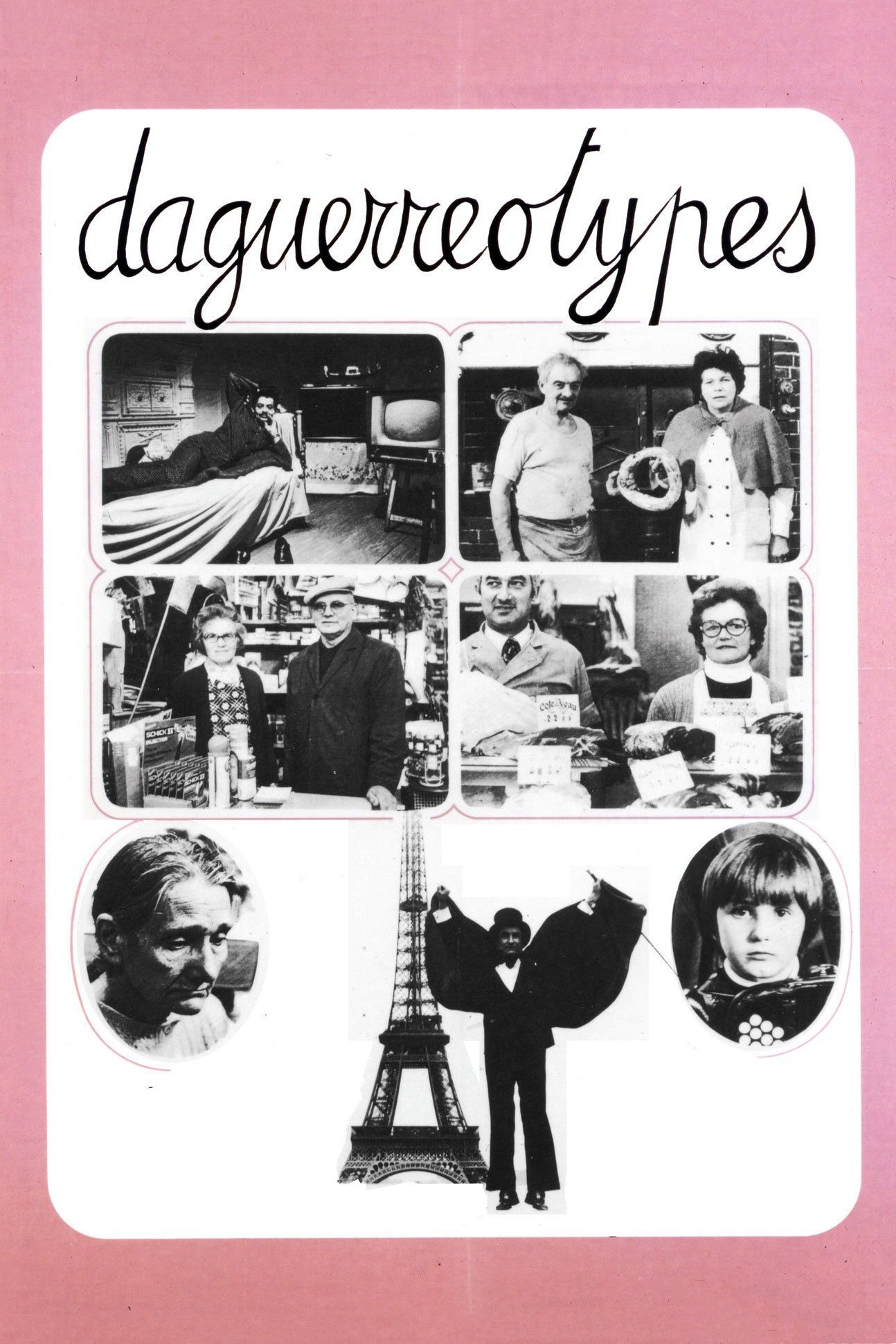
An intimate portrait of the small shops and shopkeepers of the Rue Daguerre in Paris, a picturesque street that has been the filmmaker’s home for more than 50 years.
Alex Gibney explores the charged issue of pedophilia in the Catholic Church, following a trail from the first known protest against clerical sexual abuse in the United States and all way to the Vatican.
A feature length documentary about the all-women team at the helm of Pixar's original feature, Turning Red. With unprecedented behind-the-scenes access to Director Domee Shi and her core leadership crew, this story shines a light on the powerful professional and personal journeys that brought this incredibly comical, utterly relatable, and deeply heartfelt story to the screen.
A documentary on the expletive's origin, why it offends some people so deeply, and what can be gained from its use.
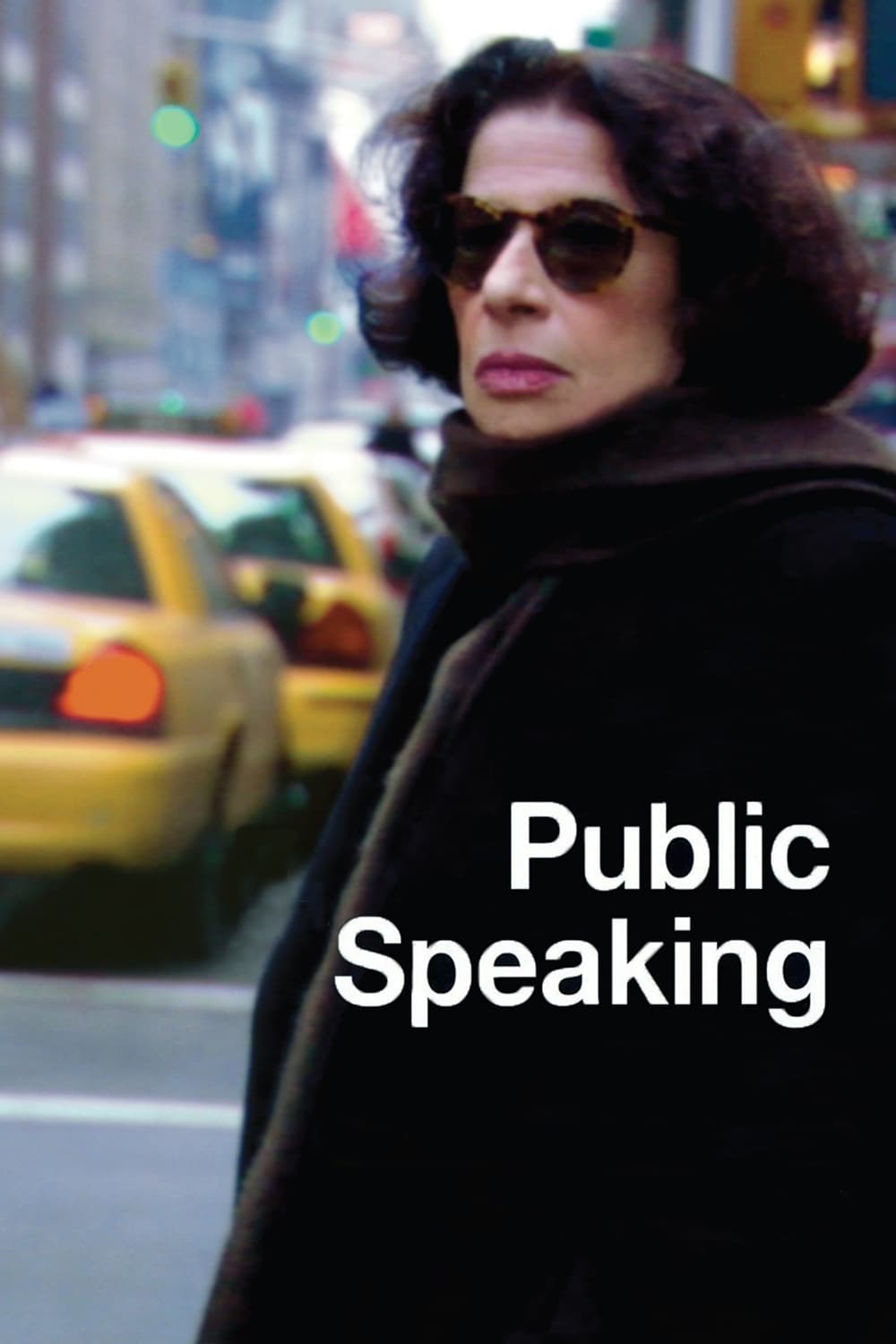
Martin Scorsese’s portrait of writer and social commentator Fran Lebowitz, celebrated for her sharp wit and observations on modern life. Filmed at New York’s Waverly Inn and intercut with archival footage and interviews, the documentary captures Lebowitz’s distinctive worldview through her spontaneous monologues and public appearances.
A visual montage portrait of our contemporary world dominated by globalized technology and violence.
Through deeply personal interviews with her siblings and an examination of the photographs, letters, and belongings left behind, Mariska assembles a new portrait of her mother Jayne Mansfield, an extraordinary and complex woman.
Director Michael Apted revisits the same group of British-born adults after a 7 year wait. The subjects are interviewed as to the changes that have occurred in their lives during the last seven years.
SEDUCED AND ABANDONED combines acting legend Alec Baldwin with director James Toback as they lead us on a troublesome and often hilarious journey of raising financing for their next feature film. Moving from director to financier to star actor, the two players provide us with a unique look behind the curtain at the world's biggest and most glamourous film festival, shining a light on the bitter-sweet relationship filmmakers have with Cannes and the film business. Featuring insights from directors Martin Scorsese, 'Bernando Bertolucci' and Roman Polanski; actors Ryan Gosling and Jessica Chastain and a host of film distribution luminaries.
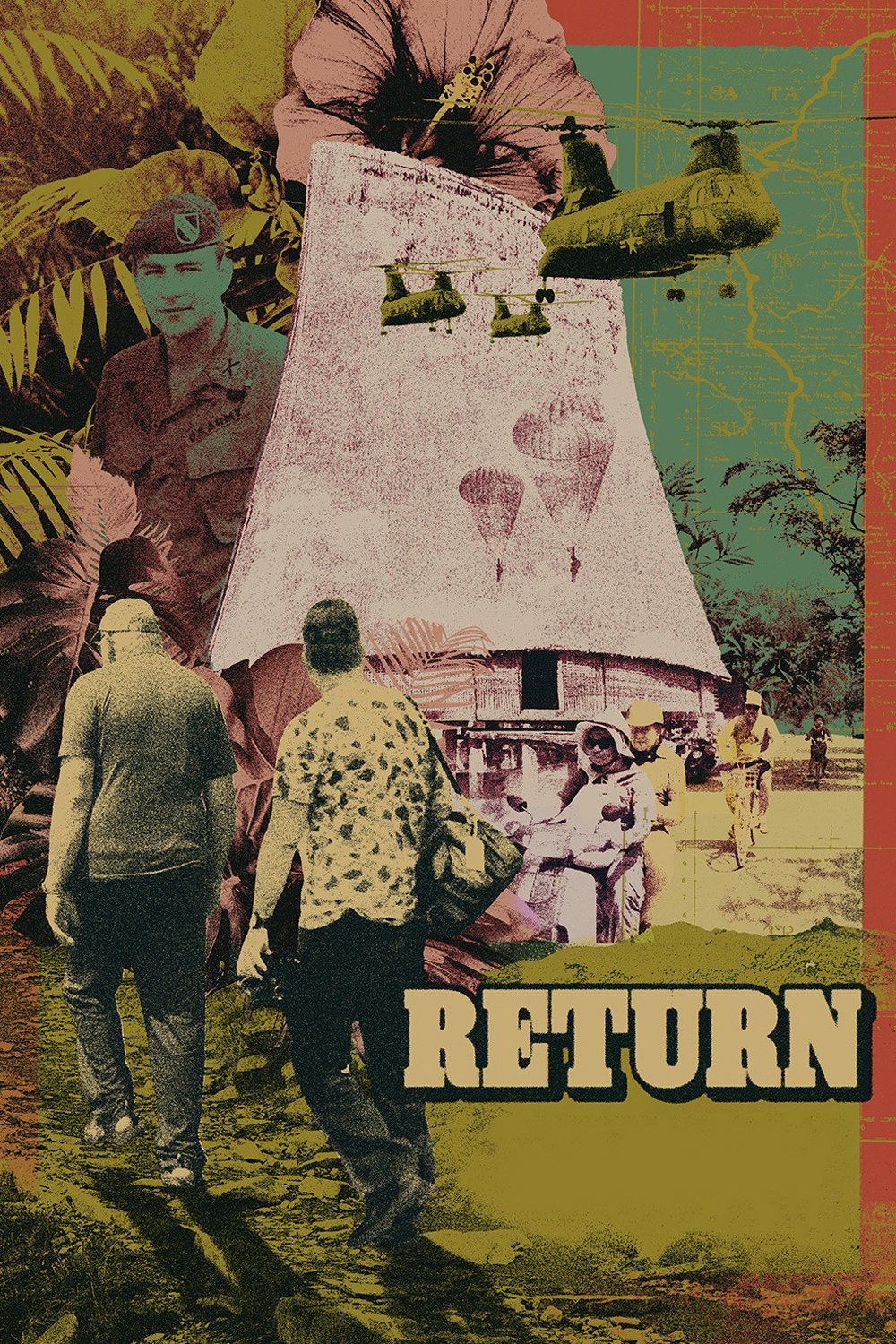
RETURN tells the story of a retired Green Beret who embarks on a healing journey from Montana to Vietnam. There he retraces his steps, shares his wartime experiences with his son, treats his Post-Traumatic Stress Disorder, and seeks out the mountain tribespeople he once lived with and fought alongside as a Special Forces officer.
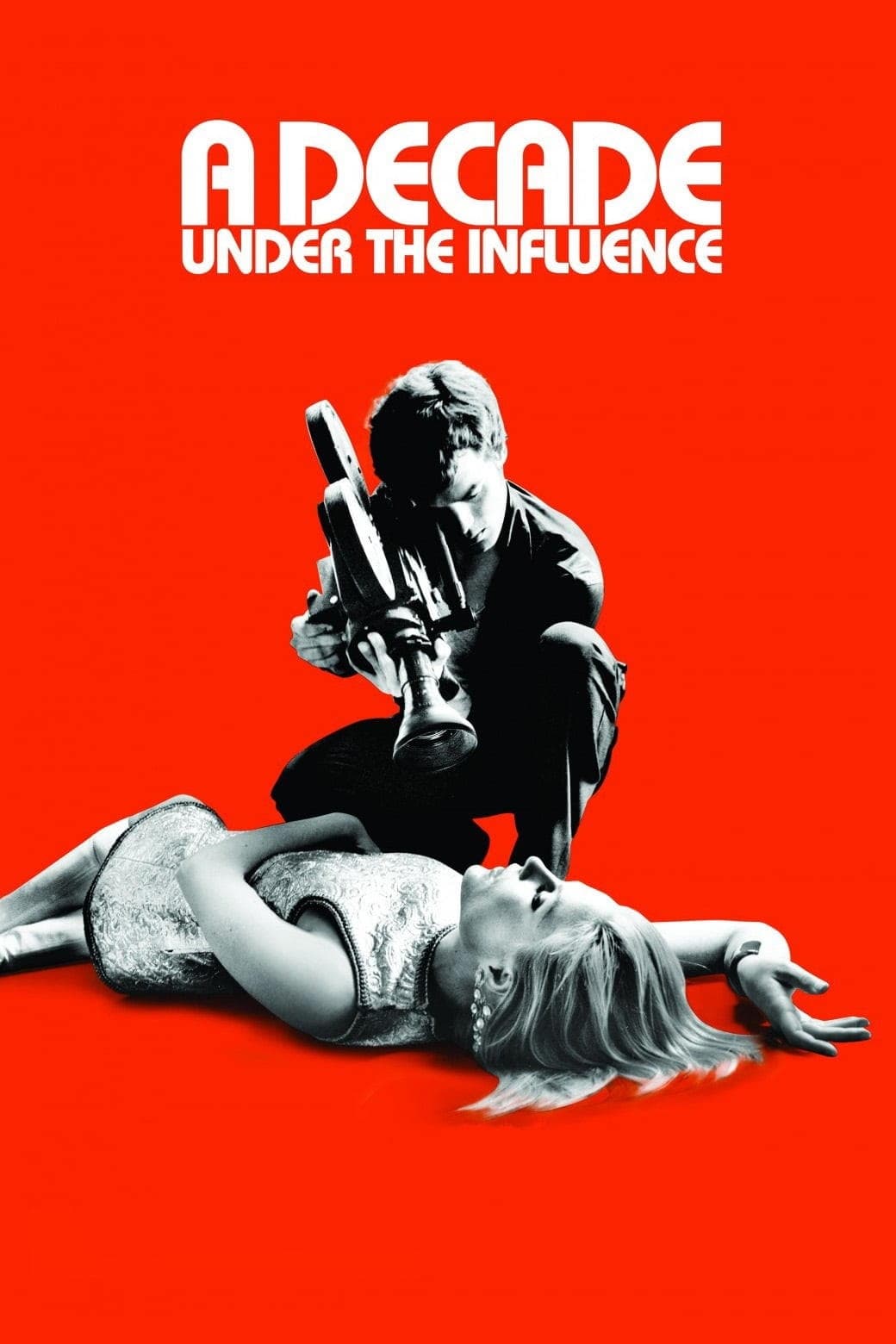
A documentary examining the decade of the 1970s as a turning point in American cinema. Some of today's best filmmakers interview the influential directors of that time.
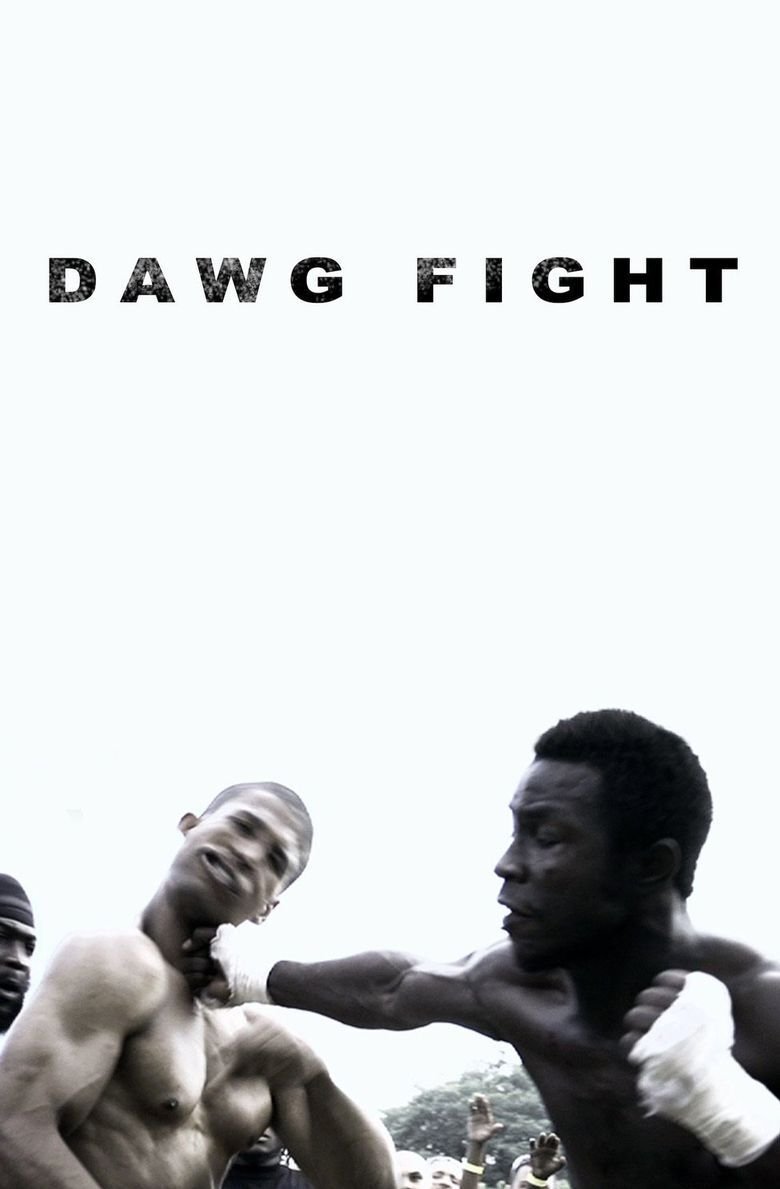
In a crime-plagued neighborhood near Miami, brutal, bare-knuckled backyard fights give young men a chance to earn money -- and self-respect.
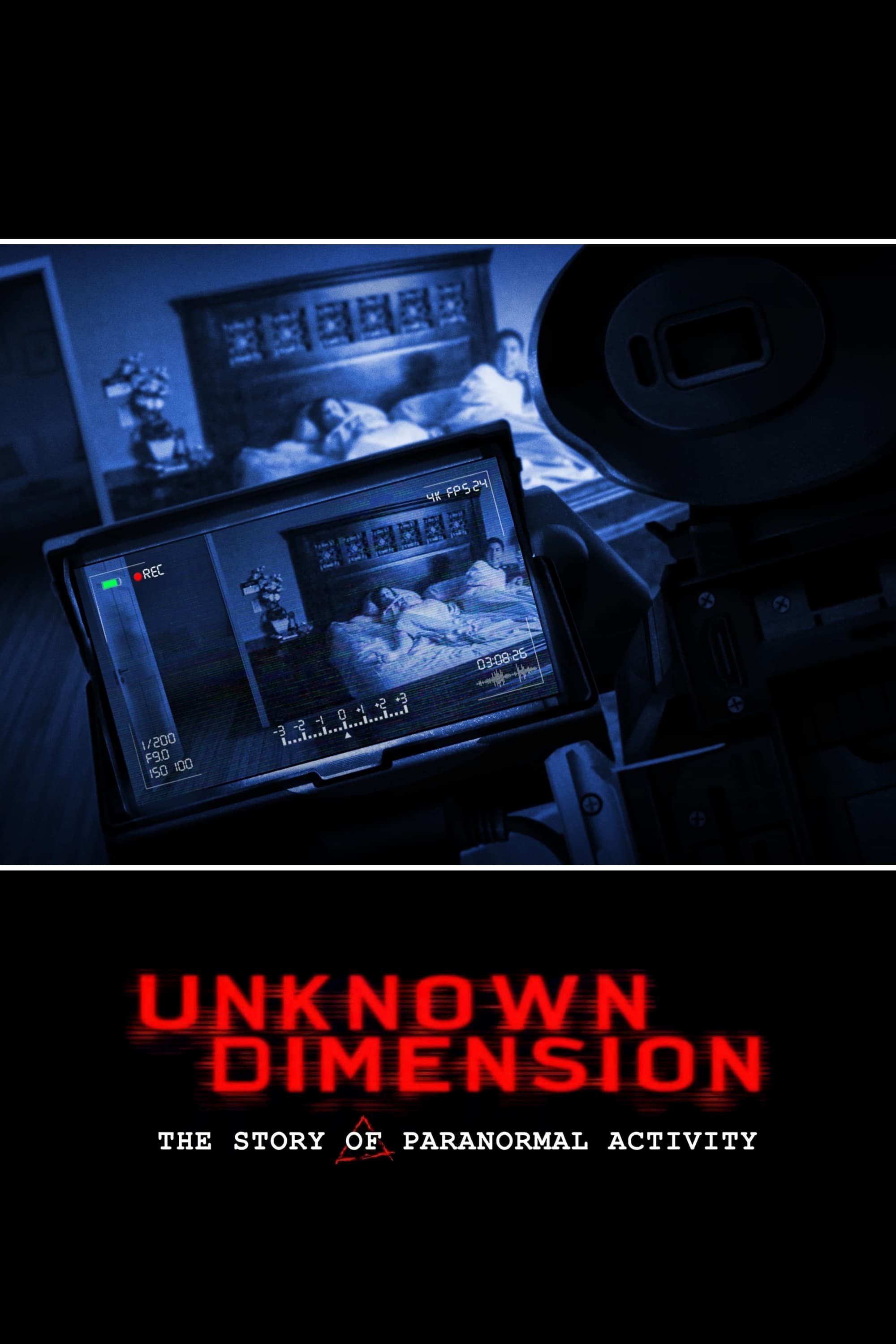
A deep dive into the making of the Paranormal Activity films with first time ever interviews with cast and crew, never-before-seen footage from the movies, and a preview of the seventh installment in the franchise.