Social & External
Pablo
Oe Pucón
The third installment in Dan Přibáň's series of travel documentaries describes the author's journey with his friends across South America in vehicles that are often notorious but cult in their own way. The charming dynamics of the group on screen are further enhanced by the high-quality craftsmanship.
Sonar Rock City: Seattle is a journey through the city that caught our attention back in 1992 thanks to the grunge movement which today no longer exists. Still today the creative spirit runs through its veins with a new music scene that captures what Seattle is in its core.
It all begins at a party in Santiago, Chile, when a seemingly innocent gesture -- the offer of a ride home -- ends in a passionate night of lovemaking and intense conversation for young singles Bruno and Daniela. Shacked up at a flea-bitten motel for a one-night stand, the pair lingers deep into the night, alternating between powerful physical encounters and an ever-deepening emotional connection.
Rüdiger was a child, Aki two months old and Kurt, the deputy of the pedophile leader of the sect. In 1961 they came to Chile together with 500 other German sect members and for over 40 years they lived secluded from the rest of the world. The film tells about the attempt to survive as a collective after decades of crimes such as torture and murder and shows different ways in which the individual copes with the history of the community.
When everyone is supposed to be celebrating the arrival of a new year, the Chilean director Cristobal Valenzuela takes to the streets of Santiago to give voice to another facet, less colorful and festive, undoubtedly invisible, of this eve. Lonely pedestrians who roam the streets of the city inhabit the frame of a handheld camera that allows them to express themselves. Comments of hopelessness and tiredness, contrasting with the sky lit by fireworks, give us a glimpse to that other social image.
A documentary on the rise and fall of Project Cybersyn, an attempt at a computer-managed centralized economy undertaken in Chile during the presidency of Salvador Allende.
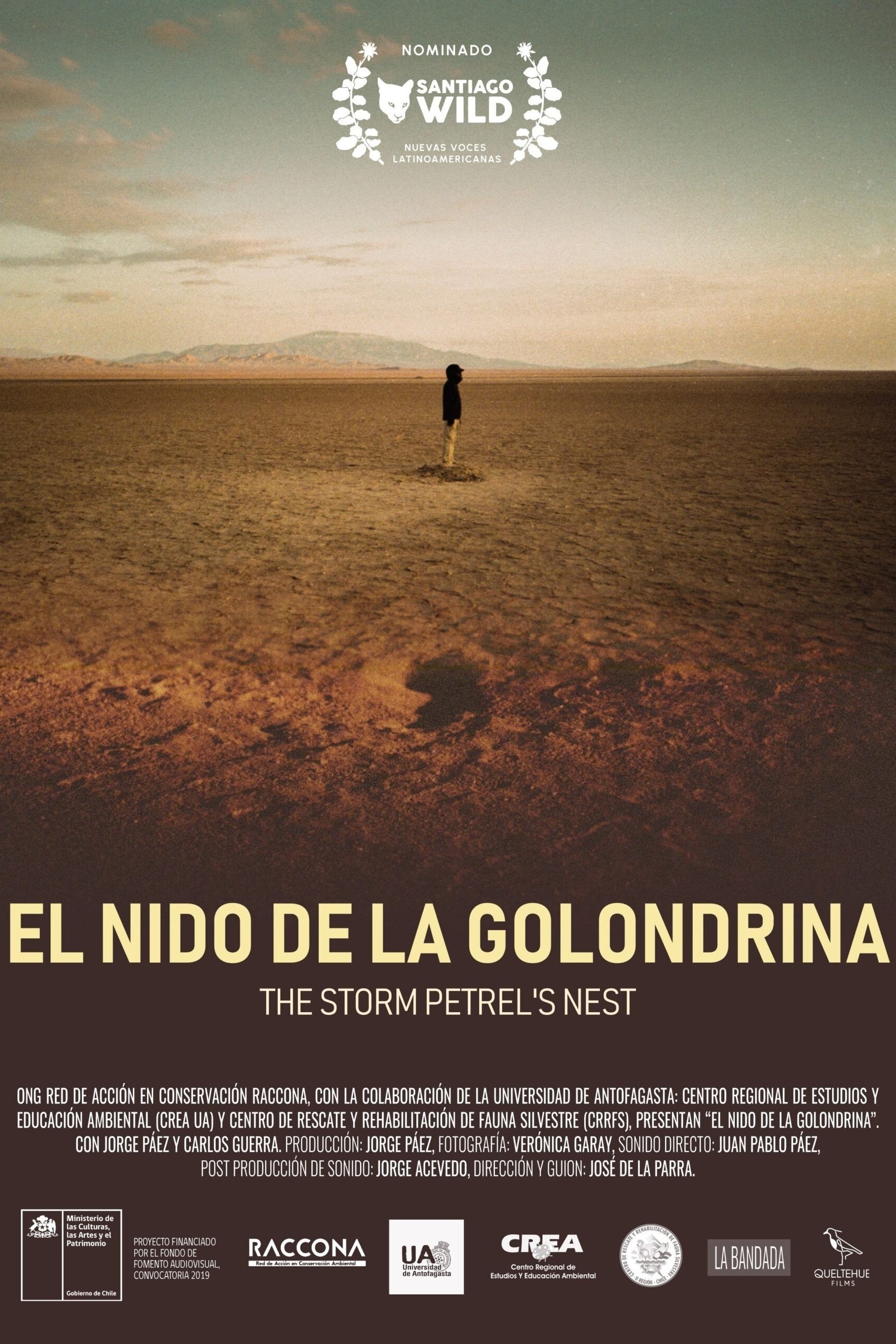
The real estate industry has destabilized the natural surroundings of the city of Concón, on the Chilean coast, forcing the inhabitants and landscapes of the region to find new ways to adapt and survive. “Nidal” depicts the cohabitating of species and the accelerated transformation of the landscapes due to human occupation.
Documentary tells the story of the Chilean football club Colo-Colo, exploring its profound impact on popular culture and the everyday lives of its fans. Throughout the film, it shows how the club has transcended sport to become a symbol of resistance, pride, and class struggle in Chile.
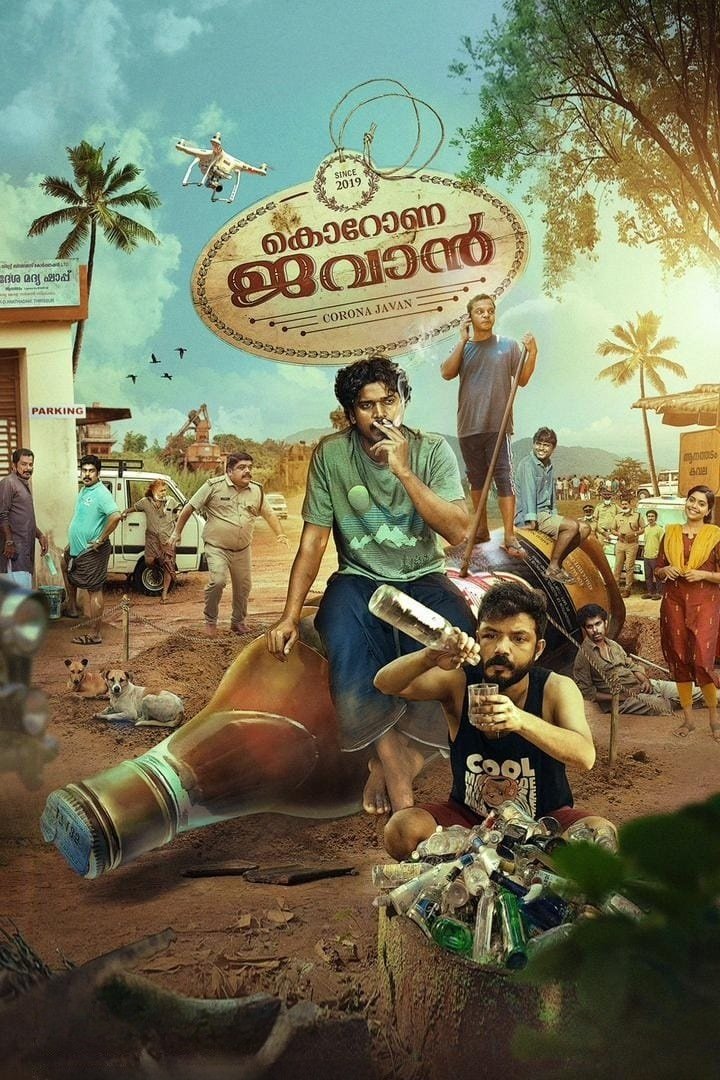
While the whole world has stopped during the coronavirus pandemic, the residents of the Kolochava Transcarpathian mountain village are living their normal lives. Only ambulance workers know what is really going on.
Since 2013, the Casual Gabberz collective has been storming dancefloors and the stages of the biggest festivals with its gabber surge, that hardcore techno sound born in Holland in the 90s. Until a virus causes the planet to go haywire. And triggered an existential crisis within the collective.
Report on the town of San Pedro which exists in the middle of the desert and at over 2,430 meters above sea level. It also deals with the work of priest Gustavo Le Paige and the museum he helped develop.
"Everybody should have a home. If you punish a nation, this is so abstract, it's very mean to use your power to put another country in your control... Instead of punishment, maybe we should have love." Eliane from Chile, Milad from Iran, and Georgia from Greece, three migrants in the UK and their thoughts on love, home, family, and Shakespeare's Romeo and Juliet.
The story of the Yugoslavian football team who became youth world champions in Chile, 1987.
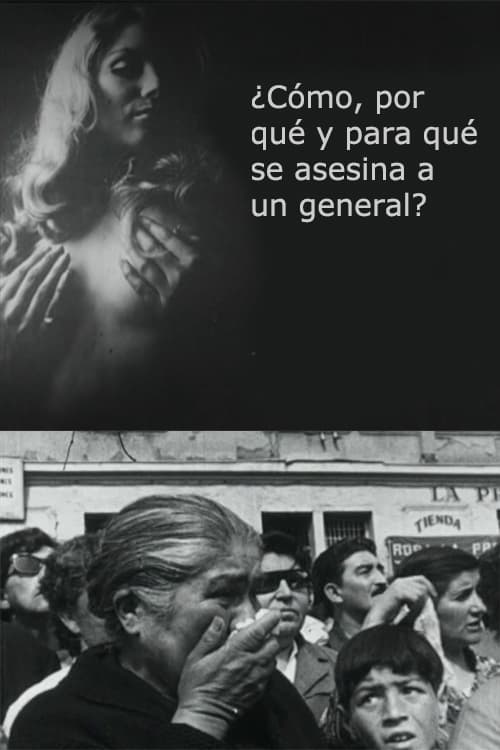
Documentary short about the death of Chilean general René Schneider by the CIA, following the election of Salvador Allende as president of the nation.
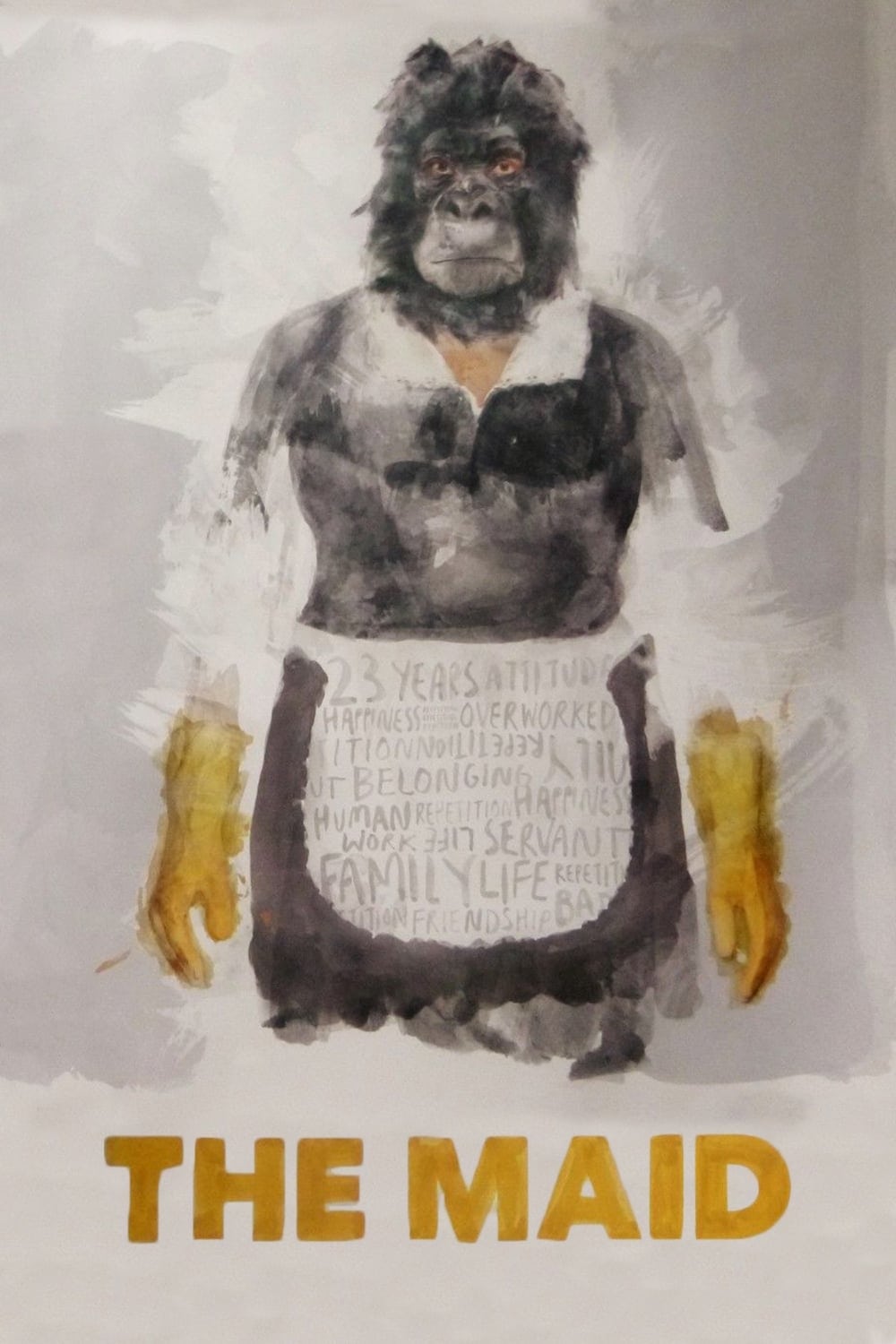
Raquel has been the live-in housekeeper for a kind, reasonably wealthy family for half her life, and the joyless repetition of the job has begun to take its toll. Increasingly dependent on painkillers, Raquel resorts to pranks and childish avoidance to antagonize the family’s college-age daughter and a procession of new servants, all in the hopes of protecting her precarious power within the home. Her antics successfully push everyone away, until new maid Lucy actually pushes back.
It follows Chilean writer Antonio Skármeta as he celebrates the end of the autocrats. Cheerful farewell rituals accompany others facing political persecution on their way to fly home.
Examines the career and literary output of Pablo Neruda, who makes his home at Isla Negra on the coast of Chile. Includes views of Mr. Neruda reading many of his poems in the locales which inspired them.