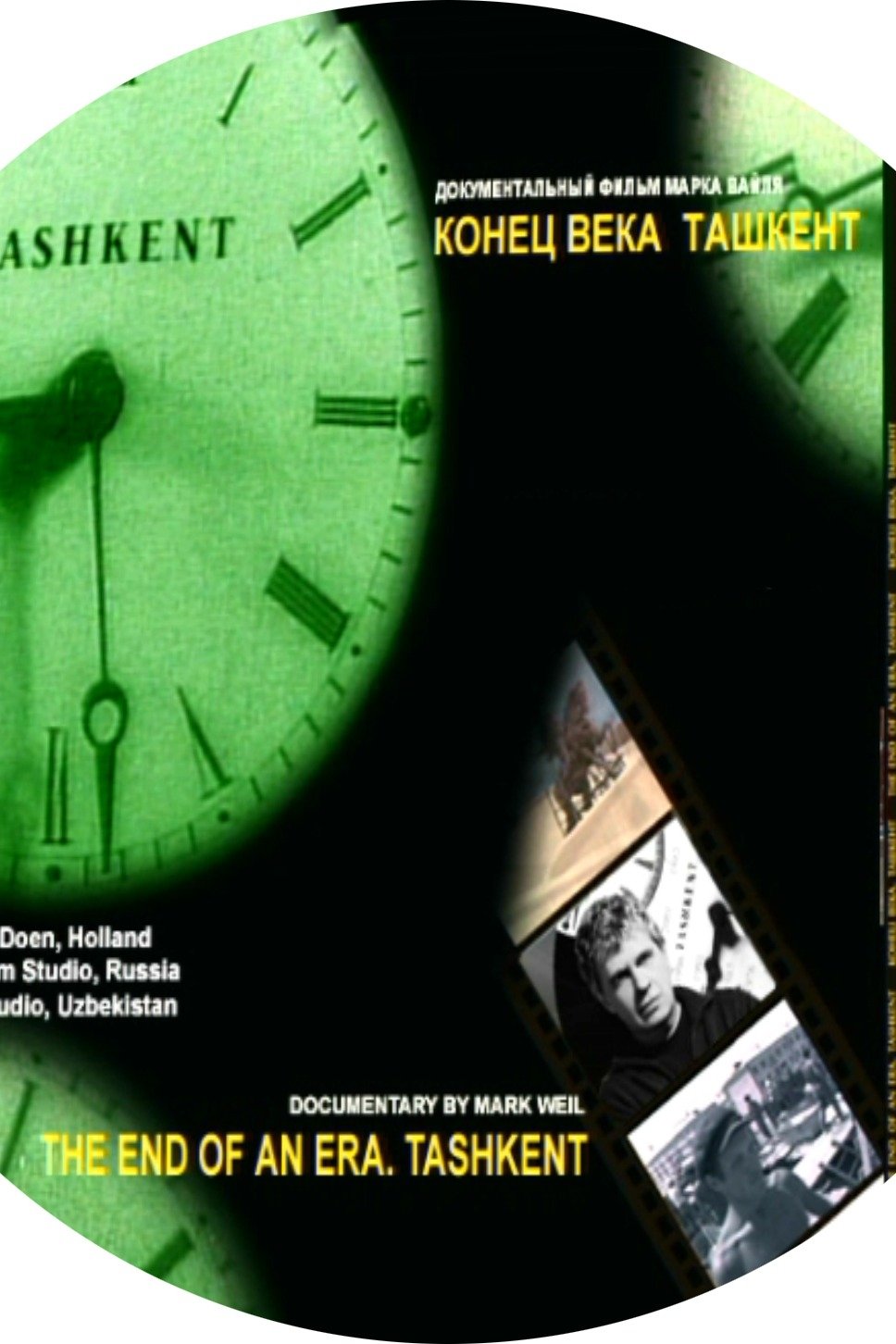
Documentary highlighting clips and providing historical context to surviving silent films from Uzbekistan.
Social & External
Throughout the 19th century, imaginative and visionary artists and inventors brought about the advent of a new look, absolutely modern and truly cinematographic, long before the revolutionary invention of the Lumière brothers and the arrival of December 28, 1895, the historic day on which the first cinema performance took place.
The story of Fantômas, the first villain of modernity, from his birth in 1911 as a novel character to his contemporary vicissitudes, passing through Louis Feuillade, André Hunebelle, surrealism and Moscow.
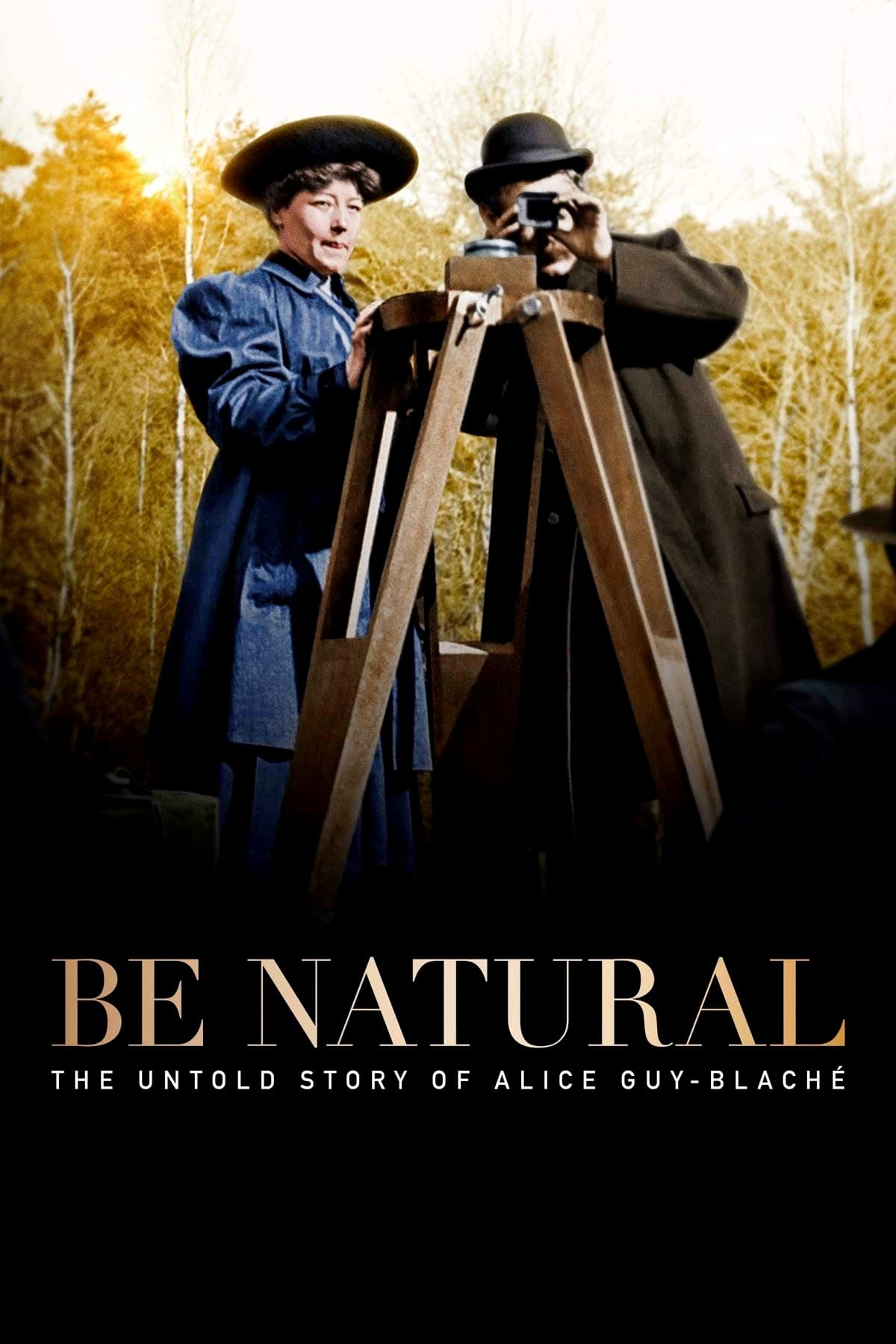
The epic life story of Alice Guy-Blaché (1873–1968), a French screenwriter, director and producer, true pioneer of cinema, the first person who made a narrative fiction film; author of hundreds of movies, but banished from history books. Ignored and forgotten. At last remembered.
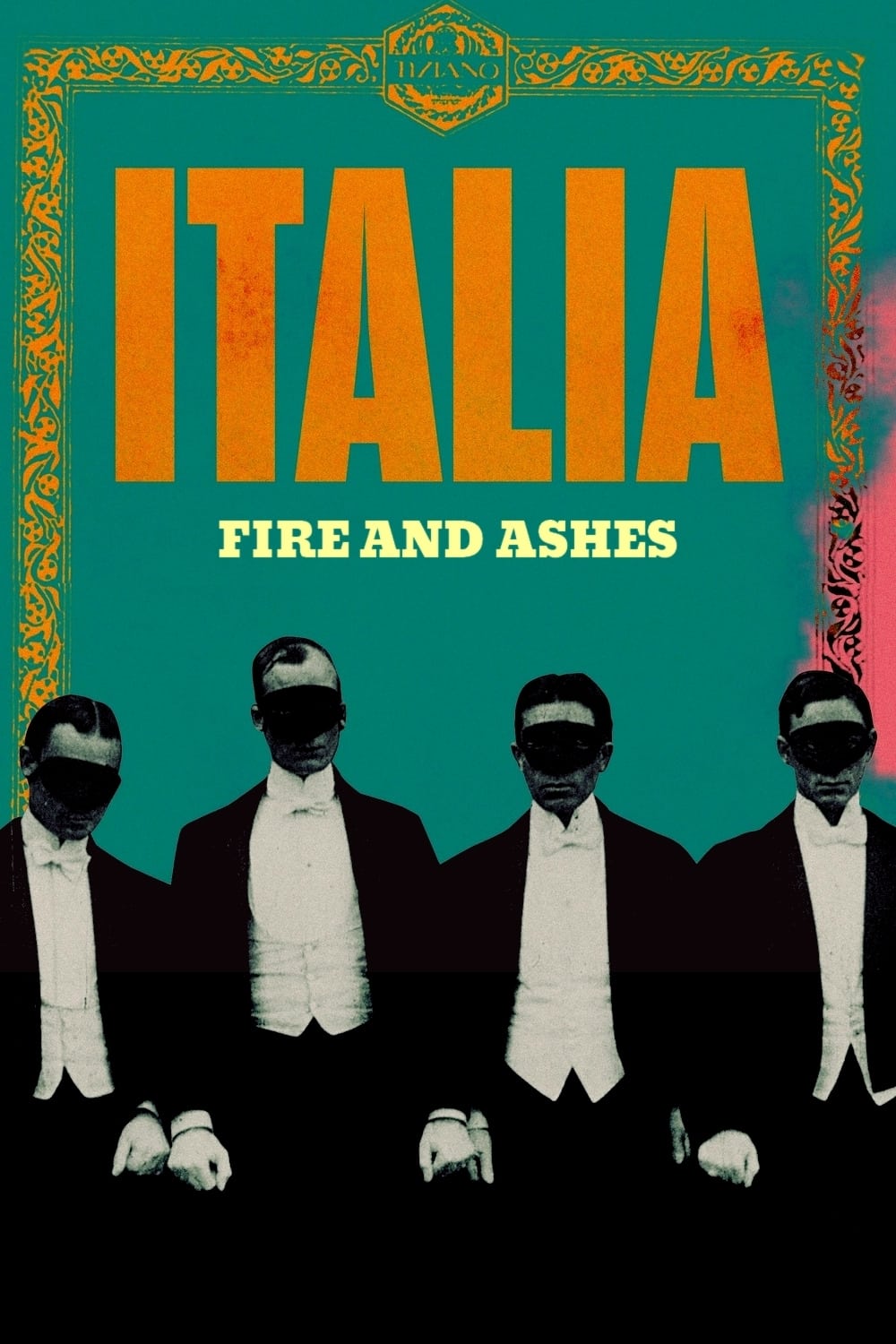
The epic and poetic tale of the early years of Italian cinema, from 1896 to 1930: how peplum was born, how the first stars shone, how many daring filmmakers were able to create an original style amalgamating literature, theater, painting and opera; a tale of splendor and decadence.
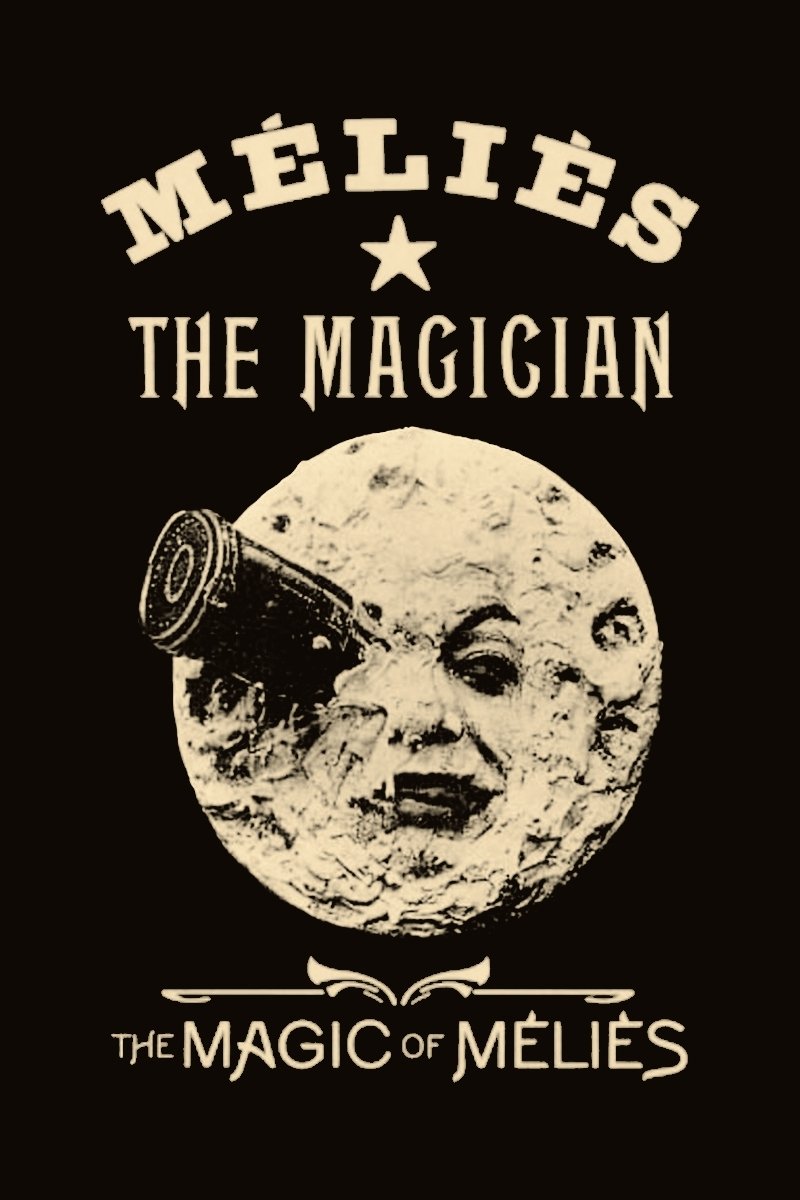
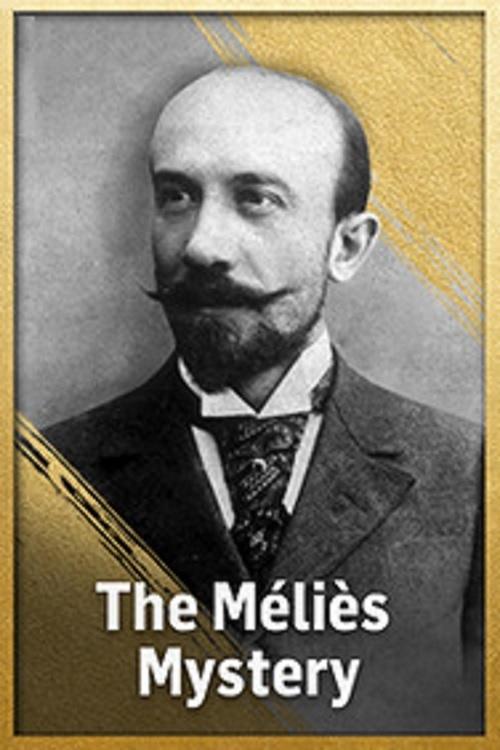
A walk through the life and work of the brilliant French filmmaker Georges Méliès (1861-1938), pioneer of special and visual effects.

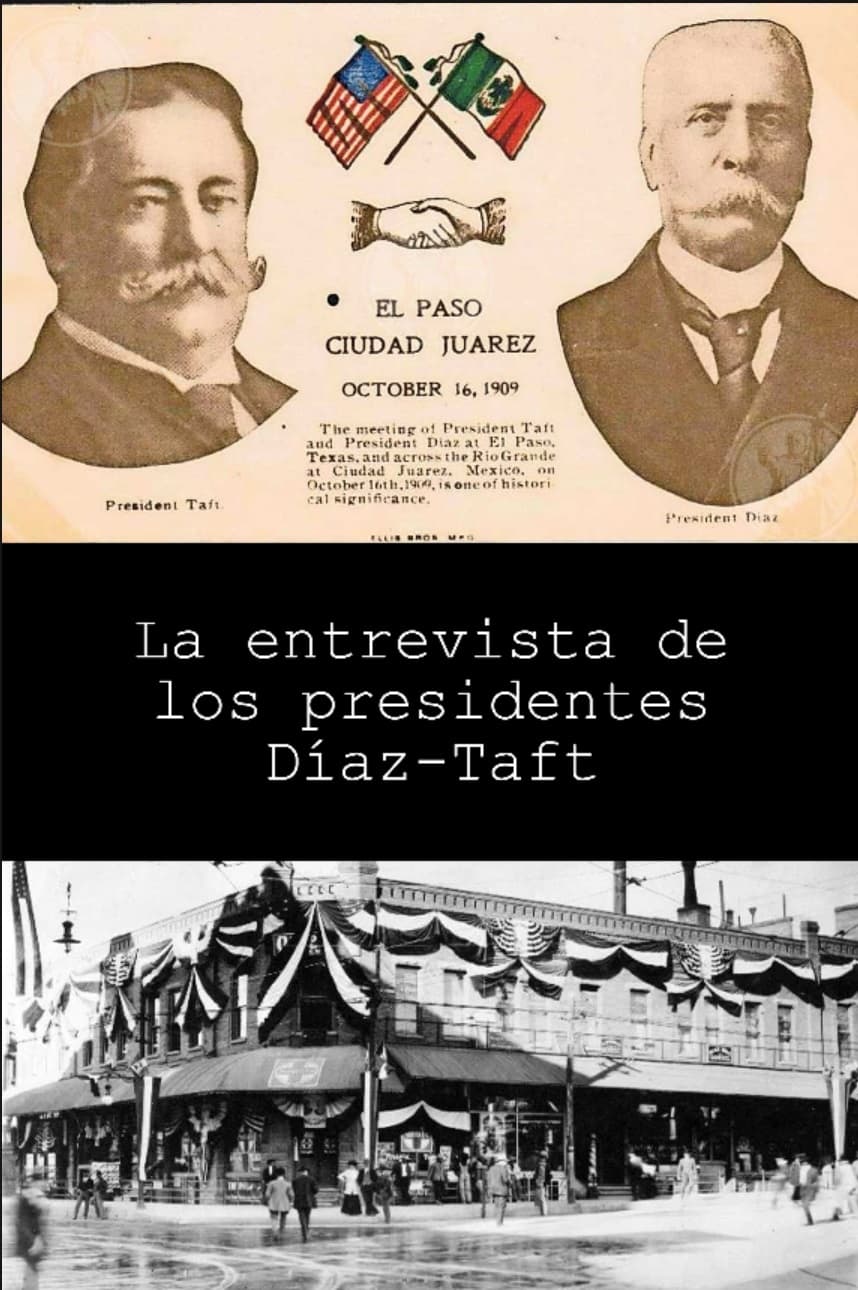
The first meeting of a U.S. president and a Mexican president took place when William Howard Taft met Porfirio Díaz on 16 October 1909, in El Paso. The meeting was celebrated in both El Paso and Juárez with parades, elaborate receptions, lavish gifts and large crowds. Shot by the pioneers of Mexican Cinema the brothers Alva. This is a typical example of newsreel material prior to the Mexican revolution. By hemerographical references we know that this footage was presented to the then president of Mexico General Porfirio Díaz in the Castle of Chapultepec, then residence of the president.
The tragic story of the greatest soccer player the most have never heard of.
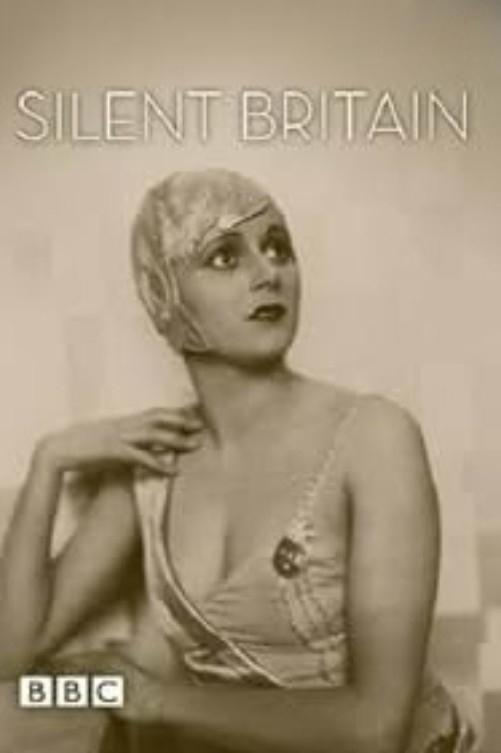
Long treated with indifference by critics and historians, British silent cinema has only recently undergone the reevaluation it has long deserved, revealing it to be far richer than previously acknowledged. This documentary, featuring clips from a remarkable range of films, celebrates the early years of British filmmaking and spans from such pioneers as George Albert Smith and Cecil Hepworth to such later figures as Anthony Asquith, Maurice Elvey and, of course, Alfred Hitchcock.
Having gone to Samarkand in search of traces of colonial culture, of which there were quite a few left there, having carefully photographed them, we suddenly discovered that it was not the dead buildings that were much more interesting, but the living carriers of this very colonial culture. The result is a film about people who live on the ruins of an empire.
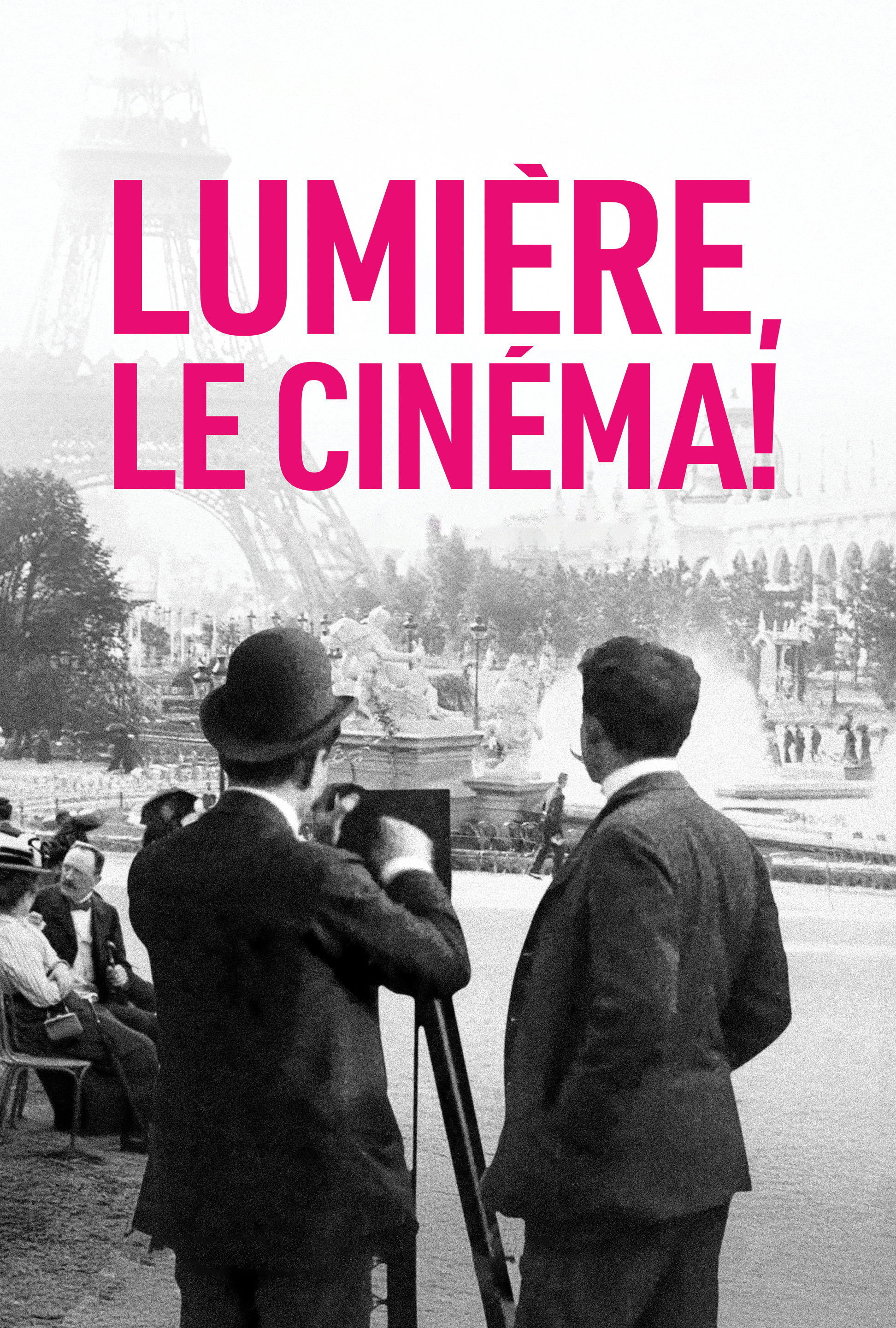
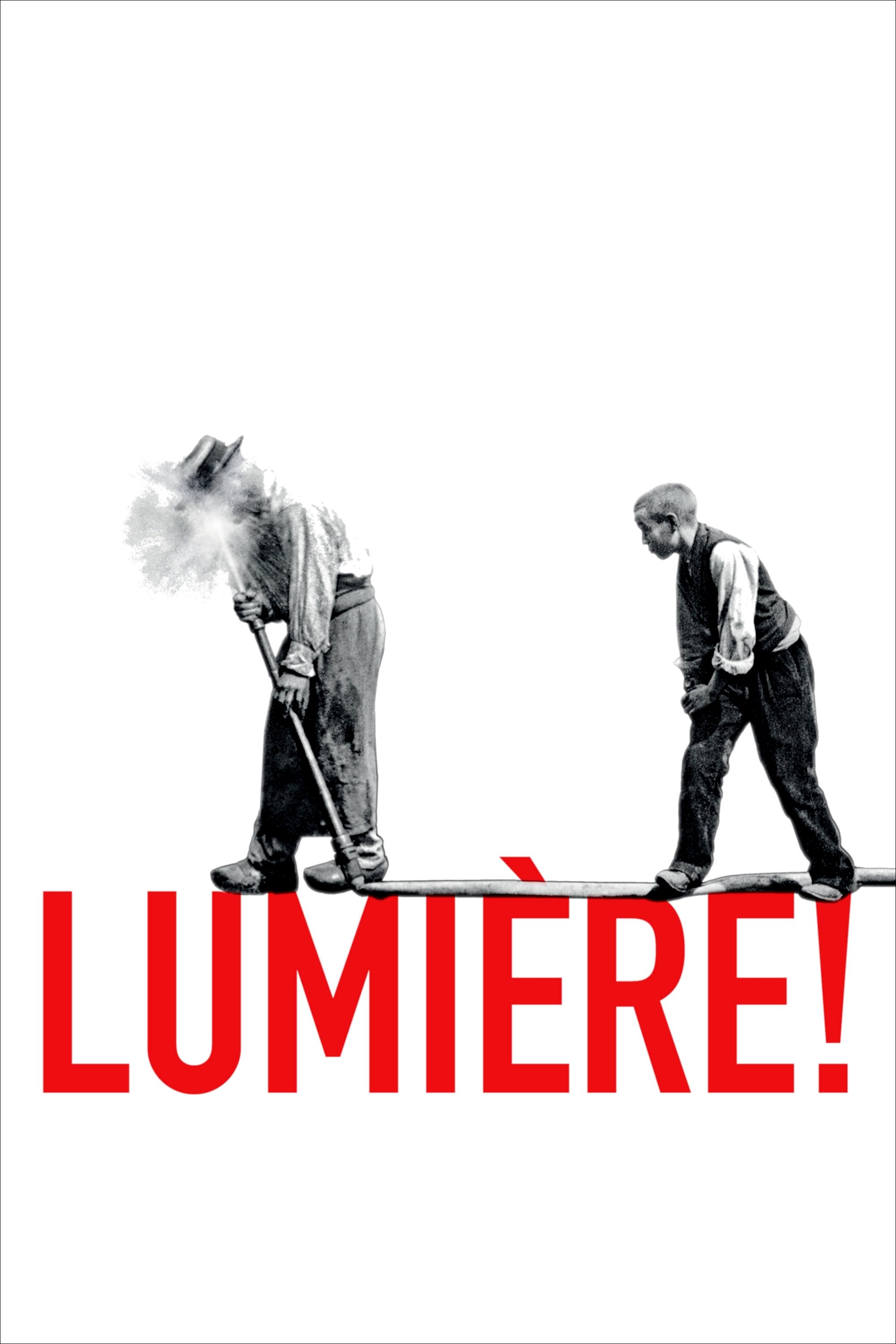
A collection of restored prints from the Lumière Brothers.
A documentary that details the process of restoring 270 of the 520 lost films of pioneering director Georges Méliès, all orchestrated by a Franco-American collaboration between Lobster Films, the National Film Center, and the Library of Congress.
A biographical film about cinematic illusionist Georges Méliès featuring Méliès’s widow, Jeanne d’Alcy, as herself, and their son André as his own father.
Portrait of a typical European feminist - Olga Lipovskaya (1954-2021), journalist, translator, poet, founder of the women's non-profit organization St. Petersburg Center for Gender Issues (an educational and resource center for women and women's organizations), editor of the samizdat magazine Women's Reading.
The sequel to Lumière! L'aventure commence (Lumière! The Adventure Begins) reveals another hundred Lumière films, all immaculately restored, and aims above all to explore more deeply the history of the invention and affirmation of cinema in the world. This new feature-length film, following the great success and worldwide release of its predecessor, will confirm to audiences everywhere that the roots of the greatest and most beautiful works in the history of cinema lie in its origins, which are both profoundly French and truly international.
A biographical film about one of the greatest Medieval scientists and scholars, Al-Biruni.
Pokser TV short-film
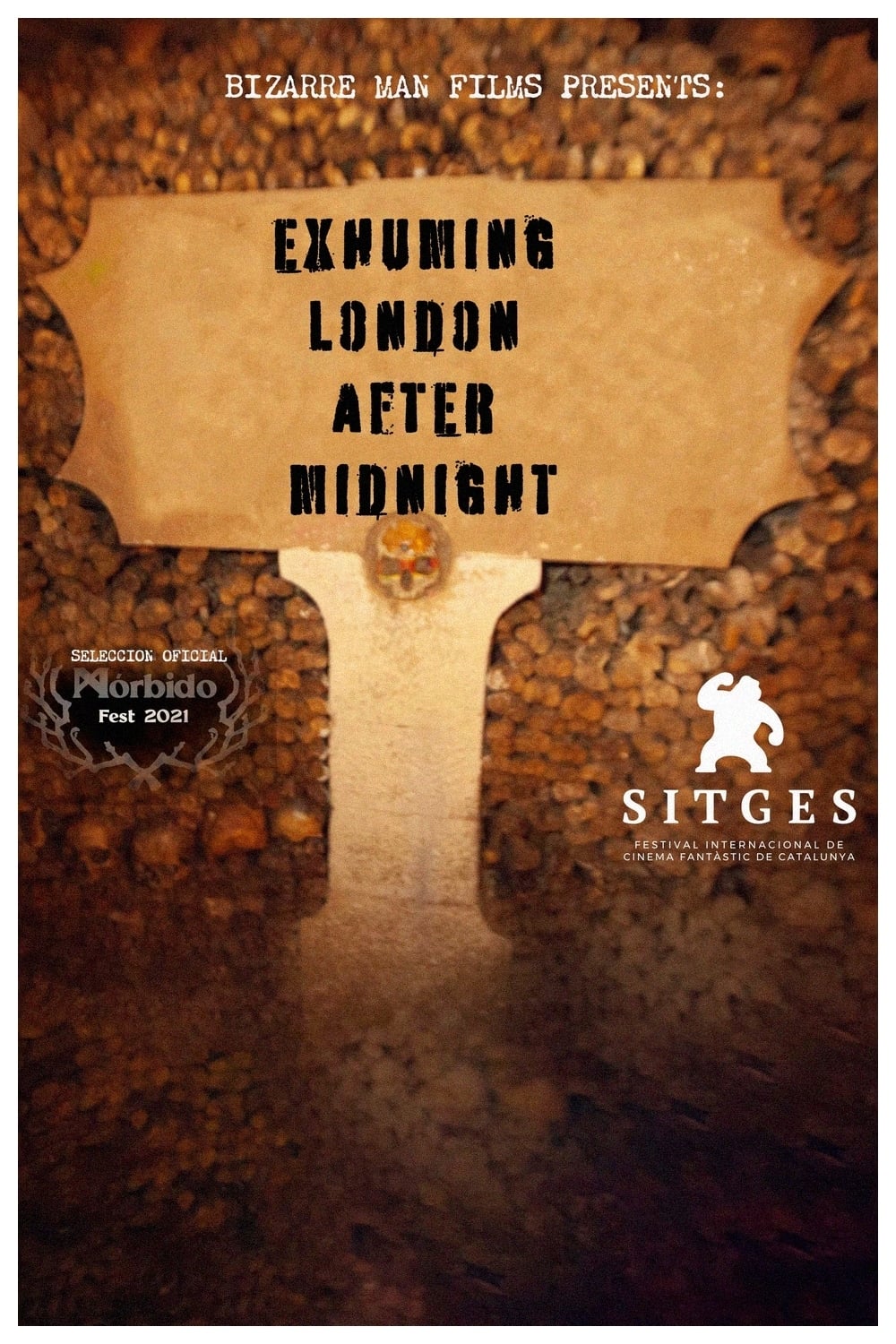
London After Midnight (1927), directed by Tod Browning and starring Lon Chaney, is the most sought-after lost film by fans of fantastic cinema. Has this mythical treasure finally been found in an old South American cinema?
A documentary film about the three remaining generations of fishermen in the Aral Sea-- Their everyday struggle to survive in one of the most dire and inhospitable places on the planet.
Chronicles of the cultural life of Tashkent (2007 – 2015). From the murder of Mark Weil to the wedding of Alisher Usmanov. Tashkent Biennale, apartment buildings, video art festival, conversations about nothing, amateur performances and operational shooting, advertising and much more. Tashkent, which no longer exists, just as these people are no longer in it.
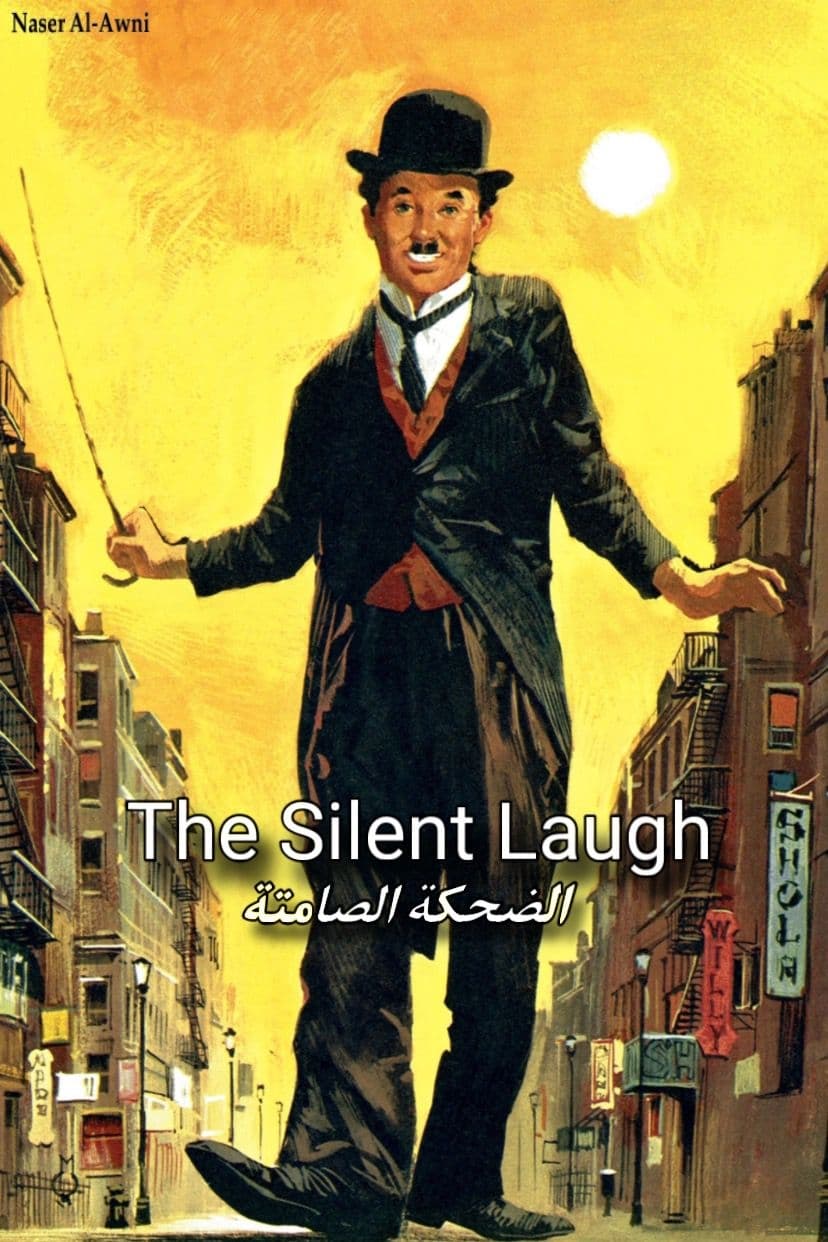
Charlie Chaplin, The Tramp. In this documentary, we will take a look at the life of actor and director Charlie Chaplin, and talk about his films and hidden symbolisms.
Sergei M. Eisenstein's docu-drama about the 1917 October Revolution in Russia. Made ten years after the events and edited in Eisenstein's 'Soviet Montage' style, it re-enacts in celebratory terms several key scenes from the revolution.
John Shepherd spent 30 years trying to contact extraterrestrials by broadcasting music millions of miles into space. After giving up the search, he makes a different connection here on earth.
A man attempts to evade observation by an all-seeing eye.
A Soviet woman is caught between her husband and son, who find themselves on opposing sides of the Russian Revolution.
In a long, diaphanous skirt, held out by her hands with arms extended, Broadway dancer Annabelle Moore performs. Her dance emphasizes the movement of the flowing cloth. She moves to her right and left across an unadorned stage. Many of the prints were distributed in hand-tinted color.
A cameraman wanders around with a camera slung over his shoulder, documenting urban life with dazzling inventiveness.
A weary traveler stops at an inn along the way to get a good night's sleep, but his rest is interrupted by odd happenings when he gets to his room--beds vanishing and re-appearing, candles exploding, pants flying through the air and his shoes walking away by themselves.
Buster and a woman are mistakenly married and her initially unfriendly family begins to treat him nicely when they come to believe he has a large inheritance awaiting him.
A compilation of over 30 years of private home movie footage shot by Lithuanian-American avant-garde director Jonas Mekas, assembled by Mekas "purely by chance", without concern for chronological order.
After returning home to his long-estranged mother upon a request from her deathbed, a man raised by his parents in an orphanage has to confront the childhood memories that have long haunted him.
In the absence of any physical connection, this short explores alternative forms of contact among neighbors by making use of an old 16mm camera, a zoom lens, and a few meters of expired film.
Roscoe and Buster operate a combination garage and fire station. In the first half they destroy a car left for them to clean. In the second half they go off on a false alarm and return to find their own building on fire.
Daniel Craig candidly reflects on his 15 year adventure as James Bond. Including never-before-seen archival footage from Casino Royale to the upcoming 25th film No Time To Die, Craig shares his personal memories in conversation with 007 producers, Michael G Wilson and Barbara Broccoli.
On a whim, a greedy tycoon decides to corner the world market in wheat. This doubles the price of bread, forcing grain producers into charity lines and others further into poverty. The film contrasts the differences between the lives of those who work to grow the wheat and the life of the man who dabbles in its sale for profit.
Amber Heard and Nicole Kidman discuss their characters Mera and Atlanna.
In celebration of Asian Heritage Month, HBO presents a collection of perspectives from a diverse group of Asian Americans.
A spiral design spins. It's replaced by a spinning disk. These two continue in perfect alternation until the end: a spiral design, a disk. Each disk is labelled and can be read as it rotates. The messages, in French, feature puns and whimsical rhymes and alliteration. The final message comments on the spiral motif itself.
While changing clothes in a getaway car, escaped convicts Stan and Ollie mistakenly put on each other's pants. They spend the rest of the film trying to exchange pants in various unlikely settings.
Newlyweds receive a build-it-yourself house as a wedding gift—and the house can, supposedly, be built in "one week". A rejected suitor secretly re-numbers packing crates, and the husband struggles to assemble the house according to this new 'arrangement' of its parts.
Charlie is released from prison and immediately swindled by a fake parson. A fellow ex-convict convinces Charlie to help burglarize a house.