Social & External
The people behind it
Irene Knoth
Valmir Leite Silva
Pedro Leite Knoth
Eduardo Leite Knoth
Wanda Leite Silva
João Victor de Moraes Felício
The Executive Empress explores the entrepreneurial lives of several Florida women, who have turned their unique passions into successful businesses.
Has the time of women finally come? Have their everyday lives truly changed over the past sixty years? Guided by Agnès Jaoui, women—famous and unknown—share their stories across generations. From childhood to retirement, the documentary traces shared experiences shaped by prejudice, but also by hope, strength, and humor. Blending personal archives, historic moments, and social media footage, the film places women at the center of their own story. Welcome to the Time of Women.
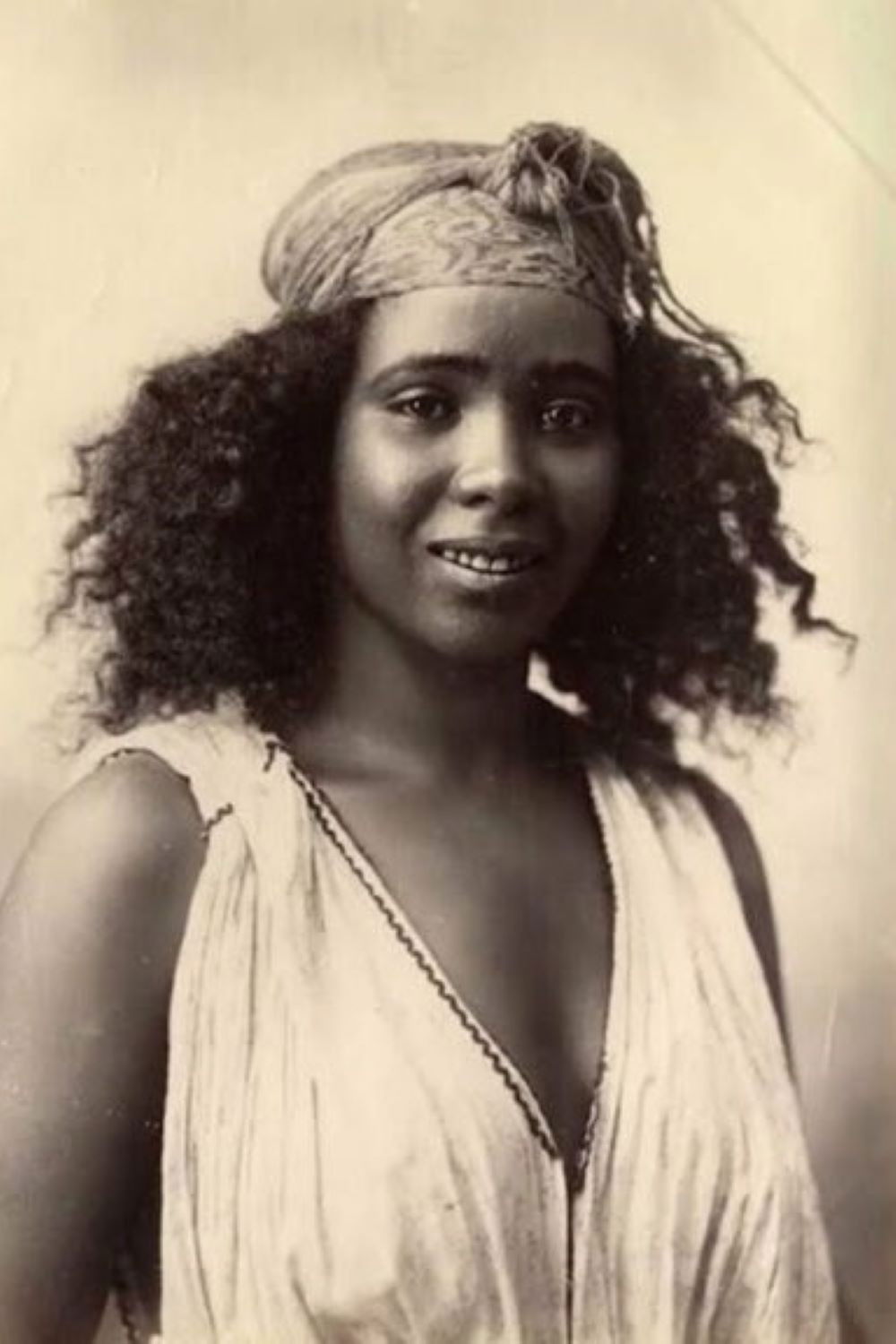
In Mahdia, Tunisia, Maram embarks on an intimate journey through the ancestral customs that have shaped her life, exploring matrimonial traditions, and highlighting the Henna, where the bewitching songs of the Machtat resound. Tracing her childhood memories, guided by Latifa and Habiba, two prominent Machtat, she uncovers the maternal essence of tradition, where the bond between mother and bride is at the heart of these intimate celebrations.
The American woman is the best dressed woman in the world. This is due to Yankee ingeniuty, which makes a fashionable, well-made dress to sell for twenty dollars or less.
A scenes from a tour of Manipur State and a women's bazaar in Imphal.
Discovering your womanhood at 33 when you're a feminist is like exploring a new continent as an adventurer. It sparks a desire to embark on a journey, to understand the world around us, to search for ourselves, over and over again. To engage in the new sexual revolution and trace the roots of sexism and gender, questioning whether sexual education in France can prevent future generations from the patriarchy. But are we ready to deconstruct everything?
After marrying a settler, Mary Two-Axe Earley lost her legal status as a First Nations woman. Dedicating her life to activism, she campaigned to have First Nations women's rights restored and coordinated a movement that continues to this day. Kahnawake filmmaker Courtney Montour honours this inspiring leader while drawing attention to contemporary injustices that remain in this era of truth and reconciliation.
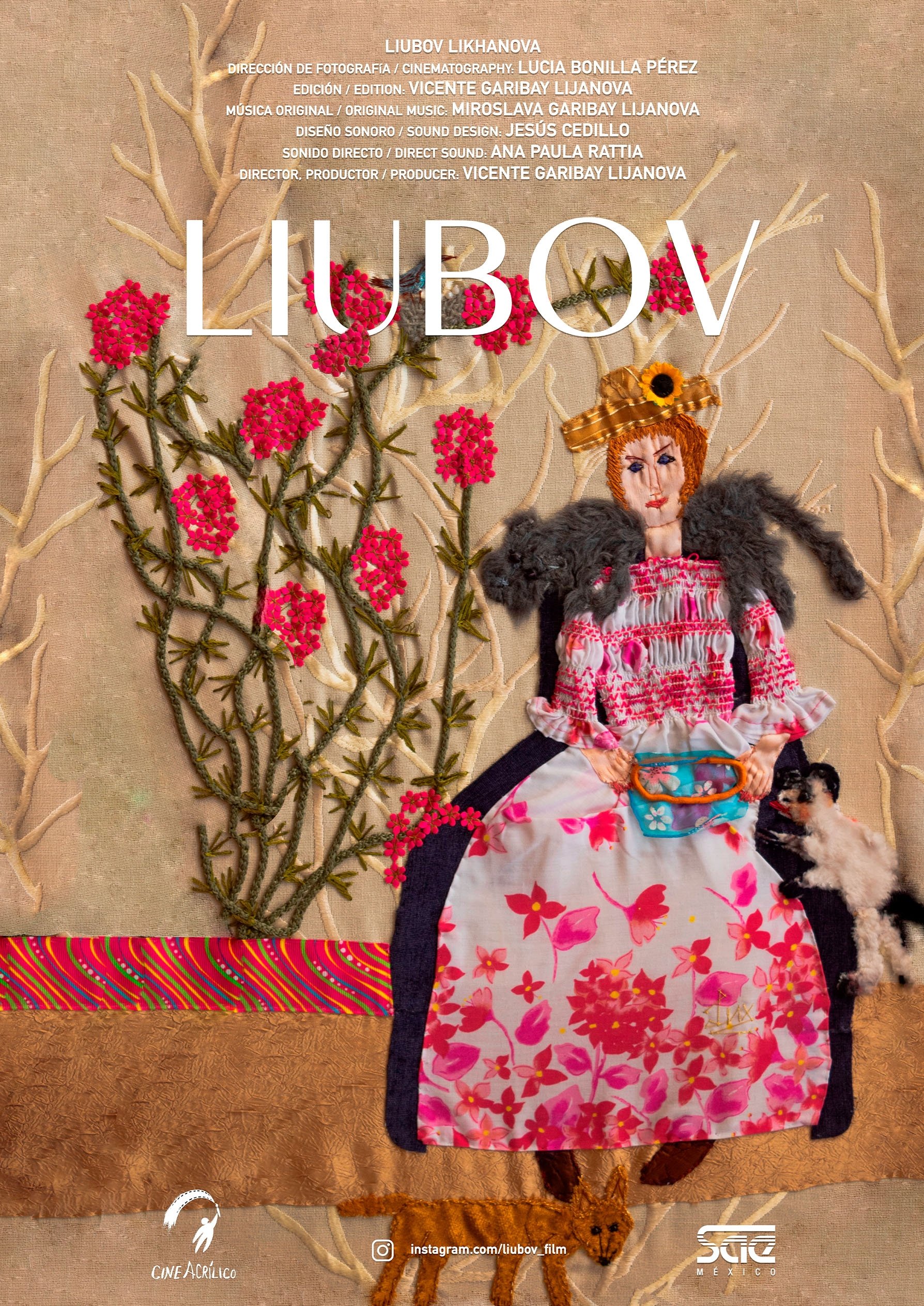
Liubov, a Russian lady who lives in Mexico City. During the routine of her day, Liubov will recall the experiences she had with death, from childhood to adulthood.
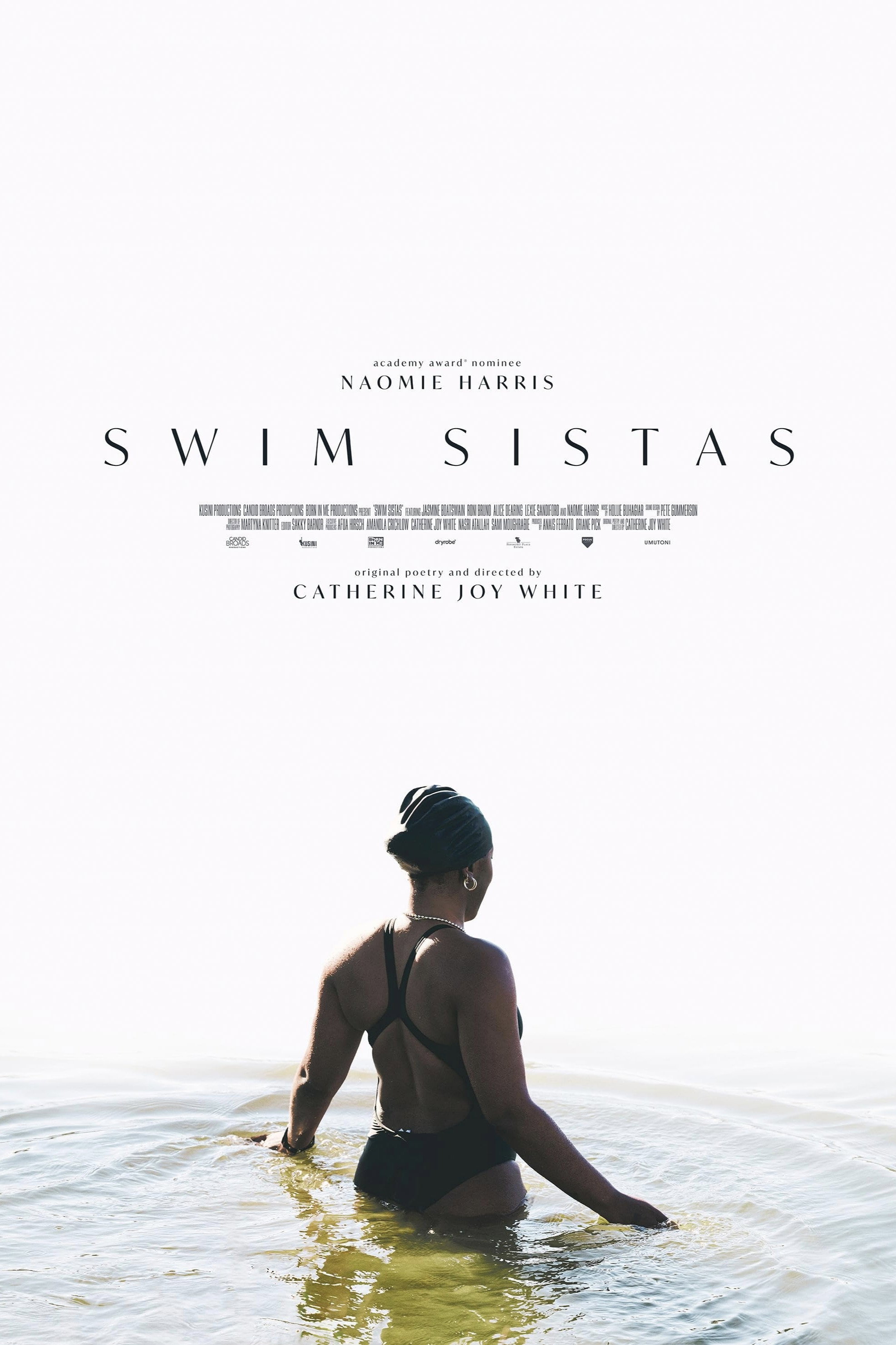
Swim Sistas follows the swimming journeys of three very different Black girls/women as barriers are broken down in the water.
CNN camerawoman Margaret Moth fearlessly captures footage of war zones. After receiving catastrophic injuries in the crosshairs of battle, she returns to work with more courage than ever. An intimate portrait of a trailblazing female photojournalist. Features interviews with Moth’s family and friends, including CNN’s Christiane Amanpour. A Sundance film festival premiere directed by Lucy Lawless.
Three alien women with futuristic sound headgear walk around enclosed spaces engulfed in sand. They are connected by their common ability to listen to the stories of migrant Venezuelan women abandoned objects carry.
Since the law of August 2, 2021, on bioethics, French women between the ages of 29 and 37 have the right to collect and freeze their eggs, free of charge, without medical reason, regardless of their marital status. From this simple law, and thus from this right, emerges a complex and fascinating reality.
“Let them eat cake!” laughs a Marie-Antoinette from the dunes... Gaëlle loves to dress up. Under her wigs, Gaëlle plays with codes and the surprise her appearances provoke. Each of her wigs explores a part of her femininity, her self-confidence and her relationship with the gaze of others... Above all, all her wigs hide a secret.
Inès, of North African origin, has frizzy, unruly curls. But why should she bother straightening it? Where does this obsession with straight, neatly styled hair come from?
History of women in Latin America
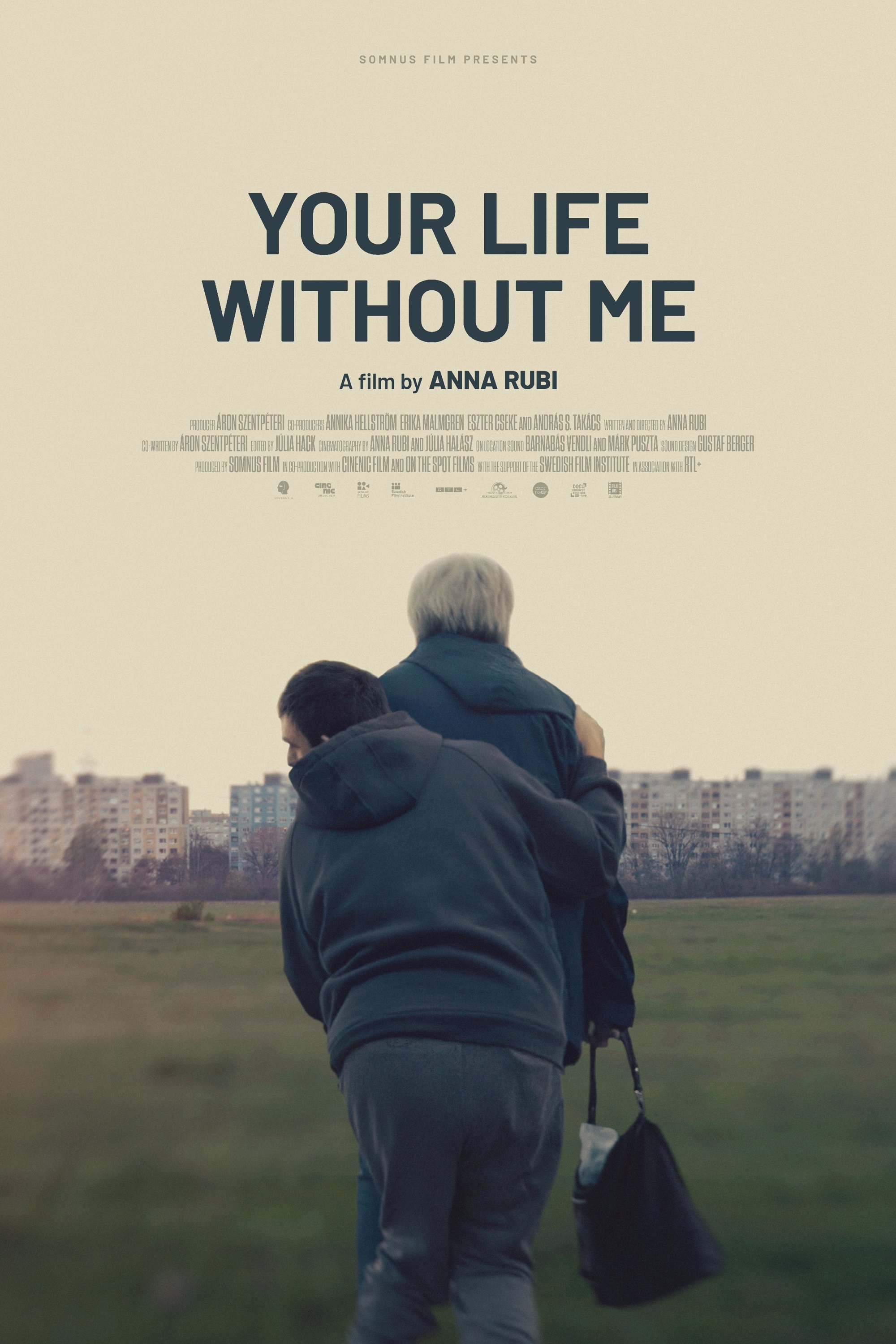
Magdi, a strong-willed, but lonely caregiver faces a daunting reality as she grows older: If she were to pass away, her disabled adult son, Feri would be left to the inhumane conditions of the Hungarian state care system, and would quickly follow her. Determined to secure a future for Feri, Magdi unites with a group of mothers who are in the same situation and they take legal action against the state. “Your Life Without Me” is a story of the strength and sacrifices of these women who find their own voice through the common fight and their community.
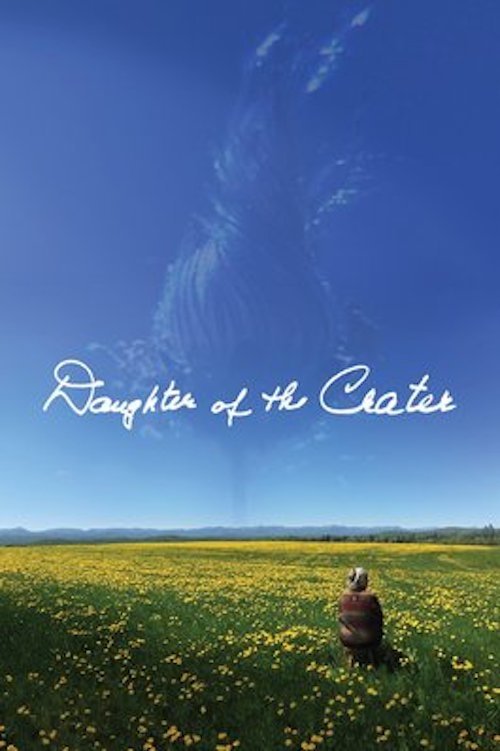
A woman with a deep love of the land, Yolande Simard Perrault sees her life as having been shaped by a planetary upheaval in Charlevoix, Quebec, millions of years ago. As enduring as the Canadian Shield, she’s a woman of strength and spirit, a child of the crater left by the meteor’s impact. This documentary portrays a determined woman who’s the reflection of a land created on an immense scale. She was the creative and life partner of filmmaker Pierre Perrault, who gave up everything to be by her side. The film charts the influence of her unquenchable dreams and her contribution to the building of a people’s collective memory. In a stream of images and words, Simard Perrault recounts the splendours of the landscape and the people who shaped it. Generous and boundless, she embarks on a quest for identity that nurtures and perpetuates the oeuvre of the man who breathed new life into Quebec cinema.
A young Dutch girl (my mother, filmed by my father in-love). A little redhead (me, filmed by my father). Boys (my brothers). And through the images of flowers, animals and rallies (super 8s that were found): A chalet (Switzerland), dikes (the Netherlands). And my memories, childhood, teenage years mixed up with the history of women (of my family).
A look at the "Hell House" performed annually in October by the youth members of Trinity Church (Assemblies of God) in Cedar Hill, Texas (a Dallas suburb) — seen by over 10,000 visitors each year.
Captured during Billie Eilish's sold-out world tour, a concert experience from one of the most celebrated and successful artists of her generation, presented in immersive 3D.
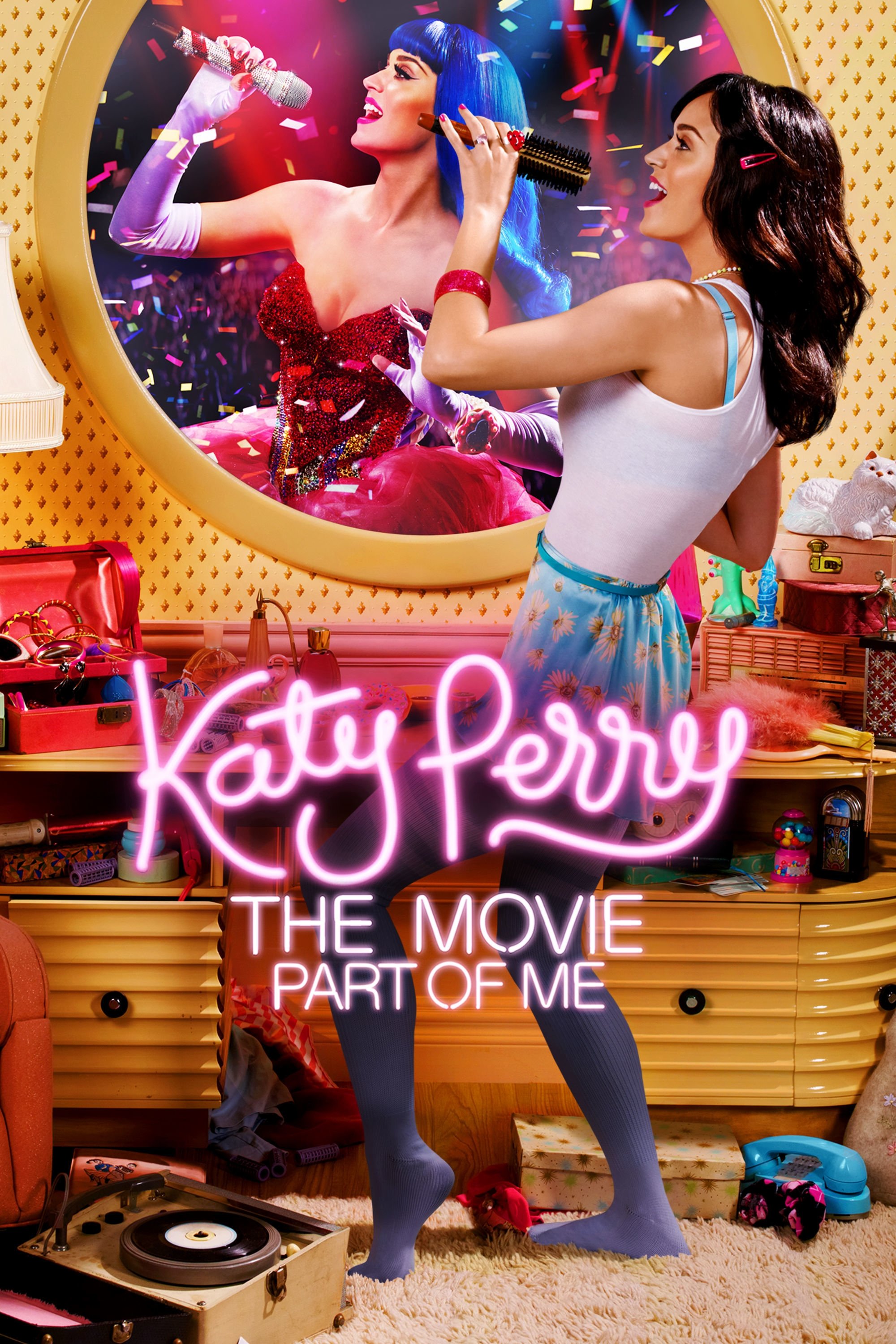
Giving fans unprecedented access to the real life of the music sensation, Katy Perry: Part of Me exposes the hard work, dedication and phenomenal talent of a girl who remained true to herself and her vision in order to achieve her dreams. Featuring rare behind-the-scenes interviews, personal moments between Katy and her friends, and all-access footage of rehearsals, choreography, Katy’s signature style and more, Katy Perry: Part of Me reveals the singer’s unwavering belief that if you can be yourself, then you can be anything.
An IMAX 3D camera chronicles the effort of 7 astronauts aboard the Space Shuttle Atlantis to repair the Hubble Space Telescope.
Following a newspaper ad, ordinary women tell part of their life stories to director Eduardo Coutinho, which are then re-enacted by actresses, blurring the barriers between truth, fiction and interpretation.
Using the book 'Fragments', which collects Marilyn Monroe's poems, notes and letters, and with participation from the Arthur Miller and Truman Capote estates who have contributed more material, each of the actresses will embody the legend at various stages in her life.
Join Will Smith, Tatyana Ali, Karyn Parsons, Joseph Marcell, Daphne Maxwell Reid, Alfonso Ribeiro and DJ Jazzy Jeff, for a funny and heartfelt night full of music and dancing in honor of the show that ran for six seasons and 148 episodes.
Daniel Craig candidly reflects on his 15 year adventure as James Bond. Including never-before-seen archival footage from Casino Royale to the upcoming 25th film No Time To Die, Craig shares his personal memories in conversation with 007 producers, Michael G Wilson and Barbara Broccoli.
The film follows adventurer Jeff Johnson as he retraces the epic 1968 journey of his heroes Yvon Chouinard and Doug Tompkins to Patagonia.
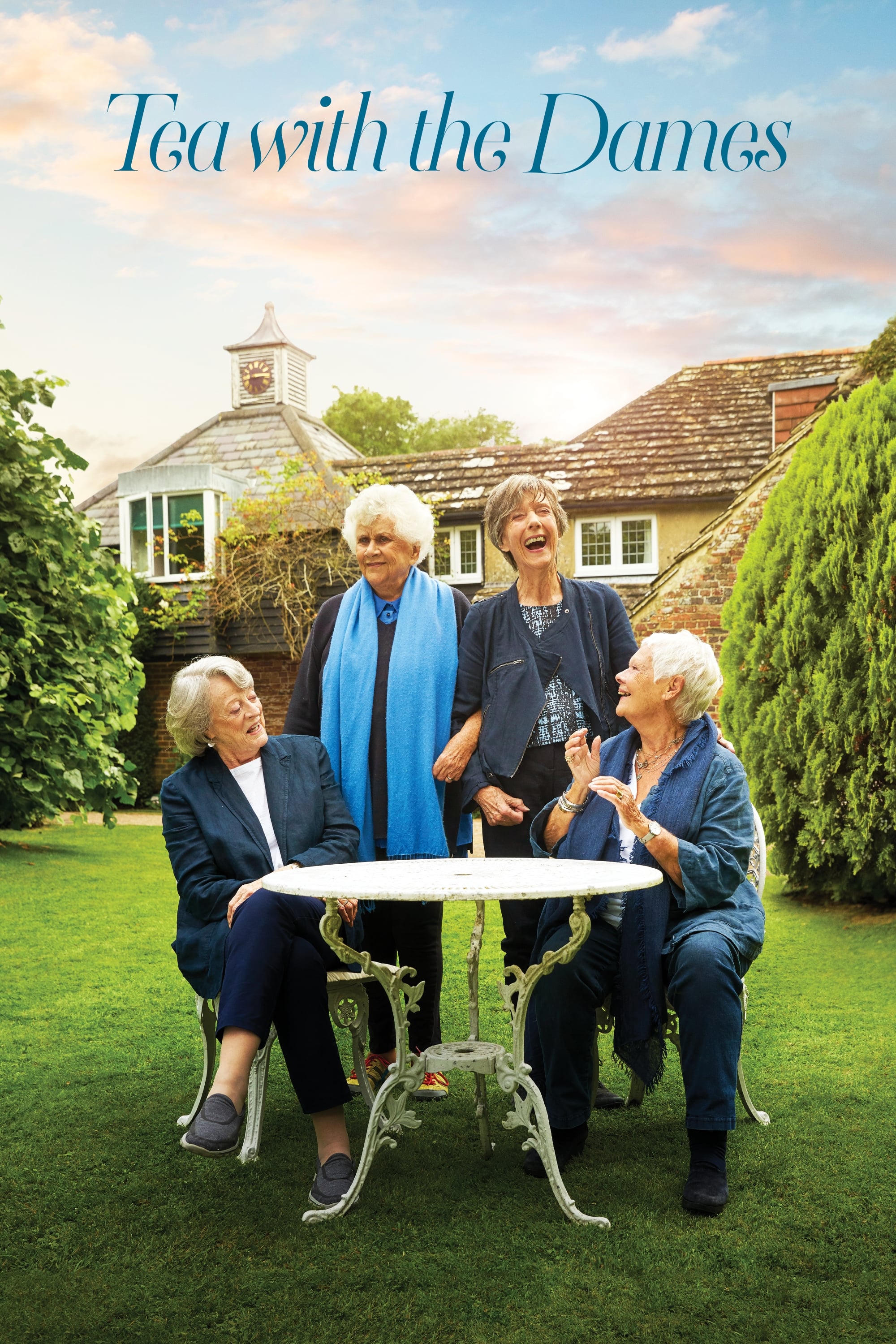
BBC Arena's documentary on the Dames of British Theatre and film featuring Maggie Smith, Eileen Atkins, Judi Dench and Joan Plowright on screen together for the first time as they reminisce over a long summer weekend in a house Joan once shared with Sir Laurence Olivier.
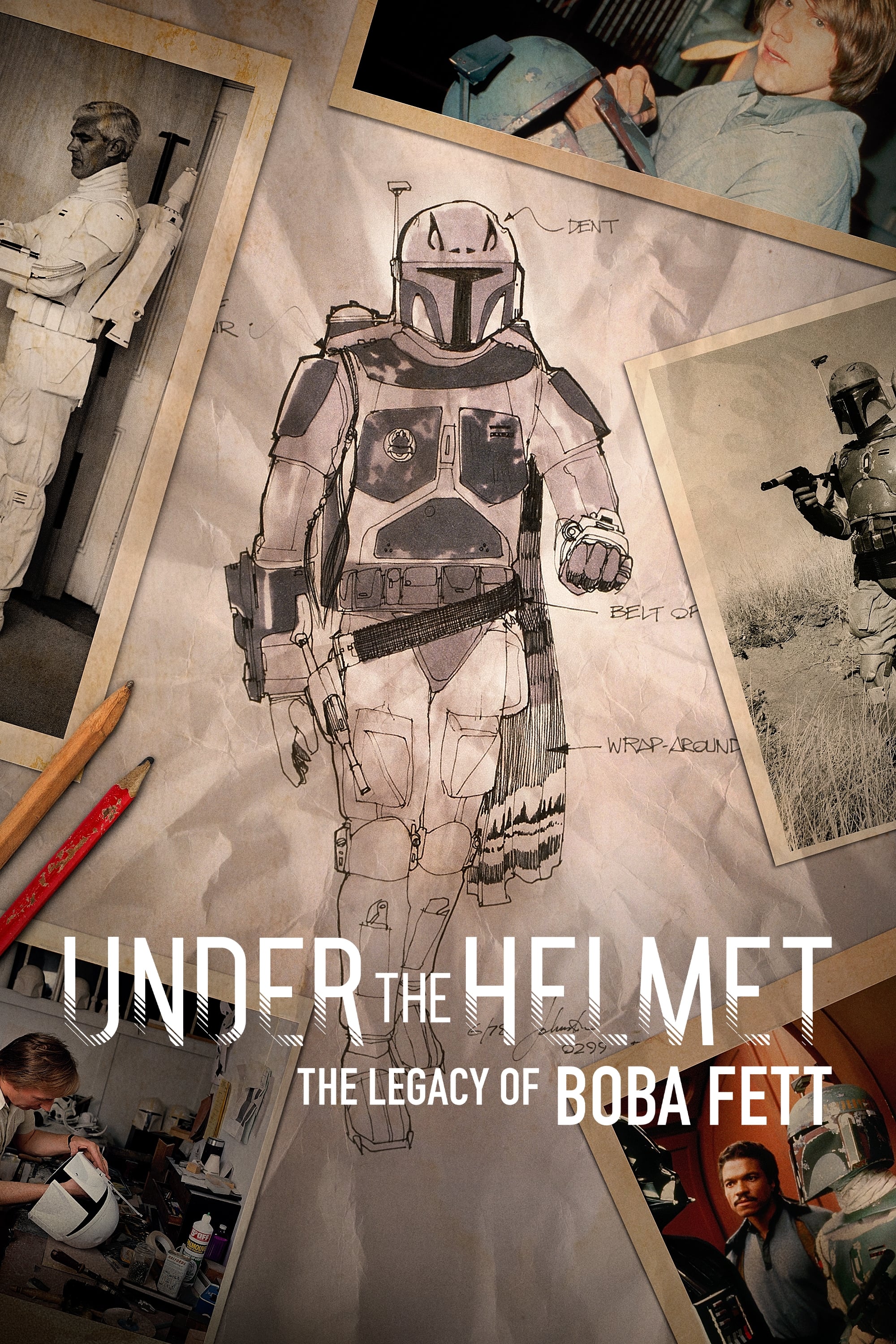
A special celebrating the origins and legacy of Star Wars' legendary bounty hunter, Boba Fett.
Martin Scorsese's documentary intertwines footage from The Band's incredible farewell tour with probing backstage interviews and featured performances by Eric Clapton, Bob Dylan, Joni Mitchell, Van Morrison, and other rock legends.
A feature length documentary about the all-women team at the helm of Pixar's original feature, Turning Red. With unprecedented behind-the-scenes access to Director Domee Shi and her core leadership crew, this story shines a light on the powerful professional and personal journeys that brought this incredibly comical, utterly relatable, and deeply heartfelt story to the screen.
Musician and performance artist Laurie Anderson reflects on the deaths of her husband Lou Reed, her mother and her beloved dog.
Al Pacino's deeply-felt rumination on Shakespeare's significance and relevance to the modern world through interviews and an in-depth analysis of "Richard III."
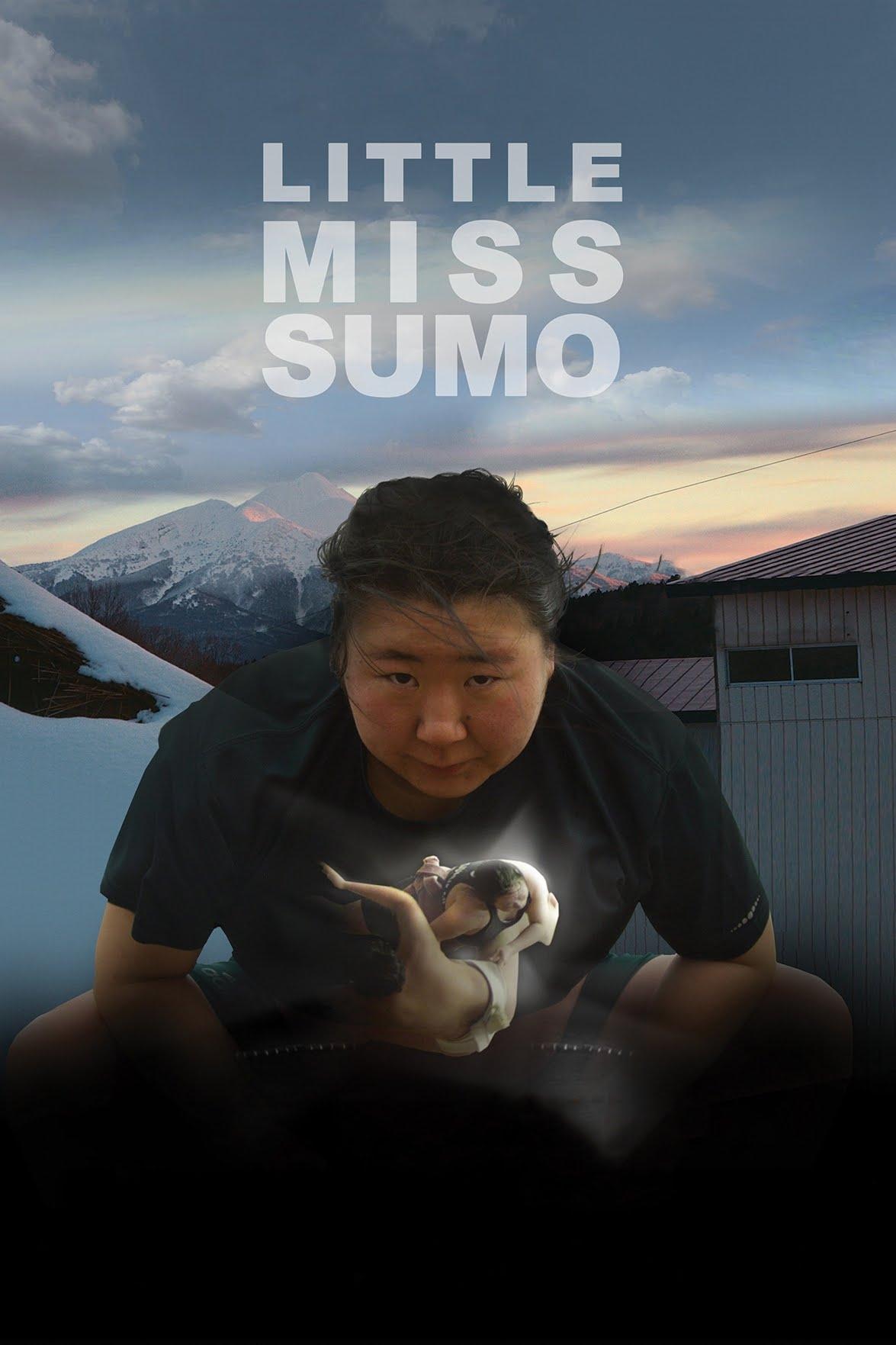
In an ancient sport traditionally reserved for men, 20-year-old female sumo prodigy Hiyori attempts to revolutionize Japan’s national pastime.
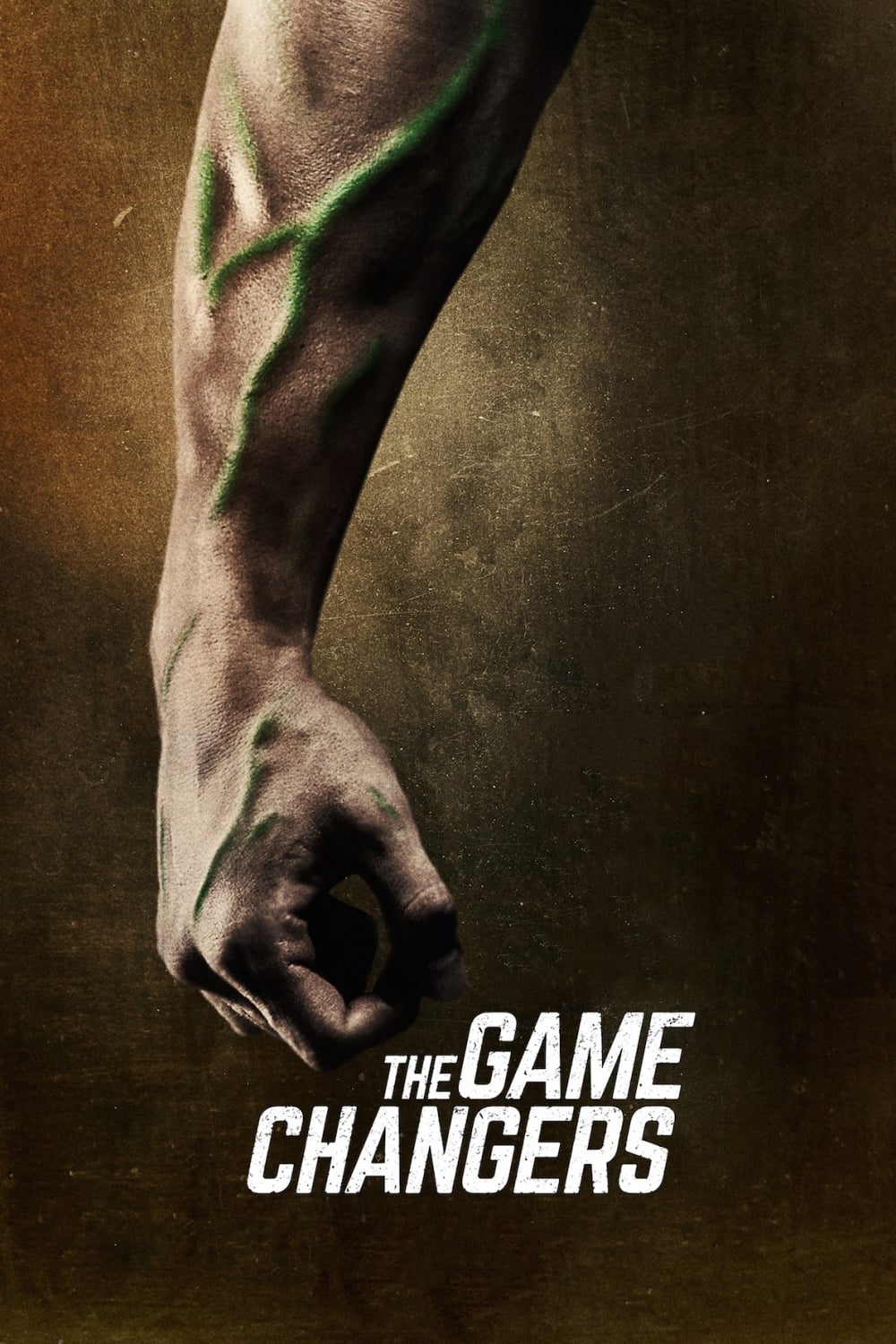
From the UFC Octagon in Las Vegas and the anthropology lab at Dartmouth, to a strongman gym in Berlin and the bushlands of Zimbabwe, the world is introduced to elite athletes, special ops soldiers, visionary scientists, cultural icons, and everyday heroes—each on a mission to create a seismic shift in the way we eat and live.
A backstage and on-stage look at Justin Bieber during his rise to super stardom.
The Captains is a feature-length documentary film written and directed by William Shatner. The film follows Shatner as he interviews the other actors who have portrayed starship captains in the Star Trek franchise.
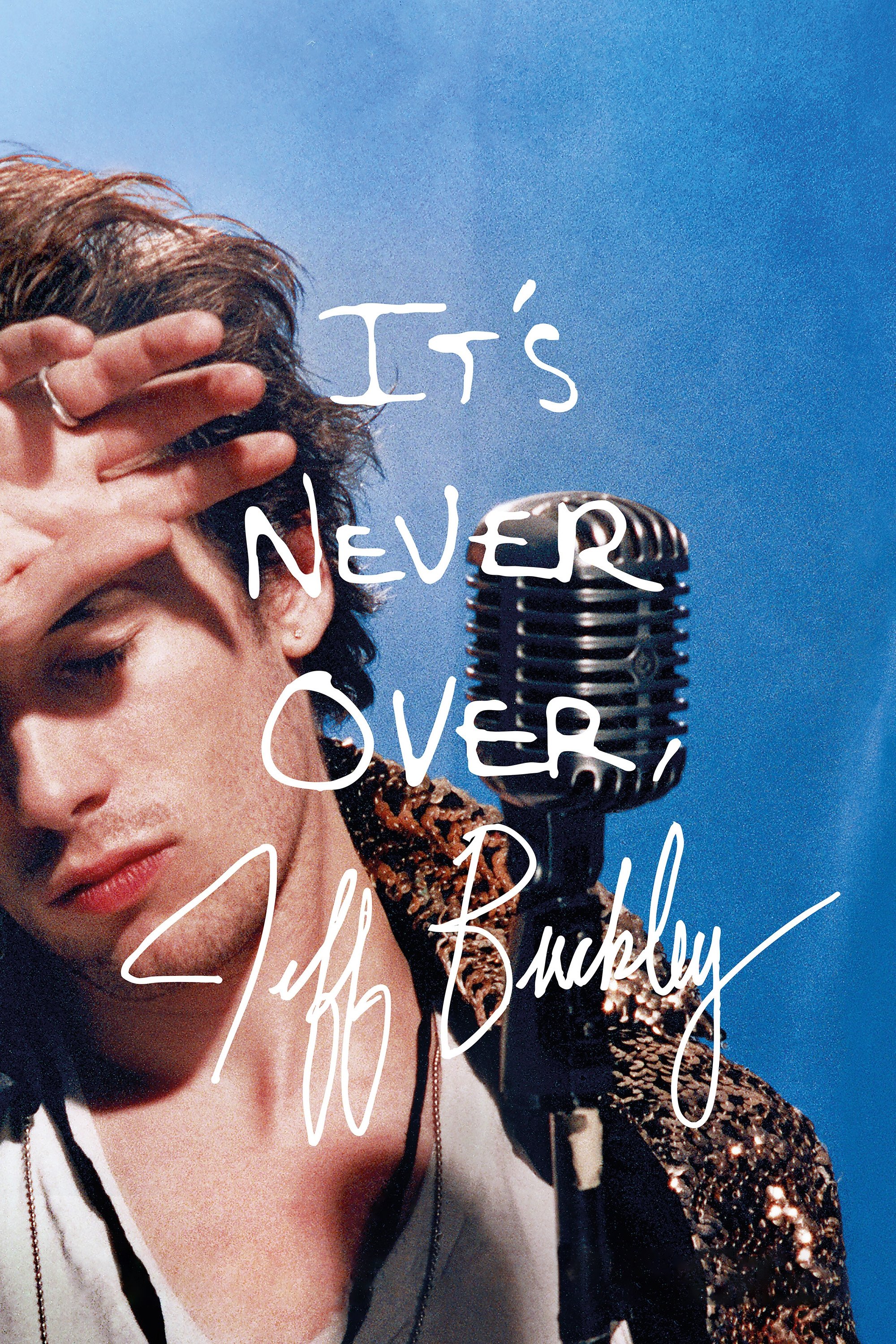
Rising musician Jeff Buckley had only released one album when he died suddenly in 1997. Now, never-before-seen footage, exclusive voice messages, and accounts from those closest to him offer a portrait of the captivating singer.