Social & External
The people behind it
Diego Freire
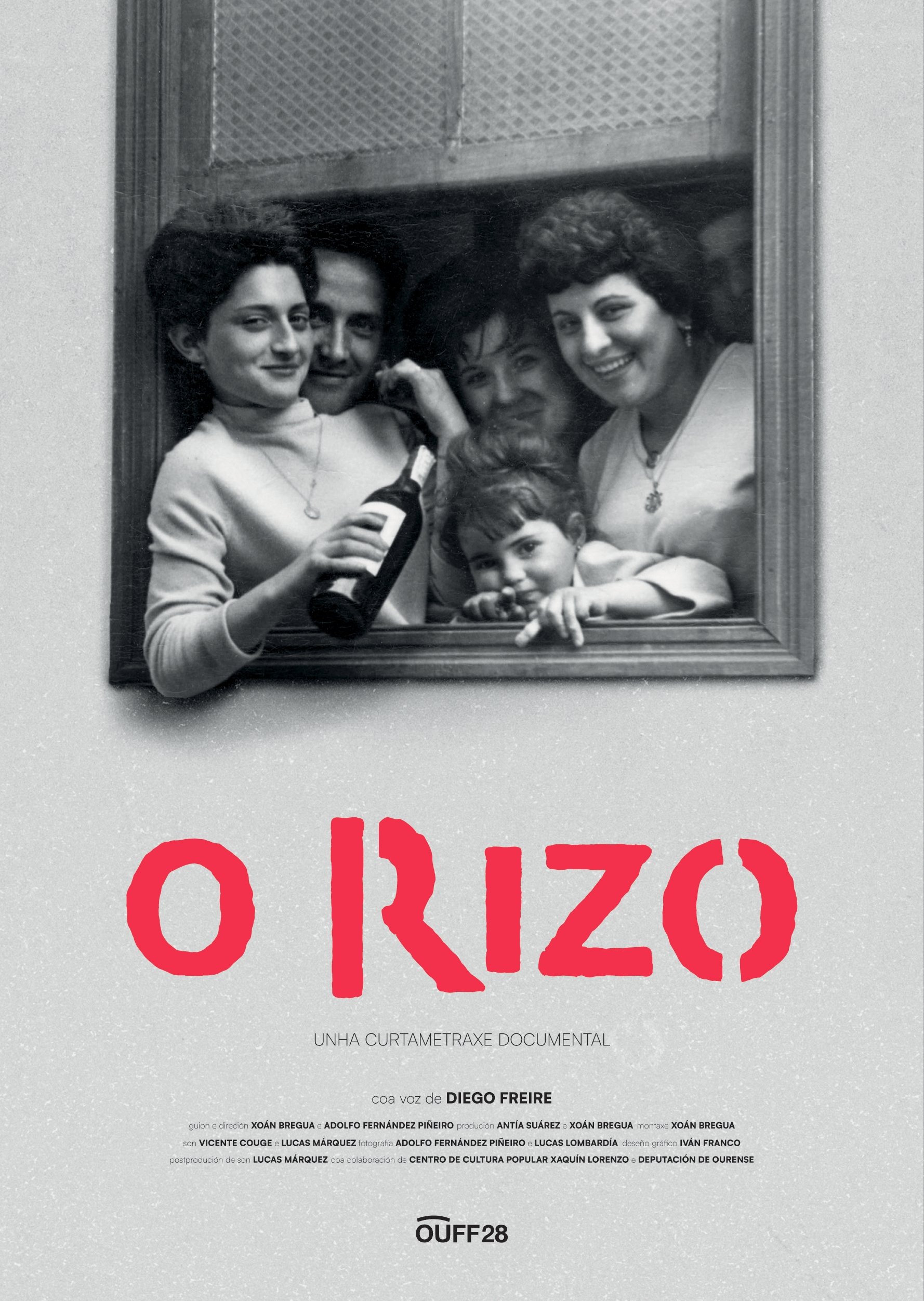
O Rizo
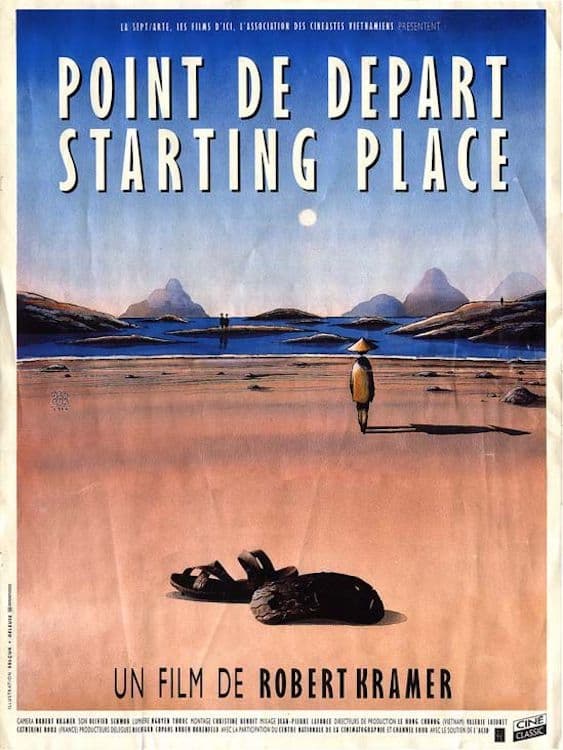
In this film from late in his career, Kramer returns to Hanoi after nearly 25 years to re-envision the city’s struggle through an uncertain and daunting past, present, and future. The Vietnamese characters in the film are diverse: Kramer’s former guide from an earlier visit in 1969; a tight-rope walker in the national circus; a man who took photos of B-52s and another who lost his fingers shooting them down.
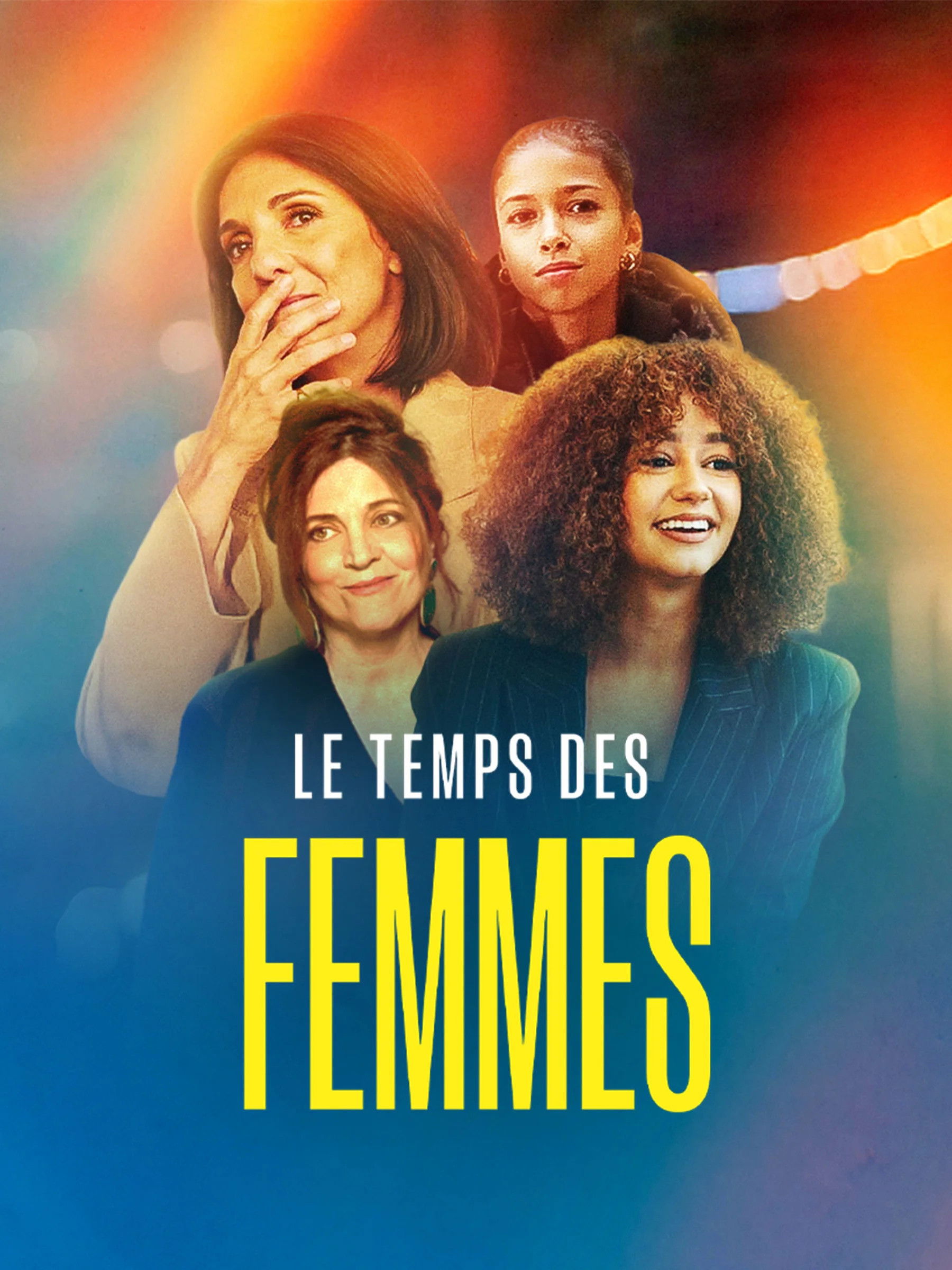
Has the time of women finally come? Have their everyday lives truly changed over the past sixty years? Guided by Agnès Jaoui, women—famous and unknown—share their stories across generations. From childhood to retirement, the documentary traces shared experiences shaped by prejudice, but also by hope, strength, and humor. Blending personal archives, historic moments, and social media footage, the film places women at the center of their own story. Welcome to the Time of Women.
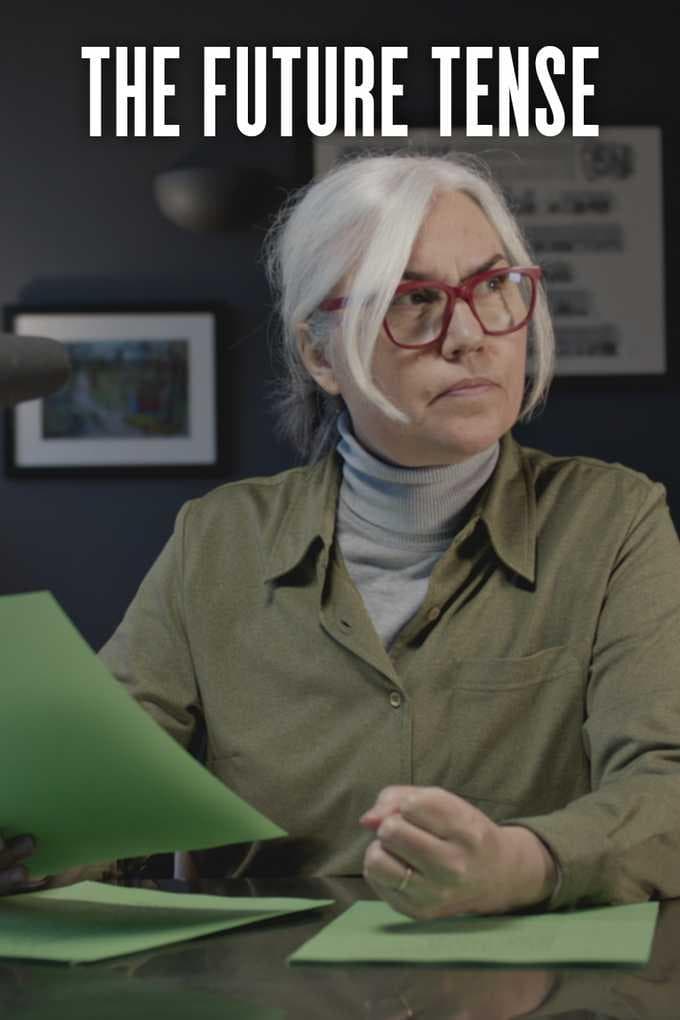
Staged as a series of voiceover sessions, written with gloriously off-balanced precision and dipped in the color green, THE FUTURE TENSE unfolds as a poignant tale of tales, exploring the filmmakers’ own experiences in aging, parenting, mental illness, along with the brutal history that lies submerged beneath Ireland’s heavy, moist earth.
"A l likeness is a gift... it avoids... or confuses time if your prefer." said John Berger. Following this premise, 81.92 is a structuralist inquiry into the notion of presence and absence as it reveals archival radio broadcasts from former Montreal radio host Mike Wolkow. The former (the audible) is left invisible while the later (the visible) seeks to find the missing elements that trace the passage of this vocal presence. Past and present interplay in this piece that shifts between epochs, thus mimicking a radio signal that is being tuned in.
In a nursing home, a young man visits his grandmother. As she constantly repeats that she wants to go home, his grandson visits her now empty apartment, seeking to capture memories of a fading past.
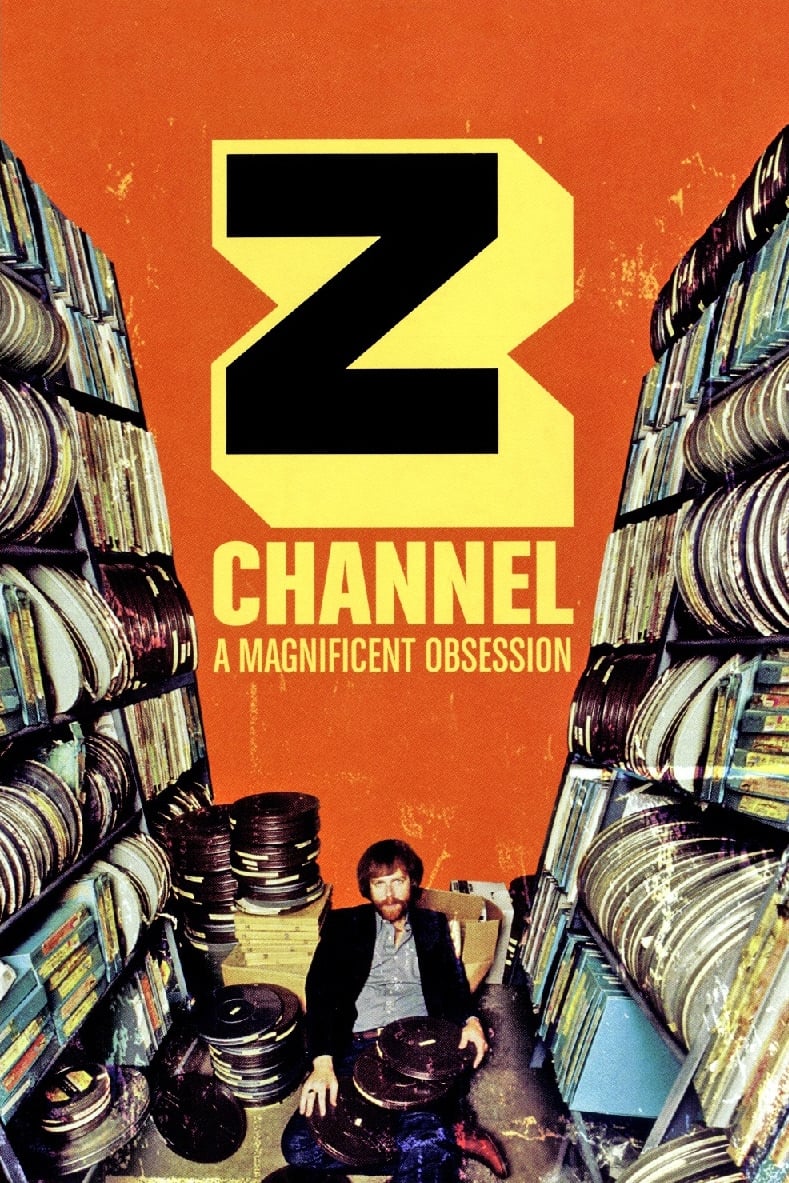
A documentary on the Z Channel, one of the first pay cable stations in the US, and its programming chief, Jerry Harvey. Debuting in 1974, the LA-based channel's eclectic slate of movies became a prime example of the untapped power of cable television.
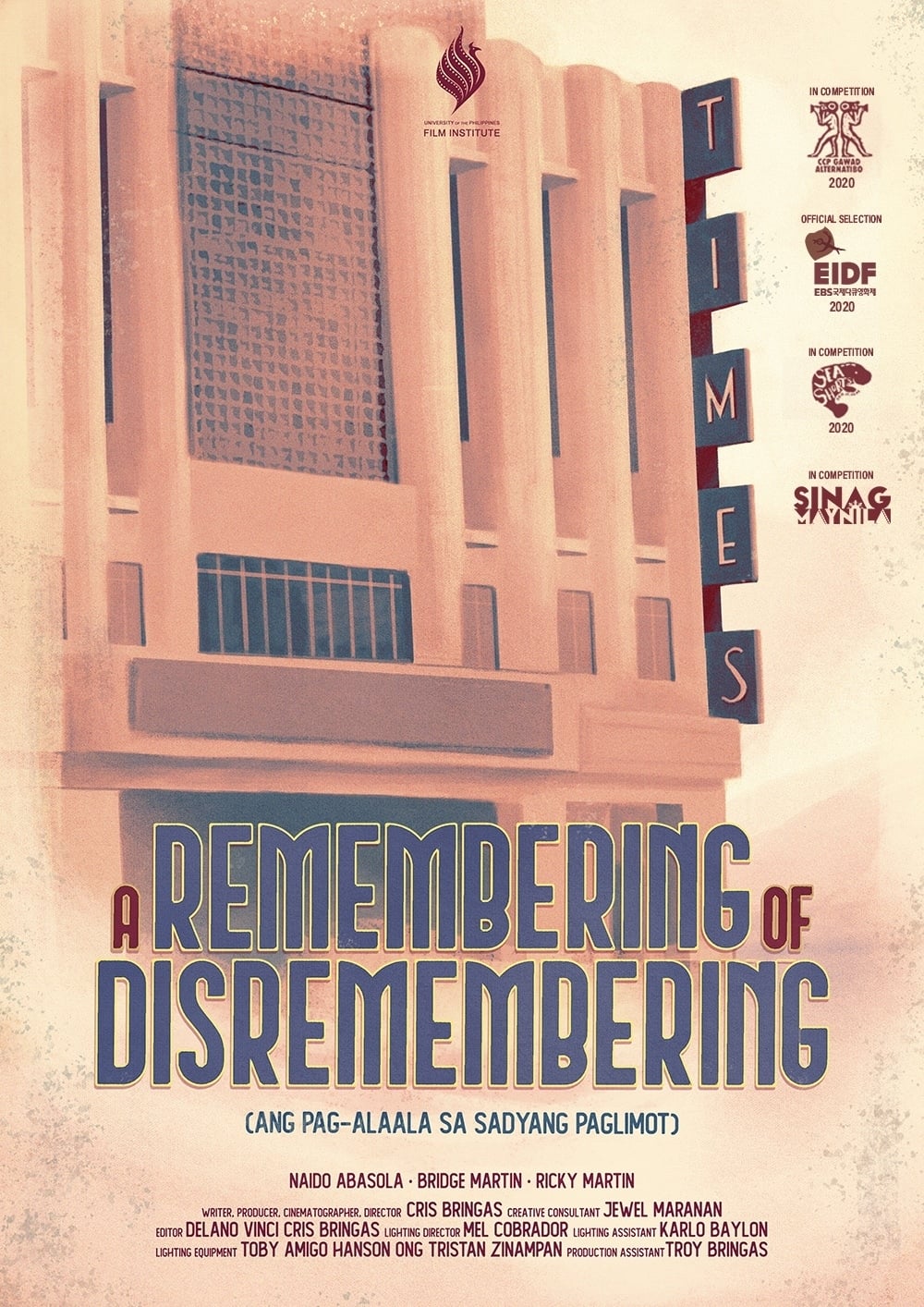
Told through the tales of love of a retiring film projectionist and a late-blooming actress, the short documentary delves into the journey of Manila’s oldest movie theater from grandiosity to obsolescence.
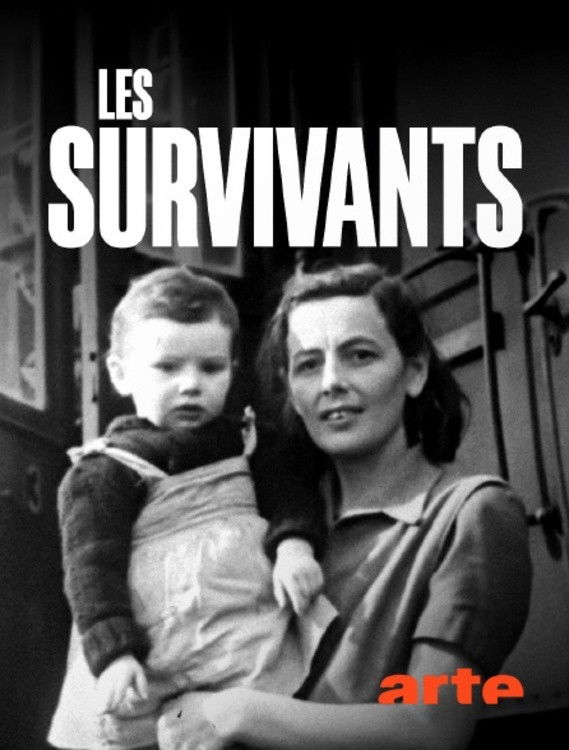
On October 17 and 18, 1961, during a non-violent demonstration against the imposed curfew, dozens of Algerians were murdered in Paris by police officers acting on orders from their superiors. For forty years, this crime has been concealed; yet these events, the deadliest on French soil since the Second World War, resemble, in some respects, the darkest hours of the collaboration. Why has this history been hidden? Under what conditions, and in the name of what reasons, did officials of a democratic state conceal the scale and gravity of such events?
January 2011 : the revolution bursts in Tunisia, my father’s country. The Tunisian people scream in a rage and I, here in Paris, can feel their revolt vibrating in my heart.
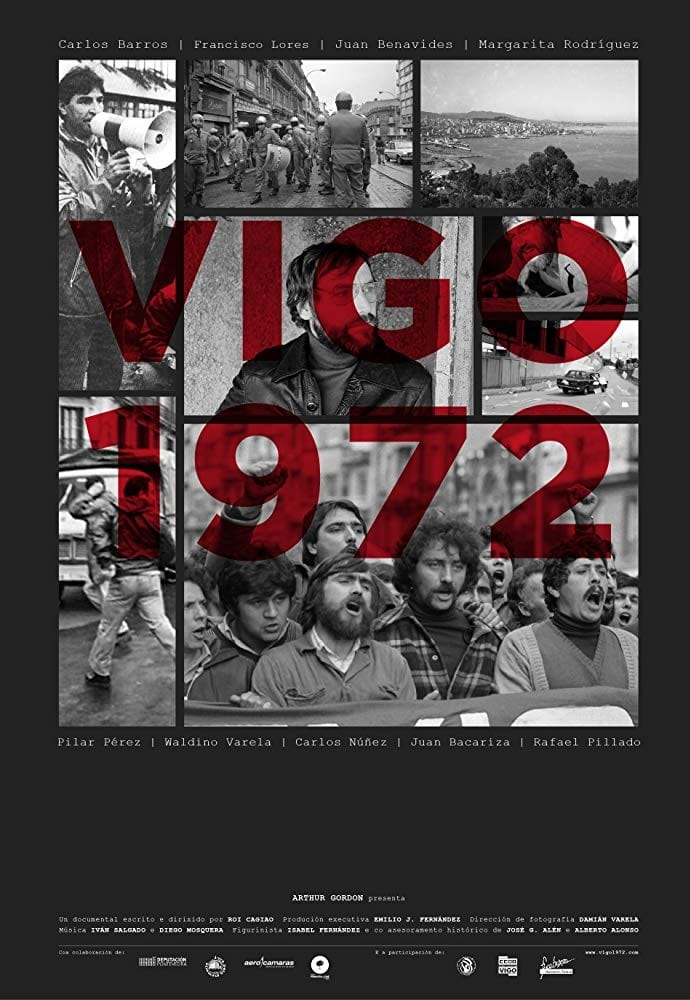
‘VIGO 1972’ narrates the events which took place in Vigo in September 1972, when the firing of five Citröen auto workers resulted in the largest general strike in the history of Galicia — with over thirty thousand workers — all of this during the Franco dictatorship in Spain.
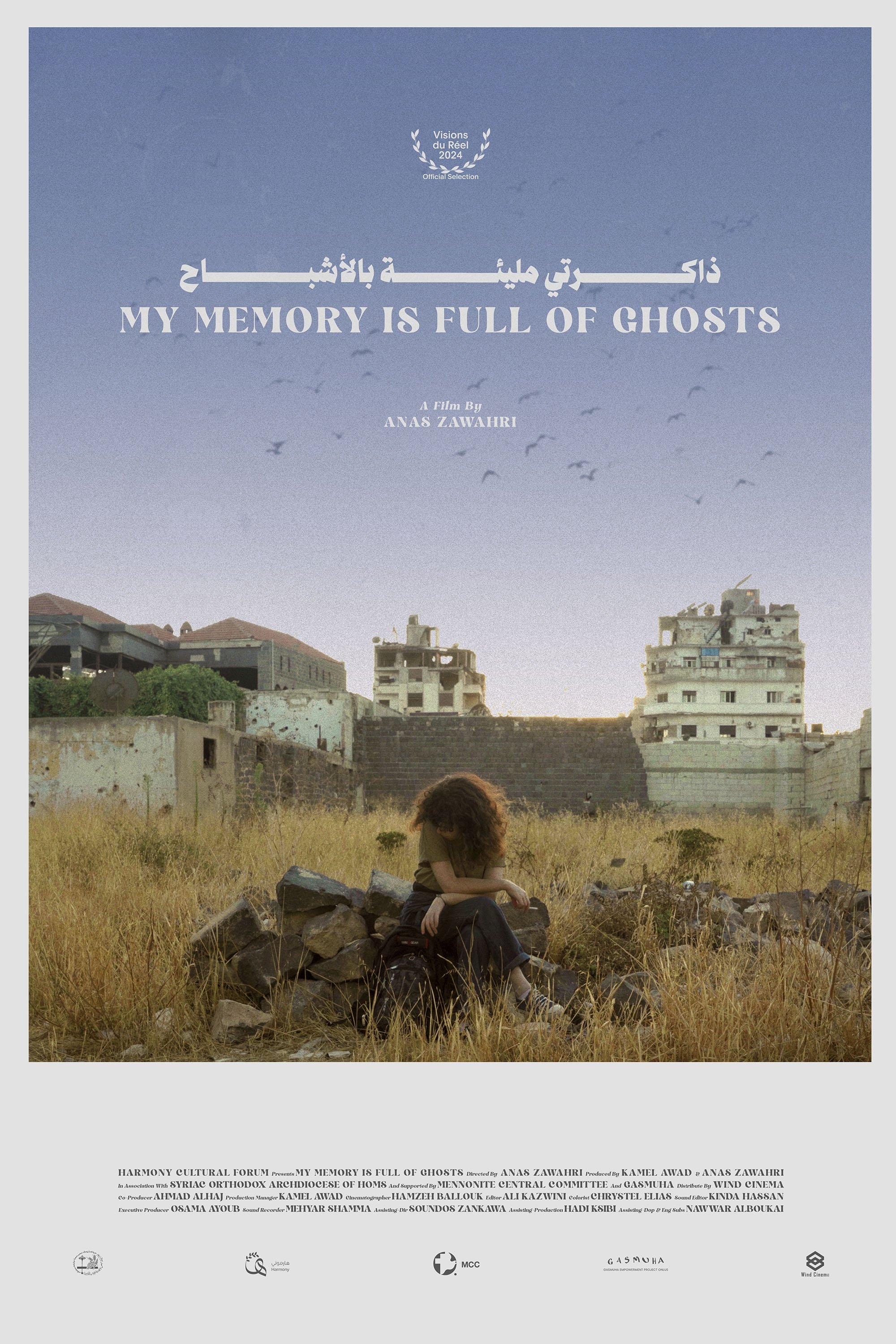
Like a visual elegy, My Memory Is Full of Ghosts explores a reality caught between past, present and future in Homs, Syria. Behind the self-portrait of an exsanguinated population in search of normality emerge memories of the city, haunted by destruction, disfigurement and loss. A deeply moving film, a painful echo of the absurdity of war and the strength of human beings.
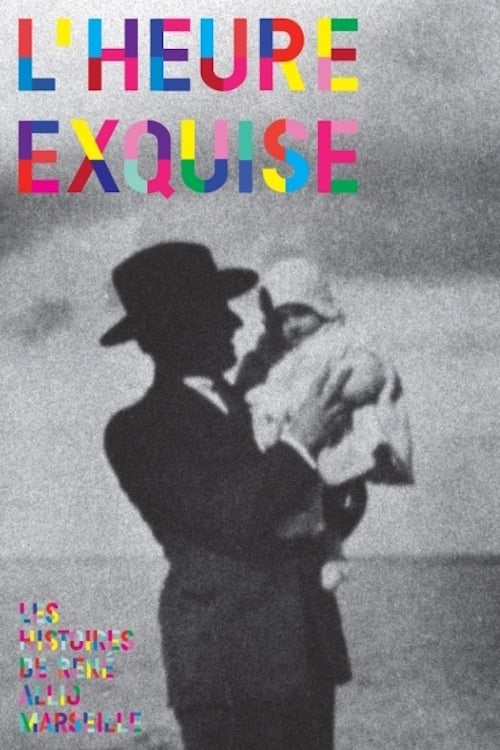
In the streets of Marseille, René Allio encounters, once again, the spaces of his childhood, and remembers his family history.
Three men from the past cross into the present to reveal the invisible marks of Brazilian history. Between memory, fantasy, and poetry, The Secret Life of My Three Men proposes a reckoning with the violence that shaped us and the possibility of another future.
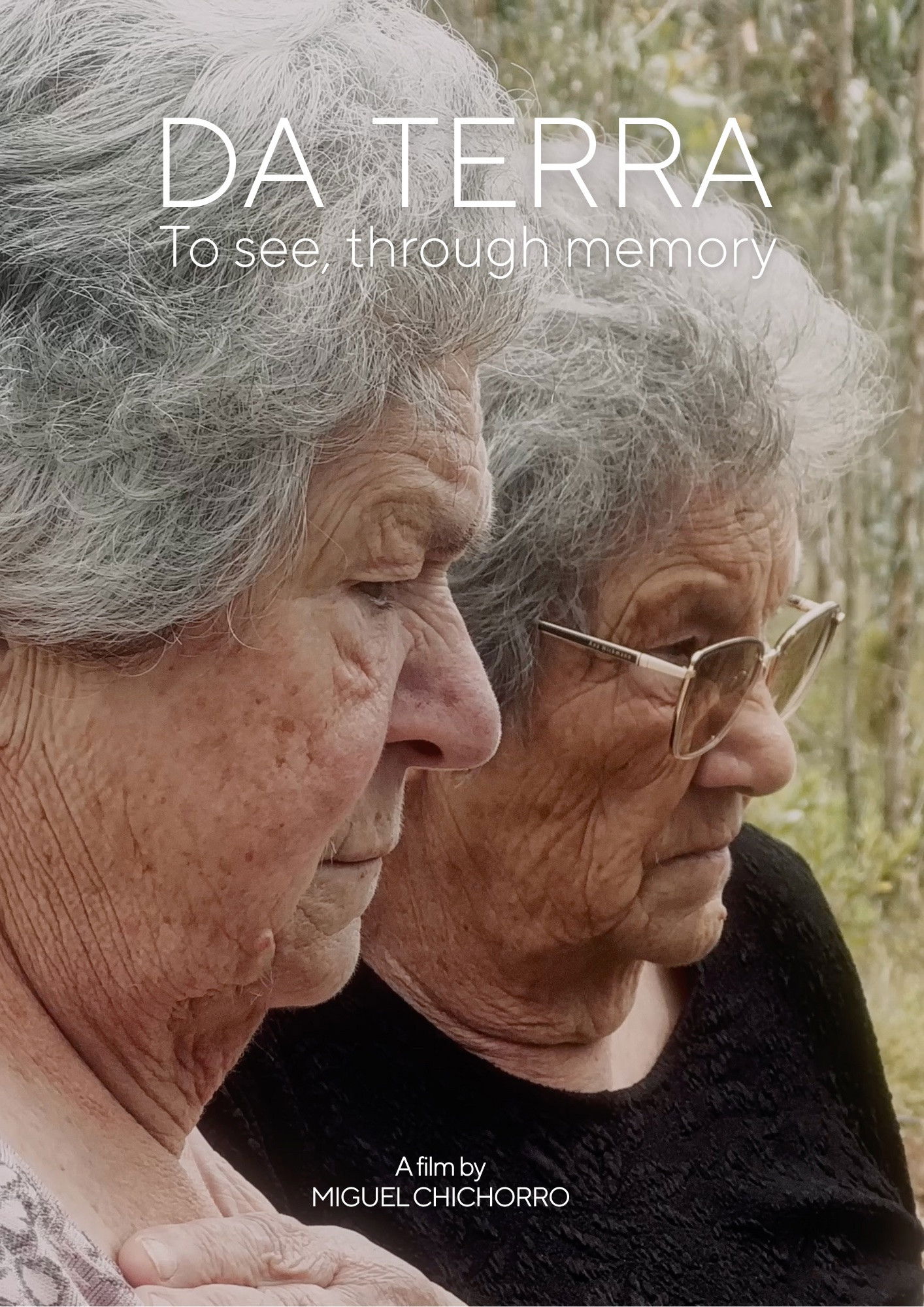
Emília Pedro e Fernanda Jorge revisit childhood memories to identify over 70 land parcels inherited from their father. As physical traces fade, memory and oral tradition become the only way to 'see' what is no longer visible.
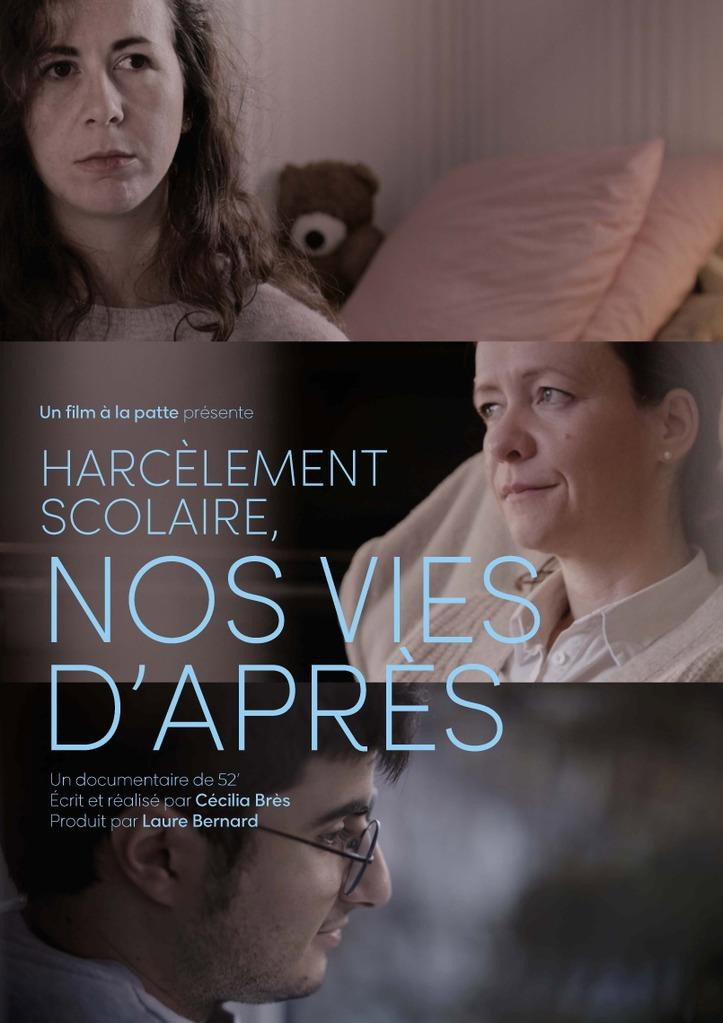
What if we changed viewpoints? "Bullying, our lives after" highlights the suffering of adults who were once bullied pupils. Ten, twenty or thirty years later, trauma is still present. Following Nathalie, Laurine and Samuel, this movie shows the long-term implications of bullying, pointing out a real failure of the educational institution and a major public health issue.
The film follows adventurer Jeff Johnson as he retraces the epic 1968 journey of his heroes Yvon Chouinard and Doug Tompkins to Patagonia.
Daniel Craig candidly reflects on his 15 year adventure as James Bond. Including never-before-seen archival footage from Casino Royale to the upcoming 25th film No Time To Die, Craig shares his personal memories in conversation with 007 producers, Michael G Wilson and Barbara Broccoli.
Through deeply personal interviews with her siblings and an examination of the photographs, letters, and belongings left behind, Mariska assembles a new portrait of her mother Jayne Mansfield, an extraordinary and complex woman.
Those who knew iconic funnyman John Candy best share his story, in their own words, through never-before-seen archival footage, imagery, and interviews.
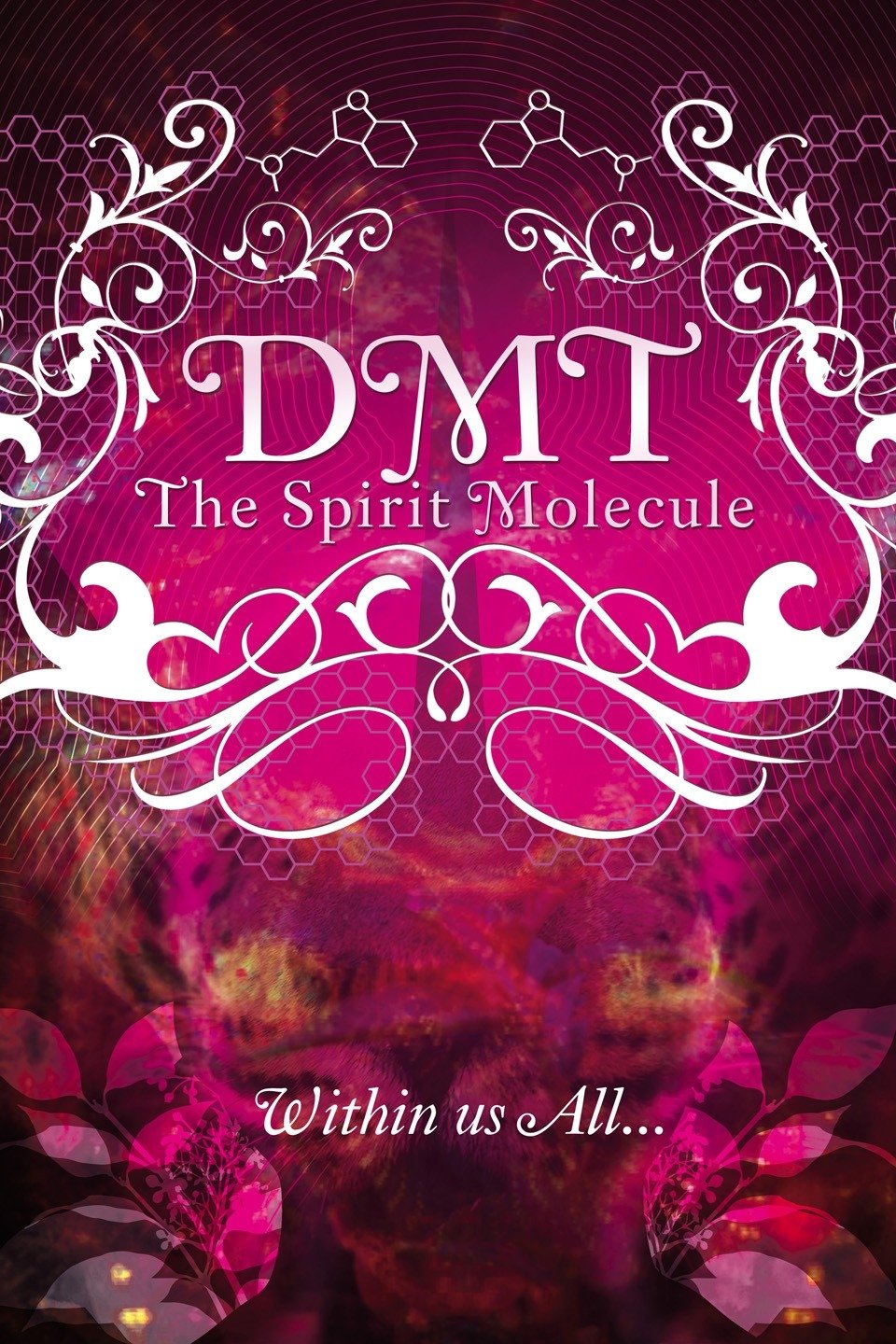
THE SPIRIT MOLECULE weaves an account of Dr. Rick Strassman's groundbreaking DMT research through a multifaceted approach to this intriguing hallucinogen found in the human brain and hundreds of plants, including the sacred Amazonian brew, ayahuasca. Utilizing interviews with a variety of experts to explain their thoughts and experiences with DMT, and ayahuasca, within their respective fields, and discussions with Strassman’s research volunteers, brings to life the awesome effects of this compound, and introduces us to far-reaching theories regarding its role in human consciousness.
While investigating the furtive world of illegal doping in sports, director Bryan Fogel connects with renegade Russian scientist Dr. Grigory Rodchenkov—a pillar of his country’s “anti-doping” program. Over dozens of Skype calls, urine samples, and badly administered hormone injections, Fogel and Rodchenkov grow closer despite shocking allegations that place Rodchenkov at the center of Russia’s state-sponsored Olympic doping program.
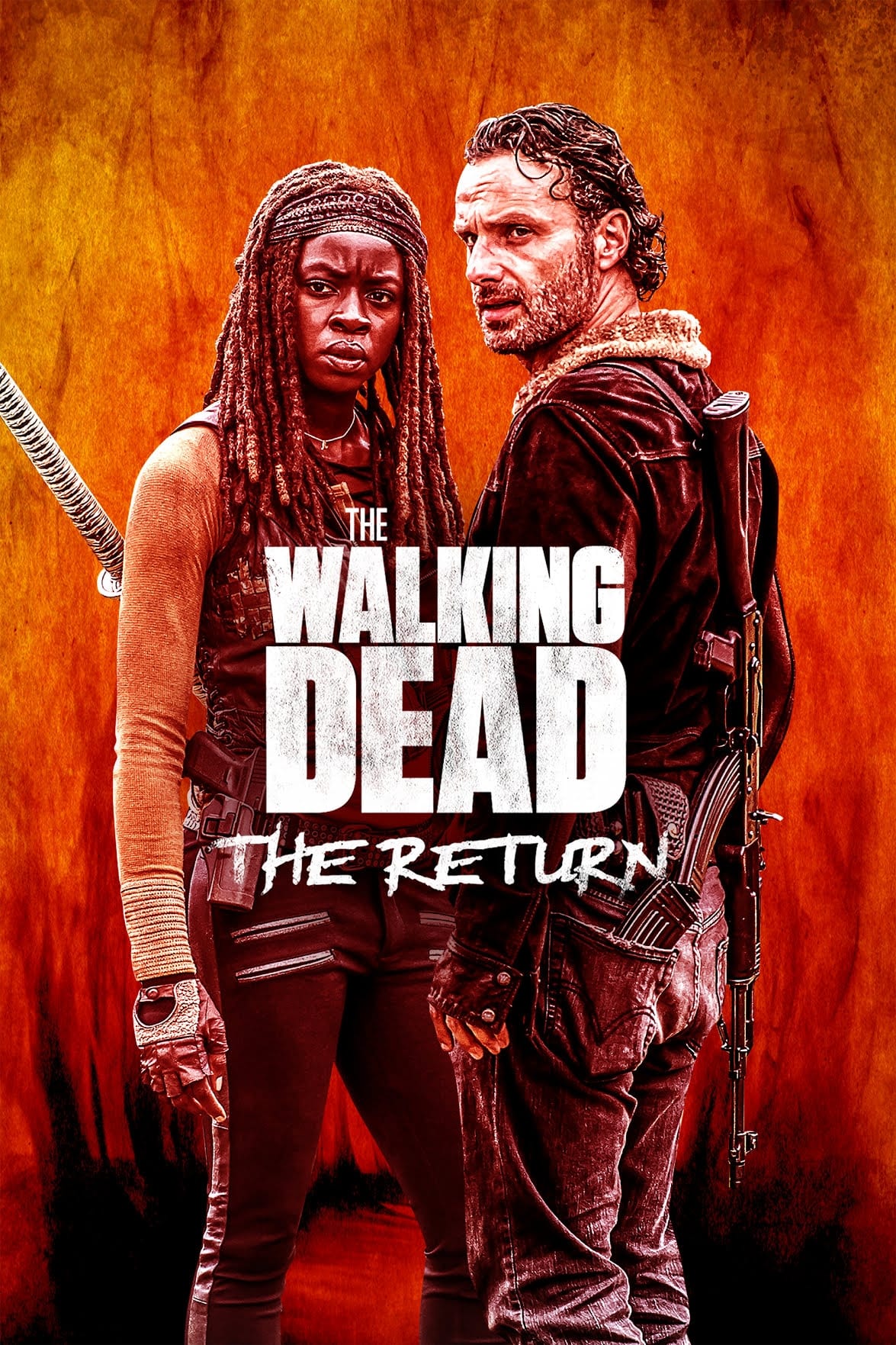
Stars of "The Walking Dead," Andrew Lincoln and Danai Gurira, walk down memory lane and visit iconic locations where pivotal moments between their characters, Rick and Michonne, were filmed.
BBC Arena's documentary on the Dames of British Theatre and film featuring Maggie Smith, Eileen Atkins, Judi Dench and Joan Plowright on screen together for the first time as they reminisce over a long summer weekend in a house Joan once shared with Sir Laurence Olivier.
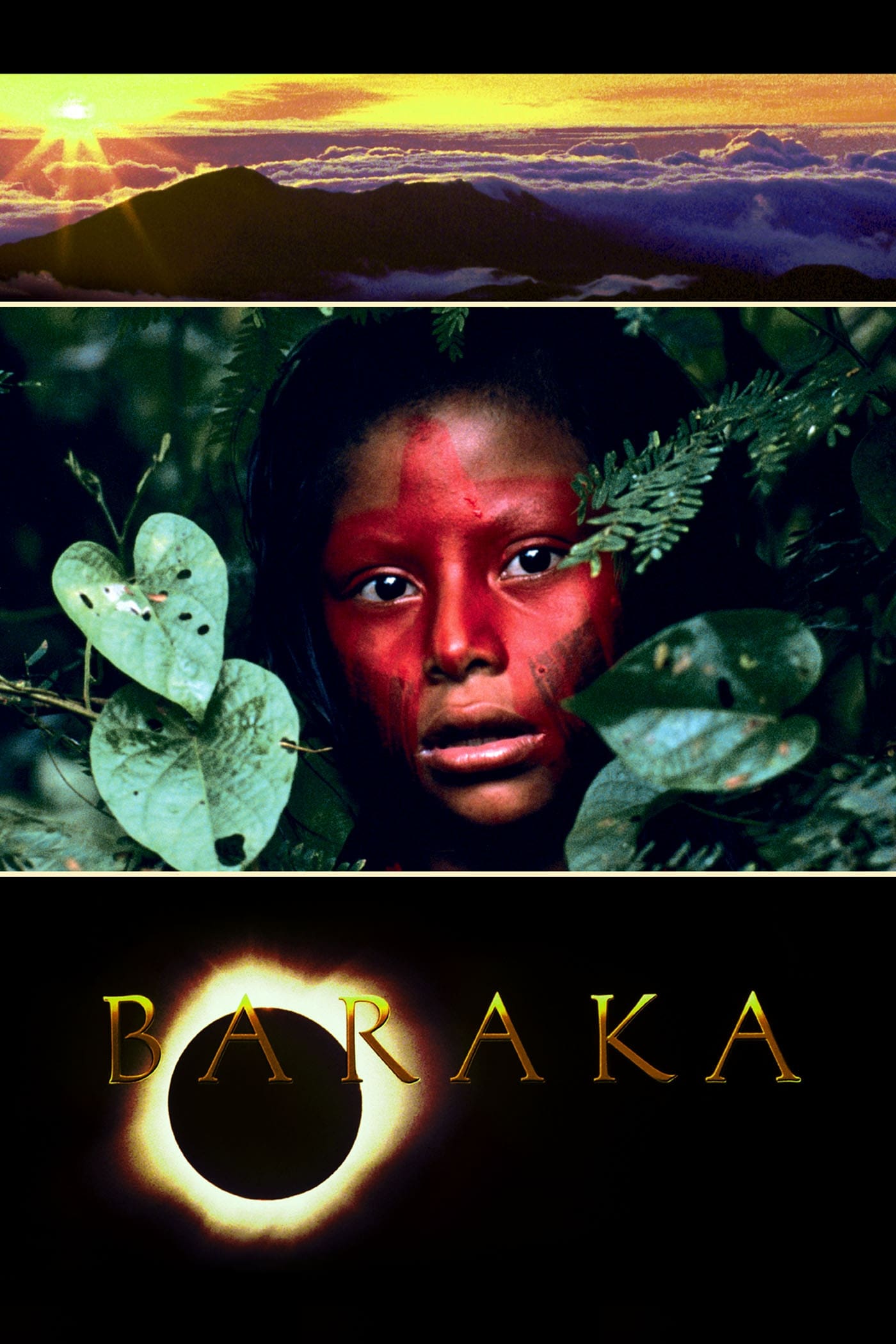
A paralysingly beautiful documentary with a global vision—an odyssey through landscape and time—that attempts to capture the essence of life.
Told through performances, TV interviews, home movies, family photographs, private letters and unpublished memoirs, the film reveals the essence of an extraordinary woman who rose from humble beginnings in New York City to become a glamorous international superstar and one of the greatest artists of all time.
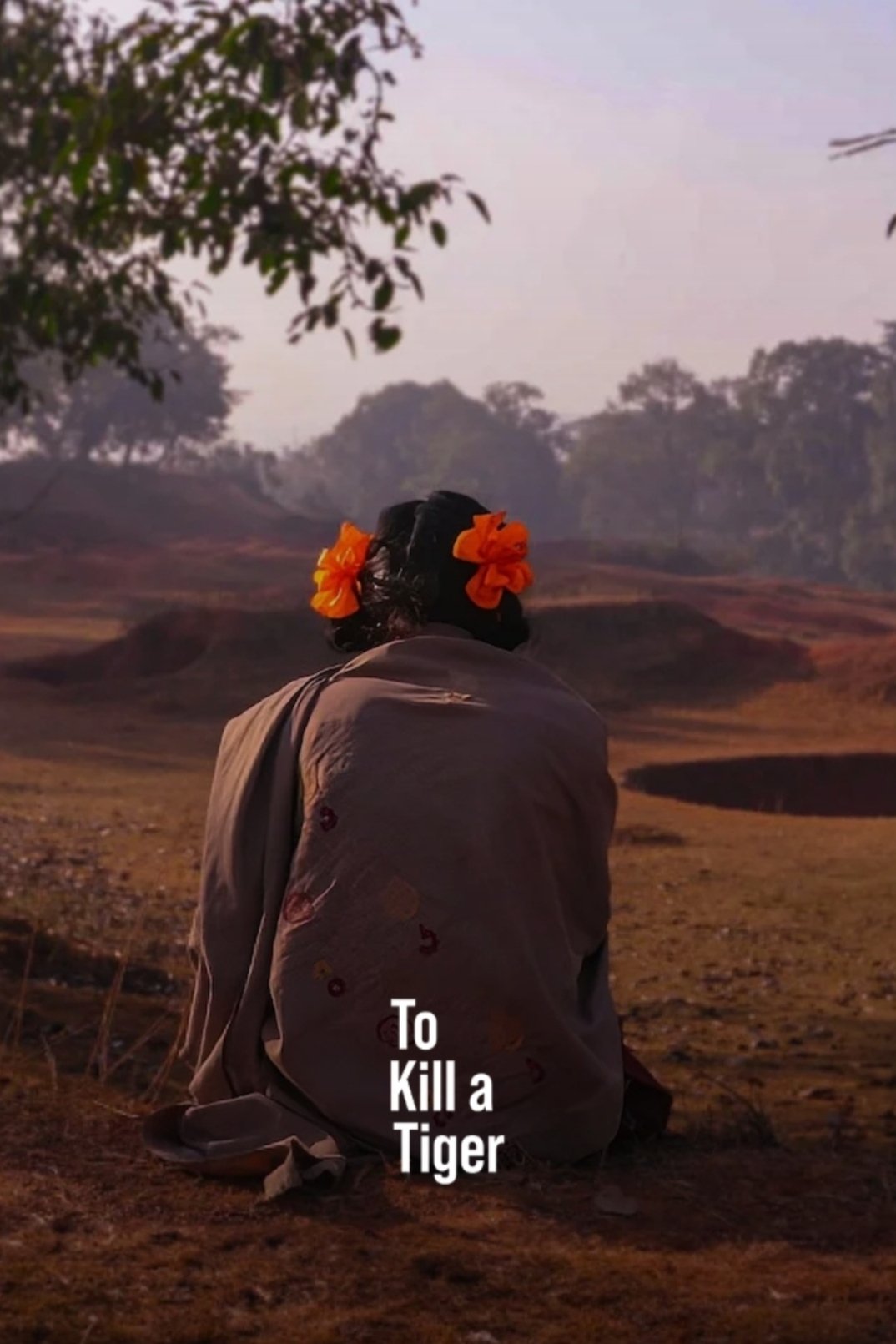
Ranjit, a farmer in India, takes on the fight of his life when he demands justice for his 13-year-old daughter, the victim of a brutal gang rape. His decision to support his daughter is virtually unheard of, and his journey unprecedented.
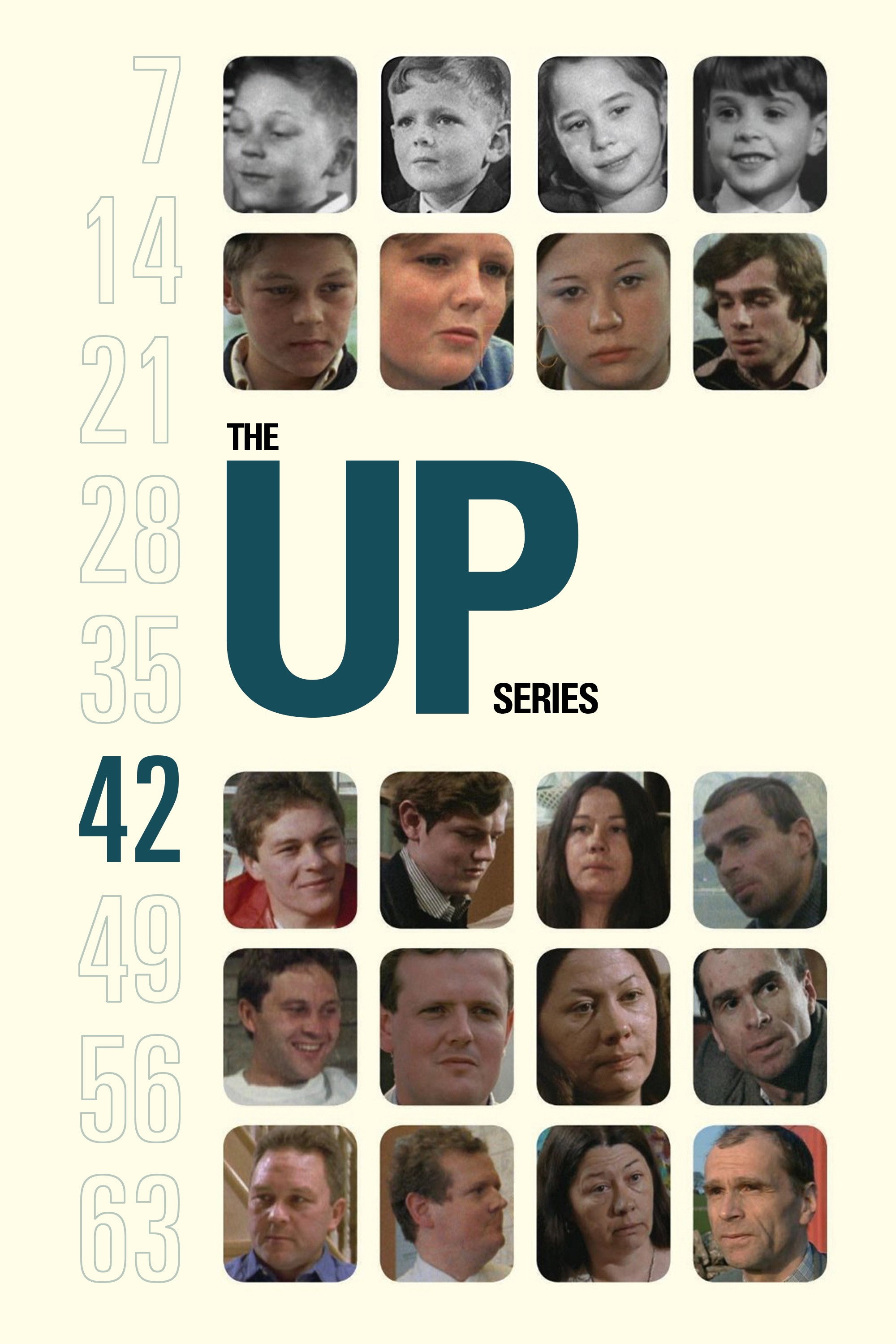
Director Michael Apted revisits the same group of British-born adults after a 7 year wait. The subjects are interviewed as to the changes that have occurred in their lives during the last seven years.
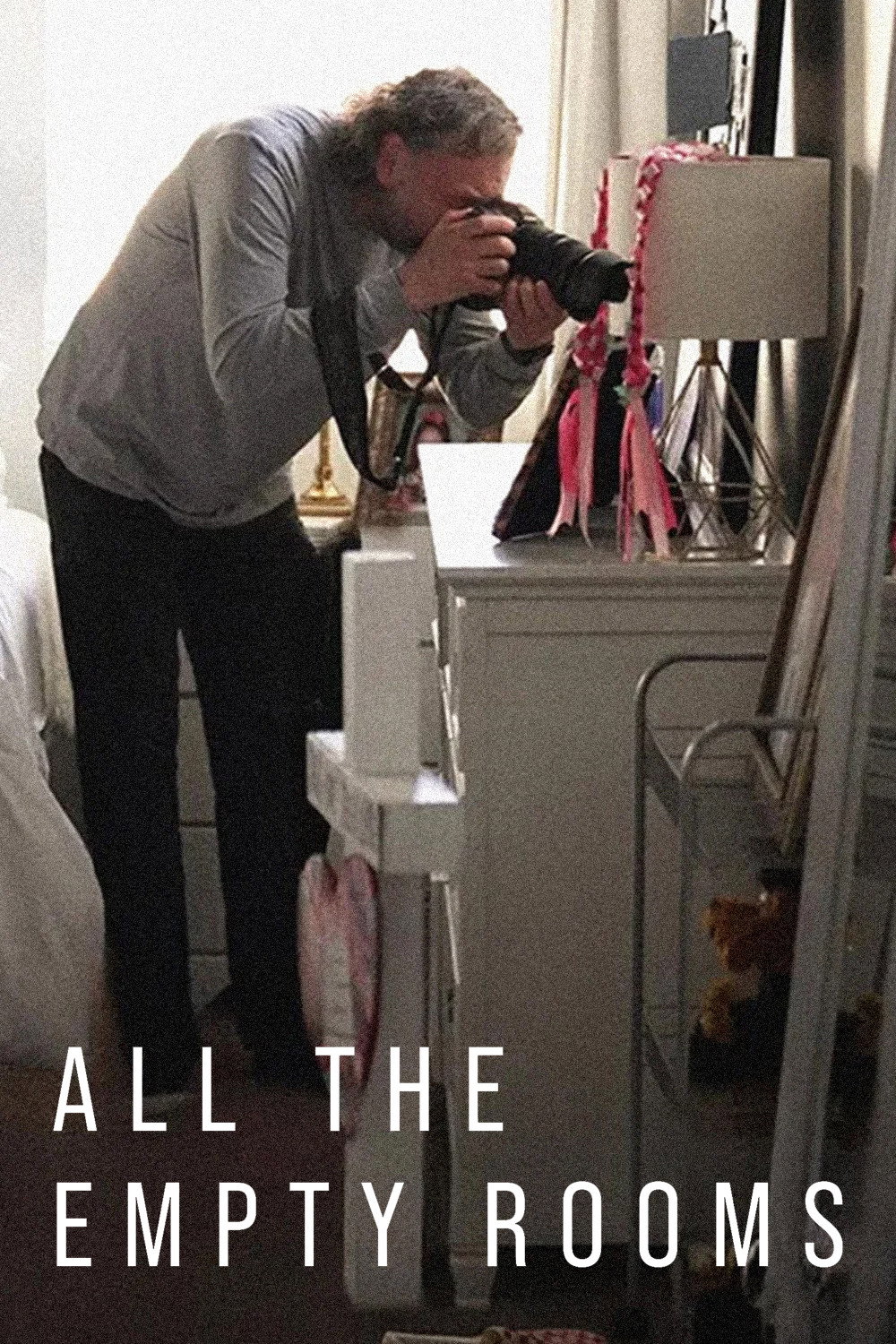
A journalist and a photographer set out to memorialize the bedrooms left behind by children killed in school shootings.
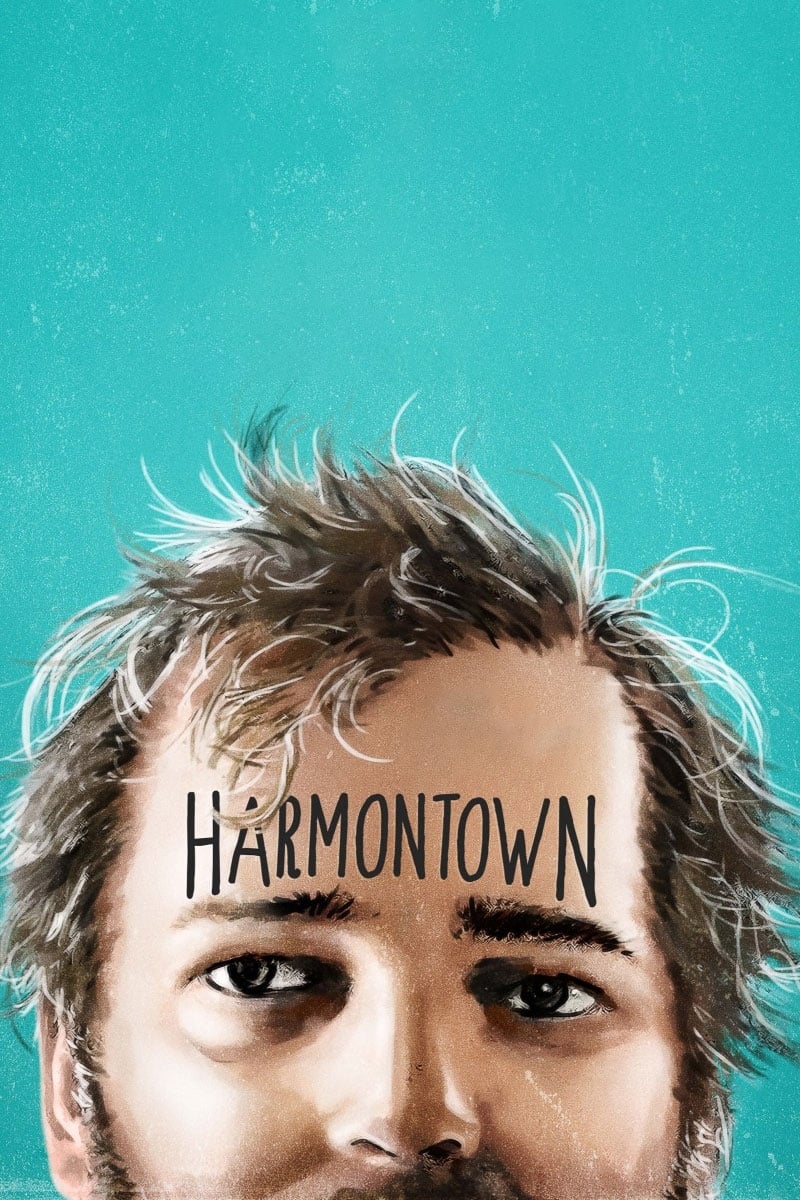
A comedic, brutally honest documentary following self-destructive TV writer Dan Harmon as he takes his live podcast on a national tour.
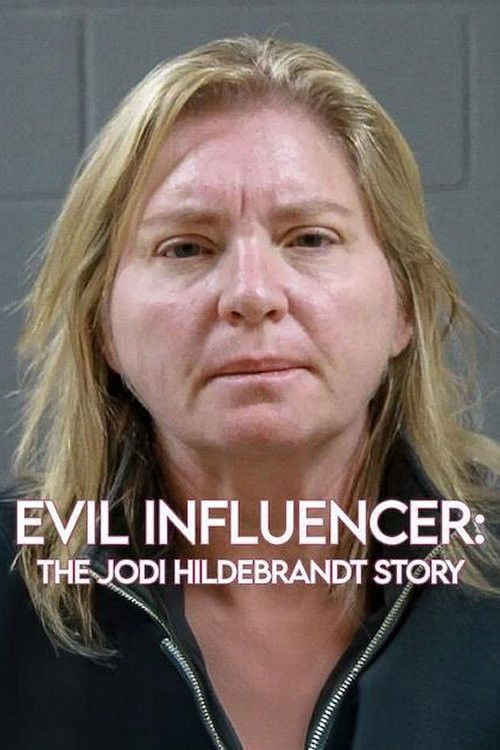
Unravel the case of Utah therapist Jodi Hildebrandt, whose child abuse arrest with parenting YouTuber Ruby Franke exposed a twisted tale of manipulation.
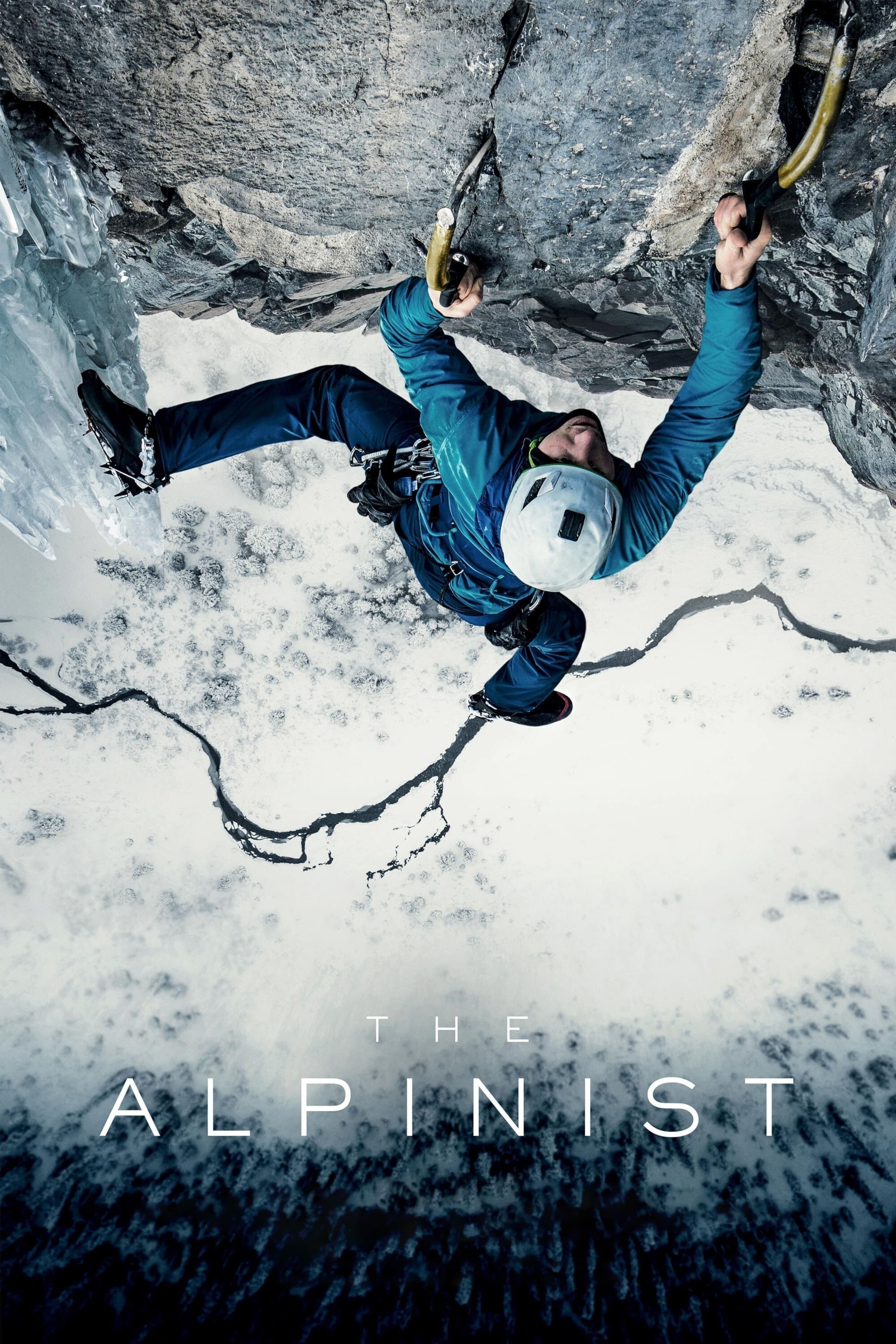
The life of Canadian mountain climber Marc-André Leclerc as he pushes the boundaries of climbing while on an expedition to Patagonia.
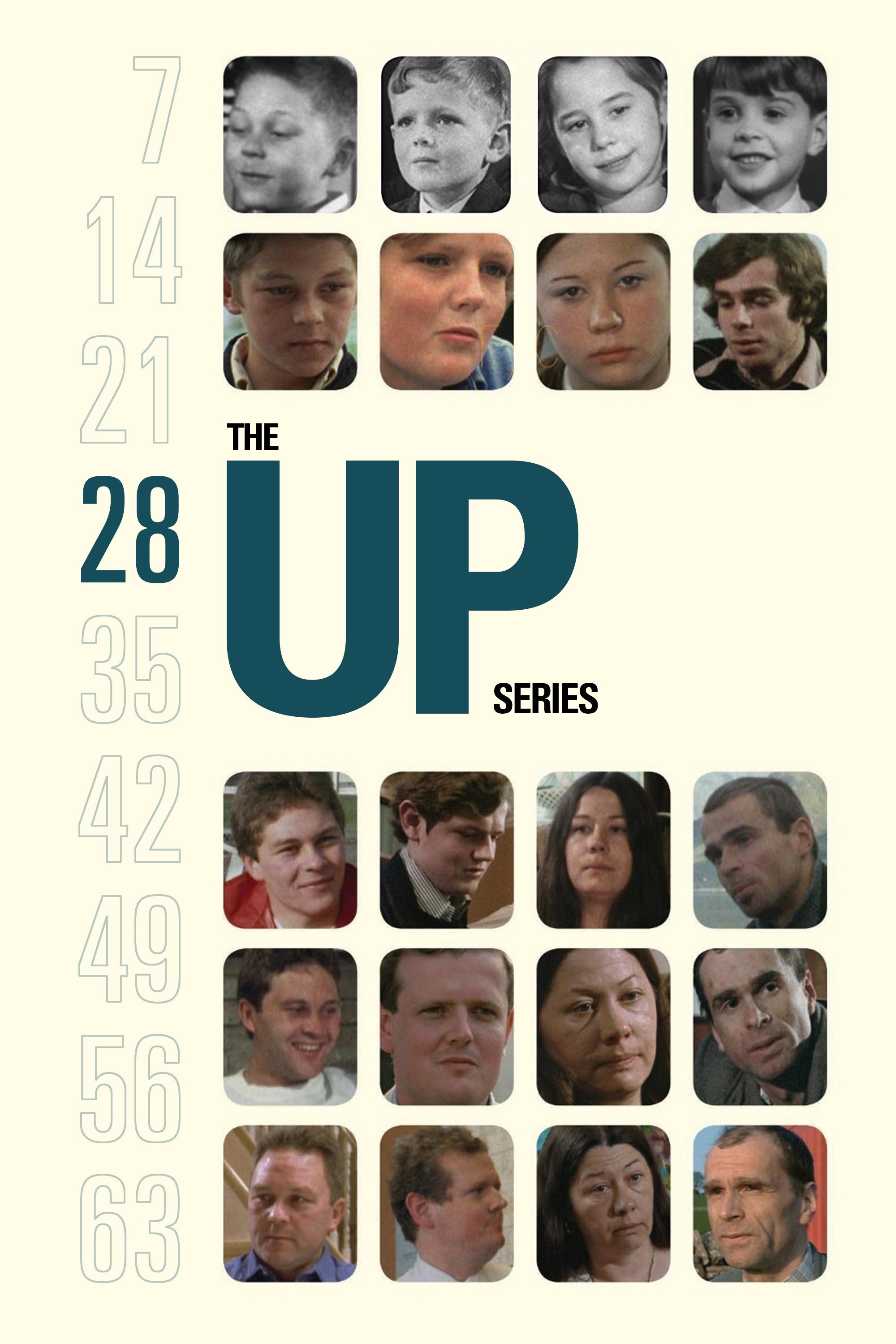
Just two years away from turning 30, participants in Michael Apted's documentary series are facing serious questions of identity and purpose, wondering whether they've found their place in the world.
After years in the limelight, Selena Gomez achieves unimaginable stardom. But just as she reaches a new peak, an unexpected turn pulls her into darkness. This uniquely raw and intimate documentary spans her six-year journey into a new light.
An inside look at one of the most anticipated movie sequels ever with James Cameron and cast.
A night of drunken chaos rocks a quiet Dutch town in this shocking documentary about a teen's birthday invite that accidentally went viral on Facebook.