Social & External
The people behind it
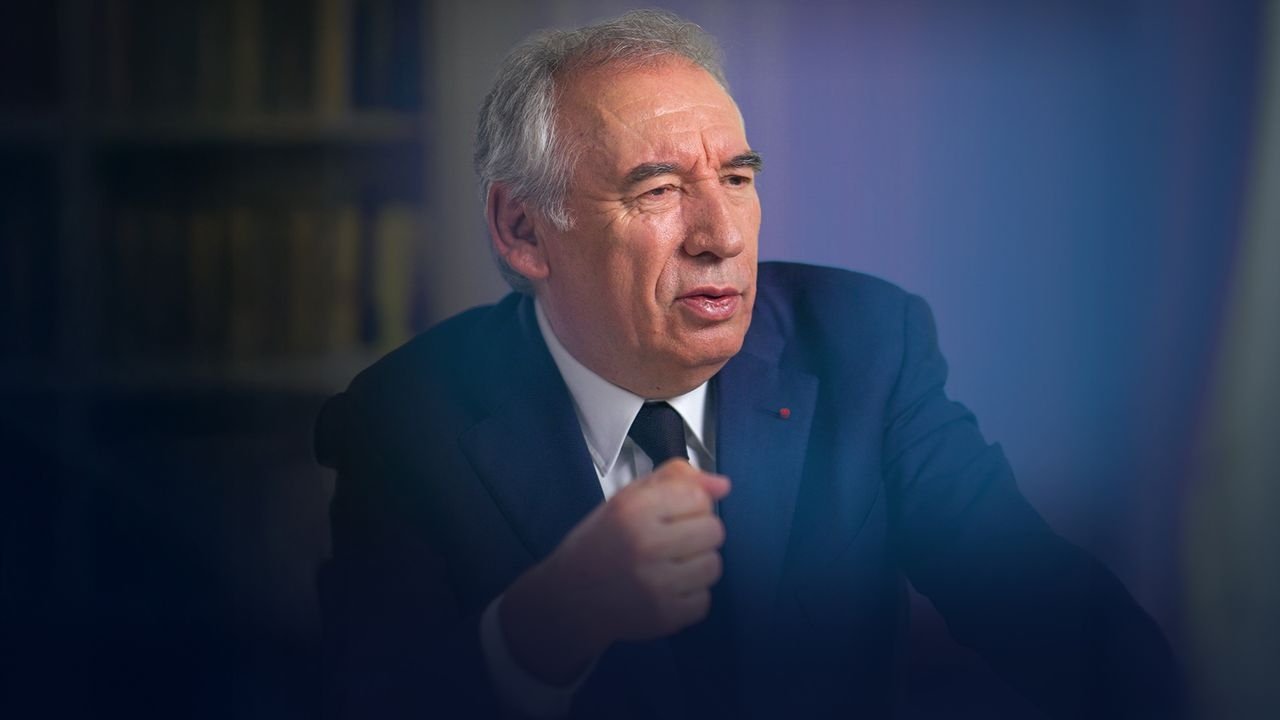
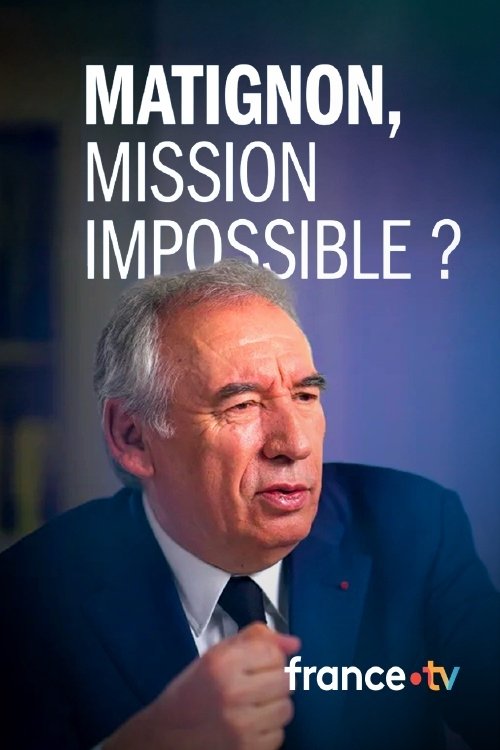
François Bayrou
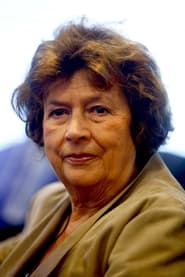
Self
Jean-Louis Bourlanges
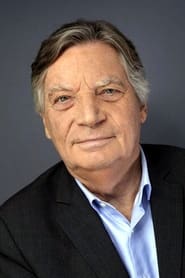
Brice Teinturier
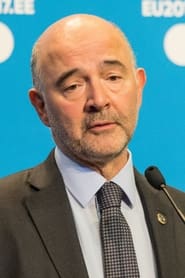
Pierre Moscovici
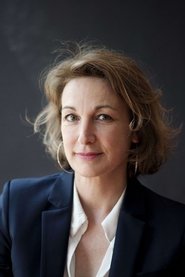
Marylise Léon
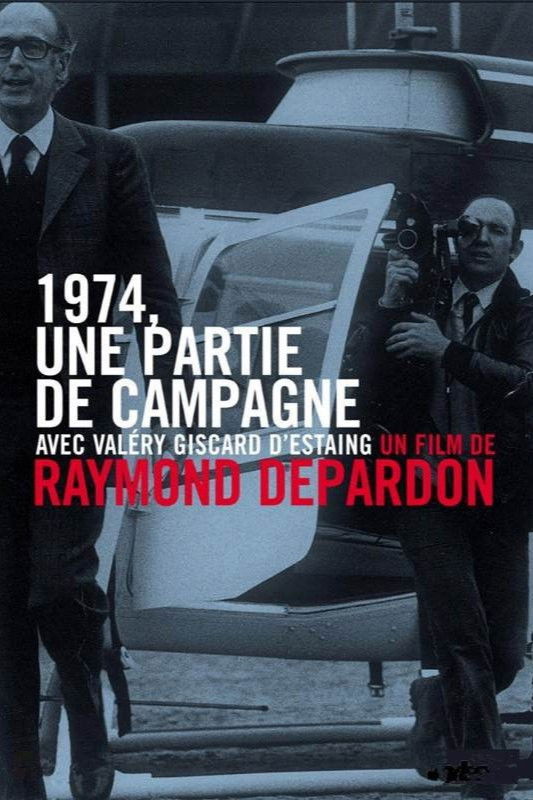
Following the 1974 French presidential campaign with Valéry Giscard d’Estaing.
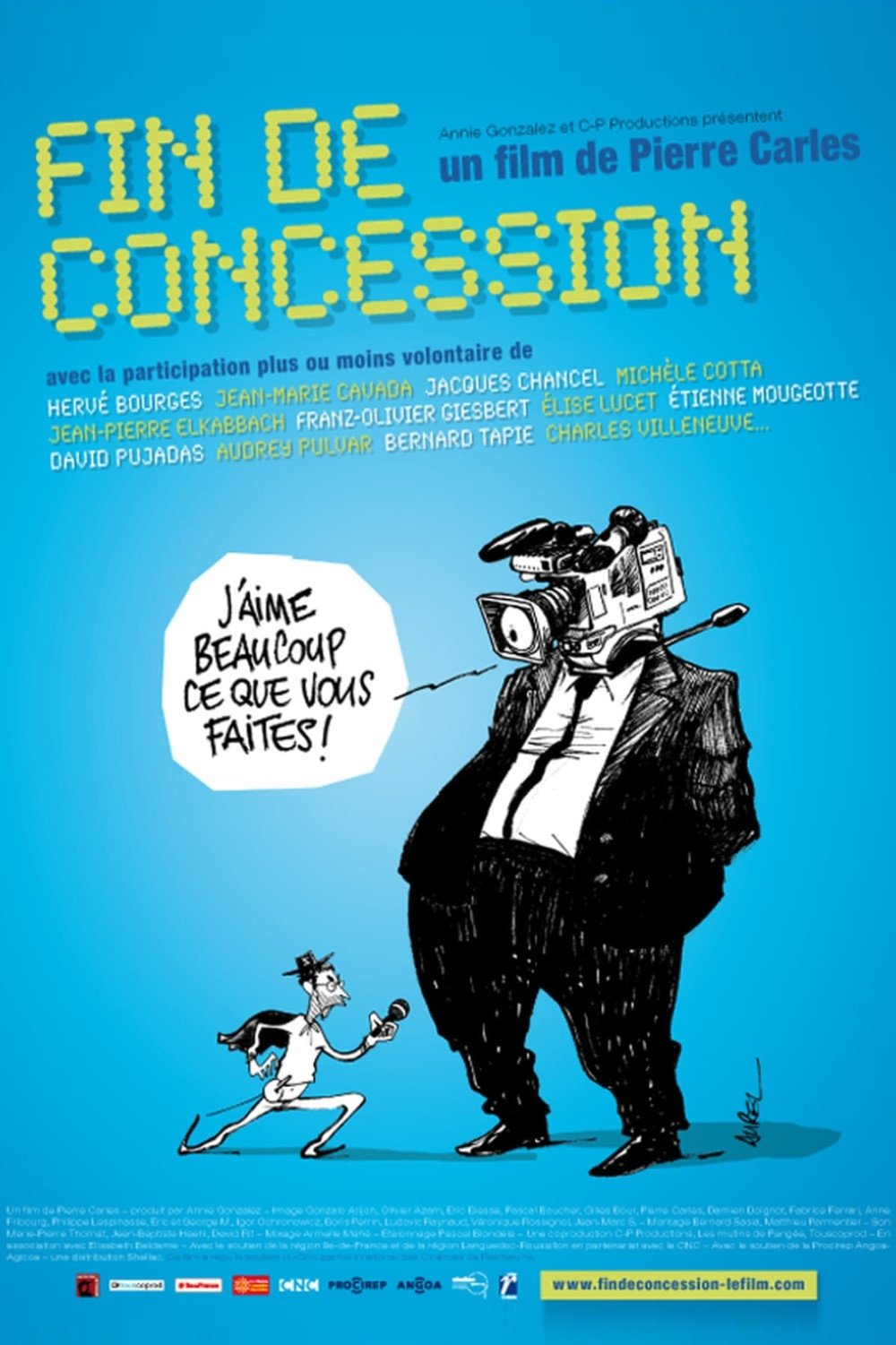
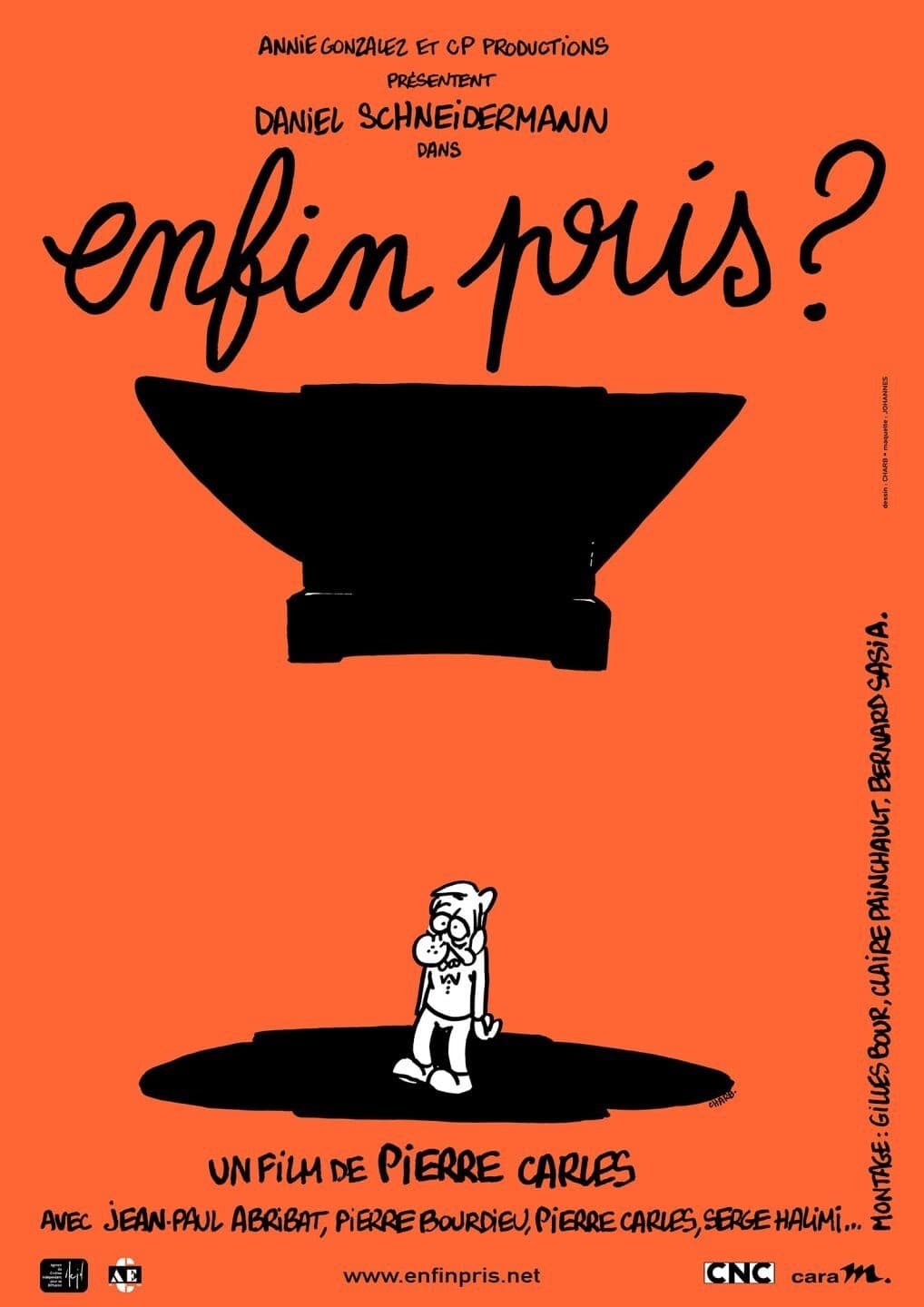
Pierre Carles questions the privatization of the leading French televisions channel : is it not scandalous that the TFI-Bouygues concession has been automatically renewed since 1987 ? Taking up the anti-television fight he initiated with "Pas vu Pas pris", his first film, he confronts the people responsible for the news who have always avoided tackling this taboo subject. But the investigation does not go as planned : the old dinosaurs and young guardians now how to handle this media critic. To find his "fighting spirit" again, Carles calls to arms his friends and changes methods : Henceforth, no more concessions !
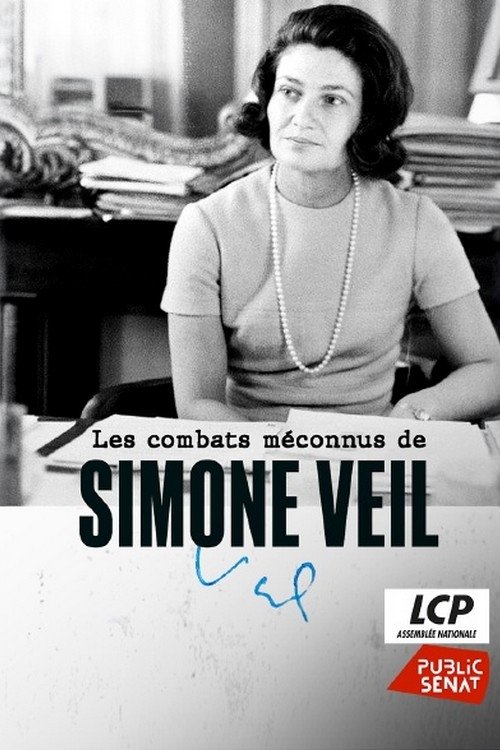
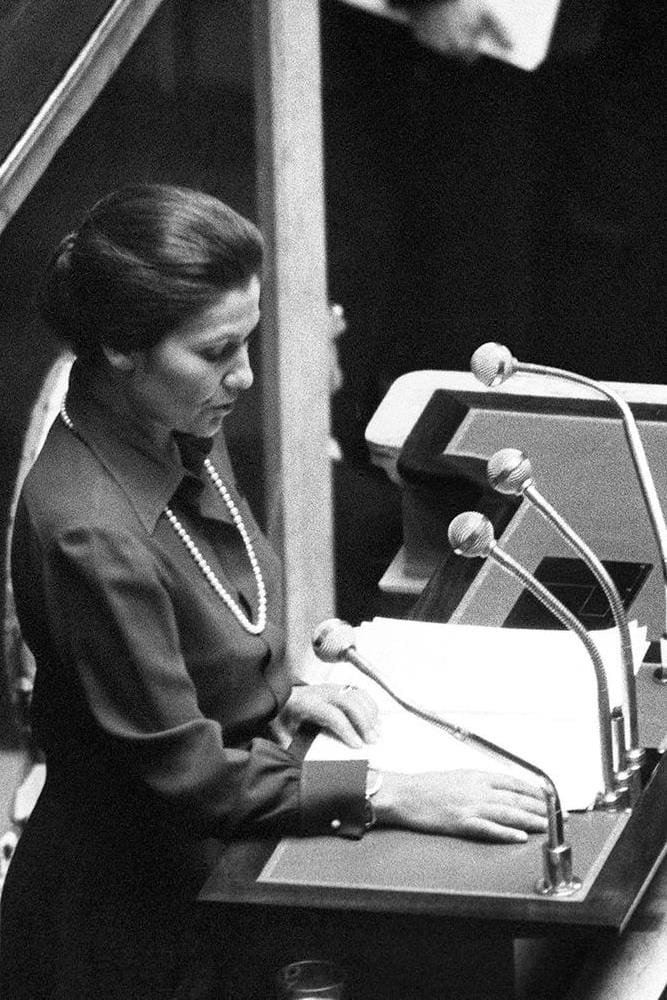
Women's work, gender equality, prison conditions, AIDS patients, humanization of hospitals, parental authority, equal pay... Simone Veil fought many battles that are little known today. As we prepare to celebrate the 50th anniversary of the law on abortion, enacted on January 17, 1975, the time has come to tell her story in a new way through this portrait of a woman ahead of her time: in the light of her other struggles.
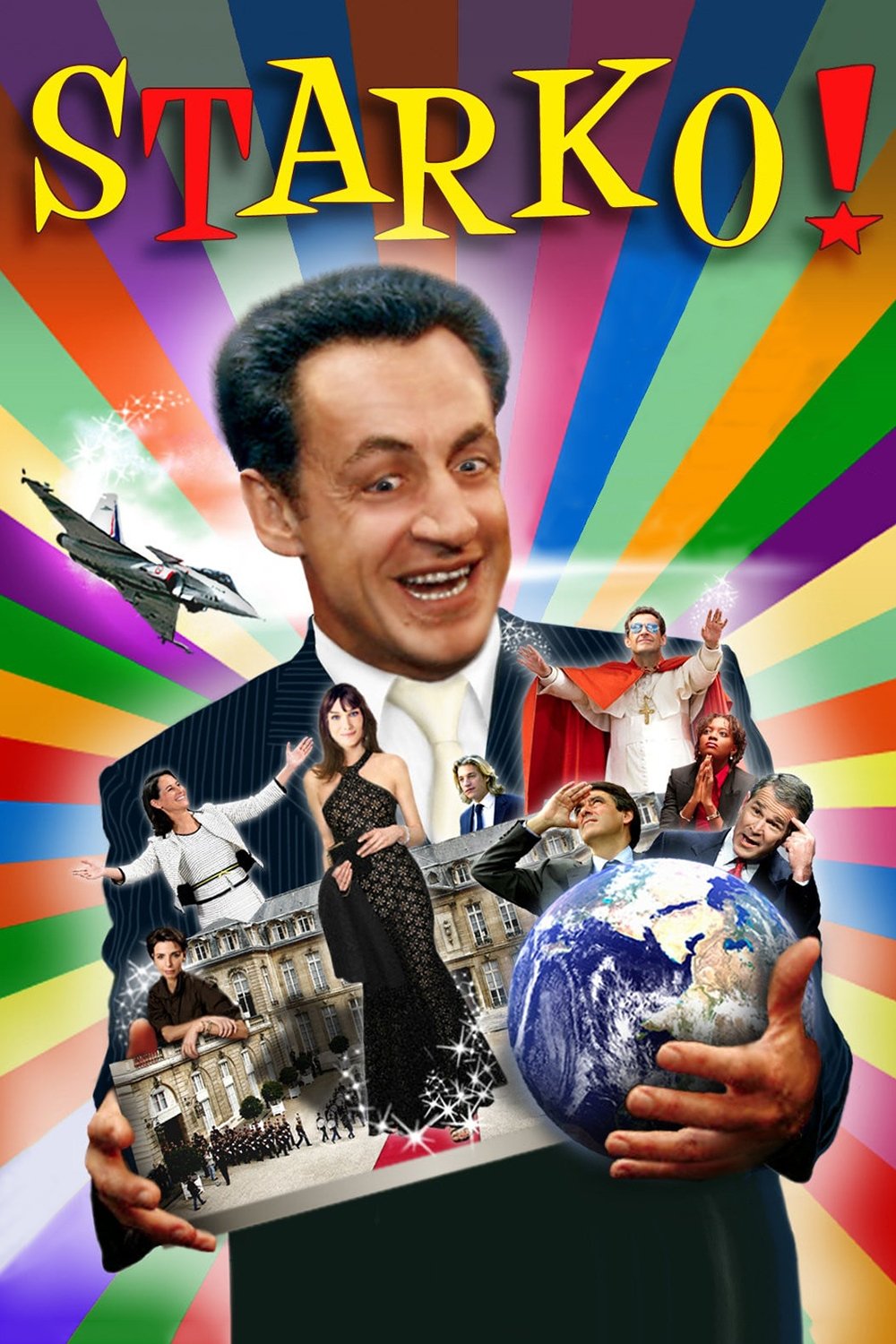
Learn more about Nicolas Sarkozy's presidential campaign, his personal life and more through this documentary.
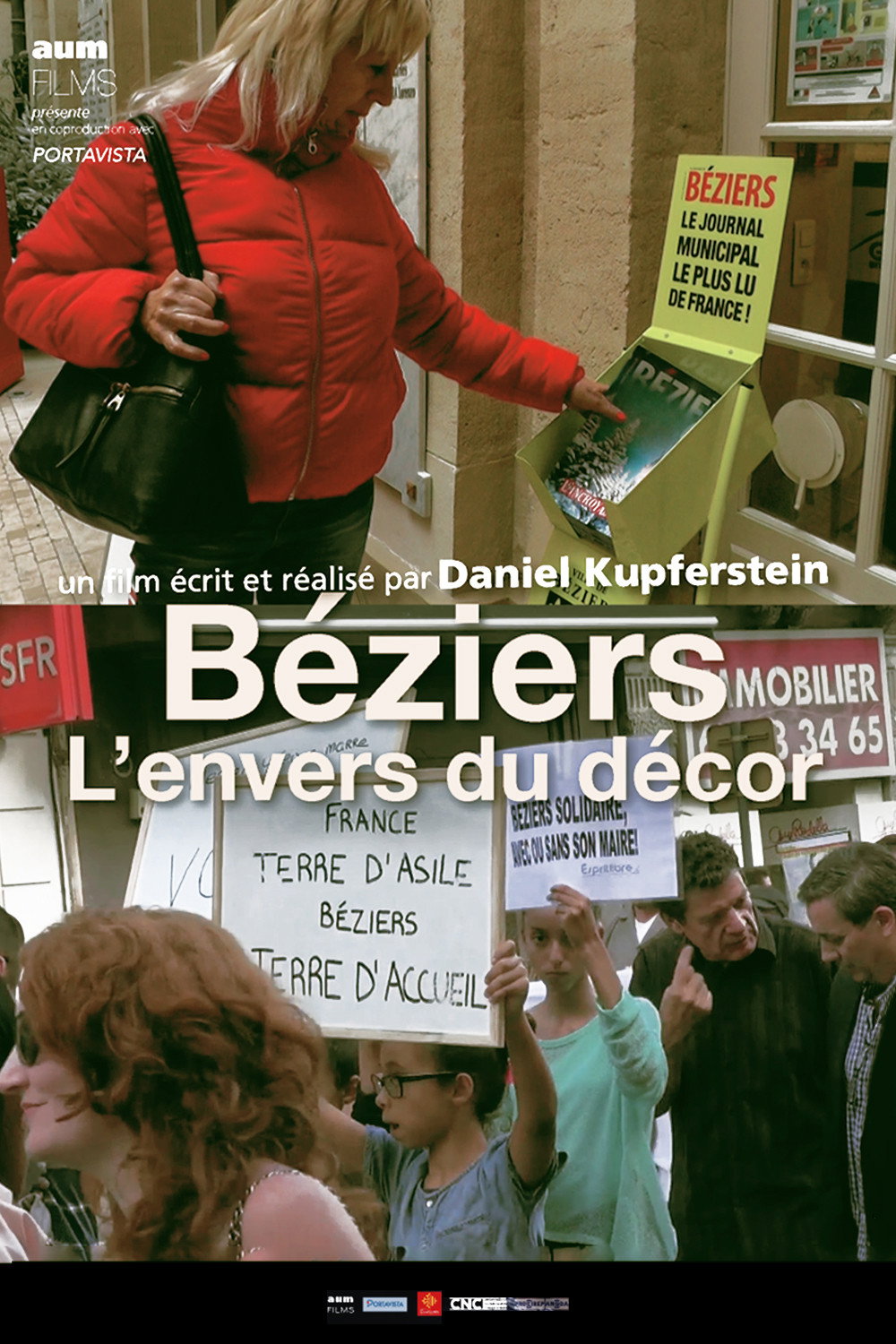
Structured in two parts, the film uses the municipal newspaper, Le Journal de Béziers (later renamed Le Journal du Biterrois), to examine the city's management by Robert Ménard, elected mayor in 2014 with the support of the National Rally. By meeting with residents and activists, the film reveals the "behind the scenes" of this southern French city. It shows how this newspaper shapes a political and ideological line for a fundamentalist Catholic France, rejecting Muslims, while simultaneously seeking to control and monitor all its inhabitants. A vision of the far right in power…
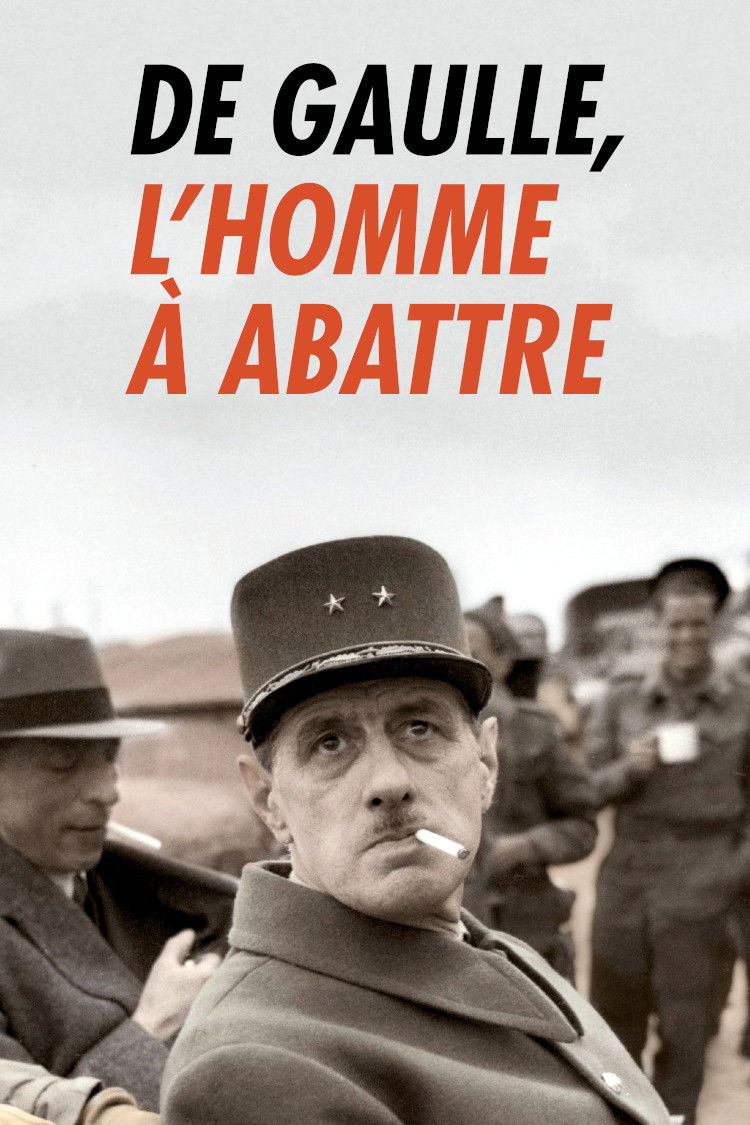
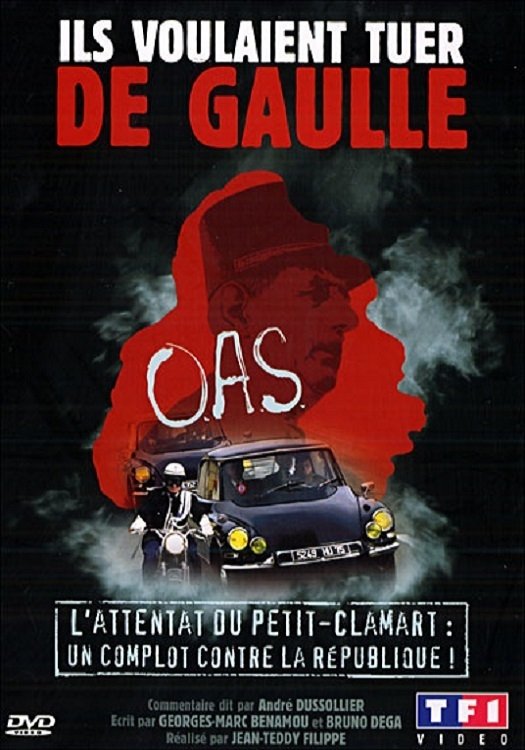
Based on the model of documentary fiction (alternating period films, interviews and re-enactments with actors), the film begins on September 8, 1961 with the failure of the Pont-sur-Seine attack on a road convoy carrying Charles de Gaulle, then President of the Republic, and continues with the slow preparation, the occurrence and the consequences of the Petit-Clamart attack on August 22, 1962.
Pierre Carles, the dispenser of justice seen in “Pas vu, pas pris,” is back in the saddle. After attacking French television star reporters, his new target is television critics as represented by Daniel Schneidermann, host of the "Arrêt sur images" show. “Enfin pris ?” analyzes censure at work in television. It is also a thought-provoking look at how power changes people and the intimate forces between ambition and loyalty. A cruel, biting comedy from which no one really comes out unscathed.
The debate in France about the abortion laws in 1974.
Alex Gibney explores the charged issue of pedophilia in the Catholic Church, following a trail from the first known protest against clerical sexual abuse in the United States and all way to the Vatican.
Behind-the-scenes documentary about how Lionel Messi succeeded in lifting the World Cup – the only trophy to have eluded him in an incredible career.
Alexander McQueen's rags-to-riches story is a modern-day fairy tale, laced with the gothic. Mirroring the savage beauty, boldness and vivacity of his design, this documentary is an intimate revelation of McQueen's own world, both tortured and inspired, which celebrates a radical and mesmerizing genius of profound influence.
While in San Francisco for the promotion of her last film in October 1967, Agnès Varda, tipped by her friend Tom Luddy, gets to know a relative she had never heard of before, Jean Varda, nicknamed "Yanco". This hitherto unknown uncle lives on a boat in Sausalito, is a painter, has adopted a hippie lifestyle and loves life. The meeting is a very happy one.
Bastien is twenty years old and has been an activist for five years in the main extreme right party. When the presidential campaign begins, he's invited by his superior to commit even further. Initiated into the art of decking himself out like a politician, he starts to dream of a career, but old demons surge forth...
This revealing documentary honors the legendary Sidney Poitier—iconic actor, filmmaker, and civil rights activist. Featuring interviews with Denzel Washington, Spike Lee, Halle Berry, and more.
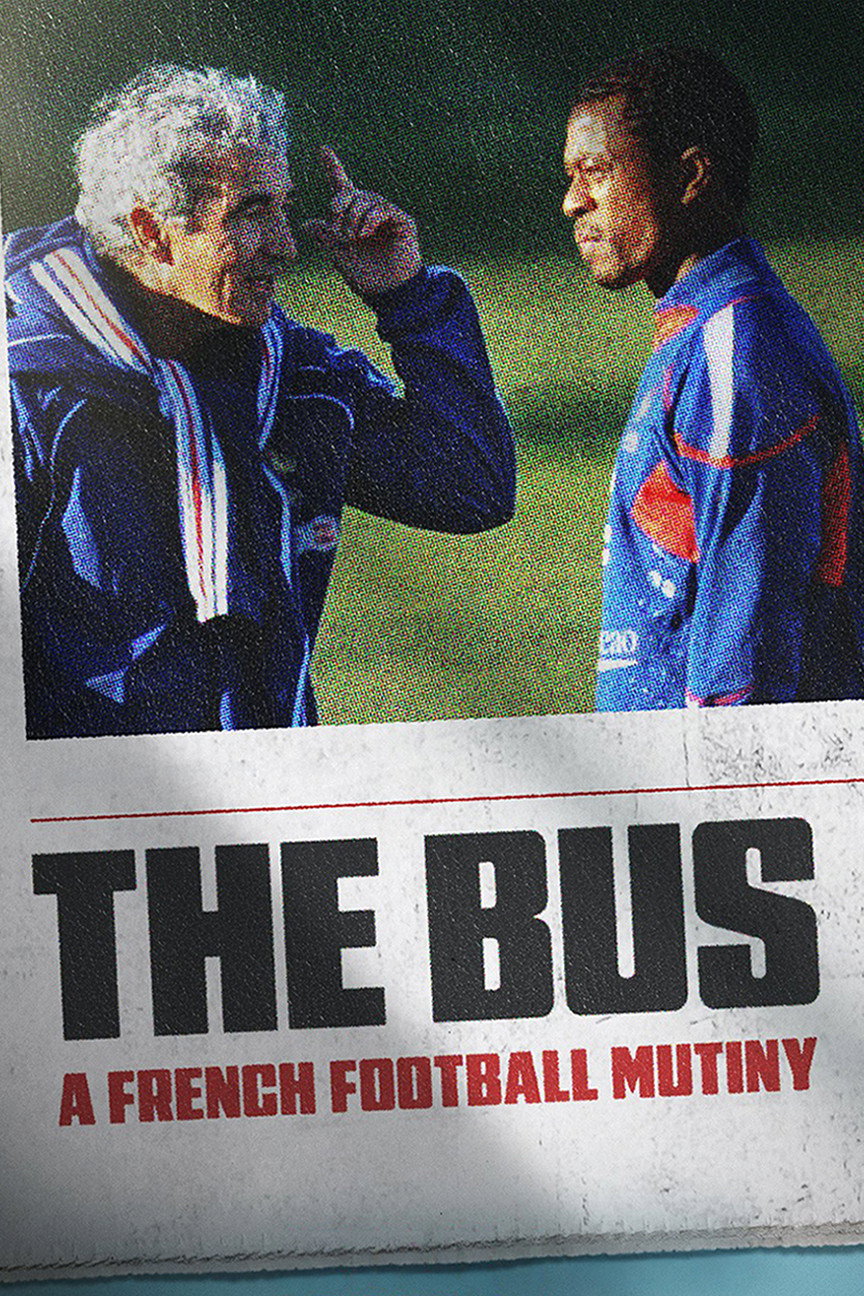
This documentary revisits the French football team's controversial 2010 World Cup and the bus strike that sparked global headlines and national outrage.
In an intimate and joyful story of love in the face of loss, celebrated poets Andrea Gibson and Megan Falley find strength—and unexpected hilarity—in what might be their final year together.
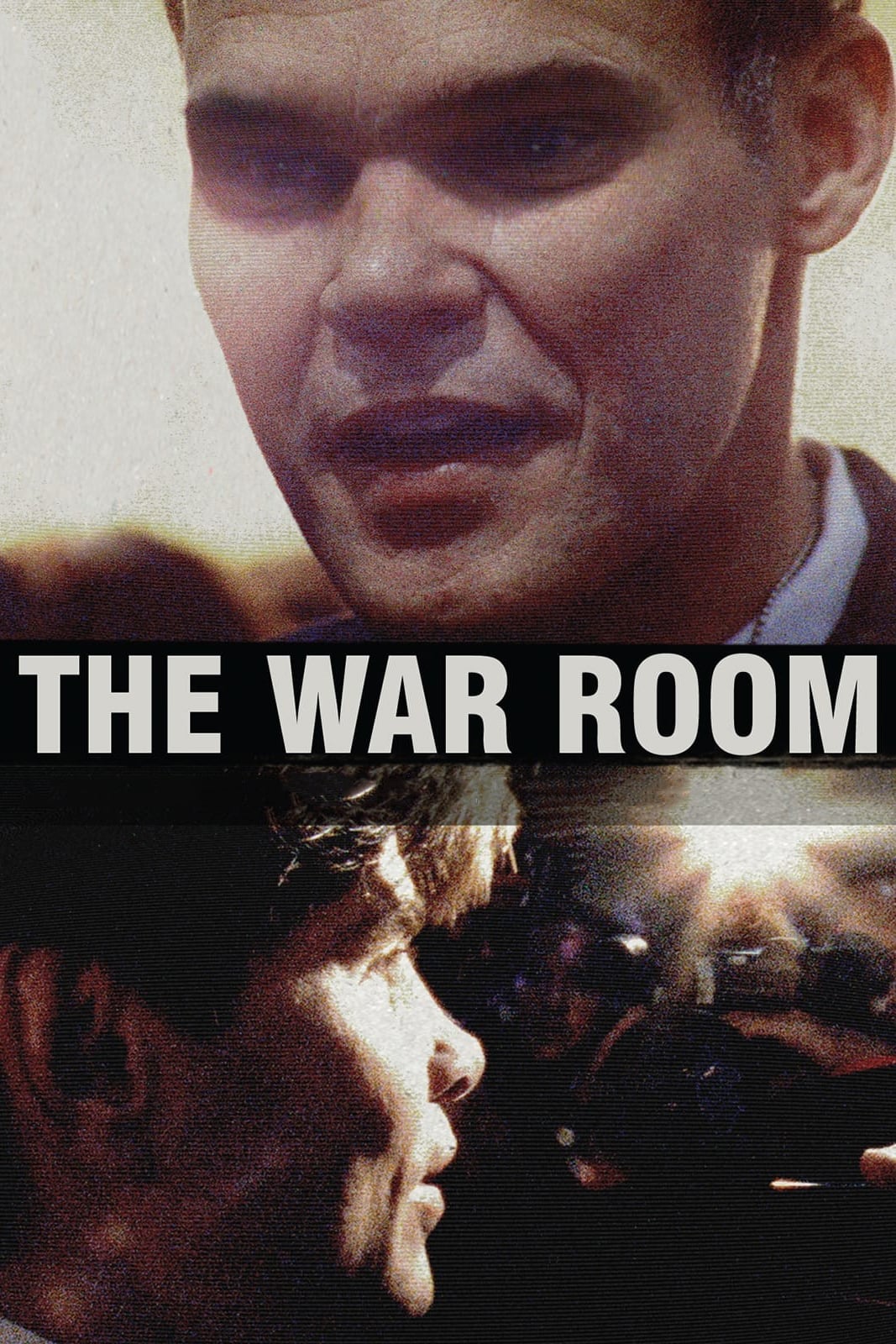
A behind-the-scenes documentary about the Clinton for President campaign, focusing on the adventures of spin doctors James Carville and George Stephanopoulos.
A documentary on the expletive's origin, why it offends some people so deeply, and what can be gained from its use.
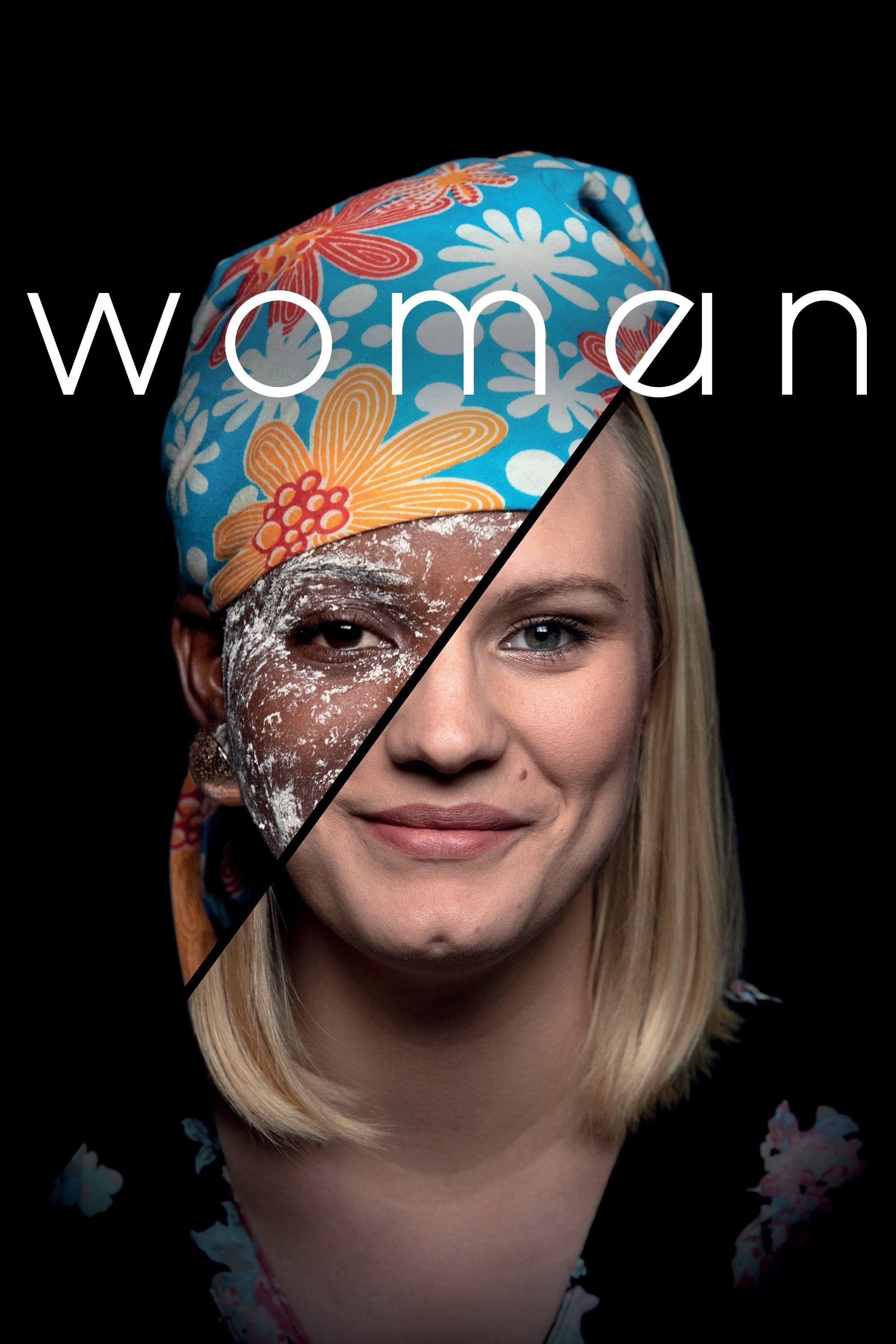
The film is based on interviews with 2,000 women from 50 countries, and covers the status of women all over the world. The topics covered include forced marriages, sexual assault, female genital mutilation, acid attacks, motherhood, sexuality, menstruation, education and the professional success of women.
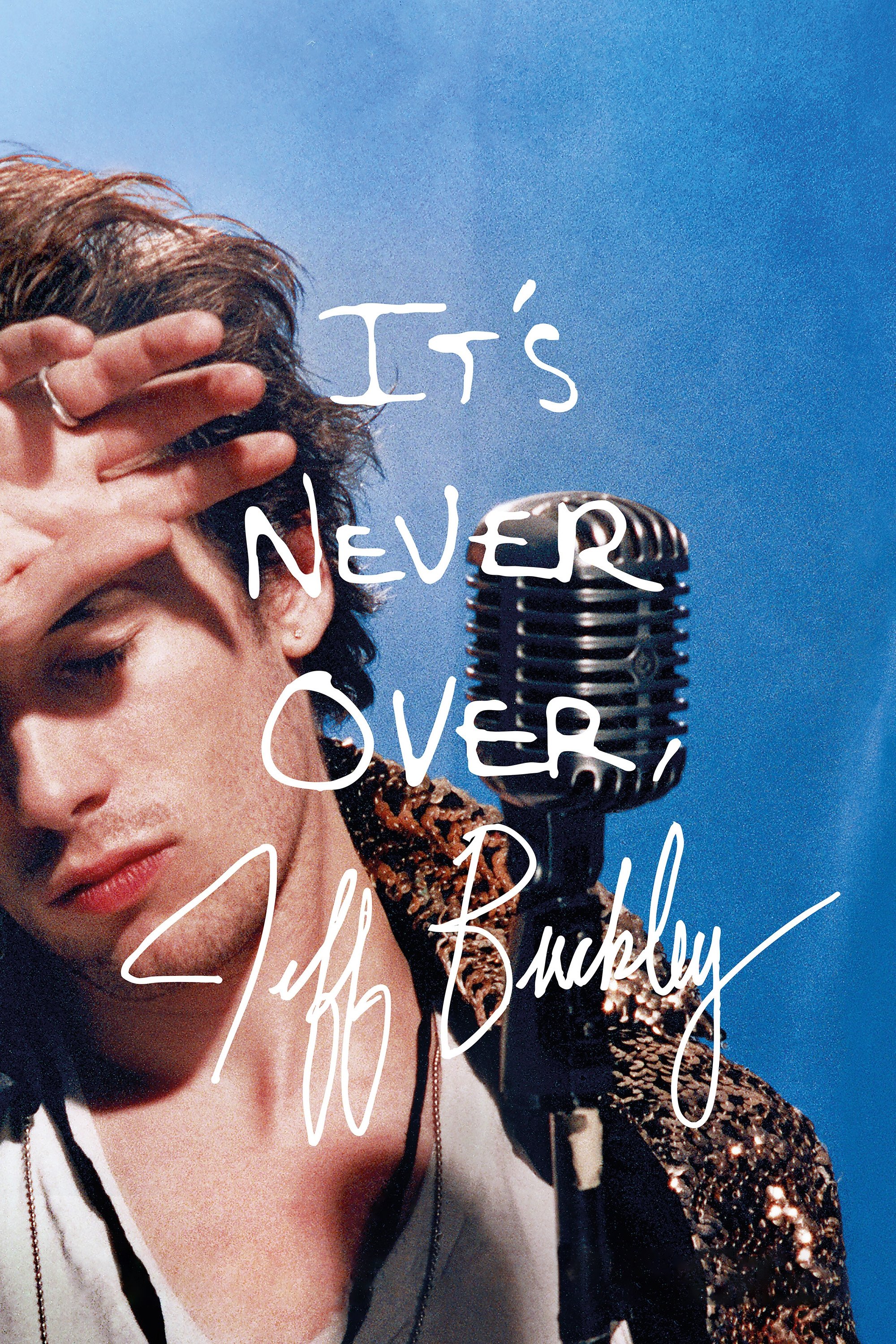
Rising musician Jeff Buckley had only released one album when he died suddenly in 1997. Now, never-before-seen footage, exclusive voice messages, and accounts from those closest to him offer a portrait of the captivating singer.
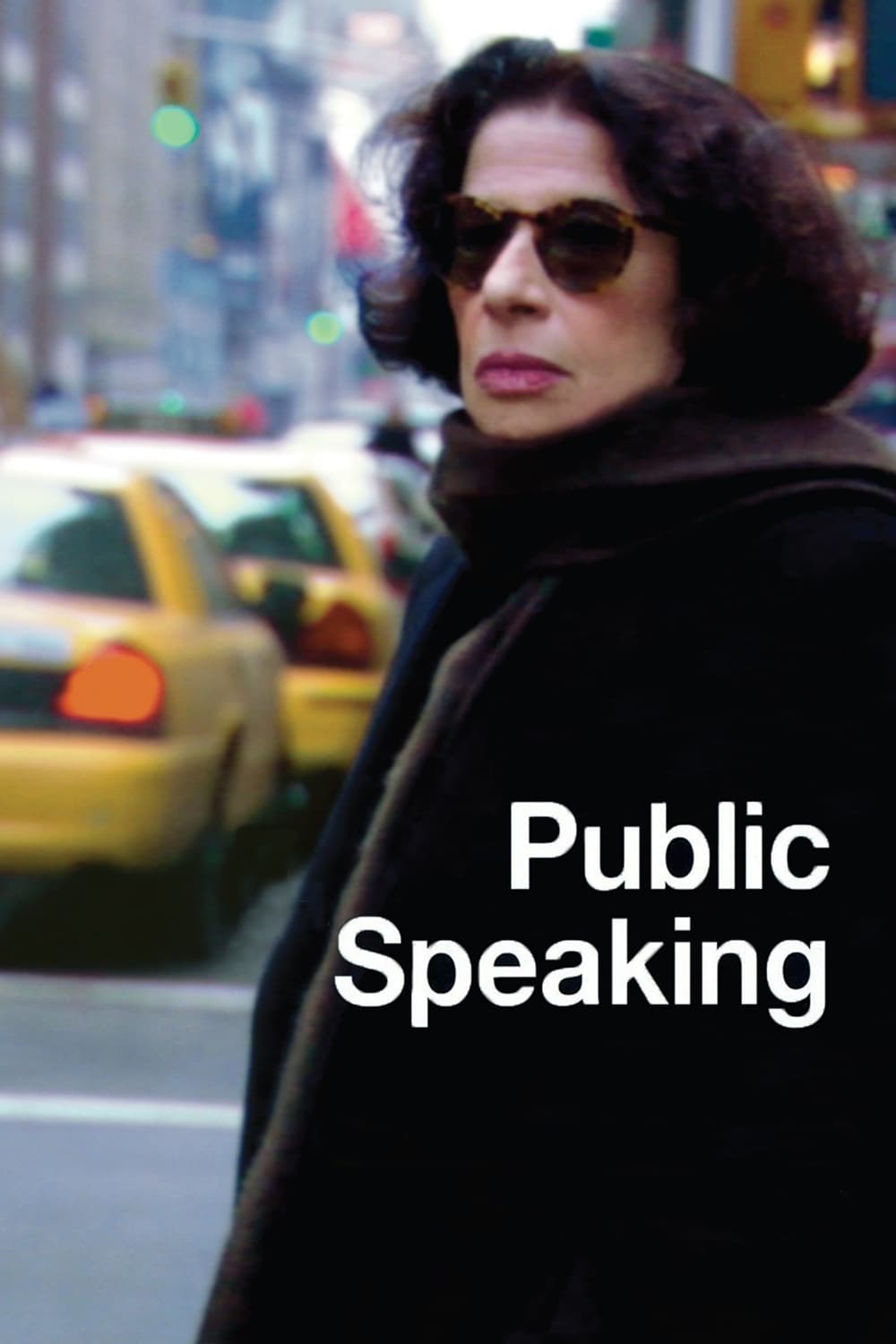
Martin Scorsese’s portrait of writer and social commentator Fran Lebowitz, celebrated for her sharp wit and observations on modern life. Filmed at New York’s Waverly Inn and intercut with archival footage and interviews, the documentary captures Lebowitz’s distinctive worldview through her spontaneous monologues and public appearances.
SEDUCED AND ABANDONED combines acting legend Alec Baldwin with director James Toback as they lead us on a troublesome and often hilarious journey of raising financing for their next feature film. Moving from director to financier to star actor, the two players provide us with a unique look behind the curtain at the world's biggest and most glamourous film festival, shining a light on the bitter-sweet relationship filmmakers have with Cannes and the film business. Featuring insights from directors Martin Scorsese, 'Bernando Bertolucci' and Roman Polanski; actors Ryan Gosling and Jessica Chastain and a host of film distribution luminaries.
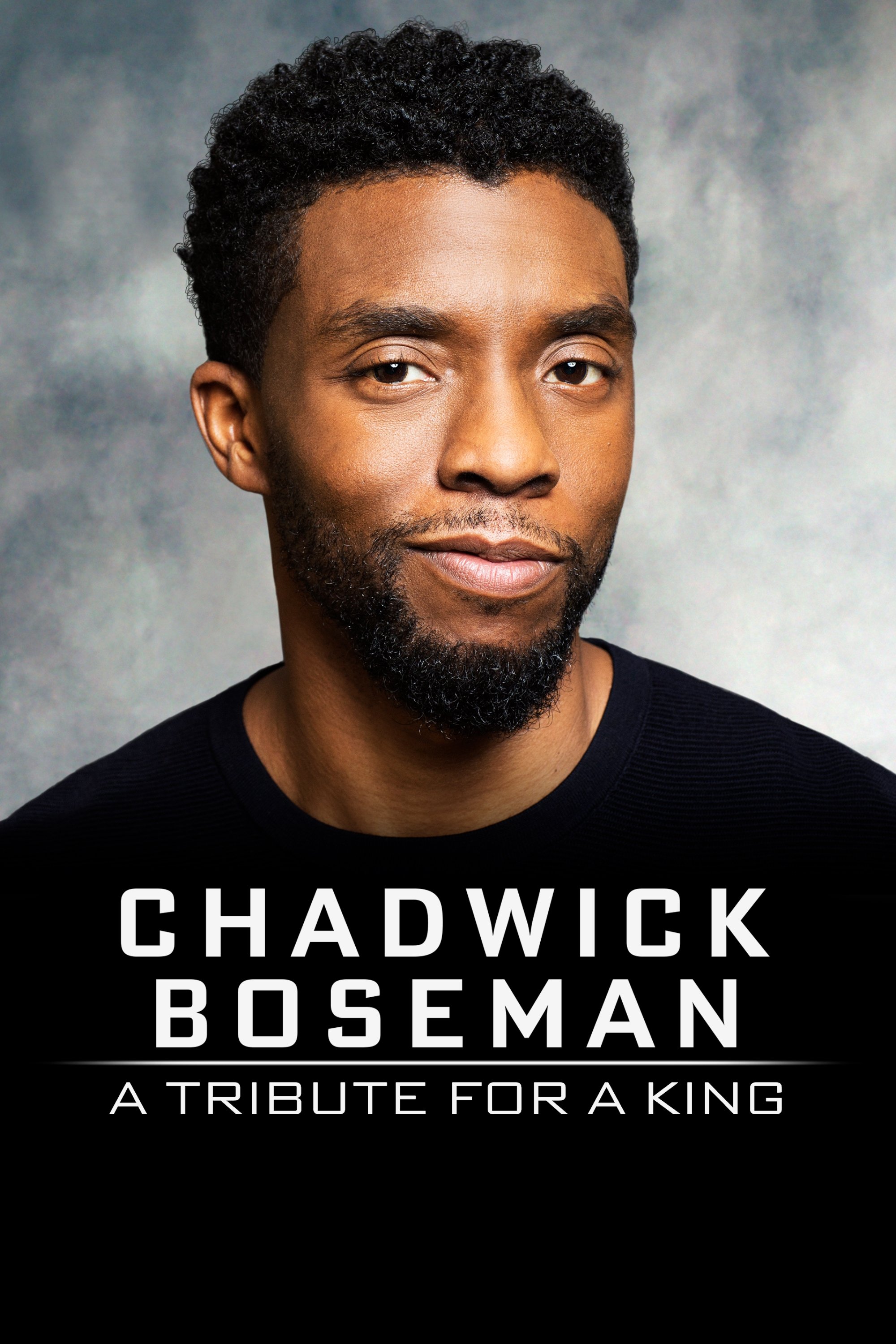
A tribute to Chadwick Boseman, celebrating his life and legacy.
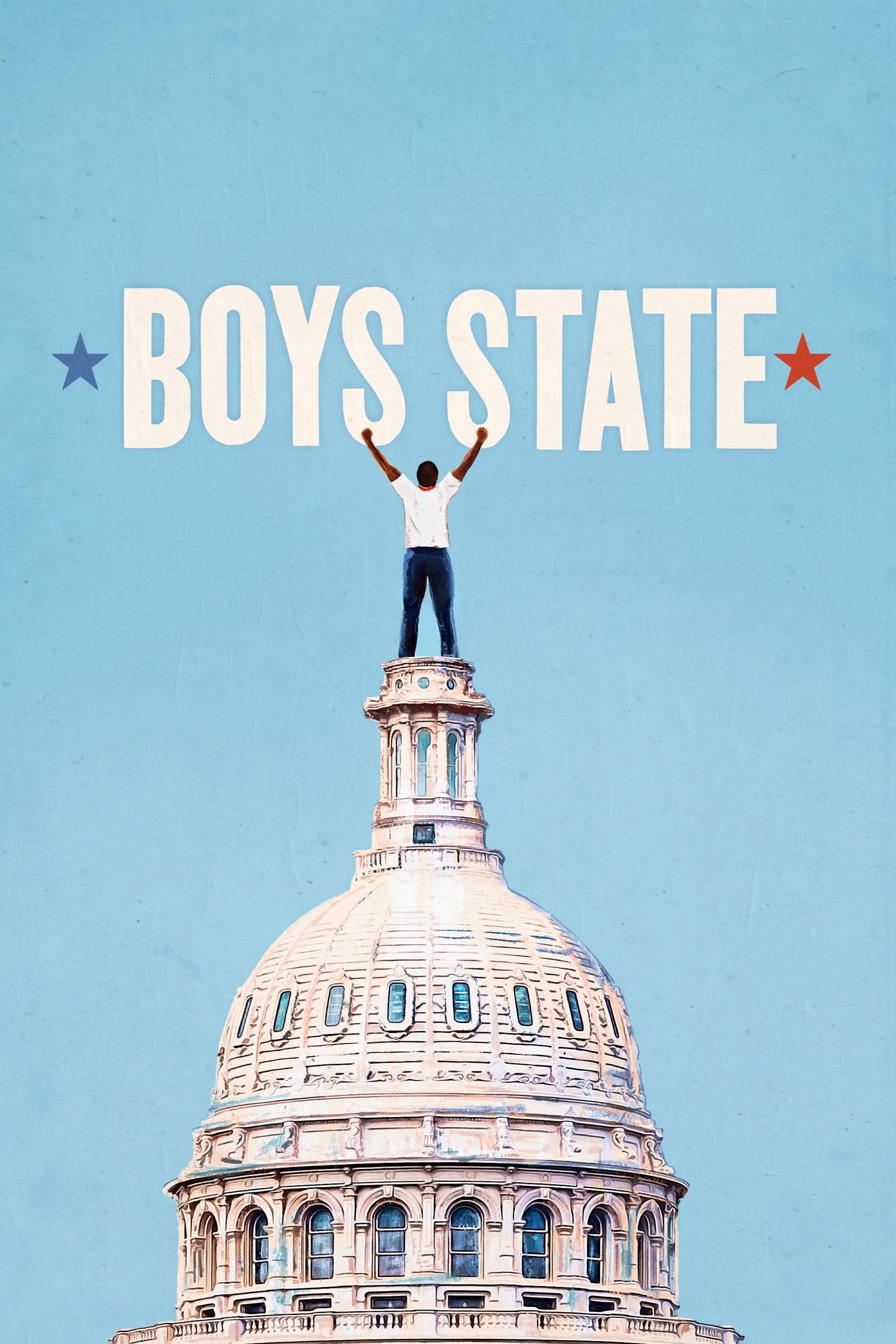
This raucous journey into the heart of democracy captures an unusual rite of passage: 1,100 teenage boys from across Texas coming together to build a representative government from the ground up.
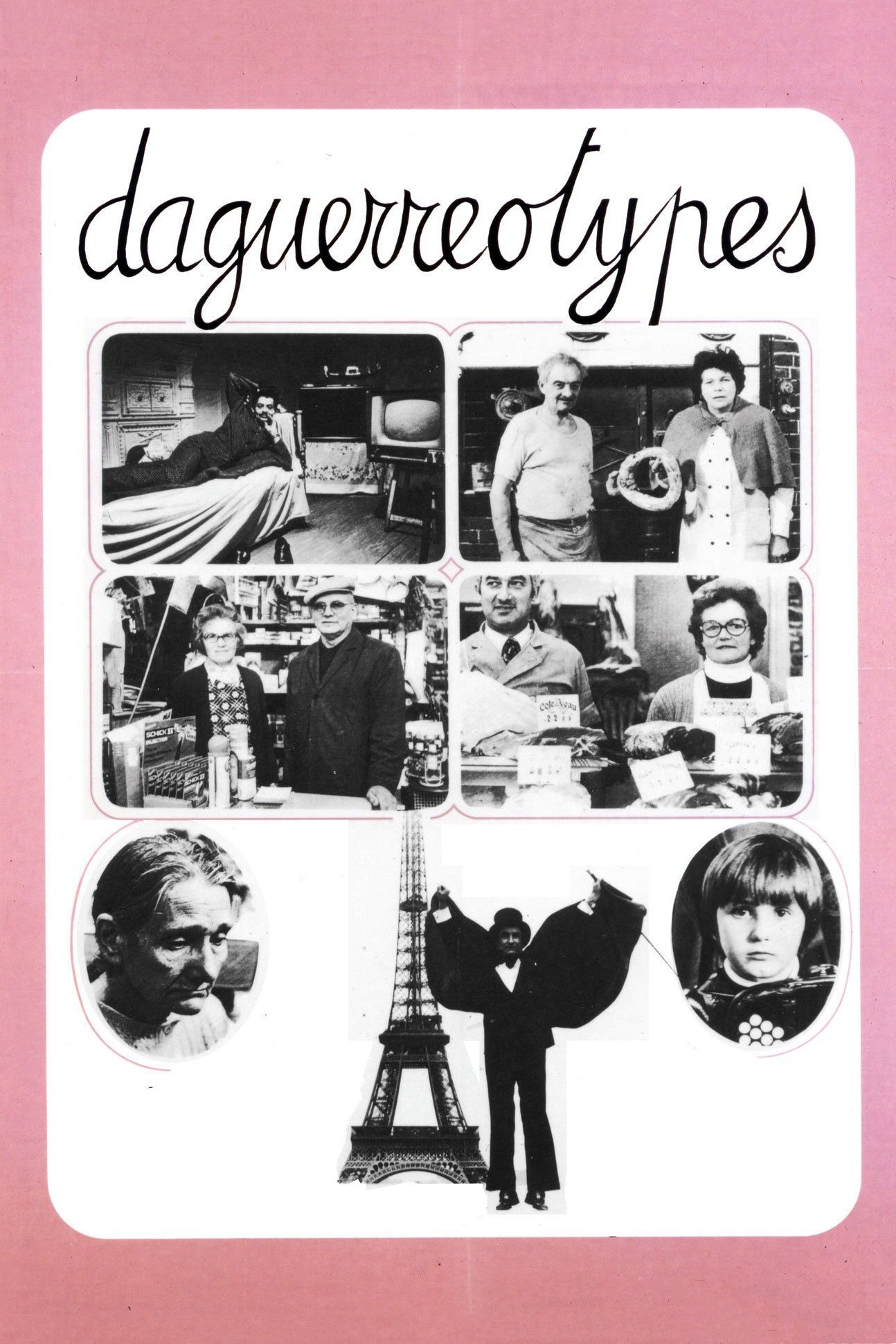
An intimate portrait of the small shops and shopkeepers of the Rue Daguerre in Paris, a picturesque street that has been the filmmaker’s home for more than 50 years.
Al Pacino's deeply-felt rumination on Shakespeare's significance and relevance to the modern world through interviews and an in-depth analysis of "Richard III."
An inside look at one of the most anticipated movie sequels ever with James Cameron and cast.
Those who knew iconic funnyman John Candy best share his story, in their own words, through never-before-seen archival footage, imagery, and interviews.