Social & External
The people behind it
Humberto López
Narrador
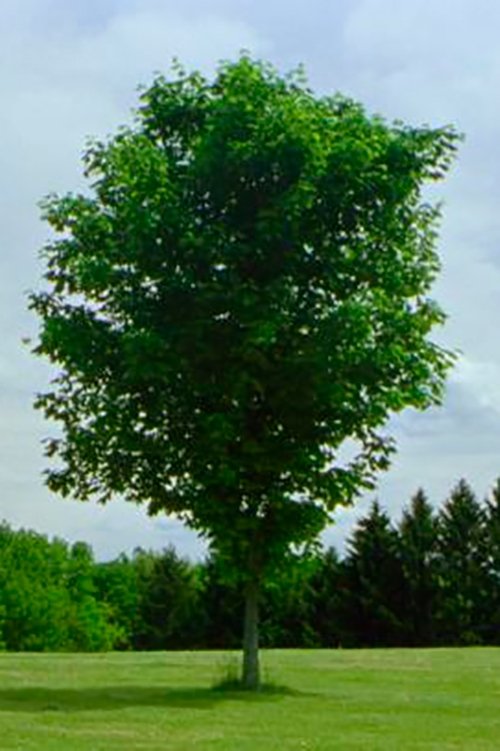
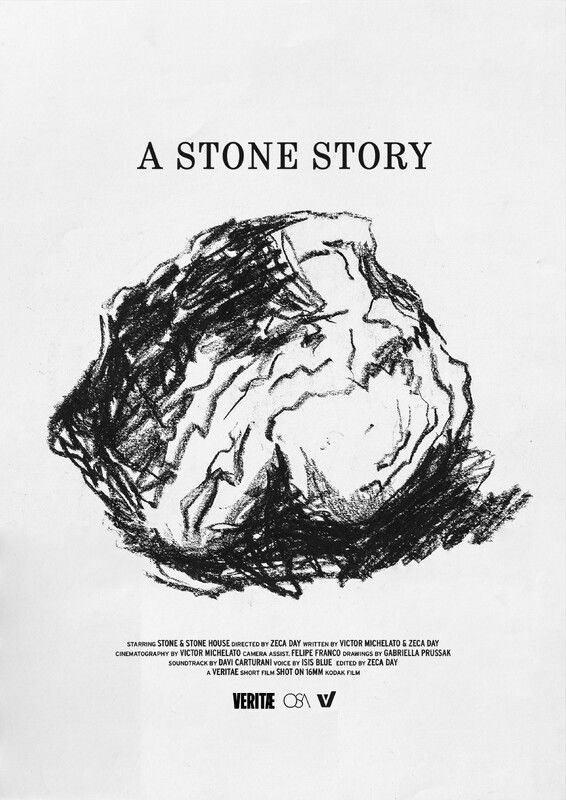
Structural study of a tree. Light, water and air coax it out of the soil in a manner foregrounding time’s relativity to different forms of life on Earth. Made the day my brother got his fork-lift license.
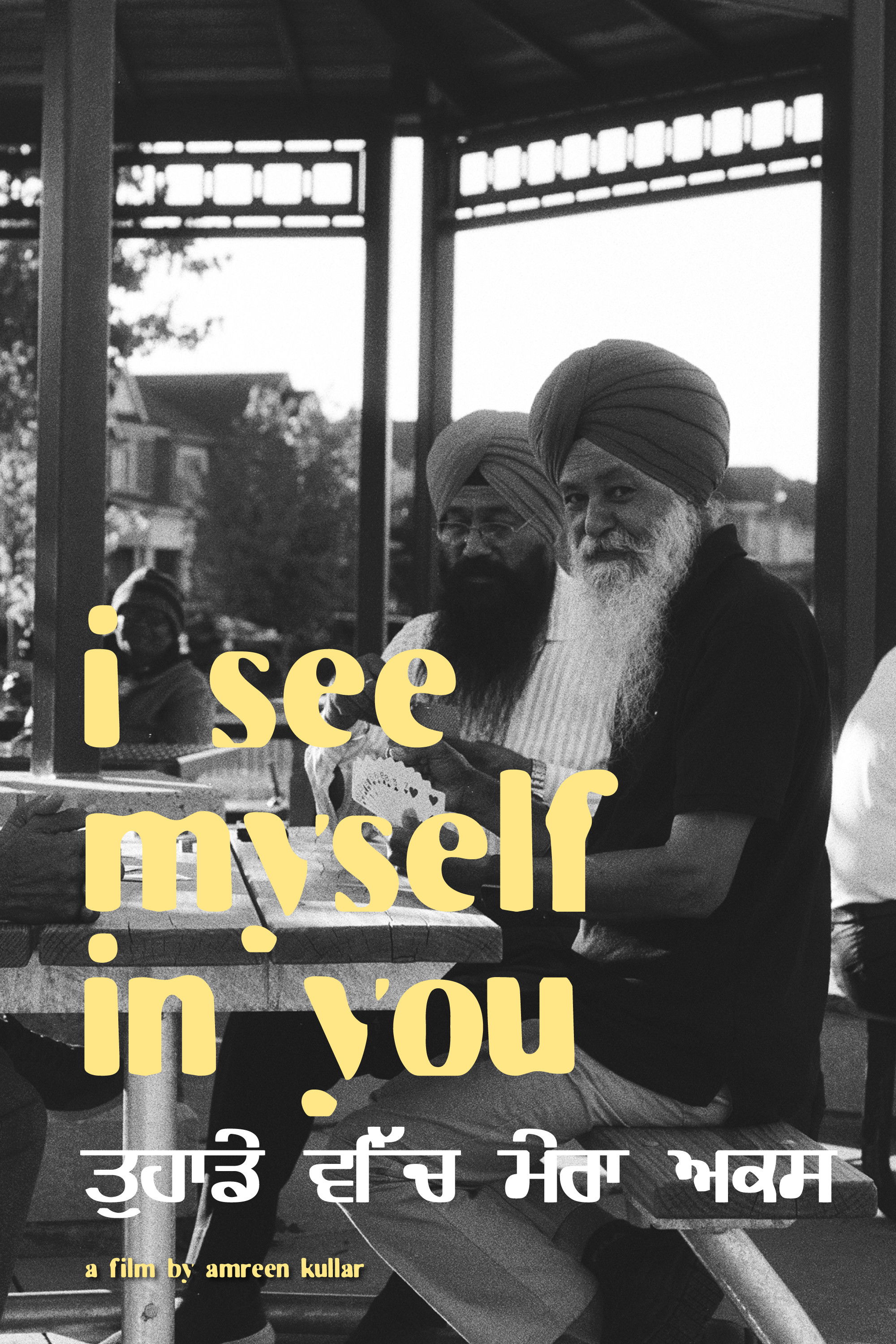
Amidst rising xenophobia, three South Asian settlers paint a more holistic picture of what Brampton is today. The film acts as a fleeting memory, creating vignettes of the ever changing cultural pocket, through multi language prose and 16mm film.
"Everything You Ever Wanted in a 16mm Projector" is an RCA promotional film made for the RCA 1600, probably in the mid-1960s. Yes, everything . . . brilliant pictures, superb sound, simple operation, smooth, safe film handling, instant performance, good looks, light weight, ruggedness — even an automatic threader that never touches the film !
How can a country survive when its jungle borders hold 4000 hostile troops?
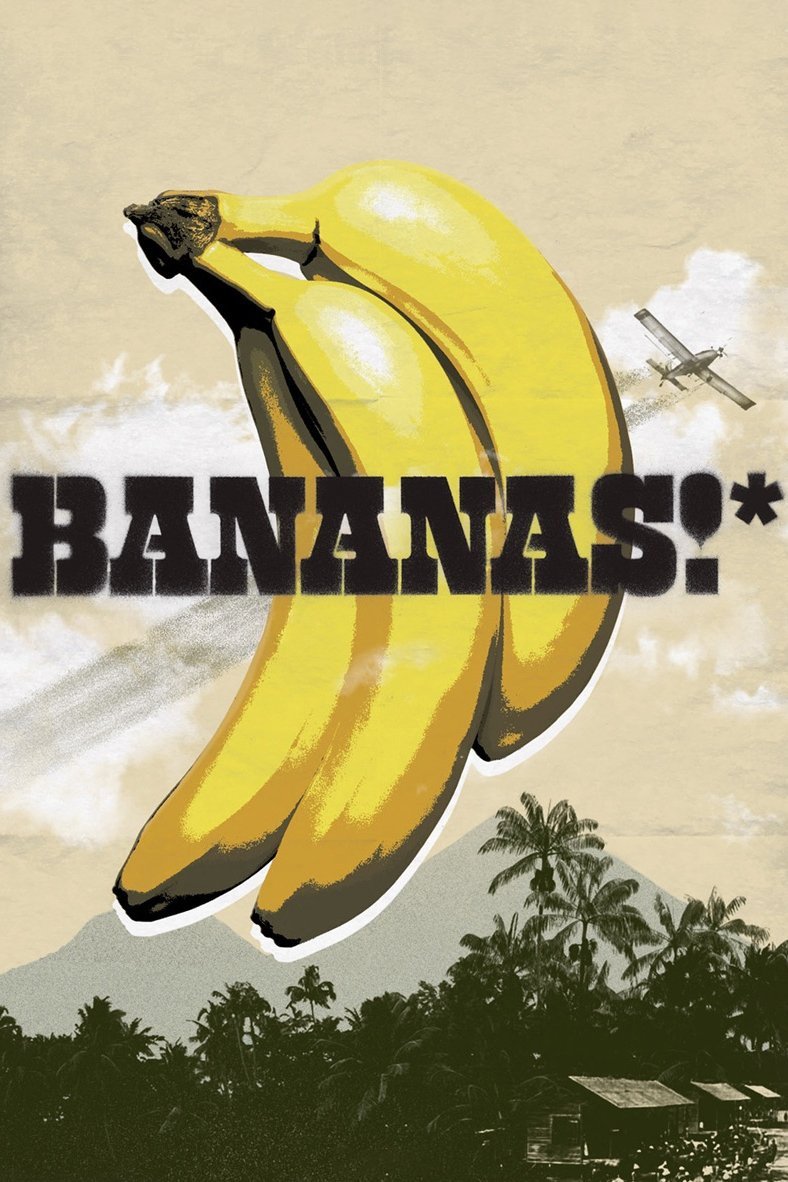
Juan “Accidentes” Dominguez is on his biggest case ever. On behalf of twelve Nicaraguan banana workers he is tackling Dole Food in a ground-breaking legal battle for their use of a banned pesticide that was known by the company to cause sterility. Can he beat the giant, or will the corporation get away with it?
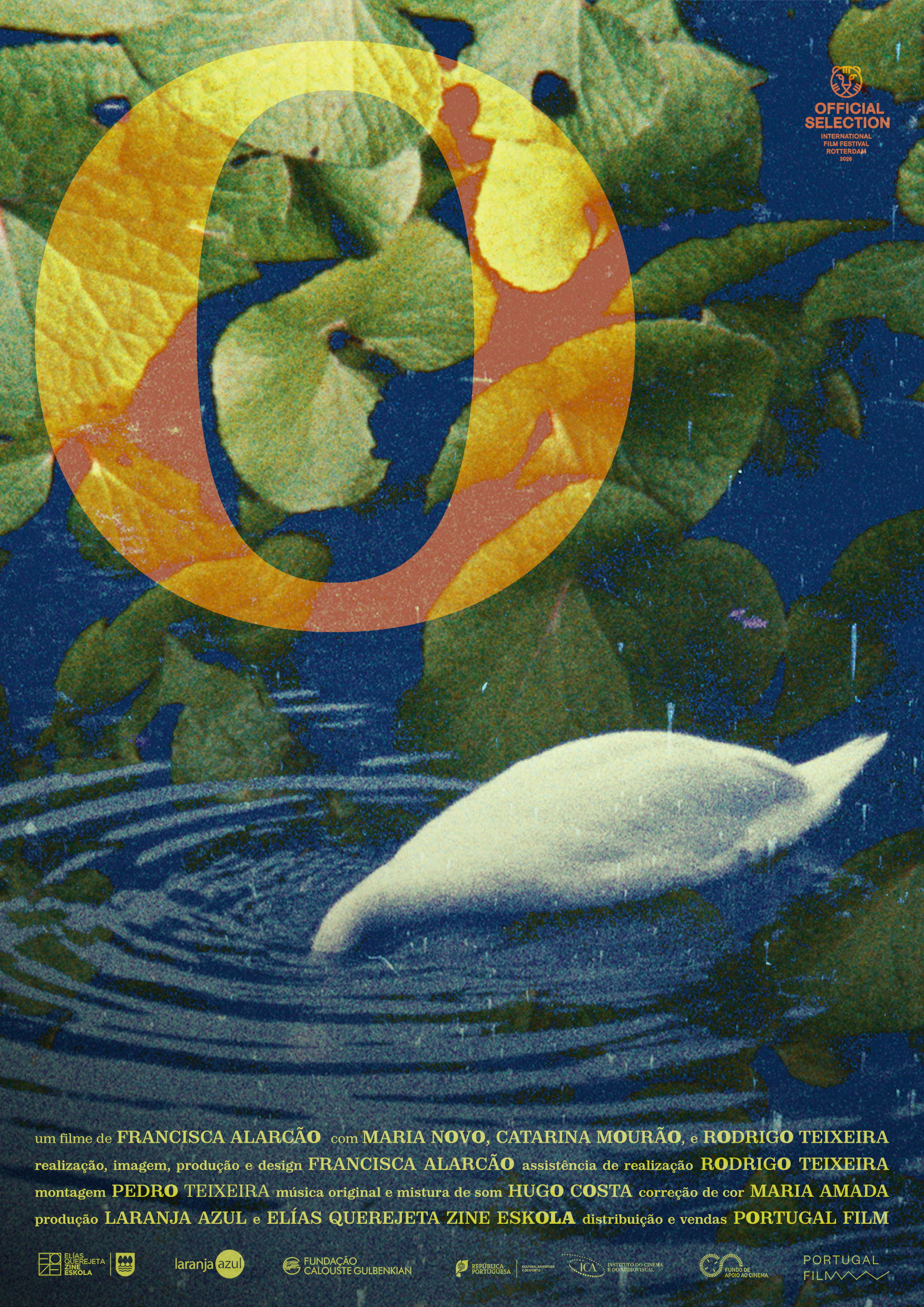
For as long as she remembers, Francisca lives with an inexplicable and uncontrollable aversion to belly buttons. Nothing makes her more anxious than this simple part of the body and the shapes in the world that resemble it. When therapy isn't enough to solve her cherished phobia , Francisca turns to other types of methods - without any scientific basis and not recommended for anyone who suffers from the same condition.
American resort developers bear down on the wild west coast of Nicaragua, hoping to build the next tourist paradise. With lax labour and environmental regulations, some of the developers take full advantage of the situation, and the local fishermen start accusing them of exploitation and land thievery. Unexpectedly, in the midst of this conflict, firebrand Daniel Ortega and the Sandinistas sweep back into government, boldly empowering the local fishermen. The tables turn viciously on the American developers, who get much more than they bargained for. But when the local fishermen, corrupted by new found power, begin acting in the same manner as the American developers, questions are posed about human nature, morality, and ethics on a much larger scale.
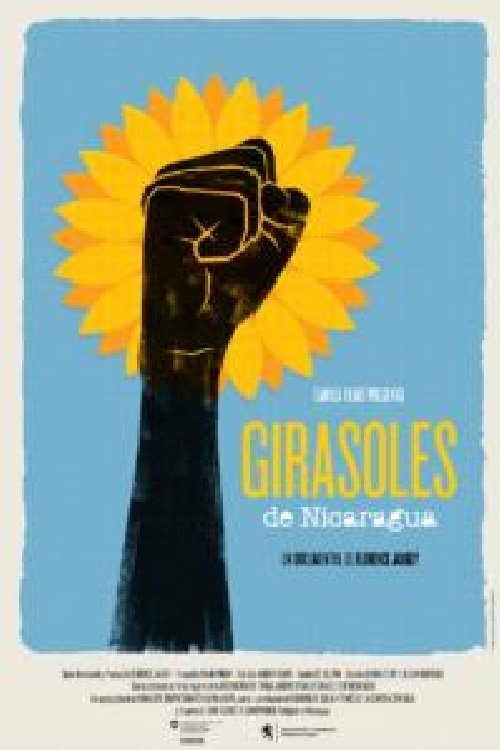
Sixteen female sex workers have been named judicial aides by Nicaragua’s Supreme Court to facilitate the resolution of conflicts that come up in their work. It is the first time in the world that sex workers have had access to this function. The film accompanies some of these women in their mediation work and in the actions they promote through their association, Girasoles (Sunflowers) of Nicaragua, to gain recognition and regulations for autonomous sex work.
Images from 2000s music videos are transferred onto the film strip, torn and abstracted until the visuals convulse and shift—a tactile, poetic exploration of materiality, memory, and medium.
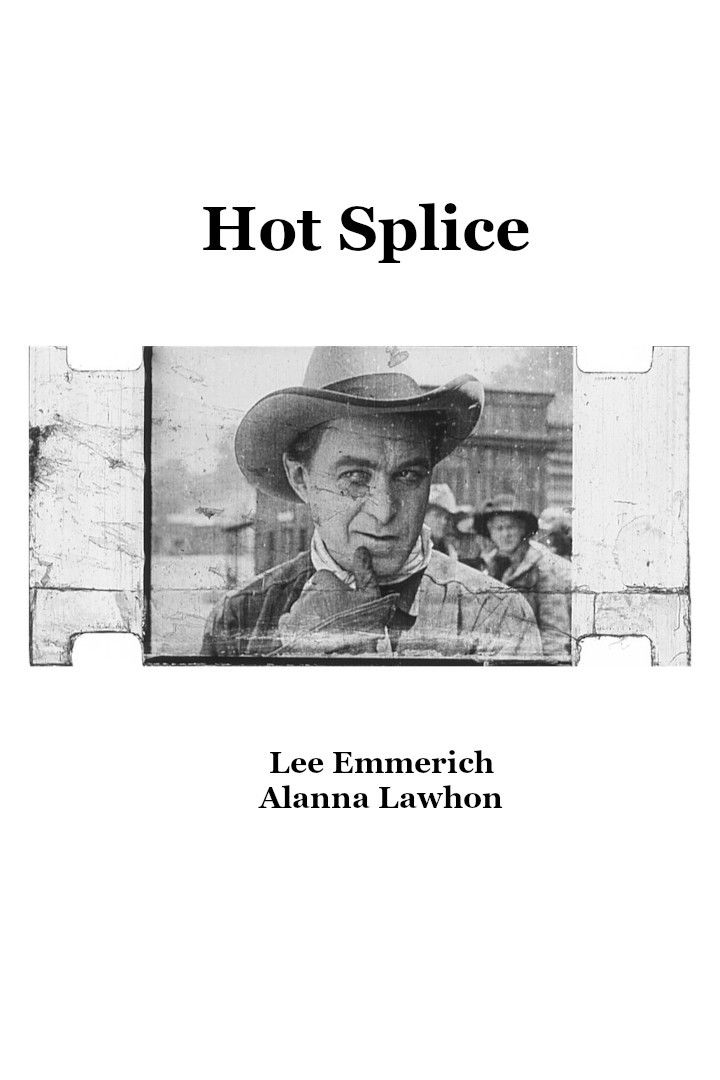
Hot Splice is a semi-serious short documentary that highlights how destructive film repairs leave behind raw materials to experiment and play with. In a mixture of archival video, 16mm film scans, inexplicable French narration, and Atlanta trap history, this short takes bits and pieces collected during my time as an archival assistant to make something nouveau.
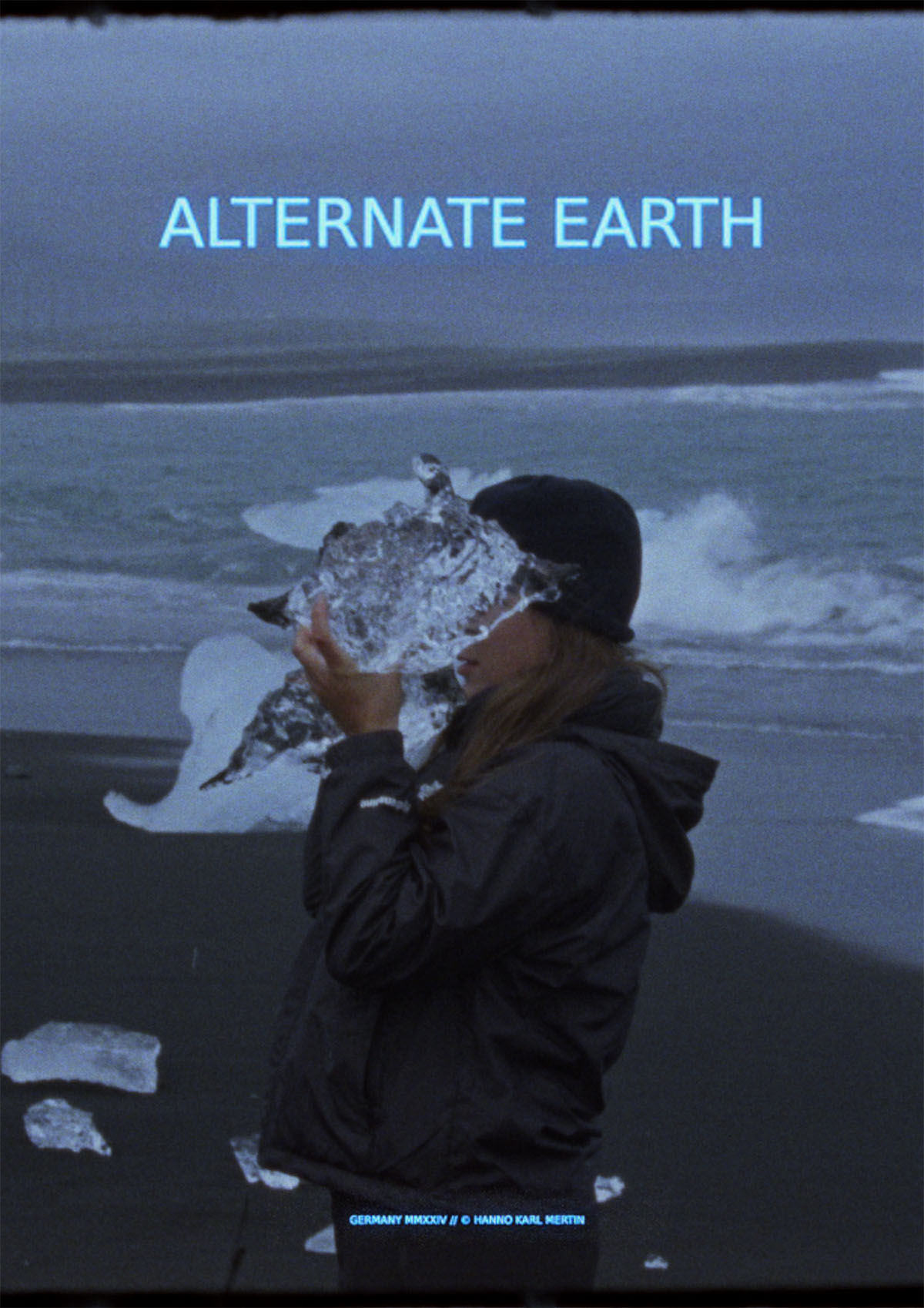
A scientific expedition travels to an alternative Earth in hope of finding a new home for humanity, which has destroyed its own planet. But is it even possible to escape old patterns?
the film „mandà in lunga“ follows a journey from Val Poschiavo, a valley in the Italian-speaking part of the Swiss canton of Grisons, up to the highest point of the Morteratsch Glacier, the largest glacier in the Bernina Range. Shot entirely on 16mm film and edited in-camera, the film captures the changing landscapes and atmospheric shifts along the way. The journey is musically accompanied by the organ drones and violin sounds of Laura and Luzius Schuler.
Expeditions in the Western Canadian Arctic
The history of art in Ethiopia. The film emphasizes the styles, materials, etc. ofpaintings on walls and roofs of ancient churche
Film about the Ethiopian famine of I984/85 and the measures taken to combat it
Shows the measures taken to combat the drought which leads to famine
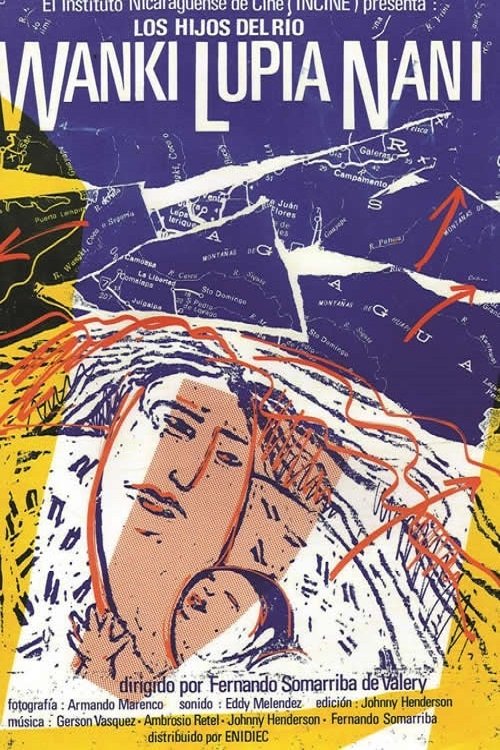
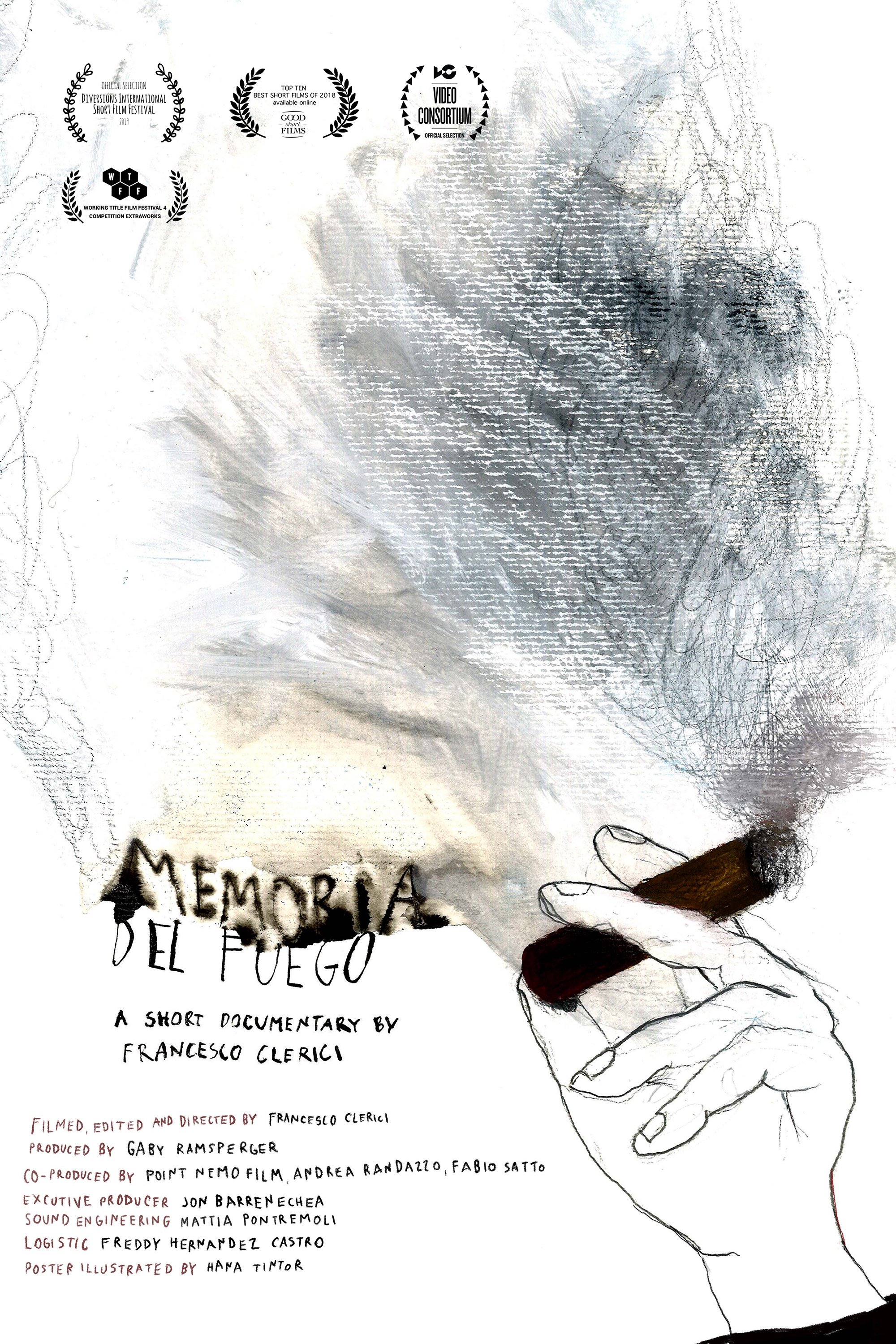
A short documentary, inspired by Eduardo Galeano: a short trip in rhythms, sounds and atmospheres in a cuban cigar factory in Estelí, Nicaragua.
Roads fall into the sea and a travelogue breaks against the landscape.
The film follows adventurer Jeff Johnson as he retraces the epic 1968 journey of his heroes Yvon Chouinard and Doug Tompkins to Patagonia.
In an intimate and joyful story of love in the face of loss, celebrated poets Andrea Gibson and Megan Falley find strength—and unexpected hilarity—in what might be their final year together.
A documentary about the life and films of director John Ford.
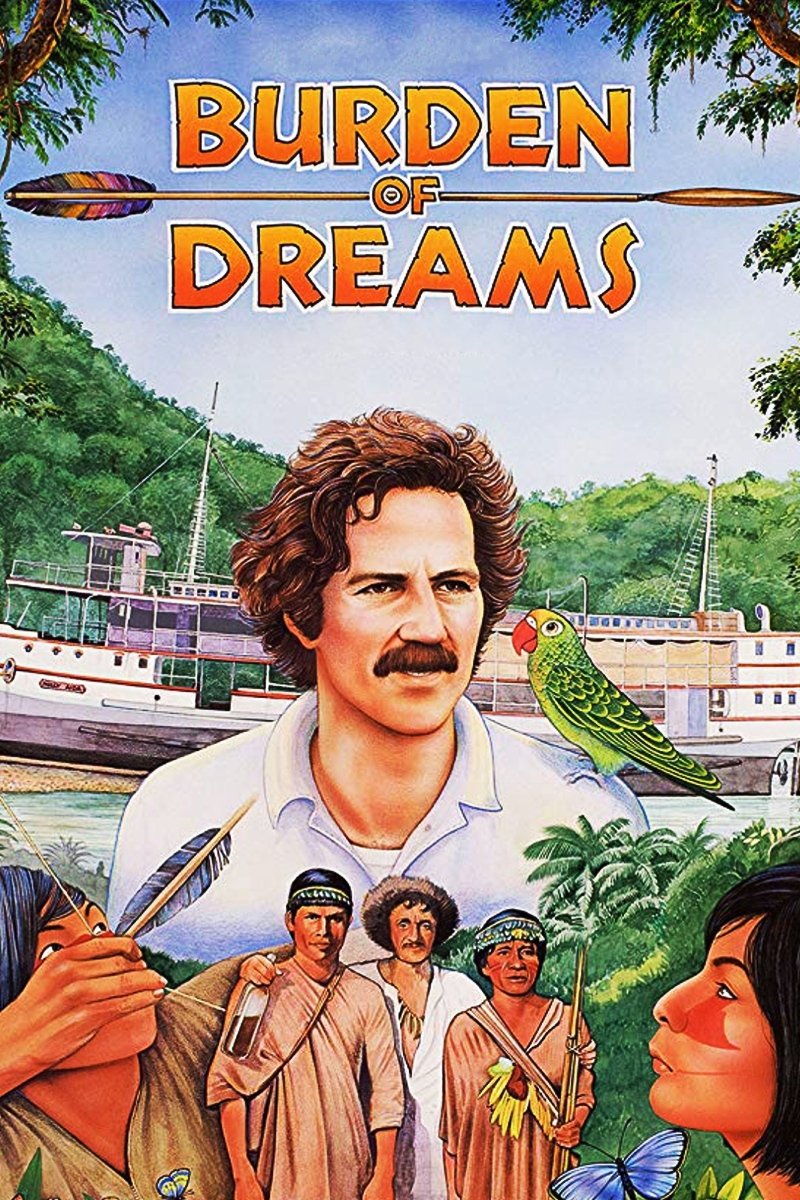
The Amazon rain forest, 1979. The crew of Fitzcarraldo (1982), a film directed by German director Werner Herzog, soon finds itself with problems related to casting, tribal struggles and accidents, among many other setbacks; but nothing compared to dragging a huge steamboat up a mountain, while Herzog embraces the path of a certain madness to make his vision come true.
A documentary on the expletive's origin, why it offends some people so deeply, and what can be gained from its use.
Behind the scenes look at fight choreography and action training.
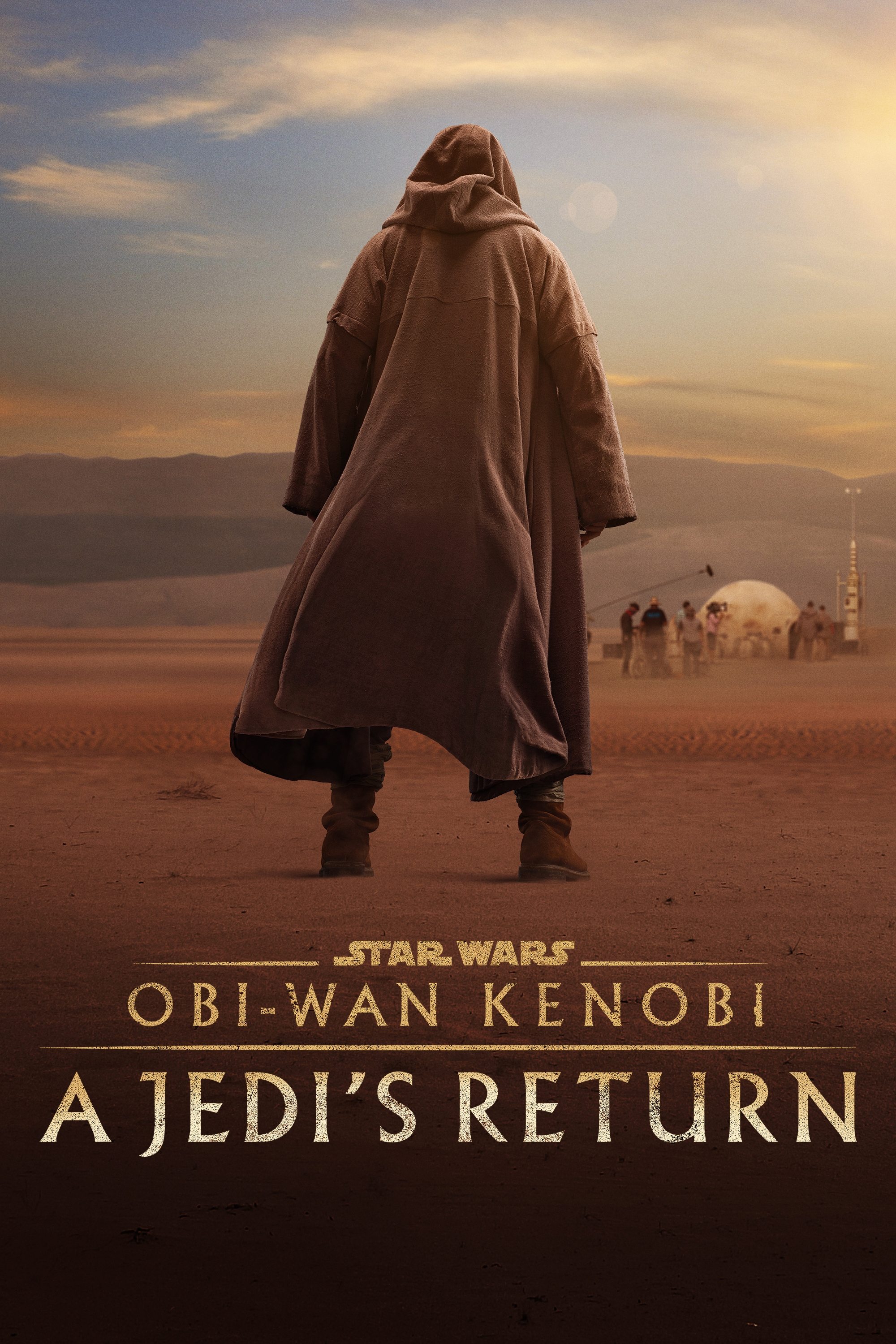
This special explores the return of Obi-Wan Kenobi and Anakin Skywalker to the screen, as well as Ewan McGregor and Hayden Christensen to their classic roles. Director Deborah Chow leads the cast and crew as they create new heroes and villains that live alongside new incarnations of beloved Star Wars characters, and an epic story that dramatically bridges the saga films.
In 2019, Nepalese mountain climber Nirmal “Nims” Purja set out to do the unthinkable by climbing the world’s fourteen highest summits in less than seven months. (The previous record was eight years). He called the effort “Project Possible 14/7” and saw it as a way to inspire others to strive for greater heights in any pursuit. The film follows his team as they seek to defy naysayers and push the limits of human endurance.
A string of threatening emails escalates into a revenge plot involving a newly married US marshal and his ex-girlfriend.
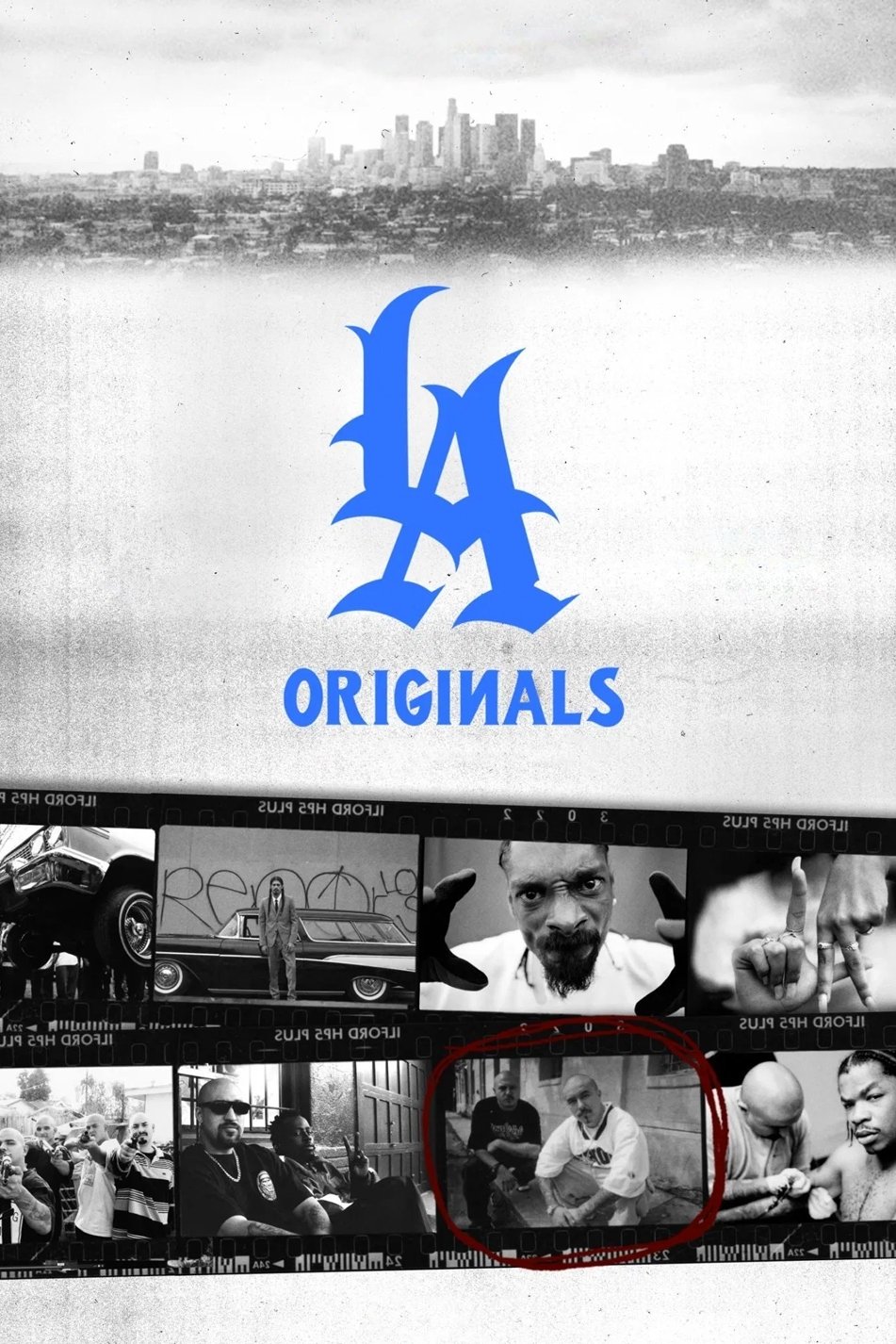
Photographer Estevan Oriol and artist Mister Cartoon turned their Chicano roots into gritty art, impacting street culture, hip hop and beyond.
A visual montage portrait of our contemporary world dominated by globalized technology and violence.
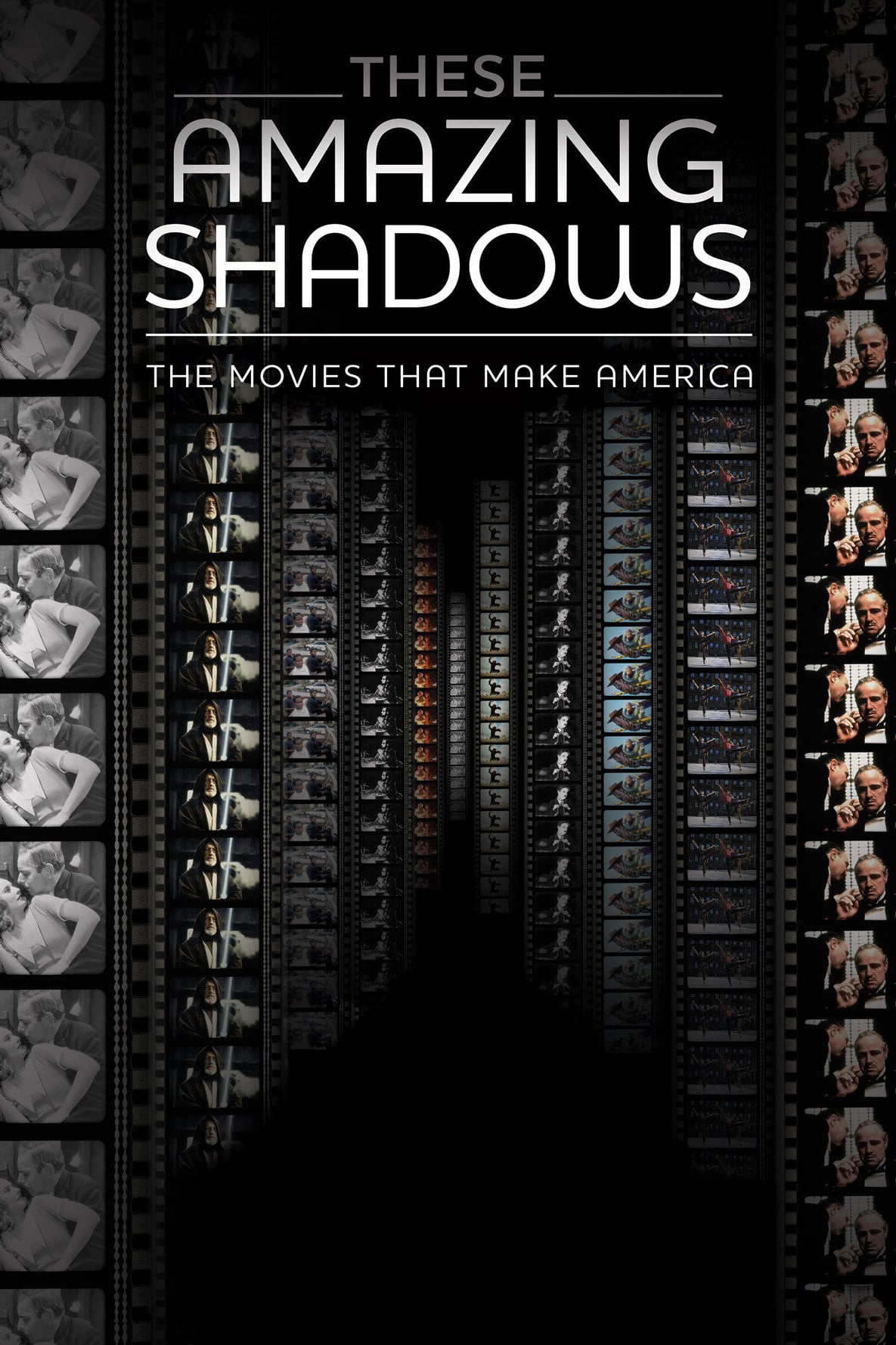
Tells the history and importance of The National Film Registry, a roll call of American cinema treasures that reflects the diversity of film, and indeed the American experience itself.
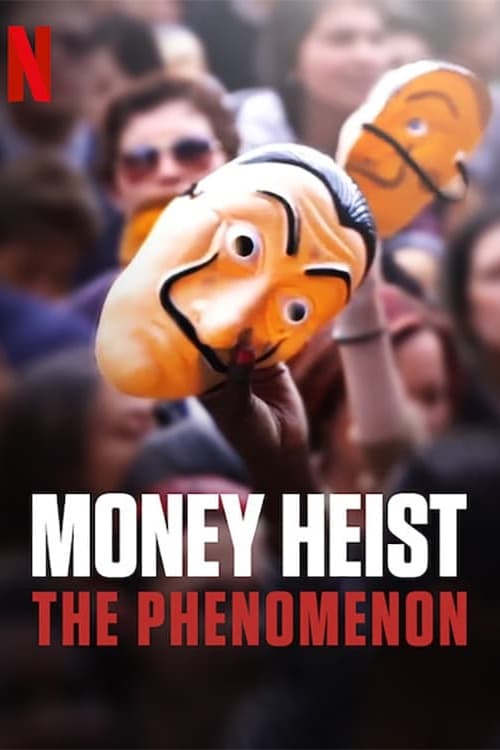
A documentary on why 'Money Heist' sparked a wave of enthusiasm around the world for a lovable group of thieves and their professor.
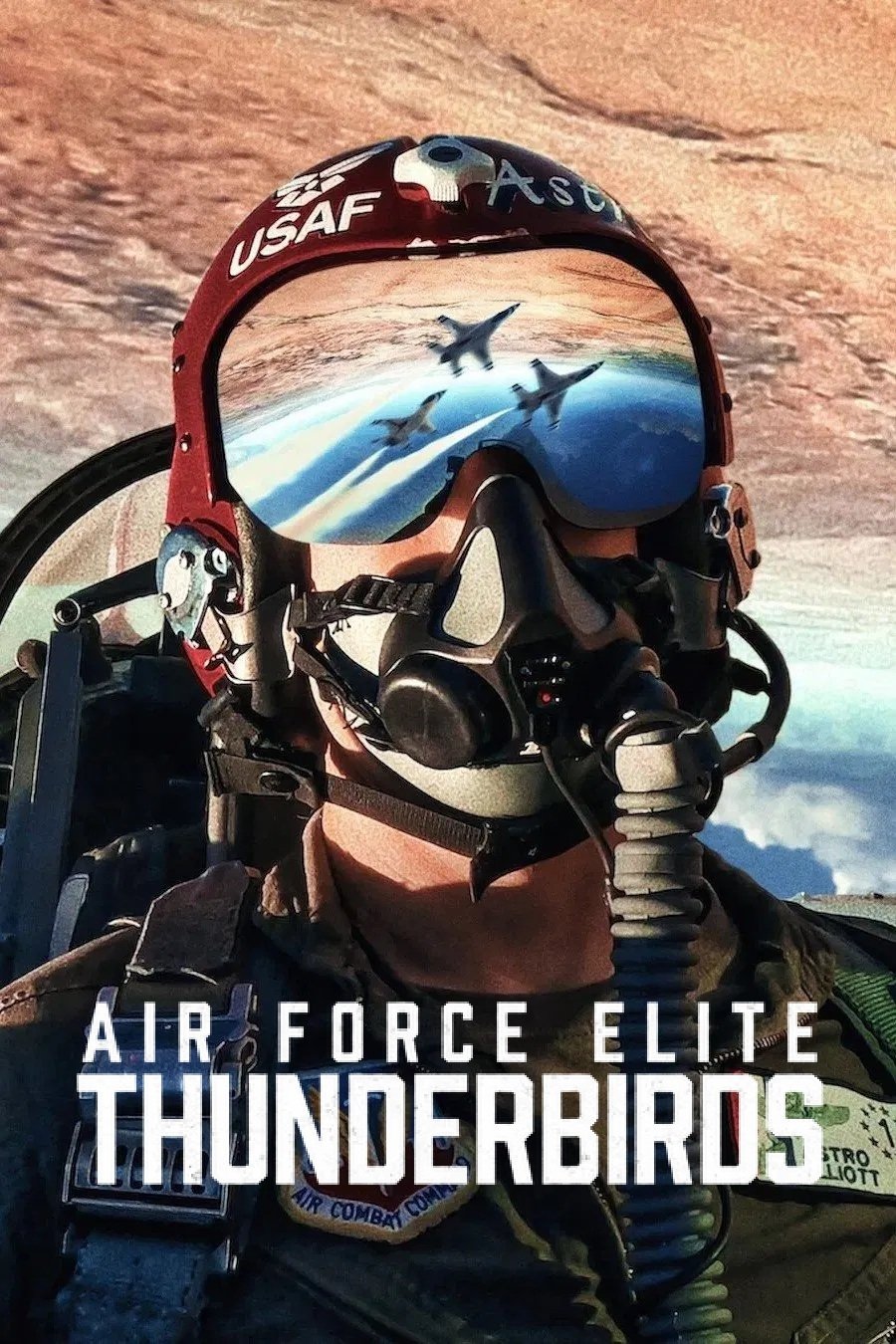
The elite pilots of the Air Force Thunderbirds display exceptional skill, trust and courage during a high-stakes training season.
Through deeply personal interviews with her siblings and an examination of the photographs, letters, and belongings left behind, Mariska assembles a new portrait of her mother Jayne Mansfield, an extraordinary and complex woman.
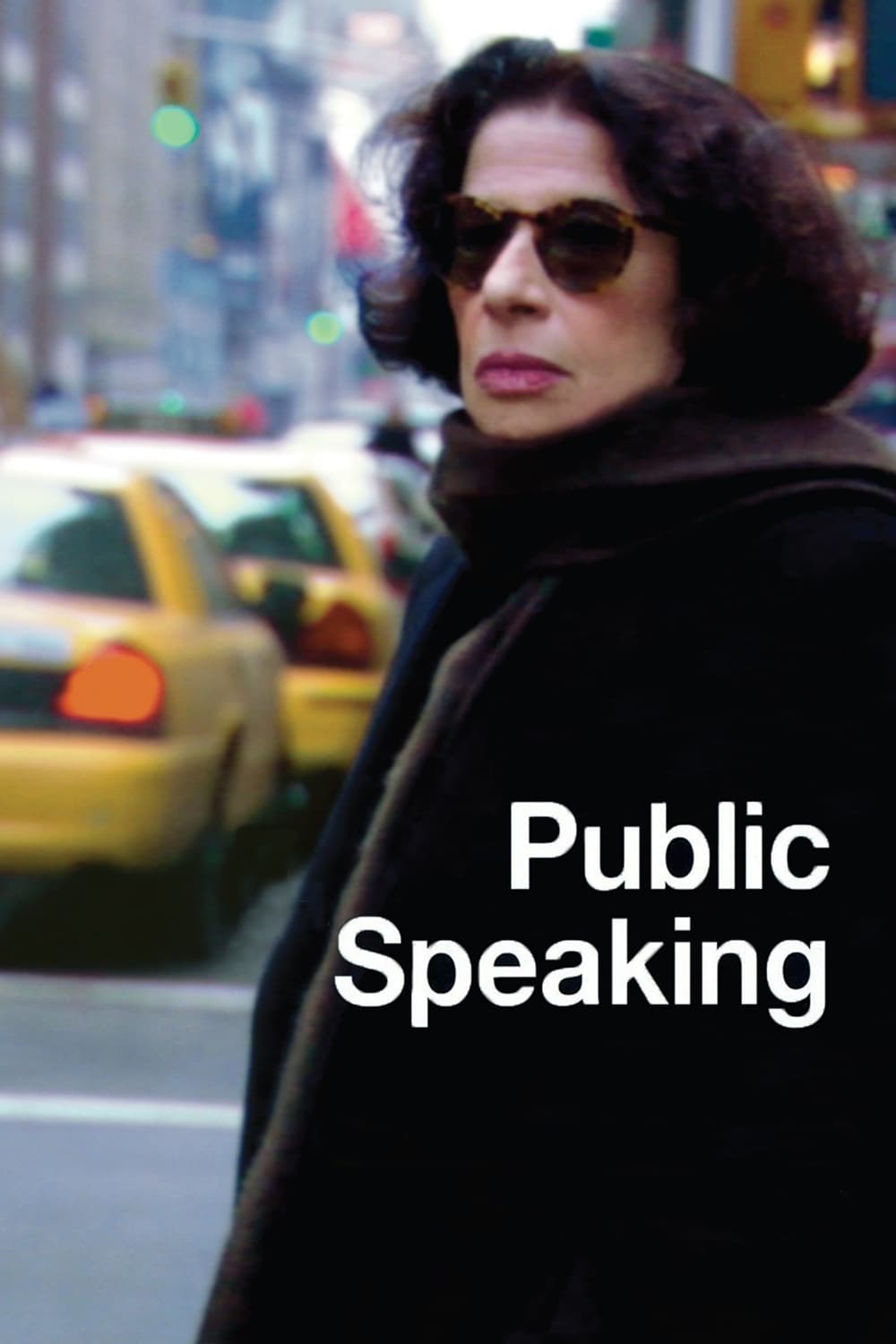
Martin Scorsese’s portrait of writer and social commentator Fran Lebowitz, celebrated for her sharp wit and observations on modern life. Filmed at New York’s Waverly Inn and intercut with archival footage and interviews, the documentary captures Lebowitz’s distinctive worldview through her spontaneous monologues and public appearances.
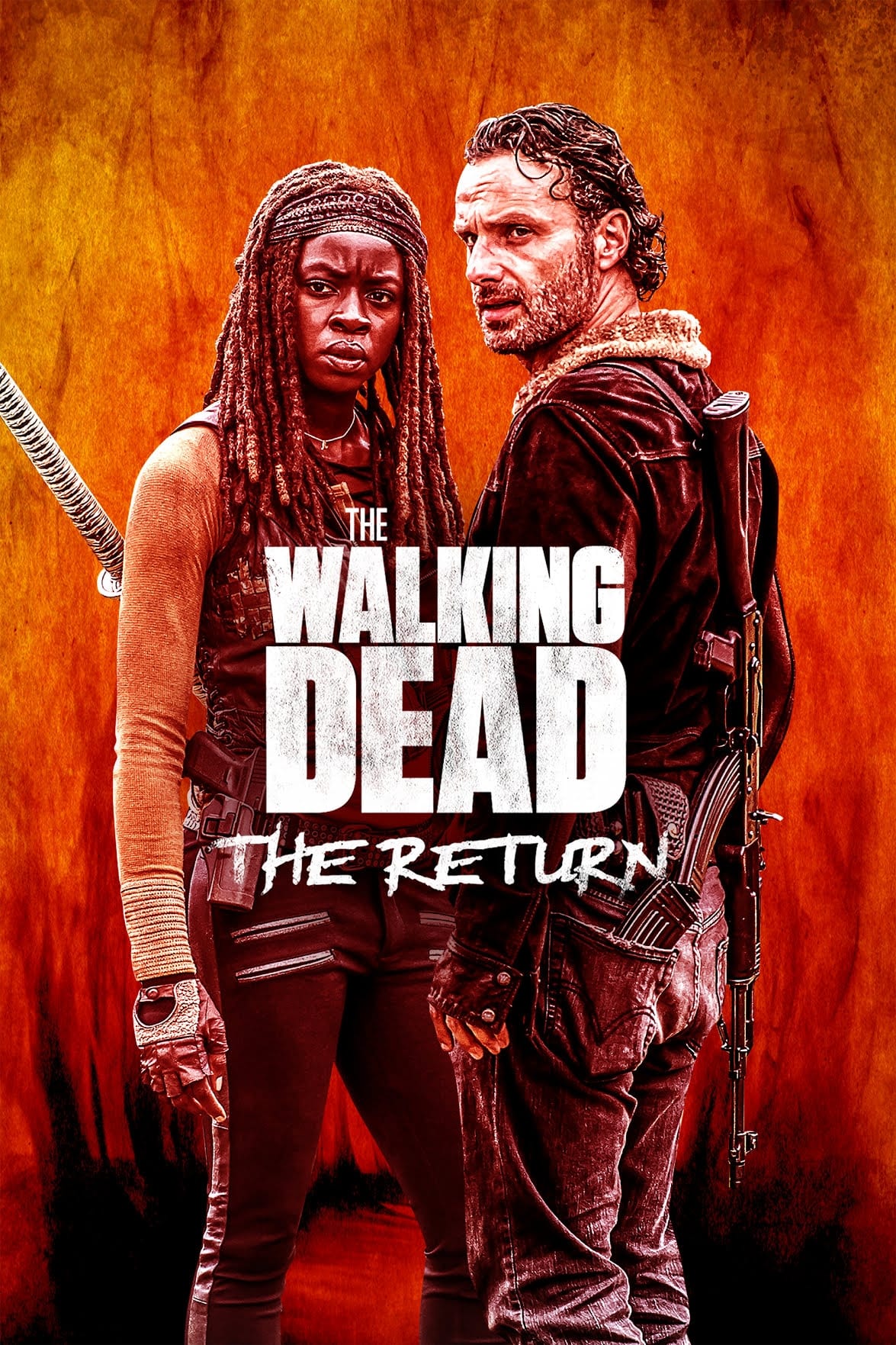
Stars of "The Walking Dead," Andrew Lincoln and Danai Gurira, walk down memory lane and visit iconic locations where pivotal moments between their characters, Rick and Michonne, were filmed.
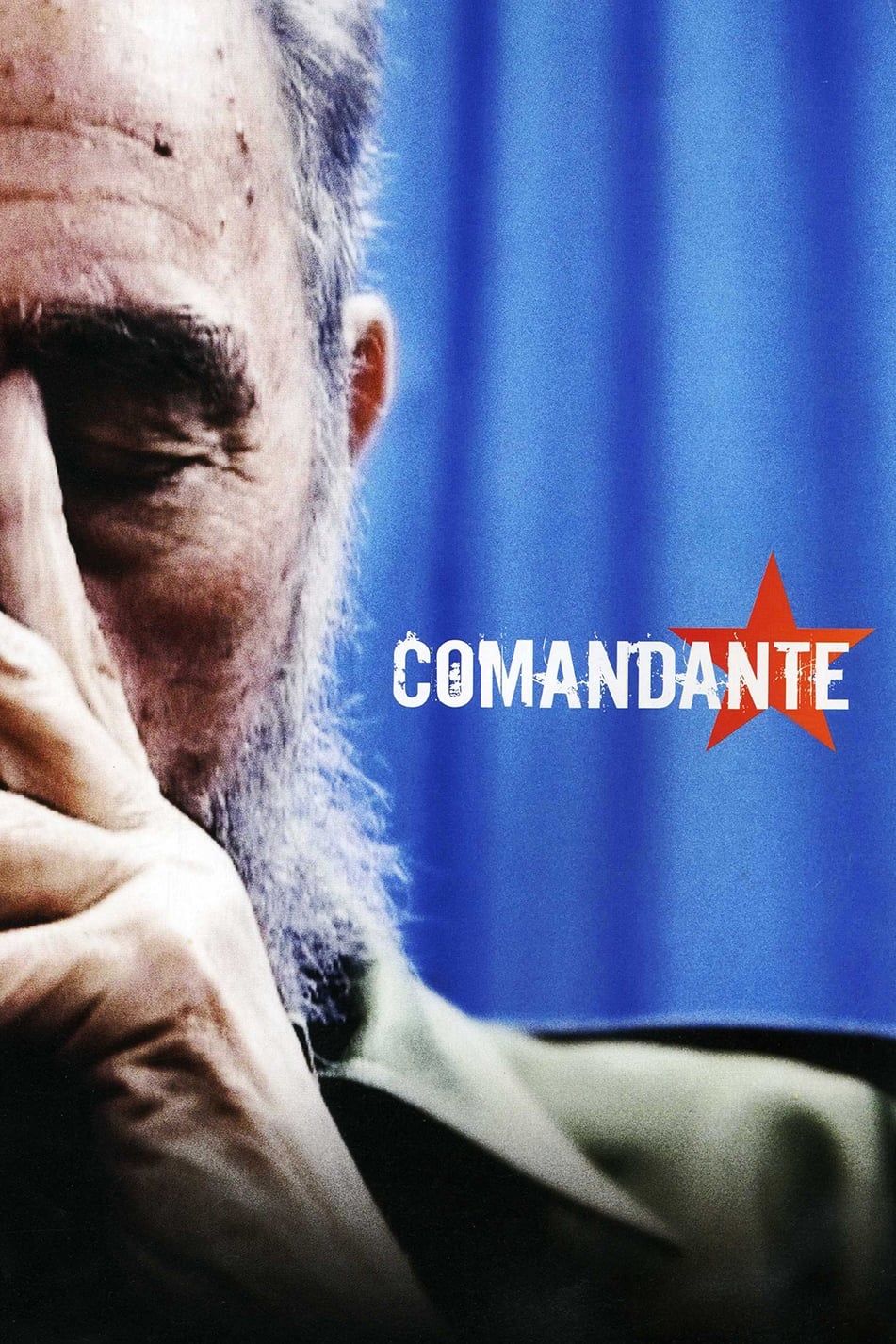
Oliver Stone spends three days filming with Fidel Castro in Cuba, discussing an array of subjects with the president such as his rise to power, fellow revolutionary Che Guevara, the Cuban Missile crisis, and the present state of the country.
An inside look at one of the most anticipated movie sequels ever with James Cameron and cast.
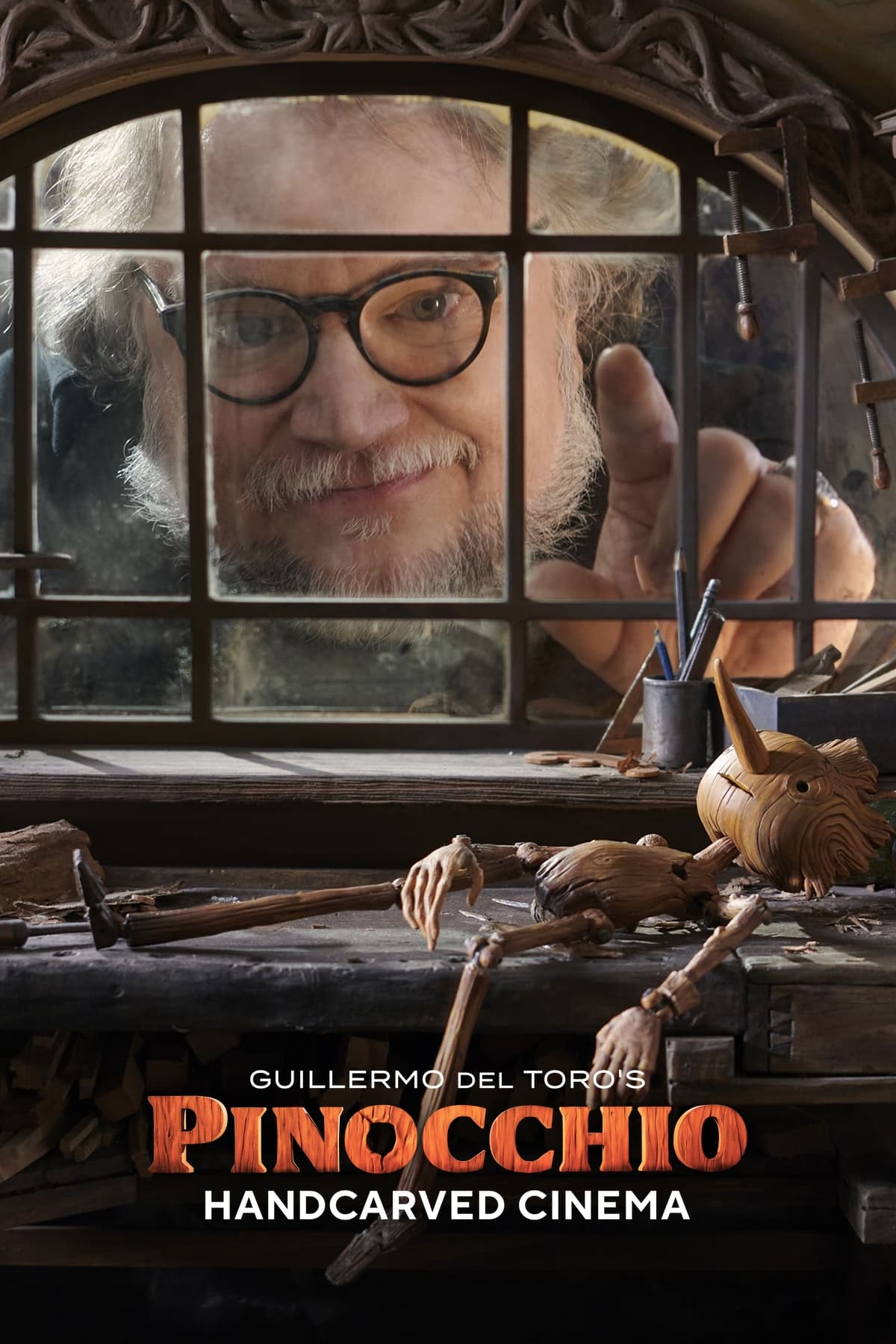
With mesmerizing footage and time lapses of animators at work, this behind-the-scenes special captures the artistry of a unique tale years in the making.