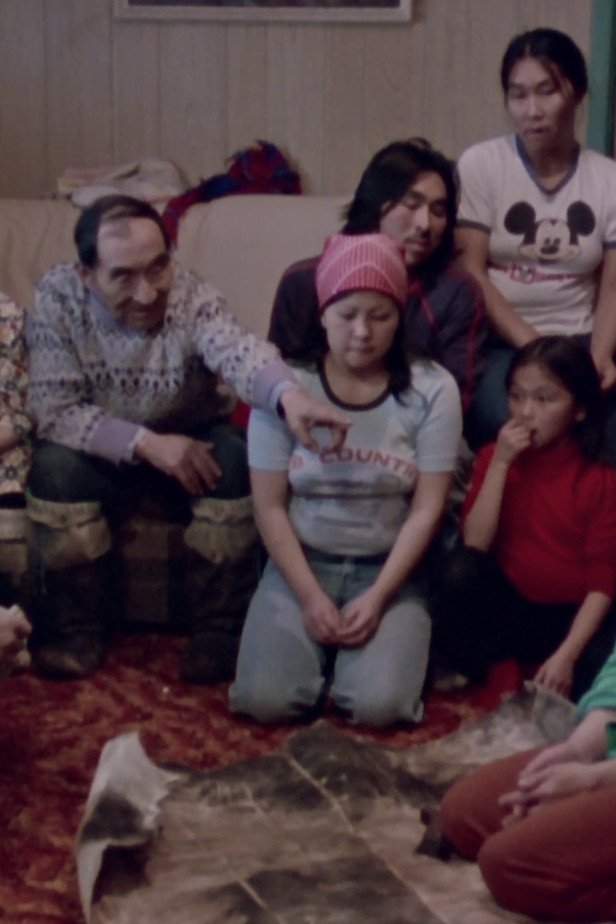
A spring sea-ice sequence documenting travel, camp construction, domestic labor, and seal hunting among Netsilingmiut families.
Social & External
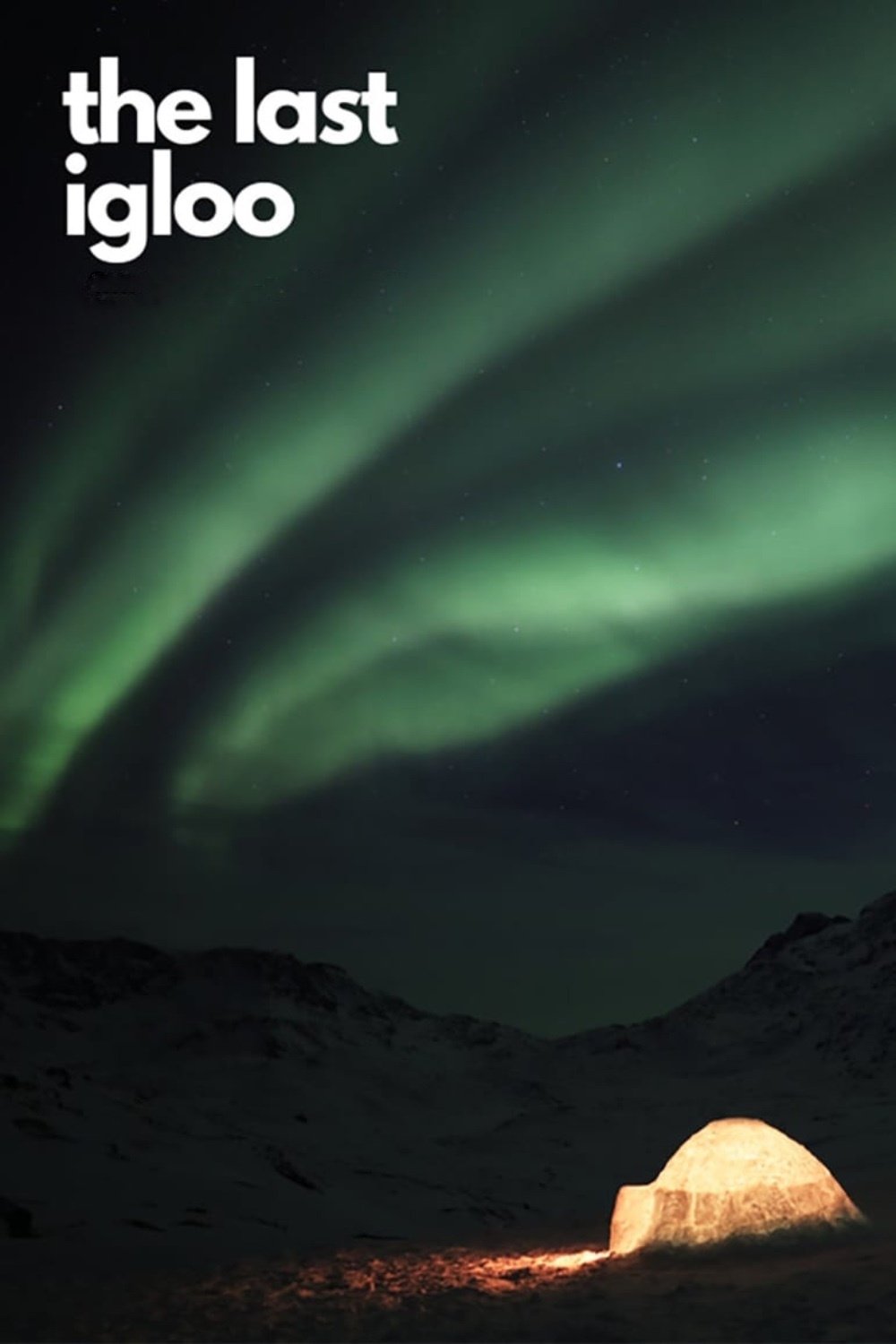
Documentary that follows a lone Inuit as he hunts, fishes and constructs an igloo, a way of life threatened by climate change.
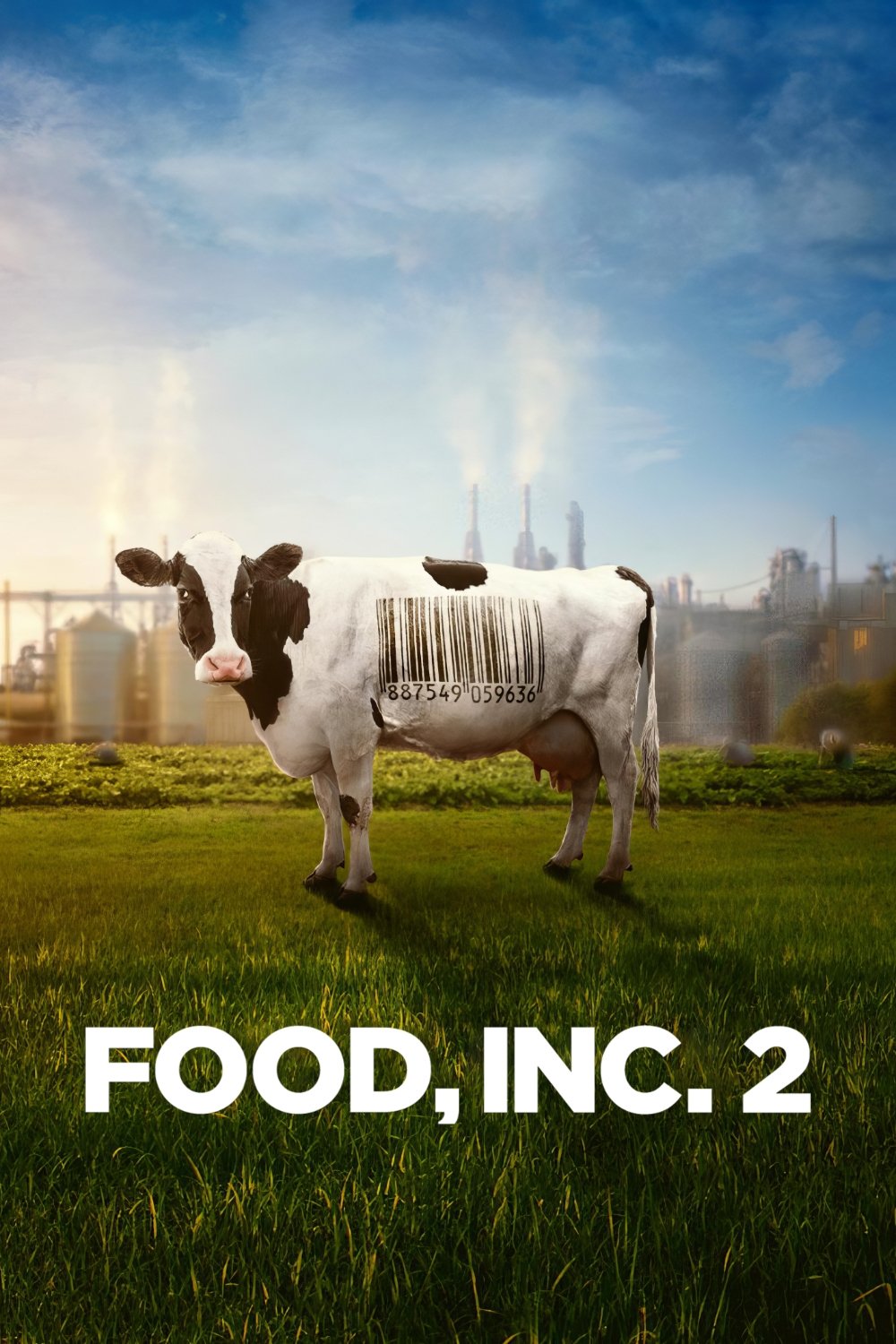
Filmmakers Robert Kenner and Melissa Robledo reunite with investigative authors Michael Pollan and Eric Schlosser to take a fresh look at our efficient yet vulnerable food system.
One day in the lives of an average Greenlandic family, which happens to be of great importance for 8-year old Kali - he's about to catch his first prey with the harpoon. The whole family is looking forward for the huge step in boy's maturation.
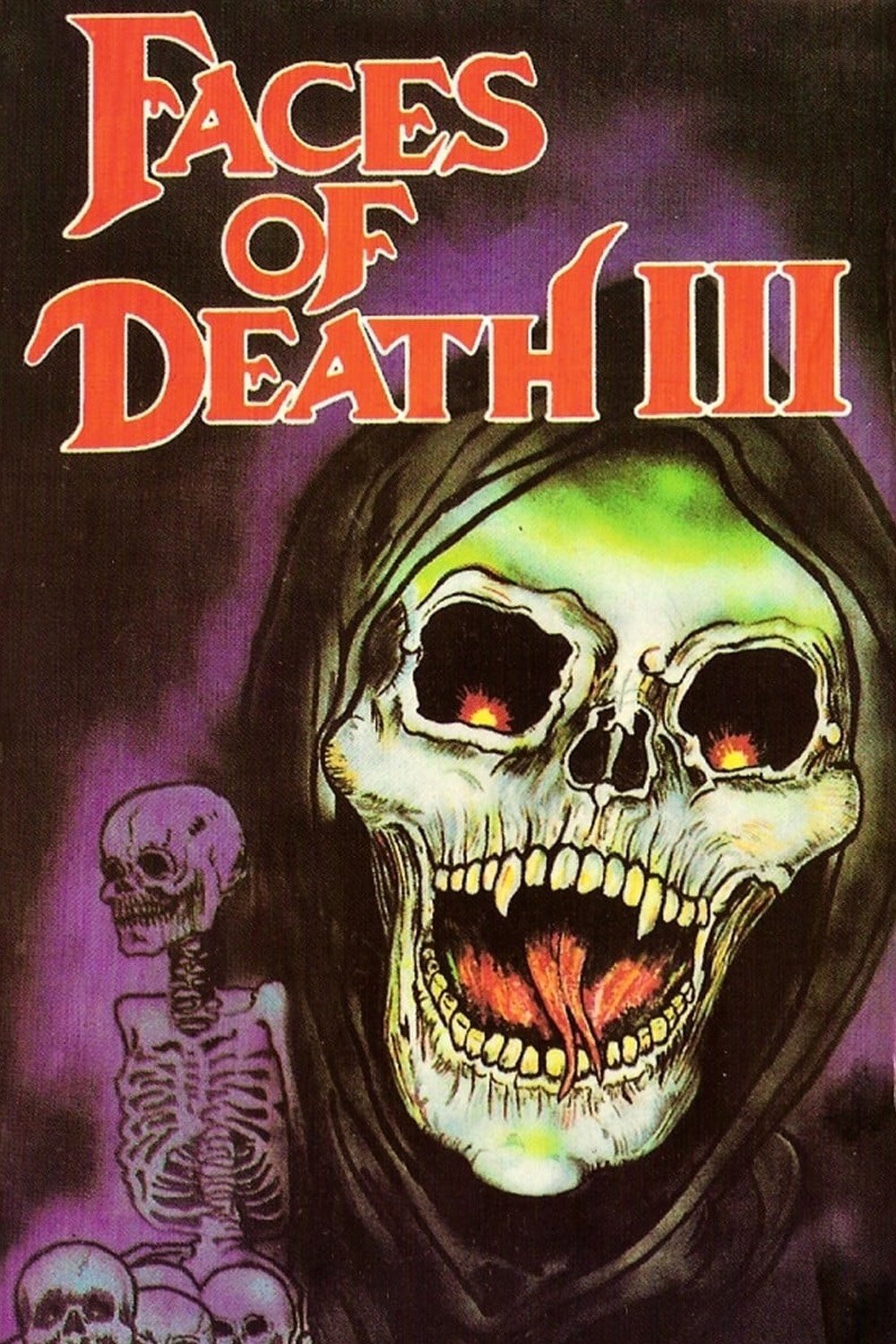
The third installment of the infamous "is it real or fake?" mondo series sets its sights primarily on serial killers, with lengthy reenactments of police investigations of bodies being found in dumpsters, and a staged courtroom sequence.
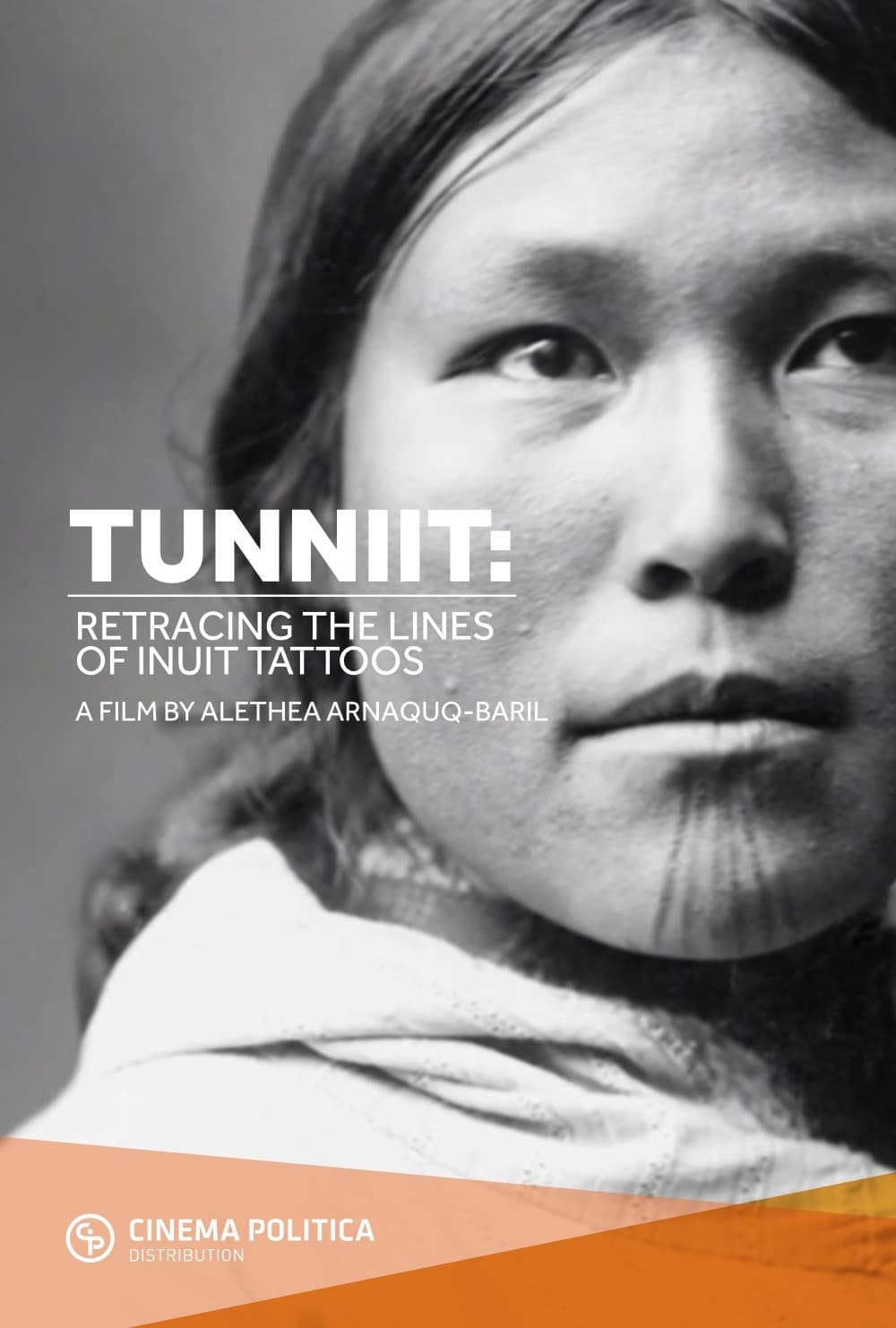
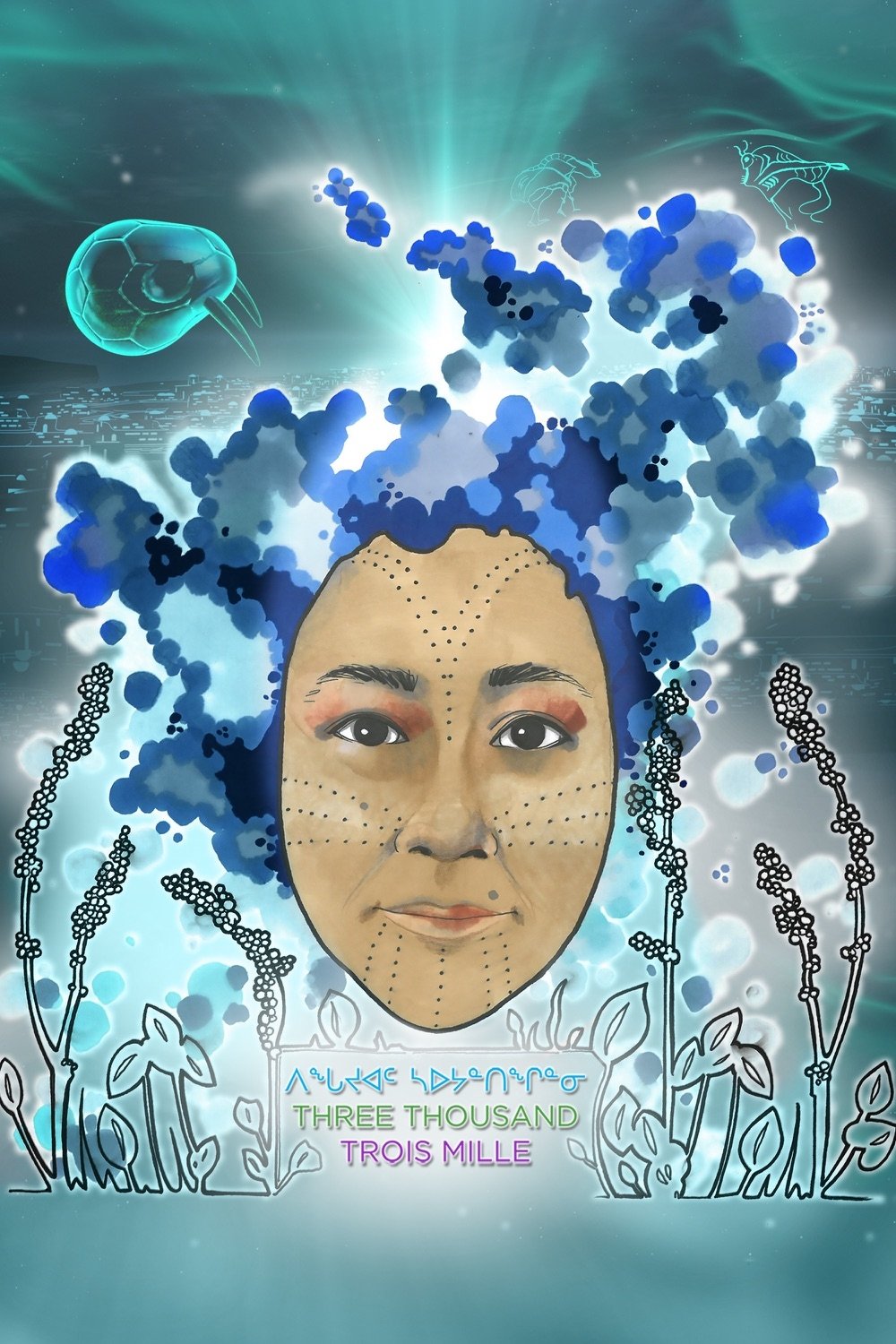
Inuit traditional face tattoos have been forbidden for a century, and almost forgotten. Director Alethea Arnaquq-Baril, together with long-time friend and activist Aaju Peter, is determined to uncover the mystery and meaning behind this beautiful ancient tradition. Together they embark on an adventure through Arctic communities, speaking with elders and recording the stories of a once popularized female artform. Central to the film is Arnaquq-Baril’s personal debate over whether or not to get tattood herself. With candour and humour, she welcomes us into her world, to experience firsthand the complex emotions that accompany her struggle. Past meets present in this intimate account of one woman’s journey towards self-empowerment and cultural understanding.
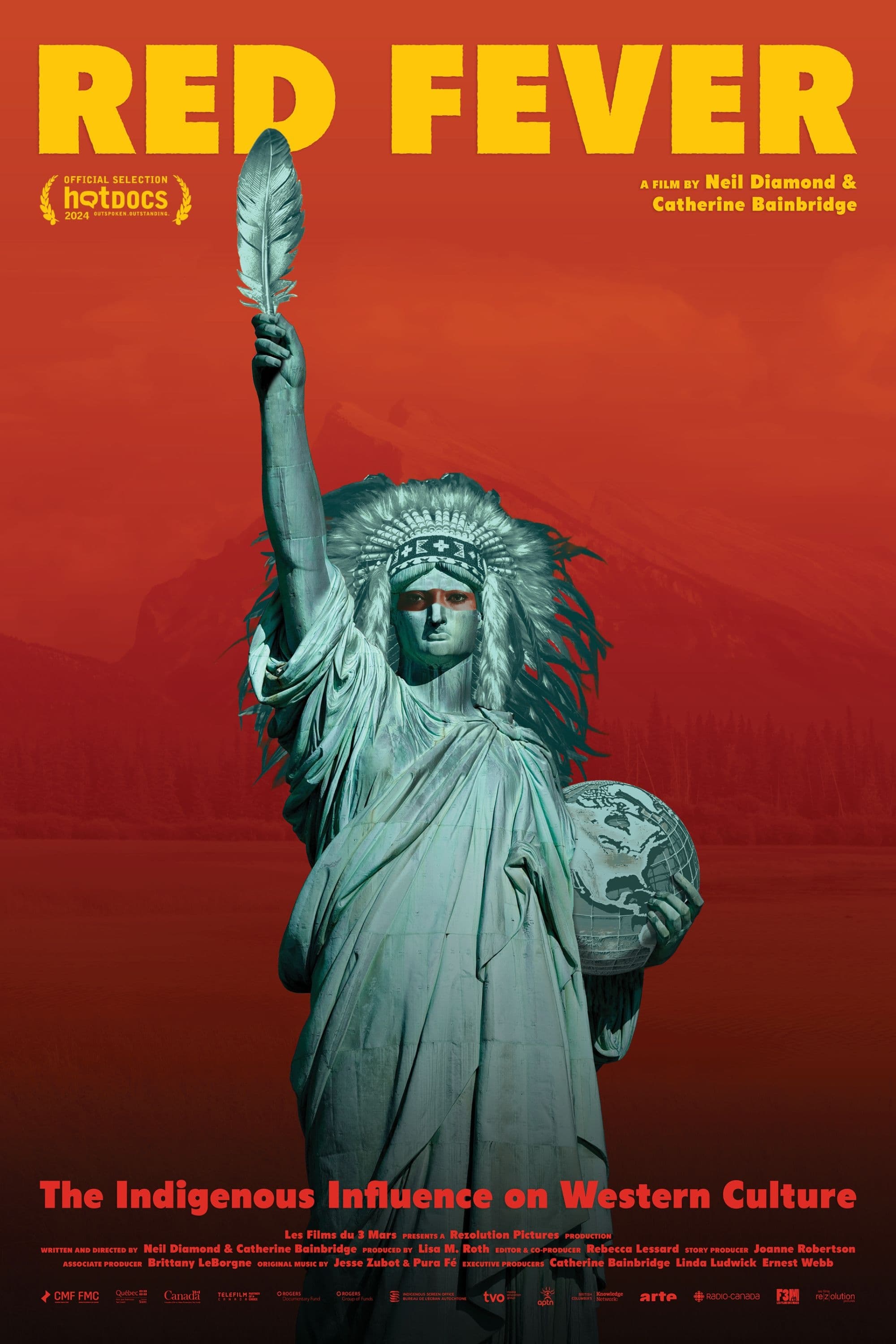
Red Fever is a witty and entertaining feature documentary about the profound -- yet hidden -- Indigenous influence on Western culture and identity. The film follows Cree co-director Neil Diamond as he asks, “Why do they love us so much?!” and sets out on a journey to find out why the world is so fascinated with the stereotypical imagery of Native people that is all over pop culture. Why have Indigenous cultures been revered, romanticized, and appropriated for so long, and to this day? Red Fever uncovers the surprising truths behind the imagery -- so buried in history that even most Native people don't know about them.
Documentary about filmmaker Bonnie Ammaaq's memories of life on Baffin Island, where her family moved for eleven years during her childhood from the hamlet of Igloolik to return to the traditional Inuit way of life.
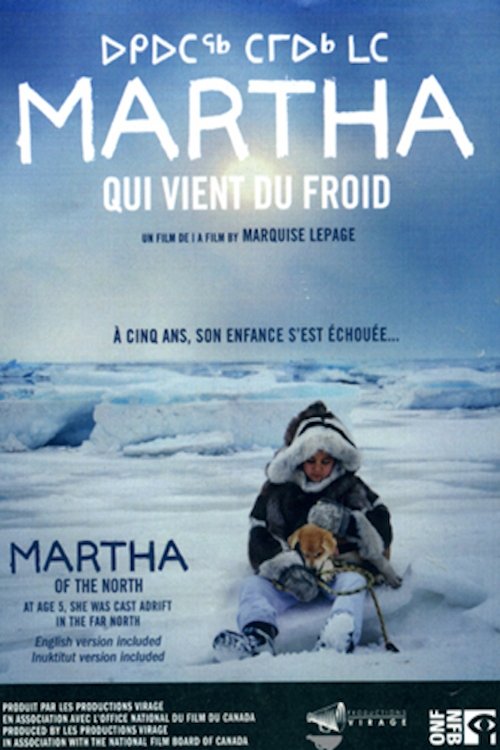
In the mid-1950s, lured by false promises of a better life, Inuit families were displaced by the Canadian government and left to their own devices in the Far North. In this icy desert realm, Martha Flaherty and her family lived through one of Canadian history’s most sombre and little-known episodes.
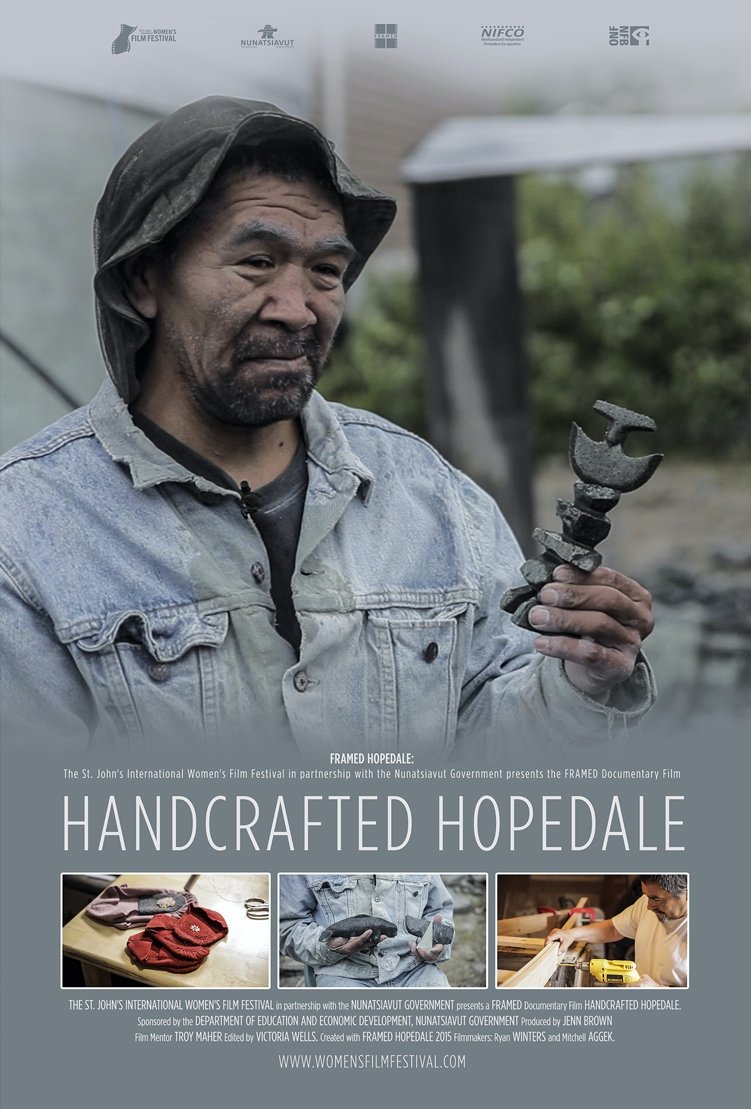
If you want to find world-class artisans, the small northern Labrador community of Hopedale offers you some of the best. Created through the St. John's International Women's Film Festival's FRAMED film education series, in partnership with the Nunatsiavut government, this film focuses on three prominent local craftspeople- two carvers and one traditional sewist.
In this feature-length documentary, three generations of the Caribou Inuit family come together to tell the story of their journey as Canada's last nomads. From the independent life of hunting on the Keewatin tundra to taking the reins of the new territory of Nunavut on April 1, 1999, we see it all. The film is the result of a close collaboration between Ole Gjerstad, a southern Canadian, and Martin Kreelak, an Inuk. It's Martin's family that we follow, as the story is told through his own voice, through those of the Elders, and through those of the teens and young adults who were born in the settlements and form the first generation of those growing up with satellite TV and a permanent home.
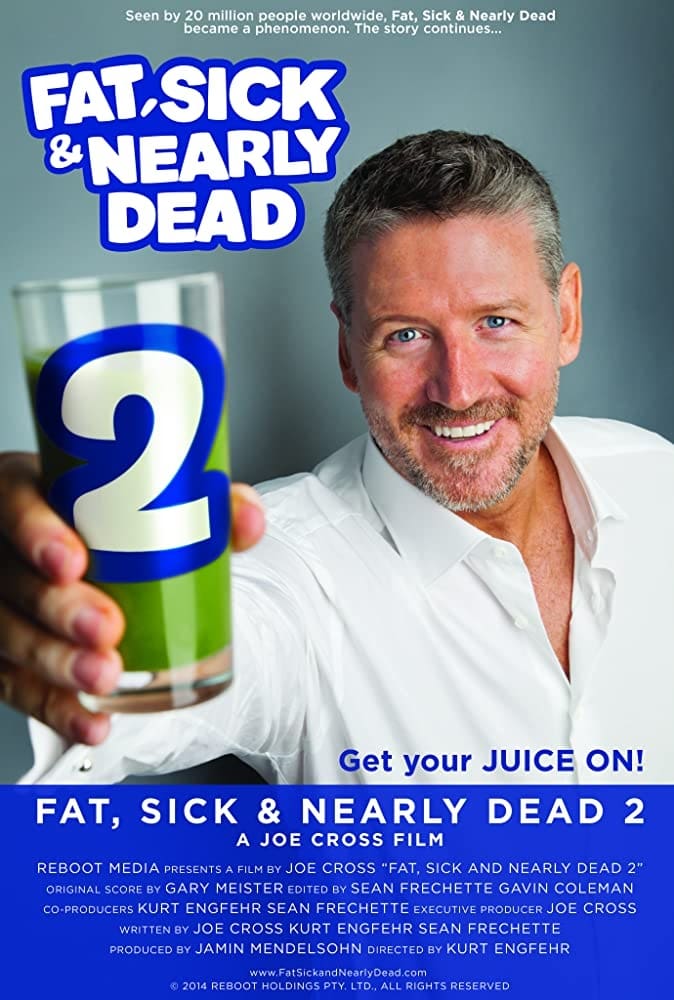
Joe Cross took viewers on his journey from overweight and sick to healthy and fit via a 60-day juice fast in the award-winning Fat Sick and Nearly Dead. With Fat, Sick & Nearly Dead 2, he looks at keeping healthy habits long-term.
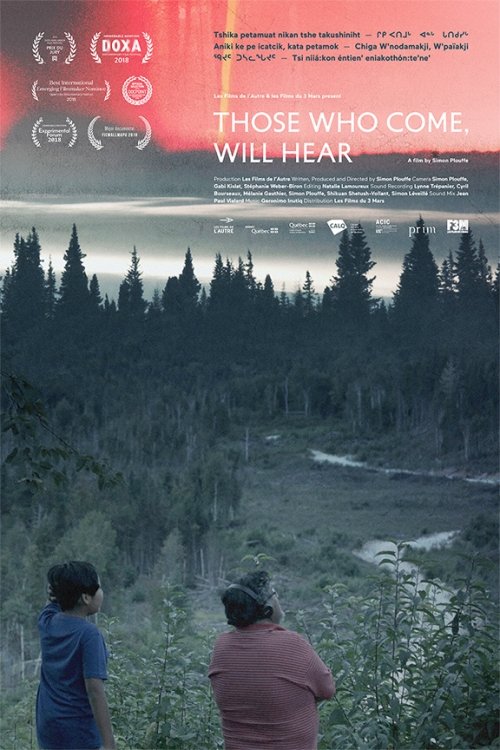
The documentary proposes a unique meeting with the speakers of several indigenous and inuit languages of Quebec – all threatened with extinction. The film starts with the discovery of these unsung tongues through listening to the daily life of those who still speak them today. Buttressed by an exploration and creation of archives, the film allows us to better understand the musicality of these languages and reveals the cultural and human importance of these venerable oral traditions by nourishing a collective reflection on the consequences of their disappearance.
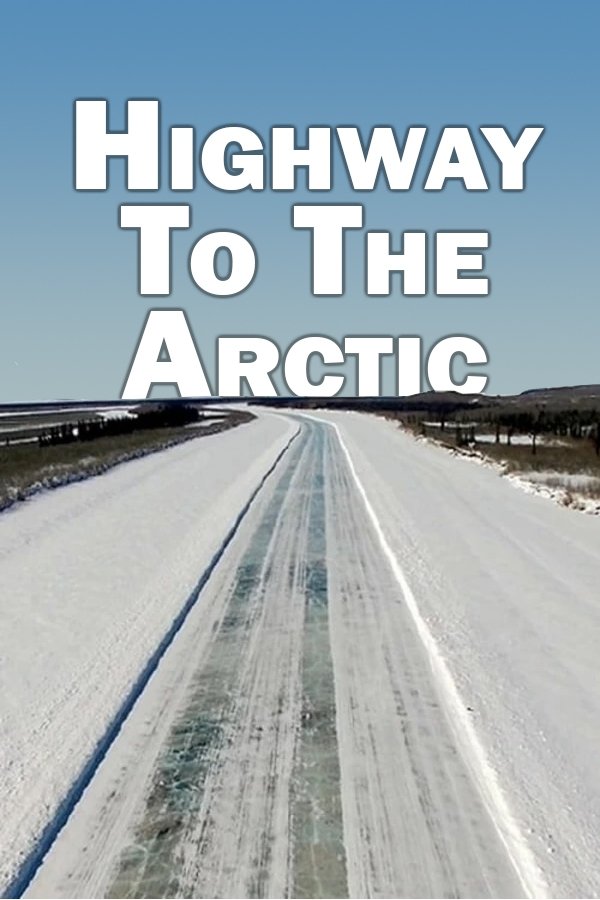
Every winter for decades, the Northwest Territories, in the Canadian Far North, changes its face. While the landscape is covered with snow and lakes of a thick layer of ice, blocking land transport, ice roads are converted to frozen expanses as far as the eye can see.
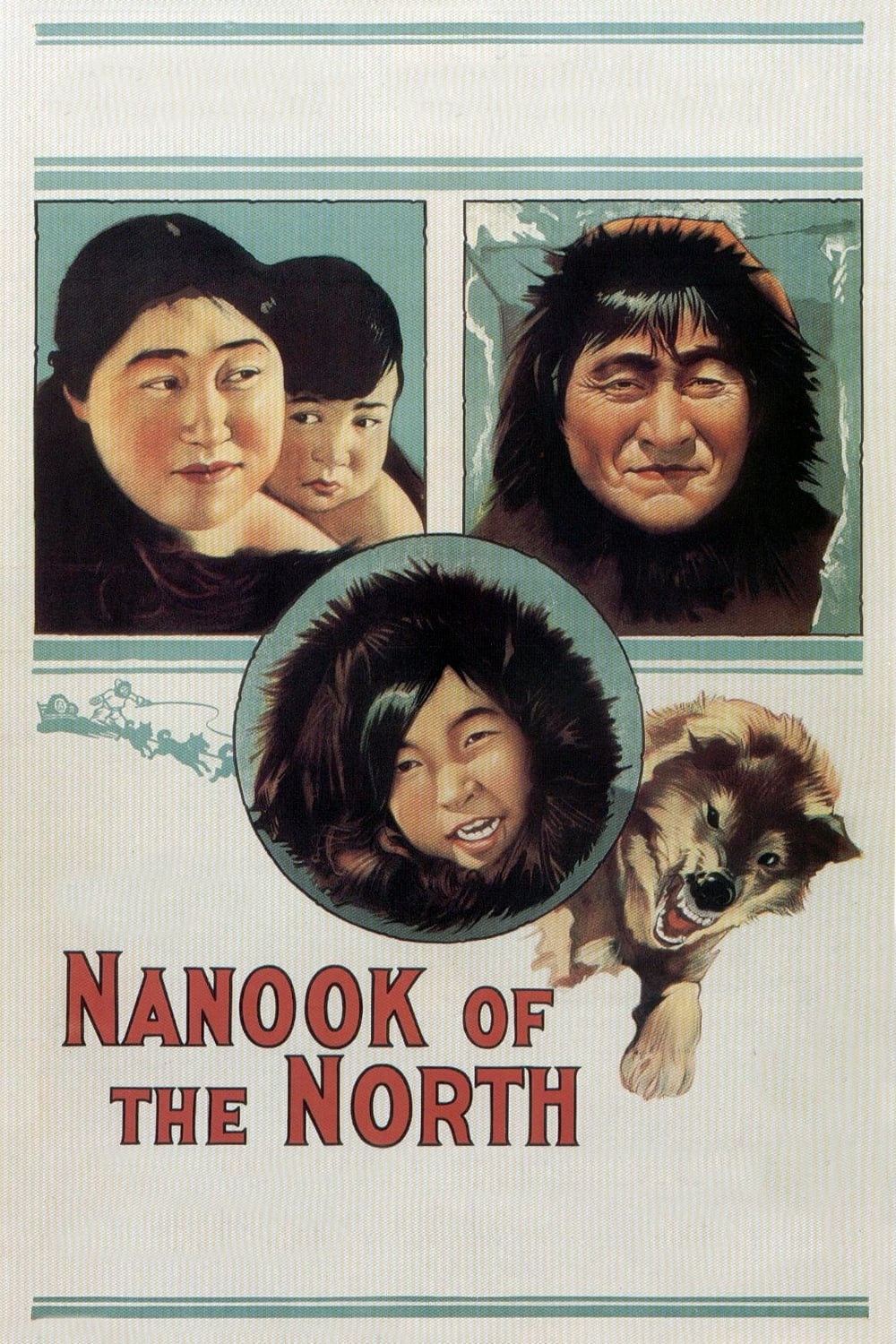
This pioneering documentary film depicts the lives of the indigenous Inuit people of Canada's northern Quebec region. Although the production contains some fictional elements, it vividly shows how its resourceful subjects survive in such a harsh climate, revealing how they construct their igloo homes and find food by hunting and fishing. The film also captures the beautiful, if unforgiving, frozen landscape of the Great White North, far removed from conventional civilization.
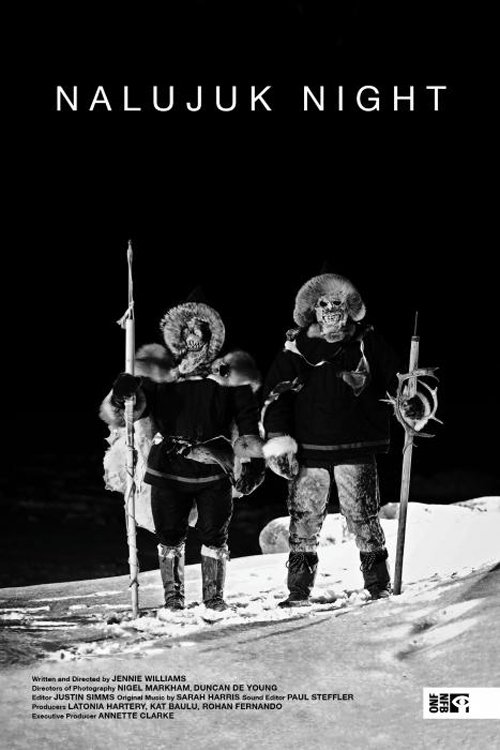
Nalujuk Night is an up close look at an exhilarating, and sometimes terrifying, Labrador Inuit tradition. Every January 6th from the dark of the Nunatsiavut night, the Nalujuit appear on the sea ice. They walk on two legs, yet their faces are animalistic, skeletal, and otherworldly. Snow crunches underfoot as they approach their destination: the Inuit community of Nain. Despite the frights, Nalujuk Night is a beloved annual event, showing that sometimes it can be fun to be scared. Rarely witnessed outside of Nunatsiavut, this annual event is an exciting chance for Inuit, young and old, to prove their courage and come together as a community to celebrate culture and tradition. Inuk filmmaker Jennie Williams brings audiences directly into the action in this bone-chilling black and white short documentary about a winter night like no other.
Made in collaboration with the Inuit Tungavingat Nunamini, this film focuses on those dissident members of the Inuit community who rejected the agreement signed on November 11, 1975, between the Northern Quebec Inuit Association, the Québec and federal governments, the James Bay Energy Corporation, the James Bay Development Corporation, Hydro-Québec and the Grand Council of the Crees, which took away Native rights to a territory of almost one million square kilometres. By their words and actions, the dissident Inuit of Povungnituk, Ivujivik and Sugluk express their strong desire to retain their land and their traditions. The filmmakers go into their homes, on the ice and the sea to record first-hand the lives of these northern people.
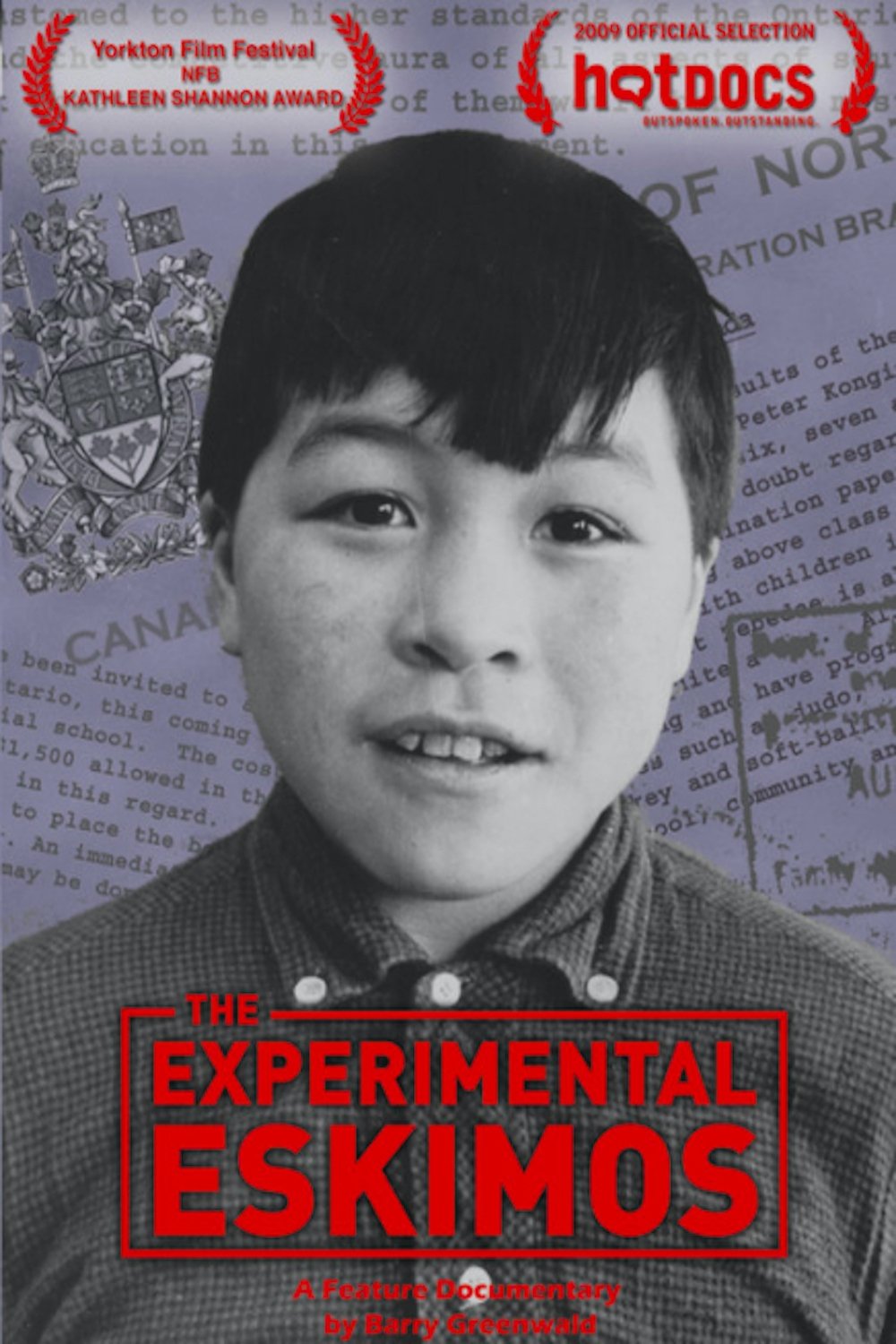
In the early 1960s the Canadian government conducted an experiment in social engineering. Three young Inuit boys were separated from their families in the Arctic and were sent to Ottawa, the nation's capital, to live with white families and to be educated in white schools. The consequences the experiment would have on the boys, their identity and culture was brushed aside. The bureaucrats did not anticipate the outcome. The three grow up to be political activists and leaders - often at odds with the government that brought them south. They establish aboriginal rights in Canada and are instrumental in the creation of Nunavut, the world's largest self-governed aboriginal territory. But it all comes at a tremendous personal cost. Peter Ittinuar, Zebedee Nungak, and Eric Tagoona recount their stories, achievements and challenges in this film about an attempt at assimilation, empowerment, and the triumph of the human spirit.
Inuit artist Asinnajaq plunges us into a sublime imaginary universe—14 minutes of luminescent, archive-inspired cinema that recast the present, past and future of her people in a radiant new light. Diving into the NFB’s vast archive, she parses the complicated cinematic representation of the Inuit, harvesting fleeting truths and fortuitous accidents from a range of sources—newsreels, propaganda, ethnographic docs, and work by Indigenous filmmakers. Embedding historic footage into original animation, she conjures up a vision of hope and beautiful possibility.
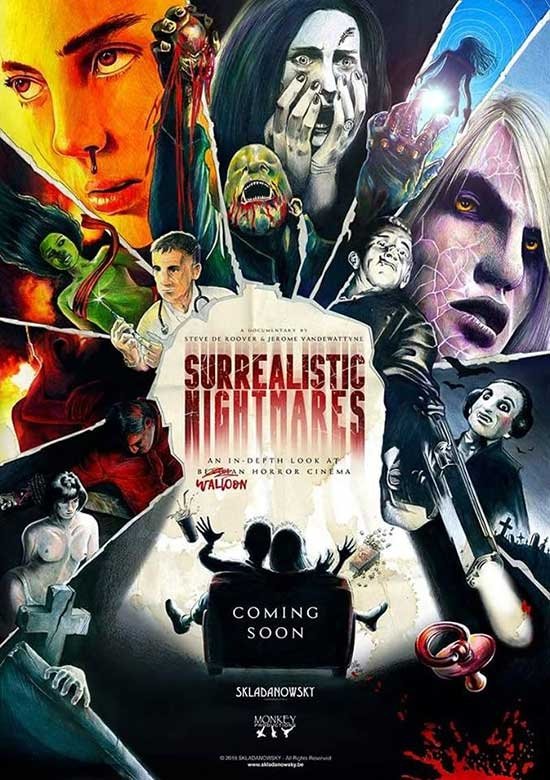
After researching the Flemish horror cinema in "Forgotten Scares", director Steve De Roover - with the help of co-director Jérôme Vandewattyne (Spit'N'Split) - digs deeper in the follow-up documentary "Surrealistic Nightmares" and shows the beginning of Walloon horror cinema in the '20s (!) and how the genre evolved during the following years. Through unique experiences from the original cast and crew, horror experts and various genre journalists, a broad and in-depth picture is painted about the one-of-a-kind horror legacy from the French side of Belgium, without forgetting the difficult cinema landscape of this small country with two very different languages. "Surrealistic Nightmares: An In-depth Look at Walloon Horror Cinema" is illustrated by exclusive behind the scene footage, famous film scenes and loads of original promotional artwork.
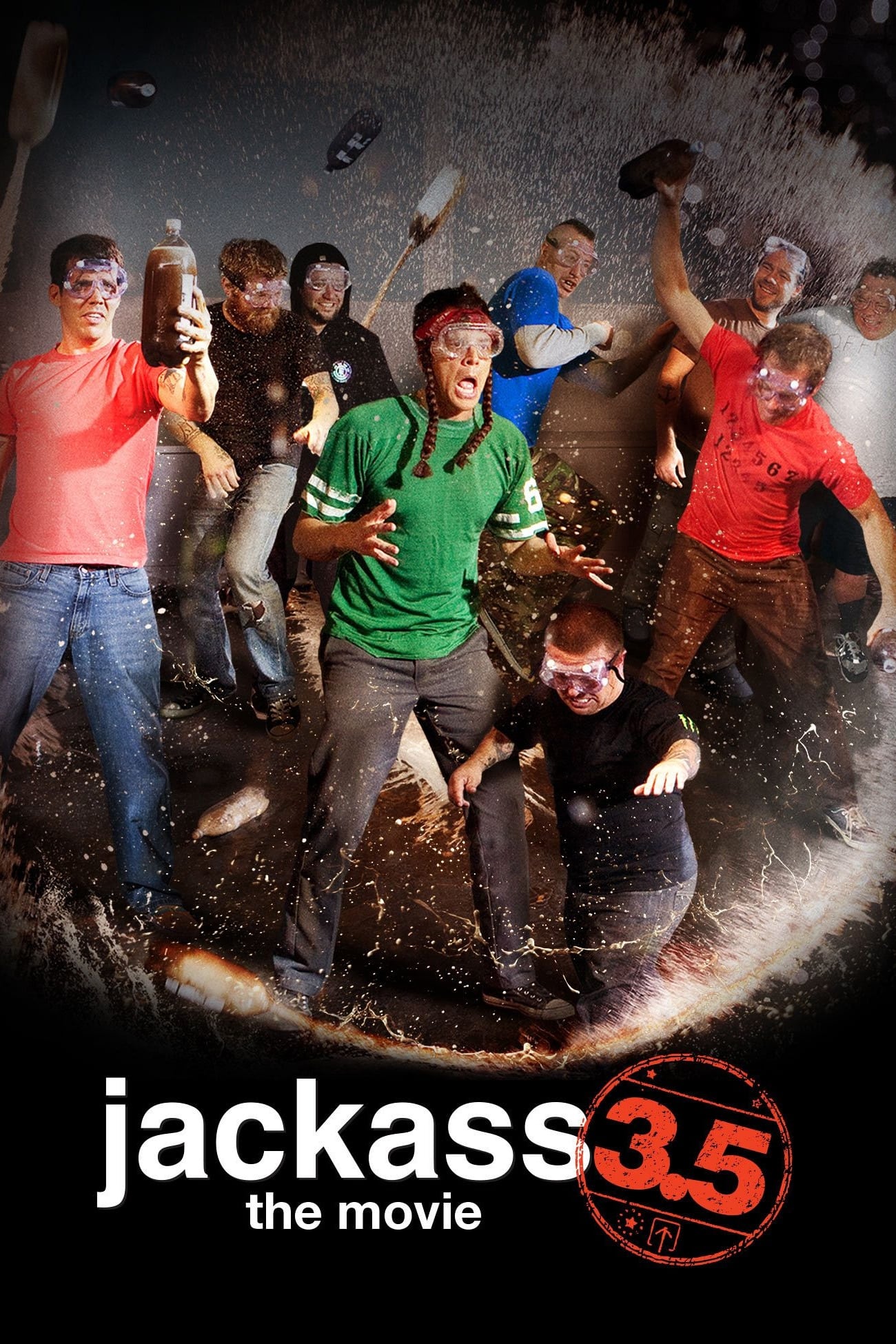
Johnny Knoxville of 'Jackass' releases unused material of stunts, tricks, antics and shenanigans shot during the production of 'Jackass 3D' that didn't make it into the film, as well as the hilarious outtakes.
A documentary about the making of season five of the acclaimed AMC series Breaking Bad.
An inside look at one of the most anticipated movie sequels ever with James Cameron and cast.
A documentary chronicling Queen and Lambert's incredible journey since they first shared the stage together on "American Idol" in 2009.
A real-life undercover thriller about two ordinary men who embark on an outrageously dangerous ten-year mission to penetrate the world's most secretive and brutal dictatorship: North Korea.
A musical study of Los Angeles in the late 90s, where homeless teens roam the streets and profess to live a punk lifestyle of music, drugs, and flouting authority.
A compilation of over 30 years of private home movie footage shot by Lithuanian-American avant-garde director Jonas Mekas, assembled by Mekas "purely by chance", without concern for chronological order.
In this genre-bending tale, Errol Morris explores the mysterious death of a U.S. scientist entangled in a secret Cold War program known as MK-Ultra.
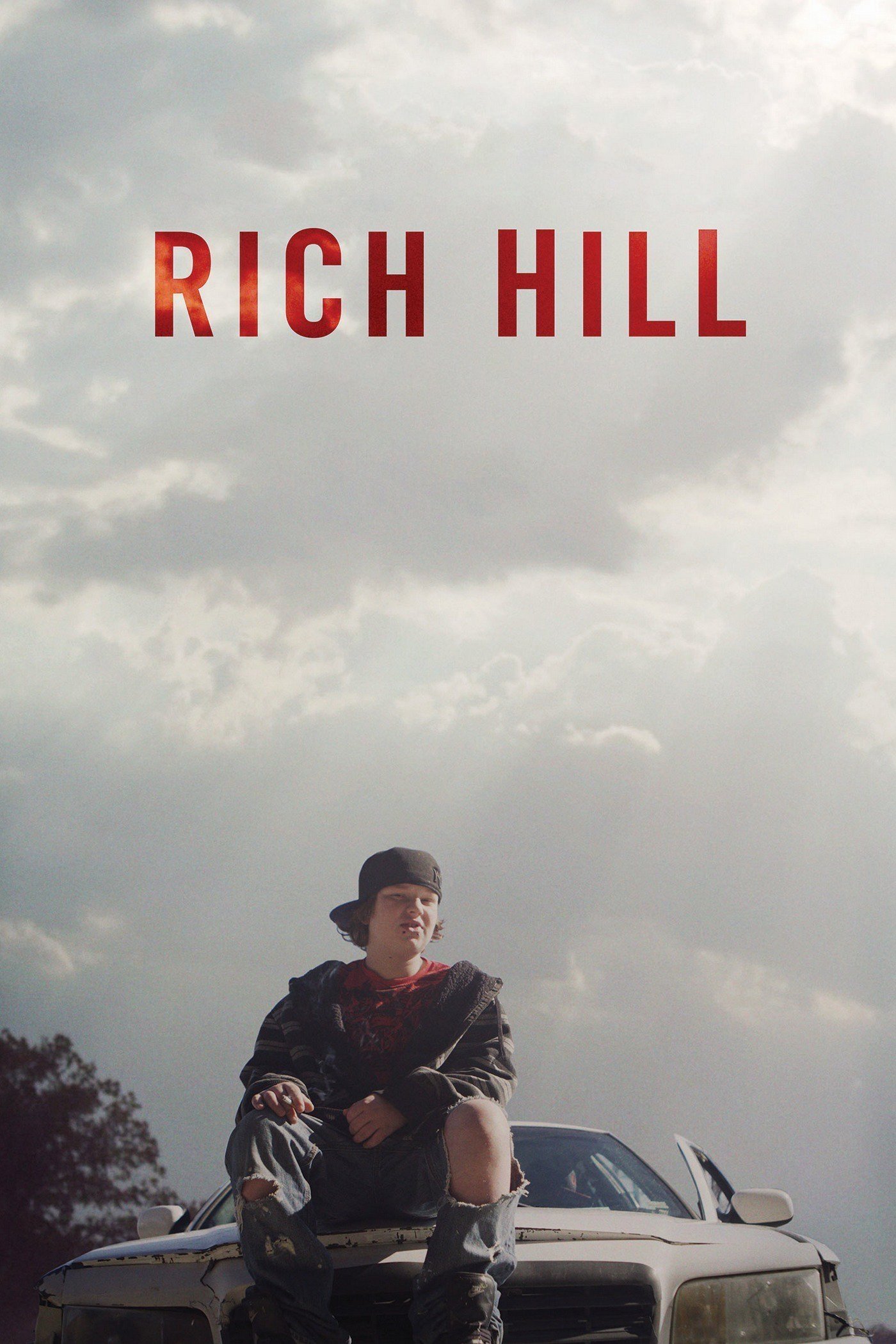
If you ever find yourself traveling down Interstate 49 through Missouri, try not to blink—you may miss Rich Hill, population 1,396. Rich Hill is easy to overlook, but its inhabitants are as woven into the fabric of America as those living in any small town in the country. This movie intimately chronicles the turbulent lives of three boys living in said Midwestern town and the fragile family bonds that sustain them.
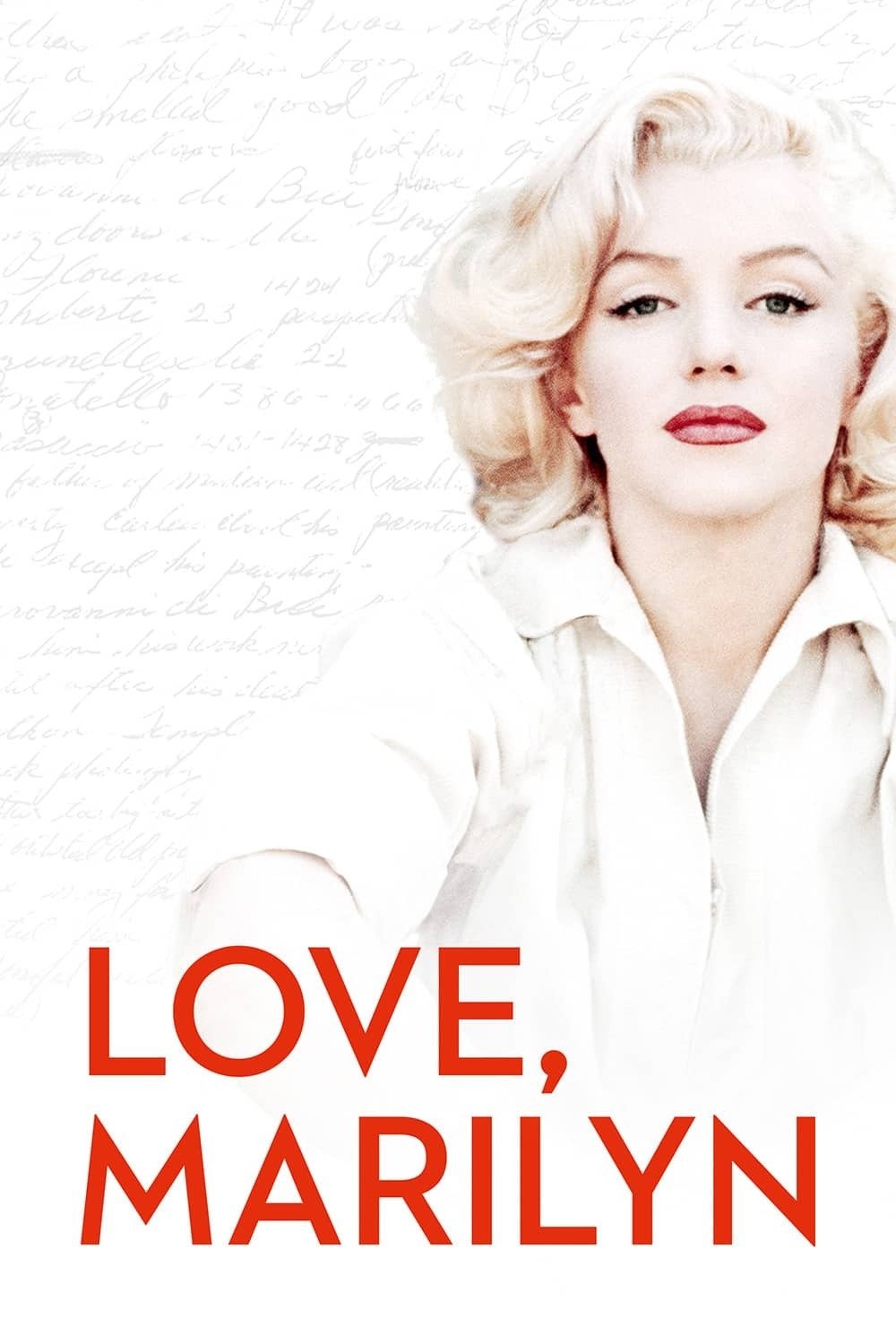
Using the book 'Fragments', which collects Marilyn Monroe's poems, notes and letters, and with participation from the Arthur Miller and Truman Capote estates who have contributed more material, each of the actresses will embody the legend at various stages in her life.
Lyrical and powerfully personal essay film that reflects on the deaths of her husband Lou Reed, her mother, her beloved dog, and such diverse subjects as family memories, surveillance, and Buddhist teachings.
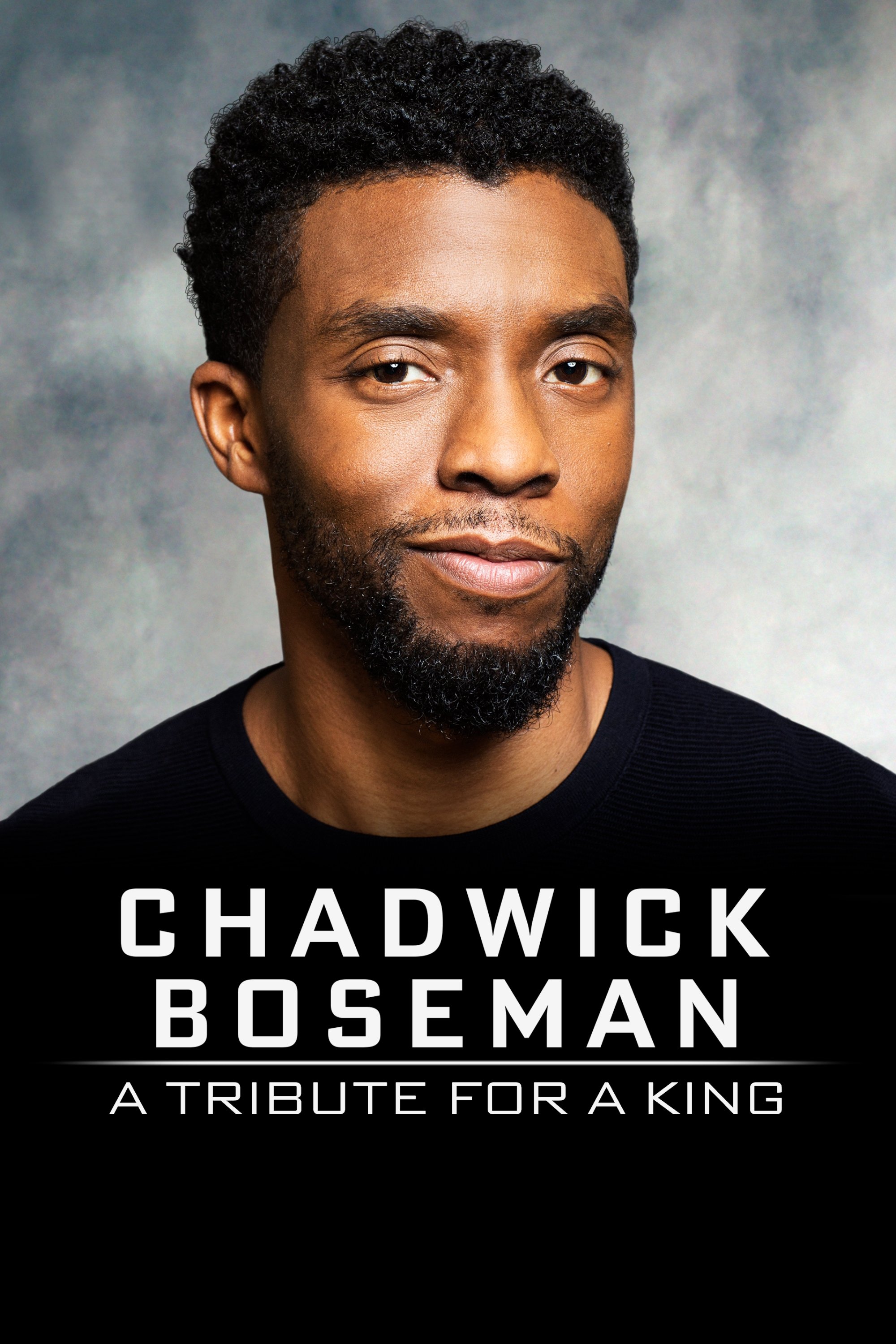
A tribute to Chadwick Boseman, celebrating his life and legacy.
The story of the insane scandals related to the remake of “Island of Dr. Moreau” —originally a novel by H. G. Wells—, which was brought to the big screen in 1996. How director Richard Stanley spent four years developing the project just to find an abrupt end to his work while leading actor Marlon Brando pulled the strings in the shadows. Now for the first time, the living key players recount what really happened and why it all went so spectacularly wrong.
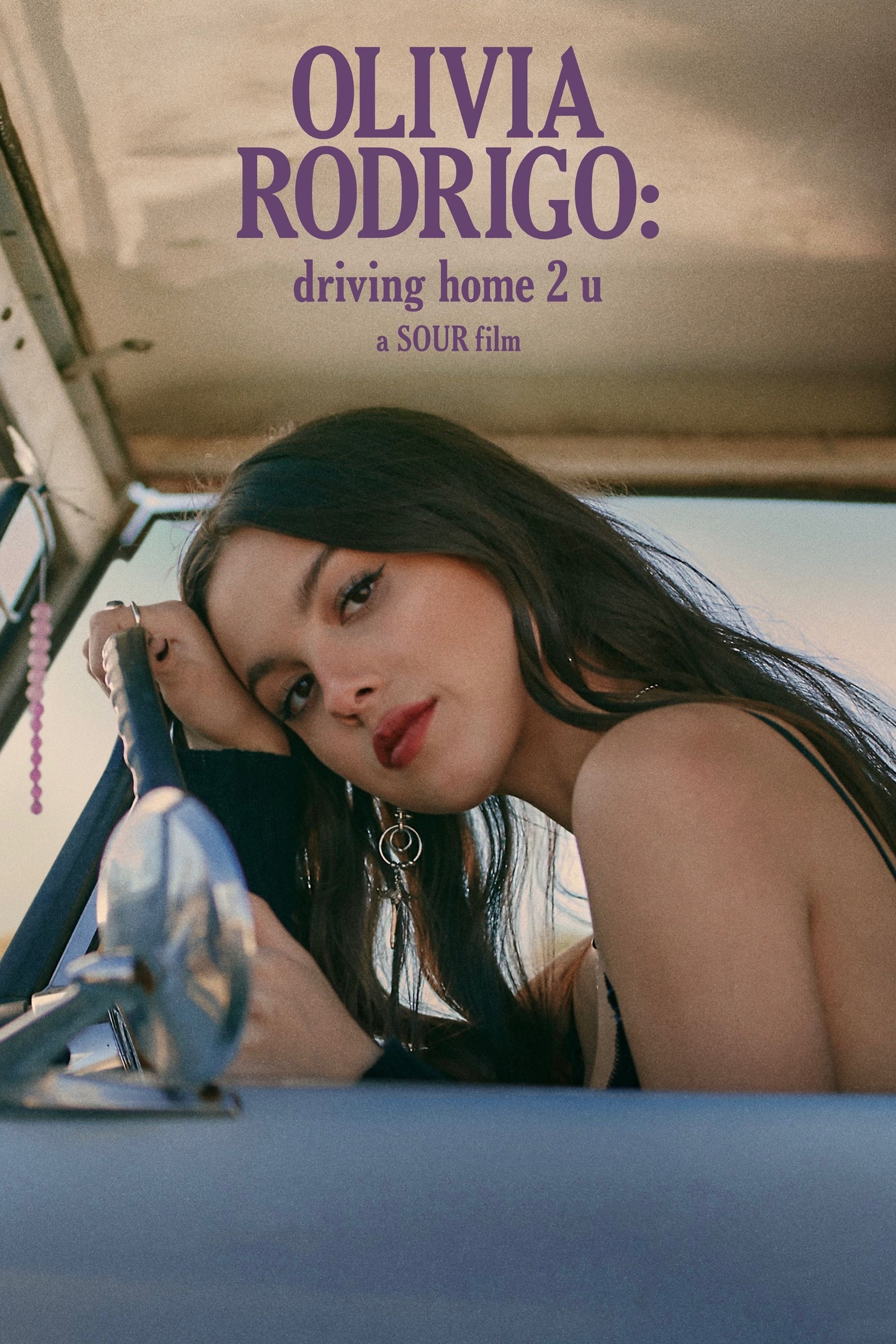
Grammy® winner singer-songwriter Olivia Rodrigo takes a familiar road trip from Salt Lake City, where she began writing her debut album “SOUR,” to Los Angeles. Along the way, Rodrigo recounts the memories of writing and creating her record-breaking debut album and shares her feelings as a young woman navigating a specific time in her life. Through new live arrangements of her songs, intimate interviews and never-before-seen footage from the making of the album, audiences will follow Olivia along on a cinematic journey exploring the story of “SOUR.”
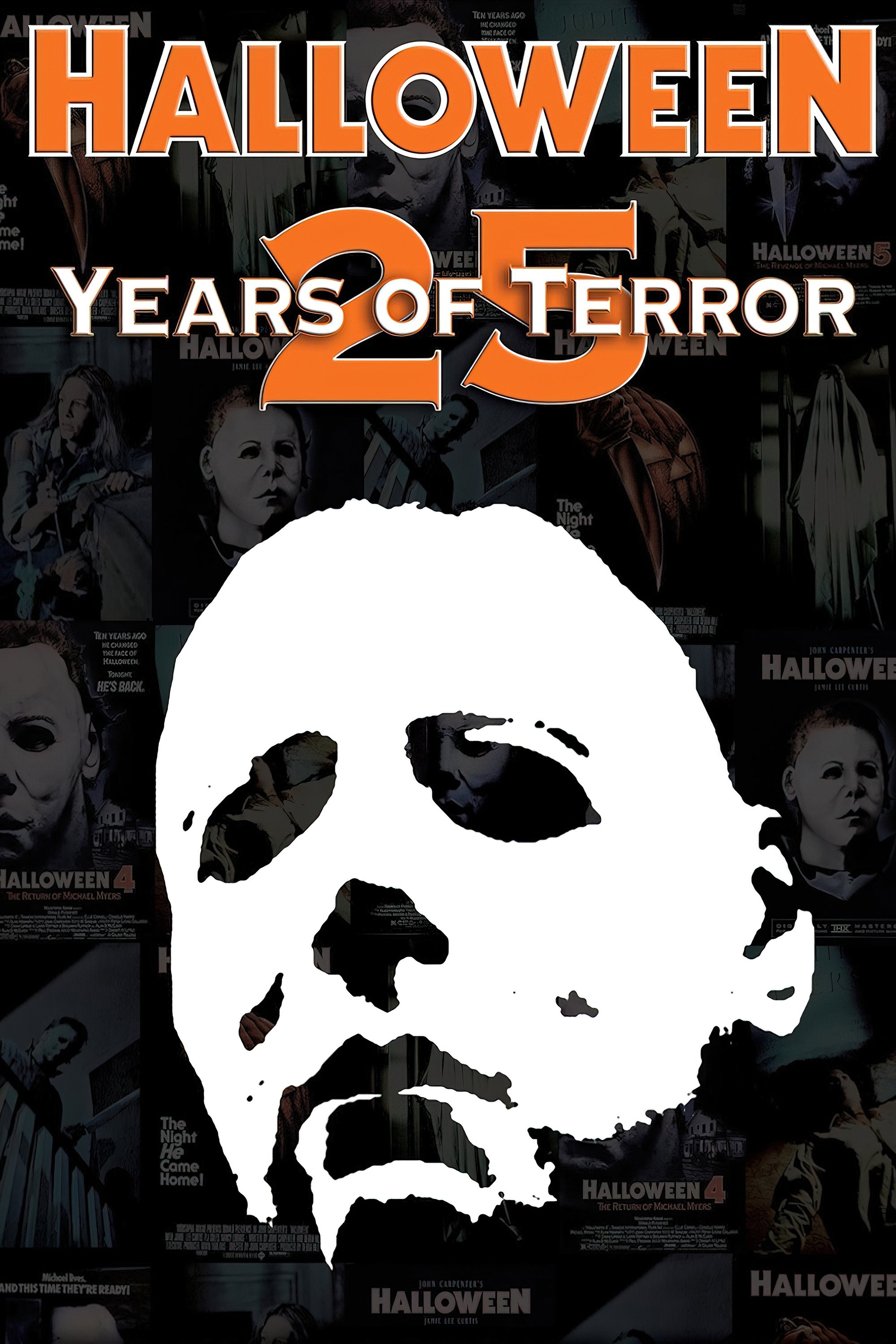
Follow the evolution of the 'Halloween' movies over the past twenty-five years. It examines why the films are so popular and revisits many of the original locations used in the films - seeing the effects on the local community. For the first time, cast, crew, critics and fans join together in the ultimate 'Halloween' retrospective.
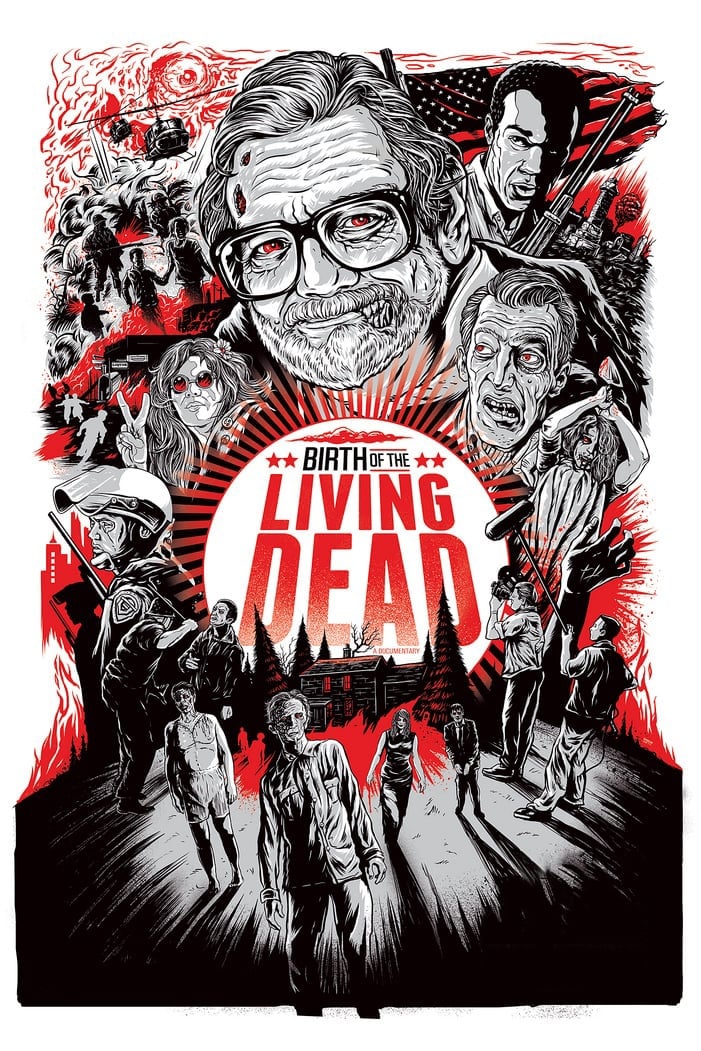
A behind the scenes look into George Romero's groundbreaking horror classic Night of the Living Dead.
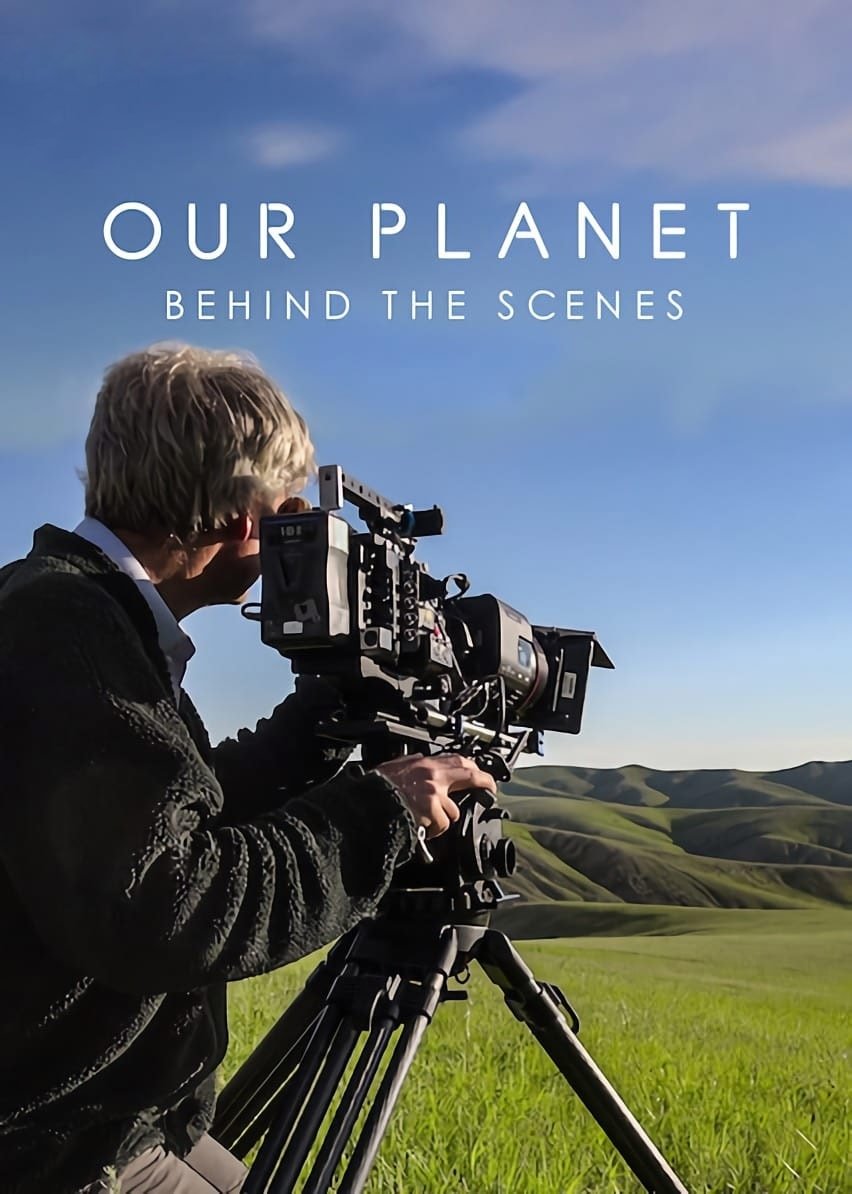
Years spent recording footage of creatures from every corner of the globe is bound to produce a bit of drama. Here's a behind-the-scenes look.
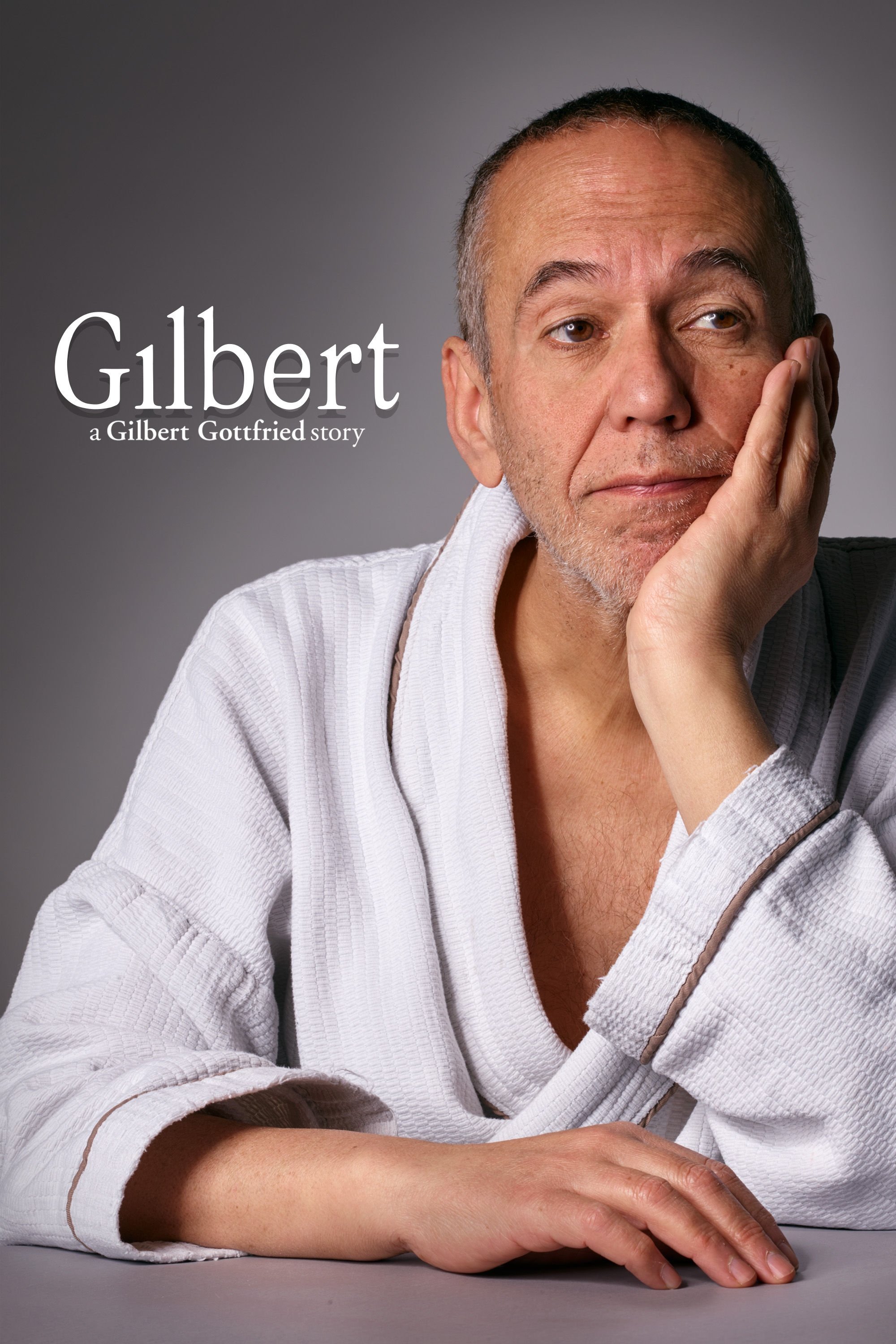
The life and career of one of comedy's most inimitable modern voices, Mr. Gilbert Gottfried.
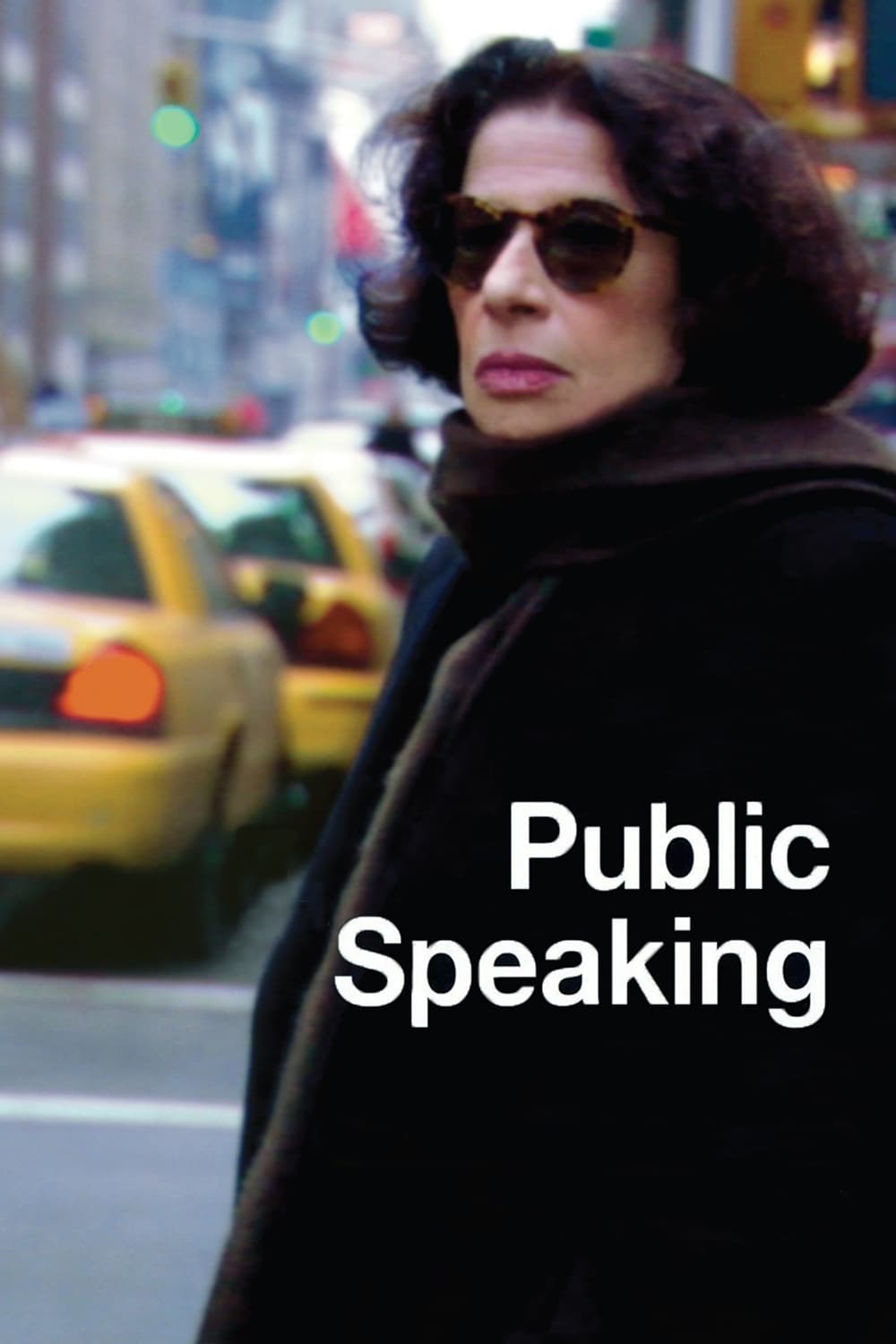
Martin Scorsese’s portrait of writer and social commentator Fran Lebowitz, celebrated for her sharp wit and observations on modern life. Filmed at New York’s Waverly Inn and intercut with archival footage and interviews, the documentary captures Lebowitz’s distinctive worldview through her spontaneous monologues and public appearances.
Dubbed “The Cannibal Cop,” former NYPD officer Gilberto Valle was charged with conspiring to kidnap and eat women but argued it was all a fantasy. His story made headlines both for its disturbing details and its potential to kick off a trend of thought-policing across the nation. Featuring intimate interviews with Valle and insights from experts, Thought Crimes explores if someone can be found guilty for their most dangerous thoughts.