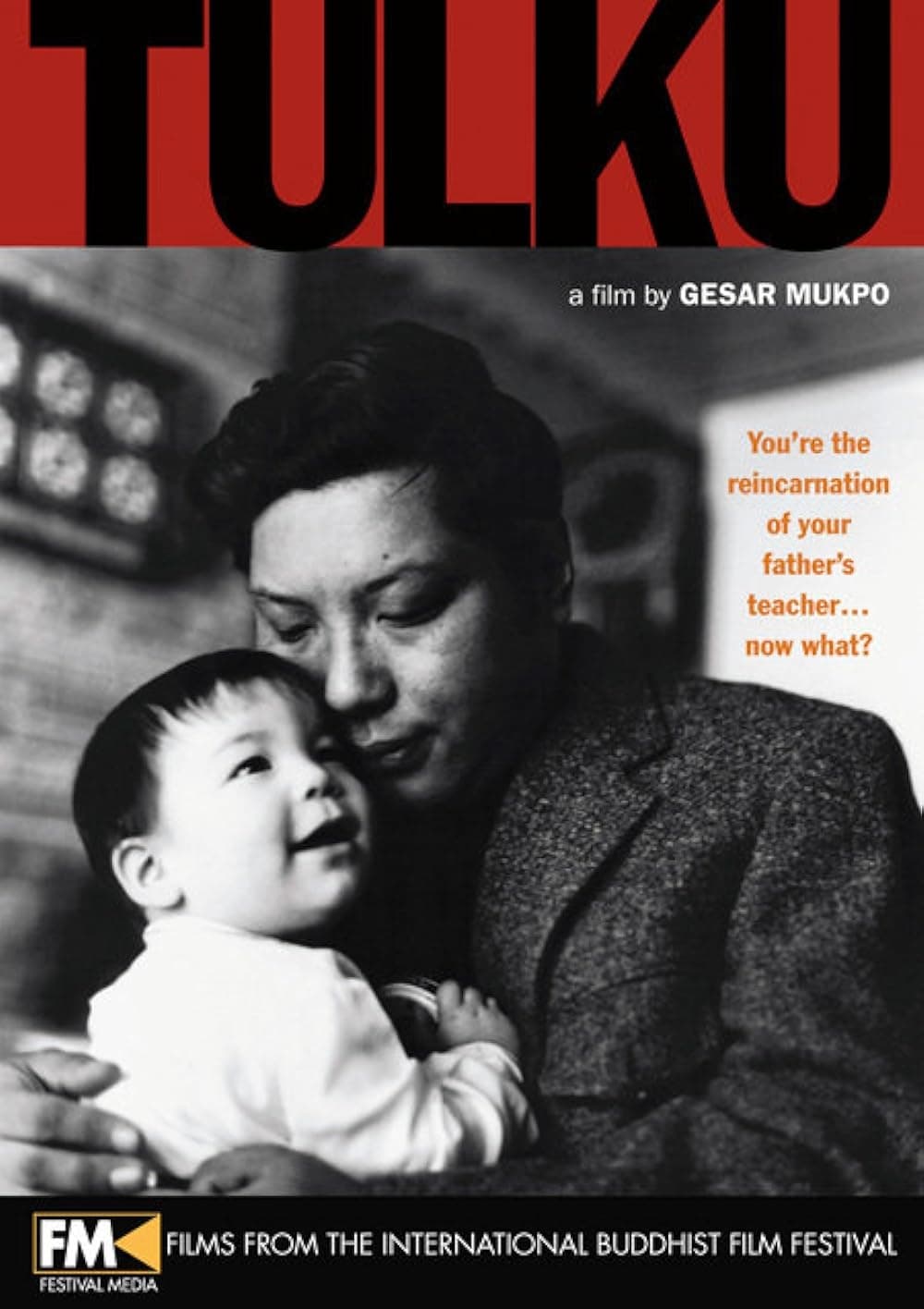
The film details the personal experiences of five young Western men who were identified in childhood as being tulkus, or reincarnated Tibetan Buddhist masters.
Social & External
Self
This documentary is the third part of The Yatra Trilogy created by John Bush. Vajra is the Sanskrit word signifying the thunderbolt of illumination, and yatra is the word for pilgrimage or spiritual journey. This film offers a cinematic pilgrimage to central Tibet, bearing witness to the indomitable faith of its endangered Buddhist community and the imminent threat to its very survival.
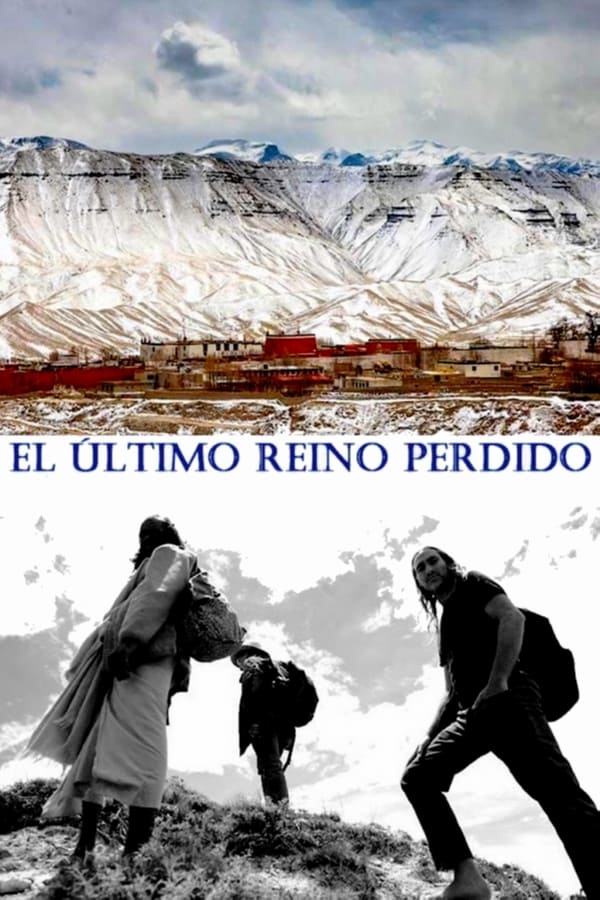
Following in the footsteps of his father, Folco Felzani embarks on an epic journey on foot in search of Mustang, the last lost kingdom, in northern Nepal. The story of a king without a kingdom. The adventure of a son without a father.
A Zen priest in San Francisco and cookbook author use Zen Buddhism and cooking to relate to everyday life.
Street art, creativity and revolution collide in this beautifully shot film about art’s ability to create change. The story opens on the politically charged Thailand/Burma border at the first school teaching street art as a form of non-violent struggle. The film follows two young girls (Romi & Yi-Yi) who have escaped 50 years of civil war in Burma to pursue an arts education in Thailand. Under the threat of imprisonment and torture, the girls use spray paint and stencils to create images in public spaces to let people know the truth behind Burma's transition toward "artificial democracy." Eighty-two hundred miles away, artist Shepard Fairey is painting a 30’ mural of a Burmese monk for the same reasons and in support of the students' struggle in Burma. As these stories are inter-cut, the film connects these seemingly unrelated characters around the concept of using art as a weapon for change.
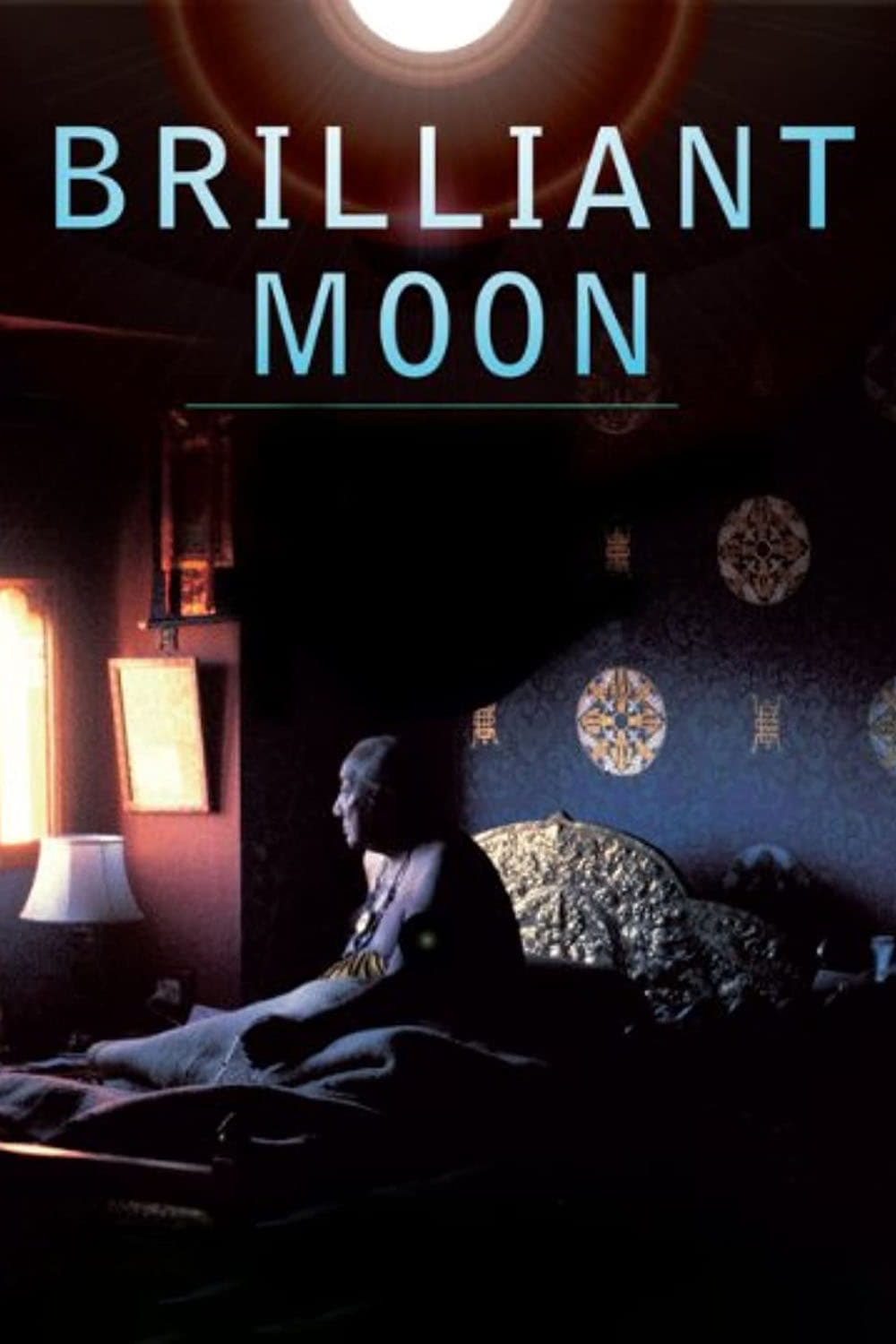
Brilliant Moon chronicles the life of the writer, poet, and meditation master Khyentse Rinpoche, one of Tibet's most revered 20th-century Buddhist teachers. Spiritual guide to His Holiness the Dalai Lama and the Royal Family of Bhutan, his life and teachings were an inspiration to all who encountered him. Richard Gere and Lou Reed provide the narration for his dangerous journey out of China, the subsequent spread of his influence and the search for his reincarnation after his death.
After World War II a group of young writers, outsiders and friends who were disillusioned by the pursuit of the American dream met in New York City. Associated through mutual friendships, these cultural dissidents looked for new ways and means to express themselves. Soon their writings found an audience and the American media took notice, dubbing them the Beat Generation. Members of this group included writers Jack Kerouac, William Burroughs, Allen Ginsberg. a trinity that would ultimately influence the works of others during that era, including the "hippie" movement of the '60s. In this 55-minute video narrated by Allen Ginsberg, members of the Beat Generation (including the aforementioned Burroughs, Anne Waldman, Peter Orlovsky, Amiri Baraka, Diane Di Prima, and Timothy Leary) are reunited at Naropa University in Boulder, CO during the late 1970's to share their works and influence a new generation of young American bohemians.
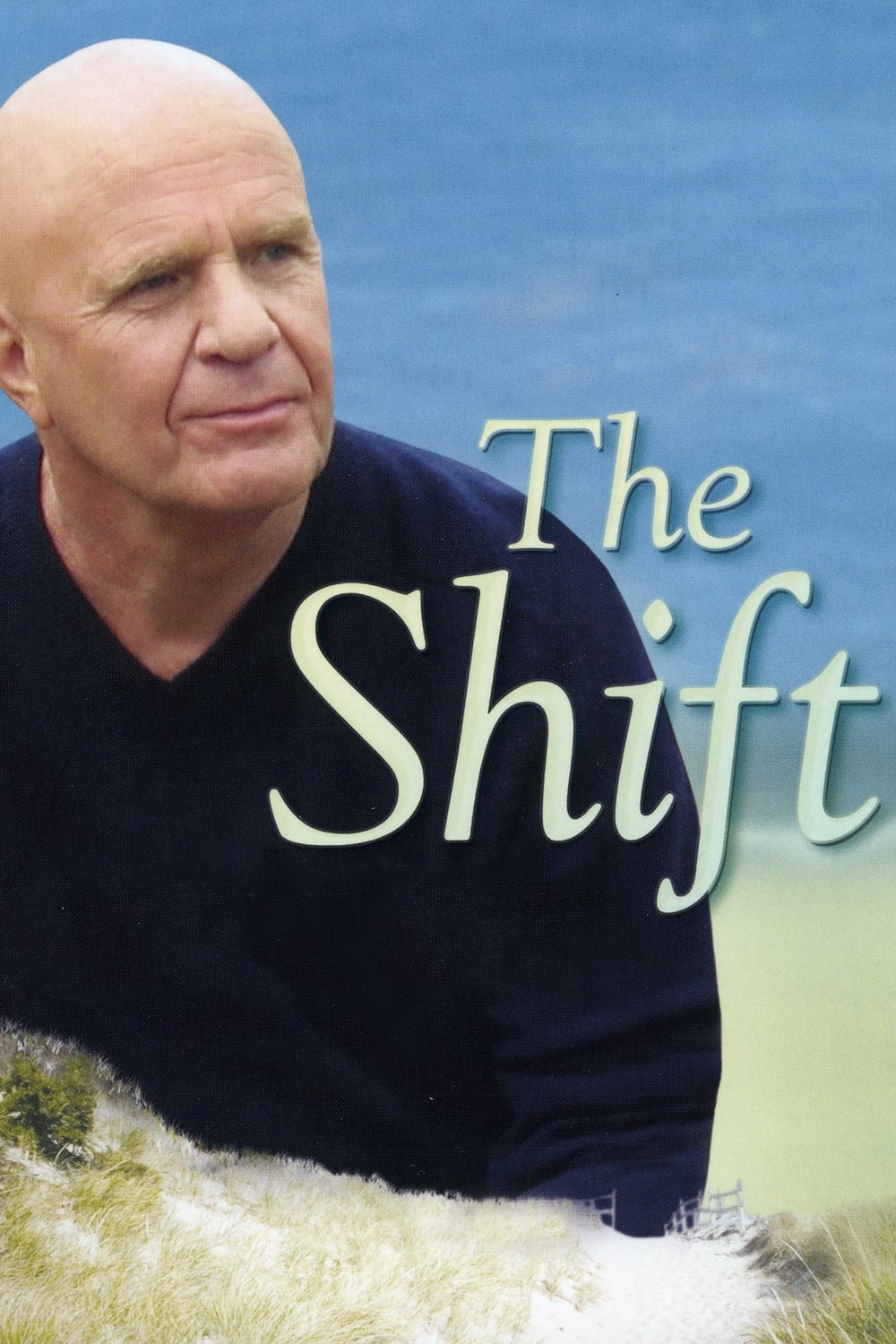
From the creators of You Can Heal Your Life: The Movie comes a compelling portrait of three modern lives in need of new direction and new meaning. In his first-ever movie, Wayne Dyer explores the spiritual journey in the second half of life when we long to find the purpose that is our unique contribution to the world. The powerful shift from the ego constructs we are taught early in life by parents and society—which promote an emphasis on achievement and accumulation—are shown in contrast to a life of meaning, focused on serving and giving back. Filmed on coastal California’s spectacular Monterey Peninsula, The Shift captures every person’s mid-life longing for a more purposeful, soul-directed life.
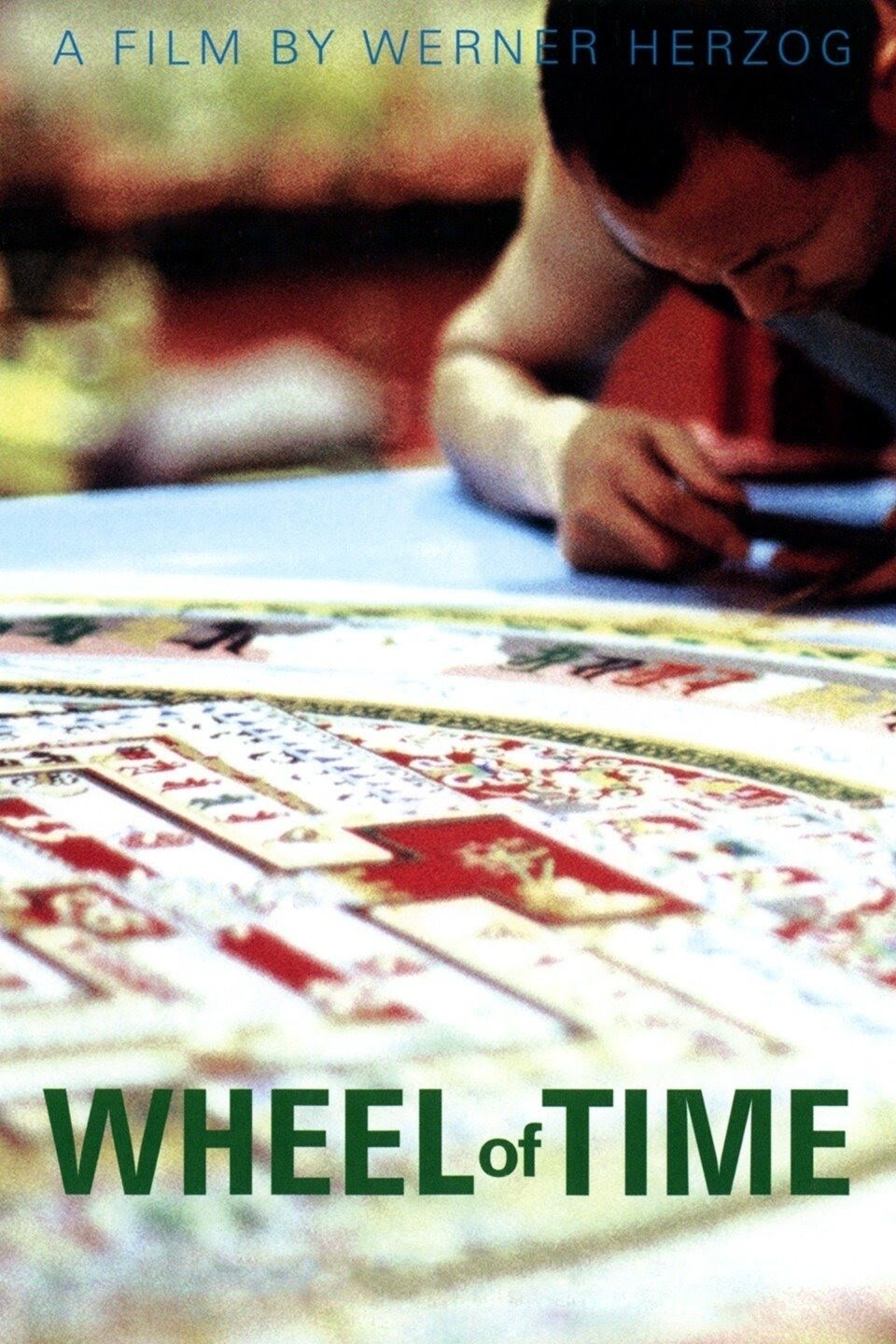
Wheel of Time is Werner Herzog's photographed look at the largest Buddhist ritual in Bodh Gaya, India.
Over 2,500 years ago, one man showed the world a way to enlightenment. This beautifully produced Buddhist film by the BBC meticulously reveals the fascinating story of Prince Siddhartha and the spiritual transformation that turned him into the Buddha.
An engaging reflection on the meaning of existence and on the theme of death in the different spiritual traditions of the East and West.
Developed by Thích Nhất Hạnh himself, the exercises taught here combine simple stretching and graceful gestures with mindfulness meditation. Join Thich Nhat Hanh and Plum Village monk Brother Michael to explore ten unique movements. Practice them before or after sitting meditation anytime you have a few minutes to refresh your body and quiet your mind.
Three students seek the wisdom of Tibetan Buddhist master, soccer aficionado and filmmaker Khyentse Norbu in this captivating documentary, which takes viewers on a journey from the World Cup in Germany to the isolated Buddhist kingdom of Bhutan. Bernardo Bertolucci and Steven Seagal make appearances in the film, and the world music soundtrack is provided by Sting, Tara Slone and Joydrop, Steve Tibbetts, U.Man.Tek, Kunga 19 and many others.
CRAZY WISDOM explores the arrival of Tibetan Buddhism in America through the story of Chögyam Trungpa, who landed in the U.S. in 1970. Trungpa became renowned for translating ancient Buddhist concepts into language and ideas that Westerners could understand and shattered preconceived notions about how an enlightened teacher should behave. Initially rejected, his teachings are now recognized by western philosophers and spiritual leaders as authentic and profound.
Imagine a country where happiness is the guiding principle of government. Imagine a people who see all life as sacred and the source of their happiness, a place with an abundance of clean and renewable energy, a nation committed to preserving its culture and whose progress is measured by obtaining Gross National Happiness for its people. Where is this Shangri-La? Bhutan. But can a place like Bhutan really exist? Can such ideals be realized? Can this small, geographically isolated country tucked away in the Himalayans truly protect its environment and culture as they open their doors to the West? The answer is rooted in the Bhutanese view of the world, anchored in Buddhism, with the simple message that happiness can only be found by taking the middle path the path that balances the needs of man with the powerful spirits of nature.
The films looks through the eyes of the first generation of Western Dharma teachers at the myriad issues Buddhism faces and how it is adapting within a culture that runs on the engines of competition and greed, where many consider cruelty to be kindness and ignorance to be knowledge. But throughout its history Buddhism has adapted to new cultures with almost chameleon-like ease. So if its past is any judge, the sublime path our colonial forefathers dubbed Buddhism has begun a migration that over time will leave it, and quite possibly modernity itself, greatly transformed.
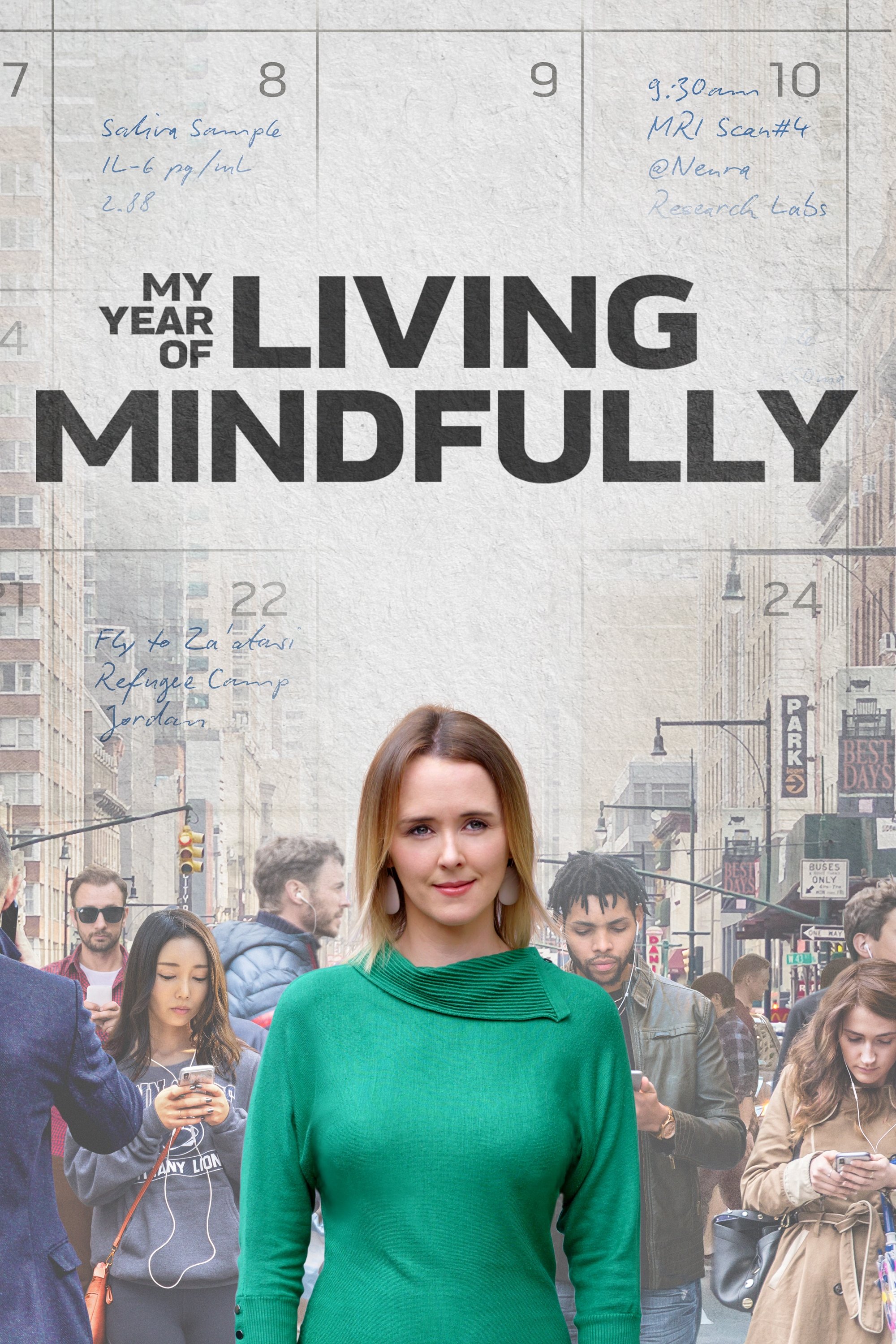
Shannon Harvey was working in her dream job as a radio news journalist when, at the age of 24 she was diagnosed with a devastating auto-immune disease. Determined to find a solution, she began researching cutting-edge mind-body medicine. Is it really possible, she wonders, that a simple practice that can be done anywhere, any time, by anyone, can ease suffering and promote physical and mental healing? Synthesizing the work of leading scientists with the ways of mystics, she undertakes a year-long experiment, with herself as the subject. Will meditation revolutionize her health and well-being, or is it just another over-hyped self-help fad? This compelling account of her journey provides fascinating insights about how to be well and happy in the modern world.
A cinematic journey through the world. Non-verbal.
This documentary for PBS by award-winning filmmaker David Grubin and narrated by Richard Gere, tells the story of the Buddha’s life, a journey especially relevant to our own bewildering times of violent change and spiritual confusion. It features the work of some of the world’s greatest artists and sculptors, who across two millennia, have depicted the Buddha’s life in art rich in beauty and complexity. Hear insights into the ancient narrative by contemporary Buddhists, including Pulitzer Prize winning poet W.S. Merwin and His Holiness the Dalai Lama. Join the conversation and learn more about meditation, the history of Buddhism, and how to incorporate the Buddha’s teachings on compassion and mindfulness into daily life.
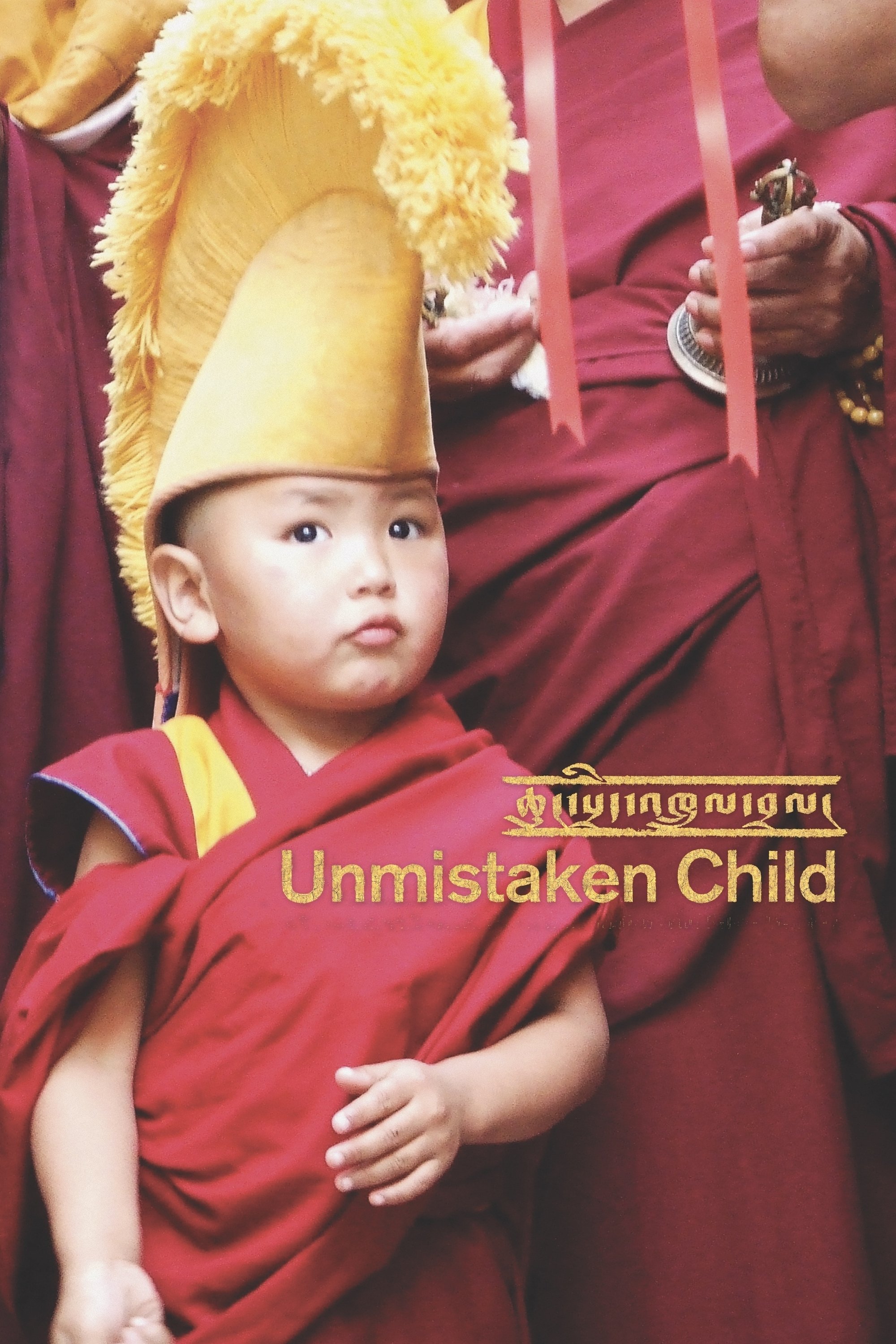
In Nepal, a venerable monk, Geshe Lama Konchog, dies and one of his disciples, a youthful monk named Tenzin Zopa, searches for his master's reincarnation. The film follows his search to the Tsum Valley where he finds a young boy of the right age who uncannily responds to Konchog's possessions. Is this the reincarnation of the master? After the boy passes several tests, Tenzin takes him to meet the Dali Lama. Will the parents agree to let the boy go to the monastery, and, if so, how will the child respond? Central to the film is the relationship the child develops with Tenzin.
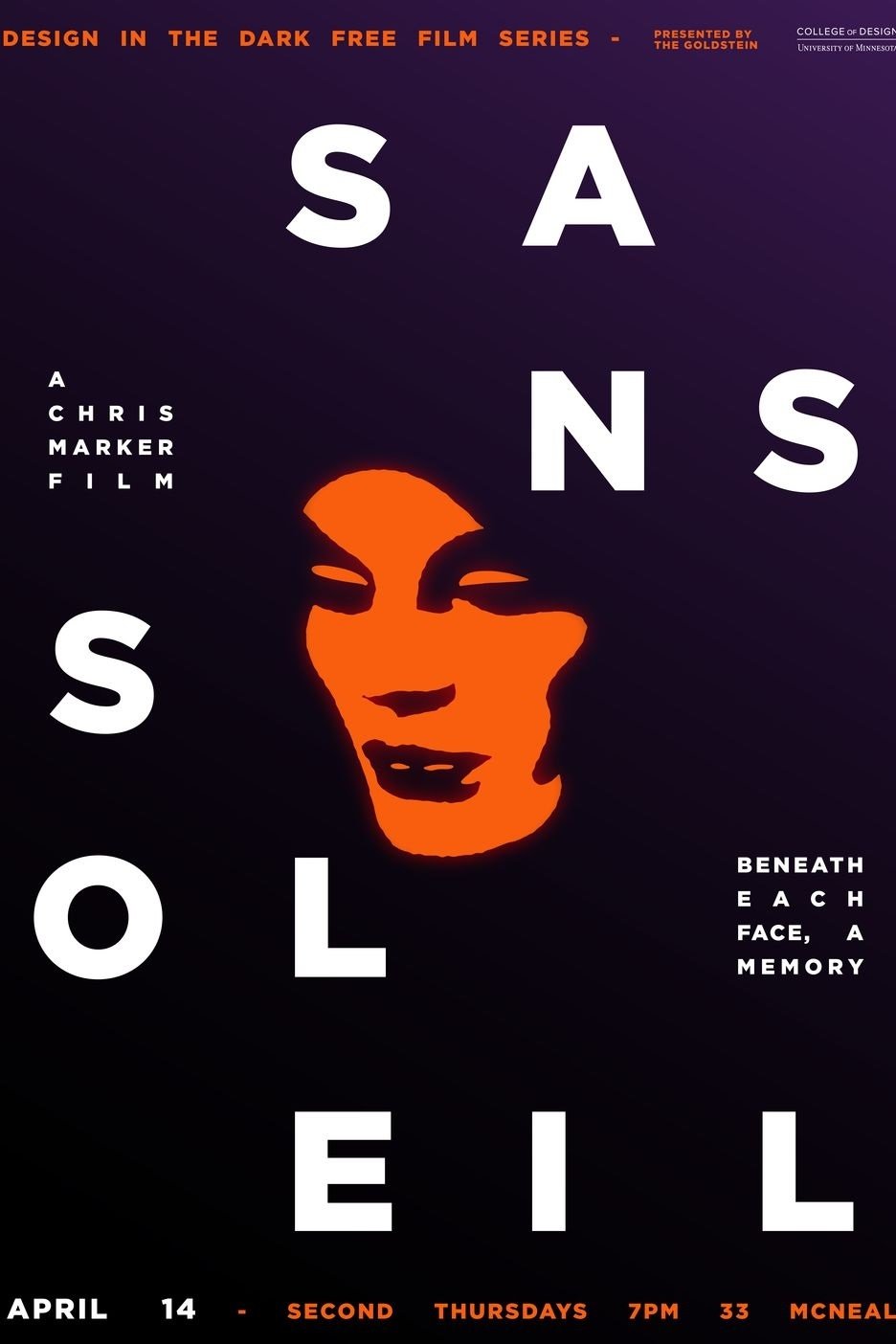
A woman narrates the thoughts of a world traveler, meditations on time and memory expressed in words and images from places as far-flung as Japan, Guinea-Bissau, Iceland, and San Francisco.
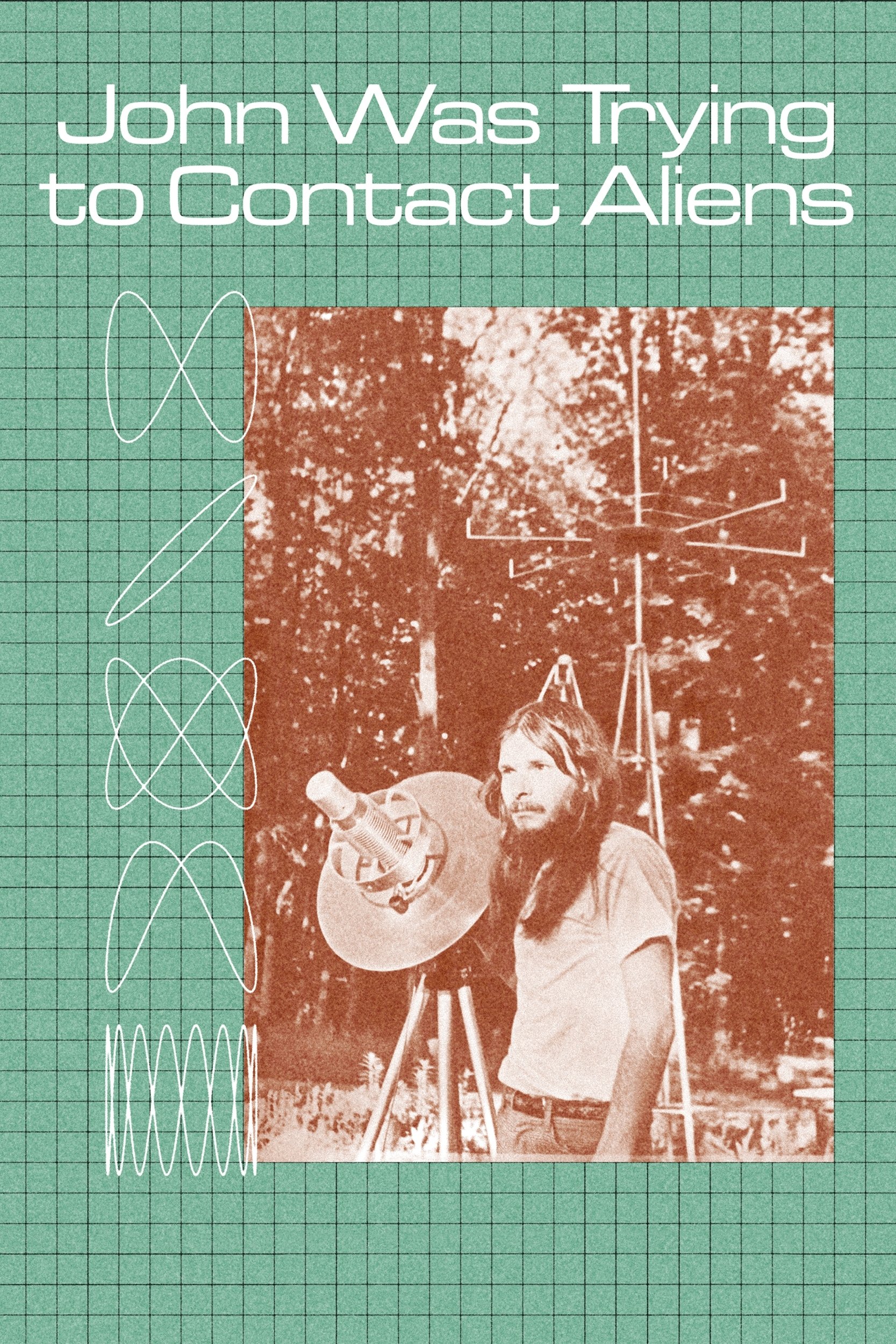
John Shepherd spent 30 years trying to contact extraterrestrials by broadcasting music millions of miles into space. After giving up the search, he makes a different connection here on earth.
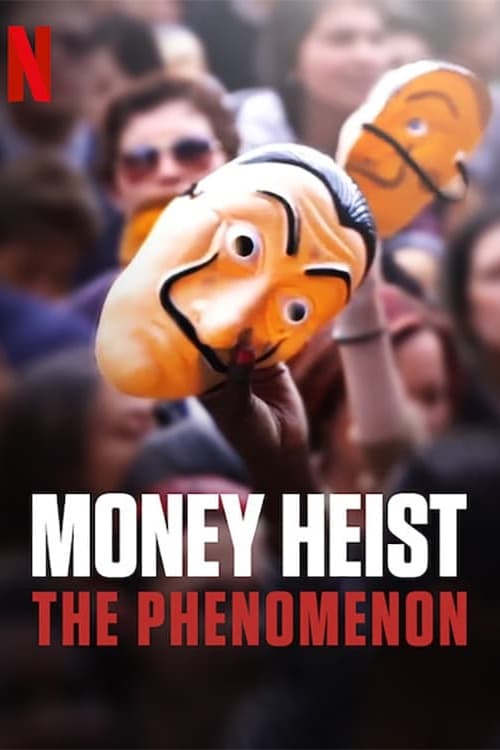
A documentary on why 'Money Heist' sparked a wave of enthusiasm around the world for a lovable group of thieves and their professor.
A documentary that explores the downloading revolution; the kids that created it, the bands and the businesses that were affected by it, and its impact on the world at large.
A detailing of the rise to prominence and global sporting superstardom of six supremely talented young Manchester United football players (David Beckham, Nicky Butt, Ryan Giggs, Paul Scholes, Phil and Gary Neville). The film covers the period 1992-1999, culminating in Manchester United's European Cup triumph.
A purely observational non-fiction film that takes viewers into the ethically murky world of end-of-life decision making in a public hospital.
When Allied forces liberated the Nazi concentration camps in 1944-45, their terrible discoveries were recorded by army and newsreel cameramen, revealing for the first time the full horror of what had happened. Making use of British, Soviet and American footage, the Ministry of Information’s Sidney Bernstein (later founder of Granada Television) aimed to create a documentary that would provide lasting, undeniable evidence of the Nazis’ unspeakable crimes. He commissioned a wealth of British talent, including editor Stewart McAllister, writer and future cabinet minister Richard Crossman – and, as treatment advisor, his friend Alfred Hitchcock. Yet, despite initial support from the British and US Governments, the film was shelved, and only now, 70 years on, has it been restored and completed by Imperial War Museums under its original title "German Concentration Camps Factual Survey".
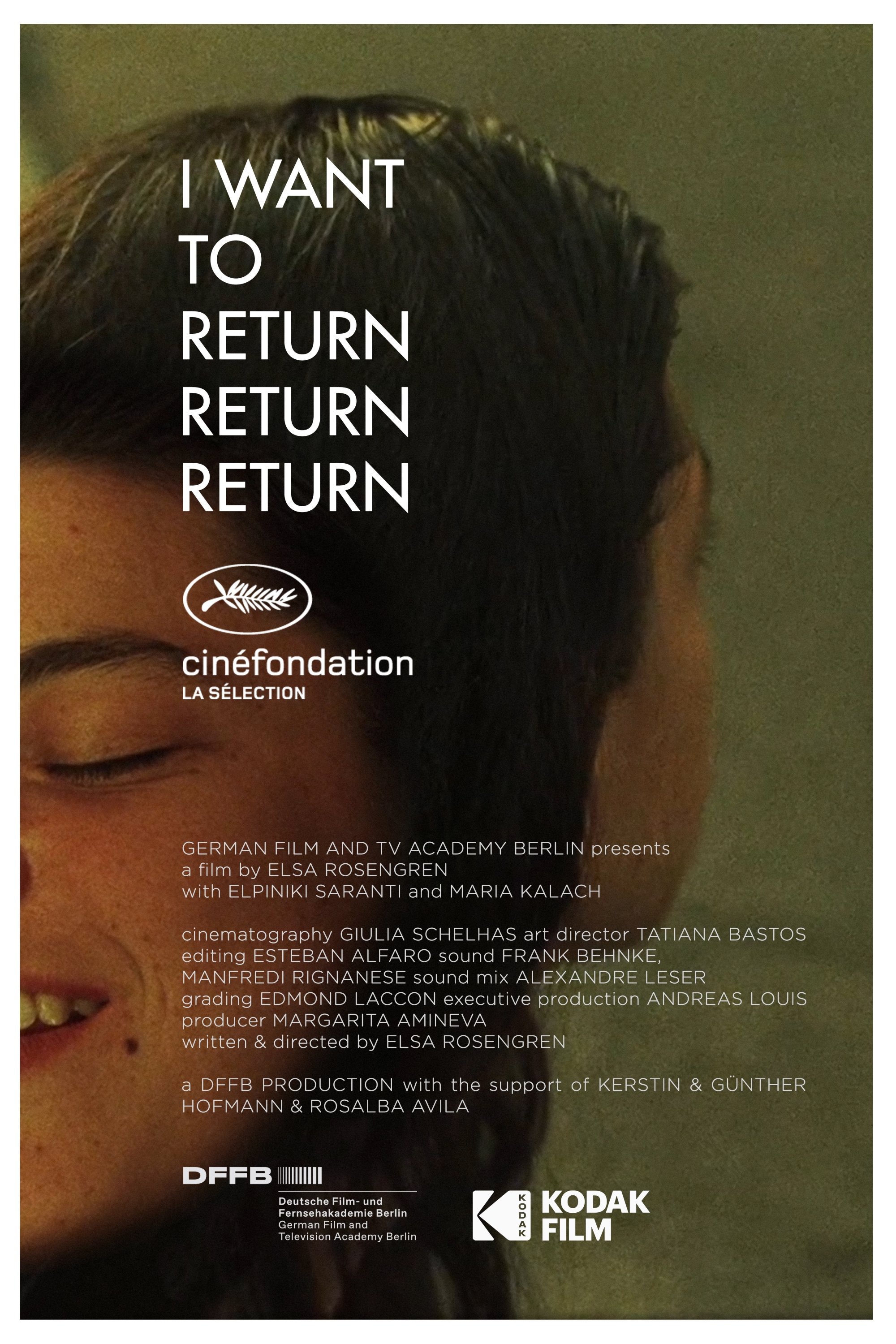
A depiction of the Wrangelkiez neighbourhood in Berlin. The people portrayed tell their life stories. One woman came to the neighbourhood a decade ago to work in Berlin’s still unfinished Brandenburger Airport, one man reminisces his childhood on a Tobacco farm in Kentucky, another speaks of an exceptional day in an otherwise monotonous workplace. These portraits are interwoven with the story of Elpi, a Greek woman who is waiting for the long overdue visit of an old important friend. The outcome of this mixture is a film which captures the lives and perspectives of some of Wrangelkiez’s most commanding citizens, while at the same time evoking the loss that change and time passing means for places and for people.
A compilation of over 30 years of private home movie footage shot by Lithuanian-American avant-garde director Jonas Mekas, assembled by Mekas "purely by chance", without concern for chronological order.
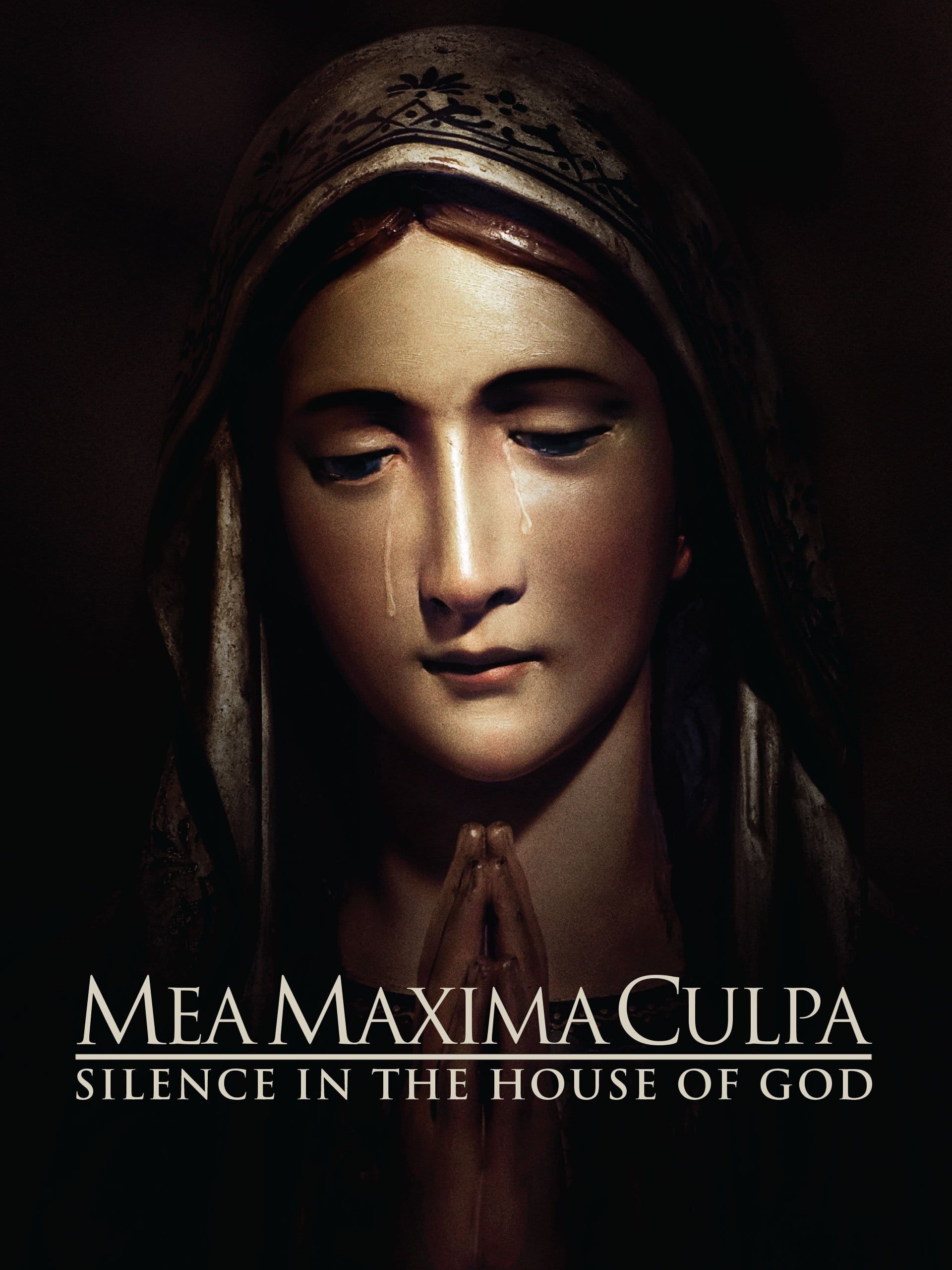
Alex Gibney explores the charged issue of pedophilia in the Catholic Church, following a trail from the first known protest against clerical sexual abuse in the United States and all way to the Vatican.
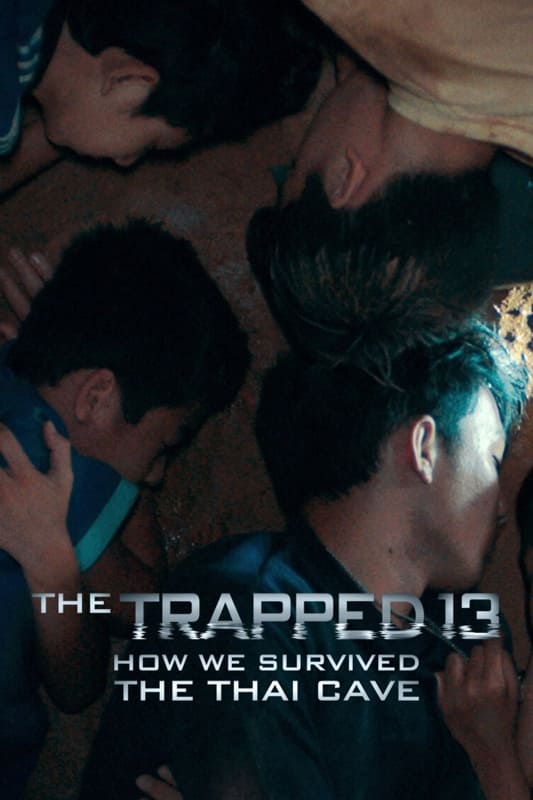
In this compelling documentary, members of the Thai youth soccer team tell their stories of getting trapped in Tham Luang Cave in 2018 — and surviving.
The life and career of an actor, artist, and icon. His own journey through his own camera.
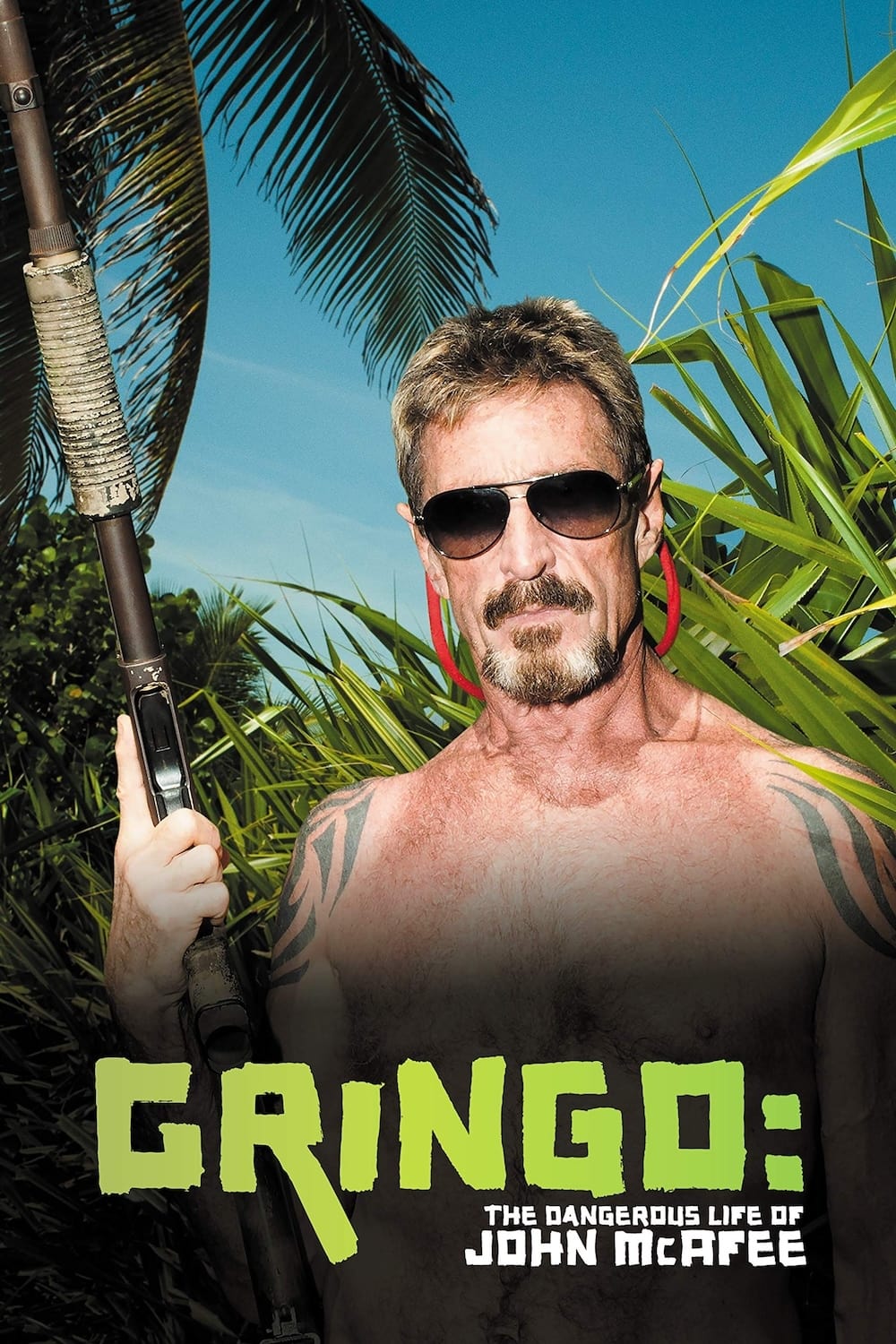
The strange story of John McAfee, who went from millionaire software mogul to yogi, Kurtz-like jungle recluse to potential murderer, and most recently a prospective presidential candidate for the American Libertarian Party.
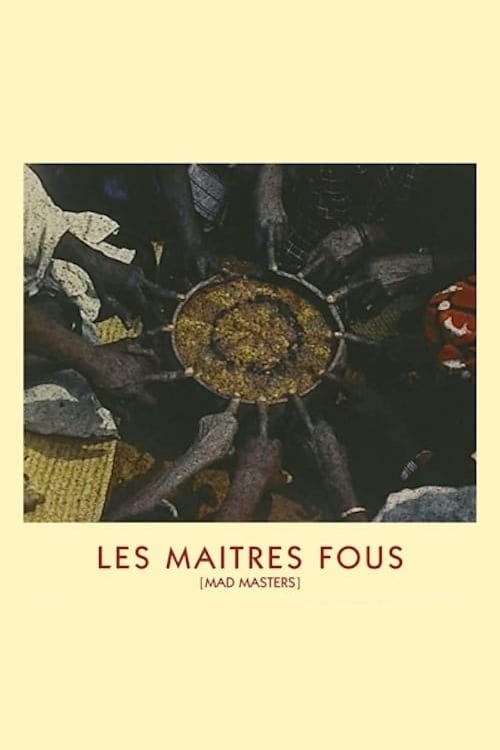
The subject of the film was the Hauka movement. The Hauka movement consisted of mimicry and dancing to become possessed by French Colonial administrators. The participants performed the same elaborate military ceremonies of their colonial occupiers, but in more of a trance than true recreation.
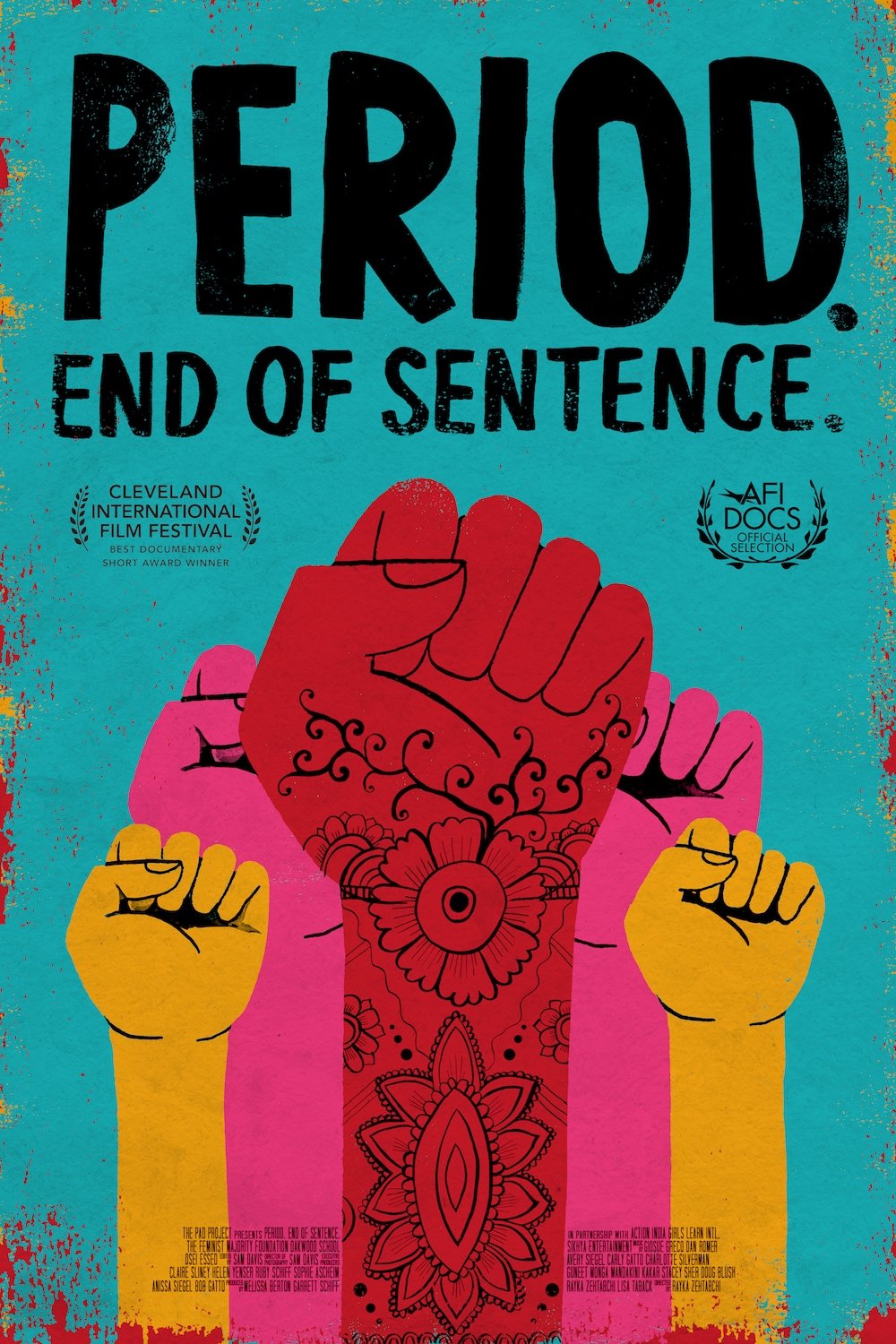
In an effort to improve feminine hygiene, a machine that creates low-cost biodegradable sanitary pads is installed in a rural village in Northern India. Using the machine, a group of local women is employed to produce and sell pads, offering them newfound independence and helping to destigmatize menstruation for all.
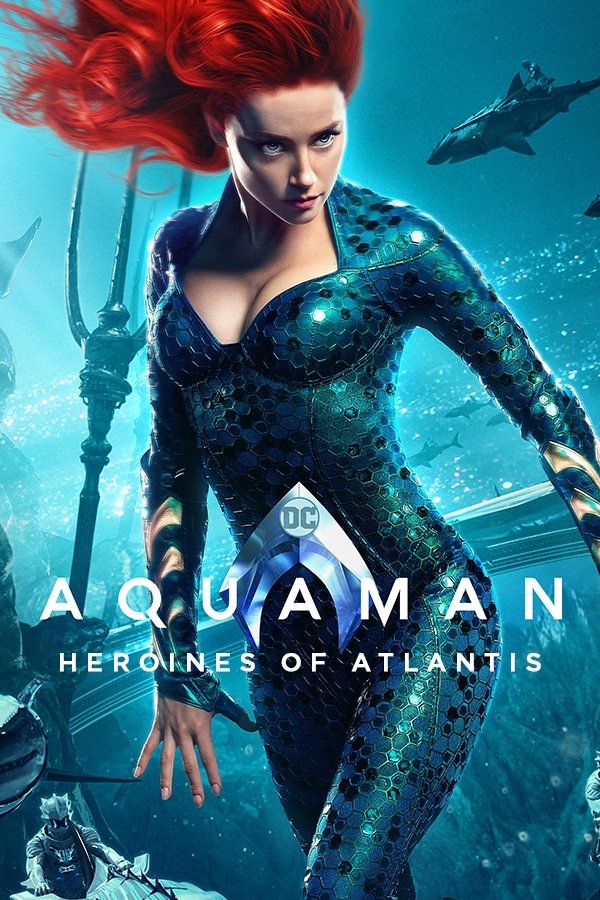
Amber Heard and Nicole Kidman discuss their characters Mera and Atlanna.
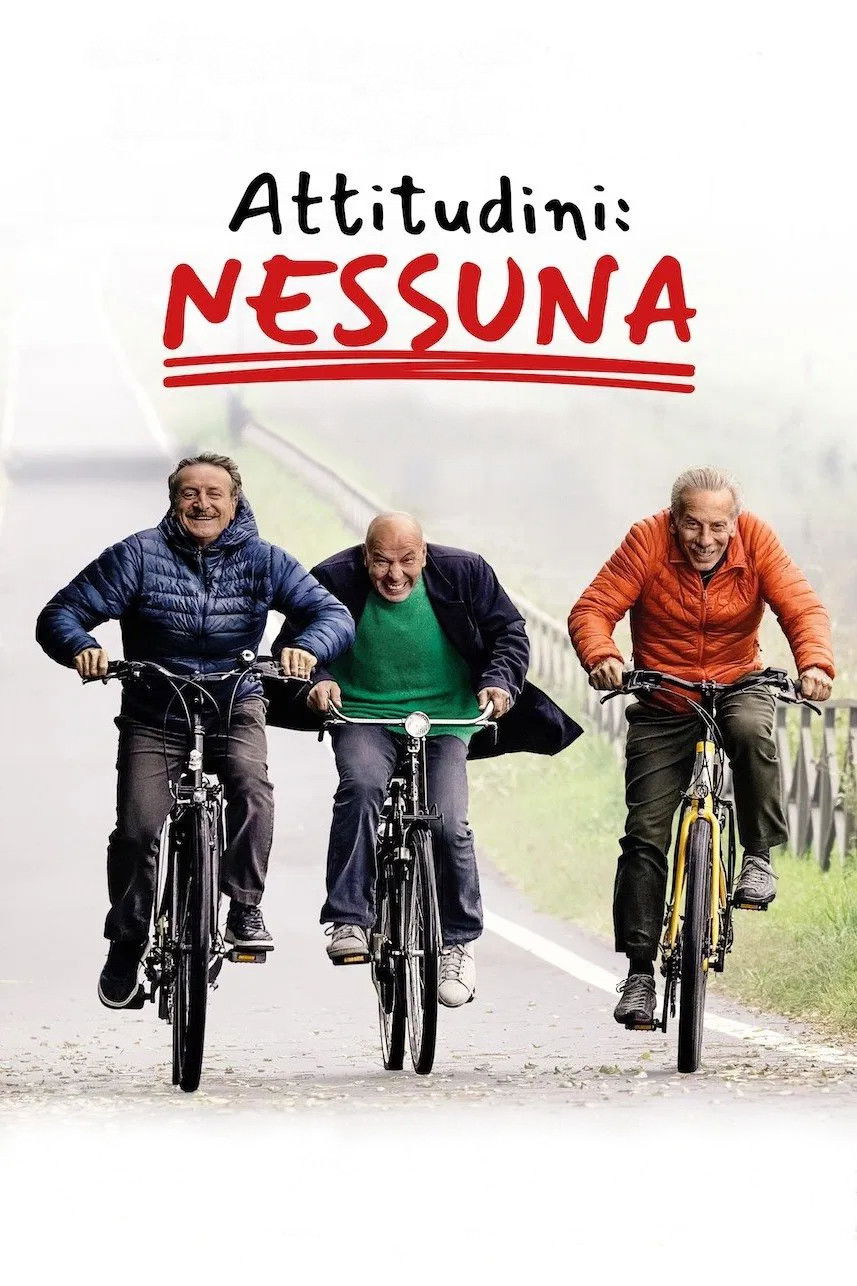
A portrait of the comic trio "Aldo, Giovanni e Giacomo".
Artists in LA discover the work of forgotten Polish sculptor Stanislav Szukalski, a mad genius whose true story unfolds chapter by astounding chapter.
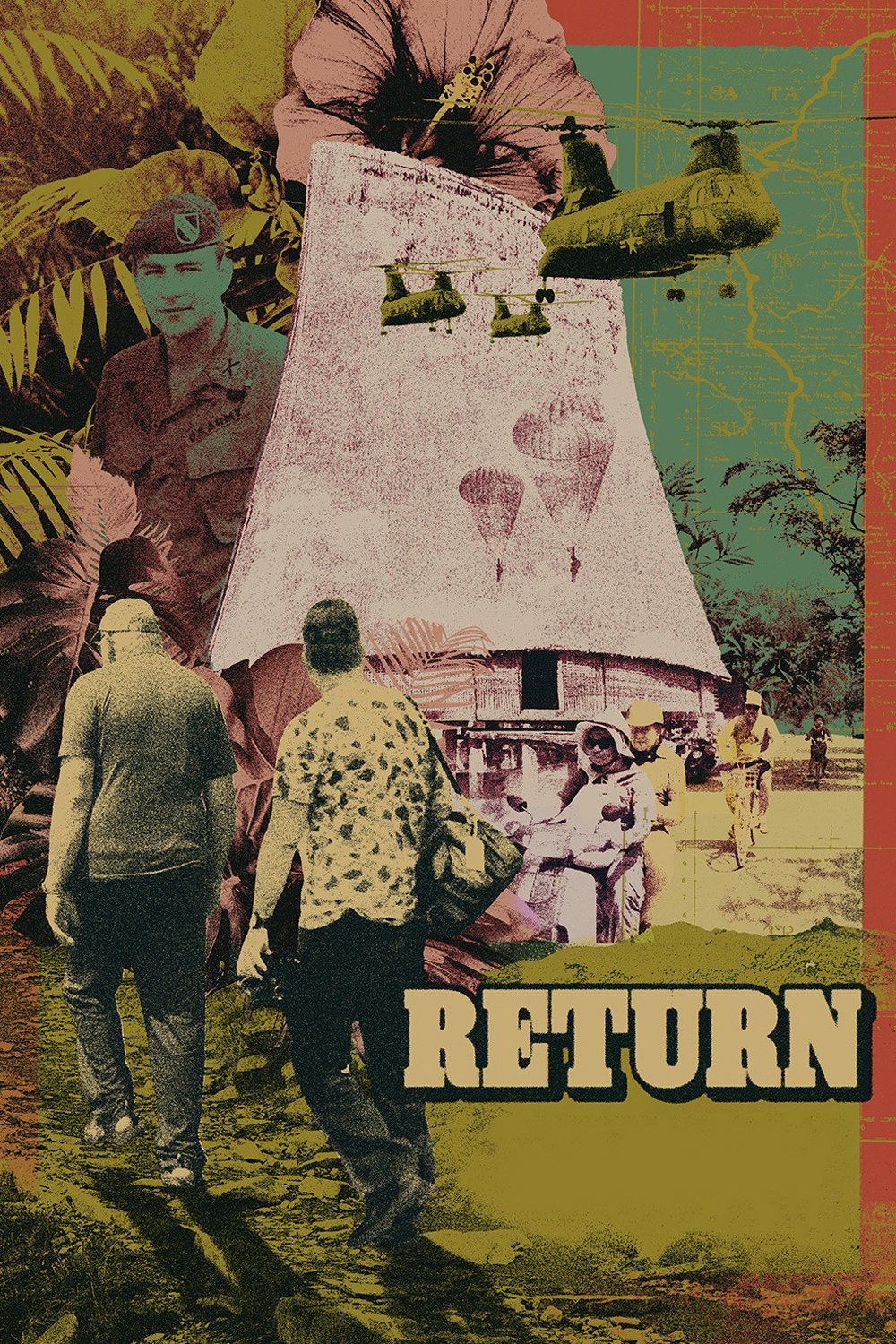
RETURN tells the story of a retired Green Beret who embarks on a healing journey from Montana to Vietnam. There he retraces his steps, shares his wartime experiences with his son, treats his Post-Traumatic Stress Disorder, and seeks out the mountain tribespeople he once lived with and fought alongside as a Special Forces officer.
The life and career of one of comedy's most inimitable modern voices, Mr. Gilbert Gottfried.