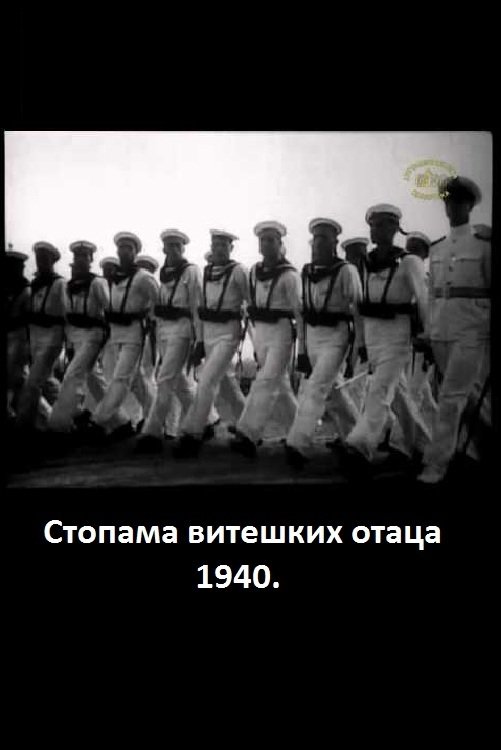
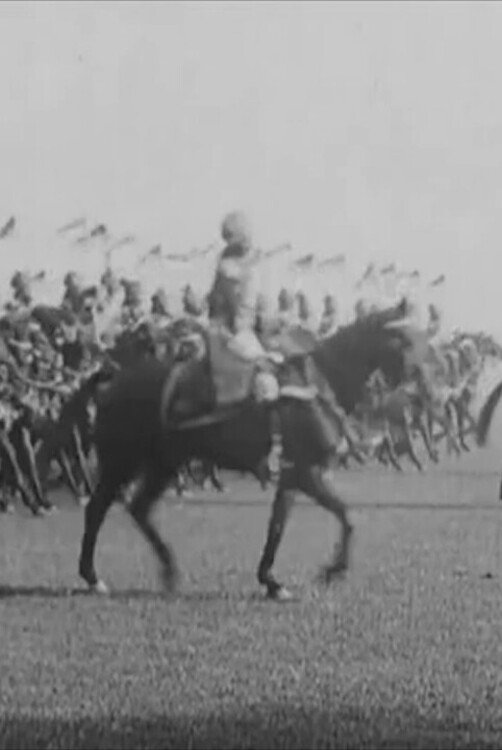
The Yugoslavian Royal Army's review at the Banjica neighborhood of Belgrade in 1940.
Social & External
The people behind it
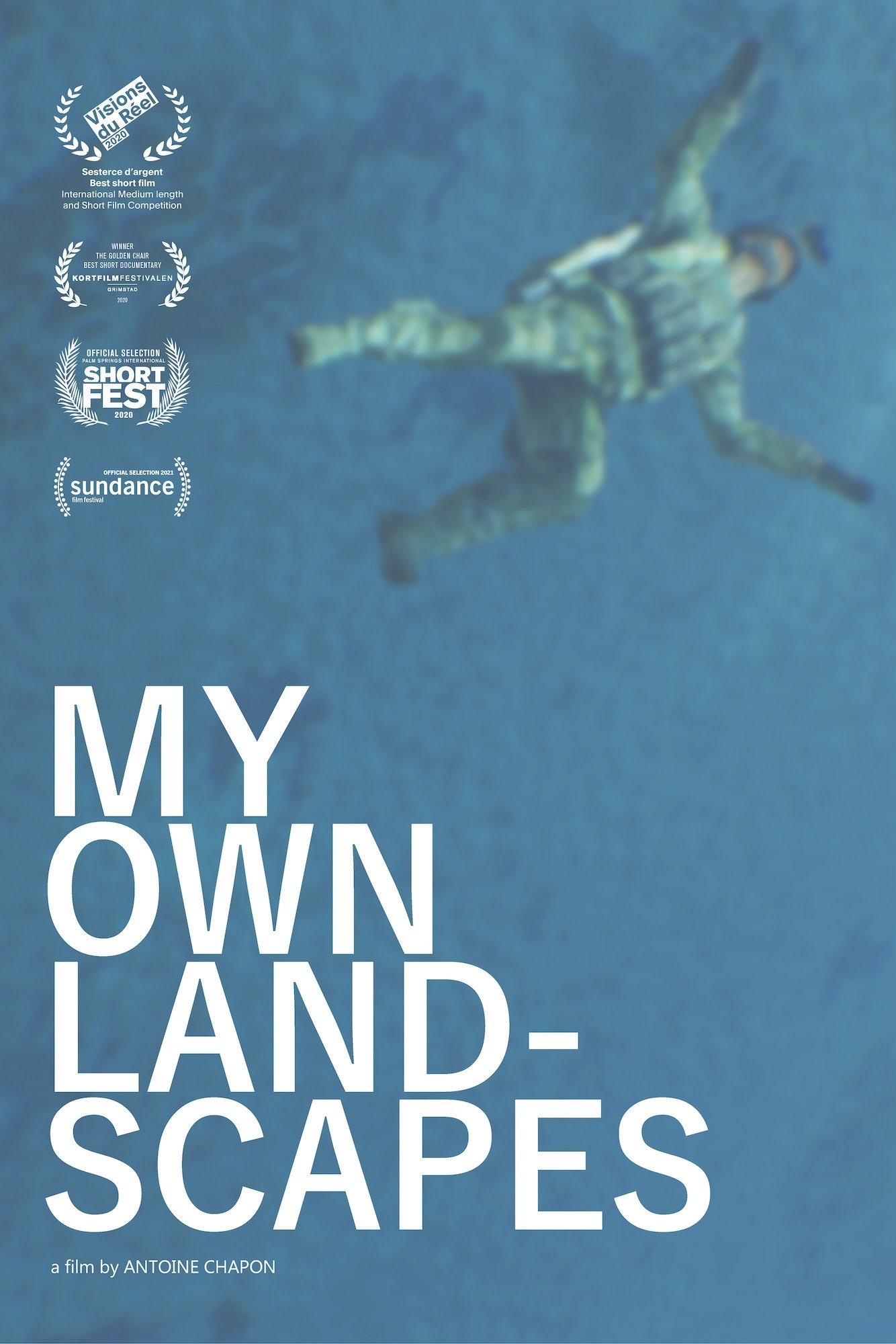
Within the French and American armies, virtual reality prepares soldiers for their future battles just as it treats post-traumatic stress disorder after their baptism of fire. Antoine Chapon meets Cyril, former military video game designer and a veteran, who is dealing with the return to civilian life and loss of identity.
Soviet Documentary film of the 1945 victory parade in Moscows Red Square.
Film director Branko Belan follows the journey of fishermen as they set out to catch tuna around the Velebit Channel.
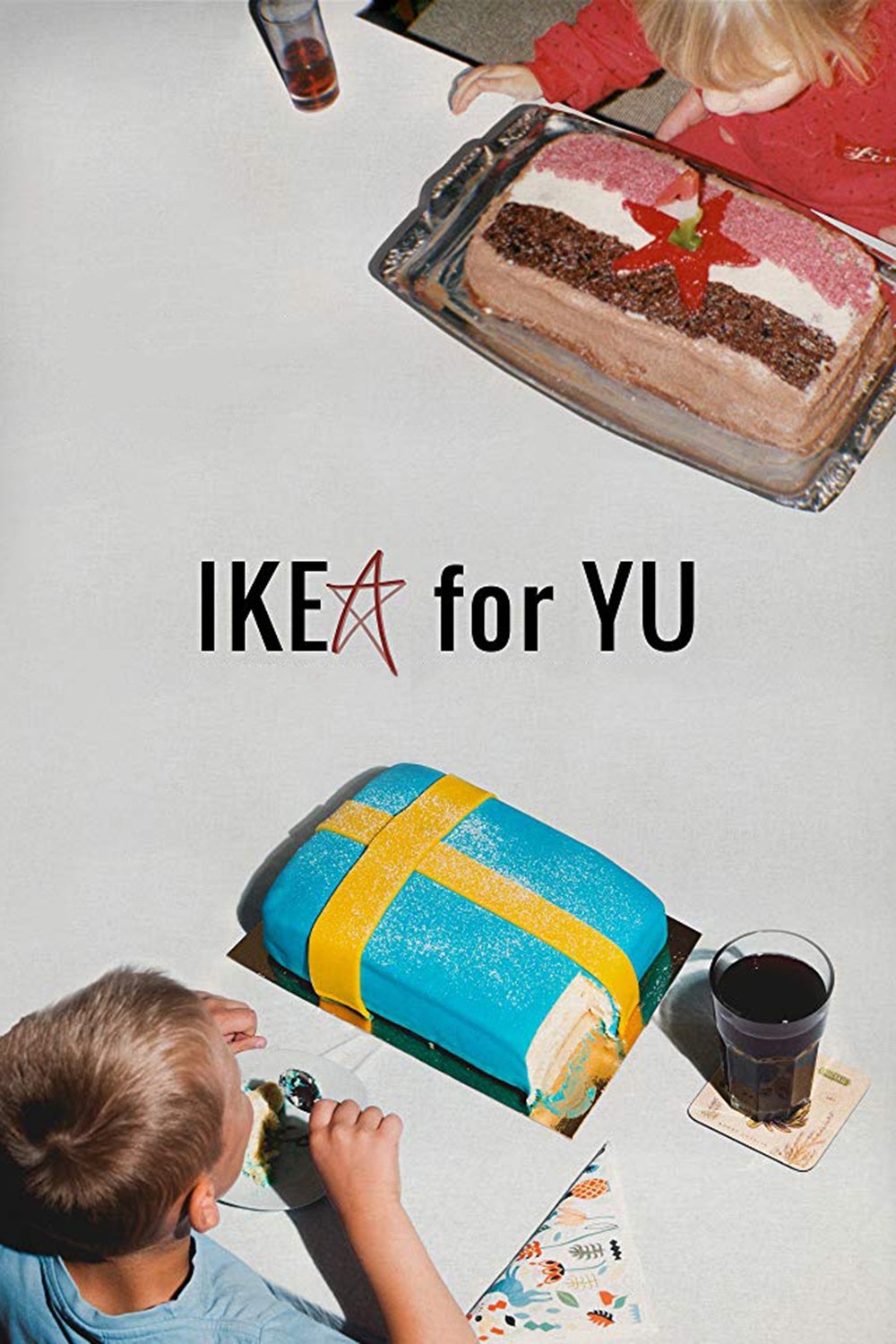
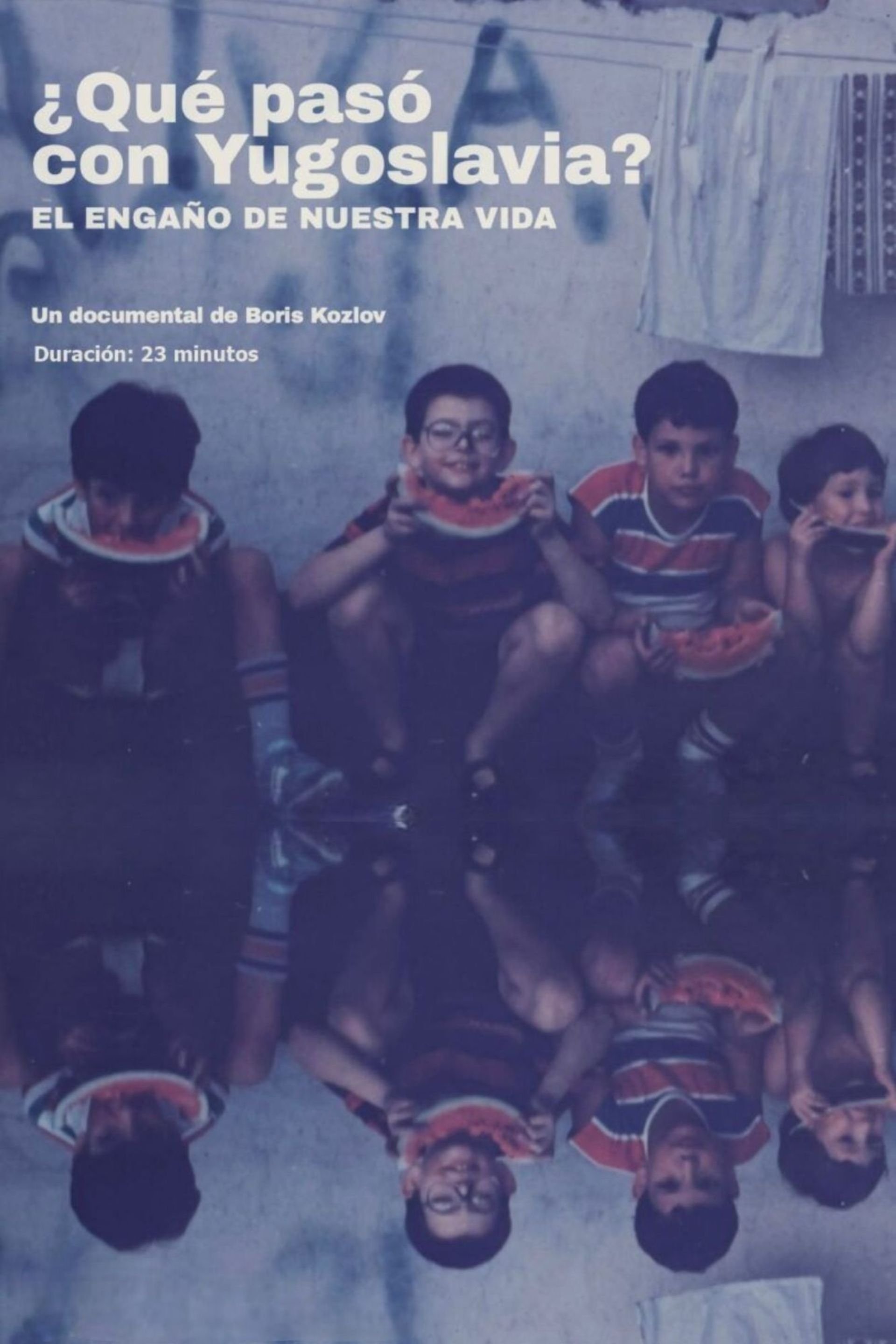
Marija grew up in a family that lives Yugoslav ideals even today. Given that Marija and her family are of Serbian origin, who continued to live in Croatia, regardless of the pressures of the recent war, the Yugoslav identity is the one they felt closest to. She had always felt that her family's ideals were her own, until her life path turned her in a different direction. When she founded her own family with her husband, she began to question her parents' and grandparents' values, as well as her own, and if that was the environment in which she wanted to raise her son. Within a journey through the family history, Marija opts for a "new beginning" in a totally different environment and sets up a new home - in Sweden. This film is a story about growing up, separation from the nest, and accepting one's own value system, and how to get there, in the atmosphere of a stable and loving family.
It shows the Neretva river from its source to the shores of the Adriatic Sea. The document also captures the original four-hundred-year-old bridge in Mostar.
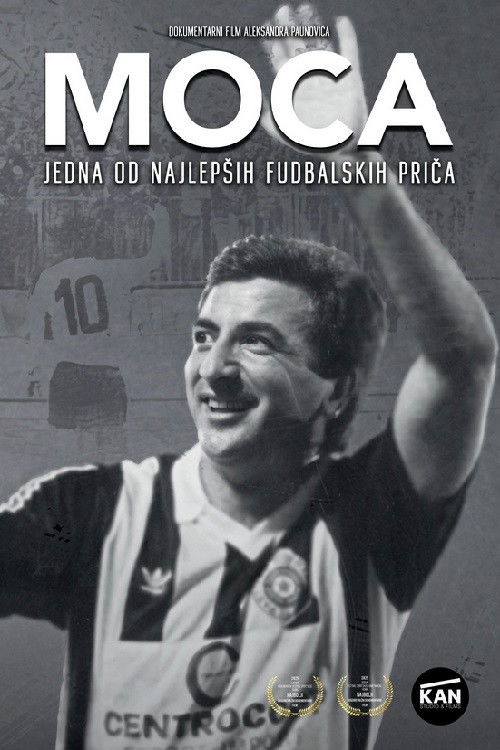
A documentary film about the life and career of Momcilo Vukotic, one of the most significant footballers of Partizan and Yugoslav football. The film follows his sports career through interviews with former teammates, rivals and family, as well as his interests outside football, including painting and theater. Momcilo Moca Vukotic, won three Yugoslav championship titles as a player in 1976,1978 and 1983. As a sports-director, he won two tittles in 1986 and 1987. With the team from Humska street, he played 791 games in total, from 1968 till 1985. As a coach, he won Yugoslavia cup and Supercup in 1989. The film won awards for the best feature-length documentary film at the 14th International Sports Film Festival in Zlatibor as well as at the 3rd Budva Sports and Arts Film Festival.
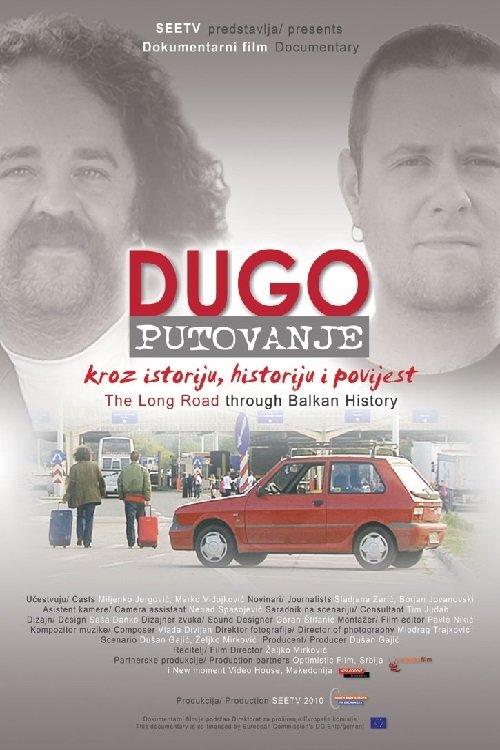
Bosnian Croat writer Miljenko Jergović and Serbian writer Marko Vidojković replace one another by the steering wheel of Yugo, a symbol of their common past while driving on the Brotherhood and Unity Highway that stretched across five of six republics of Yugoslavia.
A research-based essay film, but also a very personal perspective on the history of socialist Yugoslavia, its dramatic end, and its recent transformation into a few democratic nation states.
A documentary about punk and subculture scene of Pula, Croatia from 1978 to 1991, the city that gave birth to one of the most vivid punk and alternative rock scenes in former Yugoslavia, despite having population of just over 60,000 residents.
After forty years of fighting Moscow, Washington won the Cold War, and NATO found a way to expand eastward; however, there was one loose end to the problem: Yugoslavia was not a satellite of the USSR…
The Governor of Bengal and family - on and off duty.
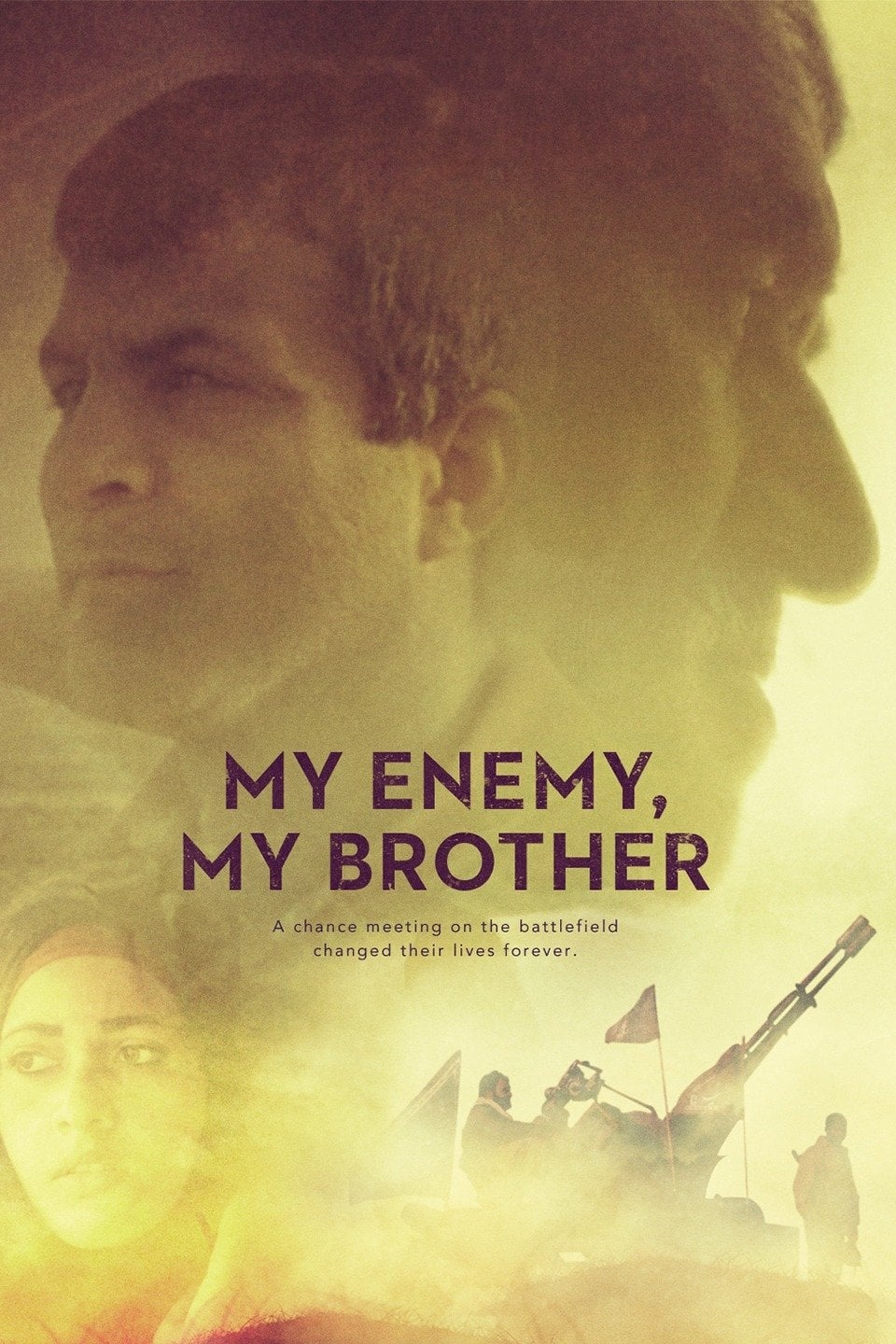
The eight-year Iran-Iraq War was one of the most brutal conflicts to devastate the region in the 20th century. Zahed was 13 years old when he enrolled in the Iranian army. Najah was 18 when he was conscripted into the Iraqi army, and he fought against Zahed in the Battle of Khorramshahr. Fast forward 25 years, a chance encounter in Vancouver between these two former enemies turns into a deep and mutually supportive friendship. Expanded from the 2015 short film by the same name.
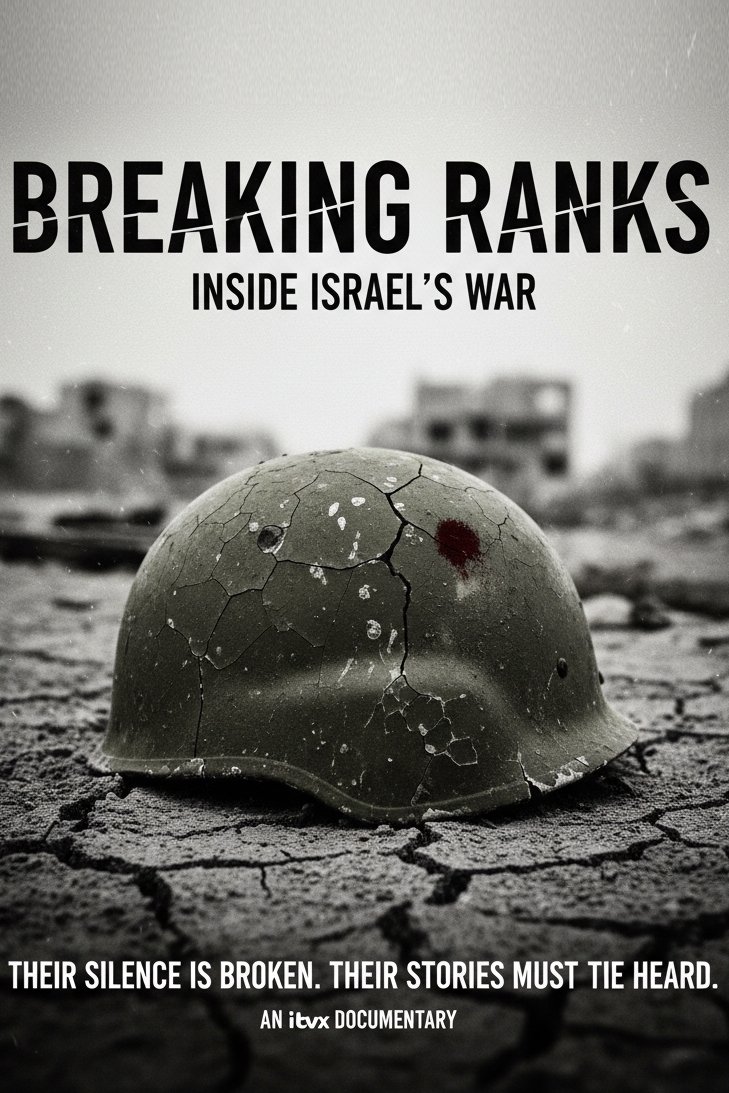
Breaking Ranks: Inside Israel’s War presents the first-hand recollections of IDF soldiers who have broken official silence to share their experiences of the war in Gaza - accounts that may raise serious questions about conduct on the ground and potential breaches of international law. Directed by award-winning filmmaker Ben Zand, the film features exclusive interviews with Israel Defense Forces (IDF), reservists and veterans - many speaking for the first time - who served during the war in Gaza. Their testimonies describe what they recall as indiscriminate bombardment, instances where Palestinian civilians were used as human shields, and an operational culture that some soldiers characterised as “no innocents in Gaza.”
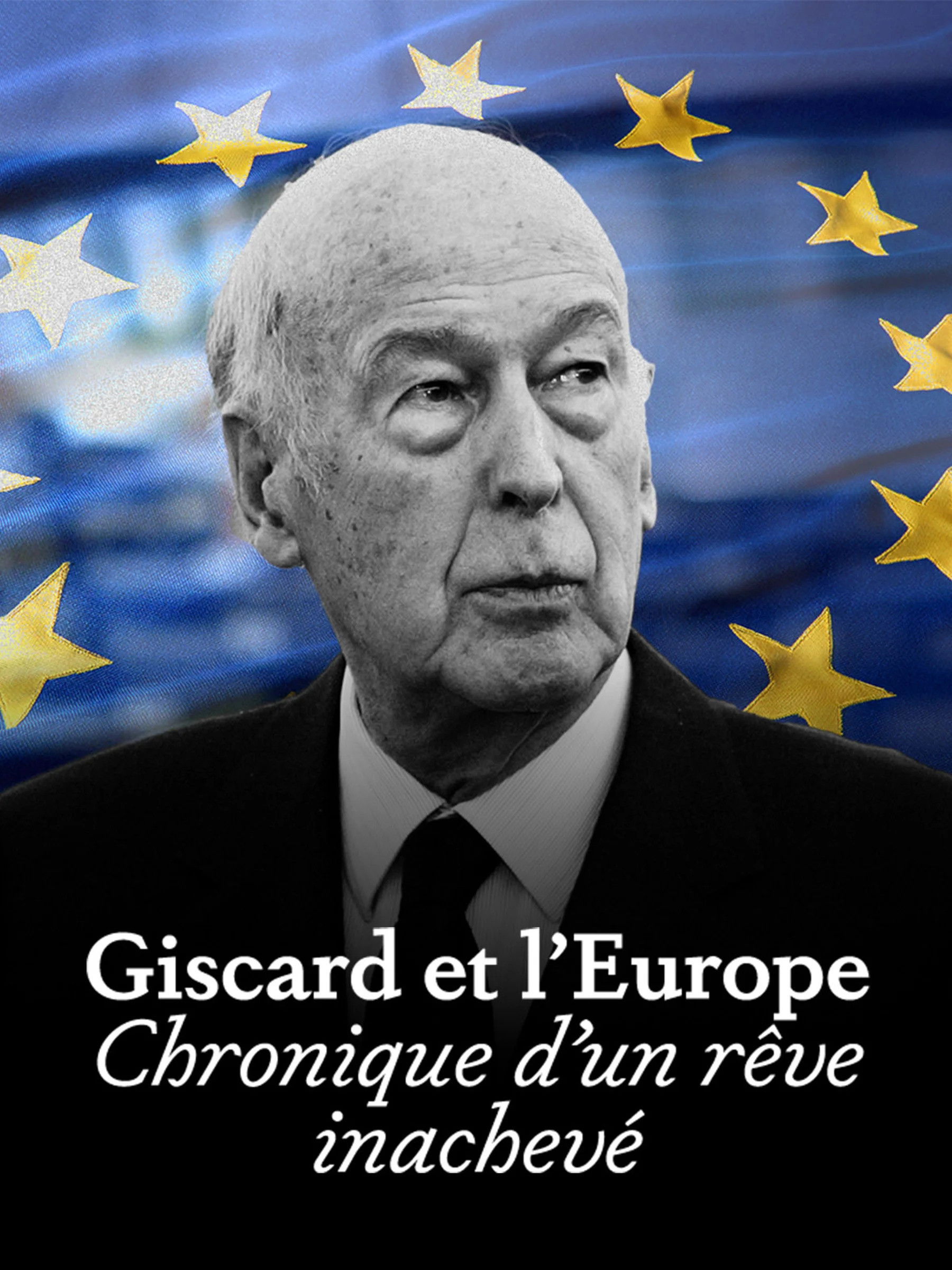
Over half a century of public service, Valéry Giscard d'Estaing embodied the dream of a united and strong Europe. From the youthful enthusiasm of the 1950s to the disillusionment of the 2005 referendum, his career chronicles an ideal confronted with the realities of power, national resistance, and populist winds. He tirelessly attempted to realize his youthful dream: a United States of Europe.
A variety of scientific subjects, including the laboratory of a plastic surgeon in London, and his method for applying permanent makeup; a new school for kiddies employing finger paint so they can express their urge to put things on paper; Army aviation, showing the latest development in blind landing. Produced in Cinecolor.
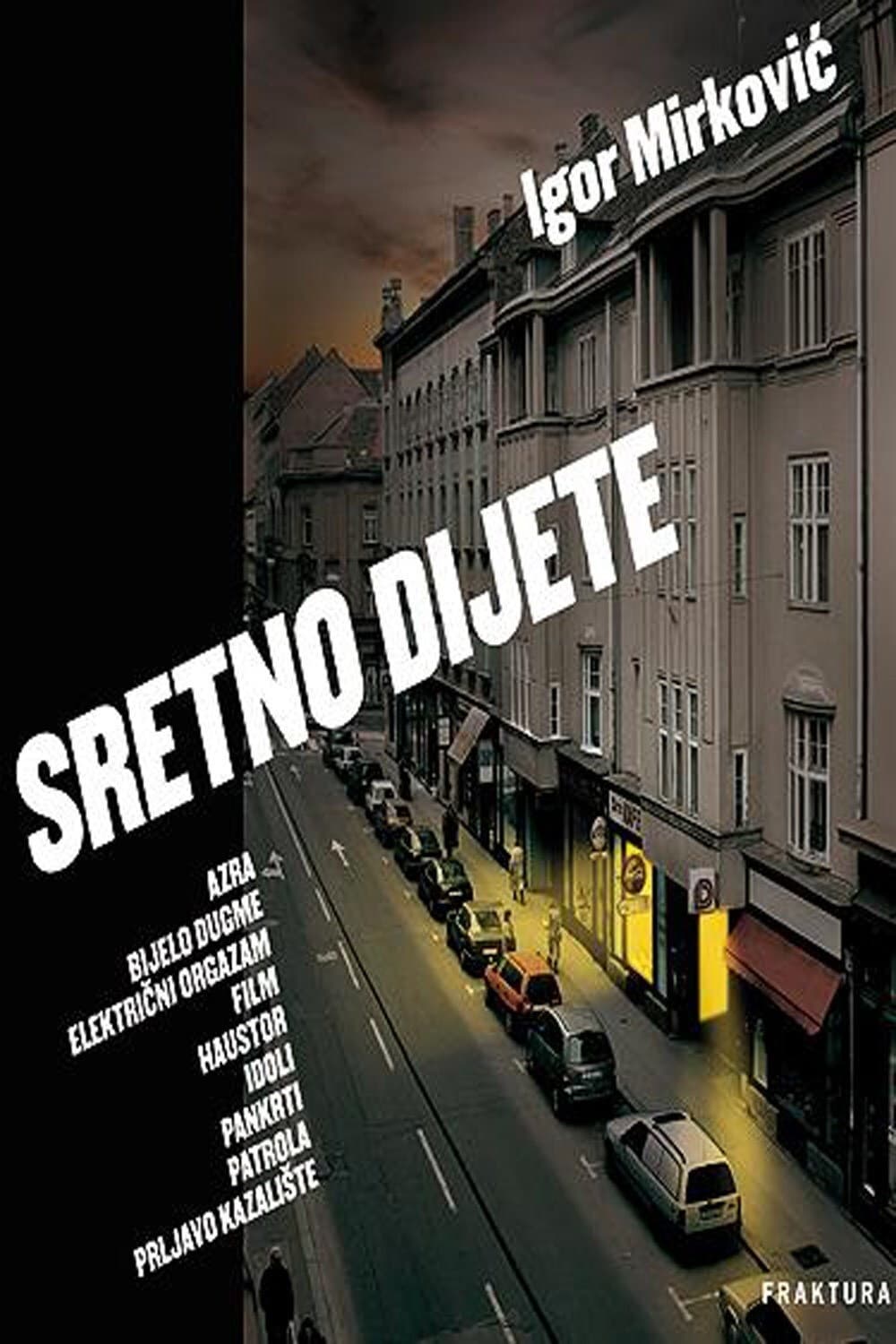
The Happy Child is a story of "New Wave" rock genre predominant in the ex-Yugoslavia during the socialist 70's and 80's.
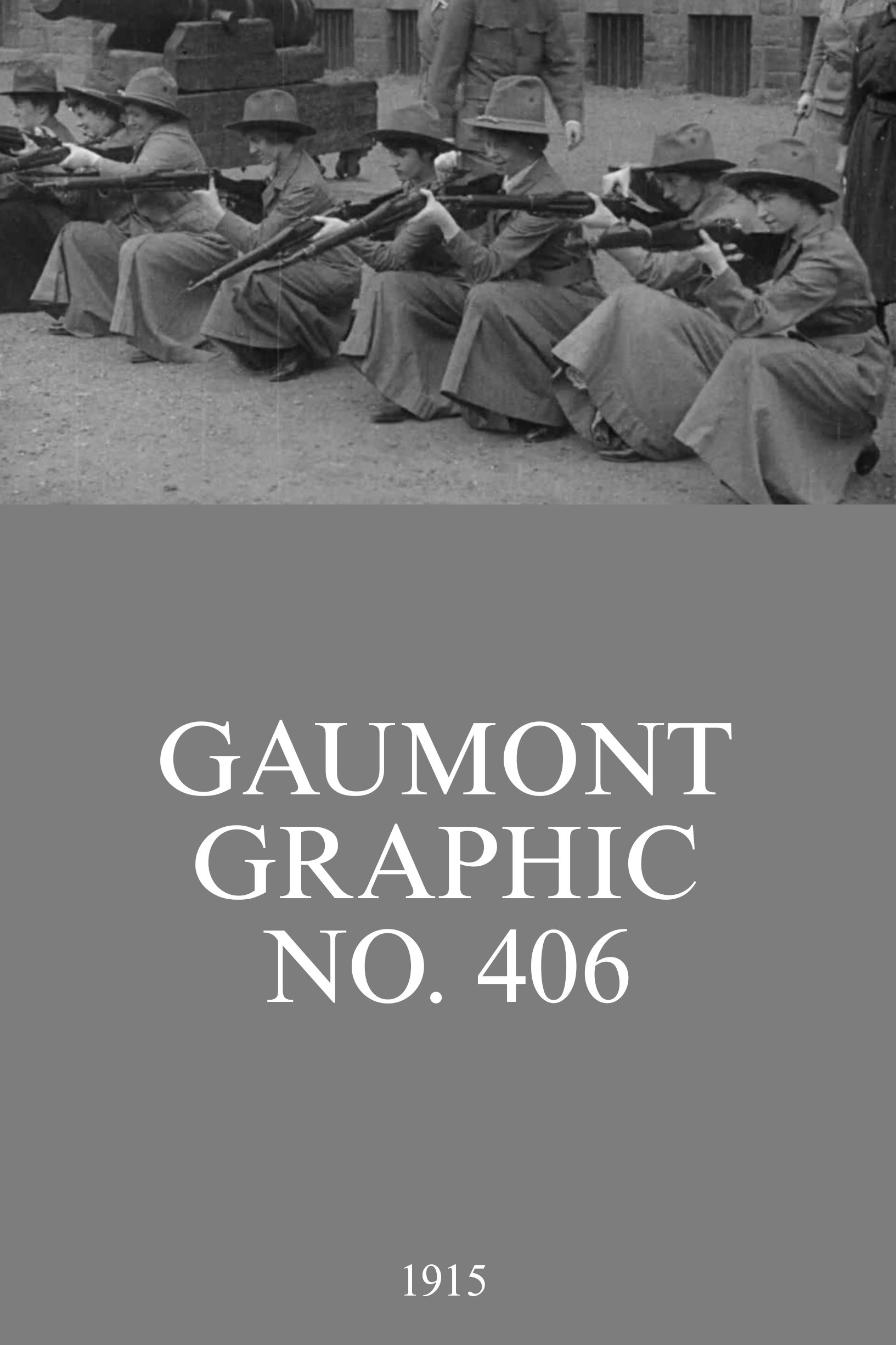
This intriguing and beautifully-shot newsreel features sea-faring heroes, feisty females and a generous lick of paint for a Mississippi steamship.
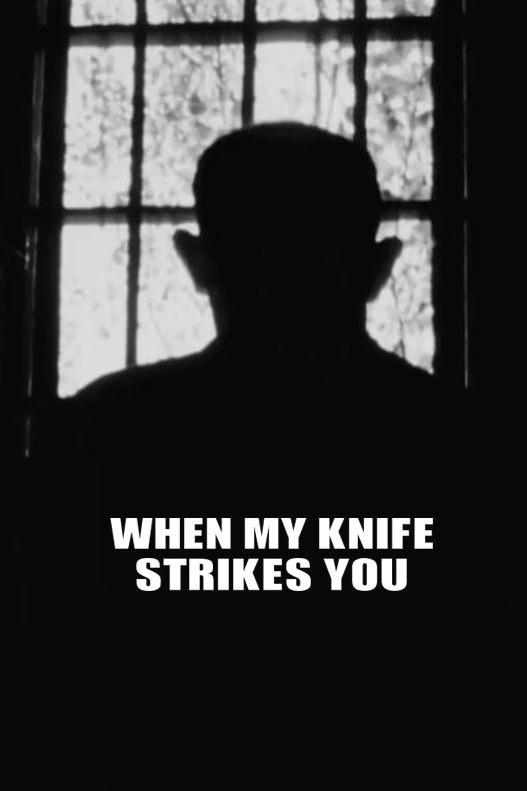
Shot in various villages throughout Yugoslavia, this is a disturbing document of a time when people were stabbing each other with knives without any real reason. Murderers, people who witness these murders and the families of victims all talk about the senseless violence and the human condition.
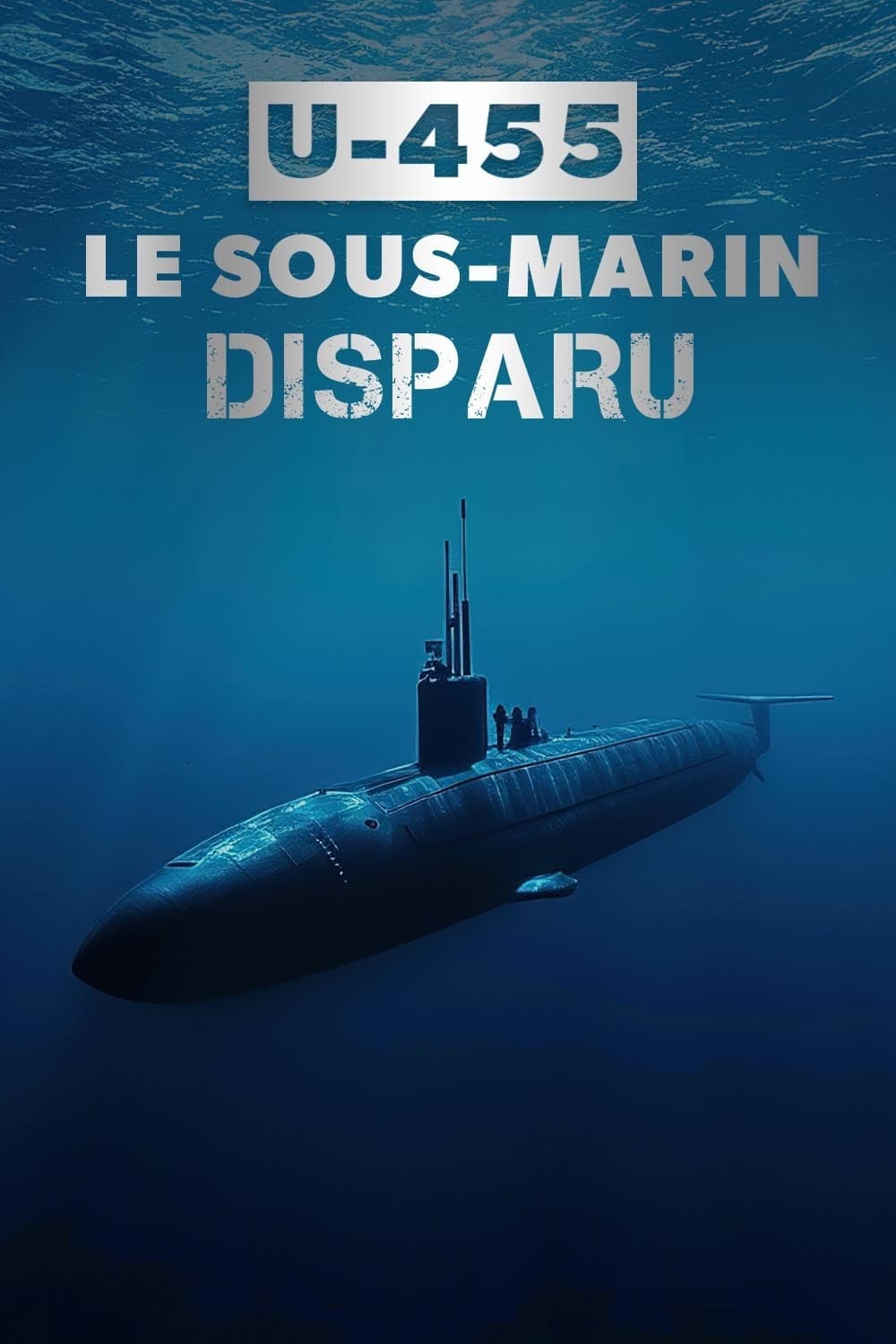
In 2008, German U- boat U-455 was discovered off the coast of Italy. 400 feet down, the submarine stands almost vertically on the ocean floor. This documentary will reveal its history and the cause of its demise.
Al Pacino's deeply-felt rumination on Shakespeare's significance and relevance to the modern world through interviews and an in-depth analysis of "Richard III."
This revealing documentary honors the legendary Sidney Poitier—iconic actor, filmmaker, and civil rights activist. Featuring interviews with Denzel Washington, Spike Lee, Halle Berry, and more.
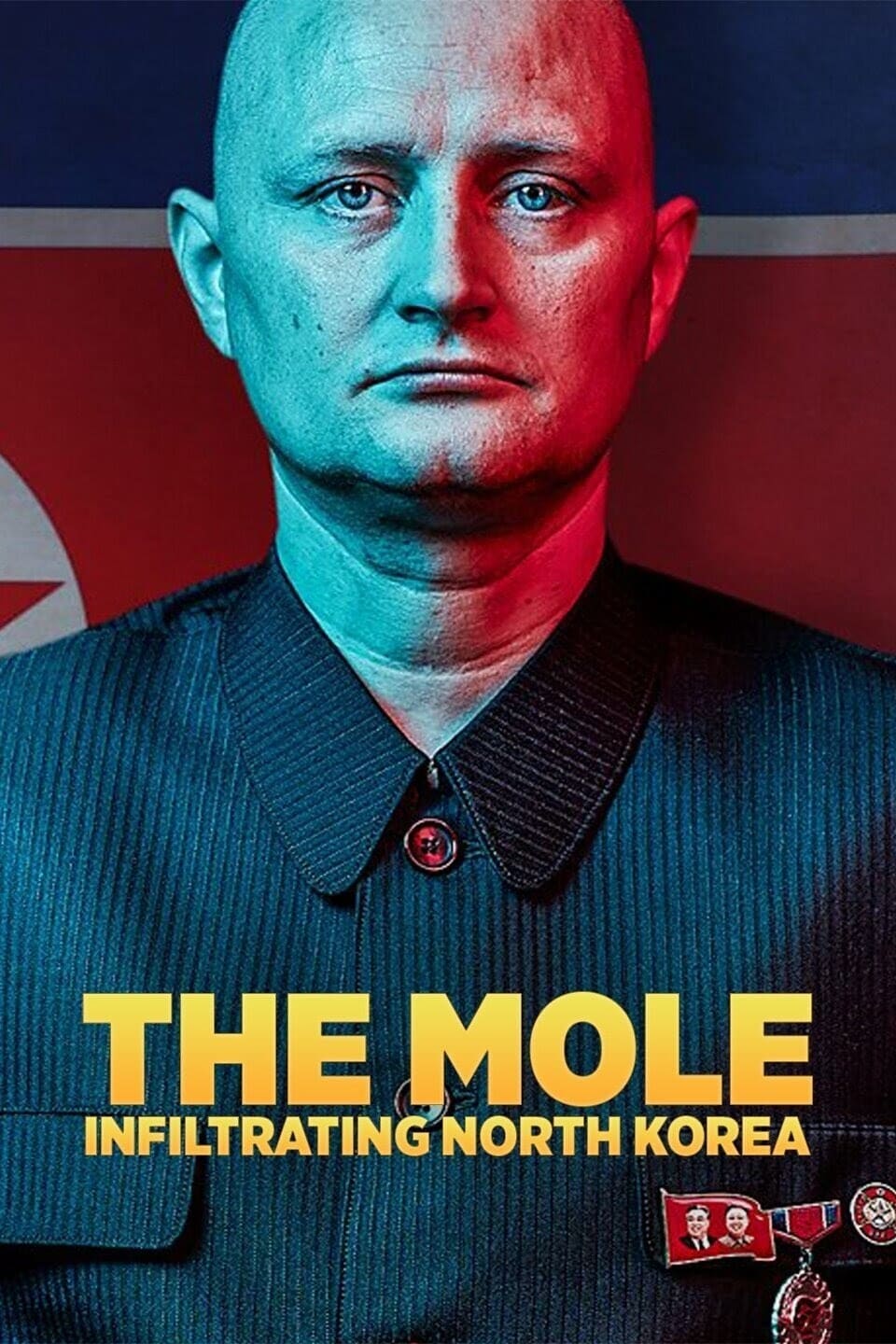
A real-life undercover thriller about two ordinary men who embark on an outrageously dangerous ten-year mission to penetrate the world's most secretive and brutal dictatorship: North Korea.
Prelude to War was the first film of Frank Capra's Why We Fight propaganda film series, commissioned by the Pentagon and George C. Marshall. It was made to convince American troops of the necessity of combating the Axis Powers during World War II. This film examines the differences between democratic and fascist states.
SEDUCED AND ABANDONED combines acting legend Alec Baldwin with director James Toback as they lead us on a troublesome and often hilarious journey of raising financing for their next feature film. Moving from director to financier to star actor, the two players provide us with a unique look behind the curtain at the world's biggest and most glamourous film festival, shining a light on the bitter-sweet relationship filmmakers have with Cannes and the film business. Featuring insights from directors Martin Scorsese, 'Bernando Bertolucci' and Roman Polanski; actors Ryan Gosling and Jessica Chastain and a host of film distribution luminaries.
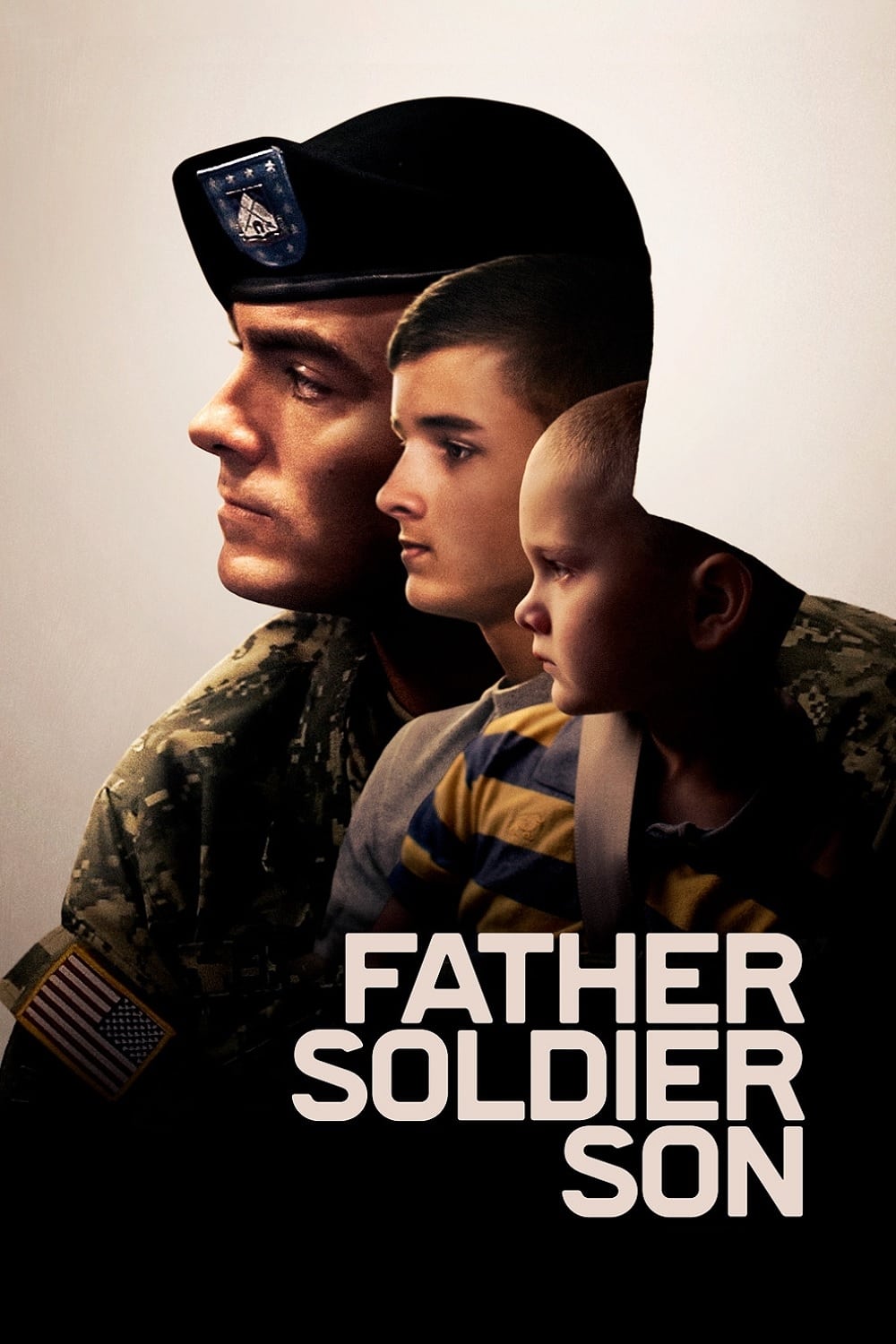
When Sgt. First Class Brian Eisch is critically wounded in Afghanistan, it sets him and his sons on a journey of love, loss, redemption and legacy.
An inside look at one of the most anticipated movie sequels ever with James Cameron and cast.
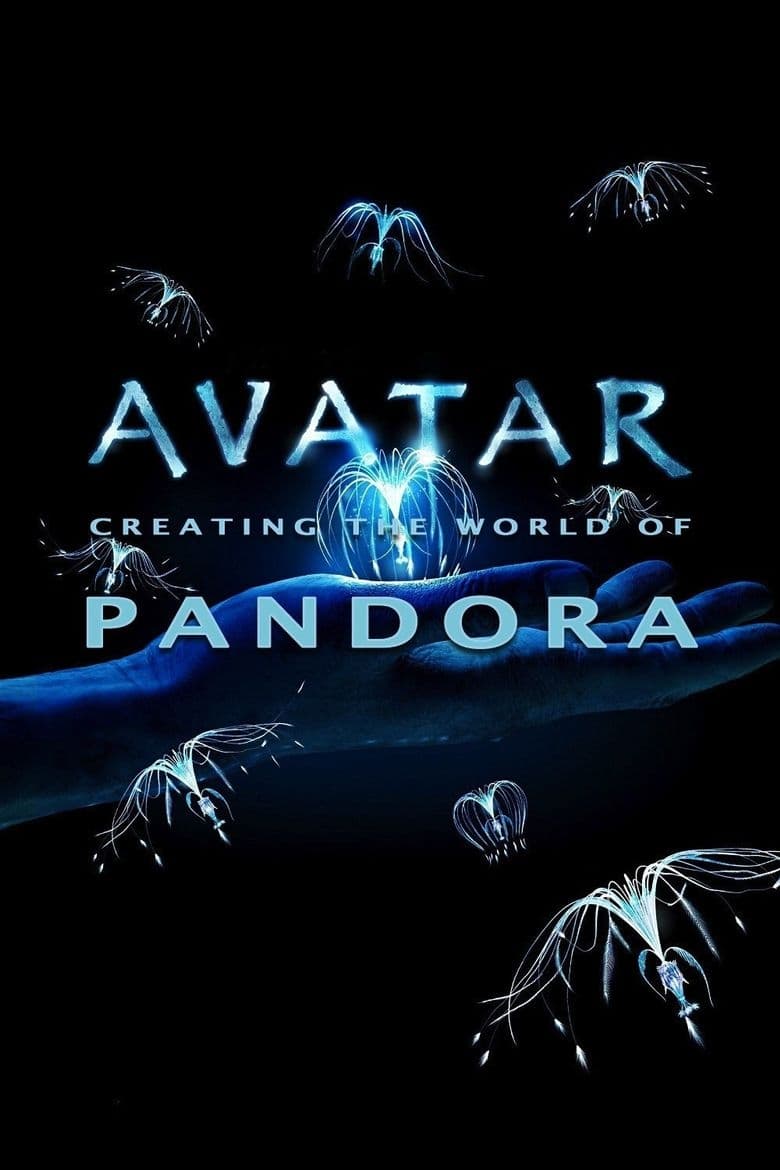
The Making-of James Cameron's Avatar. It shows interesting parts of the work on the set.
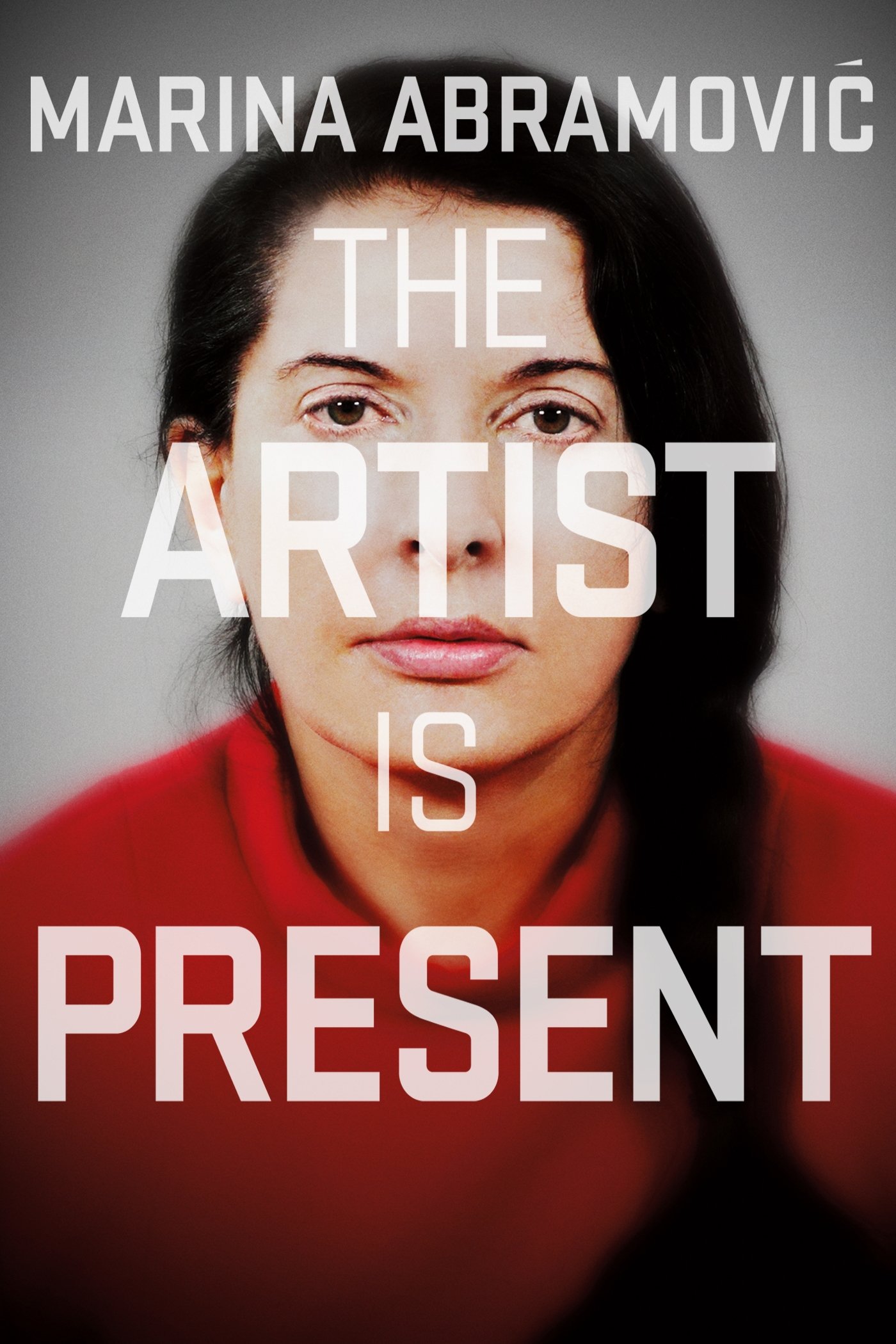
Performance artist Marina Abramovic prepares for a major retrospective of her work at the Museum of Modern Art in New York.
A string of threatening emails escalates into a revenge plot involving a newly married US marshal and his ex-girlfriend.
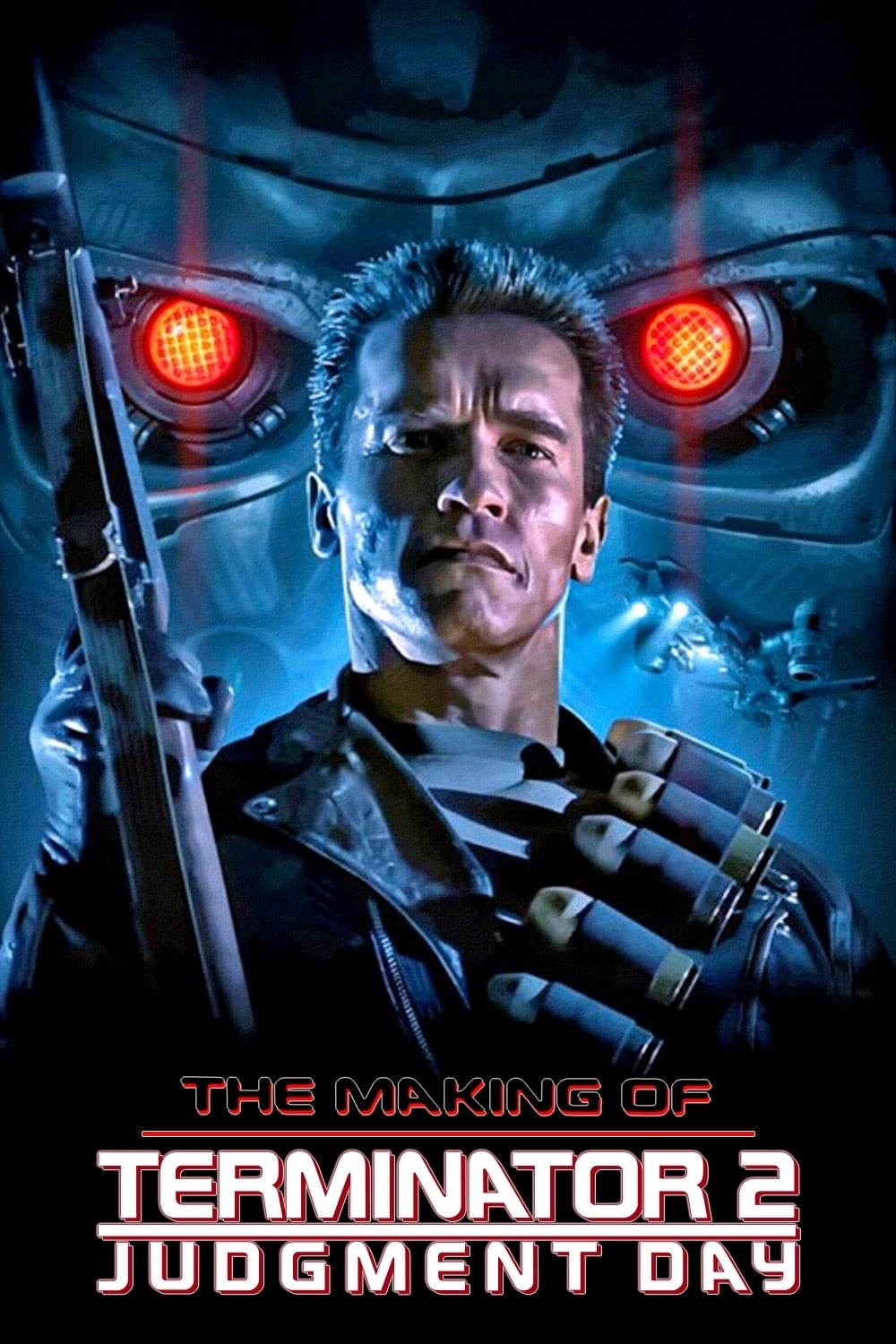
Documentary of the making of the sequel to the popular Schwarzenegger film, The Terminator.
A documentary about the life and films of director John Ford.
Through deeply personal interviews with her siblings and an examination of the photographs, letters, and belongings left behind, Mariska assembles a new portrait of her mother Jayne Mansfield, an extraordinary and complex woman.
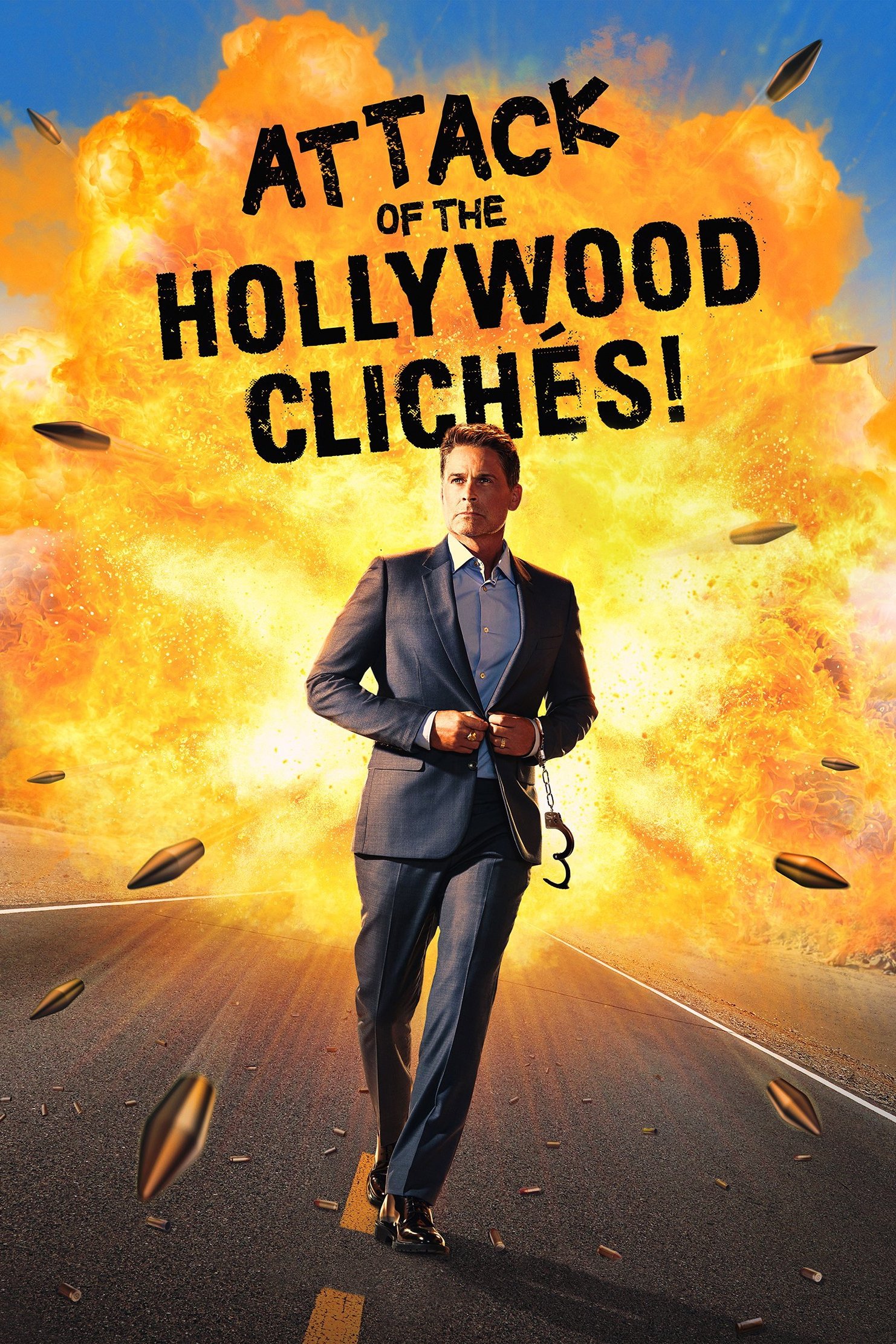
One-man armies, meet-cutes, casual strolls away from huge explosions — stars and industry insiders toast and roast these cinematic chestnuts and more.
In an intimate and joyful story of love in the face of loss, celebrated poets Andrea Gibson and Megan Falley find strength—and unexpected hilarity—in what might be their final year together.
A visual montage portrait of our contemporary world dominated by globalized technology and violence.
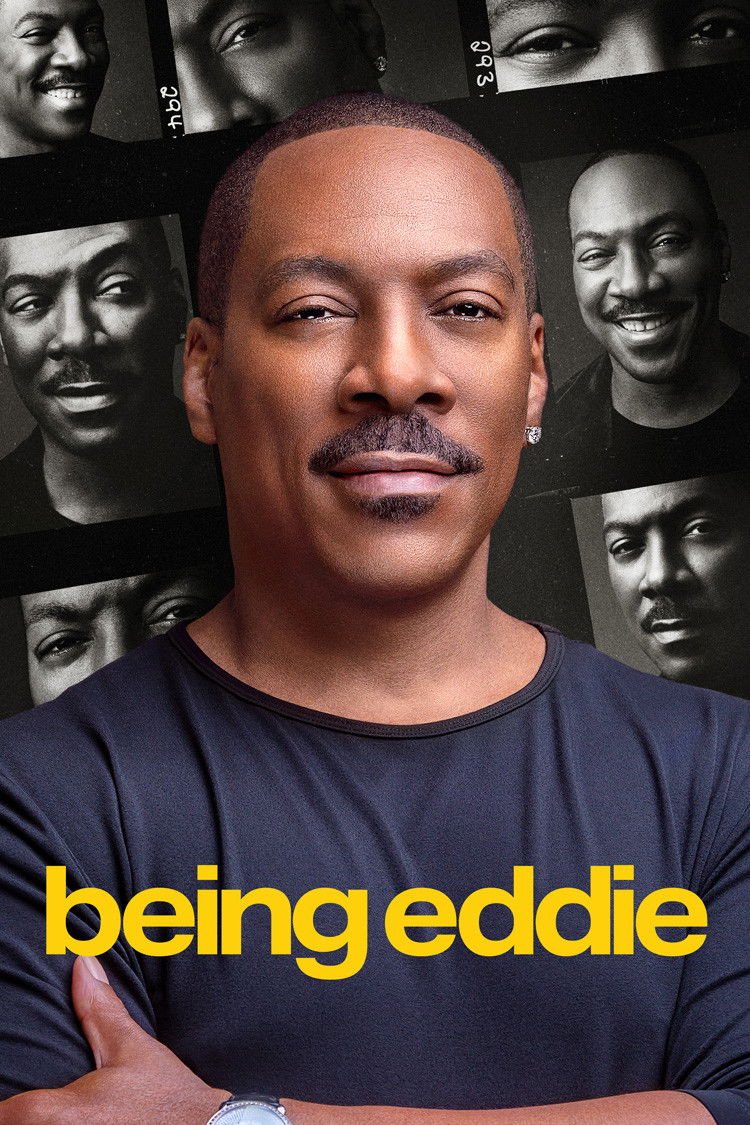
From teen comedian to Hollywood legend, Eddie Murphy revisits his extraordinary showbiz ride with raw honesty and humor.
Director Michael Apted revisits the same group of British-born adults after a 7 year wait. The subjects are interviewed as to the changes that have occurred in their lives during the last seven years.
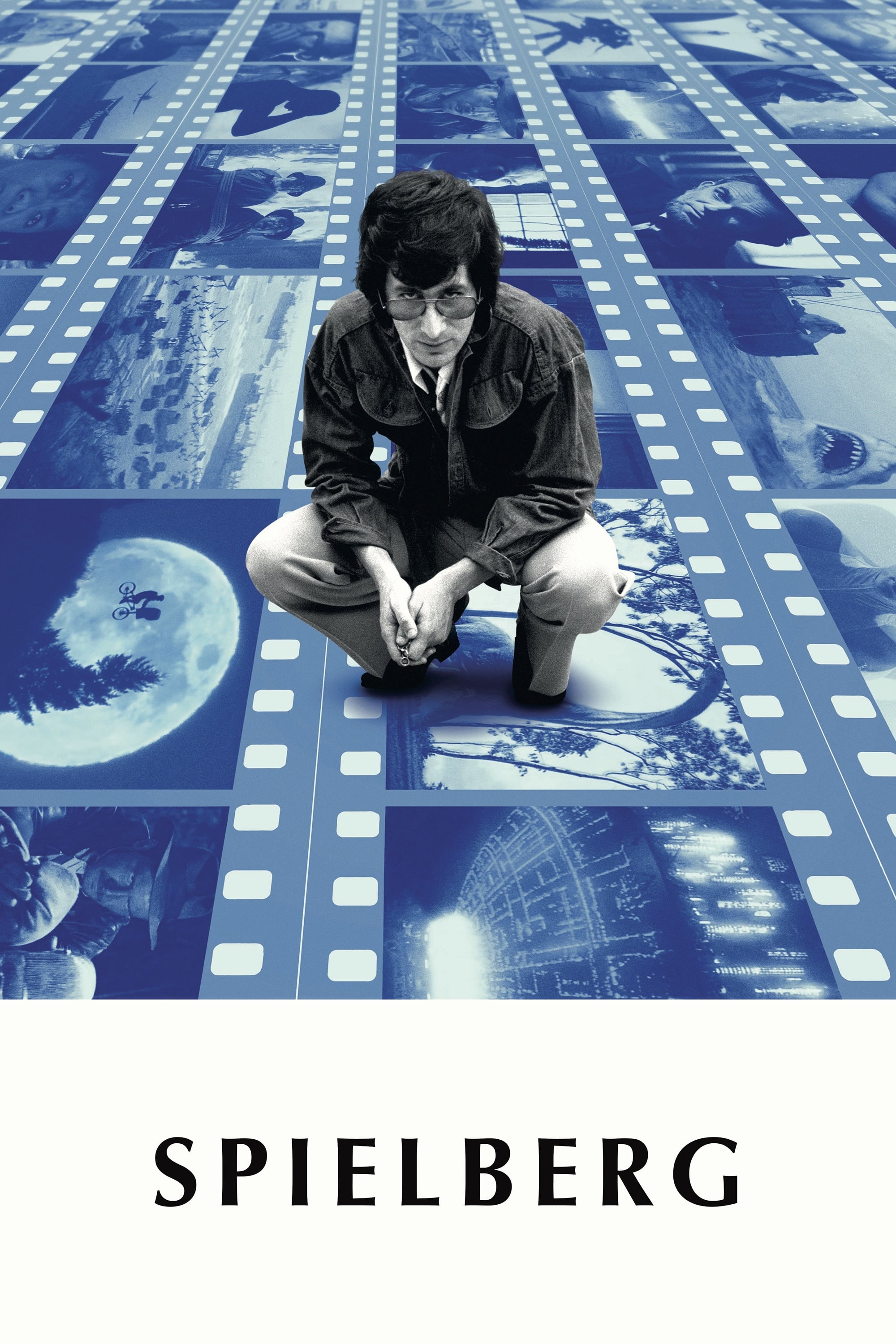
A documentary on the life and career of one of the most influential film directors of all time, Steven Spielberg.
Brilliant, long in-the-works story of the life and art of the world's greatest comedian and the cinema's first genius, Charlie Chaplin. Produced, written and directed by renowned film critic Richard Schickel.