In continuous motion with no end or barrier in its way.
Social & External
The people behind it
Culled from four rolls of Super-8 film shot while the maker was a development worker in a small South American village, Daumë is at its center a film about ritual, power, and play. Daumë is both ethnography and critique; it is an interrogation into how to represent a place that can't be represented.
Terra Incognita is a lensless film whose cloudy pinhole images create a memory of history. Ancient and modern explorer texts of Easter Island are garbled together by a computer narrator, resulting in a forever repeating narrative of discovery, colonialism, loss and departure.
An ethnographic field report in which the Anthropologist describes the mythic creation of an unnamed ‘sun-scraping structure’ through the ritualized actions of the Red and the Blue Gods.
An experimental film about life on earth as a cosmic experiment and the curiosity and naivete of reaching out to alien life.
(Always) Next to Me is a 16mm film that pairs abstract sequences of plants developed directly on the film emulsion with intertitles briefly describing what was going on for me personally at the moment the plants were collected. I started the film at the beginning of the pandemic, just after I found out I was pregnant for the first time in April 2020 and finished it just before the birth of my baby in December of the same year.
Butterfly as verb. The monarch migration and an unearthed cassette tape correspondence form a storm speaking towards motherhood, loss, expectation, care and legacy. An elegy. An ode to uncertainty. A cry for radical optimism and a reordering of splendor.
In an abandoned shopping center outside of Cleveland, the story of the last remaining grocery store is told through recent google reviews.
Set in Charlottesville during the early 1990s, "Pride" follows an aspiring writer as she finalises stories for the latest issue of "Pride", a student run newspaper at the University of Virginia. Over a hectic two-day period, she puts the finishing touches on the upcoming issue. Despite the looming deadline, she moves with a calm confidence.
Other than the ocean, the rest of the planet was bathed in purple, which was due to the colour of the vegetation. The change in the sun’s radiation had probably caused the plants to evolve as they adapted to the new light.
Ostensibly searching for an emotional connection with her aging father, the woman contemplates her own inherited culture and familial touchstones. Her North American pop culture sensibility fuses with a distorted Japanese perspective to create a surreal interpretation of a “Japan of the imagination.” This fictional landscape is peppered with invented Japanese myths, ruminations on memory loss, the temporal space of digital photography and the ghosts of inherited imagination.
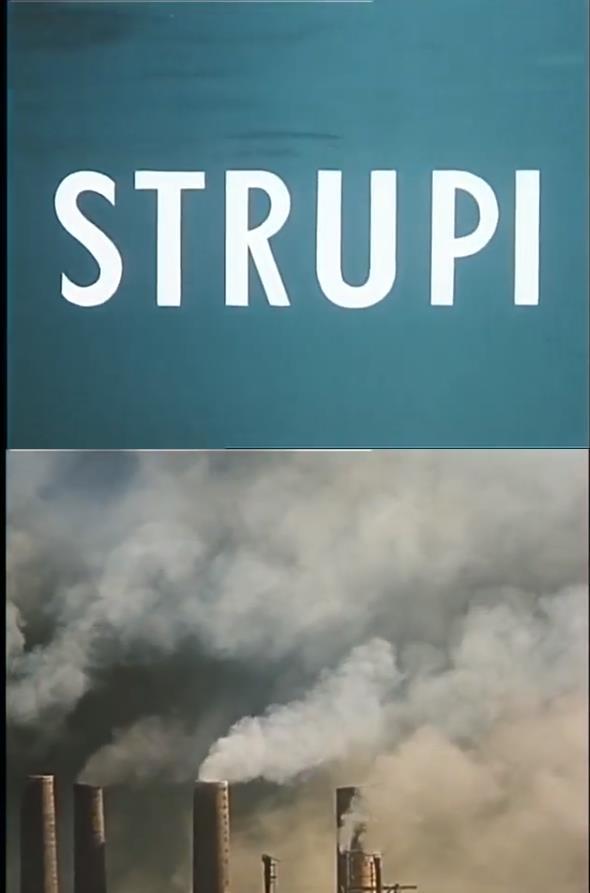
Industrialization brings progress, but also harmful influences on the environment. Warning of the dangers of waste materials dumped into the air and the waters.
A first feature based on sexual events. An actress undertakes her desire of directing her first movie, without a budget or any production company funding her project. She gathers a group of professional actors and actresses, and proposes a project based on a very particular experience: stepping on their fears through a metaphorical 'leap of faith'. As the project advances, individual conflicts will arise affecting the shoot, making the movie crew wonder whether or not they should go on. Will they take the leap of faith with all its consequences?
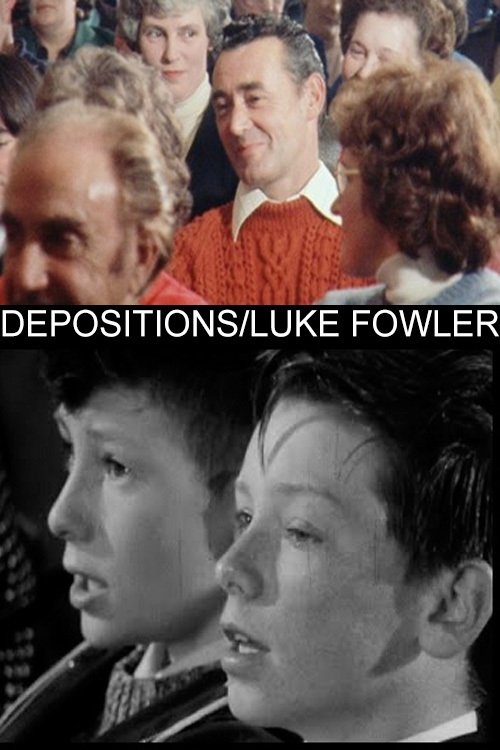
The quietly insistent and critical DEPOSITIONS attempts to restore some dignity to images of the communities of the Scottish highlands taken from patronizing BBC documentaries and news features from the 70’s and 80’s. DEPOSITIONS repurposes footage from the archives of the BBC and sound from the School of Scottish Studies, it is a film about differences and dichotomies: science and superstition, near and far, community and the individual.
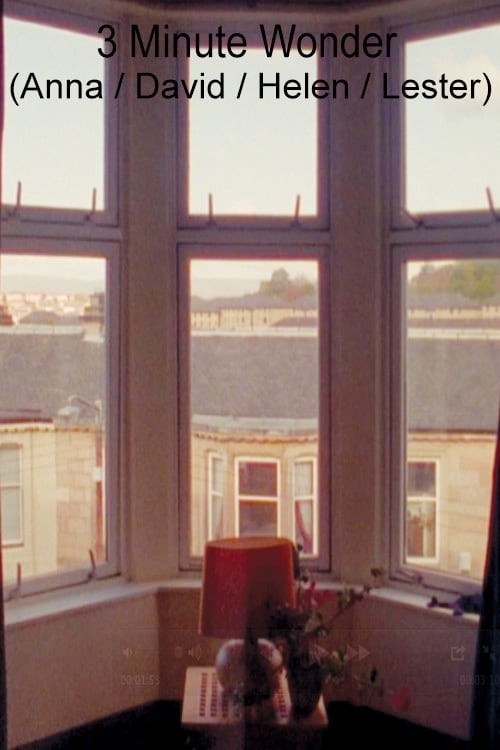
A series of portraits, made for Television, of four diverse individuals brought together through shared residence. These short films were filmed in the tenement where I lived for eight years. The first is shot in our bedroom, which doubled up as my former partner's office, the three others were shot in architecturally identitical spaces owned by my then neighbours. Shot and edited on a single 16mm bolex camera using available light throughout, the films invoke reflections on the four individuals, how they occupy these particular spaces together.
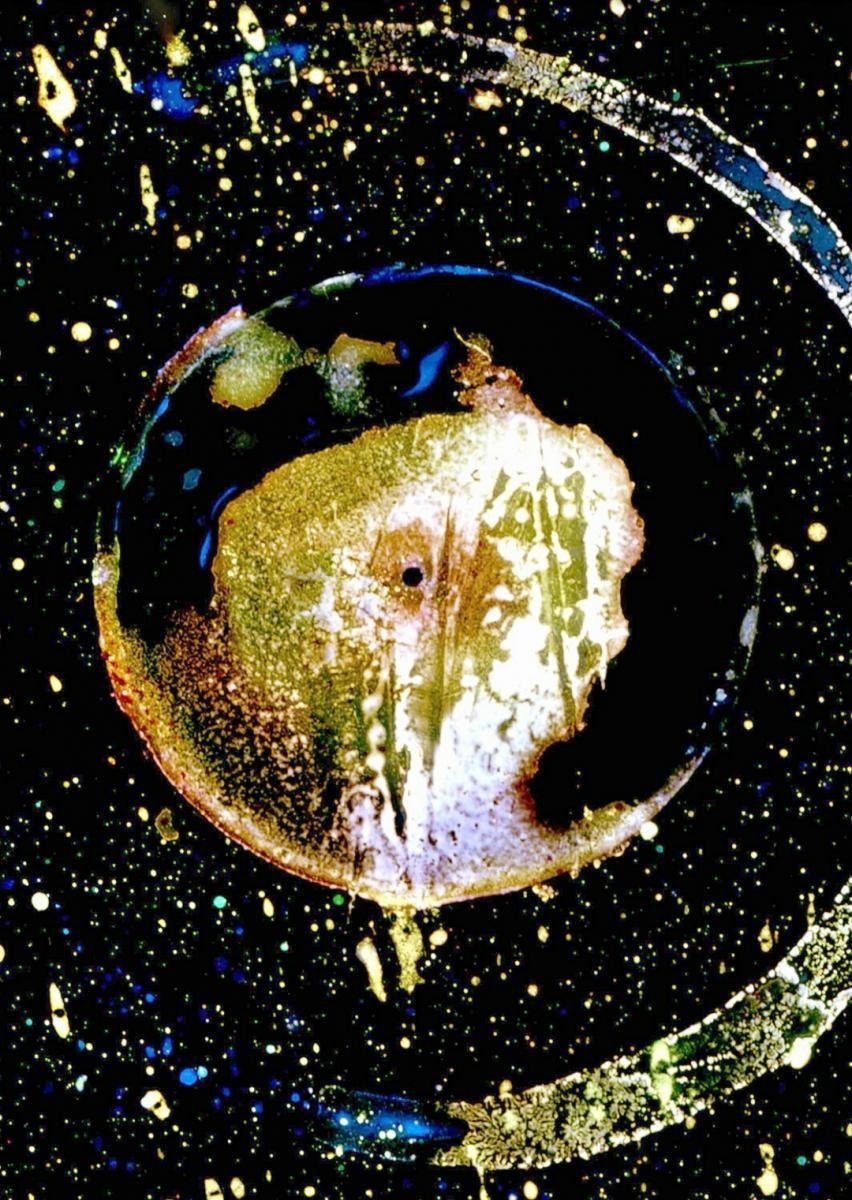
Sistiaga painted directly on 70mm film a circular (planetary?) form, around which dance shifting colours in a psychedelic acceleration matched by the soundtrack’s deep-space roar and howl. - Cinema Scope
Clouds 1969 by the British filmmaker Peter Gidal is a film comprised of ten minutes of looped footage of the sky, shot with a handheld camera using a zoom to achieve close-up images. Aside from the amorphous shapes of the clouds, the only forms to appear in the film are an aeroplane flying overhead and the side of a building, and these only as fleeting glimpses. The formless image of the sky and the repetition of the footage on a loop prevent any clear narrative development within the film. The minimal soundtrack consists of a sustained oscillating sine wave, consistently audible throughout the film without progression or climax. The work is shown as a projection and was not produced in an edition. The subject of the film can be said to be the material qualities of film itself: the grain, the light, the shadow and inconsistencies in the print.
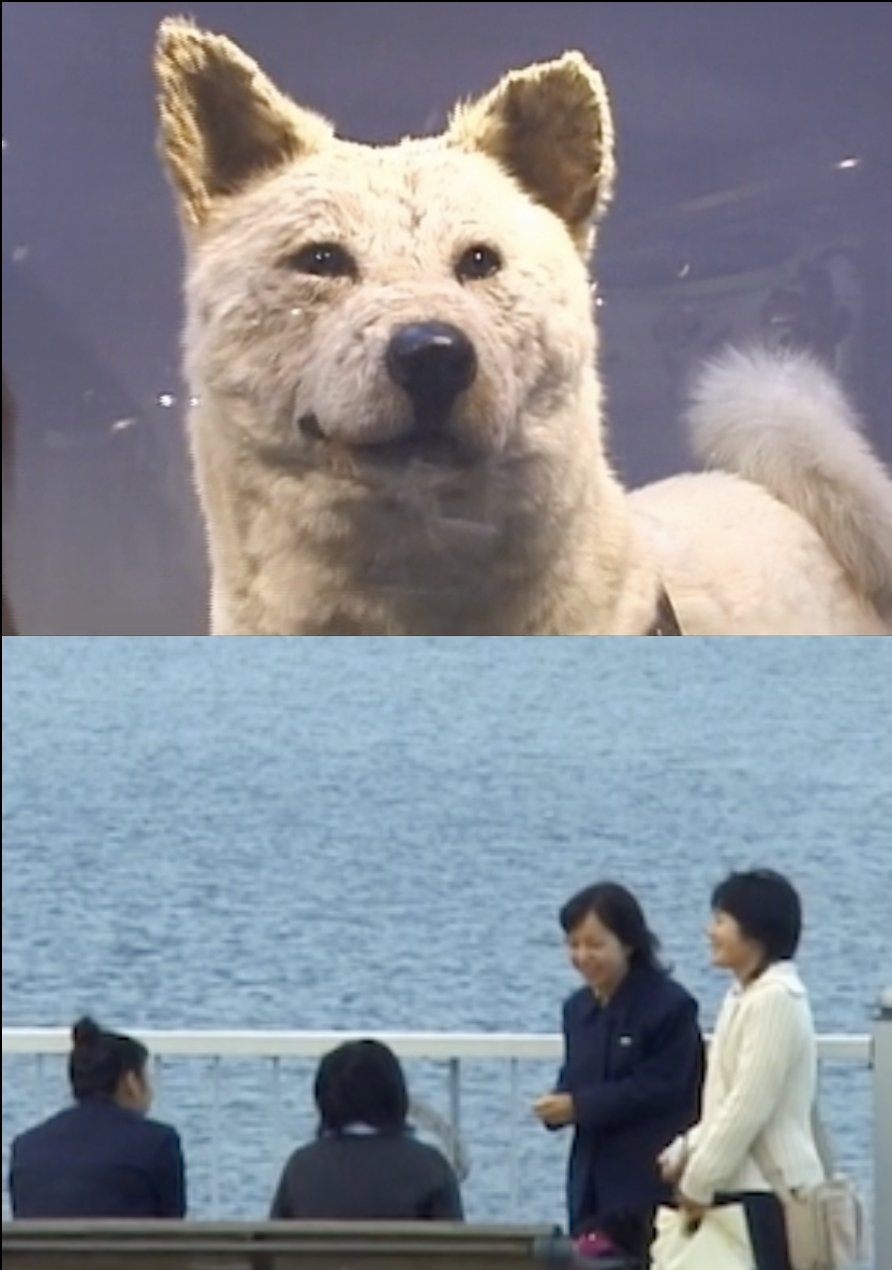
Emerging from a period of withdrawal, a social recluse or ‘hikikomori’ relates her inner experiences against the backdrop of an illuminated and restless urban environment that never sleeps.
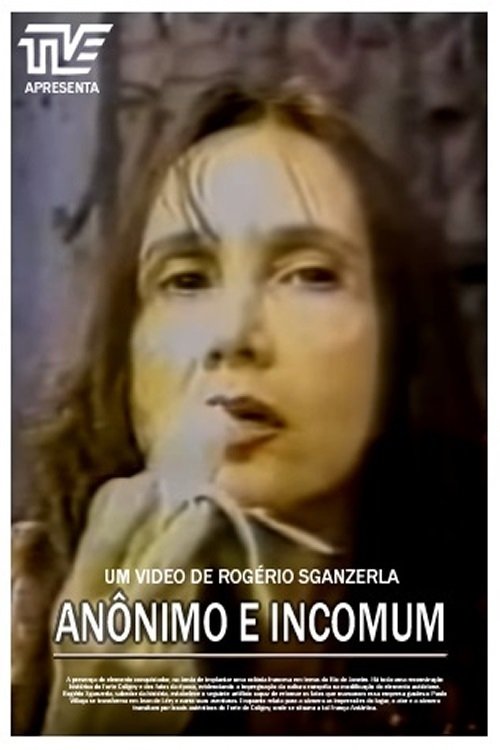
Documentary on the interdependence of the world of the living and the dead, and 'the infernal influence on the thoughts and actions of living people.
The film follows adventurer Jeff Johnson as he retraces the epic 1968 journey of his heroes Yvon Chouinard and Doug Tompkins to Patagonia.
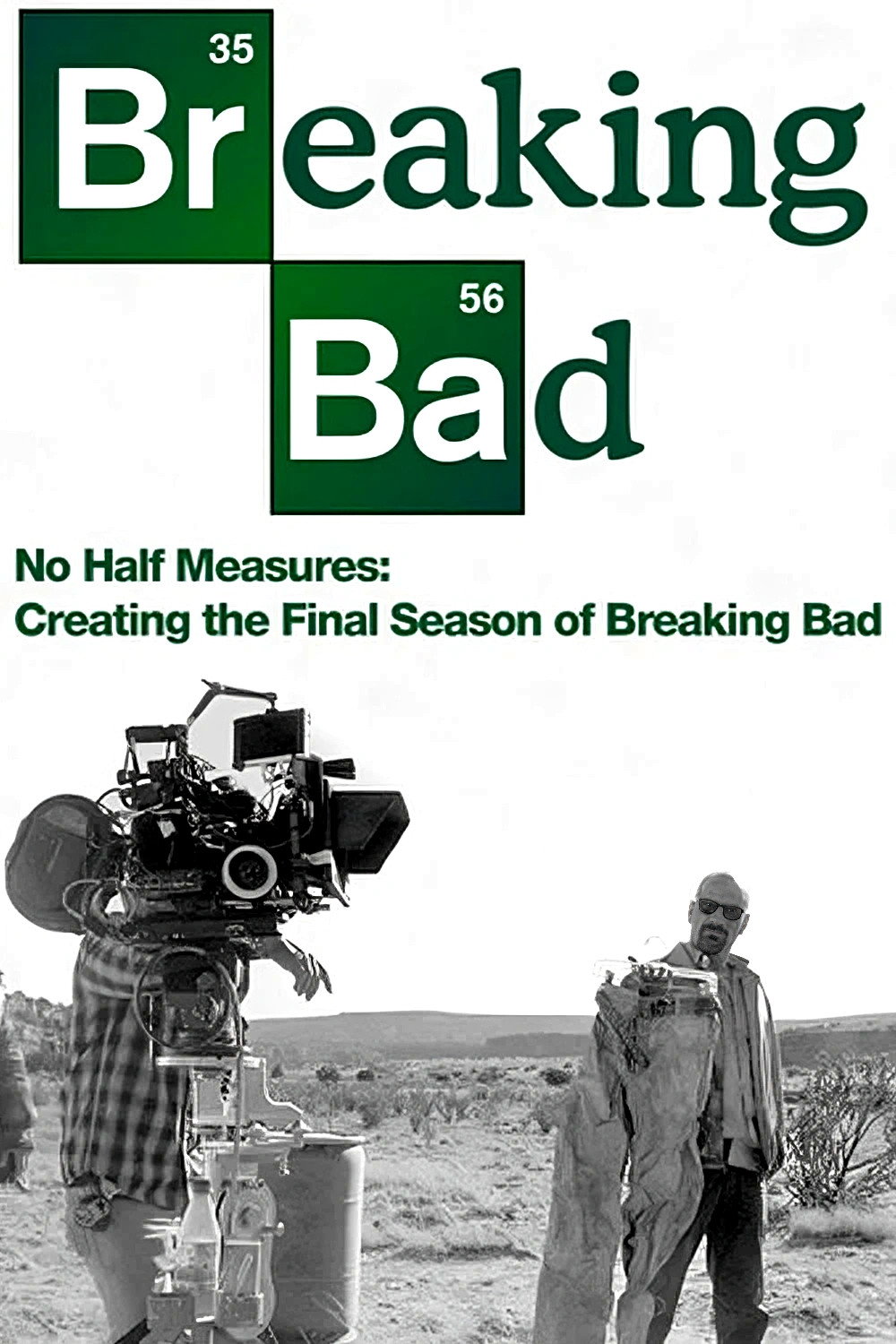
A documentary about the making of season five of the acclaimed AMC series Breaking Bad.
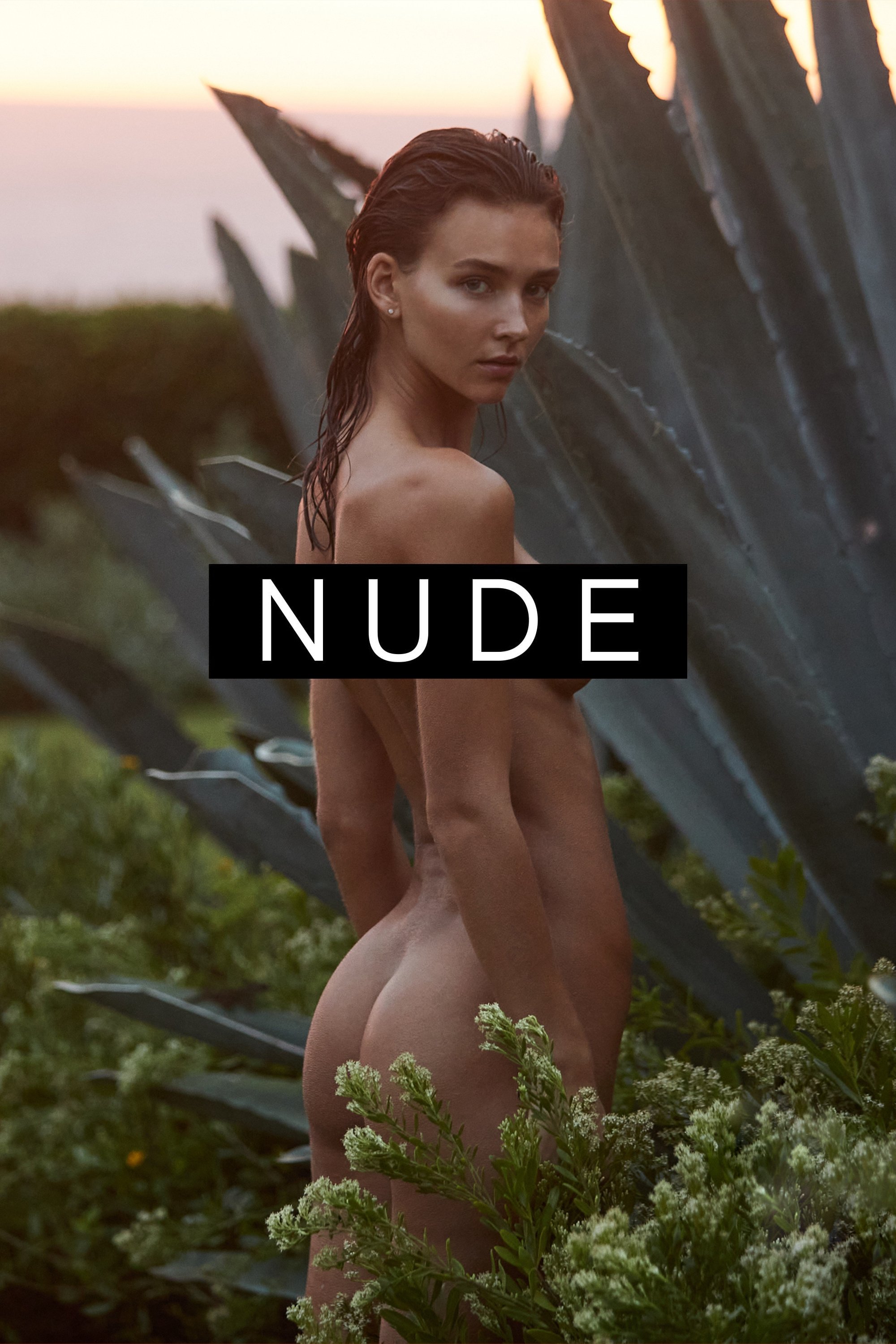
NUDE explores perceptions of nudity in art by chronicling the creative process of photographer David Bellemere as he's commissioned by NU Muses founder Steve Shaw to shoot a fine art calendar of nude photographs.
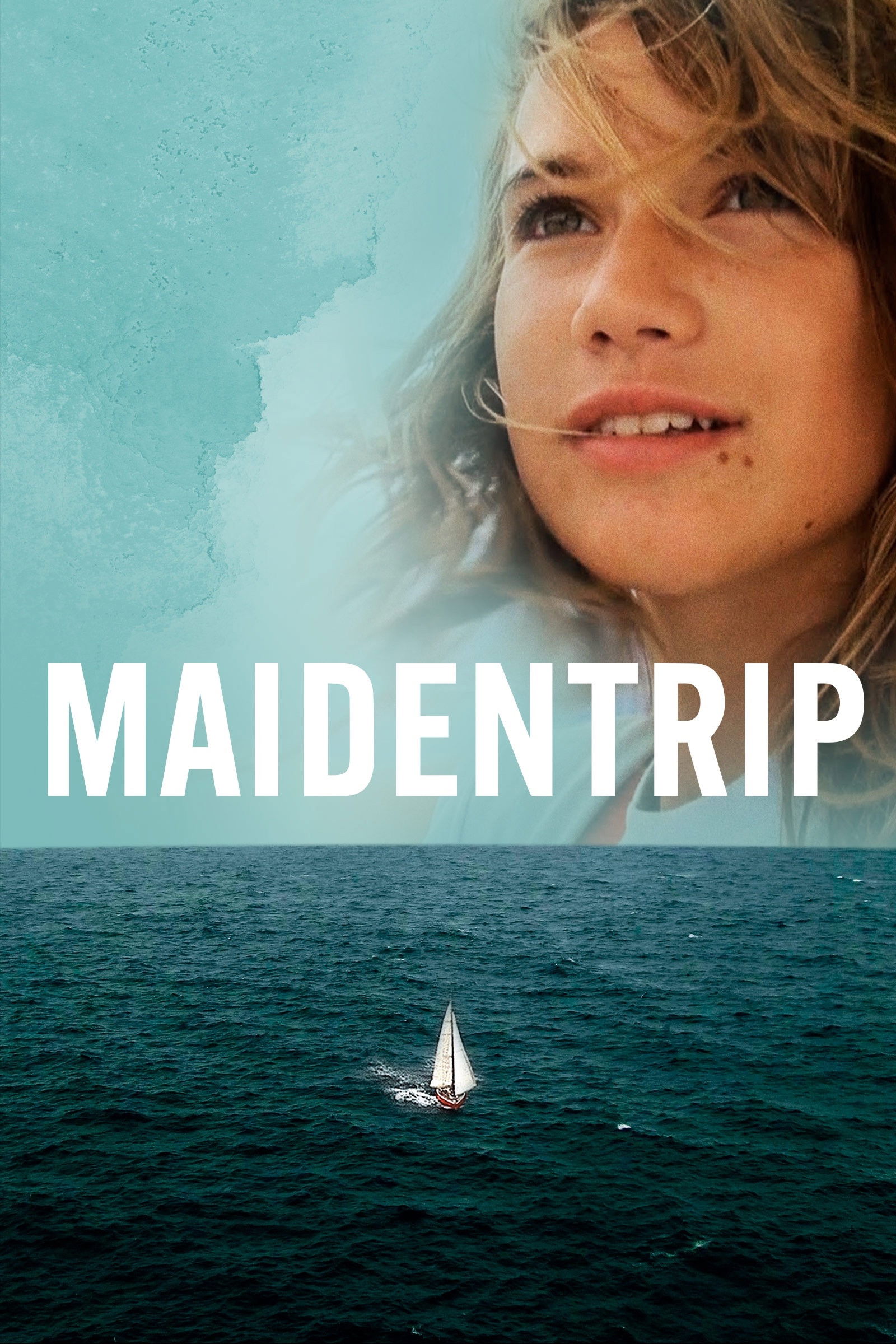
14-year-old Laura Dekker sets out on a two-year voyage in pursuit of her dream to become the youngest person ever to sail around the world alone.
A glimpse into the raw and simple power of nature through encounters with farm animals: the eponymous Gunda, a mother pig; two cows, and a one-legged chicken.
An inside look at one of the most anticipated movie sequels ever with James Cameron and cast.
A string of threatening emails escalates into a revenge plot involving a newly married US marshal and his ex-girlfriend.
Those who knew iconic funnyman John Candy best share his story, in their own words, through never-before-seen archival footage, imagery, and interviews.
Daniel Craig candidly reflects on his 15 year adventure as James Bond. Including never-before-seen archival footage from Casino Royale to the upcoming 25th film No Time To Die, Craig shares his personal memories in conversation with 007 producers, Michael G Wilson and Barbara Broccoli.
The life and career of an actor, artist, and icon. His own journey through his own camera.
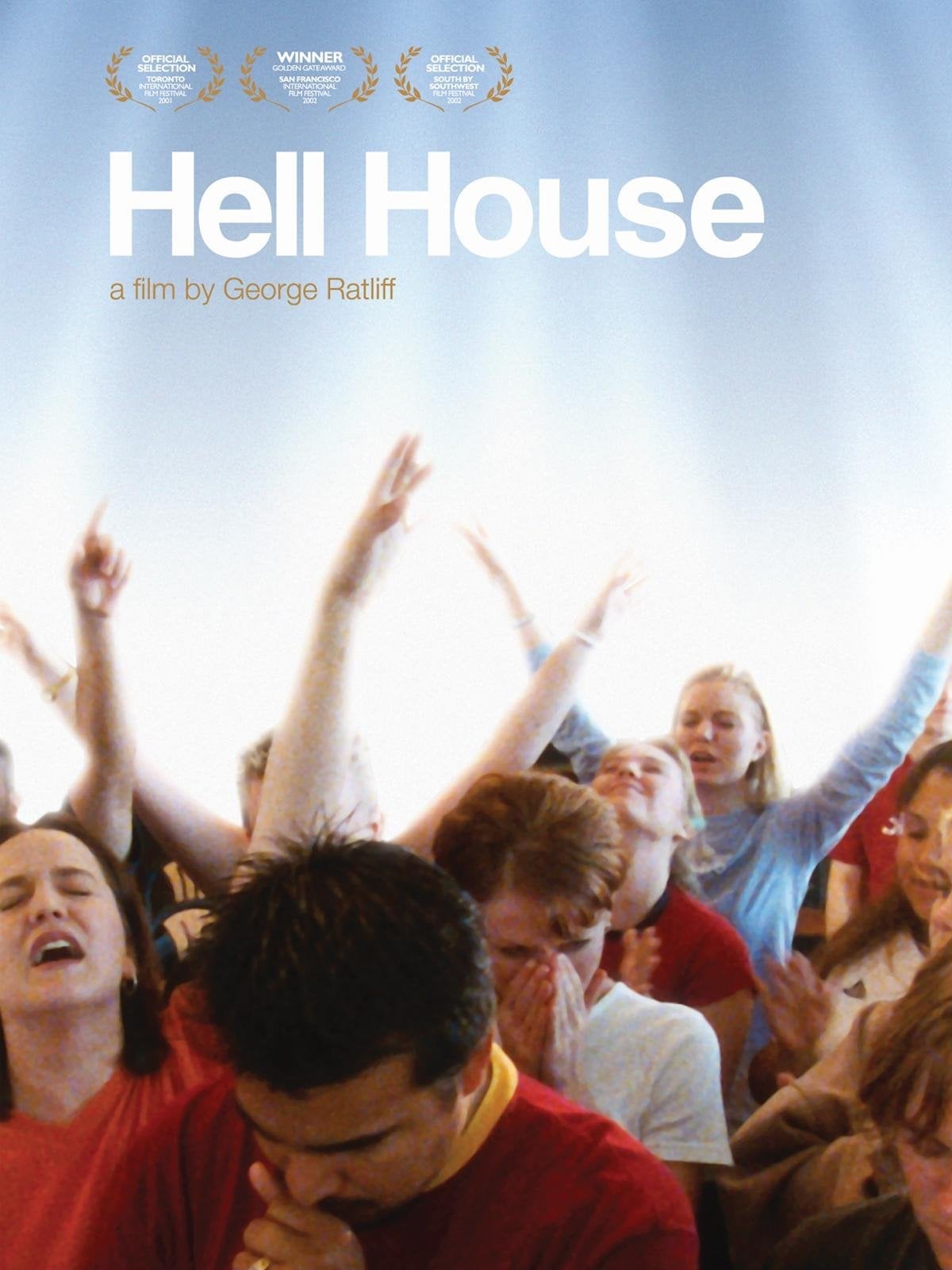
A look at the "Hell House" performed annually in October by the youth members of Trinity Church (Assemblies of God) in Cedar Hill, Texas (a Dallas suburb) — seen by over 10,000 visitors each year.
Ranjit, a farmer in India, takes on the fight of his life when he demands justice for his 13-year-old daughter, the victim of a brutal gang rape. His decision to support his daughter is virtually unheard of, and his journey unprecedented.
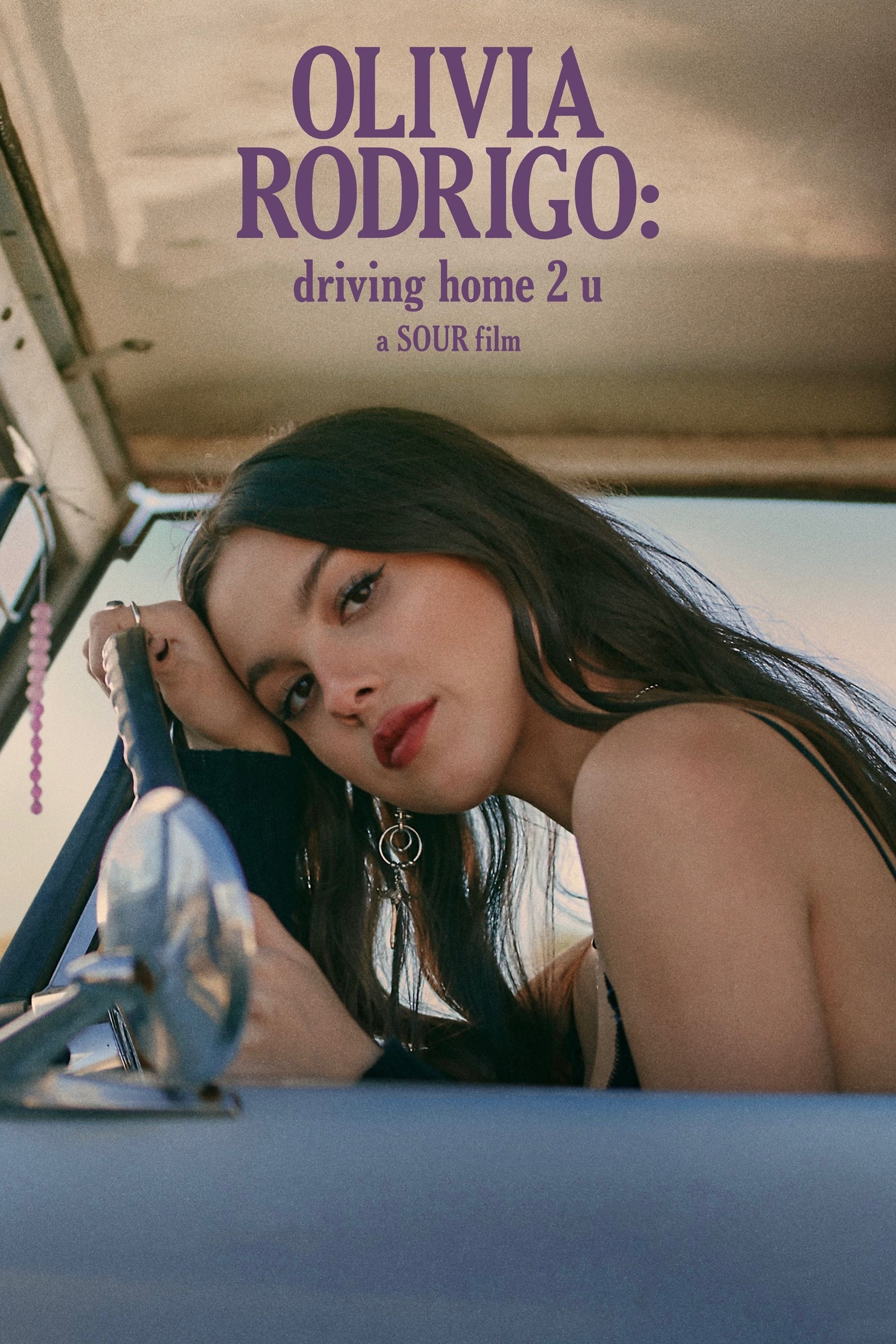
Grammy® winner singer-songwriter Olivia Rodrigo takes a familiar road trip from Salt Lake City, where she began writing her debut album “SOUR,” to Los Angeles. Along the way, Rodrigo recounts the memories of writing and creating her record-breaking debut album and shares her feelings as a young woman navigating a specific time in her life. Through new live arrangements of her songs, intimate interviews and never-before-seen footage from the making of the album, audiences will follow Olivia along on a cinematic journey exploring the story of “SOUR.”
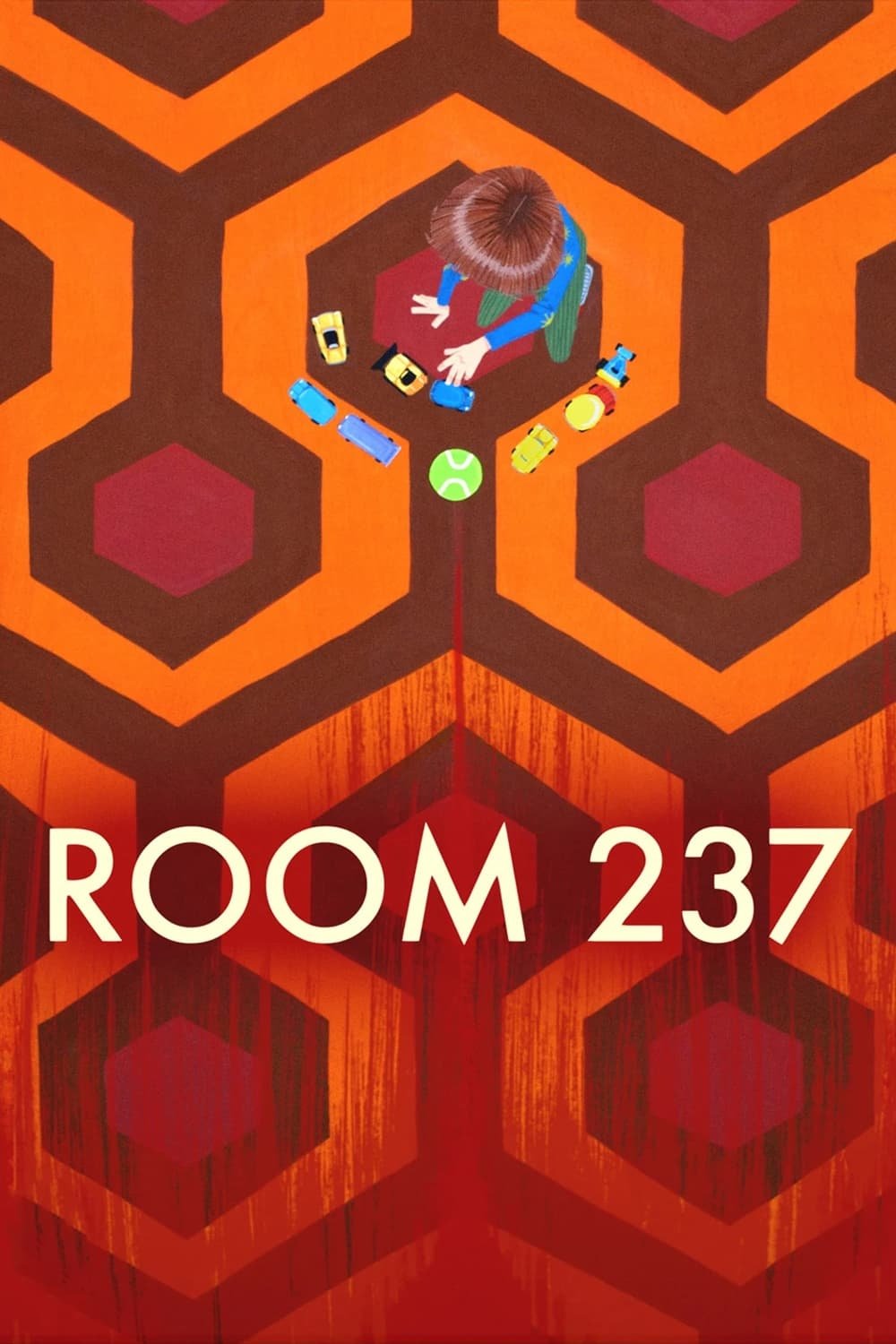
A subjective documentary that explores various theories about hidden meanings in Stanley Kubrick's classic film The Shining. Five very different points of view are illuminated through voice over, film clips, animation and dramatic reenactments.
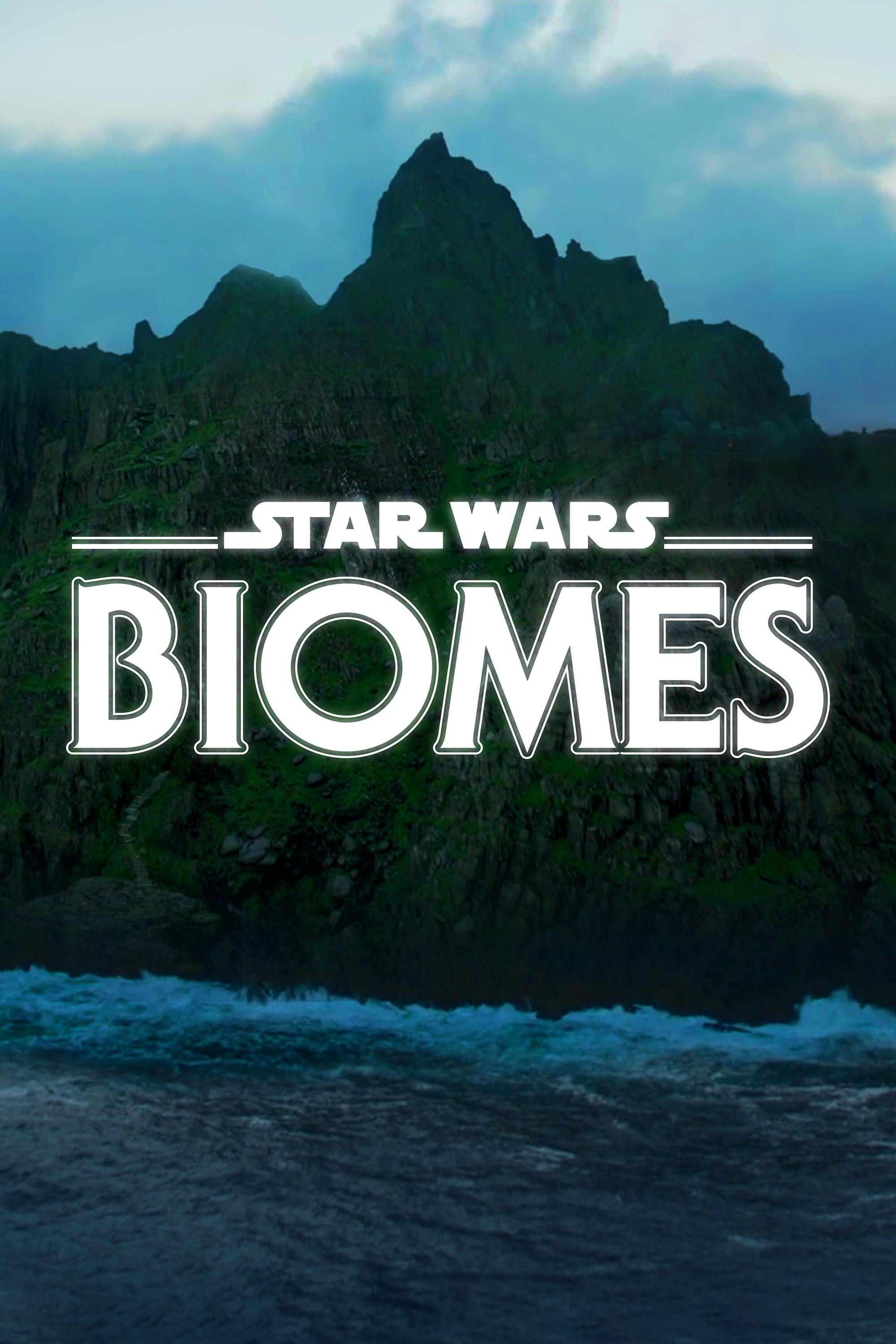
Take a virtual vacation to some of the Star Wars films' most iconic and beloved locations like Hoth, Tatooine, and Sorgan, as this charming series whisks you off for fly-through tours of the Galaxy Far, Far Away.
Bruce Conner’s most celebrated film for a reason: it takes historical moments that were replayed over and over on television—chilling repetition of Kennedy assassination coverage—and repurposes them into a meditation on how the media tries to exert authority and apply a sense of order to the anarchic. And though it may sound perverse to say so, the film is also—not incidentally—a thrill to watch. -- The A.V. Club
Police pull over a woman who claims she just gave birth. But the baby — and the blood — aren't hers. Twisted lies unravel in this true-crime documentary.
Interviews with leading authors, philosophers and scientists, with an in-depth discussion of the Law of Attraction. The audience is shown how they can learn and use 'The Secret' in their everyday lives.
A comedic, brutally honest documentary following self-destructive TV writer Dan Harmon as he takes his live podcast on a national tour.
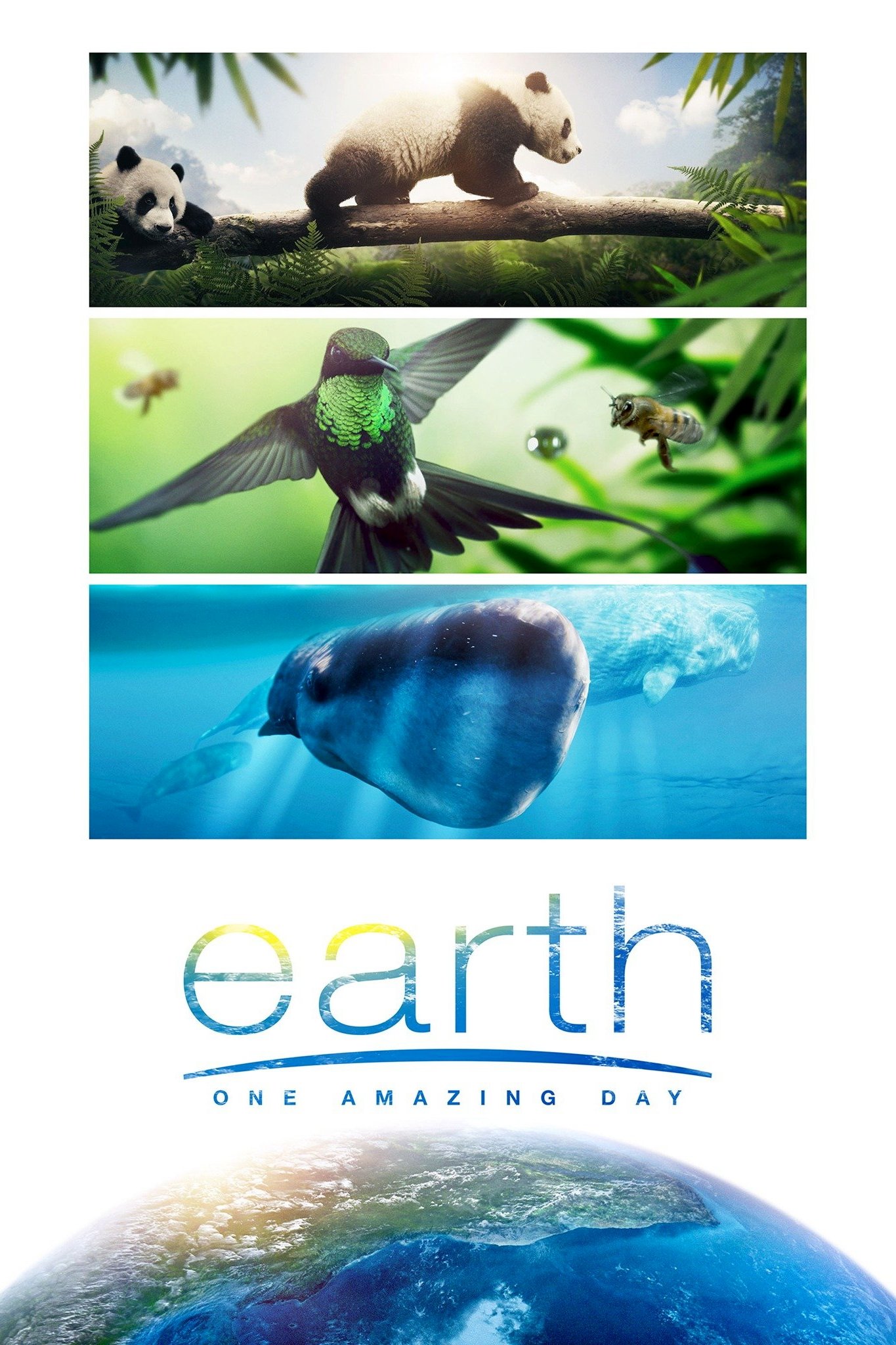
An astonishing journey revealing the awesome power of the natural world. Over the course of one single day, we track the sun from the highest mountains to the remotest islands to exotic jungles.