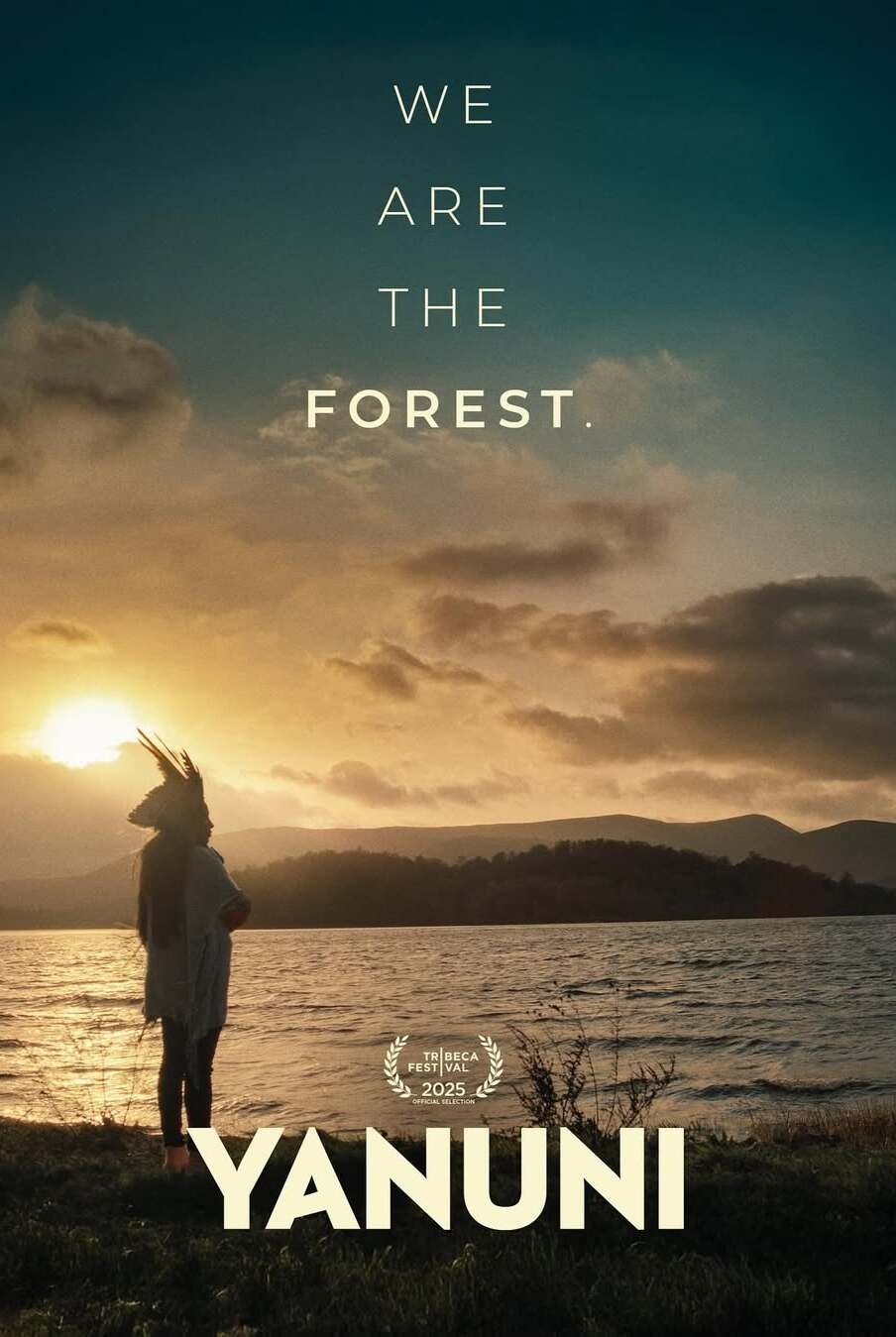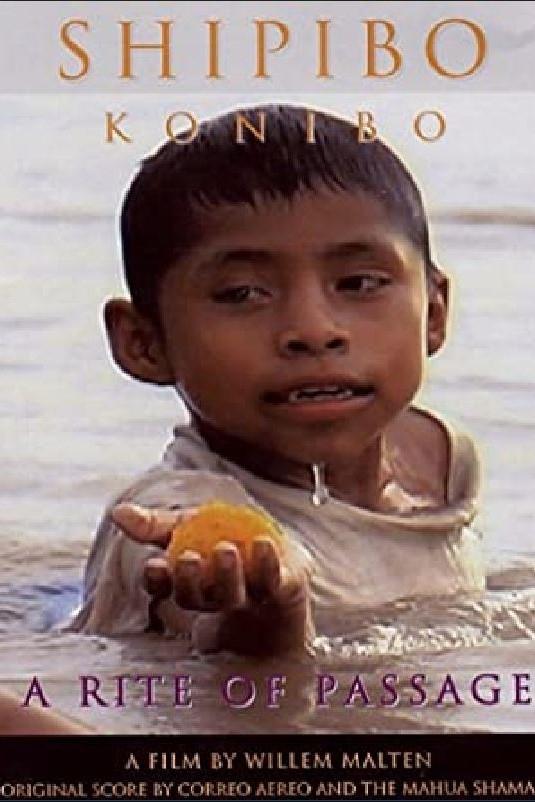
In Peruvian Amazonia, for the first time in many years, a Shipibo–Konibo community prepare to perform the Aneshiati ceremony: a time of dance, song, festive clothing, and drink—including the sacred tea ayahuasca.
Social & External
Narrator (voice)
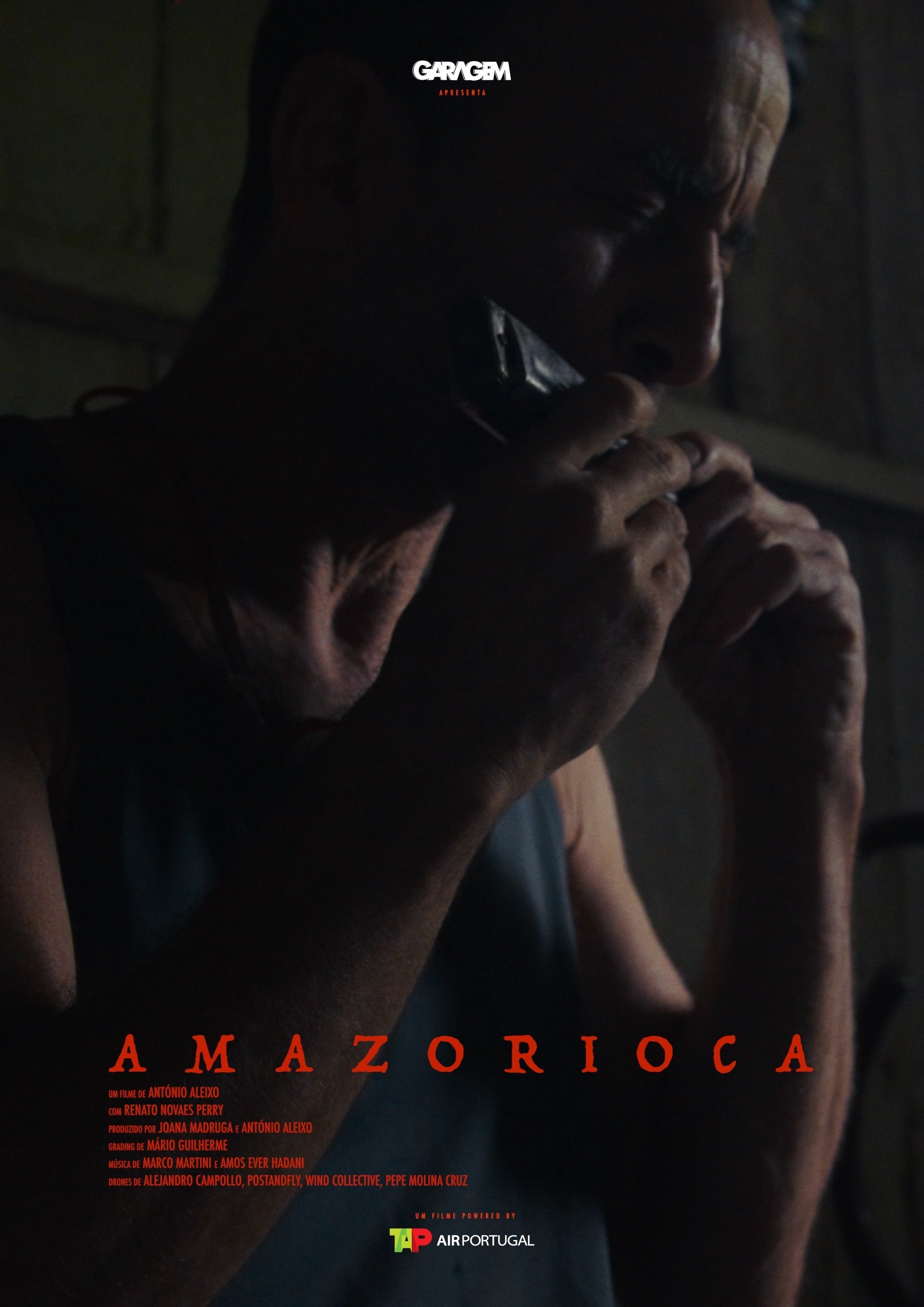
A journey through the Brazilian Amazon, guided by the eyes of Renato, a Carioca turned Amazorioca. A reflection on identity, the legacy of an ancestral territory, and the cost of progress. An ode to the forest and the fragility of what remains.
The Shipibo-Konibo people of Peruvian Amazon decorate their pottery, jewelry, textiles, and body art with complex geometric patterns called kené. These patterns also have corresponding songs, called icaros, which are integral to the Shipibo way of life. This documentary explores these unique art forms, and one Shipibo family's efforts to safeguard the tradition.
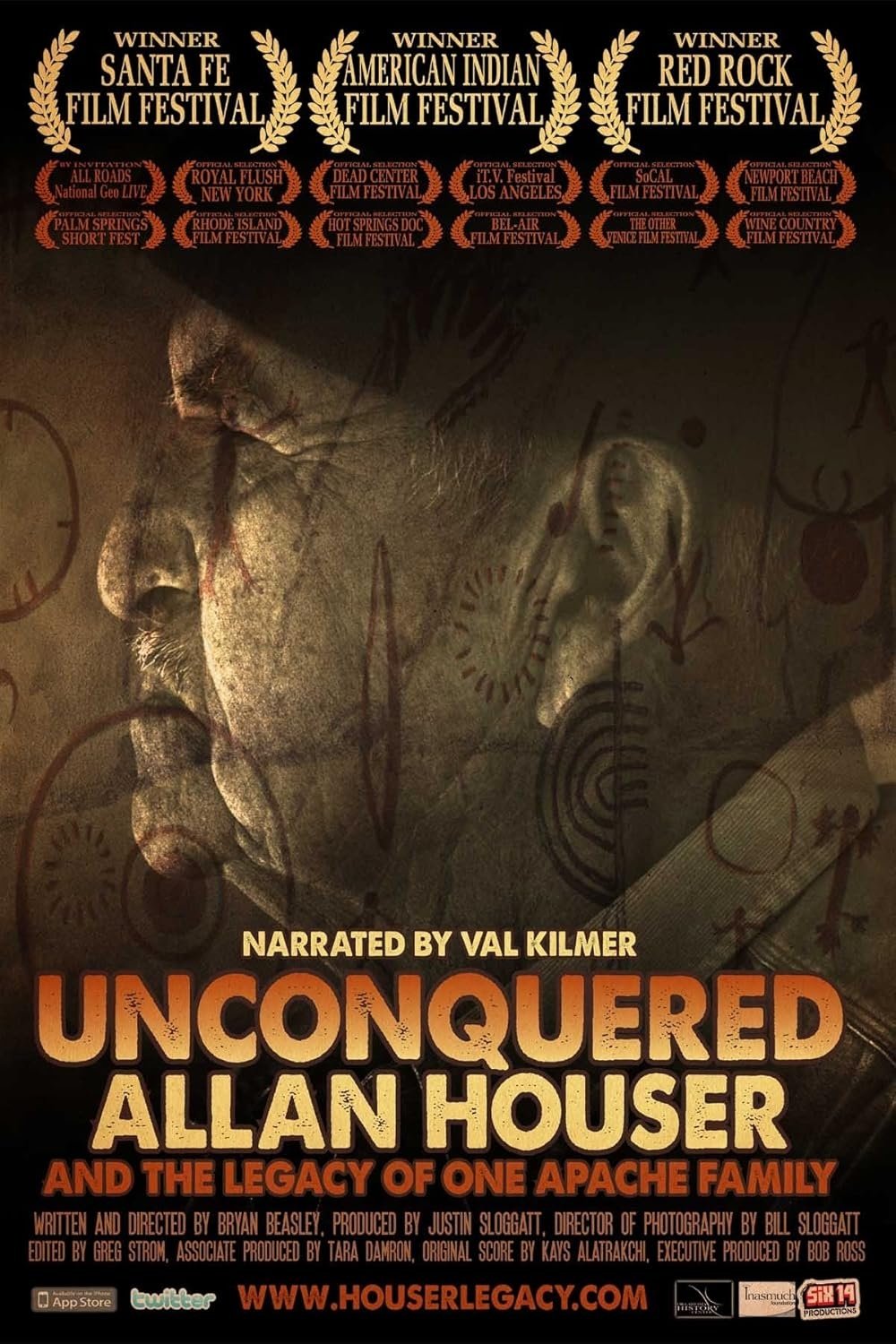
In decades past, Native American artists who wanted to sell to mainstream collectors had little choice but to create predictable, Hollywood-style western scenes. Then came a generation of painters and sculptors led by Allan Houser (or Haozous), a Chiricahua Apache artist with no interest in stereotyped imagery and a belief that his own rich heritage was compatible with modernist ideas and techniques. Narrated by actor Val Kilmer and originally commissioned as part of an exhibit of Houser’s work at the Oklahoma History Center, this program depicts the artist’s tribal ancestry, his rise to regional and national acclaim, and the continuing success of his sons as they expand upon and depart from their father’s achievements. Key works are documented, as is Houser’s tenure at the Santa Fe–based Institute of American Indian Arts.
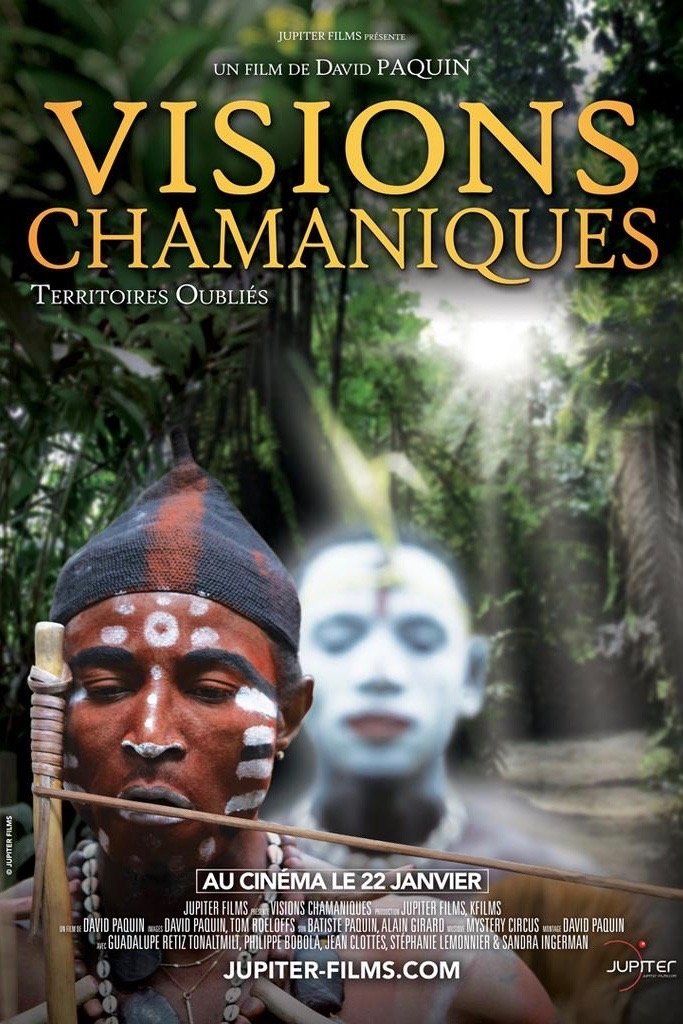
This film is an initiatory journey among the Fangs of Gabon and the Shipibos of Peru. With the sound of traditional instruments like the mogongo (arc in the mouth), the holy harp, and the Icaros, we discover the traditional peoples’ wisdom.
Buddhist monk and photographer Matthieu Picard as he returns to the Asian country in the Himalayas where he spent a decade after seven years away, revisiting breathtaking landscapes and experiencing local traditions.
The documentary recreates the mythical journey made by the native peoples of Sarayaku in the Amazon, who navigated down the river for months until they reached Kachi Urku, the mountain of salt.
Explore an extraordinary region where water and land life intermingle six months out of the year.
In Mumbai, once an island city linked by the sea, modern bridges and land reclamation have reshaped the landscape, disrupting the lives of its original communities.
Indigenous chief Juma Xipaia fights to protect tribal lands despite assassination attempts. Her struggle intensifies after learning she's pregnant, while her husband, Special Forces ranger Hugo Loss, stands by her side.
Helena is 17 years old and studies in Finland. Her father, a Swede, and her mother, indigenous Kichwa of Sarayaku, live at the heart of the Amazon in Ecuador.
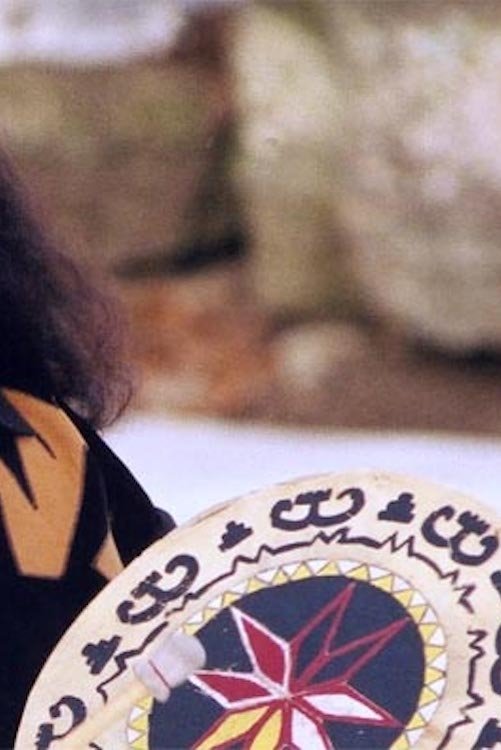
This short documentary follows three Indigenous women as they practice ancestral forms of worship: drumming, singing, and using sweetgrass. These ancient spiritual traditions may at first seem at odds with urban life, but to Indigenous people in Canada who are used to praying in natural settings, the whole world is sacred space.
First Nations fight to end grizzly bear trophy hunting in the Great Bear Rainforest in British Columbia. The Heiltsuk, Kitasoo Xai'xais and Gitga'at First Nations enforce a ban by using Coastal Guardian Watchmen, while the Raincoast Conservation Foundation purchases trophy hunting licenses in the area to prevent a hunt from taking place. The film offers unique access to Canada's First Nations and a breathtaking view of the majestic animals inhabiting the Great Bear Rainforest, including the elusive Spirit Bear.
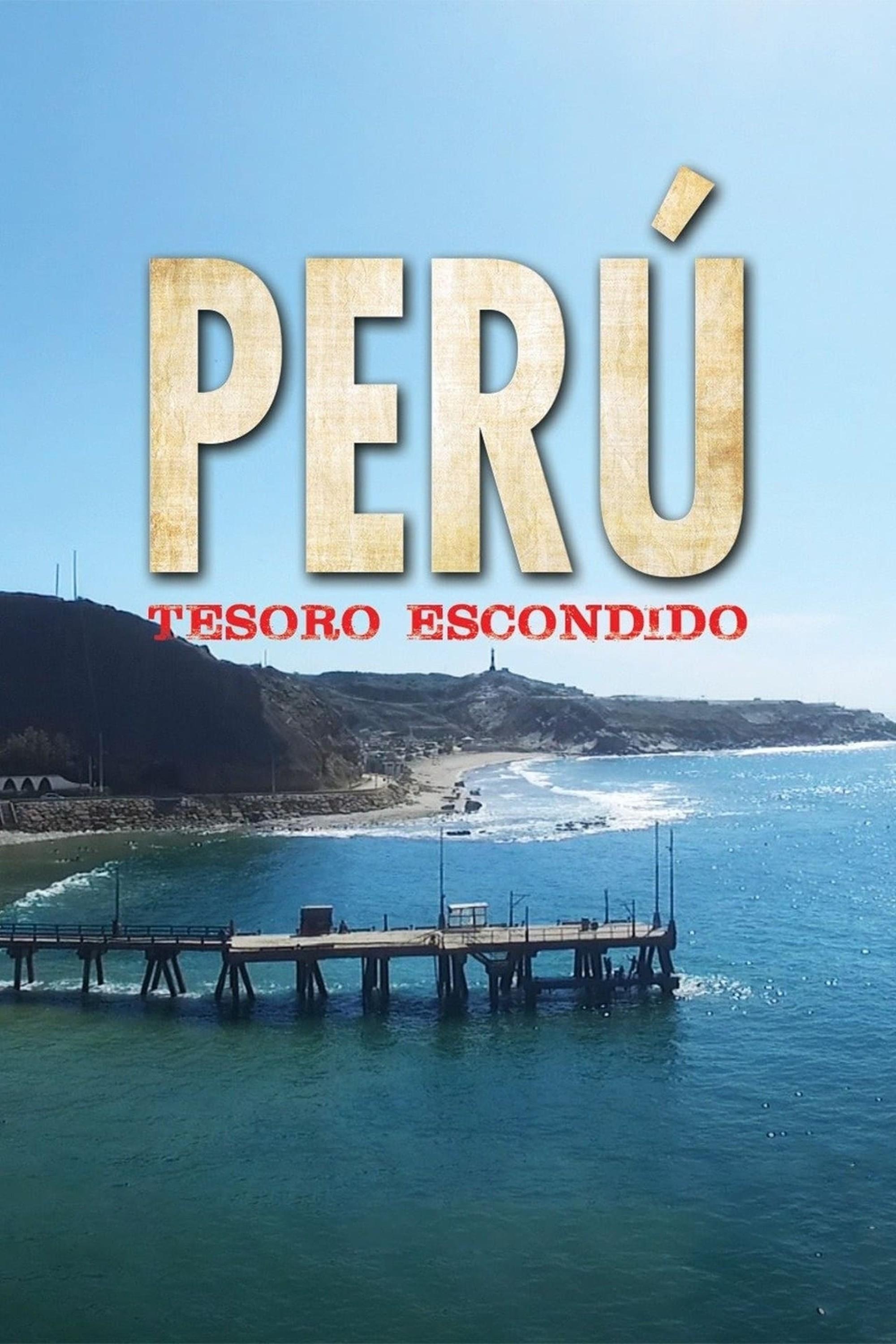
Peru is a country steeped in cultural traditions that stretch back more than 1,000 years. But it's also a land of surprising natural riches.
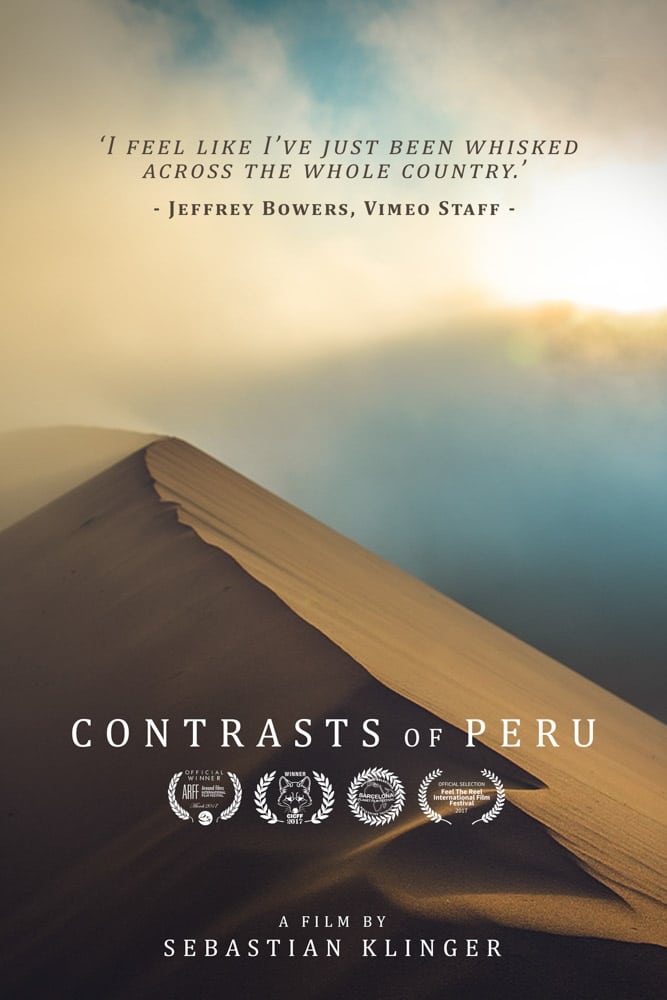
Peru is a country of many contrasts. From the cold waters of the Coast over the 6000 m high Andes to the unique biodiversity of the Amazon Jungle. Peru isn't only Machu Picchu. It's much more.
This documentary examines ayahuasca shamanism near Iquitos (a metropolis in the Peruvian Amazon), and the tourism it has attracted. The filmmakers talk with two ayahuasqueros, Percy Garcia and Ron Wheelock, as well as ayuahuasca tourists and local people connected with the ayahuasca industry.
A vision from Limbo, where the canoeist of the eternal lake floats in his boat, between sleep and wakefulness. When he sleeps, he dreams of the everyday of a parallel time. when he wakes up, the same song haunts him again and again. his boat, “ara” (time, in guarani) travels through time like a shooting star.
After years of suffering from post-traumatic stress disorder, six US veterans of the wars in Iraq and Afghanistan travel to Peru on a quest for healing. With the help and guidance of three brothers who are traditional healers, they take ayahuasca and other plant medicines during a 10-day retreat in the Amazon rainforest.
It is thanks to this film that the Marquis gained notoriety with a wider audience. The film is the result of film footage shot between May 1926 and June 1930 in several South American countries. Departing from Guayaquil, he first went to the Galapagos Islands in the Pacific. Upon returning to the capital of Ecuador, chance brought him to the Ocaina Indians, the Boro, the Napo, the Jivaro and the Piro. He explored the Incan mines of Machu Picchu, discovered only a few years prior, and ended his journey on the famed Guano islands. The musical score, inspired by traditional Indian music, was created by Maurice Jaubert.
This documentary examines the battle strategies of citizens, scientists, loggers, environmentalists and First Nations people who are fighting over the liquidation of public forests and, with it, a way of life.