Social & External
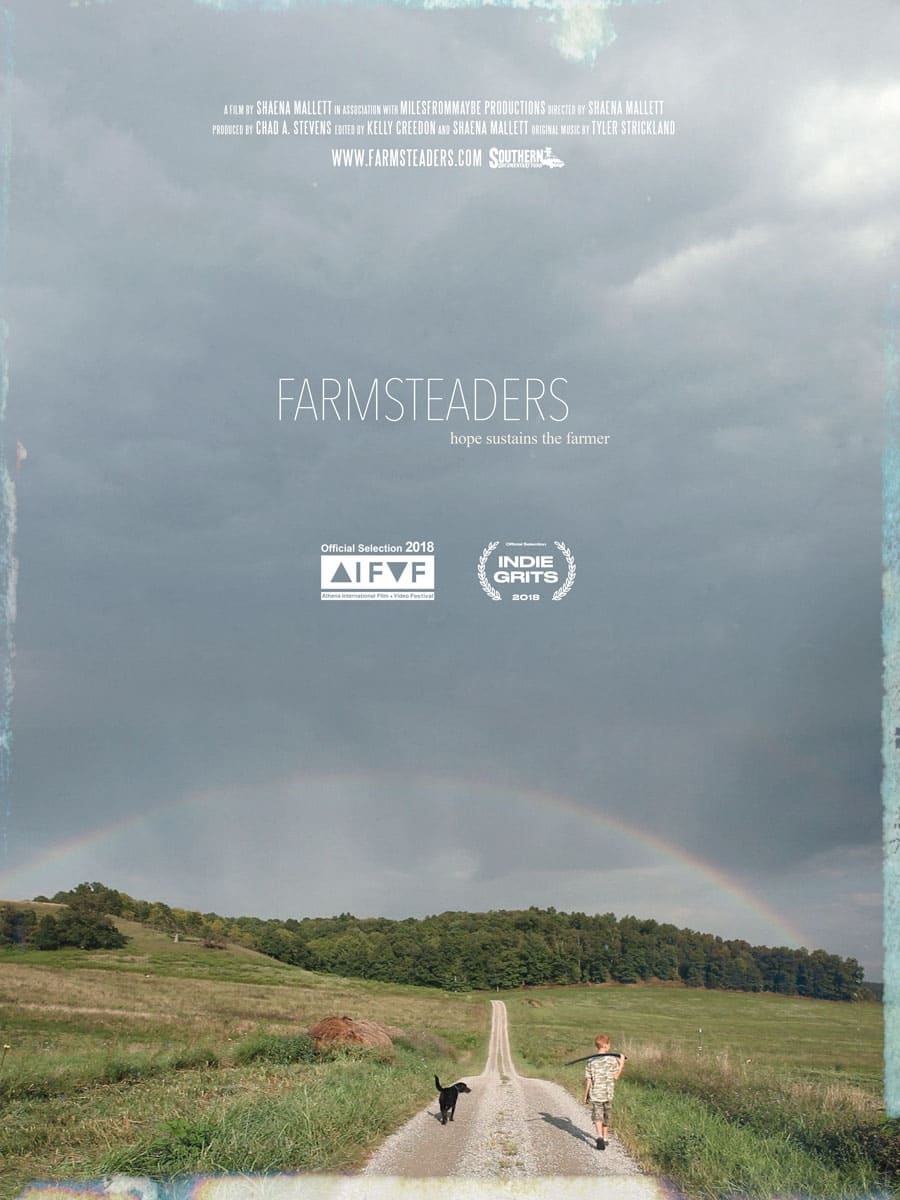
Clear-eyed and intimate, Farmsteaders follows Nick Nolan and his young family on a journey to resurrect his late grandfather’s dairy farm as agriculture moves toward large-scale farming. A study of place and persistence, Farmsteaders points an honest and tender lens at everyday life in rural America, offering an unexpected voice for a forsaken people: those who grow the food that sustains us.
A film record of M.E.T.E.I. (Medical Expedition to Easter Island), one of the most unusual scientific enquiries ever launched, headed by a McGill University research team. While the film is concerned mainly with the physical condition of Easter Islanders, it also provides glimpses of island activities, a village wedding, and the famous long-faced stone sculptures.
When everyone is supposed to be celebrating the arrival of a new year, the Chilean director Cristobal Valenzuela takes to the streets of Santiago to give voice to another facet, less colorful and festive, undoubtedly invisible, of this eve. Lonely pedestrians who roam the streets of the city inhabit the frame of a handheld camera that allows them to express themselves. Comments of hopelessness and tiredness, contrasting with the sky lit by fireworks, give us a glimpse to that other social image.
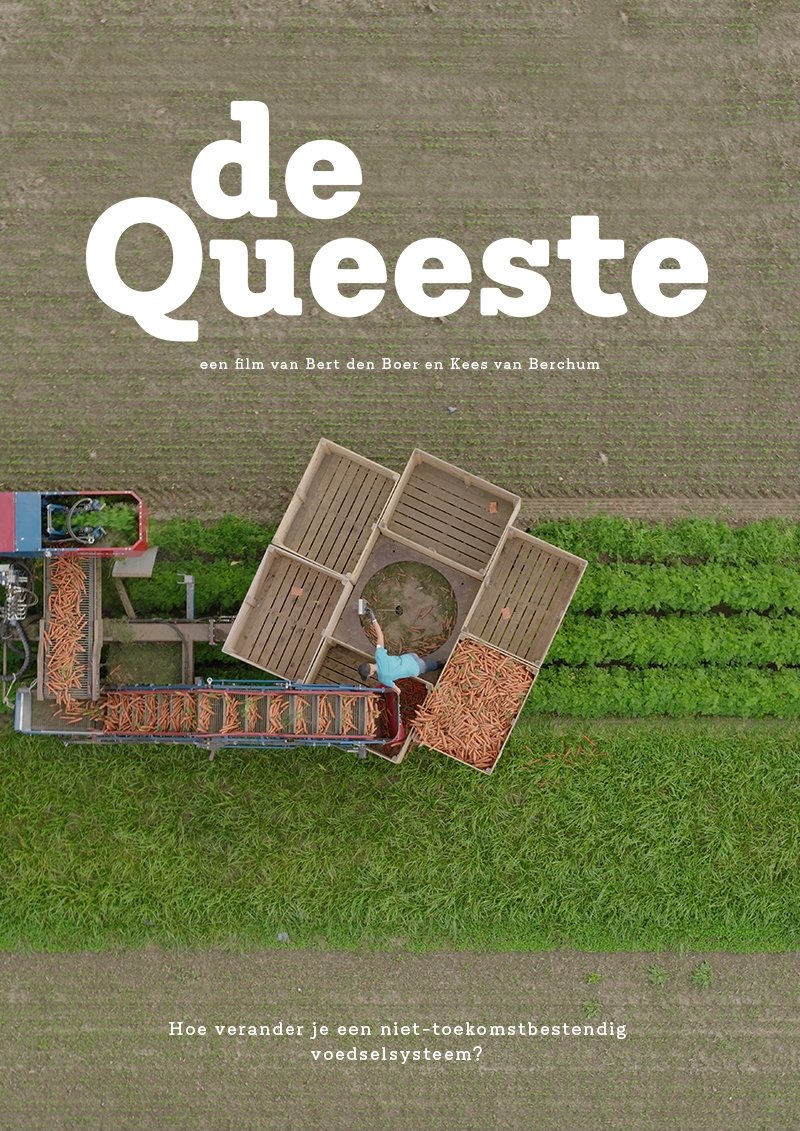
In search of a more sustainable food system, three organic farming pioneers discuss their hopes and doubts with a spectrum of experts and stakeholders.
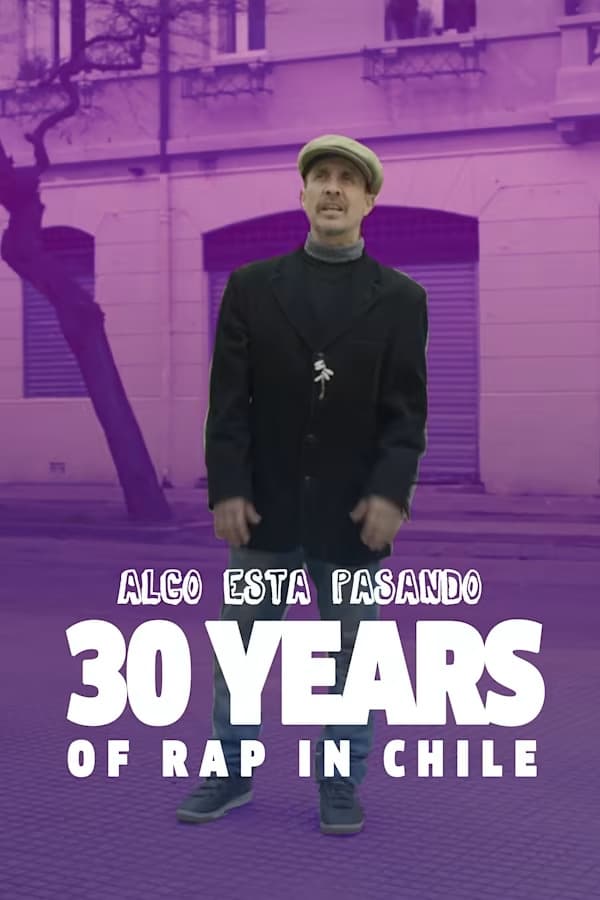
1988 marked the year in which the debut album of the Chilean band De Kiruza - Oficial was released, where the single "Algo está pasando" stood out, the first Chilean rap recording.
The Color of Ultimate: ATL was an All-Star ultimate frisbee that showcased many of the sport’s most talented players of color from across the United States and Colombia, South America. This documentary details the stories of players who participated in the game. The stories include why the players enjoy ultimate, what the Color of Ultimate: ATL means to them, and how race and socioeconomic status have influenced their lives, both in the sport of ultimate, and in life at large.
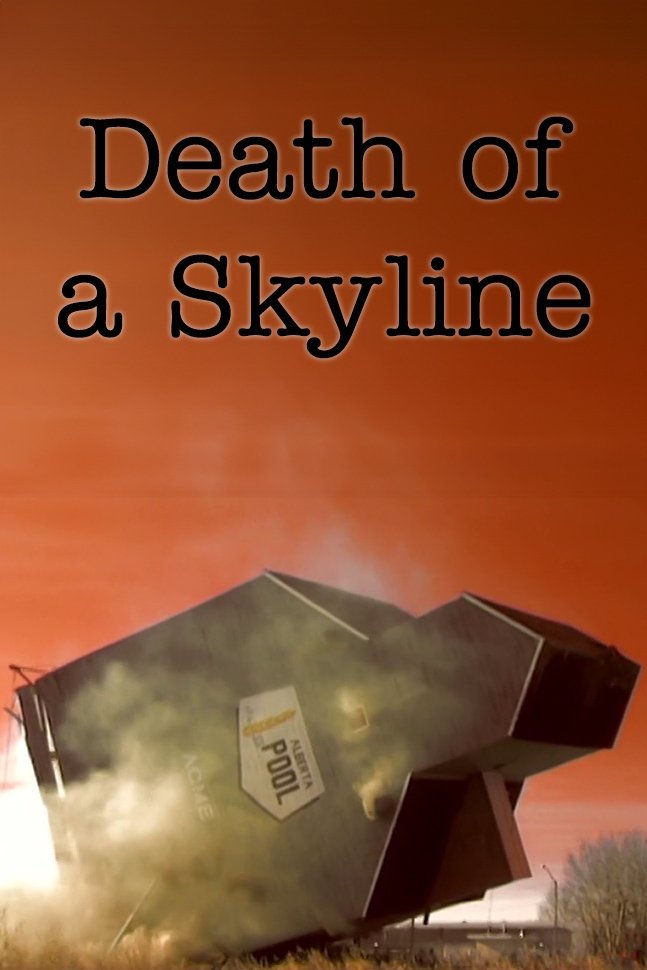
A group of citizens lobbied to save the landmark Alberta Wheat Pool grain elevator, one of the defining features of Mayerthorpe’s landscape, from being torn down in 2003 - as thousands of others had been. This film documents those efforts while exploring the broader history and significance of the grain elevator.
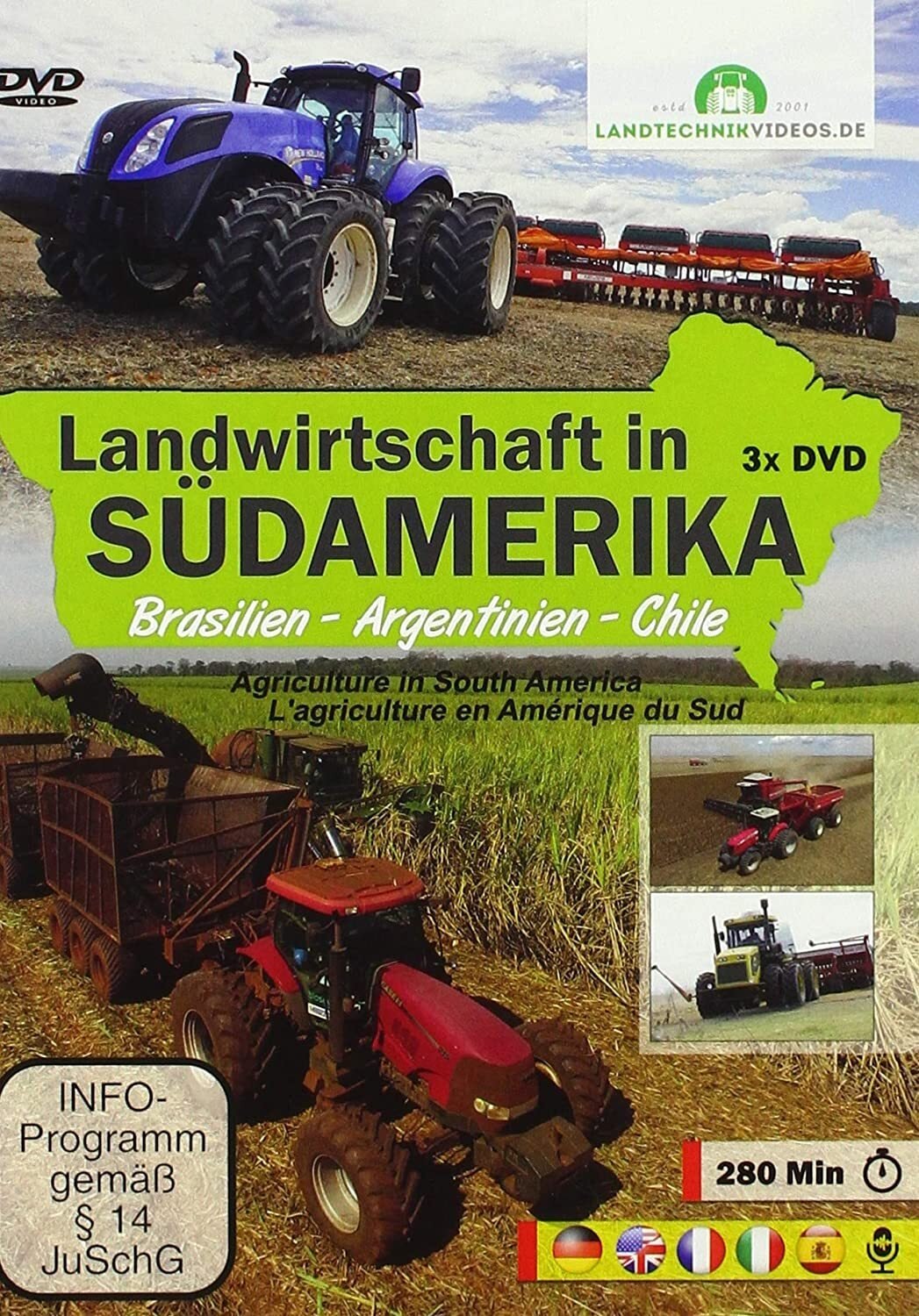
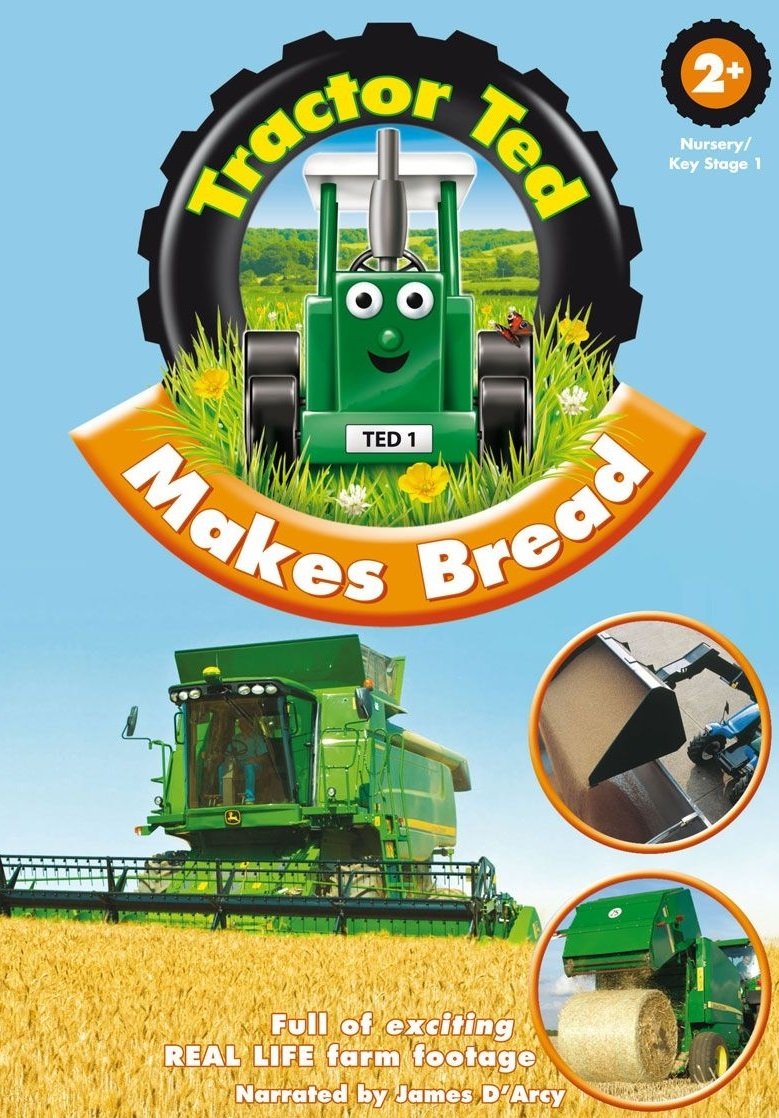
Where does our bread come from? A trip to Tractorland shows us the ploughing, seeding and harvesting of the corn that is made into flour to make bread. Fantastic scenes of some great machines at work.
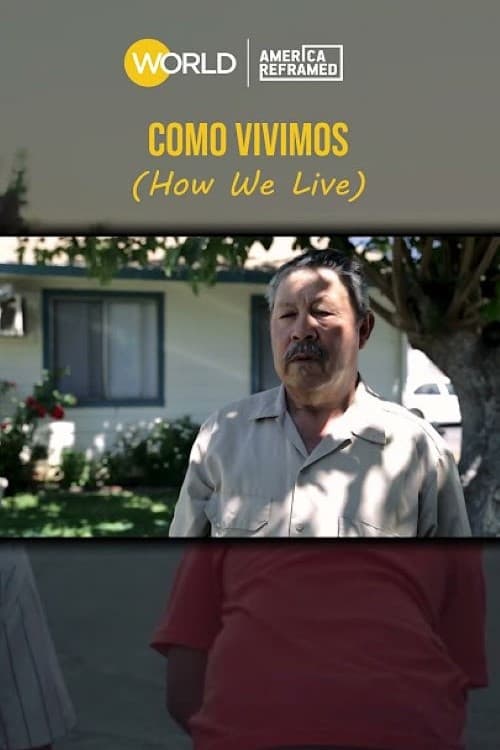
In California’s Central Valley, tucked between the county jail and the shooting range, 100 Mexican-American farmworking families live, love and strive at the Artesi II Migrant Family Housing Center. Until every December, that is, when they’re asked to leave.
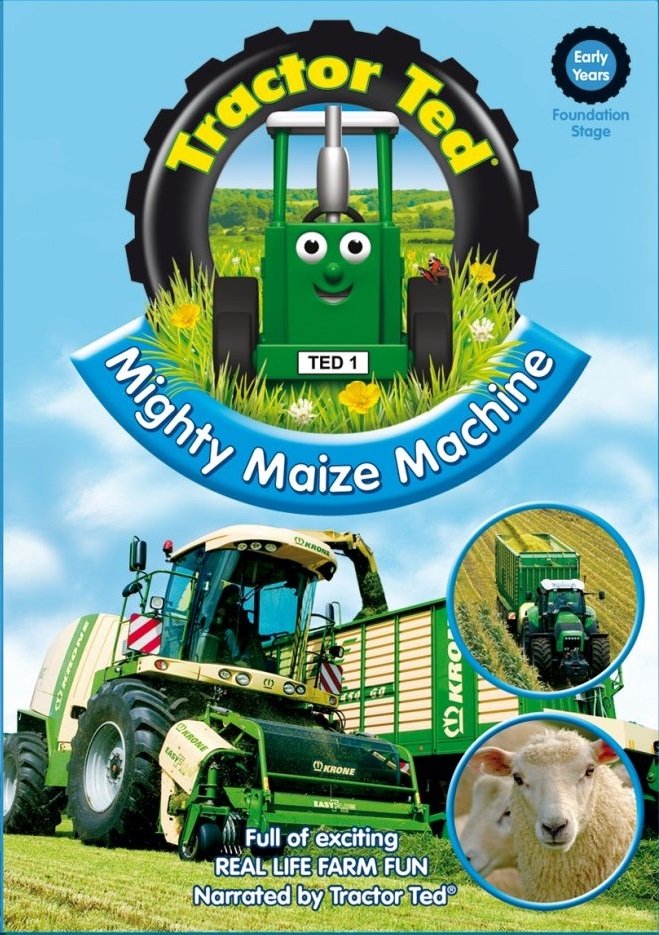
Tractor Ted visits two farms, one is a cow dairy and the other is a sheep dairy! He meets the amazing forage harvester which is very busy making silage from the grass and the maize, singalong to the harvesting song. Les forgets something rather important - what can it be?
Report on the town of San Pedro which exists in the middle of the desert and at over 2,430 meters above sea level. It also deals with the work of priest Gustavo Le Paige and the museum he helped develop.
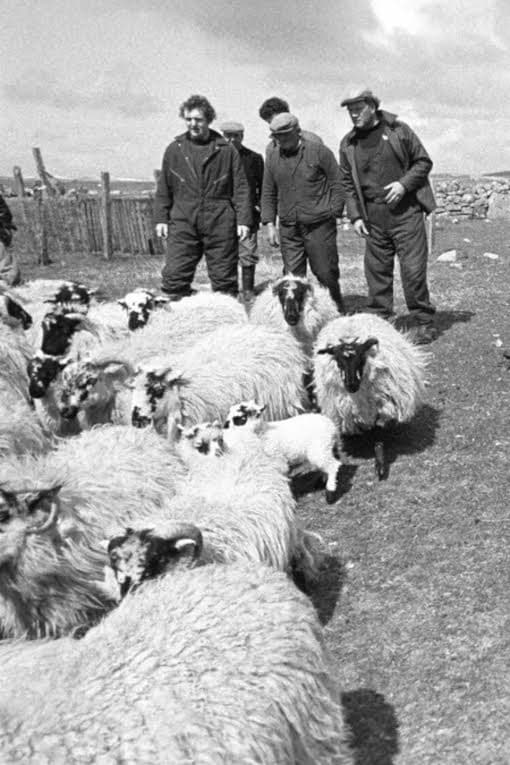
In 1980, Jack Shae and Allen Moore, two ethnographic filmmakers from Harvard University, moved their families to the island of Berneray in the Outer Hebrides. Over the course of 18 months they documented the everyday lives and struggles of the crofters they lived among, whom were even then a vanishing breed. The film is in English and Gaelic. This carefully observed documentary by filmmakers Jack Shae and Allen Moore is a poetic ethnographic film in the style of their mentor, Robert Gardner (“Dead Birds”). It follows the rhythm of life on a wind-swept island in the Outer Hebrides through the four seasons and in the filmmakers’ observation of the day-to-day struggles of a vanishing society we see the deep-time legacy of their kind. The film is in English and Gaelic.
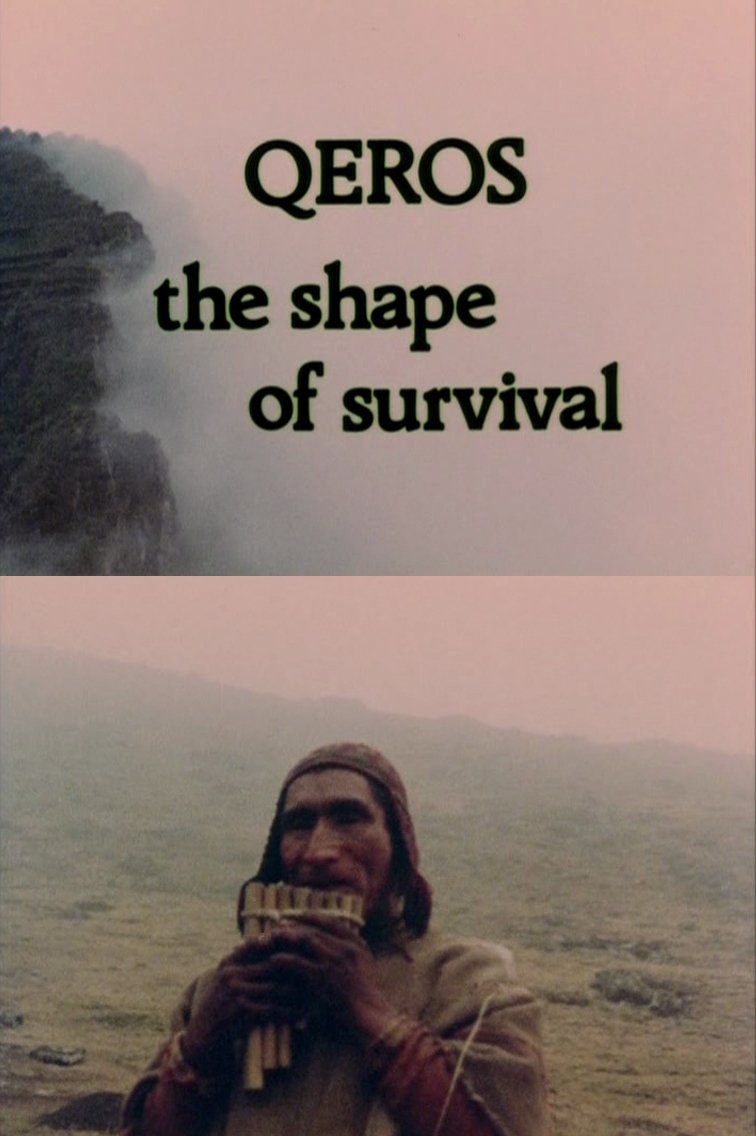
Exploration of the way of life of the Q’eros Indians of Peru, who have lived in the Andes for more than 3,000 years.
From the creators of 31 Minutos, here comes the story of a rock that didn't want to grow up...
Sheds light on an alternative approach to farming called “regenerative agriculture” that could balance our climate, replenish our vast water supplies, and feed the world.
Documentary filmmaker Robert Kenner examines how mammoth corporations have taken over all aspects of the food chain in the United States, from the farms where our food is grown to the chain restaurants and supermarkets where it's sold. Narrated by author and activist Eric Schlosser, the film features interviews with average Americans about their dietary habits, commentary from food experts like Michael Pollan and unsettling footage shot inside large-scale animal processing plants.
The film follows adventurer Jeff Johnson as he retraces the epic 1968 journey of his heroes Yvon Chouinard and Doug Tompkins to Patagonia.
A glimpse into the raw and simple power of nature through encounters with farm animals: the eponymous Gunda, a mother pig; two cows, and a one-legged chicken.
The successes and failures of a couple determined to live in harmony with nature on a farm outside of Los Angeles are lovingly chronicled by filmmaking farmer John Chester, in this inspiring documentary.
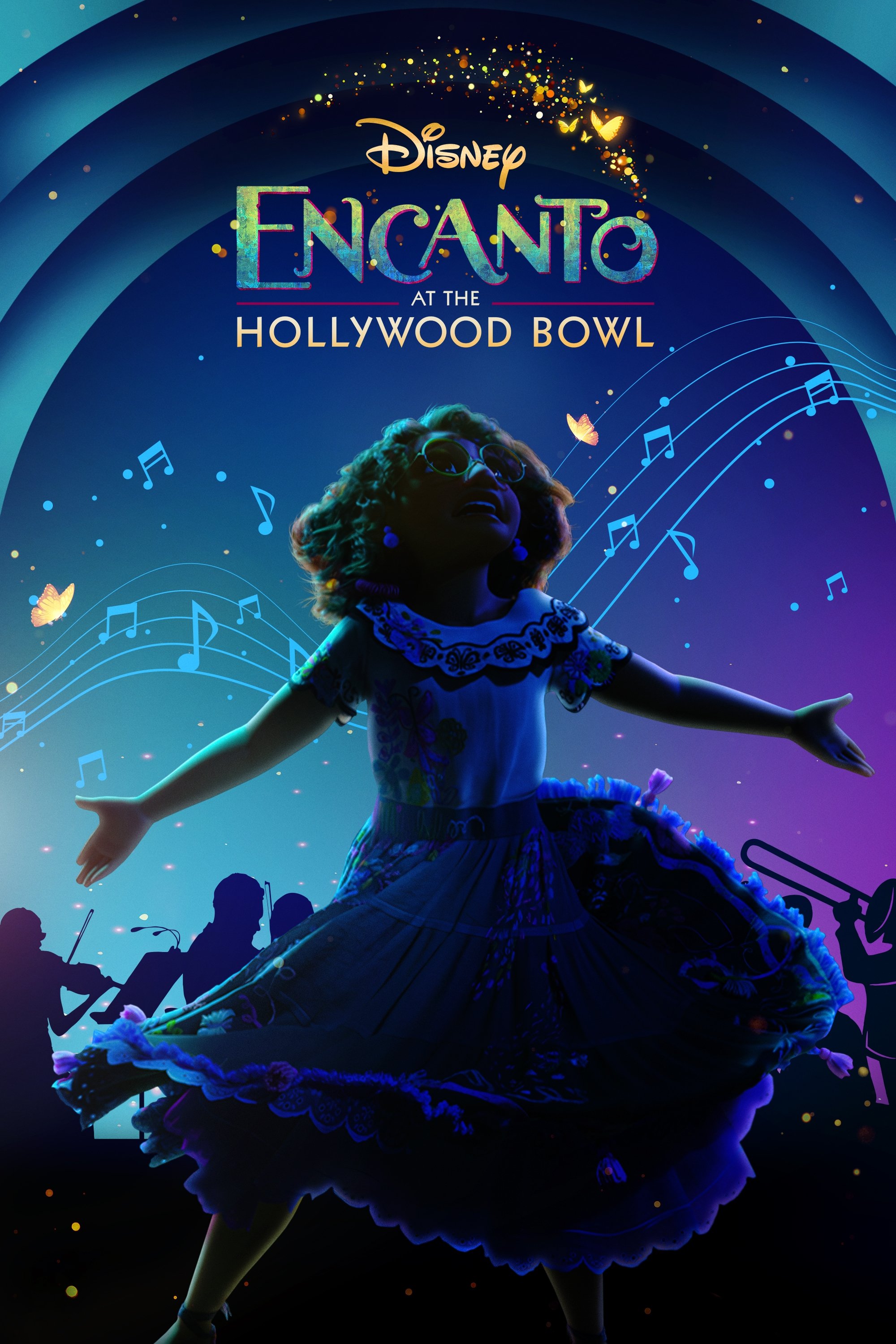
Step into Casa Madrigal for a special concert spectacular as the original voice cast of Disney Animation's Oscar®-winning "Encanto," Stephanie Beatriz, Adassa, Carolina Gaitán, Jessica Darrow, Diane Guerrero, Mauro Castillo, Angie Cepeda and Olga Merediz, along with special guests including Colombian superstar Carlos Vives, reunites for "Encanto at the Hollywood Bowl." This unprecedented concert experience gives you a front-row seat to the musical extravaganza celebrating the global phenomenon.
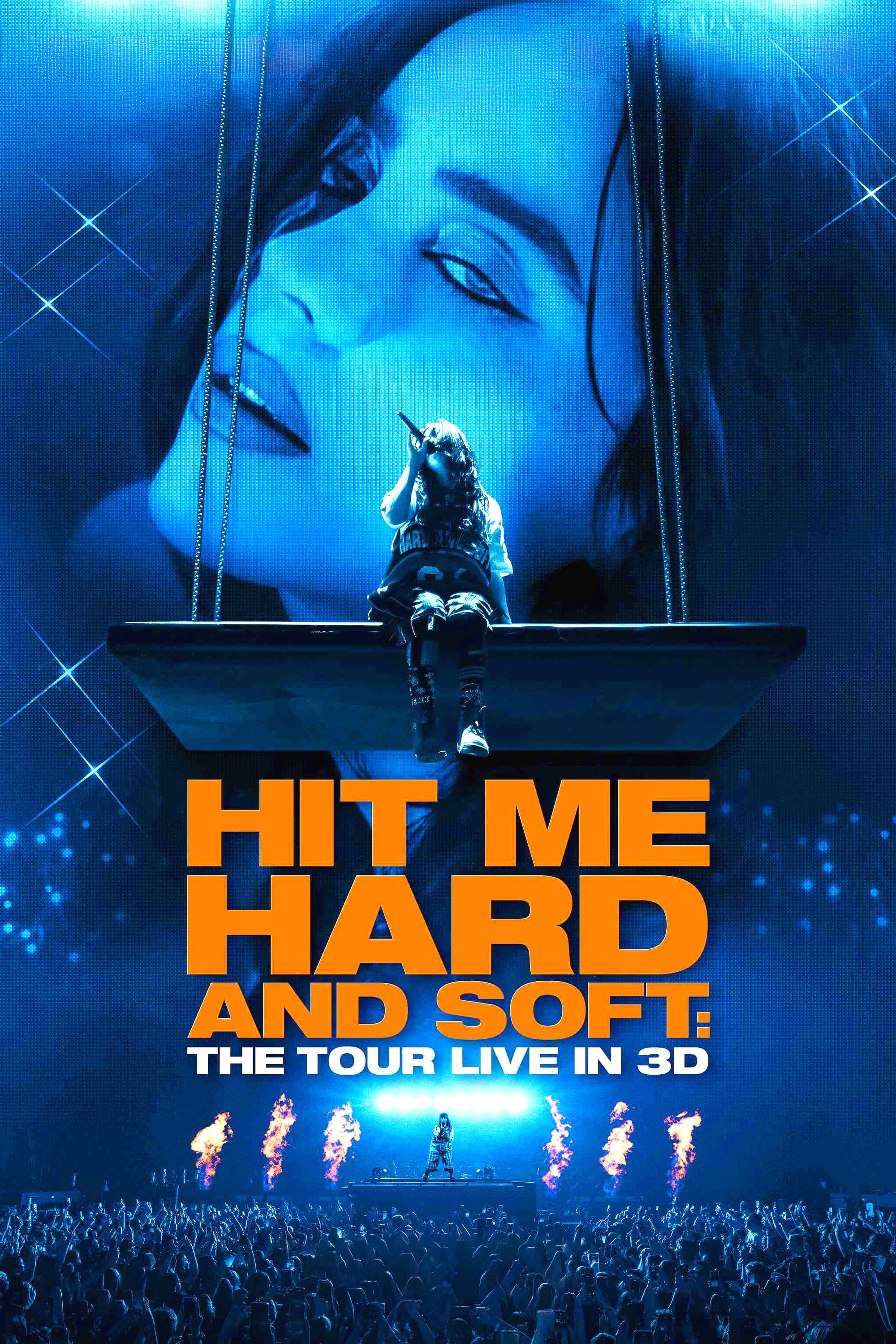
Captured during Billie Eilish's sold-out world tour, a concert experience from one of the most celebrated and successful artists of her generation, presented in immersive 3D.
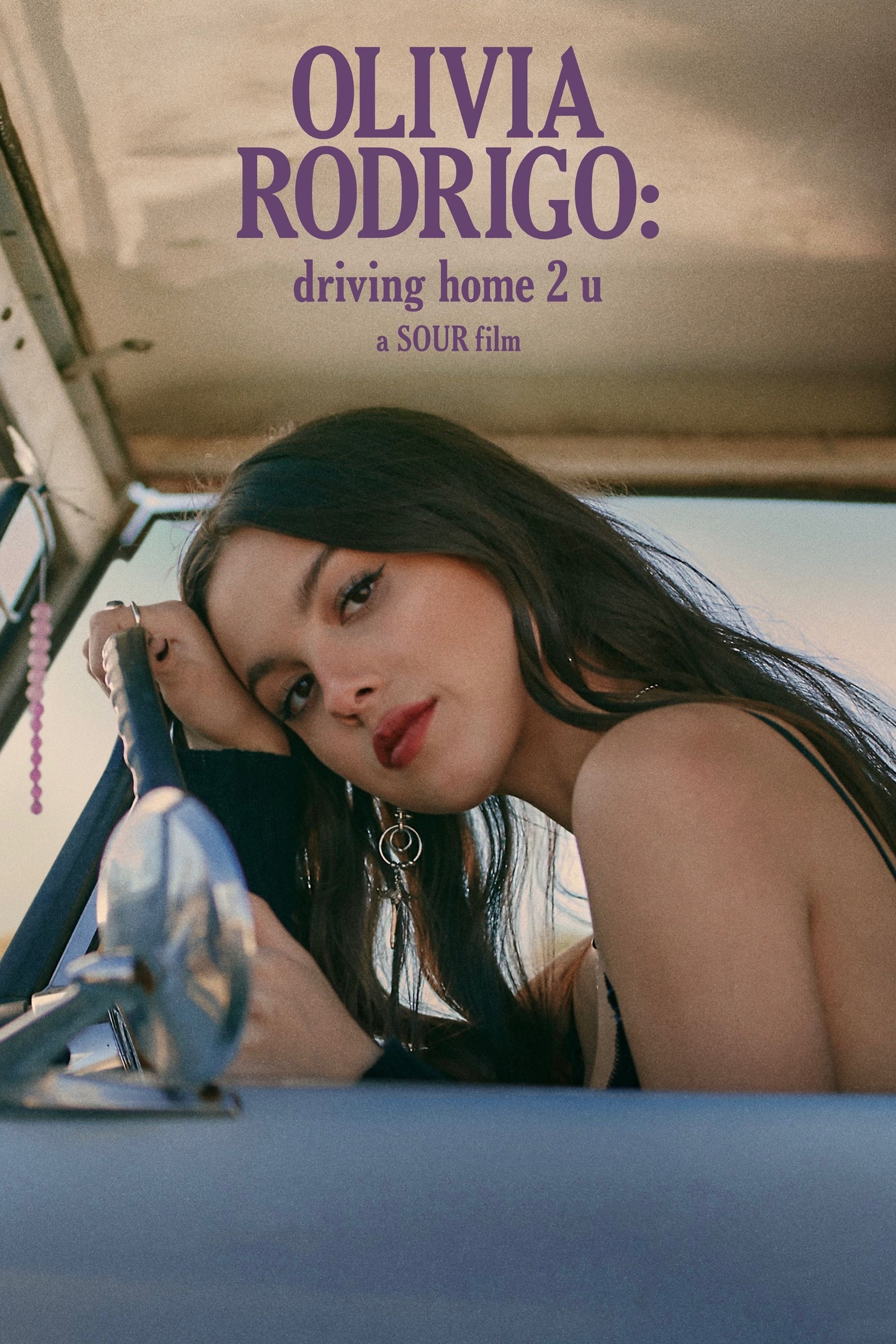
Grammy® winner singer-songwriter Olivia Rodrigo takes a familiar road trip from Salt Lake City, where she began writing her debut album “SOUR,” to Los Angeles. Along the way, Rodrigo recounts the memories of writing and creating her record-breaking debut album and shares her feelings as a young woman navigating a specific time in her life. Through new live arrangements of her songs, intimate interviews and never-before-seen footage from the making of the album, audiences will follow Olivia along on a cinematic journey exploring the story of “SOUR.”
Lupita Nyong'o narrates a documentary about Peanuts and its creator, Charles M. Schulz. Famous fans—including Drew Barrymore, Kevin Smith, and Al Roker—share its influence on them, and a new animated story finds Charlie Brown on a quest.
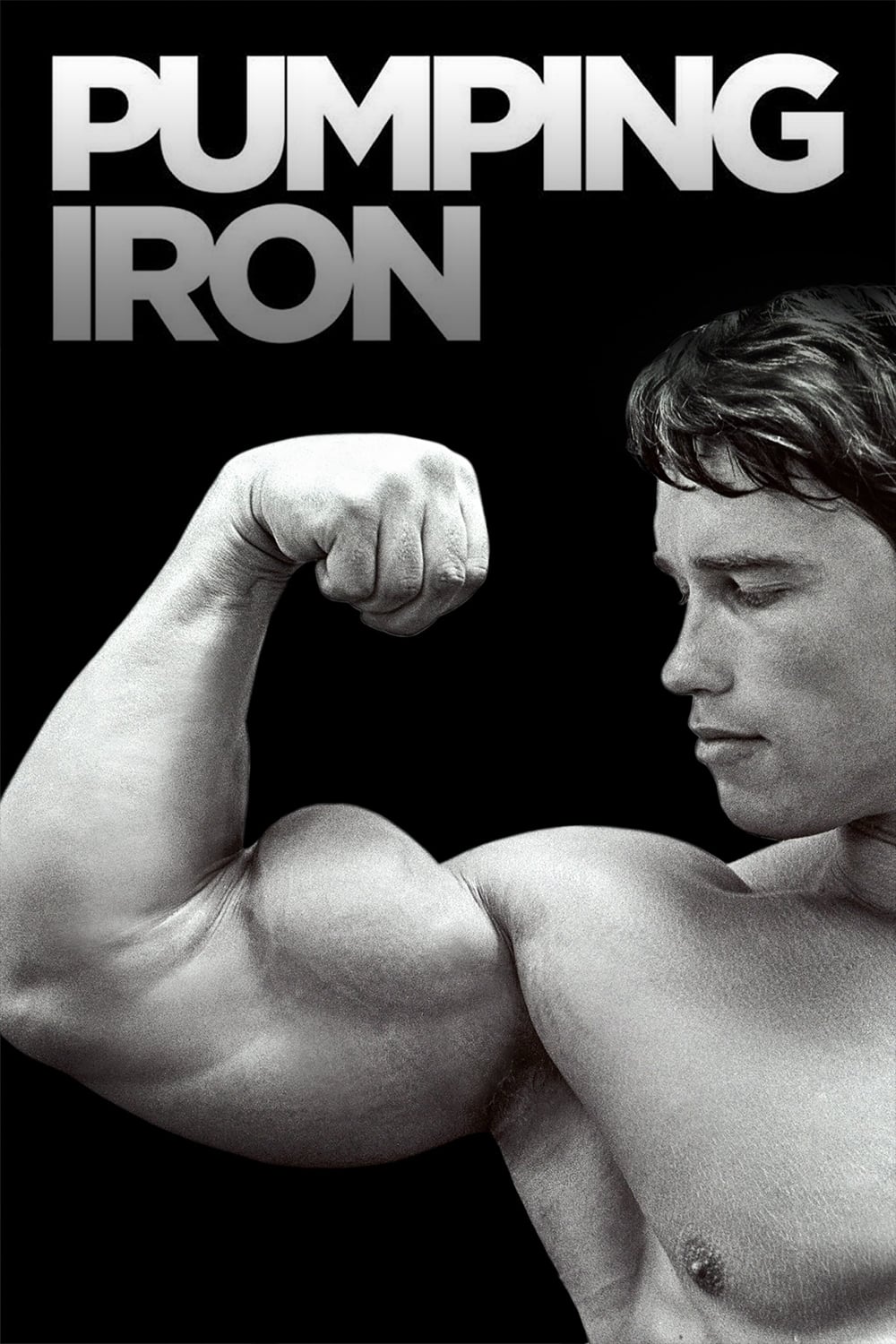
Amateur and professional bodybuilders prepare for the 1975 Mr. Olympia and Mr. Universe contests as five-time champion Arnold Schwarzenegger defends his Mr. Olympia title against Serge Nubret and the shy young Lou Ferrigno.
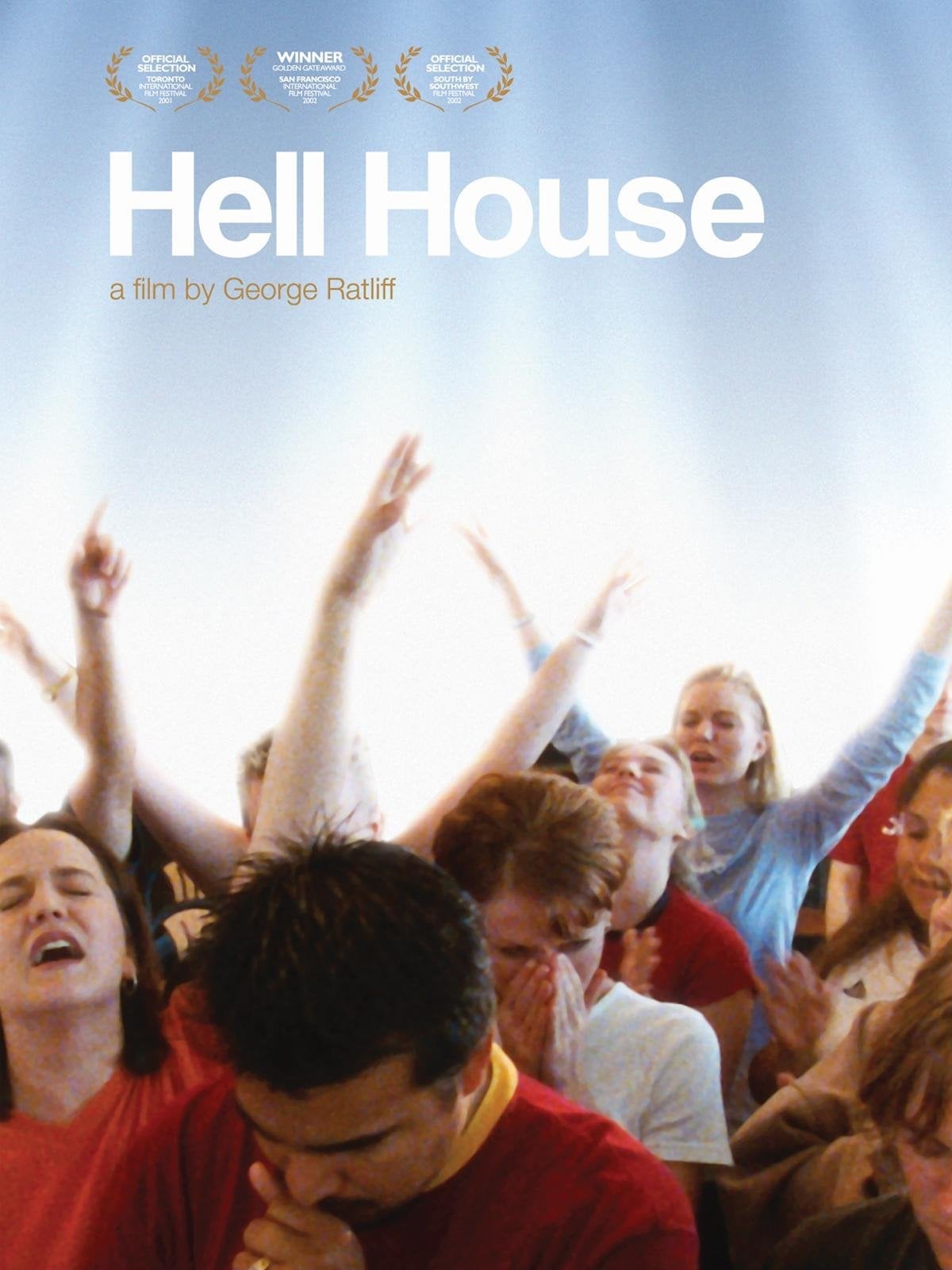
A look at the "Hell House" performed annually in October by the youth members of Trinity Church (Assemblies of God) in Cedar Hill, Texas (a Dallas suburb) — seen by over 10,000 visitors each year.
A look at the origins, history and conspiracies behind the "Majestic 12", a clandestine group of military and corporate figureheads charged with reverse-engineering extraterrestrial technology.
Through deeply personal interviews with her siblings and an examination of the photographs, letters, and belongings left behind, Mariska assembles a new portrait of her mother Jayne Mansfield, an extraordinary and complex woman.
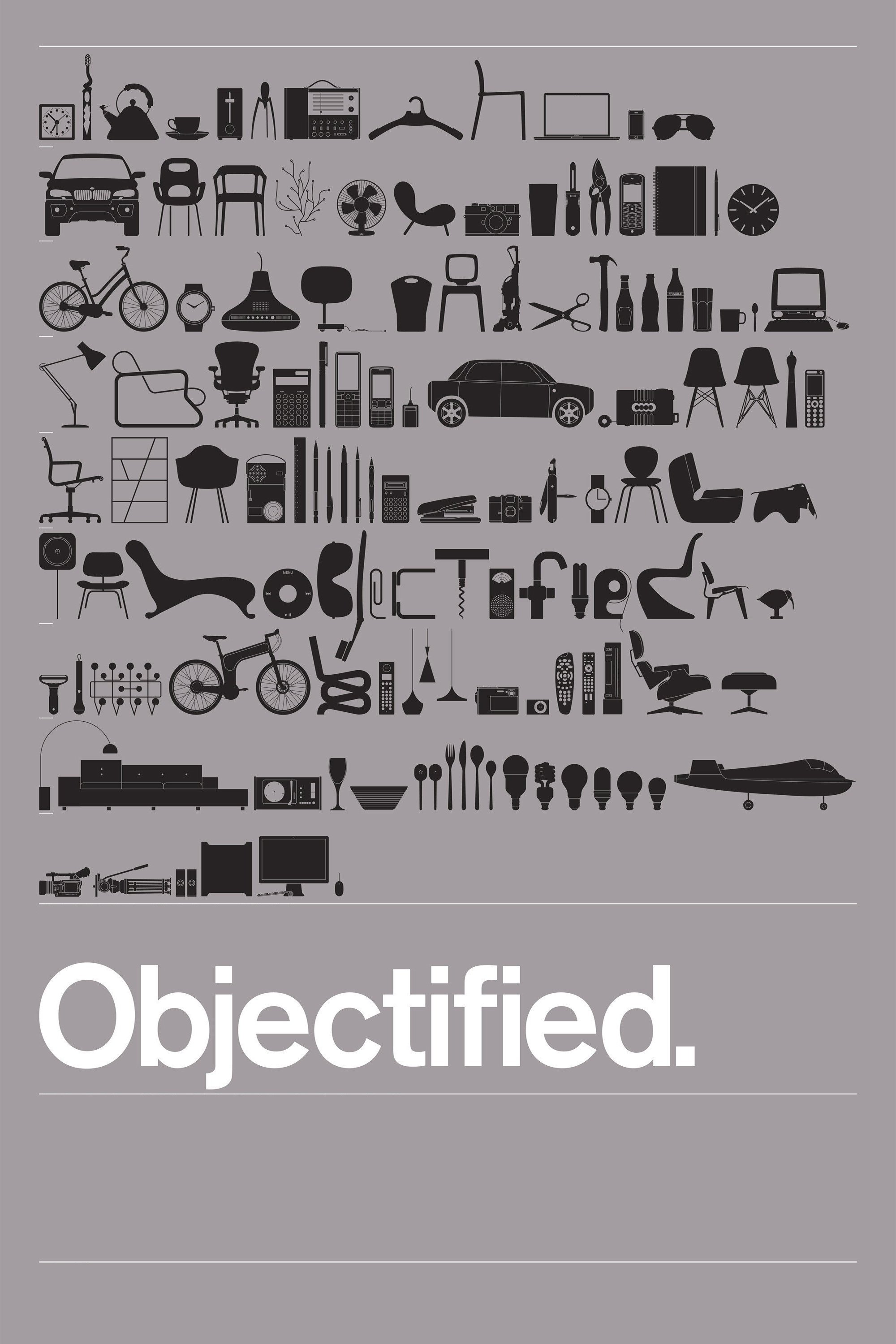
A feature-length documentary about our complex relationship with manufactured objects and, by extension, the people who design them.
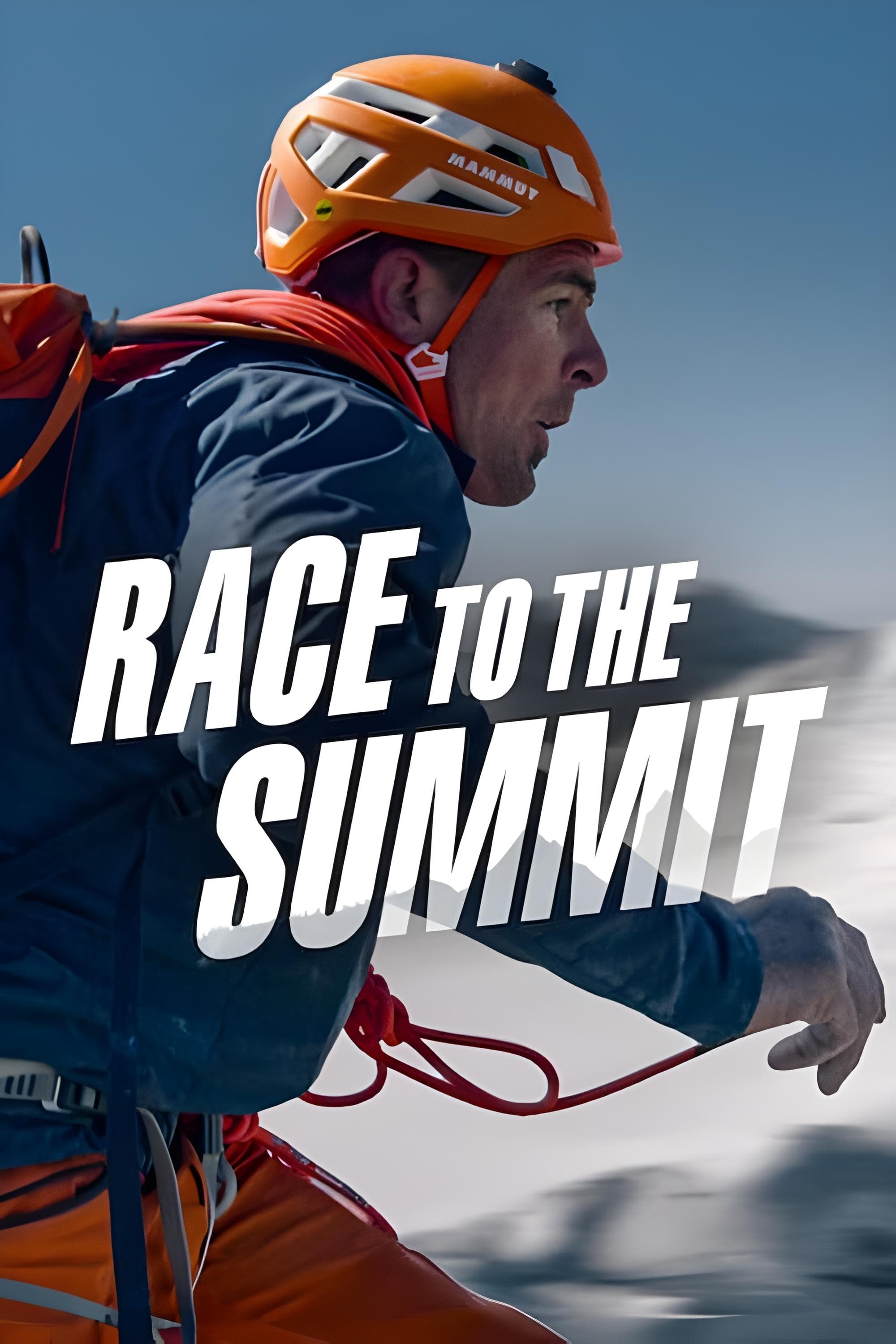
Fearless alpine climbers Ueli Steck and Dani Arnold enter into a death-defying rivalry to set speed records on the Swiss Alps' great north faces.
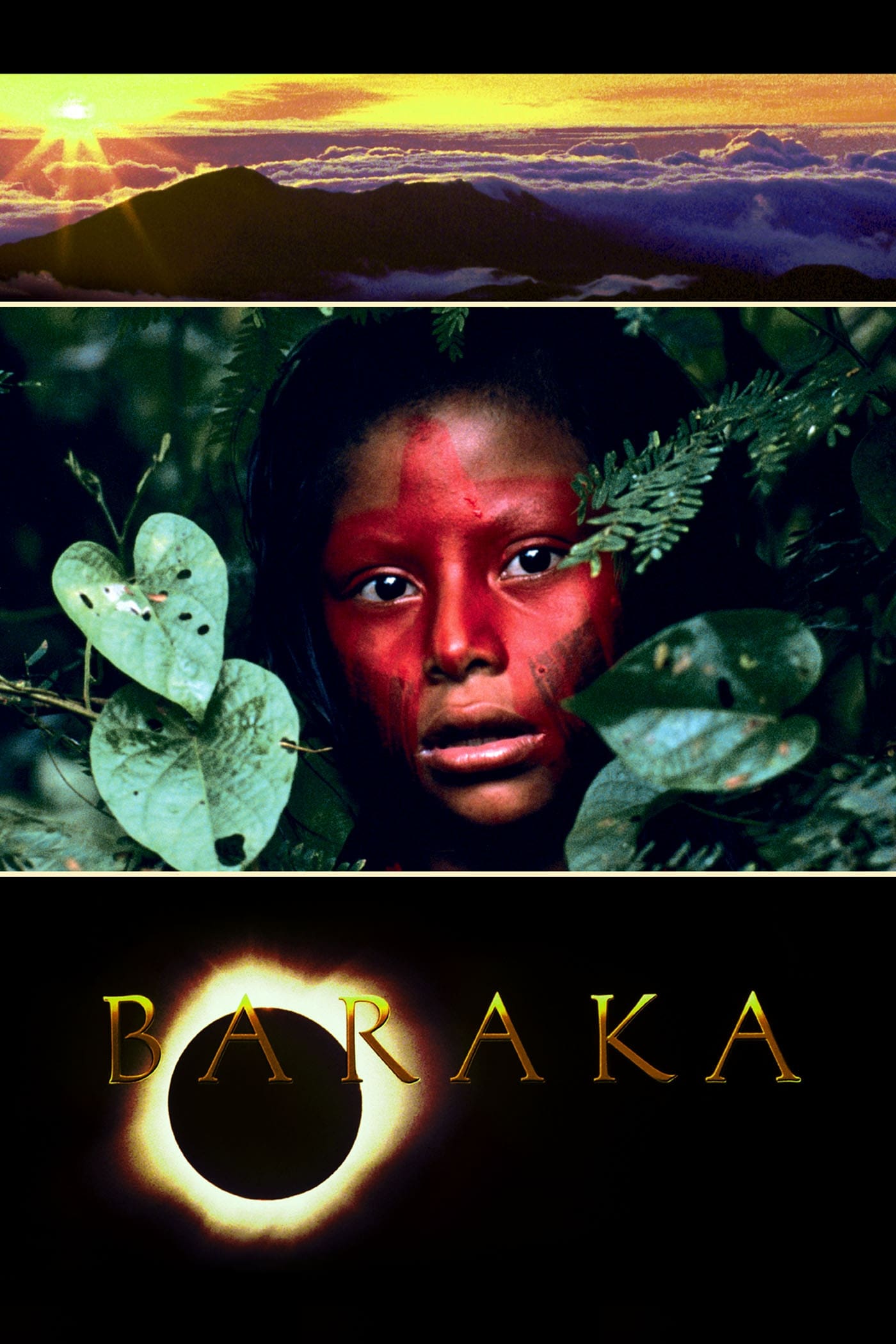
A paralysingly beautiful documentary with a global vision—an odyssey through landscape and time—that attempts to capture the essence of life.
"One Direction: This Is Us" is a captivating and intimate all-access look at life on the road for the global music phenomenon. Weaved with stunning live concert footage, this inspiring feature film tells the remarkable story of Niall, Zayn, Liam, Harry and Louis' meteoric rise to fame, from their humble hometown beginnings and competing on the X-Factor, to conquering the world and performing at London’s famed O2 Arena. Hear it from the boys themselves and see through their own eyes what it's really like to be One Direction.
Daniel Craig candidly reflects on his 15 year adventure as James Bond. Including never-before-seen archival footage from Casino Royale to the upcoming 25th film No Time To Die, Craig shares his personal memories in conversation with 007 producers, Michael G Wilson and Barbara Broccoli.
An unprecedented and intimate look at the life, work and enduring legacy of British actress Audrey Hepburn (1929-1993).
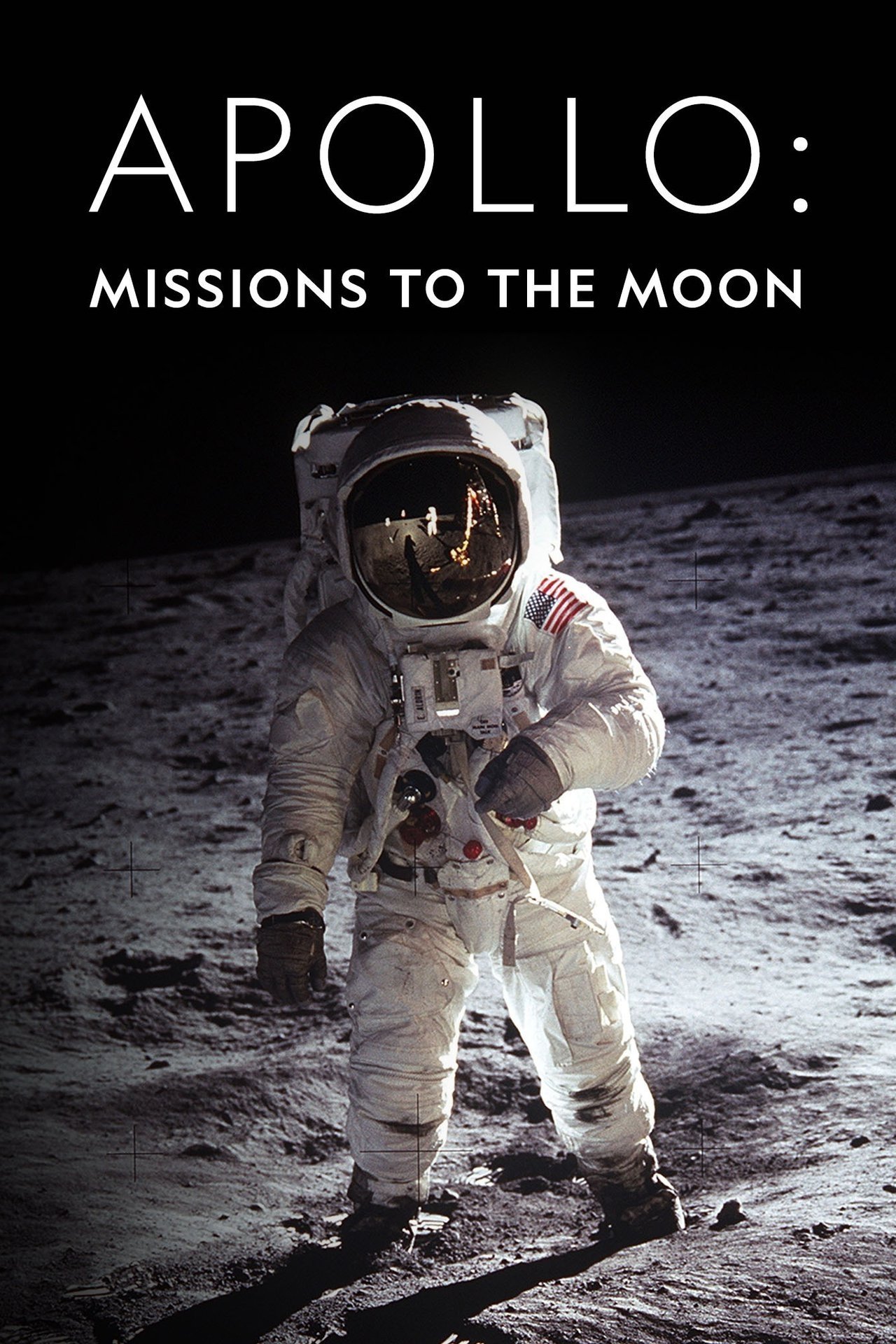
National Geographic's riveting effort recounts all 12 crewed missions using only archival footage, photos and audio.