Social & External
The people behind it
Kiany Tomita
Jonas Pereira
Roberta Pessoa
Davis Sousa
Yurico Tatamyia
Setsuo Tatamyia
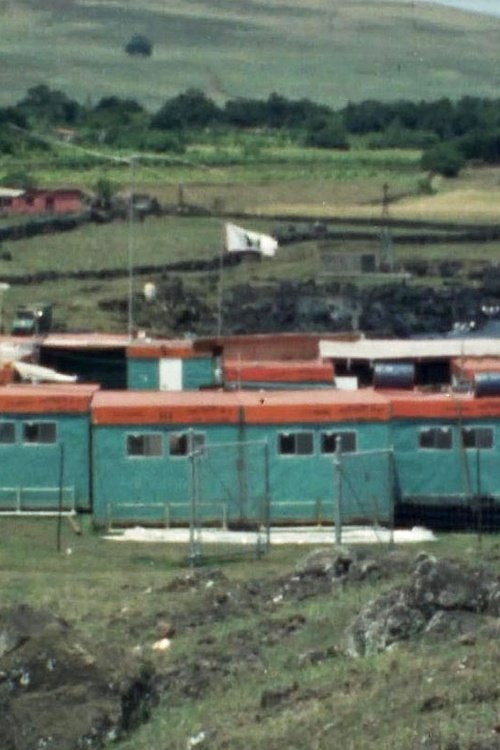
A film record of M.E.T.E.I. (Medical Expedition to Easter Island), one of the most unusual scientific enquiries ever launched, headed by a McGill University research team. While the film is concerned mainly with the physical condition of Easter Islanders, it also provides glimpses of island activities, a village wedding, and the famous long-faced stone sculptures.
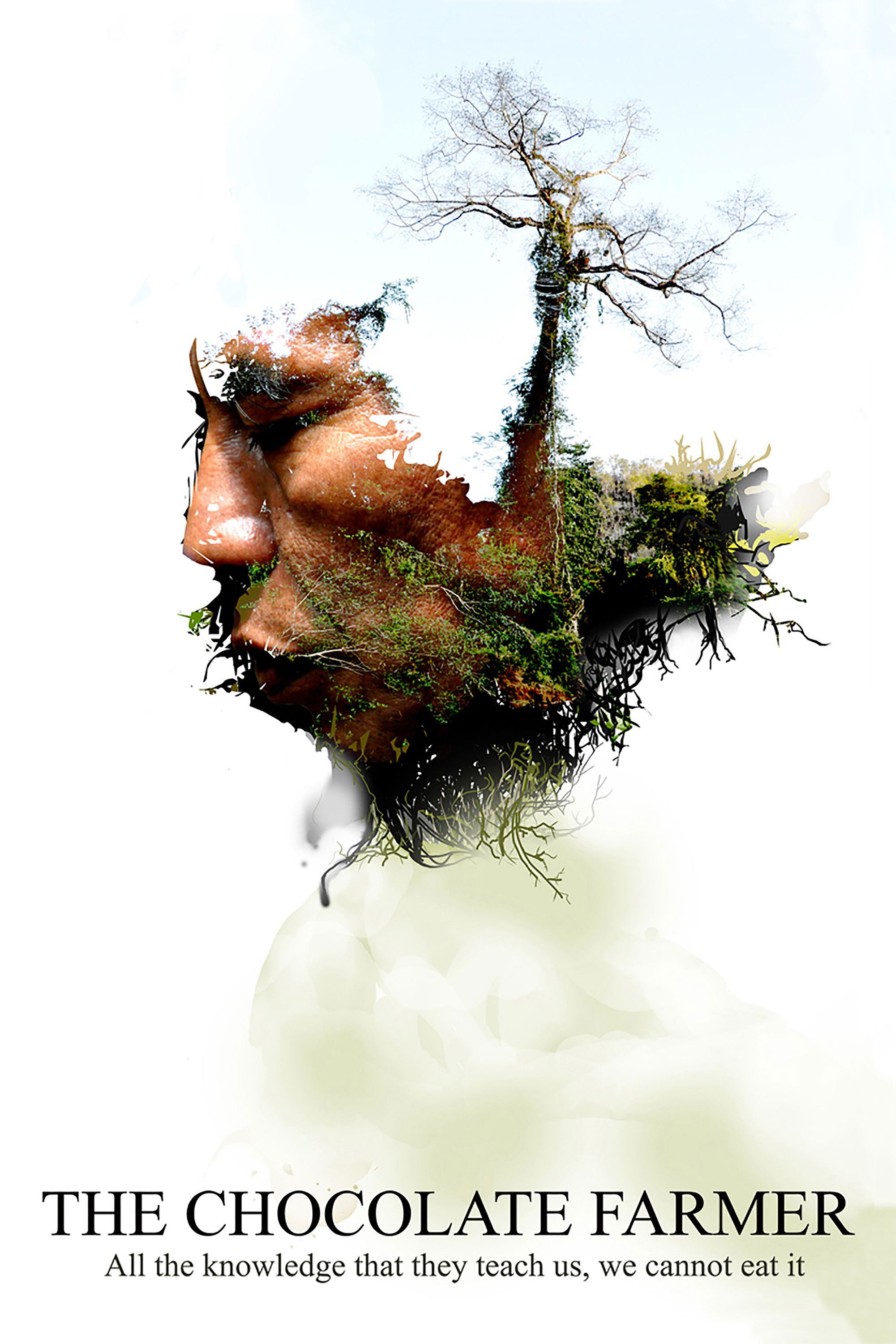
For ancient Mayans, cocoa was as good as gold. For subsistence farmer Eladio Pop, his cocoa crops are the only riches he has to support his wife and 15 children. As he wields his machete with ease, slicing a path to his cocoa trees, the small jungle plot he cultivates in southern Belize remains pristine and wild. His dreams for his children to inherit the land and the traditions of their Mayan ancestors present a familiar challenge. The kids feel their father's philosophies don't fit into a global economy, so they're charting their own course. Rohan Fernando's direction tenderly displays a generational shift, causalities of progress in modern times and a man valiantly protecting an endangered culture. Breathtaking vistas of lush rainforests contrast with the urban dystopia that pulled Pops children away from him. Will one child return to carry on a waning way of life
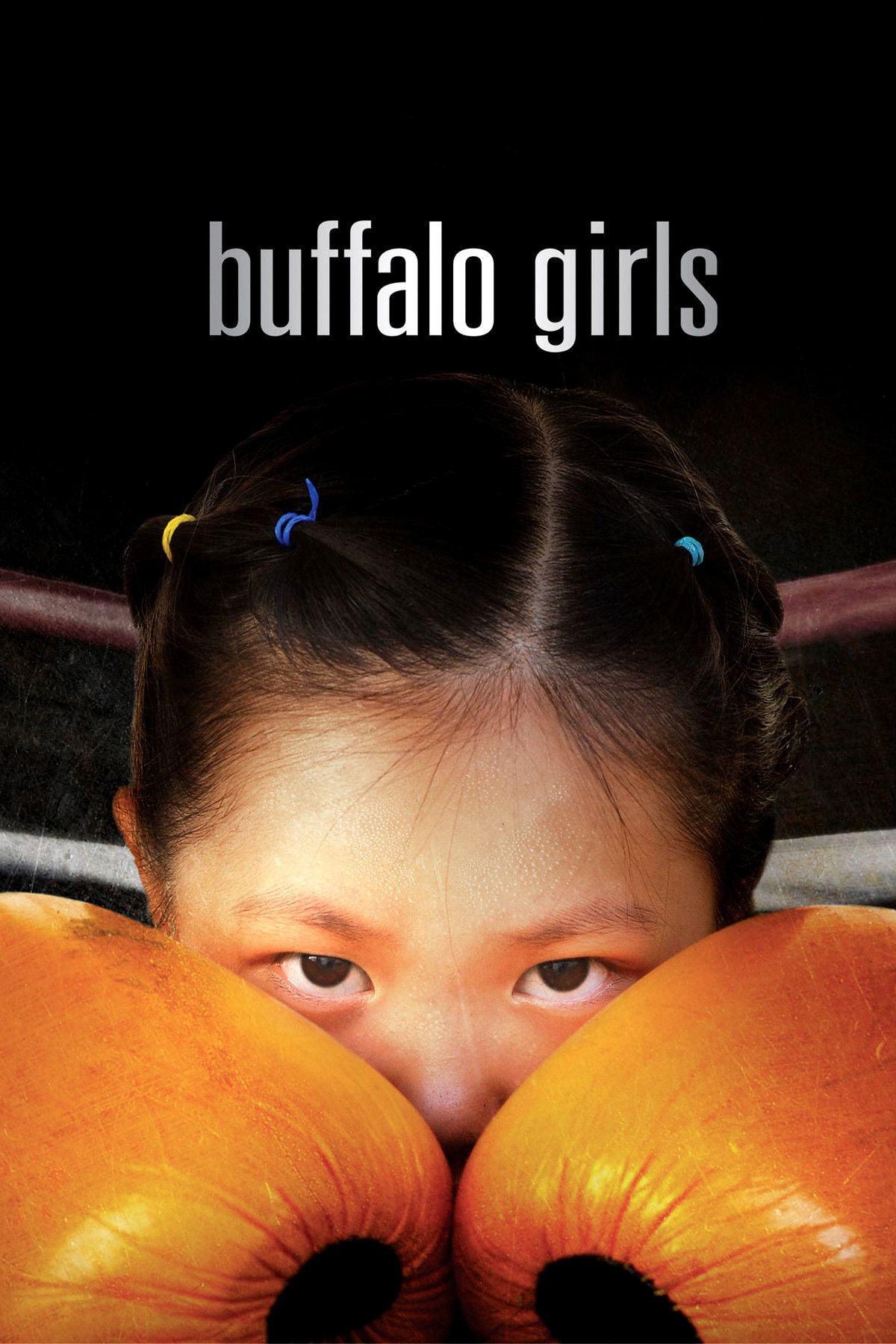
Buffalo Girls tells the story of two 8-year-old-girls, Stam and Pet, both professional Muay Thai prizefighters. Set in small villages throughout rural Thailand, the film chronicles these young girls' emotional and sometimes heartbreaking journey as they fight in small underground arenas to win prize-money to help provide for their families. After many months of rigorous training and a long schedule of fights, Stam and Pet fight each other for the 20 Kilo championship belt of Thailand and a cash prize that will change the winner's life forever.
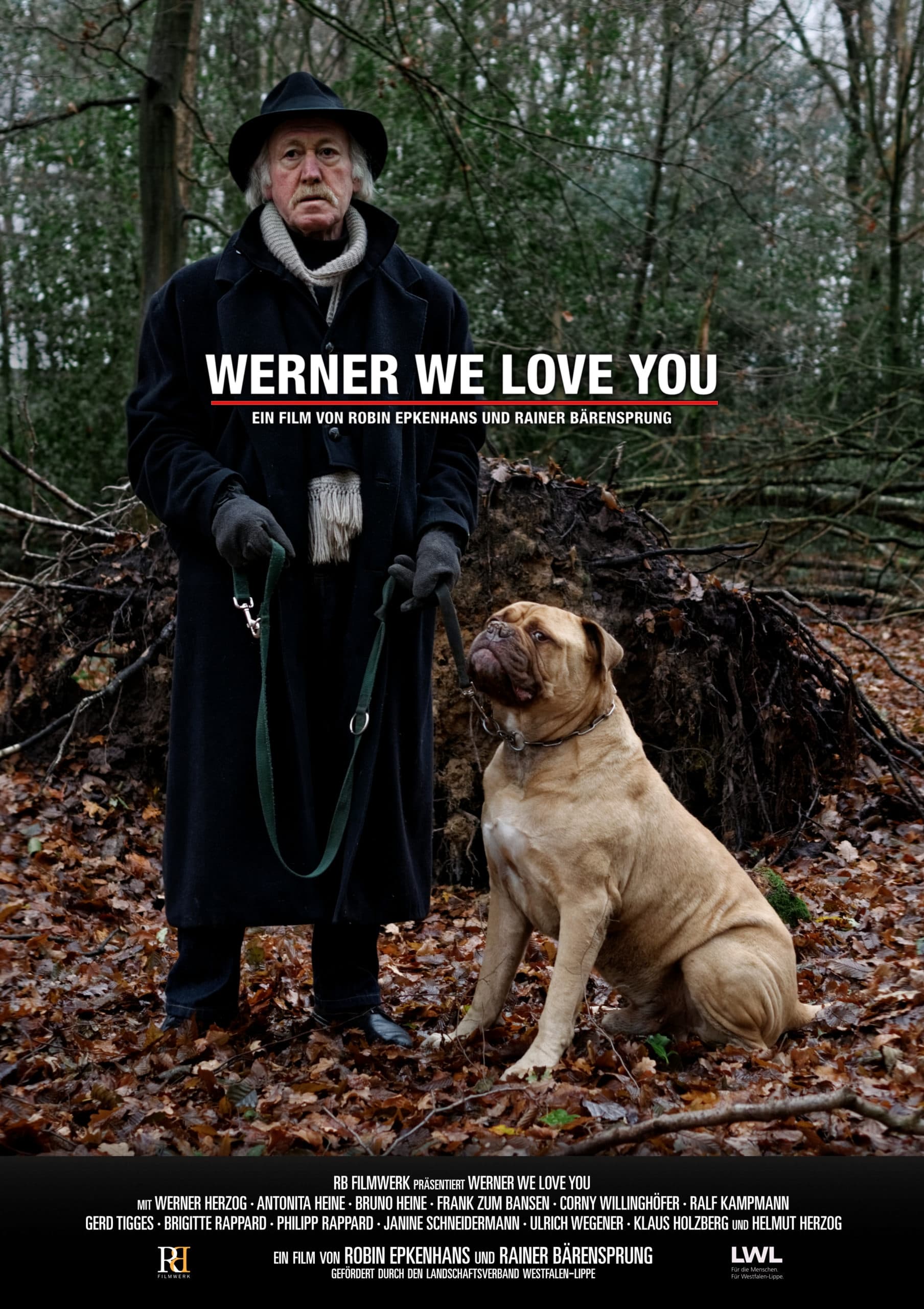
When Werner Herzog was still a child, his father was beaten to death before his eyes. His mother was overwhelmed with his upbringing and thereupon shipped him off to one of the toughest youth welfare institutions in Freistatt. This was followed by a career as a bouncer in the city's most notorious music club and an attempt to start a family. Today, the 77-year-old from Bielefeld lives with his dog Lucky in a lonely house in the country. Despite adverse living conditions, he has survived in his own unique and inimitable way.
We’ve all seen environmental problems highlighted everyday on the media. Now comes the solution. From the man who said, “You can solve all the world’s problems in a garden” comes Geoff Lawton’s Permaculture Soils DVD. 137 minutes of Permaculture soil creation strategies that really work! Even if you have never built a garden or got your hands dirty before, you will learn the secrets of real soil creation – partnering with the life in the Soil! Geoff will take you through every step of the process and explain in detail how to do it yourself. From Compost creation to larger Kitchen Gardens and then to broad acre farming – this is the future of biological agriculture.
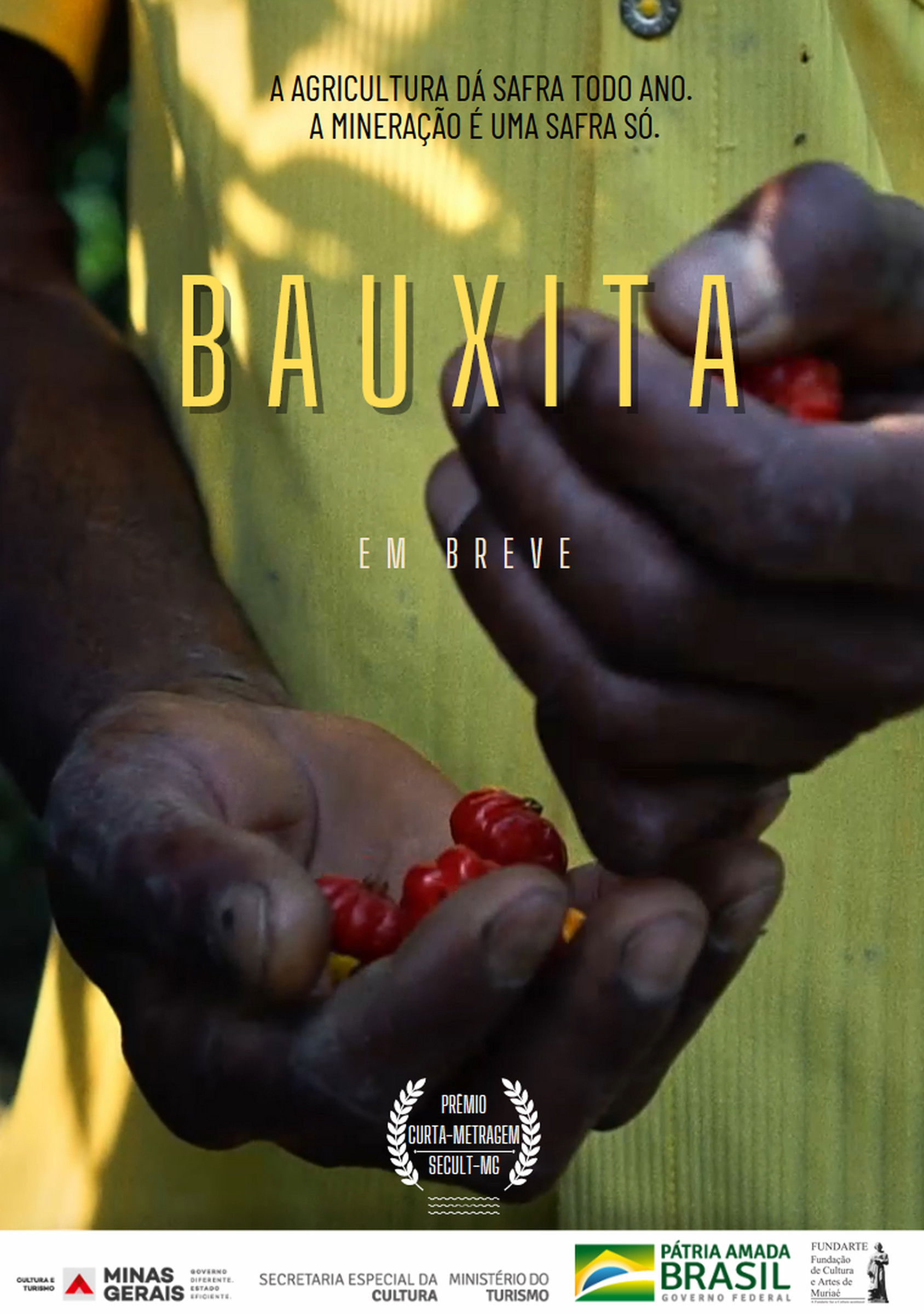
Brazil is one of the most dangerous countries for environmentalists. The rural community of Belisário holds the country's second largest bauxite reserve, right below one of the most bio-diverse areas in the world: the Atlantic Forest. The small community was shaken when the beloved Gilberto, a Franciscan Friar, received a death threat followed by the lines: "you've been talking against mining way too much". PT: O Brasil é um dos países mais perigosos do mundo para defensores do meio ambiente. Em Minas Gerais, a comunidade rural de Belisário abriga a segunda maior reserva de bauxita do país, em uma das áreas de maior biodiversidade do mundo: a Mata Atlântica. A tranquilidade do pequeno vilarejo foi abalada quando Frei Gilberto, um franciscano que dedica sua vida à preservação da natureza, recebeu uma ameaça de morte com o seguinte aviso: "você tem falado demais contra a mineração".
Alice Waters, winner of the San Francisco Foundation 2006 Community Leadership Awards (The John R. May Award) - for transforming our relationship with food. Through her promotion of sustainable agriculture and the slow food movement, she fights obesity and fosters a clearer understanding of how the natural world sustains us. Alice and the Chez Panisse Foundation's Edible Schoolyard educates public school children on the importance of growing and cooking fresh, nutritional food.
A portrait of a small Ontario town, this film introduces its audience to the people of Holstein by filming them in the old-fashioned general store, the blacksmith's shop and the town granary. Old-time residents reminisce, while old-fashioned sleighs travel down the main road bordered by beautiful old frame houses.
Proximity Designs is a sustainable development group that works to improve the lives of the rural poor in Myanmar. Proximity Designs boosts agricultural productivity by designing, producing, and distributing affordable products for people living on less than $2 a day.
How safe is the future of the world’s food? This documentary explores a growing crisis in world agriculture. Plant breeding has created today’s crops, which are high yielding but vulnerable to disease and insects. To keep crops healthy, breeders tap all the genetic diversity of the world’s food plants. But that rich resource is quickly being wiped out. (NFB)
Saguenay and Lac-Saint-Jean: history, economy, tourist attractions, agriculture, wood and paper industry, and especially the gigantic aluminum industry whose products are found in all parts of the world; images of a blueberry field, the Lac Bouchette sanctuary, a religious gathering, a dam, a power plant, the Arvida plant, angling, Cap Éternité, construction canoes, etc.
A film about the importance of heirloom seeds to the agriculture of the world, focusing on seed keepers and activists from around the world.
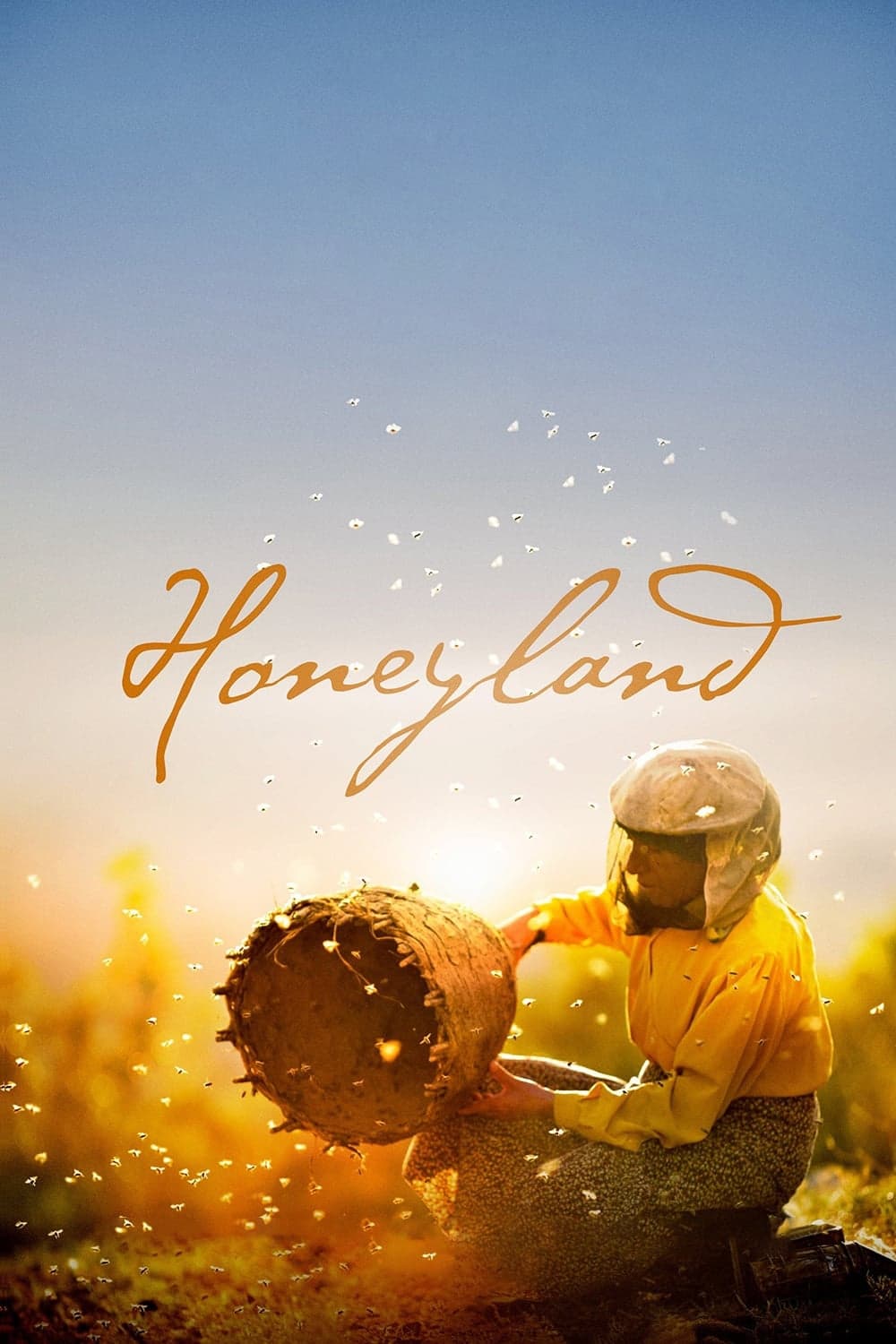
When nomadic beekeepers break Honeyland’s basic rule (take half of the honey, but leave half to the bees), the last female beehunter in Europe must save the bees and restore natural balance.
Keur Simbara is an intimate, lyrical short documentary that follows a group of women community organizers in a rural Senegalese village as they build and sustain systems of health, finance, agriculture, and domestic infrastructure. Amid water scarcity and environmental challenges, they articulate their hopes for the future and the legacy they wish to leave behind. Keur Simbara is a tribute to communal wisdom and the power of local organizing.
A documentary directed by Hori Teiichi who was a production assistant on the 1994 documentary Otentousama ga Hoshii and has worked in a wide variety of genres from pink films to ordinary theatrical releases. The lifestyle and scenery of Osawa, a village situated 740 meters up on the mountainous slopes of Hamamatsu city's northern region in Shizuoka Prefecture, are the focus of this first installment to the "Tenryu-ku" series. It straightforwardly captures the tea harvest in late May and the tea processing conducted in a factory while showcasing mist shrouded tea fields drummed by rain as well as the beauty of the glistening green of the tea leaf shoots.
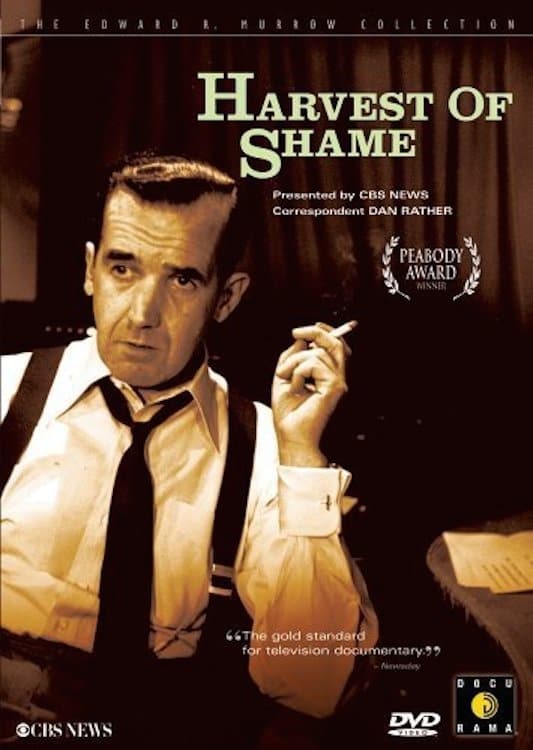
In this CBS News production broadcast on Thanksgiving 1960, Edward R. Murrow points out the plight of migrant farm workers in America. Topics range from the harsh living conditions, endless travel, low wages, and poor opportunities for their children.
The Bapst Brothers: Romain, Maurice and Jacques – whom we will also meet in The Gruyere Chronicle (produced in 1990) – are peasants and carriers and work with their father. In autumn and winter, they bid for the community’s wood, cut down the pine trees and bring down the logs through the snowy woods by horse-drawn sleigh.
Merging sweeping wine country footage with insightful interviews, filmmaker Lori Miller showcases the dynamic natural wine movement that is transforming a growing number of Northern California vineyards.
As the global economics of dairy farming has winnowed out most small and medium-sized dairies, the surviving farmers confront pressures to intensify production, even as they find that getting bigger presents new problems.
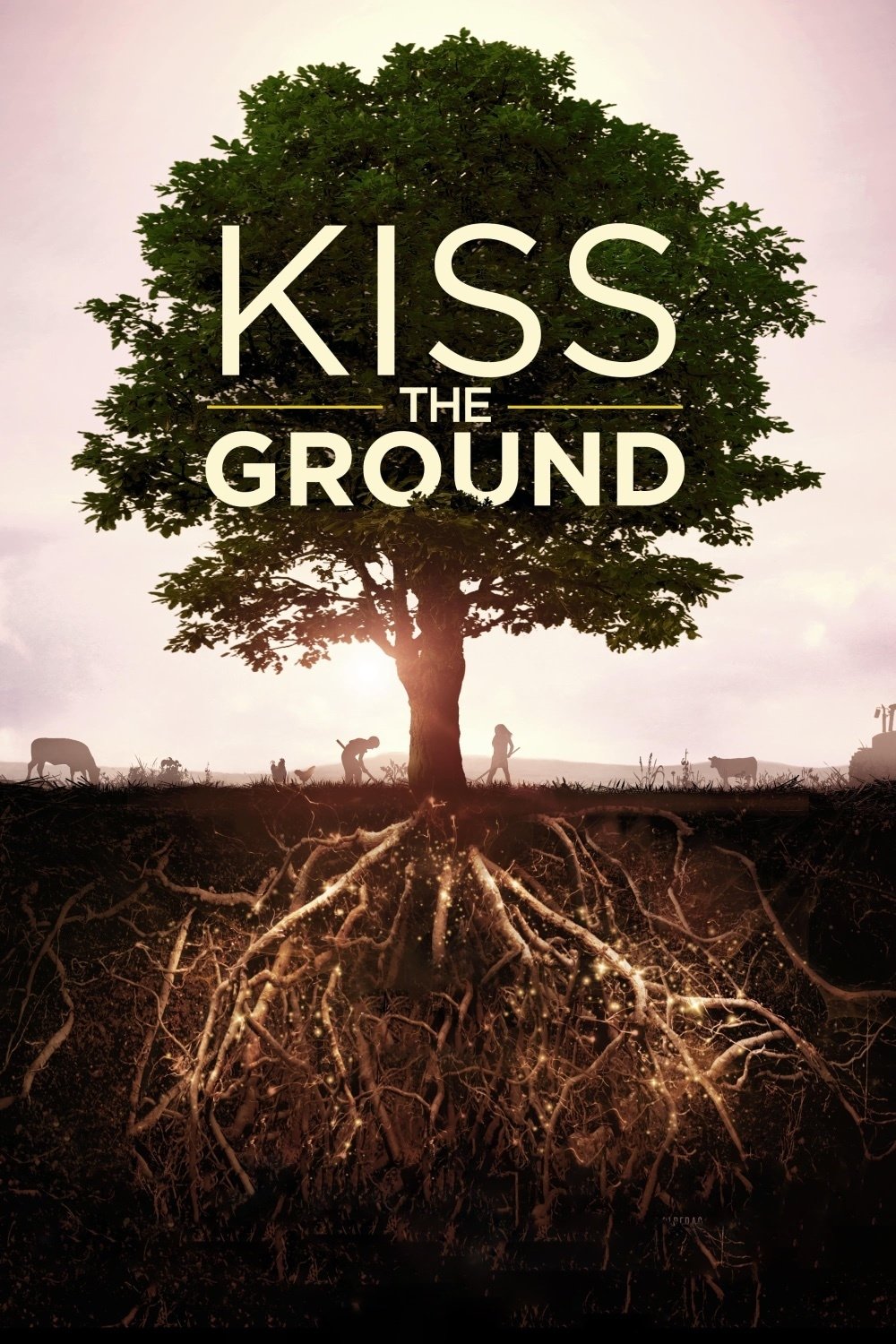
Sheds light on an alternative approach to farming called “regenerative agriculture” that could balance our climate, replenish our vast water supplies, and feed the world.
In an intimate and joyful story of love in the face of loss, celebrated poets Andrea Gibson and Megan Falley find strength—and unexpected hilarity—in what might be their final year together.
A string of threatening emails escalates into a revenge plot involving a newly married US marshal and his ex-girlfriend.
Ranjit, a farmer in India, takes on the fight of his life when he demands justice for his 13-year-old daughter, the victim of a brutal gang rape. His decision to support his daughter is virtually unheard of, and his journey unprecedented.
The life of Mr. Spock, as well as that of Leonard Nimoy, the actor who played him for almost fifty years, written and directed by his son: Adam.
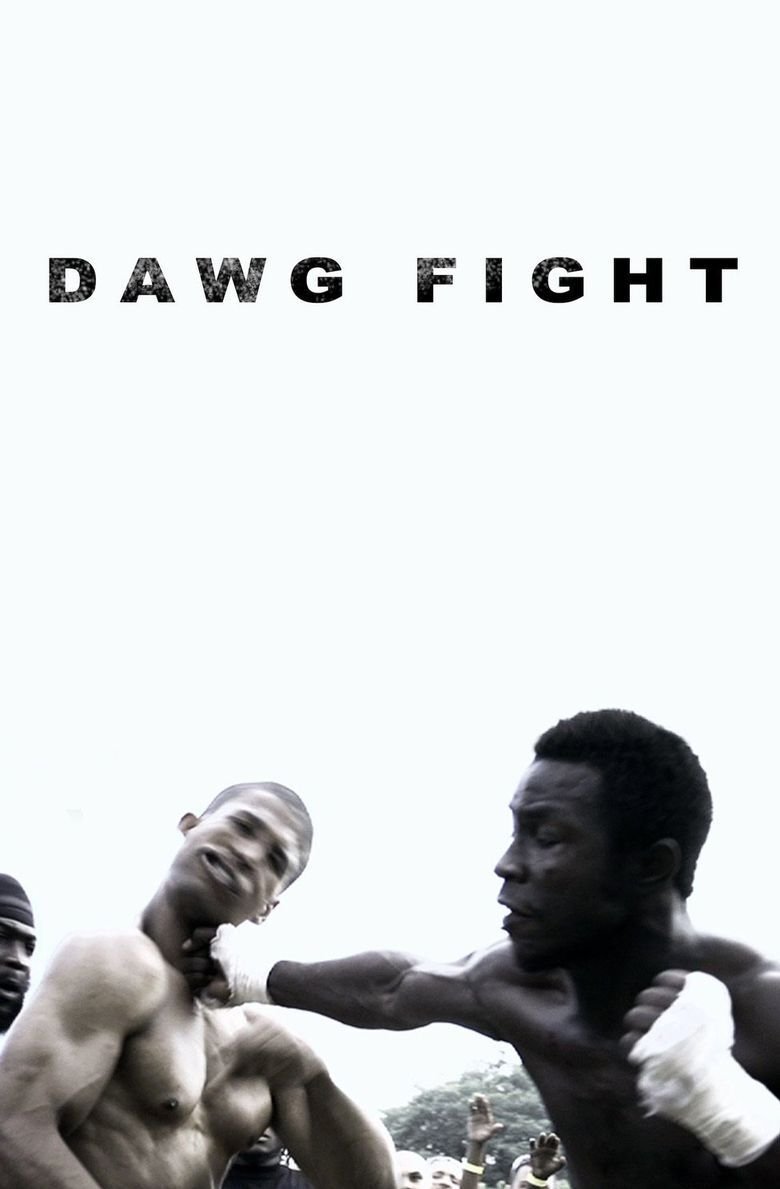
In a crime-plagued neighborhood near Miami, brutal, bare-knuckled backyard fights give young men a chance to earn money -- and self-respect.
The film follows adventurer Jeff Johnson as he retraces the epic 1968 journey of his heroes Yvon Chouinard and Doug Tompkins to Patagonia.
Daniel Craig candidly reflects on his 15 year adventure as James Bond. Including never-before-seen archival footage from Casino Royale to the upcoming 25th film No Time To Die, Craig shares his personal memories in conversation with 007 producers, Michael G Wilson and Barbara Broccoli.
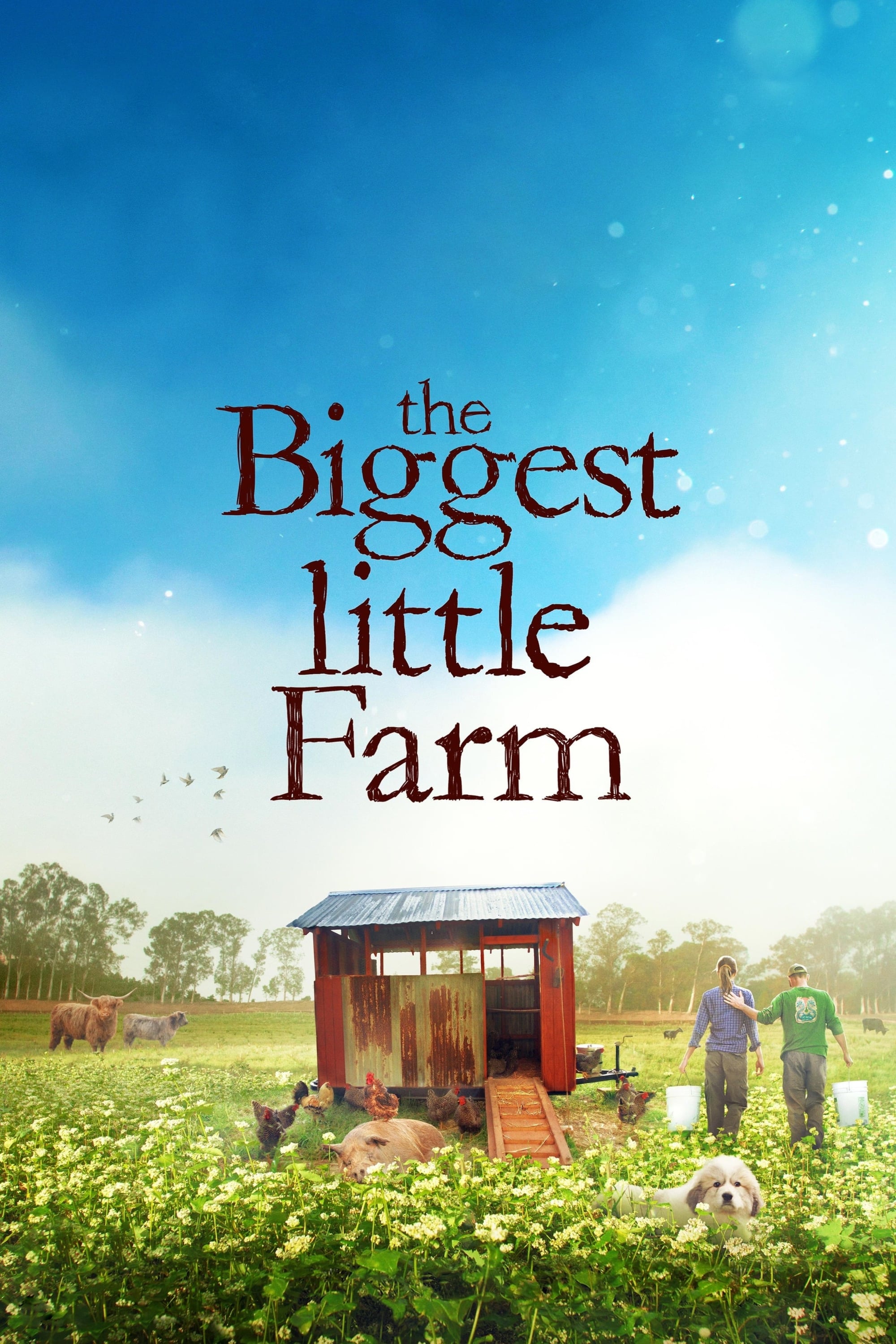
The successes and failures of a couple determined to live in harmony with nature on a farm outside of Los Angeles are lovingly chronicled by filmmaking farmer John Chester, in this inspiring documentary.
Over 35 years after Bob Lazar's revelations, this documentary exposes secrets of a facility the government still denies. Featuring Lazar's testimony, recreations, and new evidence, it reopens a case that continues to spark global curiosity
A comedic, brutally honest documentary following self-destructive TV writer Dan Harmon as he takes his live podcast on a national tour.
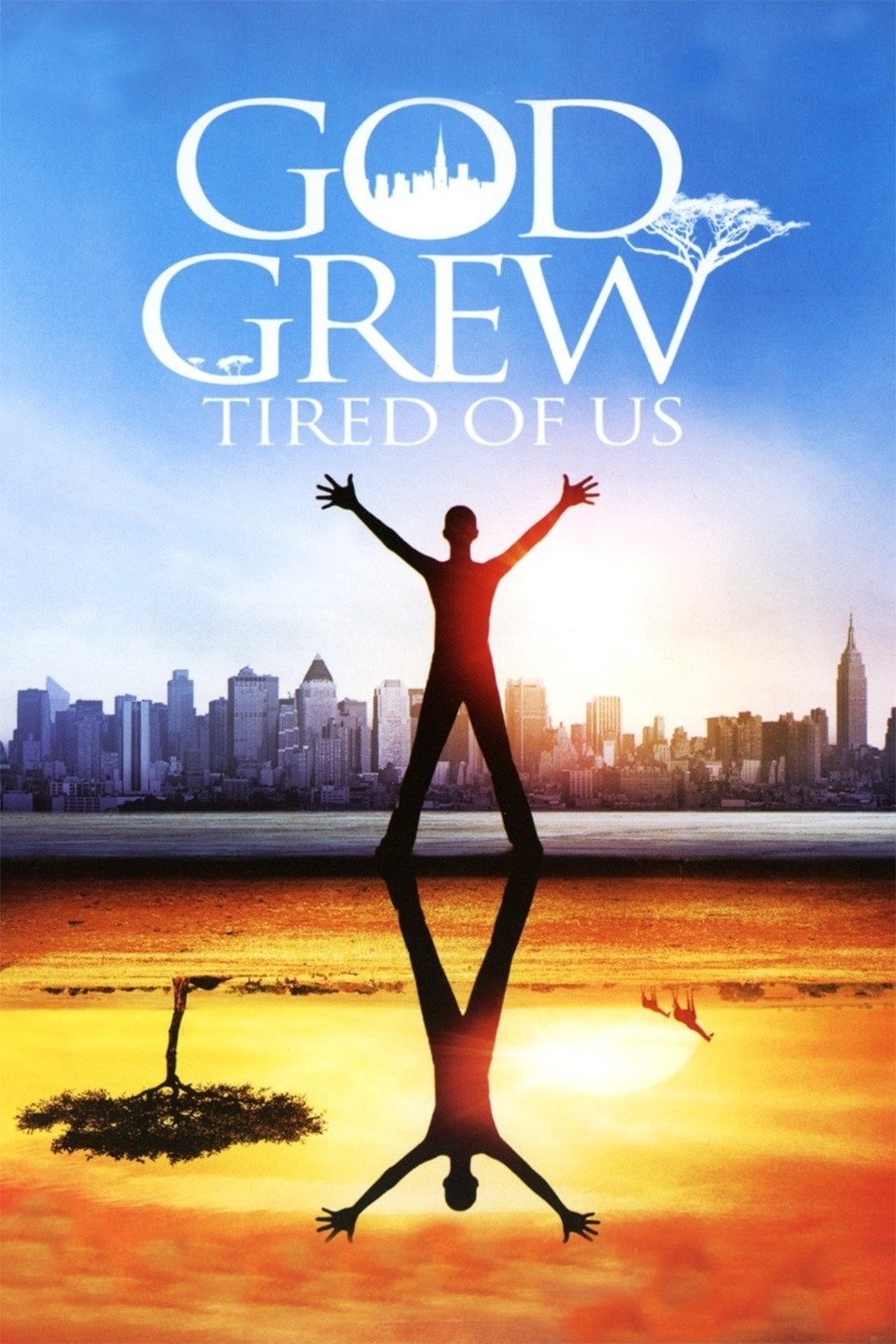
Filmmaker Christopher Quinn observes the ordeal of three Sudanese refugees -- Jon Bul Dau, Daniel Abul Pach and Panther Bior -- as they try to come to terms with the horrors they experienced in their homeland, while adjusting to their new lives in the United States.
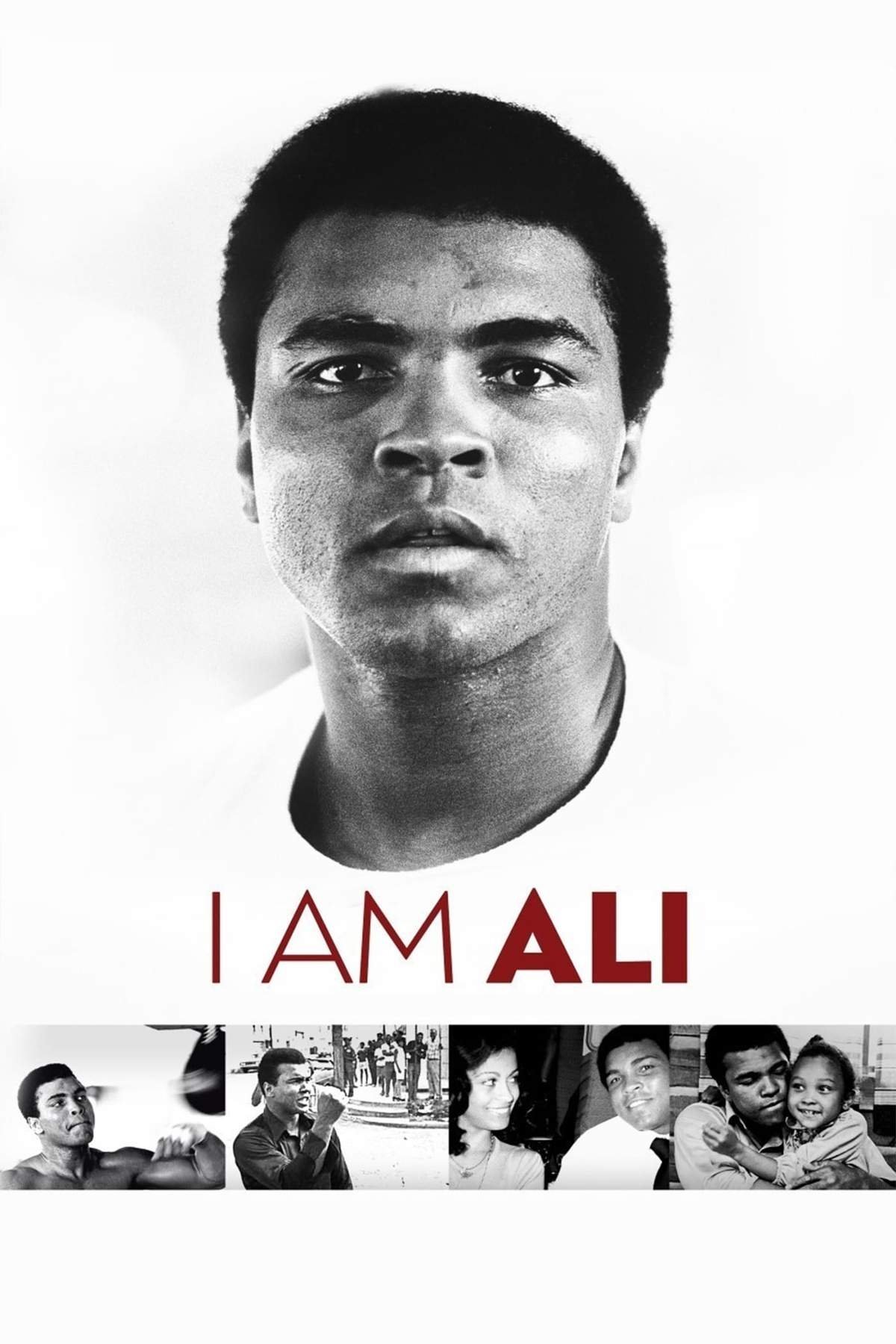
Unprecedented access to Muhammad Ali's personal archive of "audio journals" as well as interviews and testimonials from his inner circle of family and friends are used to tell the legend's life story.
The life and career of an actor, artist, and icon. His own journey through his own camera.
Through deeply personal interviews with her siblings and an examination of the photographs, letters, and belongings left behind, Mariska assembles a new portrait of her mother Jayne Mansfield, an extraordinary and complex woman.
Director Michael Apted revisits the same group of British-born adults after a 7 year wait. The subjects are interviewed as to the changes that have occurred in their lives during the last seven years.
A documentary about the making of season five of the acclaimed AMC series Breaking Bad.
The life and career of one of comedy's most inimitable modern voices, Mr. Gilbert Gottfried.
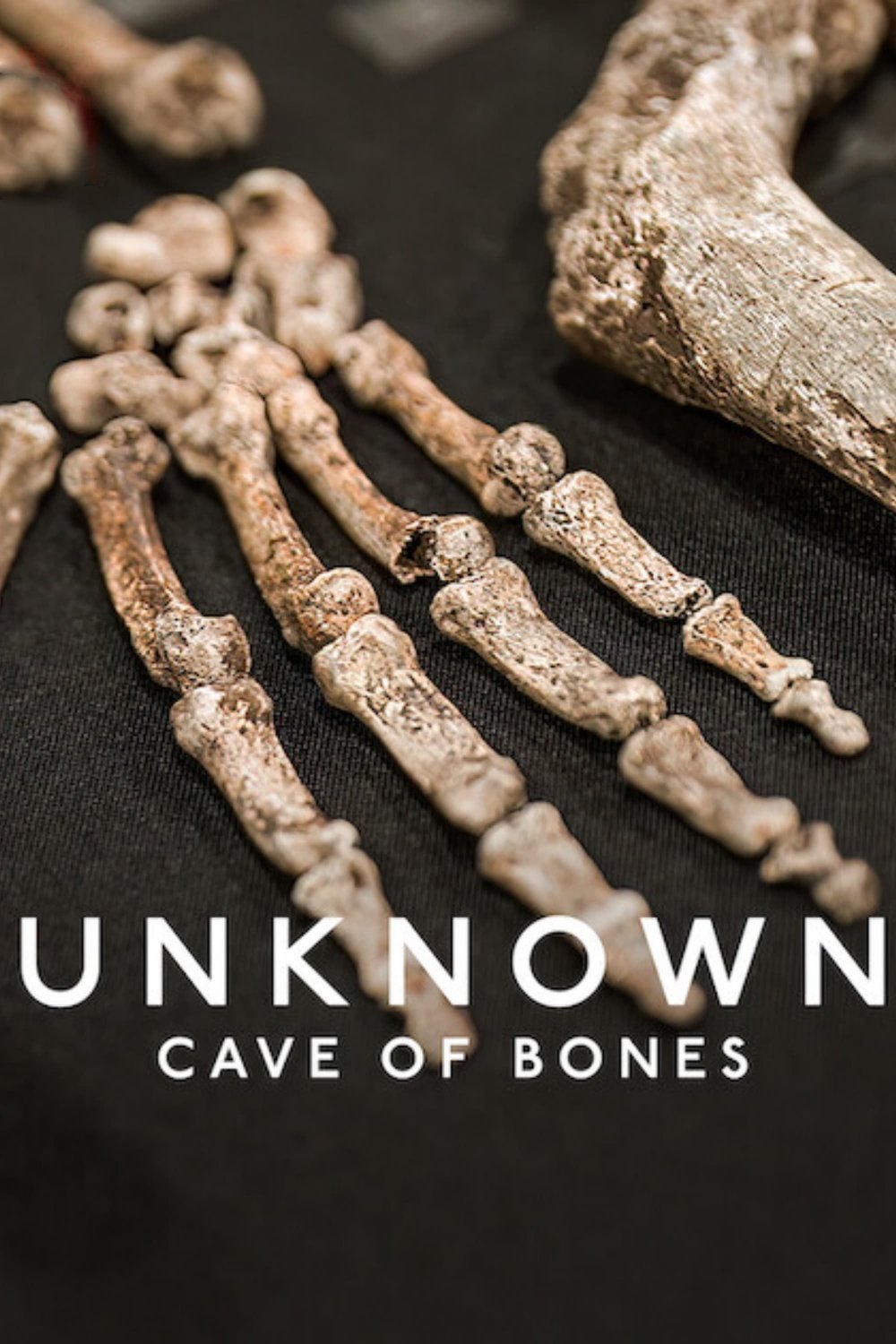
Scientists examine underground clues from over 250,000 years ago that raise questions about our early relatives — and what it truly means to be human.
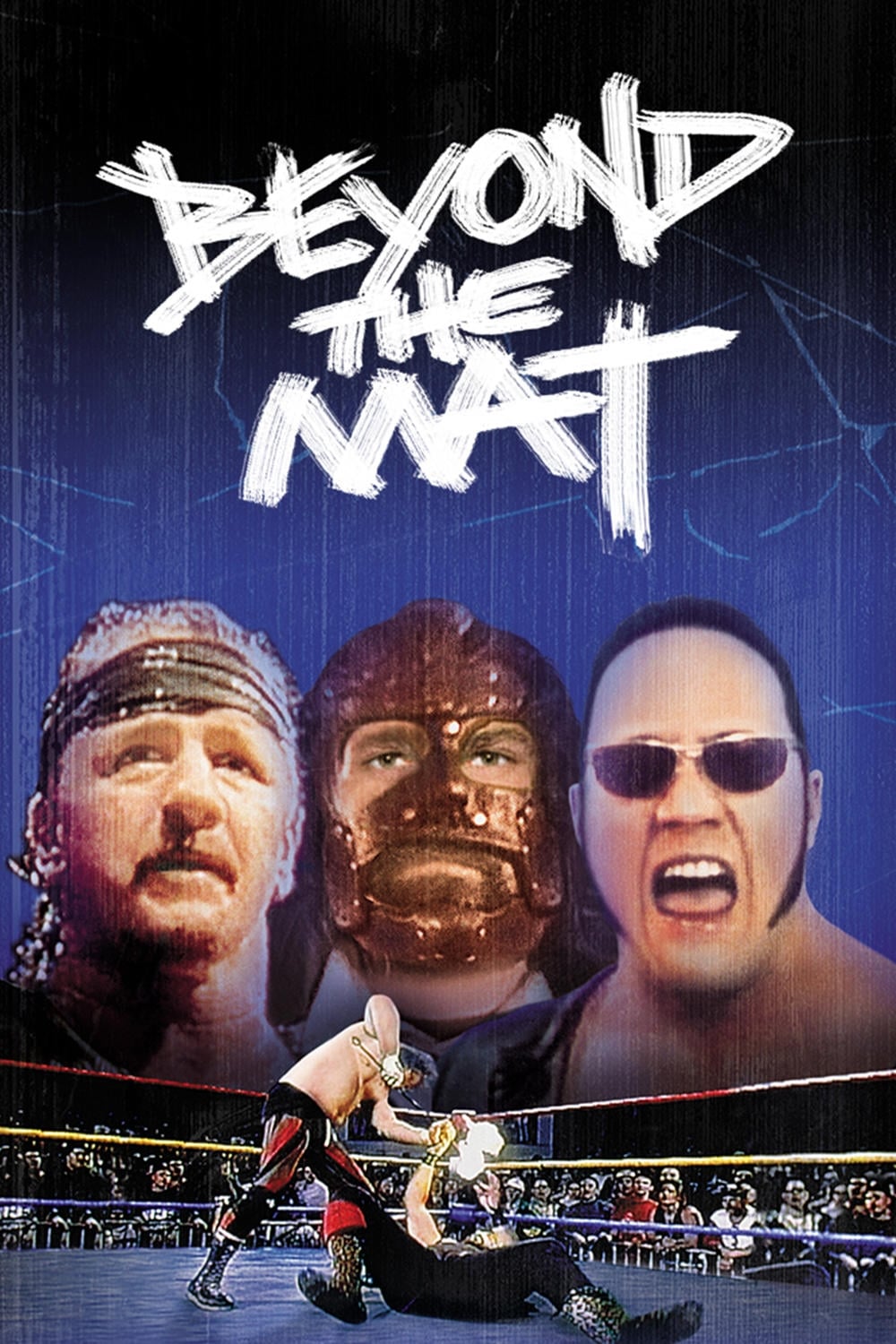
A heartfelt documentary focusing on the day-to-day lives of professional wrestlers, some on the rise, some on the wane, and others fighting for their lives.