A documentary consisting of six chapters.
Social & External
The people behind it
Rebecca Clamp
Narrator (voice)
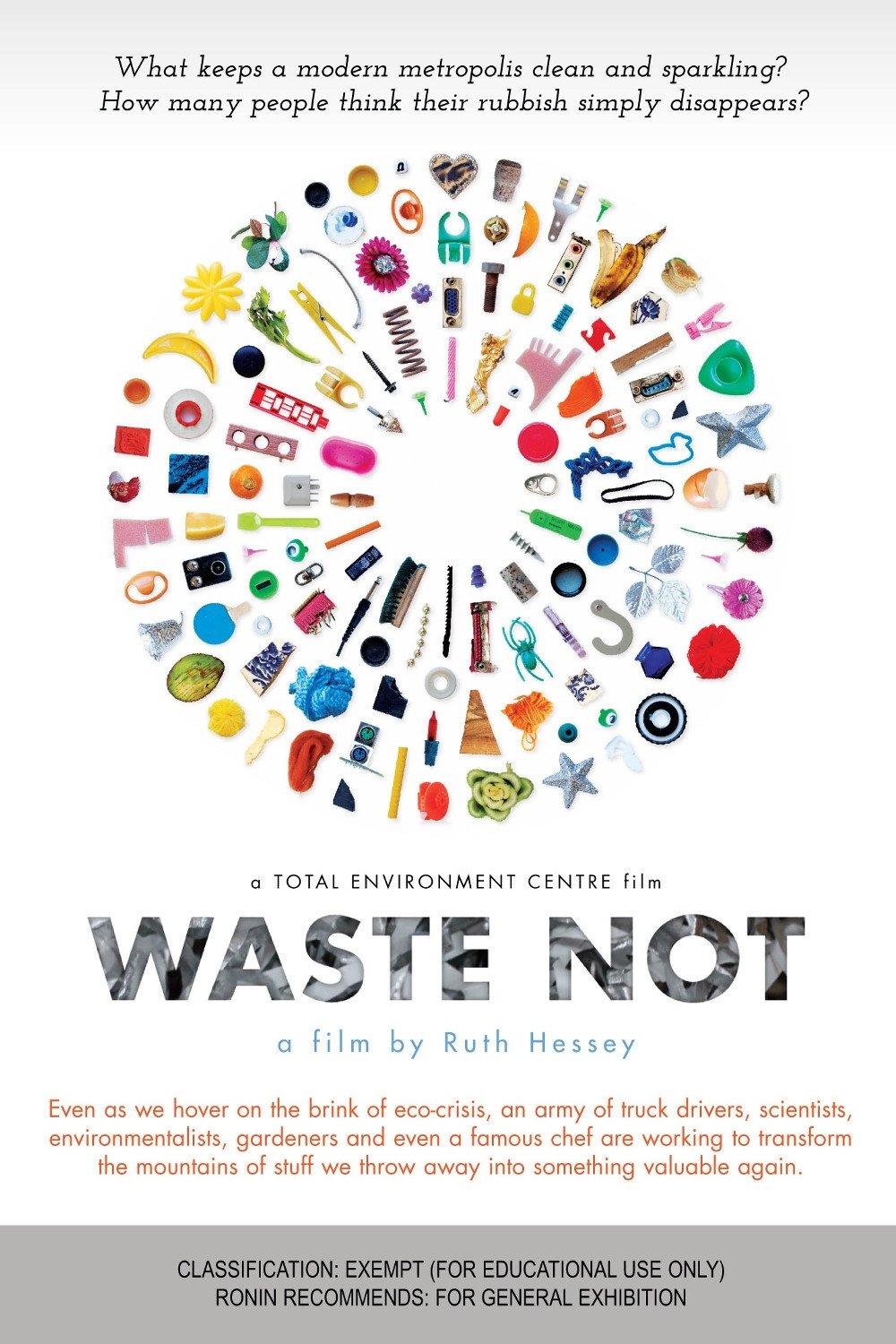
Waste Not is a film about where your garbage goes, who sorts it for you, and what it is worth if it isn't just tossed into landfill. It's easier and cheaper to retrieve gold from old computers for instance, than to dig it up. Organics can be used to create fertiliser and green electricity and yet each Australian sends half a tonne of food waste to landfill each year where it is contaminated with chemicals and e-waste. We recycle only 50% of all our waste. There is an alternative to environmental apocalypse and we don't have to wait for the politicians to make it happen. All we really need to do is be creative and use our imaginations to turn this waste into wealth again. Waste Not talks to scientists, workers at waste depots, environment campaigners, gardeners and even a famous chef about how easy it is to save the planet by simply recycling properly.
Evie Lake introduces The Magic Hat Cafe, an anti-food waste cafe in Newcastle. In today’s climate, it’s hard not to worry about waste. Not just our own, but that of supermarkets and suppliers. Is every carrot, potato and piece of meat going to be used? What happens if they’re not? Magic Hat acts on these worries and turns would-be-wasted produce into meals and experiences for people to enjoy. Magic Hat is an innovative and progressive organisation in the way that it puts people first. Instead of purchasing your coffee and food, there’s an option to pay it back by working for them for a few hours. They also let people volunteer to learn new skills, to make themselves more employable and, in addition to being an environmentally conscious operation which eradicates waste in their supply chain, their sustainability also feeds directly into the community through food bank donations, education and delicious food.
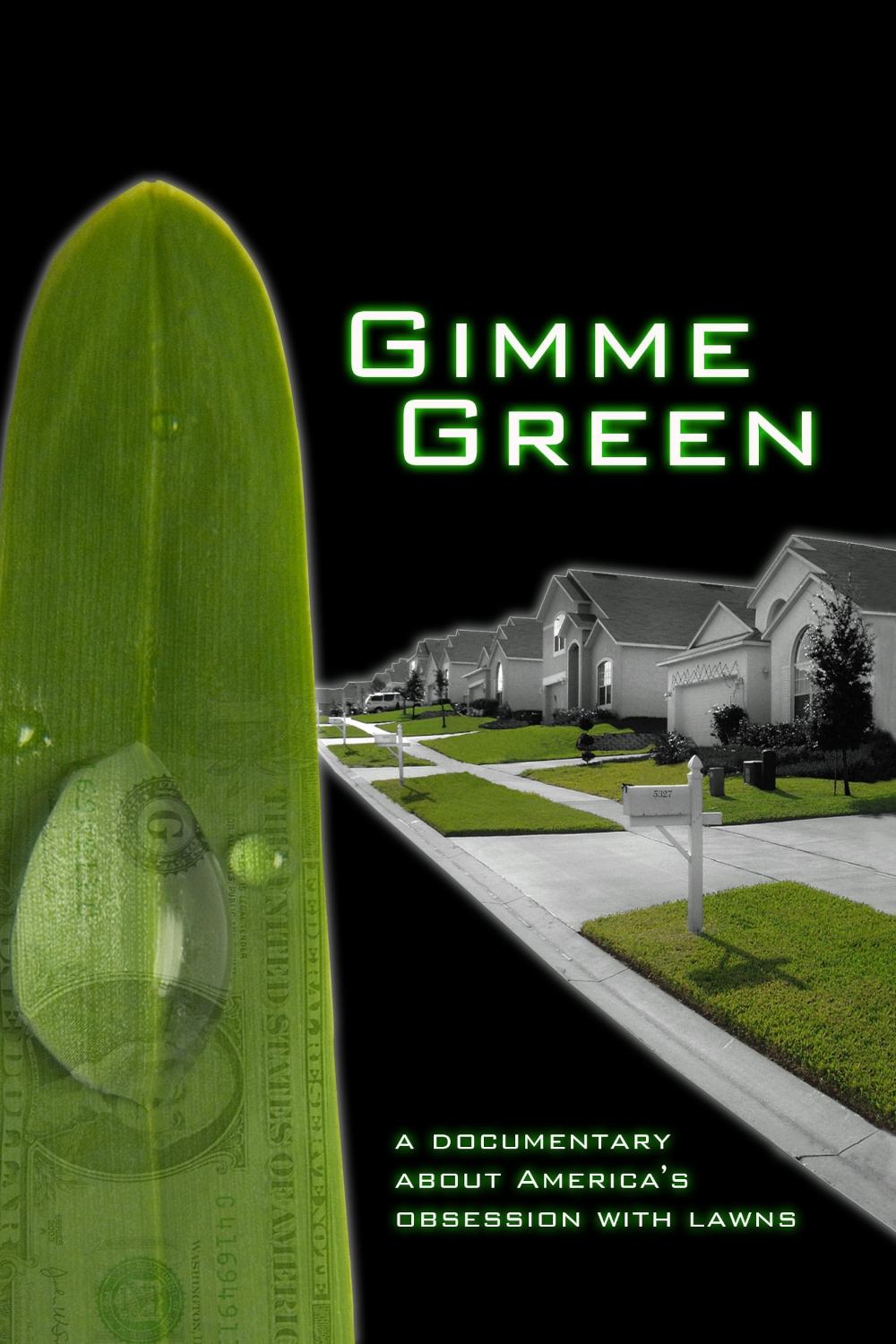
Gimme Green is a humorous look at the American obsession with the residential lawn and the effects it has on our environment, our wallets and our outlook on life. From the limitless subdivisions of Florida to sod farms in the arid southwest, Gimme Green peers behind the curtain of the $40-billion industry that fuels our nation's largest irrigated crop-the lawn.
What happens to the food we digest after it leaves our body? Is it waste that is thrown away or a resource that can be reused? In search of answers, director Rubén Abruña embarks on an investigative and entertaining search through 16 cities on four continents. He follows the trail of feces from the long sewers of Paris to a huge sewage treatment plant in Chicago.
A powerful visual journey into the heart of a gut-wrenching environmental tragedy, while delivering a profound message of healing and renewal.
A group of five people with different backgrounds challenge themselves by driving 200 miles along Australia's east coast, using vegetable oil as fuel and their own food sourced from waste containers. Without money, but with great commitment, the trip will be a test of both the endurance of the travelers and the society, whose overproduction ends up in the waste pile. An adventure with dedicated "dumpster dive" experts Paul and Mykel as guides. On the trip they also take Nick from Scotland, Swedish student Sofia and Krystal who just have to get away from Brisbane for a while.
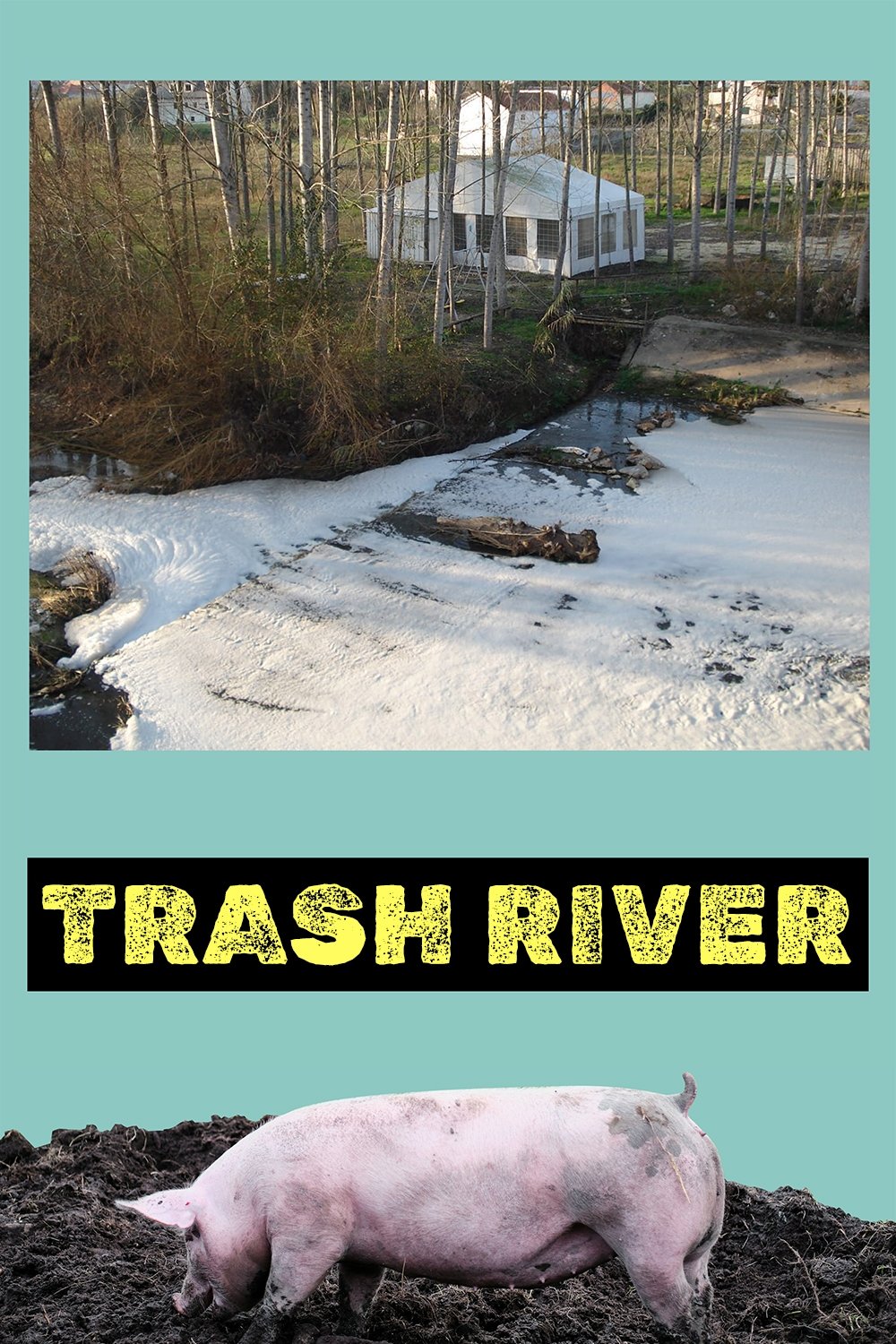
River Lis runs polluted through Leiria. It's been 50 years since the first pig farm was installed in the region. Since then, people have lived with the consequences of countless crimes against the environment and a shocking lack of justice. The children that remember when the water was clean, now grandparents, share their story of resistance and fight against pollution.
A short film on throw-away culture and TV
While Paris, the City of Lights, shines brightly, hidden in its shadows are fascinating installations, put in place nearly two centuries ago: the sewers. Even today, this 2,600-kilometer-long labyrinth of streets and infrastructure ensures the sanitation of the entire capital. In 1854, during Haussmann's grand urban renewal projects in Paris, the French engineer Eugène Belgrand undertook one of the century's largest construction projects: the renovation of the Paris sewers. His main innovation: an ingenious dual network that simultaneously treats wastewater and delivers drinking water to Parisians.
A poetic and psychedelic journey, tracing flows of waste materials across species boundaries, in and out of hum/animal bodies through sites of scientific control. Oscillating between poetry, documentary, and reenactment, the film slips between the cracks of industrial spaces; below ground, across membranes, factory walls and into orifices and hidden worlds of work. The film is woven together by a series of poems performed by Logan February in which borrowed language accumulates. Sourced from different fields these lyrical experiments refer to fluid dynamics, spirituality, medical history, psychoanalysis and reproductive science.
A festival of digestion on many scales, from planetary to microbial.
Houcine is a 64-year-old rag and bone amongst hundreds of them in Casablanca and whose valuable work is almost invisible. The decision of the local authorities to abolish the carts drawn by animals threatens to wipe their livelihood in the name of the modernization of Casablanca which wants to be a "Smart City". The film follows Houcine's daily routine despite his multiple health concerns.
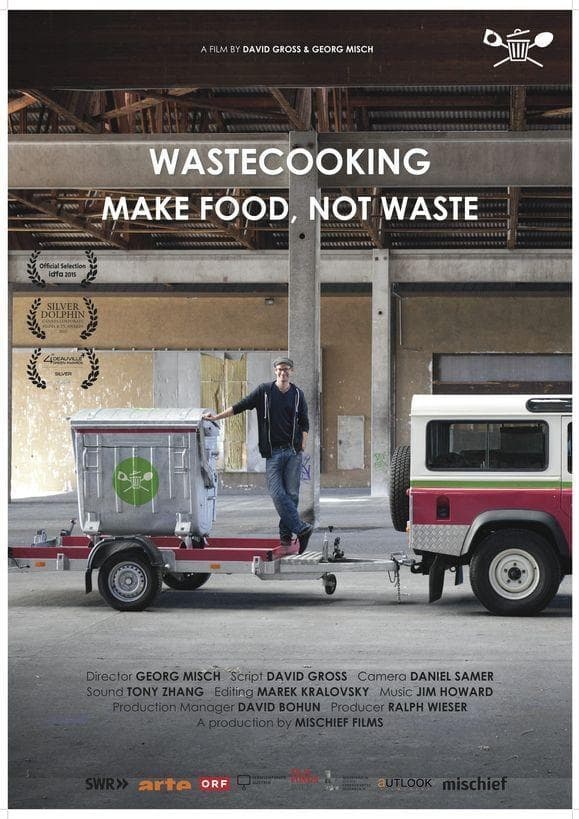
Author and cook David Groß travels through five European countries and cooks exclusively what others throw in the garbage bin. With great thirst for knowledge, he tracks food waste and presents unexpected solutions. In an unusual and humorous self-attempt David Groß questions our daily consumer lifestyle.
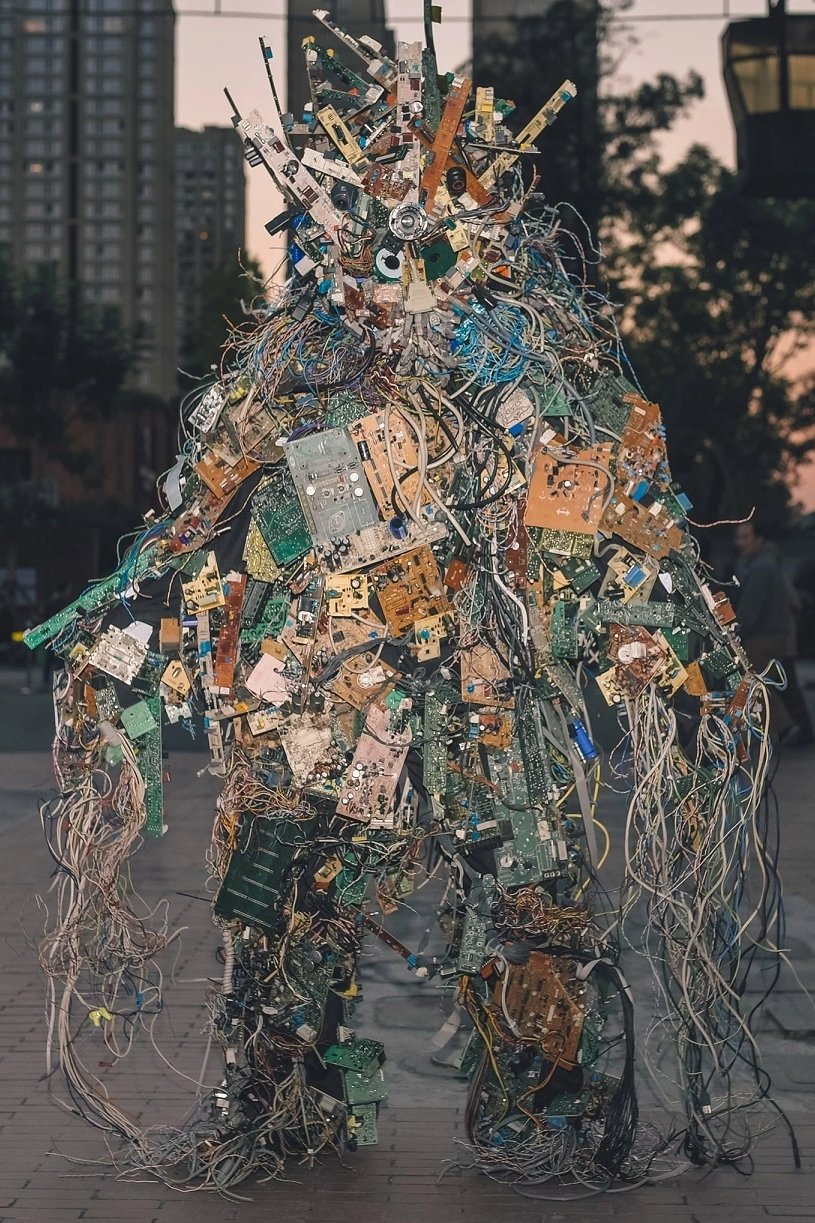
Part of a series of 4 films, Kinshasa (2018), Shenzhen (2019), New York (2019) and Dakar (2018), the project explores the relationship between digital technology, cybernetics, colonialism and the re-enchanted notion of a Non-Aligned Humanist Utopia. The four films of Core Dump are rhizomatic assemblages of found footage, performance documentation and recorded interviews that form narrative portraits of the uncertainty in the nervous system of the digital earth. The films are fragmented arrangements of images and sounds, with each chapter forming links across geographic and temporal discontinuities.
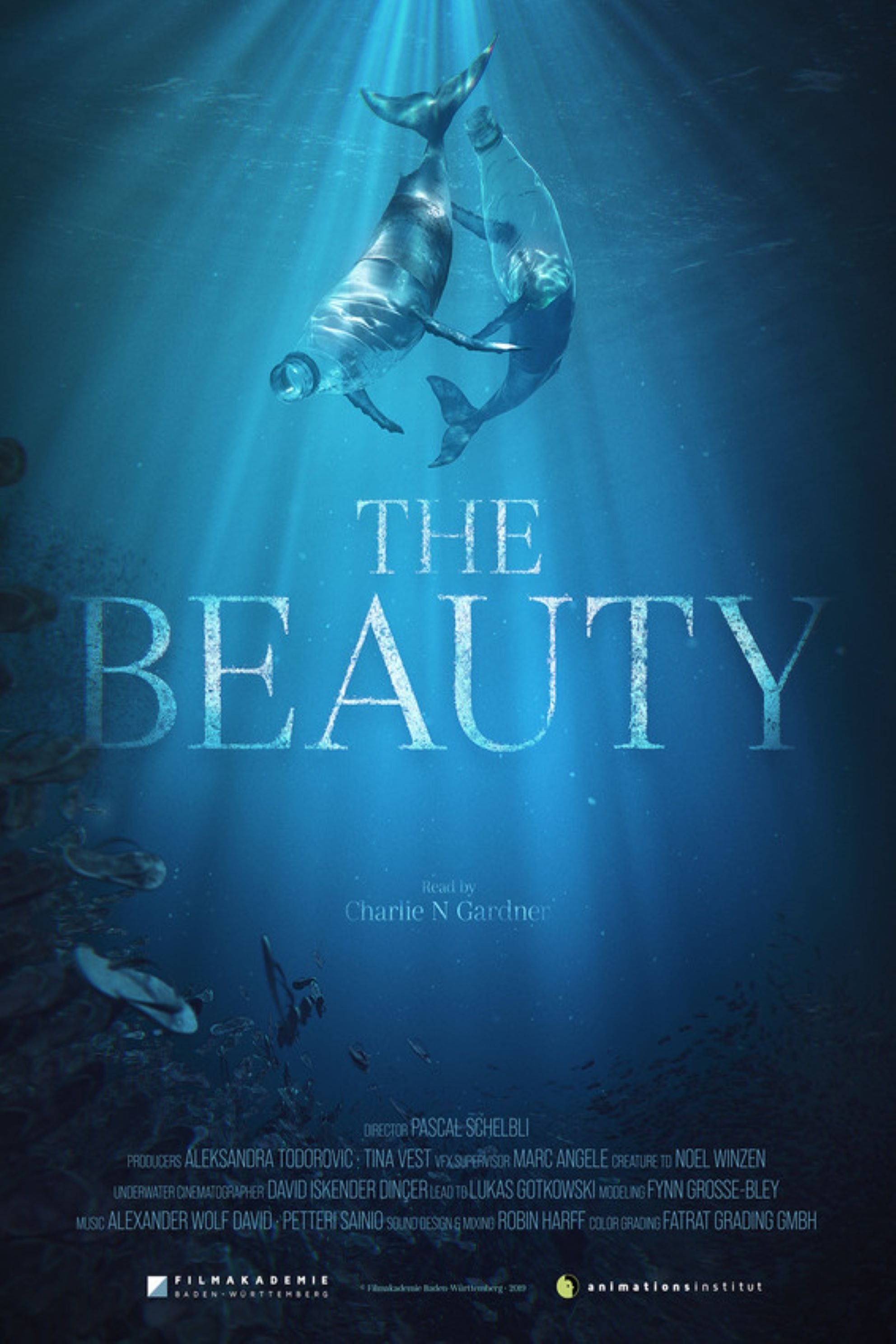
What if plastic could be integrated into sea life? Take a deep breath and dive into a world where feelings of guilt dissolve amongst the mysterious depths of the ocean. A world where we encounter bizarre creatures and discover eerily beautiful landscapes. Unfortunately, our air doesn’t last forever and we have to realize that nature alone can't solve this issue.
A string of threatening emails escalates into a revenge plot involving a newly married US marshal and his ex-girlfriend.
In an intimate and joyful story of love in the face of loss, celebrated poets Andrea Gibson and Megan Falley find strength—and unexpected hilarity—in what might be their final year together.
An inside look at one of the most anticipated movie sequels ever with James Cameron and cast.
A documentary on the expletive's origin, why it offends some people so deeply, and what can be gained from its use.
Alexander McQueen's rags-to-riches story is a modern-day fairy tale, laced with the gothic. Mirroring the savage beauty, boldness and vivacity of his design, this documentary is an intimate revelation of McQueen's own world, both tortured and inspired, which celebrates a radical and mesmerizing genius of profound influence.
Through deeply personal interviews with her siblings and an examination of the photographs, letters, and belongings left behind, Mariska assembles a new portrait of her mother Jayne Mansfield, an extraordinary and complex woman.
The life and career of an actor, artist, and icon. His own journey through his own camera.
After years in the limelight, Selena Gomez achieves unimaginable stardom. But just as she reaches a new peak, an unexpected turn pulls her into darkness. This uniquely raw and intimate documentary spans her six-year journey into a new light.
A documentary about the making of season five of the acclaimed AMC series Breaking Bad.
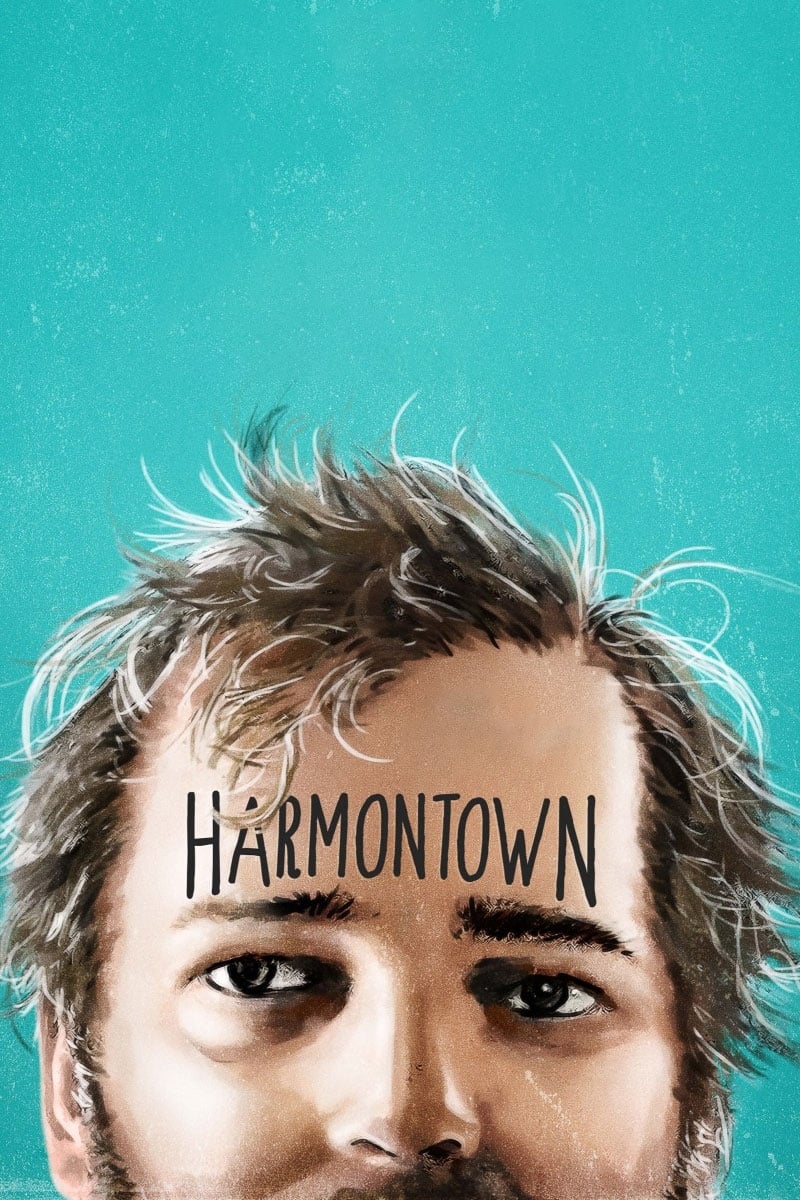
A comedic, brutally honest documentary following self-destructive TV writer Dan Harmon as he takes his live podcast on a national tour.
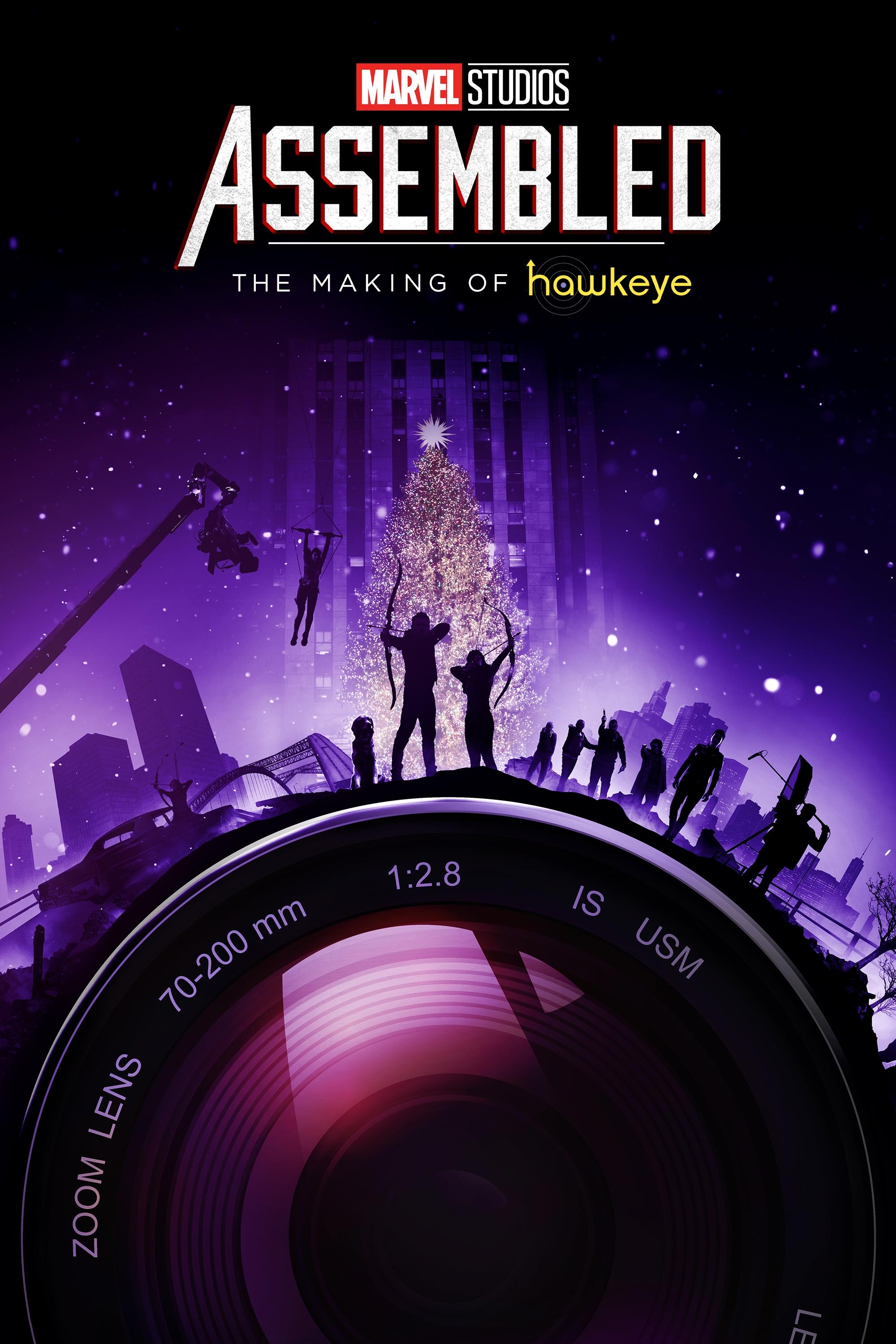
Join the likes of Jeremy Renner, Hailee Steinfeld, Florence Pugh, and Vincent D’Onofrio as they reveal how Marvel Studios’ “Hawkeye” was conceived and created. Witness firsthand what it took to pull off the show’s pulse-pounding action set pieces, and discover how iconic characters from the pages of Marvel Comics such as Kate Bishop were adapted and brought to life for the six-episode series.
A visual montage portrait of our contemporary world dominated by globalized technology and violence.
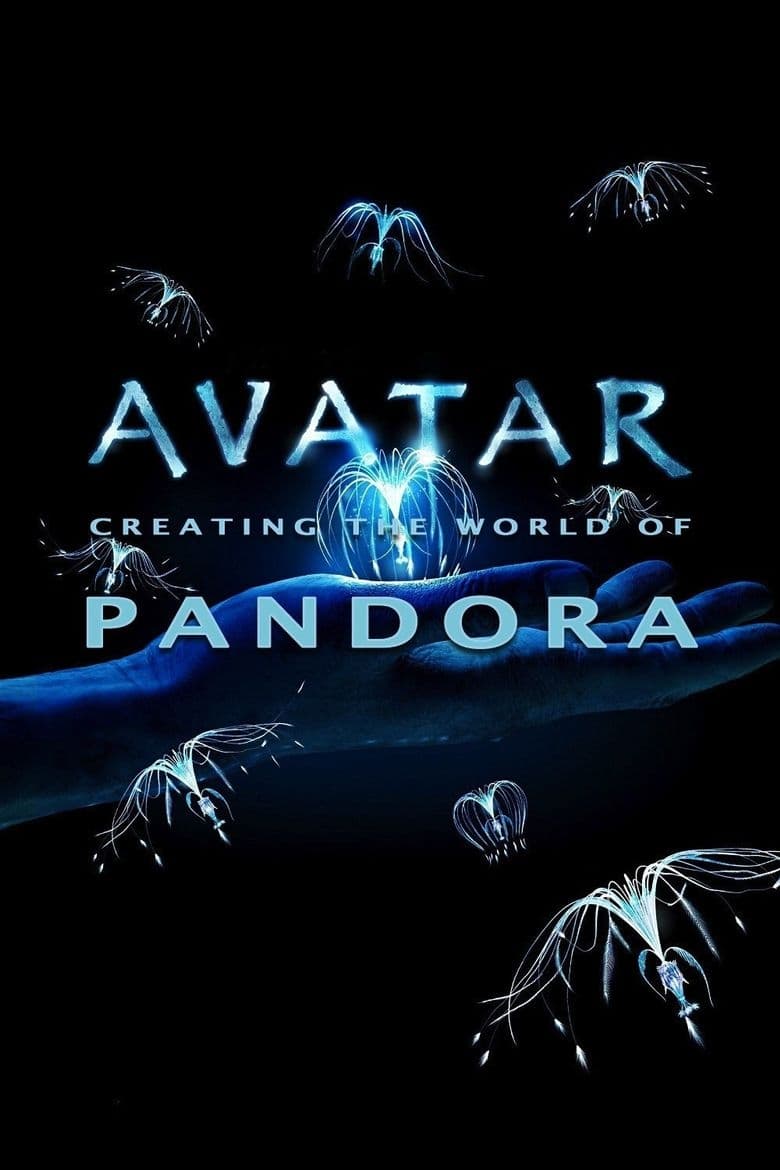
The Making-of James Cameron's Avatar. It shows interesting parts of the work on the set.
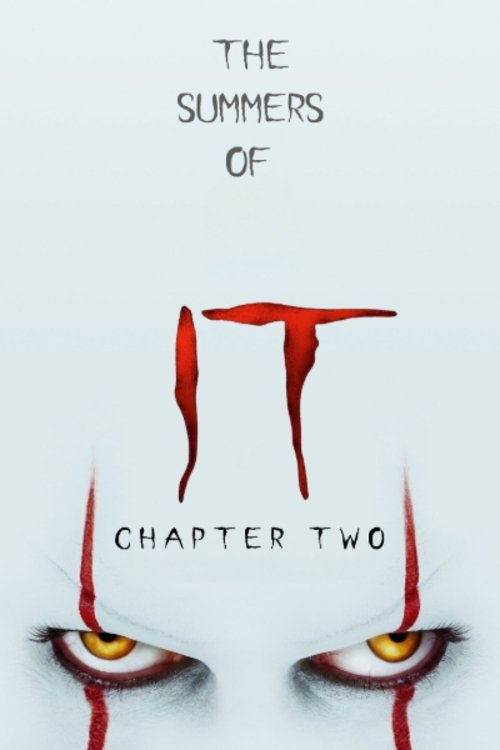
This documentary focuses on the actors and their journey over two summers to create the remake to the original IT, by Stephen King. The documentary originally released as bonus material, bundled with IT: Chapter Two.
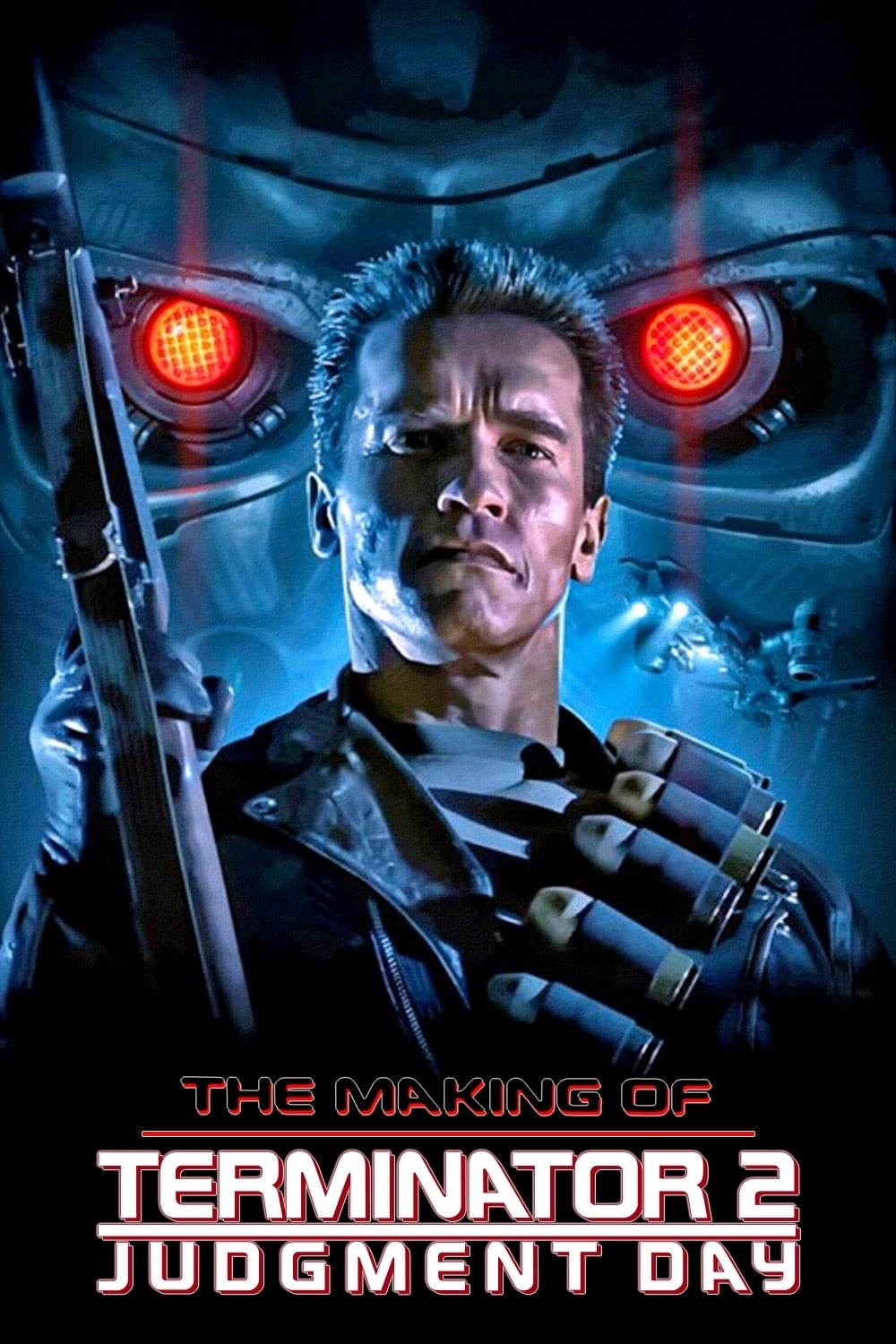
Documentary of the making of the sequel to the popular Schwarzenegger film, The Terminator.
A documentary about how a dominant cultural and demographic institution both sustains their traditional activities and adapts to the digital revolution.
A look at the origins, history and conspiracies behind the "Majestic 12", a clandestine group of military and corporate figureheads charged with reverse-engineering extraterrestrial technology.
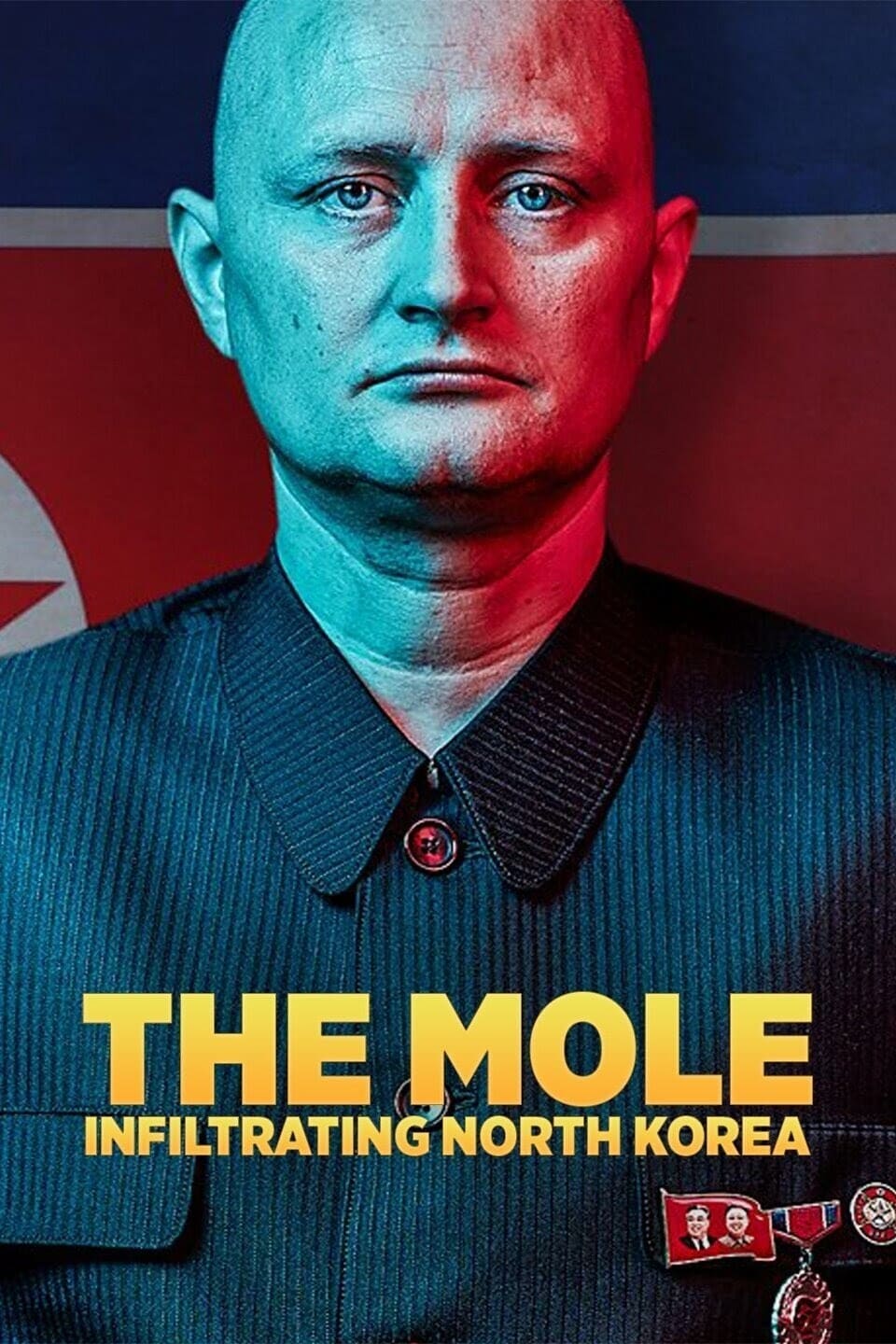
A real-life undercover thriller about two ordinary men who embark on an outrageously dangerous ten-year mission to penetrate the world's most secretive and brutal dictatorship: North Korea.
Brilliant, long in-the-works story of the life and art of the world's greatest comedian and the cinema's first genius, Charlie Chaplin. Produced, written and directed by renowned film critic Richard Schickel.
A purely observational non-fiction film that takes viewers into the ethically murky world of end-of-life decision making in a public hospital.