Social & External
The people behind it
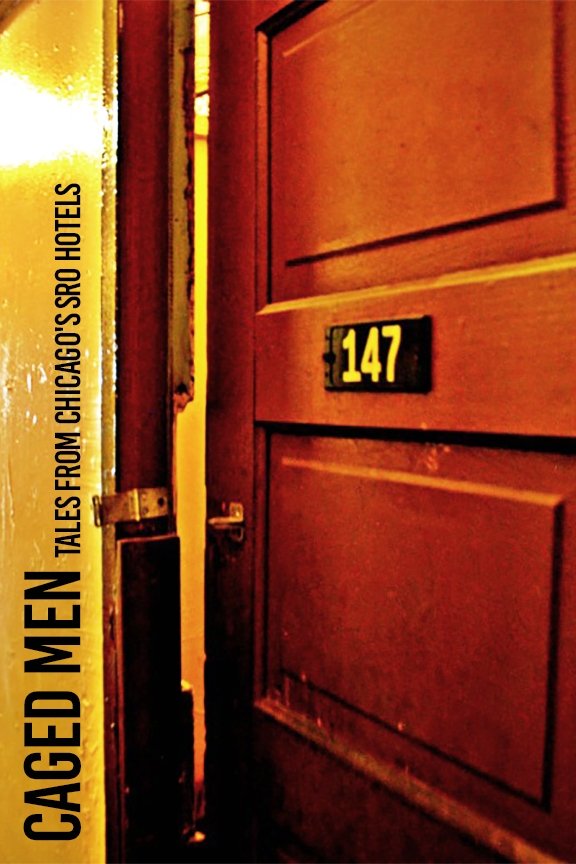
Caged. Invisible. Shamed. Trapped. These words mark the tenants, clerks and even the owners of Chicago's last remaining Singe Room Occupancy (SRO) hotels. These small spaces are home for many at the bottom of Chicago's housing ladder. Cloaked in darkness and secrecy, these hotels are often maligned as drug dens and havens for prostitution but the people who live, work and own these hotels have never fully shared their stories. Caged Men is a feature-length documentary which examines the disquieting stories of near-homeless Americans living on the margins and their invisibility in a largely indifferent and, at times, hostile community. It attempts to lend a voice to SRO residents, clerks, owners and to the hotels themselves.
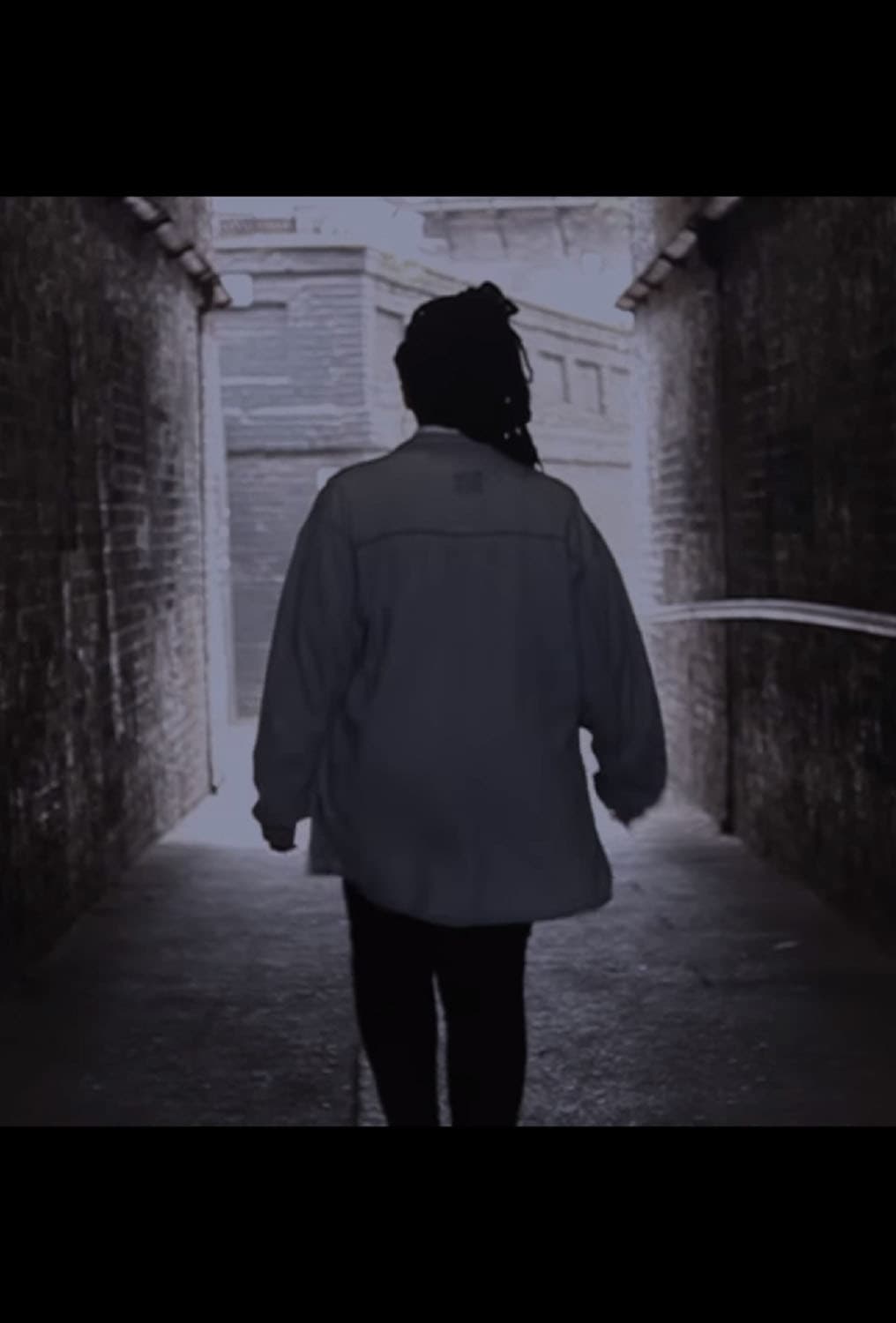
Denim' is a poetic short film by writer, poet and performer Siana Bangura, exploring gentrification and social cleansing in South East London. Through a personal trip down memory lane, visiting the places that moulded her, we learn what happens when the city changes and leaves those who built it behind. Travelling through Bermondsey, Rotherhithe, Elephant & Castle, Walworth Road, Peckham, Brixton and of course Shoreditch, 'Denim' is both a personal tale and a wider social commentary.
A short film about the changing face of London Soho and the implications of gentrification on Mimi, an aging transvestite.
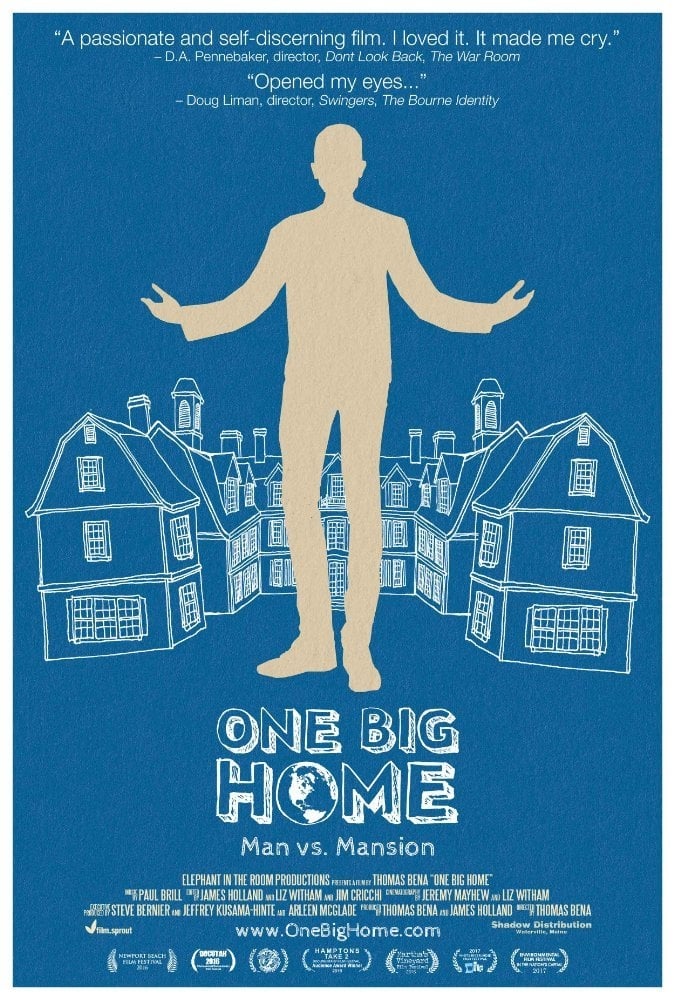
On the tiny island of Martha's Vineyard, where presidents and celebrities vacation, trophy homes threaten to destroy the islands unique character. Twelve years in the making, One Big Home follows one carpenters journey to understand the trend toward giant houses. When he feels complicit in wrecking the place he calls home, he takes off his tool belt and picks up a camera.
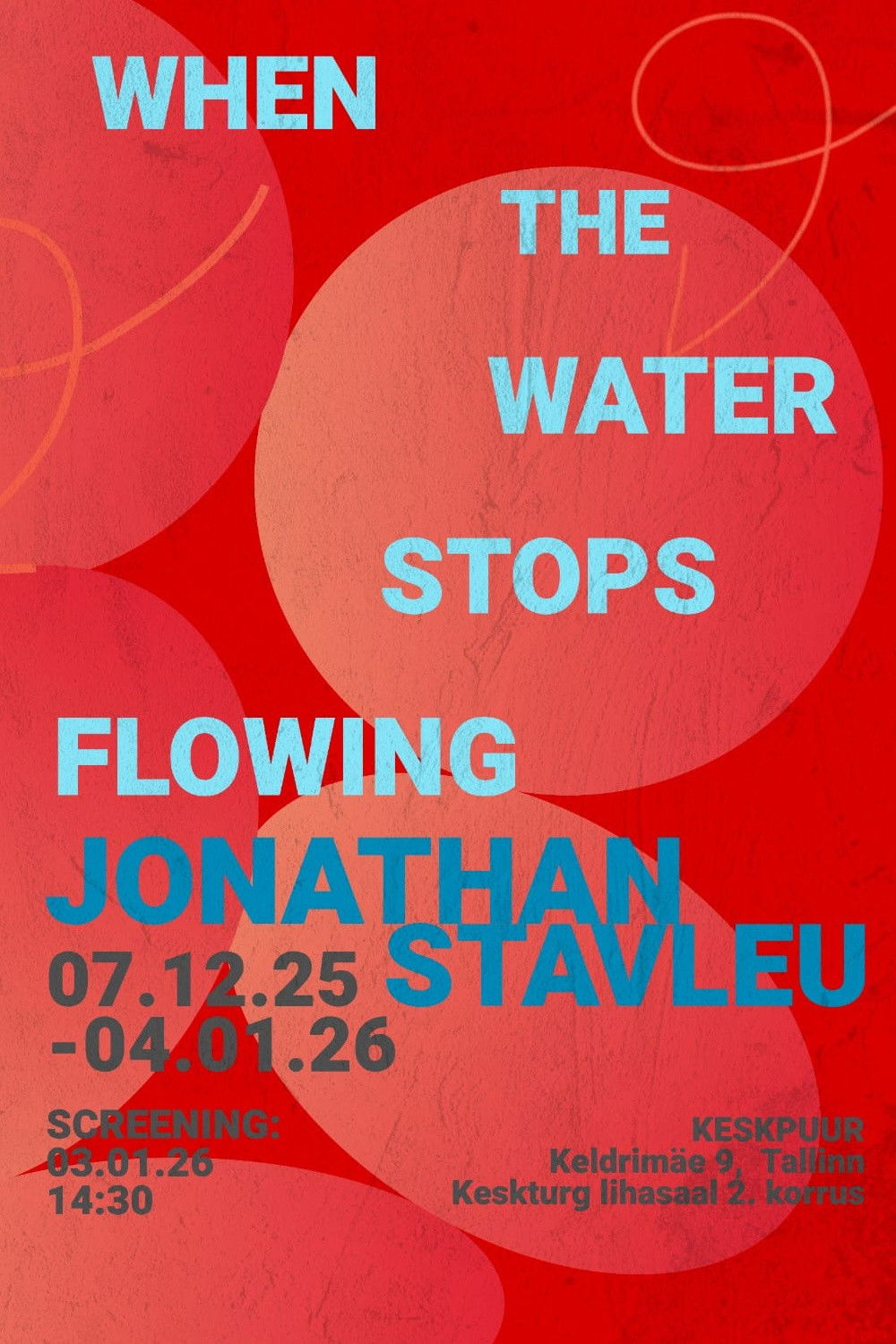
Jonathan Stavleu explores, in a stream-of-consciousness video essay, the relationship people have with water and what happens when access to it is taken away. For this work, he examines anecdotal histories he has heard from Estonians, as well as stories from his own family history in the Netherlands, weaving them together into a journal-like narrative.
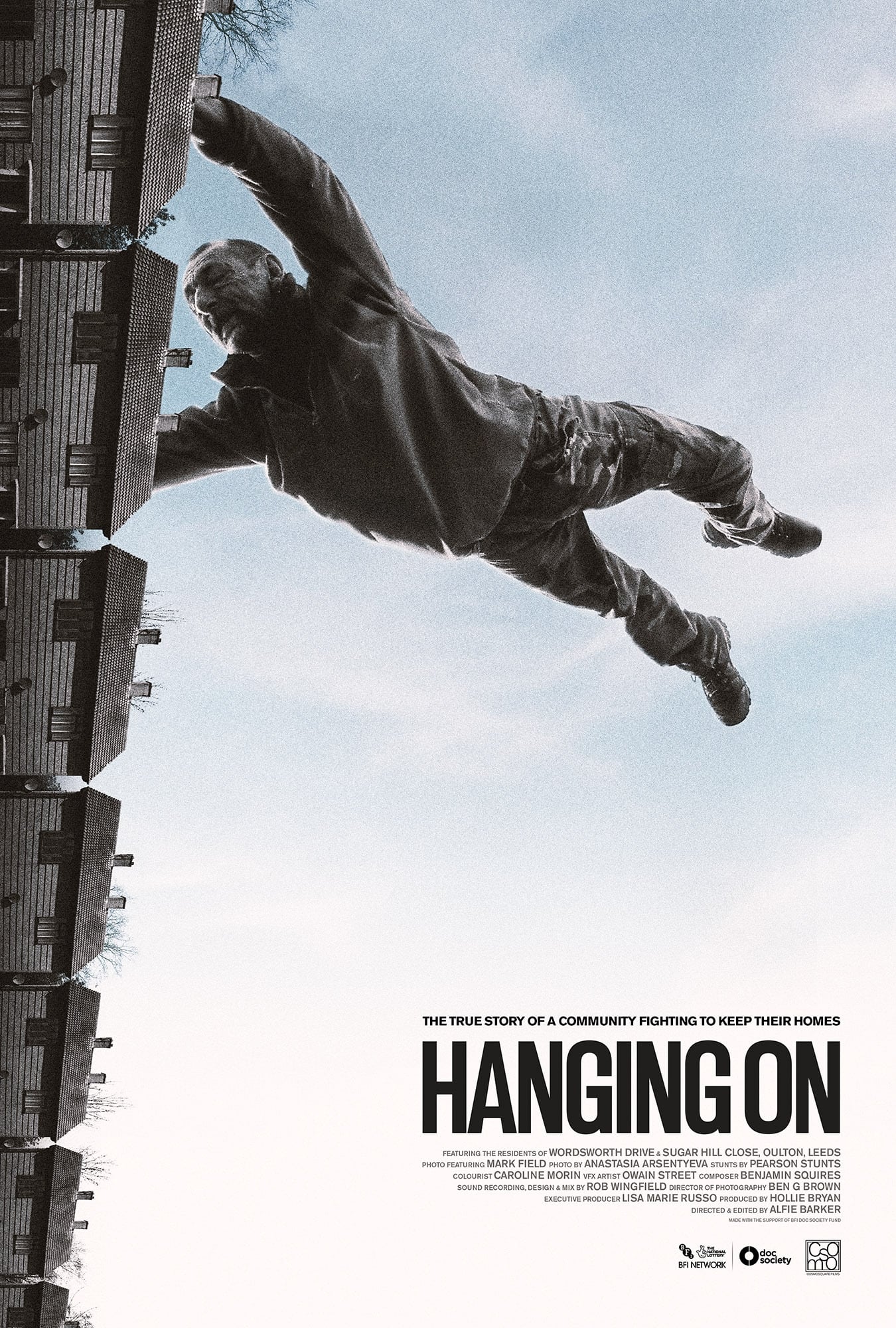
Set in Oulton, Leeds - some of the last remaining post-war prefabricated houses in the UK are still standing. Residents of this ex coal mining village now at threat of eviction share their stories of community and family as they look to their future. ‘Hanging On’ is a docu-drama that combines artistic visuals of residents suspended in mid air, literally hanging onto their homes and audio interviews about the strength of what happens when people come together. It reminds us about the struggles of people who are slipping through the cracks of society and what it means to have a home.
Kathy's family left on a Saturday morning in 1965. The rumble of bulldozers echoed through the neighborhood, and her block was empty. Federally-funded urban renewal had arrived in Charlottesville, scattering dozens of families like Kathy's. The once-vibrant African American community, built by formerly enslaved men and women who had secured a long-denied piece of the American dream, disappeared.
The baker, the pie-maker and the diminished long-term community of Hoxton Street face gentrification in this compelling portrait of a rapidly changing London.
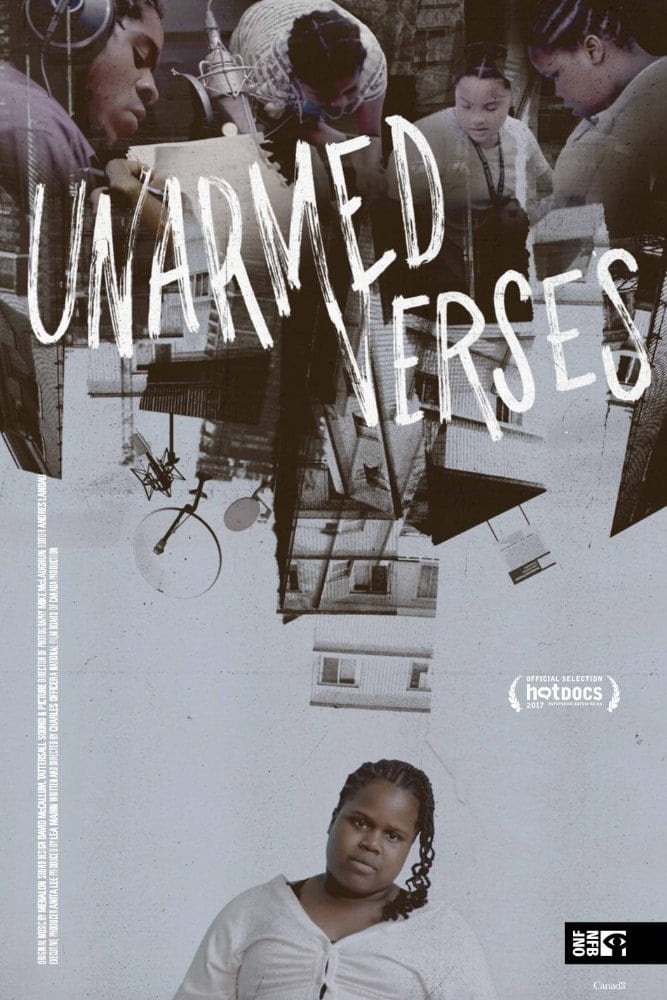
Toronto filmmaker Charles Officer profiles the young people of Villaways Park, a housing project on brink of historic change.
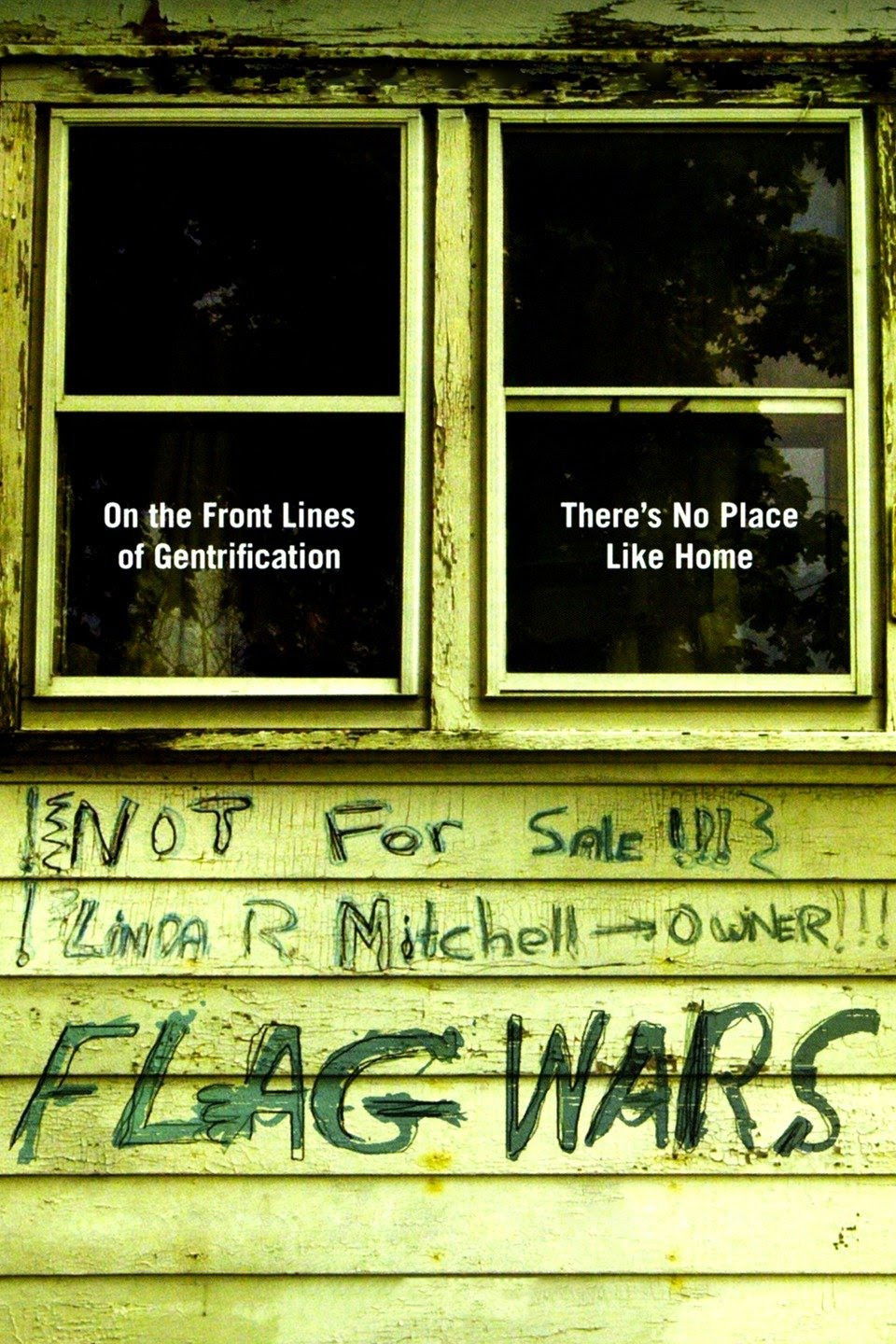
Filmed over four years, this documentary focuses on the impacts of gentrification as gay white professionals move into a largely black working-class neighborhood in Columbus, Ohio.
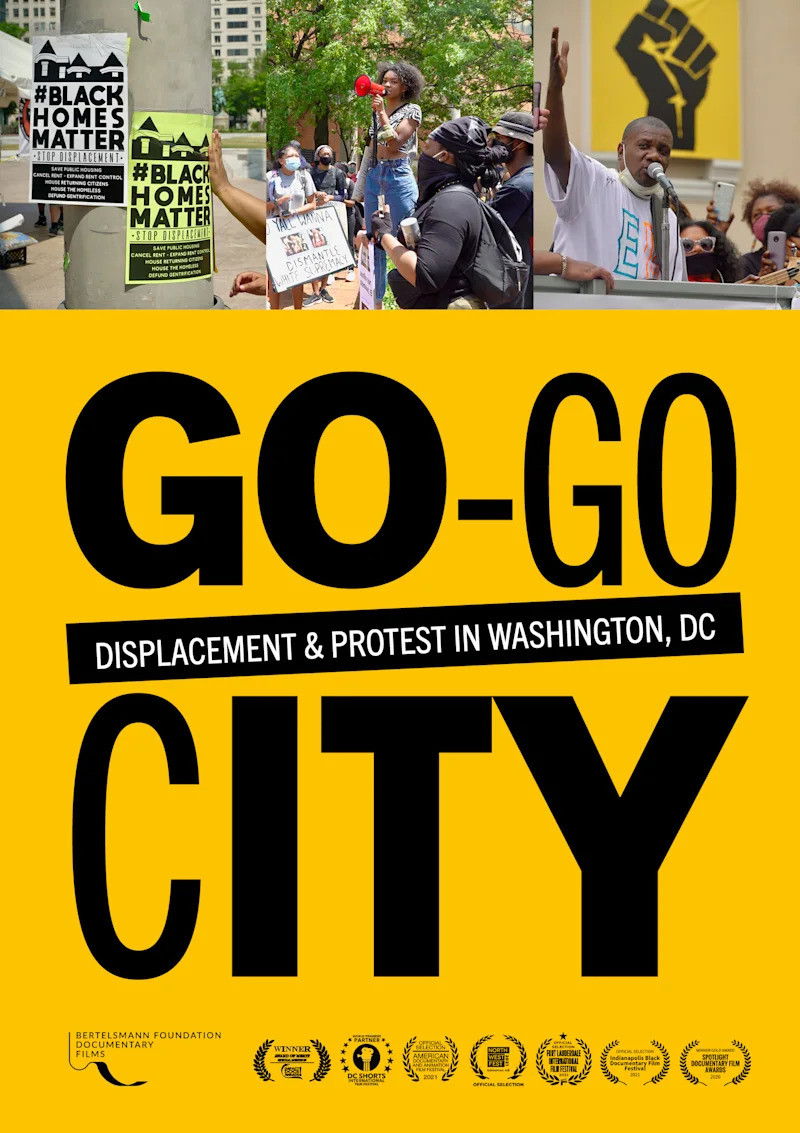
For decades, Washington, DC has been a beacon for Black culture and Go-Go music. Now, a wave of economic and cultural gentrification threatens to erase this history, as displaced communities take to the streets to protest and defend the city’s iconic Go-Go sound.
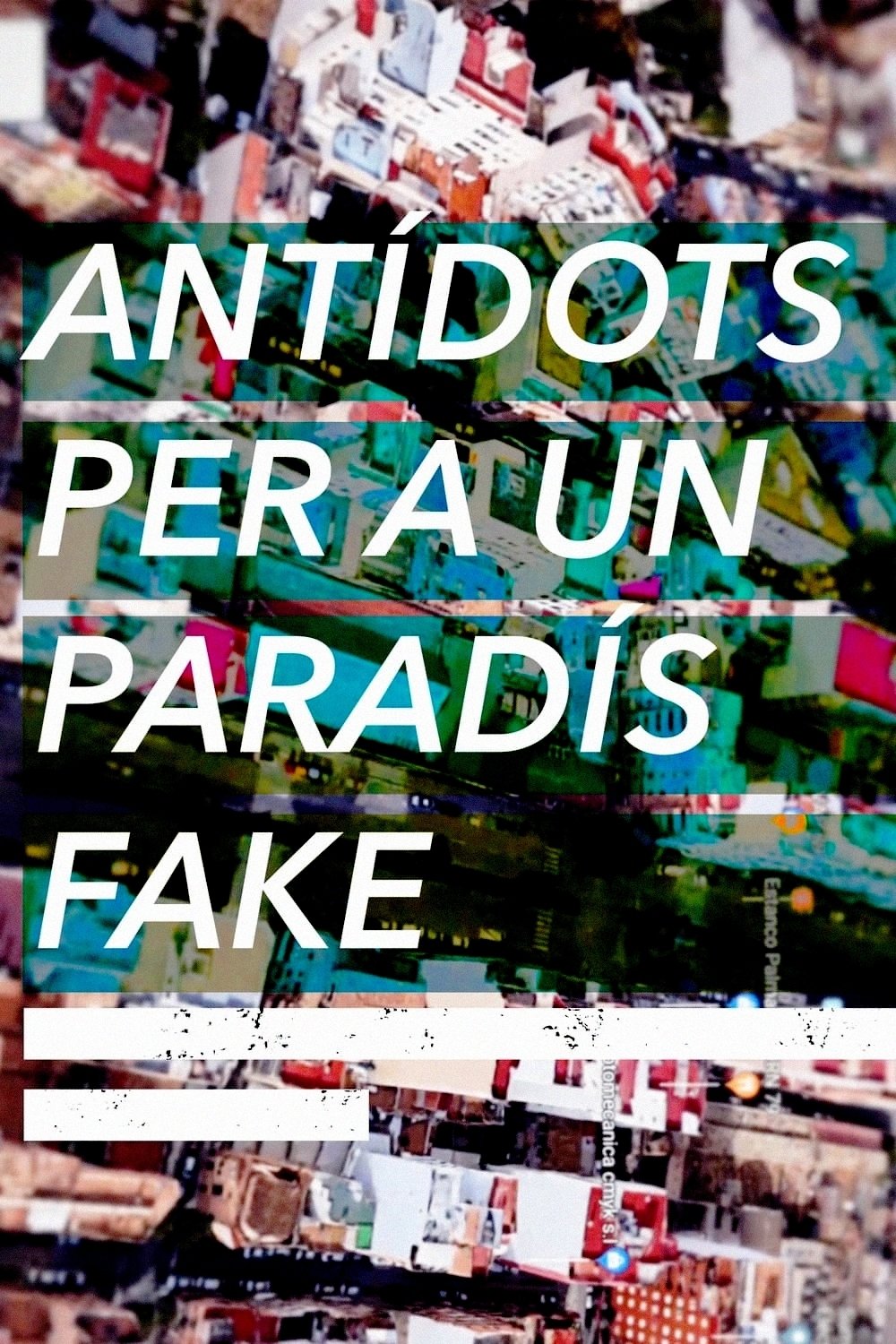
The twelfth edition of the International Meeting of Collective Architectures was held in Palma de Mallorca, in the neighborhoods of La Soledat, Nou Llevant and Es Molinar, at the end of September 2019. The meeting focused on the imposition of false paradises and the description of the current mechanisms of urban transformation that expel people from their neighborhoods.
Located in Carcavelos, Quinta Nova de Santo António, or Quinta dos Ingleses, as it is recognized by the population, shelters a small community of people affected by the housing crisis. Natives and immigrants, deprived of a roof over their heads, carry on with their lives in search of better opportunities and a breeze of change. Guided by residents' voices, this documentary is based on the adaptability of human beings in the face of life's adversities and their constant pursue of happiness.
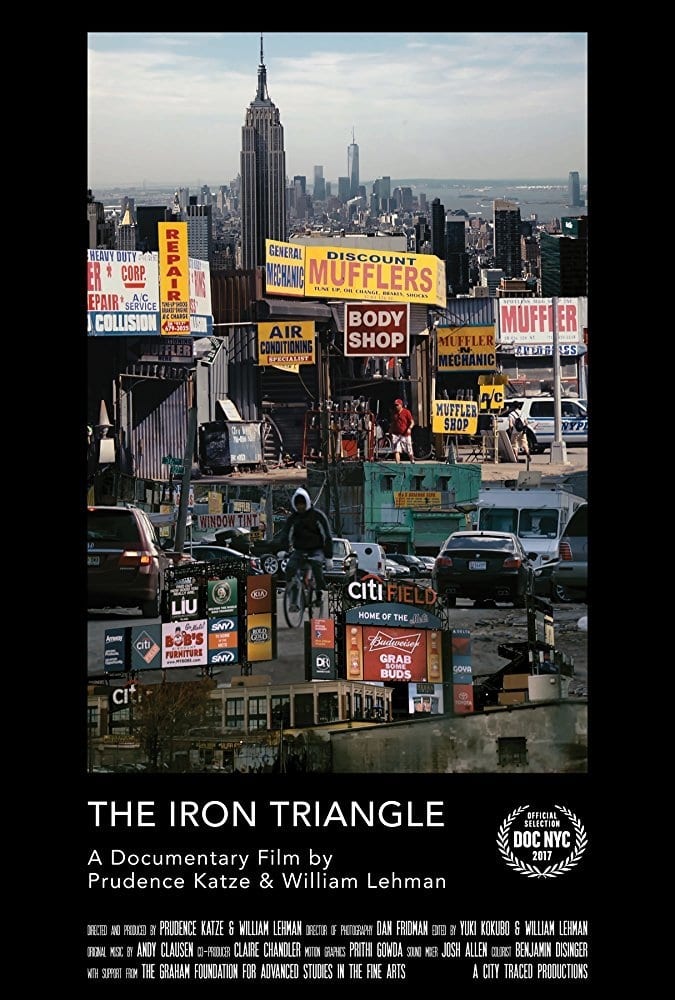
Targeted for several failed redevelopment plans dating back to the days of Robert Moses, Willets Point, a gritty area in New York City known as the “Iron Triangle,” is the home of hundreds of immigrant-run, auto repair shops that thrive despite a lack of municipal infrastructure support. During the last year of the Bloomberg Administration, NYC’s government advanced plans for a “dynamic” high-end entertainment district that would completely wipe out this historic industrial core. The year is 2013, and the workers of Willets Point are racing against the clock to forestall their impending eviction. Their story launches an investigation into New York City’s history as the front line of deindustrialization, urban renewal, and gentrification.
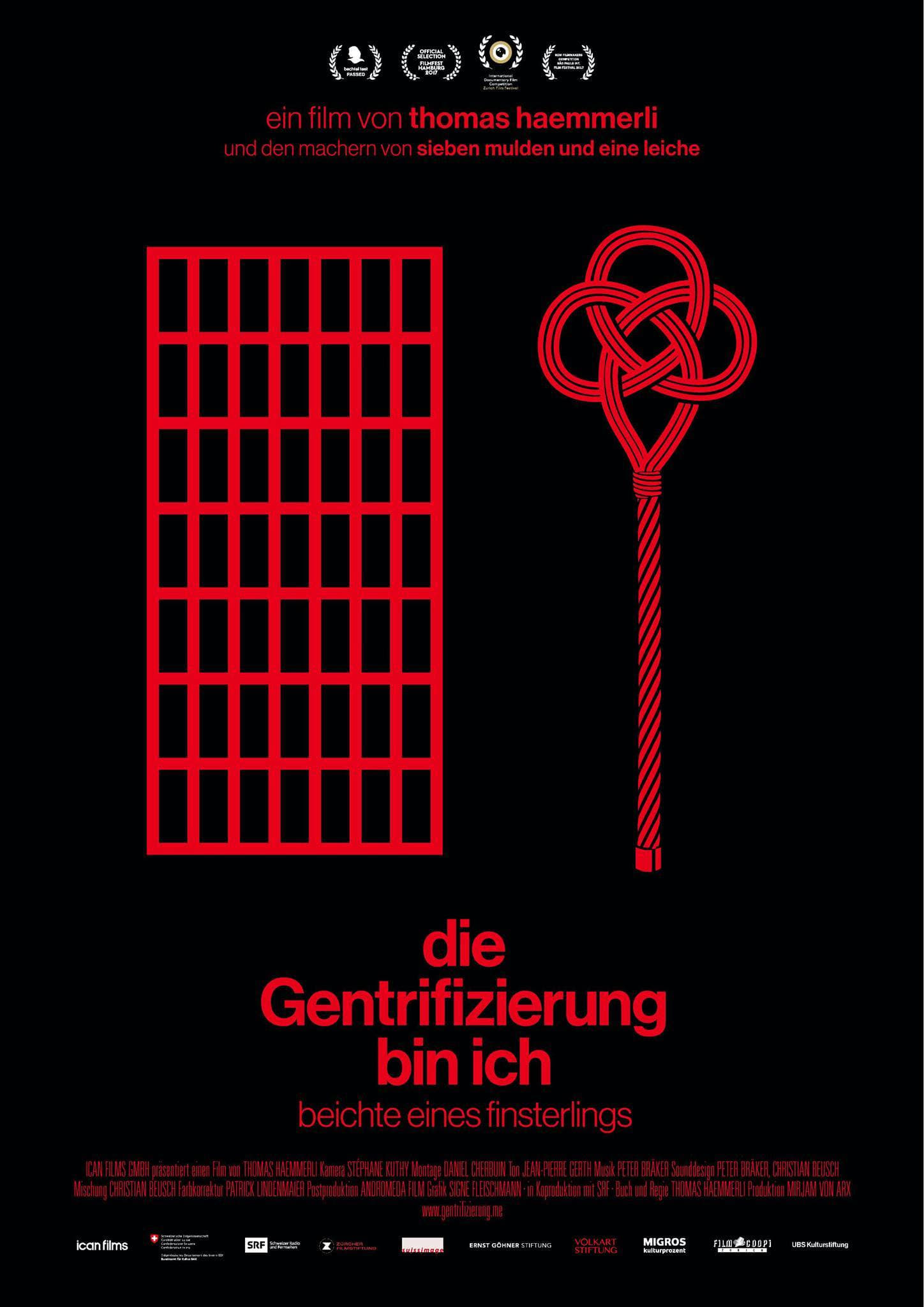
Is the city of Zurich suffering from ‘density stress’? What is it like to live in mega cities such as São Paulo, Mexico City and Tiflis? Filmmaker Thomas Haemmerli broaches the topics of city development, architecture, density, housing market, xenophobia and gentrification from an autobiographical perspective. The path of his life has led him from a childhood in the villa district of Zürichberg, through his teenage years as squatter to flat shares, yuppie apartments and finally second homes in various cities. Only recently having become a dad, he plans to further enhance Zurich’s price appreciation by purchasing a huge, extended city apartment… This multifaceted essay not only humorously questions the filmmaker’s decisions, but also those of the right-wing conservatives, who are afraid of losing their space to immigrants, and the political left, who fail to embrace modern-age architecture.
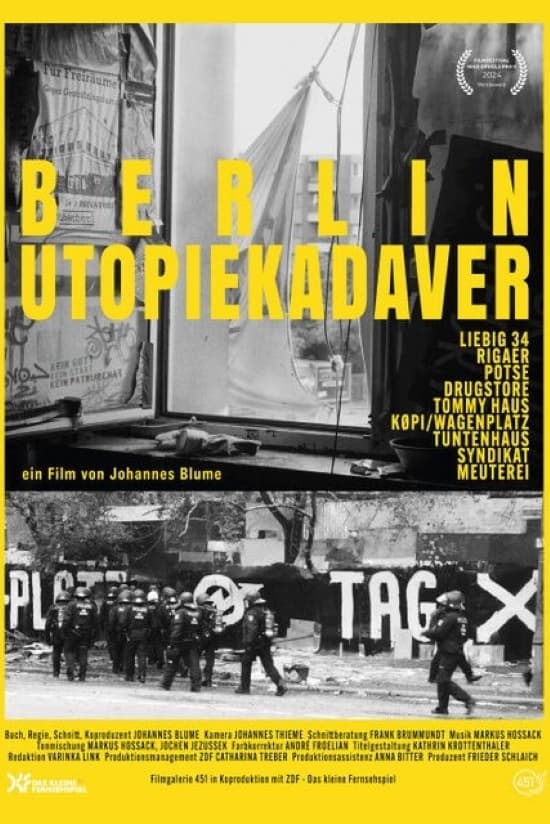
A taxi drives through the city of Berlin. Its driver is a punk, left and a well-known figure in the autonomous scene. The stations of his trip are the most important places of the autonomous scene: all in the struggle for survival. The last evictions have not yet been processed and the next ones are coming right up.
Through deeply personal interviews with her siblings and an examination of the photographs, letters, and belongings left behind, Mariska assembles a new portrait of her mother Jayne Mansfield, an extraordinary and complex woman.
An inside look at one of the most anticipated movie sequels ever with James Cameron and cast.
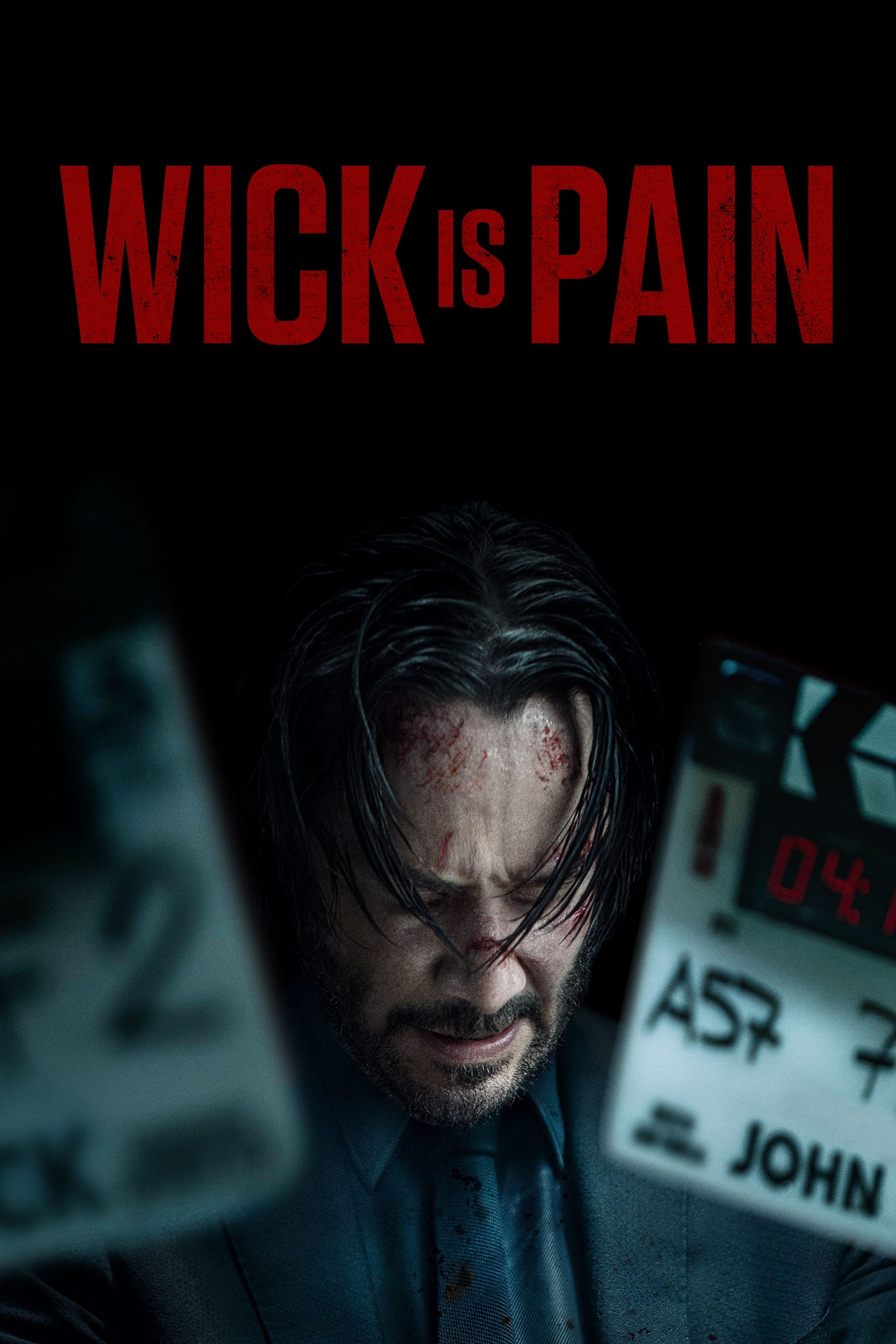
Witness the never-before-seen footage and true story behind the John Wick phenomenon – from independent film to billion-dollar franchise.
49 Up is the seventh film in a series of landmark documentaries that began 42 years ago when UK-based Granada's World in Action team, inspired by the Jesuit maxim "Give me the child until he is seven and I will give you the man," interviewed a diverse group of seven-year-old children from all over England, asking them about their lives and their dreams for the future. Michael Apted, a researcher for the original film, has returned to interview the "children" every seven years since, at ages 14, 21, 28, 35, 42 and now again at age 49.In this latest chapter, more life-changing decisions are revealed, more shocking announcements made and more of the original group take part than ever before, speaking out on a variety of subjects including love, marriage, career, class and prejudice.
Award-winning journalist Daniela Arbex examines the horrors of the Colônia psychiatric hospital, where more than 60,000 people were killed over decades.
This special explores the return of Obi-Wan Kenobi and Anakin Skywalker to the screen, as well as Ewan McGregor and Hayden Christensen to their classic roles. Director Deborah Chow leads the cast and crew as they create new heroes and villains that live alongside new incarnations of beloved Star Wars characters, and an epic story that dramatically bridges the saga films.
Over 35 years after Bob Lazar's revelations, this documentary exposes secrets of a facility the government still denies. Featuring Lazar's testimony, recreations, and new evidence, it reopens a case that continues to spark global curiosity
A string of threatening emails escalates into a revenge plot involving a newly married US marshal and his ex-girlfriend.
Just two years away from turning 30, participants in Michael Apted's documentary series are facing serious questions of identity and purpose, wondering whether they've found their place in the world.
Interviews with leading authors, philosophers and scientists, with an in-depth discussion of the Law of Attraction. The audience is shown how they can learn and use 'The Secret' in their everyday lives.
Unravel the case of Utah therapist Jodi Hildebrandt, whose child abuse arrest with parenting YouTuber Ruby Franke exposed a twisted tale of manipulation.
Following a newspaper ad, ordinary women tell part of their life stories to director Eduardo Coutinho, which are then re-enacted by actresses, blurring the barriers between truth, fiction and interpretation.
The elite pilots of the Air Force Thunderbirds display exceptional skill, trust and courage during a high-stakes training season.
In a crime-plagued neighborhood near Miami, brutal, bare-knuckled backyard fights give young men a chance to earn money -- and self-respect.
Join the likes of Jeremy Renner, Hailee Steinfeld, Florence Pugh, and Vincent D’Onofrio as they reveal how Marvel Studios’ “Hawkeye” was conceived and created. Witness firsthand what it took to pull off the show’s pulse-pounding action set pieces, and discover how iconic characters from the pages of Marvel Comics such as Kate Bishop were adapted and brought to life for the six-episode series.
Explore the unlikely partnership and enduring legacy of one of the most prolific power couples in entertainment history. Lucille Ball and Desi Arnaz risked everything to be together.
Those who knew iconic funnyman John Candy best share his story, in their own words, through never-before-seen archival footage, imagery, and interviews.
A look at the origins, history and conspiracies behind the "Majestic 12", a clandestine group of military and corporate figureheads charged with reverse-engineering extraterrestrial technology.
Ranjit, a farmer in India, takes on the fight of his life when he demands justice for his 13-year-old daughter, the victim of a brutal gang rape. His decision to support his daughter is virtually unheard of, and his journey unprecedented.
The Captains is a feature-length documentary film written and directed by William Shatner. The film follows Shatner as he interviews the other actors who have portrayed starship captains in the Star Trek franchise.