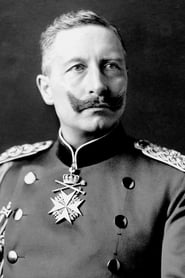
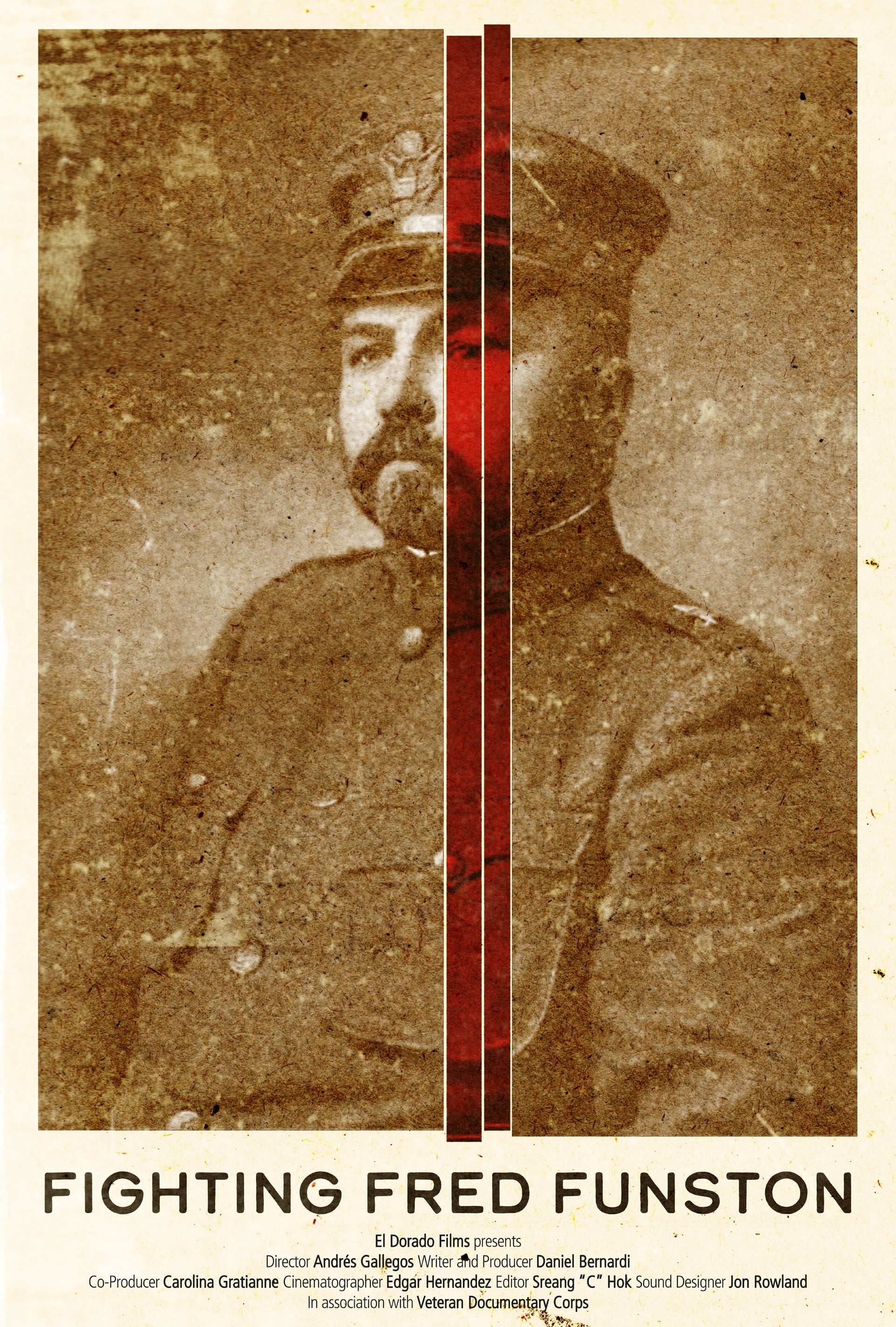
Documentary about the end of the regency of Kaiser Wilhelm II., Germany's last emperor.
Social & External
Self (archive footage)
Self
Salhia Brakhlia has filmed the set and behind the scenes of Franceinfo's breakfast show during a year. How to inform at the time of social media and fake news ? How careful are journalist with those news ? How do they connect to politicians during an presidential election campaign ? This unique immersion gives us a part of the answer.
PsiQuis: Un Giro Decolonial is a documentary that presents and discusses the psychological impact that colonialism has had on the Puerto Rican people. The director analyzes the traumas generated in Puerto Rican society by that colonial experience.
Esther Johnson’s film uses local archive footage to convey the story of Sunderland's involvement in the First World War, from the men who fought in the fields to those who stayed behind to work in the region’s shipyards and munitions factories.
A Bunch of Questions with No Answers (2025) is a 23-hour film by artists Alex Reynolds and Robert M. Ochshorn. Compiled entirely from questions posed by journalists at U.S. State Department press briefings between October 3, 2023, and the end of the Biden administration, the work removes the officials’ answers, leaving only the unresolved demands for clarity and accountability.
Two journalists born in the mid '80s decide to take a look back at how their country changed in the last 30 years since the fall of communism. The end product is a documentary containing footage of political events and historical milestones significant to Romania accompanied by a narrator's voice walking the viewer through the events, and also interviews with Romanian politicians and other influential public figures sharing their thoughts and their different views on those events.
A low-intensity war is being fought on the streets of Europe and the aim is on fascism. This critically acclaimed documentary takes us behind the masks of the militants called antifascists. In 2013 a group of armed nazis attacks a peaceful demonstration in Stockholm where several people are injured. In Greece the neo-nazi party Golden Dawn becomes the third largest in the election and in Malmö the activist Showan Shattak and his friends are attacked by a group of nazis with knives and he ends up in a coma. In this portrait of the antifascists in Greece and Sweden we get to meet key figures that explain their view on their radical politics but also to question the level their own violence and militancy.
'Our Day' badges and flags being sold in aid of wounded WWI soldiers are shown in this Topical Budget film.
Professor Niall Ferguson argues that Britain's decision to enter the First World War was a catastrophic error that unleashed an era of totalitarianism and genocide.
The story of how newspapers were distributed during the Blitz, stressing the importance of an accurate and objective press on the home front.
Michael Moore's view on how the Bush administration allegedly used the tragic events on 9/11 to push forward its agenda for unjust wars in Afghanistan and Iraq.
A documentary on Al Gore's campaign to make the issue of global warming a recognized problem worldwide.
Documentary on the atrocities the germans committed at the start of WW I in Dinant.

The United States of America has been at war for almost all of its 250 years of existence. From the wars of independence to current armed conflicts, its armed forces have not only shaped American identity, but also influenced the political decisions of its leaders. The documentary delves deep into this complex history and analyzes the hot and cold wars that shaped the development of the USA, along with lessons for the future. How have generations of Americans experienced these wars and how have their lives been changed by them? How has military engagement been used to shape the image and role of the USA on the world stage? Do military decisions today shape the world of tomorrow and what are the effects on democracy and society? And as the US president begins his new term in office, the question also arises: what role does the army play in Donald Trump's understanding of the world?

In Mexico, the lack of jobs in villages and communities forces people to migrate to cities in search of opportunities and better income. This is the case of Justino, originally from the village of Muchucuxcáh, in the Yucatán Peninsula, who after traveling to Cancun and encountering problems and suffering there, decided to return to his village and learn to work with wood. Justino demonstrates how humans can interact with nature and their surroundings to have a dignified job.
It is an unknown chapter of the German post-war history: On April 23rd, 1949, the kingdom of the Netherlands occupied German soil as a pledge for demanded war reparations. Part of the annexed territories was also the small municipality of Elten. While the people of Elten were initially afraid of the occupation, the time “with Holland” actually became a miracle of prosperity and economy about which many people from Elten still rave today. The occupation period ended with the largest organized smuggling in the history of the federal republic of Germany. The Documentary shows this in never before released 8 mm footage!
19 years after the dropping of atomic bombs in Japan, the Olympic Games of 1964 took place in Tokyo. In the midst of the cold war, the games are supposed to become a symbol for a peaceful world. Especially the divided Germany is expected to prove this: By order of the IOC, both German states must participate in Tokyo with a joint team despite deep ideological rifts. The fact that athletes from both German states still had to compete against each other in order to form a joint team for the 1964 Olympic Games in Innsbruck and in Tokyo is all but forgotten. The film tells the story of the East-West German team of 1964 for the first time and is simultaneously a current document about the relation of sports and politics in international relations.
This film takes us into the harsh realm of BC's early coal mines, canneries, and lumber camps; where primitve conditions and speed-ups often cost lives. Then, the film moves through the unemployed' struggles of the '30s, post WWII equity campaigns, and into more recent public sector strikes over union rights.