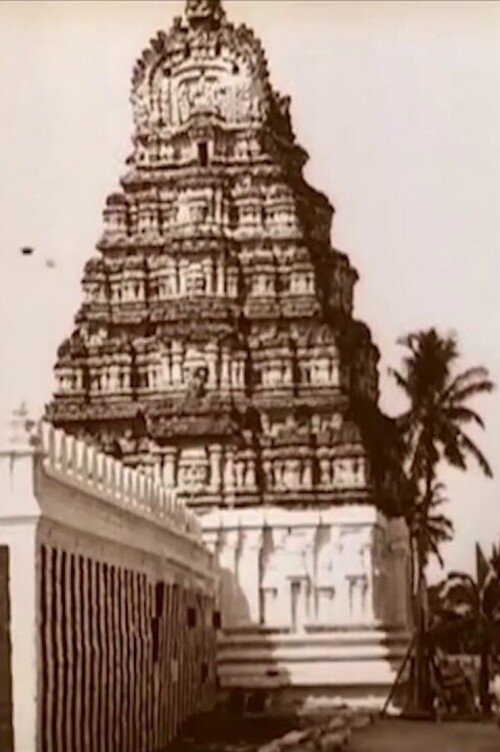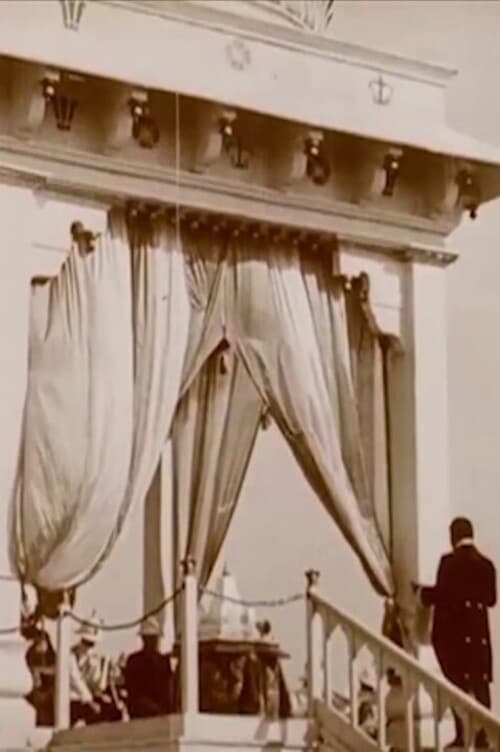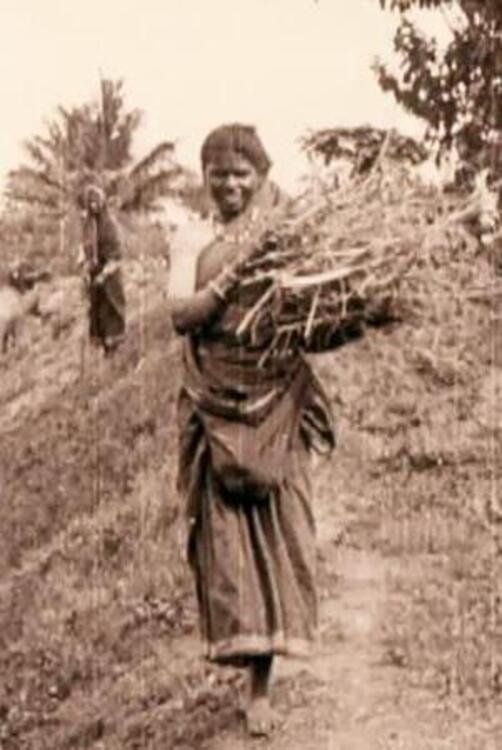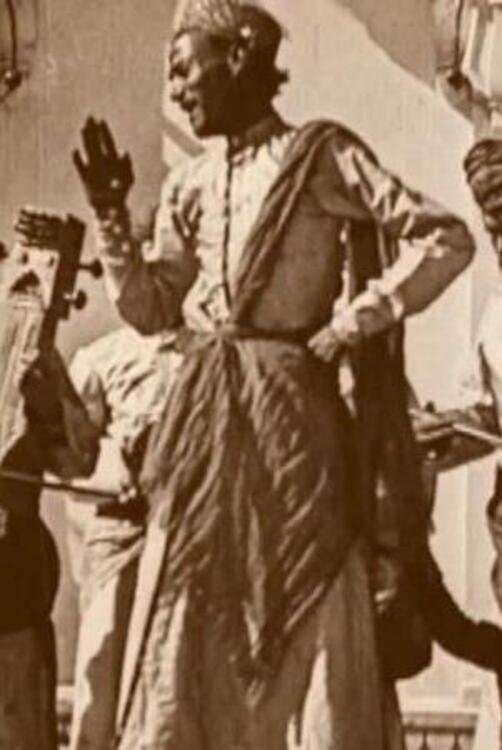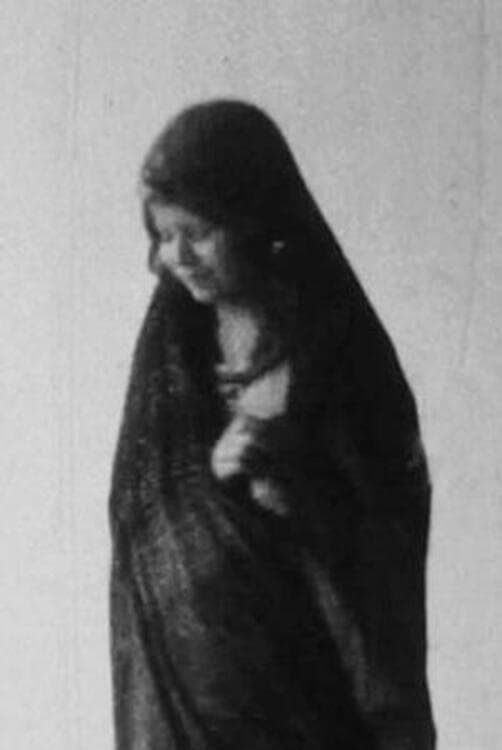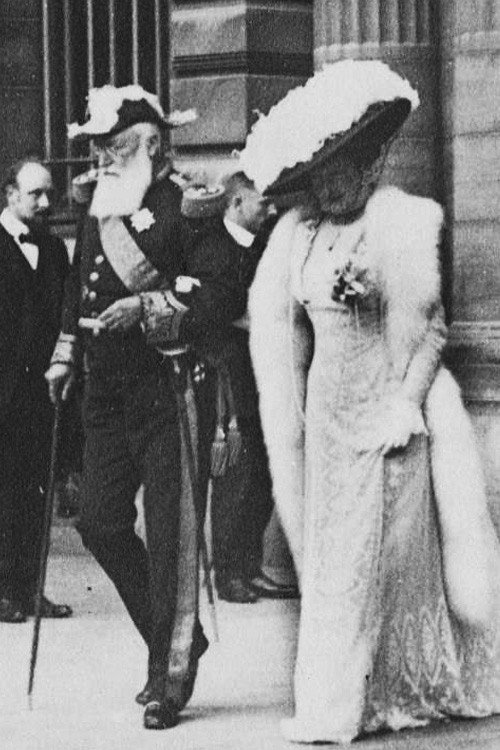
Documentary footage of a parade in Antwerp celebrating the annexation of Congo to Belgium.
Social & External
Self
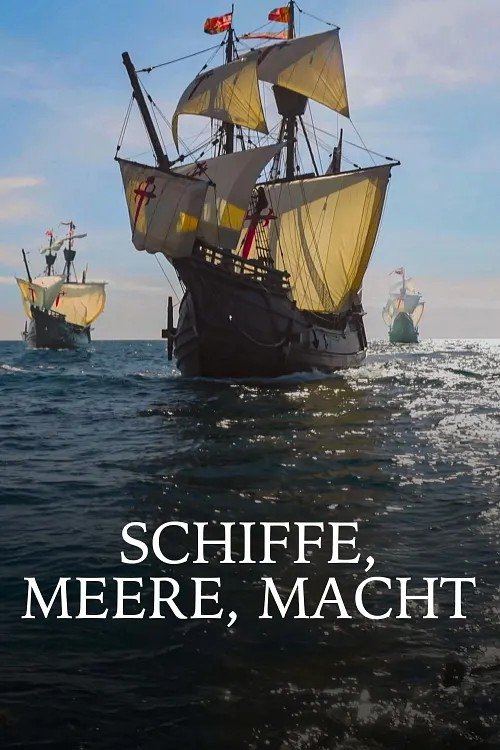
People have always wanted to reach the horizon and go beyond it. It wasn't and isn't just about discovering for the sake of discovering. Exotic goods, wealth and power were the driving forces of these people. The steamship ultimately brought the breakthrough for global mobility and trade. In the past, as now, shipping is the engine of globalization.
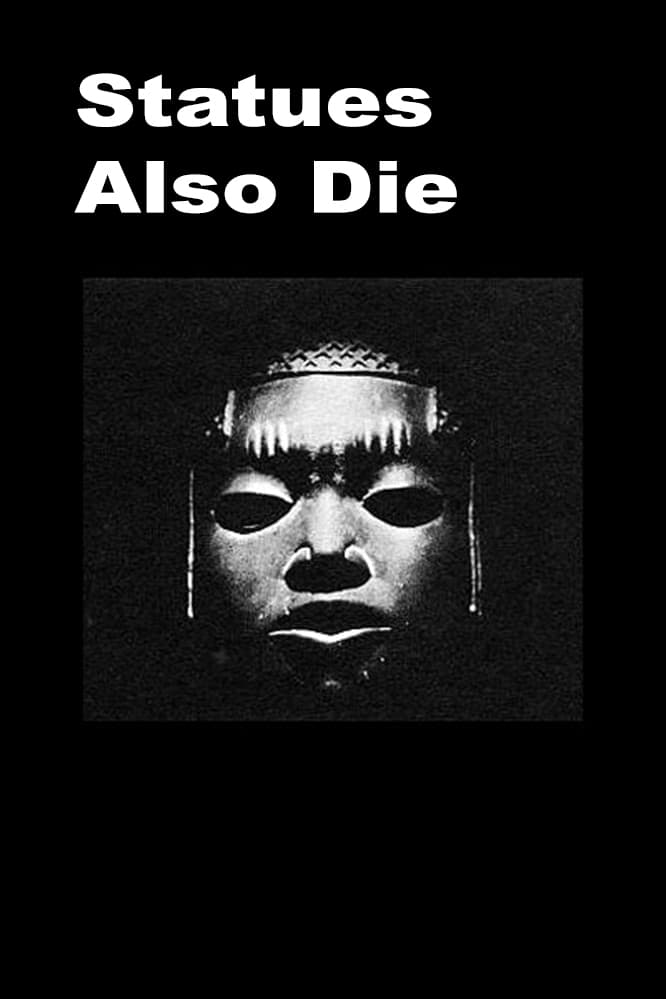
Commissioned by the journal Présence Africaine, this short documentary examines how African art is devalued and alienated through colonial and museum contexts. Beginning with the question of why African works are confined to ethnographic displays while Greek or Egyptian art is celebrated, the film became a landmark of anti-colonial cinema and was banned in France for eight years.
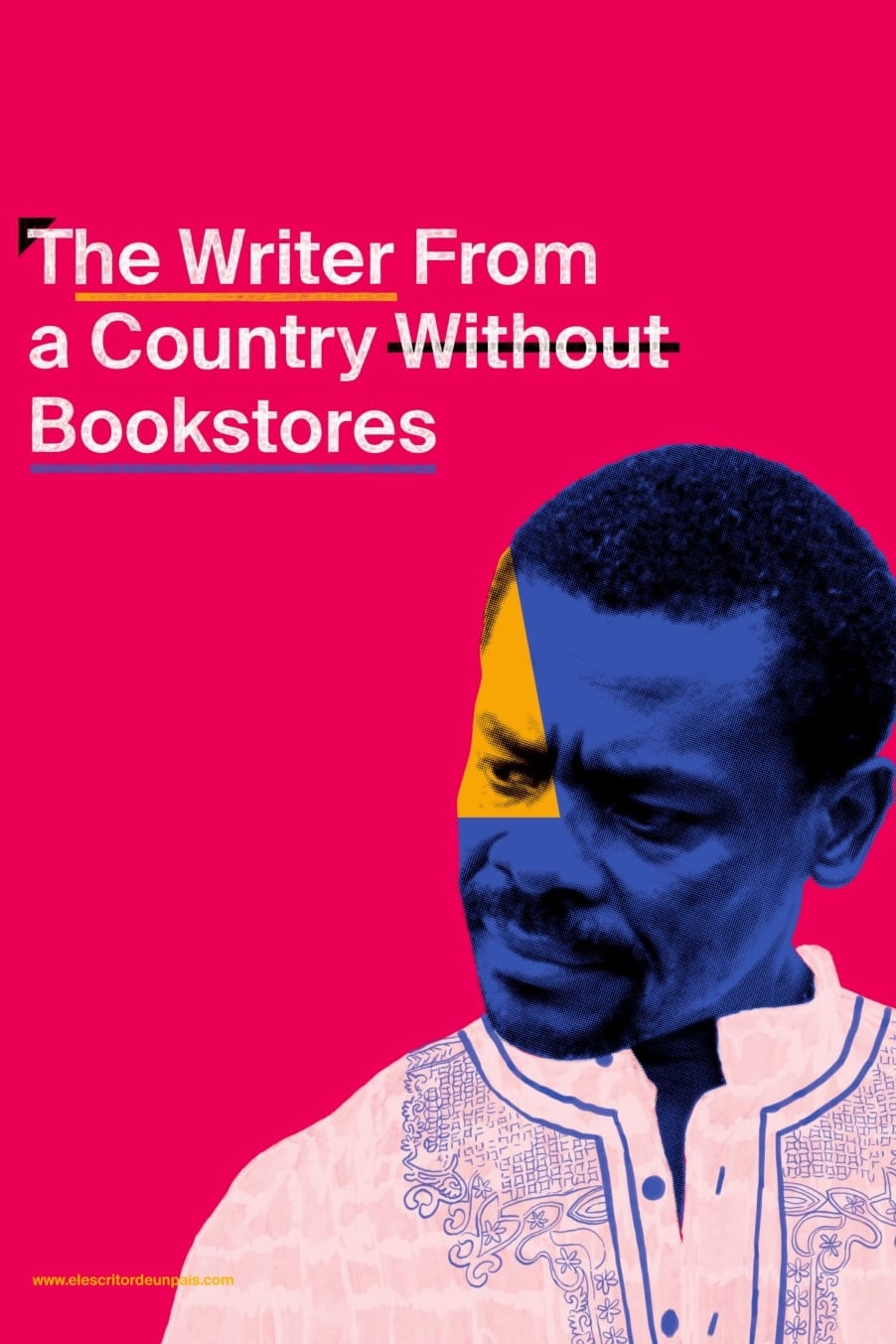
The ruthless dictator Teodoro Obiang has ruled Equatorial Guinea with an iron hand since 1979. Juan Tomás Ávila Laurel is the most translated Equatoguinean writer, but he had to flee the country in 2011, after starting a hunger strike denouncing the crimes of the dictatorship. Since then, he has lived in Spain, feeling that, despite the risks, he must return and fight the monster with words.
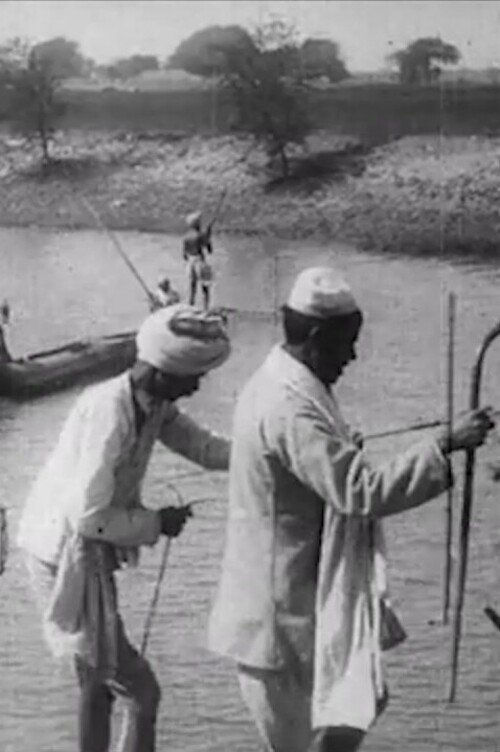
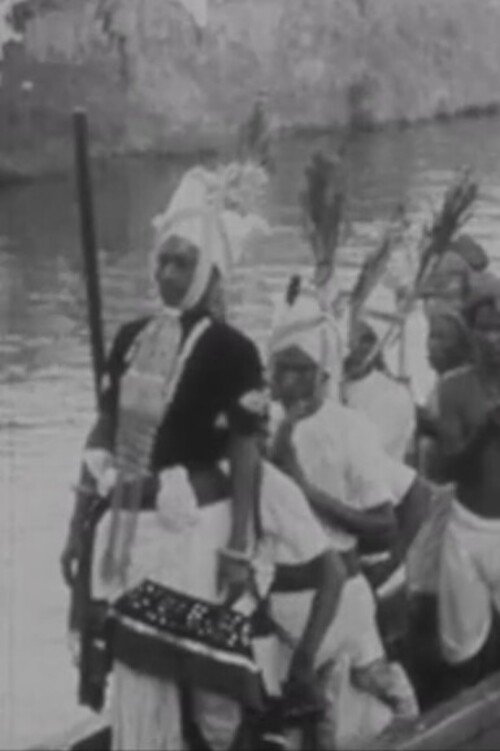
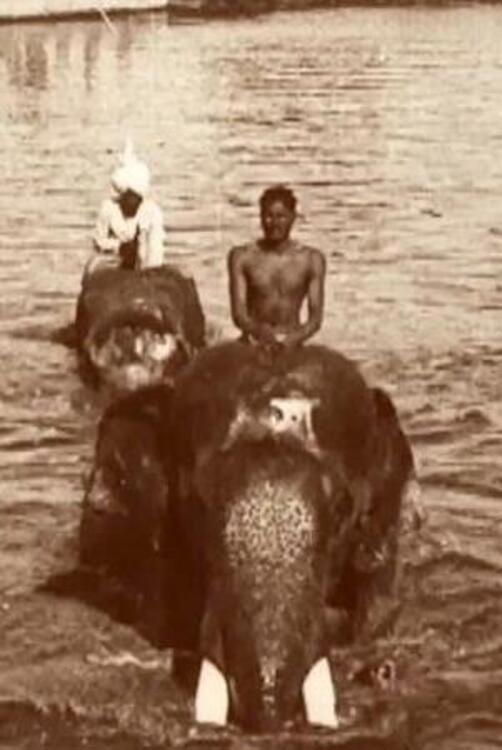
The Maharajah of Kapurthala and guests travel on elephants and men catch fish on the River Bias.
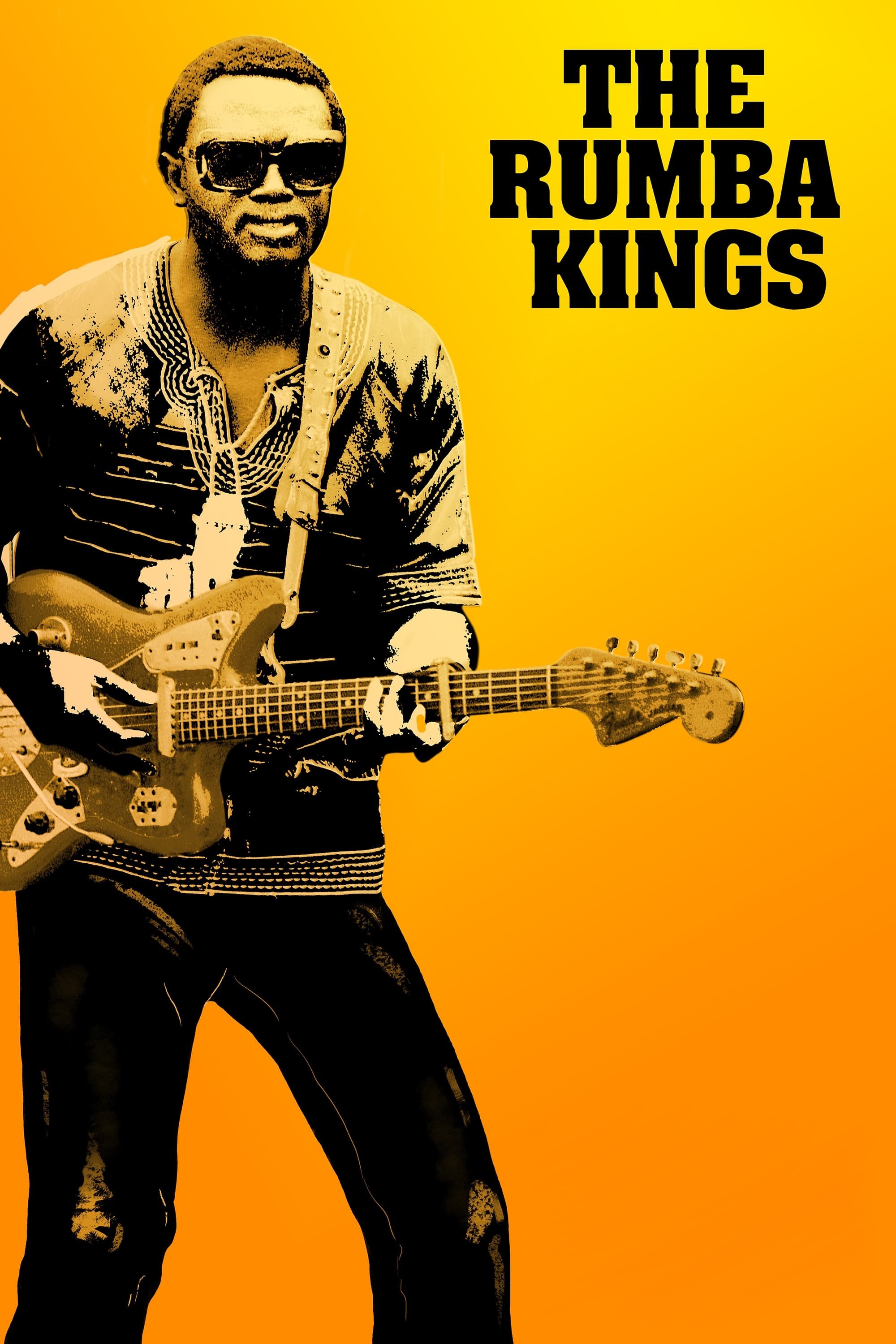
In the fifties, when the future Democratic Republic of Congo was still a Belgian colony, an entire generation of musicians fused traditional African tunes with Afro-Cuban music to create the electrifying Congolese rumba, a style that conquered the entire continent thanks to an infectious rhythm, captivating guitar sounds and smooth vocals.
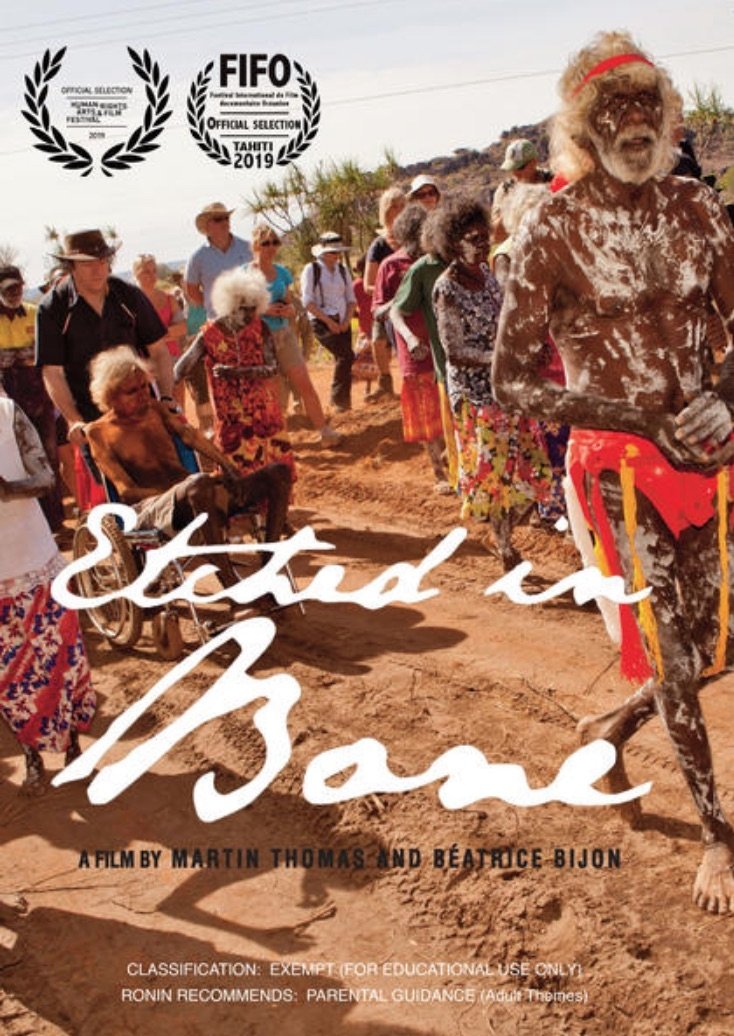
Drawing on original footage from National Geographic, Etched in Bone explores the impact of one notorious bone theft by a member of the 1948 American-Australian Scientific Expedition to Arnhem Land. Hundred of bones were stolen and deposited in the Smithsonian Institution in Washington DC, until it became known to Arnhem elders in the late 1990s. The return of the sacred artefacts was called for, resulting in a tense standoff between indigenous tribespeople and the Department of Anthropology at the Smithsonian.
This official travelogue of a royal tour follows the Prince on a series of regimental displays and a tiger hunt.
The future Edward VIII opens a durbar and enjoys a day at the races before inspecting the fire brigade in Calcutta.
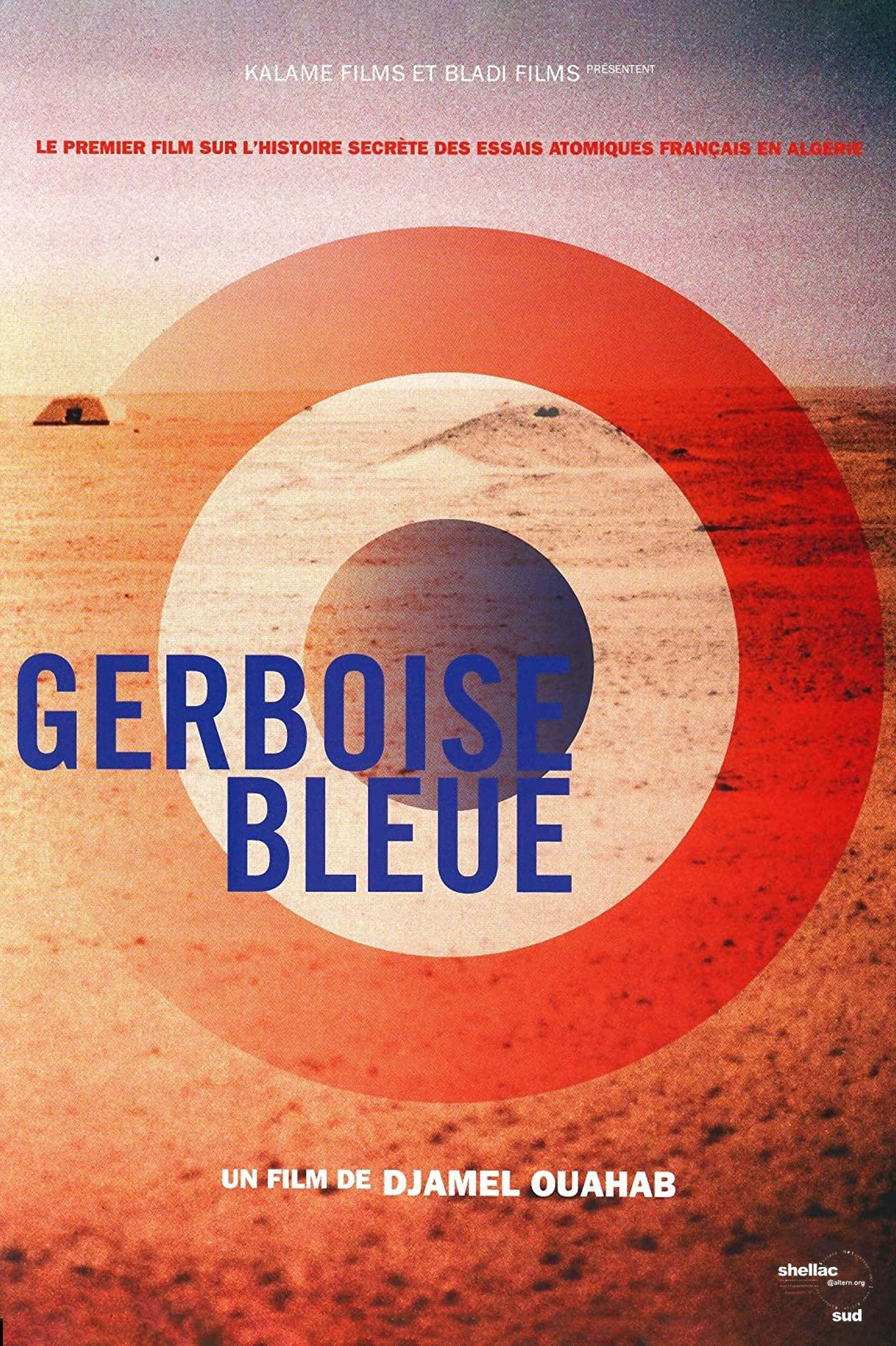
"Gerboise bleue", the first French atomic test carried out on February 13, 1960 in the Algerian Sahara, is the starting point of France's nuclear power. These are powerful radioactive aerial shots carried out in areas belonging to the French army. Underground tests will follow, even after the independence of Algeria. From 1960 to 1978, 30,000 people were exposed in the Sahara. The French army was recognized recognized nine irradiations. No complaint against the army or the Atomic Energy Commission has resulted. Three requests for a commission of inquiry were rejected by the National Defense Commission. For the first time, the last survivors bear witness to their fight for the recognition of their illnesses, and revealed to themselves in what conditions the shootings took place. The director goes to the zero point of "Gerboise Bleue", forbidden access for 47 years by the Algerian authorities
The life of the people of the Naga Hills, Assam, including sports activities and tribal ceremonies, presented within a fictional framework.
Scenes at a garden party given by Earl Lytton, Governor of Bengal, at Government House, Calcutta.
The future Edward VIII enjoys stunning mountain scenery on a visit to the Khyber Pass during his royal tour
The future Edward VIII enjoys receptions, playing polo and hunting tigers on his royal tour.
The future Edward VIII enjoys a stately procession and visits the Taj Mahal before meeting senior Indian royalty.
Amateur film showing daily life in Bundi, India.
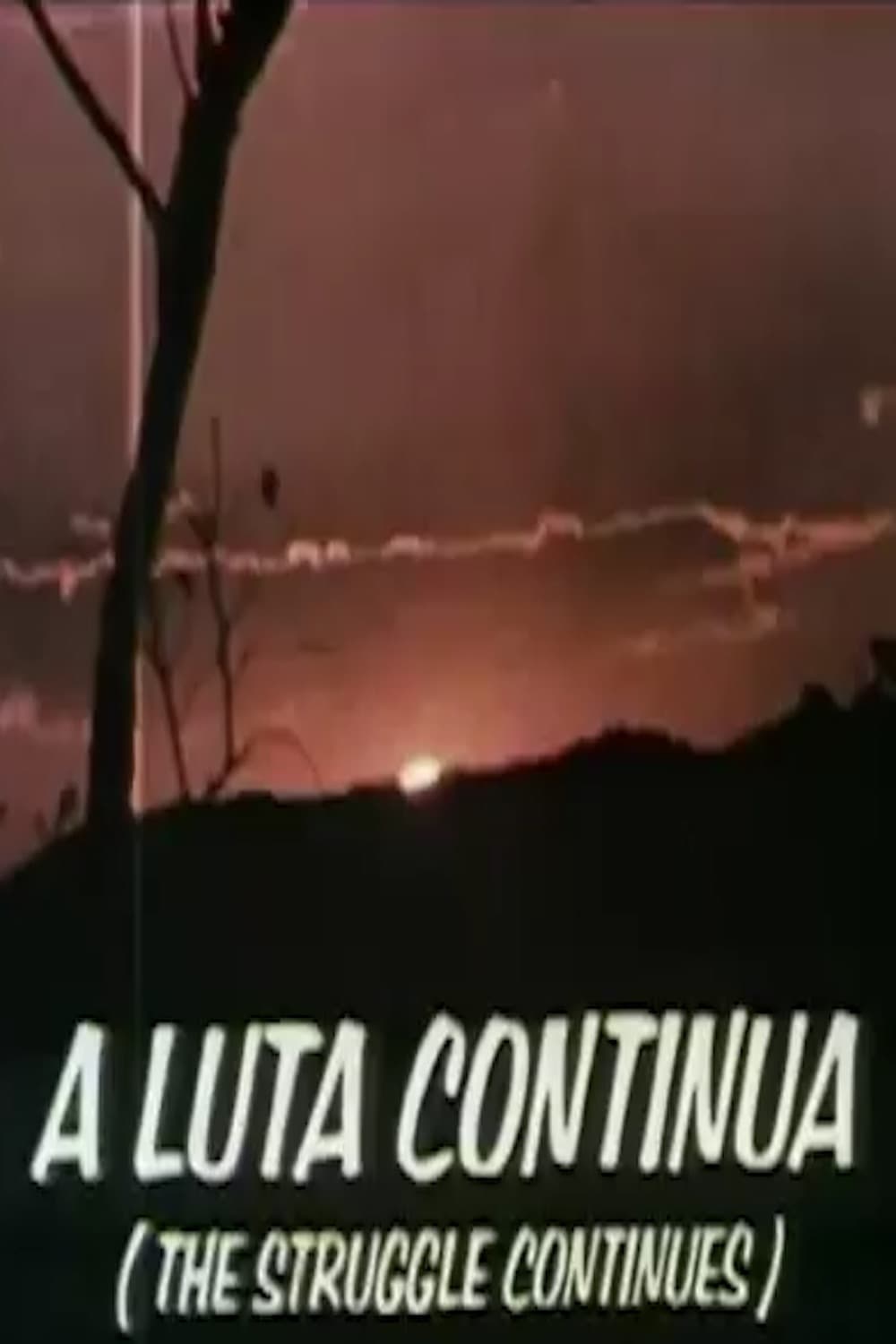
A Luta Continua explains the military struggle of the Liberation Front of Mozambique (FRELIMO) against the Portuguese. Produced and narrated by American activists Robert Van Lierop, it details the relationship of the liberation to the wider regional and continental demands for self-determination against minority rule. It notes the complicit roles of foreign governments and companies in supporting Portugal against the African nationalists. Footage from the front lines of the struggle helps contextualize FRELIMO's African socialist ideology, specifically the role of the military in building the new nation, a commitment to education, demands for sexual equality, the introduction of medical aid into the countryside, and the role of culture in creating a single national identity.
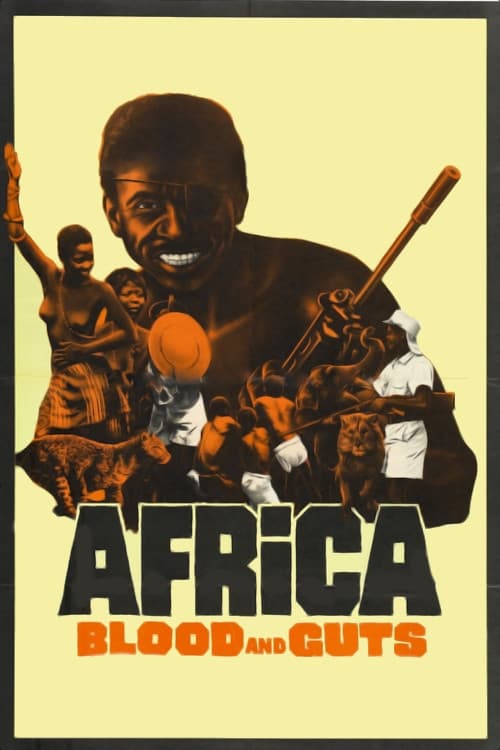
A chronicle of the violence that occurred in much of the African continent throughout the 1960s. As many African countries were transitioning from colonial rule to other forms of government, violent political upheavals were frequent. Revolutions in Zanzibar and Kenya in which thousands were killed are shown, the violence not only political; there is also extensive footage of hunters and poachers slaughtering different types of wild animals.
Through ramshackled Nuxalk Radio, the disappearance of the ooligan from the Bella Coola River unearths a hidden history that threatens to crack the Valley wide open.
For decades, the countries of the African Sahel region have been targets of colonialism and exploitation by France and other Western powers. This documentary addresses the popular resistance and new paths of development forged by Burkina Faso, Niger, and Mali after experiencing civil and military uprisings in recent years. The film explores the popular resistance that sustains the revolution in the three Sahel countries and was made after extensive coverage of the ongoing social dynamics and geopolitical disputes.
A documentary on the expletive's origin, why it offends some people so deeply, and what can be gained from its use.
Those who knew iconic funnyman John Candy best share his story, in their own words, through never-before-seen archival footage, imagery, and interviews.
A visual montage portrait of our contemporary world dominated by globalized technology and violence.
A candid look at rehearsal footage in support of a focus on pre-viz.
A compilation of over 30 years of private home movie footage shot by Lithuanian-American avant-garde director Jonas Mekas, assembled by Mekas "purely by chance", without concern for chronological order.
Daniel Craig candidly reflects on his 15 year adventure as James Bond. Including never-before-seen archival footage from Casino Royale to the upcoming 25th film No Time To Die, Craig shares his personal memories in conversation with 007 producers, Michael G Wilson and Barbara Broccoli.
A road trip across five countries to explore the social and political movements as well as the mainstream media's misperception of South America while interviewing seven of its elected presidents.
A detailing of the rise to prominence and global sporting superstardom of six supremely talented young Manchester United football players (David Beckham, Nicky Butt, Ryan Giggs, Paul Scholes, Phil and Gary Neville). The film covers the period 1992-1999, culminating in Manchester United's European Cup triumph.
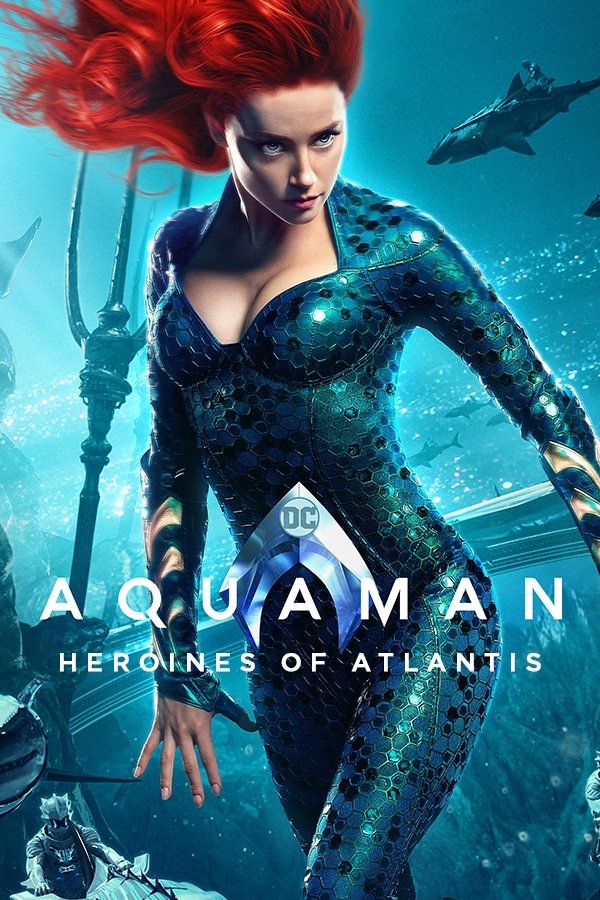
Amber Heard and Nicole Kidman discuss their characters Mera and Atlanna.
When Allied forces liberated the Nazi concentration camps in 1944-45, their terrible discoveries were recorded by army and newsreel cameramen, revealing for the first time the full horror of what had happened. Making use of British, Soviet and American footage, the Ministry of Information’s Sidney Bernstein (later founder of Granada Television) aimed to create a documentary that would provide lasting, undeniable evidence of the Nazis’ unspeakable crimes. He commissioned a wealth of British talent, including editor Stewart McAllister, writer and future cabinet minister Richard Crossman – and, as treatment advisor, his friend Alfred Hitchcock. Yet, despite initial support from the British and US Governments, the film was shelved, and only now, 70 years on, has it been restored and completed by Imperial War Museums under its original title "German Concentration Camps Factual Survey".
A documentary that explores the downloading revolution; the kids that created it, the bands and the businesses that were affected by it, and its impact on the world at large.
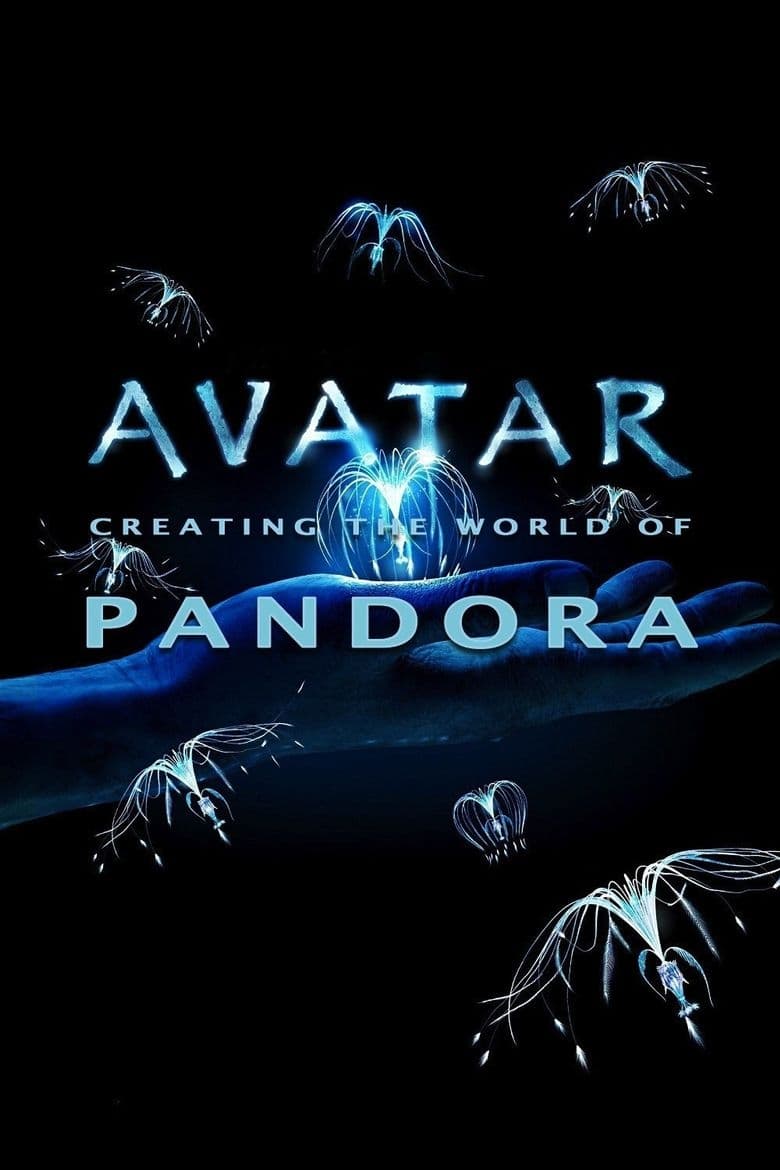
The Making-of James Cameron's Avatar. It shows interesting parts of the work on the set.
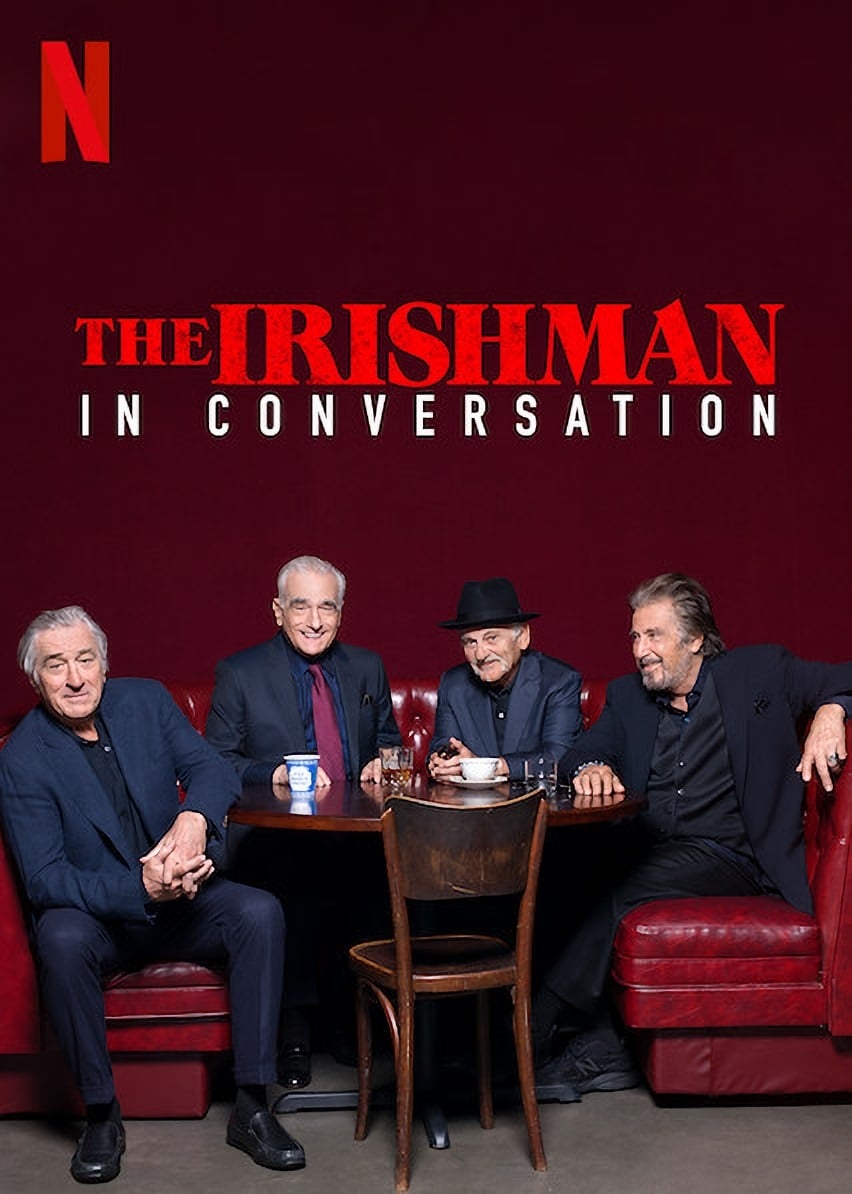
Martin Scorsese, Robert De Niro, Joe Pesci, and Al Pacino in conversation about The Irishman.
An inside look at one of the most anticipated movie sequels ever with James Cameron and cast.
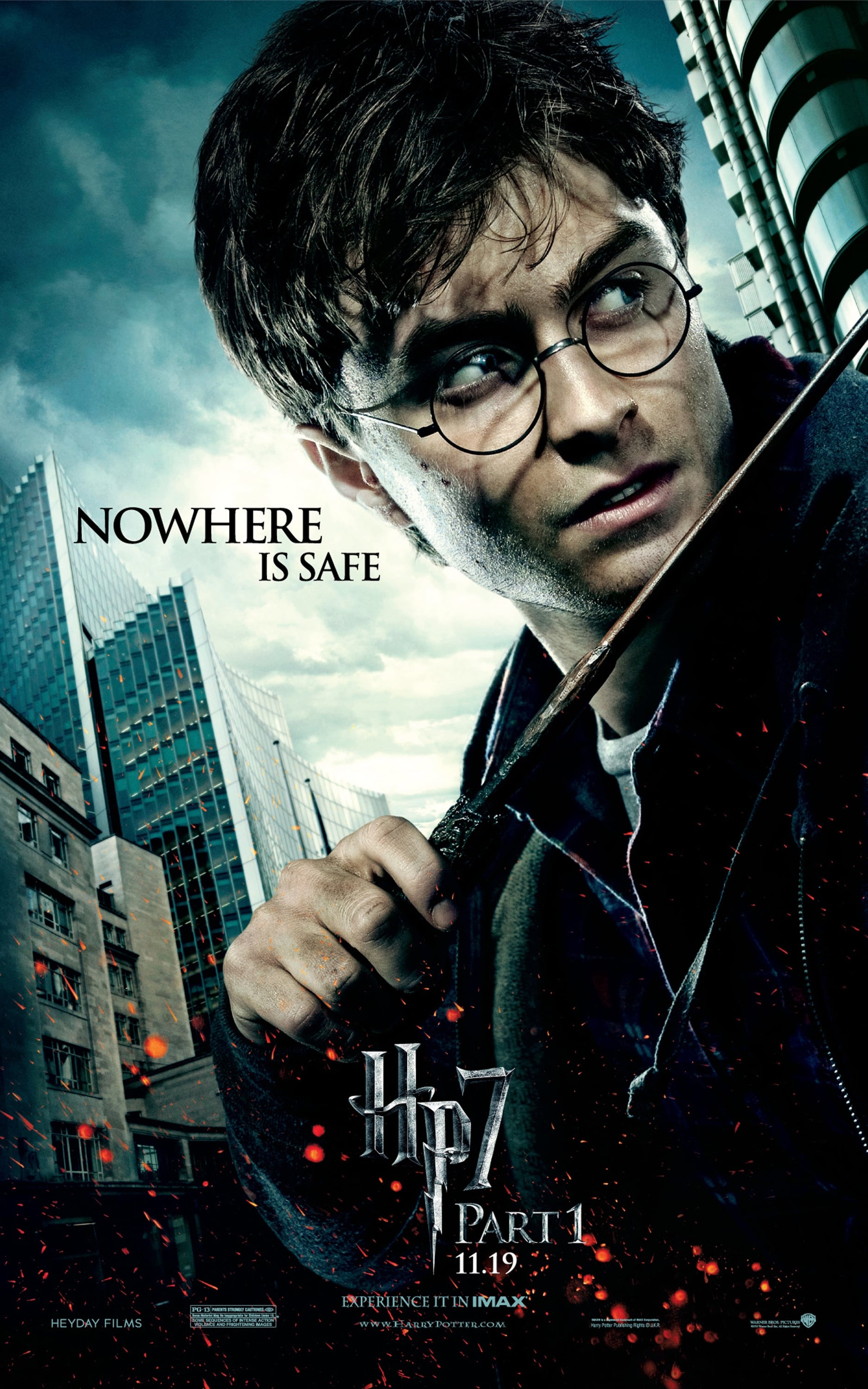
To mark the release two weeks ago of the eighth and final movie in the series, Robbie Coltrane narrates a countdown of the movie franchise's best moments. From Harry's first meeting with Ron and Hermione aboard the Hogwarts Express through to magical mysteries.
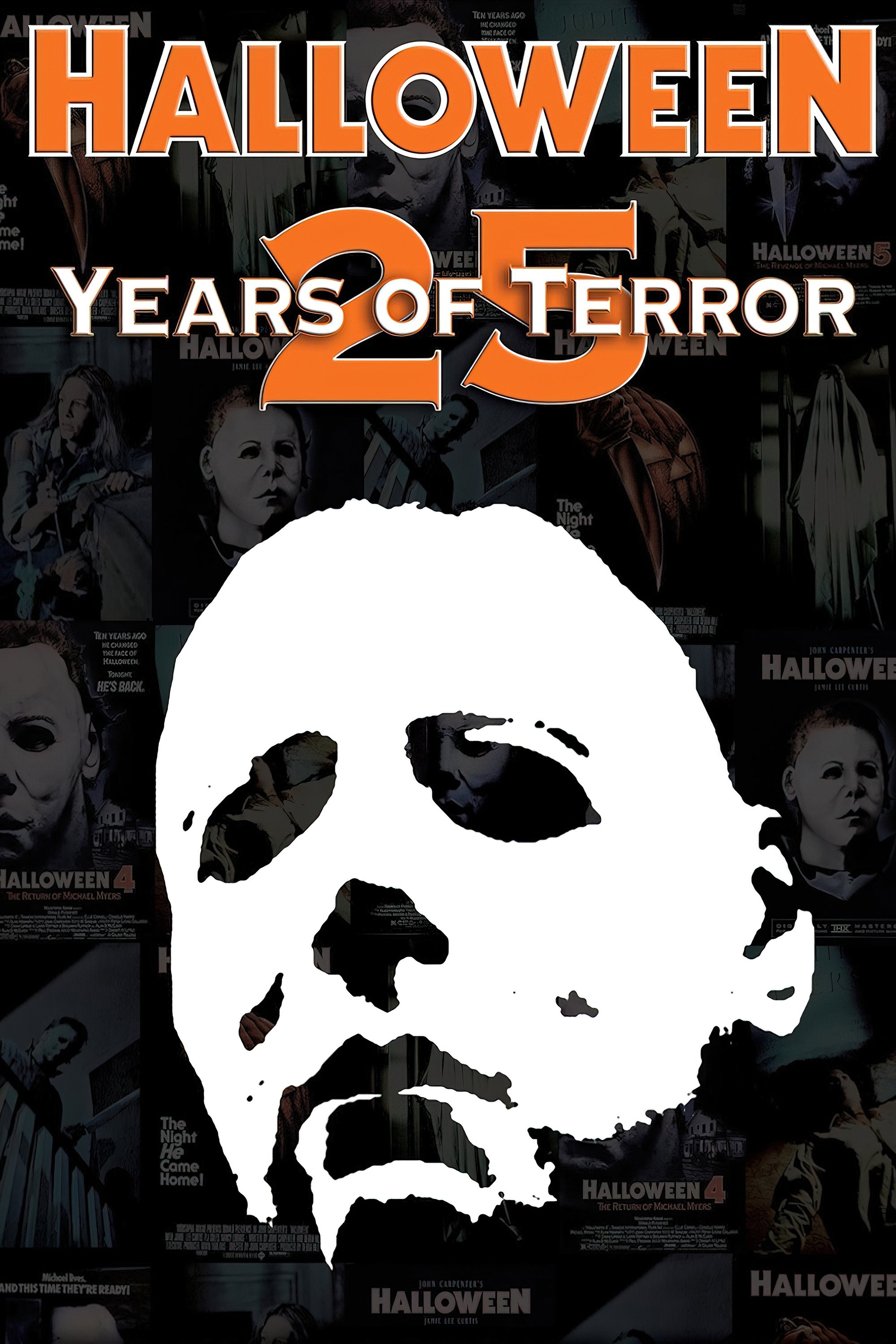
Follow the evolution of the 'Halloween' movies over the past twenty-five years. It examines why the films are so popular and revisits many of the original locations used in the films - seeing the effects on the local community. For the first time, cast, crew, critics and fans join together in the ultimate 'Halloween' retrospective.
A night of drunken chaos rocks a quiet Dutch town in this shocking documentary about a teen's birthday invite that accidentally went viral on Facebook.
JB Smoove and Martin Starr host a celebration of 20 years of "Spider-Man" movies, from the Sam Raimi trilogy to Marc Webb's movies and the trio from Jon Watts.
This revealing documentary honors the legendary Sidney Poitier—iconic actor, filmmaker, and civil rights activist. Featuring interviews with Denzel Washington, Spike Lee, Halle Berry, and more.
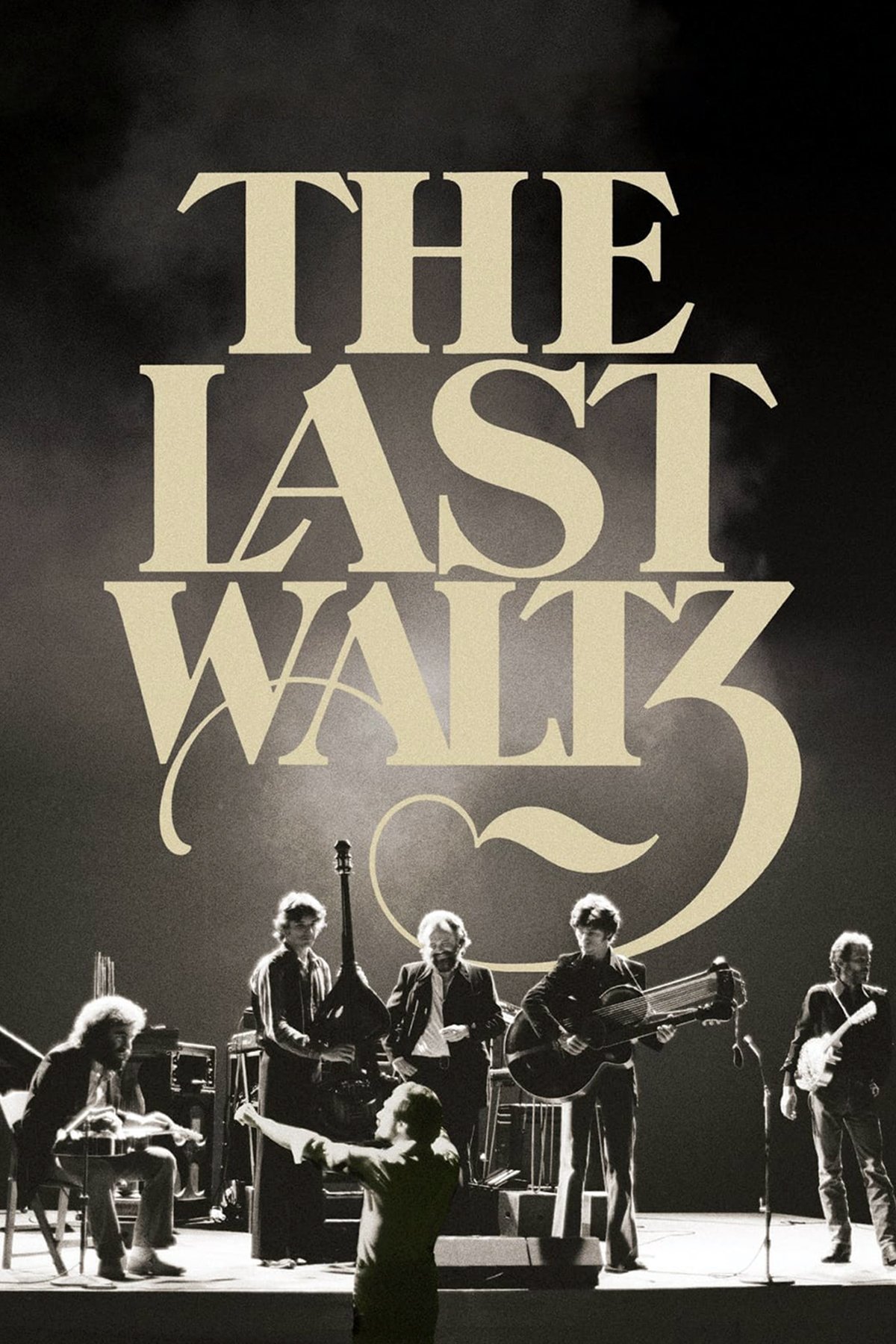
Martin Scorsese's documentary intertwines footage from The Band's incredible farewell tour with probing backstage interviews and featured performances by Eric Clapton, Bob Dylan, Joni Mitchell, Van Morrison, and other rock legends.