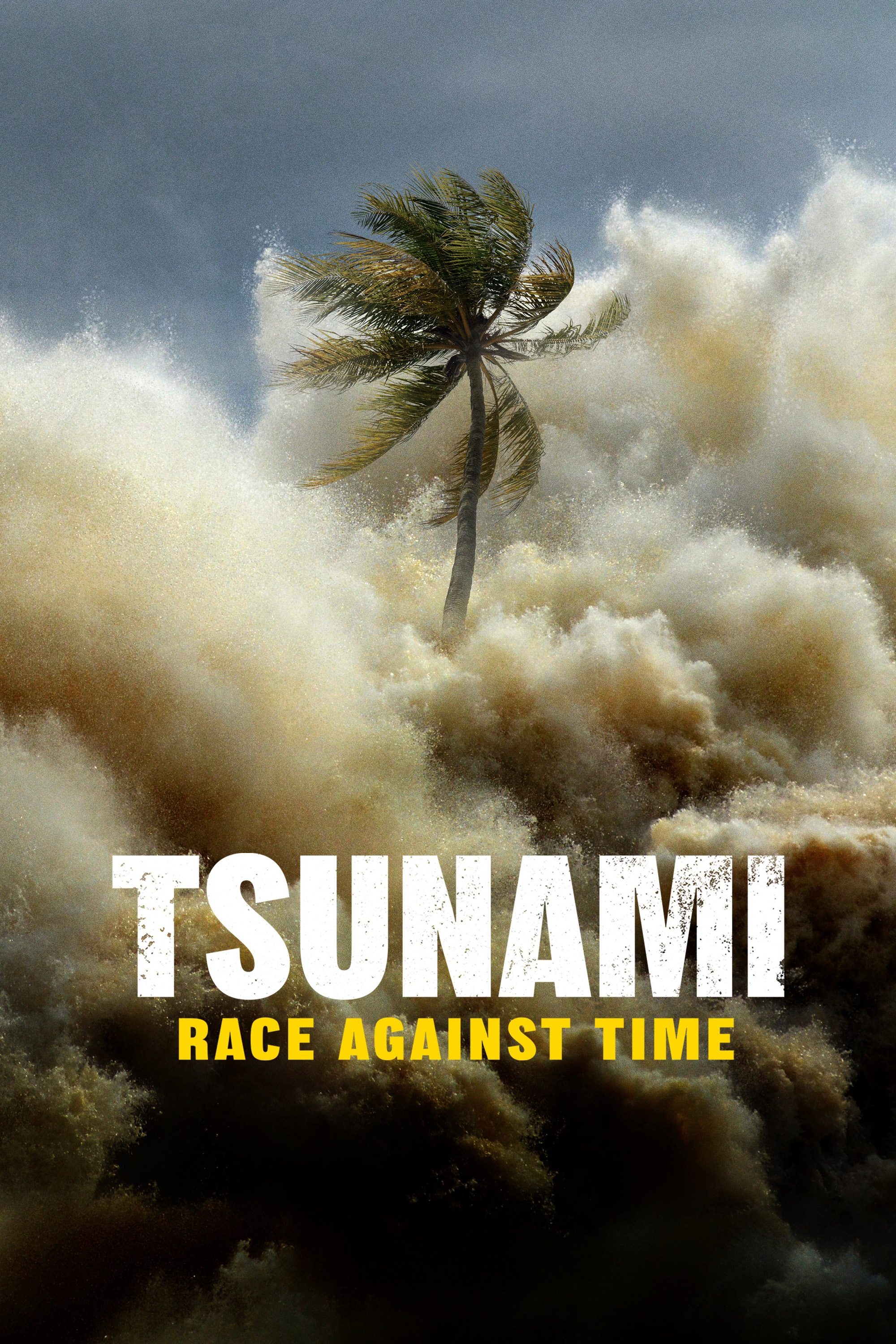
Dr Xand van Tulleken and Raksha Dave tell the dramatic story of the Boxing Day Tsunami, which killed more than 250,000 people.
Social & External
The people behind it
Xand van Tulleken
Self - Presenter
Raksha Dave
A minute-by-minute account of the December 2004 tsunami, which destroyed towns and villages across the Indian Ocean, killing 230,000.
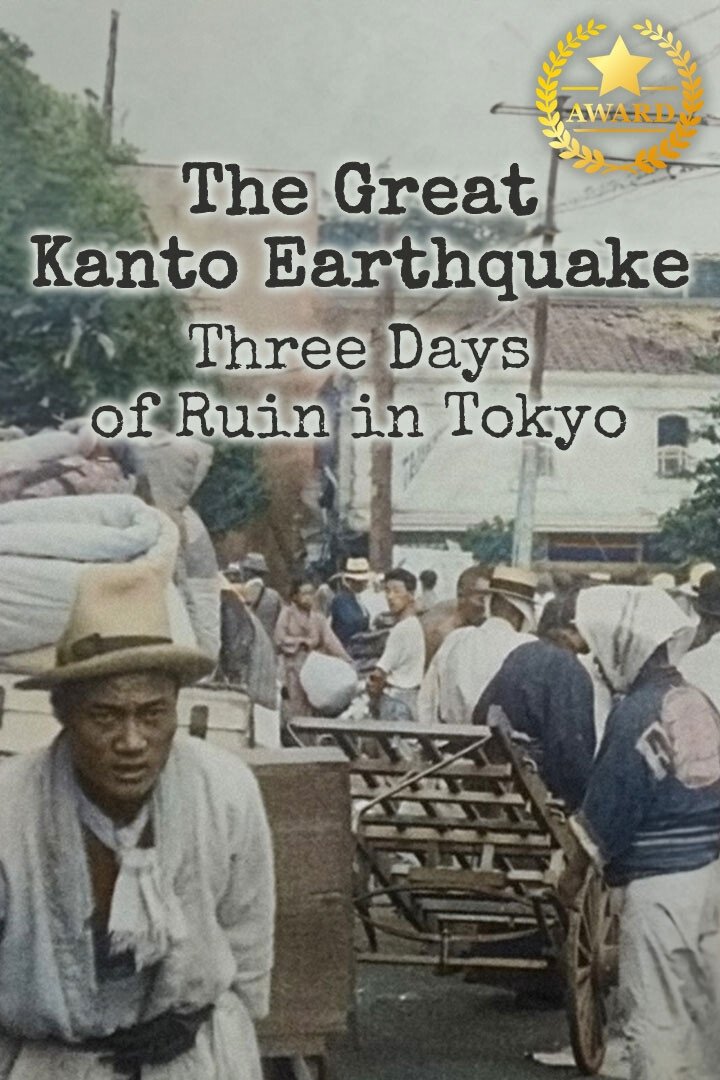
A century after the Great Kanto Earthquake, previously unknown details have been extracted from newly 8K remastered and colorized footage, vividly demonstrating how Tokyo citizens faced the disaster.
Natural and man-made catastrophes retold by eyewitnesses and dramatic reconstructions.
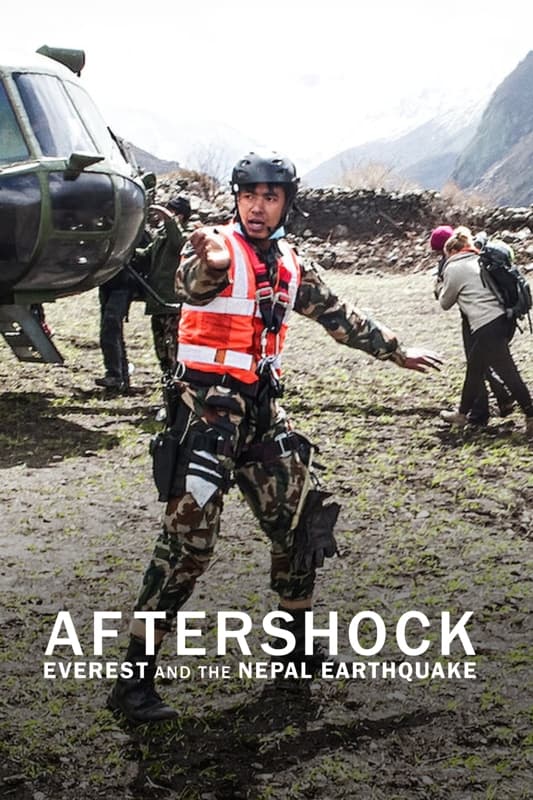
After a terrible earthquake in Nepal, locals and tourists join forces to face destruction in this gripping docuseries.
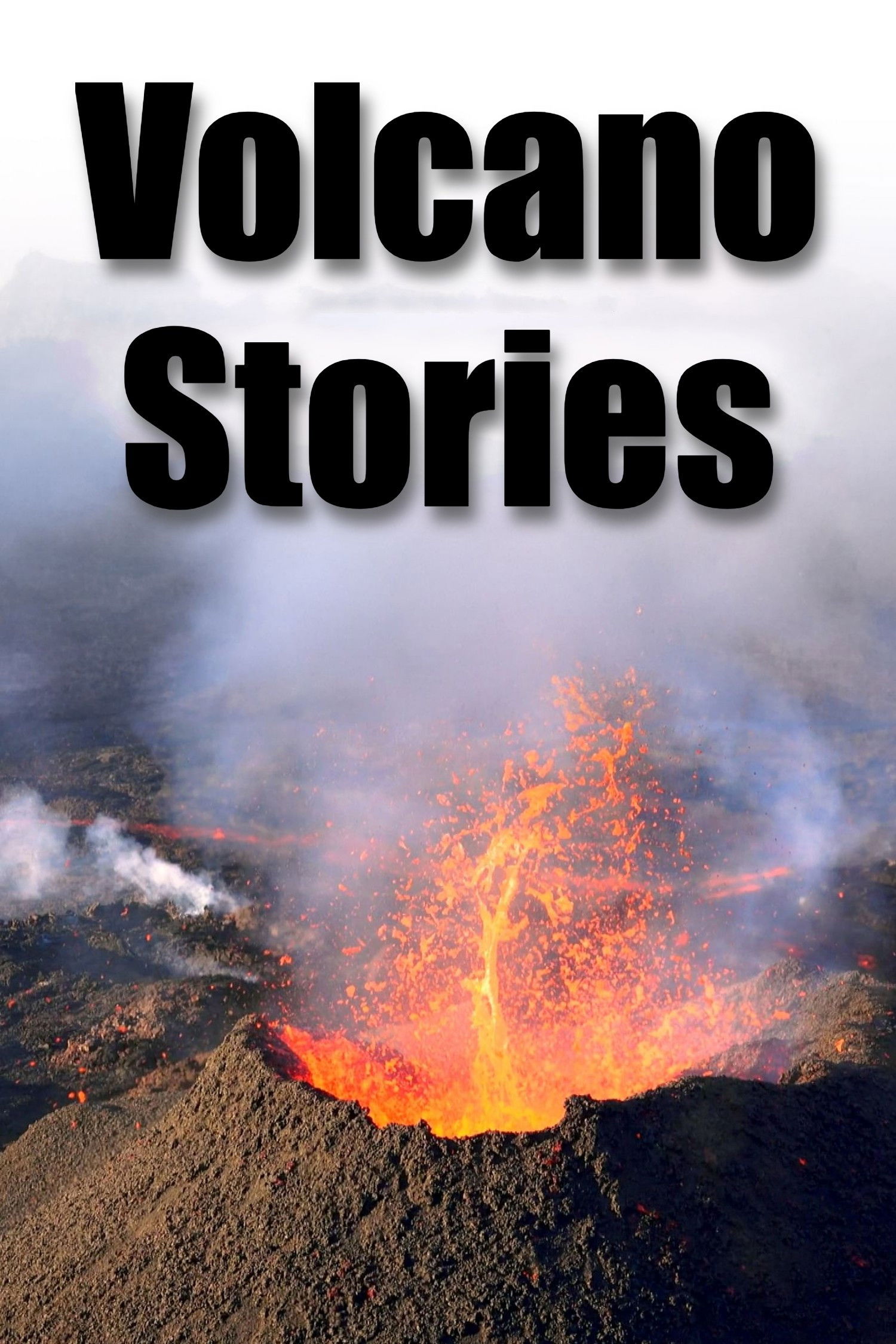
No two volcanoes are alike; each one has its own distinctive landscape, climate, and geological context. Just as unique are the people we meet along the way who help us comprehend how greatly our planet – and our lives – have been shaped by volcanic phenomena. For the scientific aspect of each episode, we explore the very diverse range of questions raised by volcanic phenomena in such varied fields as earth sciences, climatology, biodiversity, oceanography, geography, agronomics, and archaeology. The cultural part of the show delves into mythology, religion, philosophy, folk and artistic traditions, cooking, and ways of life.
Storm chasers, survivors and first responders recount their harrowing experiences with volcanoes, tornadoes, hurricanes and earthquakes.
From the first dinosaurs to the last, this epic documentary series examines their 165 million years on Earth and the forces that shaped their evolution.
Survivors and witnesses recall March 11 2011 - when Japan was hit by a devastating tsunami of 40-foot waves, killing 20,000 and triggering a nuclear meltdown.
Japan has a long history of natural disasters. BOSAI explores how to overcome them and save lives with the power of science.
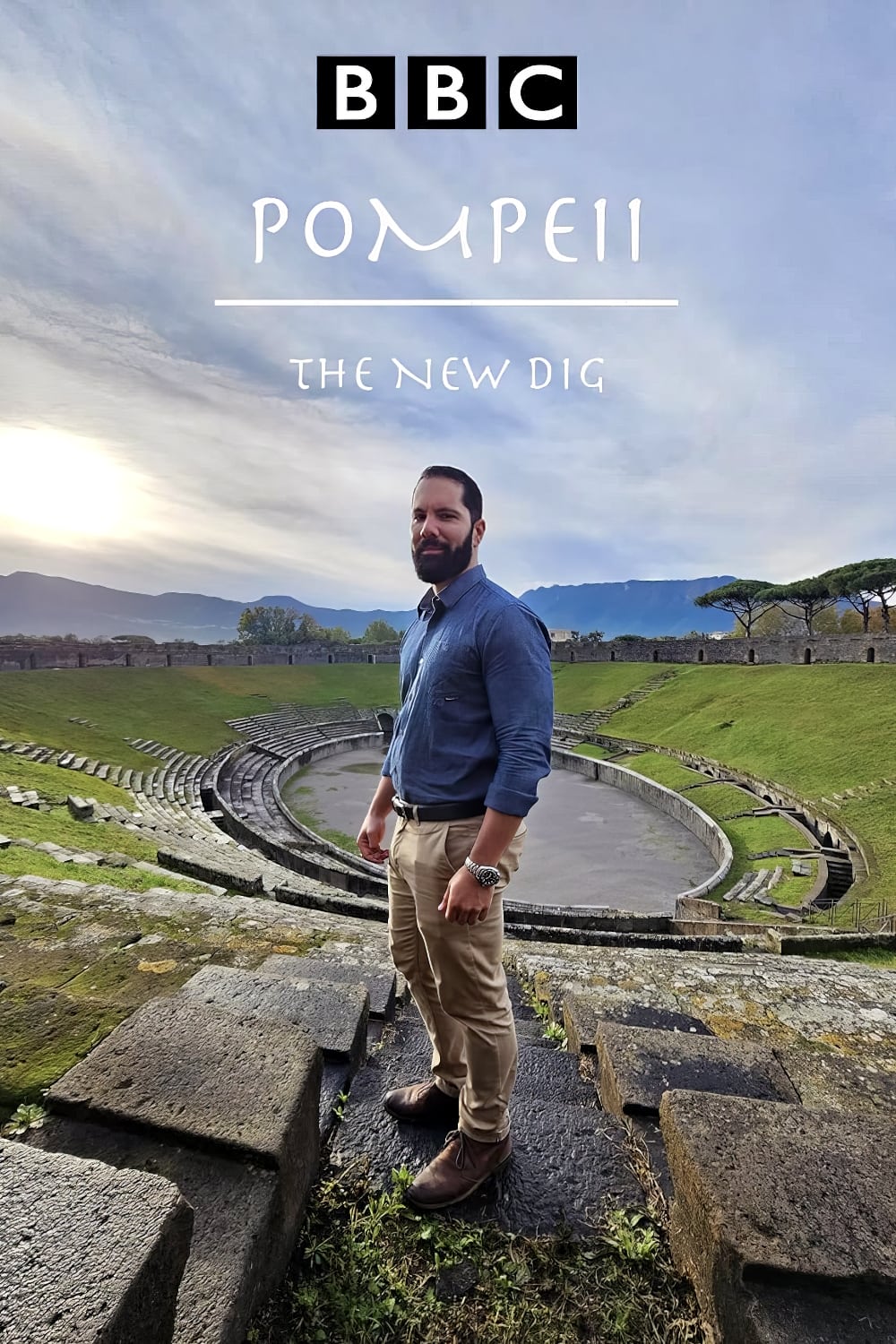
Following the biggest archaeological excavation in Pompeii for a generation. Exciting discoveries and fresco-inspired animations tell the story of life in Pompeii AD 79.
A series of looks into extraordinary natural disasters and their impact on the people around them.
The untold human stories behind some of the world’s greatest disasters.
The definitive story of the deadly 2004 tsunami as it travels from country to country, with unseen archive video and untold stories of survival.
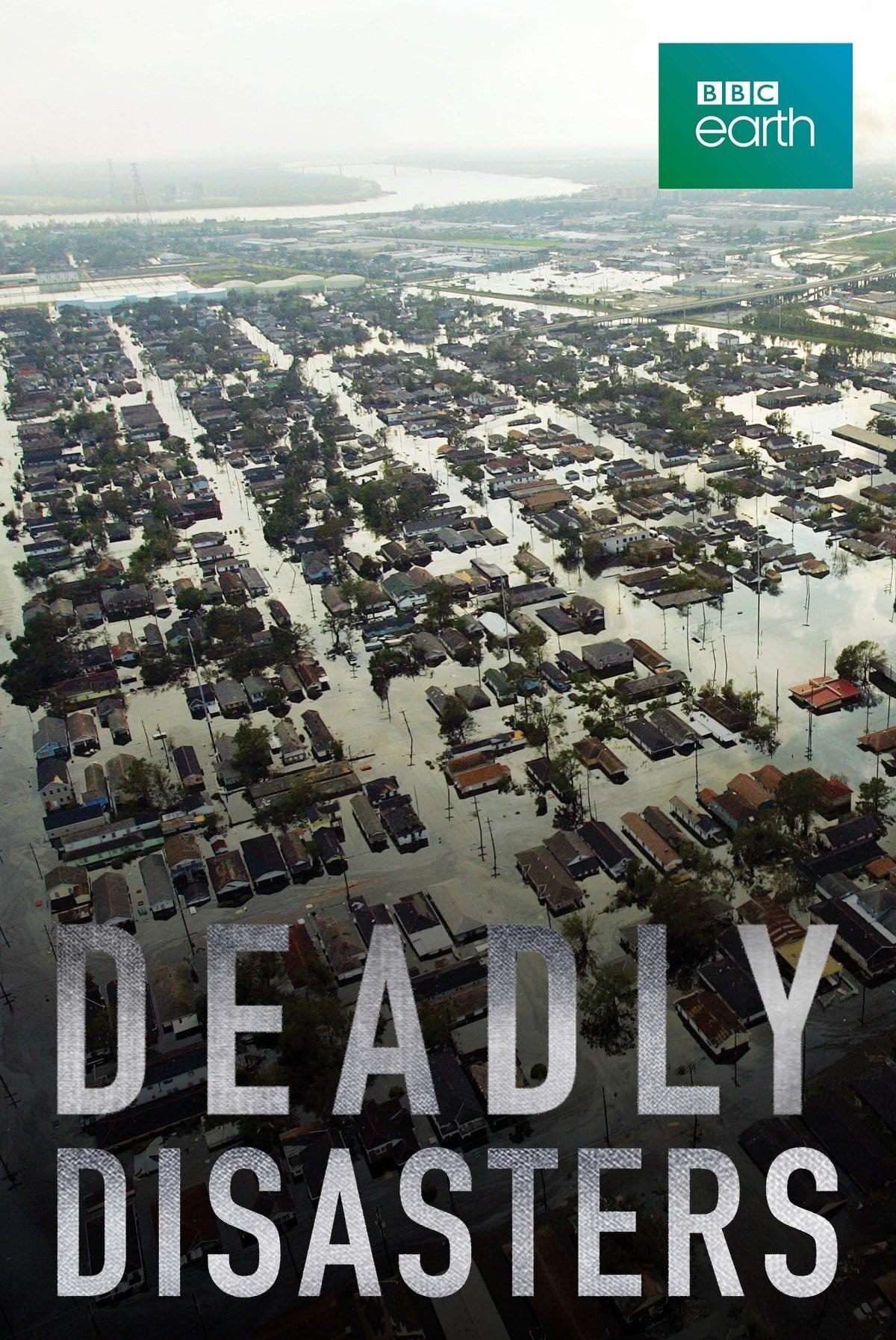
Deadly Disasters explores some of the most terrifying and destructive natural disasters to ever strike the planet, uncovering fascinating new details and packed with jaw-dropping footage.
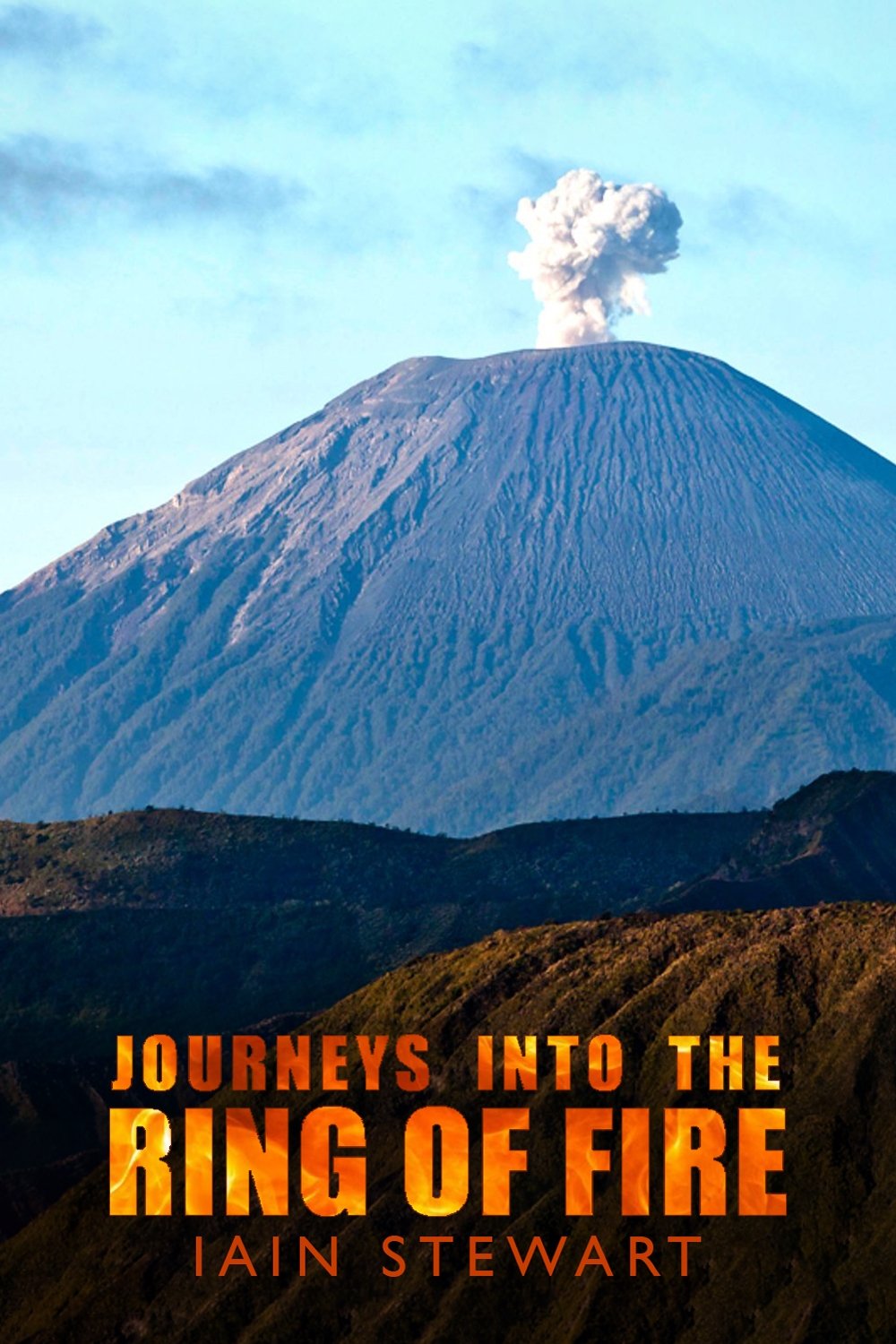
Touring the perilous and spectacular landscape of the Pacific Rim to discover how the rocks beneath our feet have shaped human history.
The catastrophic floods of New York, Bangkok and New-Orleans have shed light on the extreme vulnerability of more than 130 coastal cities faced with the violence of the sea. The mega-cities are threatened by a series of unusual phenomena: a surprising subsidence of soils, an unexplained rising of the level of the sea in some parts of the world, an increase in the frequency of extreme climatic events and exponential urbanization. Considering that science is capable of anticipating dangers and of suggesting protections, why do such disasters occur so often? Can they be avoided?
Toko Ikuta lost her parents in a car accident at the age of 3. Afterwards, her uncle, who ran a barbershop in Morioka, raised her and she had a happy childhood. Toko Ikuta was active as a local idol and she dreamed of becoming an actress. At the age of 19, she is set to take an audition in Tokyo. The day before her audition, on March 11, 2011, the great Tohoku earthquake and tsunami hits Japan. In the autumn of 2011, Toko Ikuta works at a cafe. She goes with her Korean co-worker Han Yoo-Ri to do volunteer work in Kesennuma as the area recovers from the devastating tsunami. There, Toko Ikuta meets Kiyotaka Shimizu who is a university student from Tokyo and a member of a student volunteer group. While spending time together in Kesennuma, Toko Ikuta and Kiyotaka Shimizu develop feelings for each other.
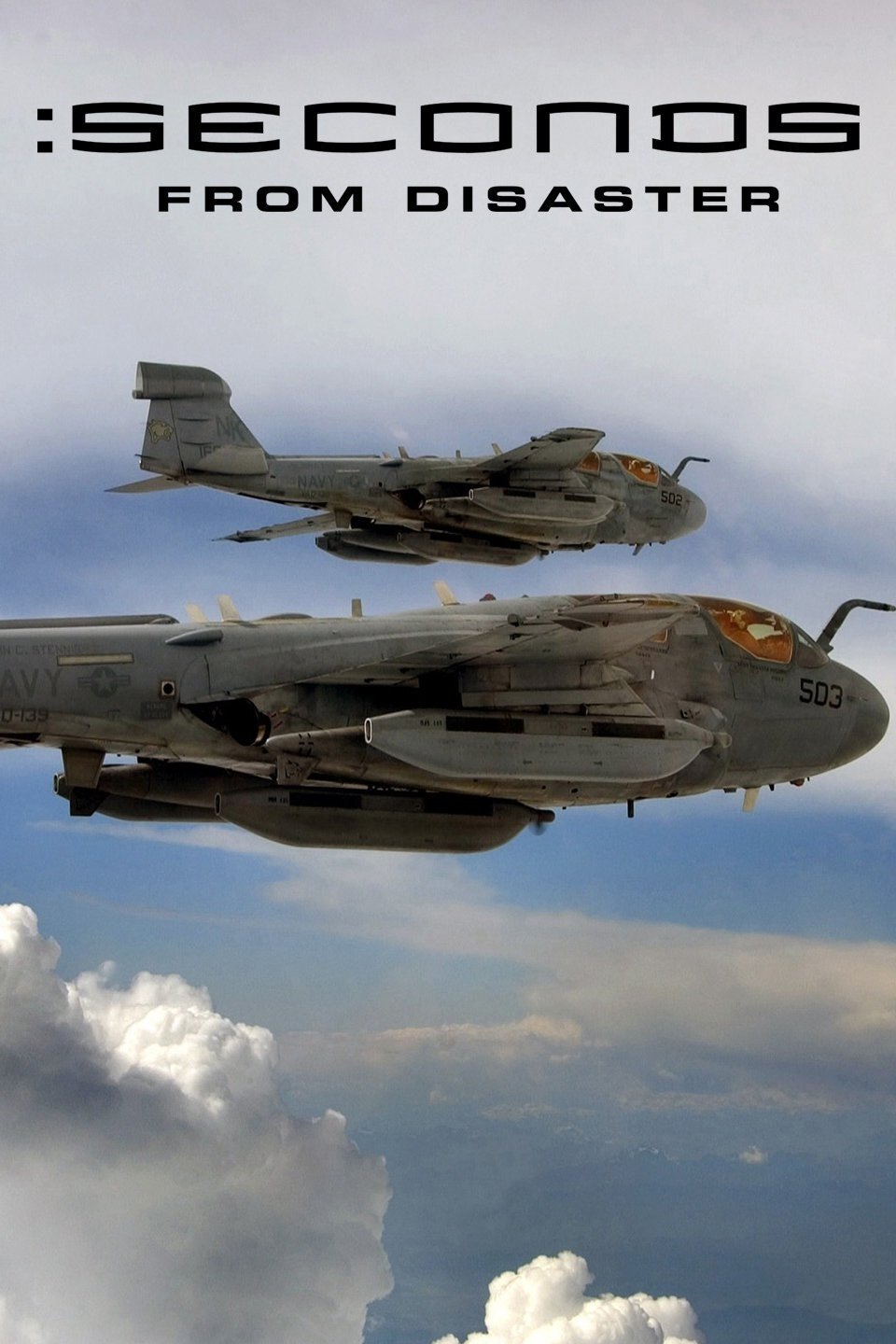
Seconds from Disaster is a US/UK-produced documentary television programme that investigates historically relevant man-made and natural disasters of the 20th century. Each episode aims to explain a single incidental by analyzing the causes and circumstances that ultimately effected the disaster. The program uses re-enactments, interviews, testimonies, and CGI to analyze the sequence of events second-by-second for the audience. Narrators for the show are Ashton Smith, Richard Vaughan and Peter Guinness.
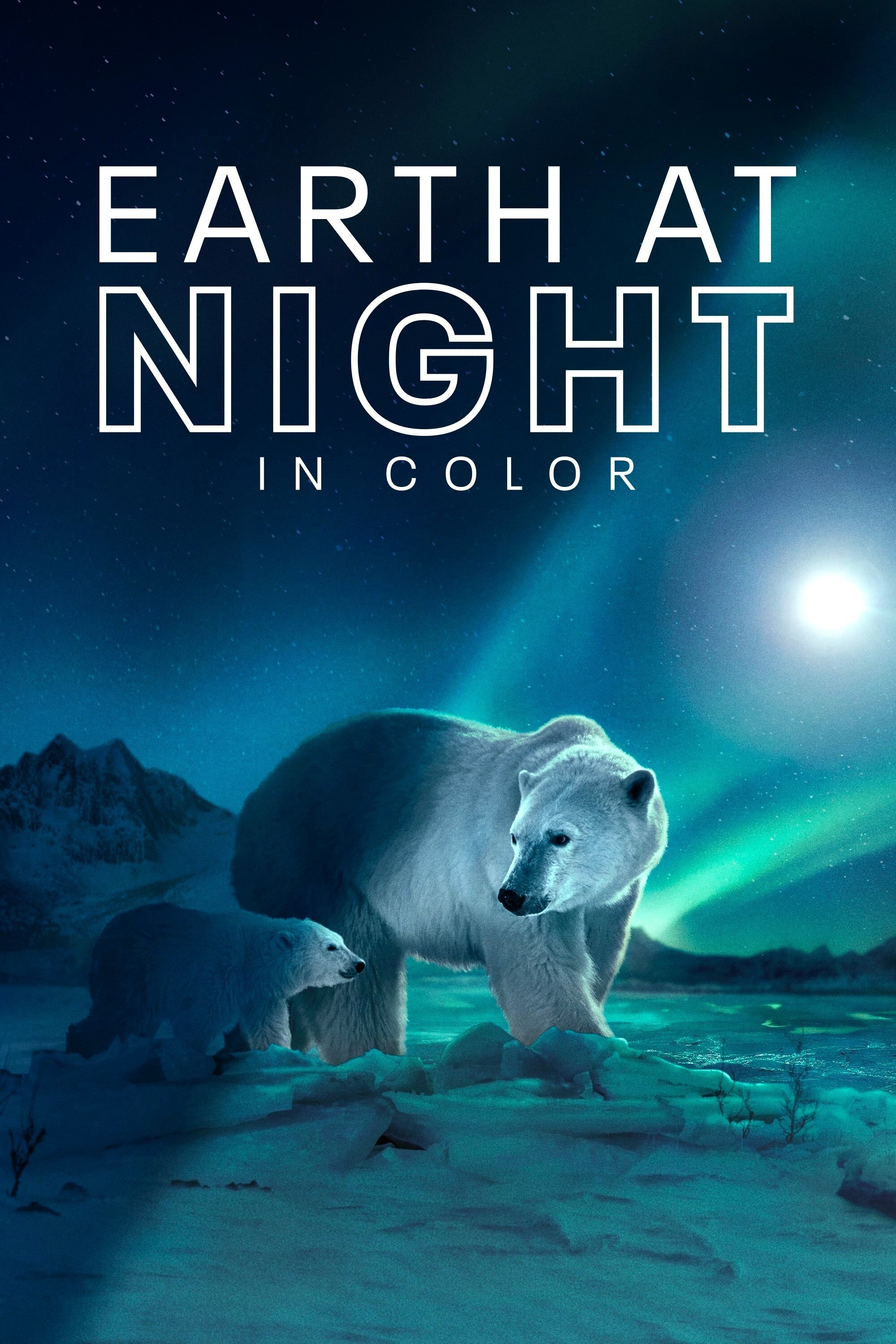
Filmed across six continents, this docuseries uses cutting-edge camera technology to capture animals' nocturnal lives, revealing new behaviours filmed in full color like never before.
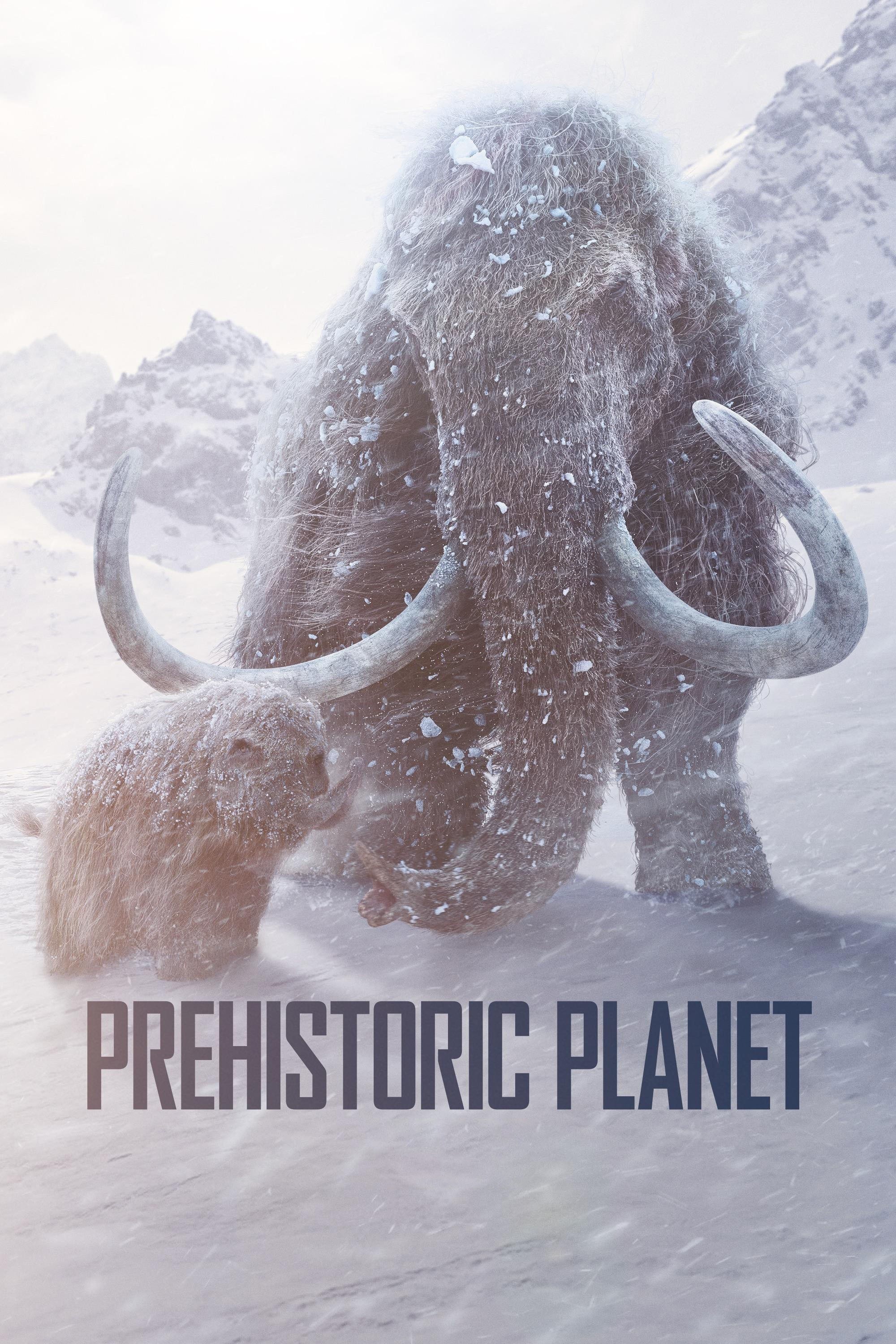
Experience the wonders of our world like never before in this epic series from Jon Favreau and the producers of Planet Earth. Travel back 66 million years to when majestic dinosaurs and extraordinary creatures roamed the lands, seas, and skies.
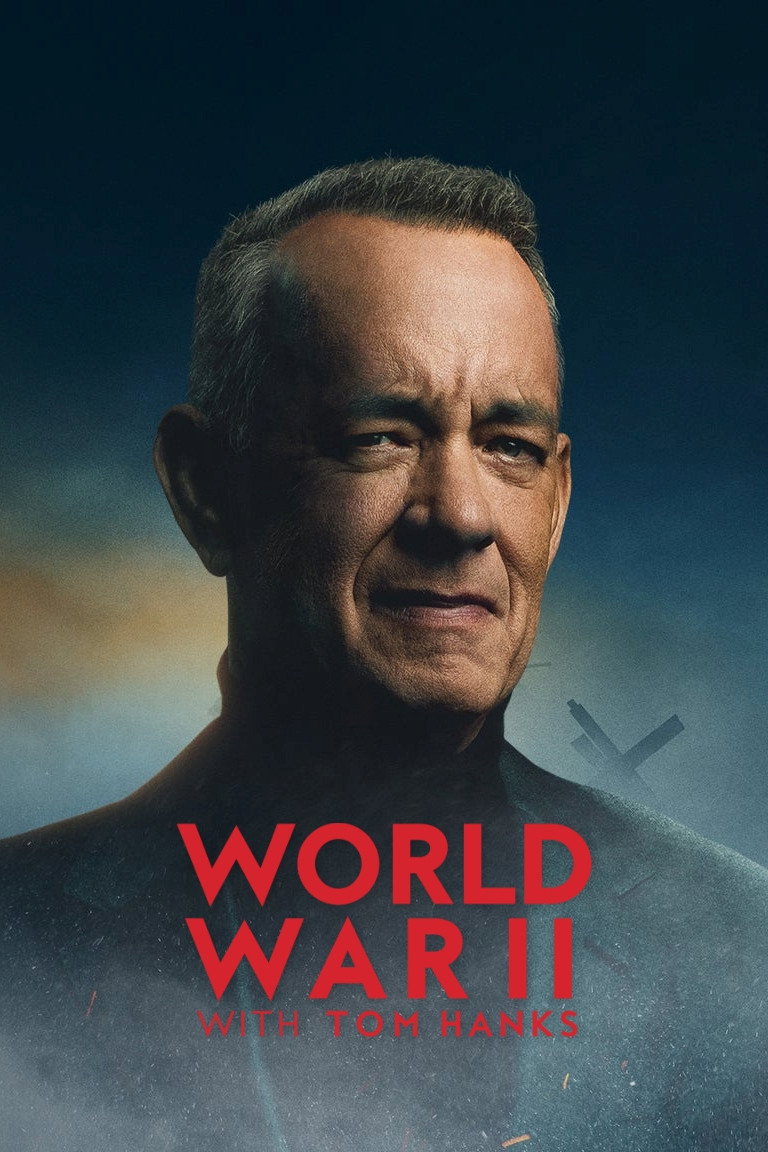
Explores WWII from Germany's invasion of Poland through the atomic age, examining pivotal battles, wartime leaders like Churchill and Roosevelt, and the human cost of total war.
An insider's look at the engineering and scientific miracles behind the things that form the modern world.
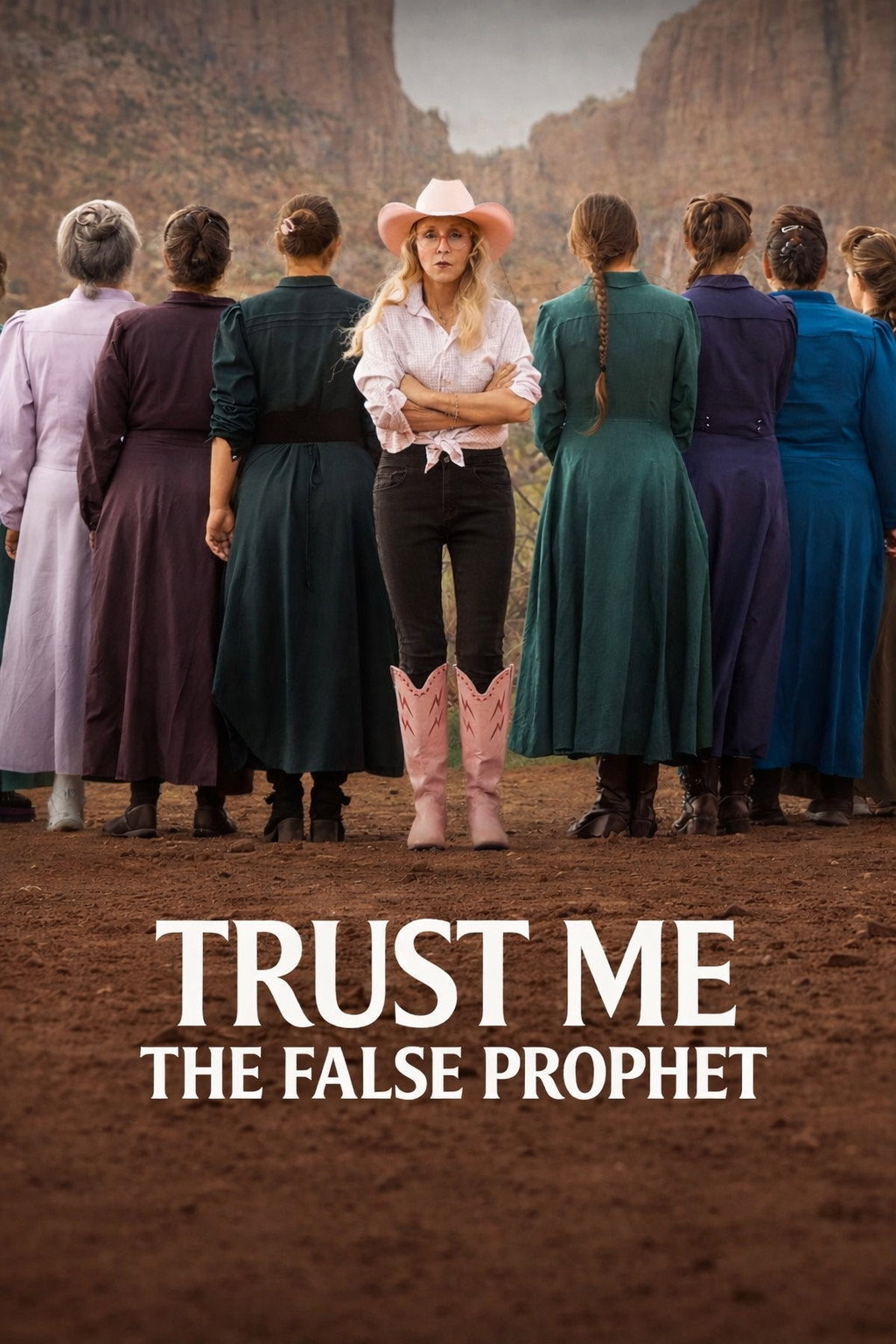
In this true-crime documentary, a cult expert and filmmaker infiltrate a polygamist sect to expose a self-proclaimed prophet and bring him to justice.
MegaStructures is a documentary television series appearing on the National Geographic Channel in the United States and the United Kingdom, Channel 5 in the United Kingdom, France 5 in France, and 7mate in Australia. Each episode is an educational look of varying depth into the construction, operation, and staffing of various structures or construction projects, but not ordinary construction products. Generally containing interviews with designers and project managers, it presents the problems of construction and the methodology or techniques used to overcome obstacles. In some cases this involved the development of new materials or products that are now in general use within the construction industry. MegaStructures focuses on constructions that are extreme; in the sense that they are the biggest, tallest, longest, or deepest in the world. Alternatively, a project may appear if it had an element of novelty or are a world first. This type of project is known as a Megaproject.
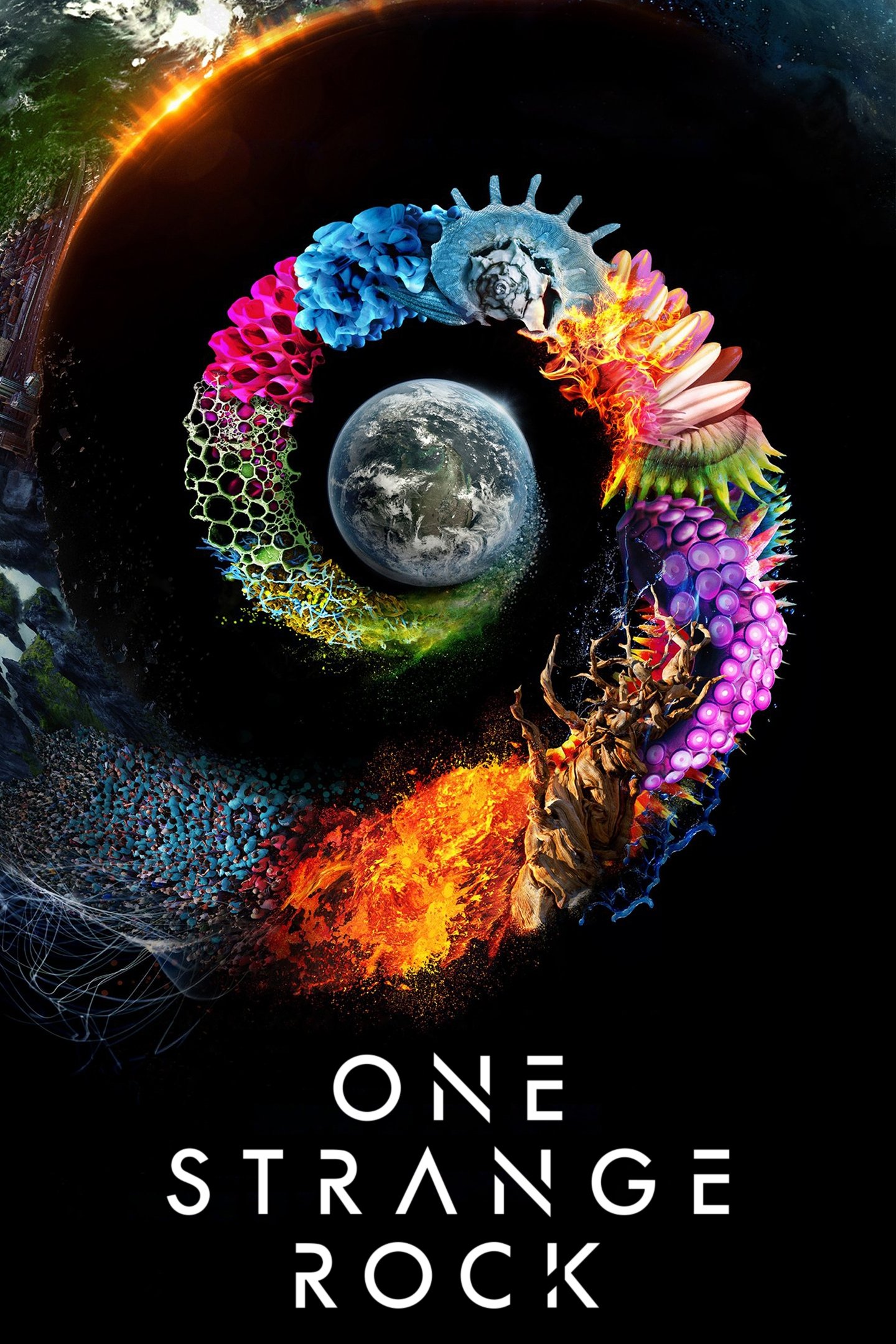
A mind-bending, thrilling journey exploring the fragility and wonder of planet Earth, one of the most peculiar, unique places in the entire universe, brought to life by the only people to have left it behind – the world’s most well known and leading astronauts.
Natural World is a nature documentary television series broadcast annually on BBC Two and regarded by the BBC as its flagship natural history brand. It is currently the longest-running series in its genre on British television, with more than 400 episodes broadcast since its inception in 1983. Natural World is produced by the BBC Natural History Unit in Bristol, but individual programmes can be in-house productions, collaborative productions with other broadcasters or films made and distributed by independent production companies and purchased by the BBC. Natural World programmes are often broadcast as PBS Nature episodes in the USA. Since 2008, most Natural World programmes have been shot and broadcast in high definition.
PBS' premier science series helps viewers of all ages explore the science behind the headlines. Along the way, NOVA demystifies science and technology, and highlights the people involved in scientific pursuits.
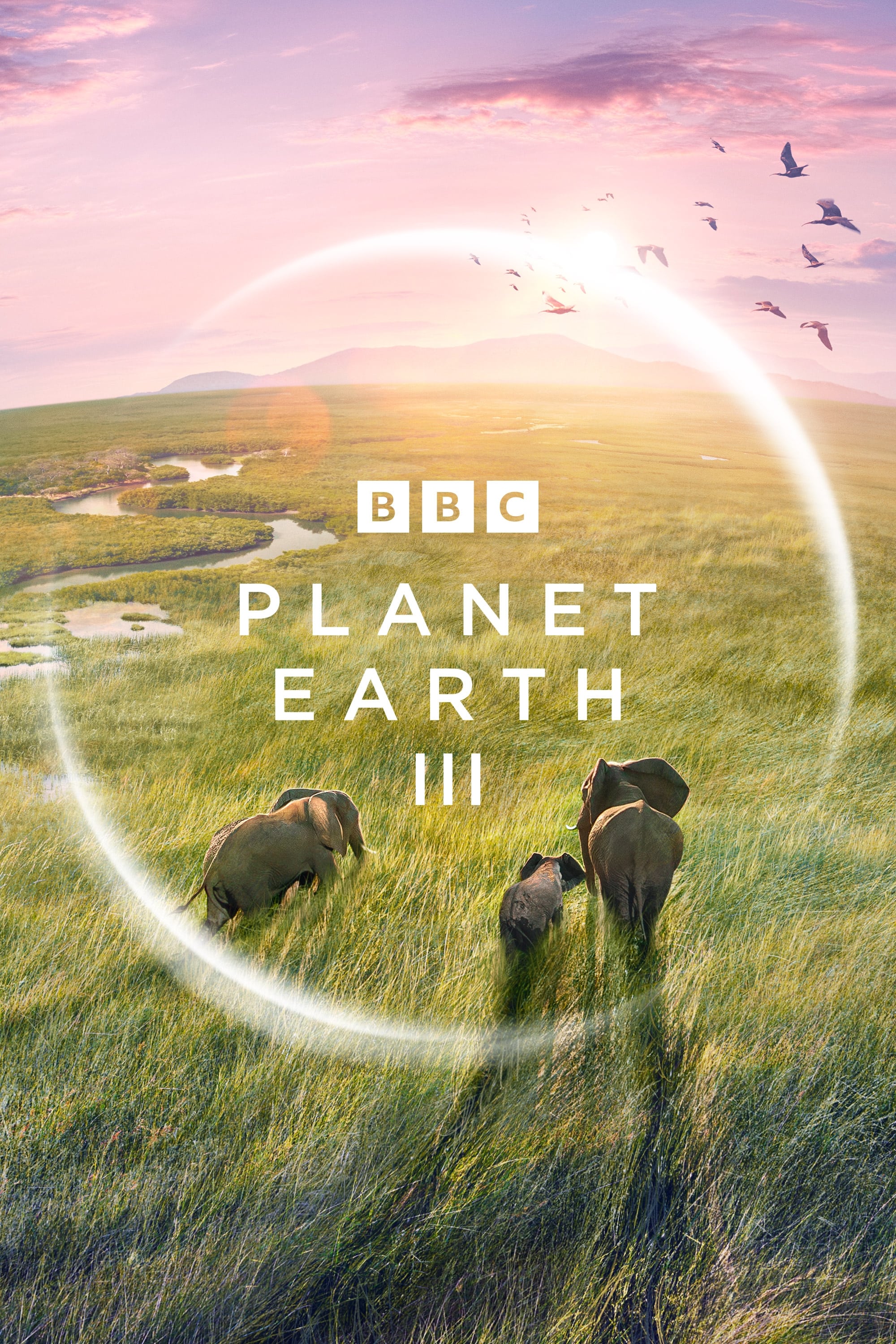
Journeying to the far reaches of our planet, this eight part series follows some of the world's most amazing species, telling extraordinary stories that are dramatic, thrilling, funny and sometimes heart-breaking, but always full of hope.
Motoring programme featuring reviews of and reports about cars of all types.
Horizon tells amazing science stories, unravels mysteries and reveals worlds you've never seen before.
This compelling series investigates the motives and m.o. of female murderers. While males are often driven by anger, impulse and destruction, women usually have more complex, long-term reasons to kill.
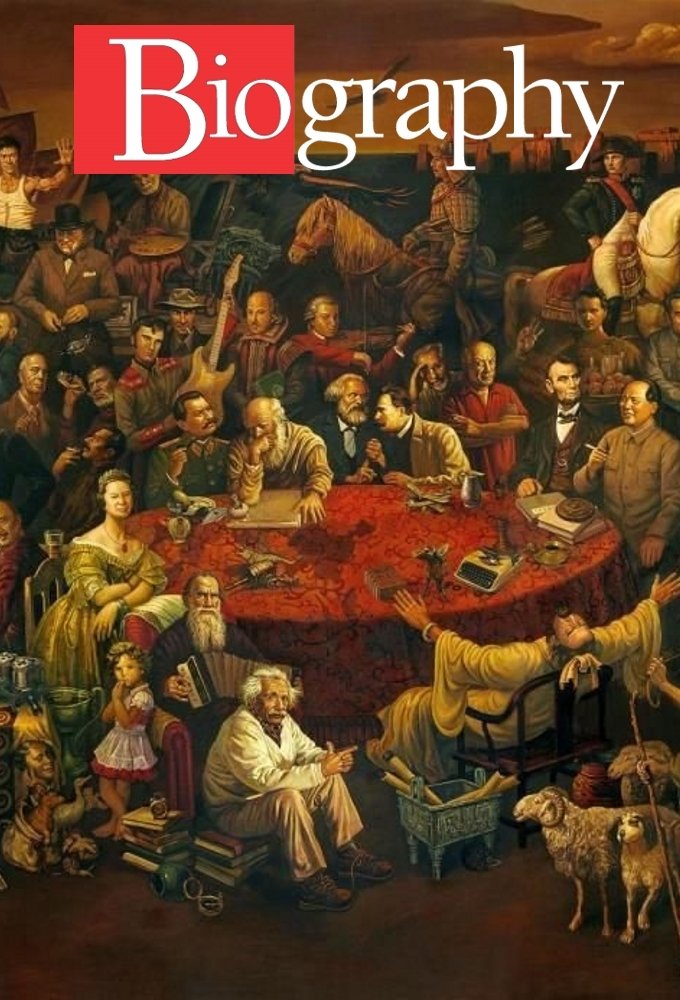
Biography is a documentary television series. It was originally a half-hour filmed series produced for CBS by David Wolper from 1961 to 1964 and hosted by Mike Wallace. The A&E Network later re-ran it and has produced new episodes since 1987. The older version featured historical figures such as Helen Keller and Mark Twain, or long-dead entertainment figures such as Will Rogers or John Barrymore. The A&E series has placed the emphasis on such people as Marilyn Monroe, Elvis Presley, Plácido Domingo, Freddie Mercury, Jacqueline Kennedy Onassis, Eric Clapton, Pope John Paul II, Gene Tierney, Selena, Diego Rivera, Mao Zedong and Queen Elizabeth II, and fictional characters like The Phantom, Superman, Hamlet, Betty Boop, and Santa Claus. The program ended up profiling enough figures that in 1999, A&E spun it off into an entire network, The Biography Channel.
Maritime mysteries—old and new—come to life in this series, combining scientific data and digital re-creations to reveal shipwrecks, treasures, and sunken cities on the bottom of lakes, seas and oceans around the world.
Infographics and archival footage deliver bite-size history lessons on scientific breakthroughs, social movements and world-changing discoveries.
David Attenborough presents a documentary series exploring how animals meet the challenges of surviving in the most iconic habitats on earth.
Have you ever wondered how the products you use every day are made? How It's Made leads you through the process of how everyday products, such as apple juice, skateboards, engines, contact lenses, and many more objects are manufactured.