
Japan has a long history of natural disasters. BOSAI explores how to overcome them and save lives with the power of science.
Social & External
Self - Host
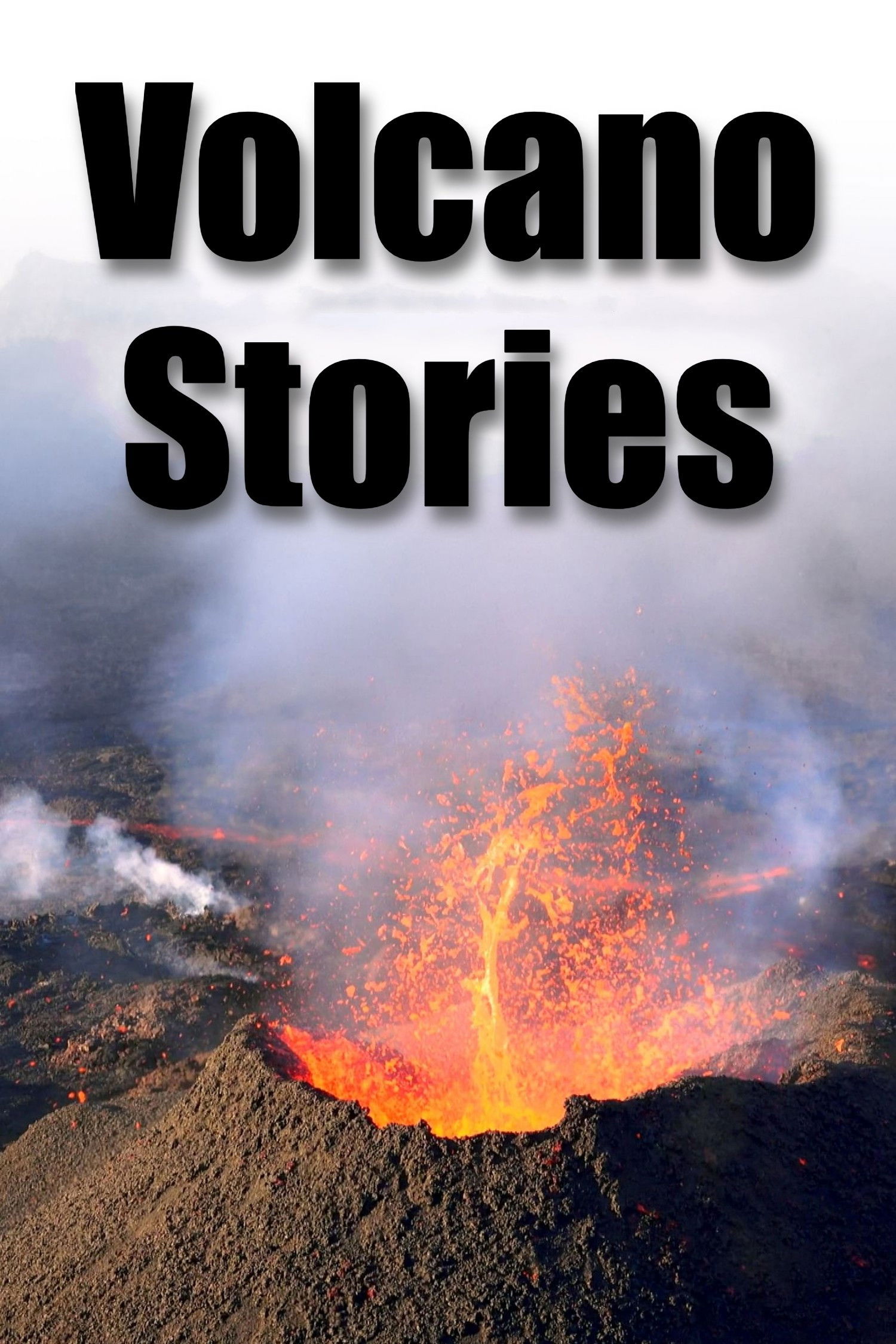
Storm chasers, survivors and first responders recount their harrowing experiences with volcanoes, tornadoes, hurricanes and earthquakes.
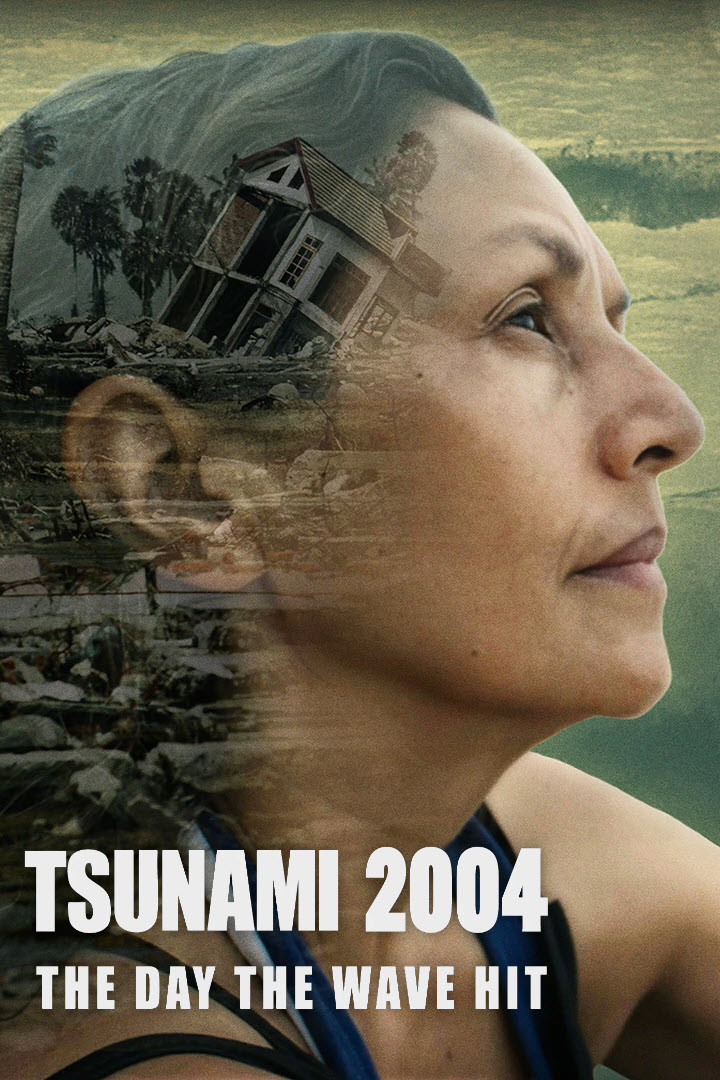
Dr Xand van Tulleken and Raksha Dave tell the dramatic story of the Boxing Day Tsunami, which killed more than 250,000 people.
Natural and man-made catastrophes retold by eyewitnesses and dramatic reconstructions.
The untold human stories behind some of the world’s greatest disasters.
This remarkable science-history series investigates the blistering pace of human endeavour in space exploration, computing, energy, resources, Earth science and our understanding of the evolution of life itself.
From Pete, David and Leila - the creators of History Time, Voices of the Past and Something Incredible. From dust to dinosaurs; come with us as we explore the entire history of our planet. History of the Earth tells the entire story of the Earth, from its formation 4.5 billion years ago to today – covering eye-watering geology and bizarre biology along the way.
A unique fusion of blue chip natural history and earth science that explains how our living planet operates. This five-part series shows how the forces of nature drive, shape and support Earth’s great diversity of wildlife.
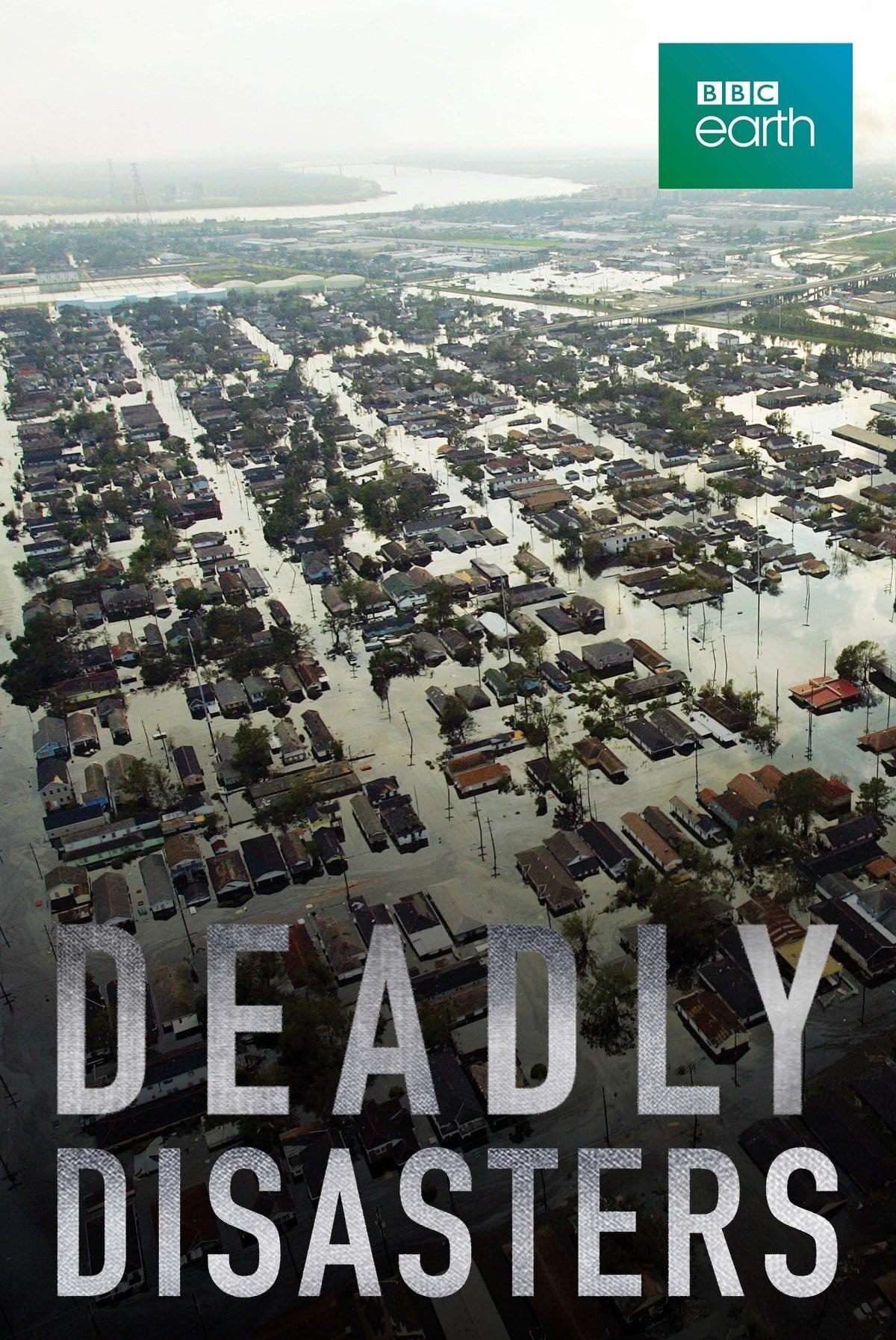
Deadly Disasters explores some of the most terrifying and destructive natural disasters to ever strike the planet, uncovering fascinating new details and packed with jaw-dropping footage.
A minute-by-minute account of the December 2004 tsunami, which destroyed towns and villages across the Indian Ocean, killing 230,000.
The definitive story of the deadly 2004 tsunami as it travels from country to country, with unseen archive video and untold stories of survival.
The catastrophic floods of New York, Bangkok and New-Orleans have shed light on the extreme vulnerability of more than 130 coastal cities faced with the violence of the sea. The mega-cities are threatened by a series of unusual phenomena: a surprising subsidence of soils, an unexplained rising of the level of the sea in some parts of the world, an increase in the frequency of extreme climatic events and exponential urbanization. Considering that science is capable of anticipating dangers and of suggesting protections, why do such disasters occur so often? Can they be avoided?

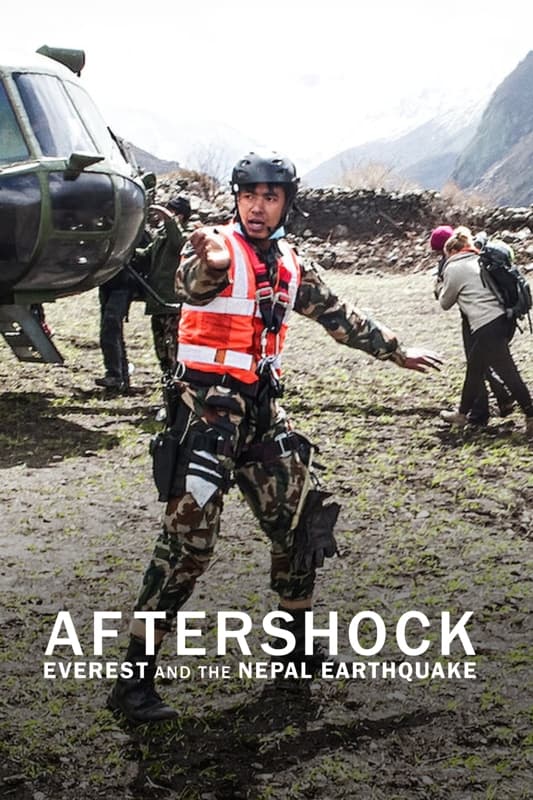
After a terrible earthquake in Nepal, locals and tourists join forces to face destruction in this gripping docuseries.
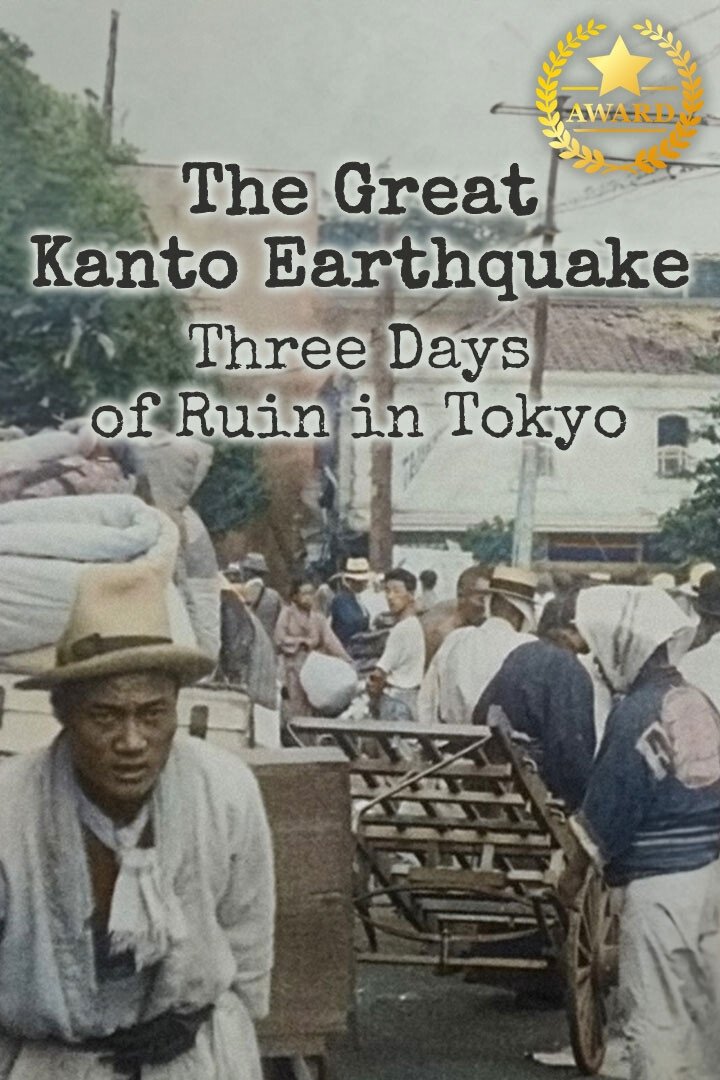
A century after the Great Kanto Earthquake, previously unknown details have been extracted from newly 8K remastered and colorized footage, vividly demonstrating how Tokyo citizens faced the disaster.
New Zealand is a geologically young land, created and shaped by tectonic forces, volcanism and the elements. It is a living laboratory for scientists seeking to more accurately understand and predict volcanic eruptions and earthquakes.
A series of looks into extraordinary natural disasters and their impact on the people around them.
Natsuna Kunugi, a university student in Tokyo, visits Kumamoto in search of friends who she could not contact following the Kumamoto earthquakes. There, she meets local people who are full of compassion and uniqueness, including the energetic junior high school student, Izumi. A heartfelt coming-of-age story begins.
An earthquake directly beneath the Tokyo metropolitan area is said to occur with a 70% probability within 30 years. Staged in a news center of a TV station where a huge amount of damage information and images are gathered.
When a big storm arrives that can flood the lower parts of the Netherlands and Belgium, prime minister Hans Kreuger has to make a decision; can we evacuate four million people? Going for the evacuation of civilians, hospitals and prisons will take at least 4 days.
Superstorm is a three-part British docudrama miniseries written and directed by Julian Simpson, about a group of scientists that try to divert and weaken hurricanes using cloud seeding. Superstorm originally aired on BBC One for a period of three weeks, totaling three 59 minute episodes, from 15 April 2007 to 29 April 2007. Each episode was followed by a half-hour documentary on BBC Two on extreme weather monitoring and forecasting, called The Science of Superstorms. The series was also aired on the Discovery Channel in the U.S. and Canada during the summer of 2007. Superstorm is a co-production of BBC Worldwide, Discovery Channel and ProSieben, in association with M6 and NHK. Ailsa Orr and Michael Mosley, who made also Supervolcano, are the executive producers for BBC, while Jack E. Smith is the executive producer for Discovery Channel. The miniseries was released on DVD in the United Kingdom on 2 July 2007.