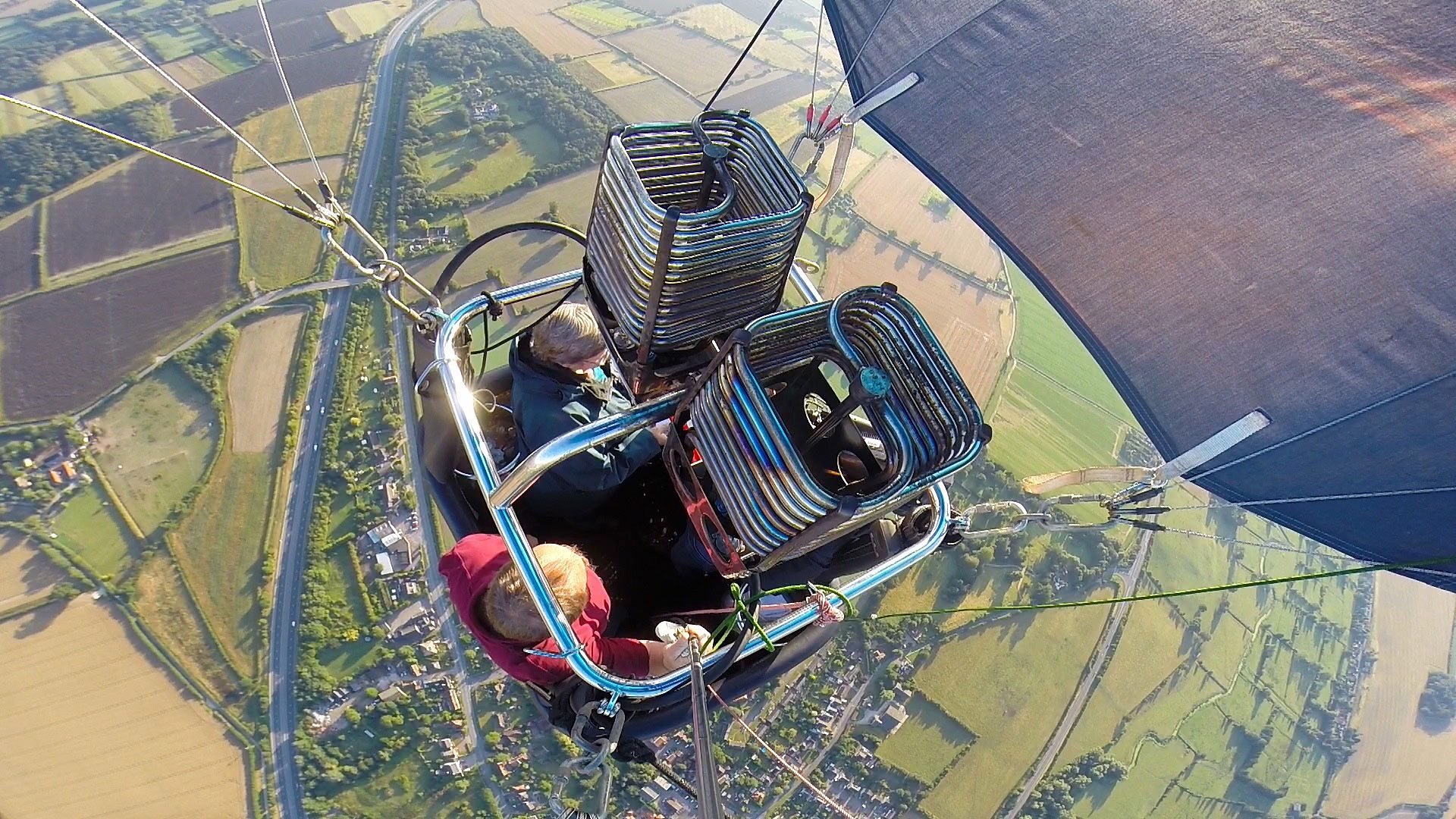
Horticulturist Christine Walkden embarks on a journey to explore Britain's gardens and countryside from a hot-air balloon.
Social & External
Self - Presenter
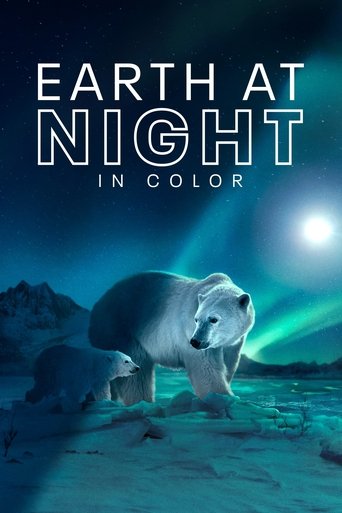
This nature series’ new technology lifts night’s veil to reveal the hidden lives of the world’s creatures, from lions on the hunt to bats on the wing.
Jacques Cluzaud and Jacques Perrin invite you to an amazing Trip through all times. From the immensity of the Glaciar to the Forests, passing 20000 years from the wild animals point of view.
Documentary revealing the weird and wonderful stories of some of the natural world's most incredible parents.
A group of the best survival experts in the world take on an un-survivable situation: 40 days. 40 nights. No food, water or clothes. To survive they'll need to master the environment, pushing far beyond the breaking point. Will even one be able to finish?
The people, places and stories making news in the British countryside.
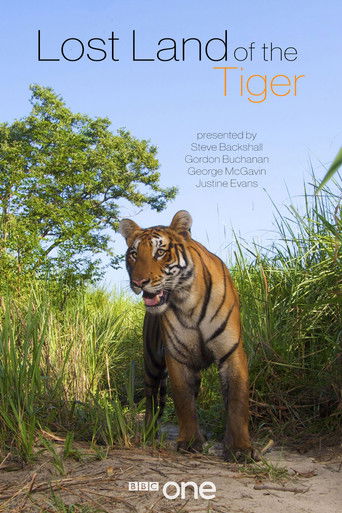
Gordon Buchanan helps cat expert Dr Victor Lukarevsky as he tries - for the first time ever - to rescue and rehabilitate lynx from the lucrative fur and pet trades back to the wild.
Young animals love nothing more than play. But science is now revealing the astonishing benefits animals gain from it. This series uncovers the secrets behind their games.
Filmed over the course of more than six years at some of nature's most spectacular locales – from Acadia to Yosemite, Yellowstone to the Grand Canyon, the Everglades of Florida to the Gates of the Arctic in Alaska - “The National Parks: America's Best Idea” is nonetheless a story of people: people from every conceivable background – rich and poor; famous and unknown; soldiers and scientists; natives and newcomers; idealists, artists and entrepreneurs; people who were willing to devote themselves to saving some precious portion of the land they loved, and in doing so reminded their fellow citizens of the full meaning of democracy.
Living Britain is a six-part nature documentary series, made by the BBC Natural History Unit, transmitted from October to December 1999. It was produced by Peter Crawford. It examines British wildlife over the course of one year. Each of the programs takes place in a different time of year.
A BBC/Animal Planet co-production, the three-part series focuses on the landscape and wildlife of the Great Rift Valley in East Africa.
Experience the wildlife of the Okavango Delta, an oasis and lush paradise in Southern Africa that connects a wide array of creatures. Lions chase elephants, who chase hippos, who chase crocodiles.
Examining the extraordinary physiology of animals who launch themselves into the air - whether winged or wingless; bearing feathers, fur, or scales; by day or night. Shot both in the field and on controlled sets, the series reveals the minute details of wing beats and the science of how a tiny Leaf Hopper pulls 500G on takeoff. Each episode concludes with a behind-the-scenes view of how it was made.
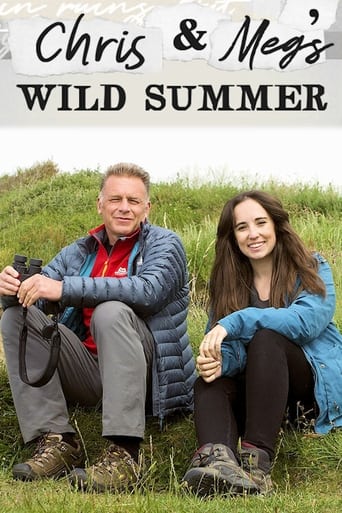
Wildlife presenters Chris Packham and stepdaughter Megan McCubbin go on a road trip with amazing animal encounters, stunning landscapes and time to reflect on their relationship.
Iolo Williams explores the behaviour of birds in Wales, revealing all aspects of their lives from surviving harsh winters and avoiding predators, to living alongside us in our towns and cities.
Television program of cultural diffusion, born in September 1995, designed and conducted by Piero Angela, development of transmission appreciated Quark.
Bear strands himself in popular wilderness destinations where tourists often find themselves lost or in danger.
Each week, Race of Life shows you the animals that have adapted and evolved to survive in their environments and keep predators at bay. In the animal kingdom, each day is a battle for survival, and rushing to stay one step ahead of predators is a tiring job…as the sun rises the race begins all over again.
A three-part British documentary film series about life in the Paleozoic, bringing to life extinct arthropods, fish, amphibians, synapsids, and reptiles. Narrated by Kenneth Branagh and using state-of-the-art visual effects, this prequel to Walking with Dinosaurs shows nearly 300 million years of Paleozoic history, from the Cambrian Period (530 million years ago) to the Early Triassic Period (248 million years ago).