Social & External
Сам себя
Сама себя, вдова Алексея Михалёва
It is a moment unlike any other in time. From coast to coast, Canada is united by the game we call our own. The outcome of this historic "Summit Series" is decided in the final minute of the final game. After playing the Soviets in the Forum, Maple Leaf Gardens, Winnipeg and Vancouver, Team Canada leaves for Moscow with only one victory on home ice. Behind the Iron Curtain, they lose the first of the remaining four at the Luzhniki Ice Palace. What follows, is the most dramatic hockey series ever played.
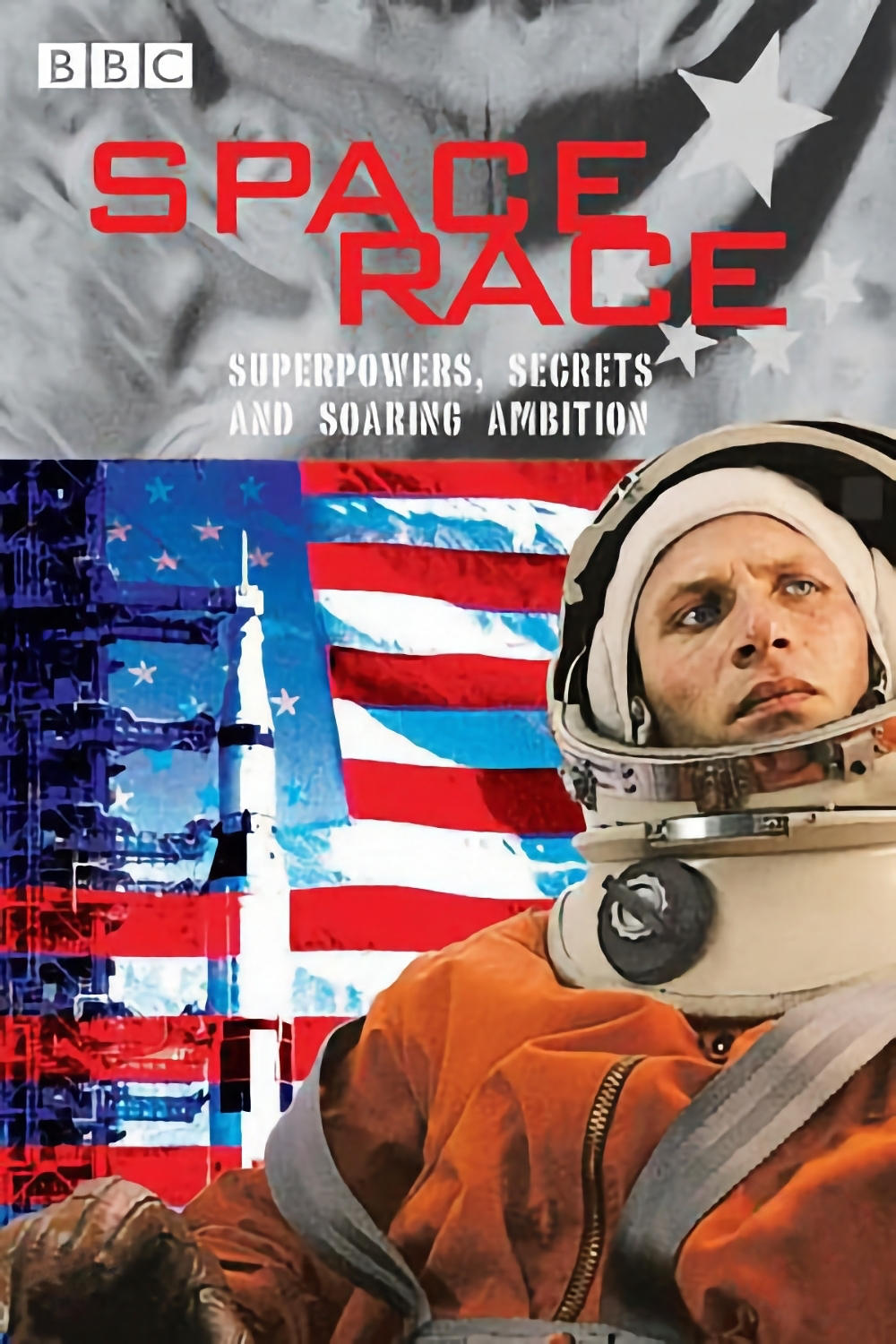
The untold true story behind the Cold War race to put man into space.
The KGB has influenced world events on numerous occasions before. Assassinations, coup d’états, theft of nuclear secrets and sexpionage are just standard trademarks for an organisation that still sends shivers down the spines of politicians and military figures the world over. It may have changed its name on various occasions, from Cheka to SPD to OGPU to NKVD to MGB to KGB to an array of different names after the collapse of the Soviet Union to FSB and SVR today, but it will forever be known, internally and externally, as the KGB.
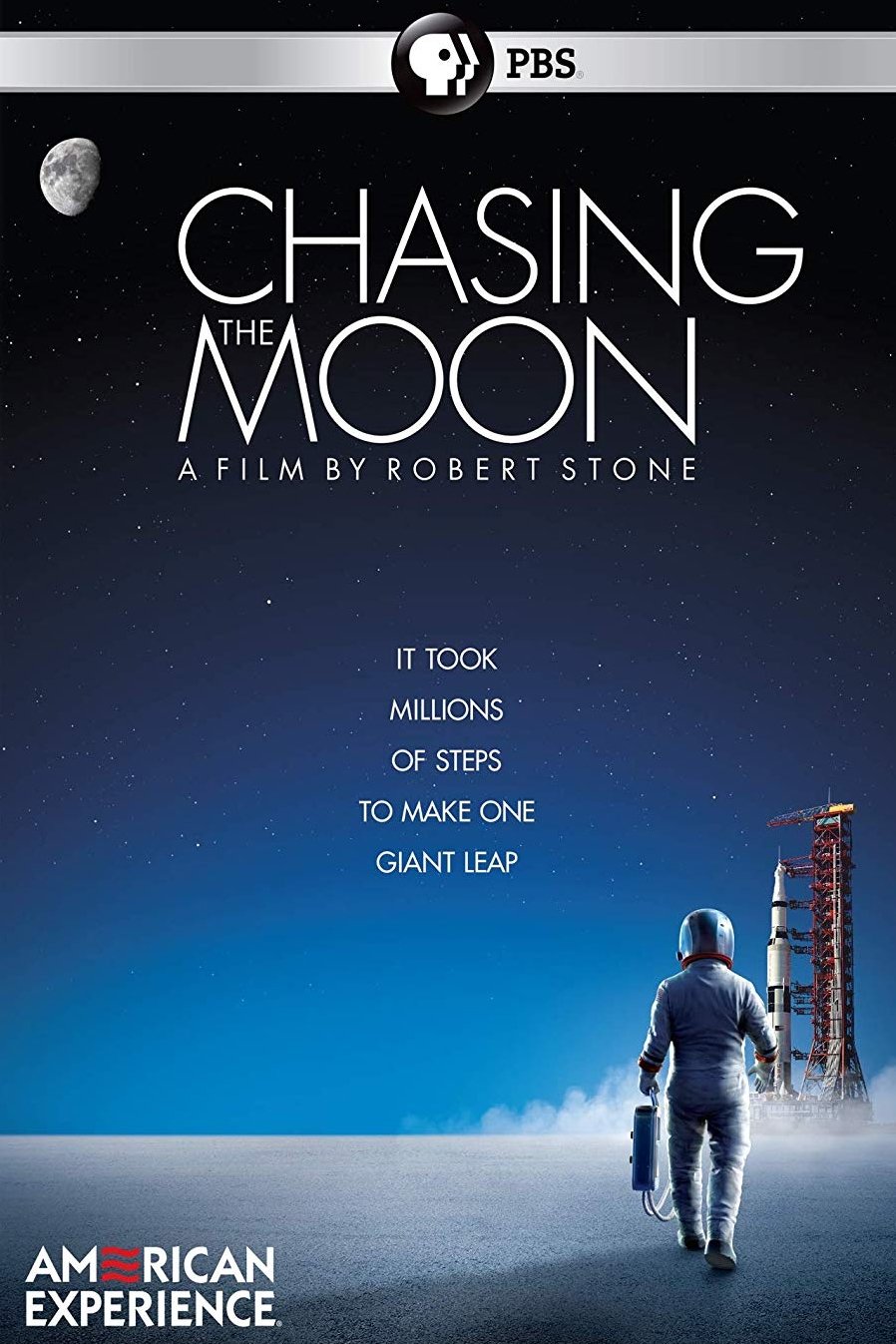
An unprecedented look at the decade-long odyssey to land a man on the moon. This documentary pulls back the curtain on the familiar narrative of the moonshot, revealing a fascinating stew of scientific innovation, political calculation, media spectacle, visionary impulses and personal drama.
Three years in the making, this comprehensive study of the Soviet dictator blends documentary footage and interviews with experts and surviving witnesses.
Dashing authors, the first porn sites and the last bastards. How the Russian Internet appeared and how it changed: from complete freedom to the appearance of censorship and the law on isolation.
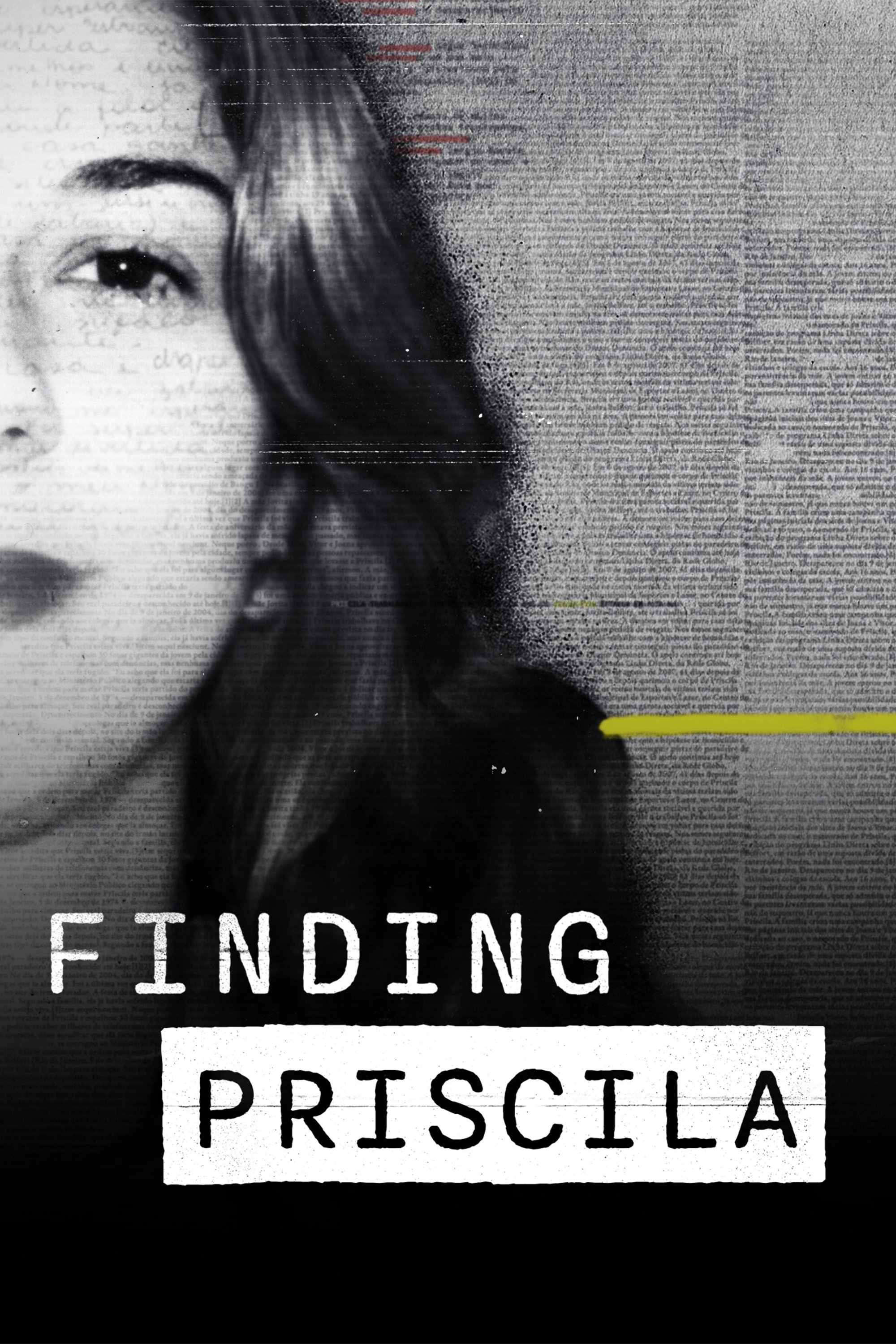
In 2004, Brazil is shaken by the disappearance of Priscila, sister of MMA world champion Vitor Belfort. The police are racing against time to solve the case, but twenty years later, they have more questions than answers.
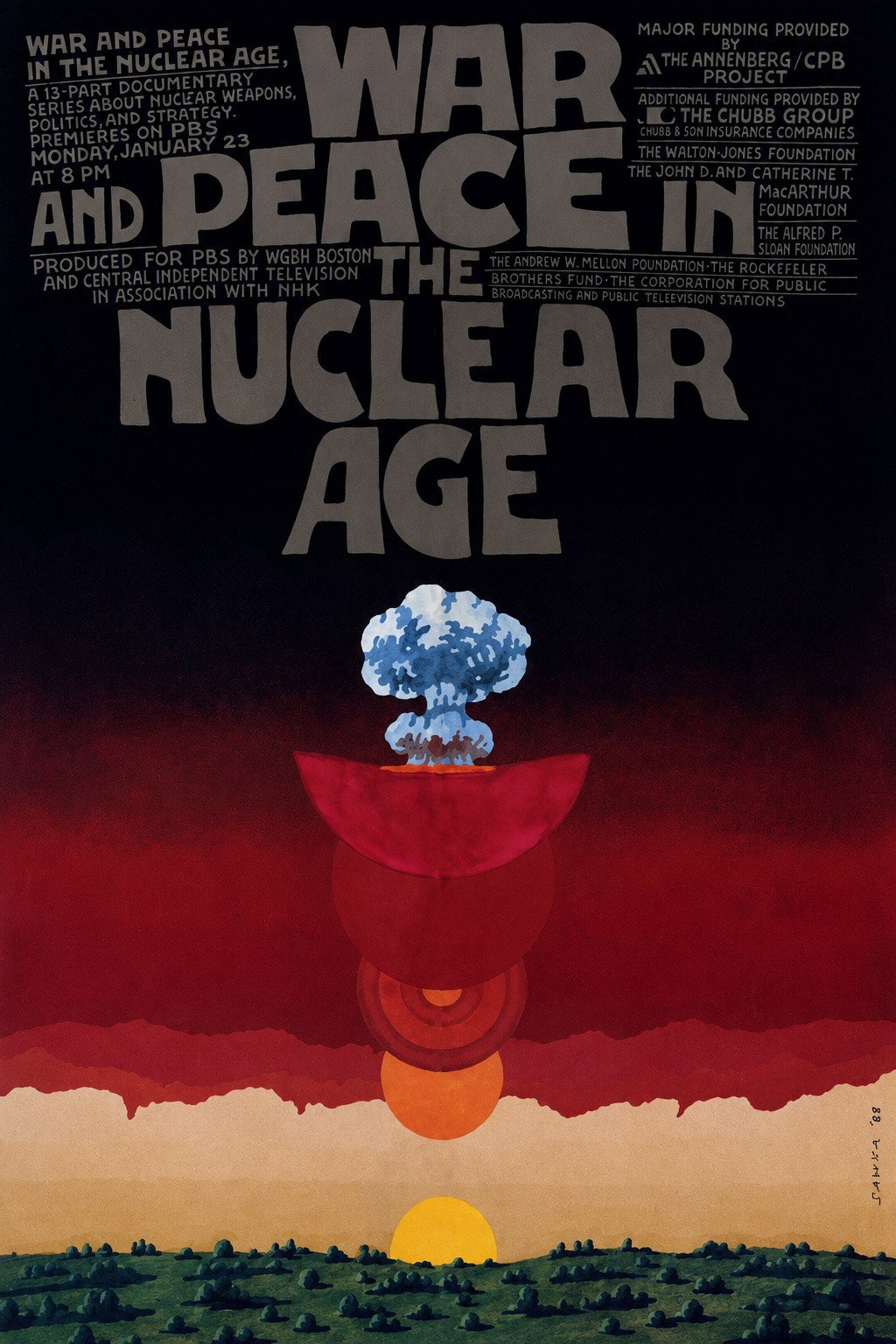
War and Peace in the Nuclear Age, first broadcast in 1989, is a thirteen-part PBS series on the origins and evolution of nuclear competition between the United States and the former Soviet Union. The series examined the rivalry for power and how it shaped the diplomacy, negotiation, ethical debates, and doctrine of deterrence that ran through the forty-year history of the nuclear age. This collection contains the full interviews and selected stock footage from the series.
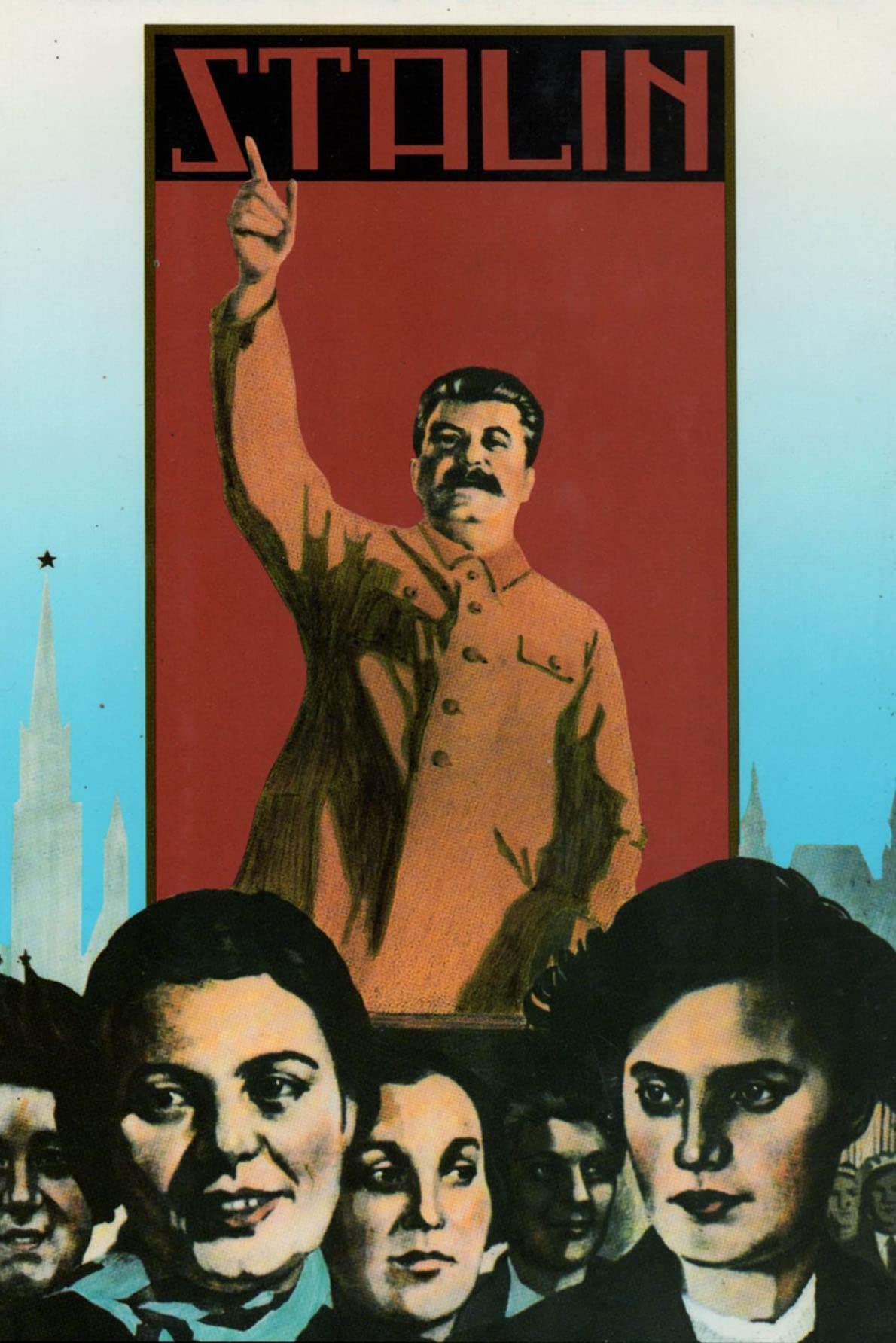
The rise of Stalin, from his early beginning as a bankrobber to the cold-blooded leader of the Soviet Union.
How did the Soviet Union impose its communist ideology on the countries of Central and Eastern Europe after World War II? The story of how, from 1945 until the construction of the Berlin Wall in 1961, these countries were gradually subjected to the totalitarian Soviet yoke.
A major political, historical, human and economic fact of the 20th century, the Gulag, the extremely punitive Soviet concentration camp system, remains largely unknown.
Actual crime scene video is paired with real home video to set up and unravel an intimate and emotionally powerful mystery.
What it felt like to live through the collapse of communism and democracy. A series of films by Adam Curtis.
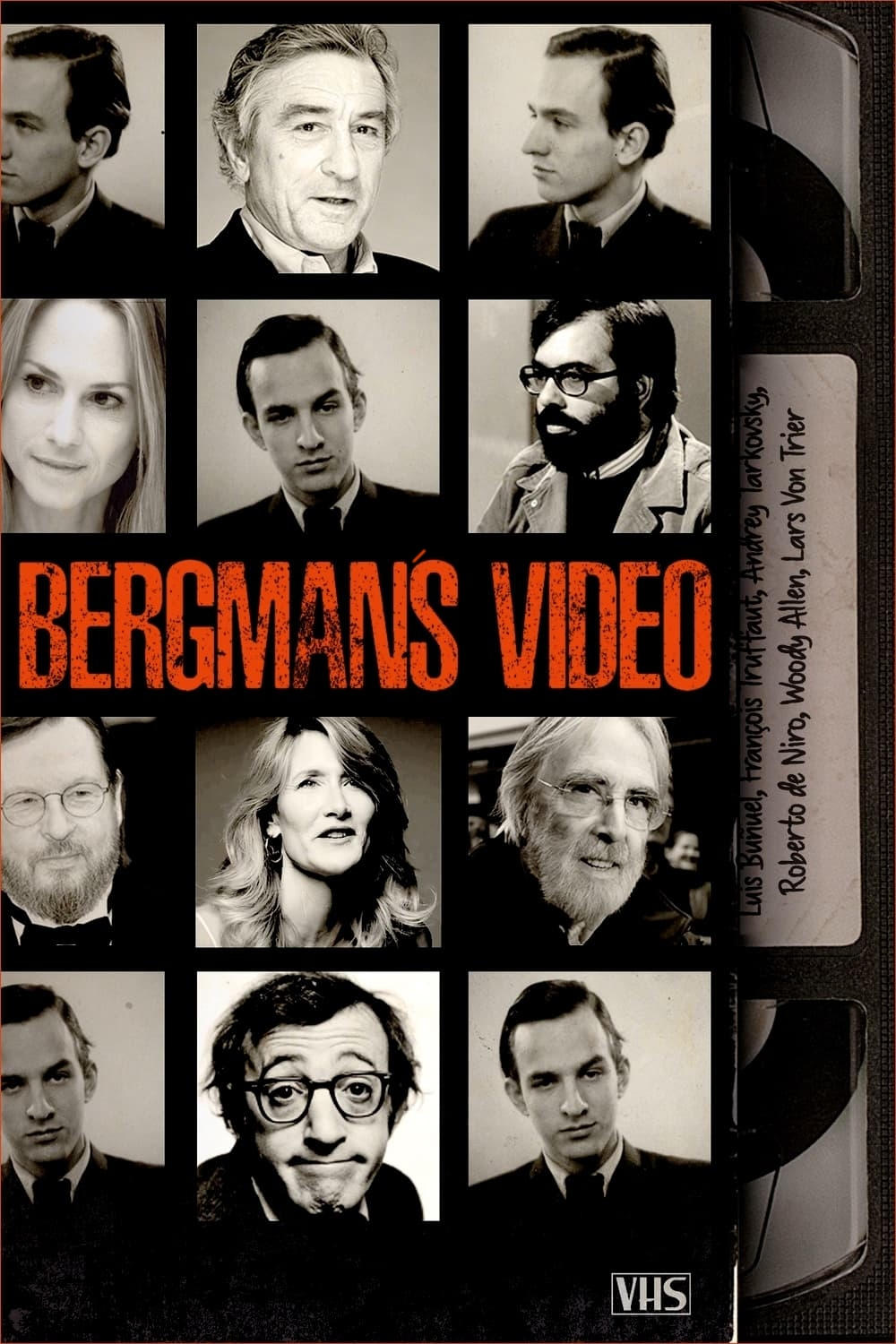
In the sixties, Swedish filmmaker Ingmar Bergman (1918-2007) built a house on the remote island of Fårö, located in the Baltic Sea, and left Stockholm to live there. When he died, the house was preserved. A group of very special film buffs, came from all over the world, travel to Fårö in search of the genius and his legacy. (Released in 2013, edited and abridged, as Trespassing Bergman.)
The Great Purge orchastrated in the Soviet Union during 1937-38 cost almost 700 000 lives. Especially ethnic minorities were targeted. Four-part documentary tells the story of what happened to the people living the Soviet Union, and how the terror was built in the red dictatorship.
With firsthand accounts and access to prominent figures around the world, this comprehensive docuseries explores the Cold War and its aftermath.
The War of the Century: When Hitler Fought Stalin, is a BBC documentary film series that examines Adolf Hitler's invasion of the Soviet Union in 1941 and the no-holds-barred war on both sides. It not only examines the war but also the terror inside the Soviet Union at the time due to the paranoia of Joseph Stalin - the revenge atrocities, the Great Purge of army officers, the near-lunacy orders, and the paranoia of being upstaged by others, especially Marshal Zhukov. The historical adviser is Ian Kershaw.
American Masters is a PBS television series which produces biographies on enduring writers, musicians, visual and performing artists, dramatists, filmmakers, and others who have left an indelible impression on the cultural landscape of the United States.
1889: the five remaining vampire clans in Europe are training to survive. In their midst is 14-year-old Alisa who has the power to choose between eternal life as a vampire or for all vampires to live as humans.
Investigates a wide range of historically compelling topics and the mysteries surrounding each including the Titanic, D.B. Cooper, Roswell, John Wilkes Booth, and more. Fresh, new evidence and perspectives will be showcased, such as never-before-released documents, personal diaries and DNA evidence.
A documentary on the American Civil War narrated by Ken Burns, covering the secession of the Confederacy to the assassination of Abraham Lincoln.
Steve Martin is one of the most beloved and enigmatic figures in entertainment. Dive into his extraordinary story from two distinct points of view—past and present—as Martin reflects on how his beginnings led to his unexpectedly fulfilling life today.
Maritime mysteries—old and new—come to life in this series, combining scientific data and digital re-creations to reveal shipwrecks, treasures, and sunken cities on the bottom of lakes, seas and oceans around the world.
Inspired by his late mentor, Will Smith spends 100 days facing extreme challenges, venturing from pole to pole with scientists, explorers and experts.
This anthology of animated shorts from around the world celebrates the mythos of Star Wars through unique cultural lenses.
WWII in HD is a 10-part American documentary television miniseries that originally aired from November 15 to November 19, 2009 on the History Channel. The program focuses on the firsthand experiences of twelve American service members during World War II, including an Army nurse, a member of the Tuskegee Airmen, a second generation Japanese American and prisoner of war, and an Austrian Jewish immigrant. The twelve members recorded their time in both theaters and some had later interviews; found footage from the battlefield was paired with the stories of the twelve service members. The episodes premiered on five consecutive days, with two episodes per day. The series is narrated by Gary Sinise and was produced by Lou Reda Productions in Easton, Pennsylvania, United States.
Executive producer Jon Favreau invites the cast and crew of The Mandalorian to share an unprecedented look at the making of the series. Each chapter explores a different facet of the first live-action Star Wars television show through interviews, never-before-seen footage, and roundtable conversations hosted by Favreau himself.
The story of the Second World War through the personal accounts of a handful of men and women from four American towns. The war touched the lives of every family on every street in every town in America and demonstrated that in extraordinary times, there are no ordinary lives.
Monsters can be found lurking behind any innocent smile and on any street corner in America. Never-before-seen-video footage stares straight into the eyes of these killers who hide in plain sight. Anyone can be a monster.
Morgan Freeman presents his quest in order to find how most religions perceive life after death, what different civilizations thought about the act of creation and other big questions that mankind has continuously asked.
The Rifleman is an American Western television program starring Chuck Connors as rancher Lucas McCain and Johnny Crawford as his son, Mark McCain. It was set in the 1880s in the town of North Fork, New Mexico Territory. The show was filmed in black-and-white, half-hour episodes. "The Rifleman" aired on ABC from September 30, 1958 to April 8, 1963 as a production of Four Star Television. It was one of the first prime time series to have a widowed parent raise a child.
A great warrior is displaced to the distant future by the evil shape-shifting wizard Aku. The world has become a bleak place under the rule of Aku, segregated into fantastic tribes and ruled by Aku's evil robot warlords. Jack travels this foreign landscape in search of a time portal that can return him to his home time so he can "undo the future that is Aku!".
While searching for history's greatest treasure, Jess Valenzuela unburies her family's secret past.
Refugees from a war-torn country start showing up to seek asylum in an American town. Only the country these people are from is America and the war they are fleeing is 250 years in the future. The local sheriff with a past, a federal agent and a mother in search of her missing refugee daughter drive this allegory with a surprising conspiracy at the center.
Motoring programme featuring reviews of and reports about cars of all types.
Explore American cinema through the decades and the cultural, societal and political shifts that framed its evolution.
A masked figure known as "The Curious" collects tales of dark magic, otherworldly encounters and twisted technology in this kids anthology series.