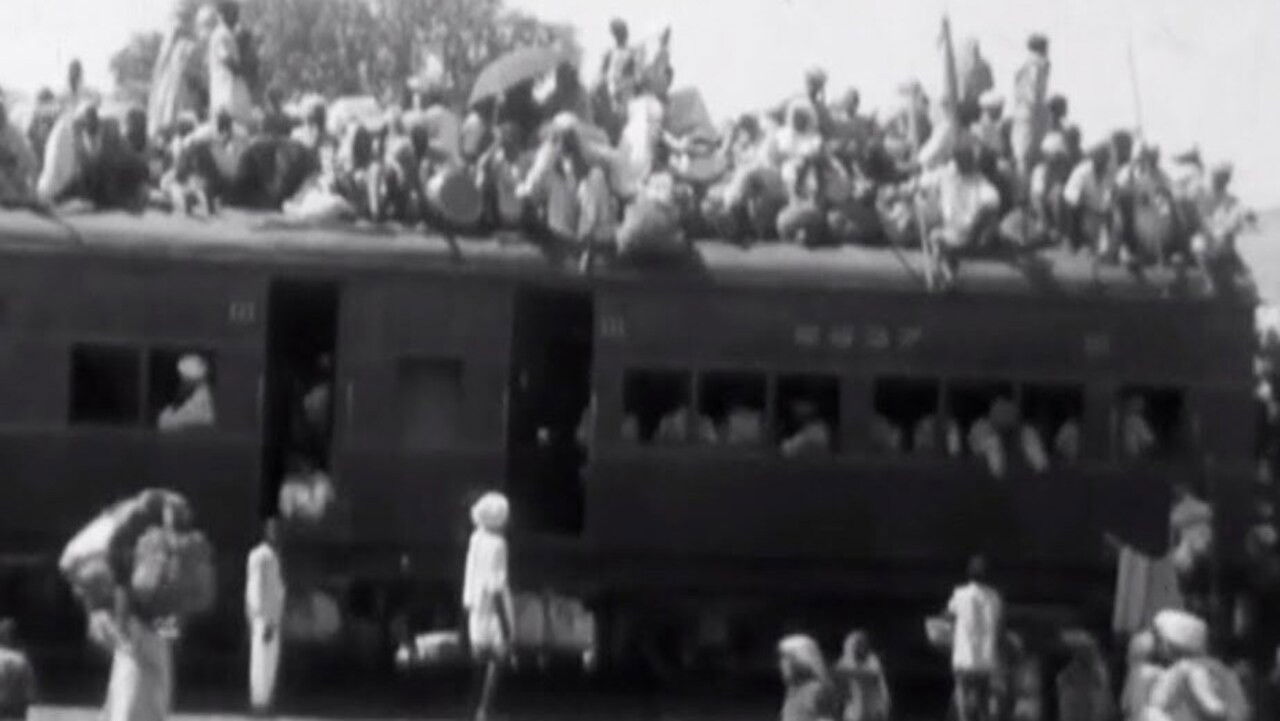
Millions of Muslims flee to Lahore in the newly created state of Pakistan, prompted by the partition of British India.
Social & External
This short 19-minute documentary is an intimate and moving exploration of the profound and far-reaching impact of surveillance on Muslim American individuals and communities. Premiering at the 2017 Tribeca Film Festival, WATCHED is told through the personal experience of two women, both coming of age in New York. The film charts the devastating toll of surveillance and reveals the scars it leaves behind.
Muslim boxer, Bianca 'Bam Bam' Elmir, aims to be the first Australian to win a World Amateur Boxing Championship.
"Nasr Hamed Abou Zayd is not Godot, and the expectation promised by the title is misleading: this great gentleman is present in almost every shot. Who is he? An Egyptian Muslim theologian of international reputation, he has published exegeses of the Koran which led to his being condemned for apostasy. Exile, forced divorce from his wife Ibtihal Younes since his marriage was subject to annulment, separation from his son, such are the consequences of his writings. But Abou Zayd has not given up, residing in Leiden in the Netherlands, he continues, always on the road, to give conferences, to explain with great serenity his positions in public debates, on television, etc. C It is this particularly impressive dedication that Mohammad Ali Atassi's camera recorded over a period of six years.
Habibur Rahman’s The River of Partition (Ichamati, 2023) documents this riverine environment, the diverse communities that live around it, and the socio-historical role played by the river in the wake of the partition of India in 1947 and the creation of Bangladesh in 1971.
Commentator-comic Bill Maher plays devil's advocate with religion as he talks to believers about their faith. Traveling around the world, Maher examines the tenets of Christianity, Judaism and Islam and raises questions about homosexuality, proof of Christ's existence, Jewish Sabbath laws, violent Muslim extremists.
Per Persson left Sweden 40 years ago. In Pakistan he fell in love and became the father of two daughters. Trouble starts when the girls grow up and the family decides to emigrate to Sweden. When they end up living in a caravan outside Hässleholm, all their expectations are dashed.
As a gay man, filmmaker Arshad Khan examines his troubled relationship with his devout, Muslim father Abu. Using family archives and movies, Khan explores his struggle with his identity and compares it to his parents attempts to fit into Canada.
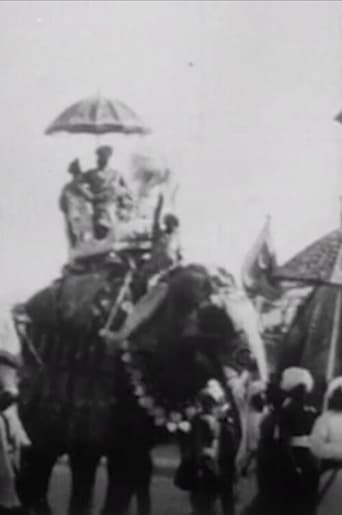
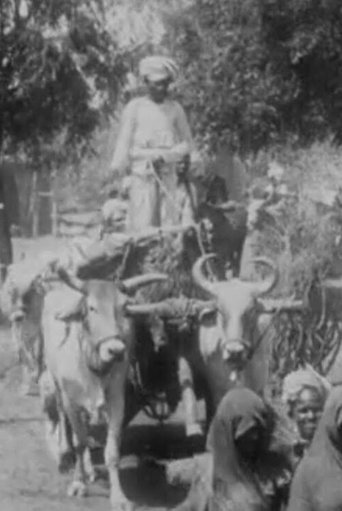
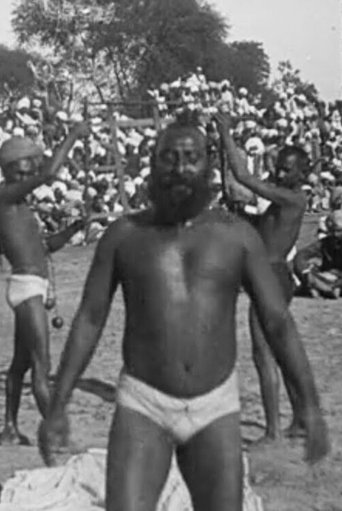
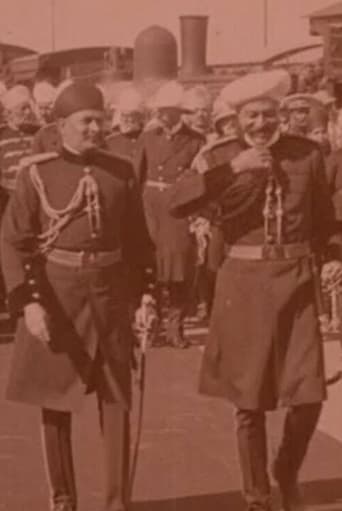
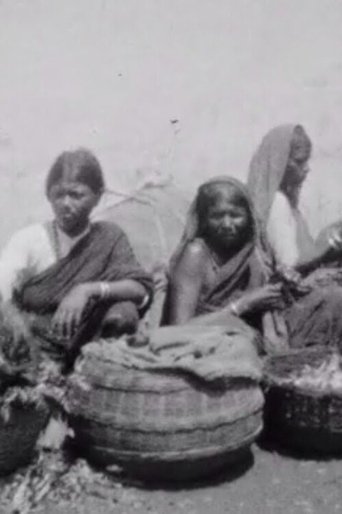
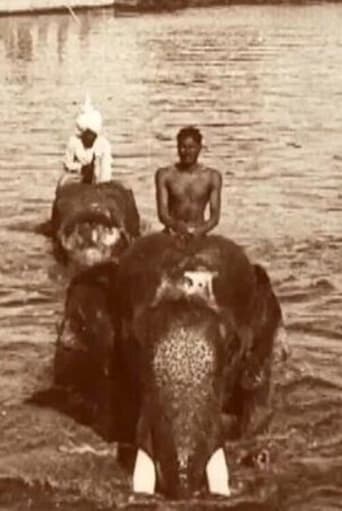
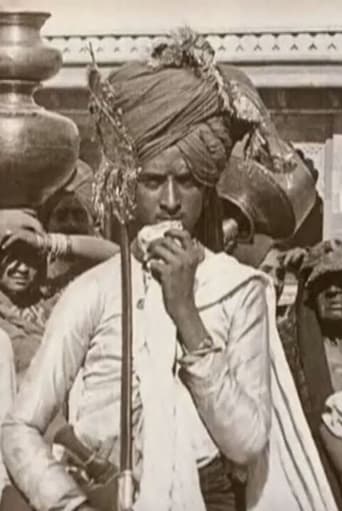
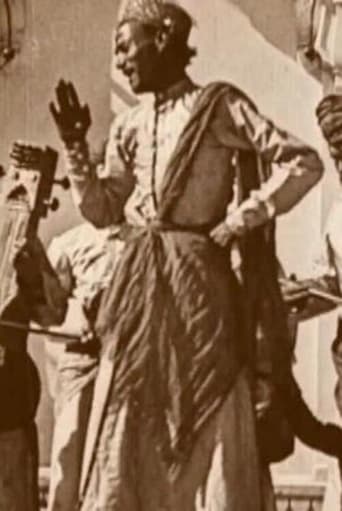
Early film of a crowded street scene in an unidentified Indian city.
In 1954, a German-Austrian expedition led by Mathias Rebitsch set off for the difficult-to-access Karakoram Mountains, geographically north of the Himalayas. They come across the Hunza, a people who live in the valley of the same name and believe they are descended from the soldiers of Alexander the Great. The documentary conveys impressions of the poor life of the Hunza people, the harvest, a court hearing, festivals and the children's everyday school life. Finally, the expedition sets off again and sets up its main camp on the moraine ridge of a glacier, where they measure the glacier and the earth's magnetic field. Finally, some men from the research community set off for a sub-peak of Batura.
In a community of a Muslim majority, the first woman pastor in the Middle East leads a parish in one of the poorest city of the Mediterranean, in the heart of Tripoli, North Lebanon.
A filmmaker and rapper duo revive Michel Gondry’s “Be Kind Rewind” protocols - a set of filmmaking “rules” with which groups of strangers can conceive, shoot, and screen a film in just two and a half hours. Against the grim backdrop of the stringent Shanghai lockdown, the event soon turns into a sanctuary for individuals to forge collective dreams.
Remarkable amateur footage of Mahatma Gandhi shot by his great nephew in 1947.
Attractive travelogue filmed in and around Delhi's Qutb complex.
Gorgeously dreamlike colour images of (then) French India – present-day Puducherry.
A Hazara film director follows a gravestone maker, a water girl and a man who buried his limb, as their daily lives unfold in a graveyard.
Bobbing around on Mediterranean waters aboard the Ocean Viking, aid workers from the French relief service SOS Méditerranée gaze at the horizon. Is that a rubber dinghy in the distance, or is it garbage? The organization sails up and down the Libyan coast looking to pick up refugees in boats. On board is a 30-strong team ready to offer help and support refugees with their asylum applications.
A cell phone was the only thing that kept Yonas, an Eritrean refugee, connected to Jérôme, the French journalist who wanted to tell his story. They met in Libya in 2019, in the abyss of a detention center. Yonas managed to escape and attempted several times to cross the Mediterranean. Like many others who jump from one hell to another, Yonas's only option was to flee forward, and what lay before him was a small boat. Yonas's News chronicles the epic journey in which his life was at stake, summarized in the WhatsApp and voice messages, photos, and videos he was able to exchange with Jérôme. Jérôme Tubiana, journalist, researcher, and member of Doctors Without Borders, has visited Libya five times between 2018 and 2020.
Refuge(e) traces the incredible journey of two refugees, Alpha and Zeferino. Each fled violent threats to their lives in their home countries and presented themselves at the US border asking for political asylum, only to be incarcerated in a for-profit prison for months on end without having committed any crime. Thousands more like them can't tell their stories.